

 Frederick Victor
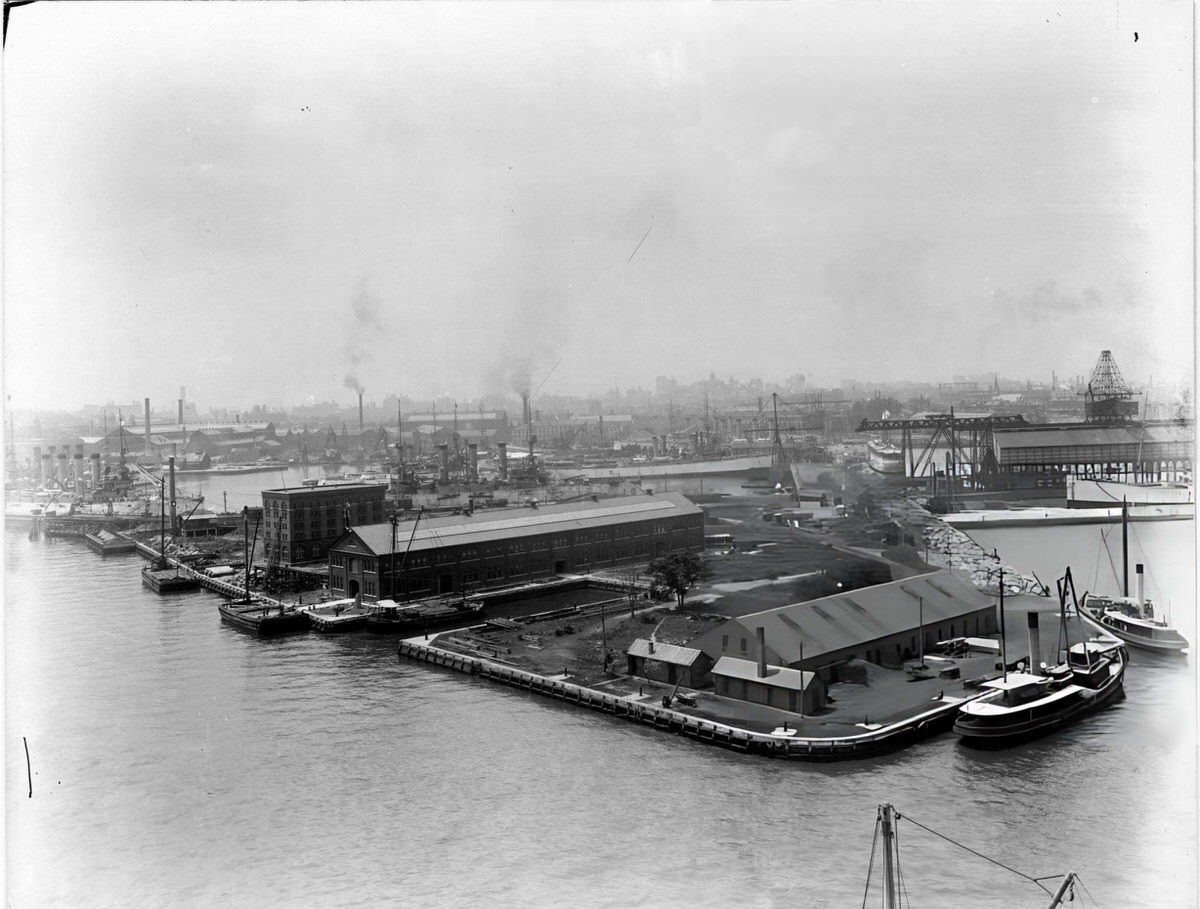
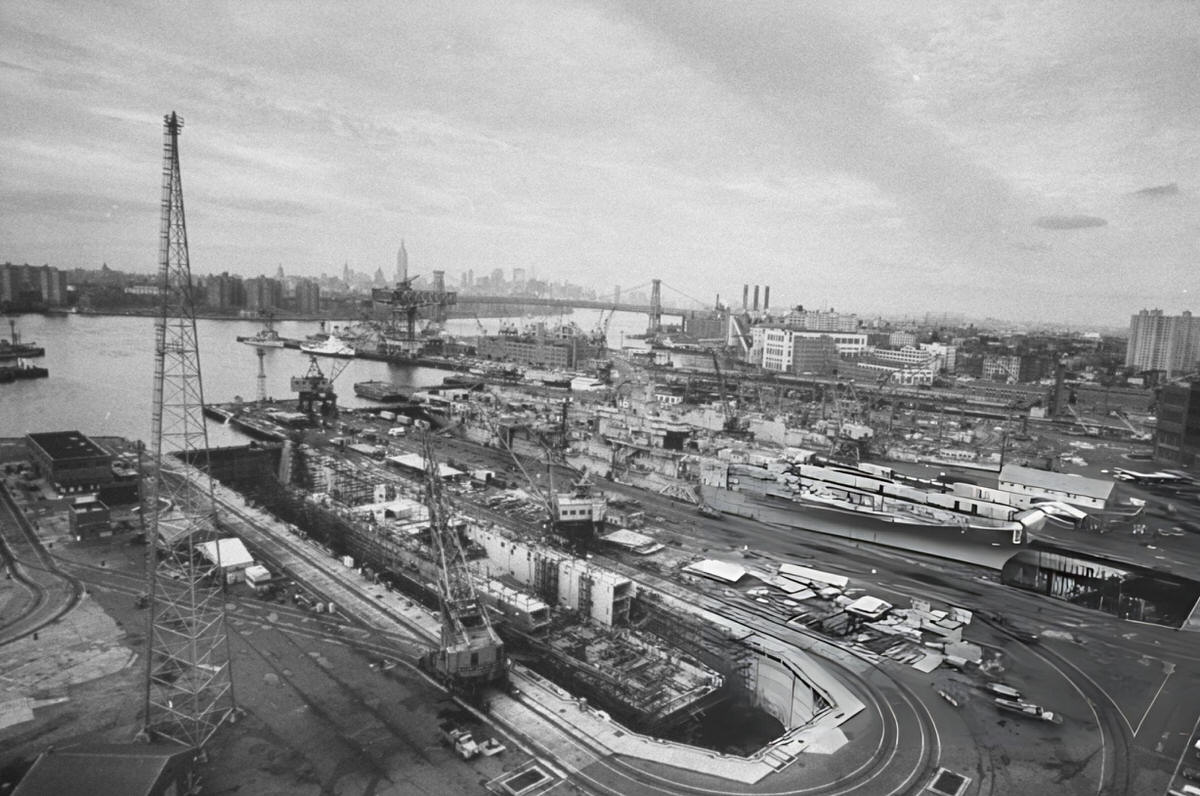
In 1801, the U.S. Navy purchased 40 acres of tidal marshland along the East River in Brooklyn, New York. The land was not impressive. It was wet, flat, and not much to look at. But what mattered was its location — directly across the river from Manhattan, with deep water and a sheltered harbor.
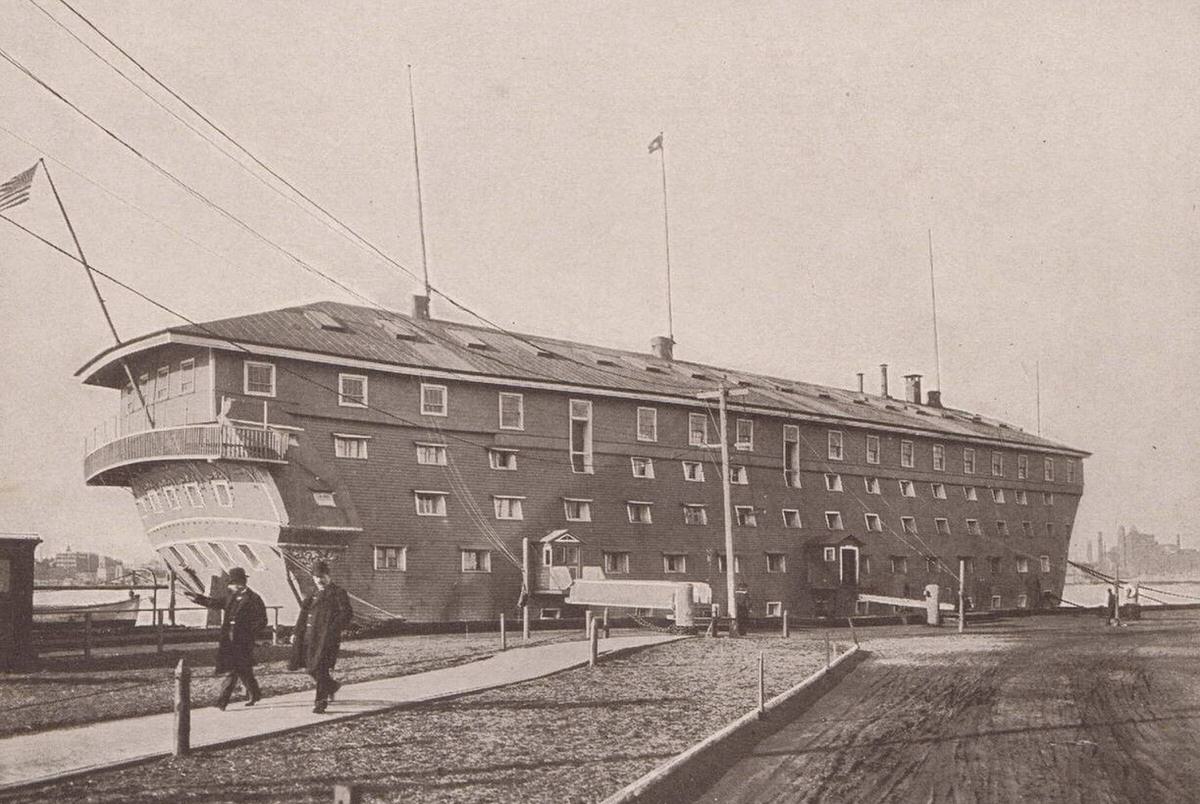
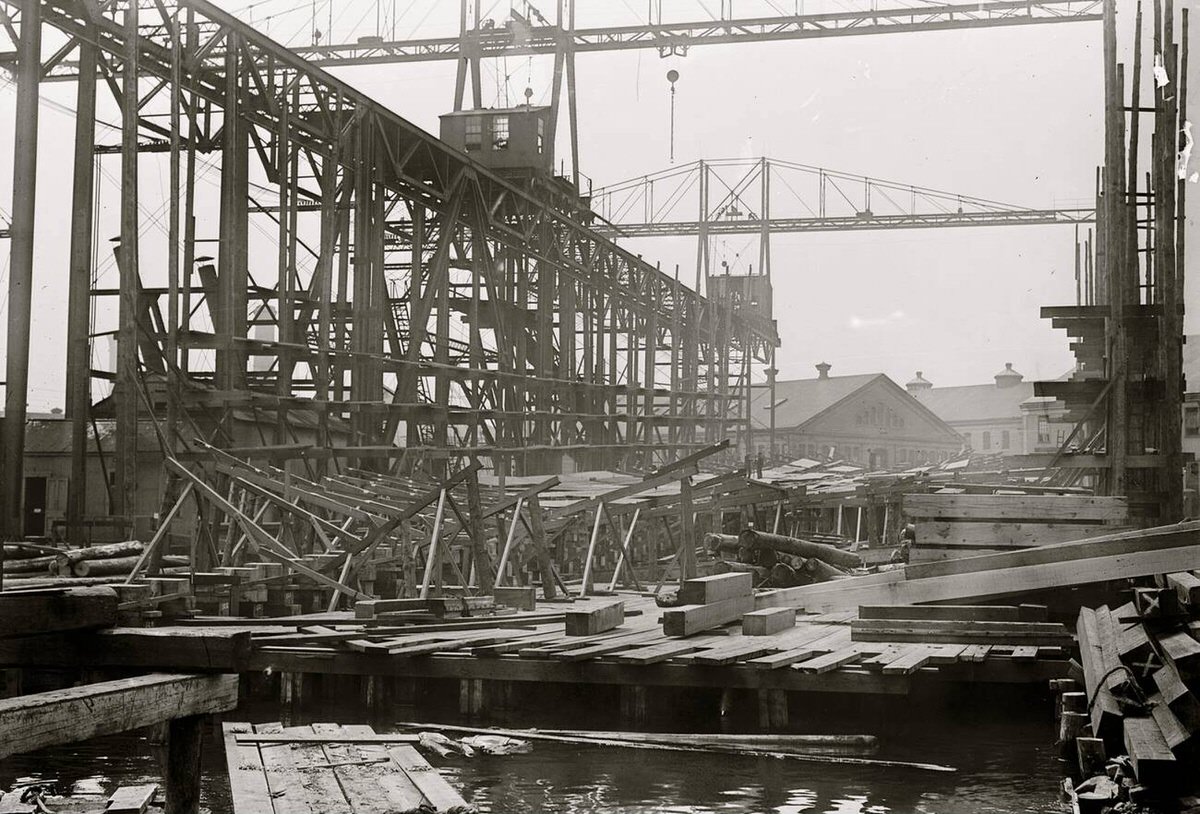
The Navy got to work draining and filling the land. By the time the first dry dock was built in 1851, the yard had already launched dozens of warships. The dry dock itself was a major engineering achievement. It took fifteen years to build and could hold the largest ships of the era completely out of water for repairs. Workers carved it from granite by hand.
Early ships built at the yard were wooden and wind-powered. The USS Ohio, launched in 1820, was one of the largest warships America had ever built at that time — 74 guns, three decks, and a crew of 800 men. It was the kind of ship that made foreign navies pay attention.
The Civil War Changes Everything
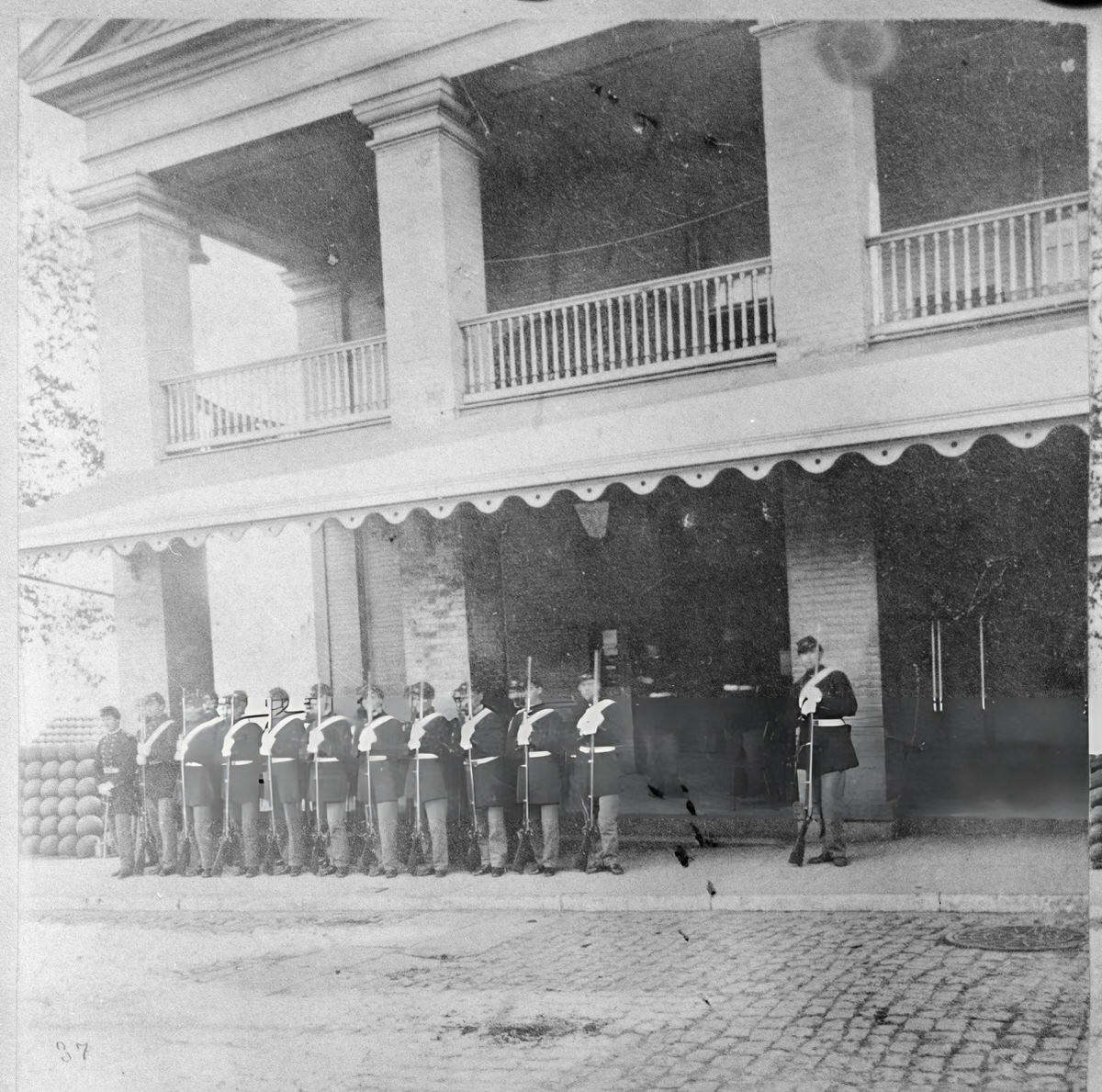
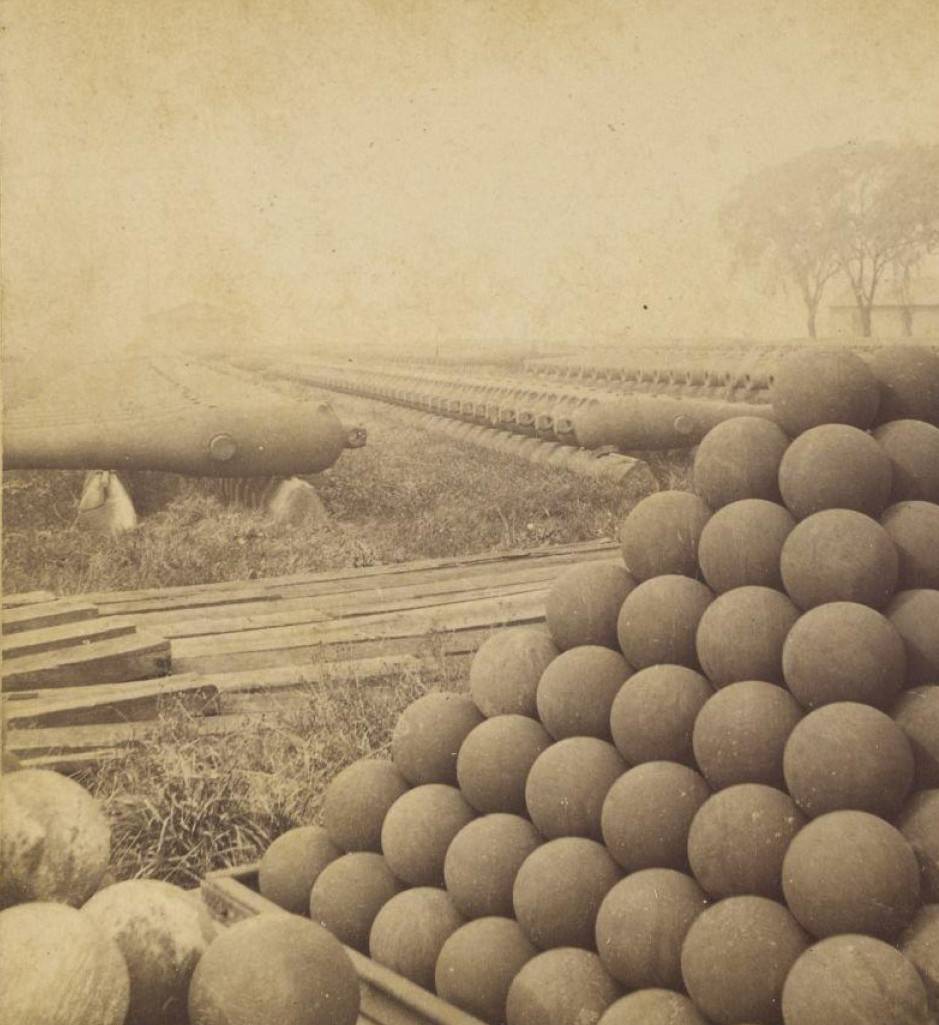
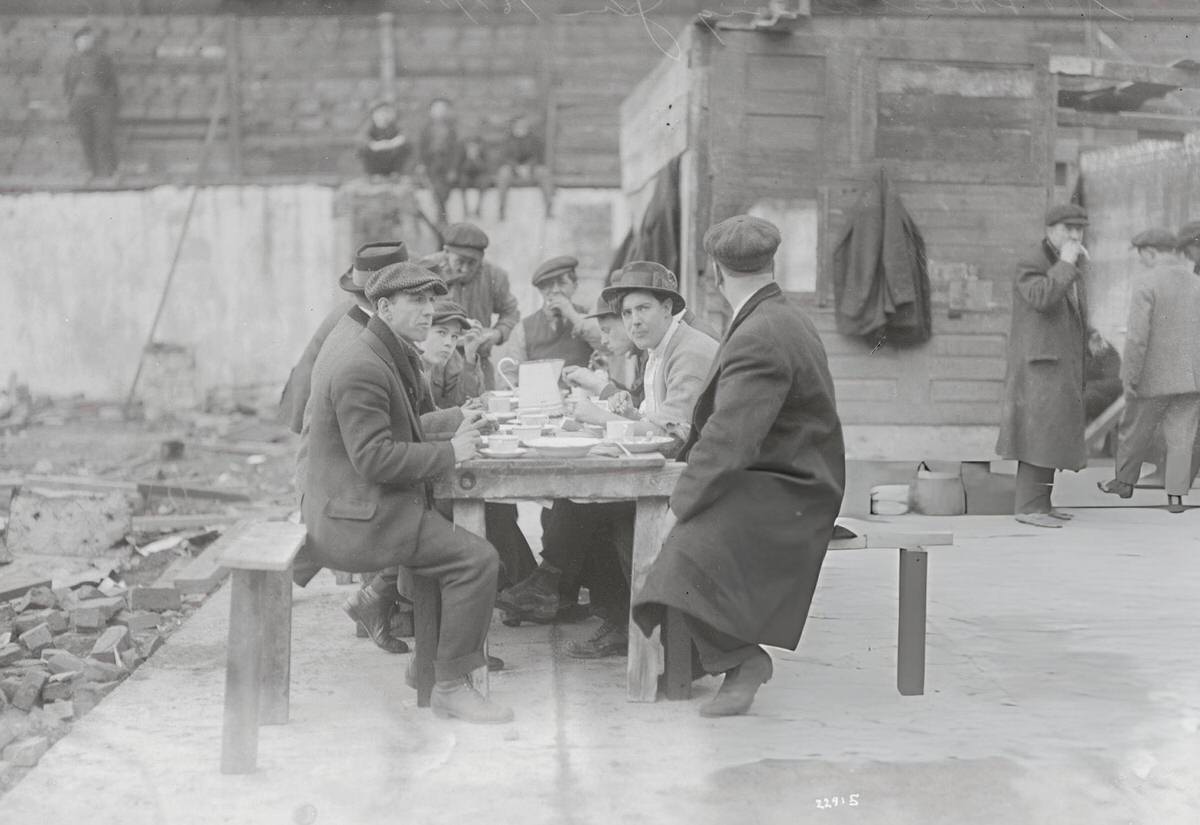
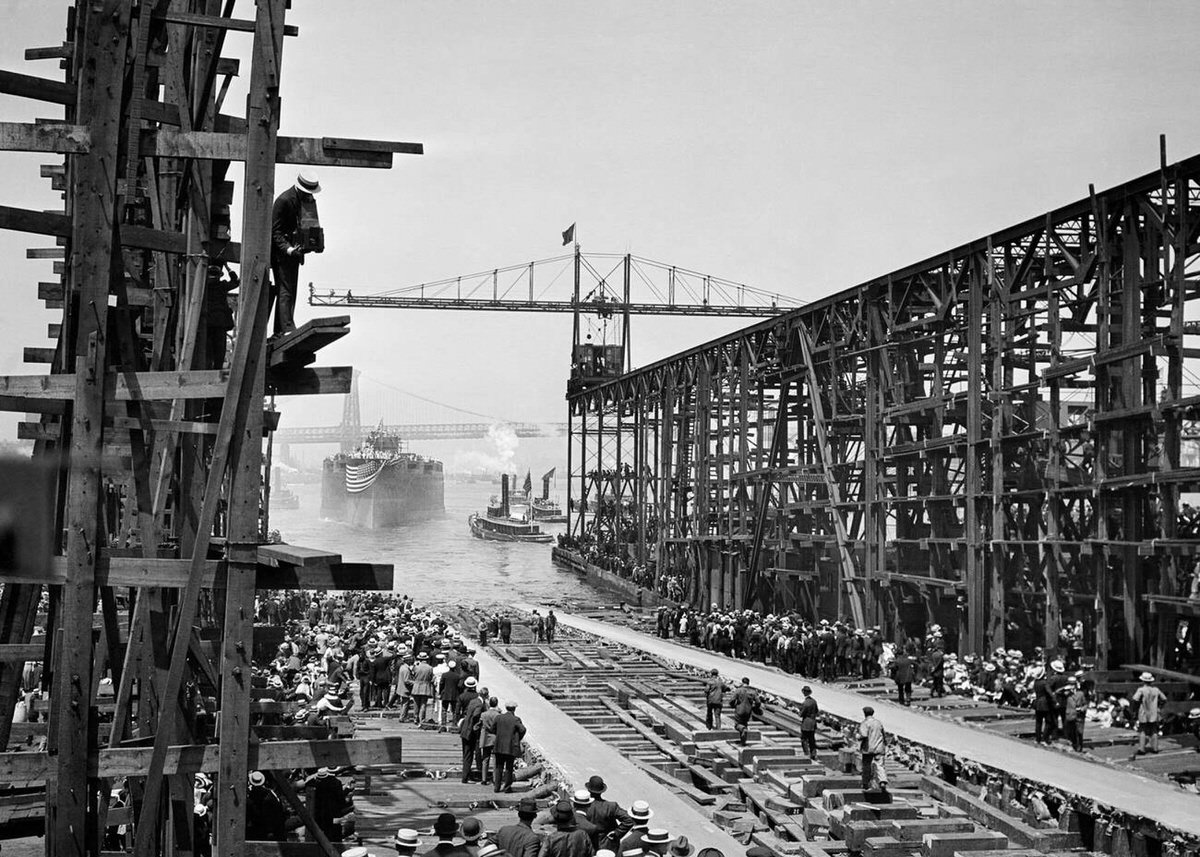
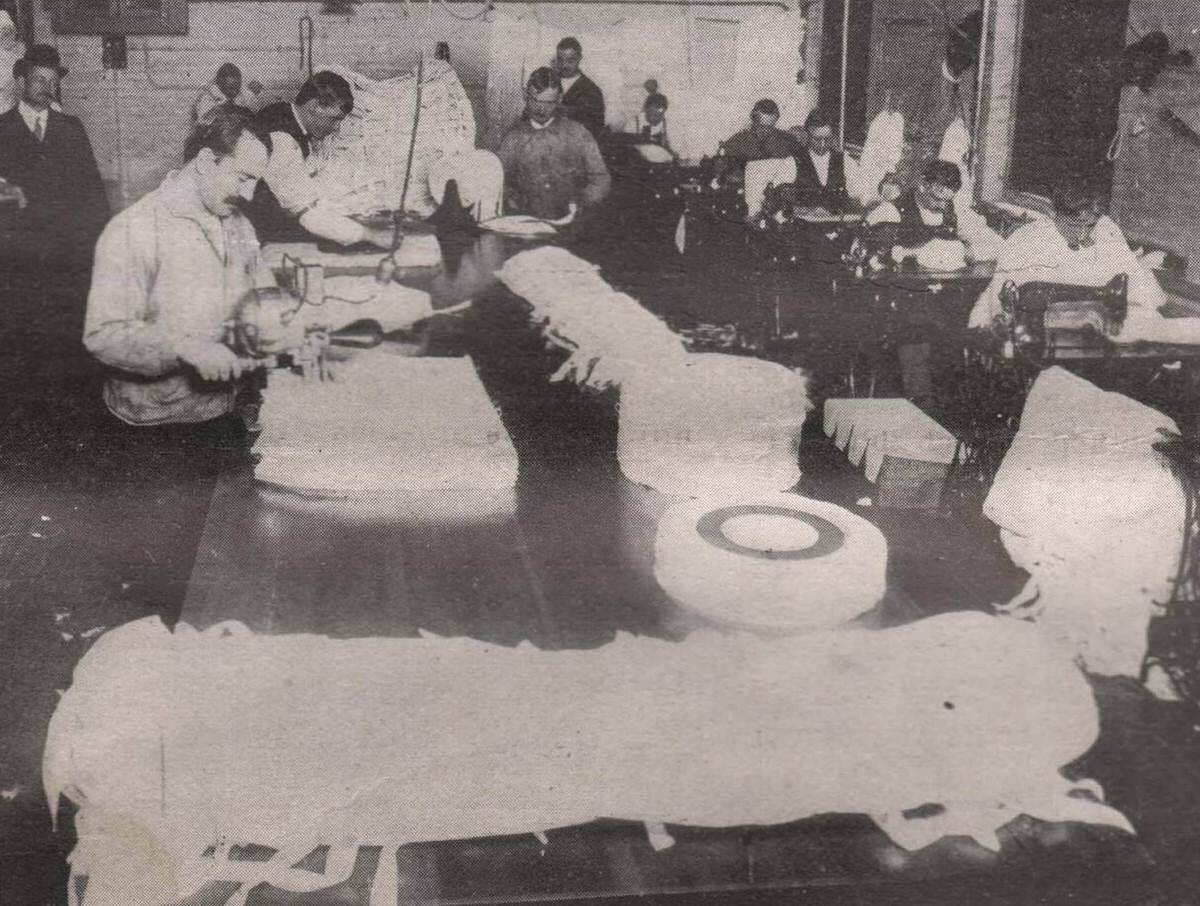
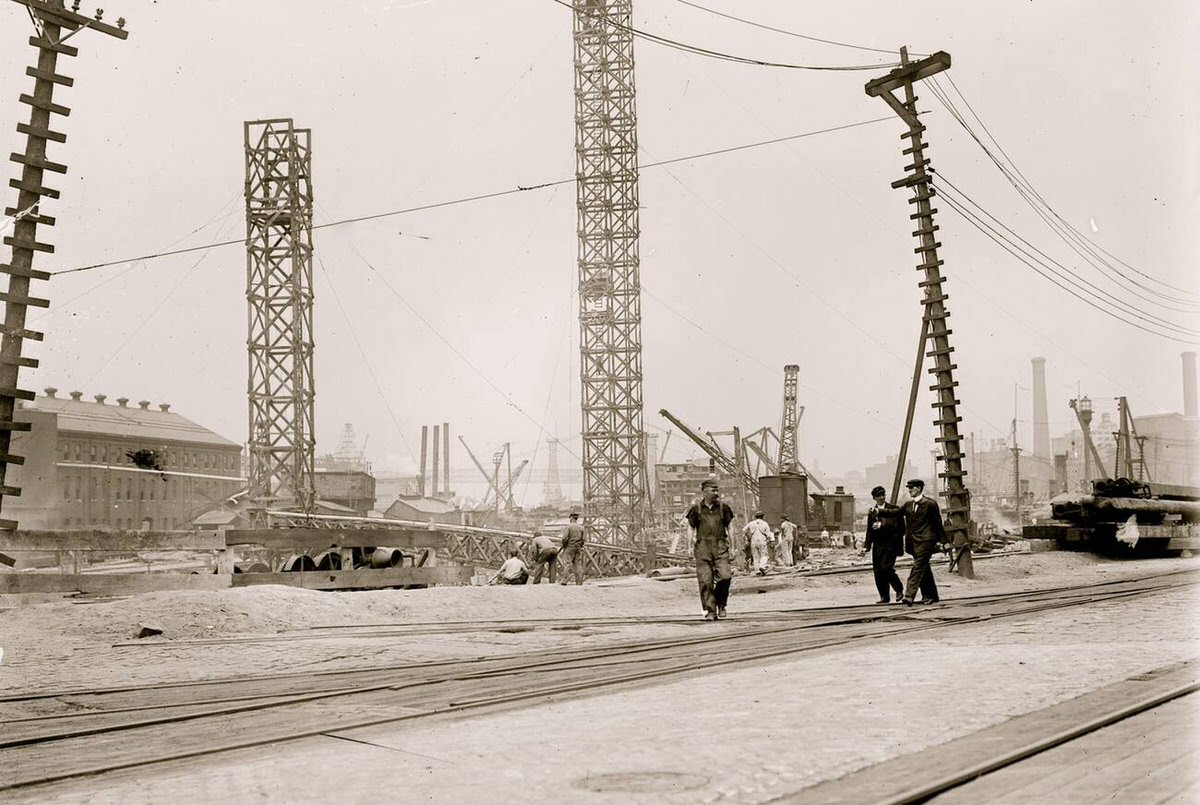
When the Civil War broke out in 1861, the Brooklyn Navy Yard became the Union’s most important naval base. Ships were repaired, resupplied, and launched from its docks around the clock. The workforce grew fast. Thousands of men — blacksmiths, carpenters, sailmakers, and machinists — crowded into the yard every morning.
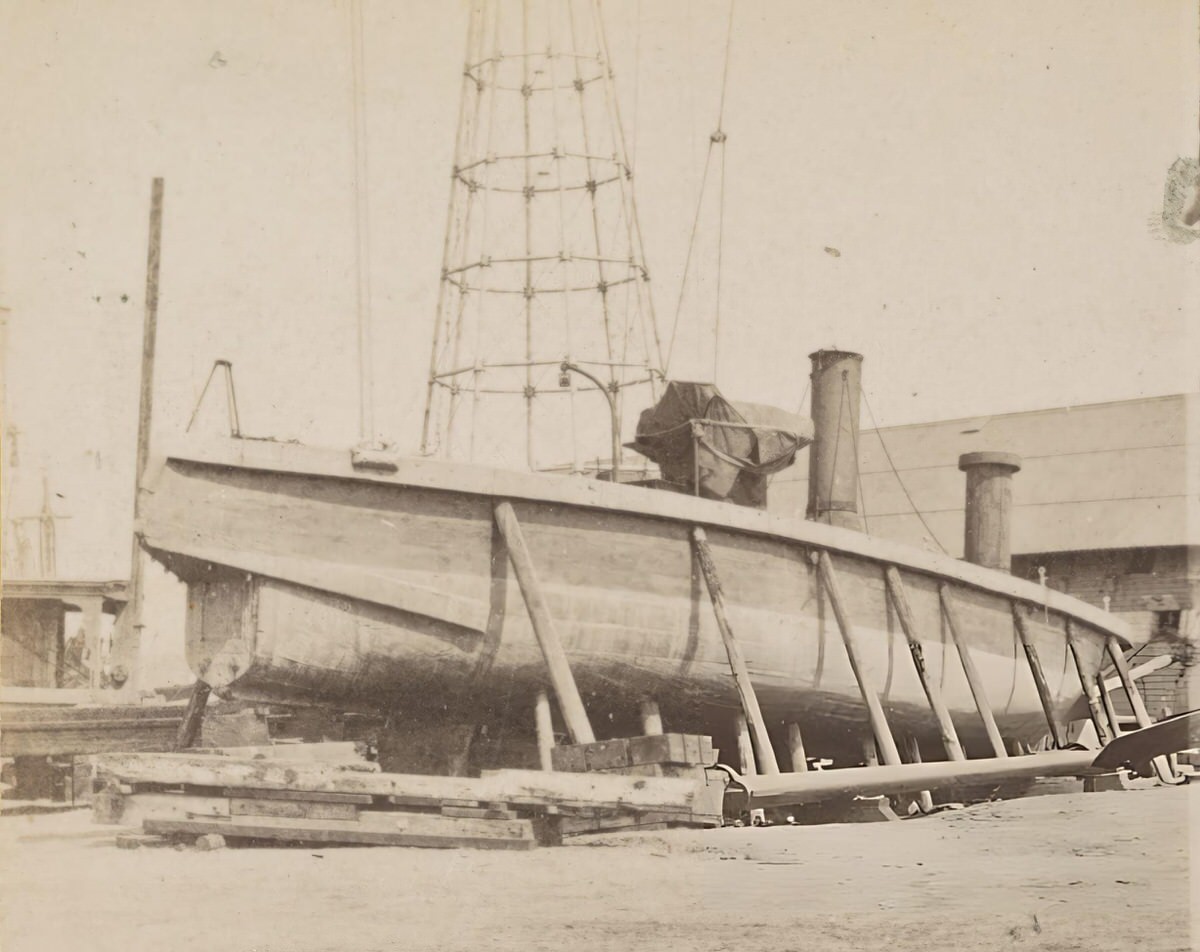
The most significant ship to come out of this period was the USS Monitor, an ironclad warship with a rotating gun turret. The Monitor was built in just 100 days and went on to fight the Confederate ironclad Virginia in March 1862 in the first battle between iron warships in history. The fight ended in a draw, but the age of wooden warships was over. The Brooklyn Navy Yard had helped push the U.S. Navy into a new era.
Read more
The Timeline of a Giant
1801
U.S. Navy purchases 40 acres of tidal marshland along the East River in Brooklyn.
1820
USS Ohio launched — a 74-gun warship and one of the largest American vessels built at the time.
1851
The granite dry dock opens after 15 years of construction, capable of holding the largest ships of the era.
1862
USS Monitor, built in 100 days, fights the first iron-vs-iron naval battle in history.
1895
USS Maine commissioned — the battleship whose destruction in Havana Harbor triggers the Spanish-American War.
1944
Workforce peaks at 70,000 workers during World War II, operating 24 hours a day, seven days a week.
1966
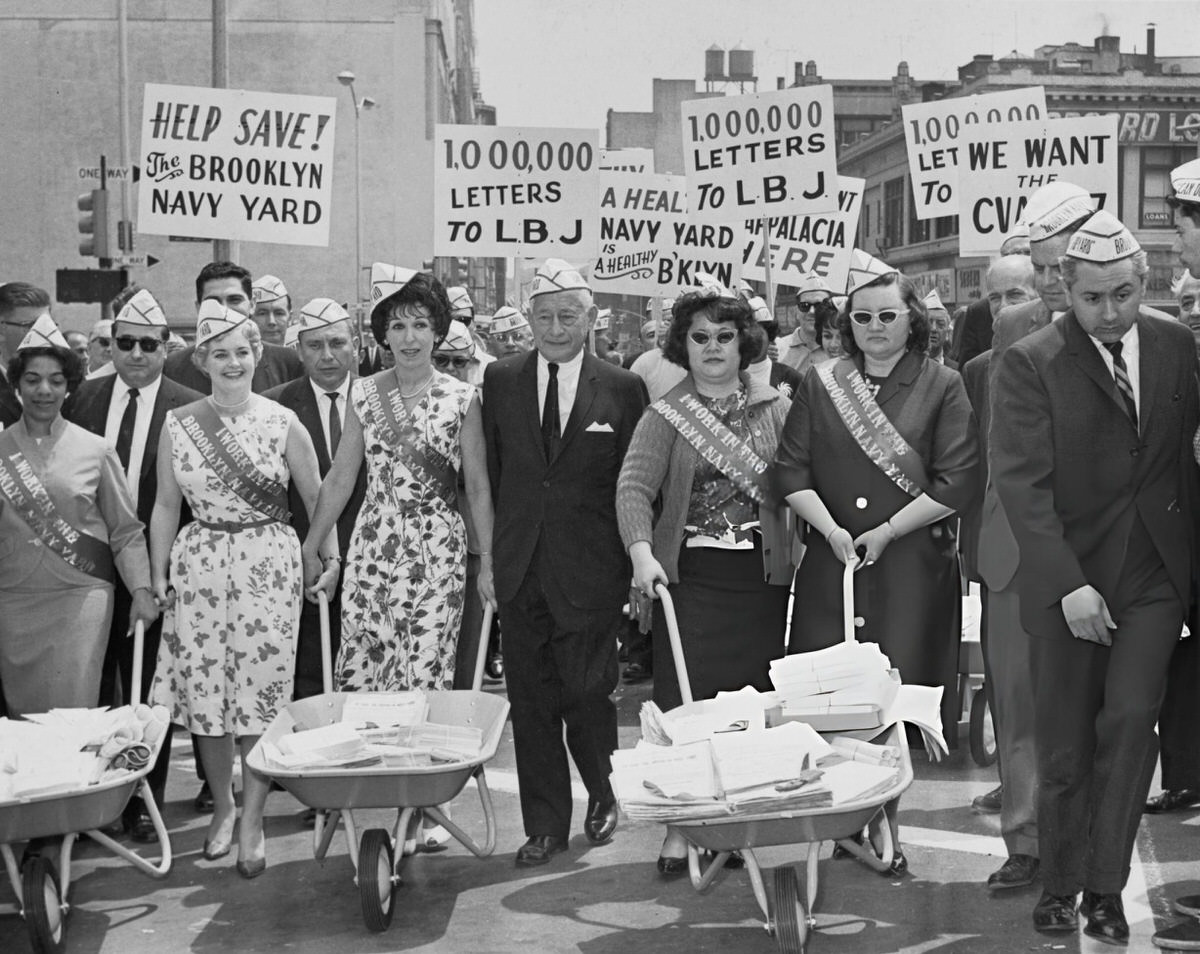
The Navy closes the yard. The federal government decommissions it, citing high costs and changing military needs.
Built for War — the Battleship Era
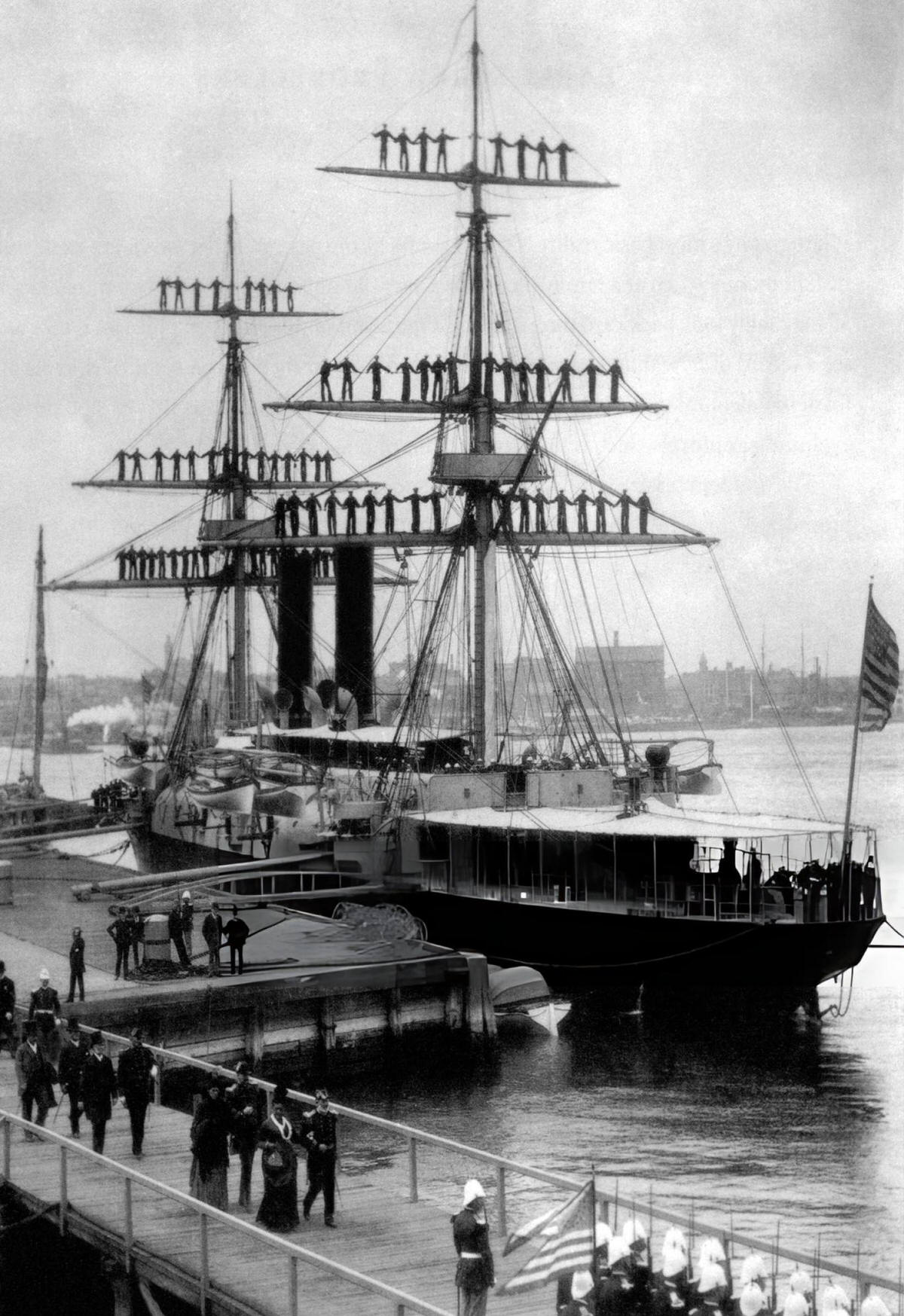
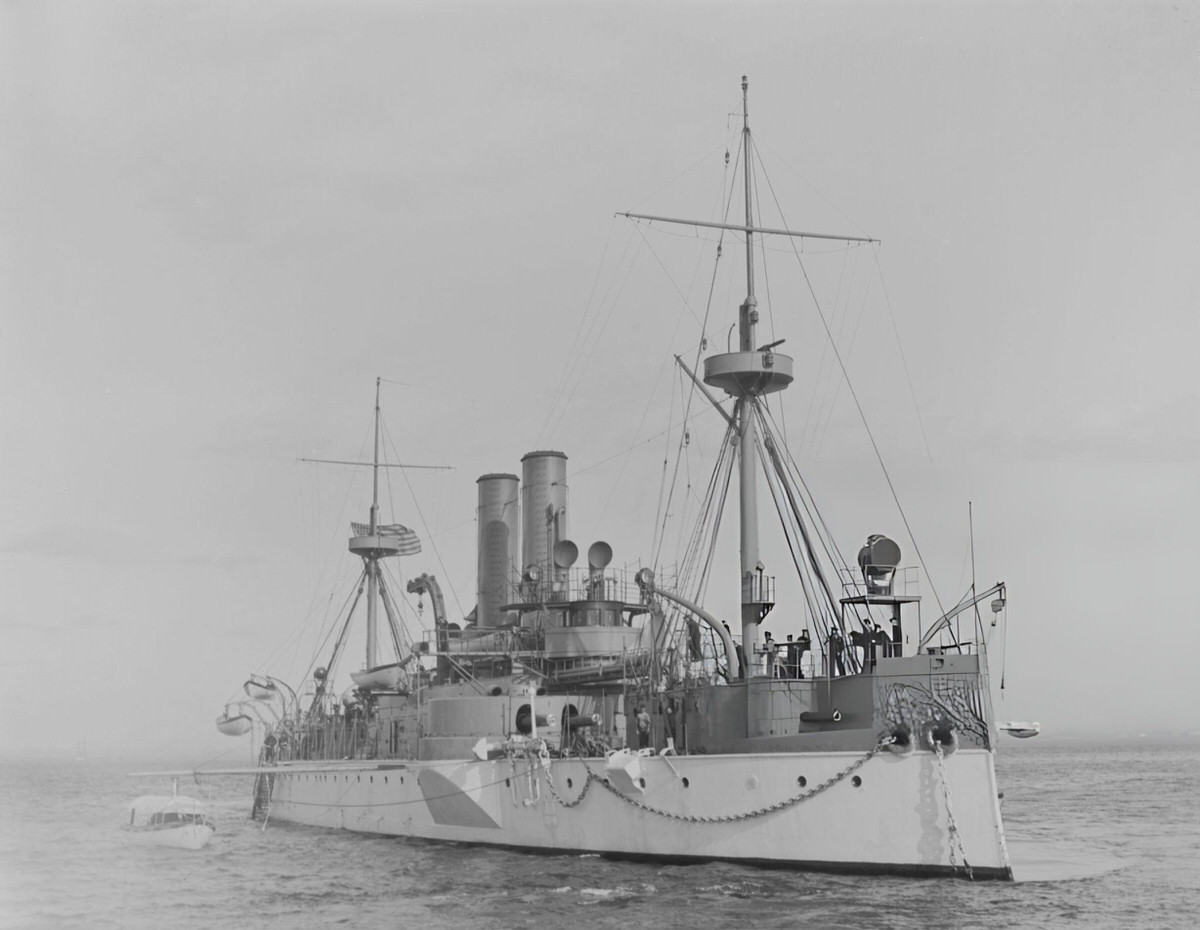
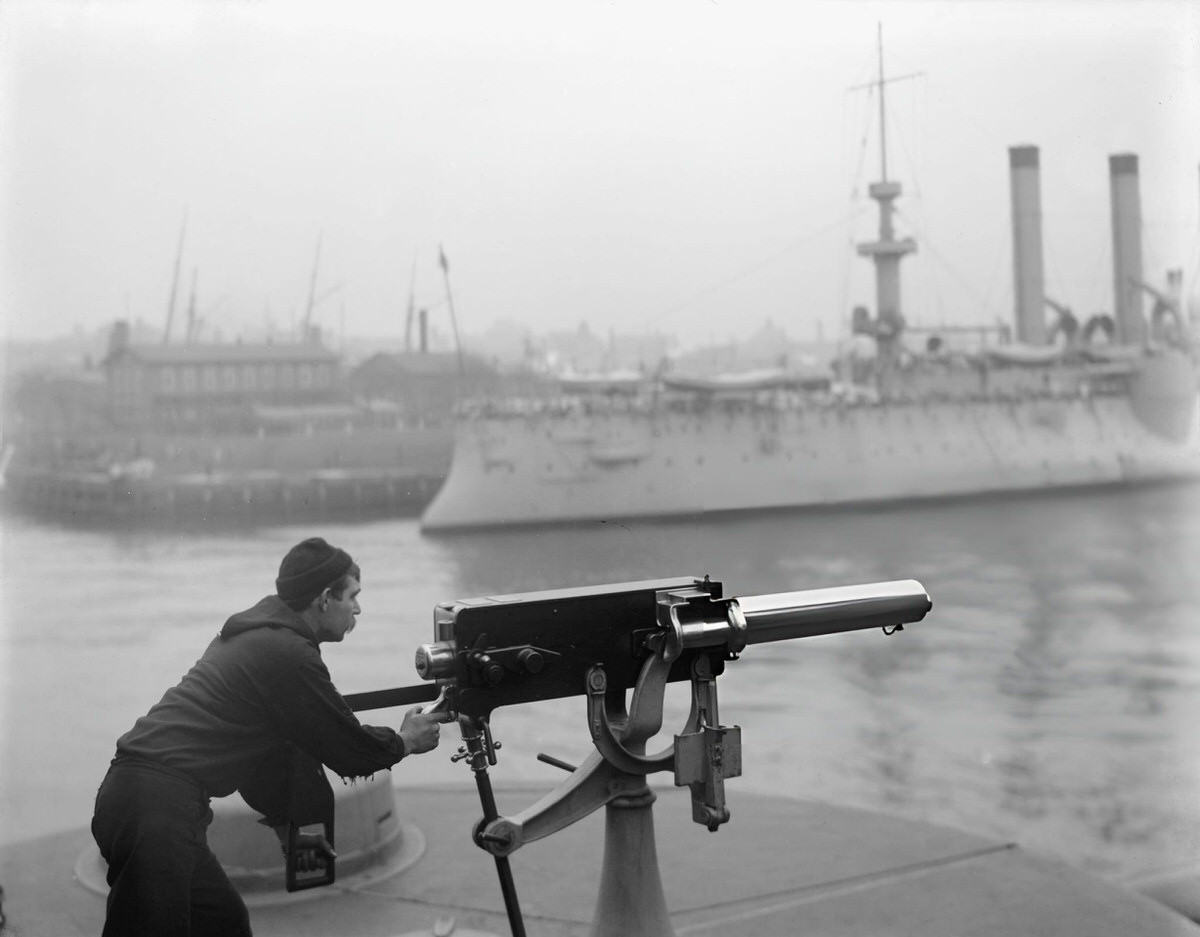
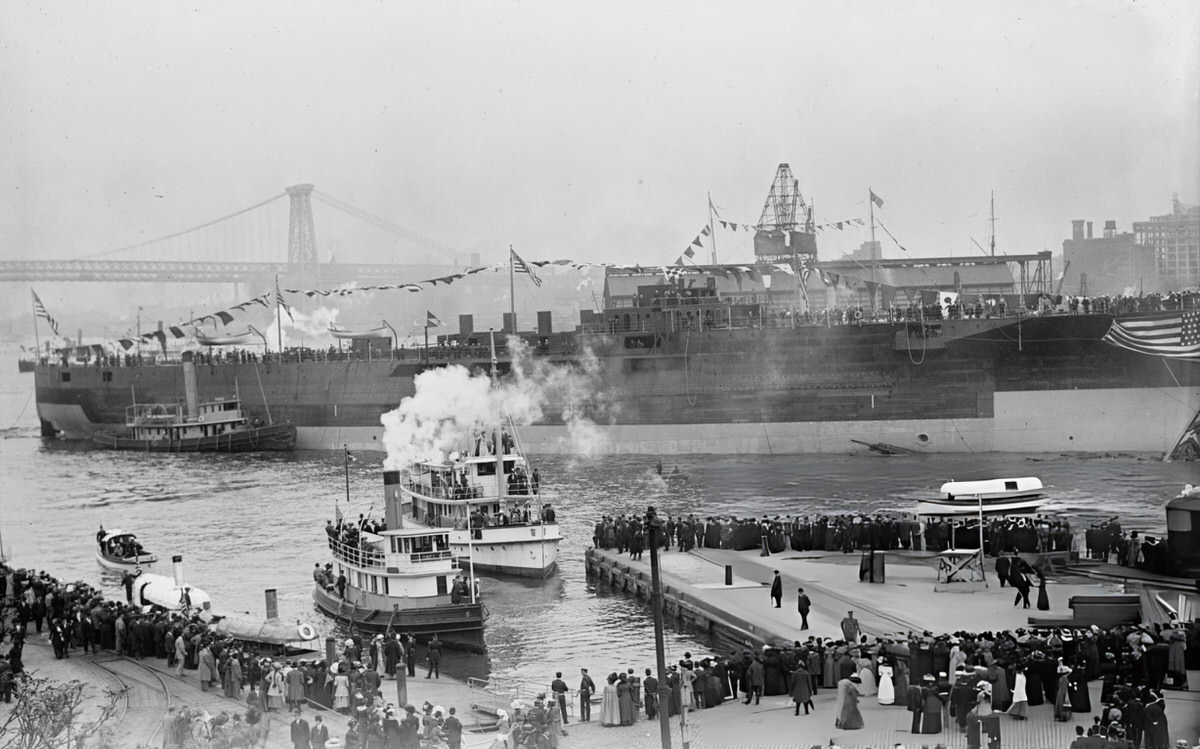
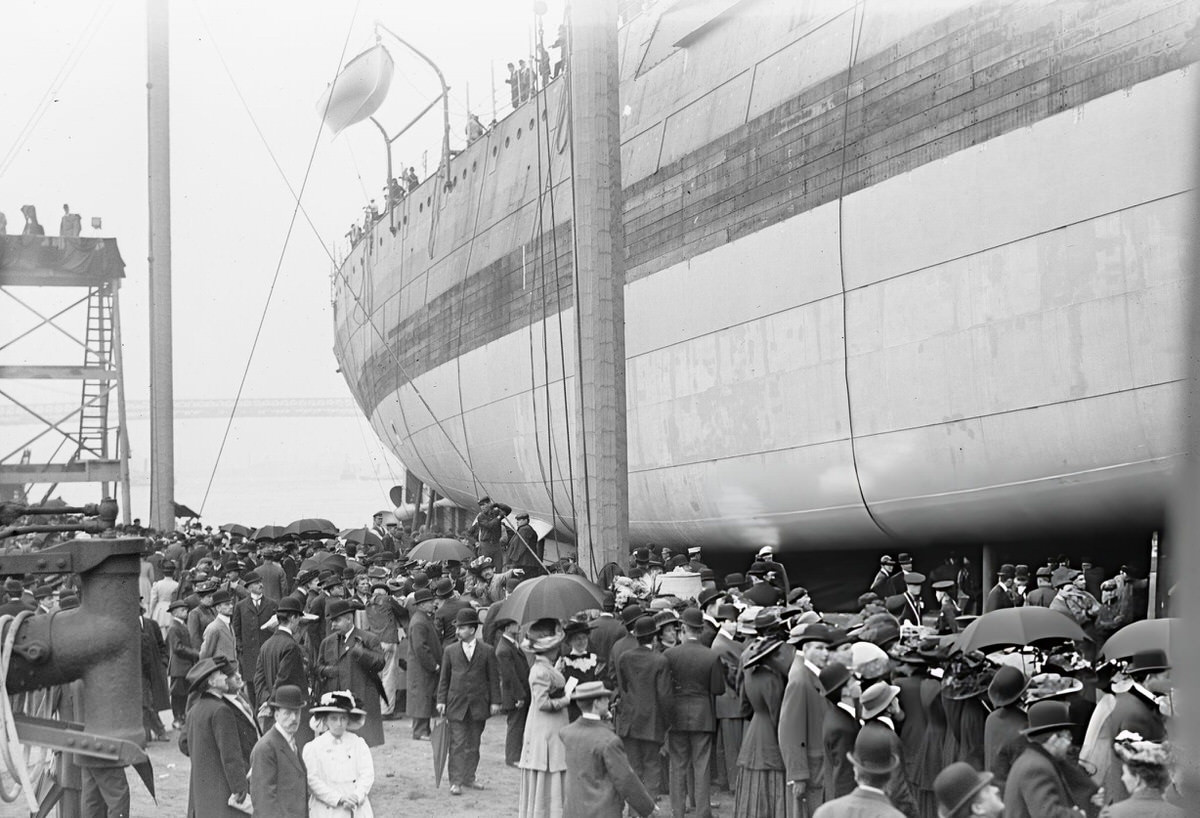
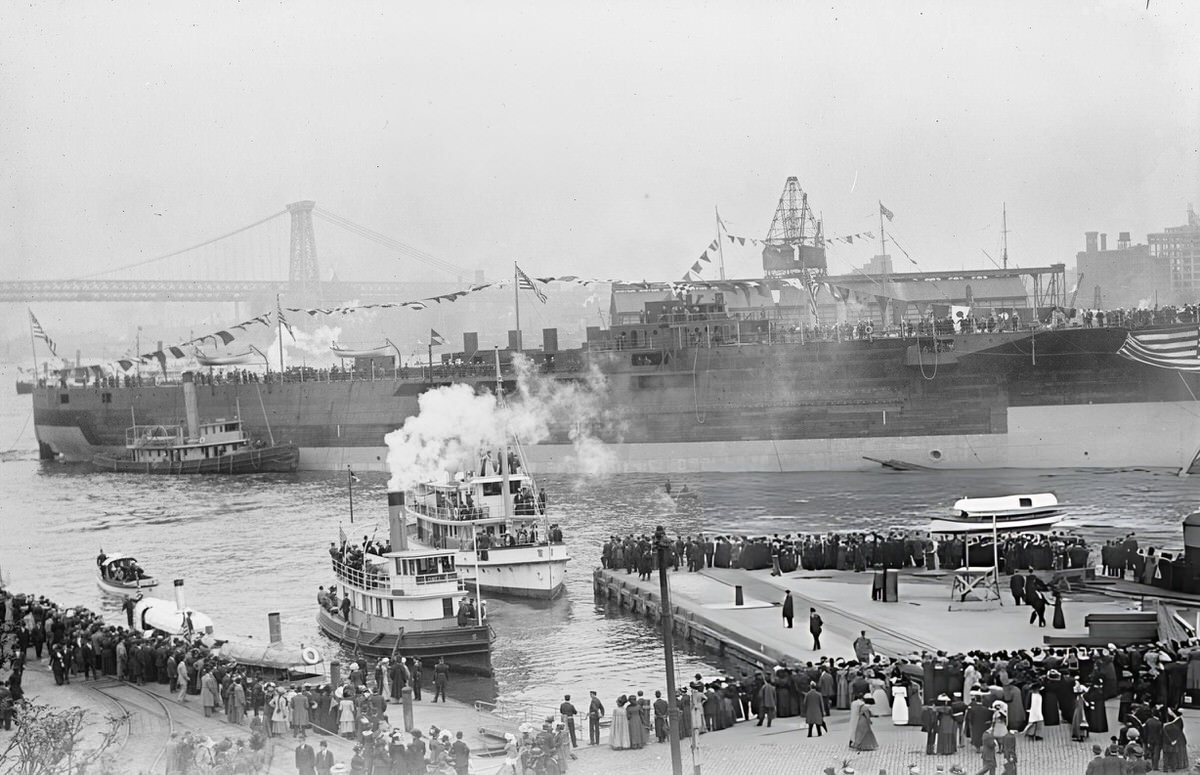
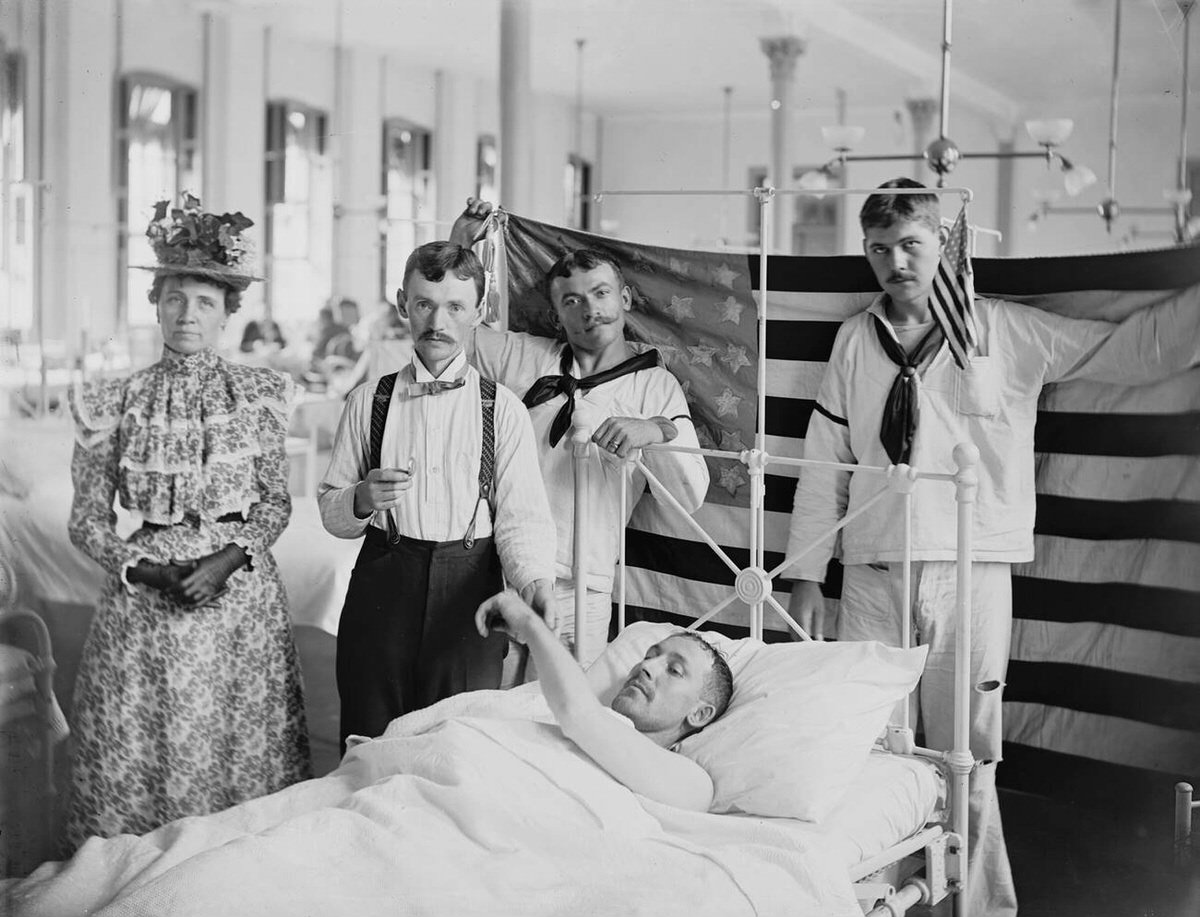
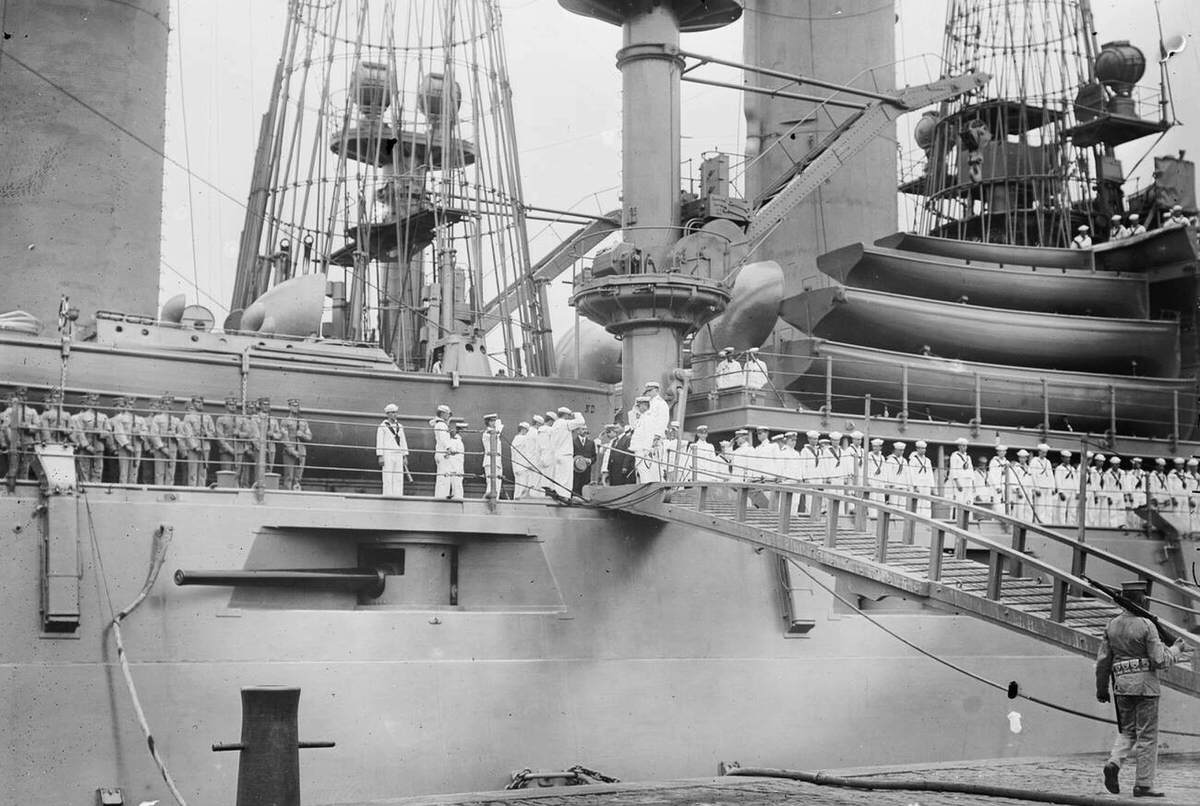
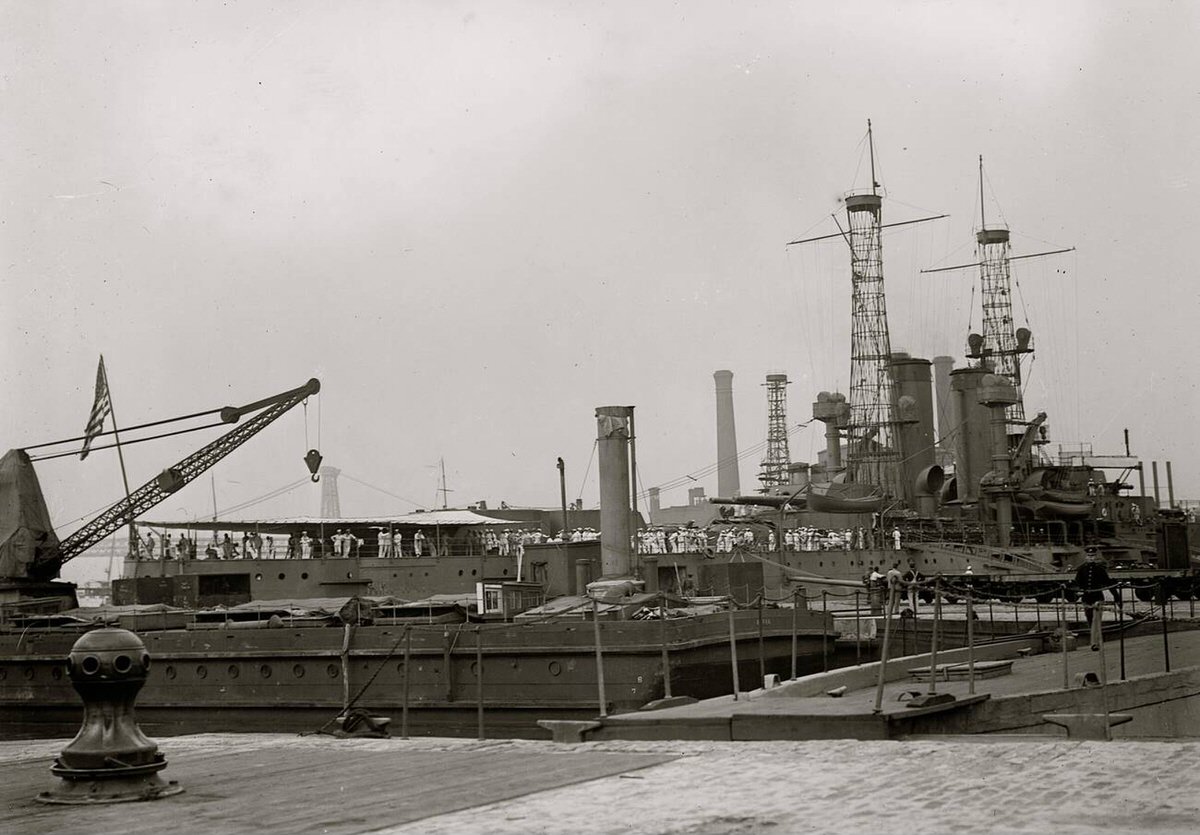
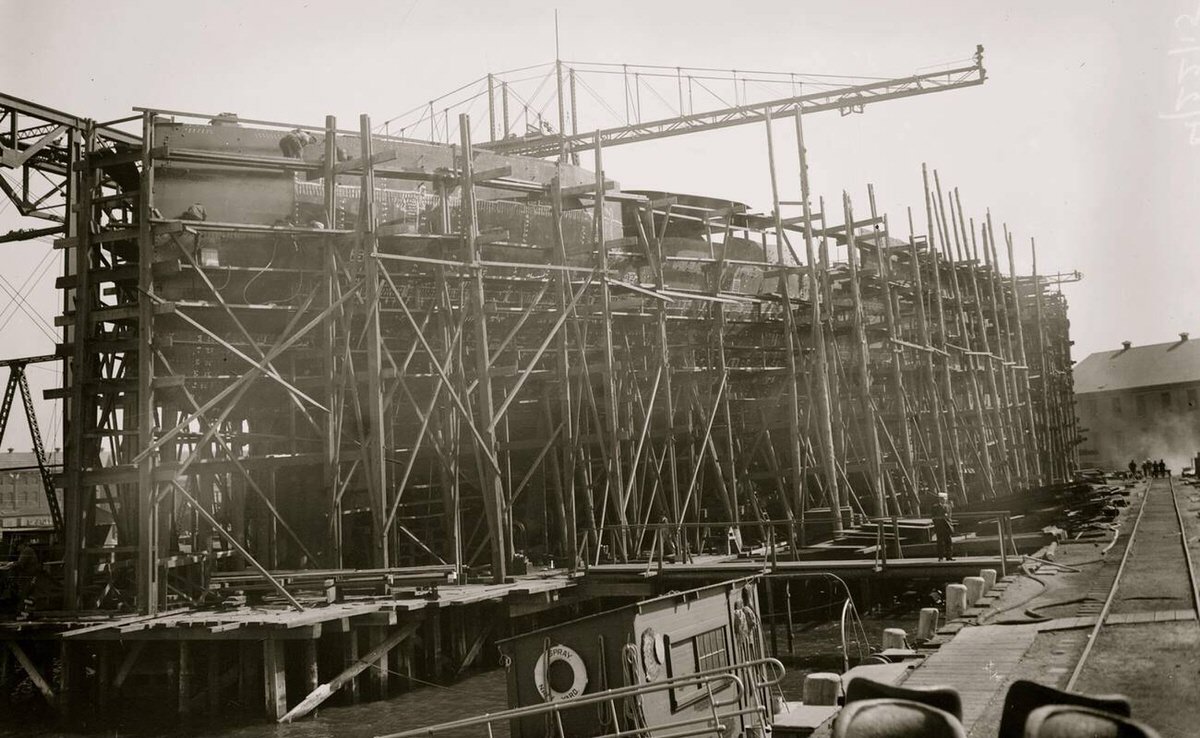
By the late 1800s, the Brooklyn Navy Yard was producing steel warships. In 1895, it completed the USS Maine — a second-class battleship that became famous for the wrong reasons. In February 1898, the Maine exploded in Havana Harbor, killing 268 sailors. Newspapers blamed Spain. The slogan “Remember the Maine” spread across the country, and the Spanish-American War began two months later. The ship that started a war had been built right there in Brooklyn.
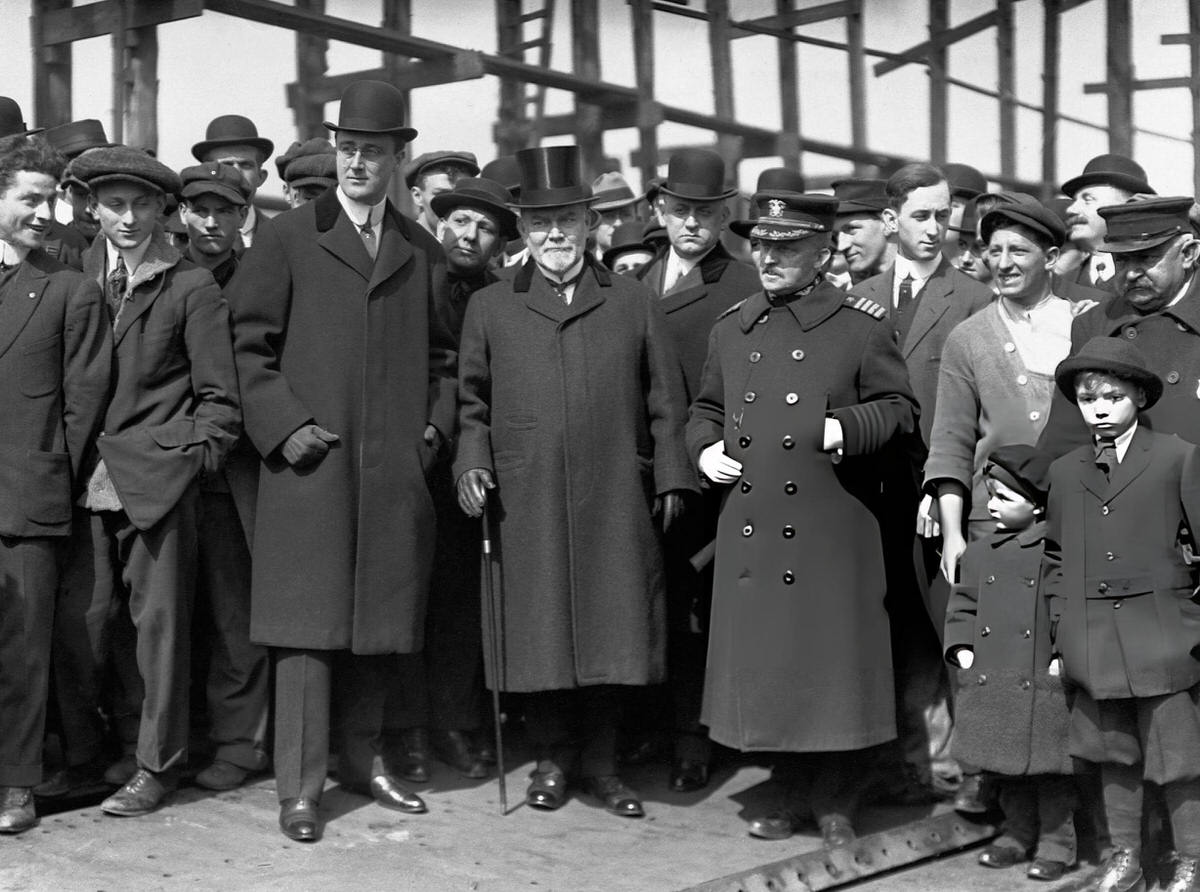
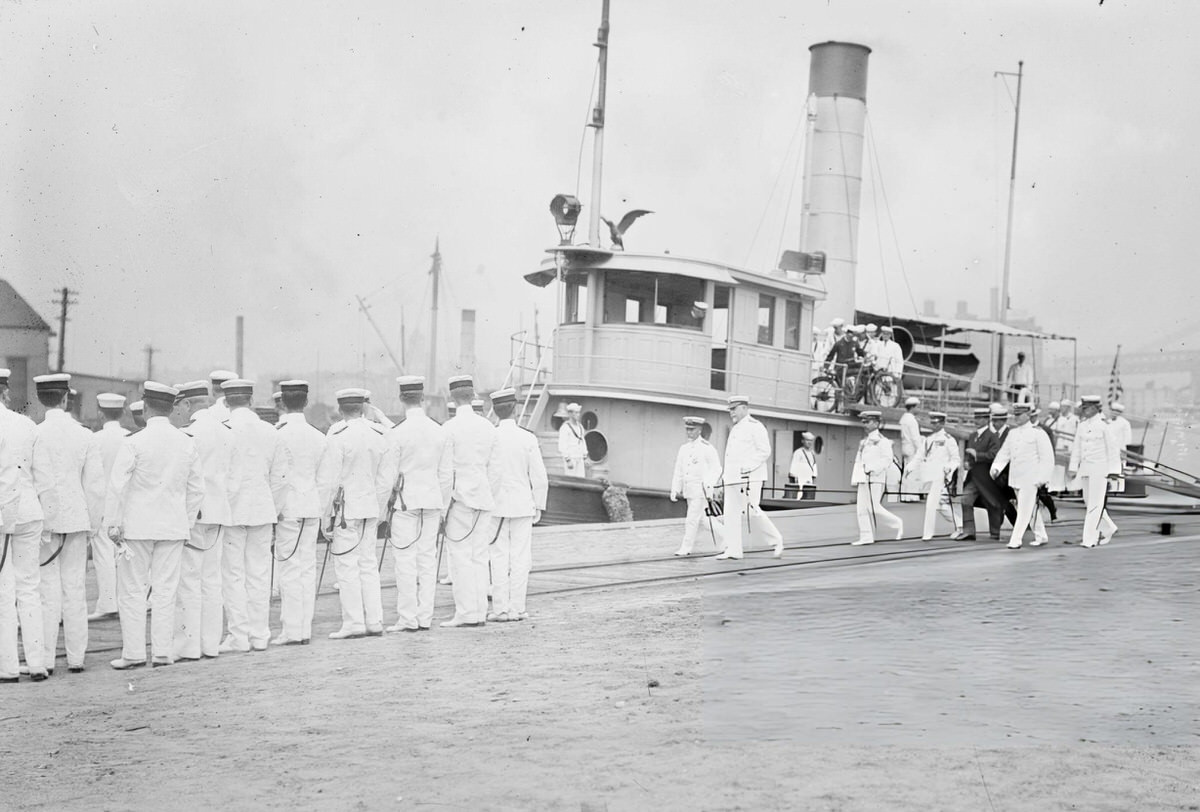
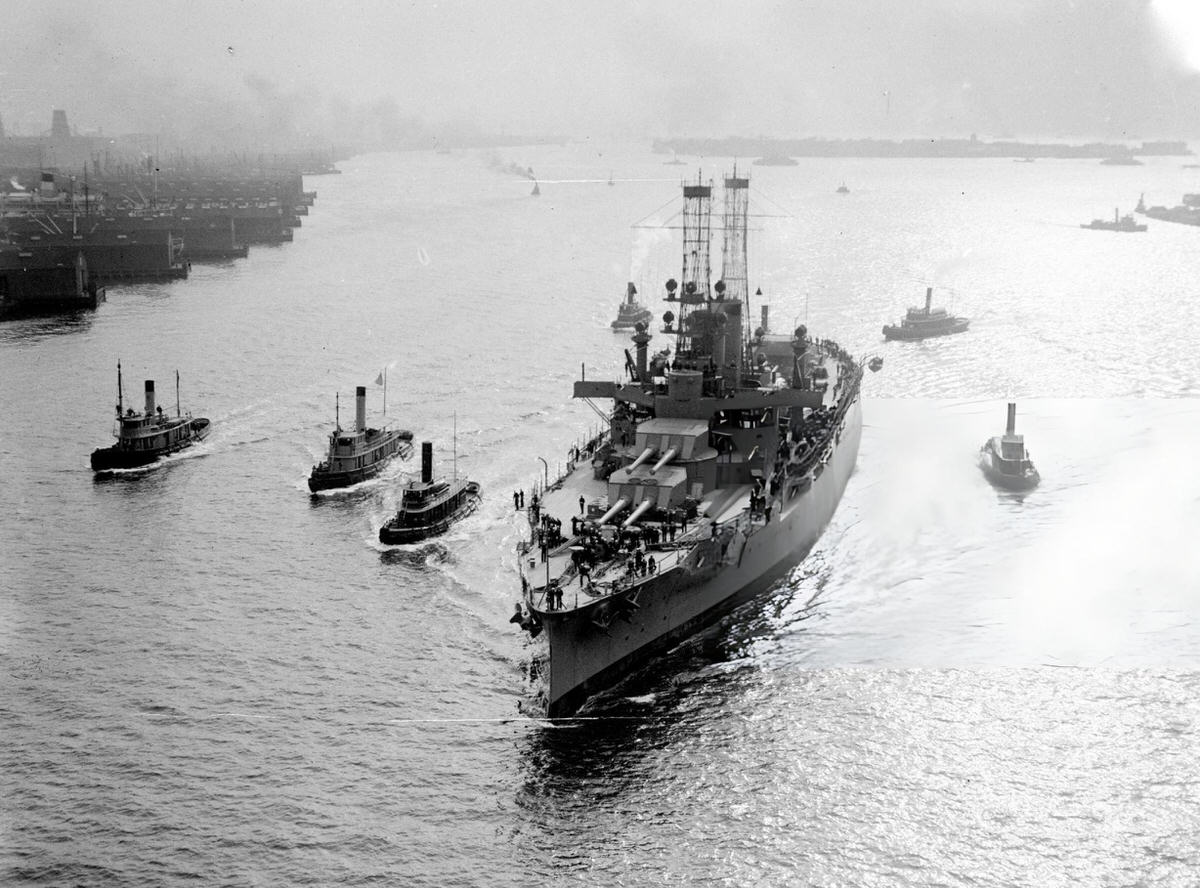
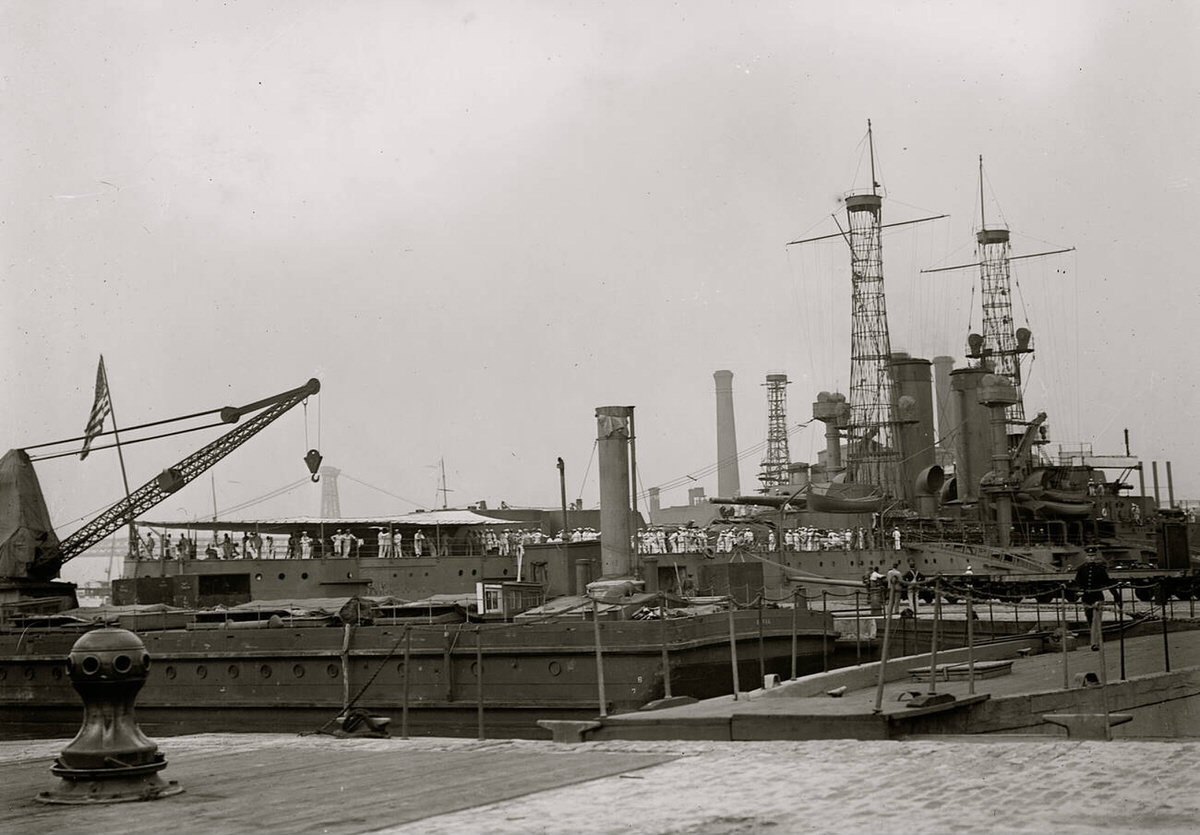
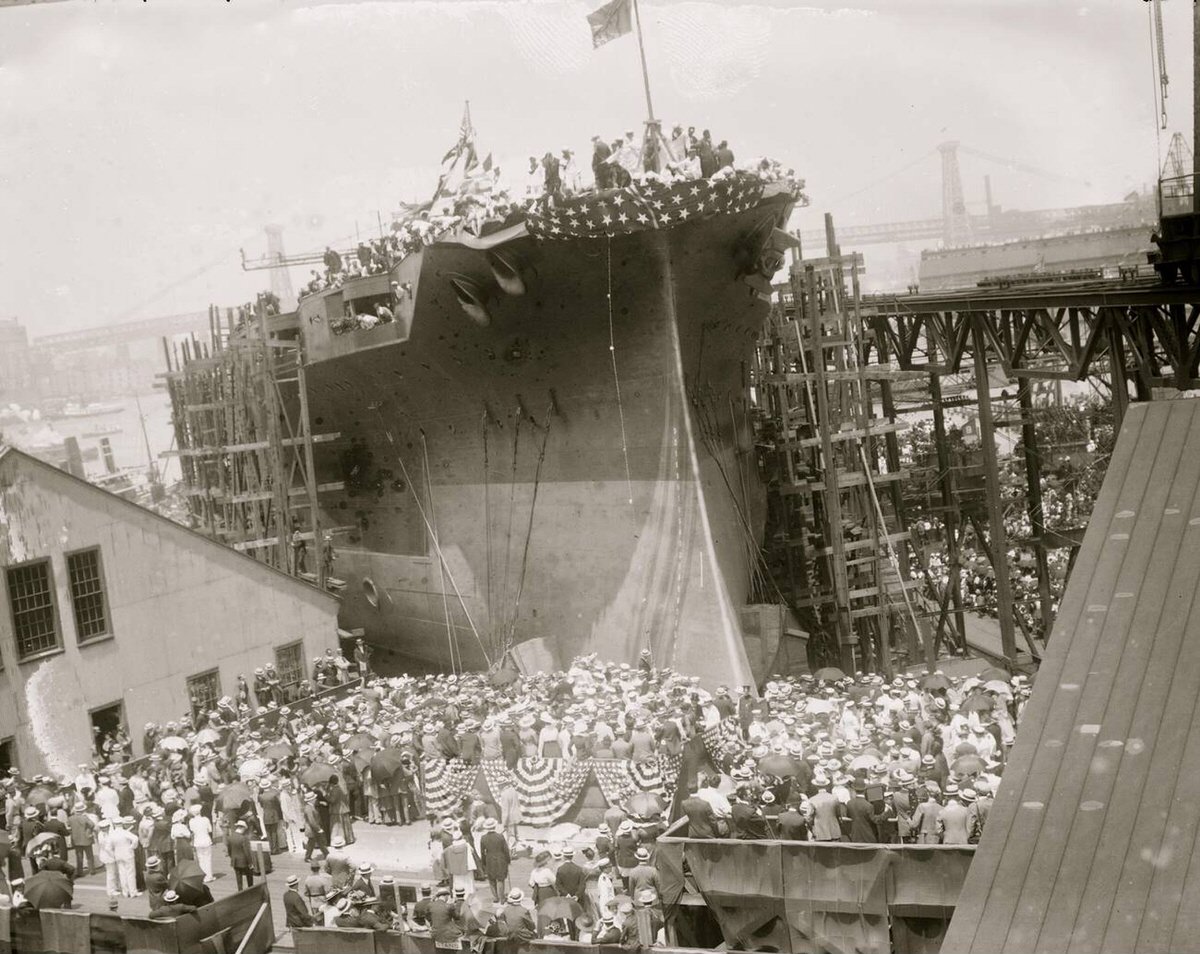
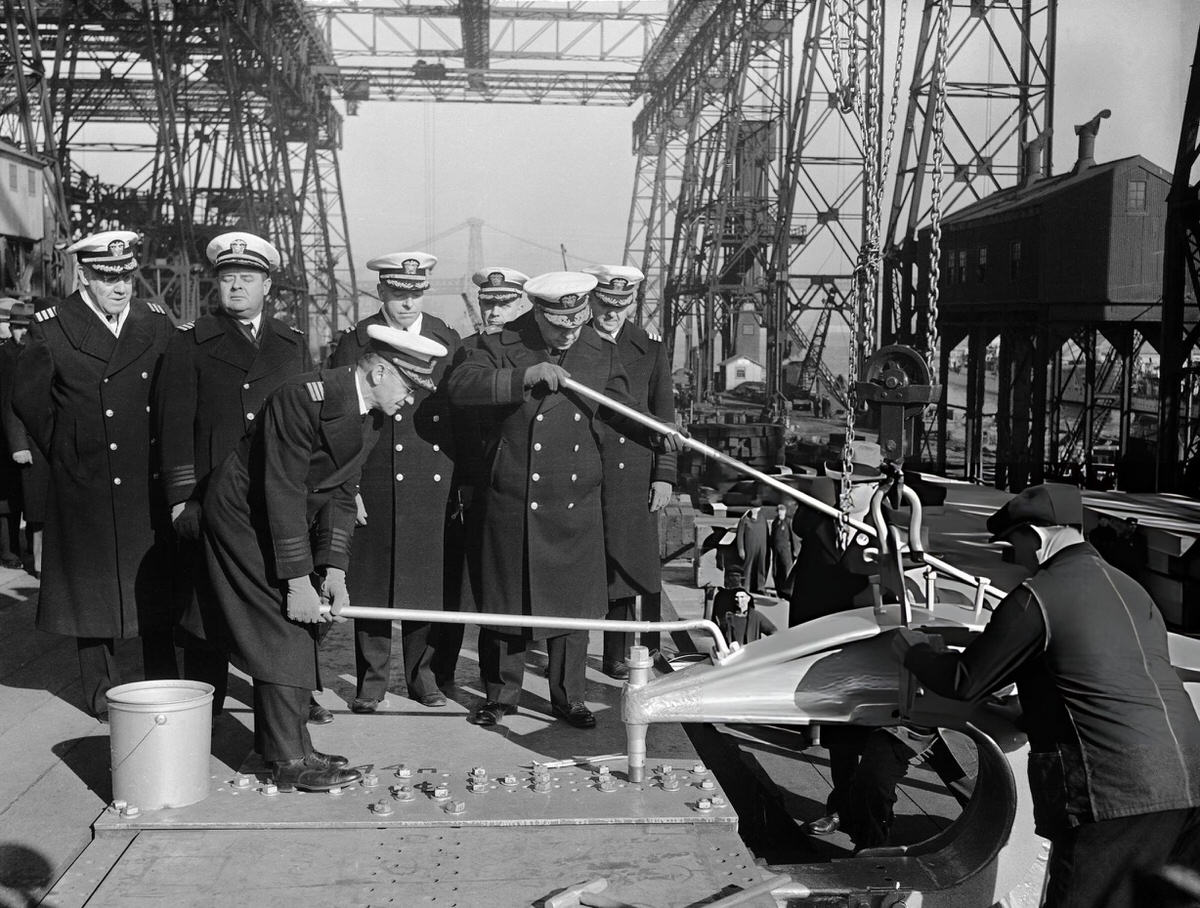
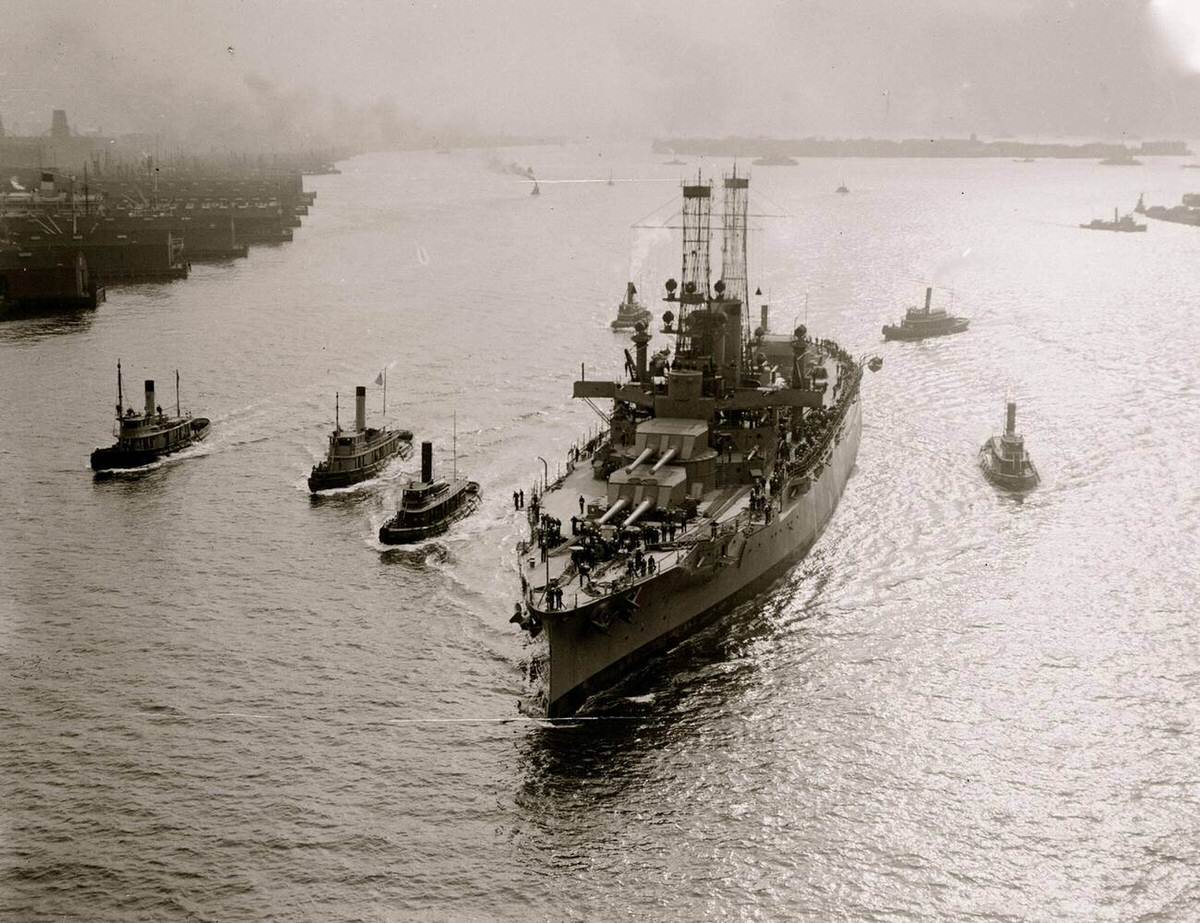
Three famous battleships followed in the early 20th century — the USS Arizona, USS New York, and USS North Carolina. The Arizona would later be sunk during the Japanese attack on Pearl Harbor in 1941, becoming one of the most visited war memorials in the United States. Every ship carried the craftsmanship of Brooklyn workers.
World War II: The Yard at Full Power
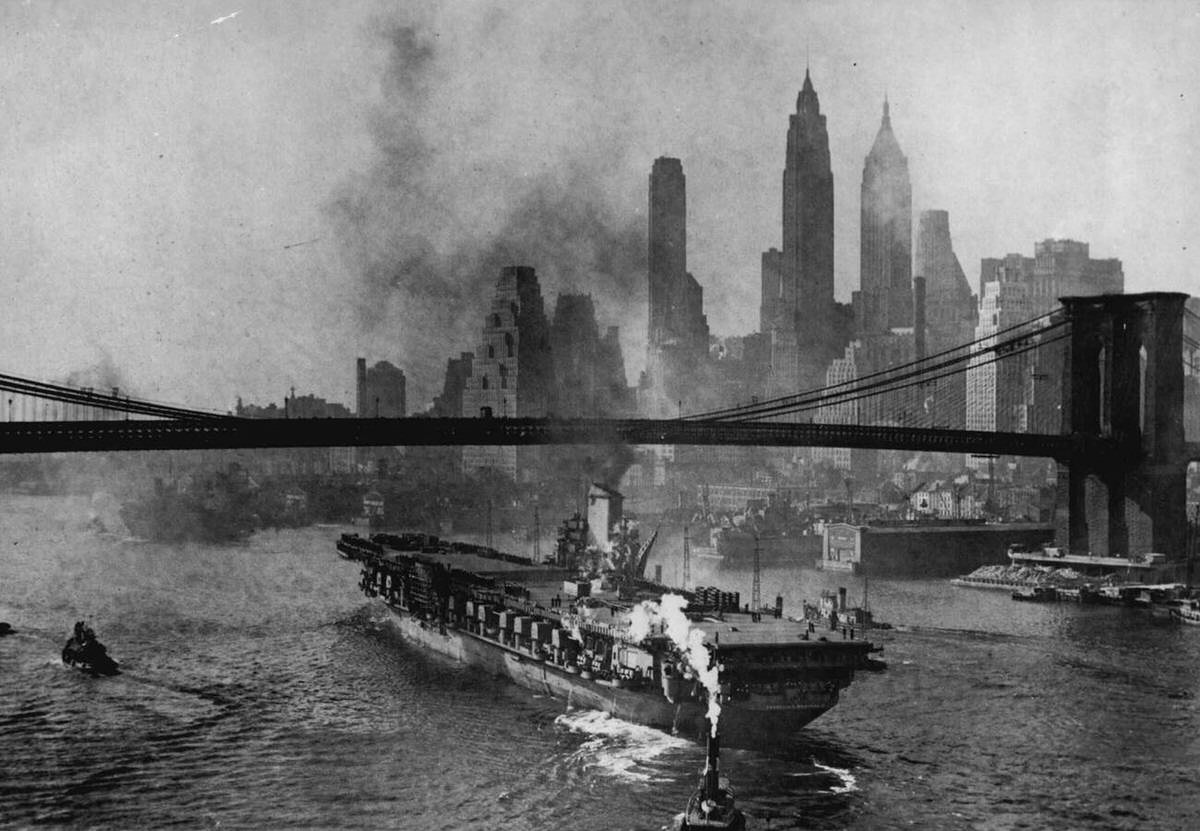
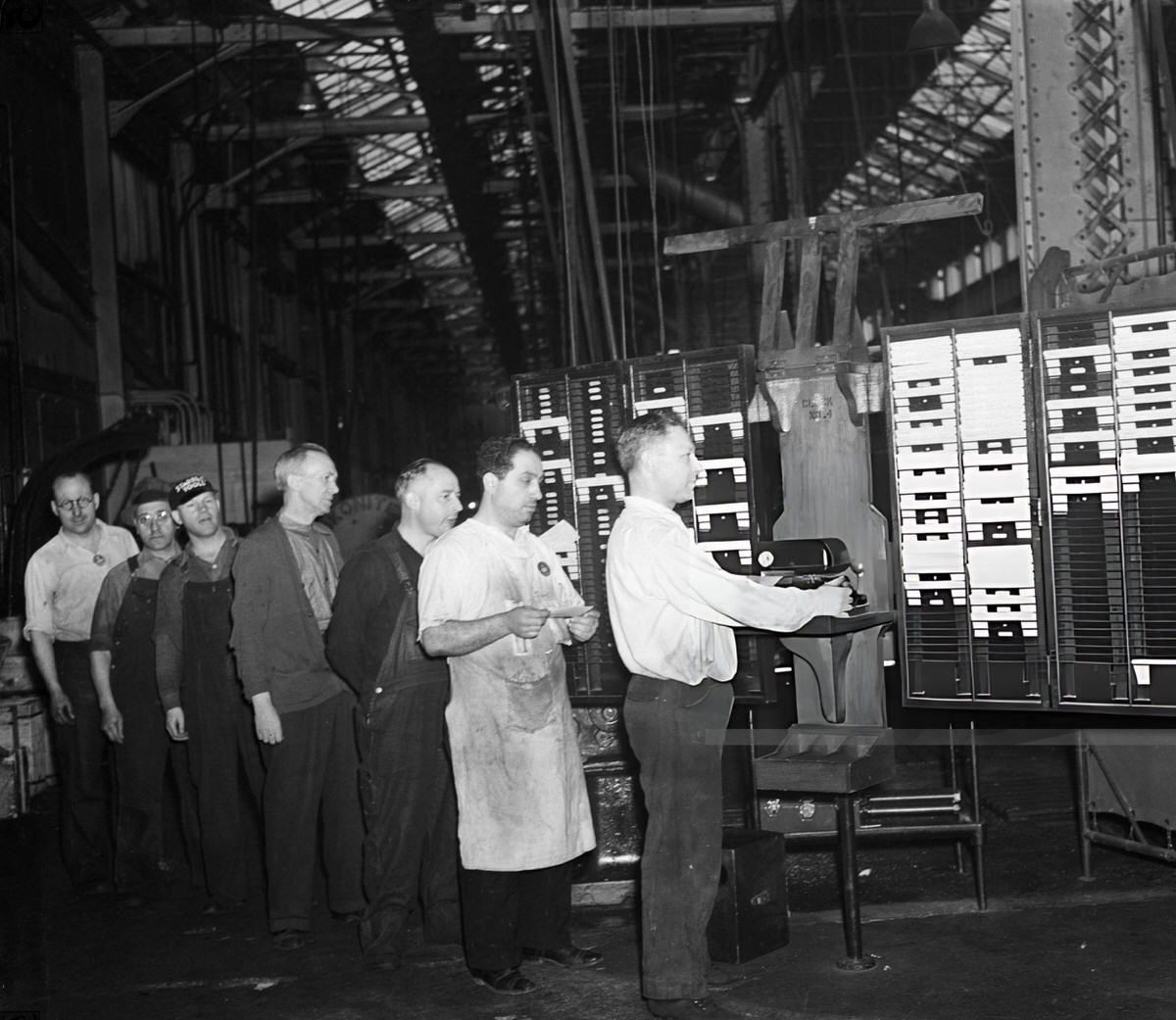
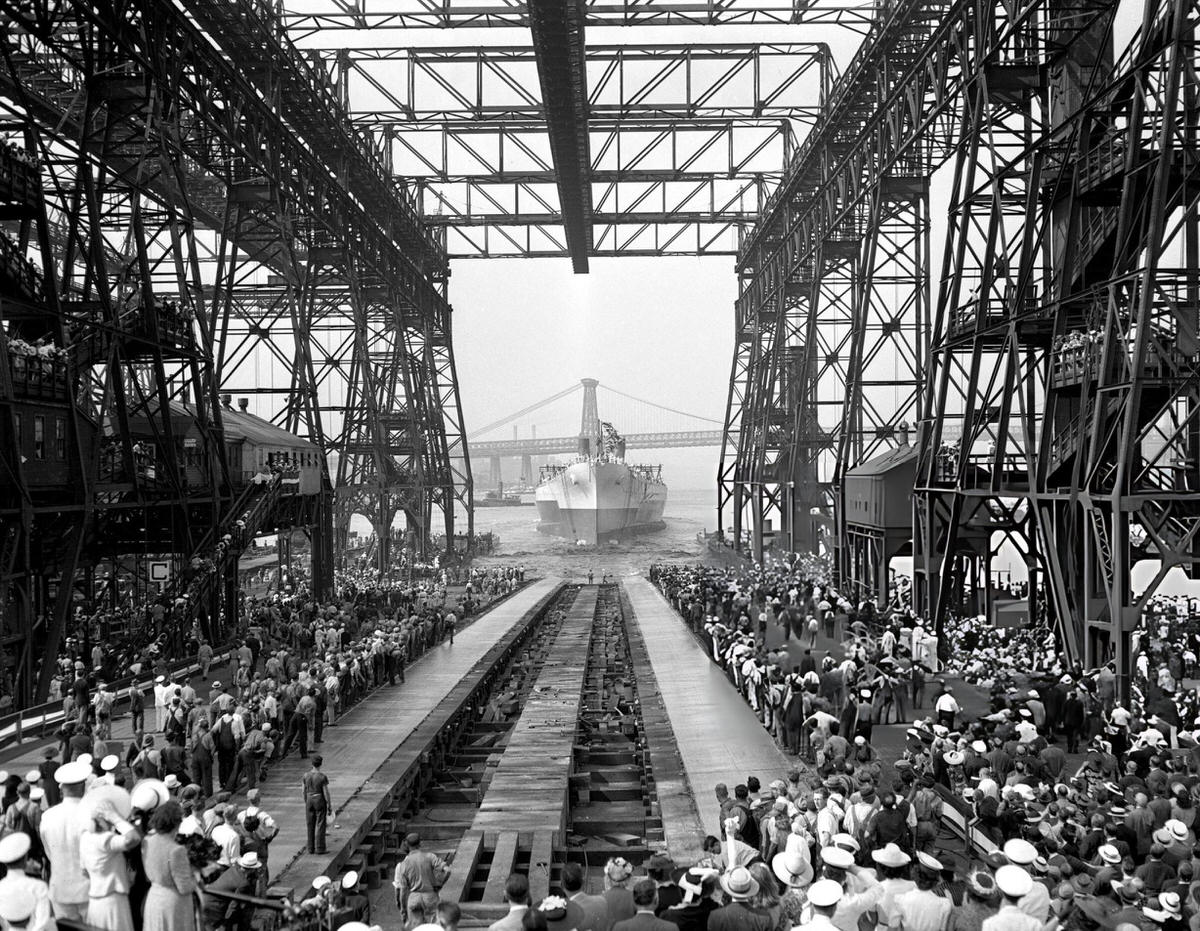
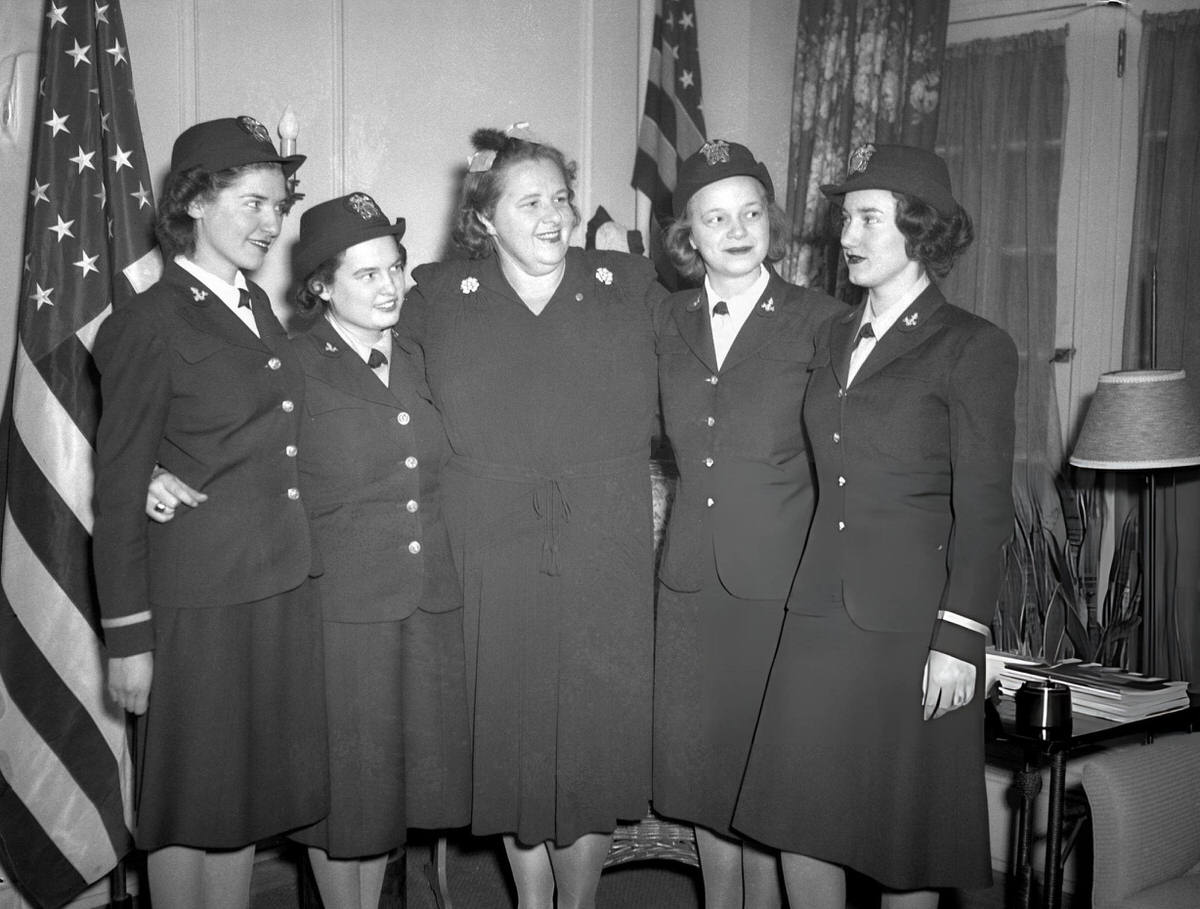
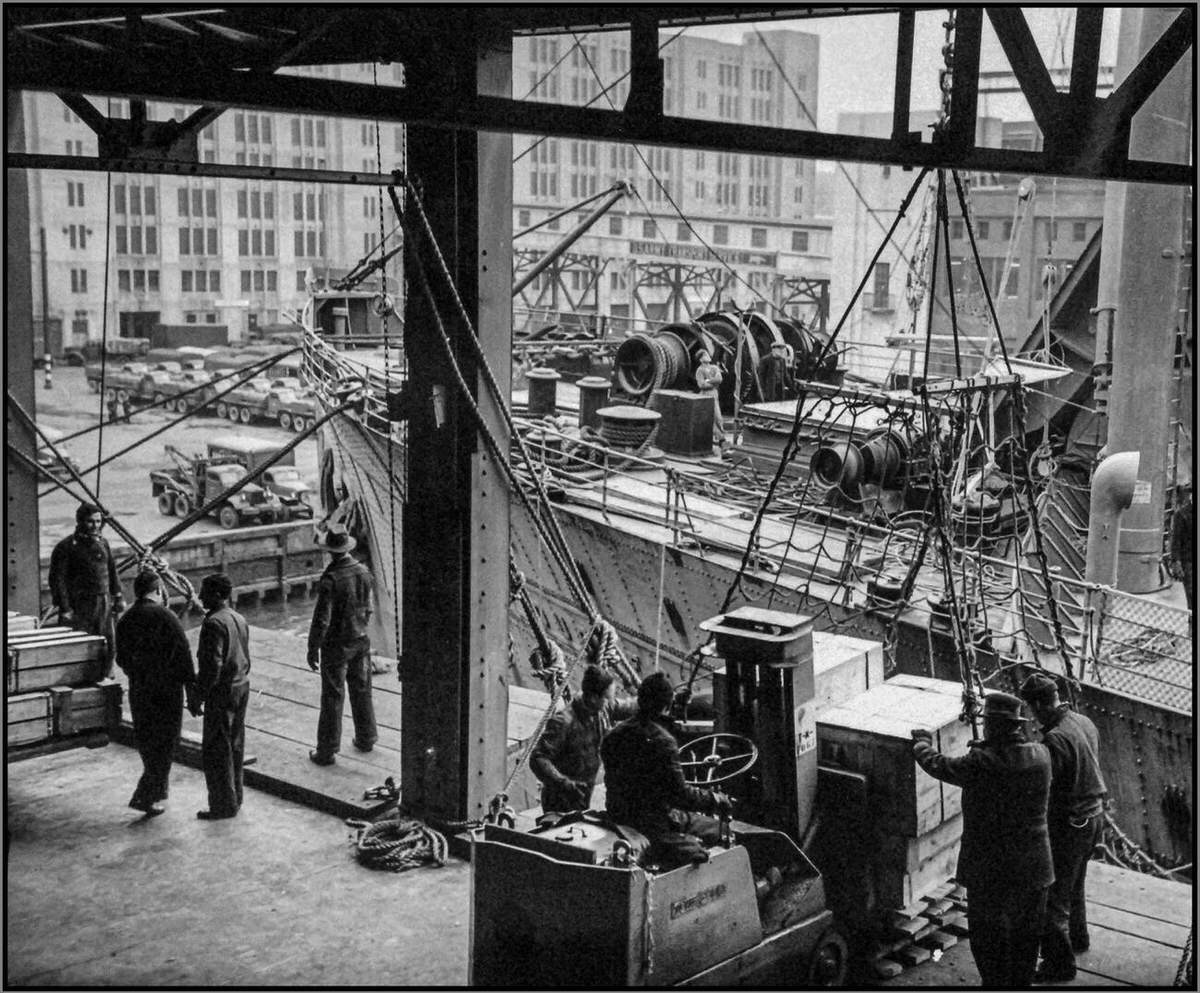
World War II was the Brooklyn Navy Yard’s greatest moment. After the attack on Pearl Harbor in December 1941, production went into overdrive. The yard ran 24 hours a day, seven days a week. At its peak, 70,000 workers filled the facility — men and women, Black and white workers side by side, which was unusual for the time. Women welders, nicknamed “Rosie the Riveters” by the press, made up a significant portion of the workforce.
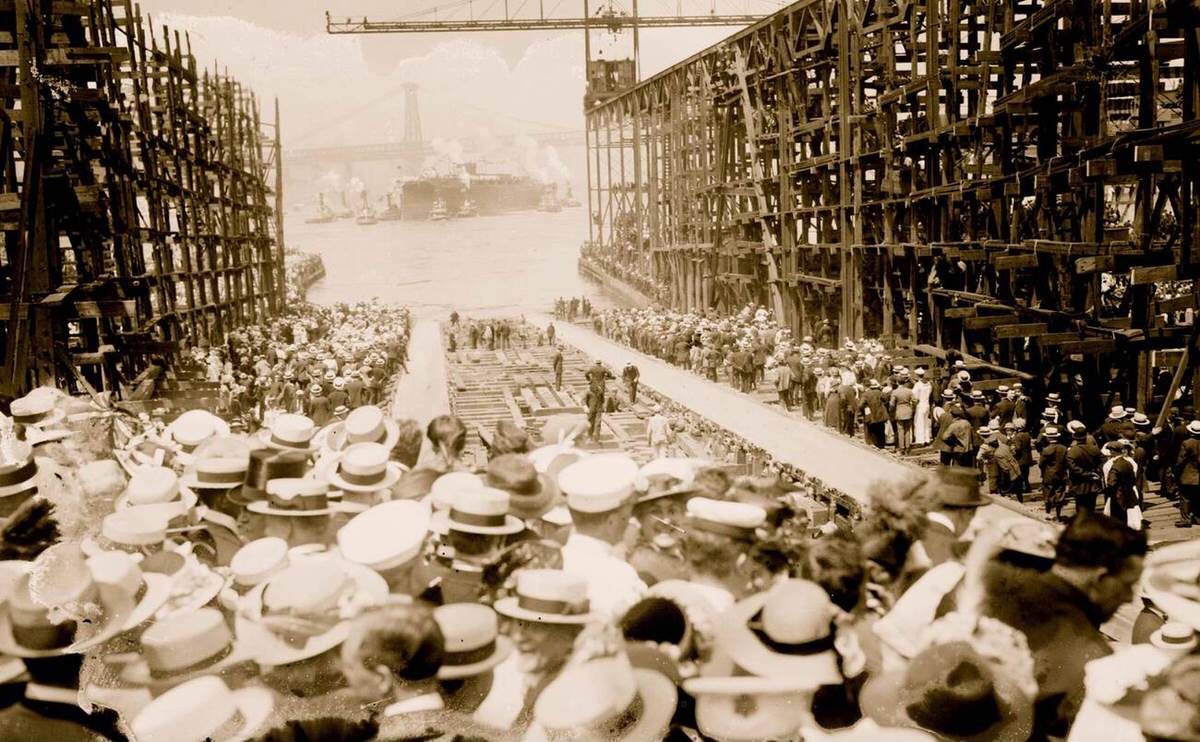
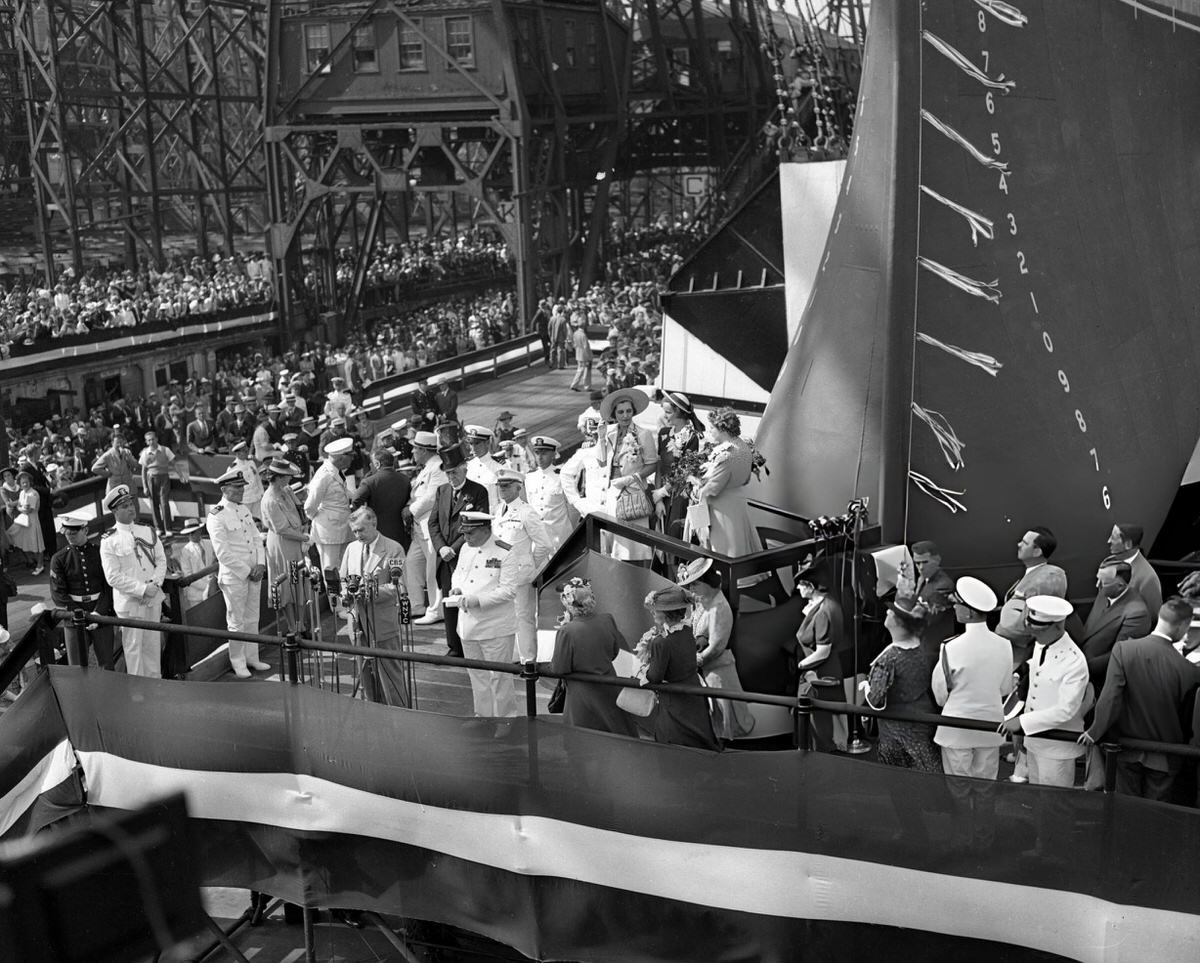
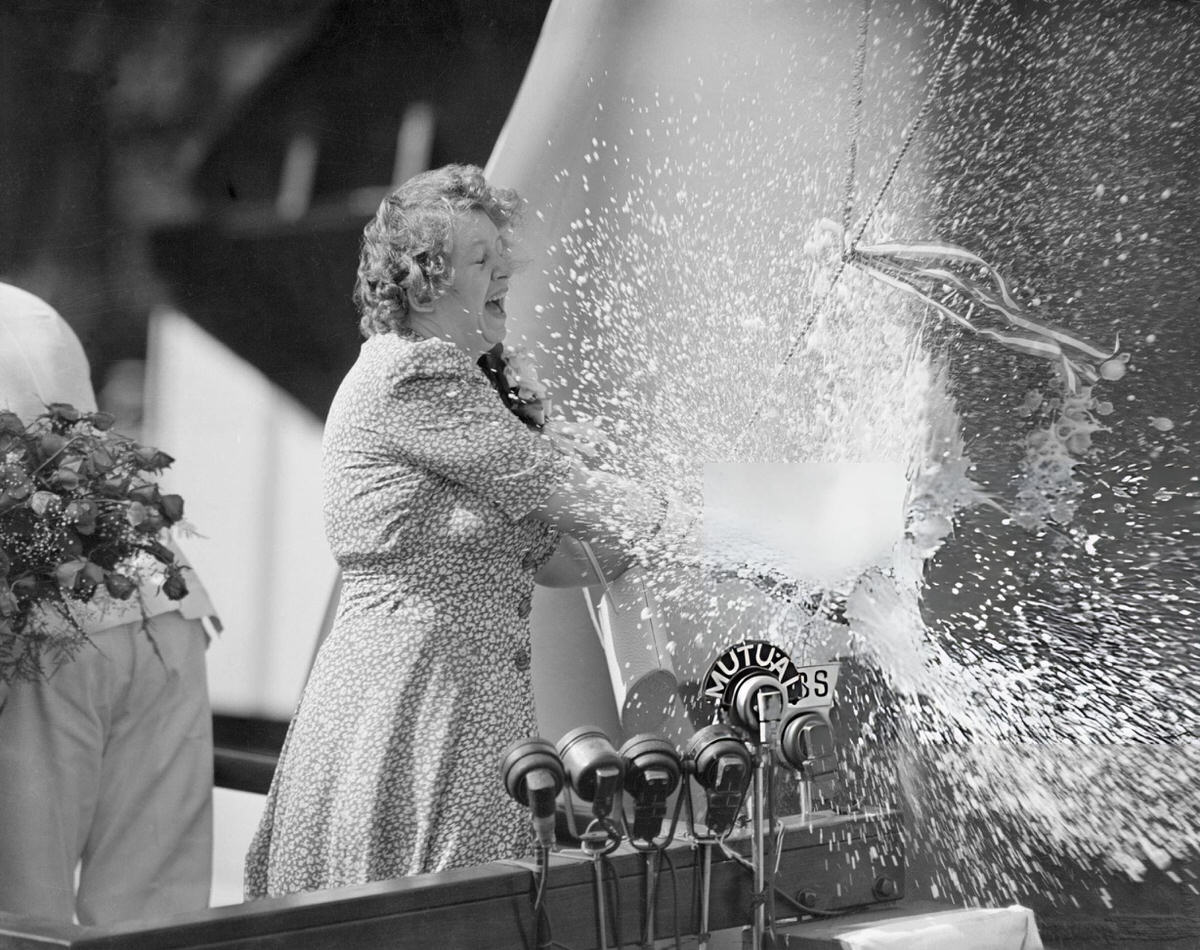
The yard repaired, upgraded, and launched ships faster than almost any facility in the world. The USS Missouri — the battleship where Japan’s surrender was signed on September 2, 1945, officially ending World War II — was built at the Brooklyn Navy Yard and launched in 1944. That moment marked the highest point in the yard’s long history.
The Long Decline and Final Closure
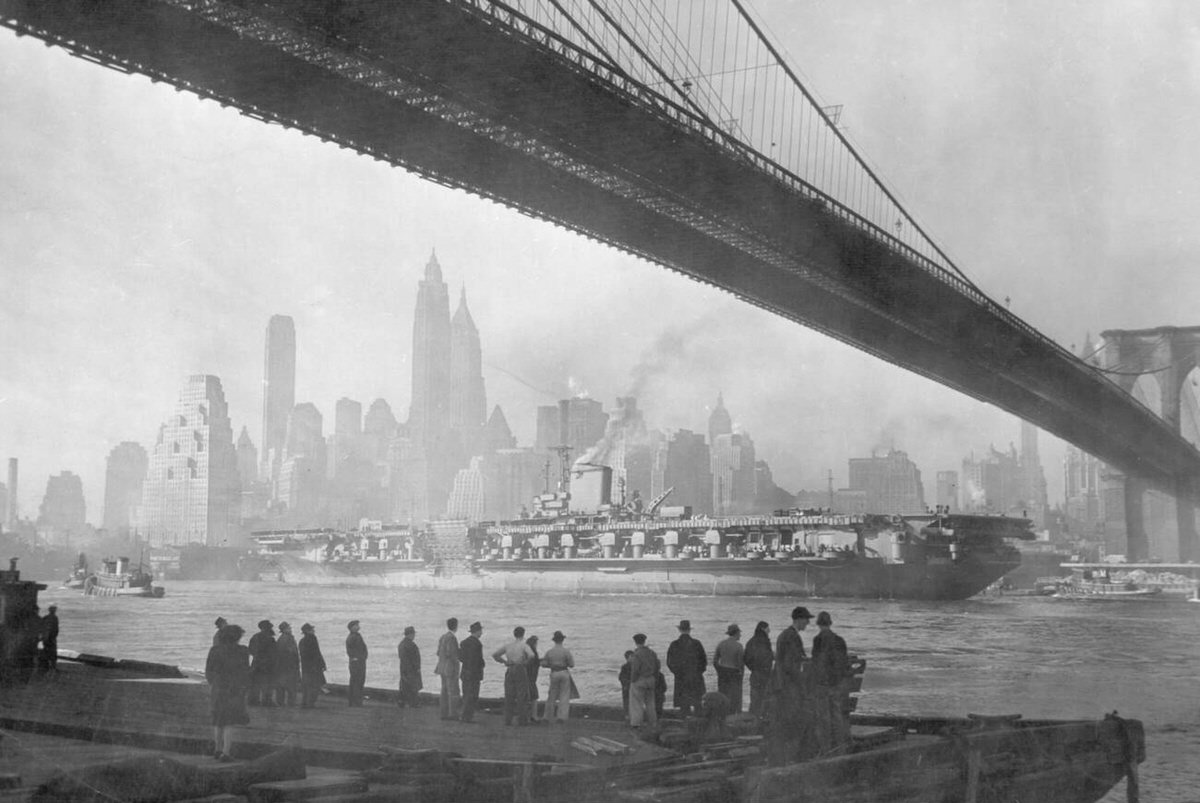
After the war ended, demand for new warships dropped sharply. The Navy had more ships than it needed. Budgets were cut, workers were laid off, and the massive workforce slowly shrank from 70,000 to a few thousand. By the 1950s, the yard was doing mostly repair work rather than building new ships.
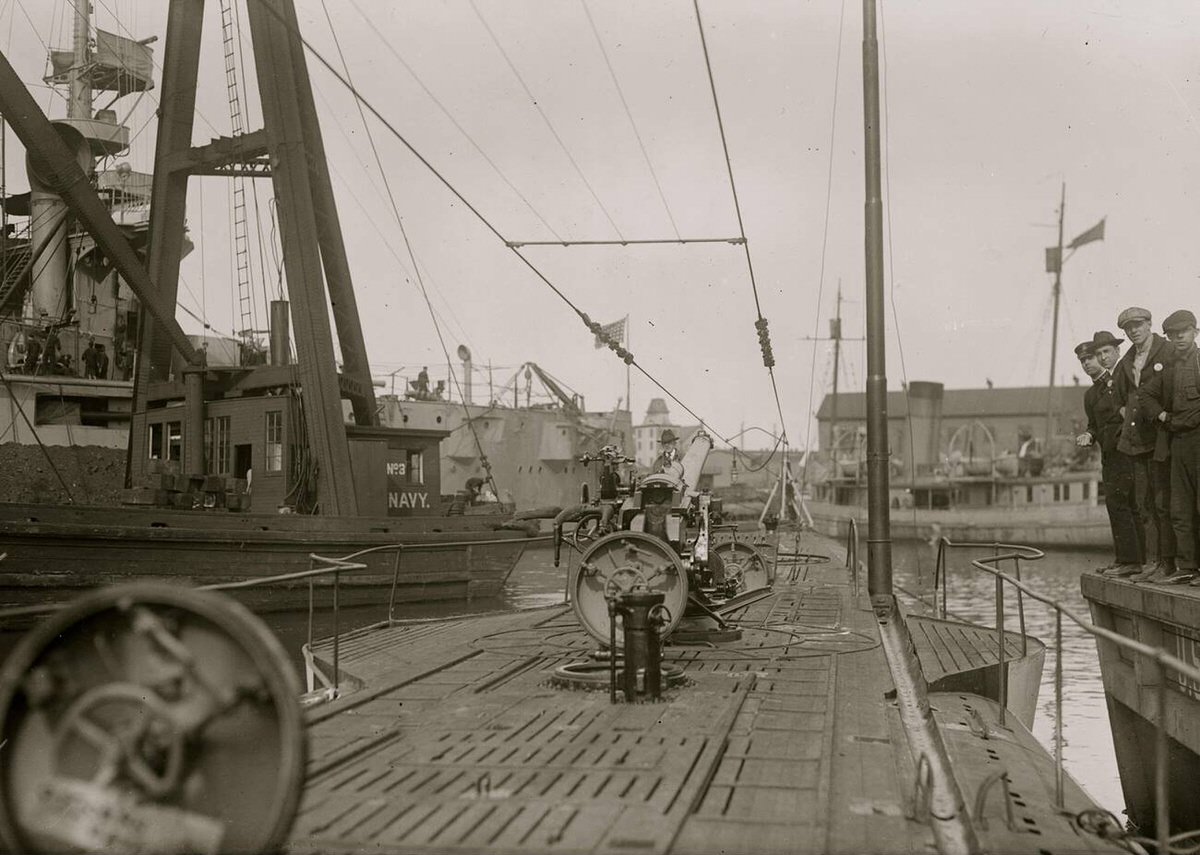
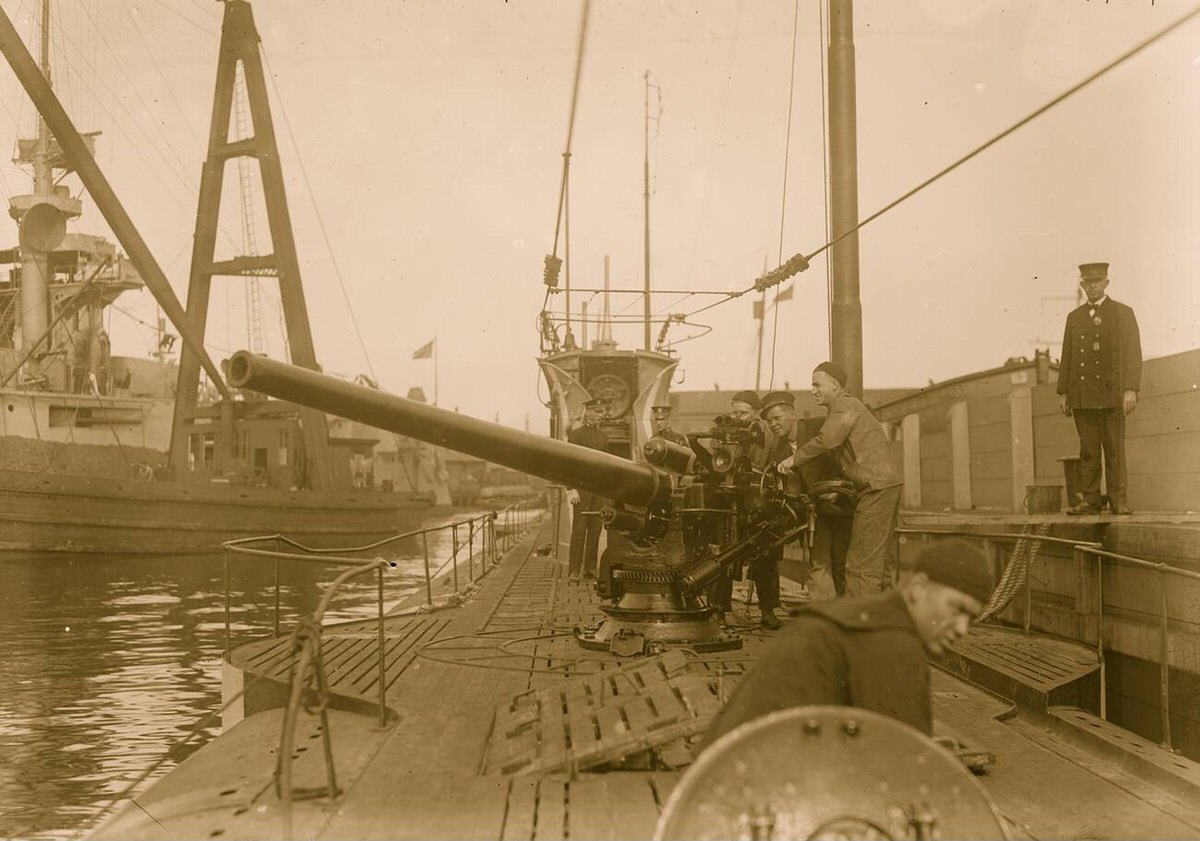
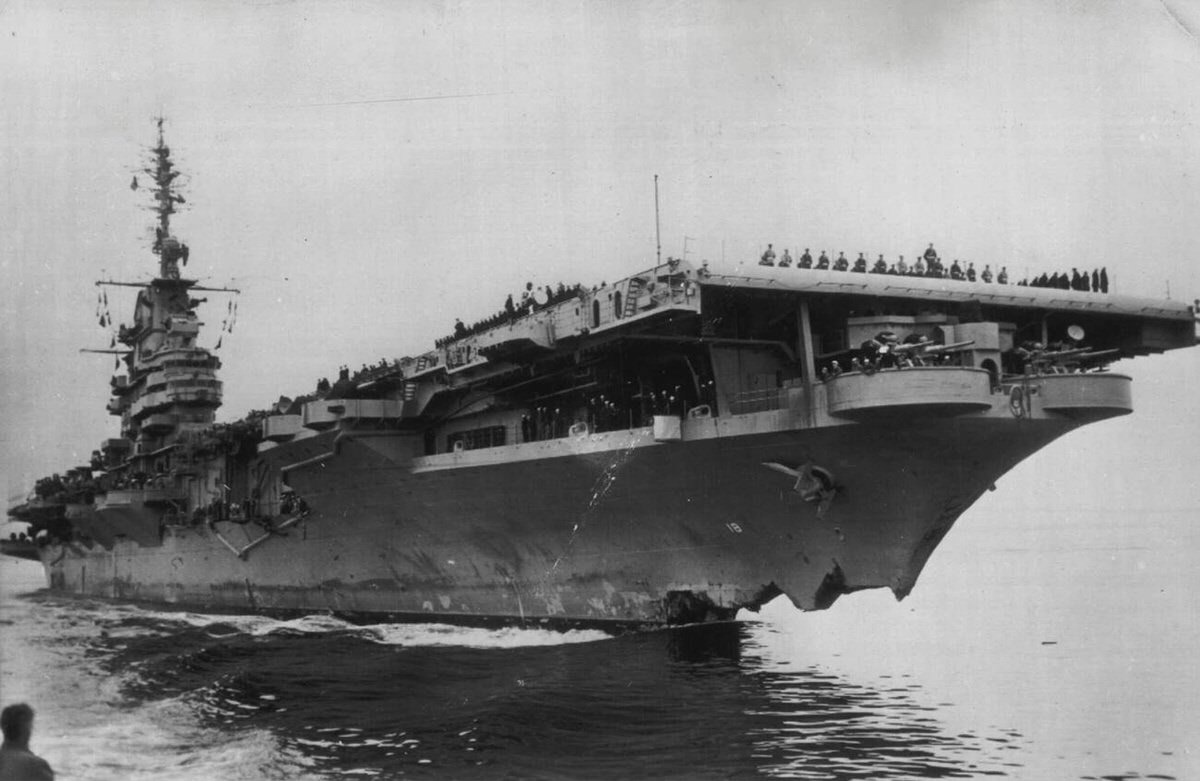
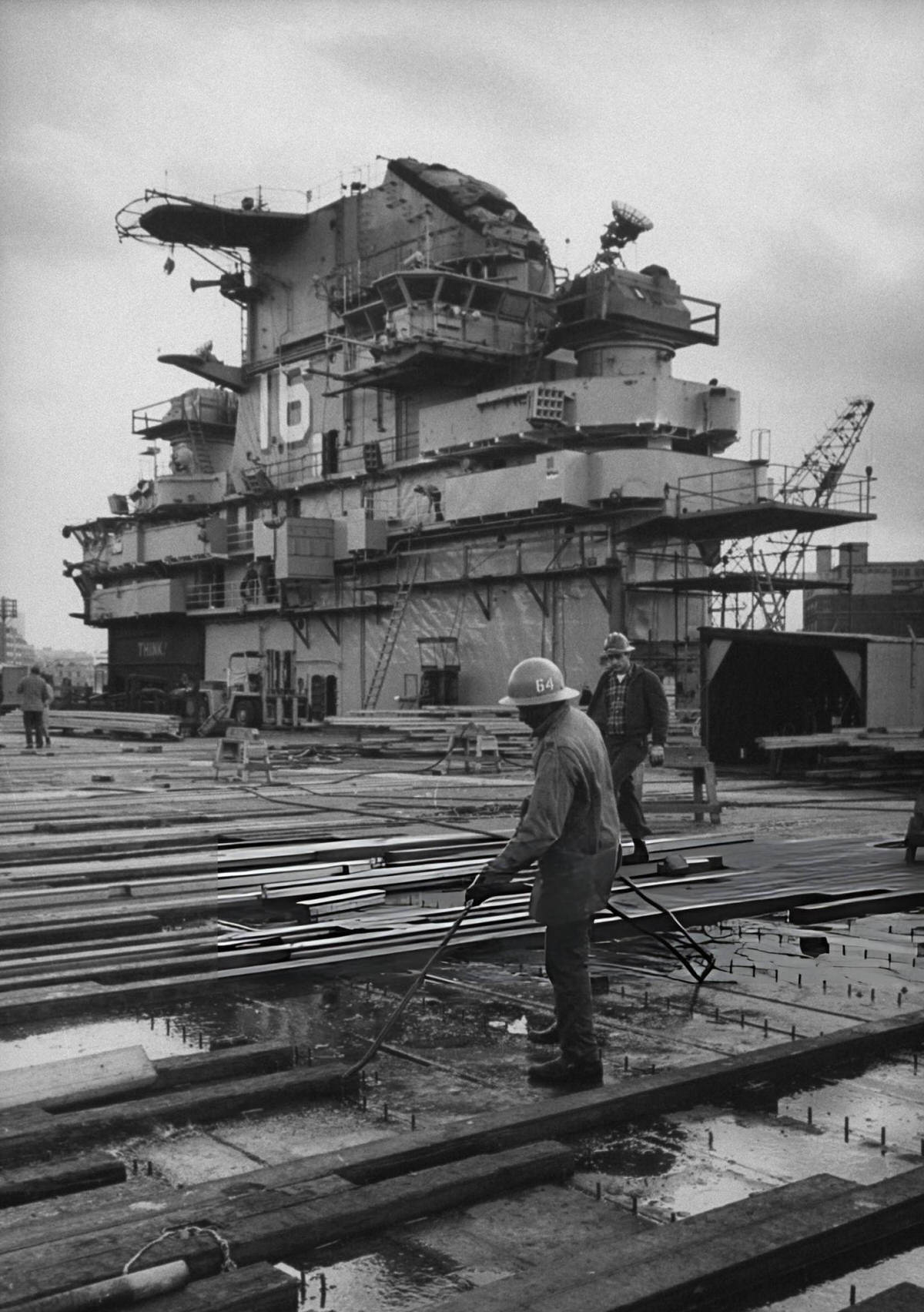
The rise of aircraft carriers and nuclear submarines changed what the Navy needed. Those vessels required specialized facilities that the Brooklyn yard was not designed to handle. Modernizing would have cost far more than the government was willing to spend. The writing was on the wall.
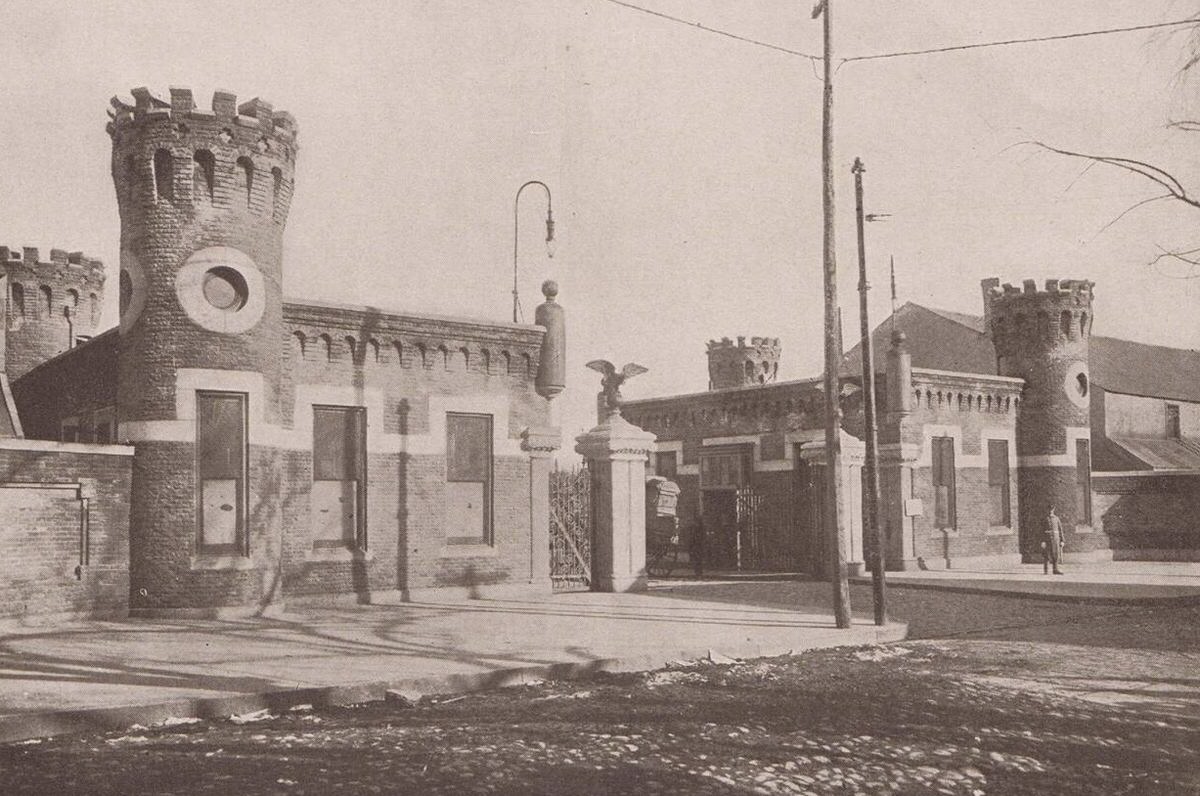
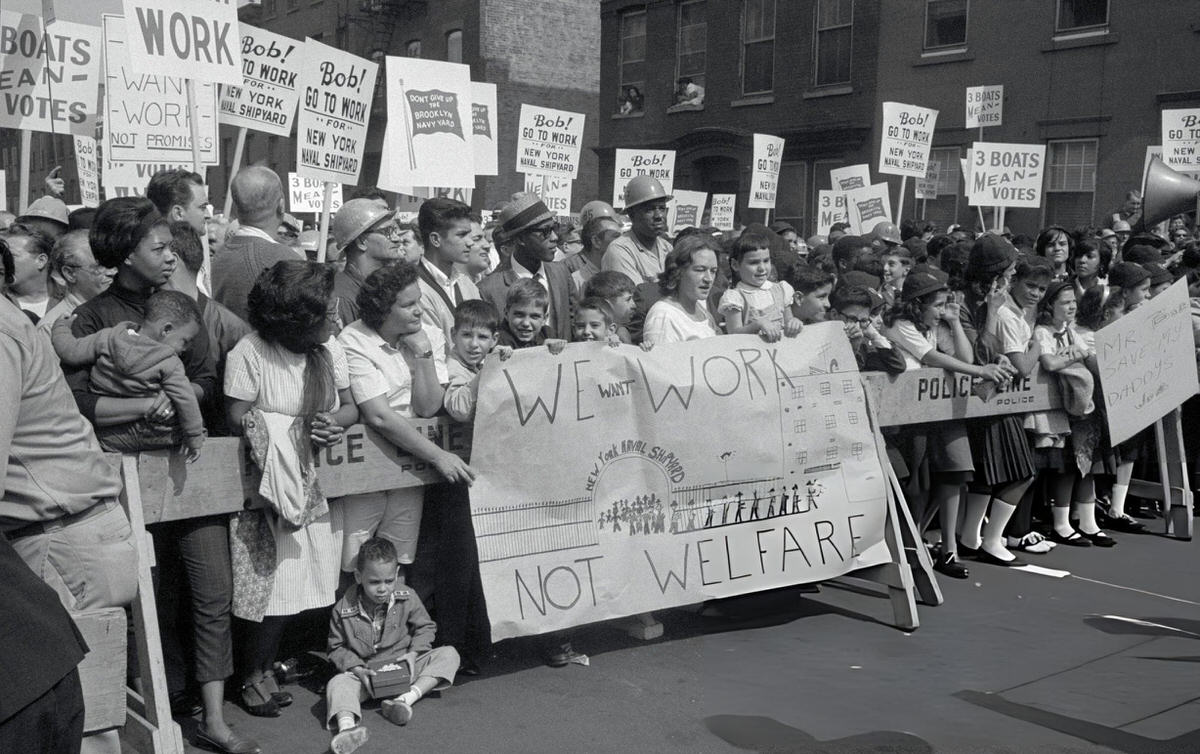
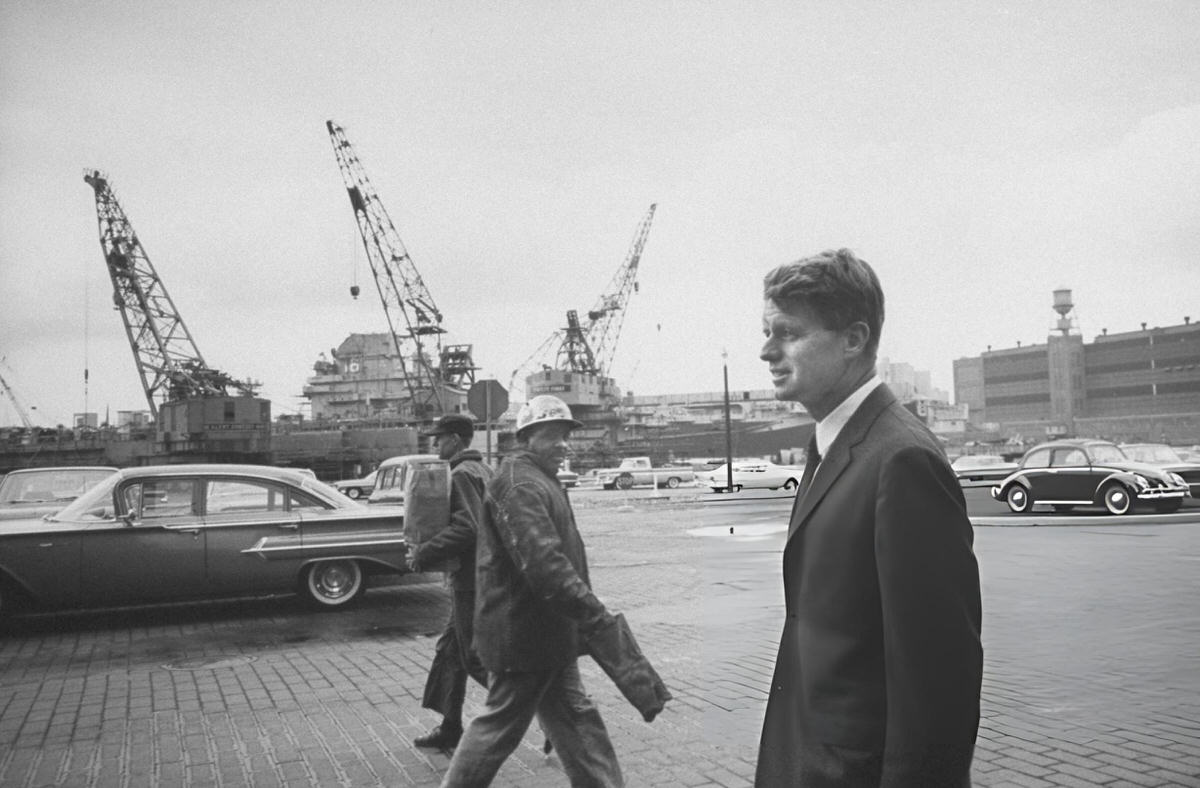
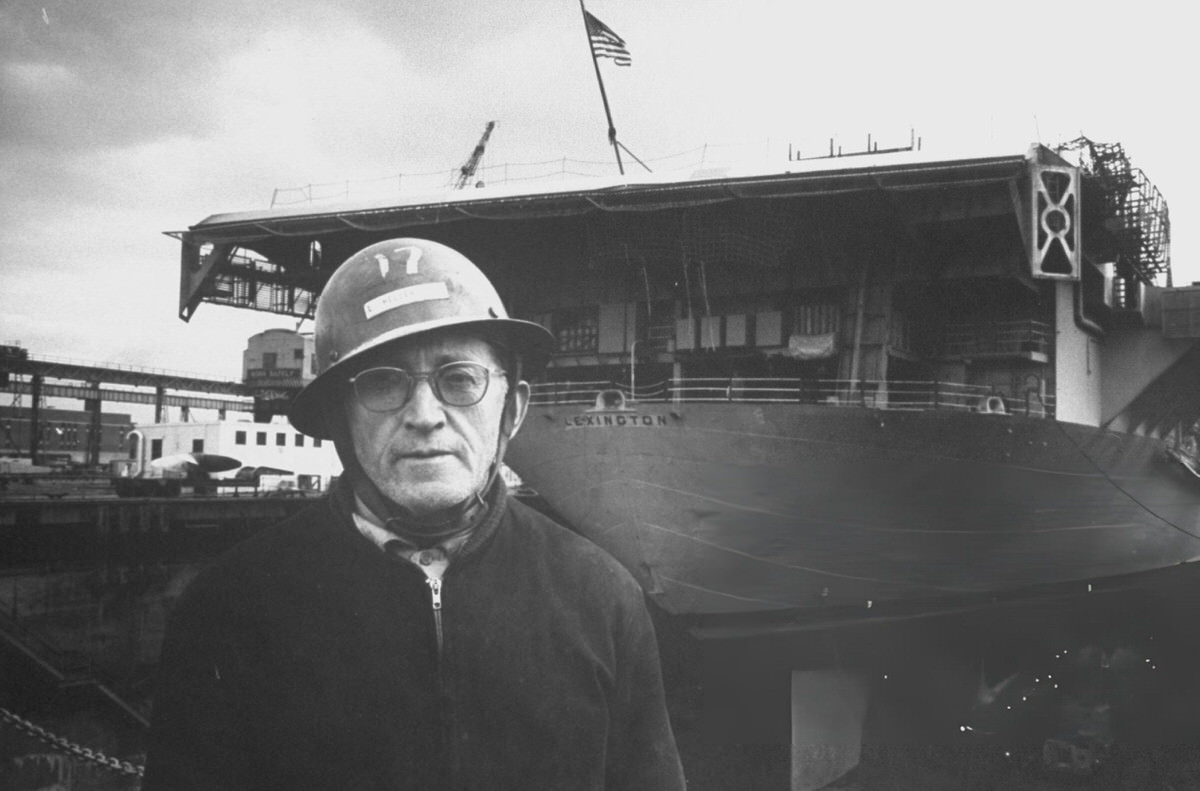
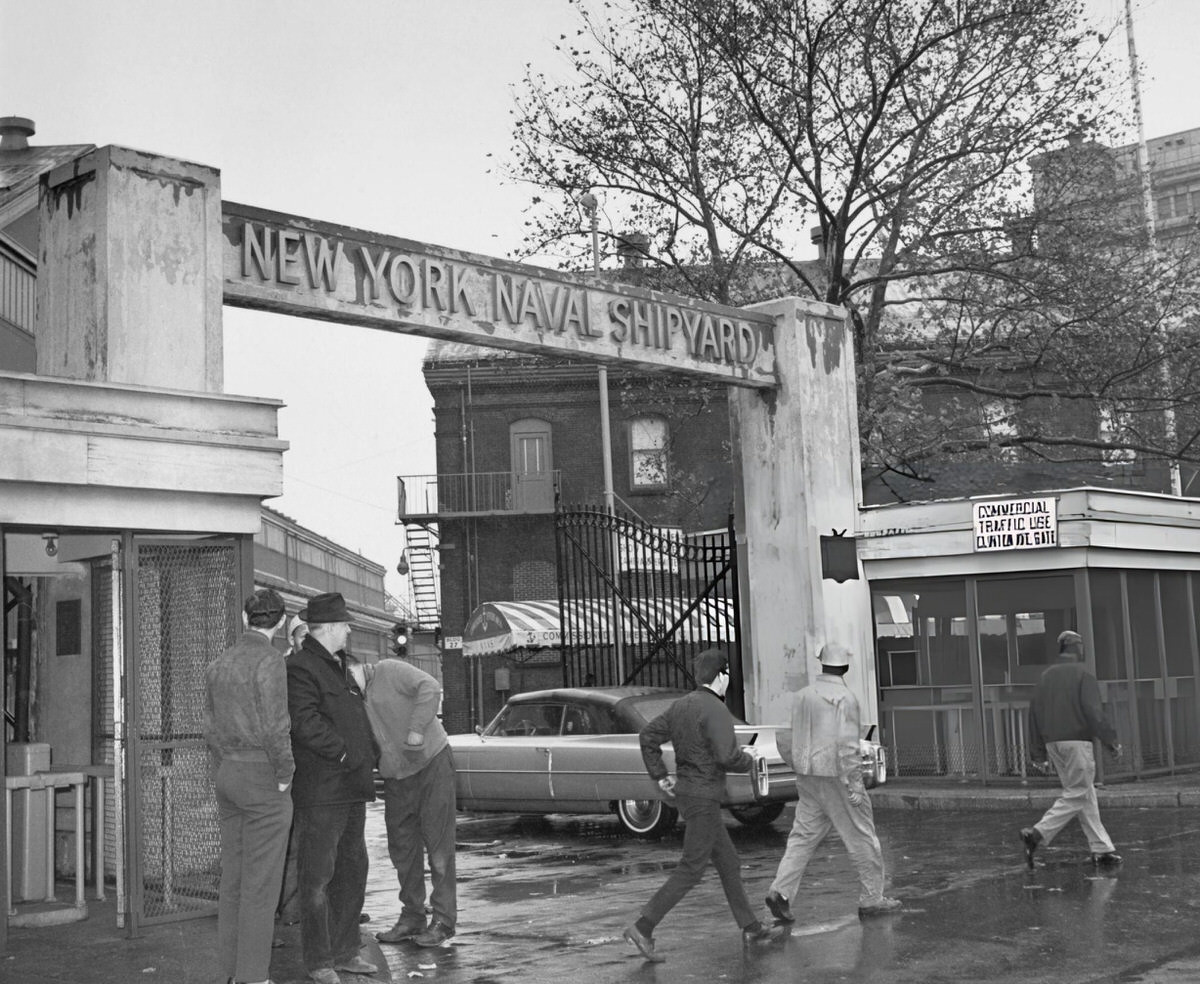
On June 30, 1966, the Department of Defense officially closed the Brooklyn Navy Yard. It was part of a wave of base closures across the country meant to cut military spending during peacetime. Over 9,000 remaining workers lost their jobs in a single day. The gates closed. The cranes went quiet. One of the most productive military facilities in American history shut down after 165 years.

GIPHY App Key not set. Please check settings