

 Wendy Robert
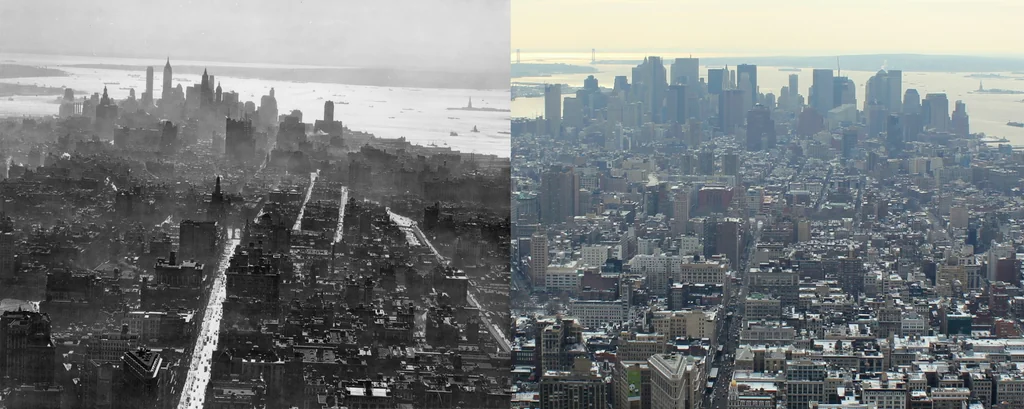
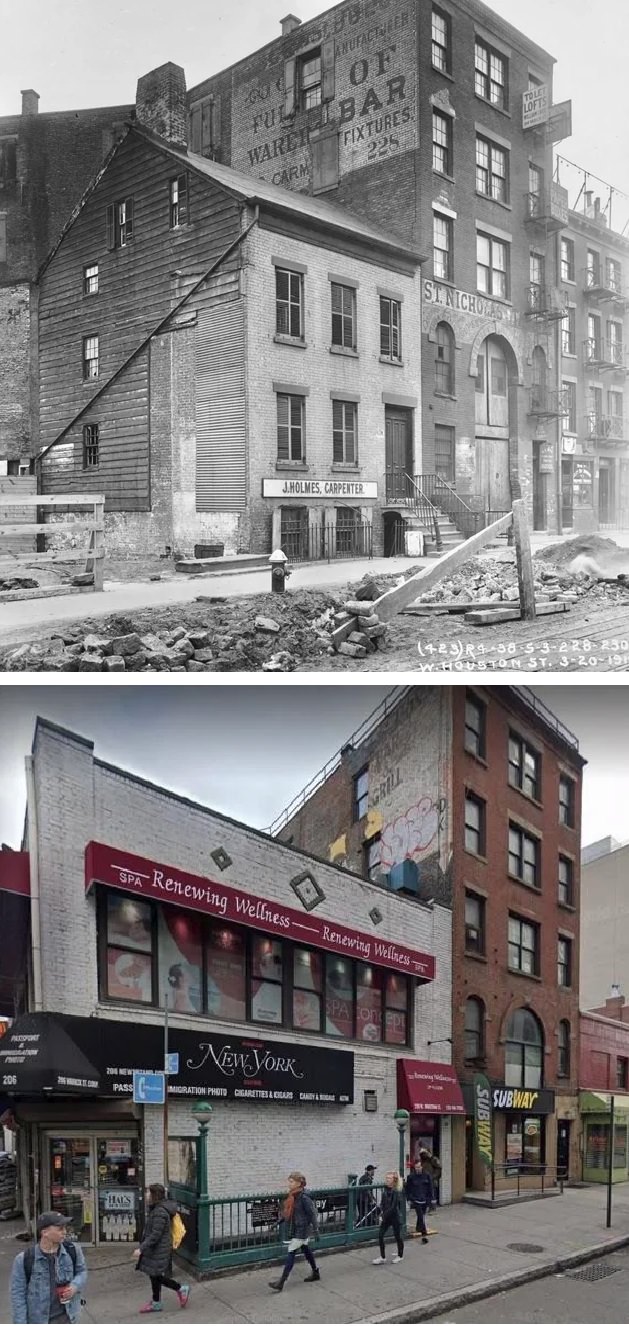
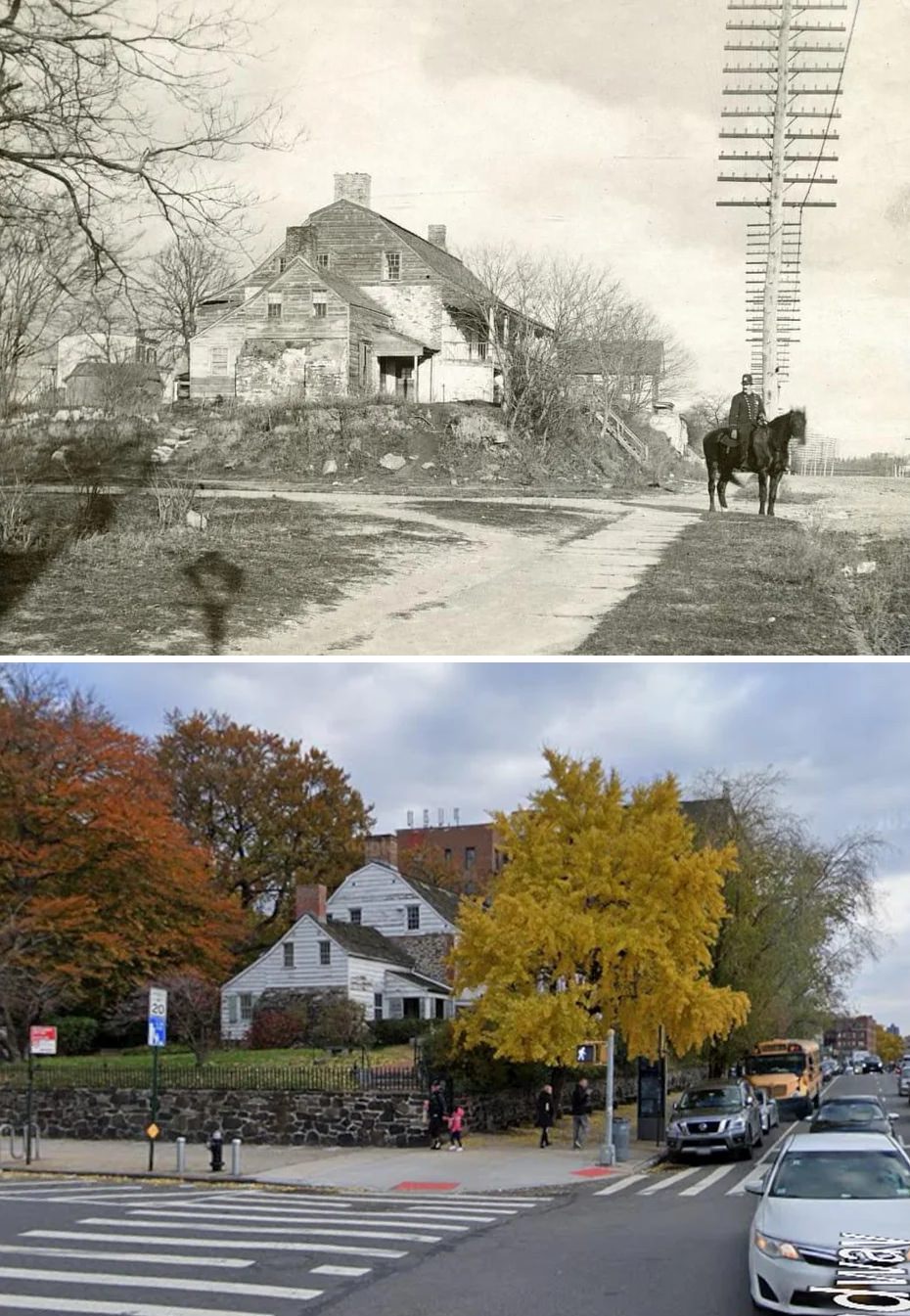
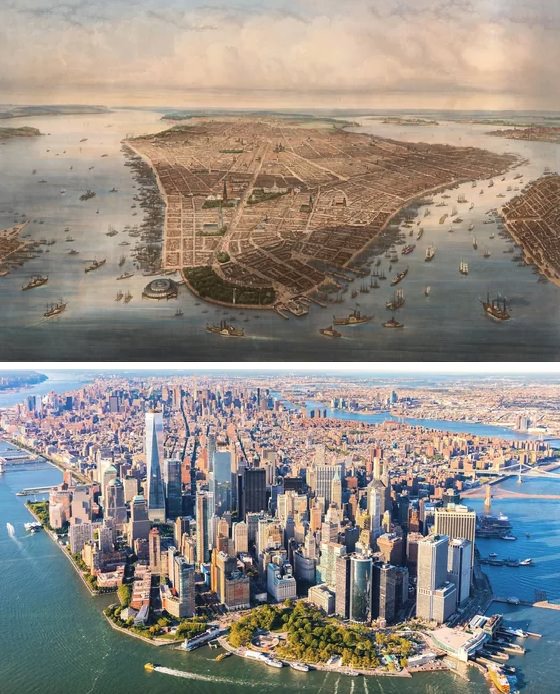
Manhattan began as a small trading settlement at the southern tip of the island. In the 1600s, Dutch colonists built simple wooden houses and trading posts near what is now Lower Manhattan. Dirt roads and shoreline docks defined the early landscape.
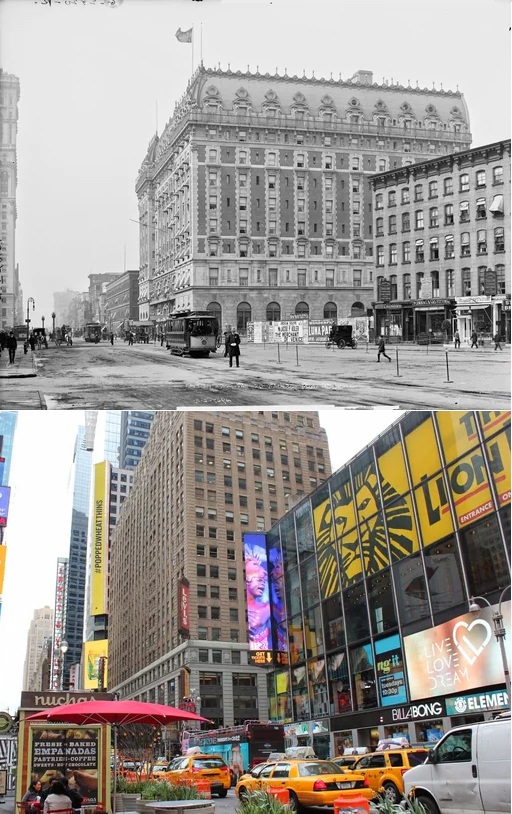
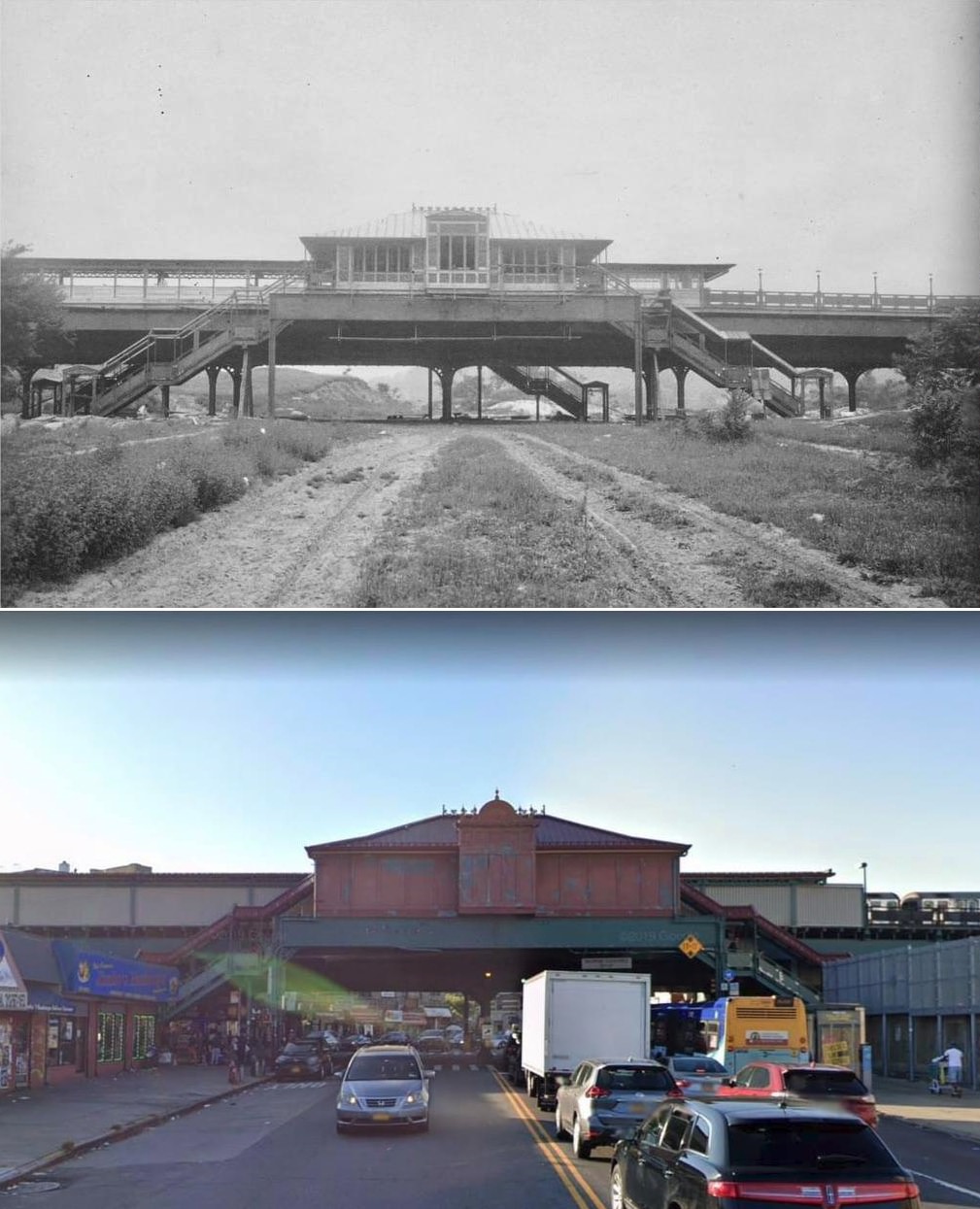
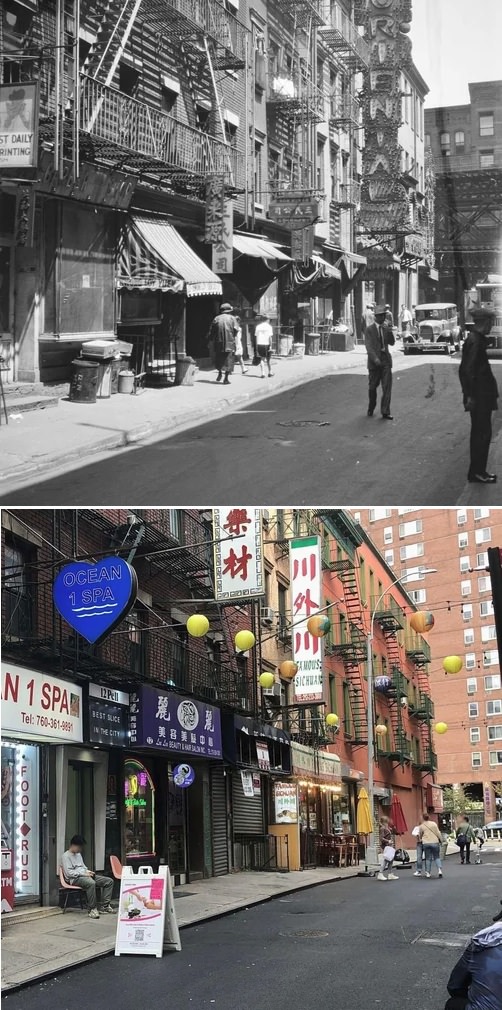
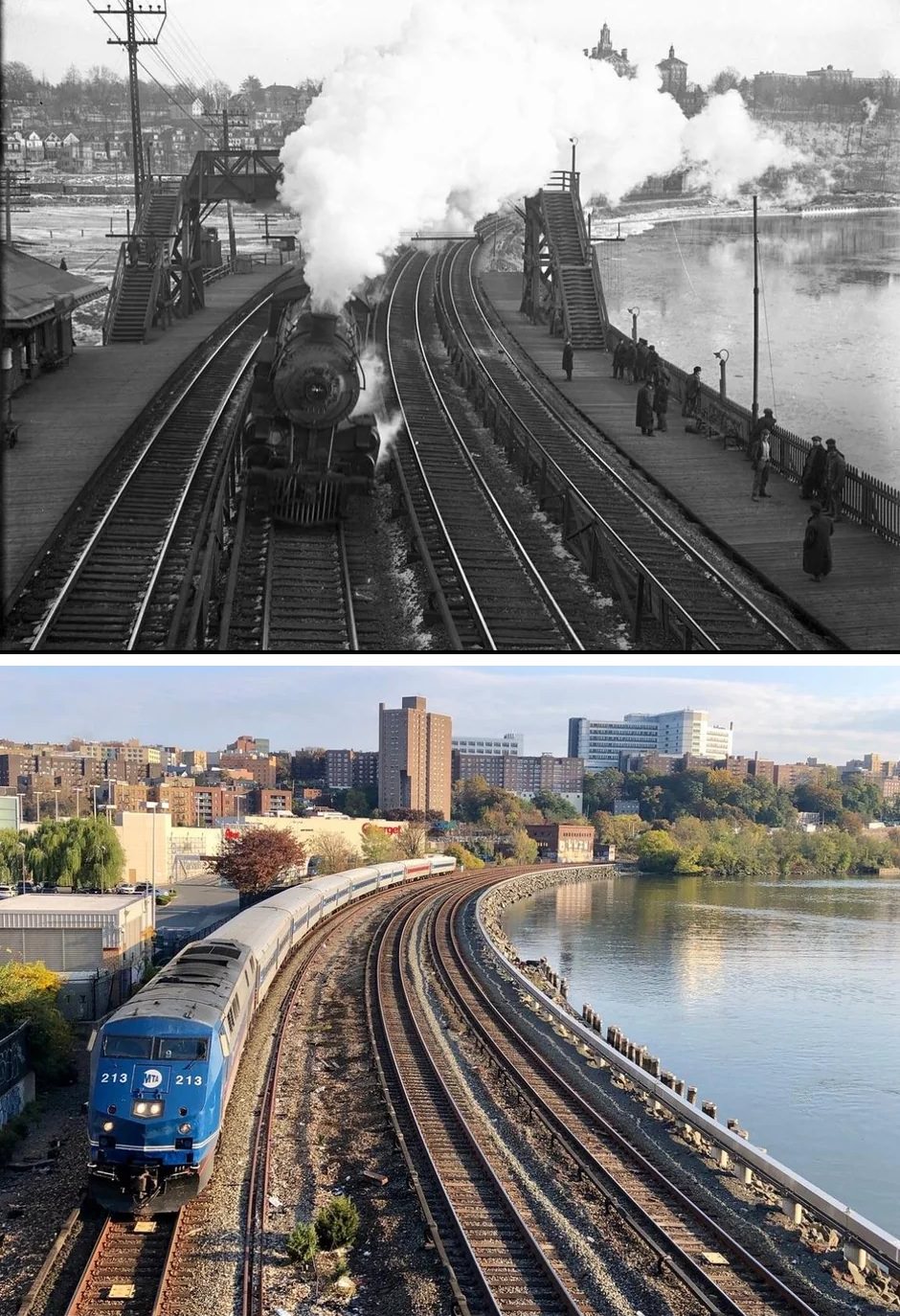
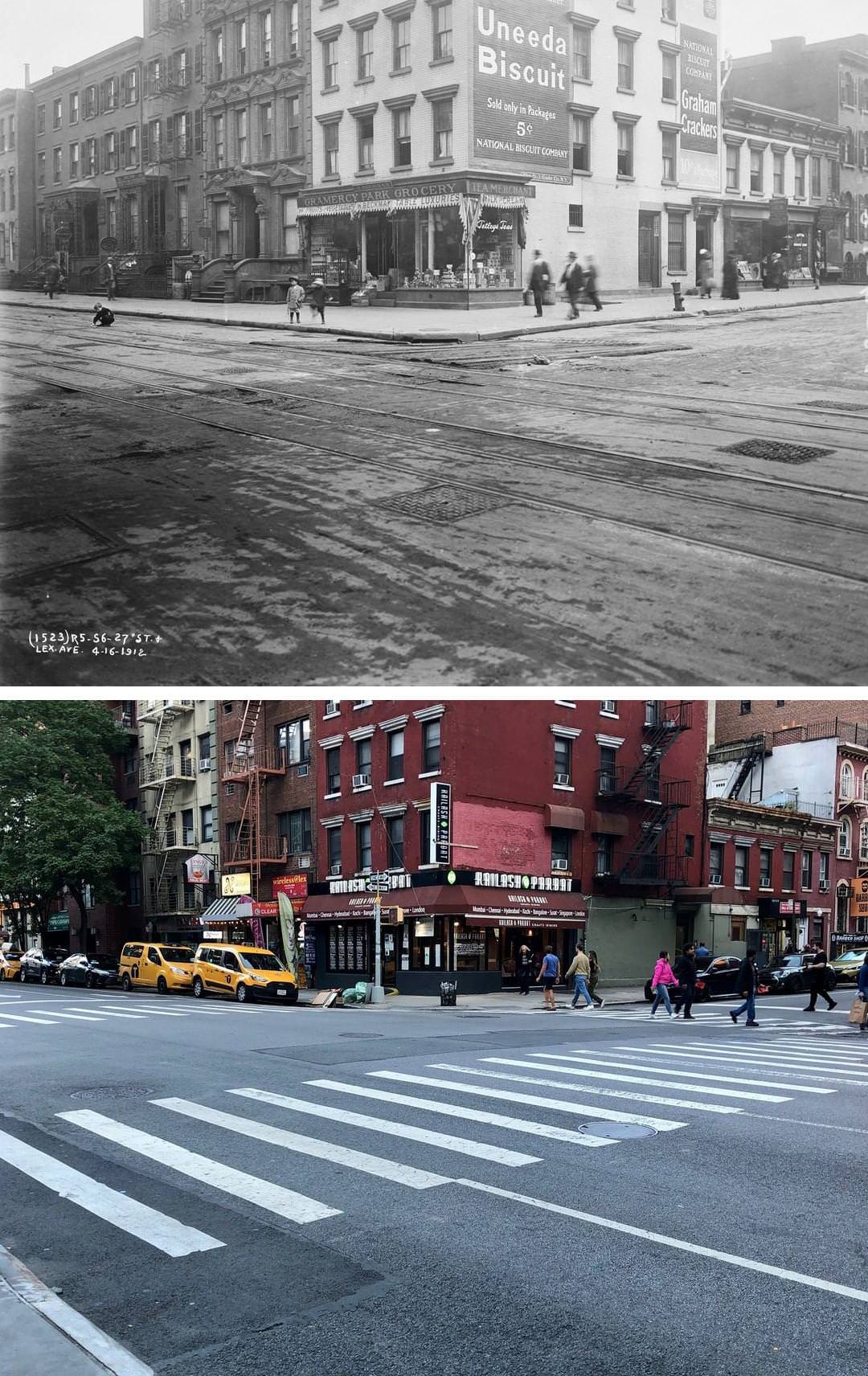
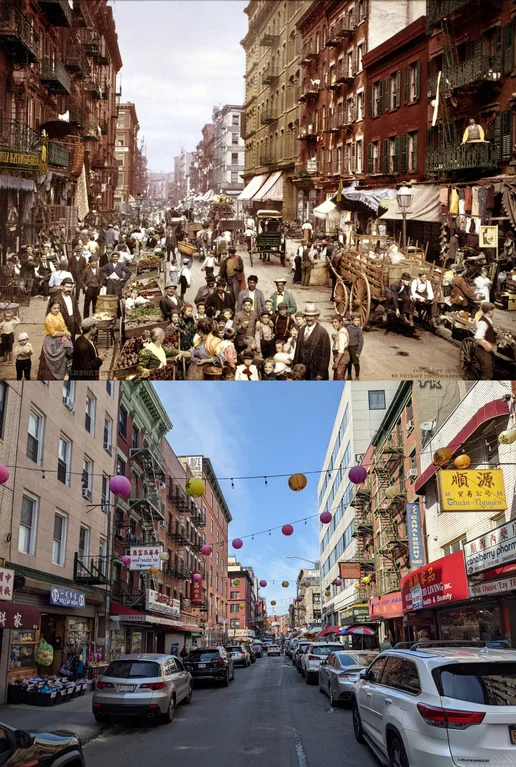
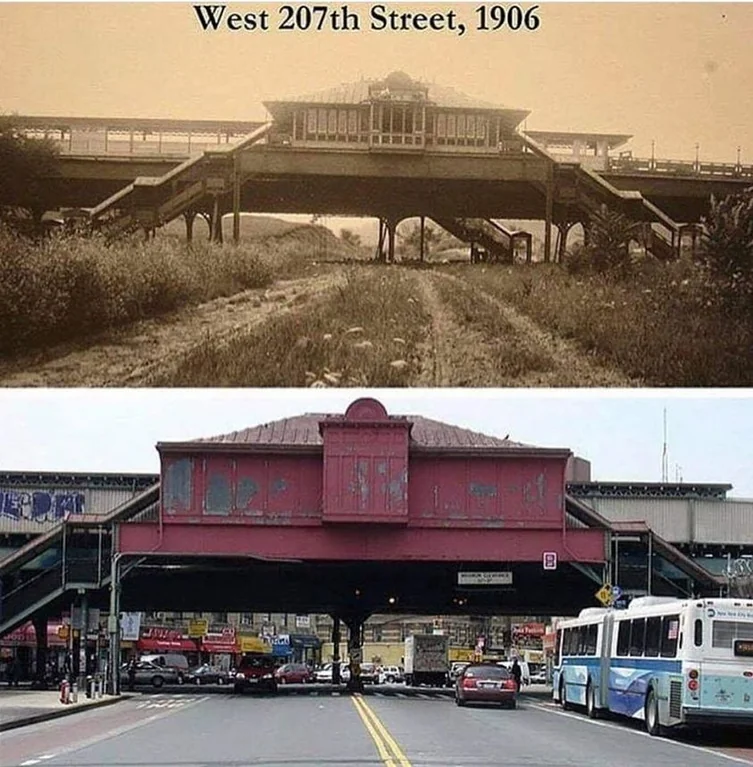
By the 1800s, Manhattan had become the center of business and immigration in New York City. Brick rowhouses replaced many early wooden buildings. Streets filled with horse-drawn wagons, elevated trains, and growing crowds.
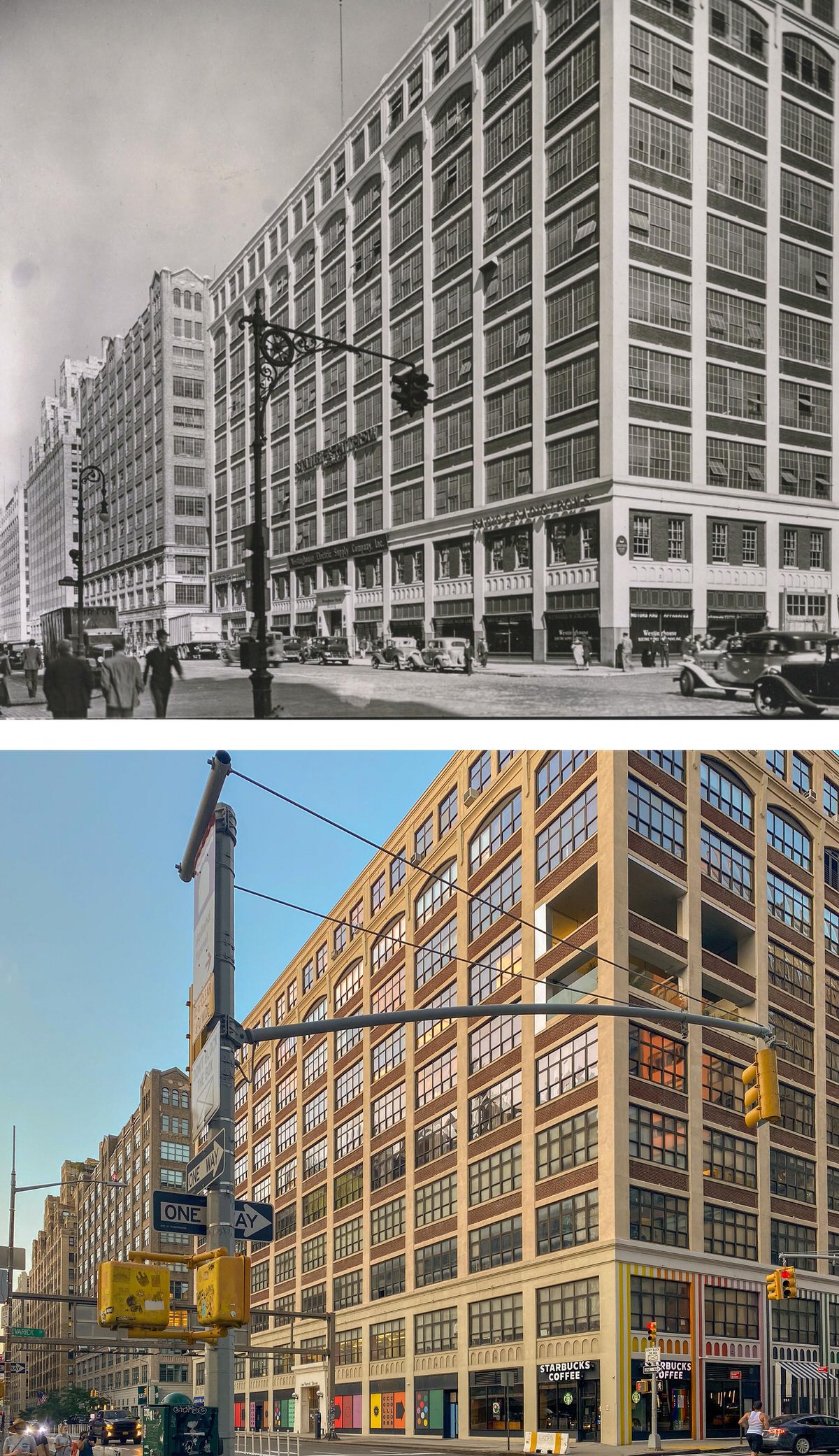
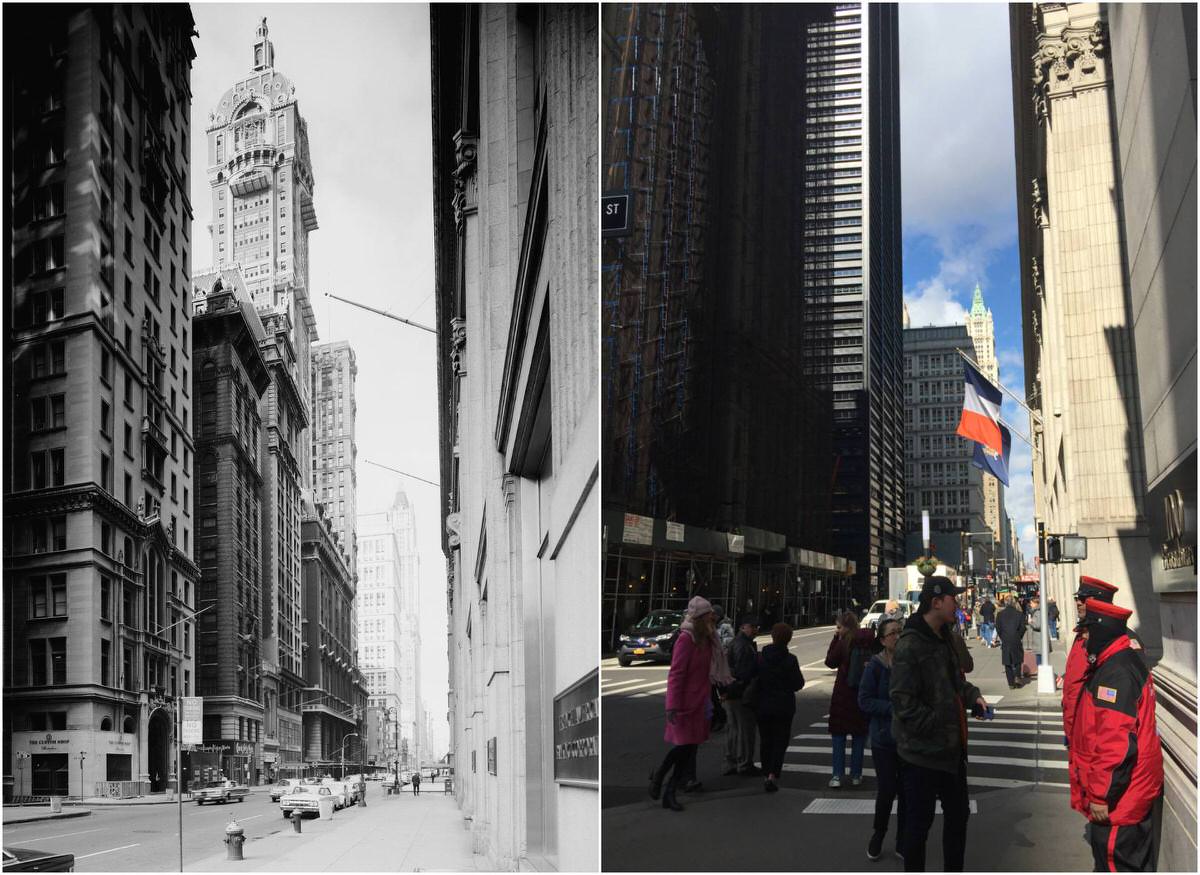
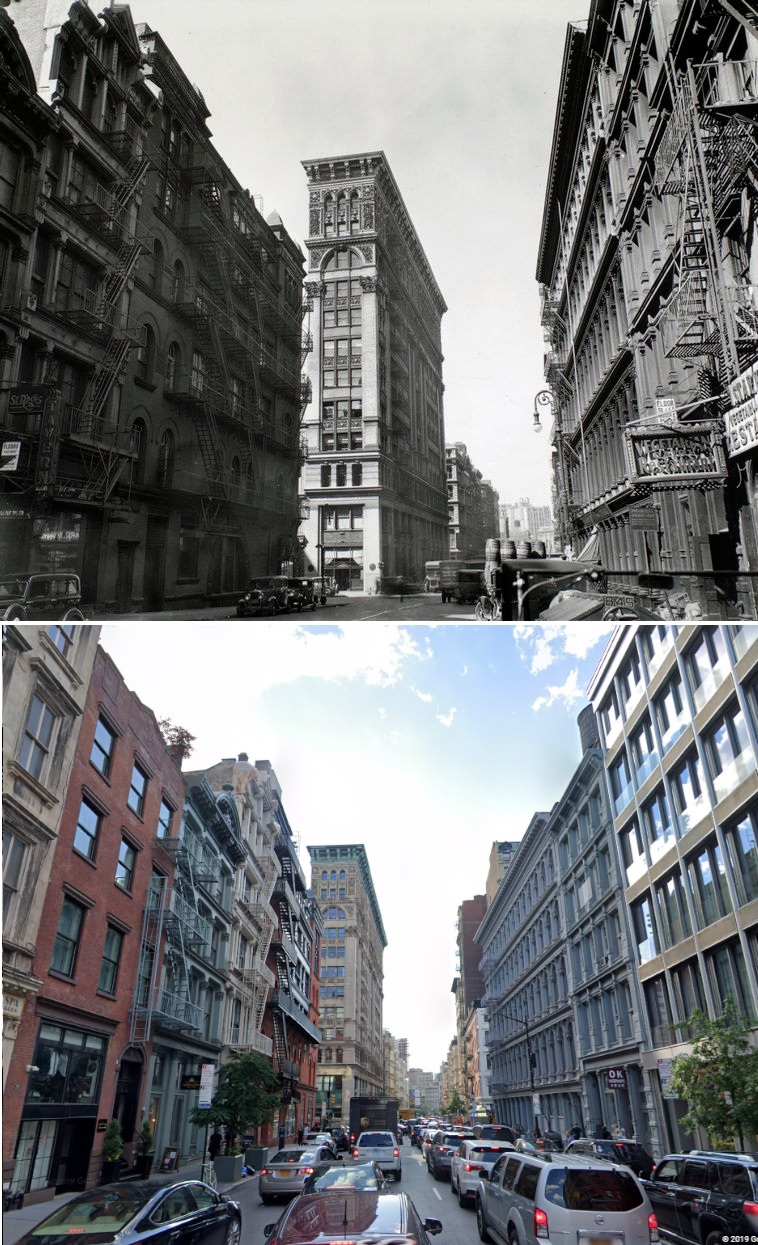
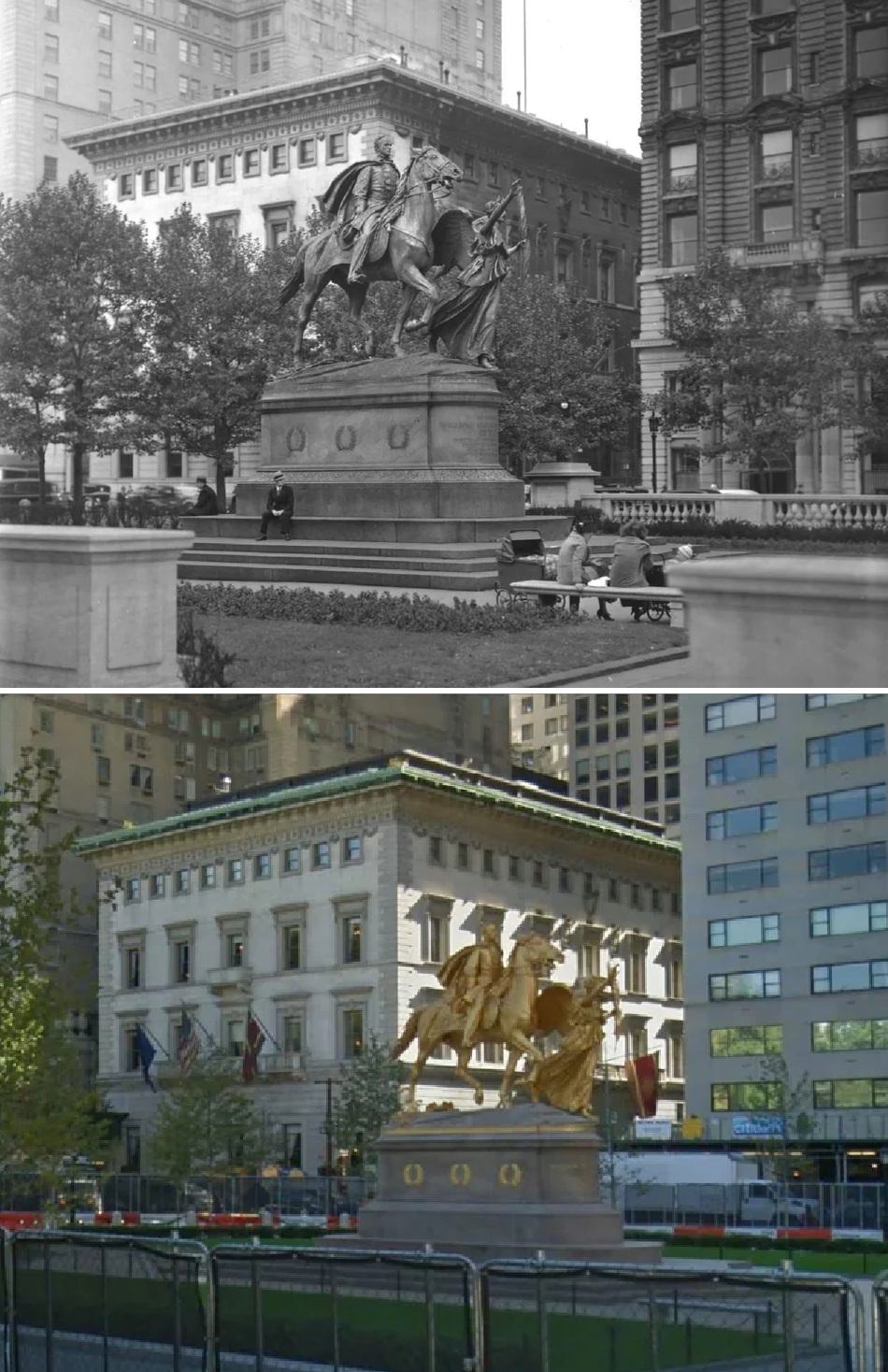
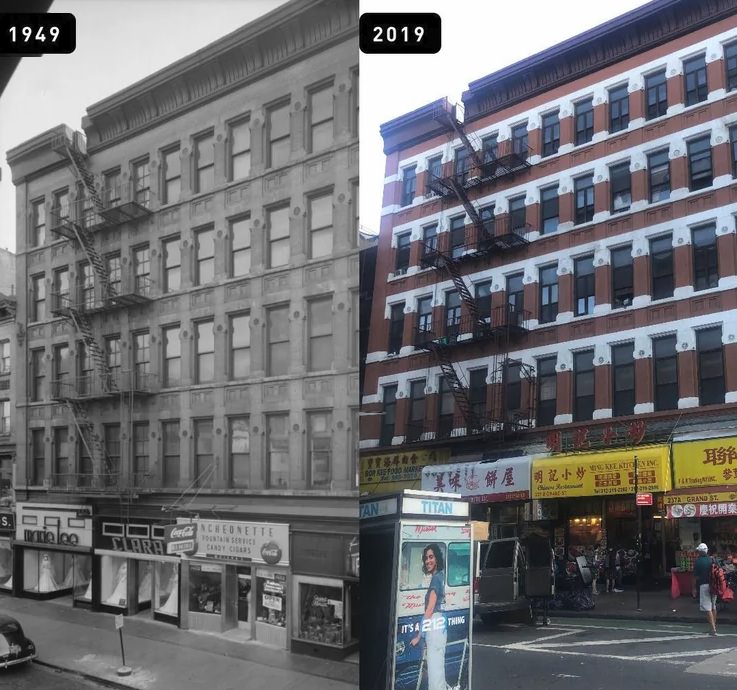
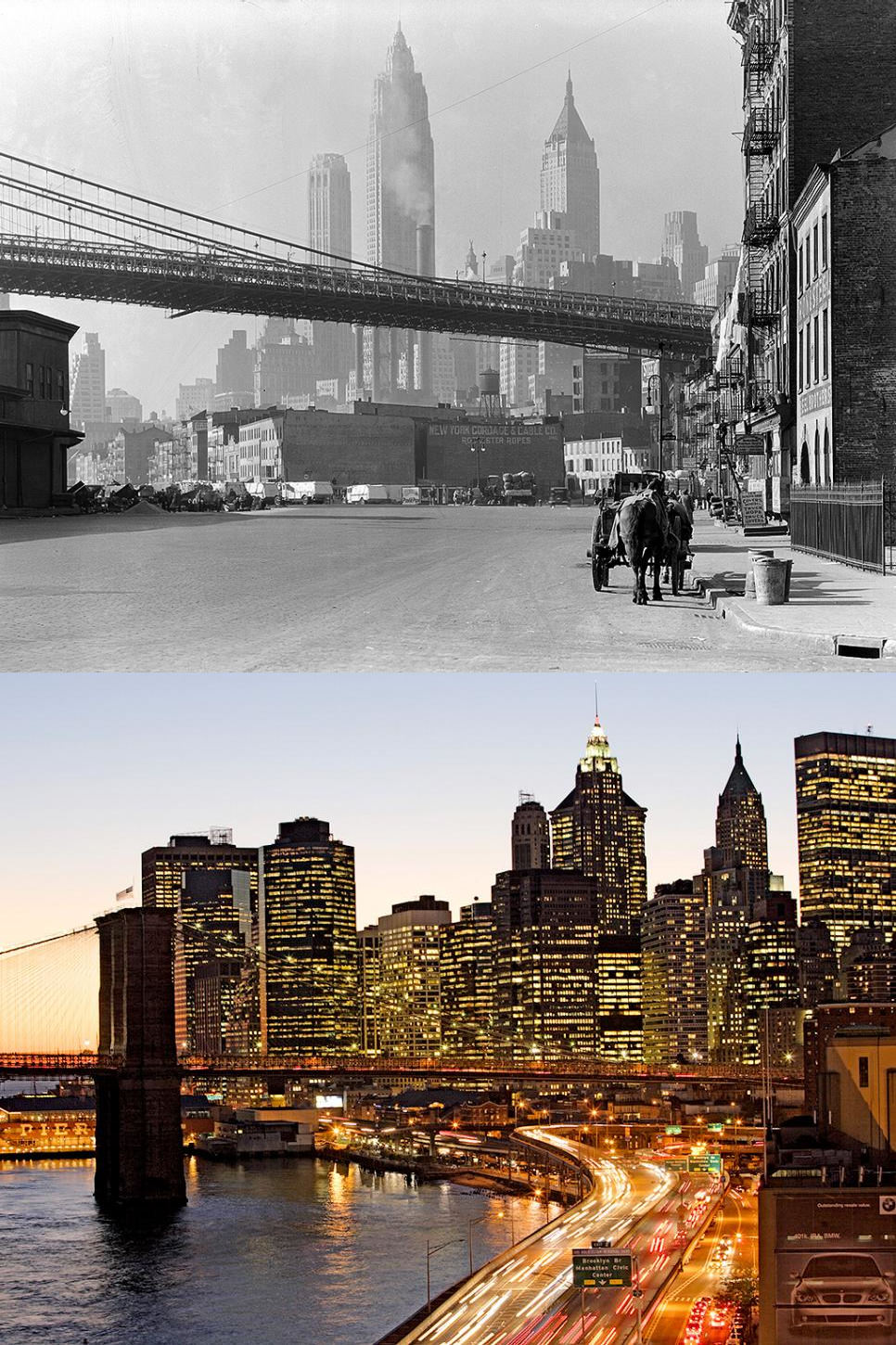
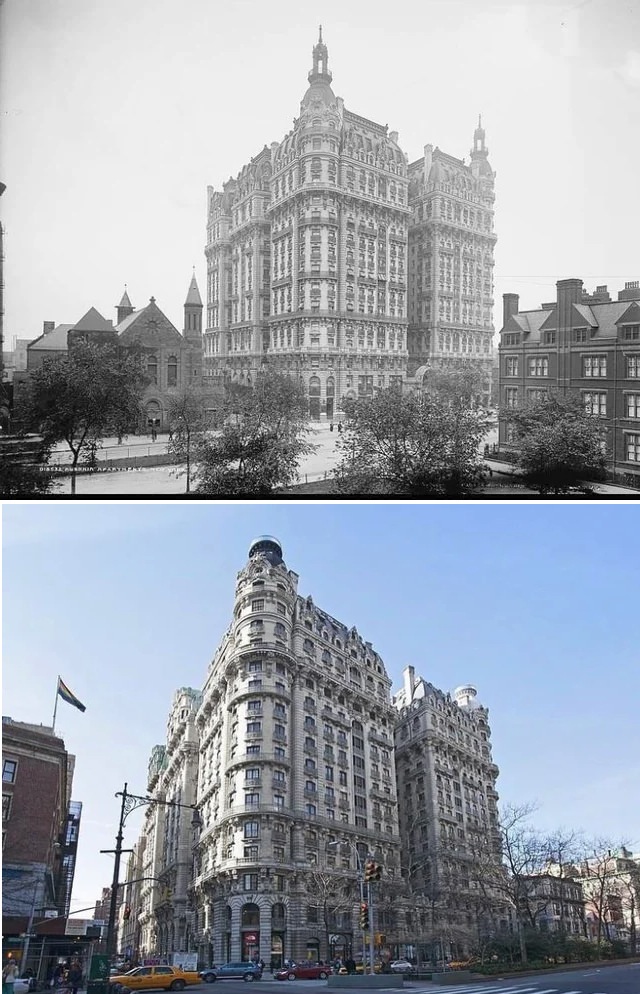
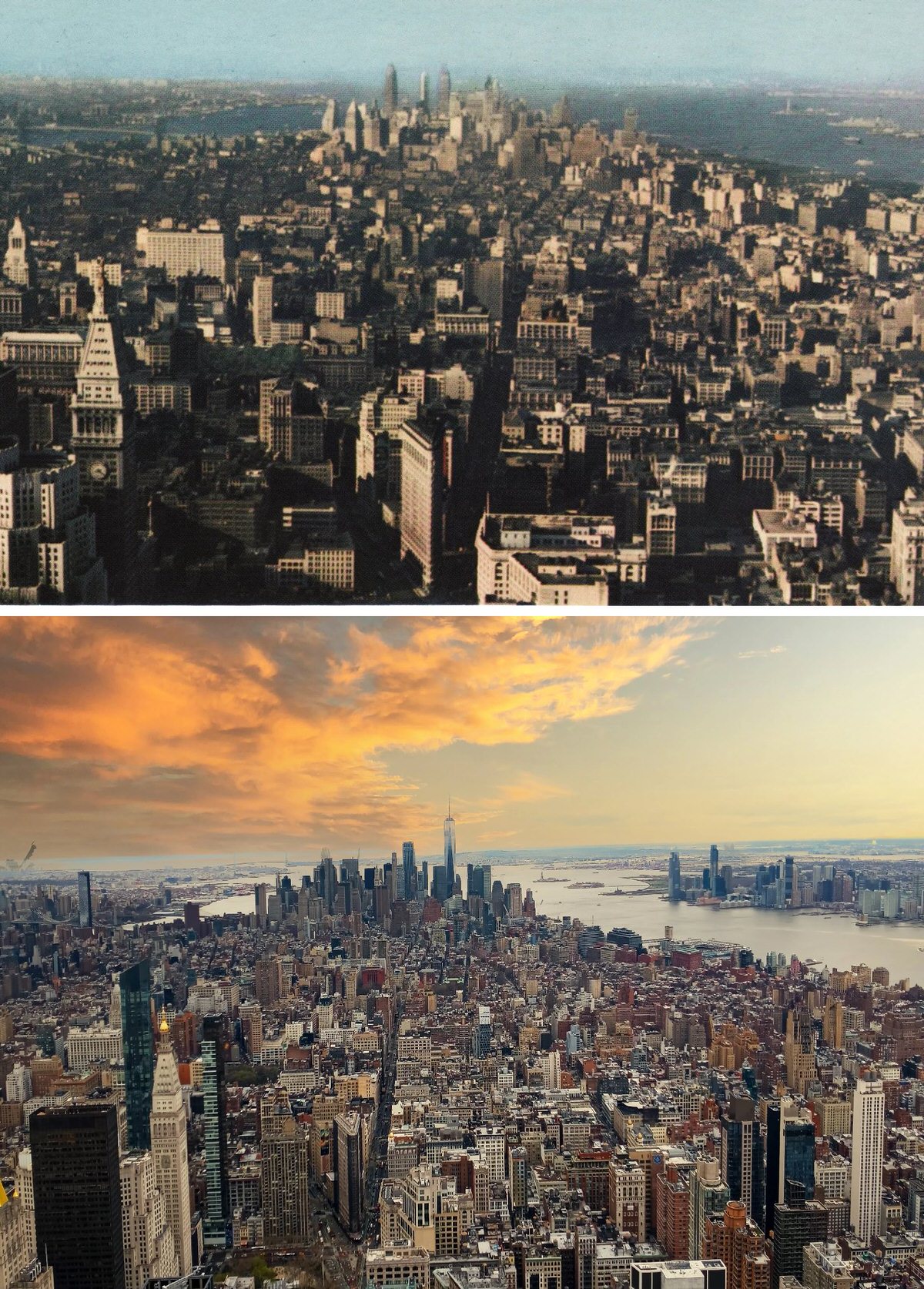
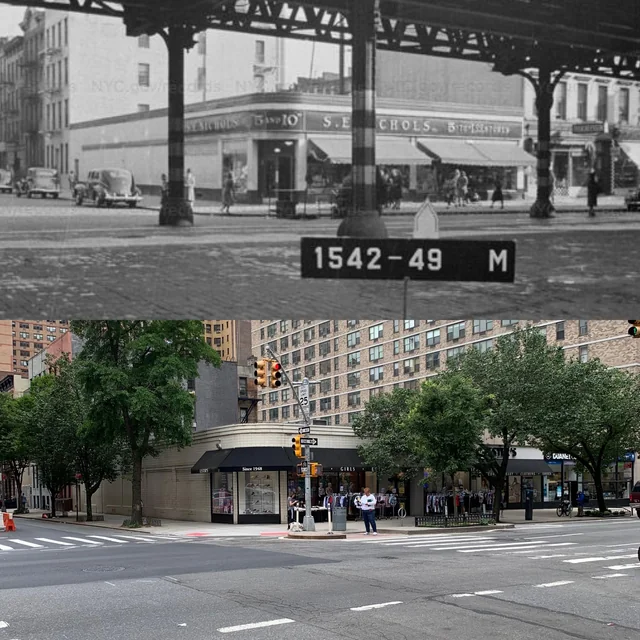
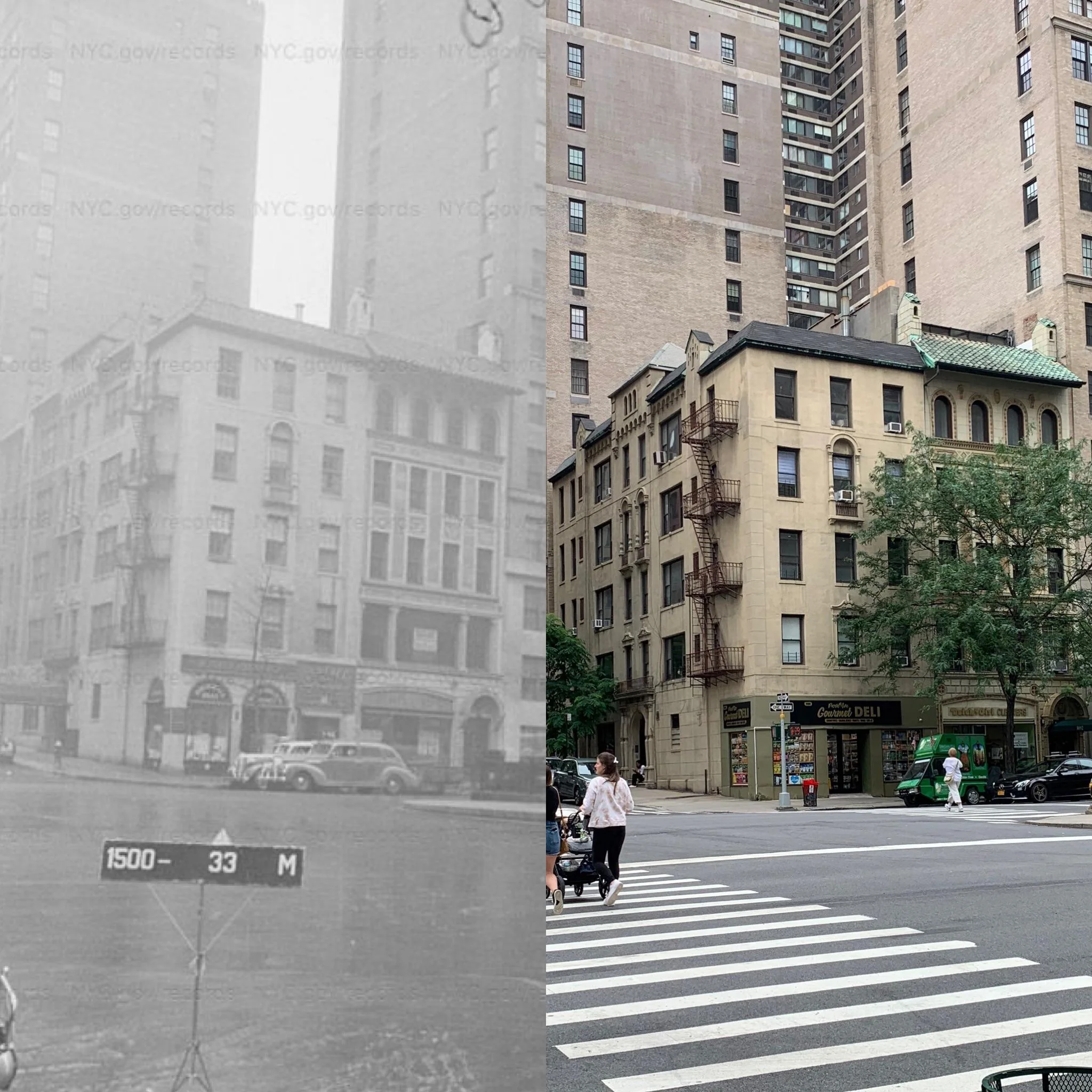
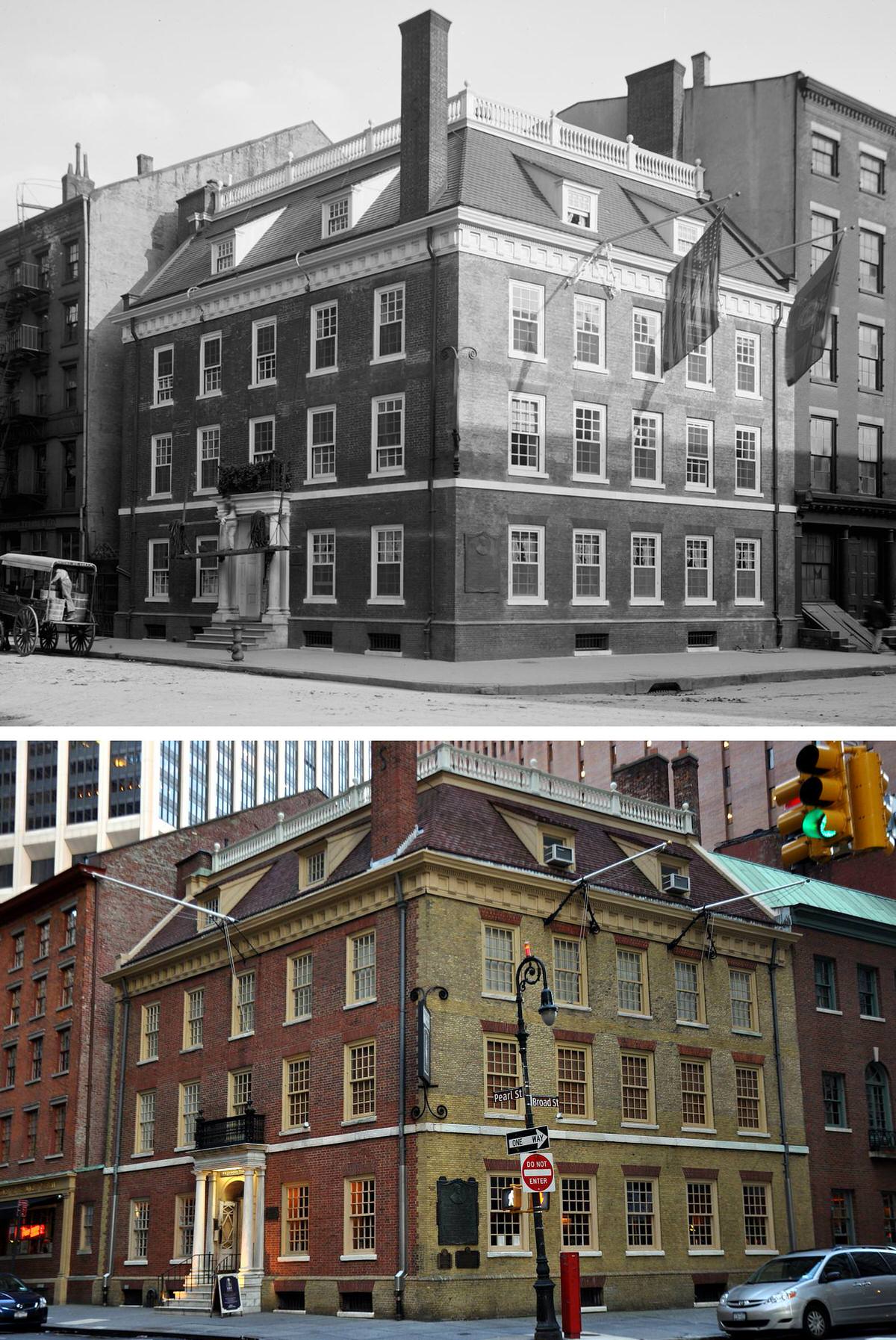
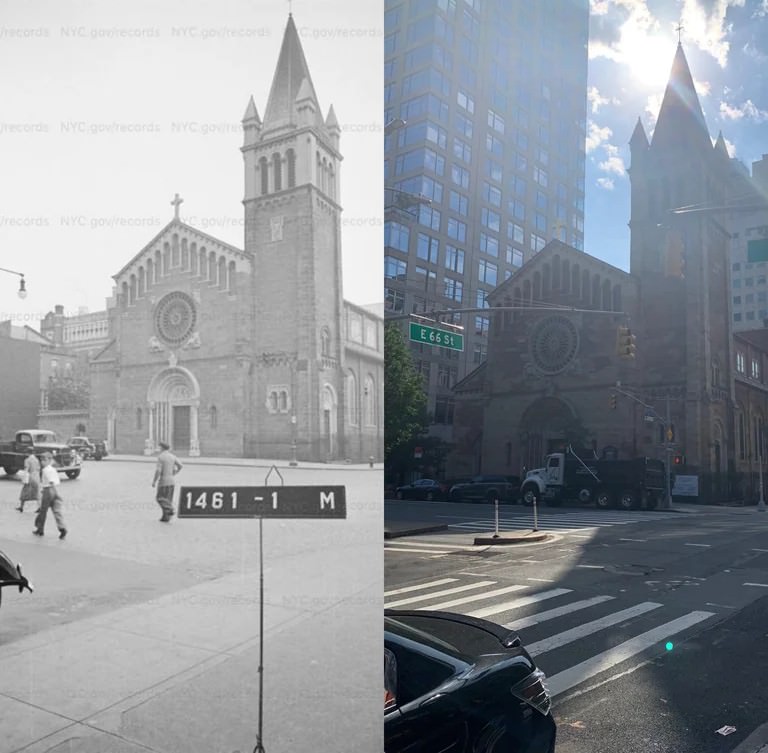
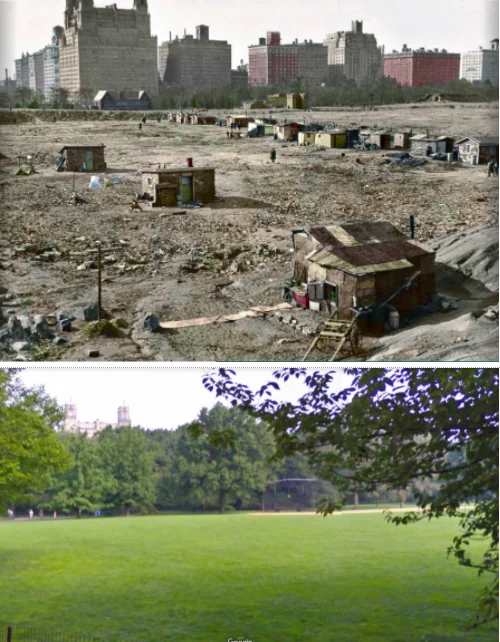
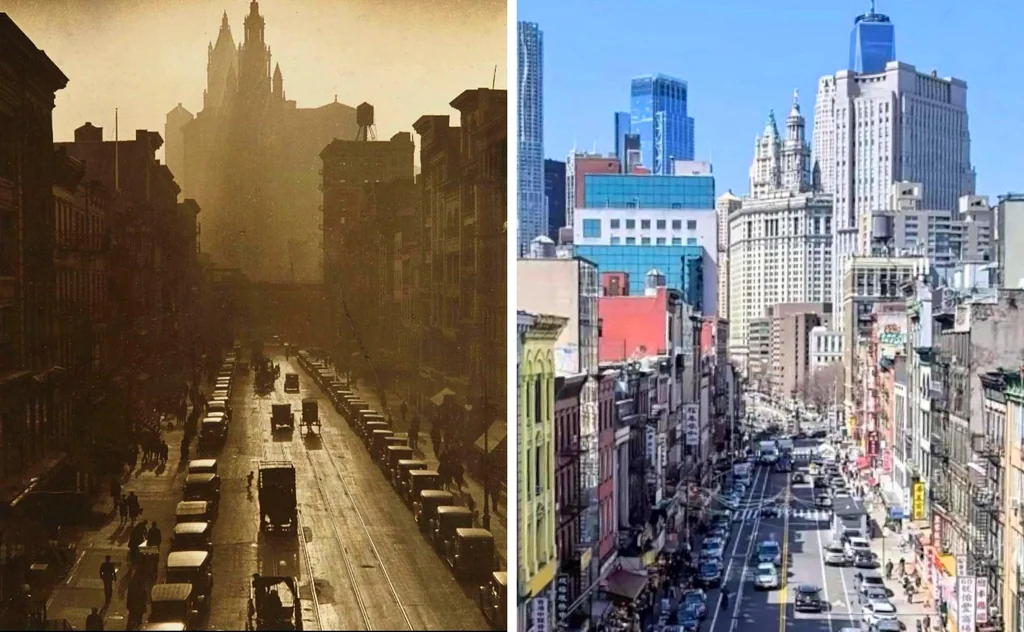
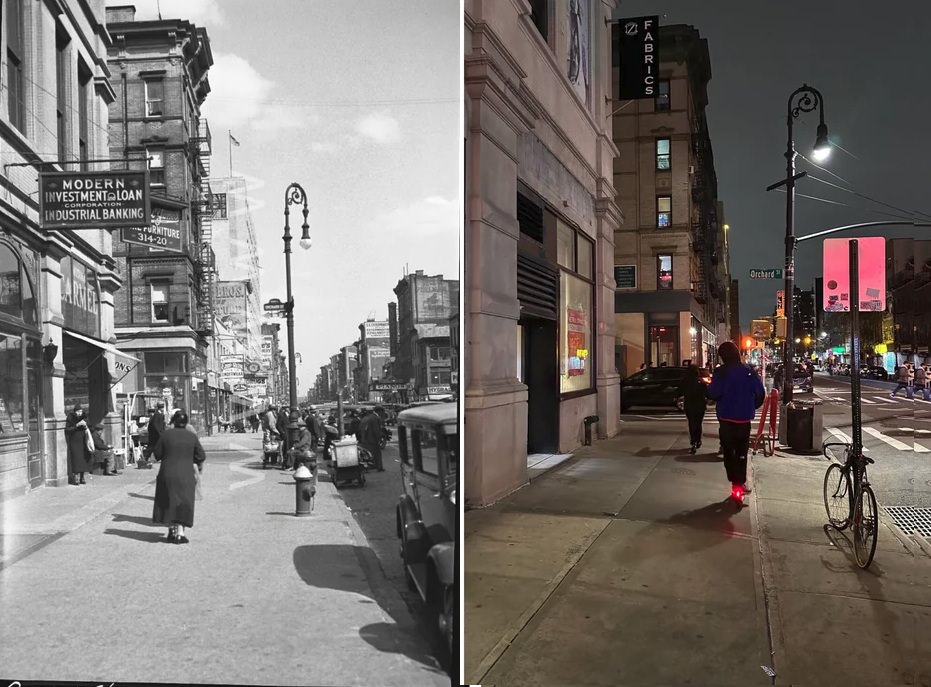
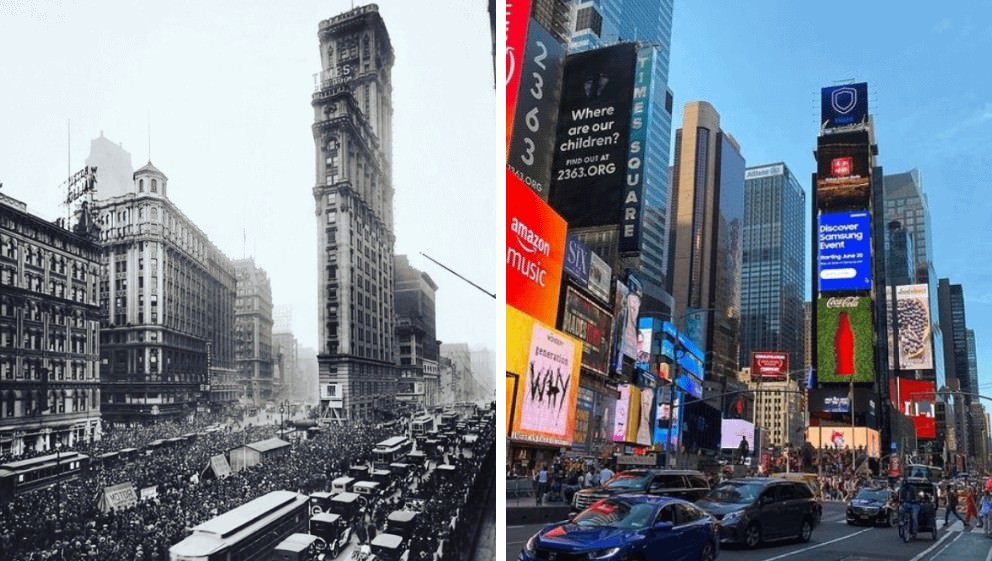
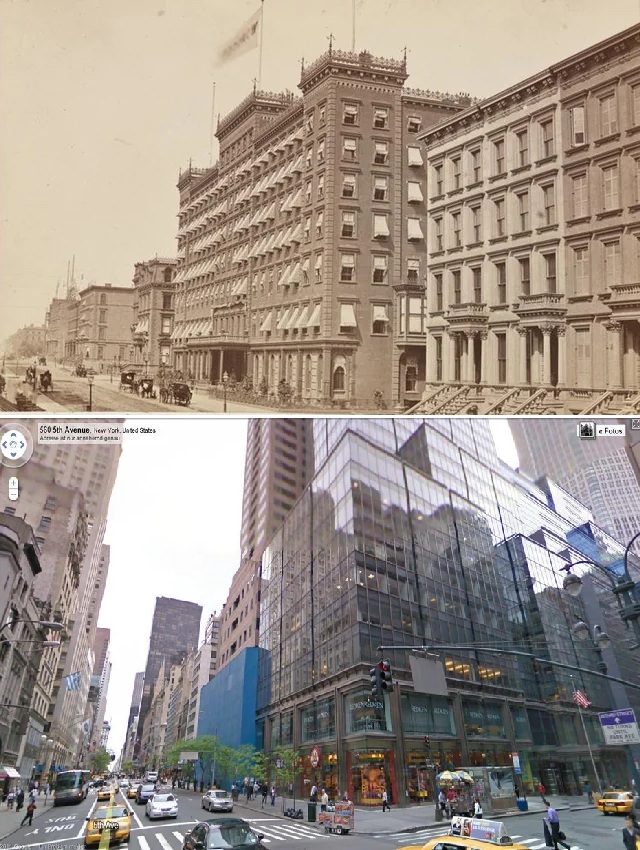
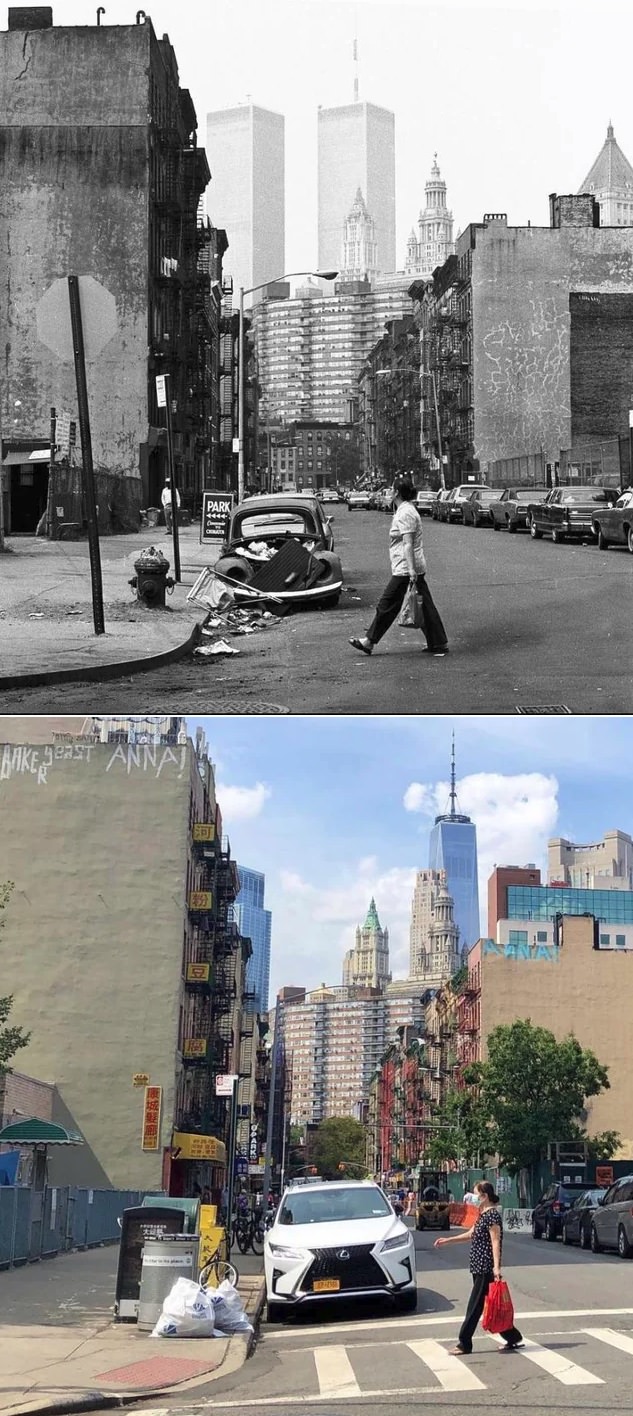
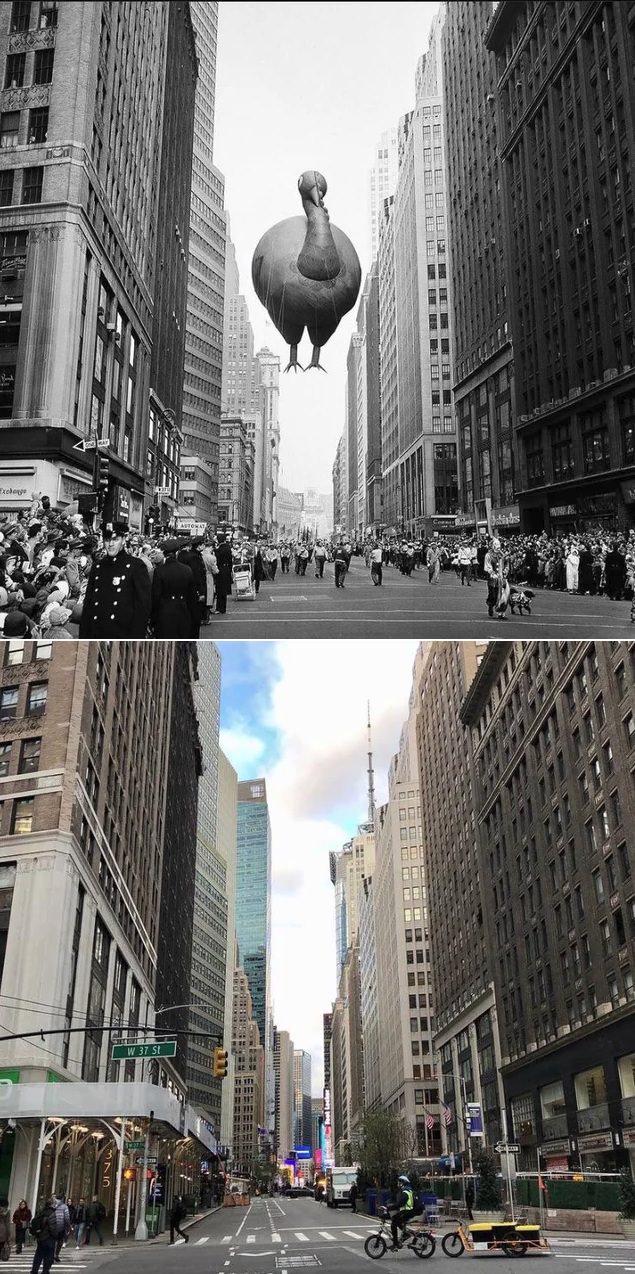
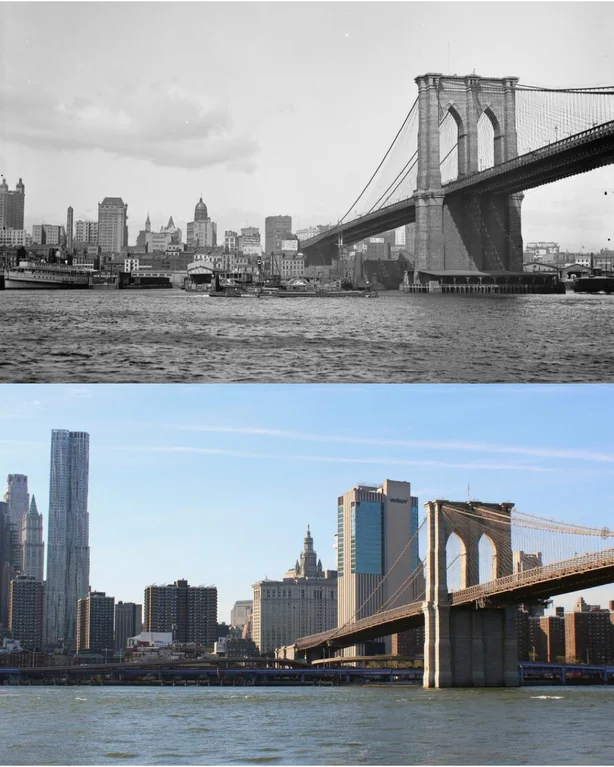
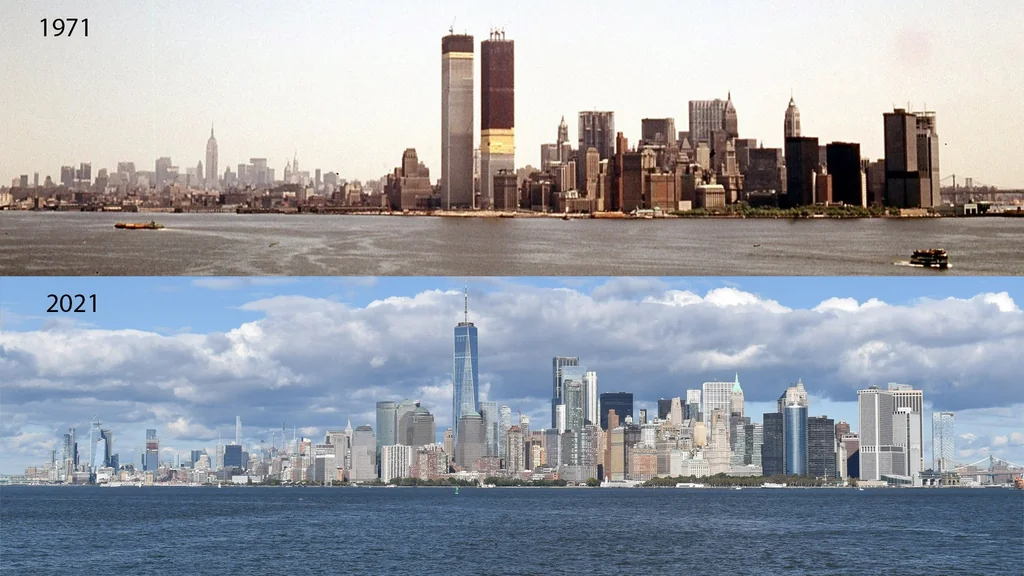
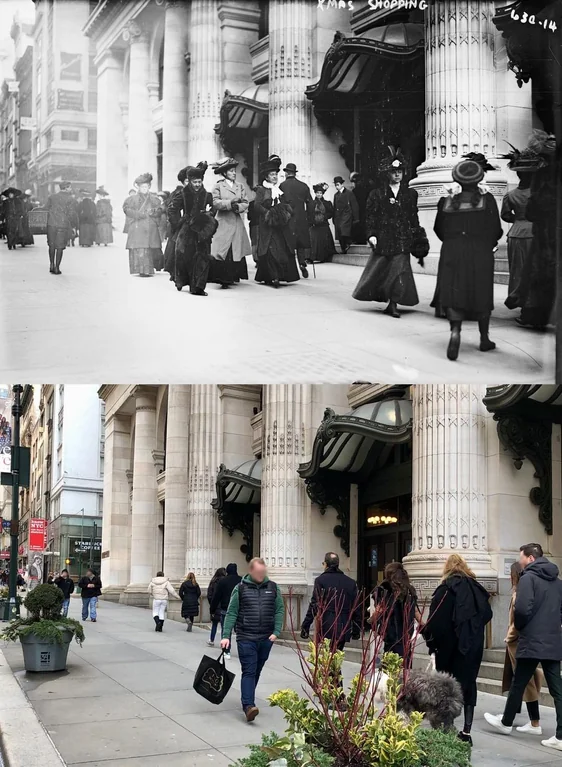
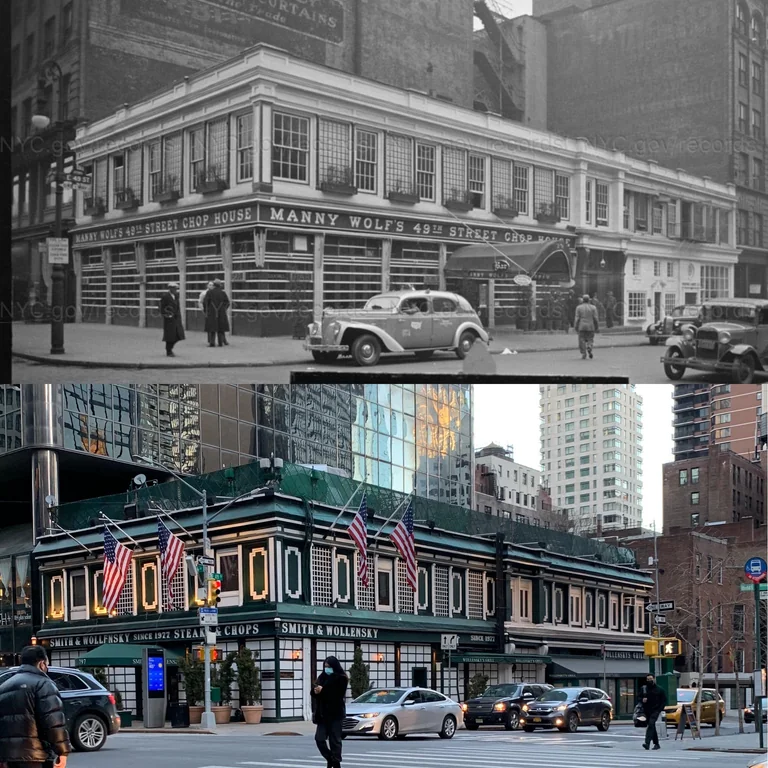
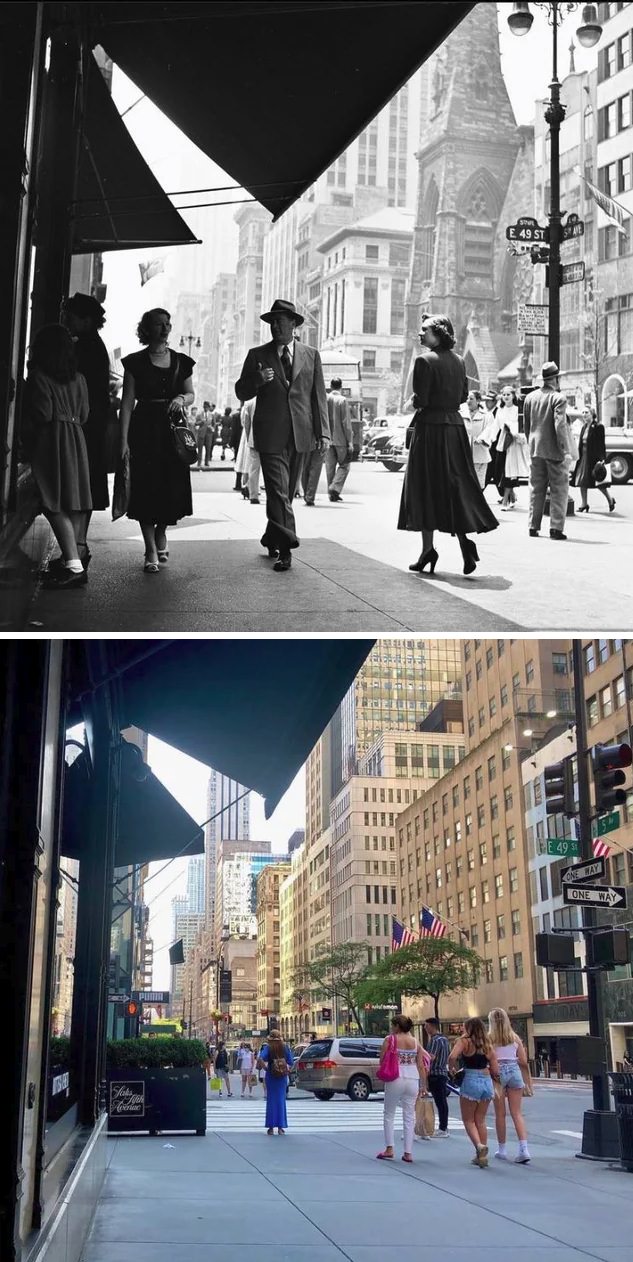
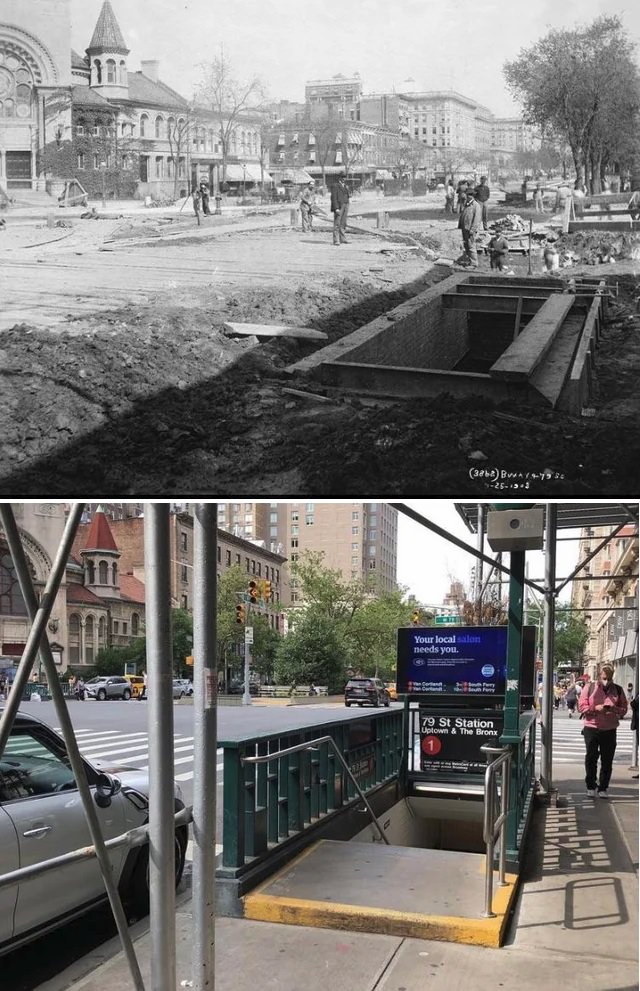
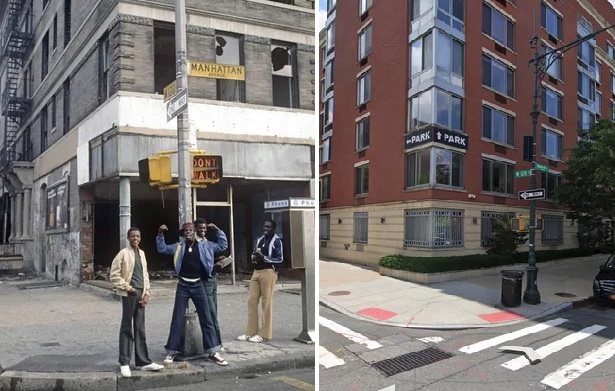
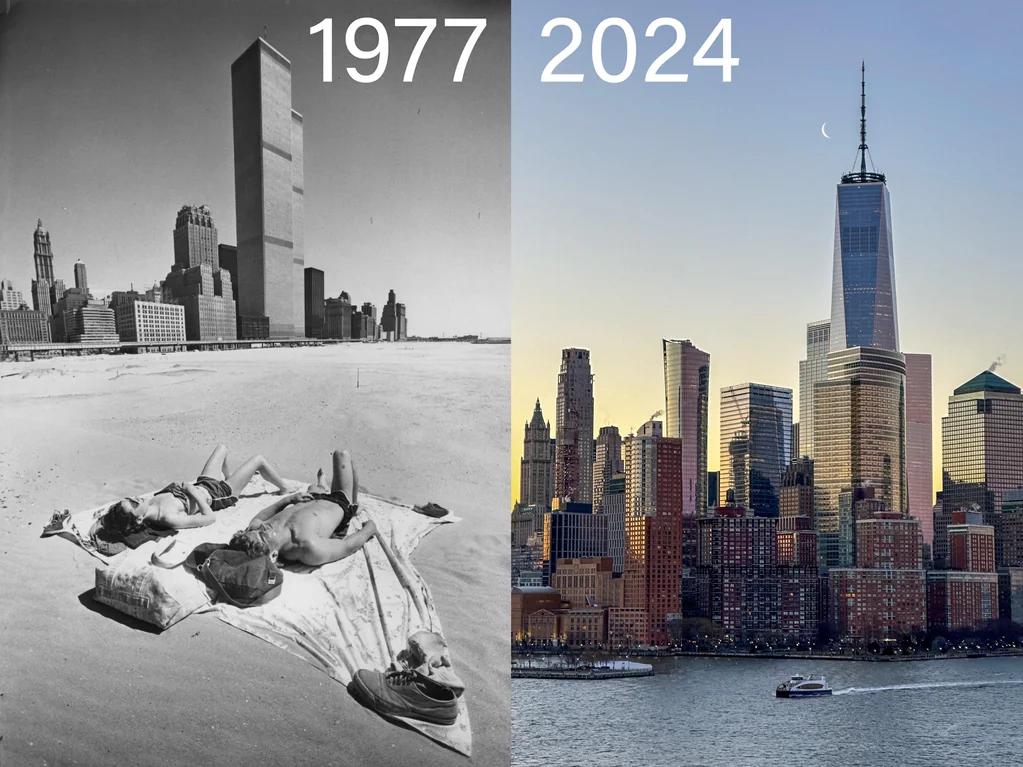
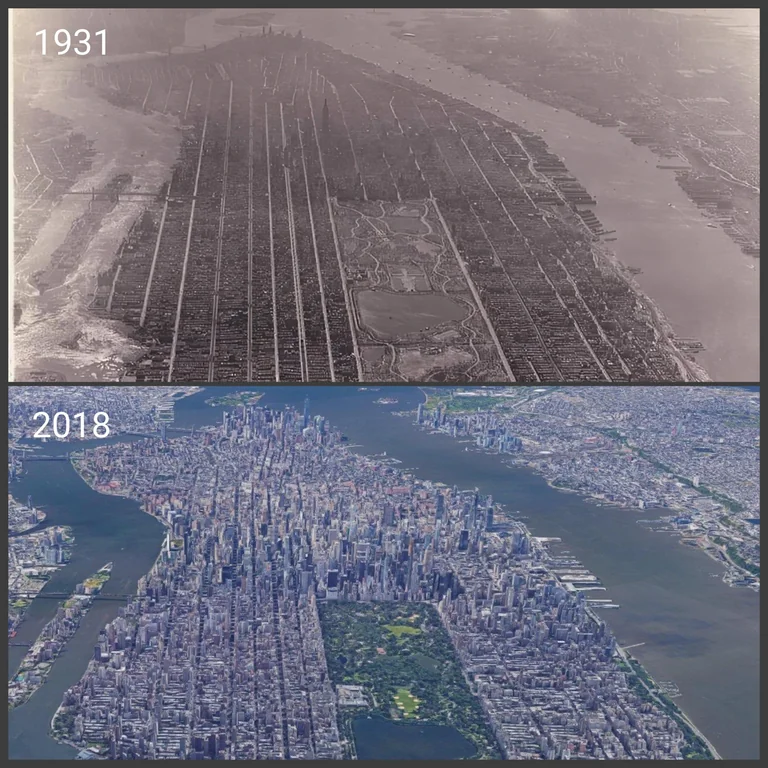
Today, Manhattan shows over a century of construction layered into one narrow island. Historic buildings stand beside modern glass towers. Each neighborhood reflects a different stage of growth.
Early street design and rowhouse construction
In 1811, city planners introduced the Commissioners’ Plan. This grid plan shaped Manhattan streets into the numbered system still used today. Long avenues ran north and south. Cross streets cut east to west.
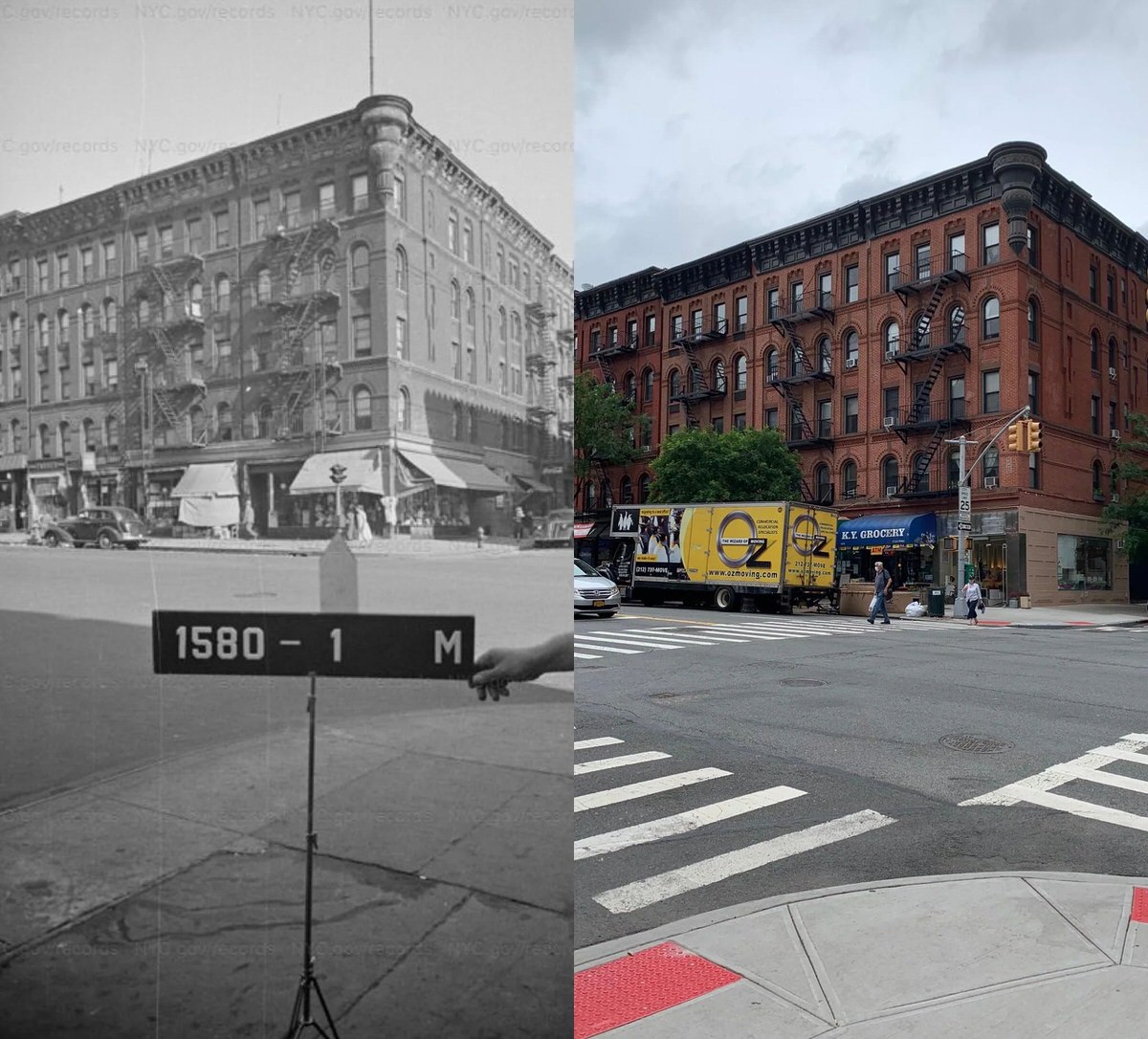
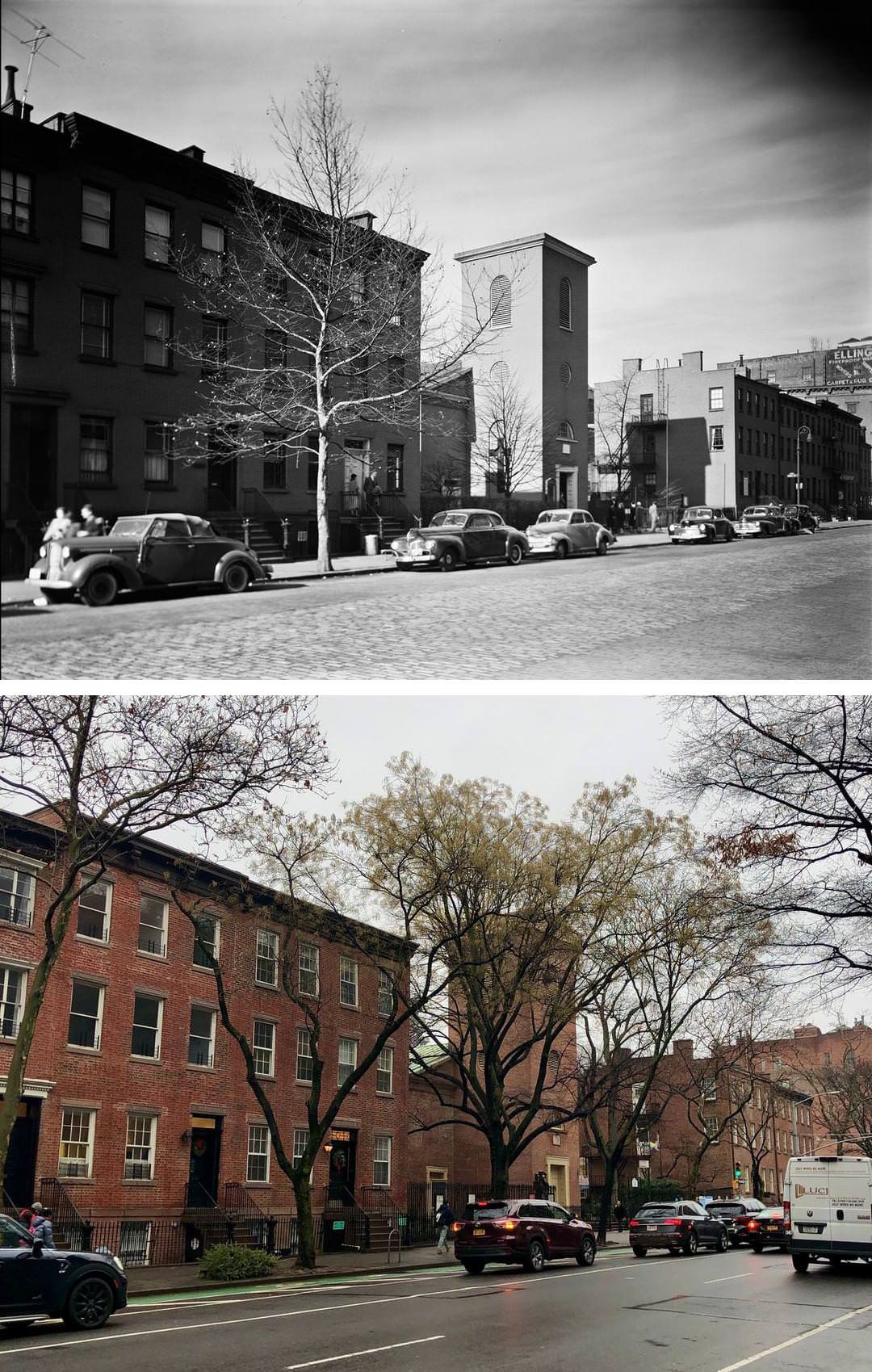
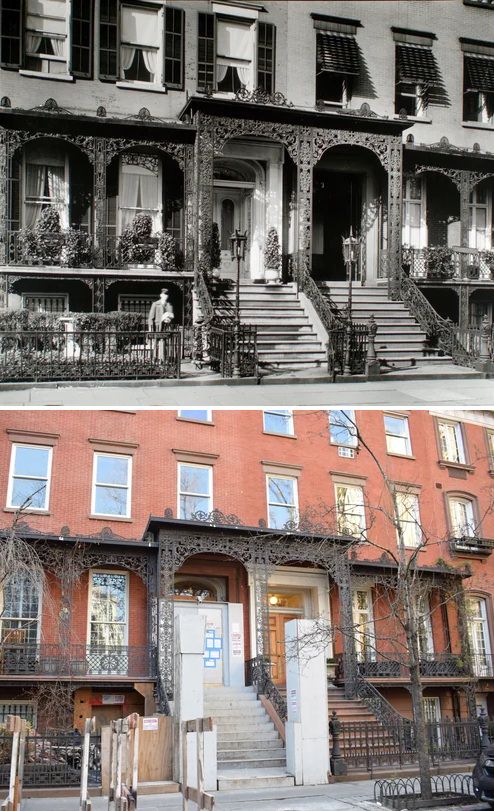
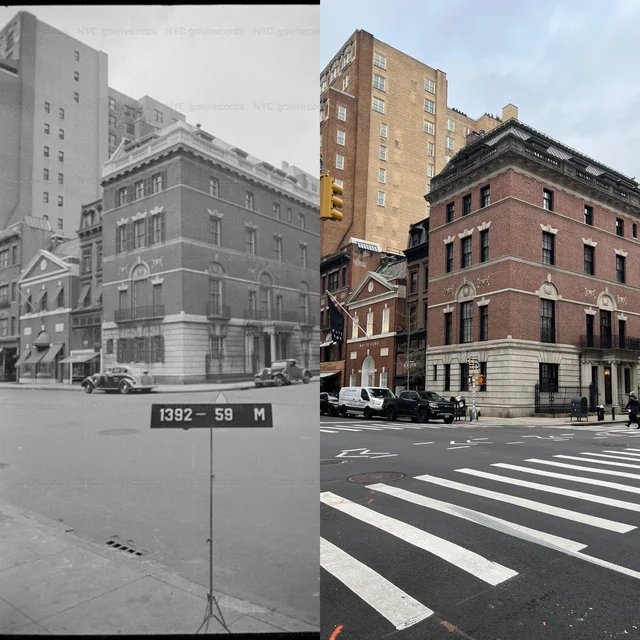
During the mid to late 1800s, developers built long rows of brownstones. Areas such as Upper West Side and Upper East Side gained blocks of these homes. Builders used brick with brown sandstone fronts. Many included stoops, detailed window frames, and iron railings.
Read more
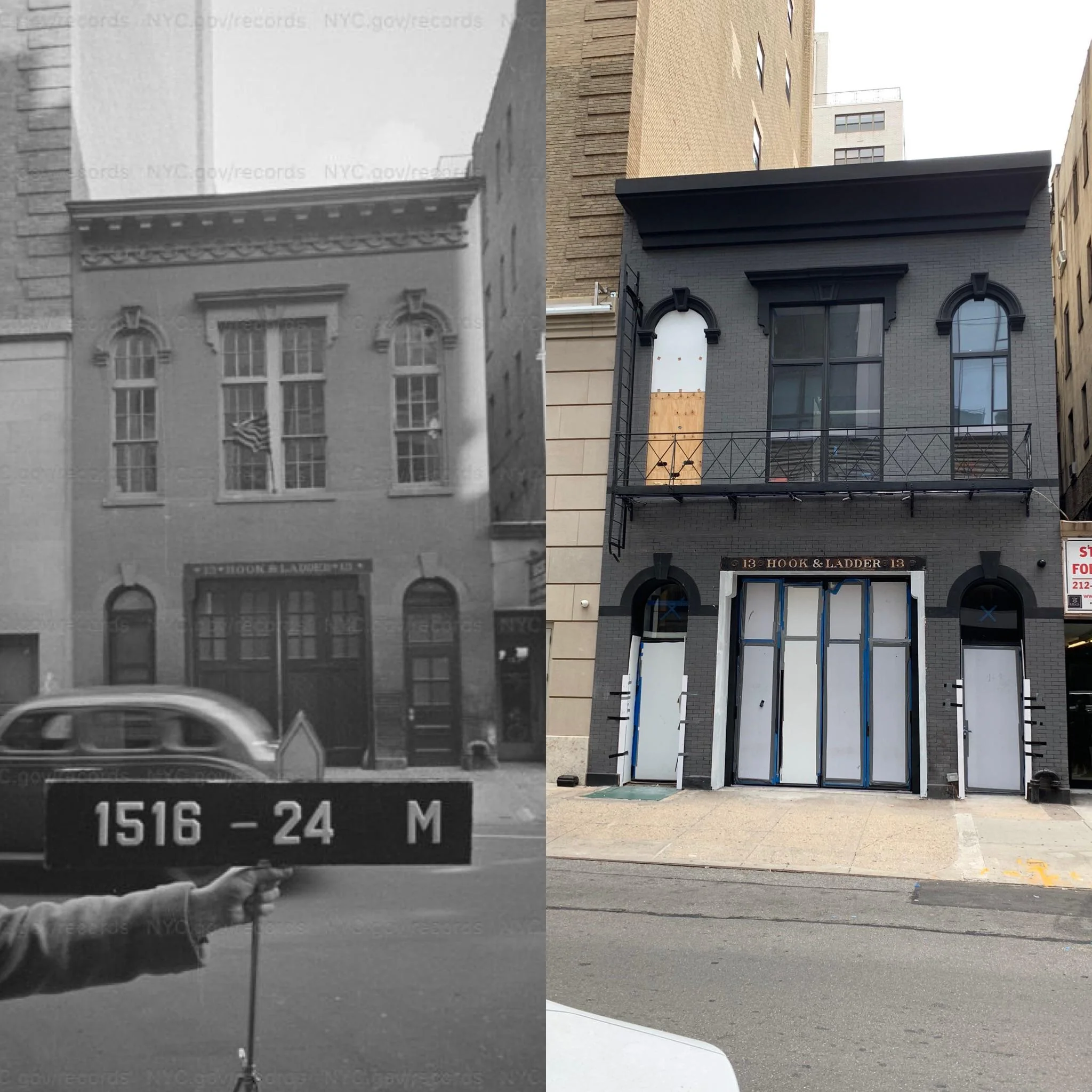
Some of these homes later became apartment buildings or offices. Their exterior designs remain mostly unchanged.
The rise of skyscrapers
By the early 1900s, land values pushed builders upward. Steel-frame construction allowed taller buildings. Elevators made upper floors practical for offices.
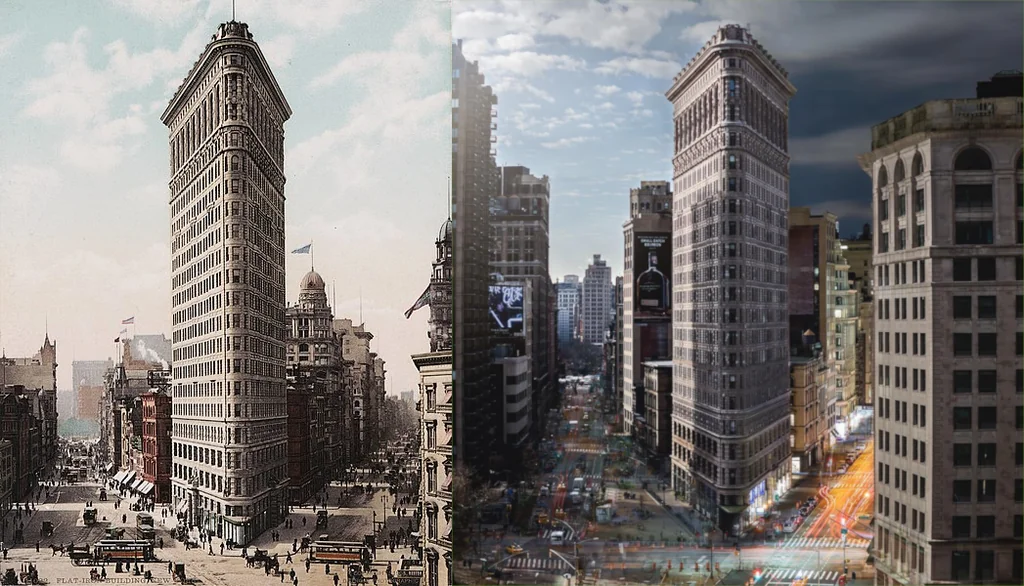
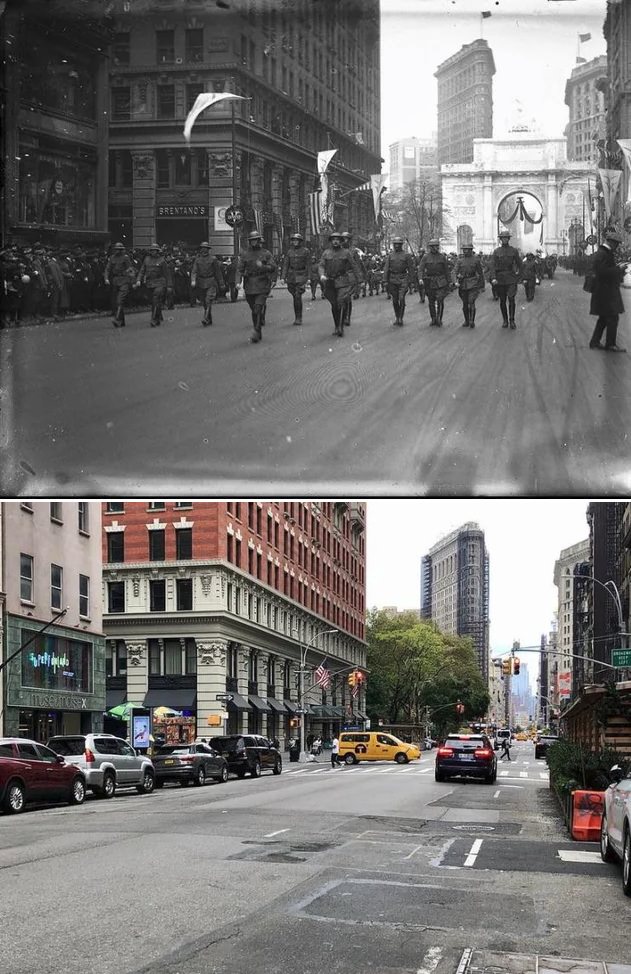
Early skyscrapers such as the Flatiron Building showed this new style. Its narrow triangular shape fit a unique street intersection.
The Woolworth Building, completed in 1913, became one of the tallest buildings in the world at the time. Its Gothic design showed how older architectural styles carried into modern construction.
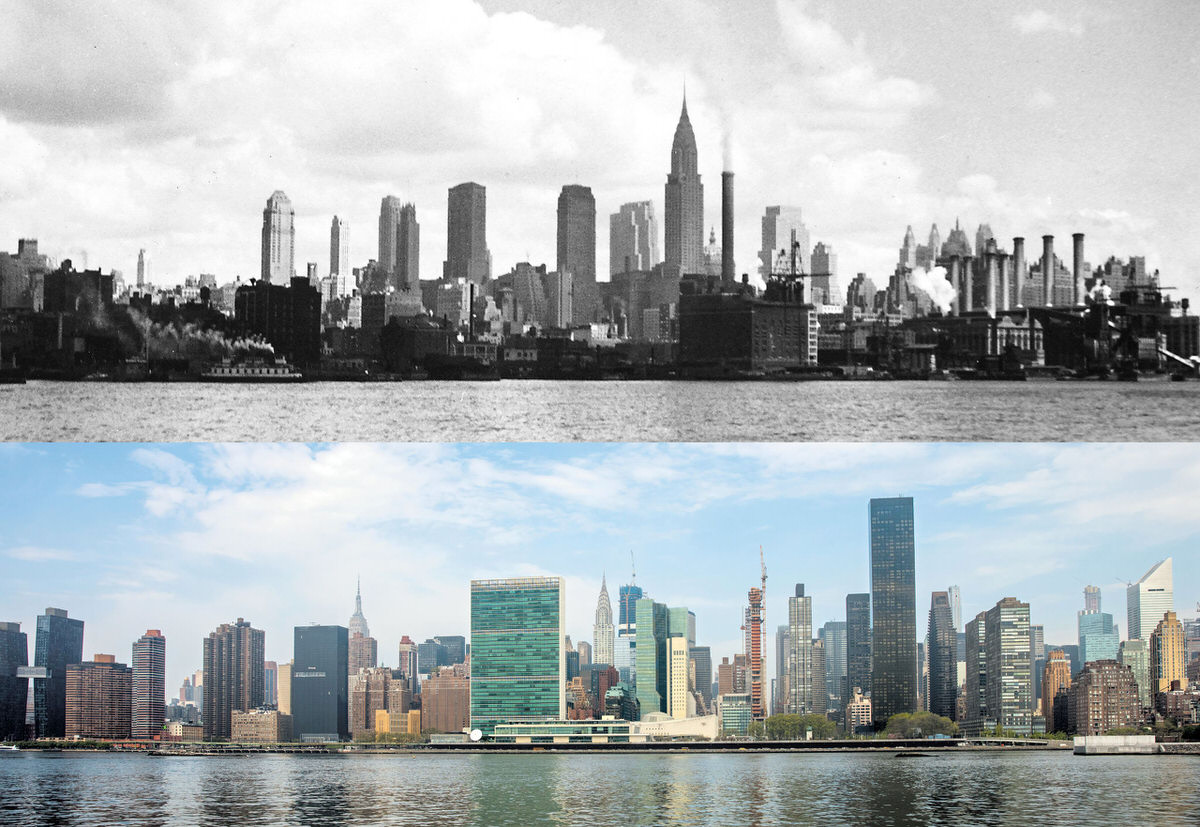
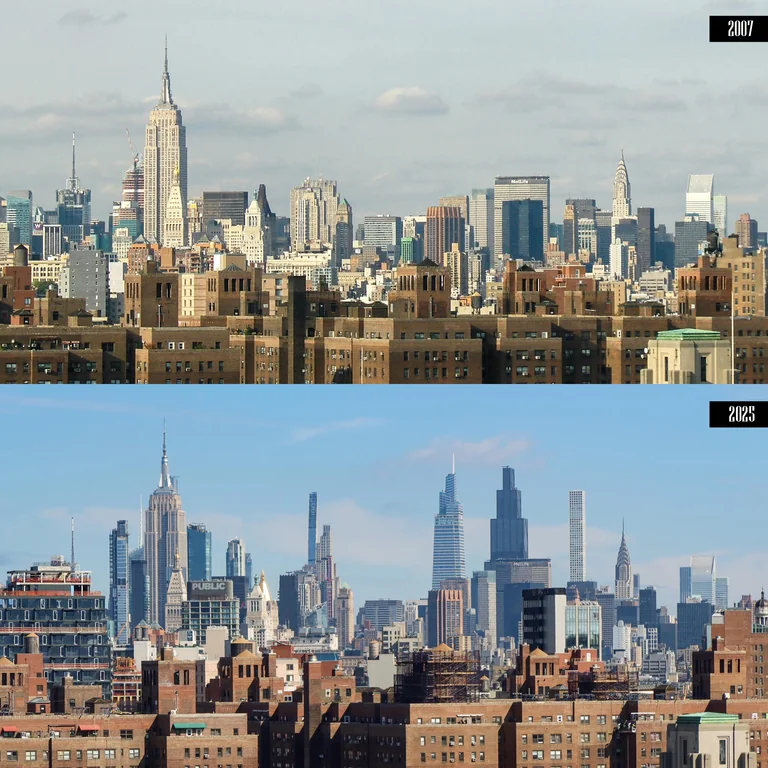
Later landmarks like the Empire State Building and the Chrysler Building defined the skyline during the 1930s. Their Art Deco designs used setbacks, metal details, and strong vertical lines.
Commercial districts and financial buildings
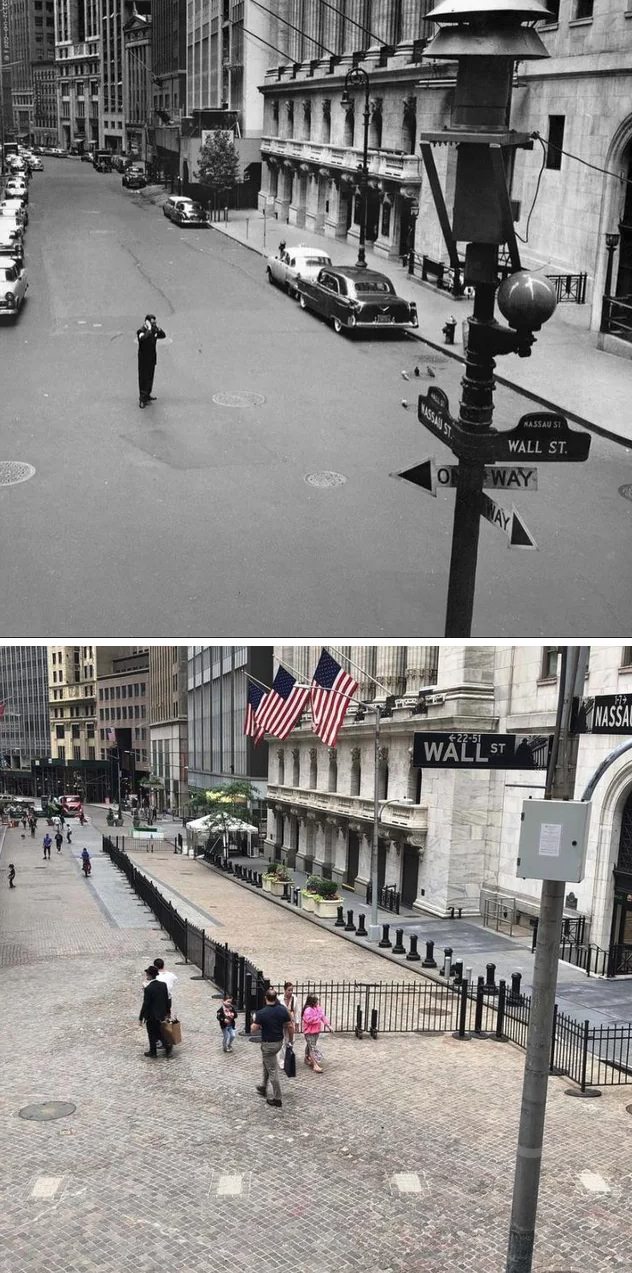
Lower Manhattan developed into the financial center of the country. Buildings around Wall Street held banks, stock brokers, and insurance companies.
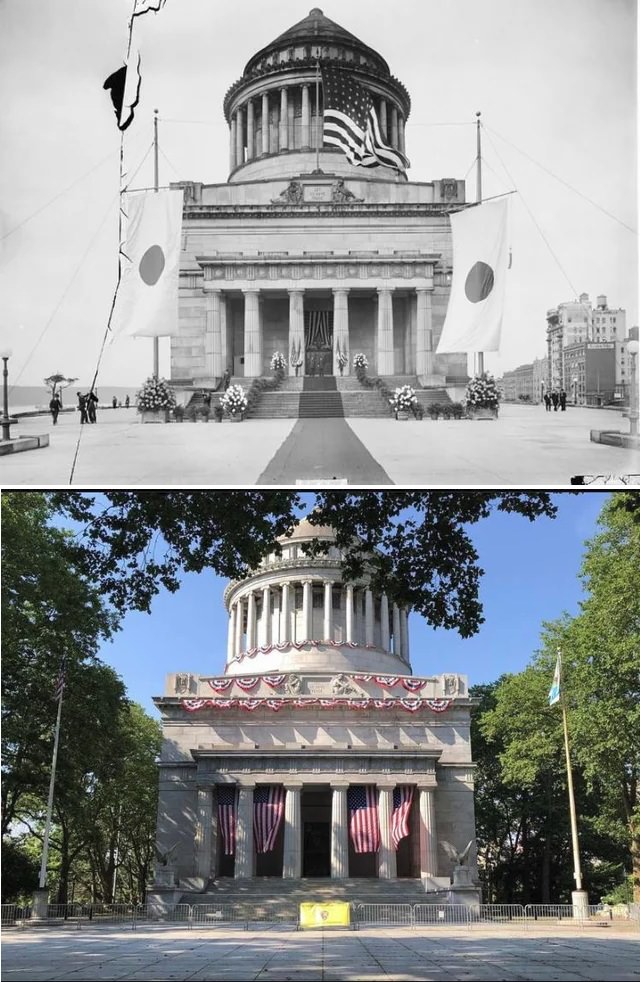
Structures such as the New York Stock Exchange building showed classical design with large columns and stone façades. These designs aimed to project strength and stability.
As office needs increased, older low-rise buildings gave way to taller office towers. Modern financial buildings now use glass curtain walls and open interior layouts.
Midtown growth and corporate towers
During the mid-1900s, Midtown Manhattan became a major office district. Companies built headquarters near Grand Central Terminal.
Buildings such as the Seagram Building introduced modern design. Its clean lines and glass exterior reflected postwar architectural ideas.
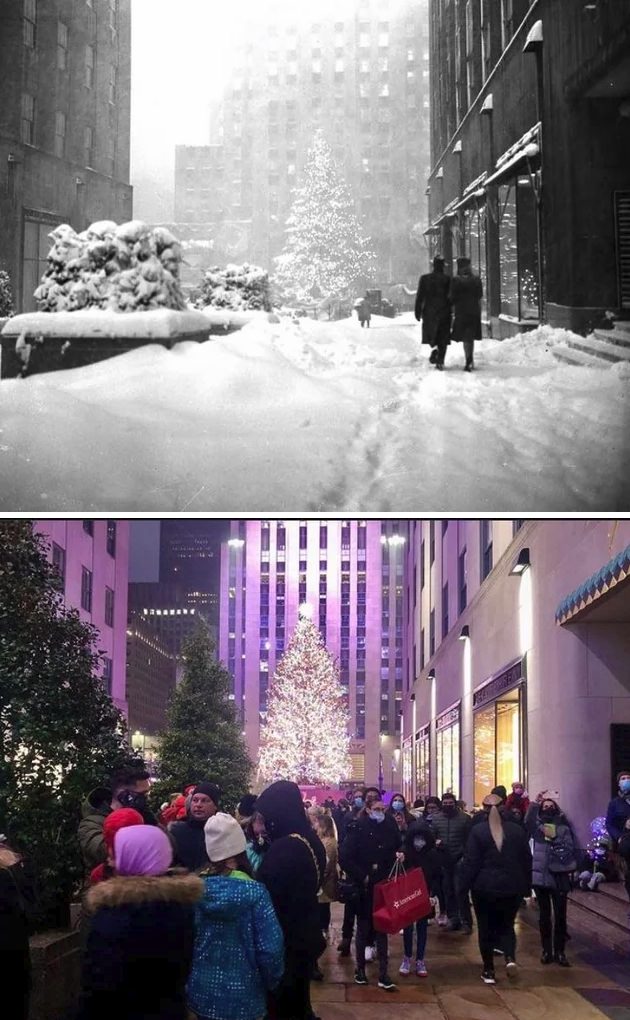
New zoning rules required open plazas around some skyscrapers. This created public spaces between tall buildings.
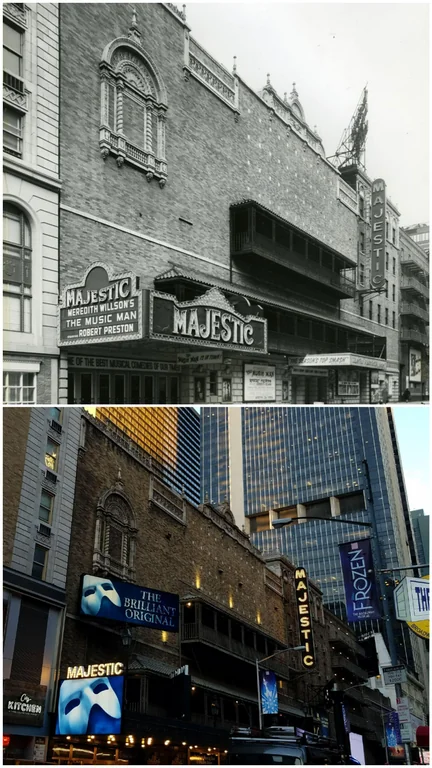
Modern towers such as One Vanderbilt now rise near historic structures. This creates sharp visual contrasts between old stone buildings and new glass construction.
Residential changes over time
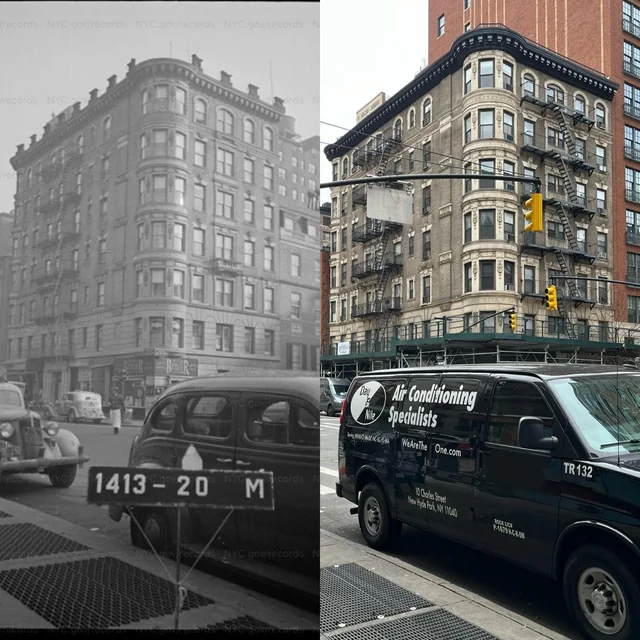
Manhattan housing shifted from single-family rowhouses to large apartment buildings during the early 1900s. Buildings often included shared entrances, elevators, and doormen.
Neighborhoods like Harlem show these early apartment styles. Many buildings use decorative brickwork and stone trim.
Public housing also became part of Manhattan’s landscape. Complexes built by the New York City Housing Authority added large residential towers with open grounds.
Luxury residential towers now rise along areas such as Billionaires’ Row. These buildings use advanced engineering to reach extreme heights.
Industrial areas and waterfront change
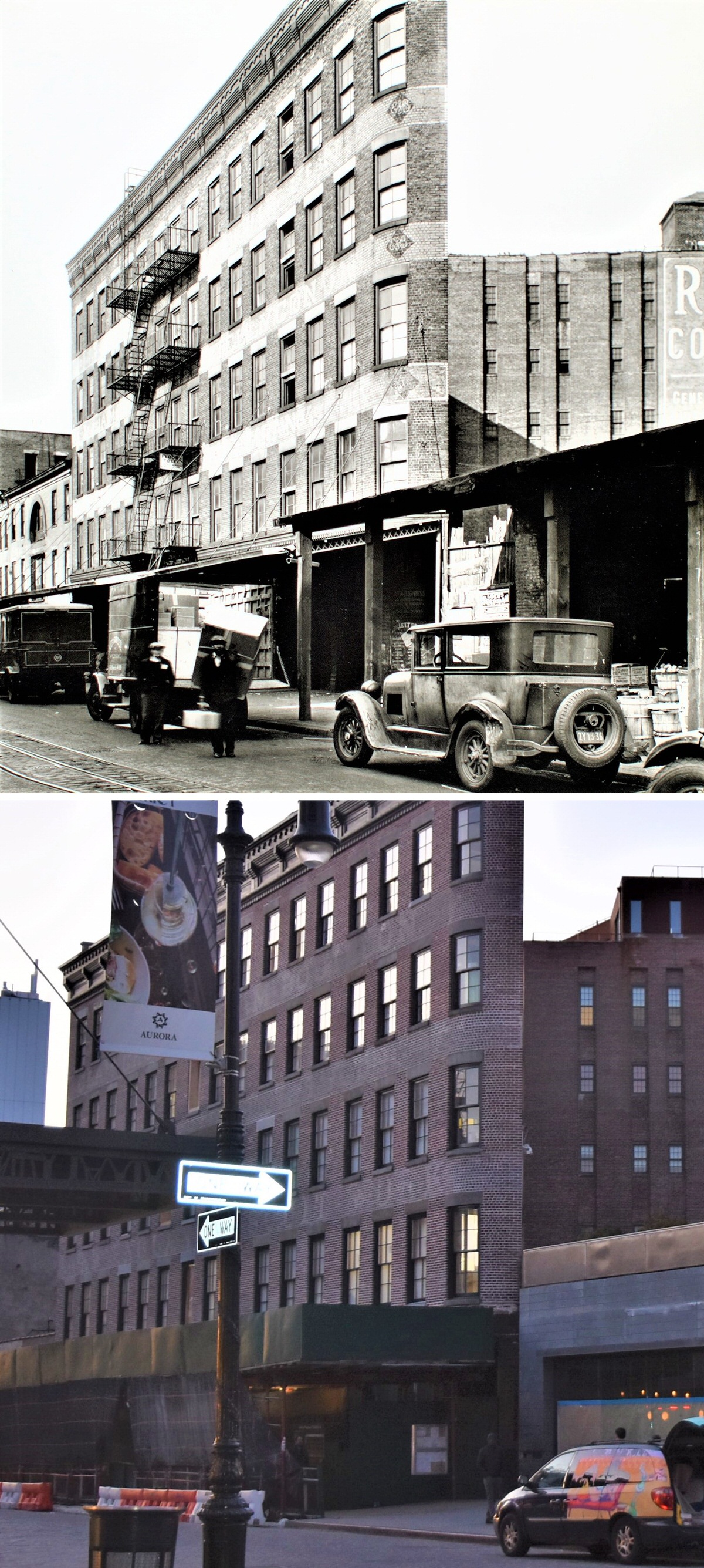
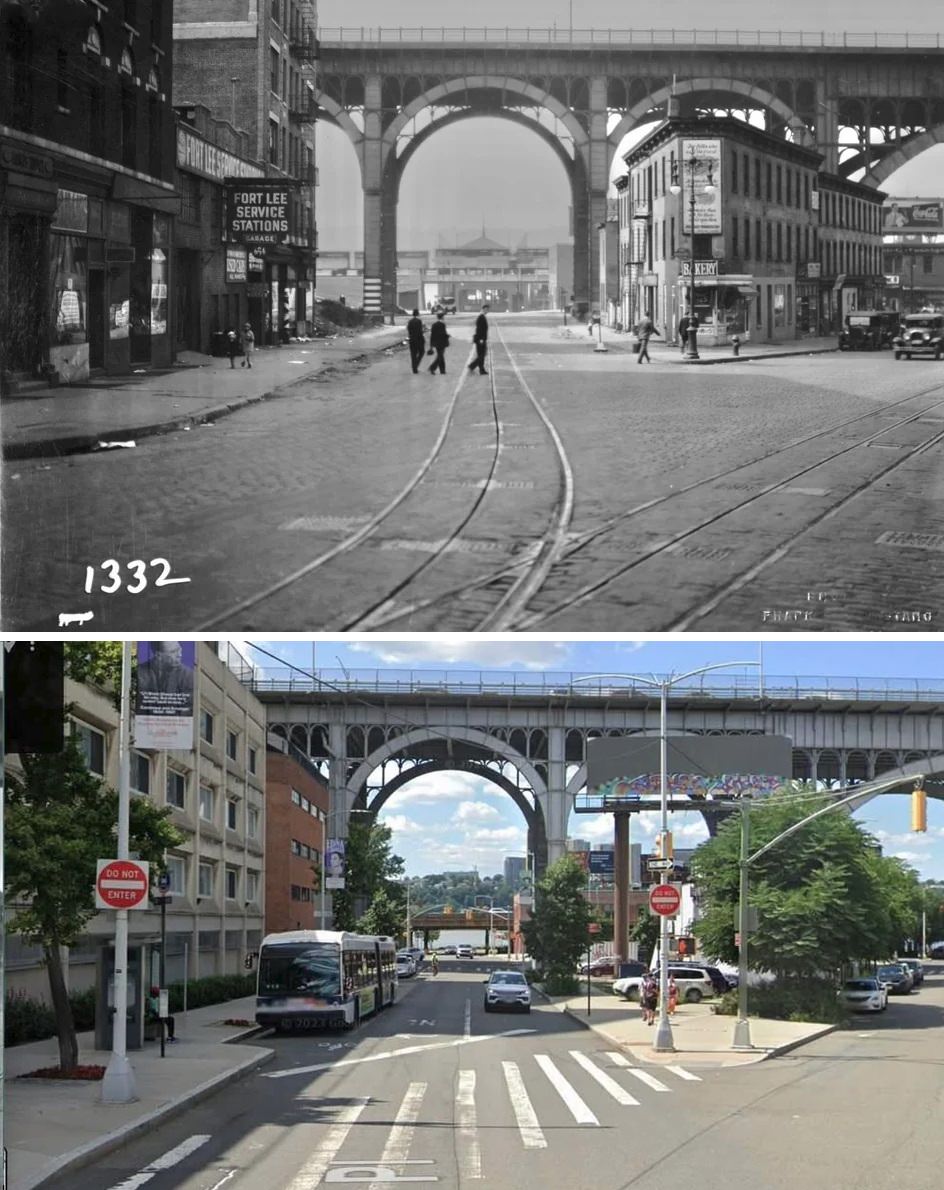
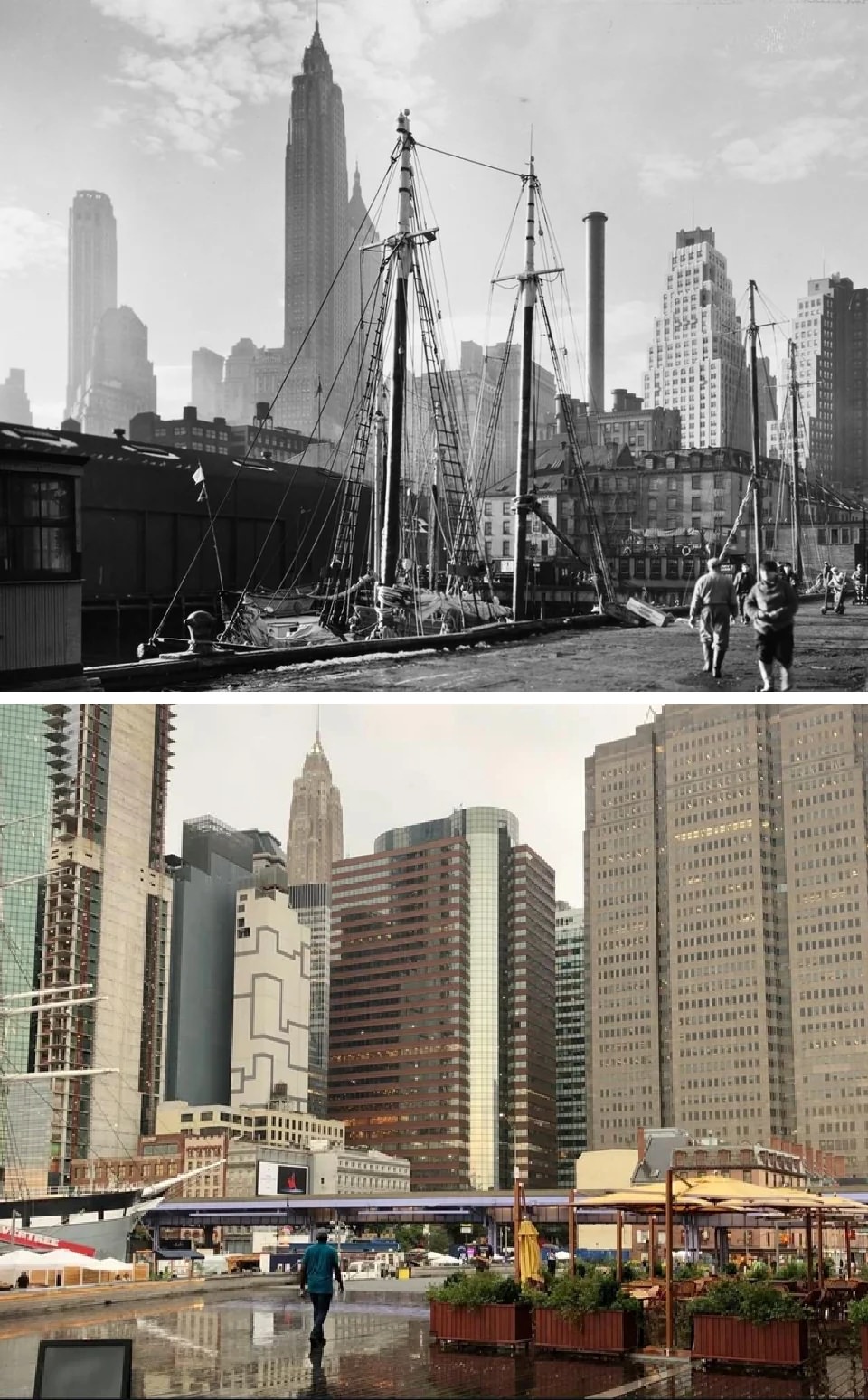
Manhattan once held active industrial zones along the Hudson and East Rivers. Piers handled cargo ships. Warehouses stored goods moving through the port.
As shipping methods changed, many piers closed. Some areas turned into public parks and residential zones.
The High Line shows this change. This former freight rail line now serves as an elevated public park. Nearby warehouses became residential and office buildings.
Cultural and civic landmarks
Major cultural buildings also show architectural change. Carnegie Hall remains one of the city’s best-known performance spaces. Its design reflects late 1800s construction methods.
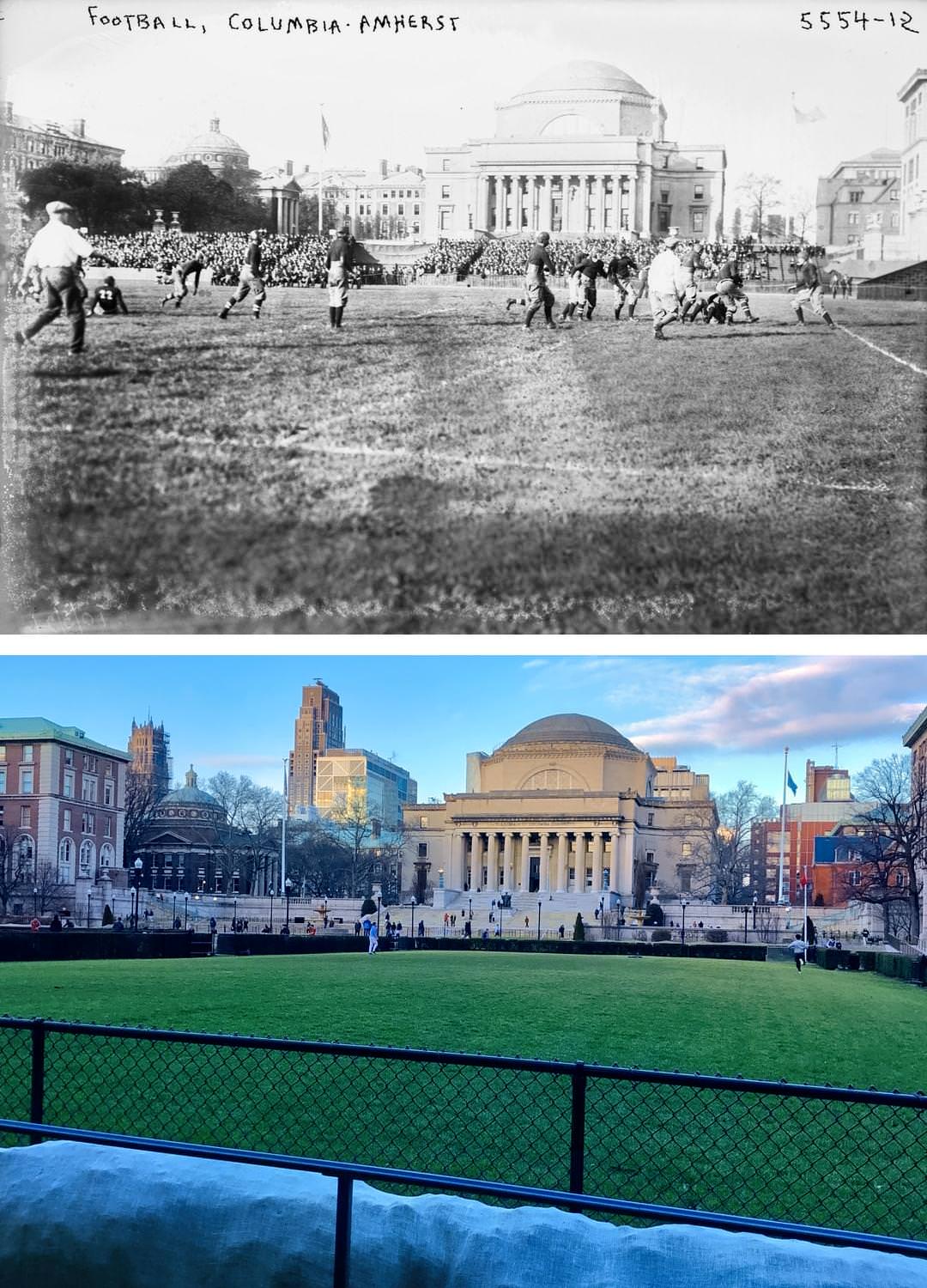
The Lincoln Center shows mid-20th century civic planning. Its large plazas and modern buildings contrast with older theater districts.
Libraries, museums, and courthouses also reflect changing design trends. Early civic buildings often used stone and classical styles. Newer projects often use steel, glass, and open interior plans.

GIPHY App Key not set. Please check settings
One Comment