

 Wendy Robert
Fifth Avenue stretches from Washington Square Park to Harlem. It cuts through the center of Manhattan and divides the city into east and west. Over the past century, the avenue has changed in scale, purpose, and design.
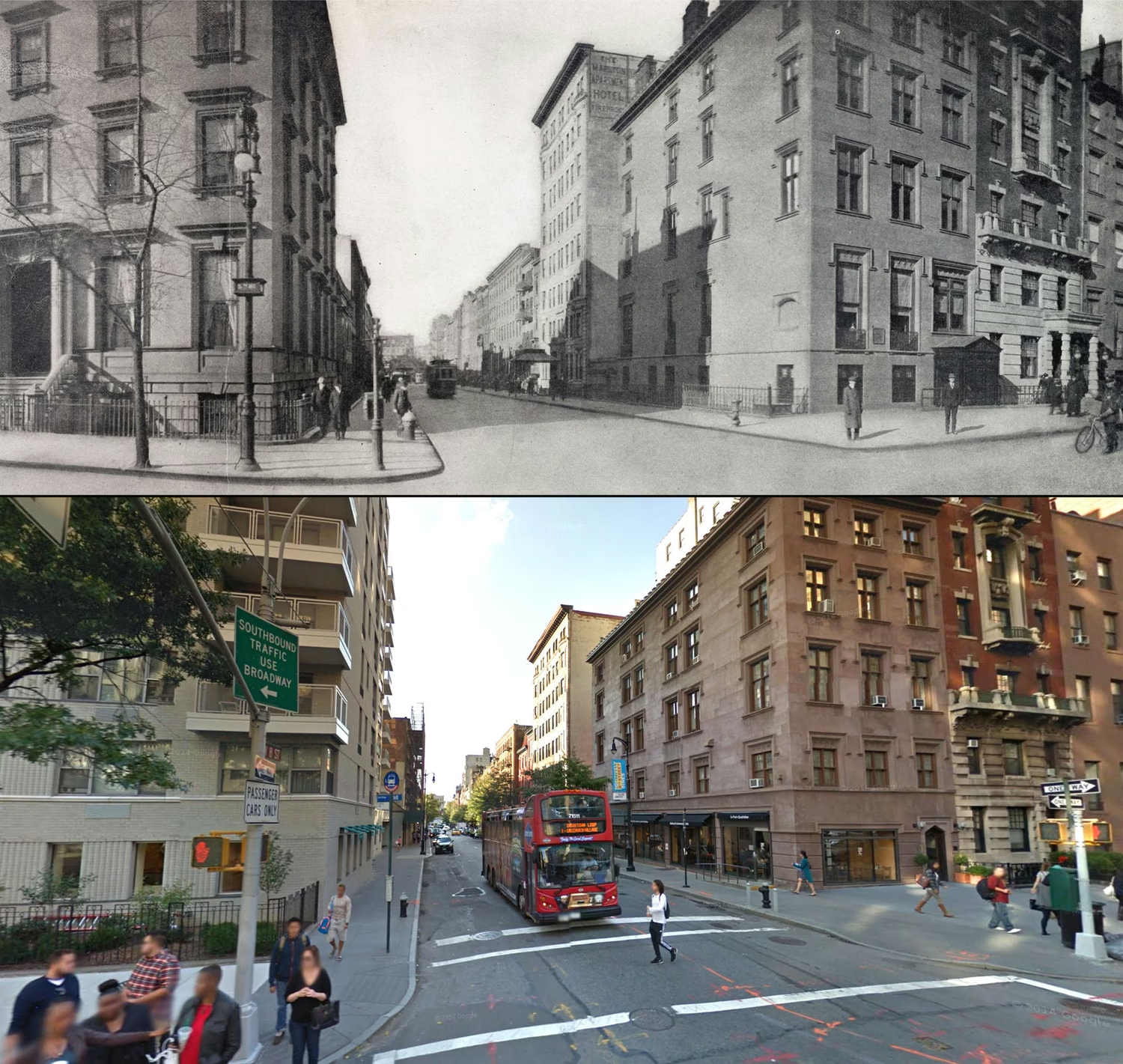
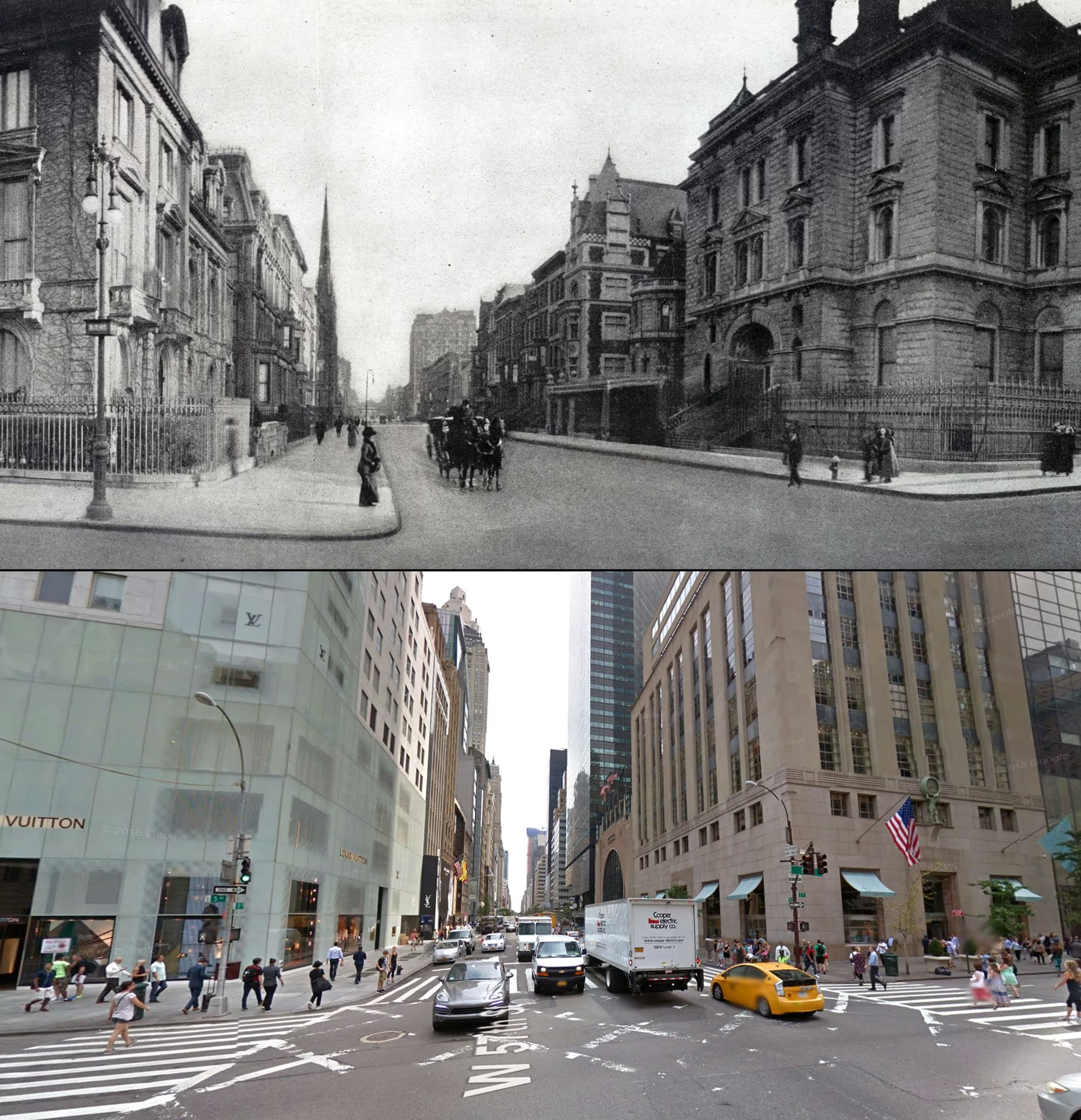
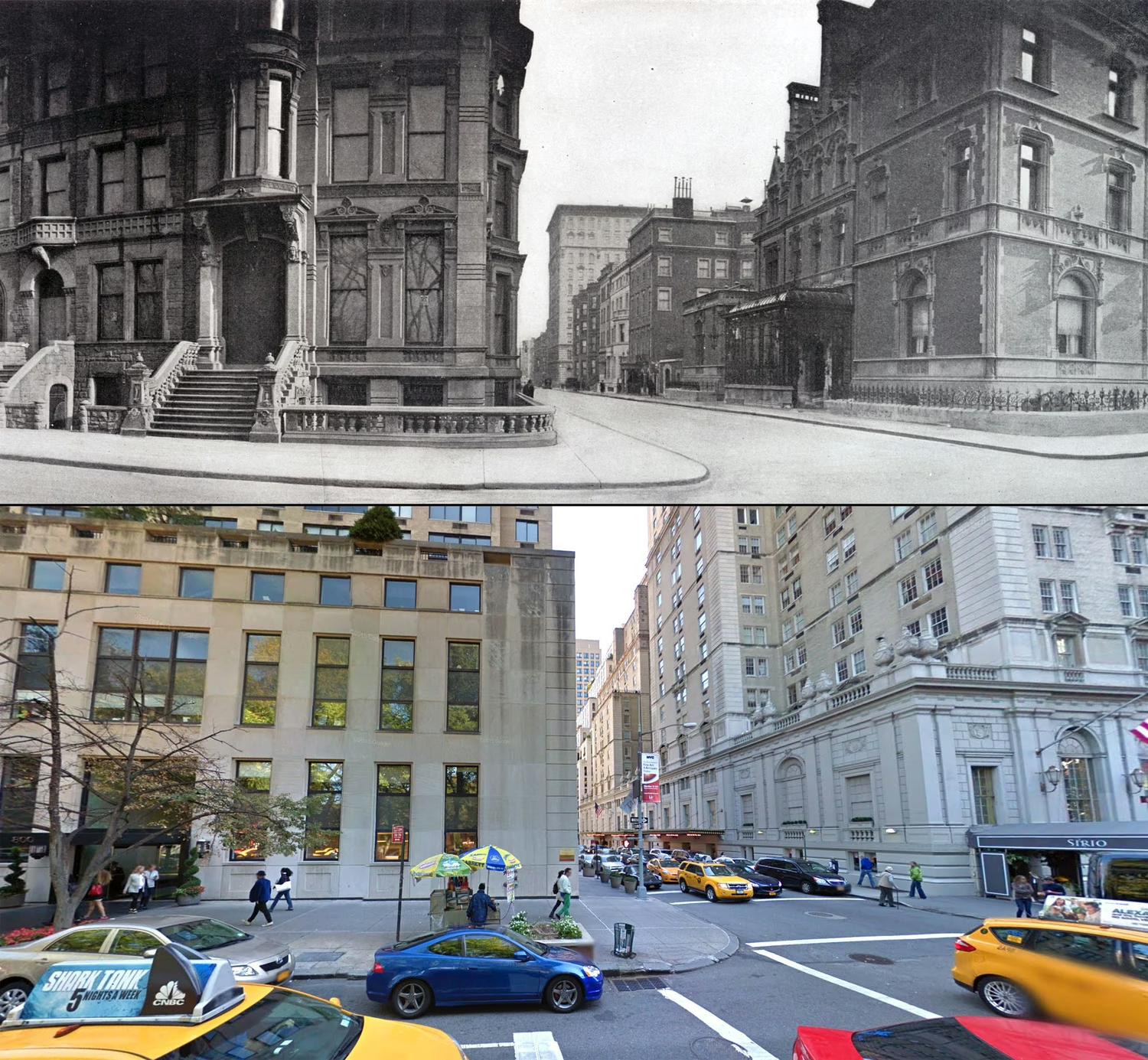
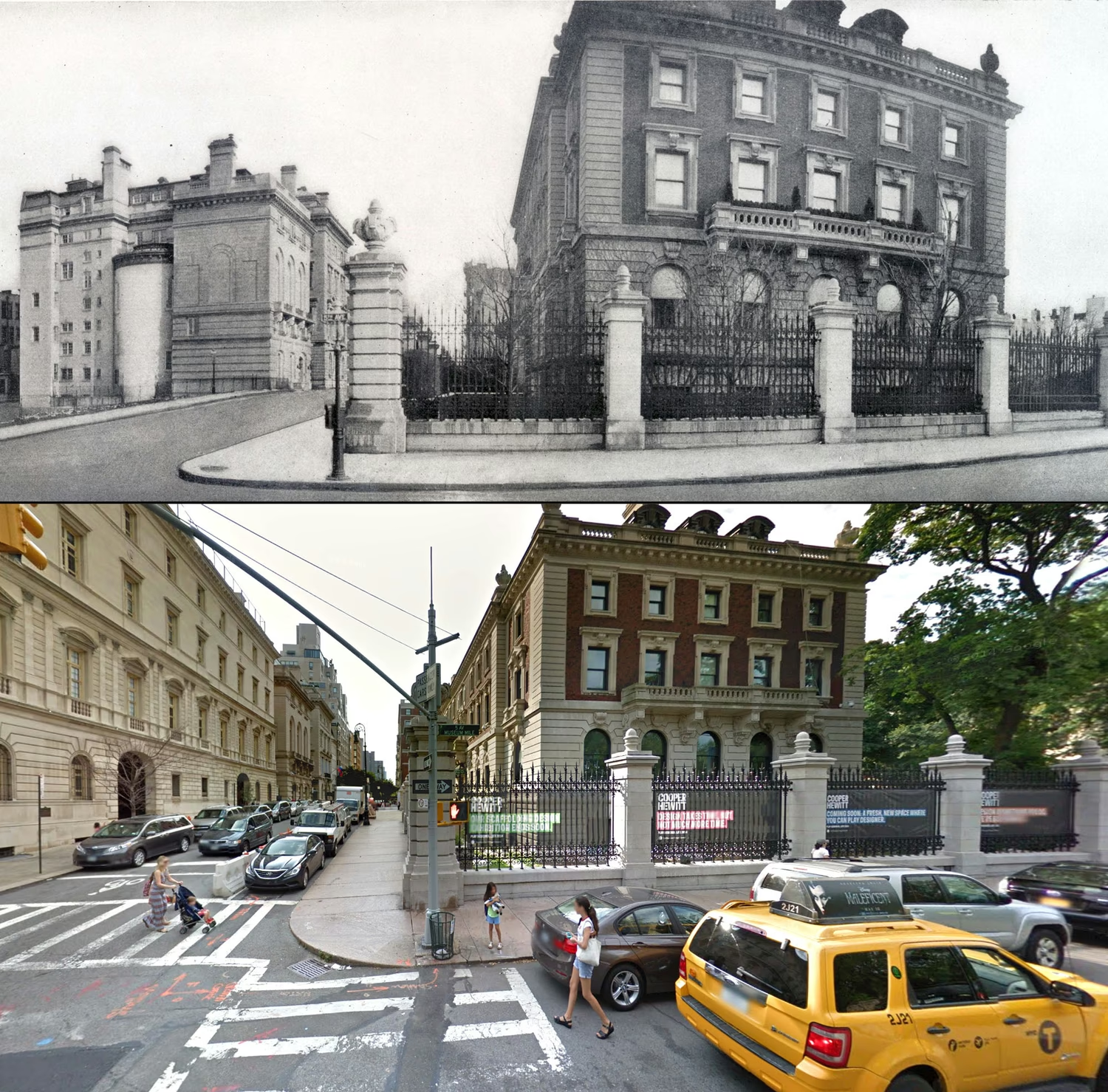
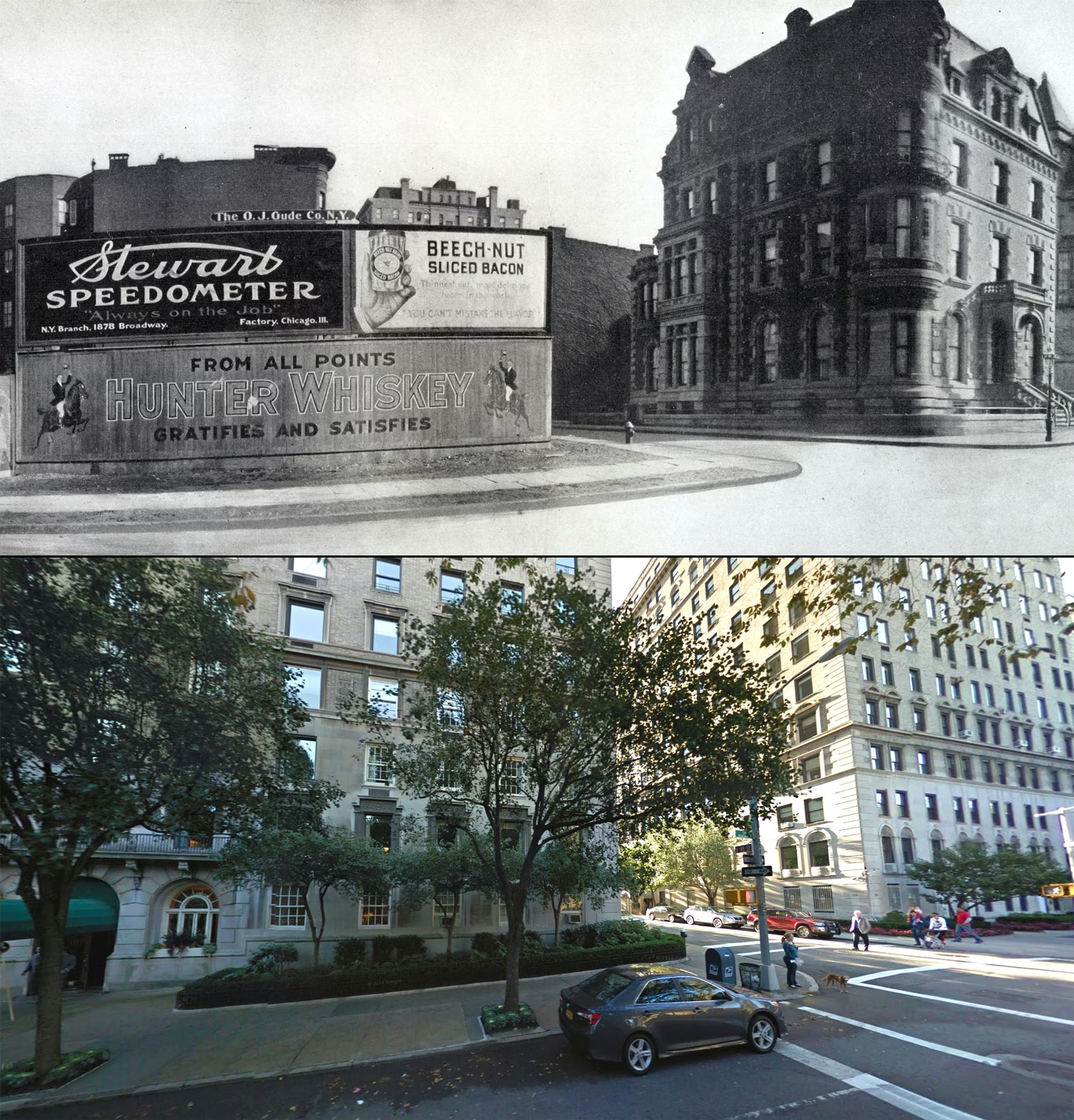
In the late 1800s, parts of Fifth Avenue were lined with private mansions. Wealthy families built large homes facing Central Park. Stone facades, iron gates, and private gardens filled blocks that now hold commercial buildings. Carriages moved along wide streets with little traffic.
By the early 1900s, land values increased sharply. Maintaining large private homes became costly. Many families sold their properties. Developers replaced mansions with luxury apartment buildings and grand hotels. The shift marked the end of Fifth Avenue as a residential boulevard for single families.
Read more
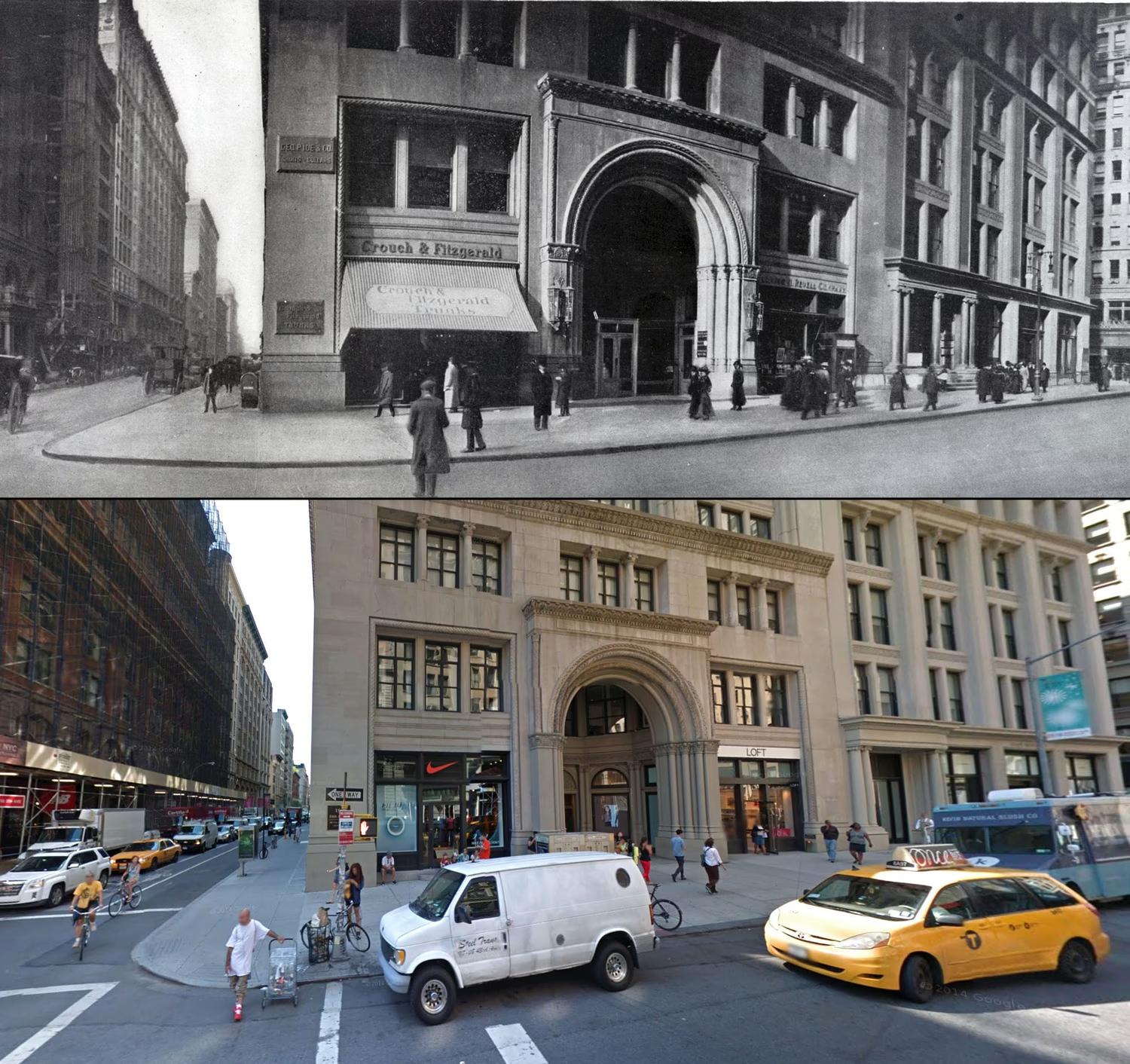
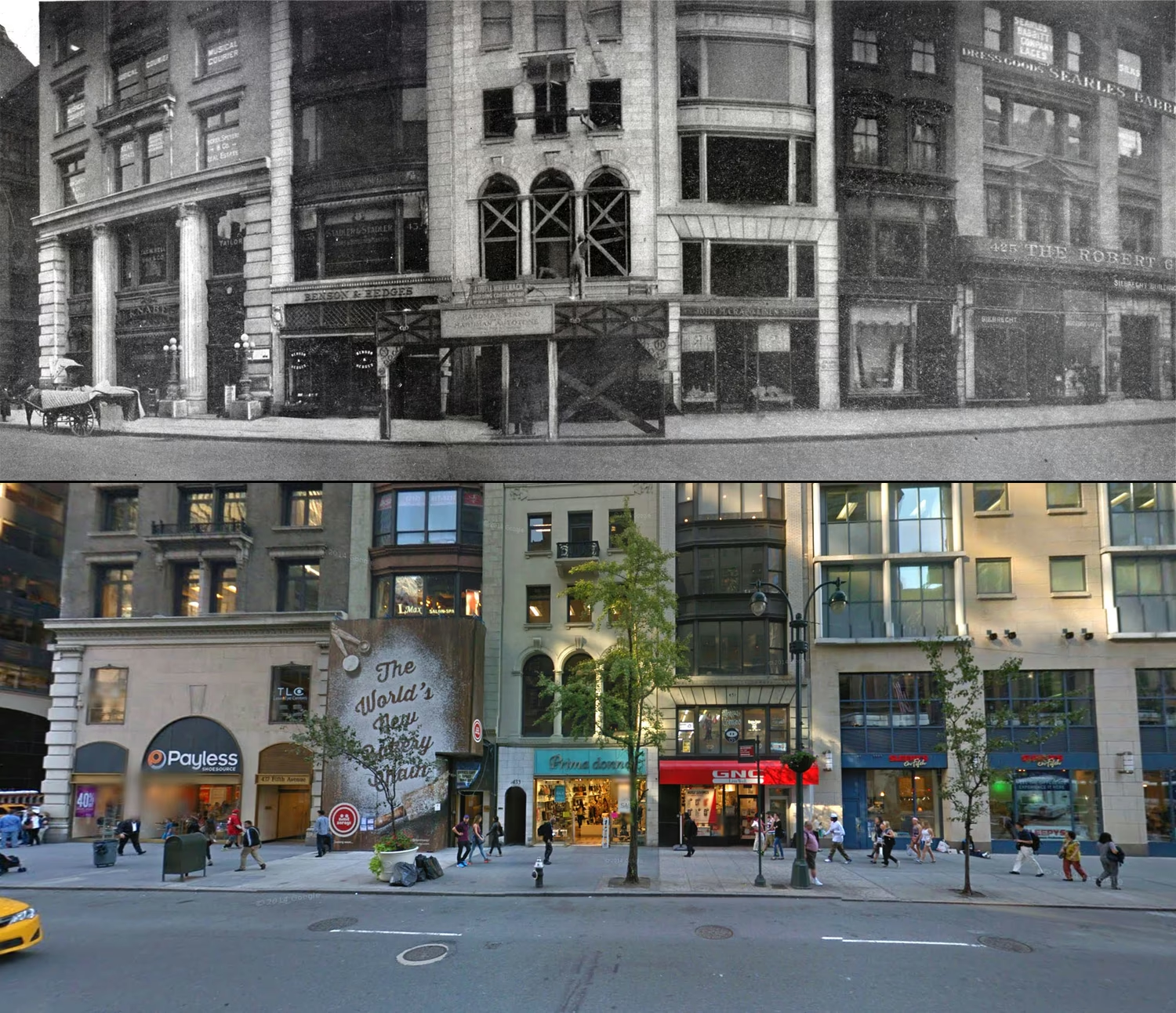
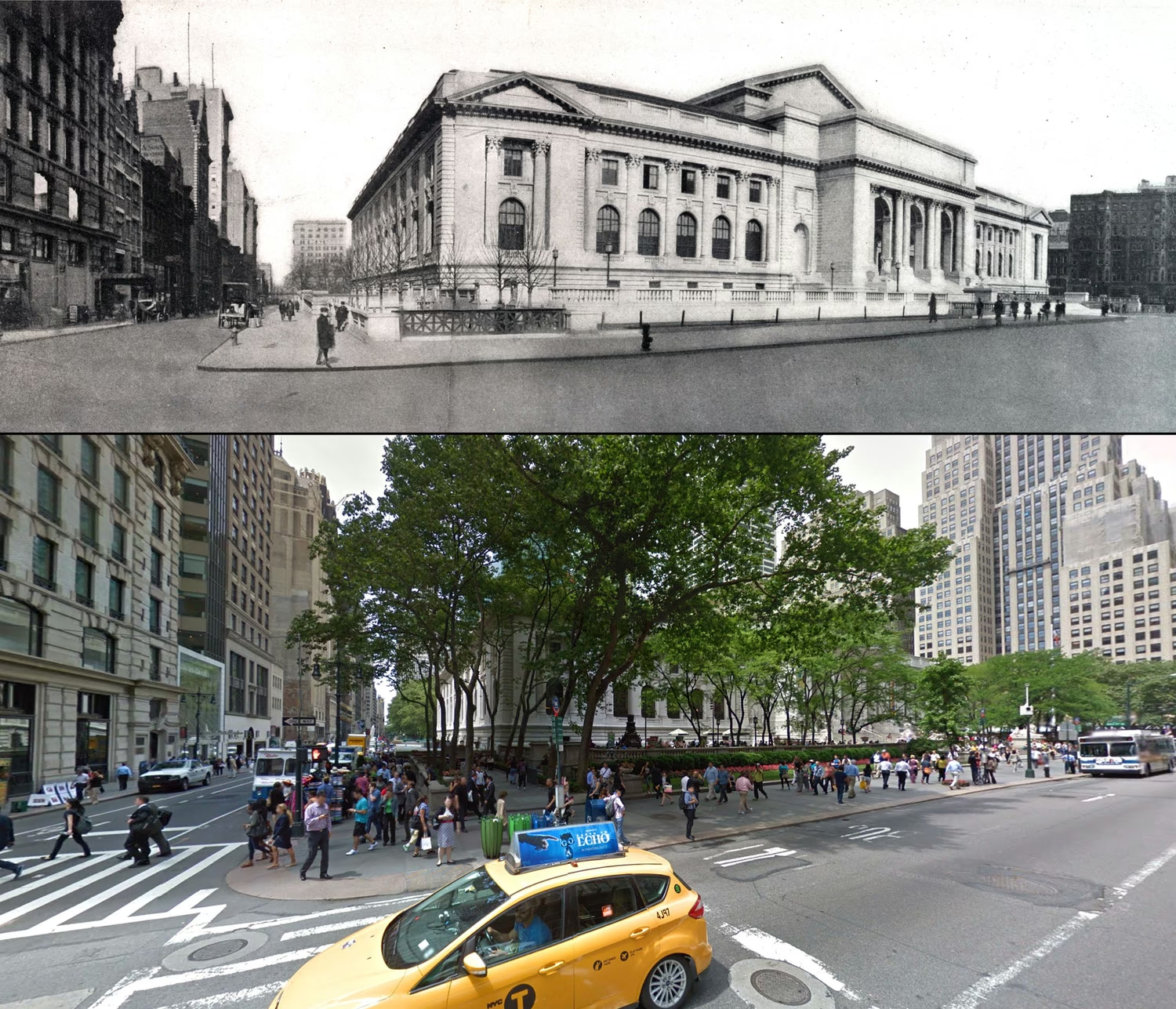
Commercial growth followed. Department stores and specialty shops opened along Midtown. Retail spaces expanded, and storefront windows grew larger. Buildings rose higher as steel-frame construction allowed for taller structures.
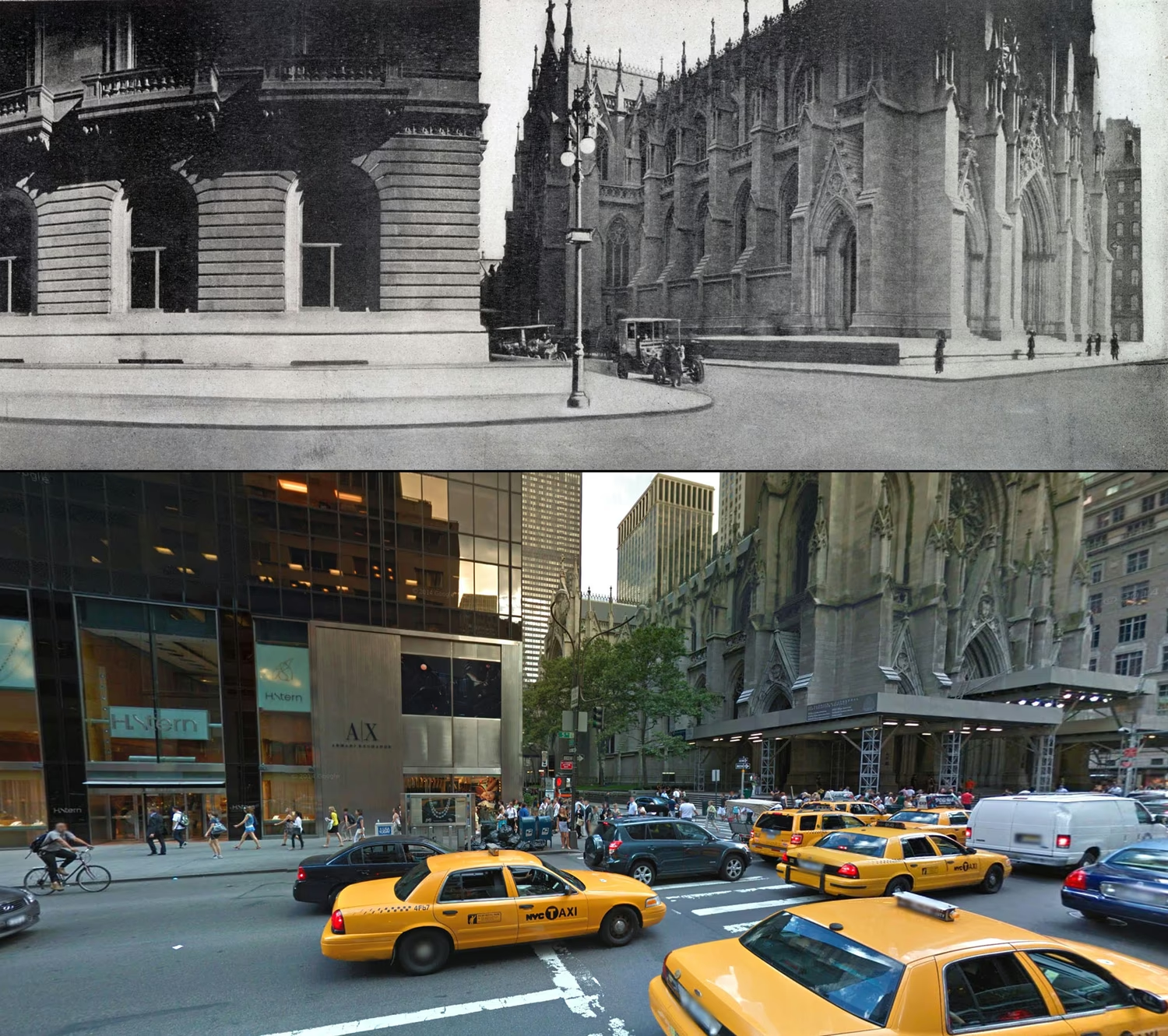
Landmarks began to define the avenue’s identity. St. Patrick’s Cathedral, completed in 1878, stood out against the skyline. Decades later, Rockefeller Center brought Art Deco towers and plazas to the area. These sites drew visitors and shaped the character of Midtown.
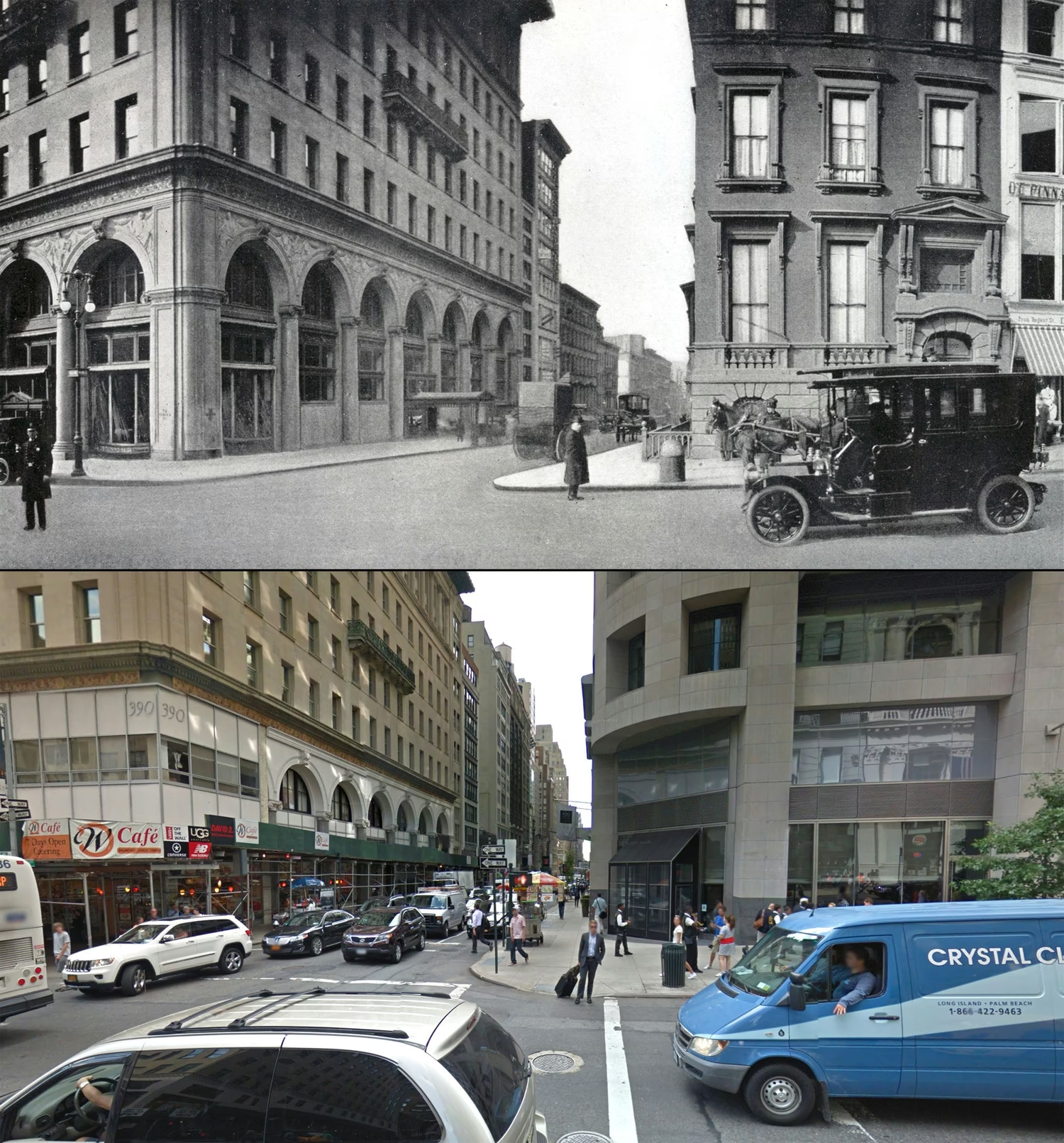
Traffic patterns changed as automobiles replaced horses. By the mid-20th century, Fifth Avenue was filled with cars, buses, and delivery trucks. Traffic lights and crosswalks controlled the steady flow of vehicles and pedestrians.
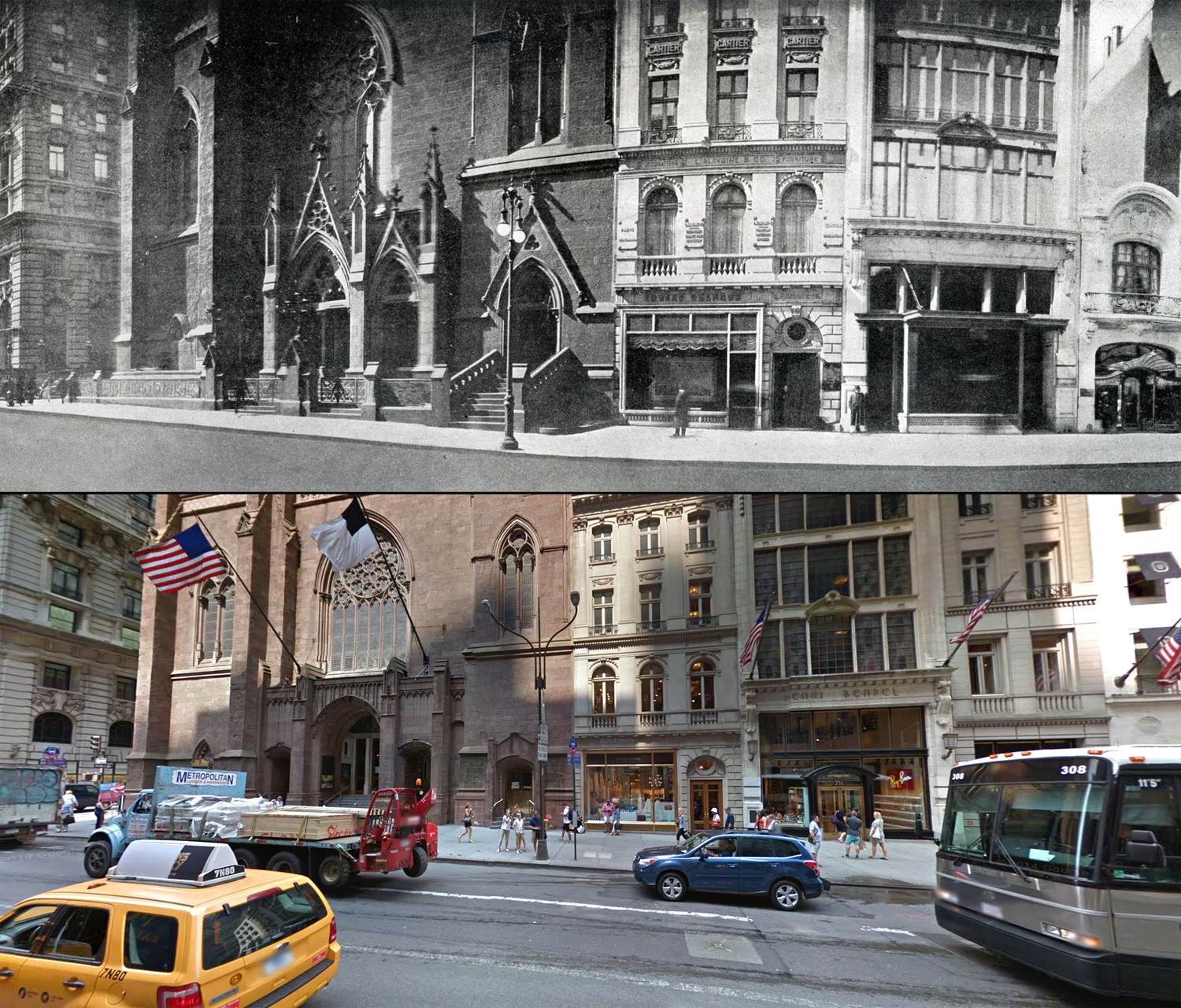
Retail continued to evolve. Luxury brands established flagship stores along the avenue. Large glass windows, bright displays, and bold signage replaced smaller storefronts from earlier decades. Fifth Avenue became one of the most expensive shopping streets in the world.
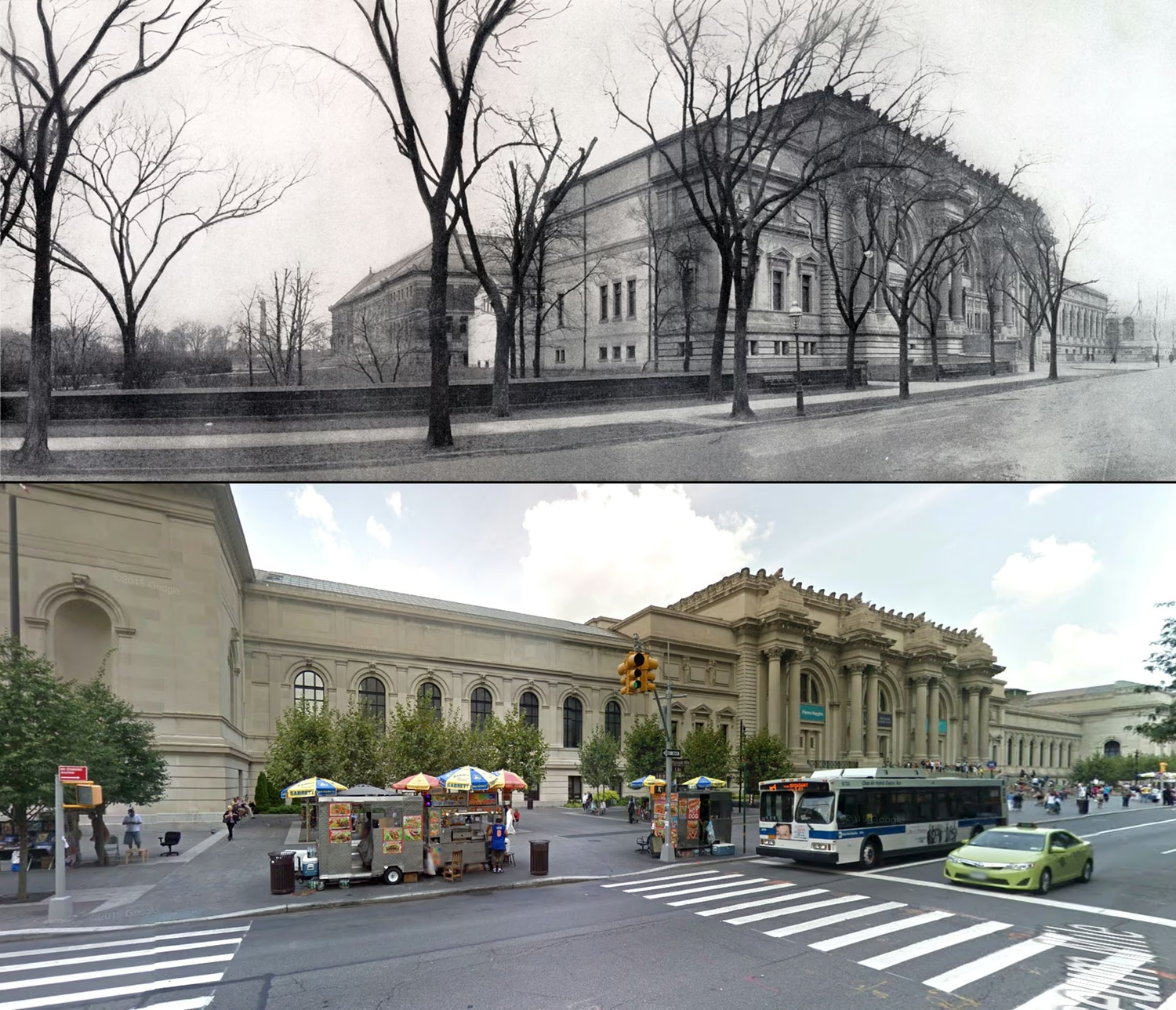
Residential life did not disappear entirely. High-rise apartment buildings offered views of Central Park and proximity to cultural institutions. Museums along the Upper East Side, including the stretch known as Museum Mile, added another layer to the avenue’s purpose.
The skyline along Fifth Avenue grew denser through the late 20th and early 21st centuries. Office towers and mixed-use buildings replaced lower structures. Glass and steel designs contrast with older stone architecture that remains on certain blocks.
Public events now shape the avenue throughout the year. Parades, holiday celebrations, and civic gatherings draw large crowds. The street closes to traffic during major events, turning into a wide pedestrian space.
Today, Fifth Avenue serves many roles at once. It functions as a commercial hub, a tourist destination, a residential corridor, and a cultural center. Its appearance reflects more than a century of development, rising land values, and changing urban needs within New York City.

GIPHY App Key not set. Please check settings