

 Dennis Saul
In the late 1800s, New York City became a center of extreme wealth. Industrial leaders earned vast fortunes in railroads, steel, oil, and finance. Along Fifth Avenue, they built massive homes to display their success.
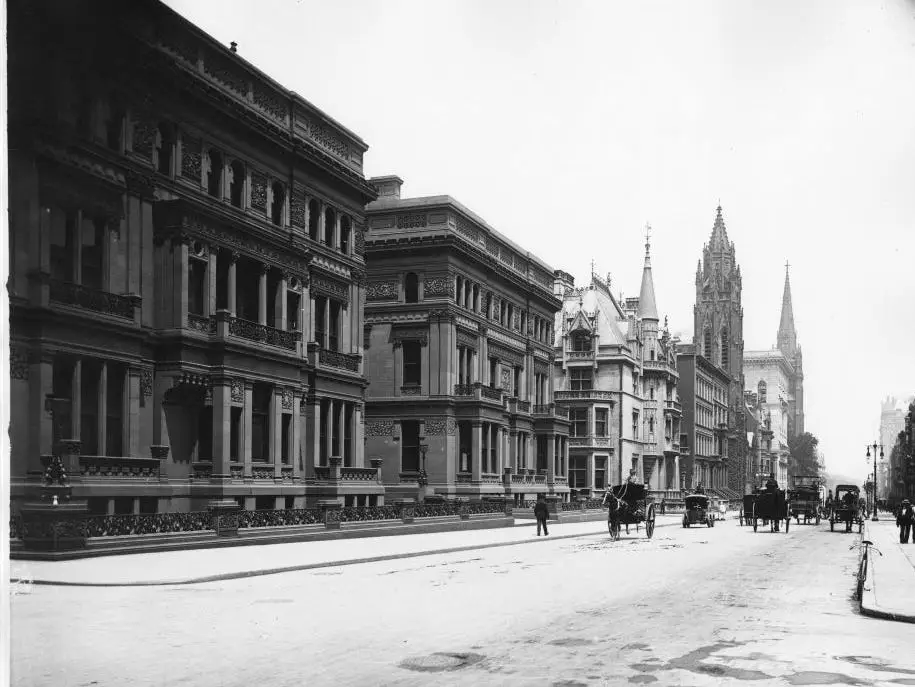
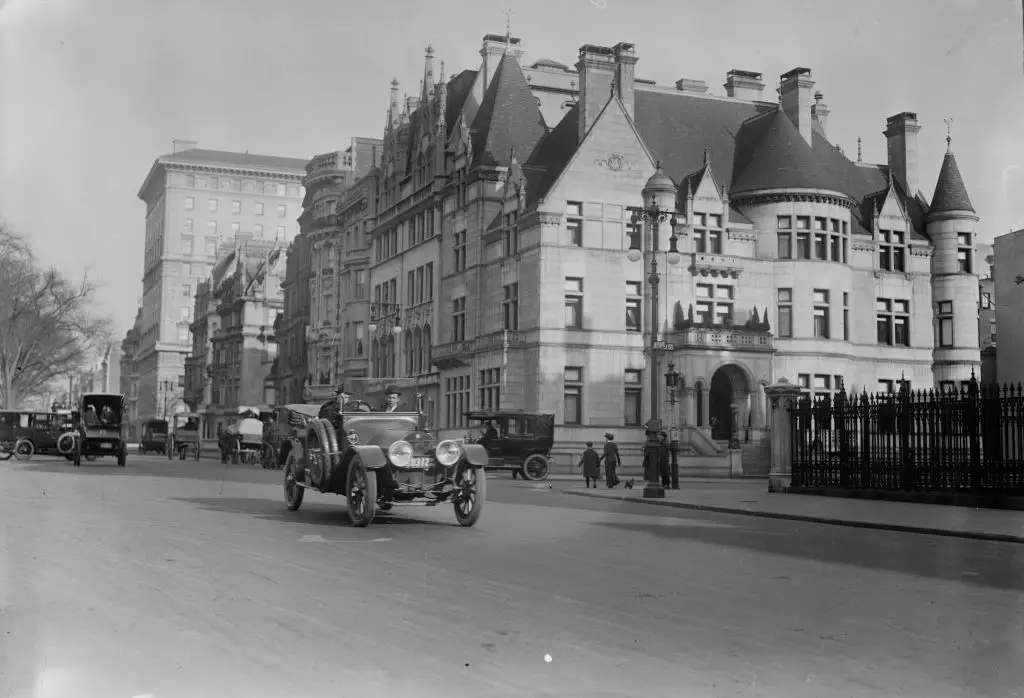
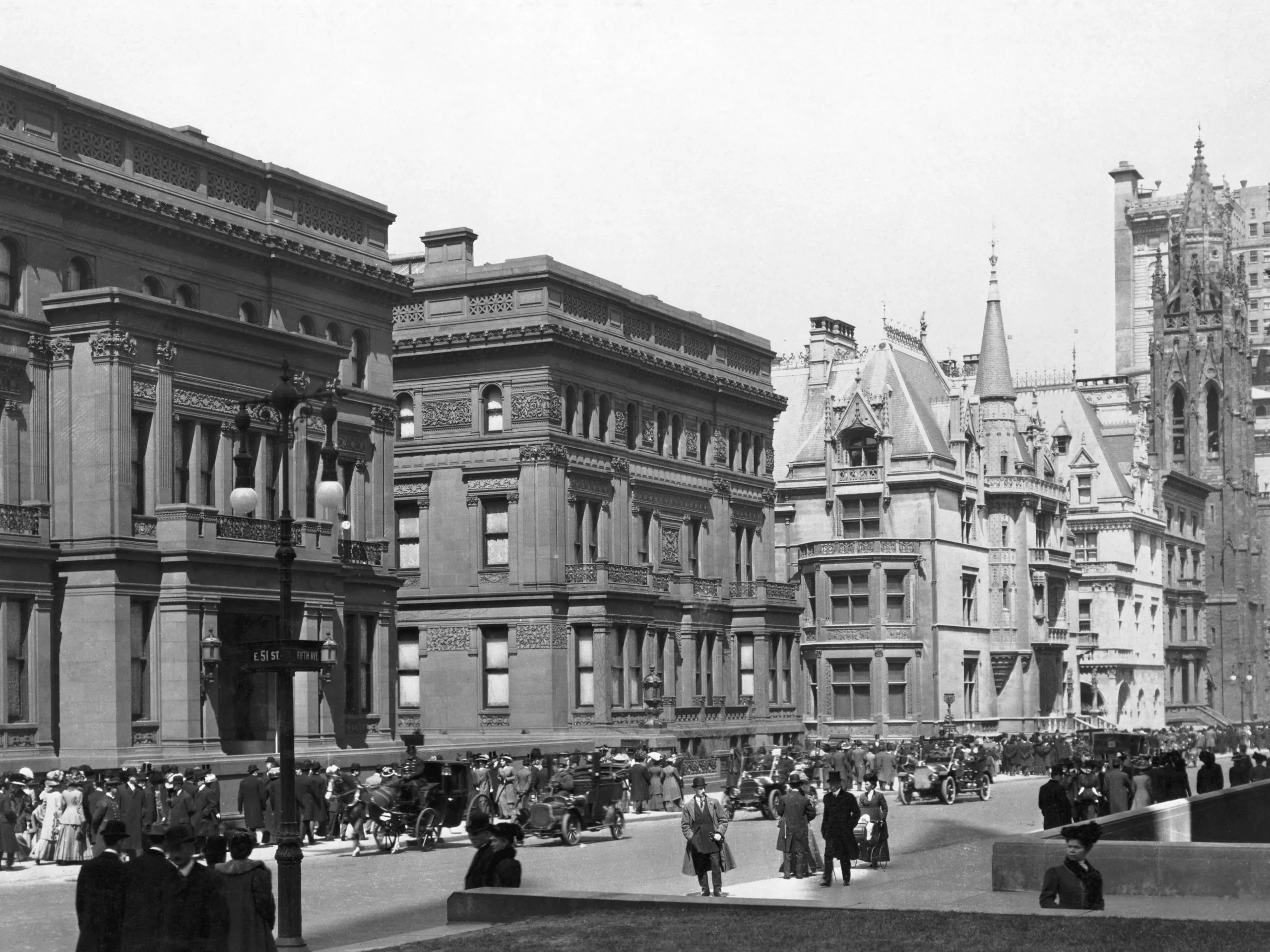
This stretch of Fifth Avenue became known as “Millionaires’ Row.” The mansions stood side by side across from Central Park. Each home competed in size, design, and detail.
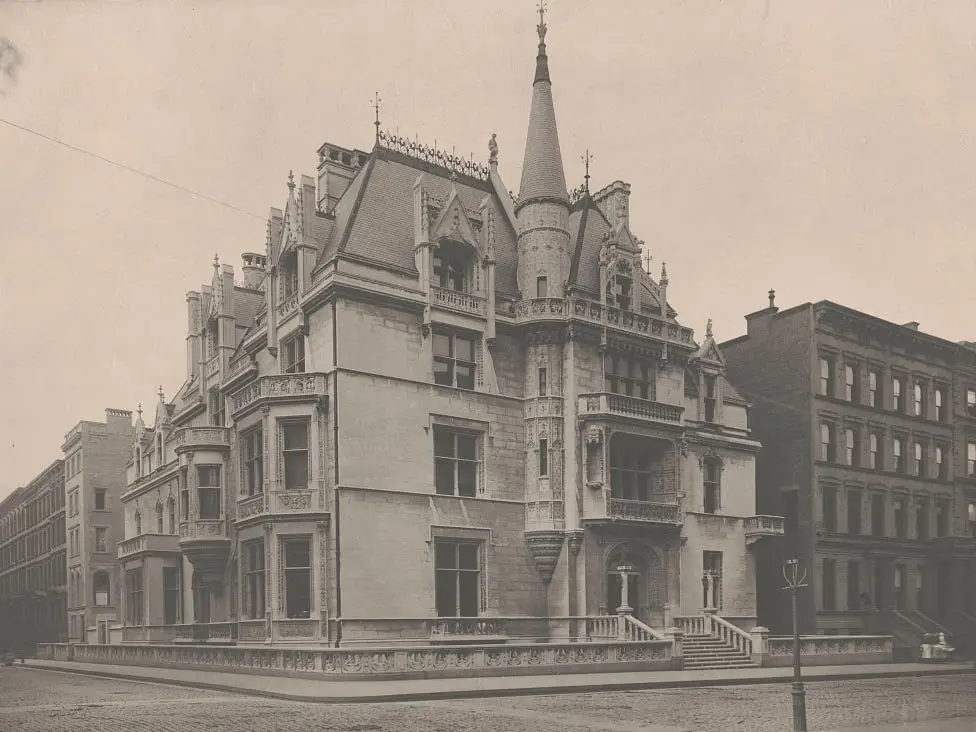
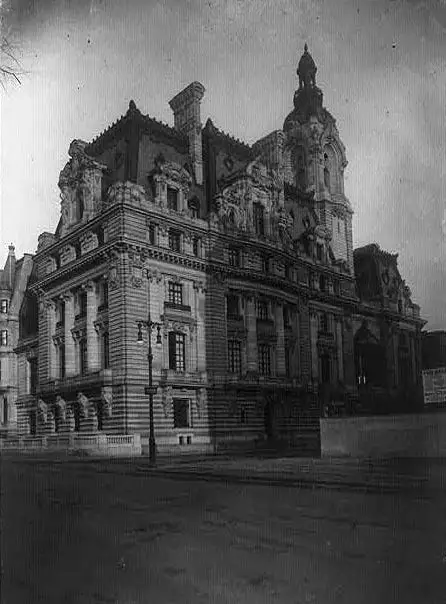
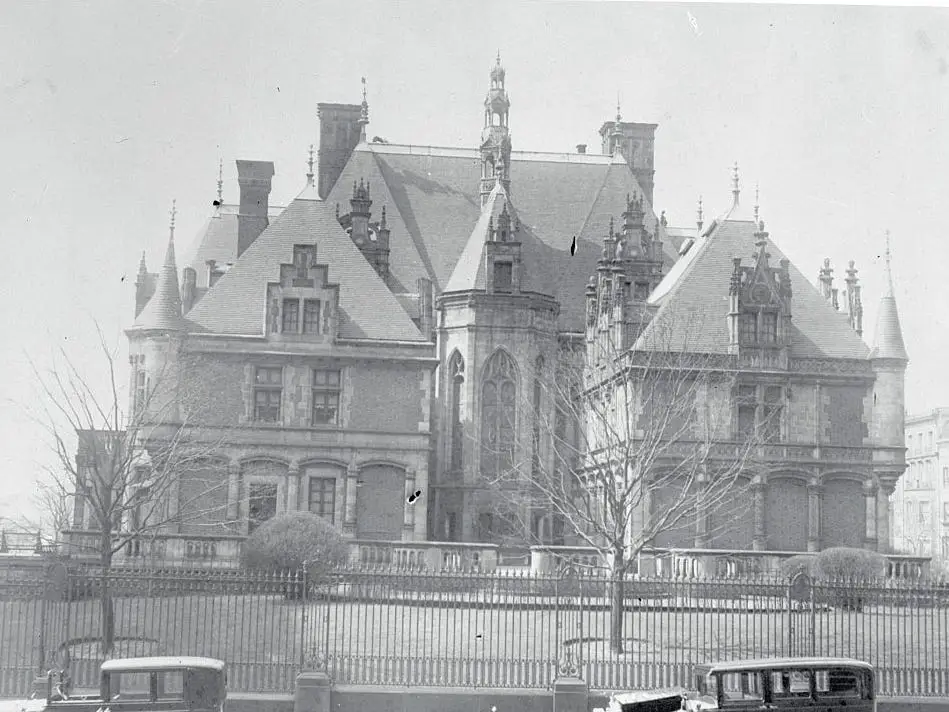
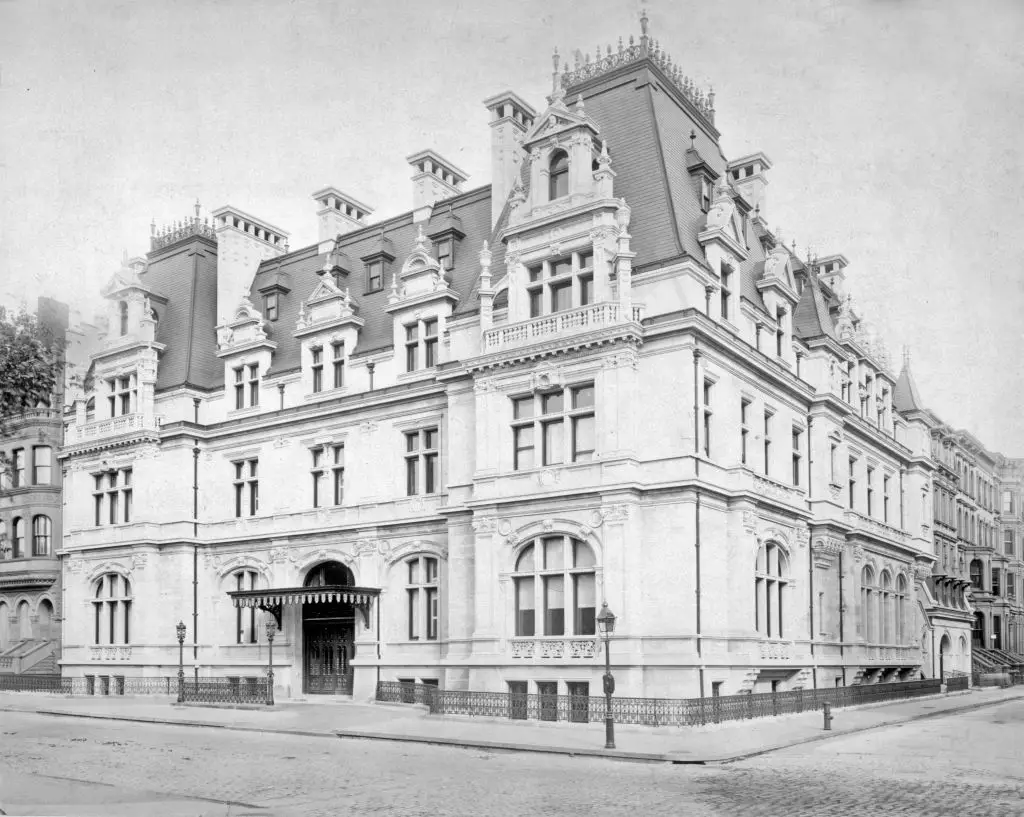
Families such as the Astor family and the Vanderbilt family built some of the grandest residences. Their houses featured carved stone fronts, tall gates, and wide staircases. Many were designed in European styles, including French chateaus and Italian palaces.
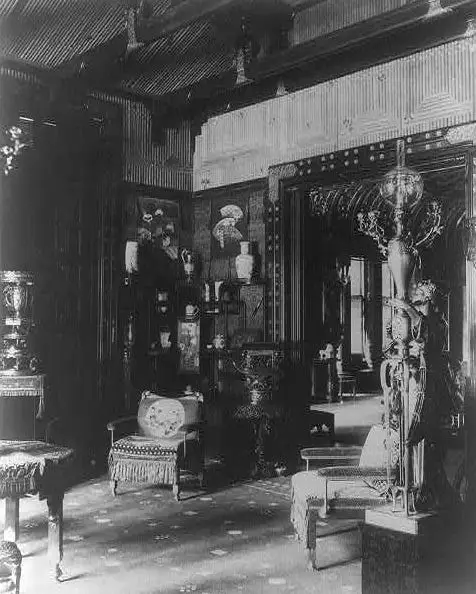
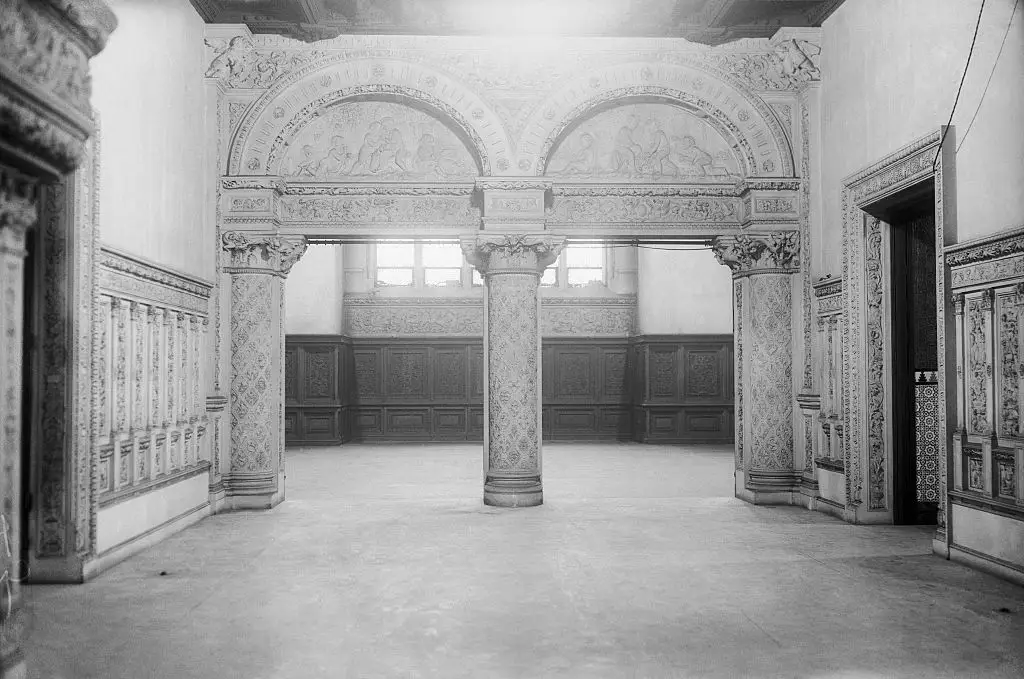
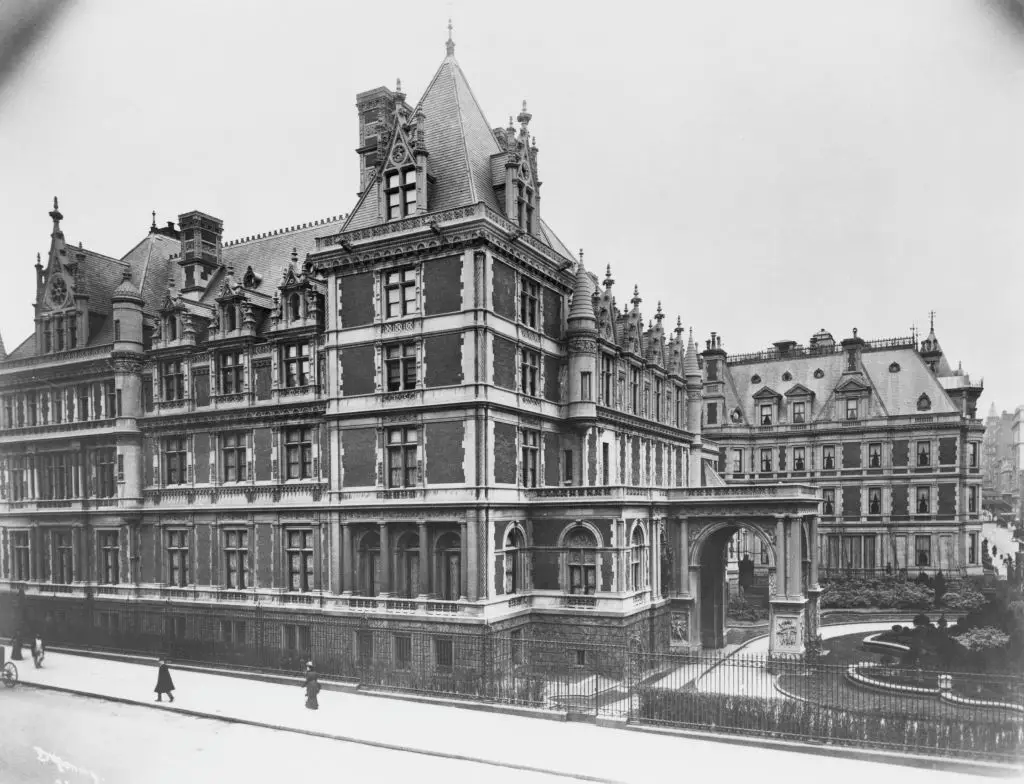
One of the most famous homes was the William K. Vanderbilt House. Completed in 1882, it was designed by architect Richard Morris Hunt. The mansion included elaborate ceilings, marble floors, and a grand ballroom. It set the standard for luxury on Fifth Avenue.
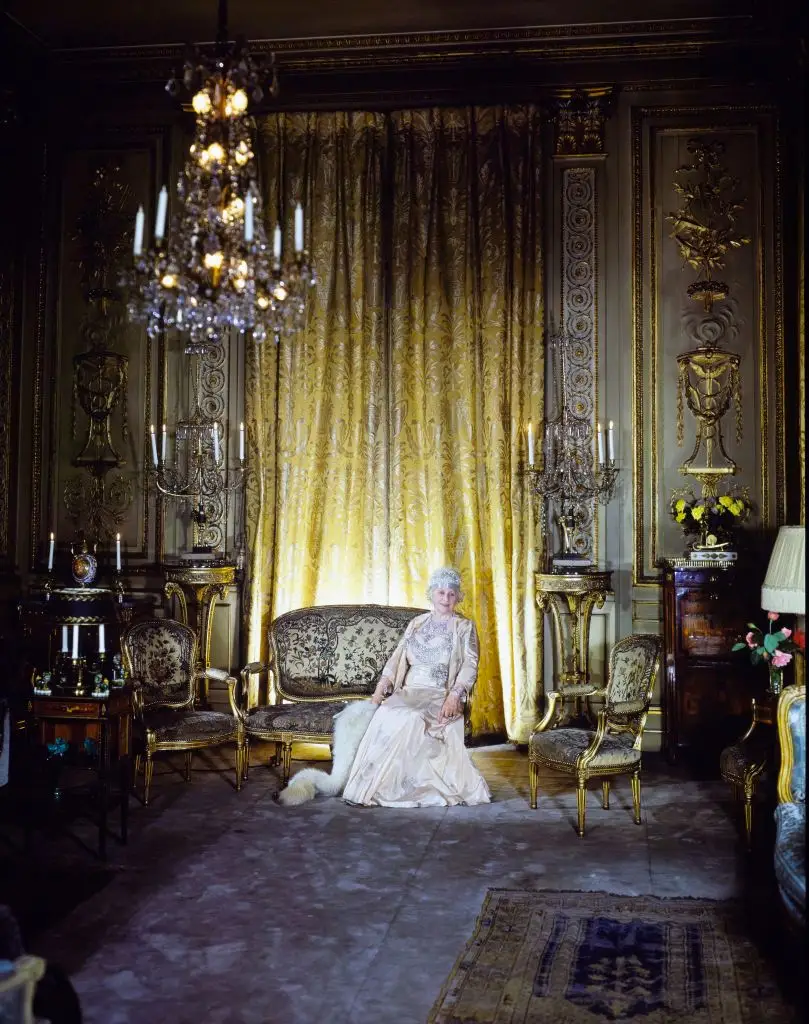
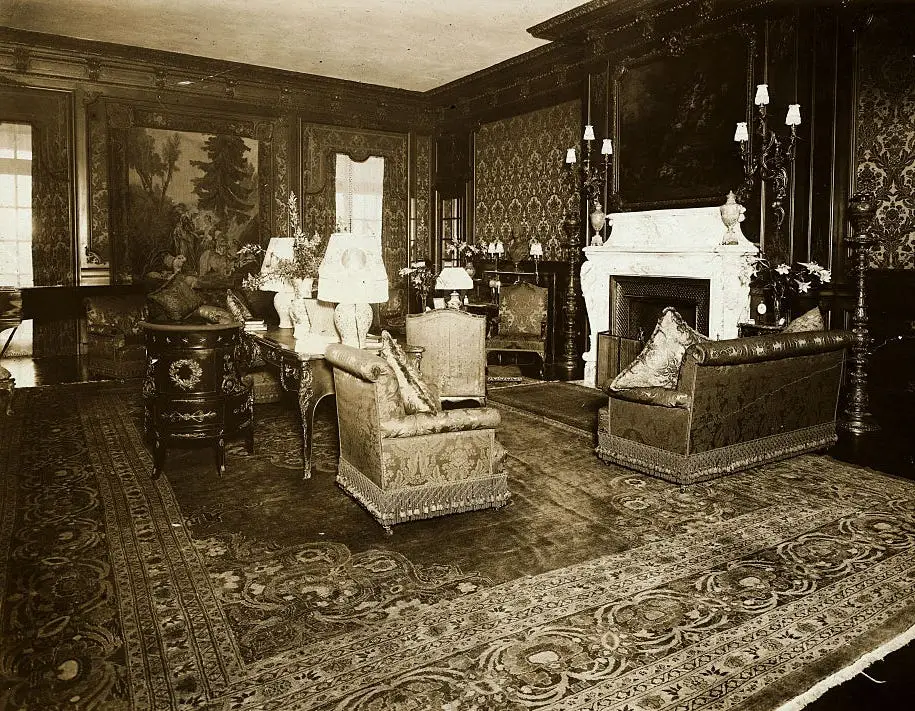
Nearby stood the Cornelius Vanderbilt II House, which occupied an entire city block. It contained more than 100 rooms. The home had a private art gallery, a large dining hall, and detailed woodwork imported from Europe.
Read more
The Astor family also built impressive residences along the avenue. Caroline Schermerhorn Astor’s mansion became a center of high society. Formal dinners and social events inside these homes shaped the social rules of the city’s elite.
While these houses symbolized wealth, the nation faced sharp economic divides. A 2021 study published in The Journal of Economic Inequality reported that in 1913, the richest 0.01% of Americans controlled 9% of the country’s wealth. The gap between rich and poor defined the era known as the Gilded Age.
Maintaining these mansions required large staffs. Servants handled cooking, cleaning, and security. Heating vast rooms during winter demanded constant labor and expense. As social attitudes shifted during the early 1900s, these oversized homes became harder to justify.
The Progressive Era brought calls for reform and more modest living. Wealthy families began moving uptown or choosing townhouses instead of palaces. Apartment buildings along Fifth Avenue offered modern features without the burden of full-time staff.
Developers saw more value in commercial buildings and luxury apartments than in single-family mansions. One by one, the grand homes were sold and demolished. By the 1920s and 1930s, most of Millionaires’ Row had disappeared.
In place of marble staircases and private galleries, tall apartment buildings rose. Stores and office spaces replaced carriage entrances. The street shifted from private estates to shared urban space.
Many similar mansions still stand in Newport, where wealthy families spent their summers. In New York City, however, the great Fifth Avenue palaces survive mainly in photographs and architectural records.
The land that once held some of the largest private homes in America now supports dense residential towers and commercial buildings. The grandeur of Millionaires’ Row exists only in archives, museum collections, and written accounts of a time when wealth reshaped the streets of Manhattan.

GIPHY App Key not set. Please check settings