

 Wendy Robert
New York City in the 1970s was broke, dangerous, and falling apart — and French photojournalist Jean-Pierre Laffont was there to document all of it.
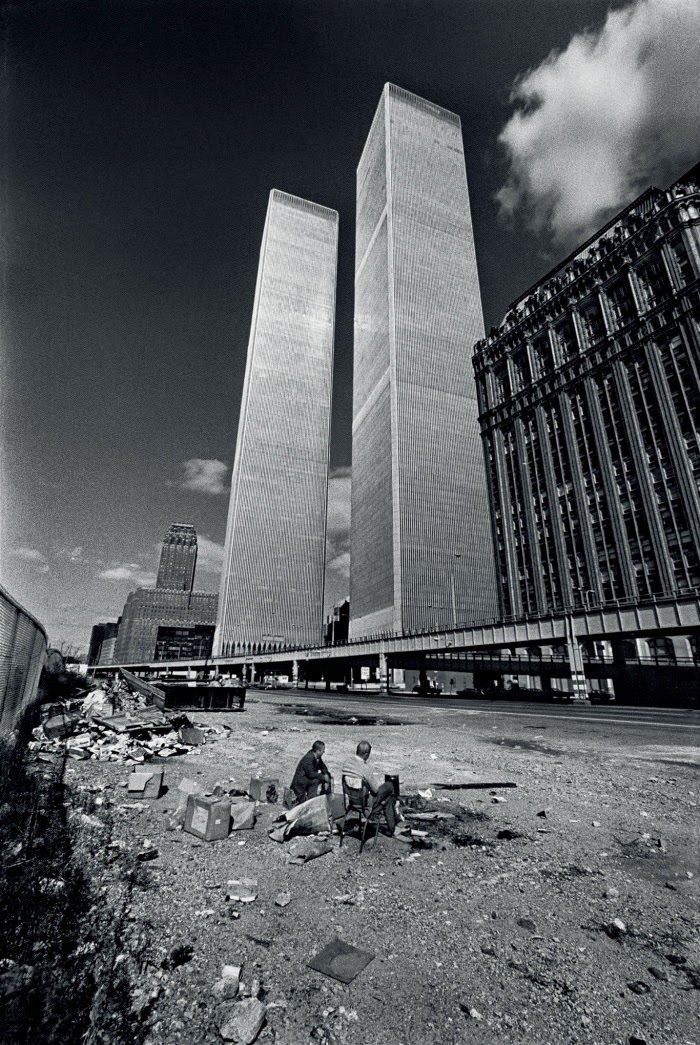
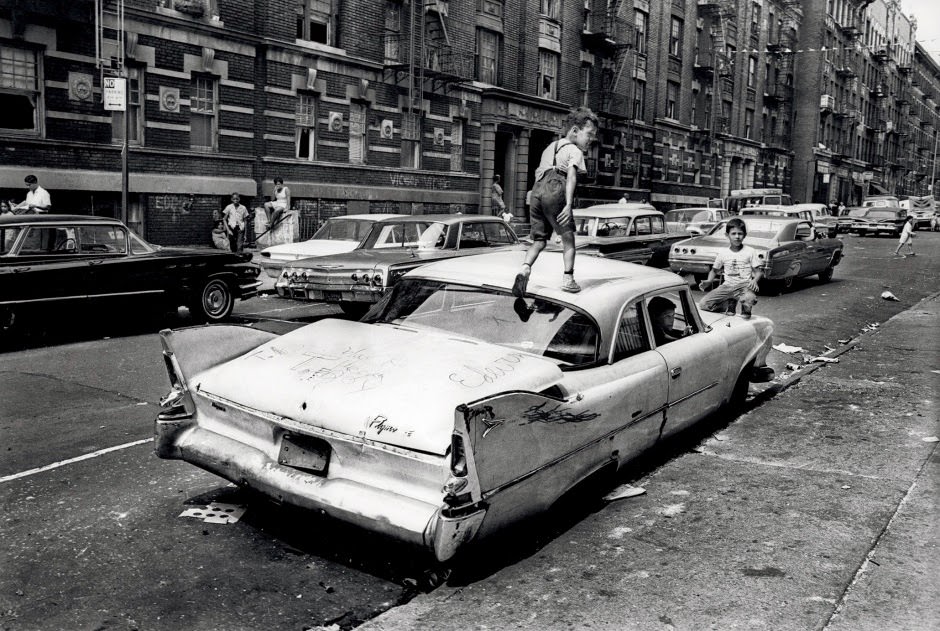
The city was in a full financial crisis by the mid-70s. Garbage piled up on streets during sanitation strikes. The subway system ran on neglect — trains were covered in graffiti inside and out, tracks were unreliable, and riders took their chances every time they went underground. Entire neighborhoods in the Bronx were burning down, landlords torching their own buildings to collect insurance money rather than pay to maintain them. Arson was so common that the South Bronx looked like a bombed-out city.
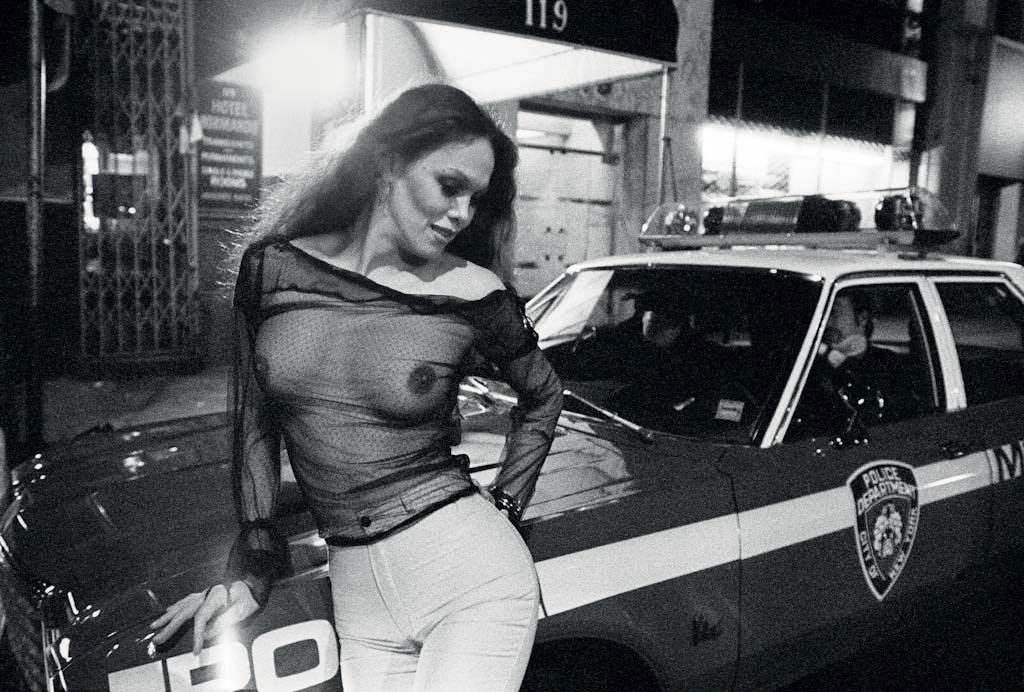
Crime was climbing every year. In 1971, the city recorded 1,466 murders. By 1979, that number had risen to over 1,800. Times Square was the center of the sex trade, lined with peep shows, adult theaters, and street prostitution operating in plain sight. Police were underfunded and understaffed. Response times stretched. People learned to keep their heads down.
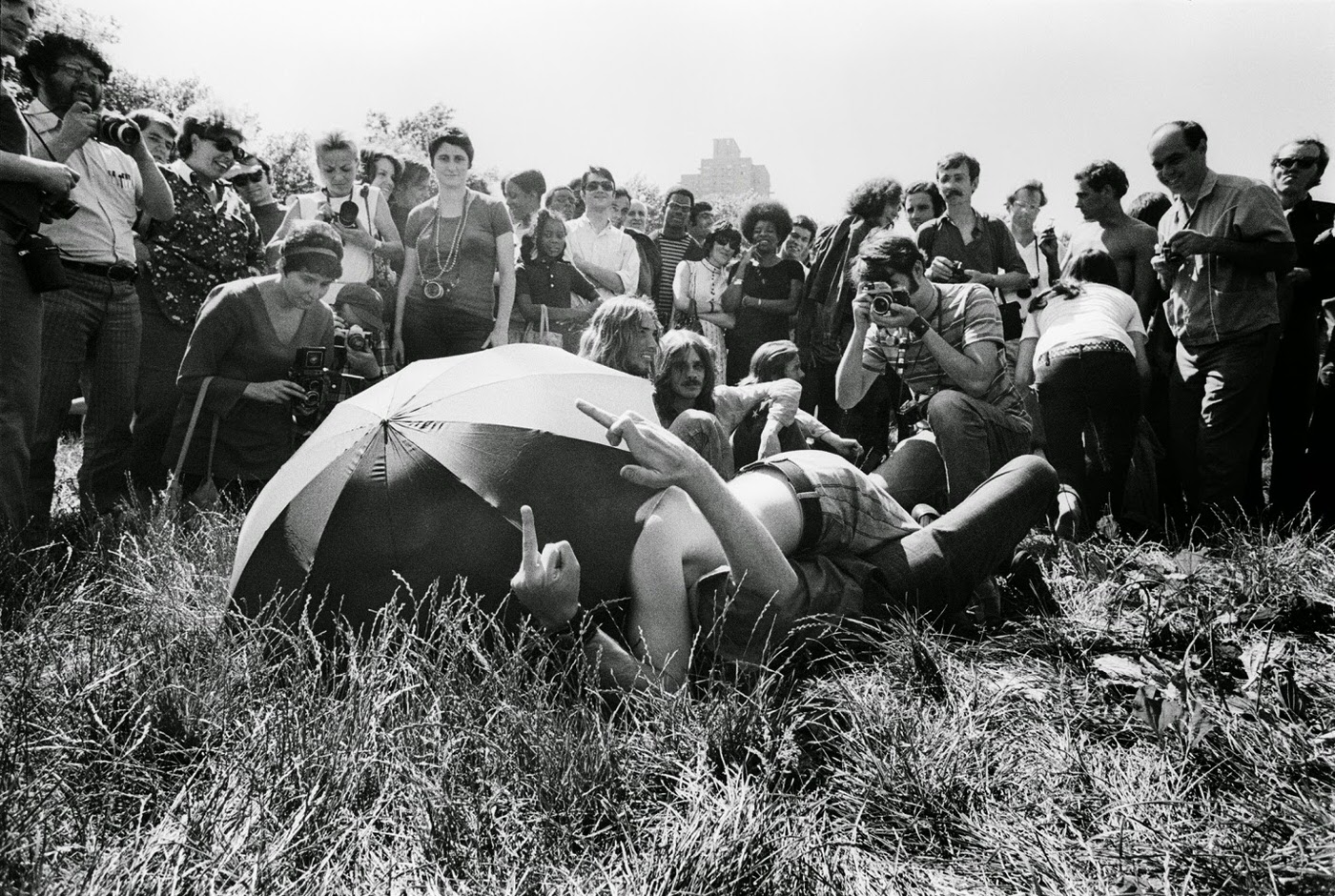
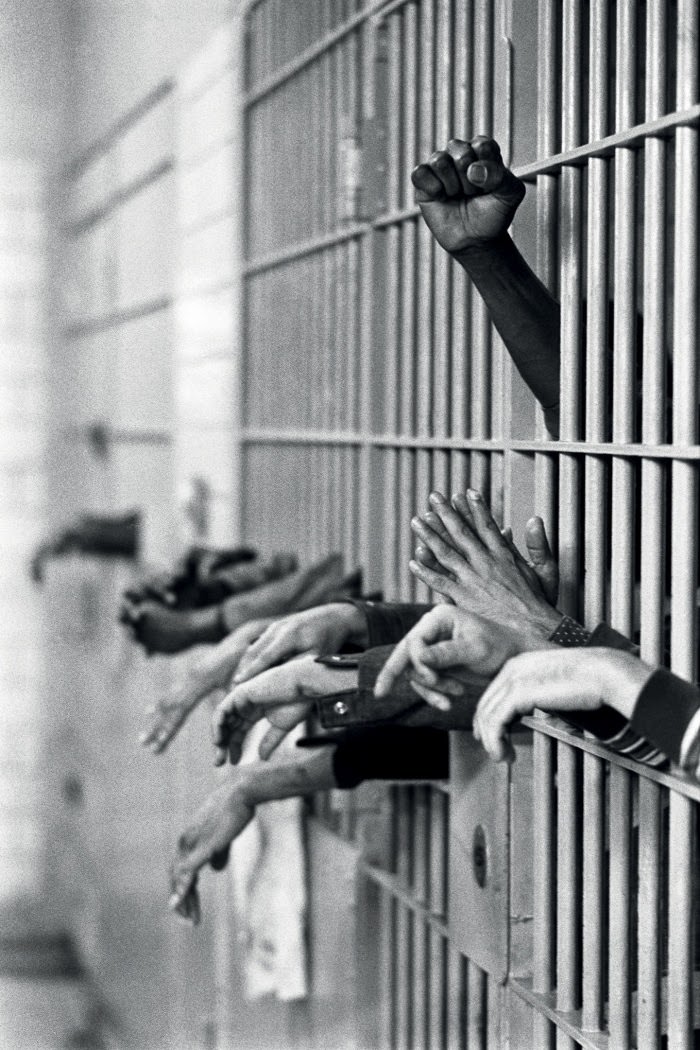
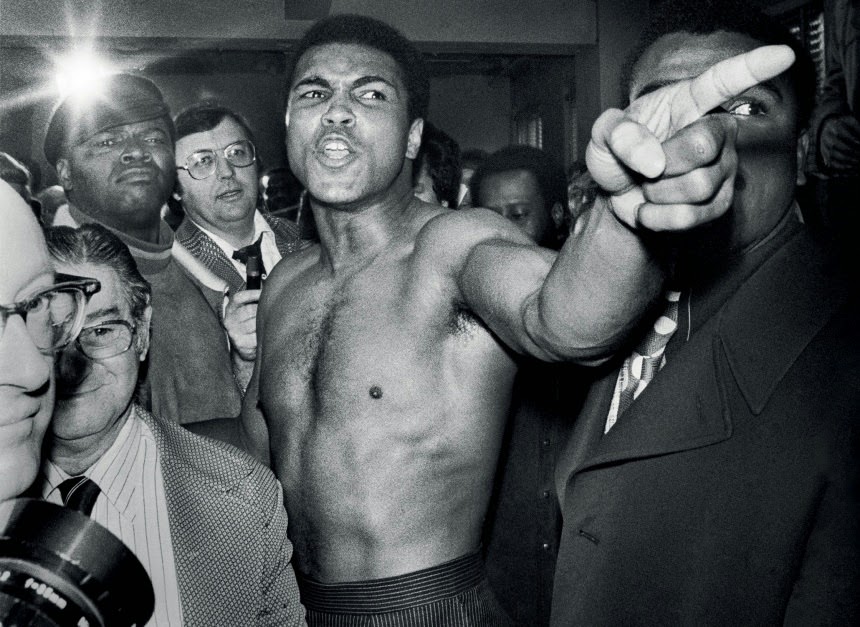
Laffont moved through all of it with his camera. He photographed the street-level reality of a city that had been abandoned by its own government — Washington famously refused to bail New York out in 1975, prompting the New York Daily News headline “Ford to City: Drop Dead.” Laffont didn’t just photograph decay. He documented the people living inside it. His frames captured the tension between a city rotting at its edges and the millions of residents who still had to wake up every morning and get on with their lives.


GIPHY App Key not set. Please check settings