

 Frederick Victor
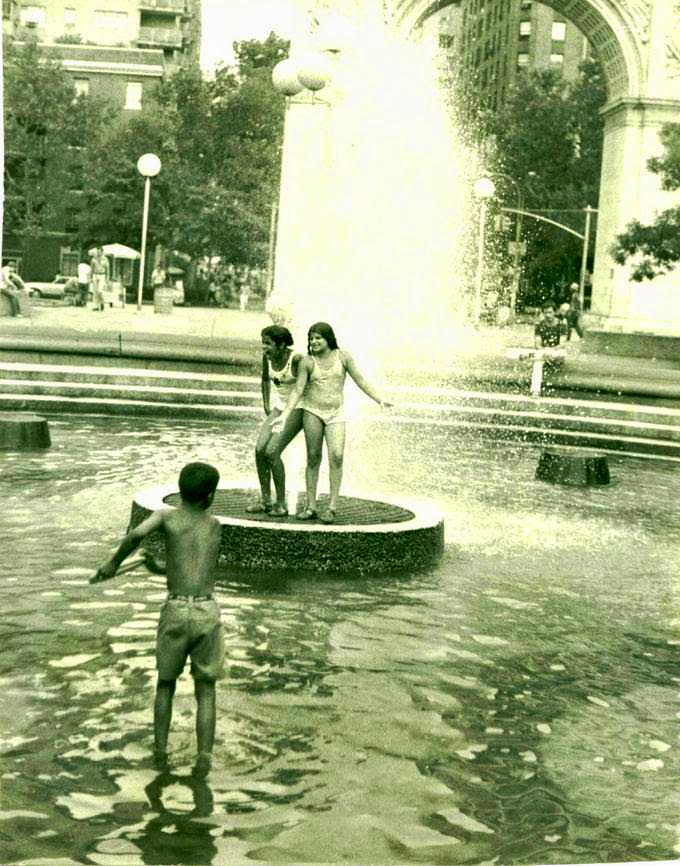
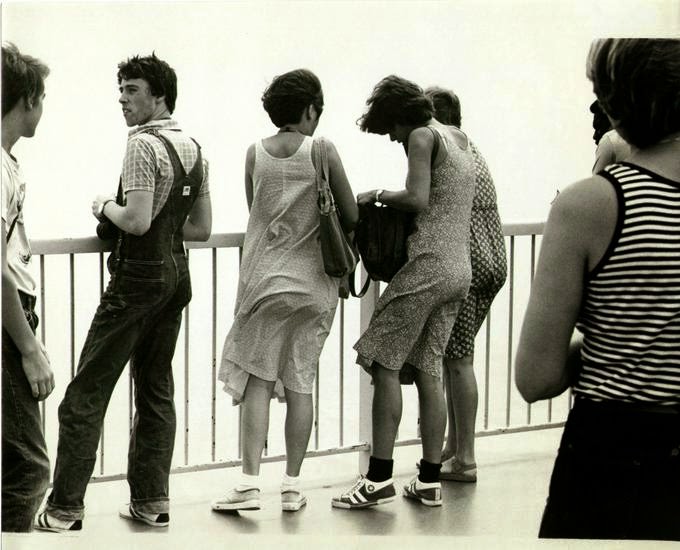
New York City in the 1970s was broke, dirty, and alive in ways it has never quite been since. The city teetered on the edge of bankruptcy in 1975, crime rates climbed every year, and whole neighborhoods were written off by city government. But the parks filled up anyway.
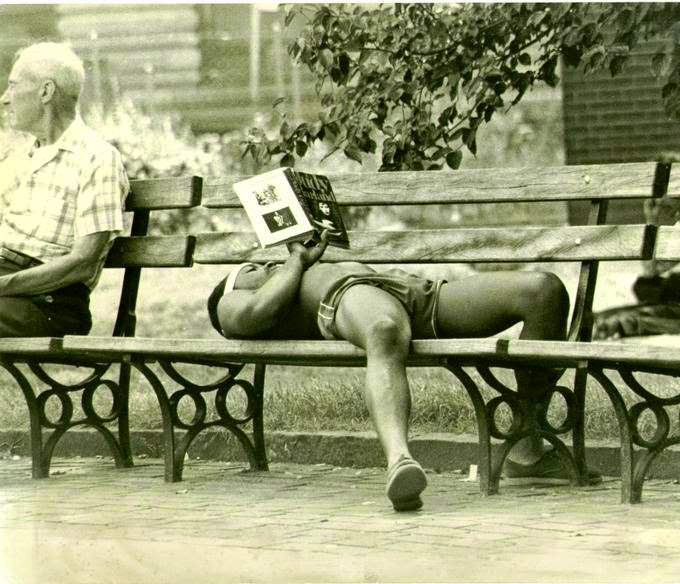
Central Park was the center of it all. On any given weekend afternoon, the Great Lawn held sunbathers, frisbee players, chess hustlers, and families who had dragged folding chairs from apartments ten blocks away. Transistor radios competed with each other across the grass. Nobody had a permit. Nobody needed one.
The People Who Showed Up
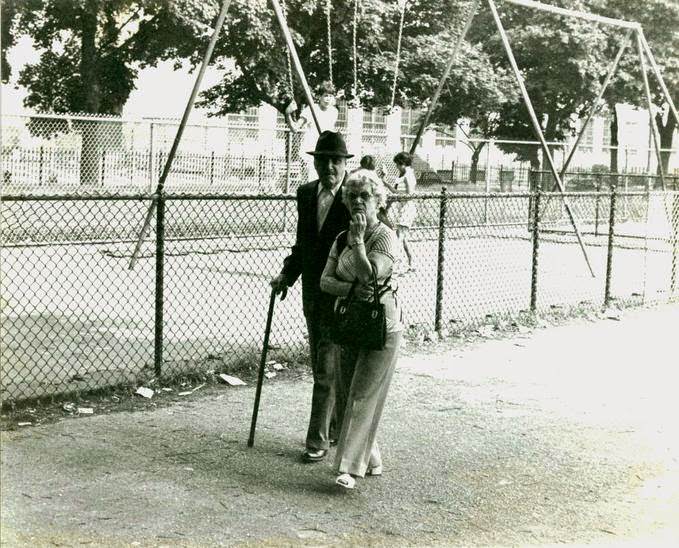
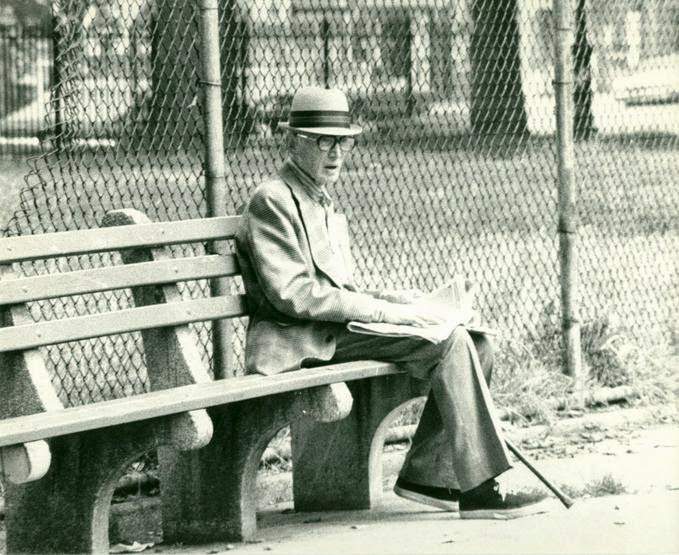
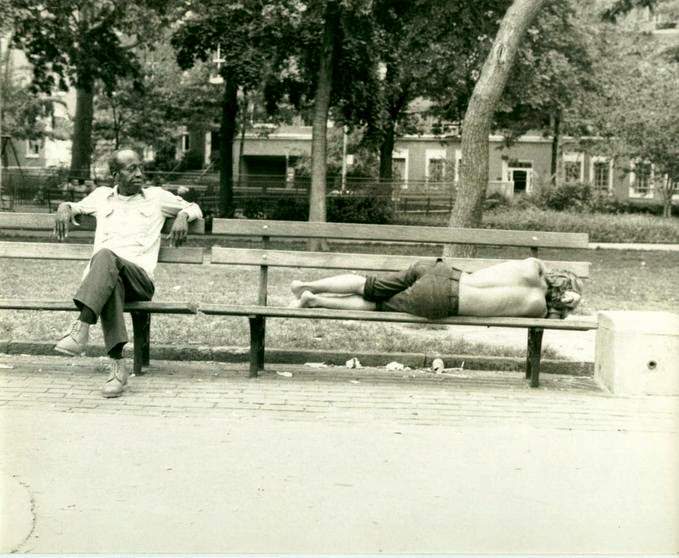
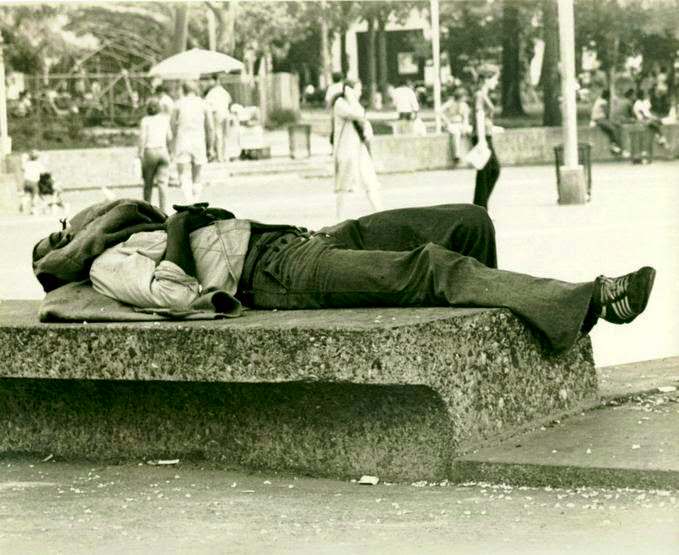
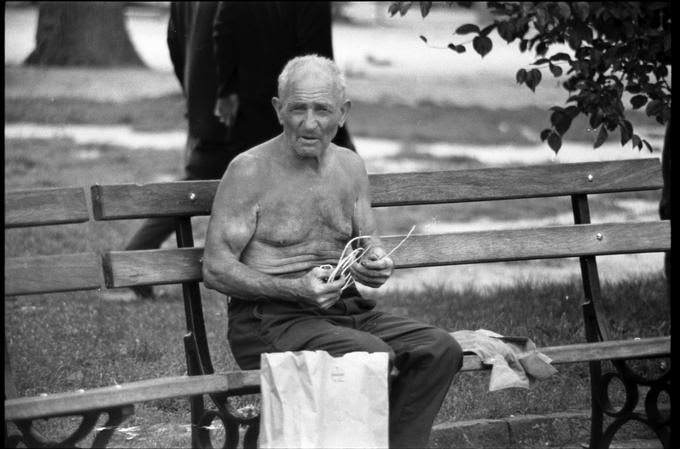
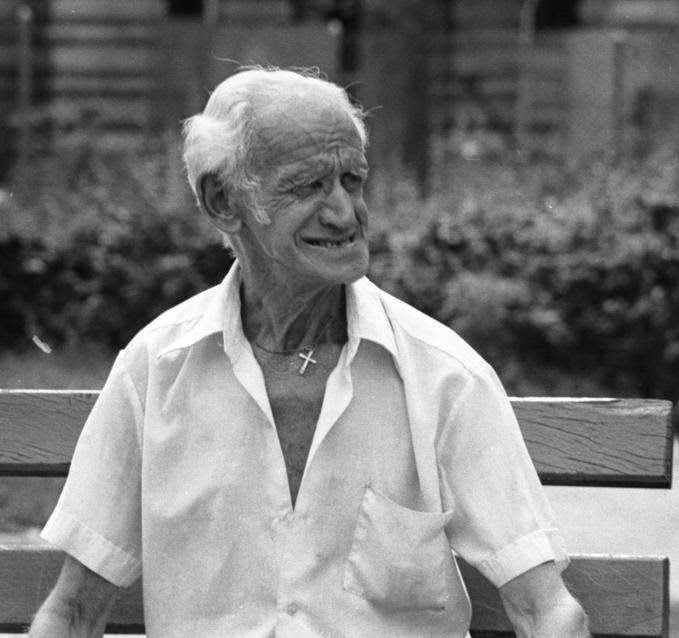
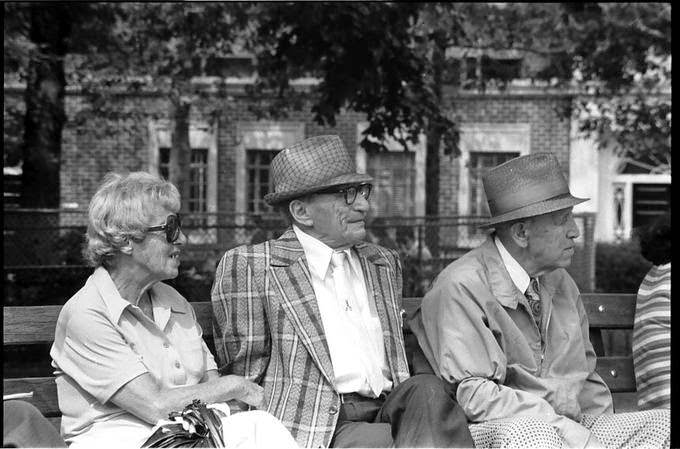
The parks in this era belonged to everyone in the most literal sense — because the city had largely stopped managing them. Maintenance budgets were slashed. Benches went unpainted. Fountains broke and stayed broken. What filled the gap was people, doing whatever they wanted.
Read more..
Roller skaters took over the mall in Central Park on weekends. They brought their own music — actual speakers, batteries, extension cords run from nearby outlets — and created a skating scene that drew crowds just to watch. The Disco Skaters, as they became known, were a fixture from the mid-1970s onward, and their gatherings had the energy of a club that happened to be outdoors and free.
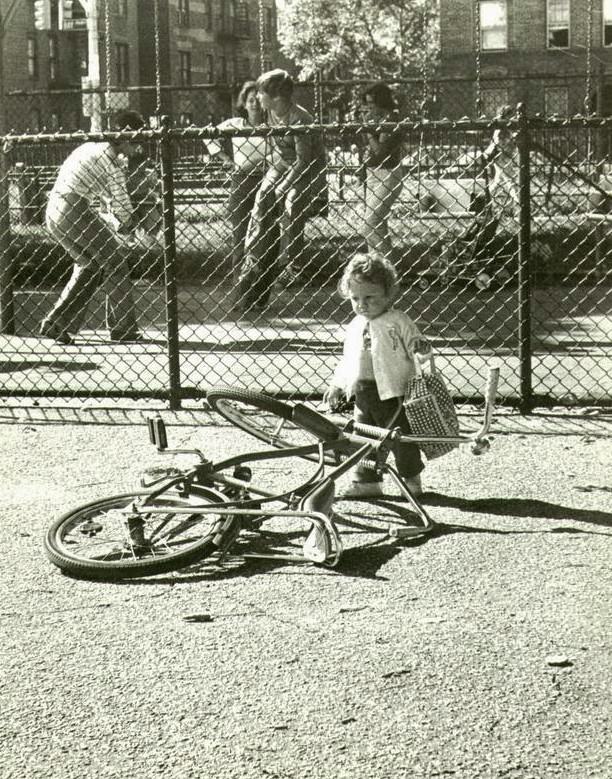
Softball leagues ran all summer in the meadows. Puerto Rican families held cookouts in Flushing Meadows-Corona Park that lasted entire Sundays. Haitian and West Indian communities gathered in Brooklyn’s Prospect Park, which also hosted its share of pickup soccer on the open fields. The parks reflected the city’s demographics more honestly than almost any other public space.
The Danger Was Real
It would be dishonest to describe 1970s New York parks as purely idyllic. Central Park recorded over 1,000 serious crimes per year at the decade’s peak. Muggings happened in broad daylight on certain paths. After dark, most of the park was effectively off-limits to anyone who valued their safety.
The Ramble — a 36-acre wooded section of Central Park — became a well-known meeting spot for gay men during a period when there were almost no other safe, semi-private spaces in the city. The NYPD ran periodic sweeps. Men were arrested. And still they came back, because the park was one of the only places that existed for them.

GIPHY App Key not set. Please check settings