

 Adriana Palmer
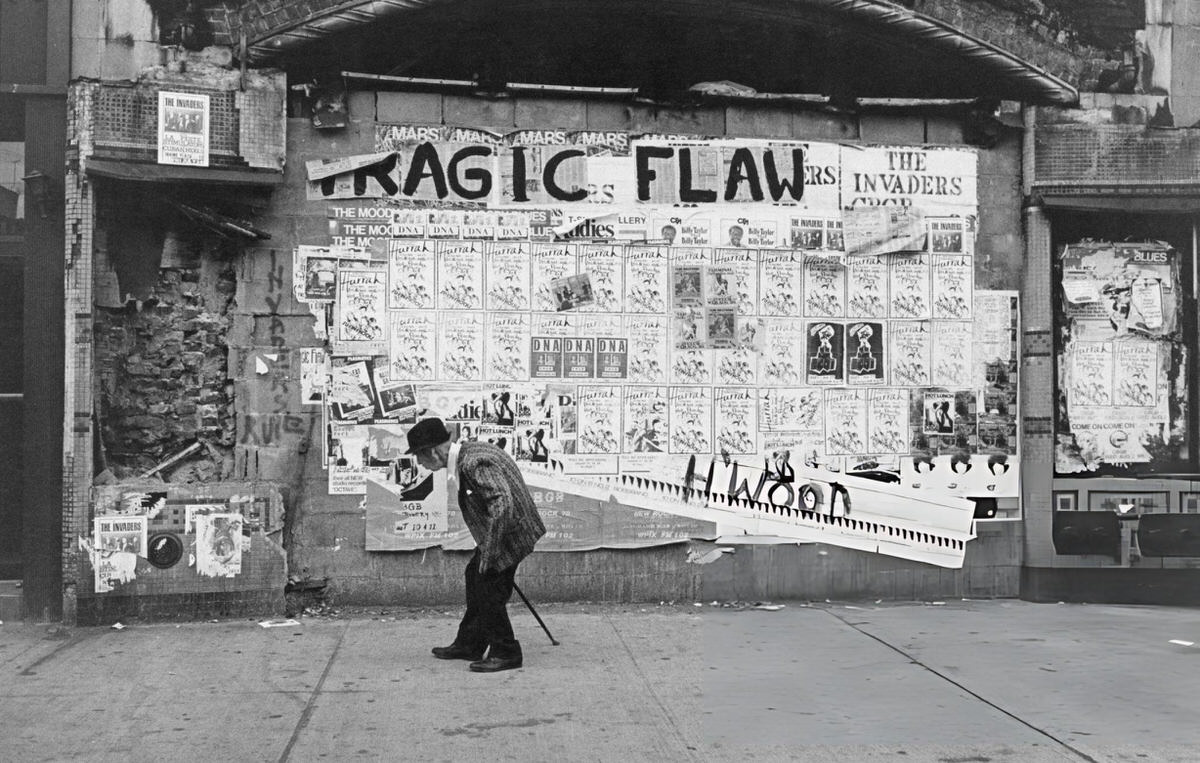
In 1973, the Bowery was one of the worst blocks in New York City. The street was lined with flophouses, broken glass, and men sleeping in doorways. Nobody called it a cultural destination. That’s exactly why Hilly Kristal opened a bar there.
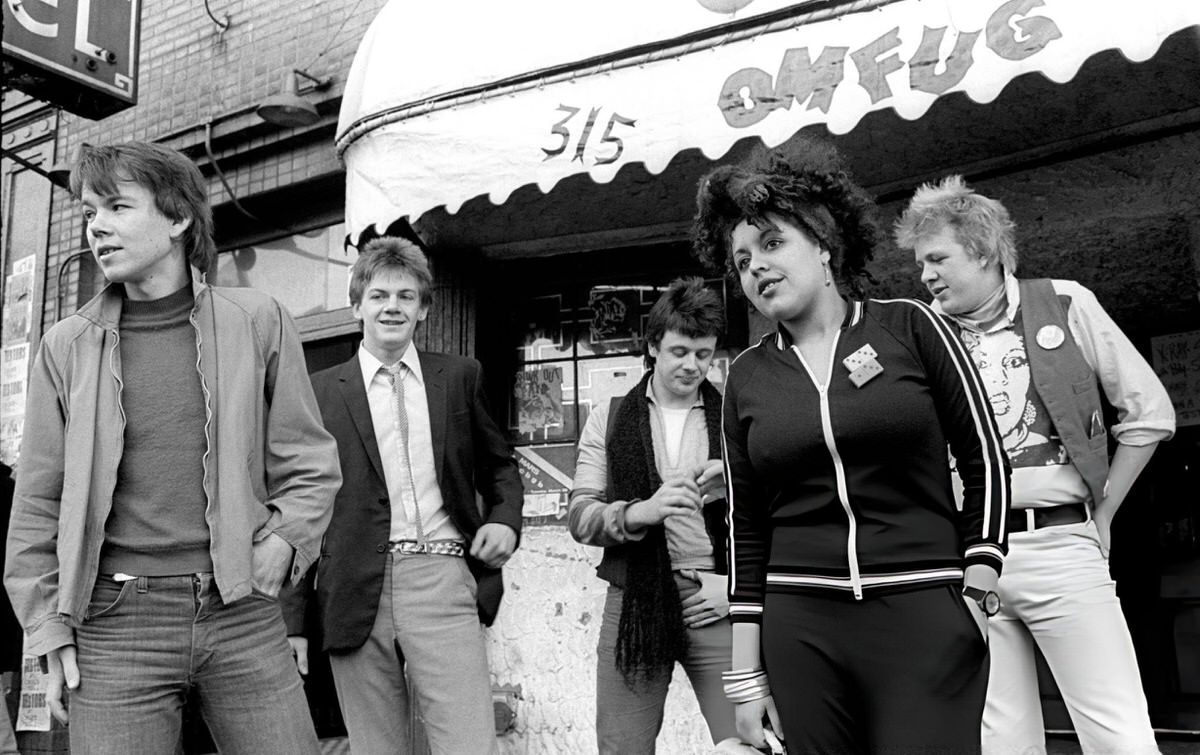
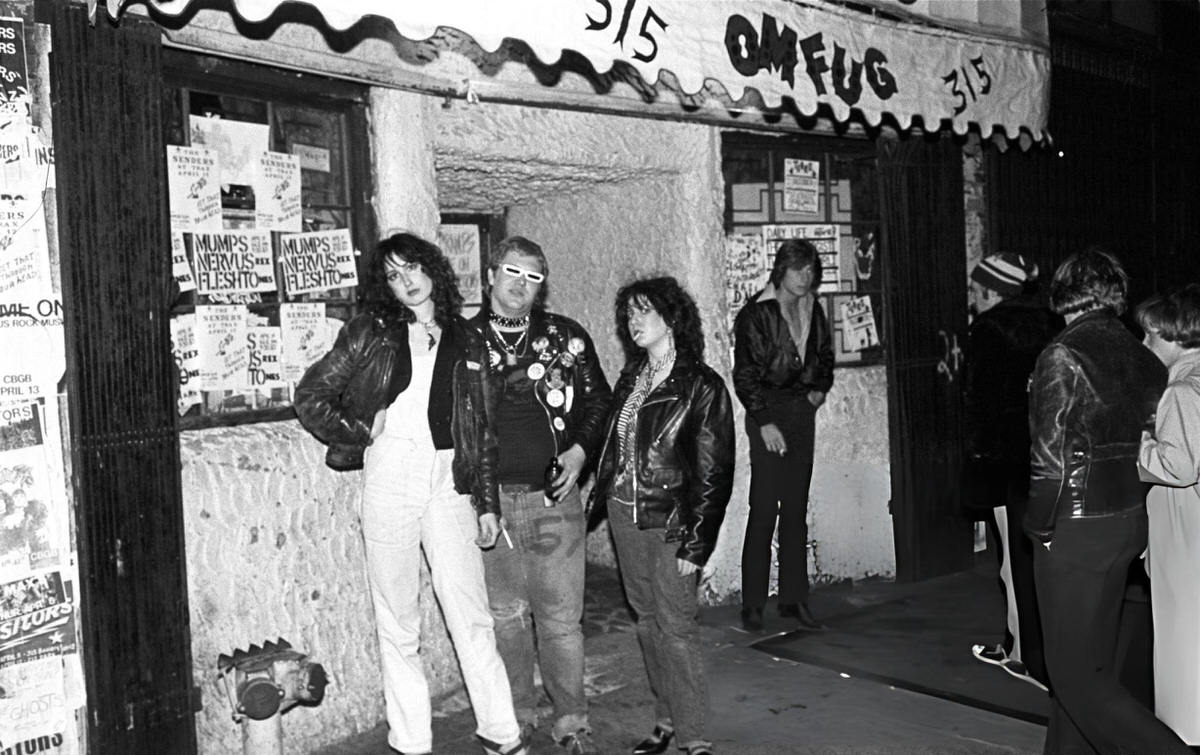
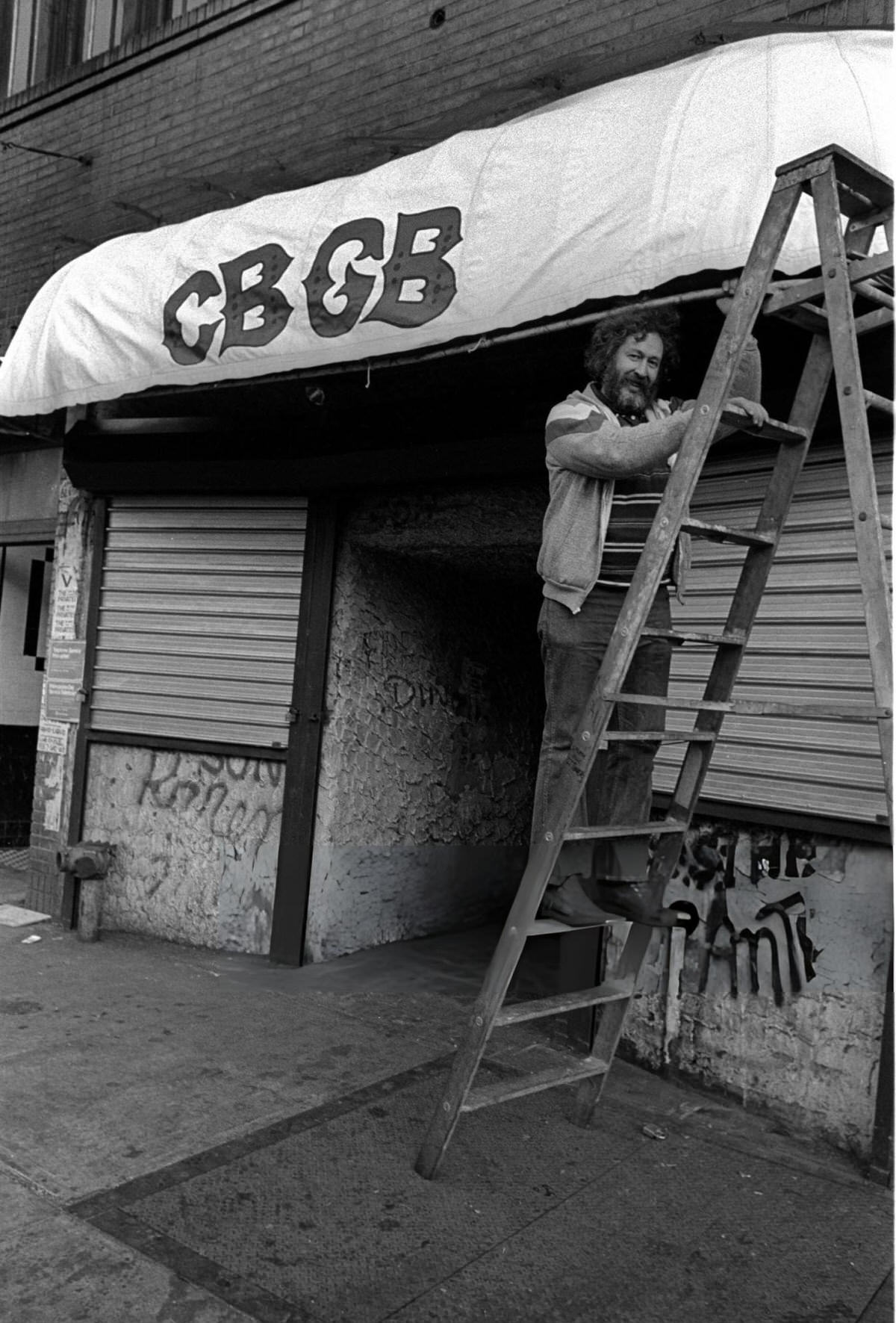
Kristal signed a lease at 315 Bowery in December 1972. He named the place CBGB & OMFUG — Country, Bluegrass, Blues and Other Music for Uplifting Gormandizers. He actually wanted to book country and folk acts. That plan fell apart fast. What replaced it changed music forever.
The neighborhood kept away the mainstream crowd. Rents were dirt cheap because nobody wanted to be down there. That economic reality created a vacuum, and artists filled it. Bands had nowhere else to go. The big midtown clubs wanted polished acts with record deals. CBGB took anyone willing to play original music — Kristal’s one hard rule.
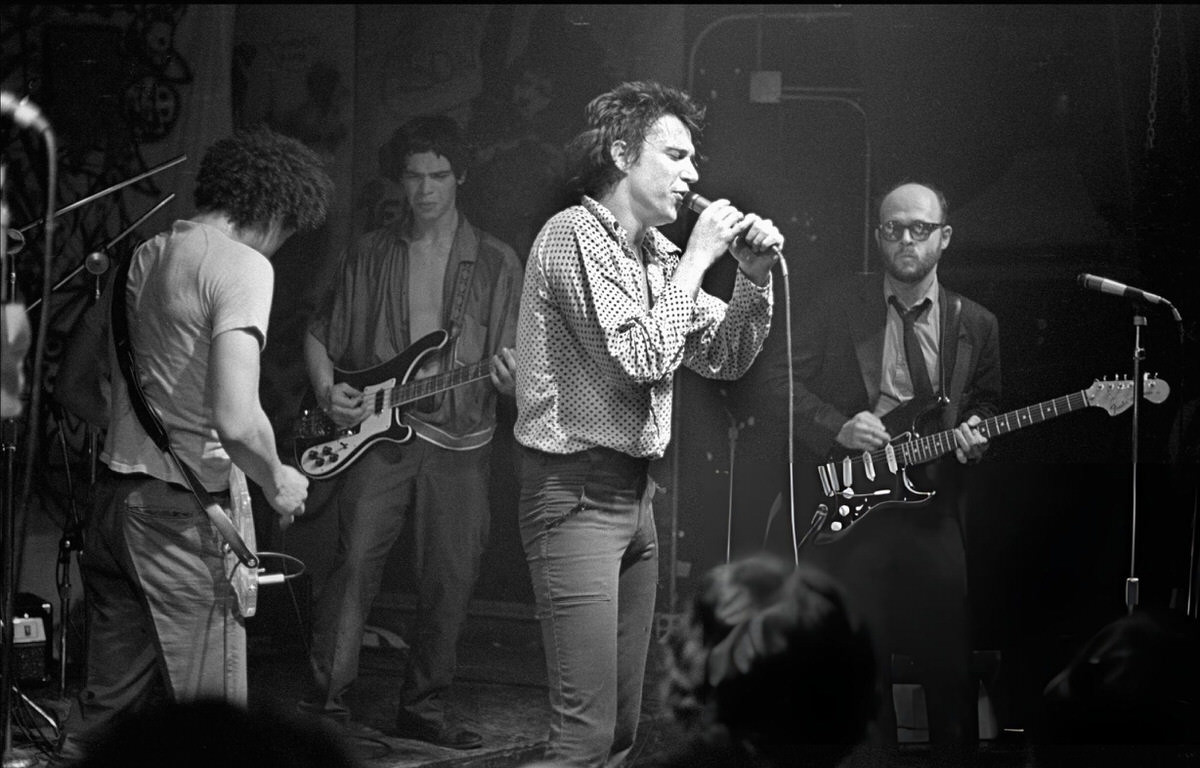
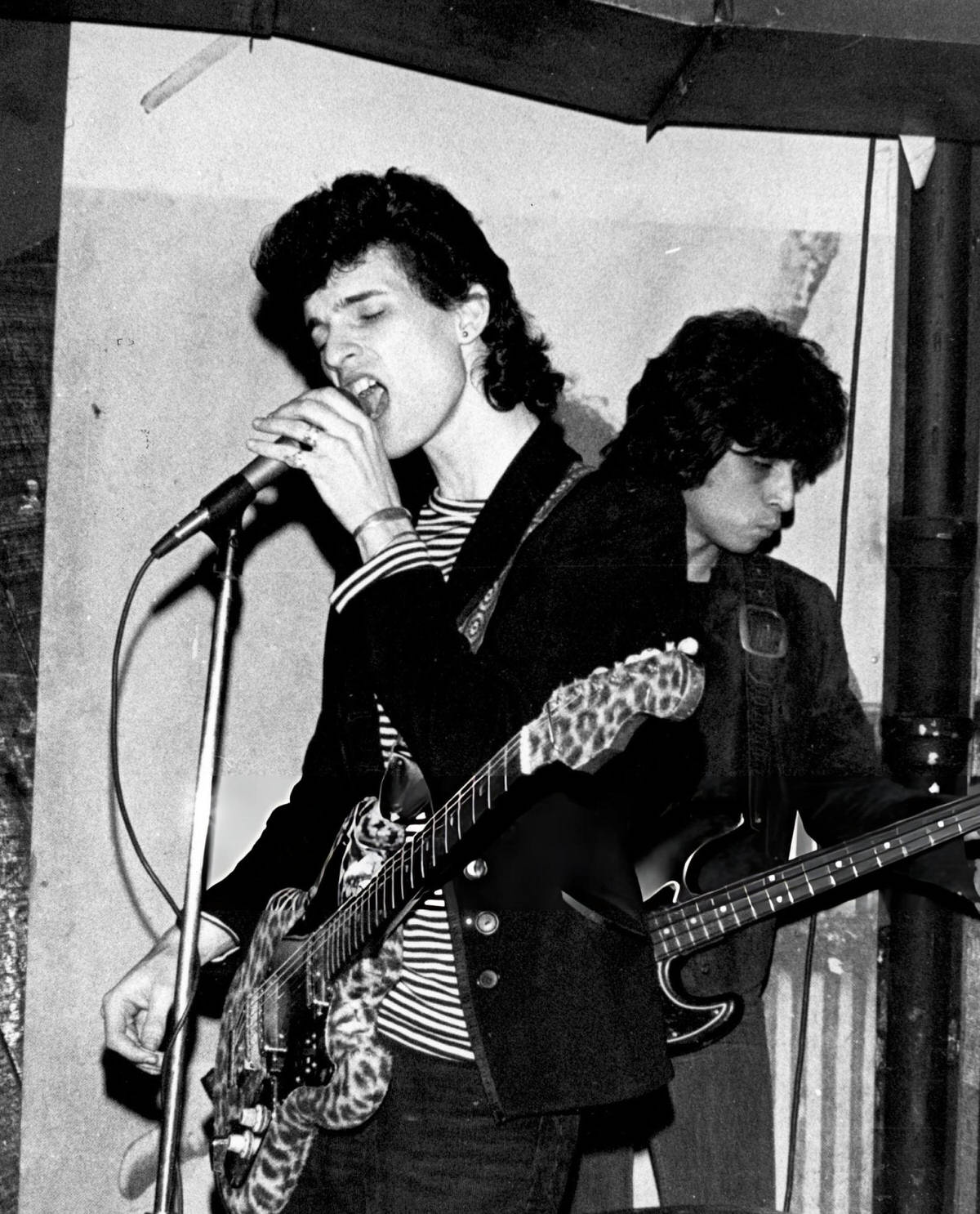
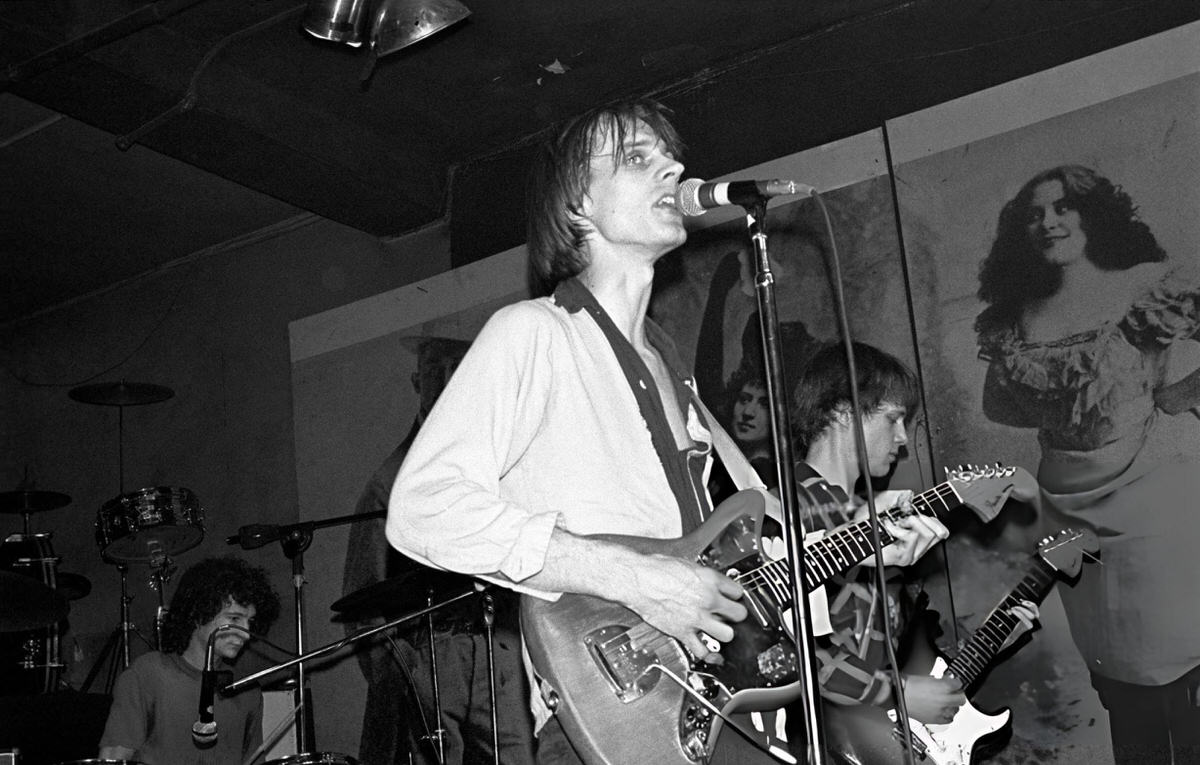
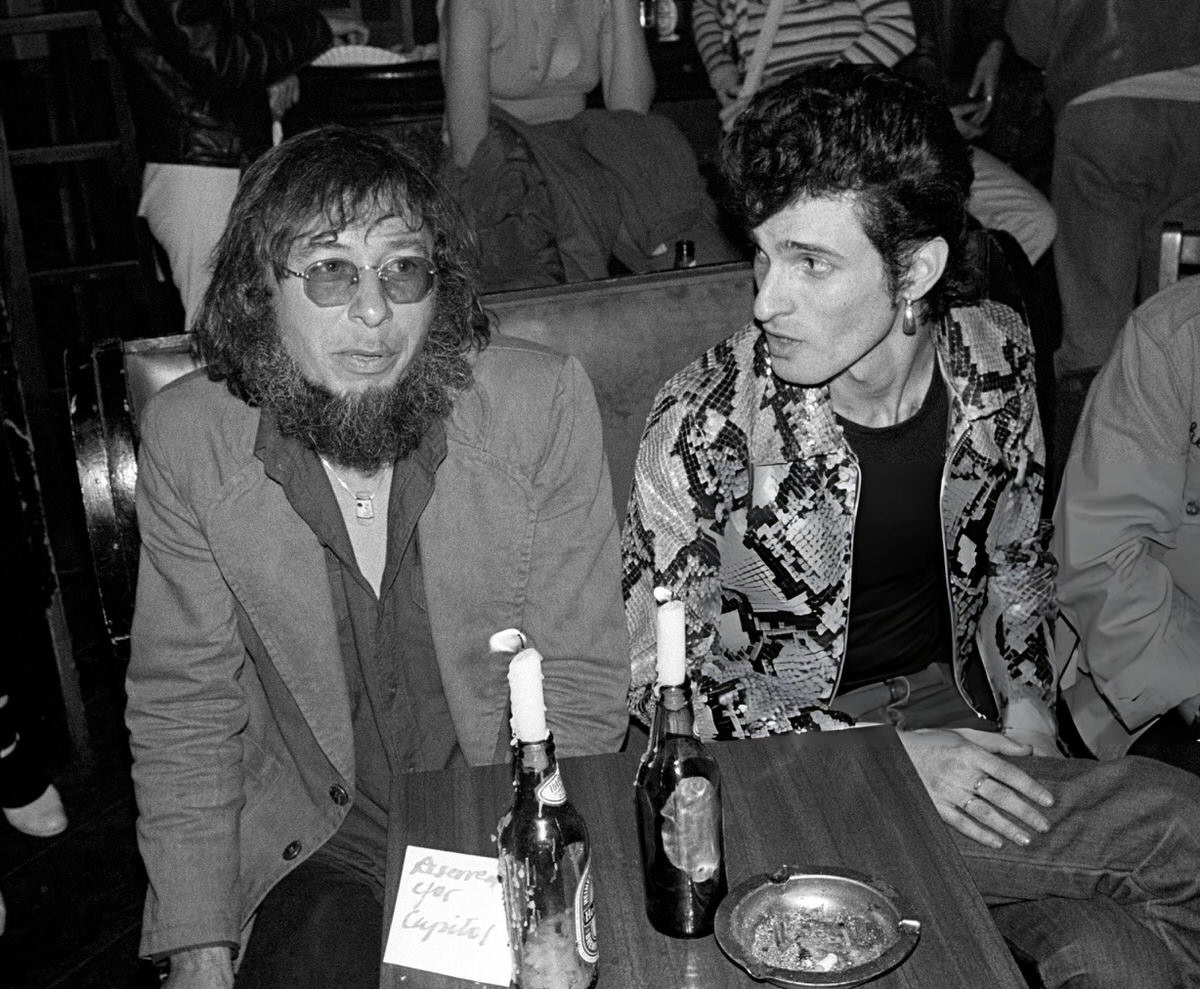
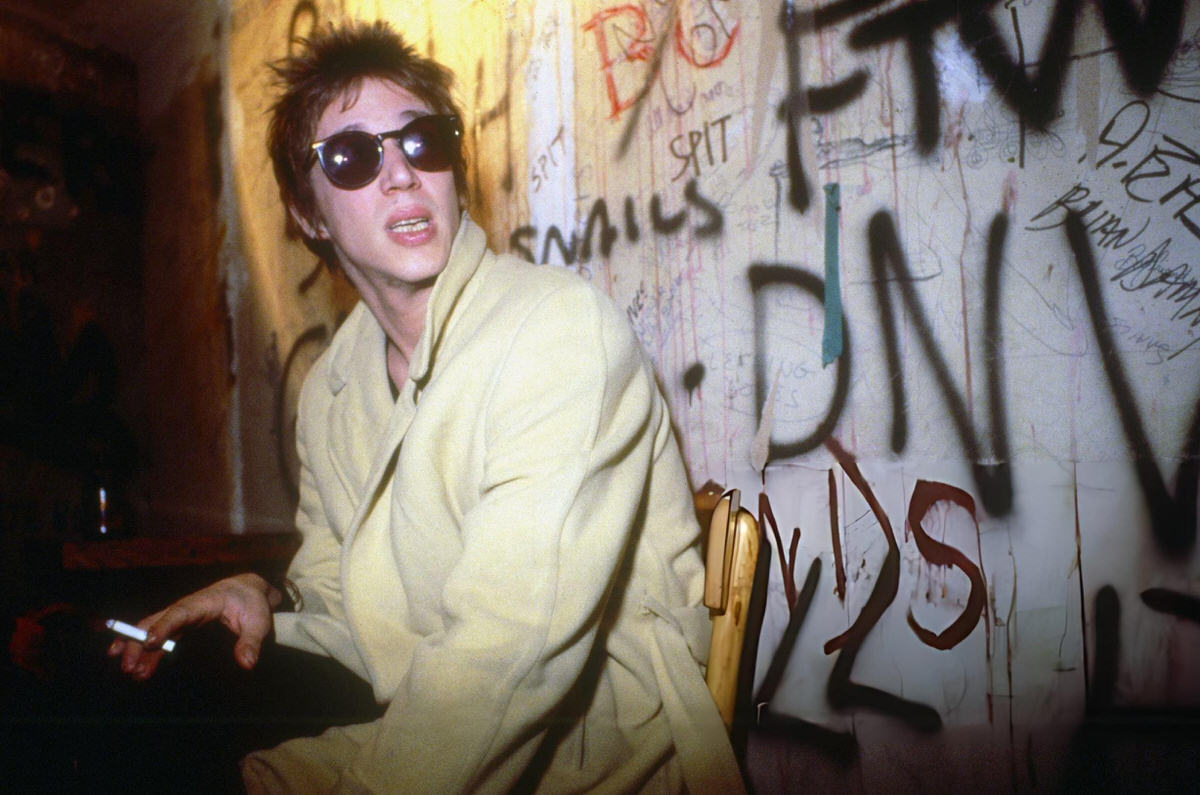
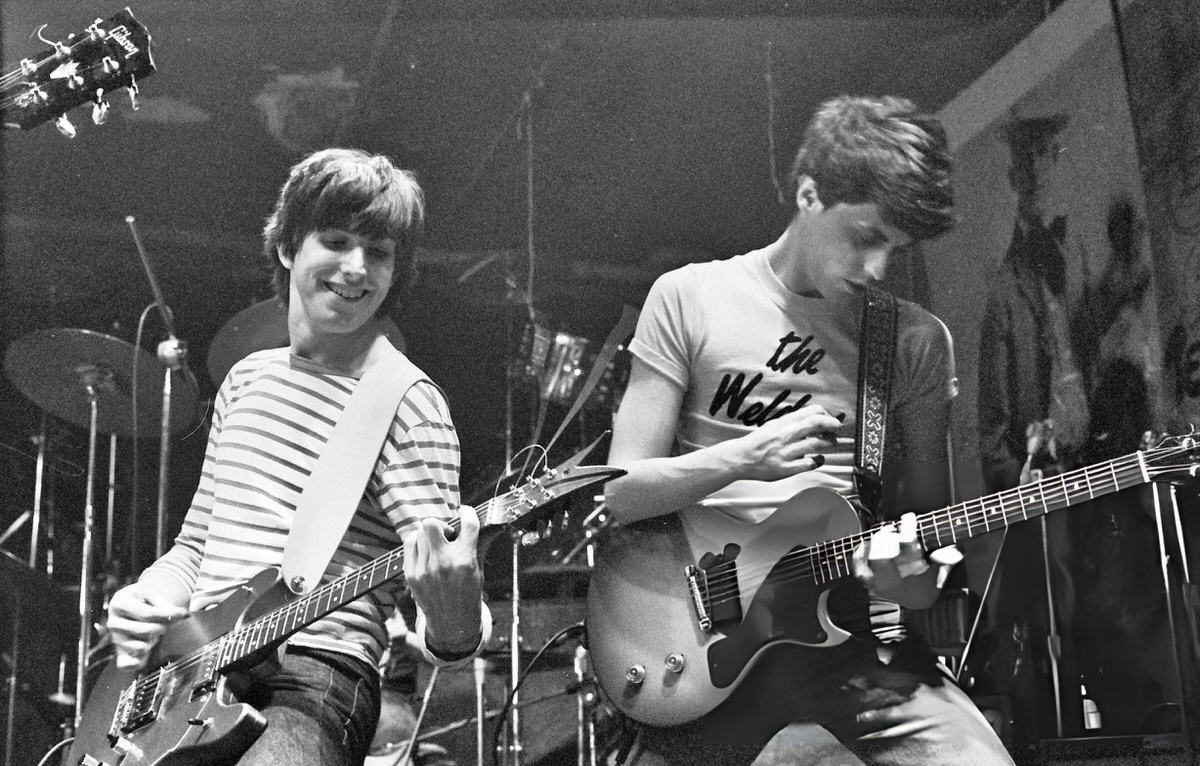
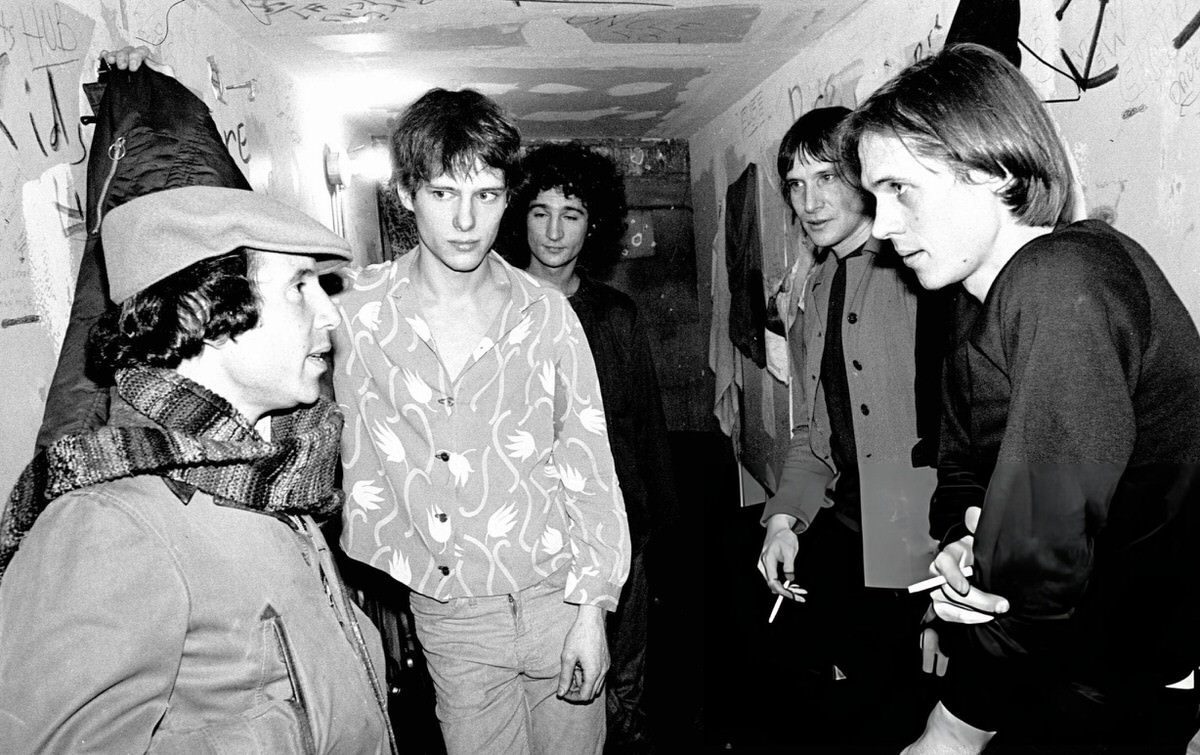
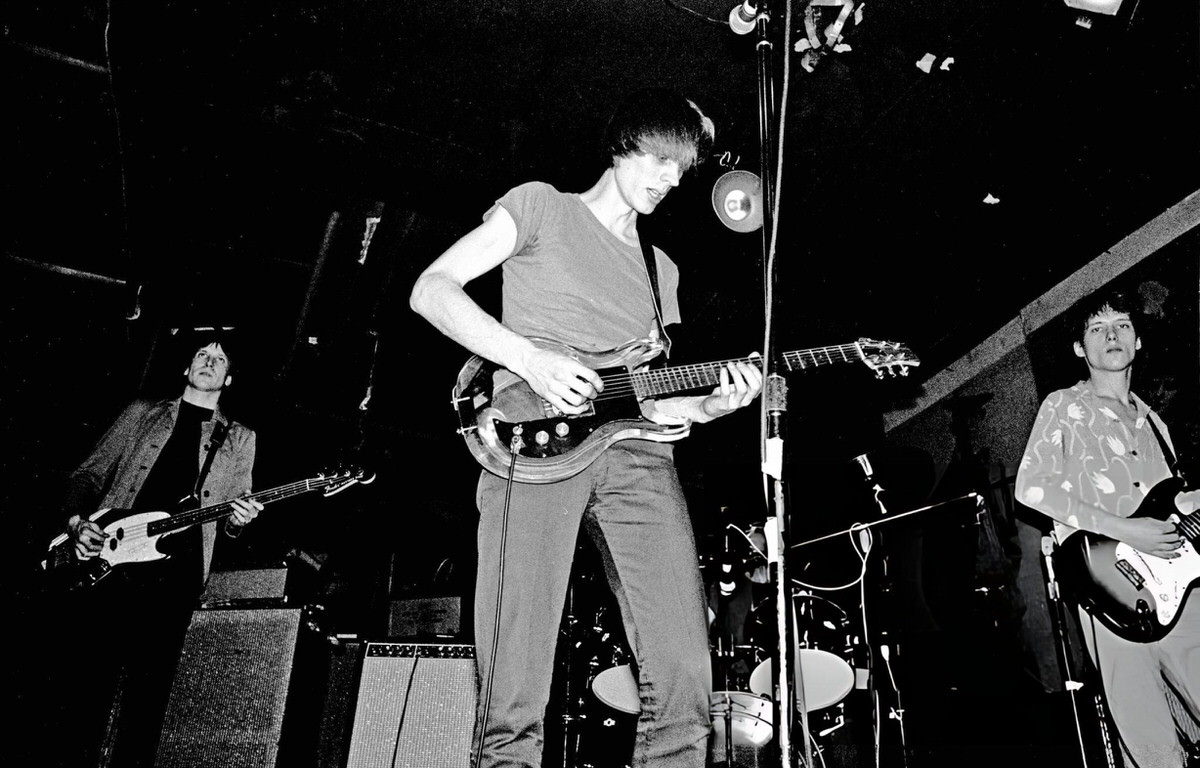
Television was the first band to really crack the code at CBGB. Tom Verlaine and Richard Hell started playing there in March 1974. They weren’t playing blues. They weren’t playing country. They were playing something angular, jagged, and completely their own. The crowd was small. The room smelled like spilled beer and a bathroom nobody cleaned. None of that mattered.
Read more
The room itself
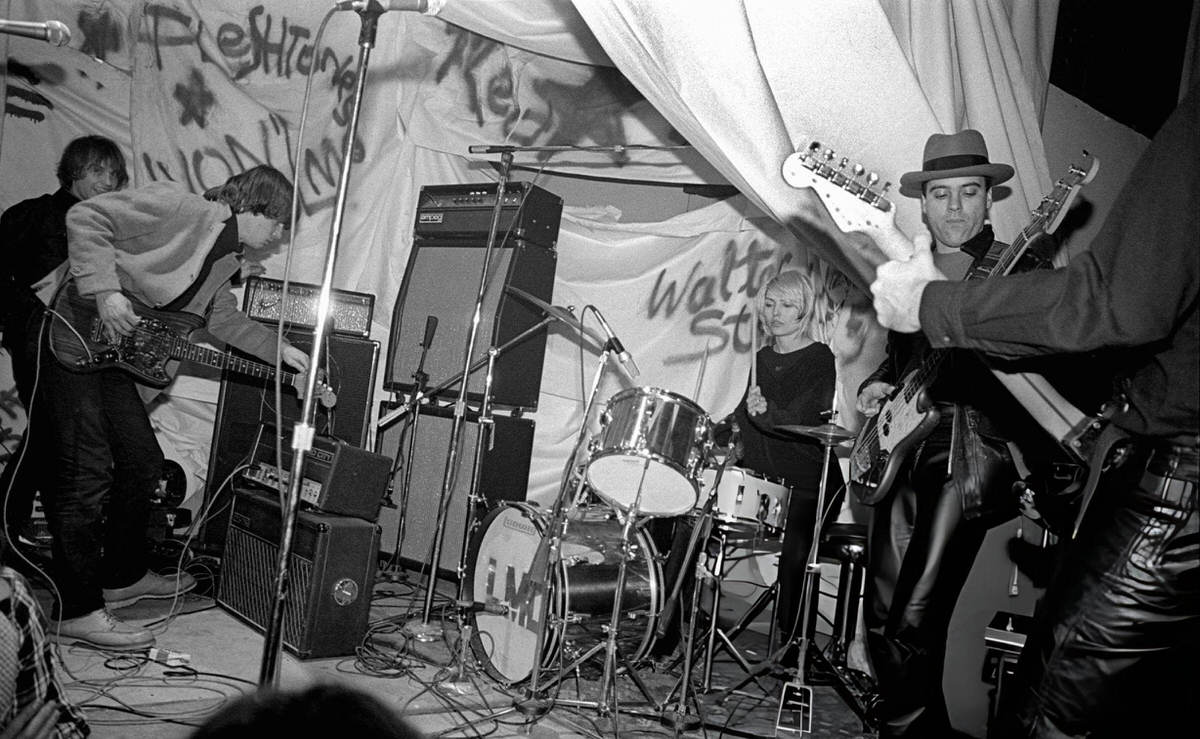
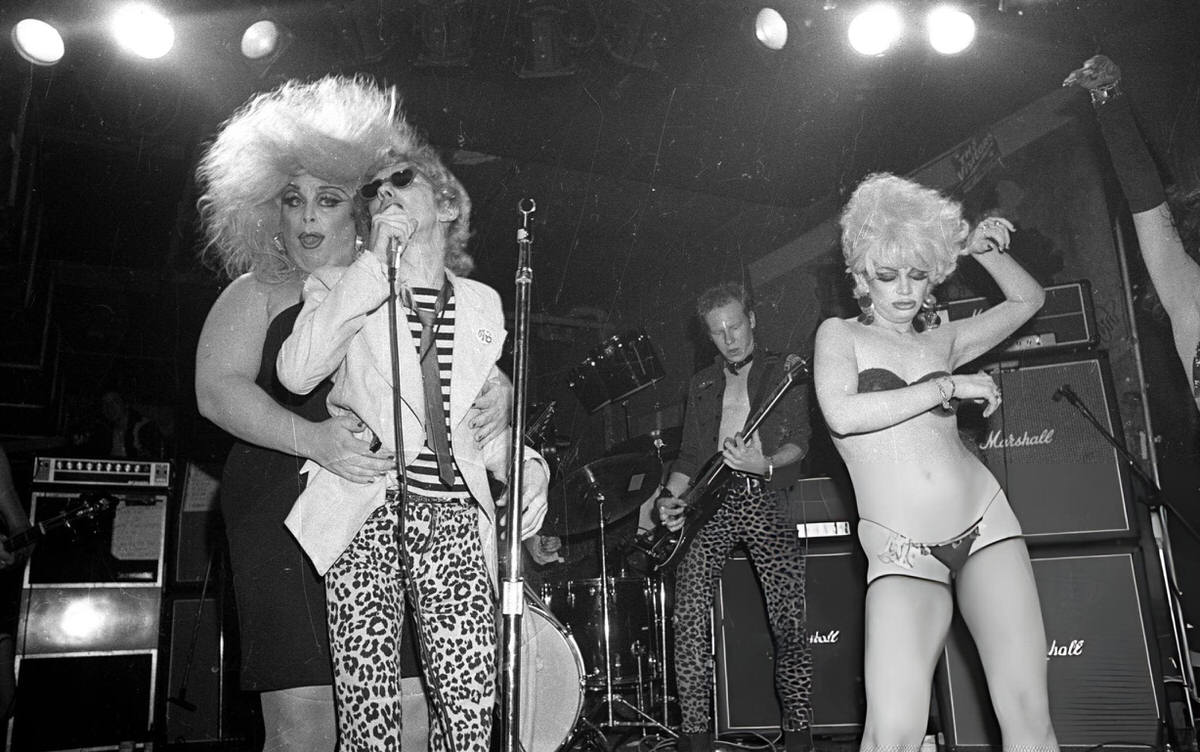
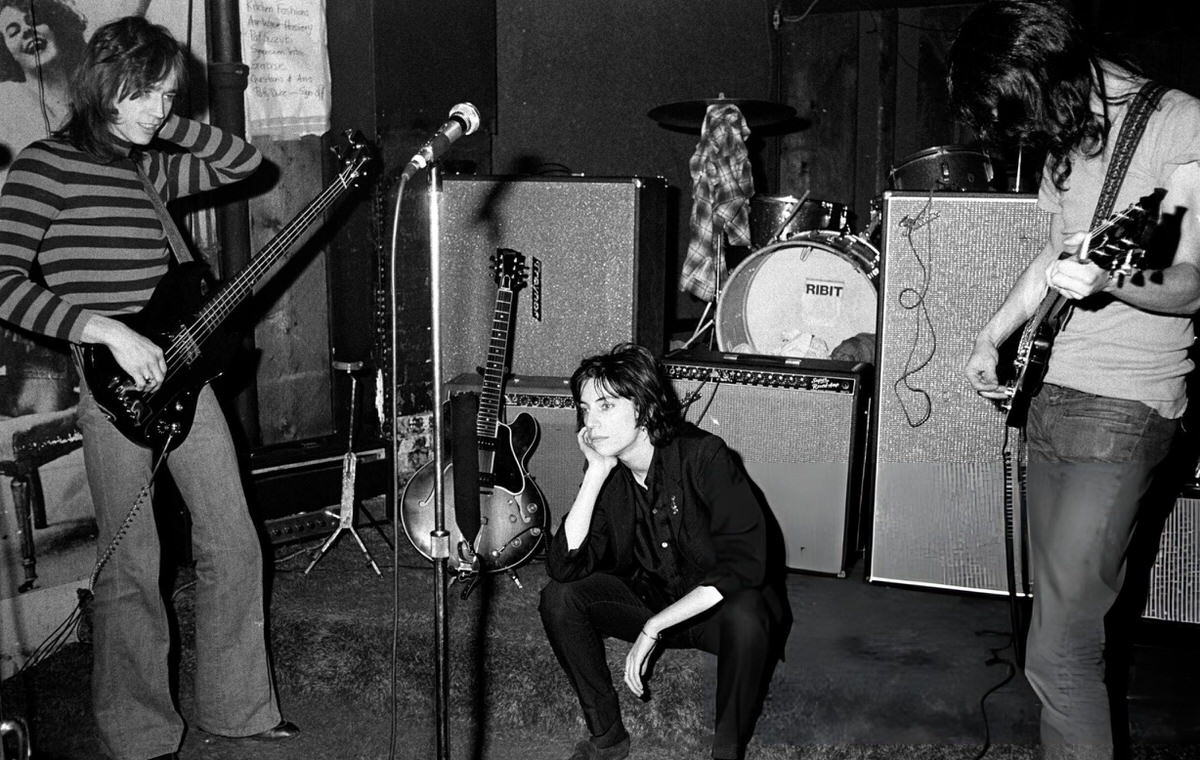
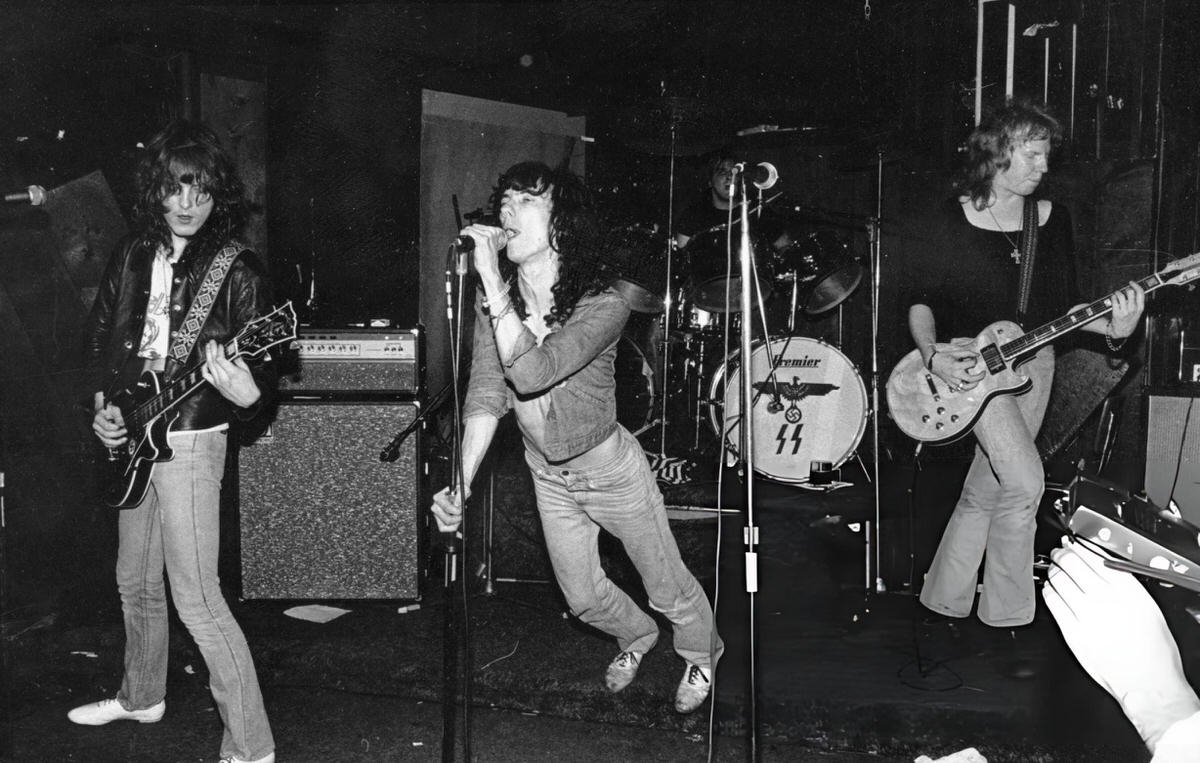
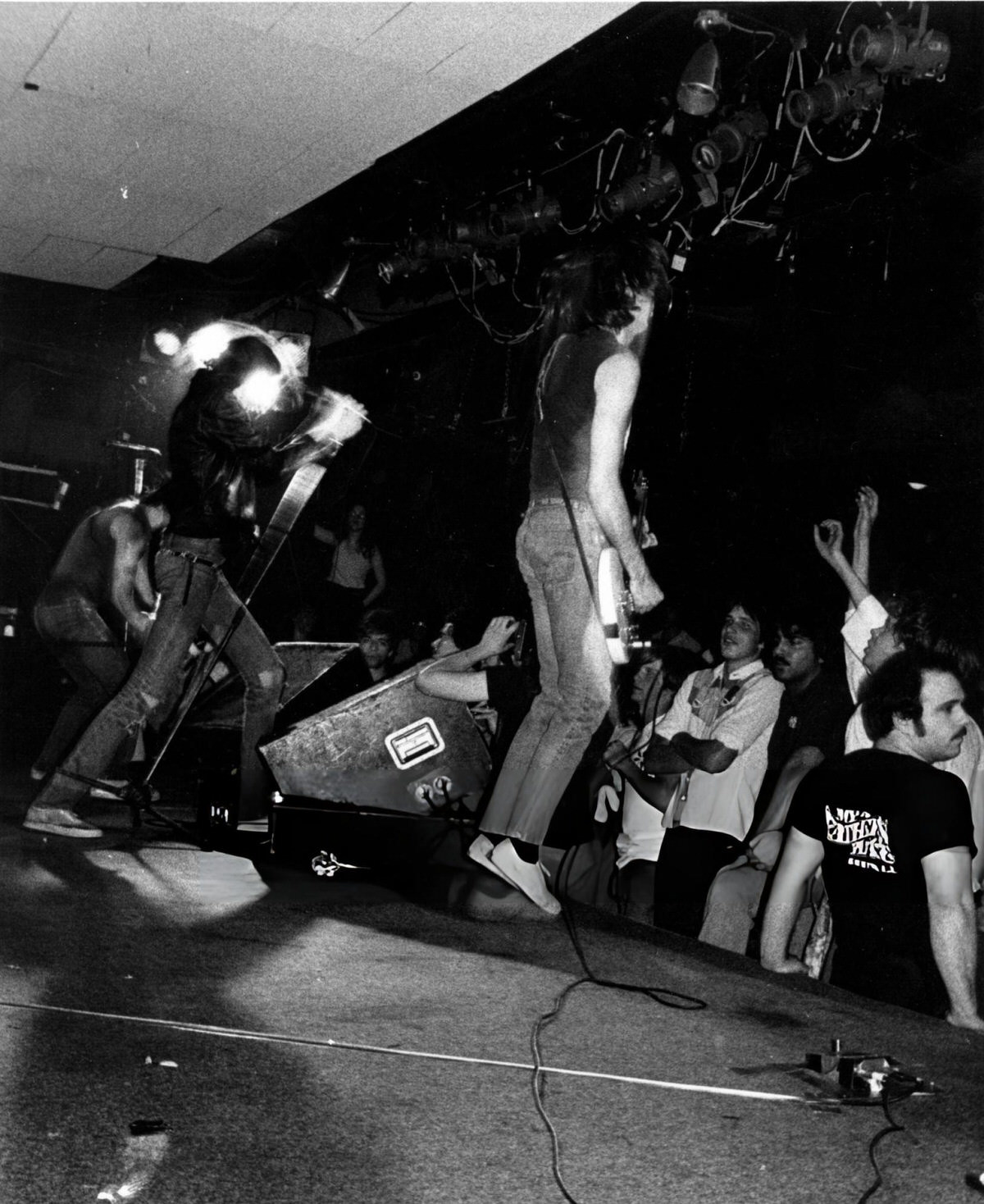
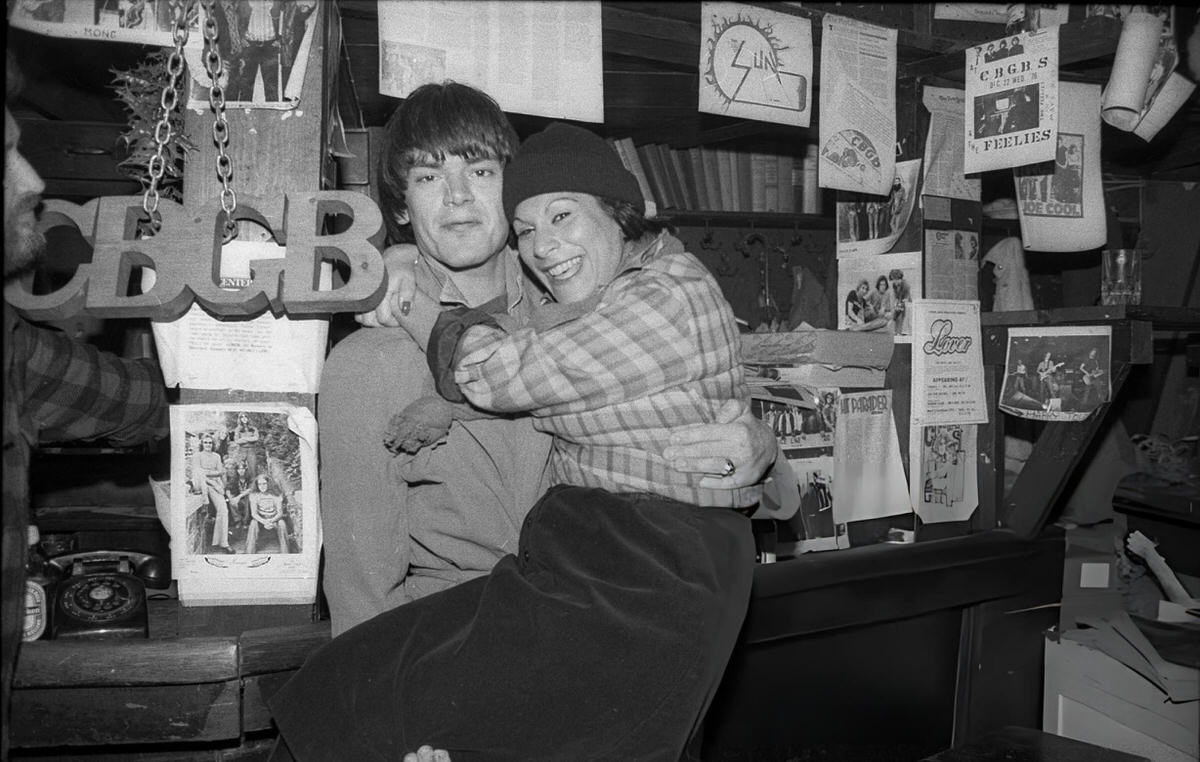
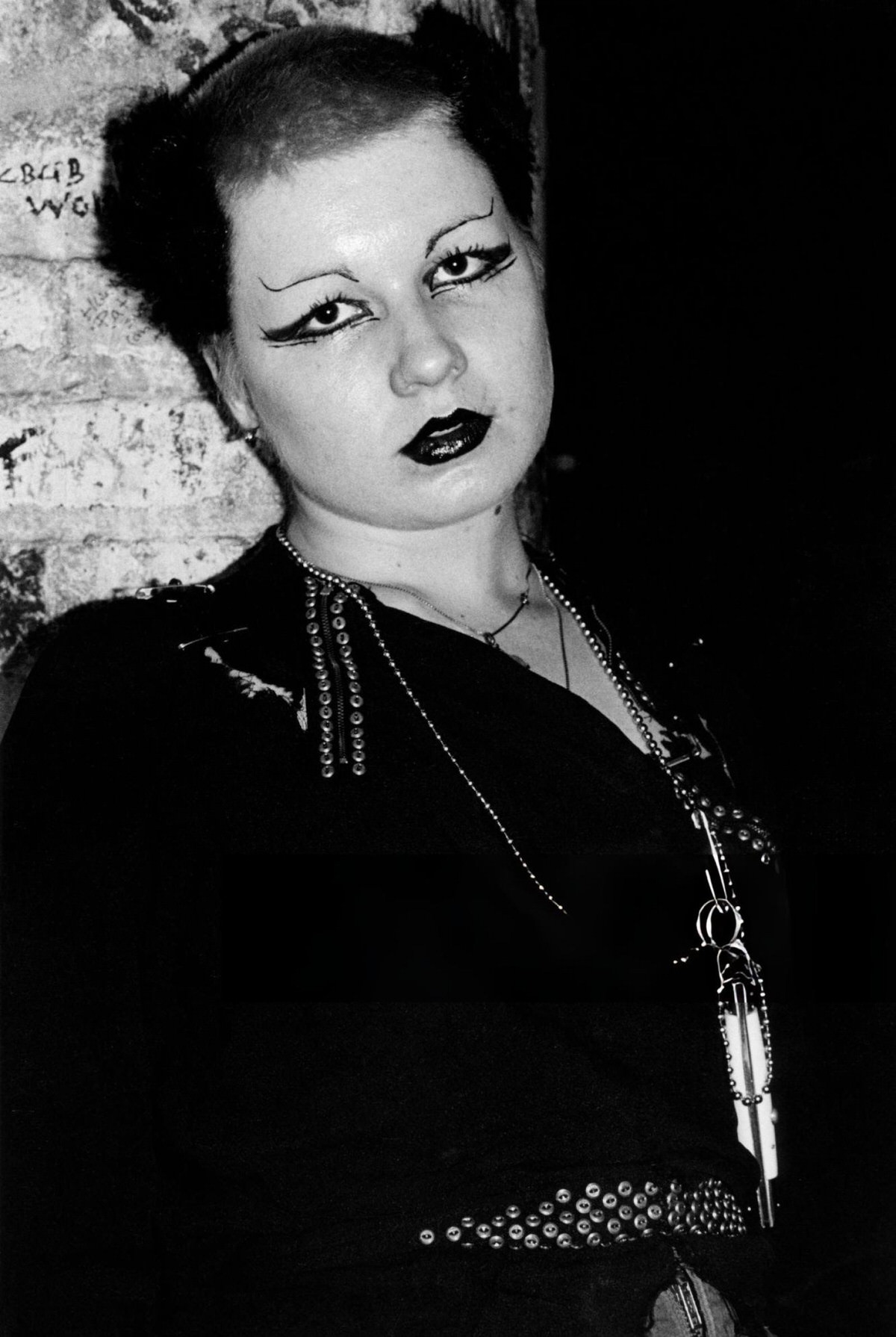
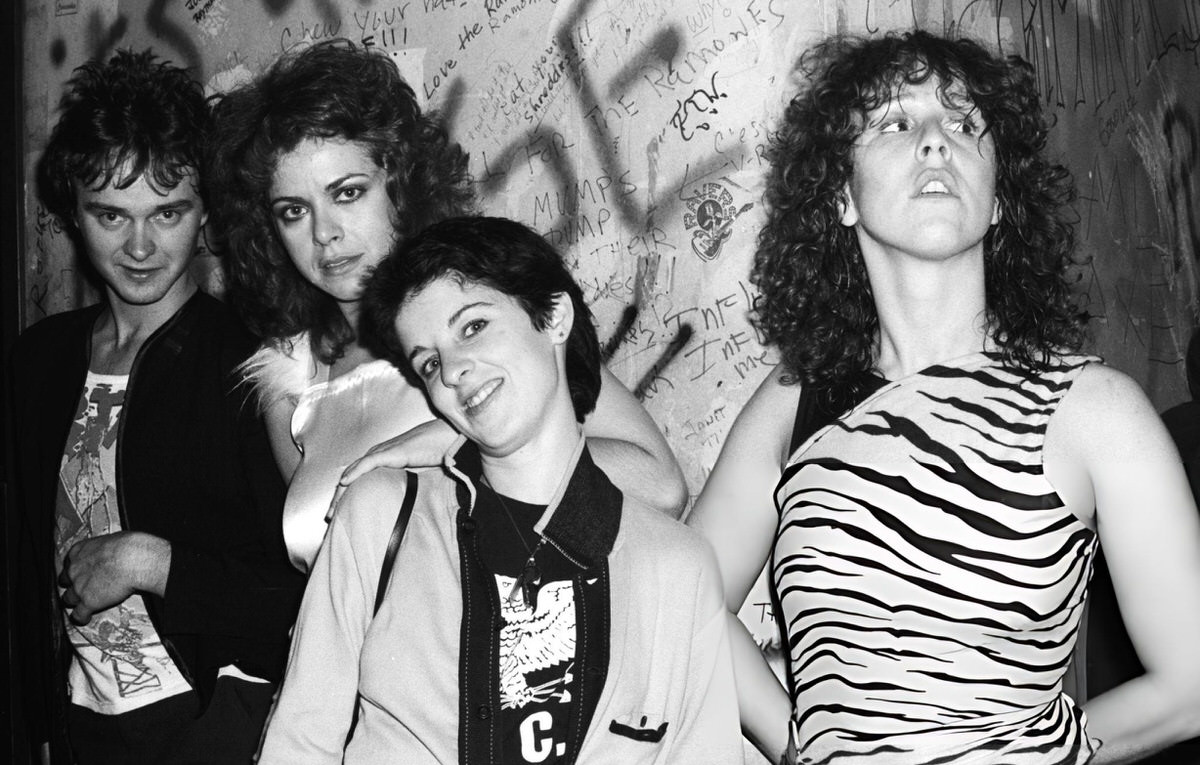
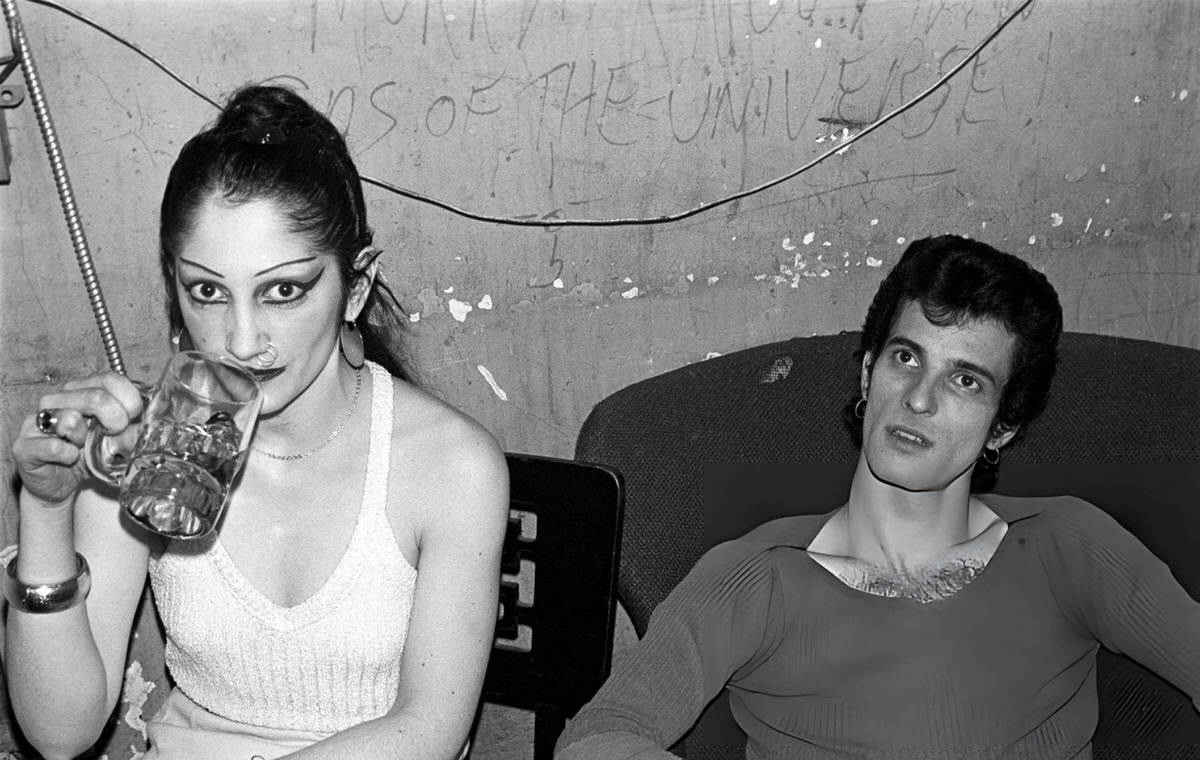
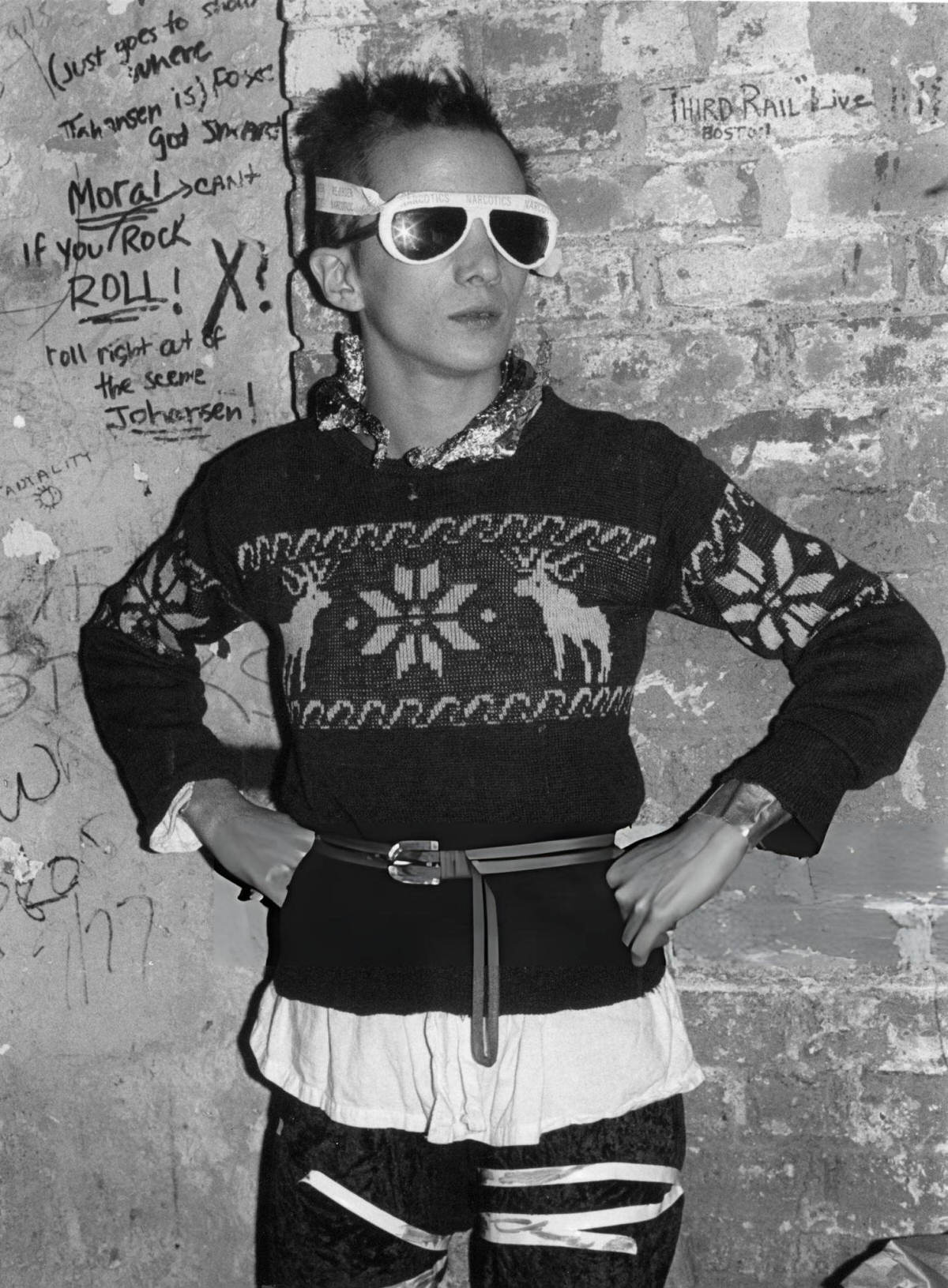
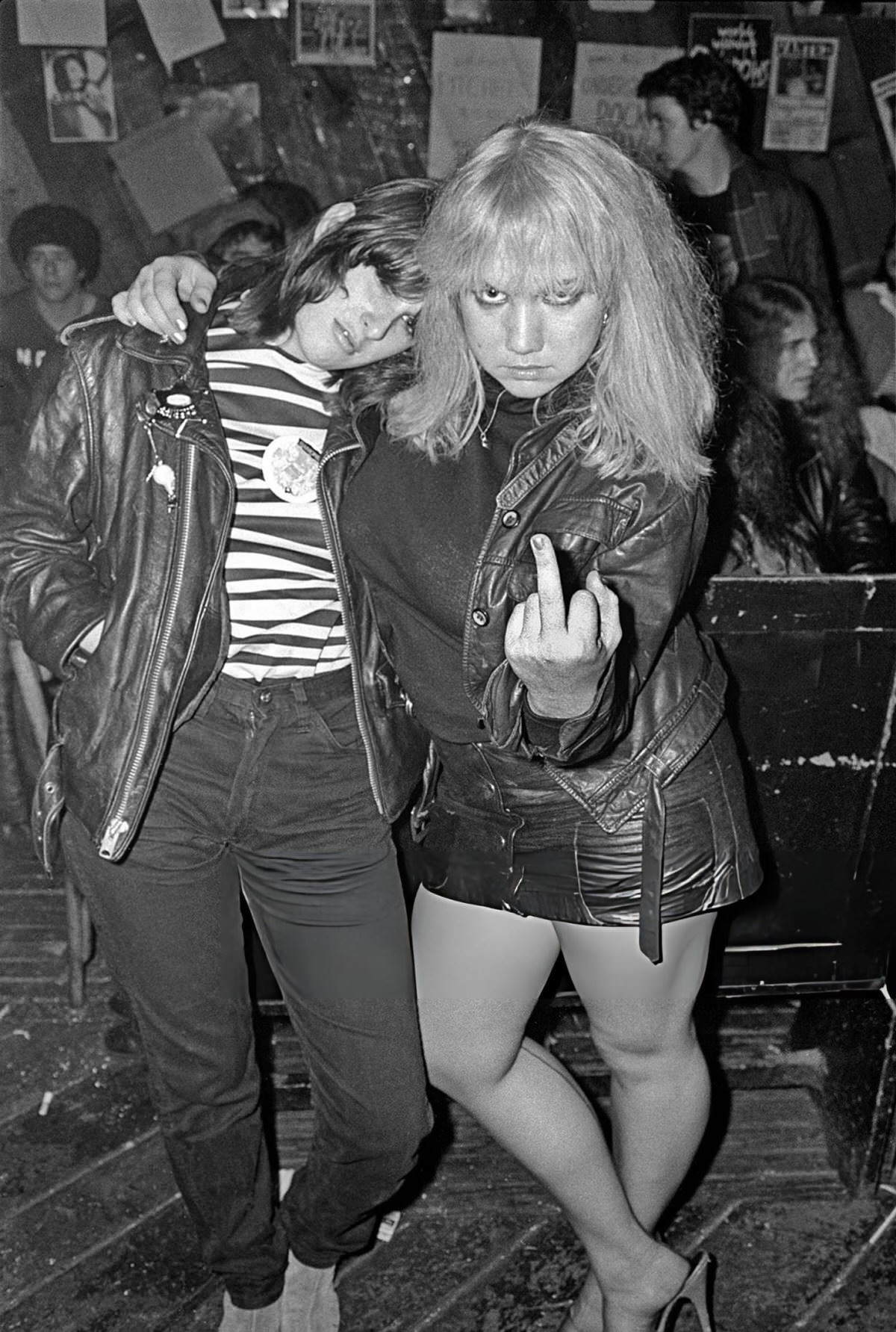
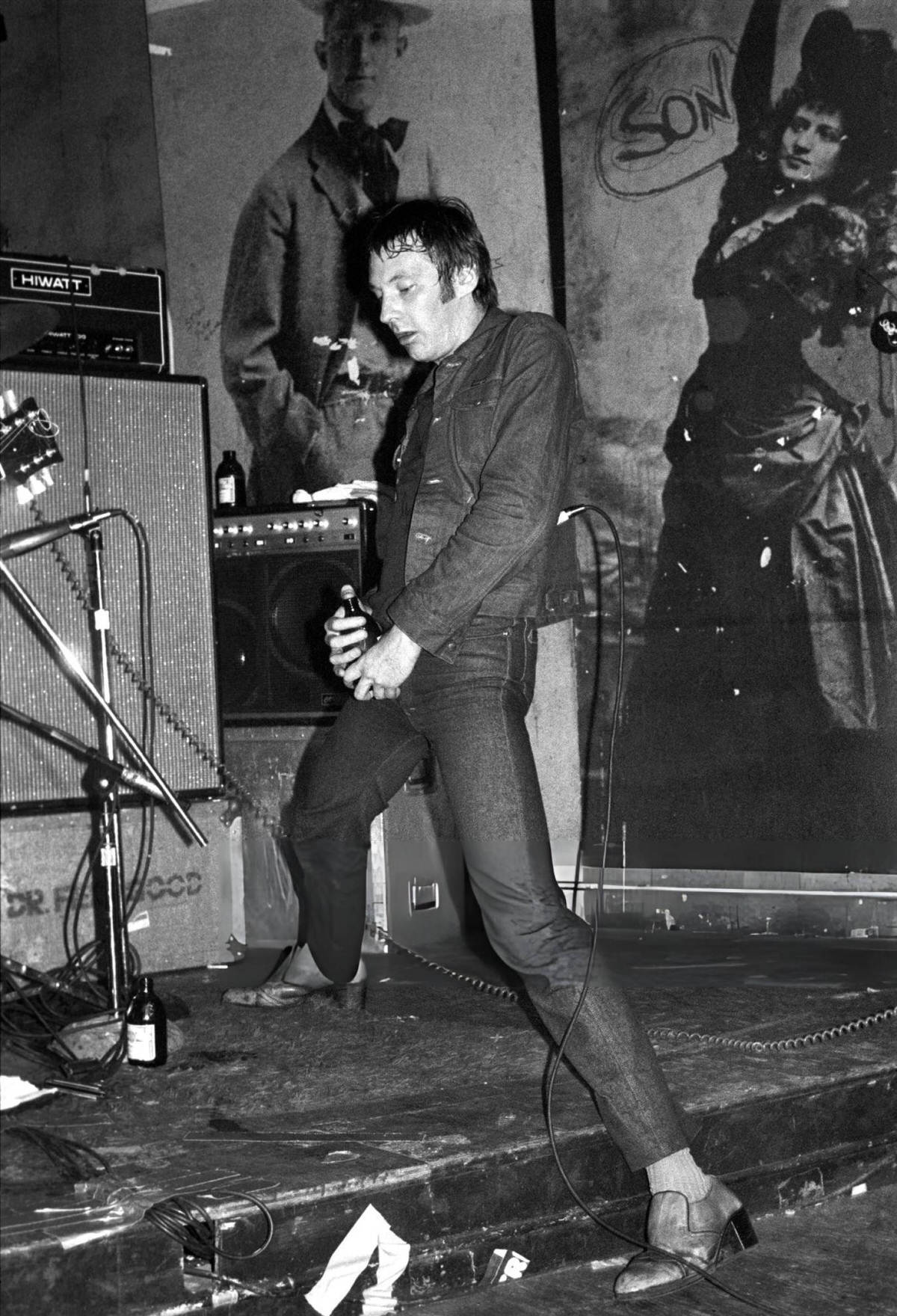
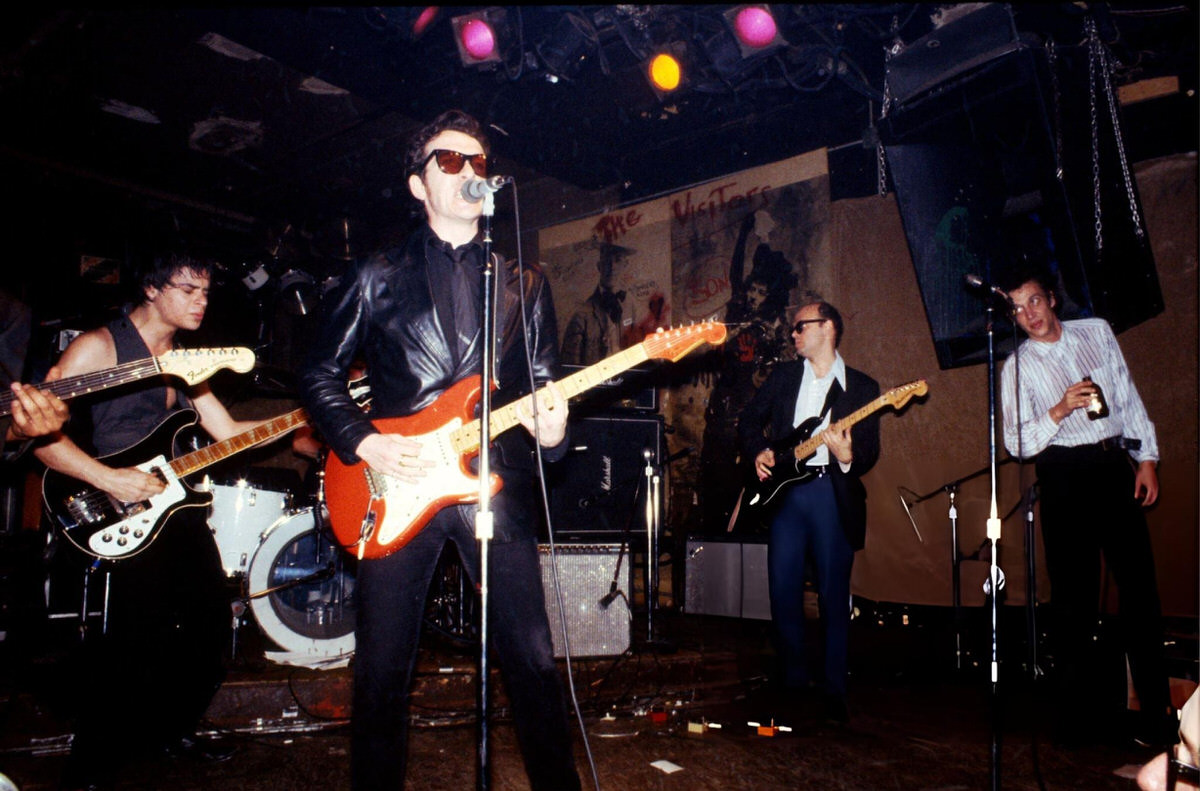
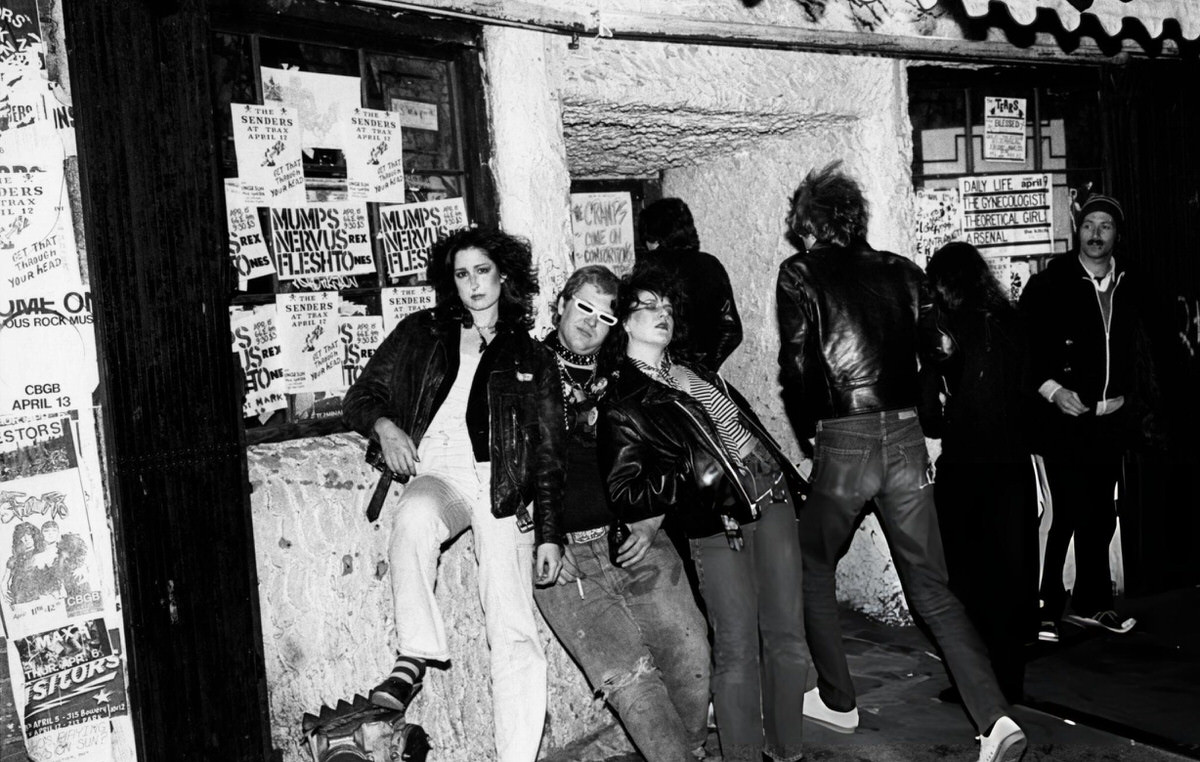
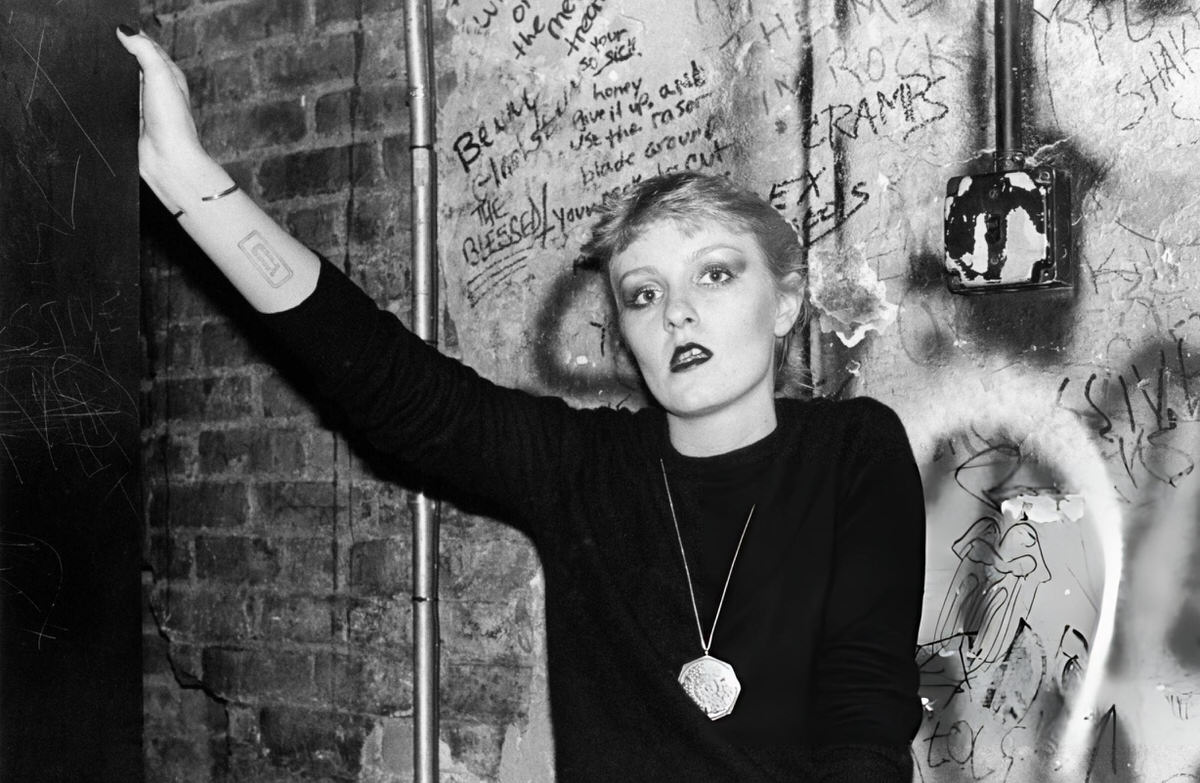
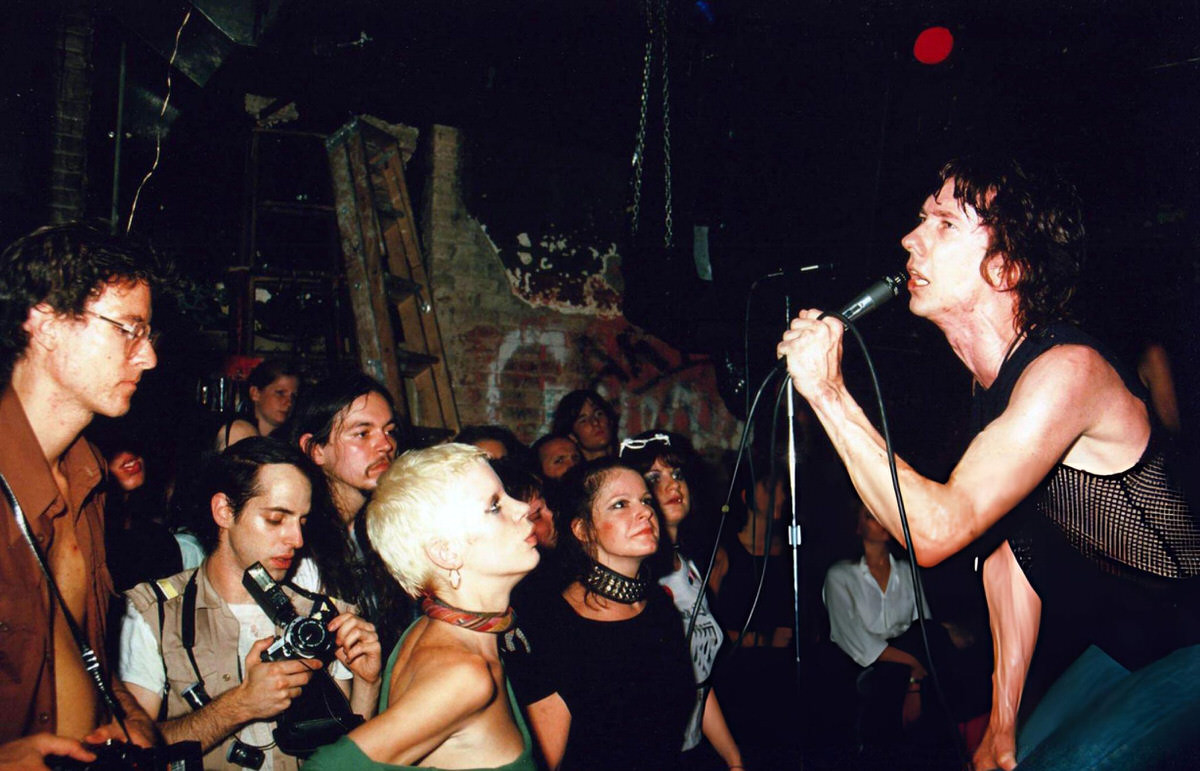
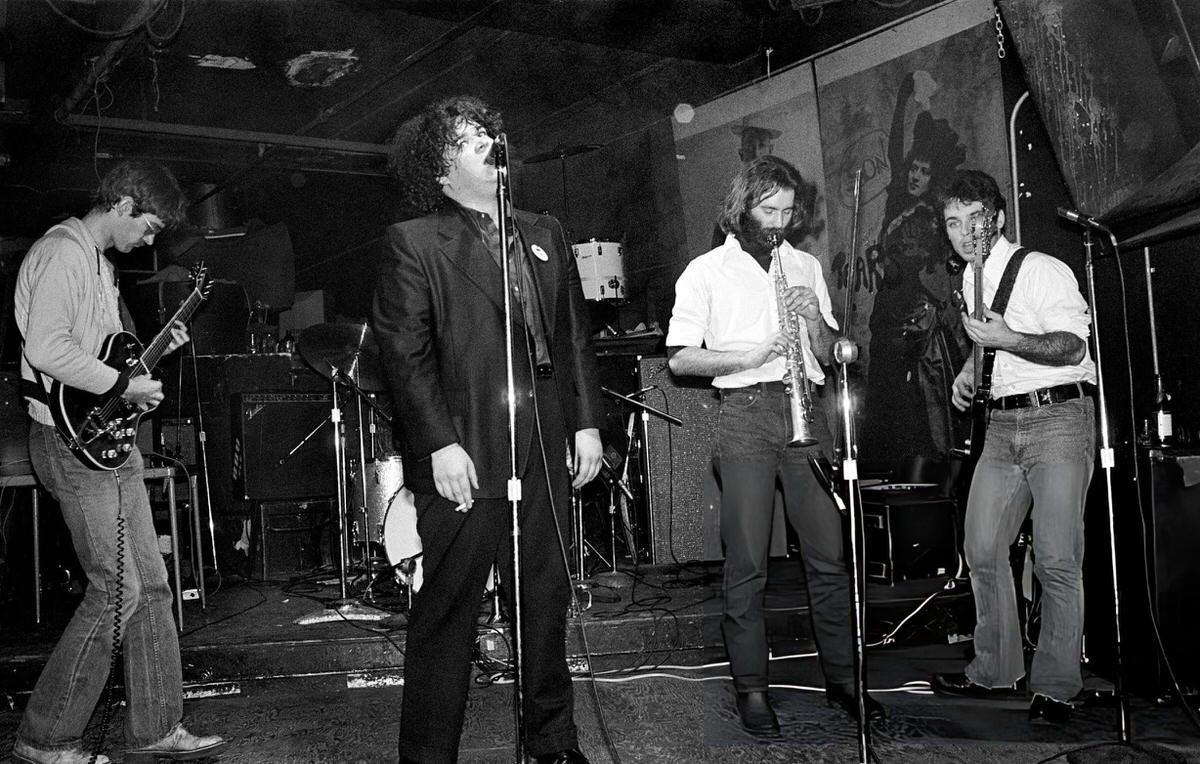
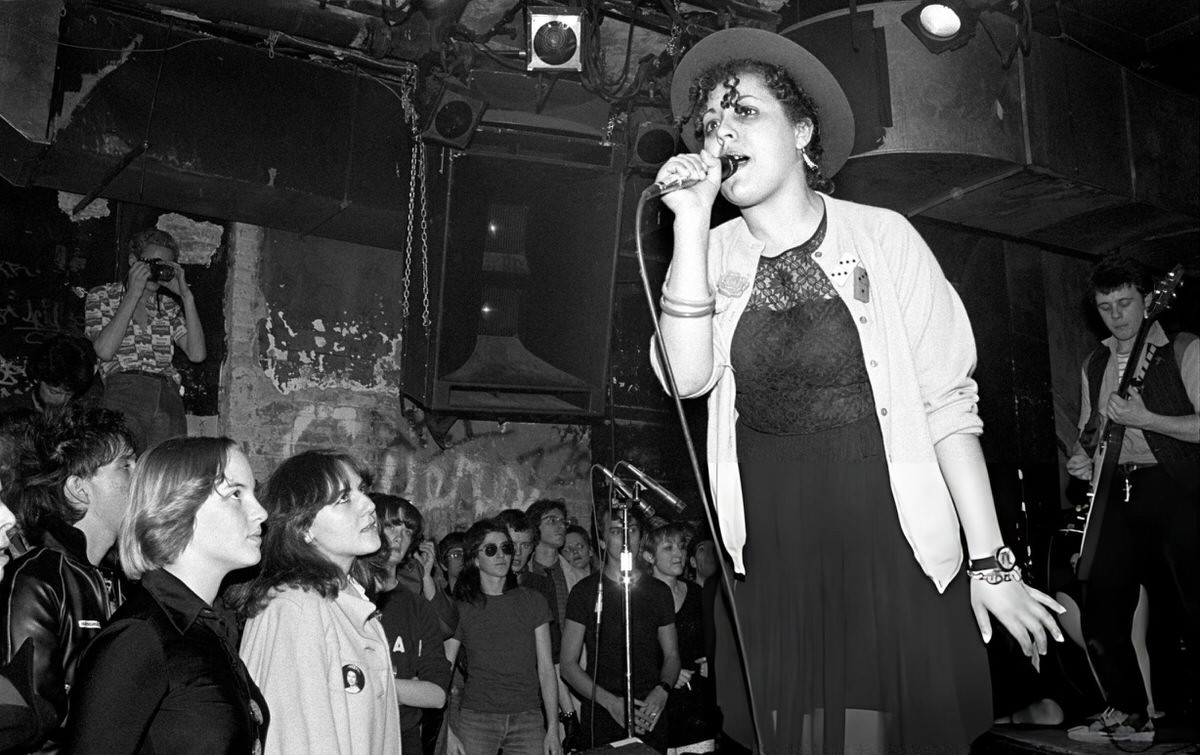
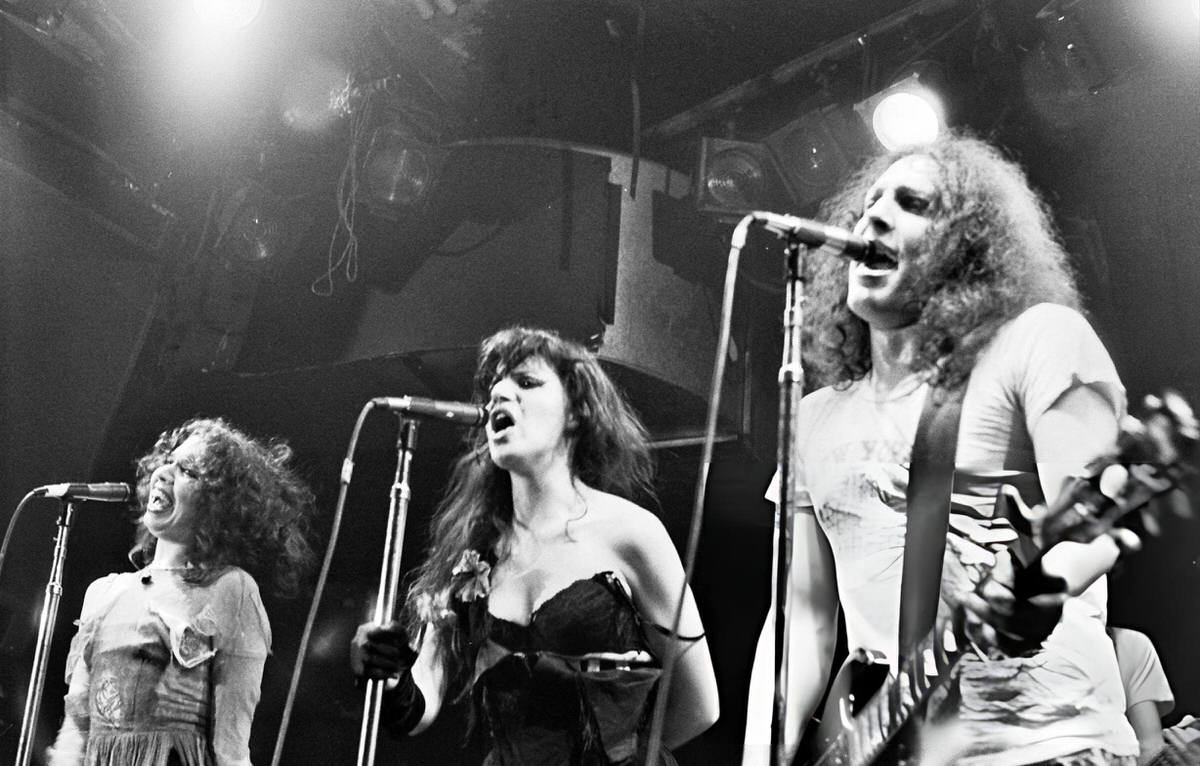
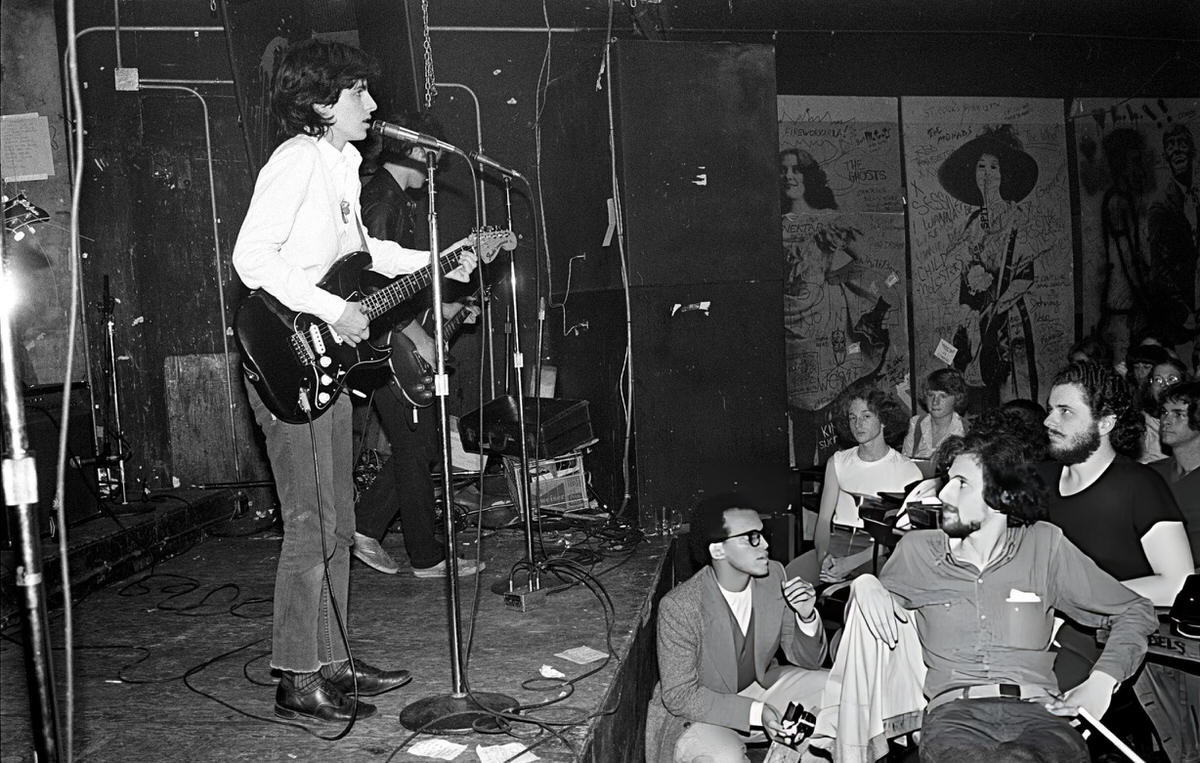
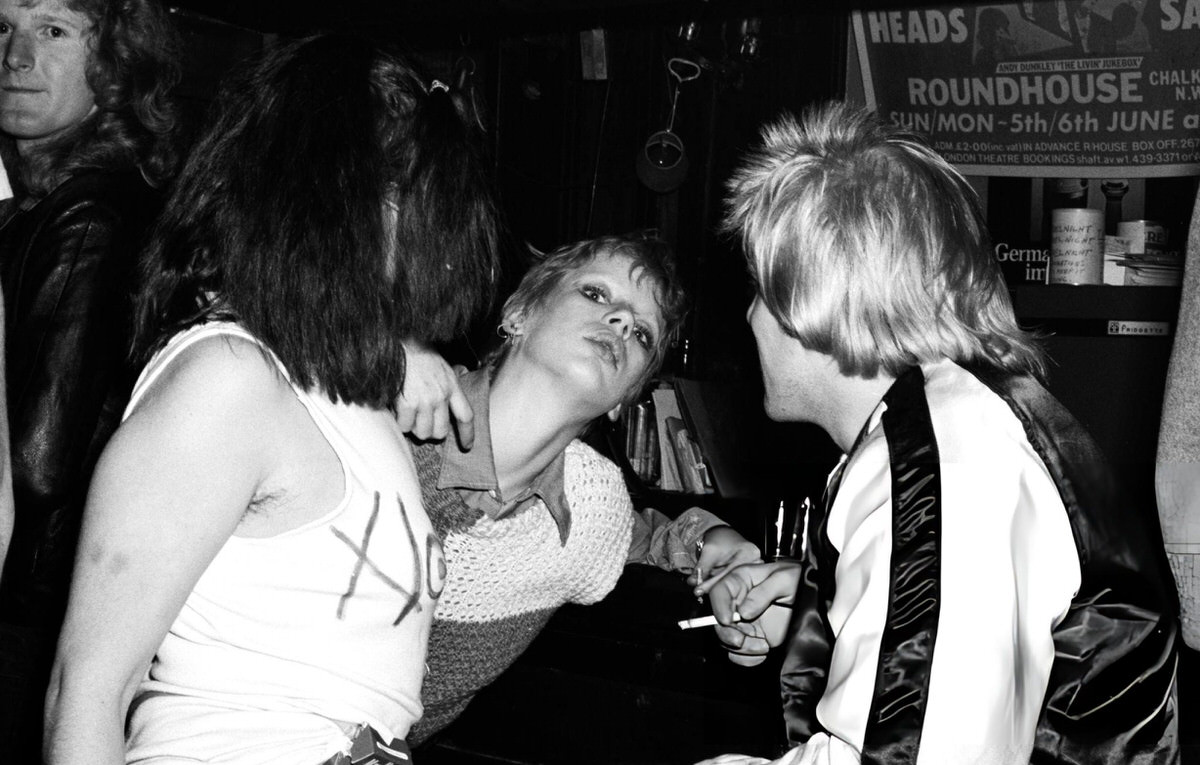
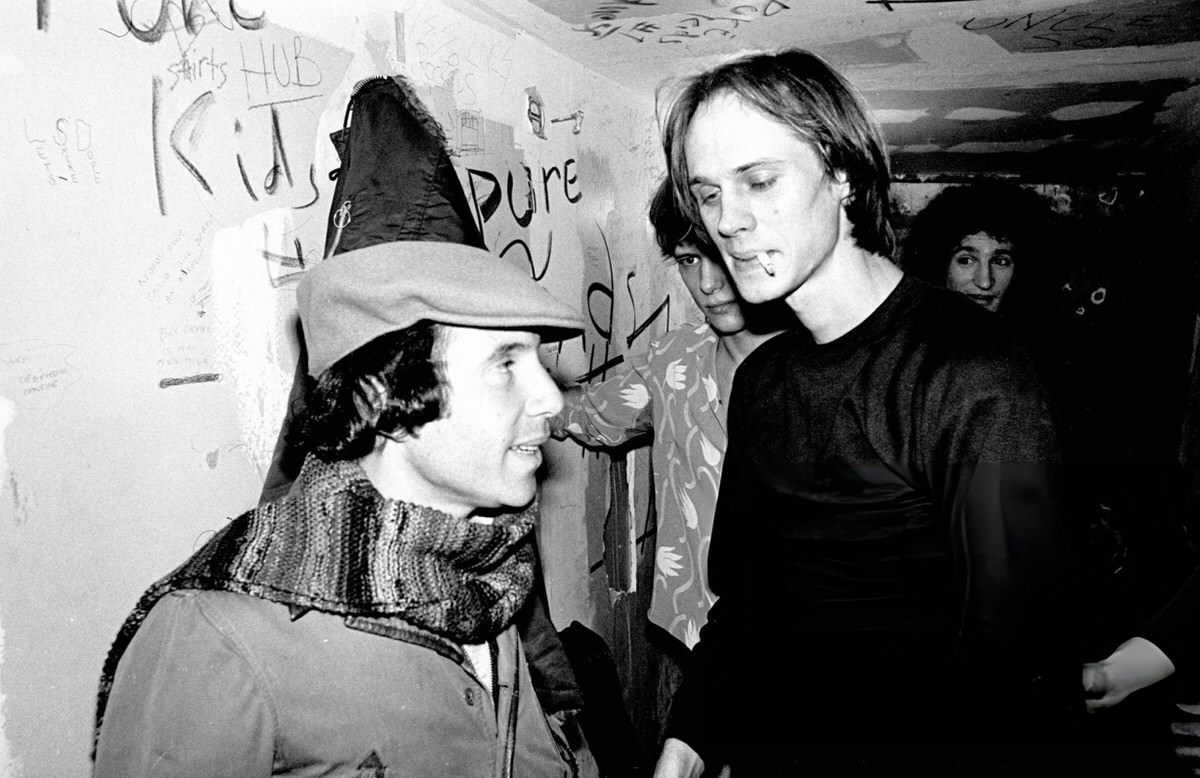
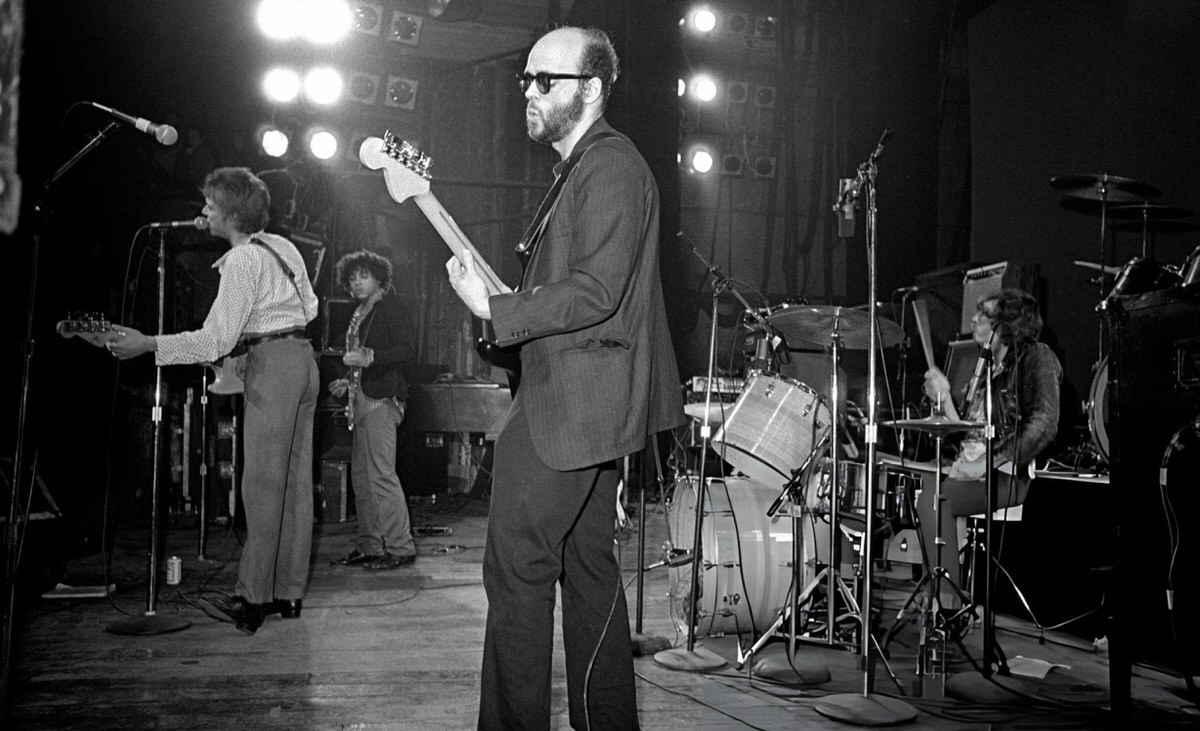
CBGB was long, narrow, and dark. You walked past the bar on your left, squeezed through the crowd, and ended up at a low stage at the back. The ceiling was low. Sound bounced off everything. The walls were covered in band stickers, posters layered over posters, and graffiti going back years. The bathroom was genuinely legendary for how bad it was.
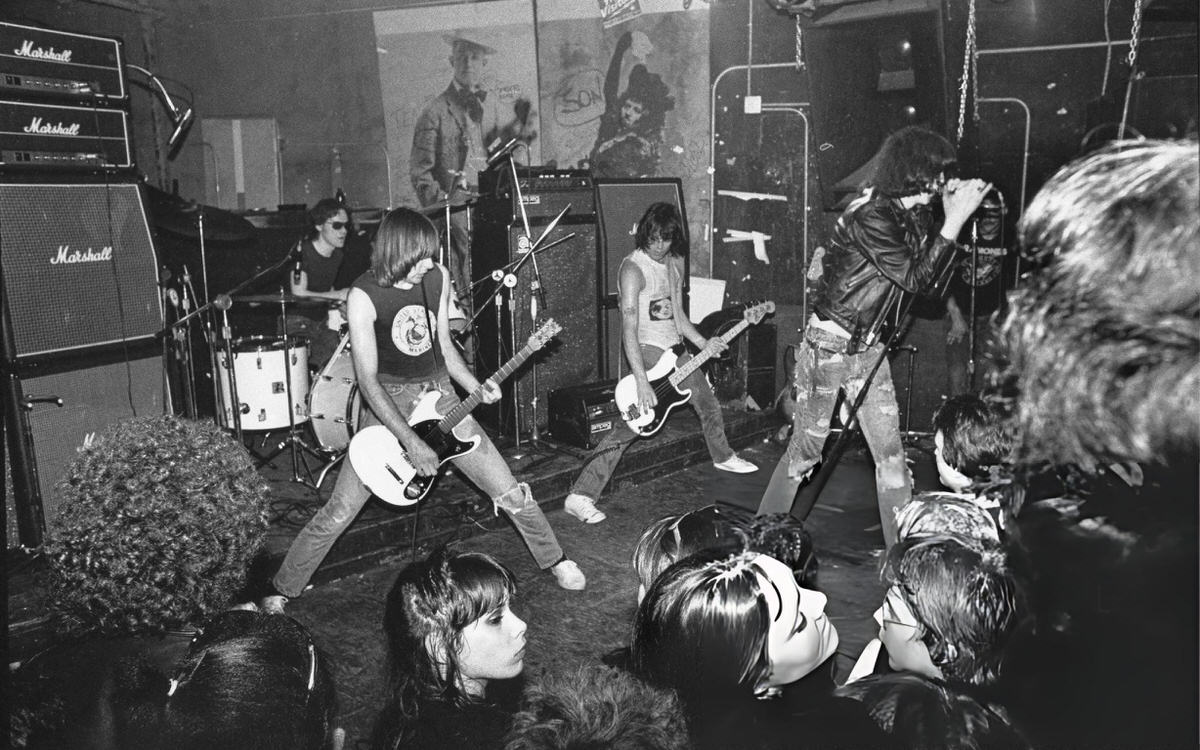
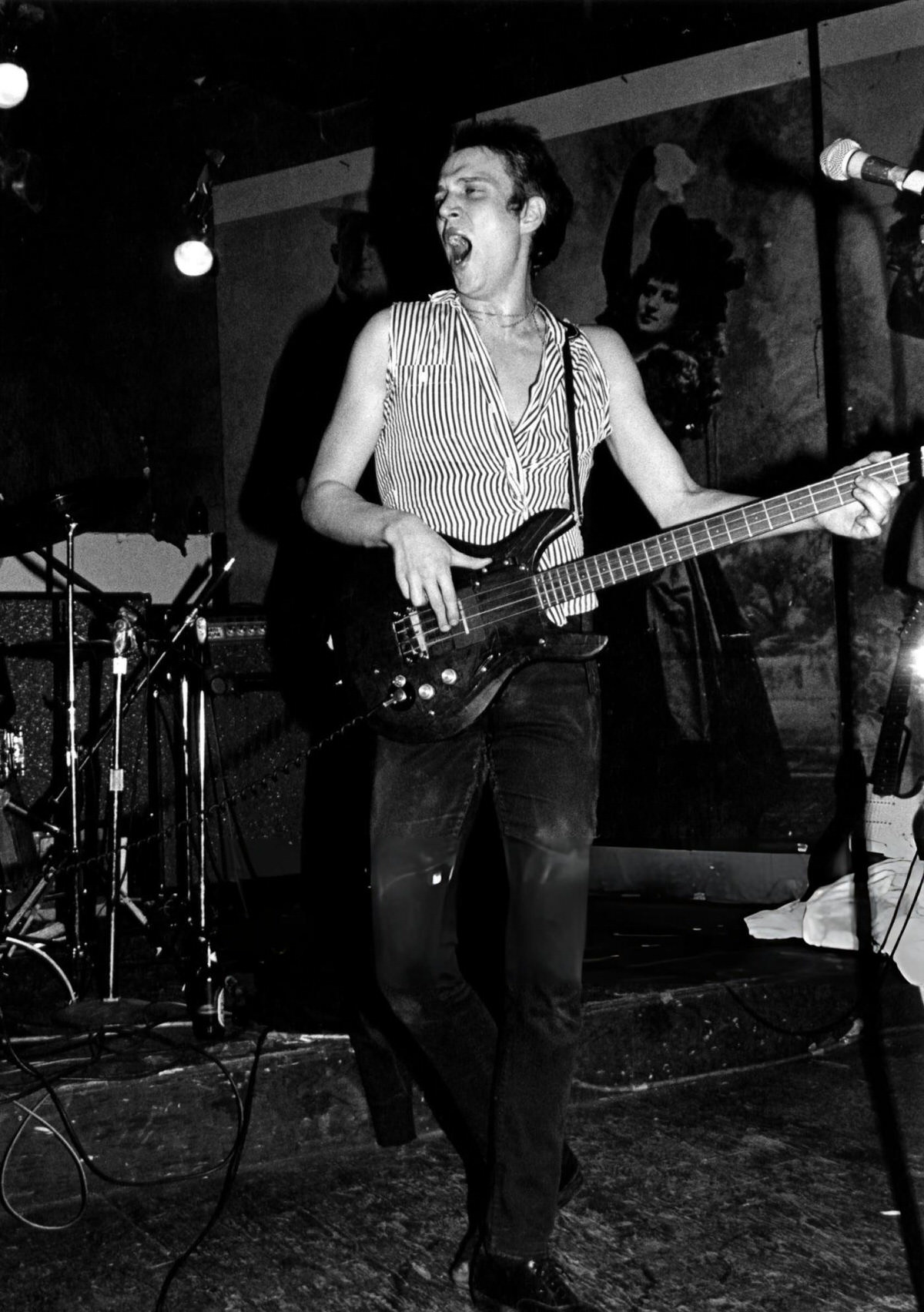
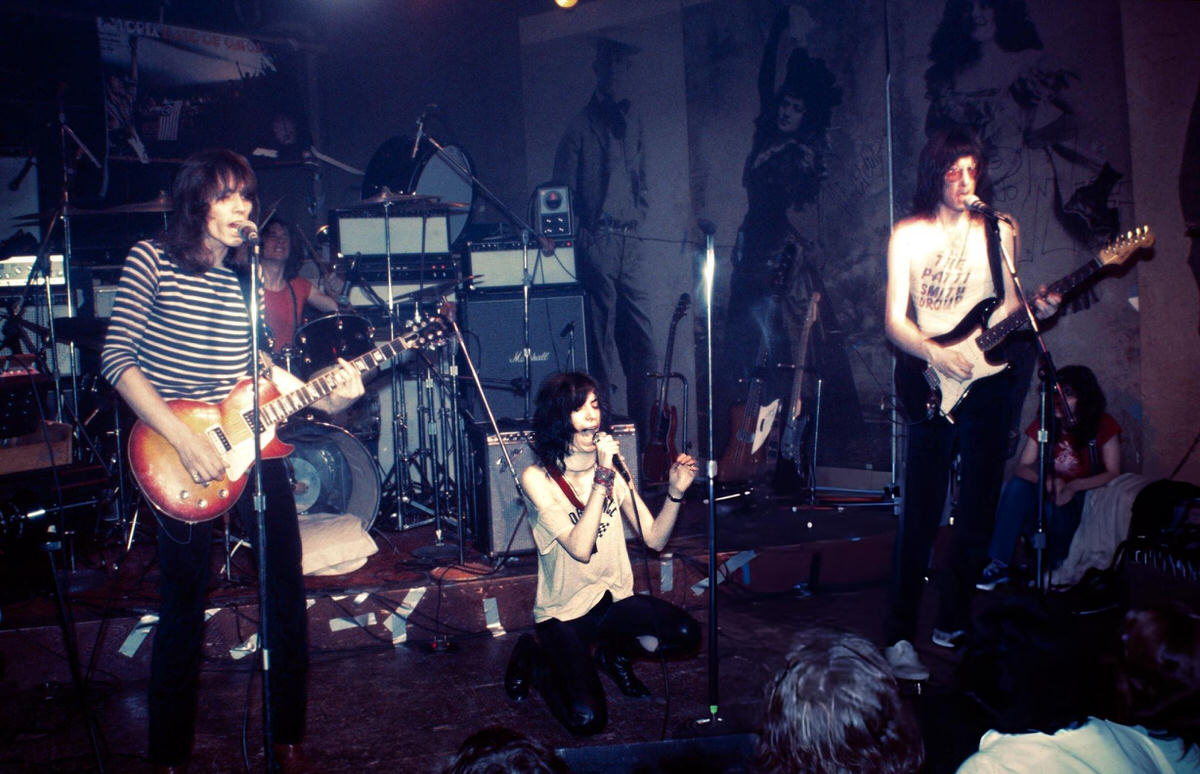
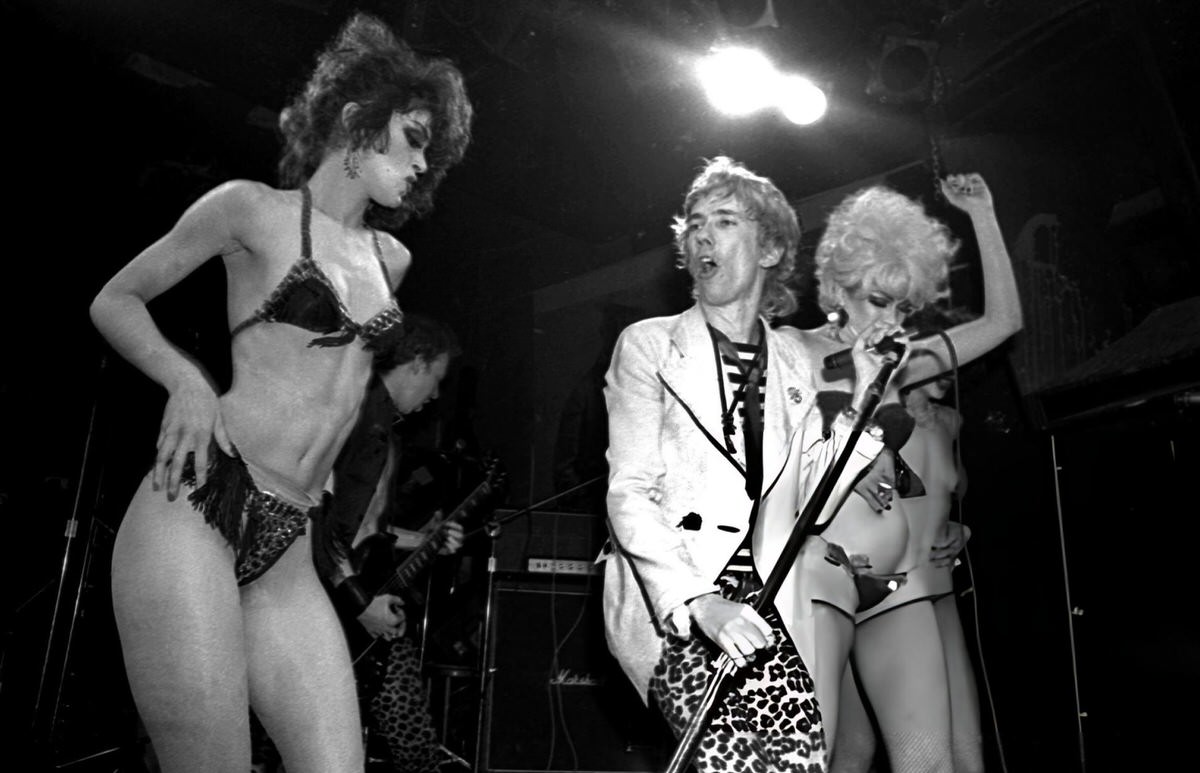
The stage was maybe 18 inches off the floor. Bands and audience were practically at eye level with each other. There was no distance between the performers and the people watching. That physical closeness shaped the music. You couldn’t be remote and polished in a room like that.
The bands, the sound, the scene
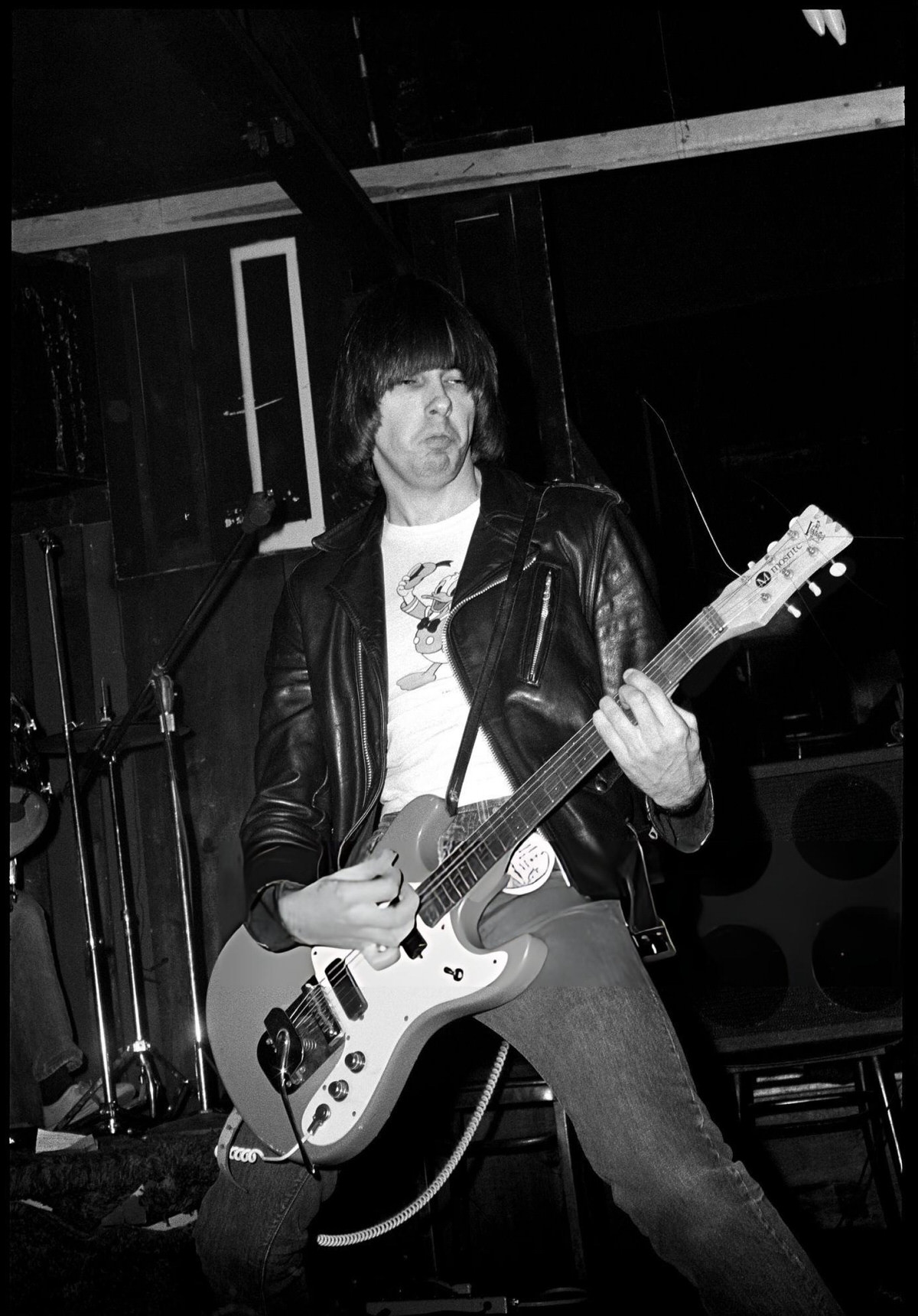
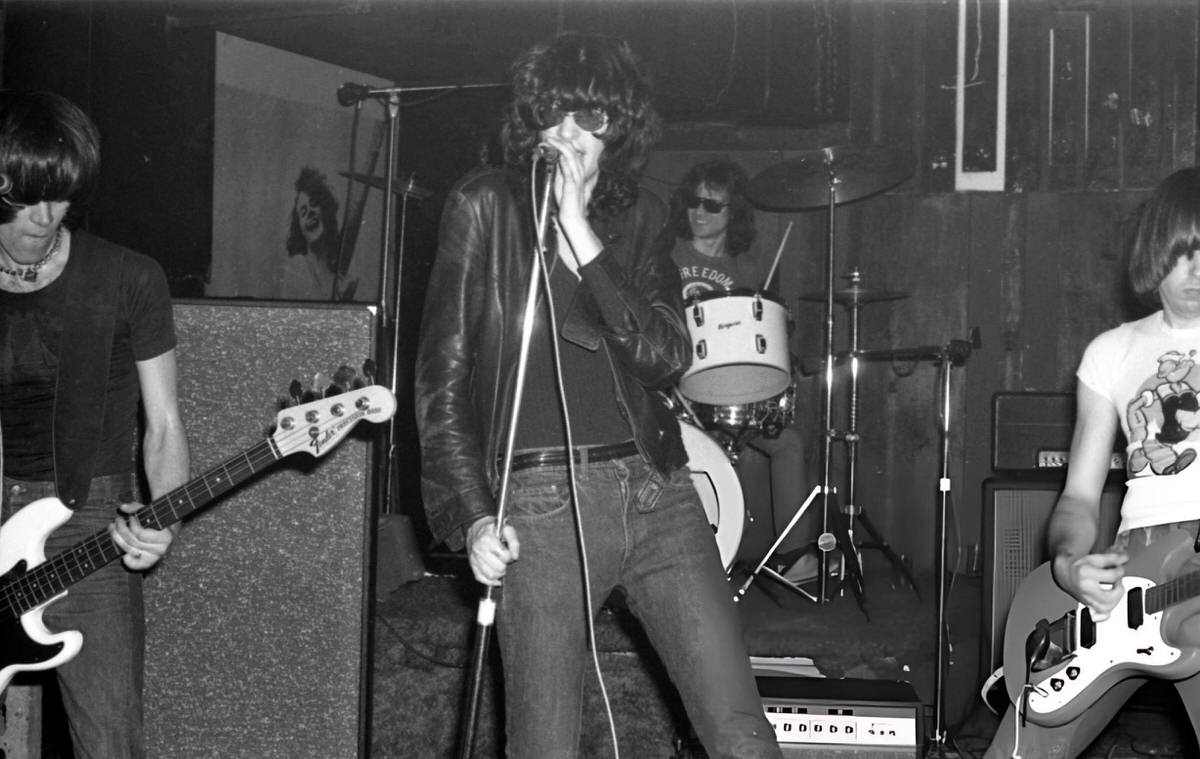
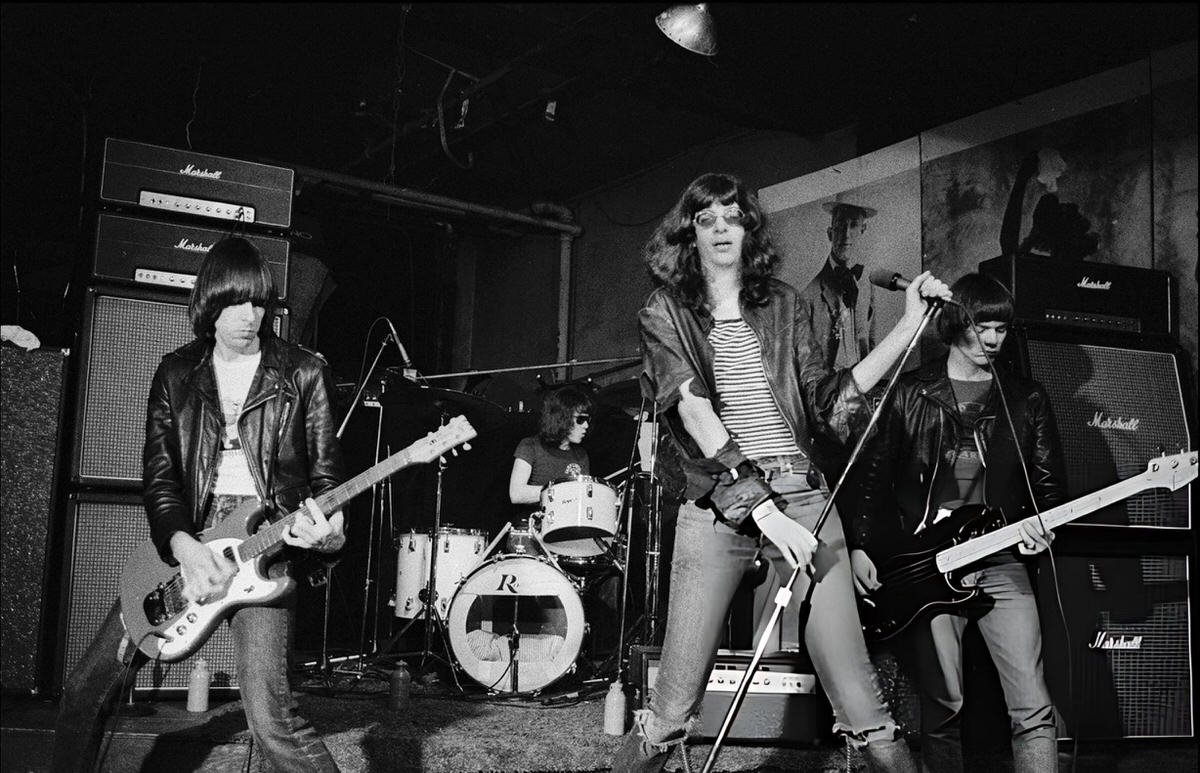
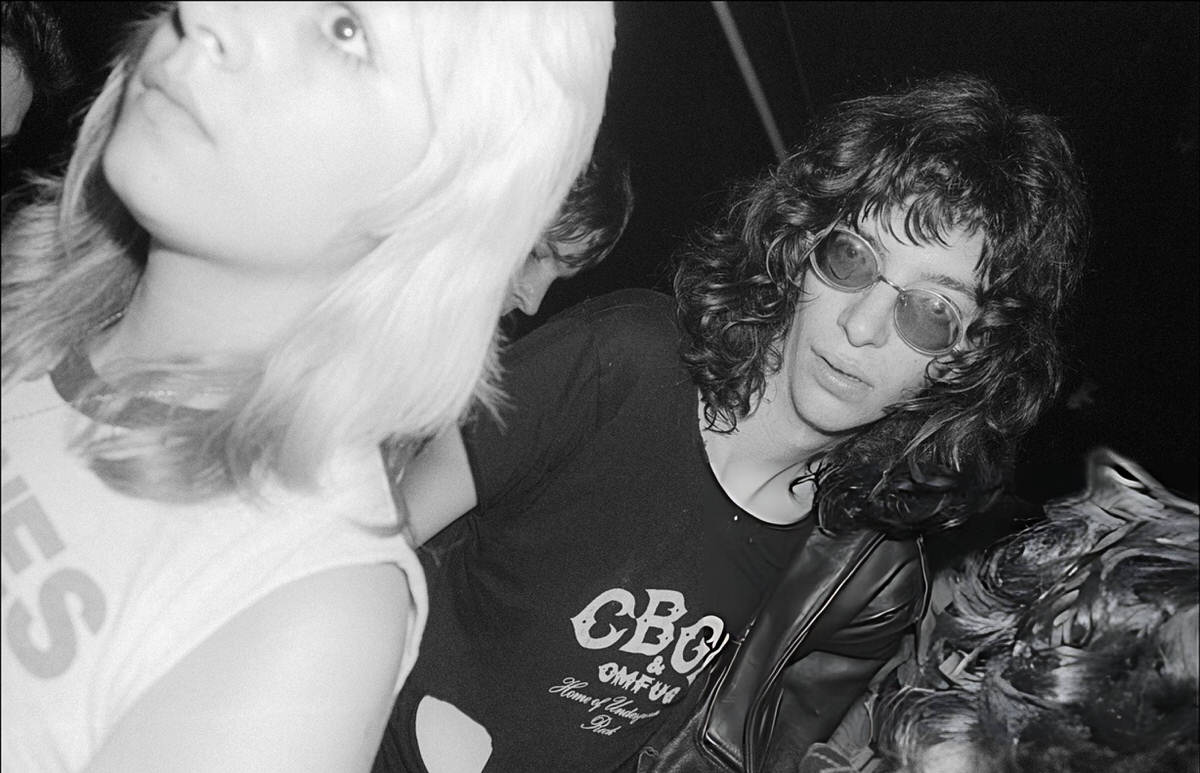
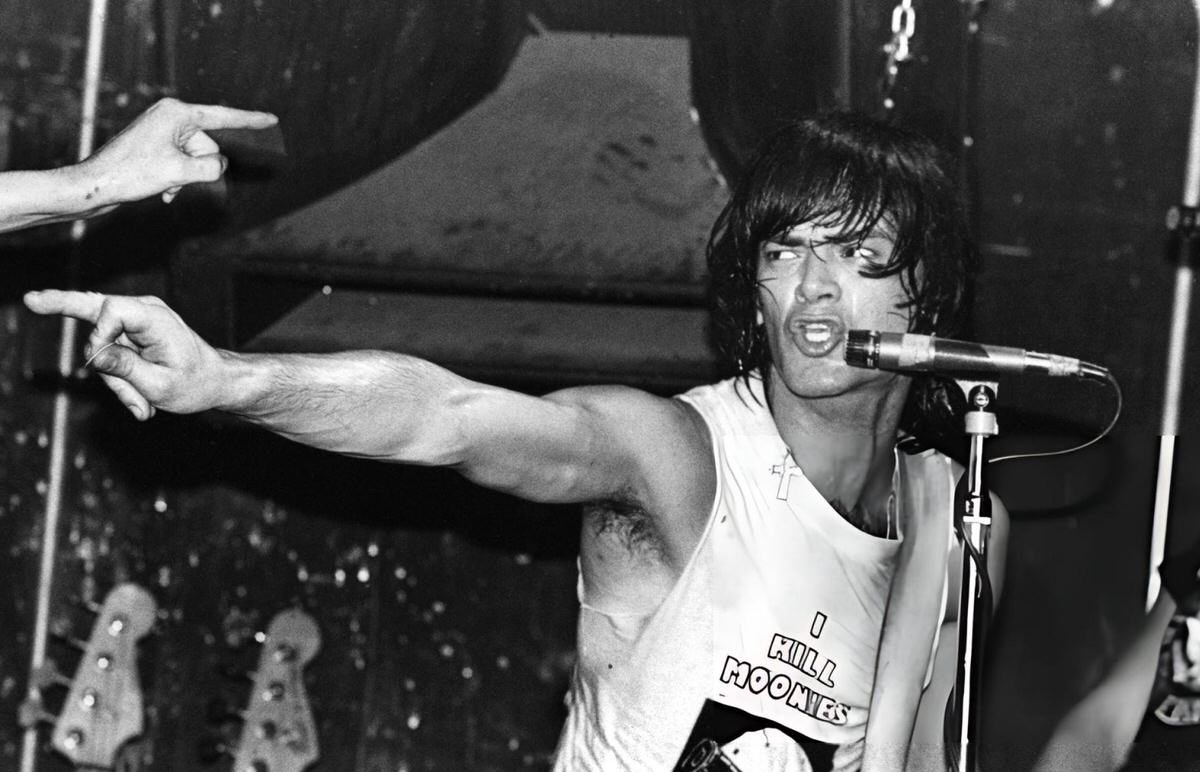
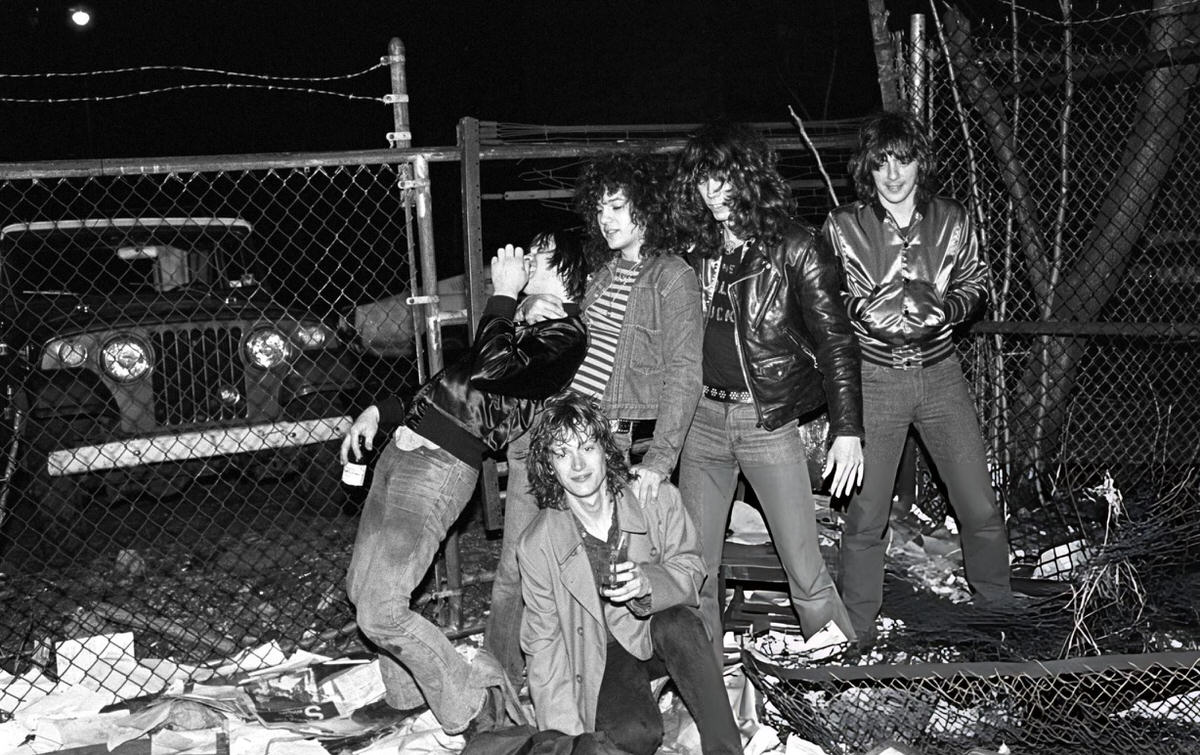
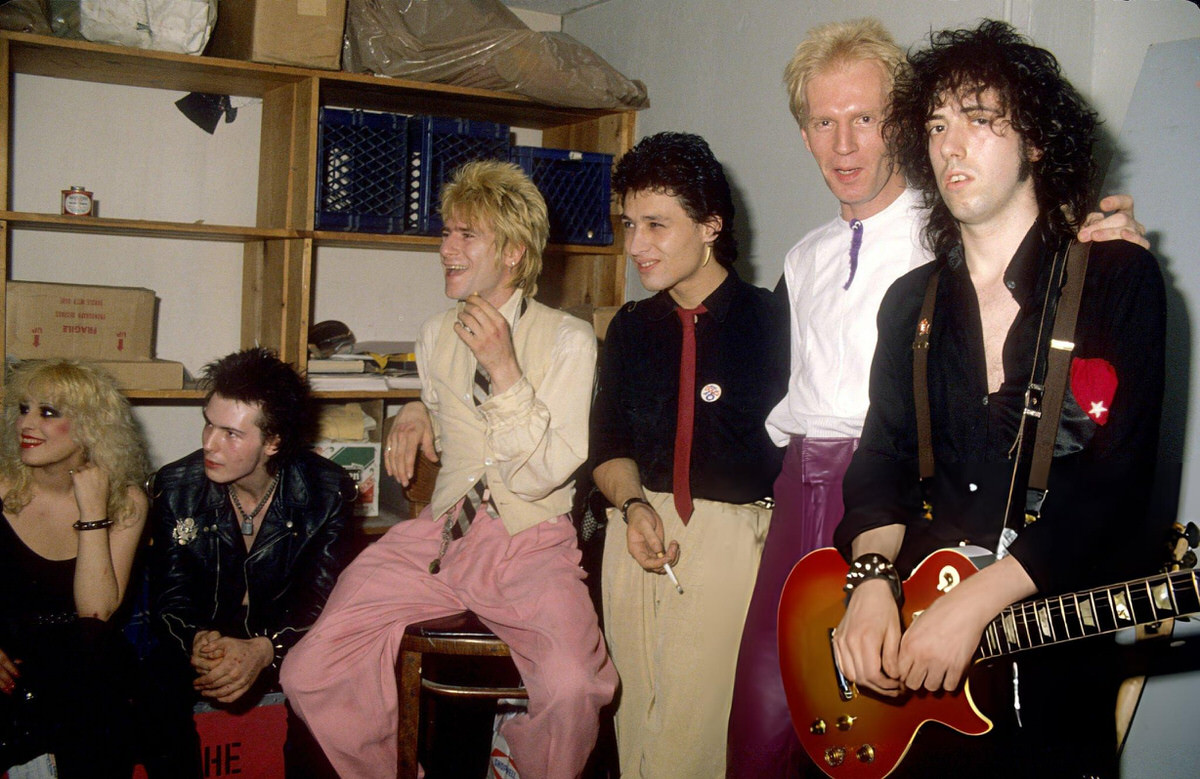
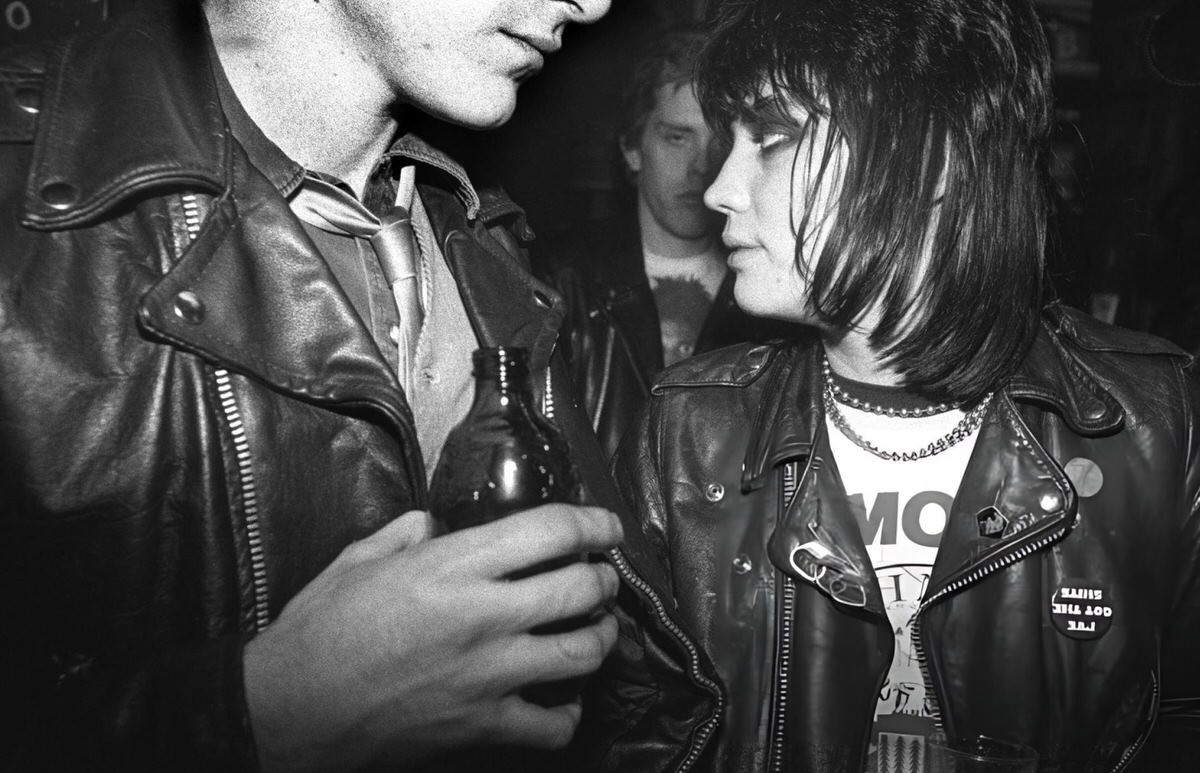
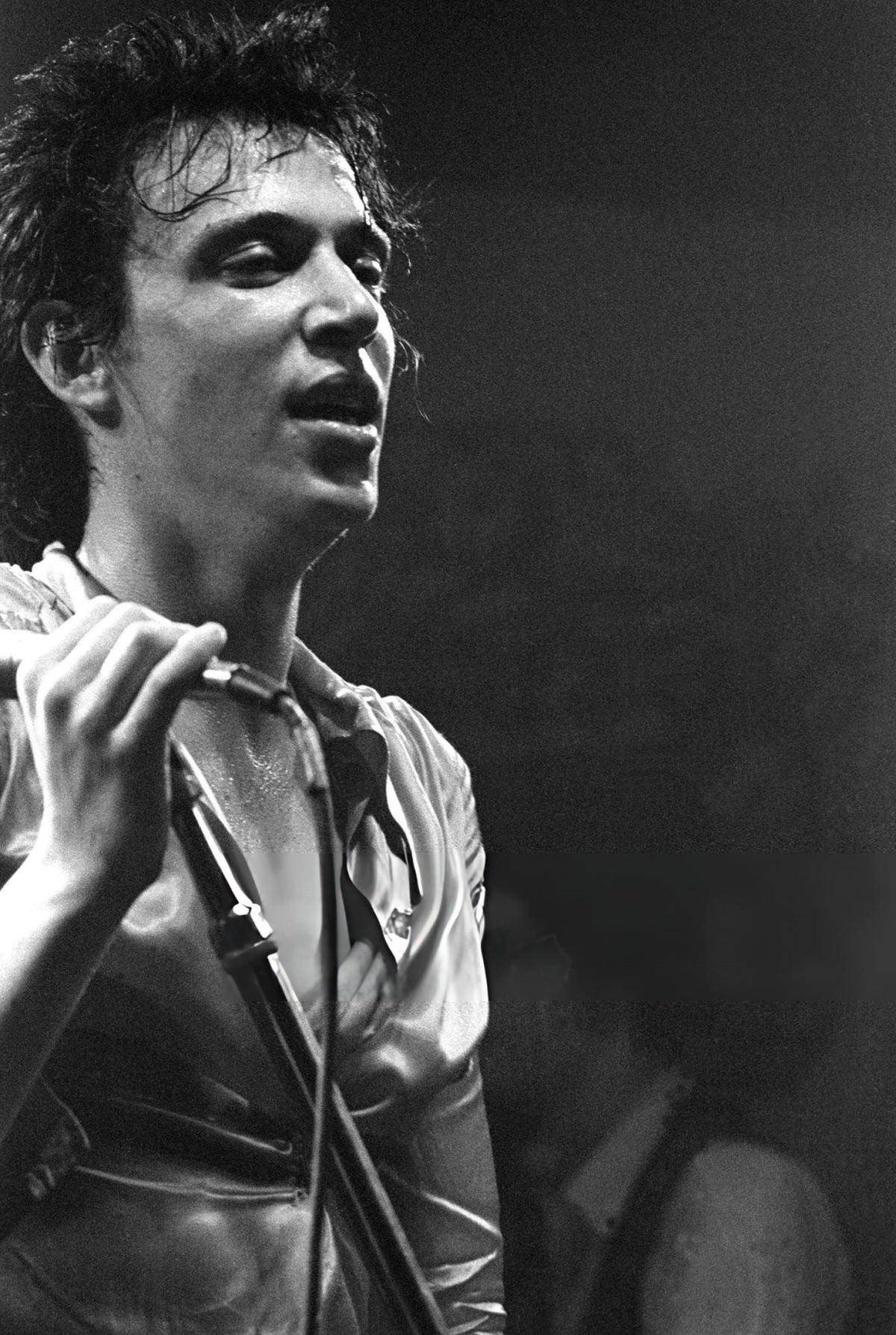
By 1975 and 1976, the lineup was extraordinary. The Ramones played CBGB 74 times in their first two years. They had leather jackets, ripped jeans, and songs that lasted two minutes or less. Joey Ramone stood at the microphone like he’d been born there. The audience stood three feet away from him.
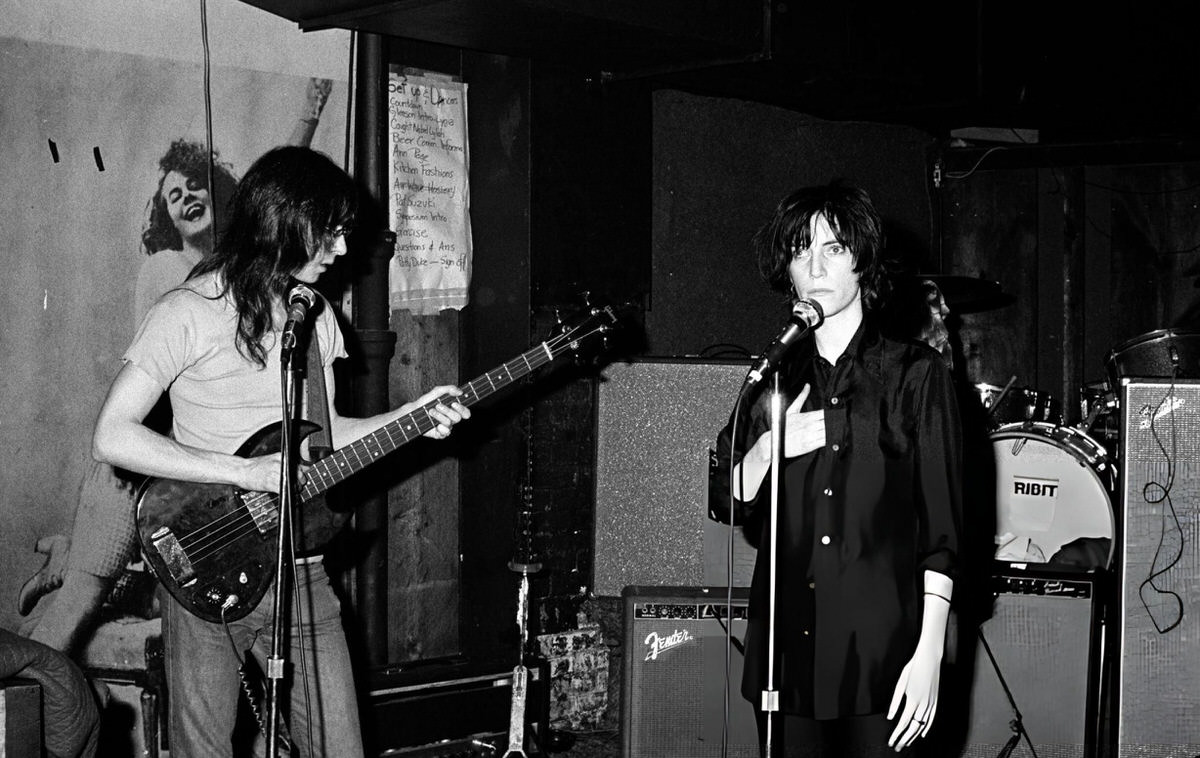
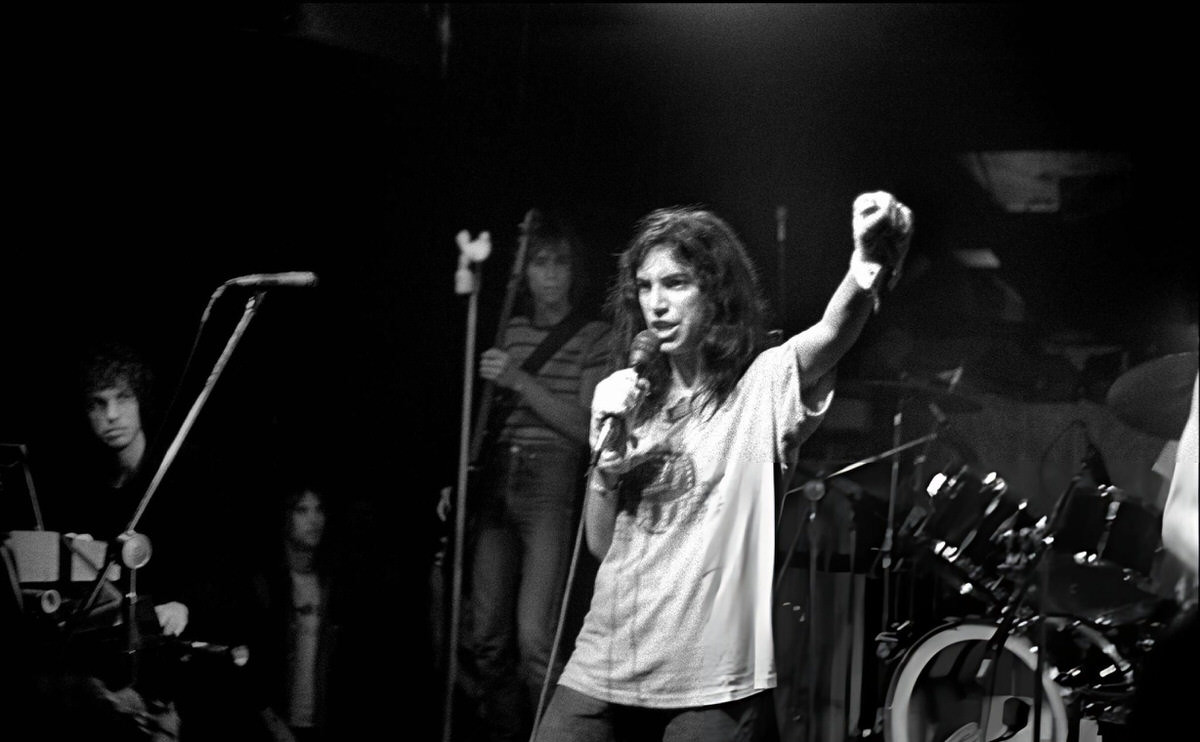
Patti Smith brought poetry into the room. Her band played with real force, but Smith herself recited, chanted, and howled over the top of it. She’d published a book before her first album. That was unusual for a rock performer in 1975, and nobody cared — it just worked.
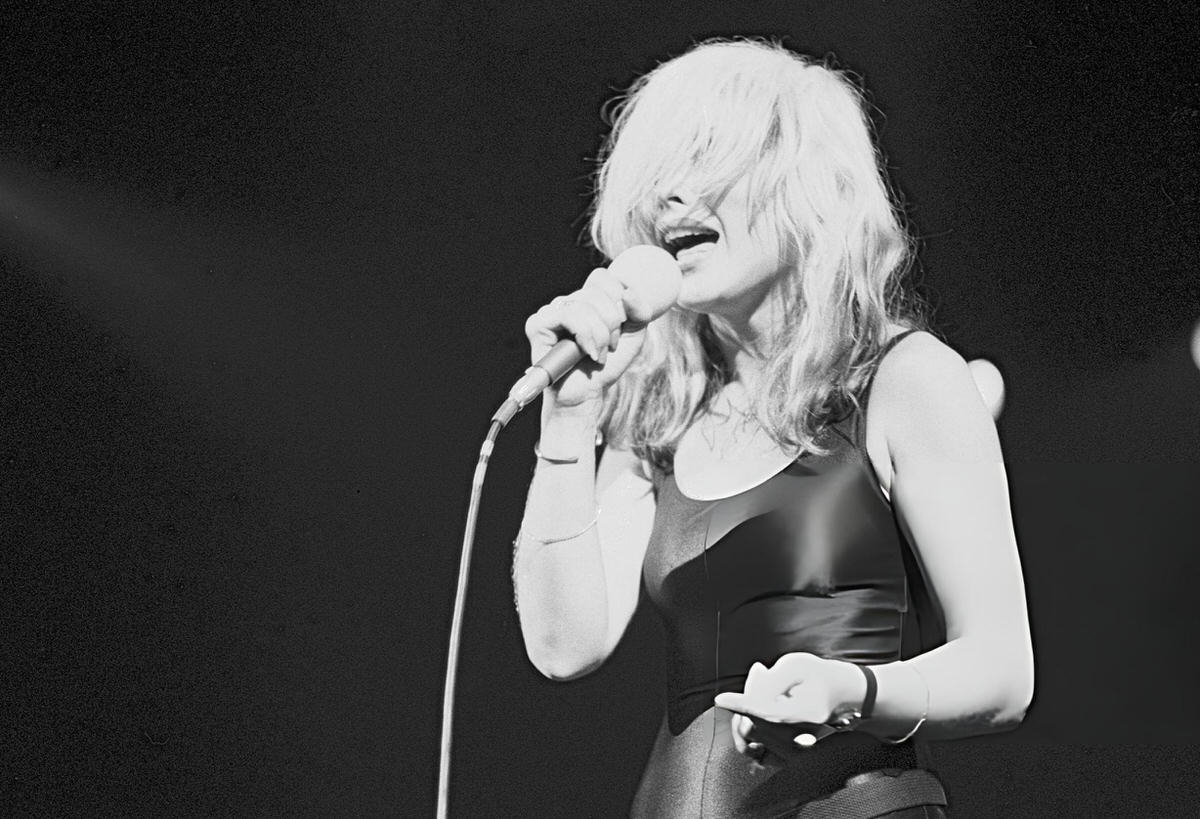
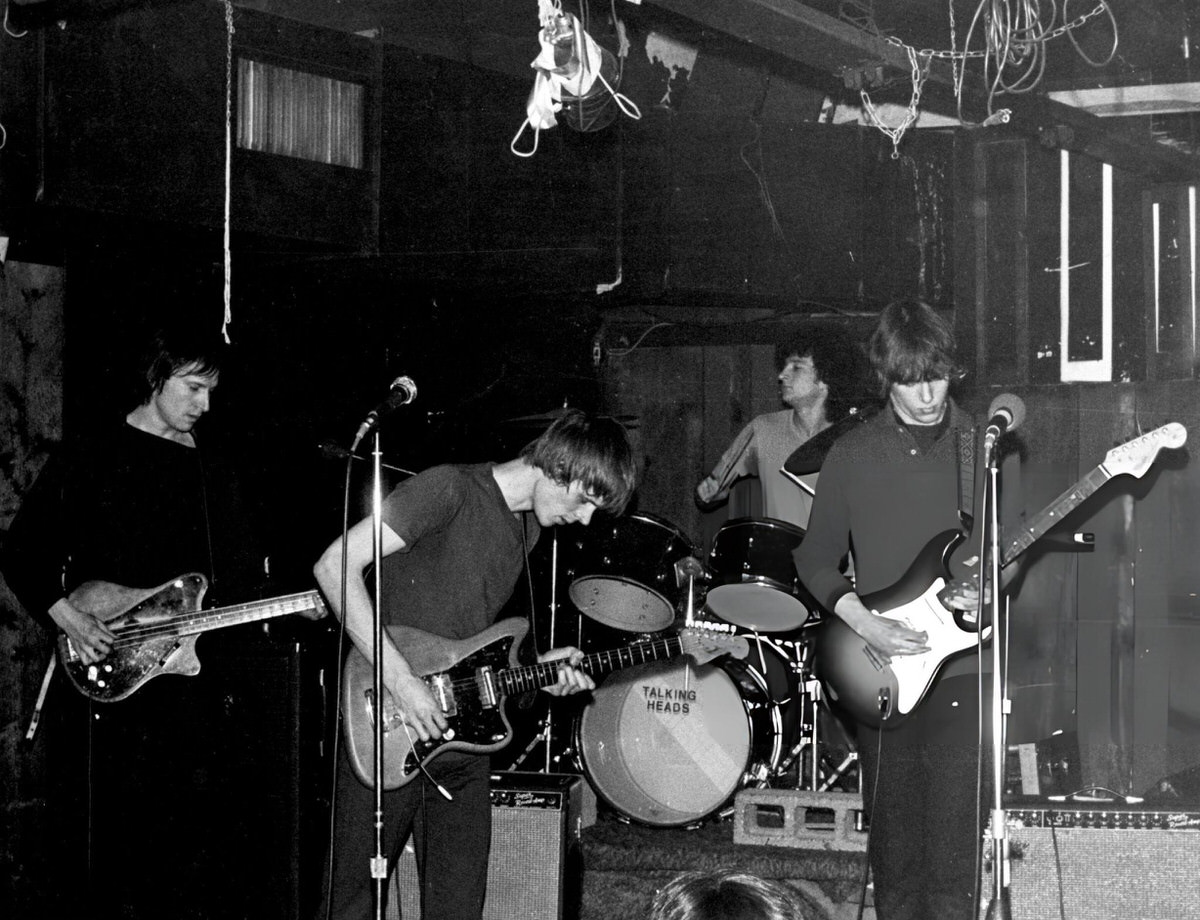
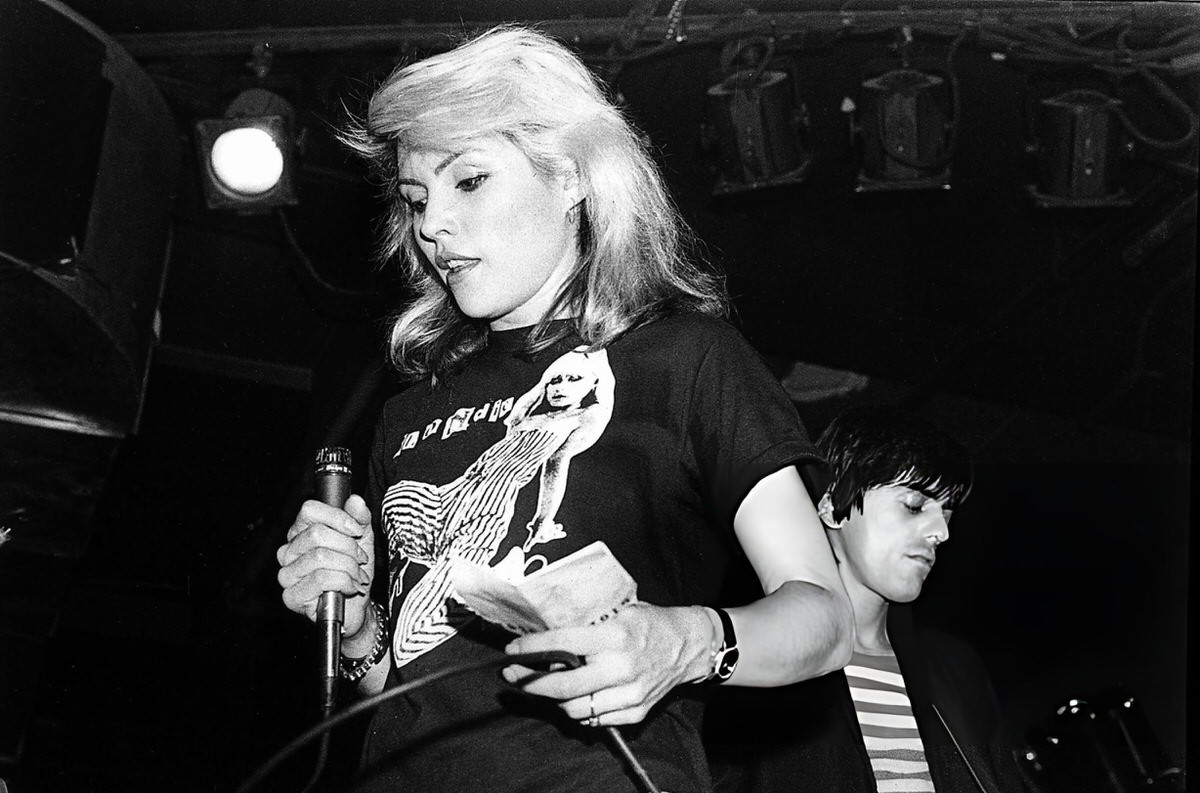
Blondie played there constantly in the early days, when they were still figuring out what they were. Debbie Harry had a voice that cut through the noise even when the PA was terrible, which was often. Talking Heads showed up in 1975 and sounded like nothing else — nervy, rhythmic, almost academic, but with genuine heat underneath.
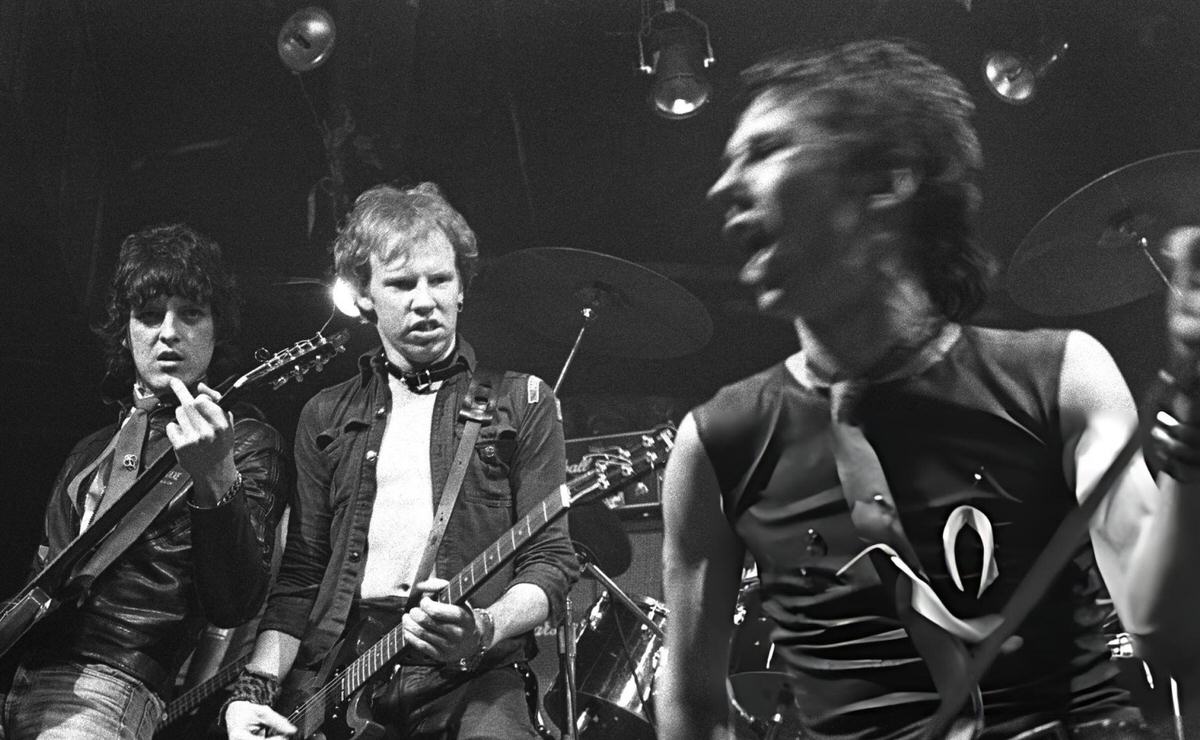
These bands didn’t all sound the same. That’s worth saying directly. The Ramones were fast and blunt. Television was intricate and almost classical in its guitar interplay. Patti Smith was literary. Talking Heads were cerebral. What they shared was an attitude — a total rejection of the overproduced, stadium-filling rock that dominated radio in the mid-1970s. Arena rock was bloated. CBGB was a correction.
Hilly Kristal’s role
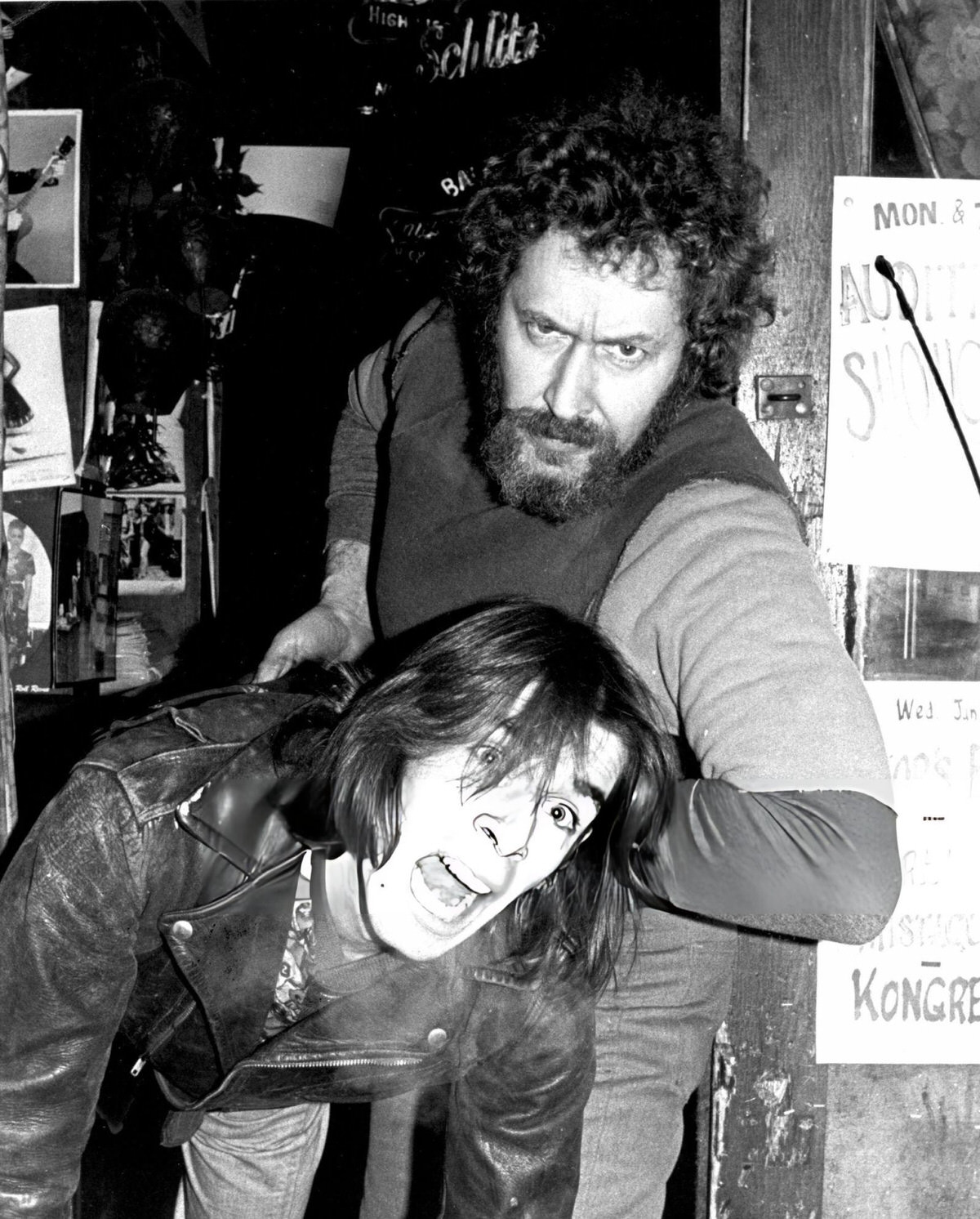
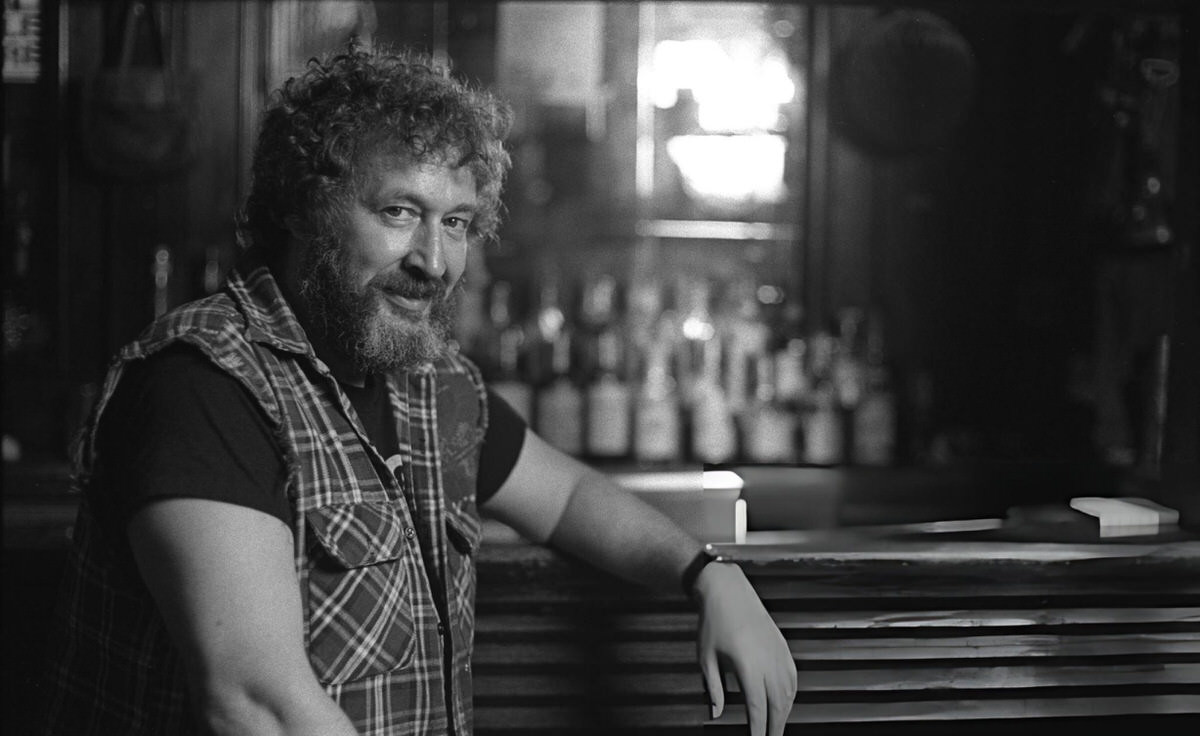
Kristal was not a music industry professional in the usual sense. He ran the door, booked the bands, dealt with the landlord, and occasionally broke up fights. He was a big man with a beard and a calm way of handling chaos. He gave bands stage time before they had any following at all. He didn’t demand a percentage of record deals. He just kept the place open.
His decision to require original music was the single most important policy in the club’s history. It forced every act that played there to develop their own identity. You couldn’t fake it by playing other people’s songs. You had to show up with something real.
The city around it
New York City in the mid-1970s was genuinely falling apart. The city nearly went bankrupt in 1975. Arson was common in the South Bronx. Times Square was open-air crime. The subway was covered in graffiti and ran on a broken schedule. Middle-class families had been leaving for the suburbs for a decade.
That collapse made room for something. Rents in lower Manhattan were low enough that artists, musicians, and writers could actually afford to live there. SoHo lofts went to painters. The Bowery went to the bands. The city’s dysfunction was, in a strange and specific way, the condition that made the scene possible. CBGB existed because New York was broken, and the broken parts were affordable.
The bands who played there weren’t rebelling against prosperity. They were living inside a city that had stopped functioning, making music that sounded exactly like that — loud, fast, stripped down, and honest about the wreckage.

GIPHY App Key not set. Please check settings