

 Henry Parker
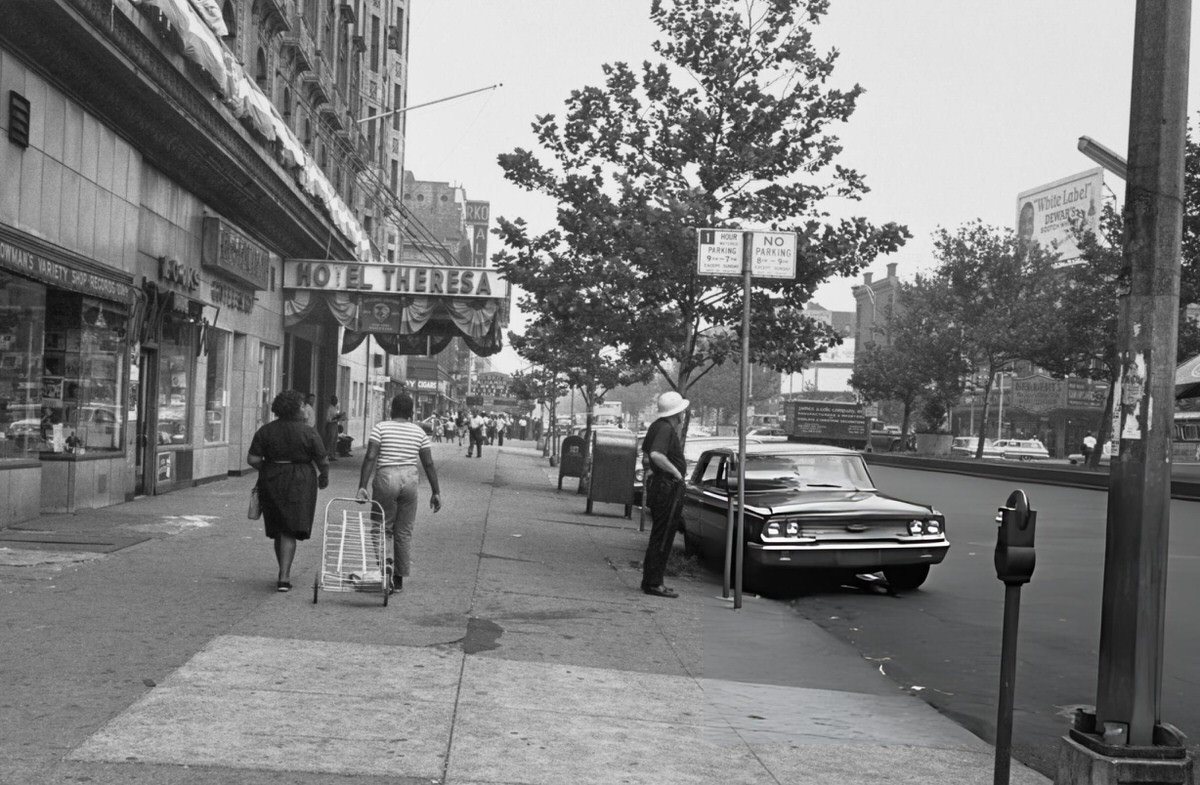
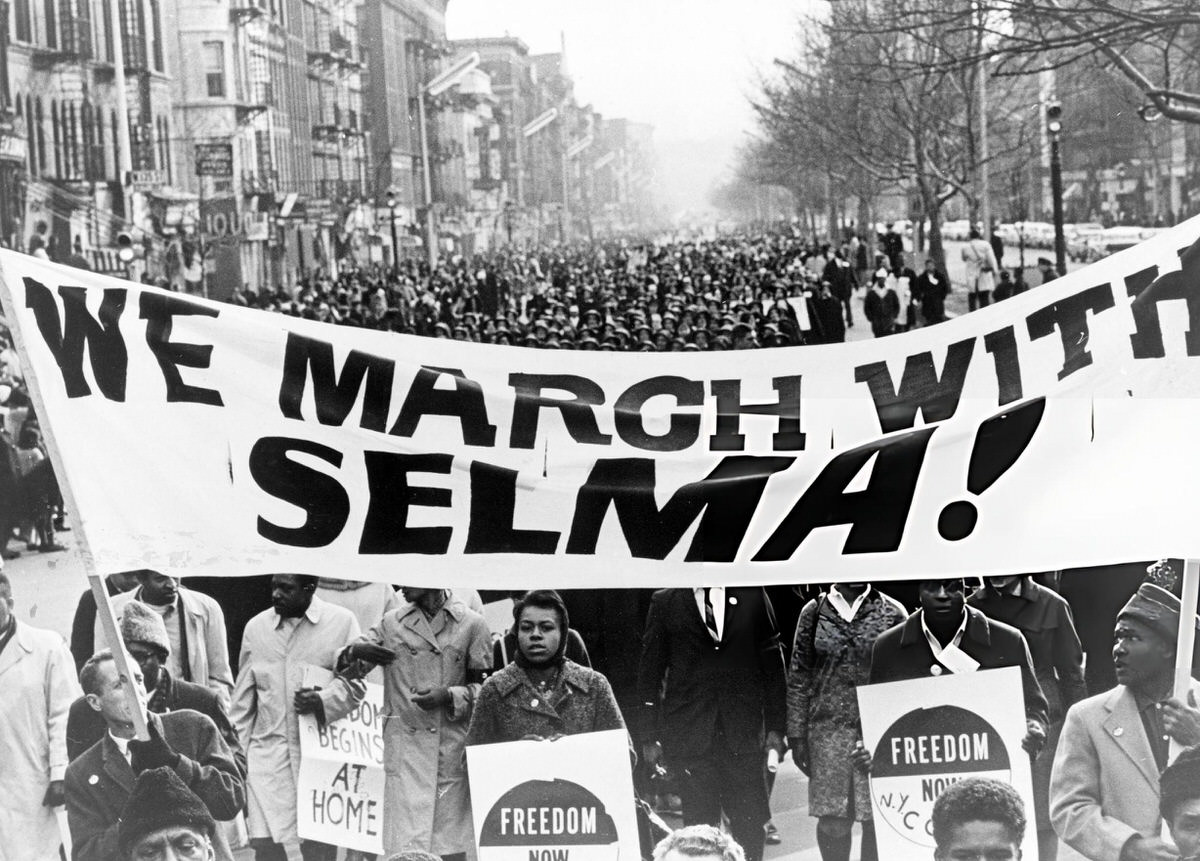
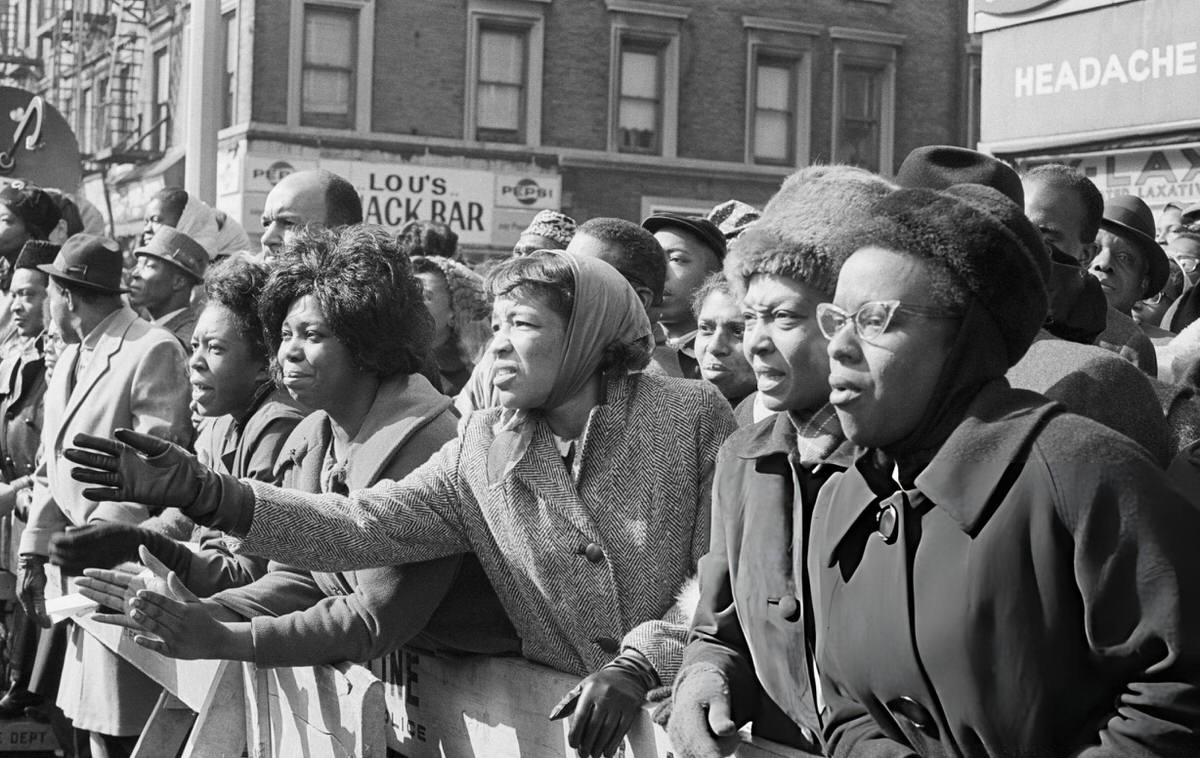
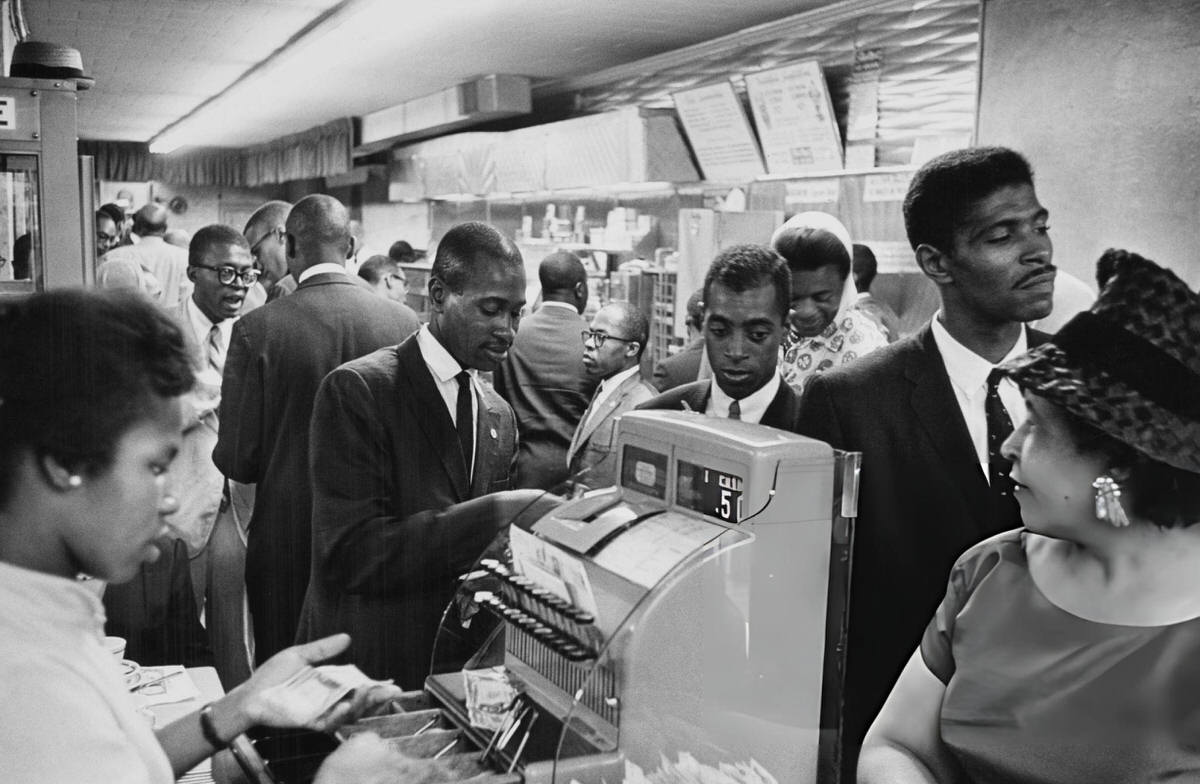
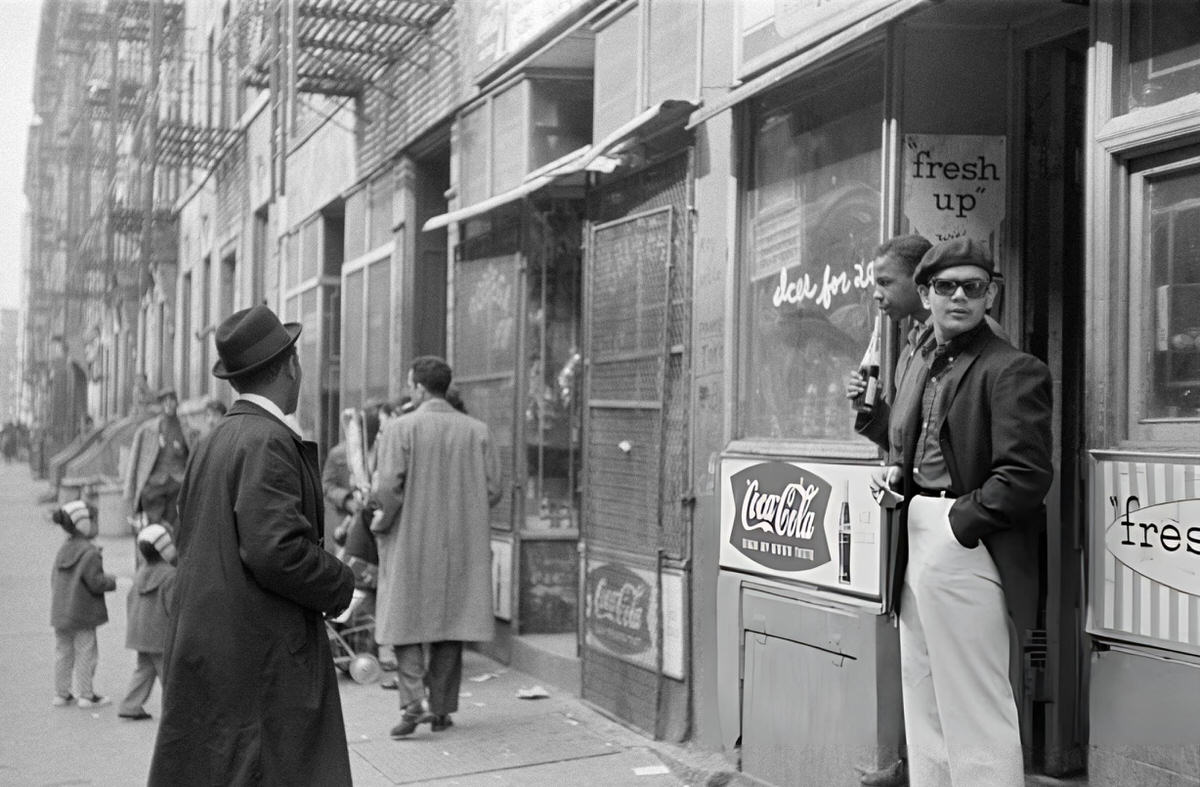
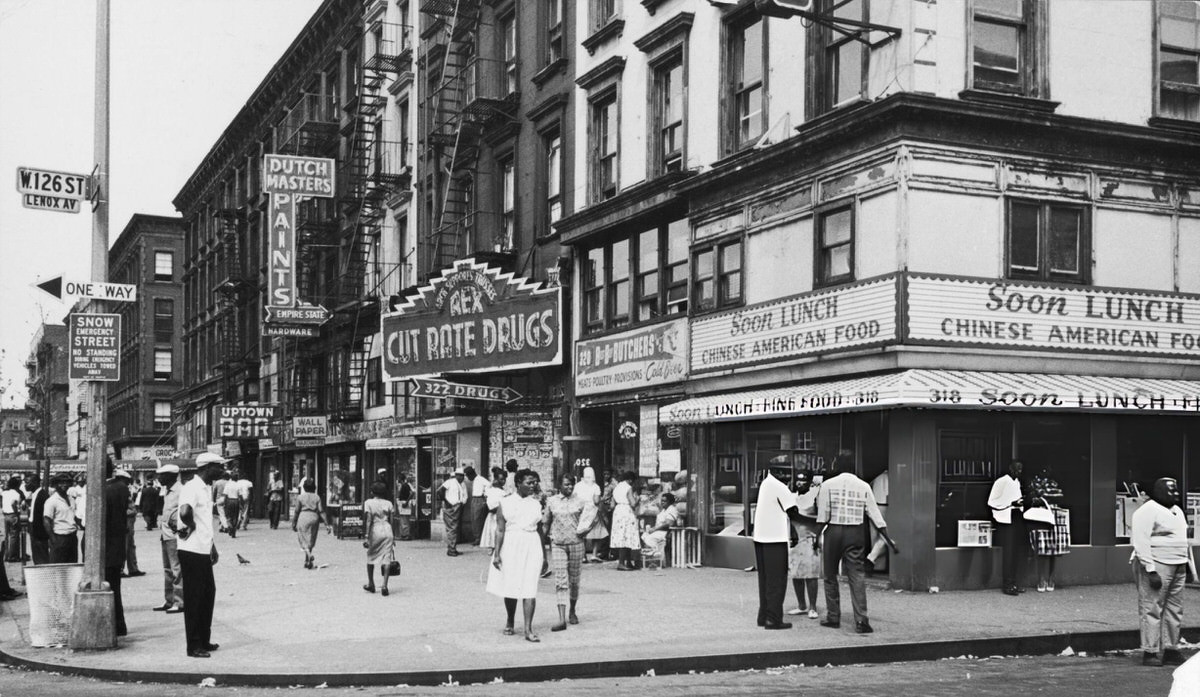
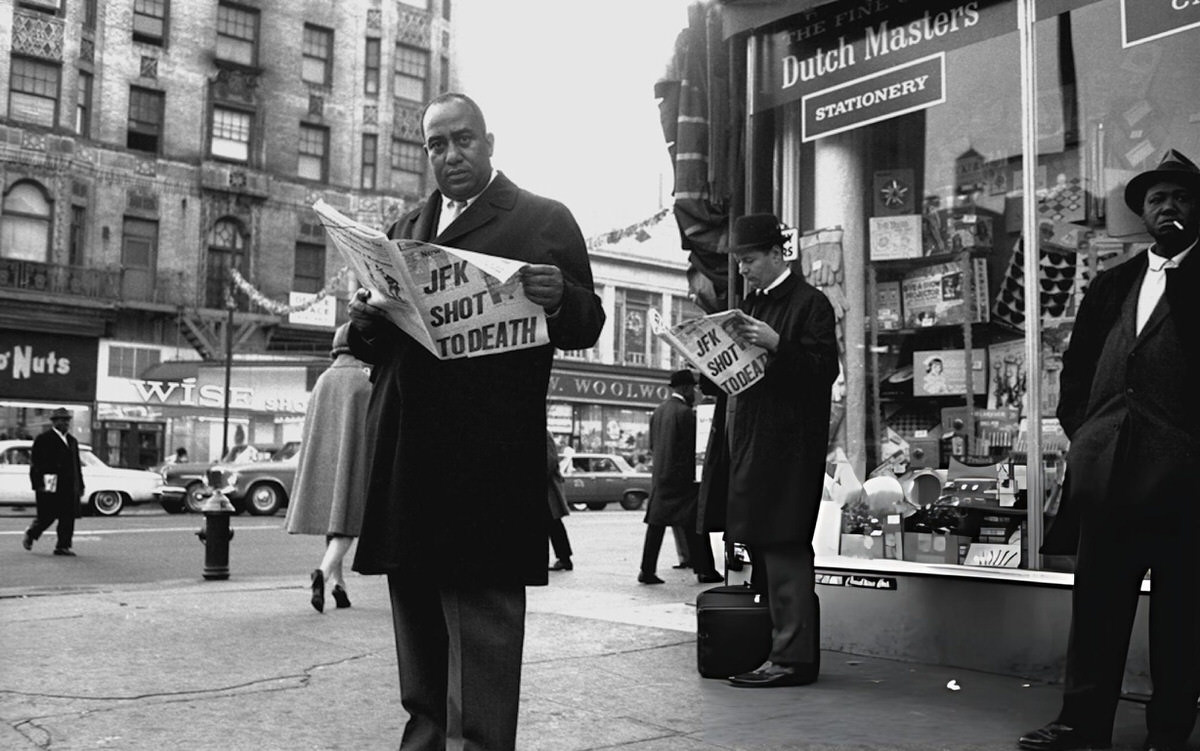
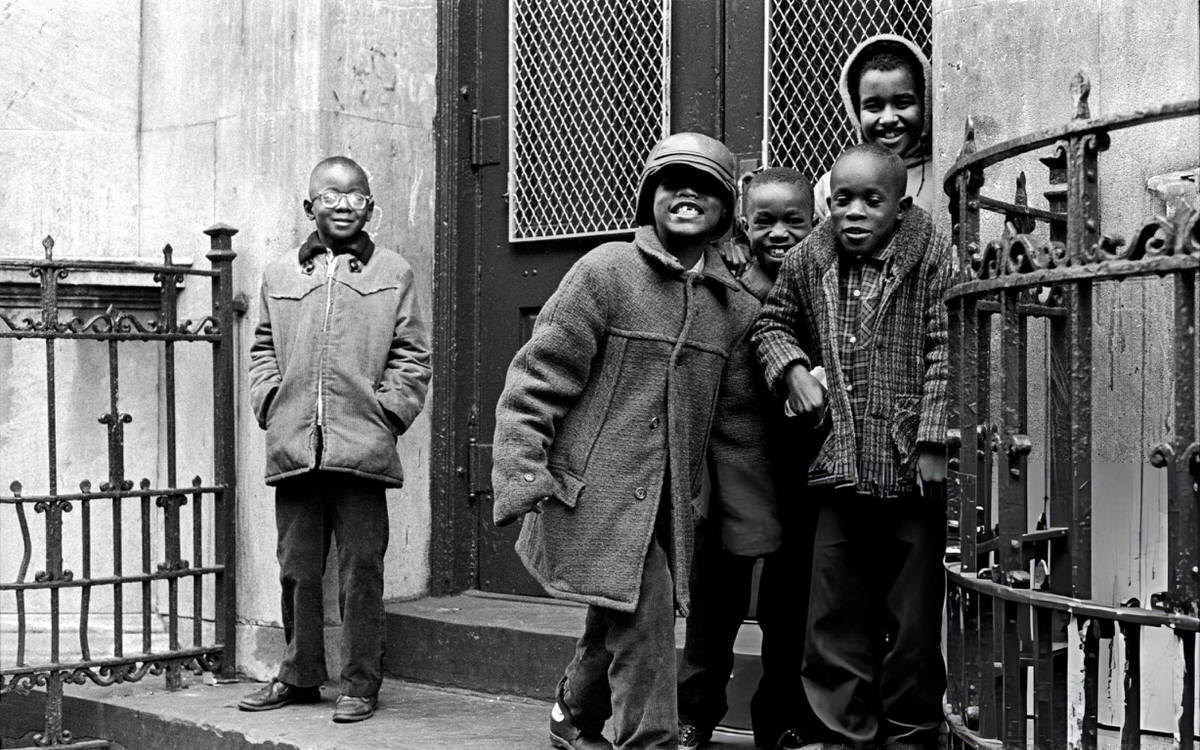
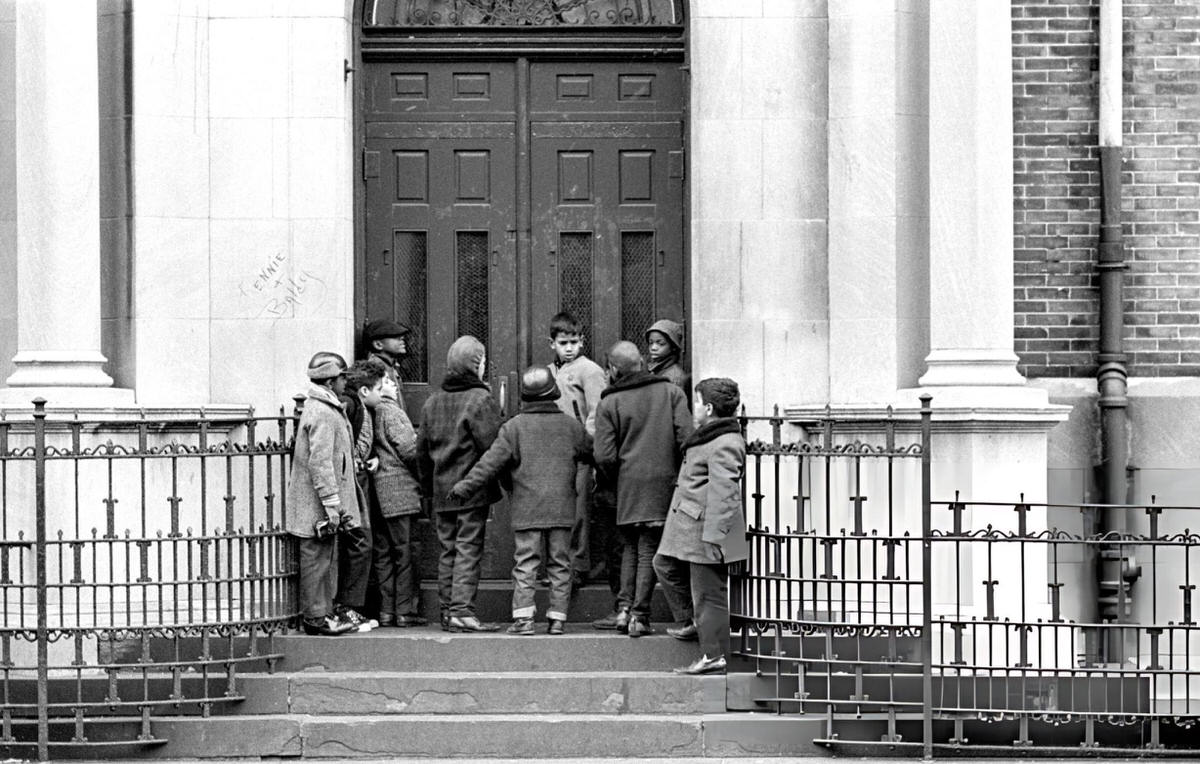
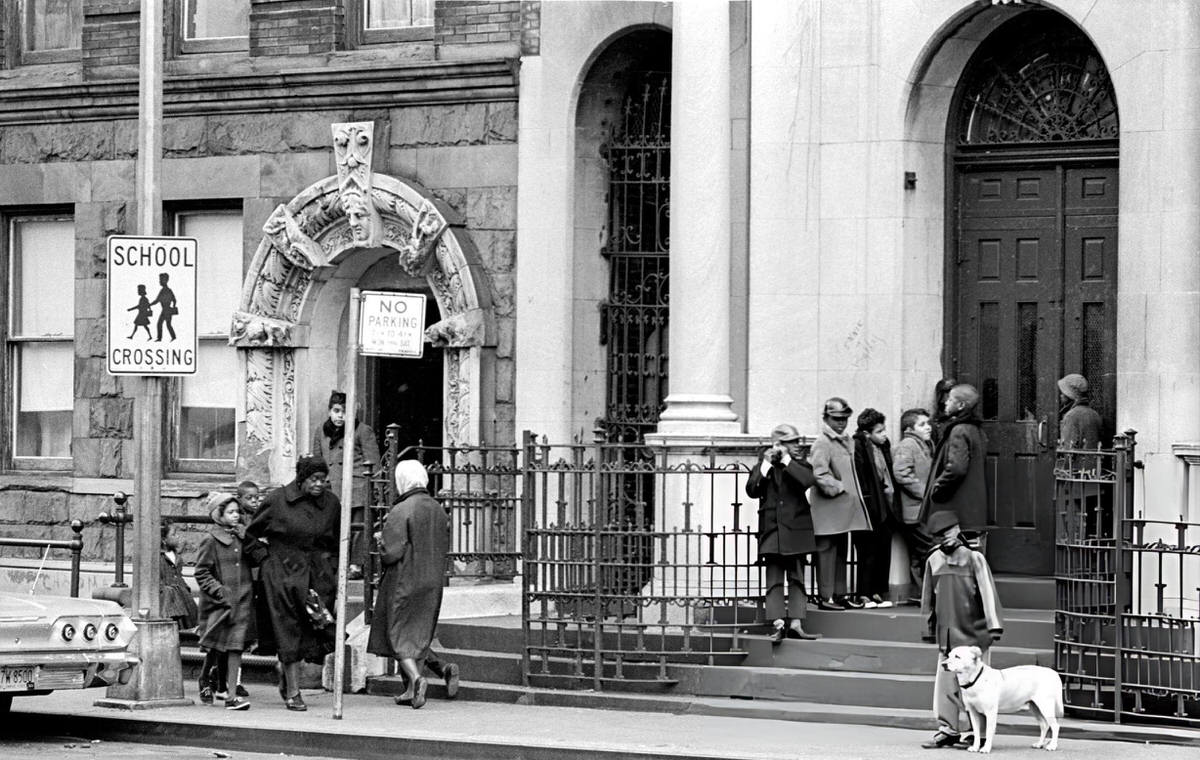
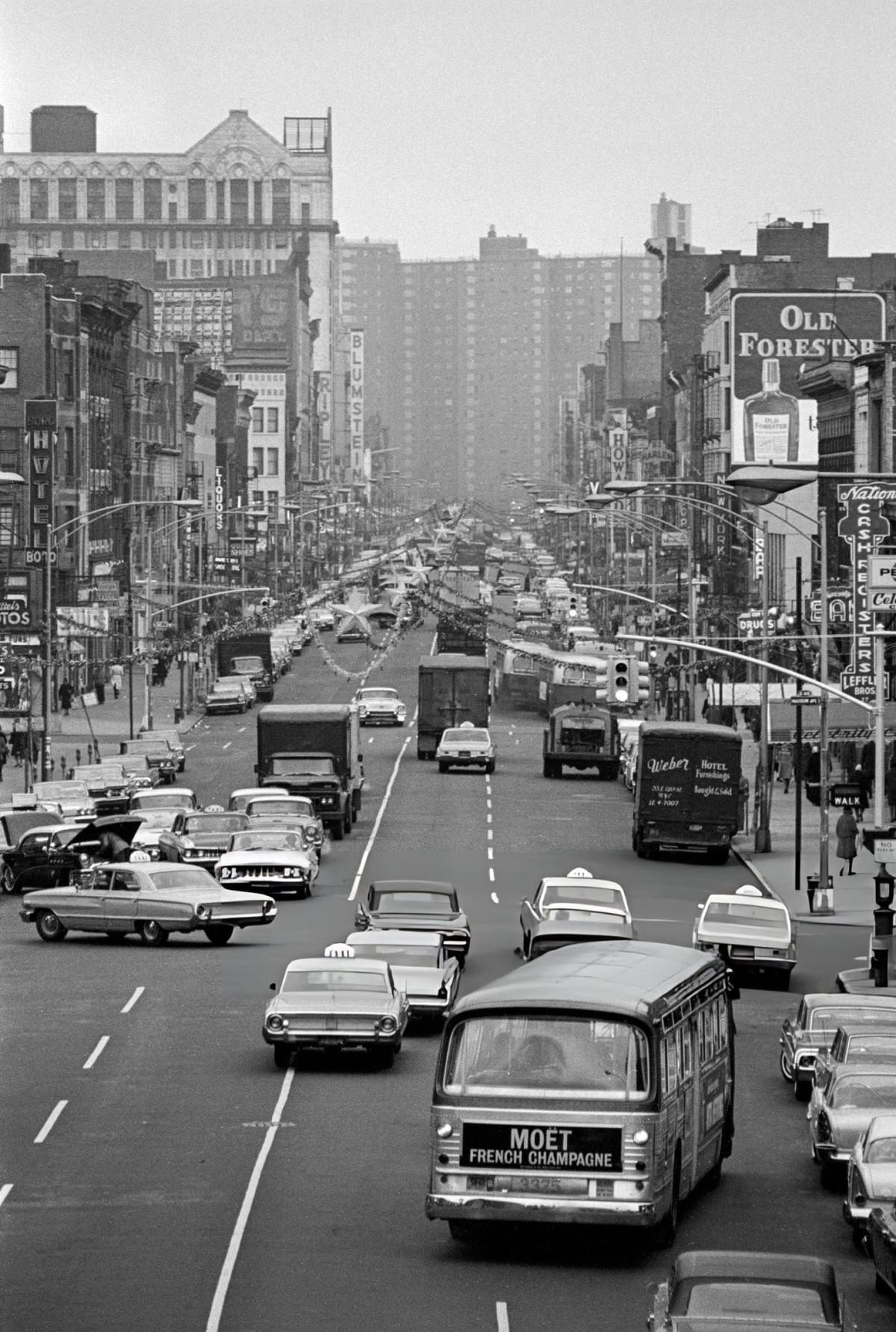
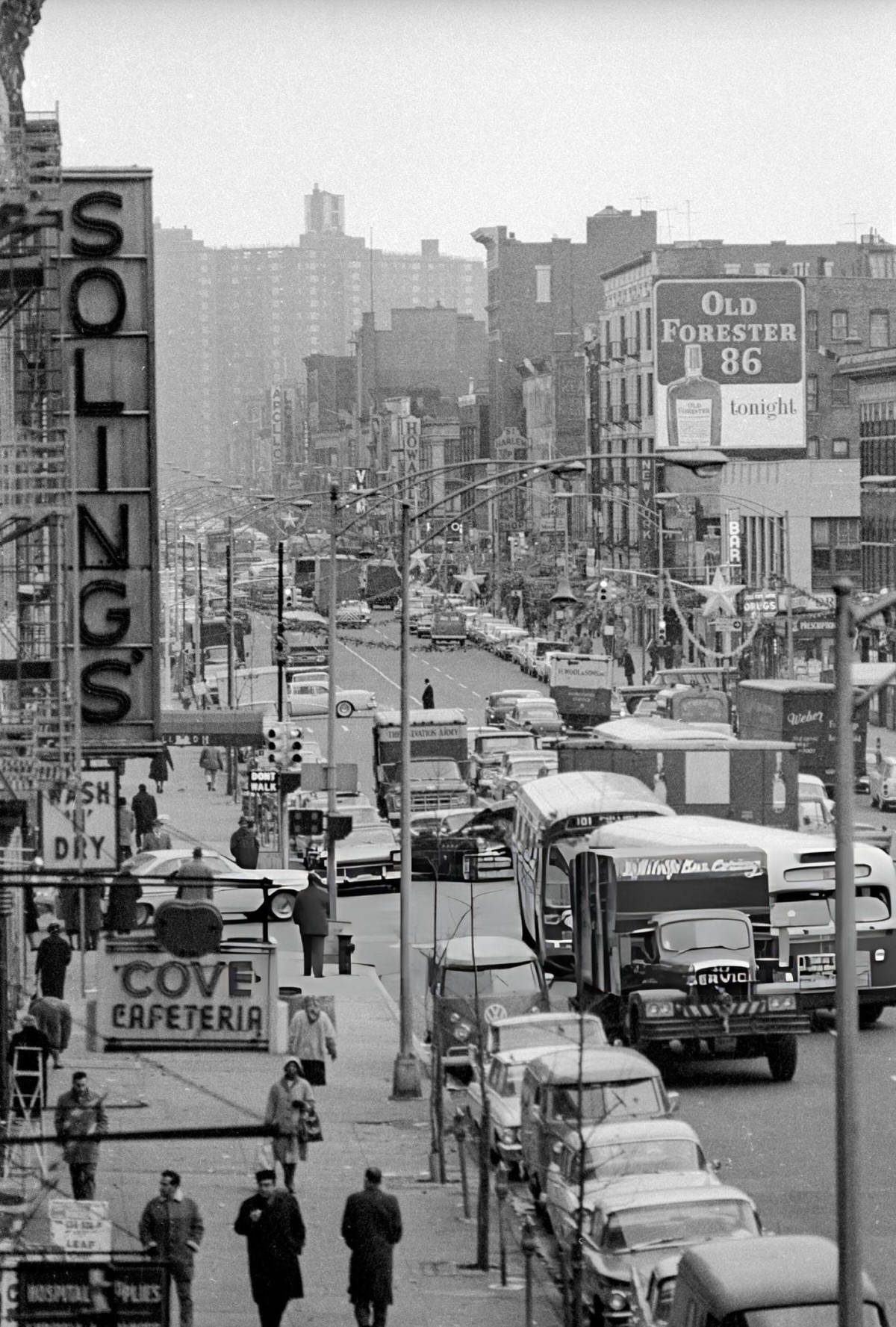
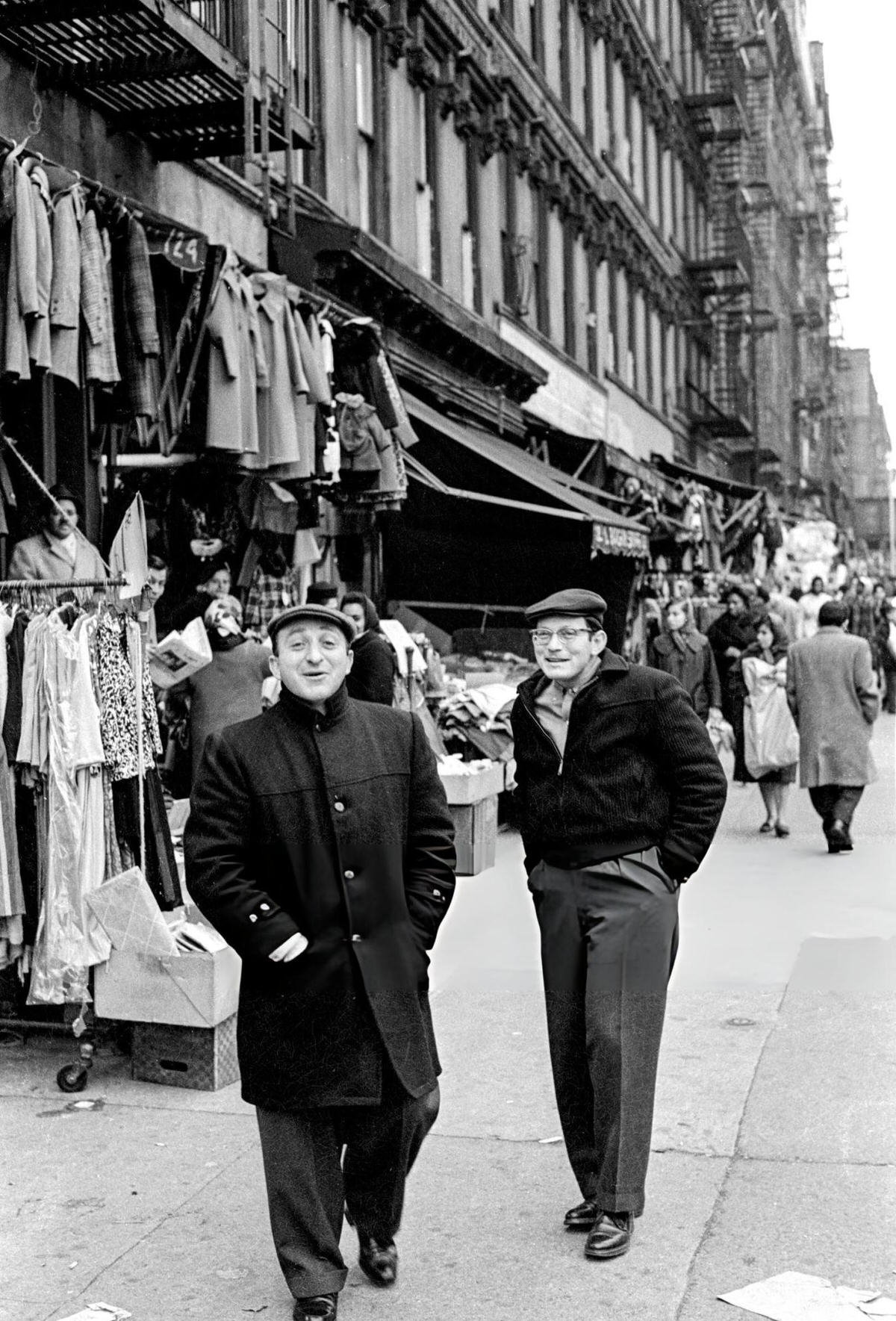
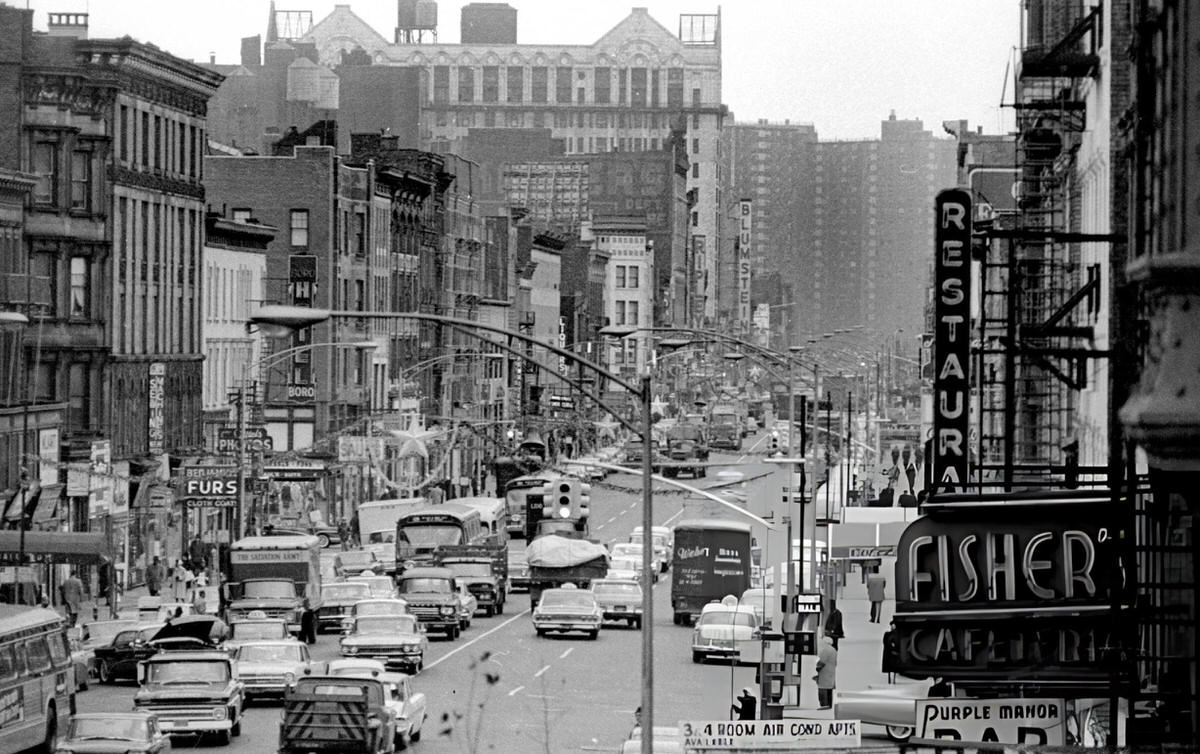
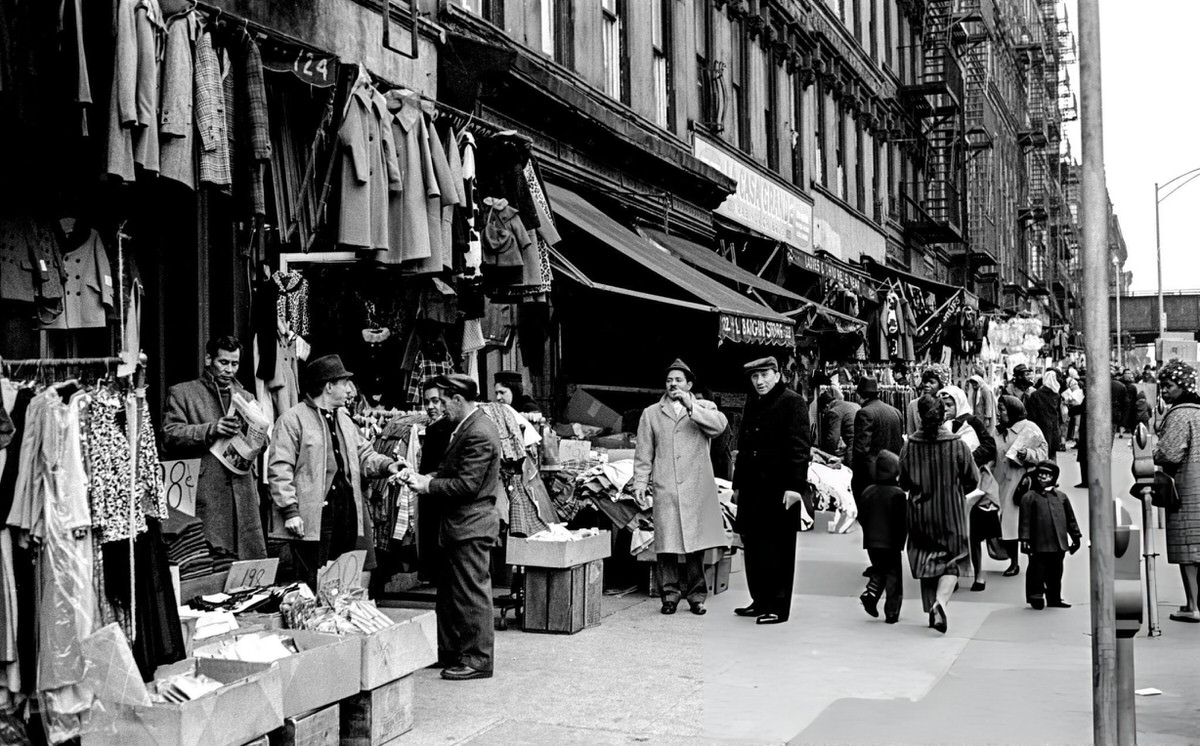
The 1960s arrived in Harlem with a charge in the air that had been building for years. The civil rights movement was making news from Birmingham and Montgomery, but Harlem had its own version of that fight — louder, more urban, and less interested in appealing to white sympathy. The neighborhood was crowded, politically awake, and running out of patience.
The Conditions That Set the Stage
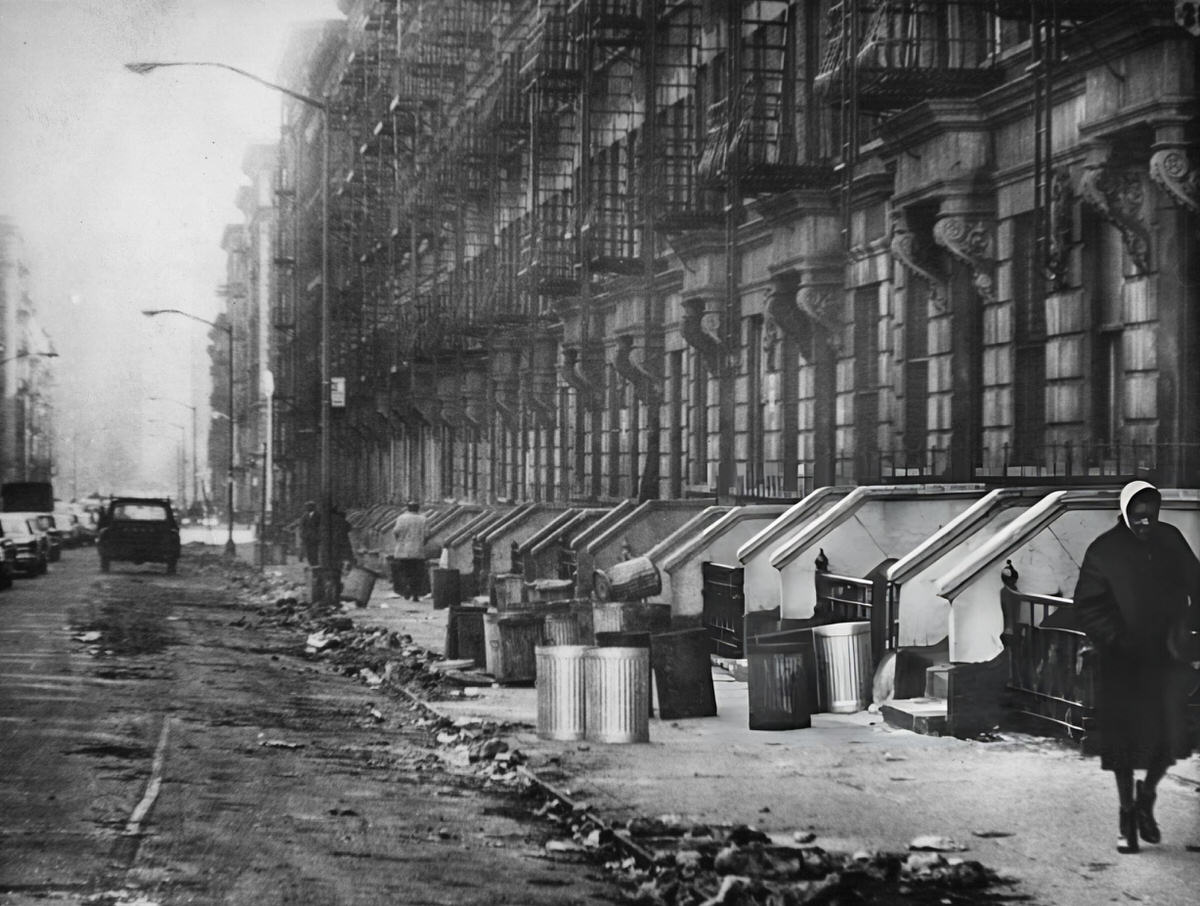
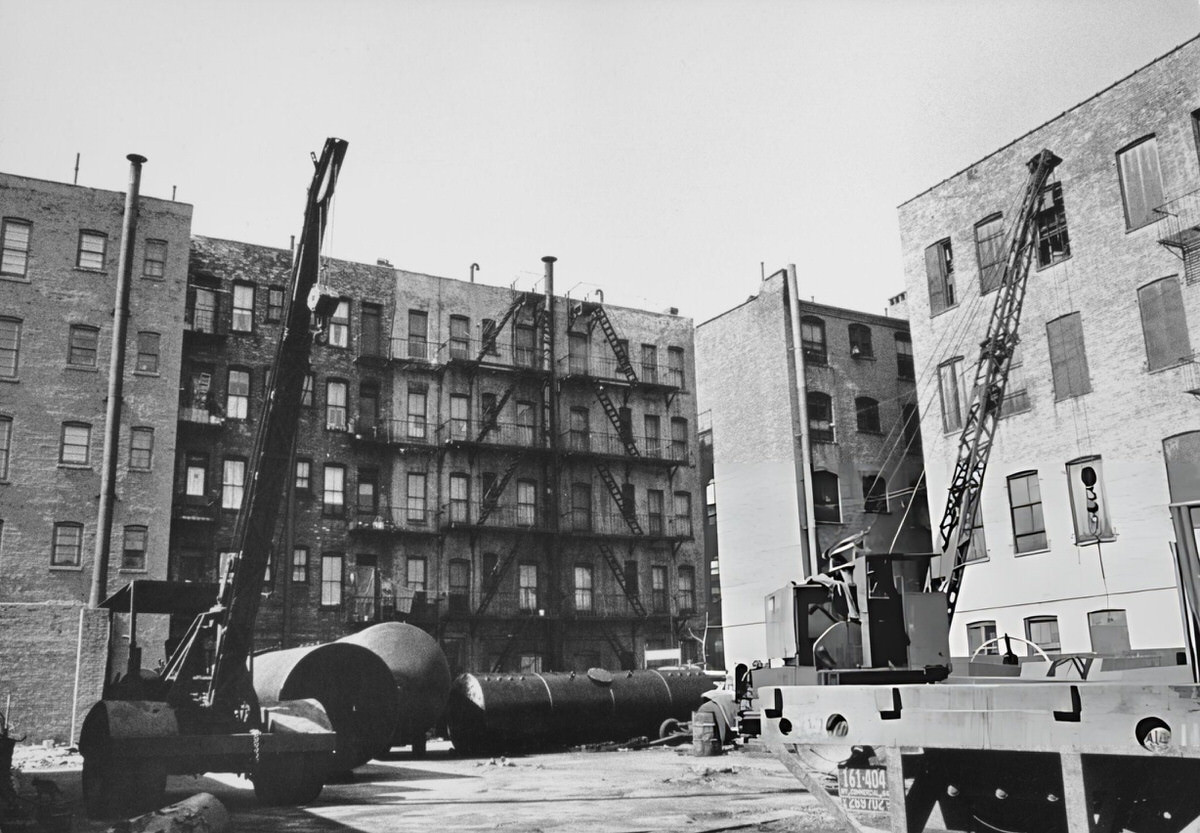
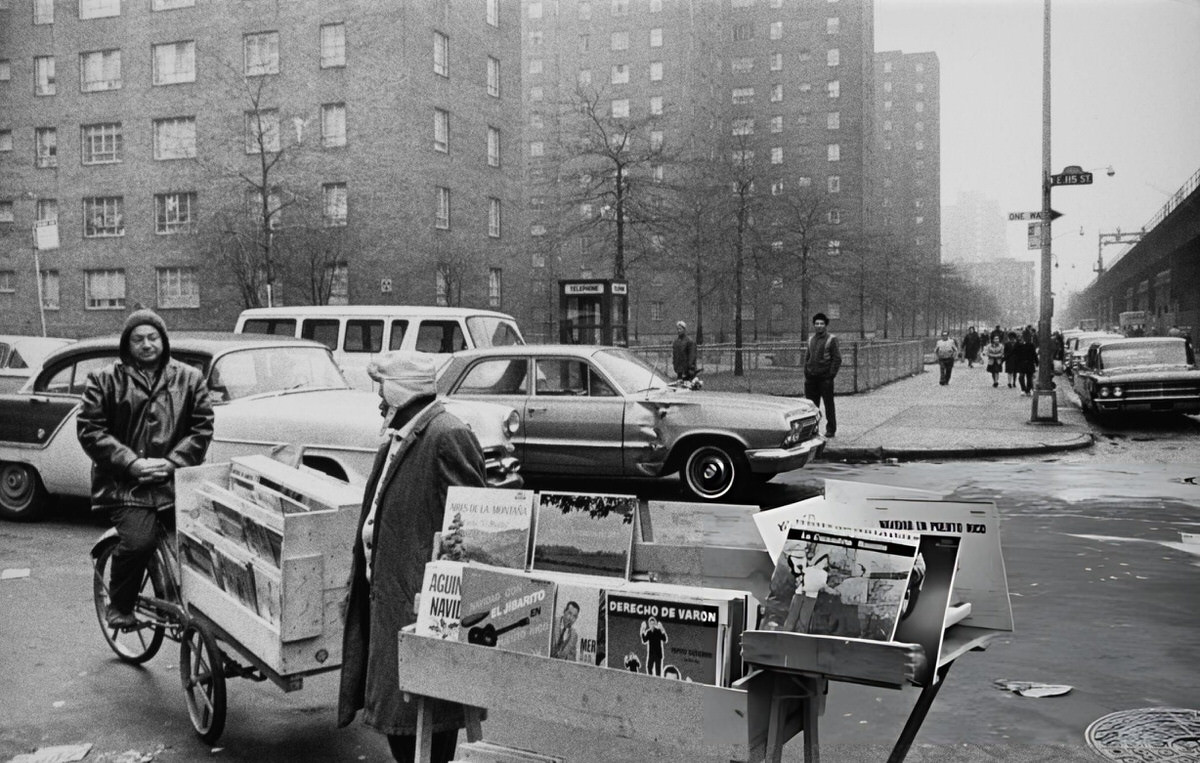
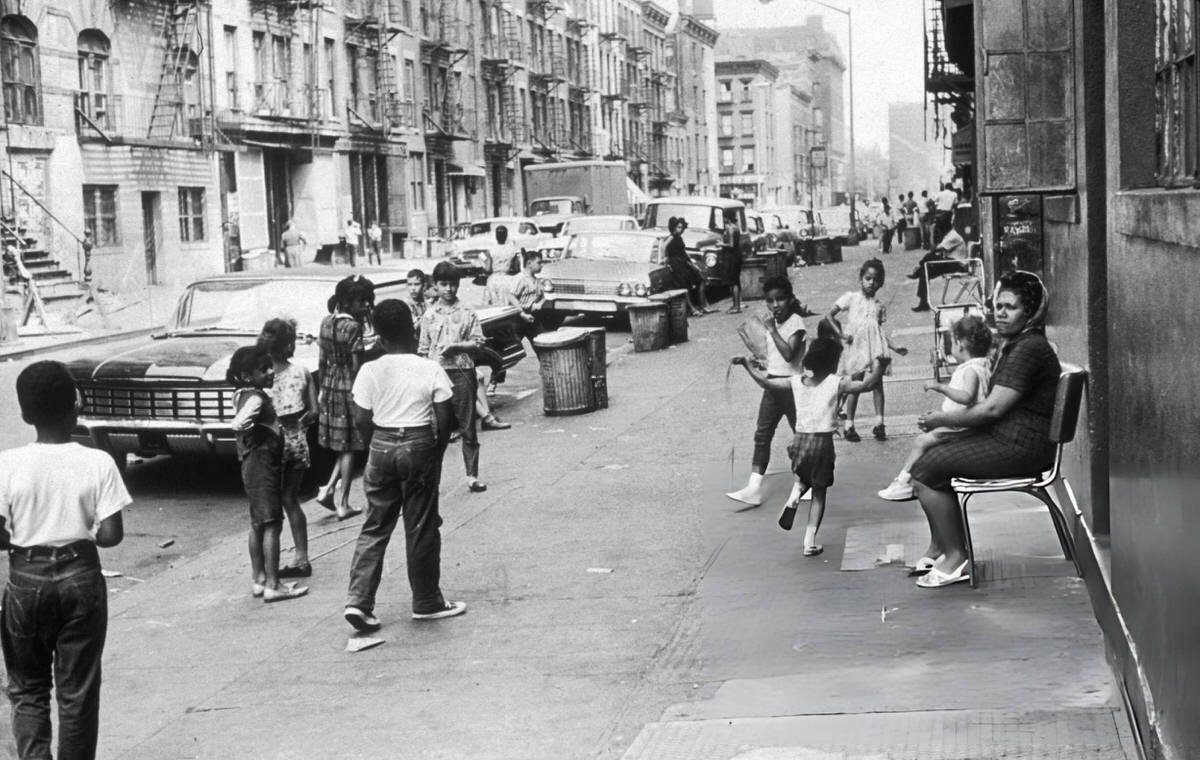
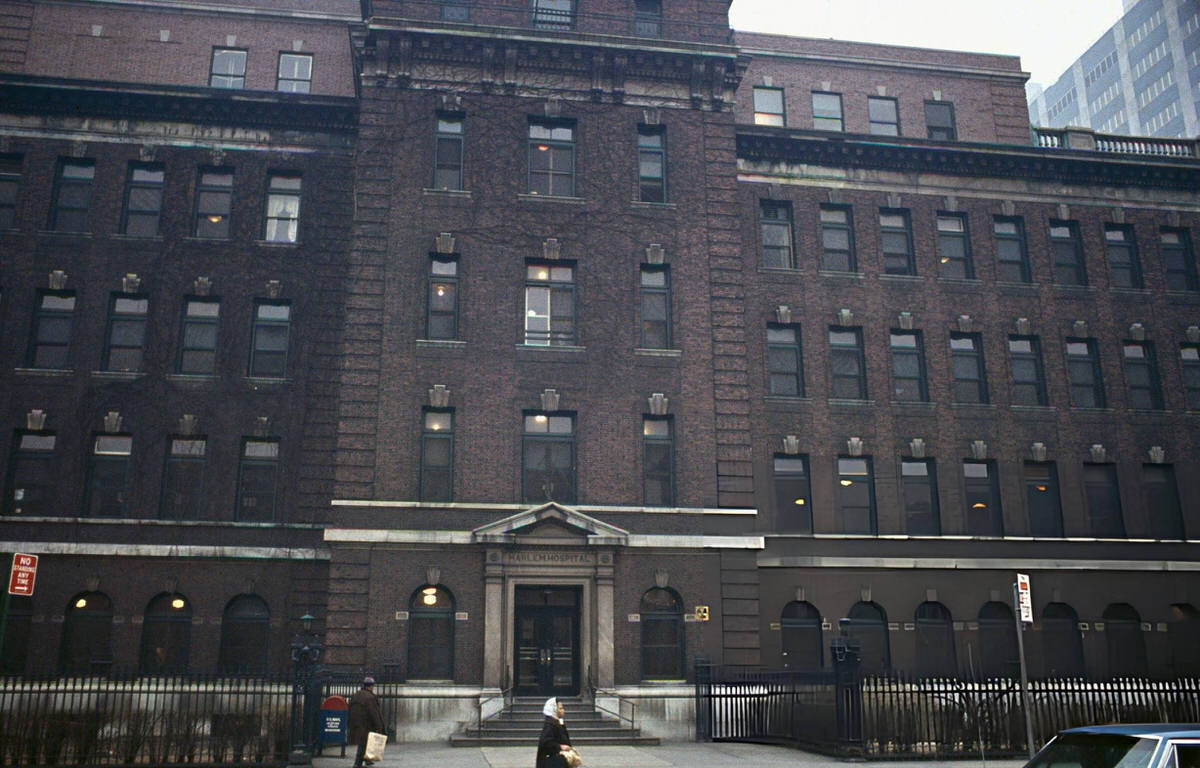
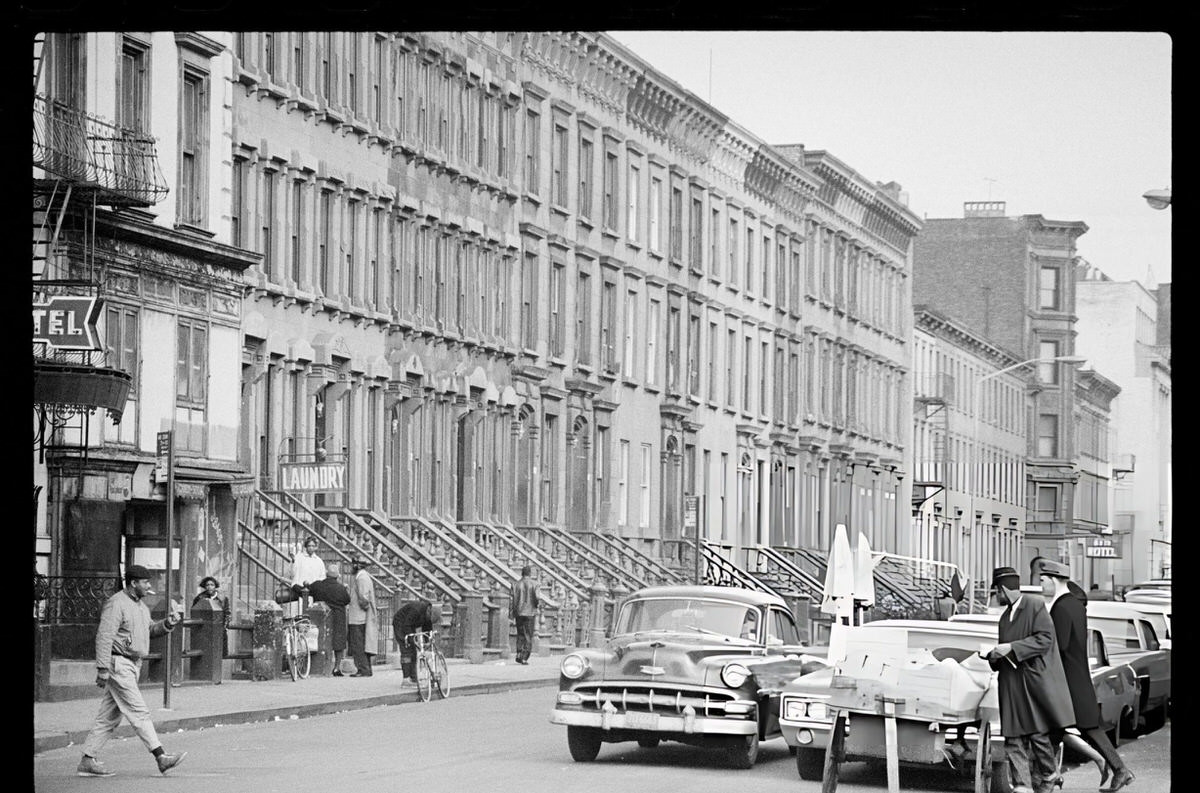
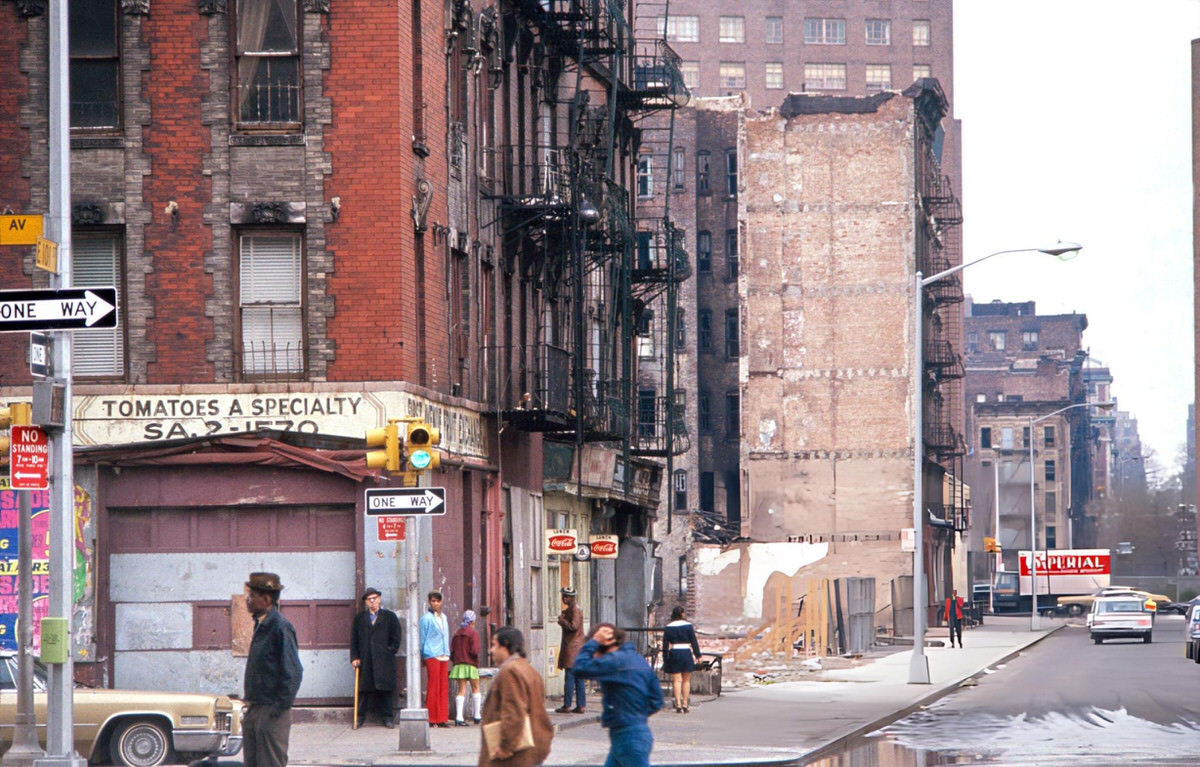
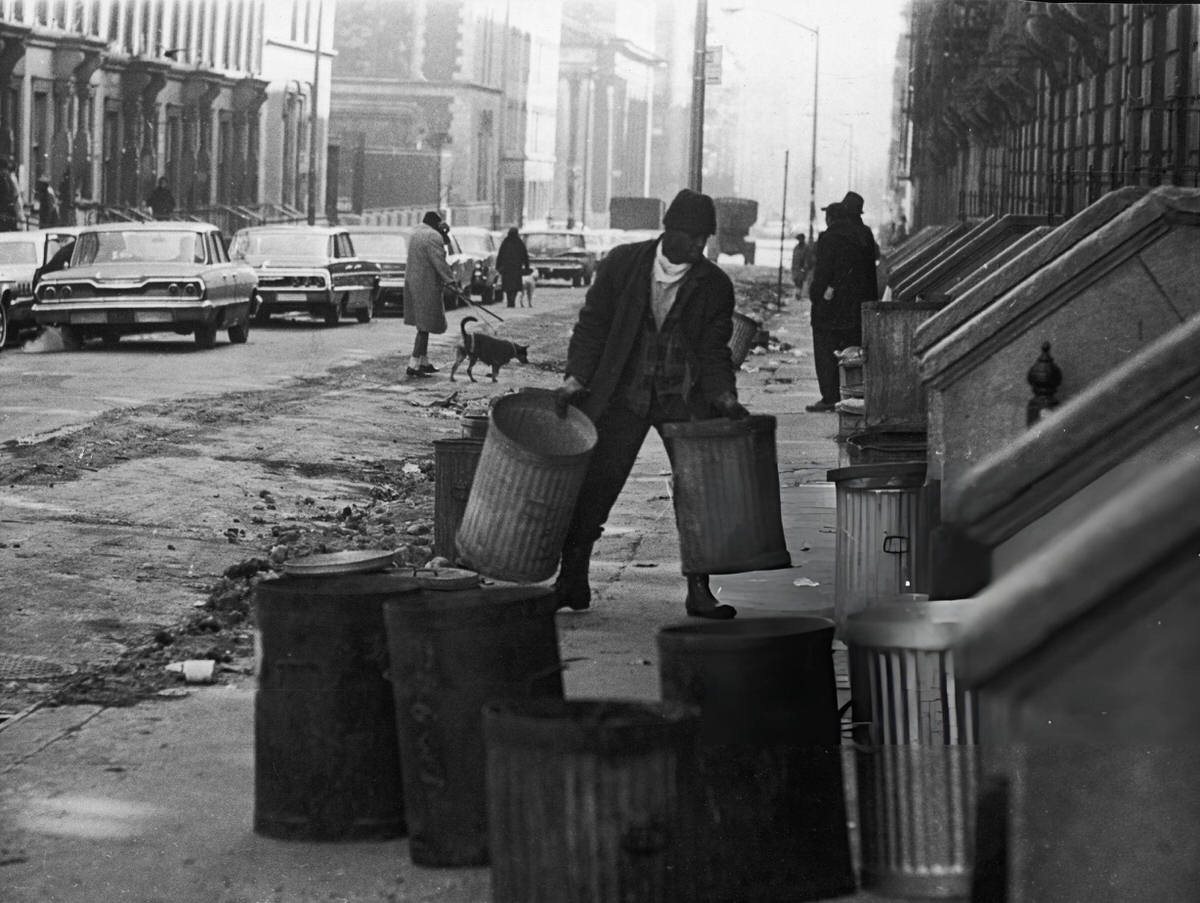
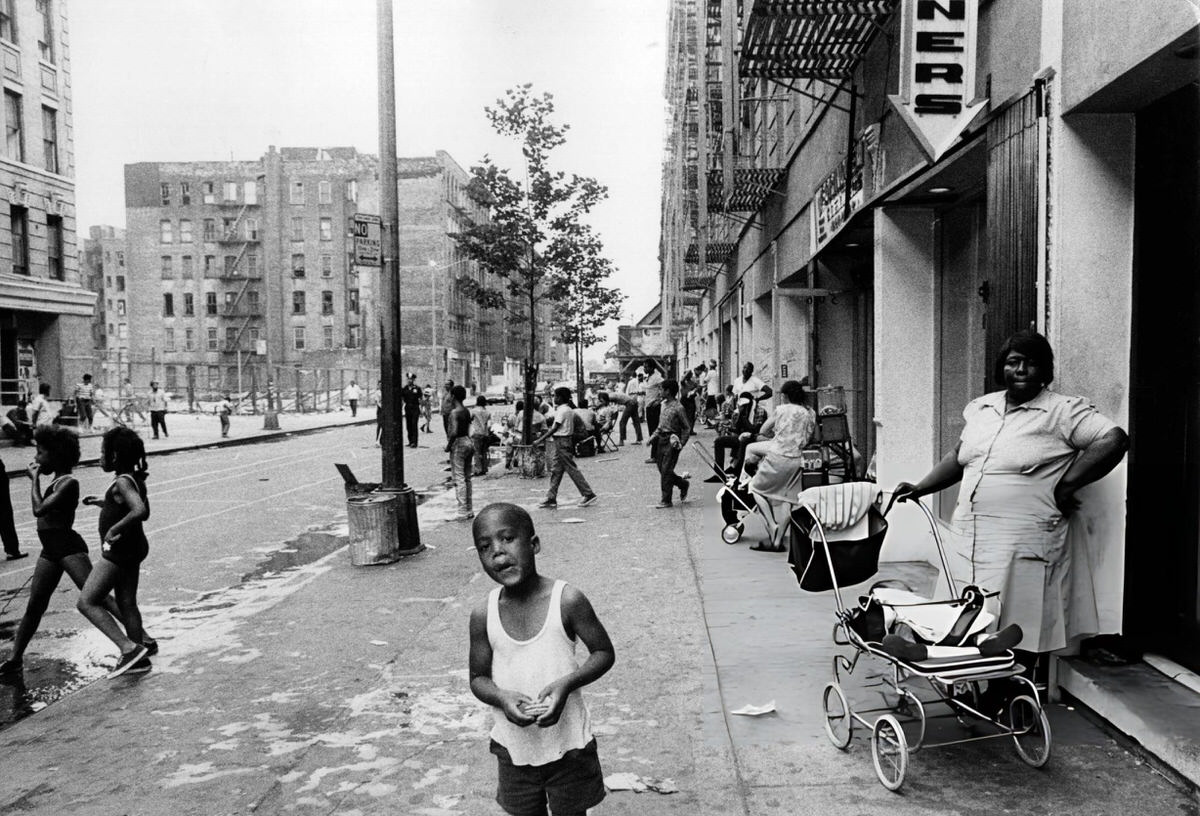
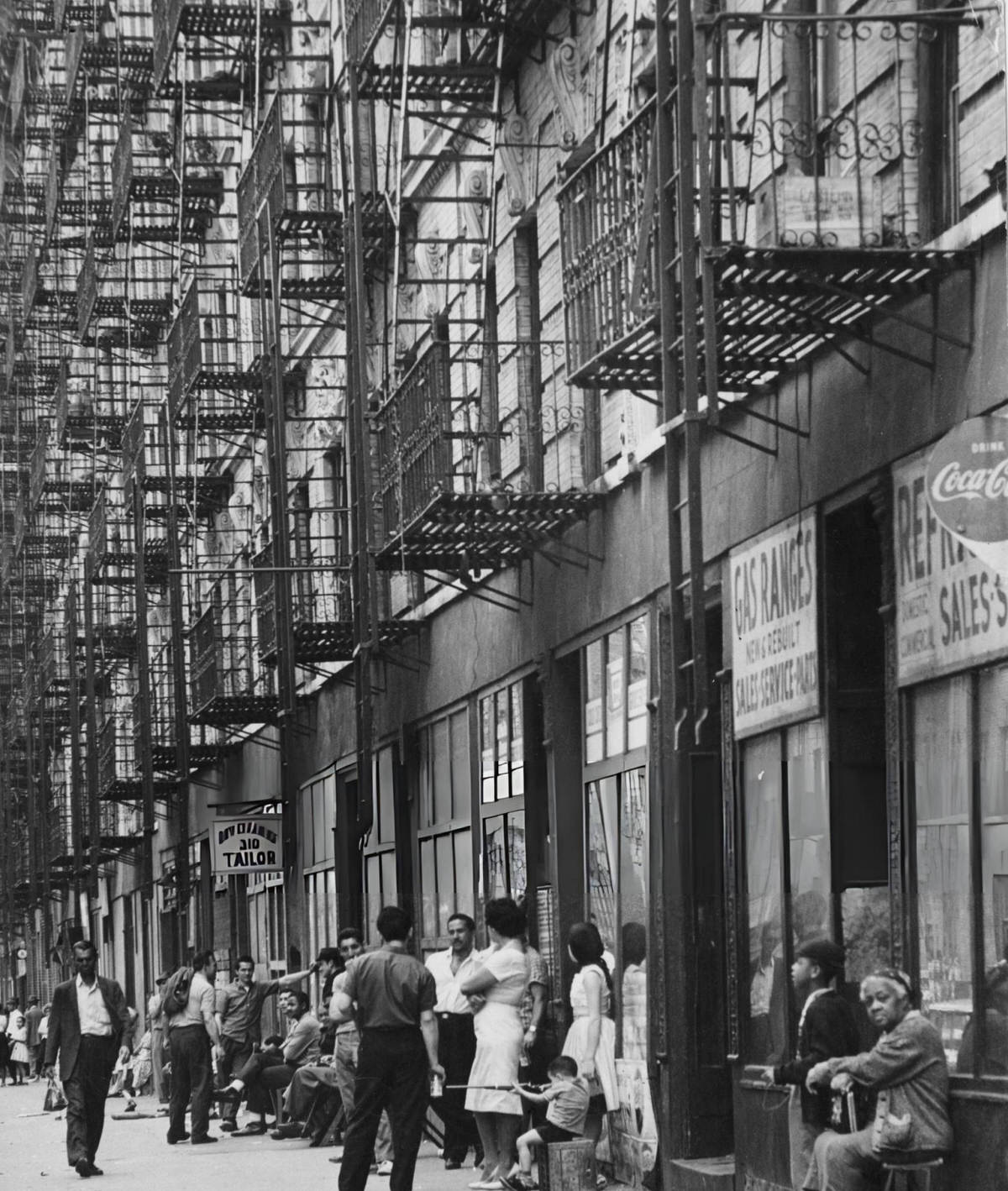
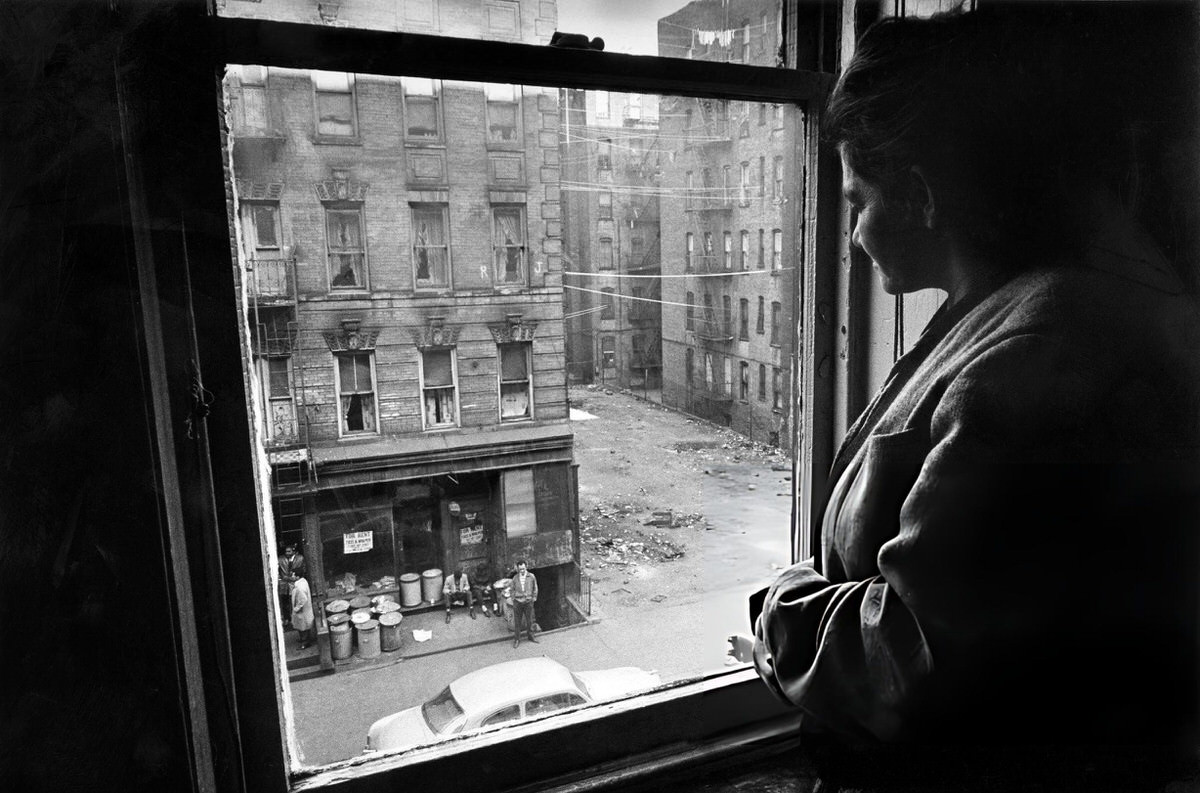
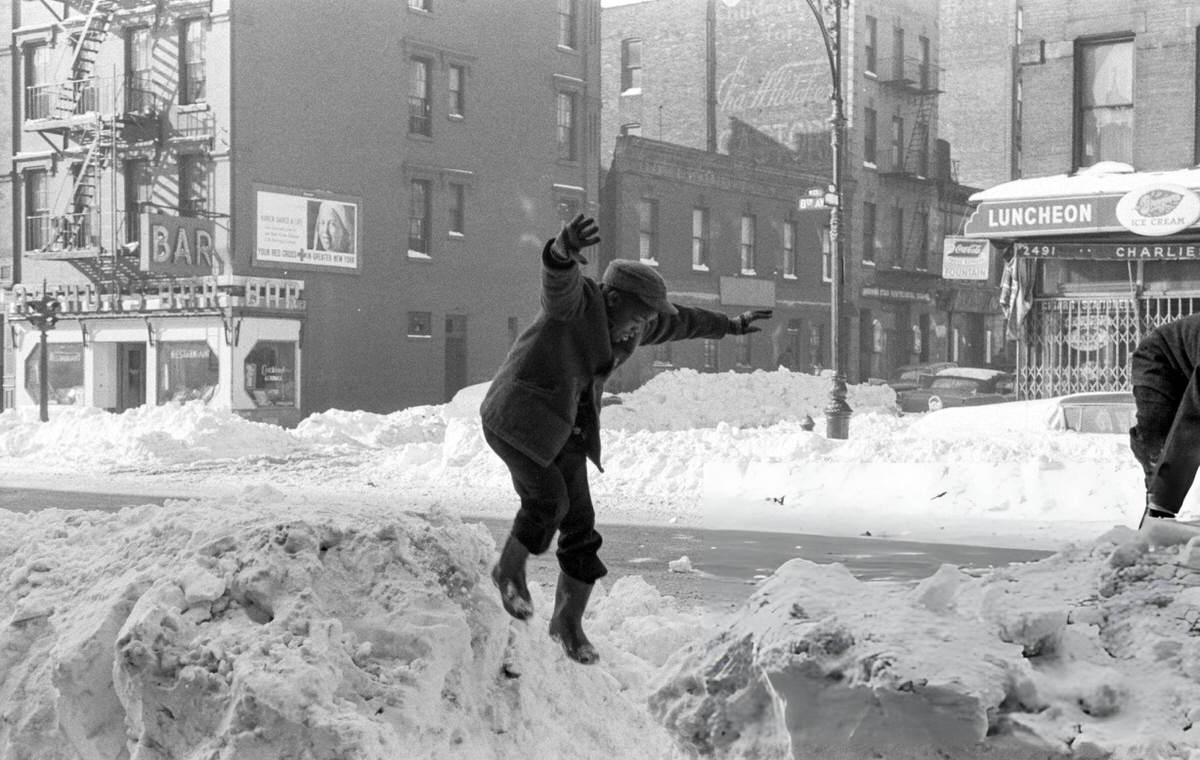
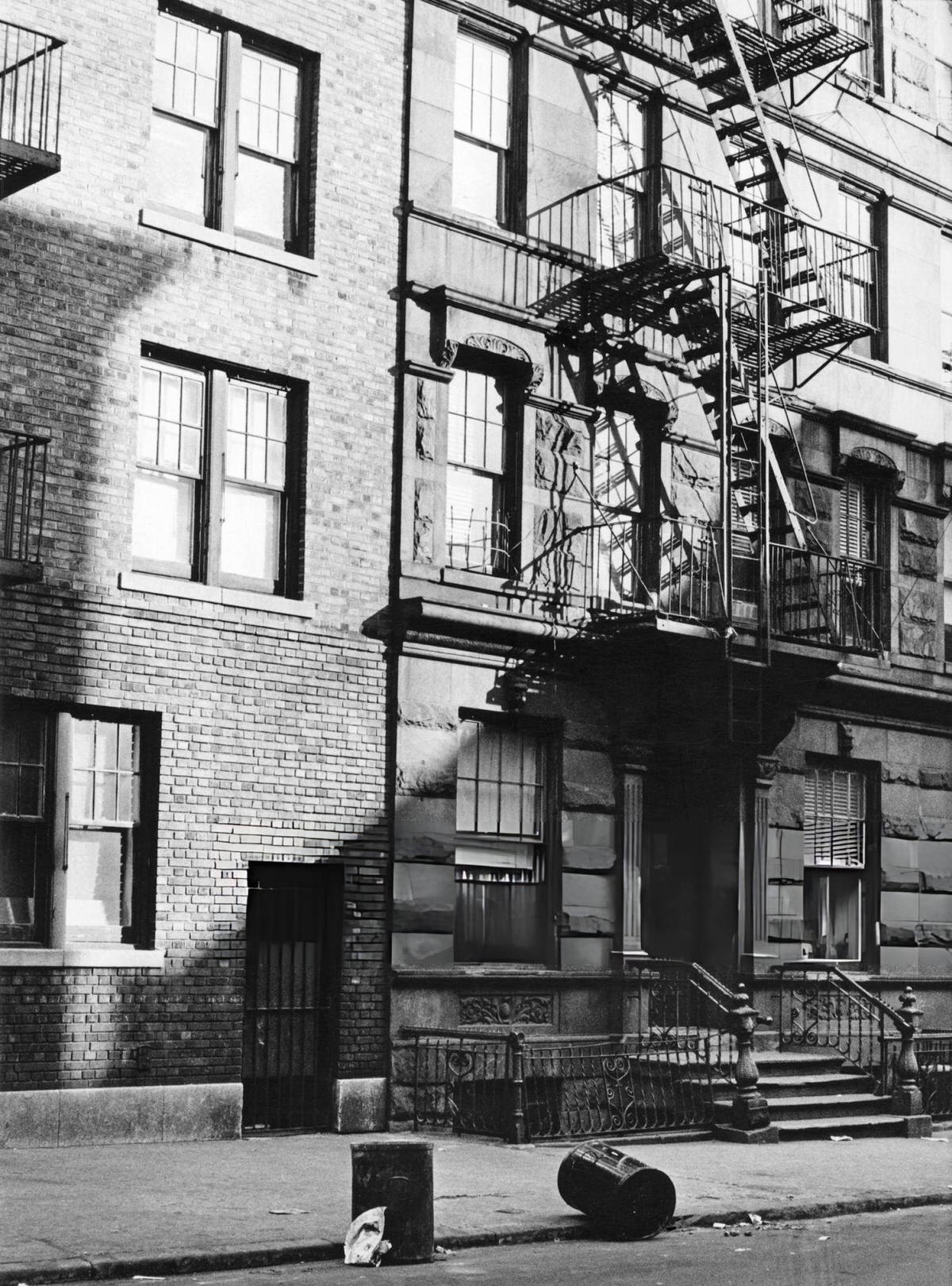
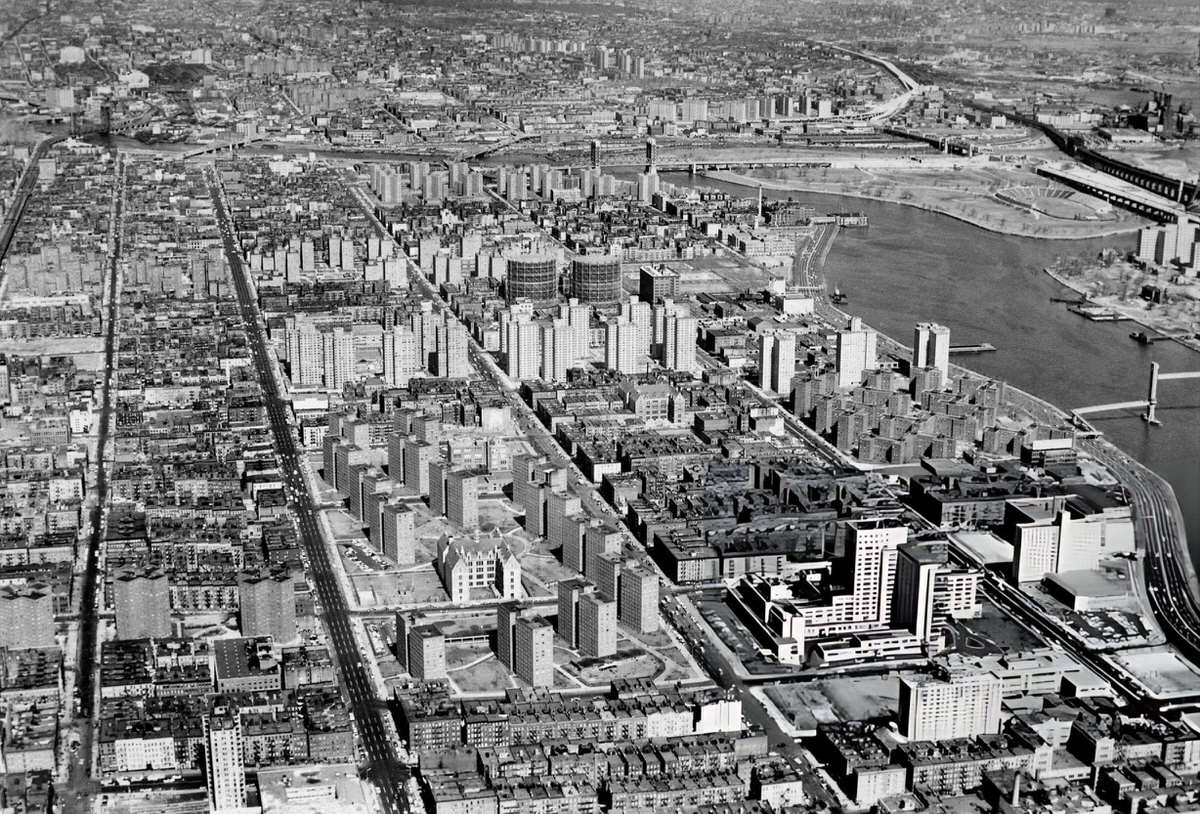
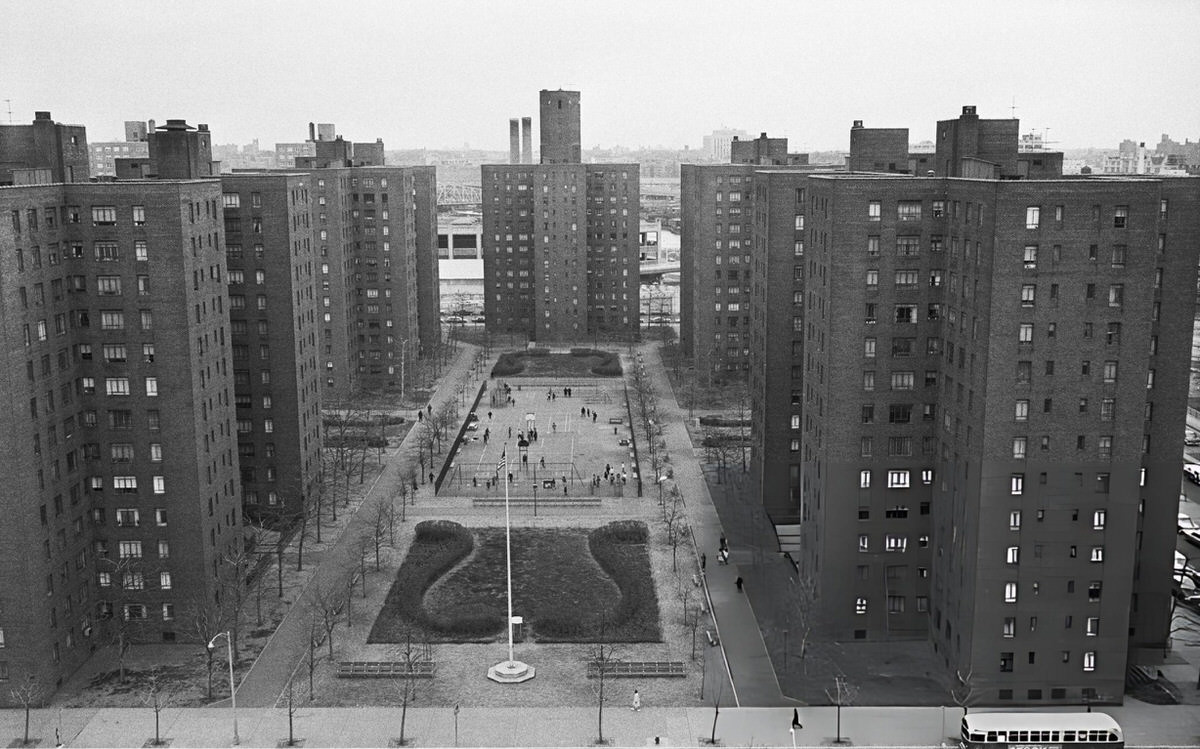
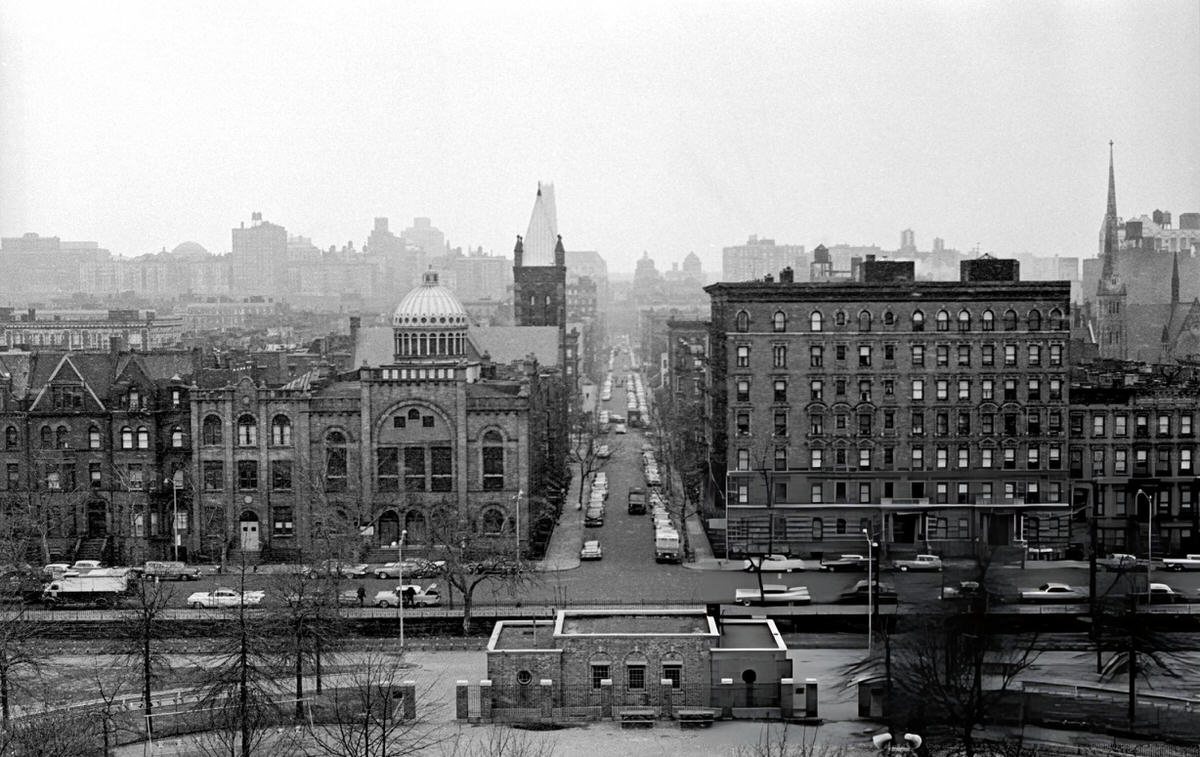
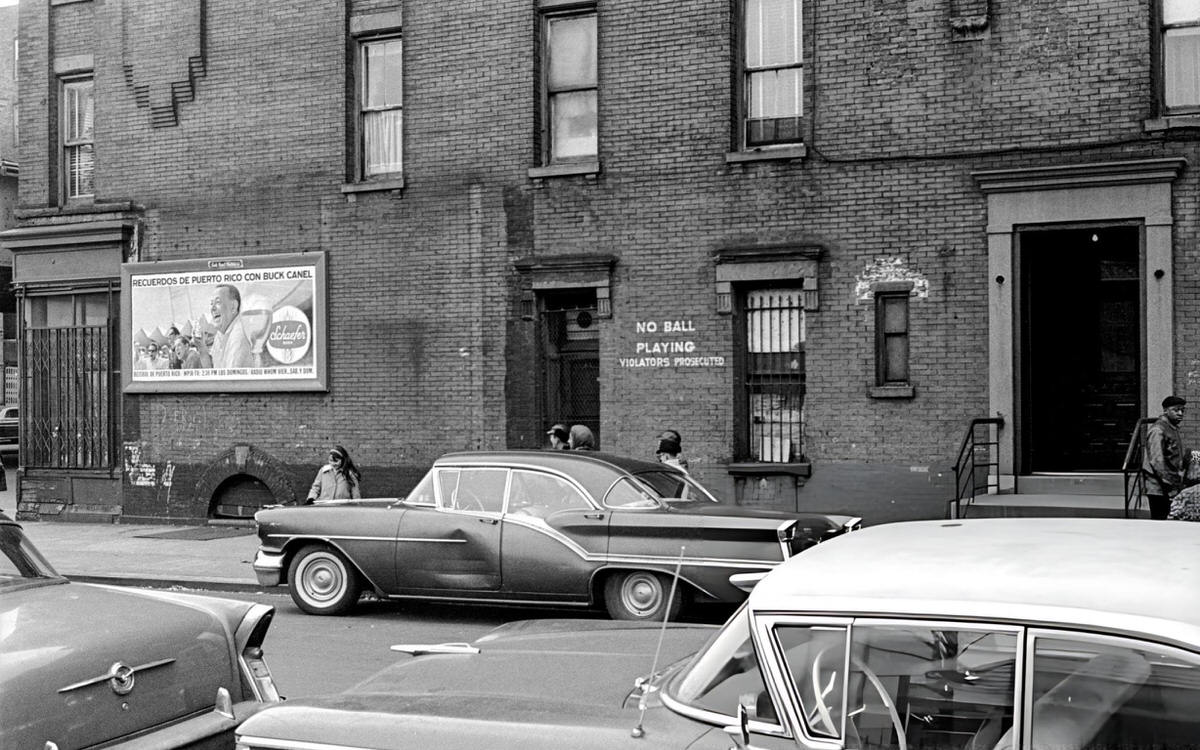
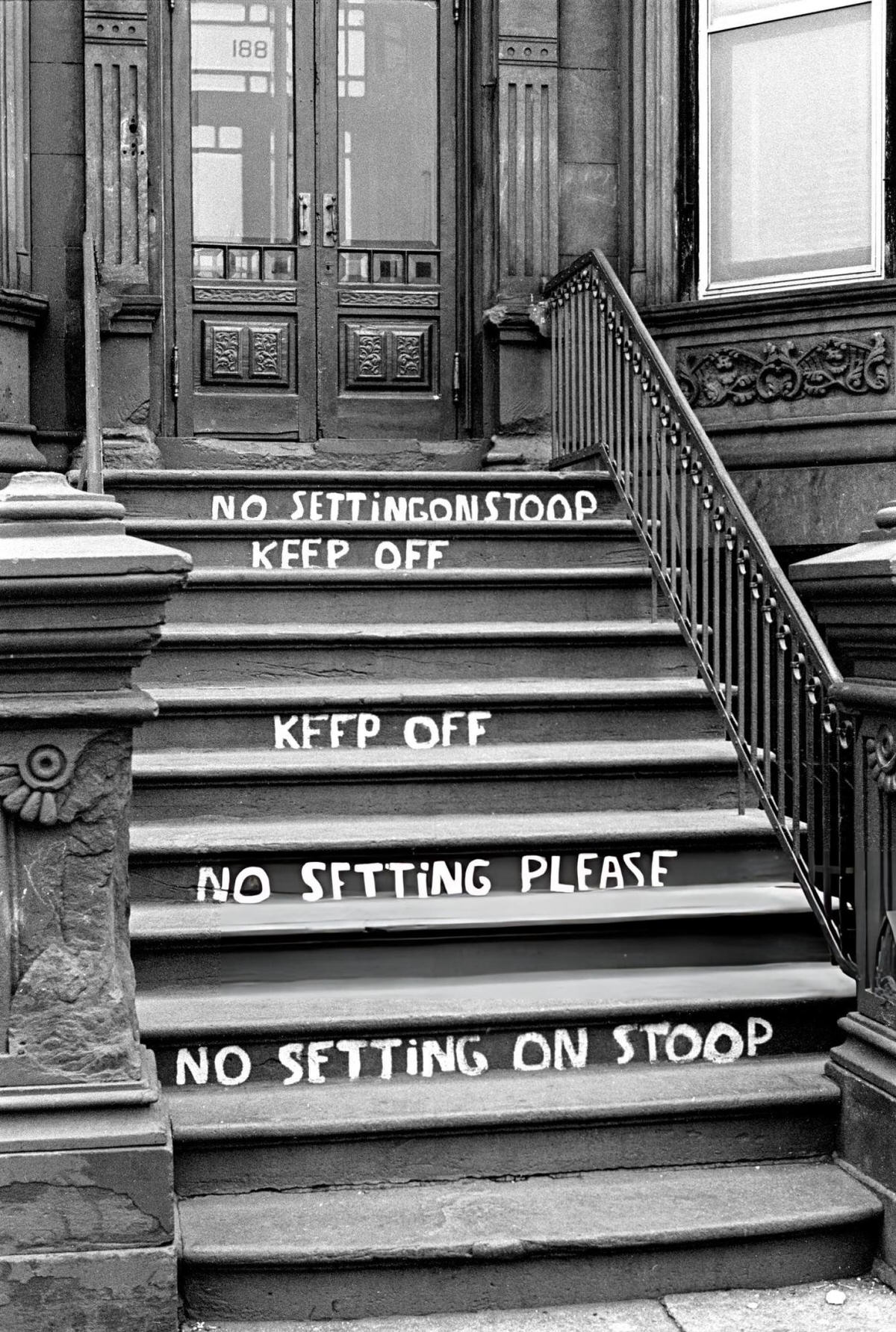
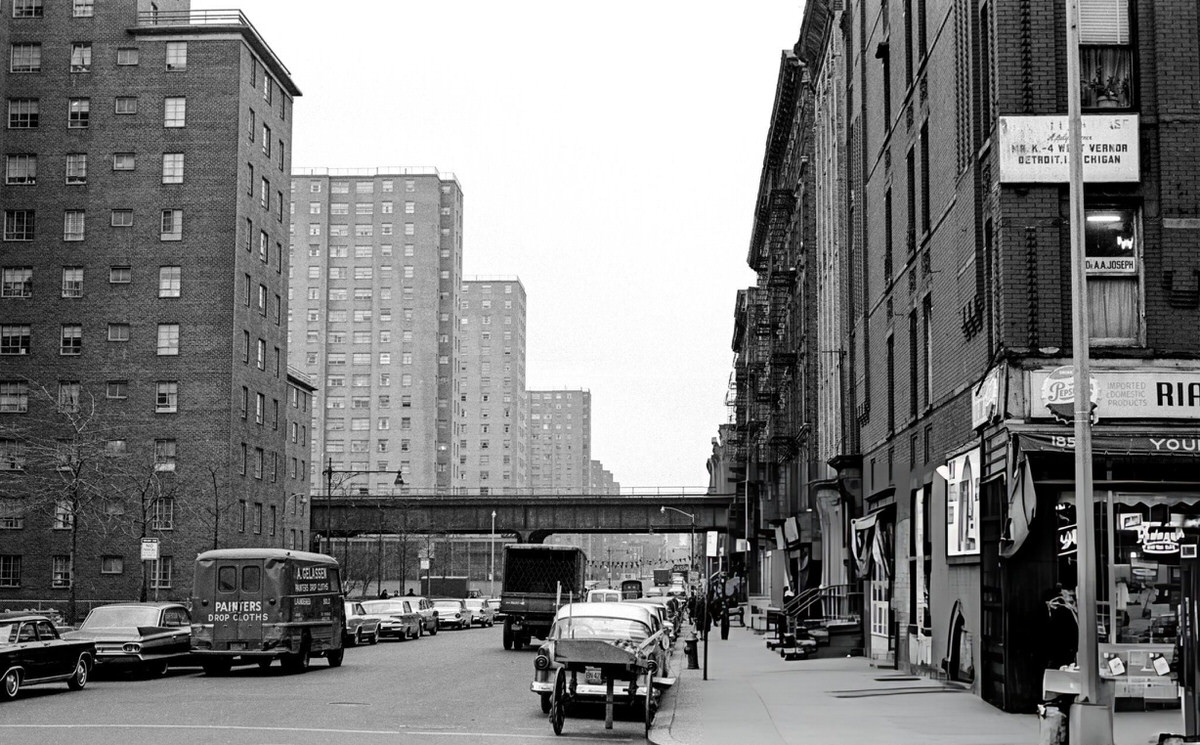
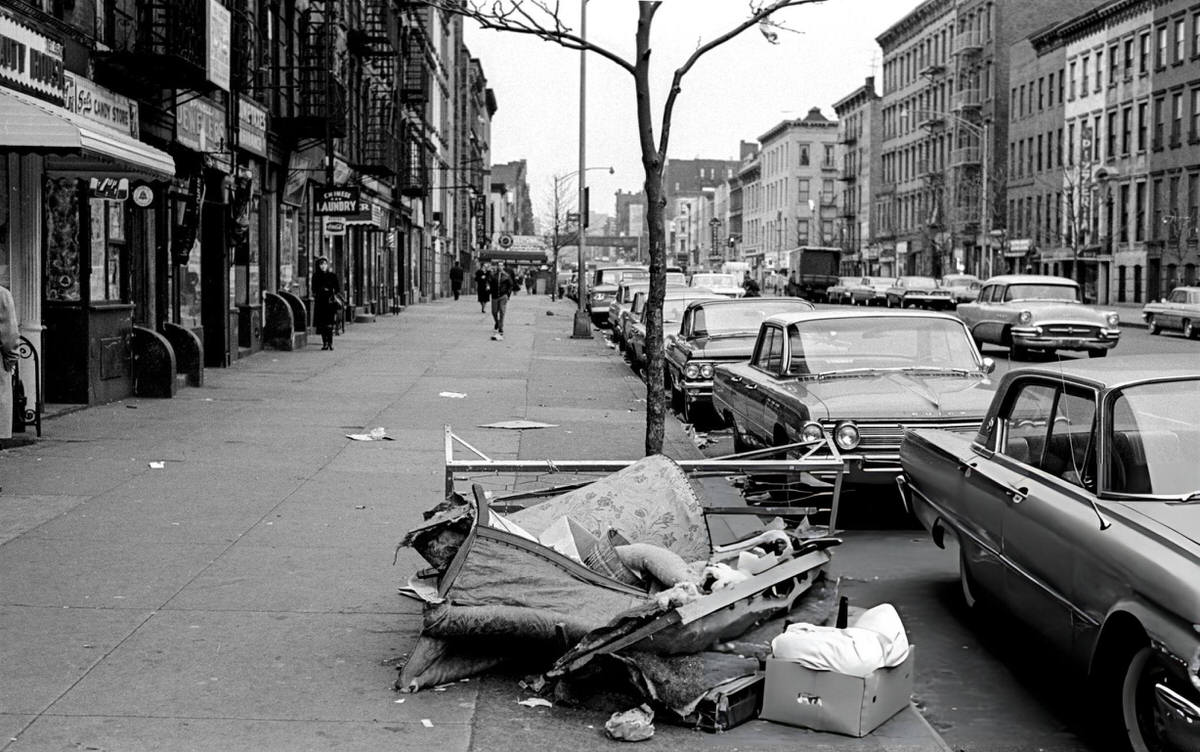
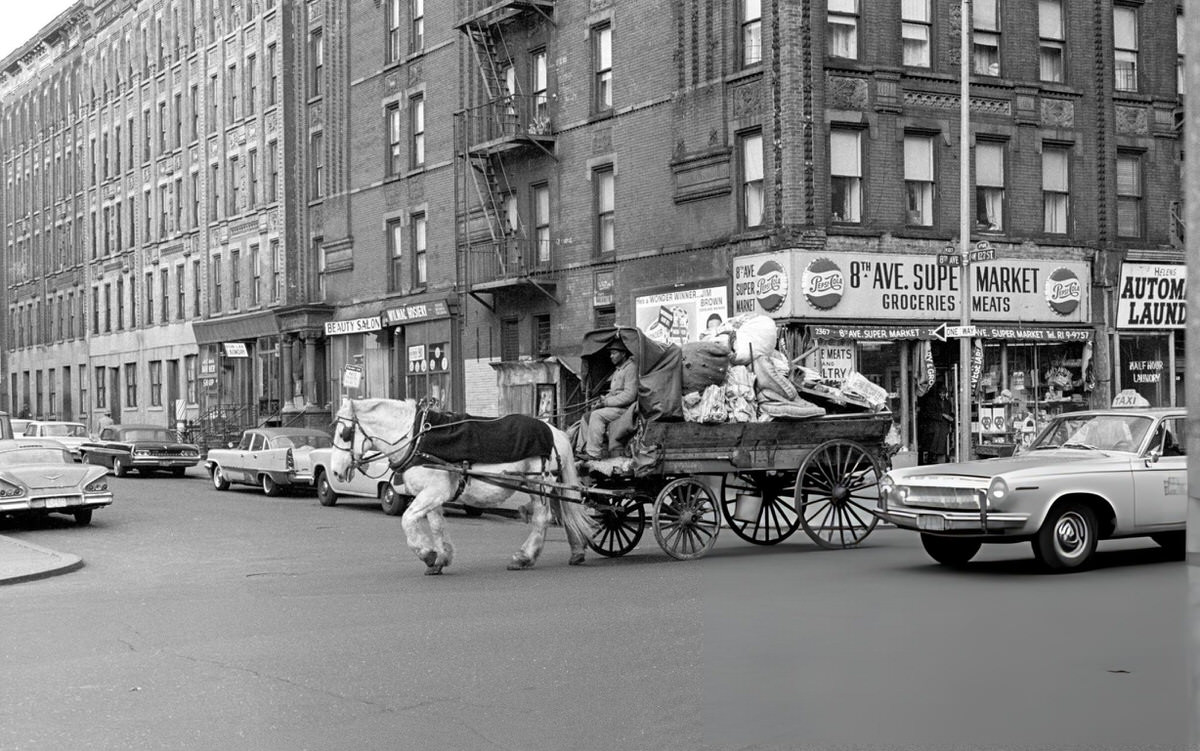
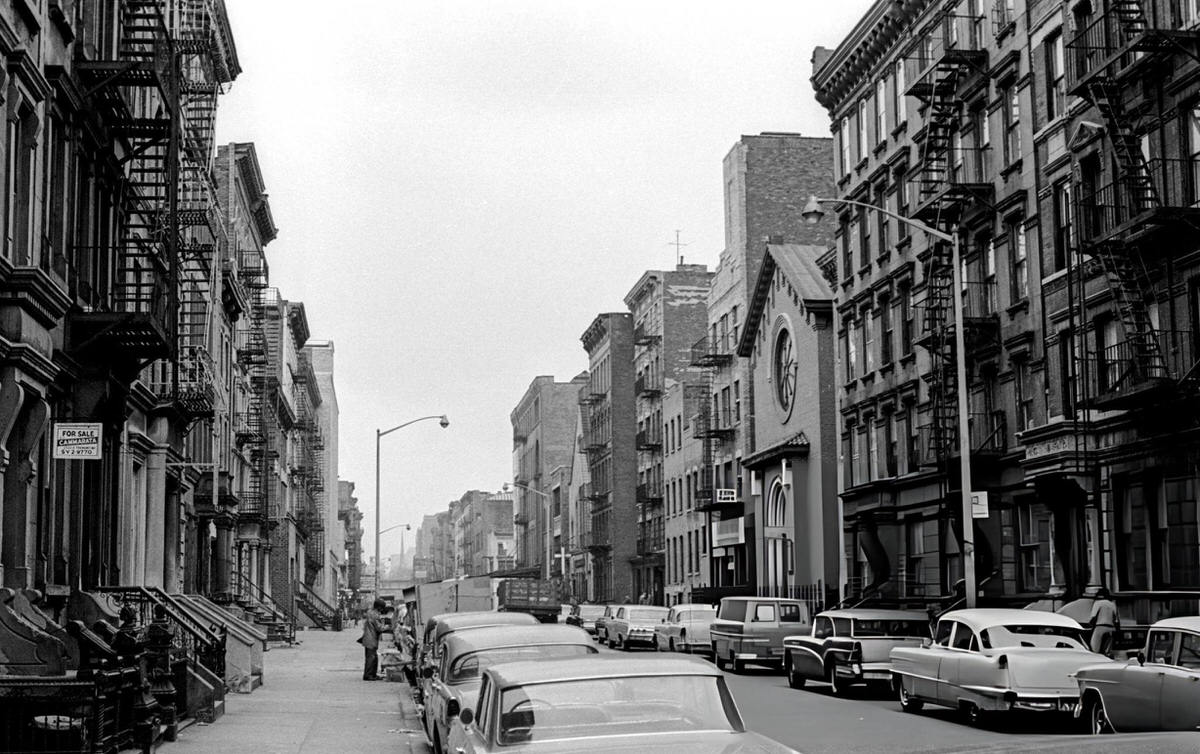
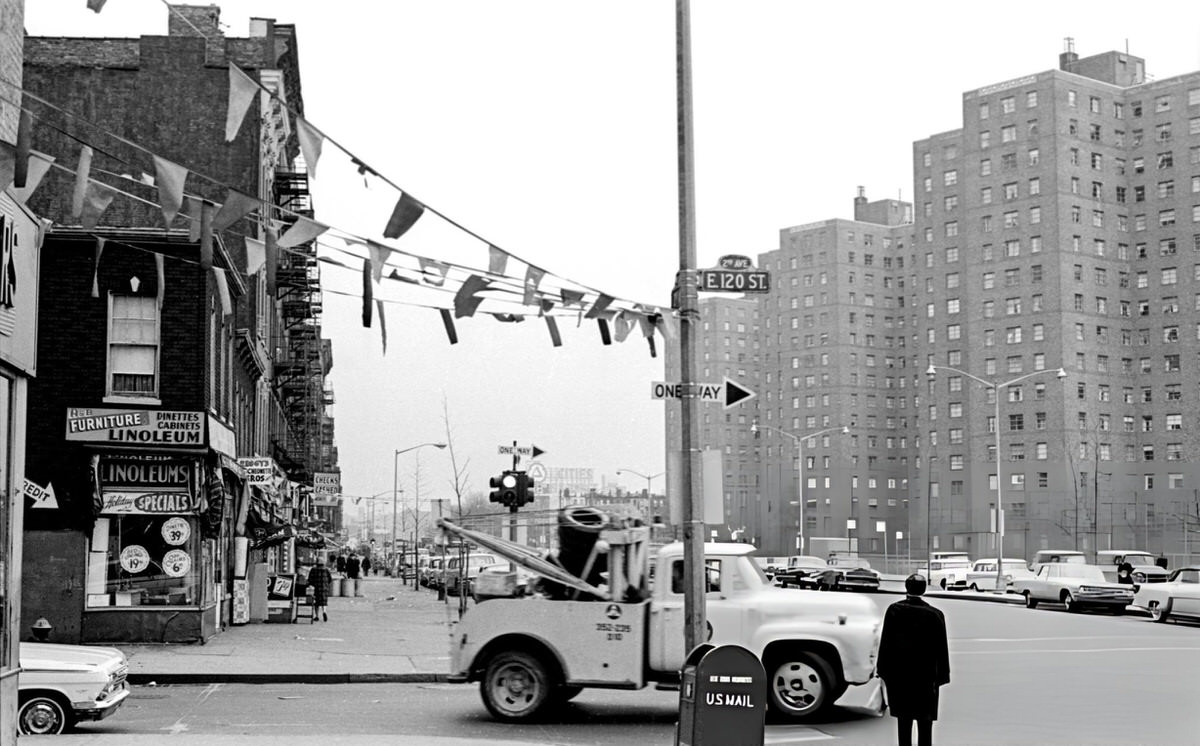
By 1960, Harlem’s housing was in serious decline. Buildings that had been subdivided during the Depression were now two decades older and maintained even less. The city’s own studies showed that Harlem had some of the worst housing conditions in New York — broken heating systems, rat infestations, lead paint, and landlords who collected rent and made no repairs. Families paid high rents for apartments that would have been condemned in white neighborhoods.
Unemployment stayed stubbornly high. Black workers in New York faced discrimination in hiring across almost every industry — construction unions were nearly entirely white, city jobs required connections most Harlem residents didn’t have, and the manufacturing jobs that had sustained working-class families in the 1940s were leaving the city entirely. Young men who finished high school and looked for work found doors closed in a city that was simultaneously telling itself it wasn’t the South and therefore didn’t have a race problem.
Read more
Malcolm X at the Center
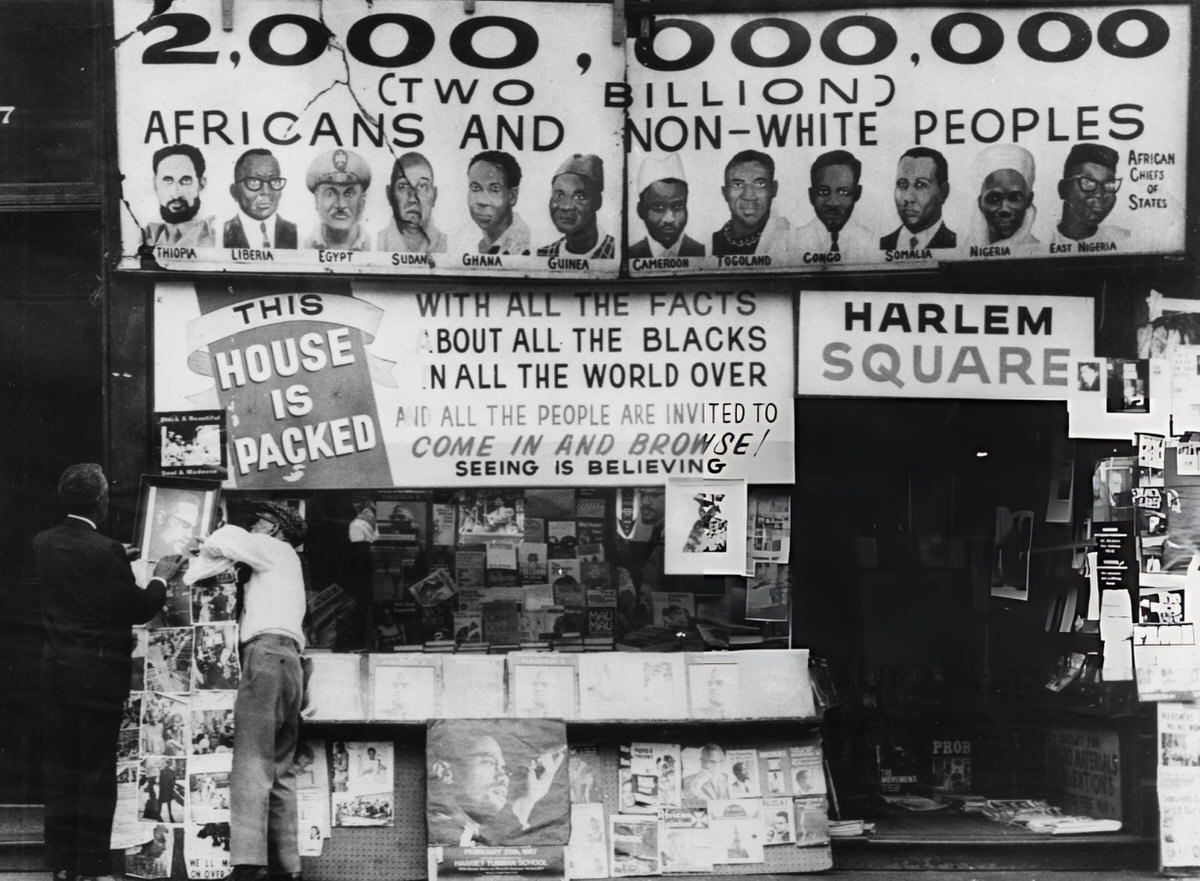
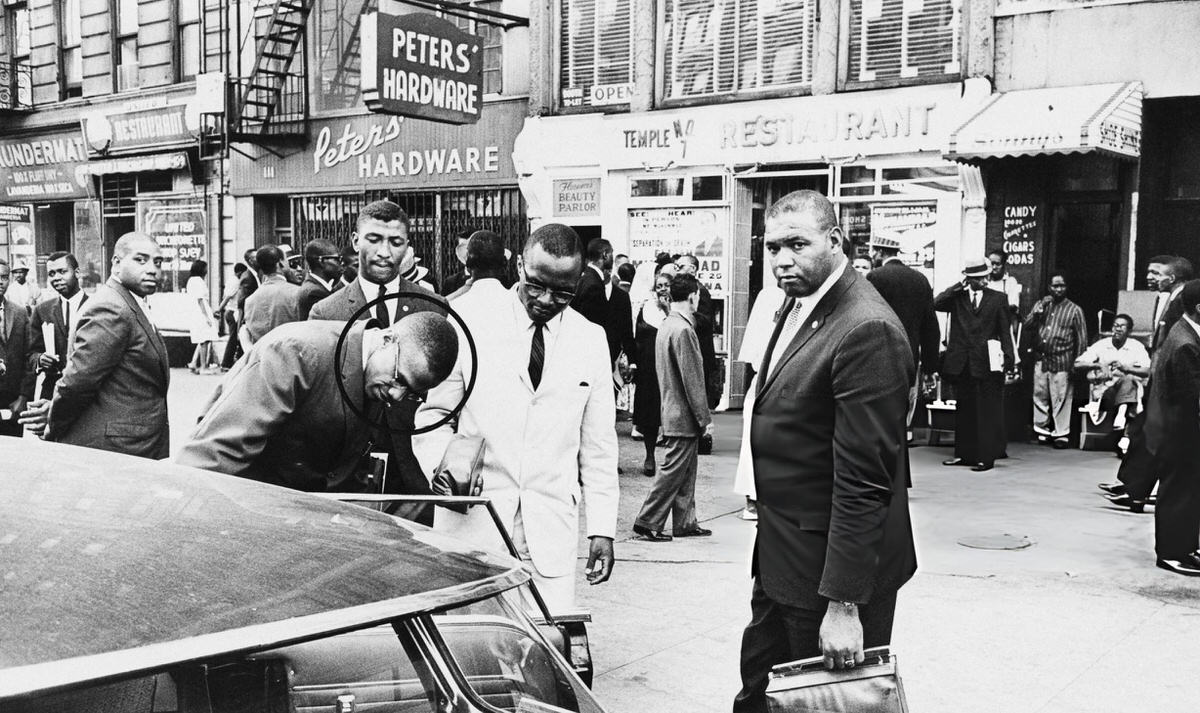
No figure defined Harlem’s political temperature in the early 1960s more than Malcolm X. As minister of Temple No. 7 on 116th Street, he drew enormous crowds to his street-corner talks at 125th and Seventh Avenue. He spoke in clear, direct sentences about racism as a system — not a collection of bad individuals but a structure that needed to be named and confronted.
His break with the Nation of Islam in 1964 electrified the neighborhood. Malcolm announced he was forming his own organization — the Organization of Afro-American Unity — and moving toward a broader political vision that engaged with the civil rights movement he had previously criticized. Harlem watched this shift closely because Malcolm was their man, and his evolution mattered to people who had followed every word.
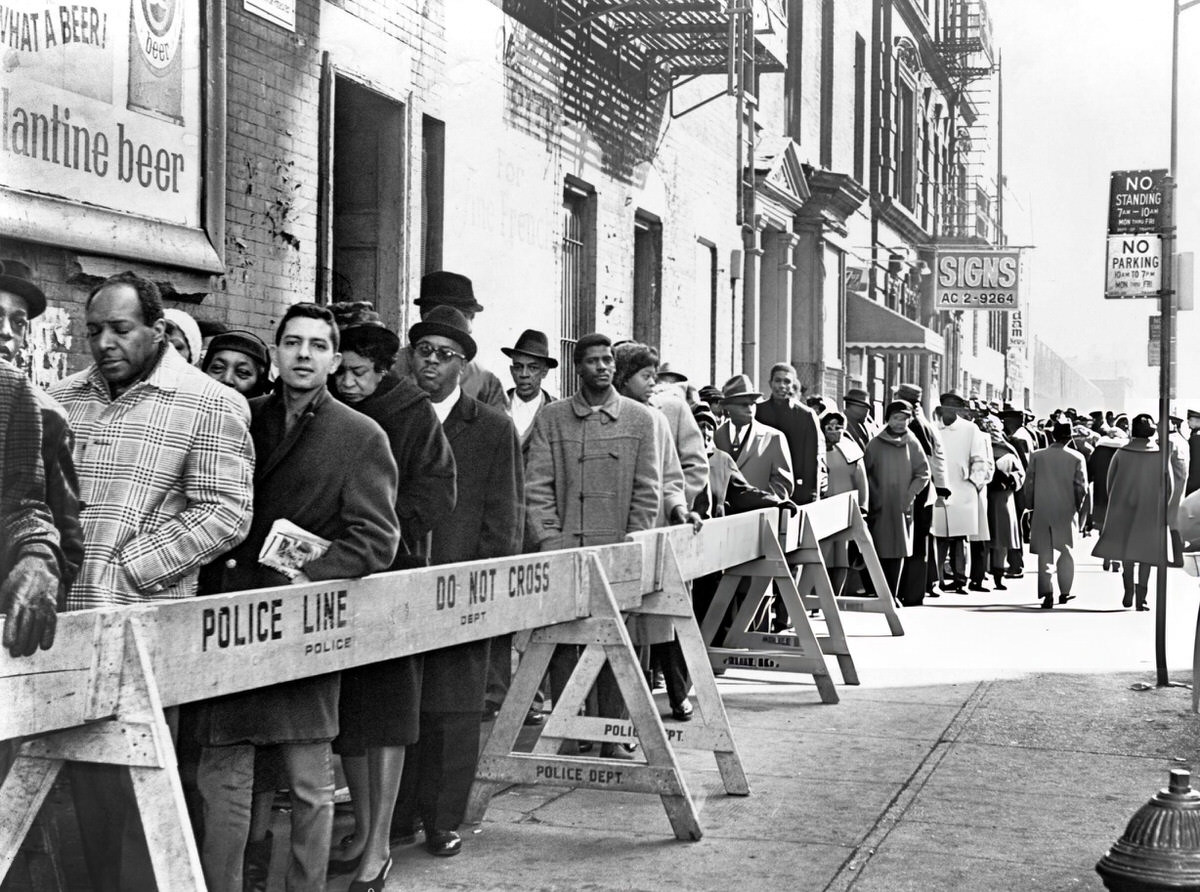
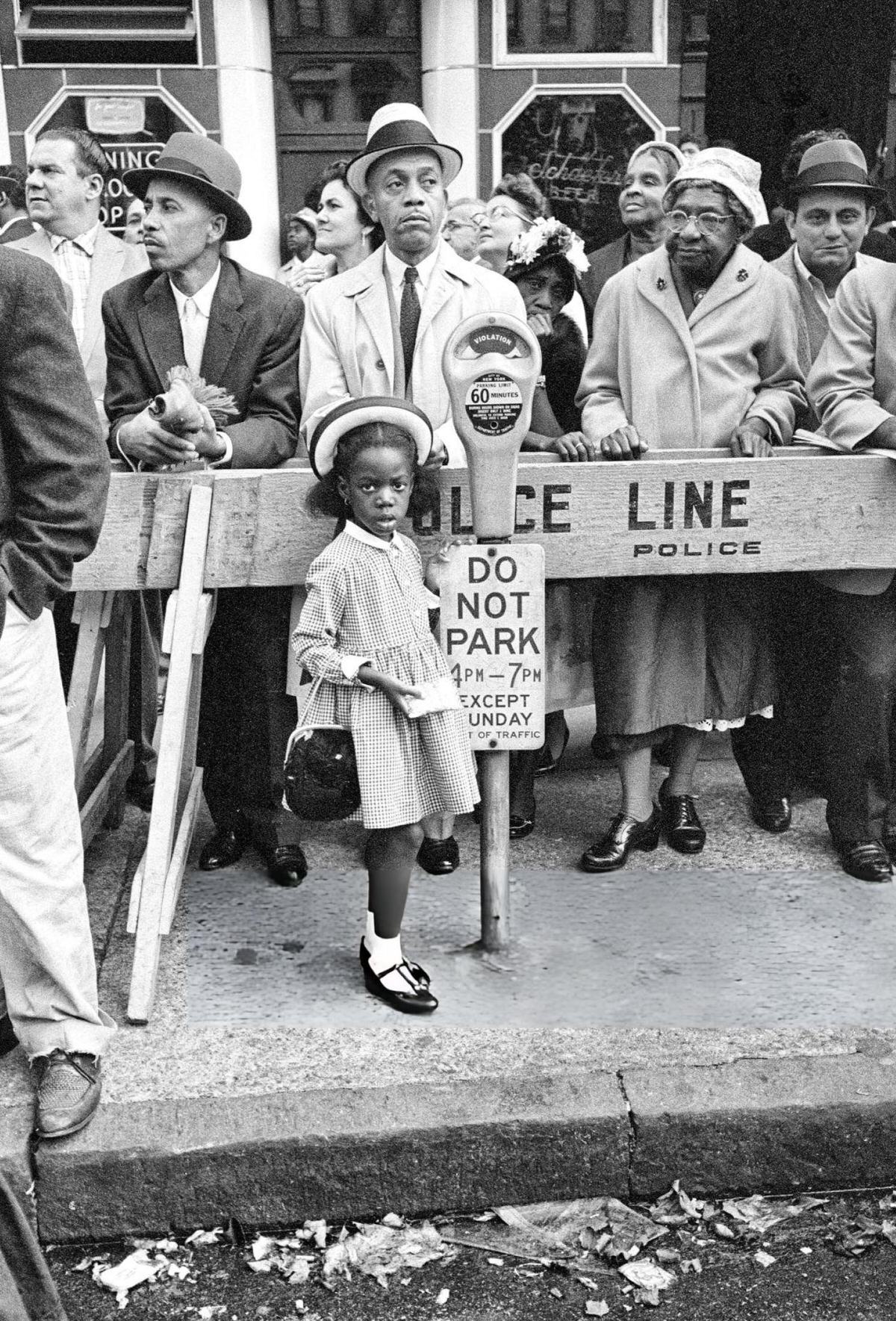
His assassination on February 21, 1965, at the Audubon Ballroom on 165th Street and Broadway, hit the neighborhood like a physical blow. The ballroom was packed with supporters when the gunmen opened fire. The grief on Harlem’s streets in the days that followed was raw and unconcealed.
The 1964 Harlem Riot
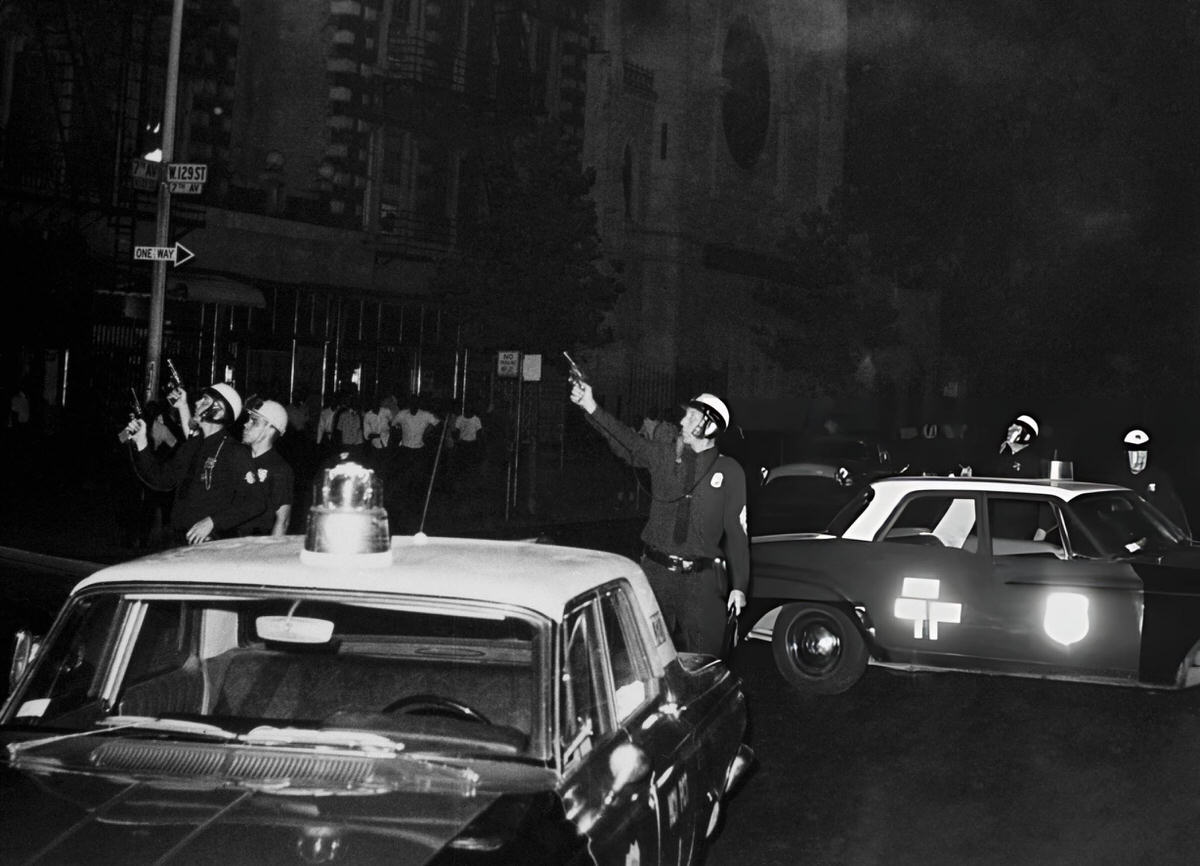
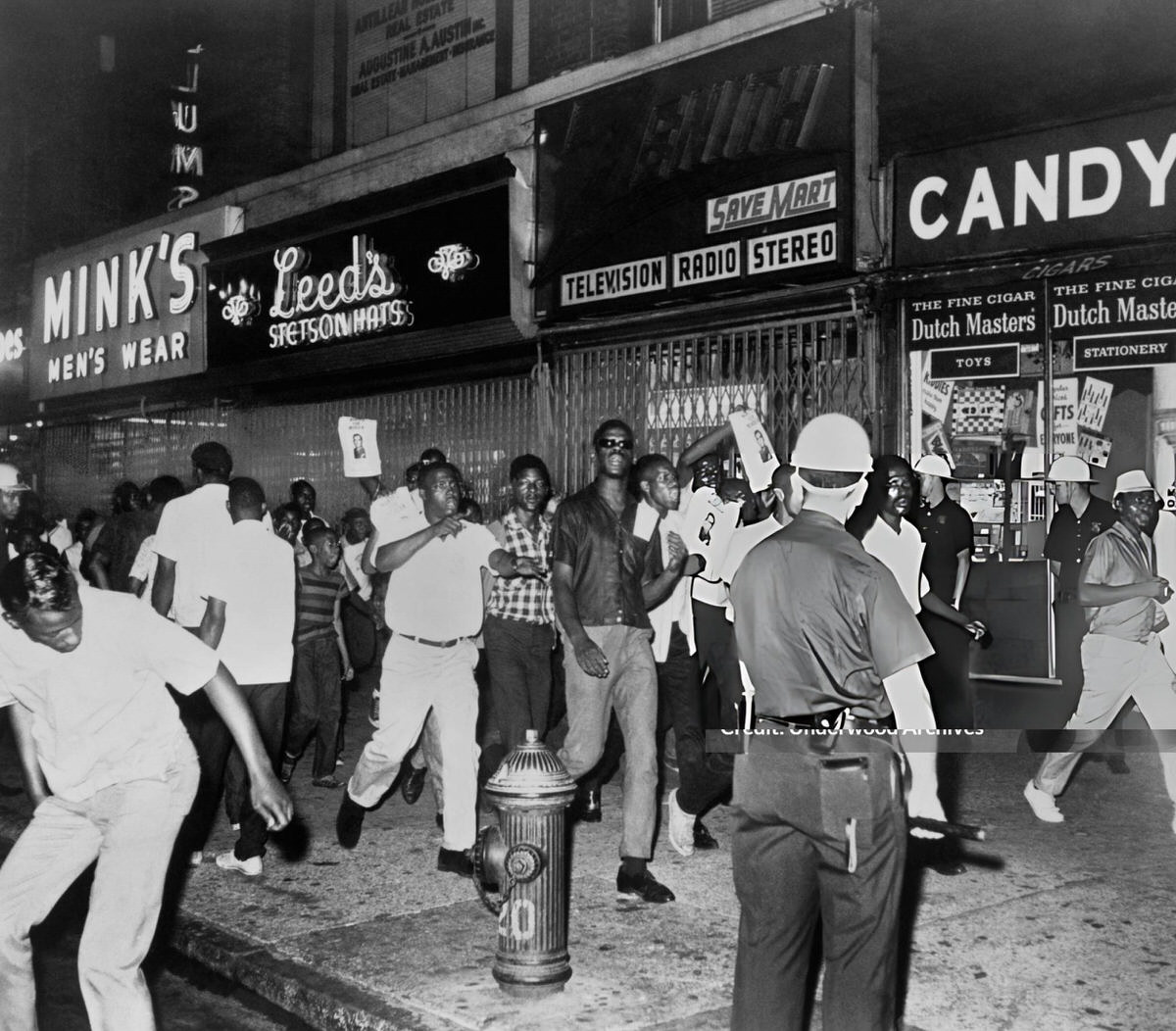
On July 16, 1964, a white off-duty police officer named Thomas Gilligan shot and killed 15-year-old James Powell in Yorkville, on the Upper East Side. Powell was Black. Gilligan claimed self-defense. Within days, protests organized by CORE — the Congress of Racial Equality — moved uptown into Harlem.
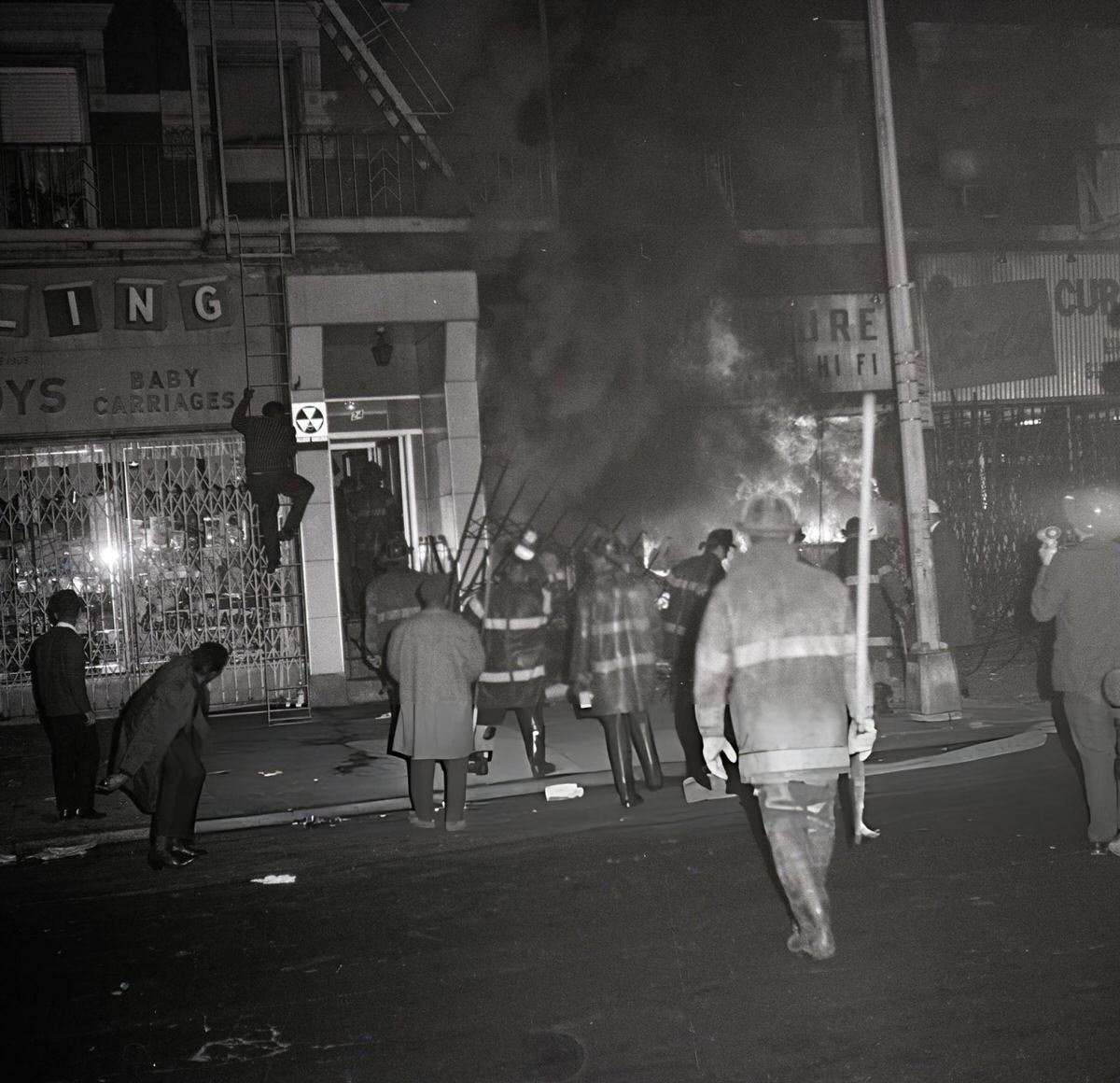
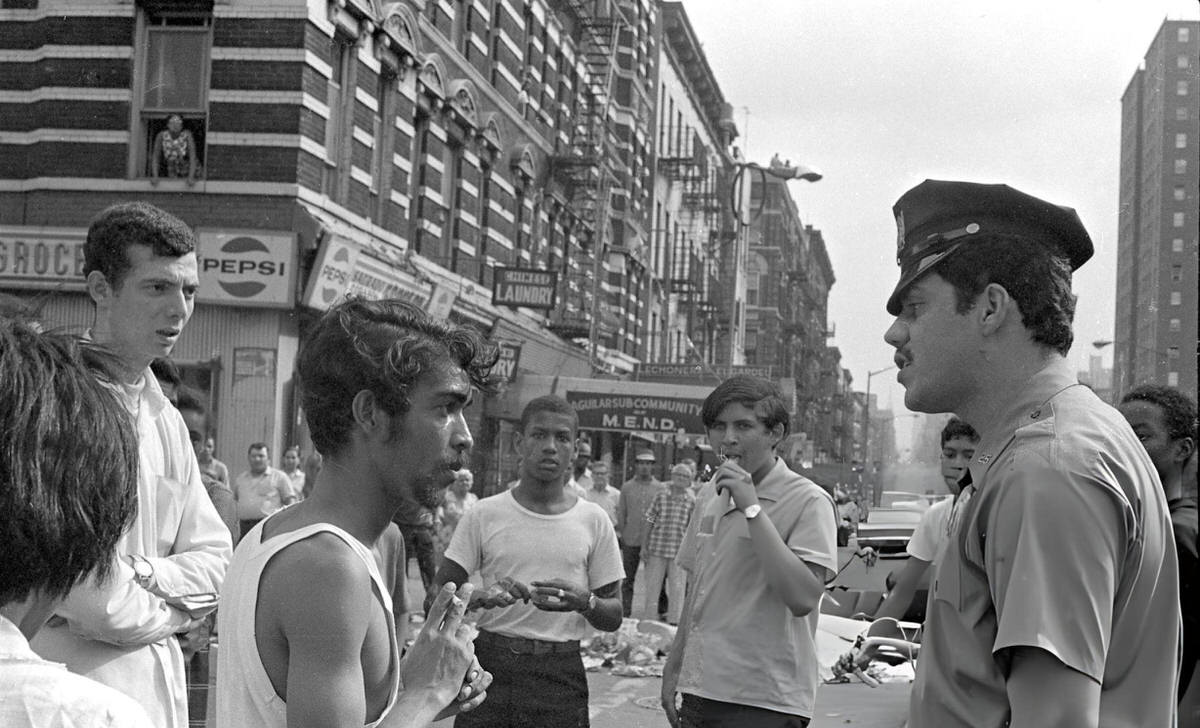
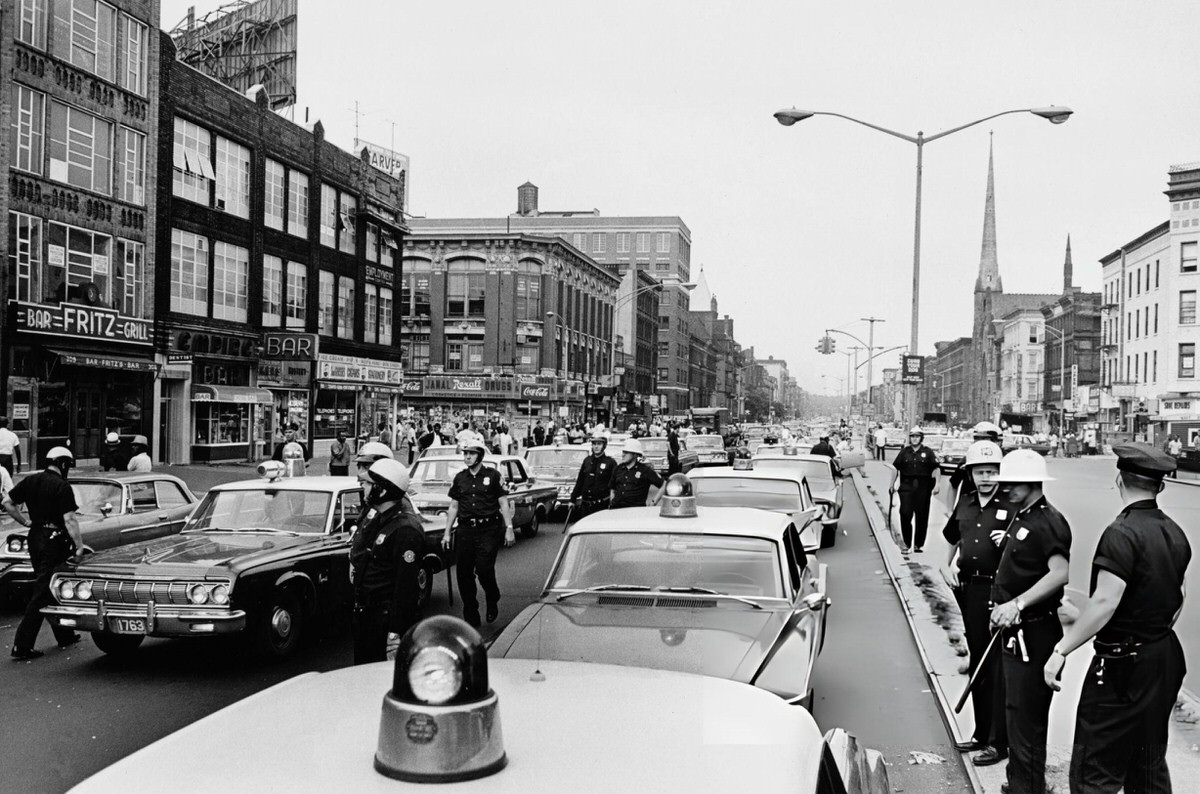
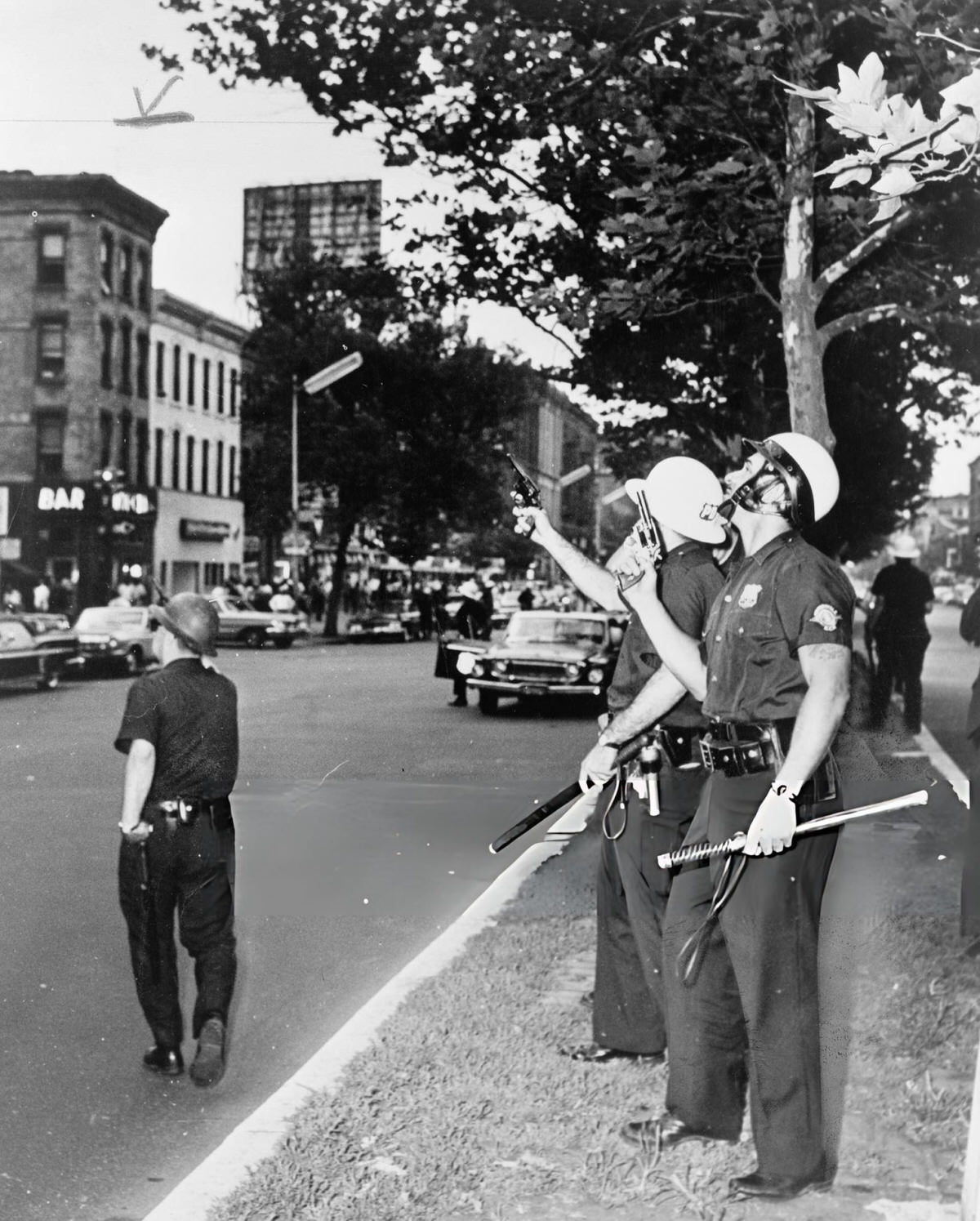
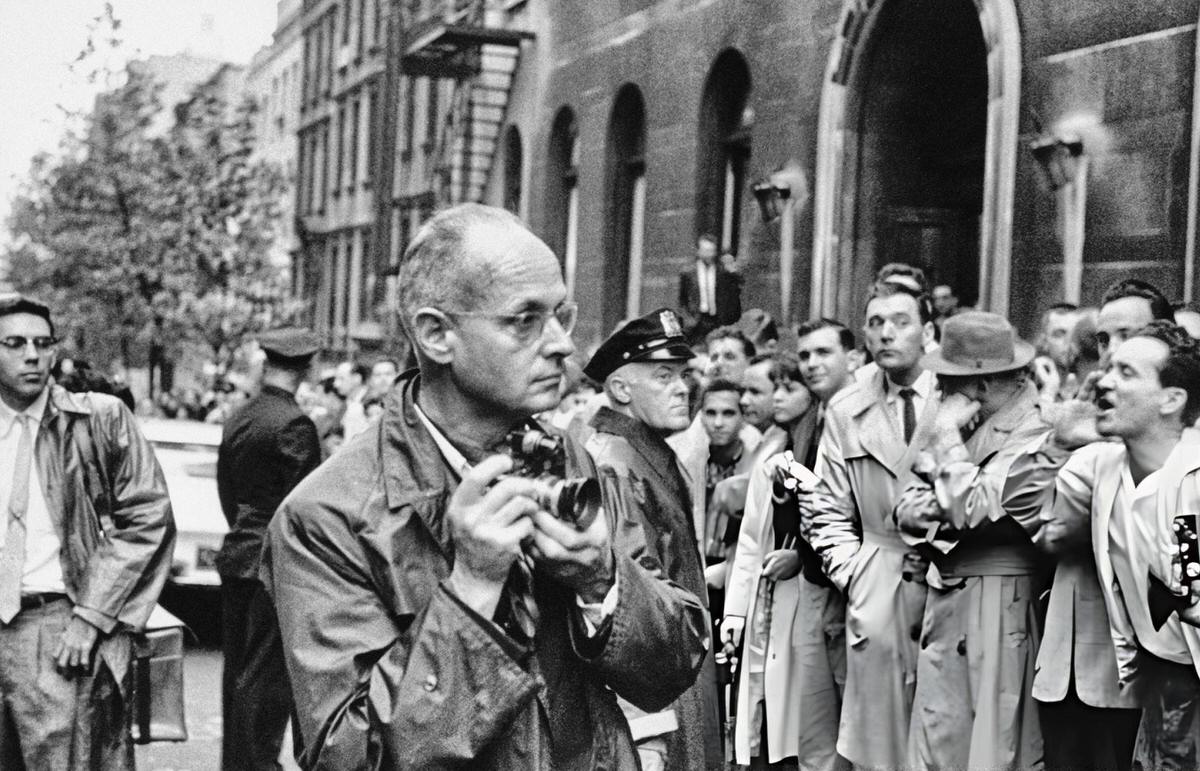
On the night of July 18, the situation broke open. Bottles and garbage cans came off rooftops aimed at police below. Store windows on 125th Street shattered. Police moved through the streets in formation. The violence continued for six nights and spread to the Bedford-Stuyvesant neighborhood in Brooklyn.
One person was killed, nearly 150 were injured, and over 500 were arrested. Mayor Robert Wagner was slow to respond and tone-deaf when he did. The riot was not random destruction — it was the direct product of documented, accumulated grievance. The Harlem community had filed hundreds of complaints about police brutality over the previous decade. Almost none resulted in any discipline.
The Harlem Youth Opportunities Unlimited
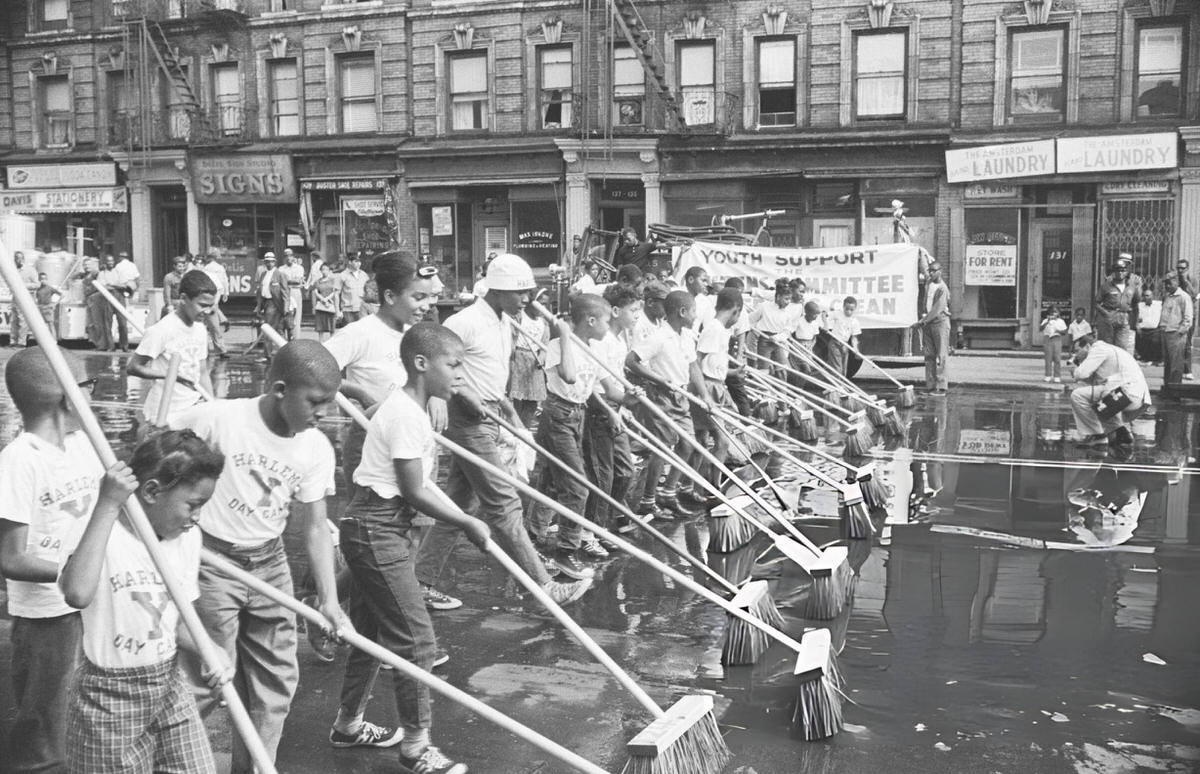
In the early 1960s, psychologist Kenneth Clark — whose research on the psychological effects of segregation had been cited in the Supreme Court’s Brown v. Board of Education decision — launched Harlem Youth Opportunities Unlimited, known as HARYOU. The program was a serious attempt to address juvenile delinquency and youth unemployment through job training, education support, and community organizing.
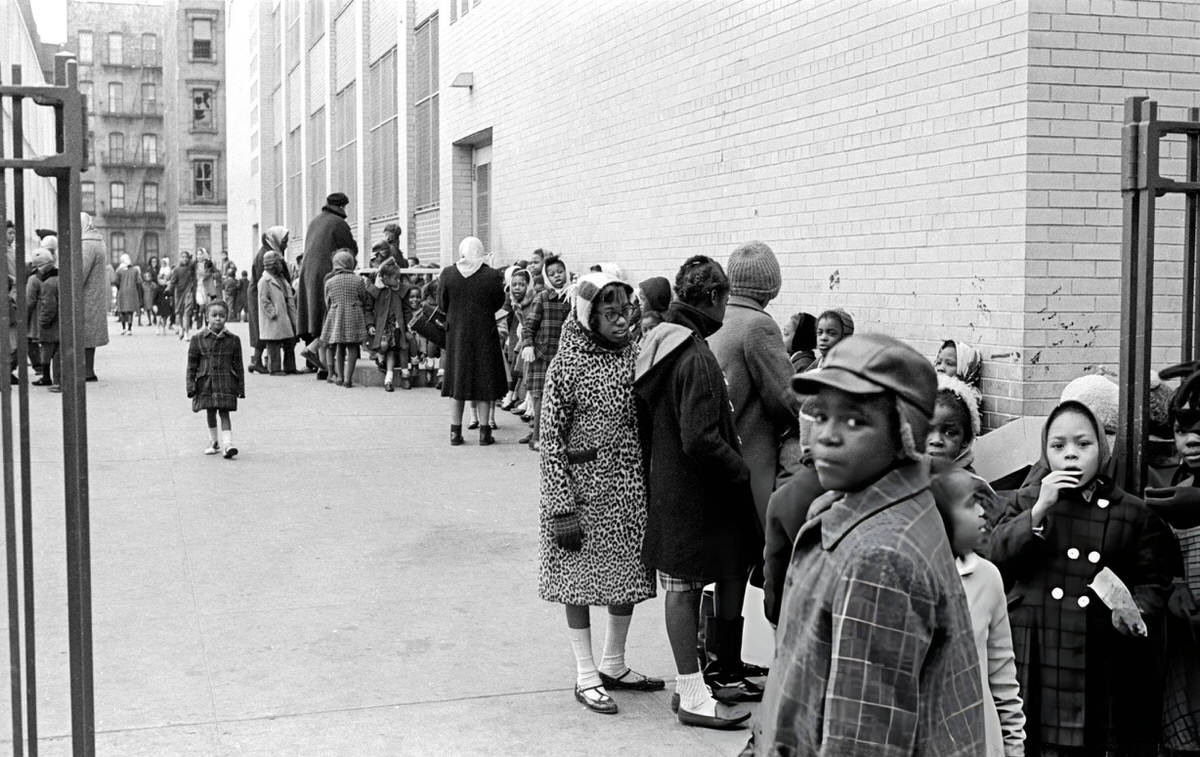
HARYOU’s research documented in hard numbers what Harlem residents already knew from lived experience: the dropout rate in Harlem schools was staggering, youth unemployment was severe, and the city was providing far fewer resources per student in Harlem than in comparable white neighborhoods. The data was specific, damning, and largely ignored by the city government until political pressure made ignoring it impossible.
Arts and the Black Arts Movement
In 1965, poet and playwright Amiri Baraka — then still using the name LeRoi Jones — founded the Black Arts Repertory Theatre and School in a brownstone on 130th Street. The organization staged plays and poetry readings in Harlem parks and streets, bringing work directly to the community rather than asking the community to come to downtown cultural institutions that had never made them feel welcome.
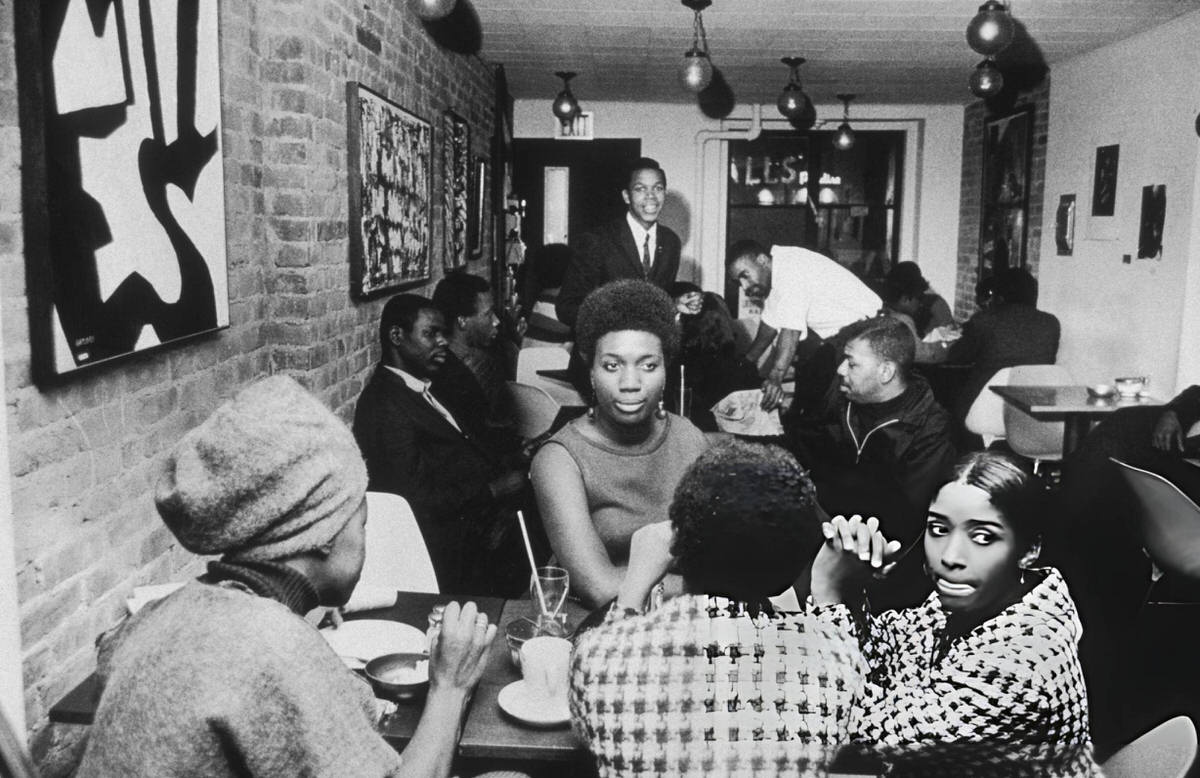
The Black Arts Movement that grew from this moment rejected the idea that Black artists needed white critical approval or white audiences. Plays dealt directly with racism, police violence, and self-determination. The language was unfiltered. The performances were deliberately confrontational.
Nikki Giovanni, Sonia Sanchez, and Larry Neal were all moving through Harlem’s literary world during this period, producing work that matched the decade’s intensity. Their poems were read at rallies, printed in newsletters, and passed hand to hand through the neighborhood.
The Apollo and Music That Tracked the Times
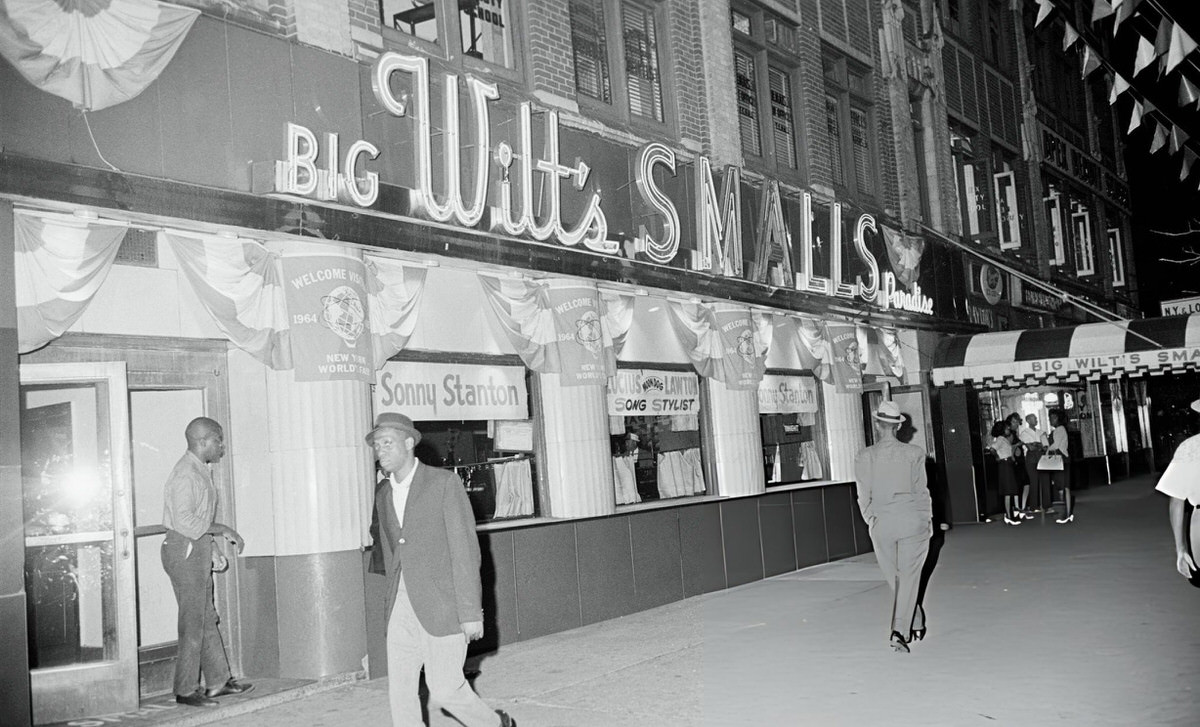
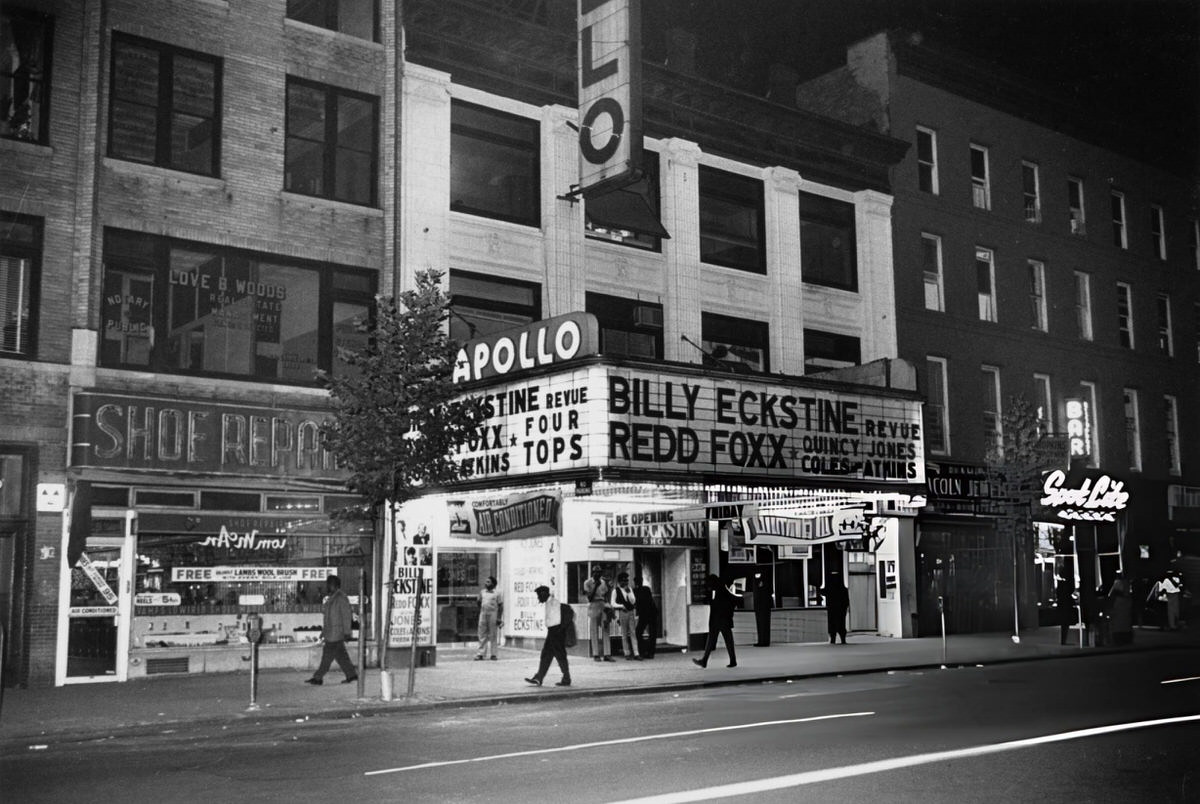
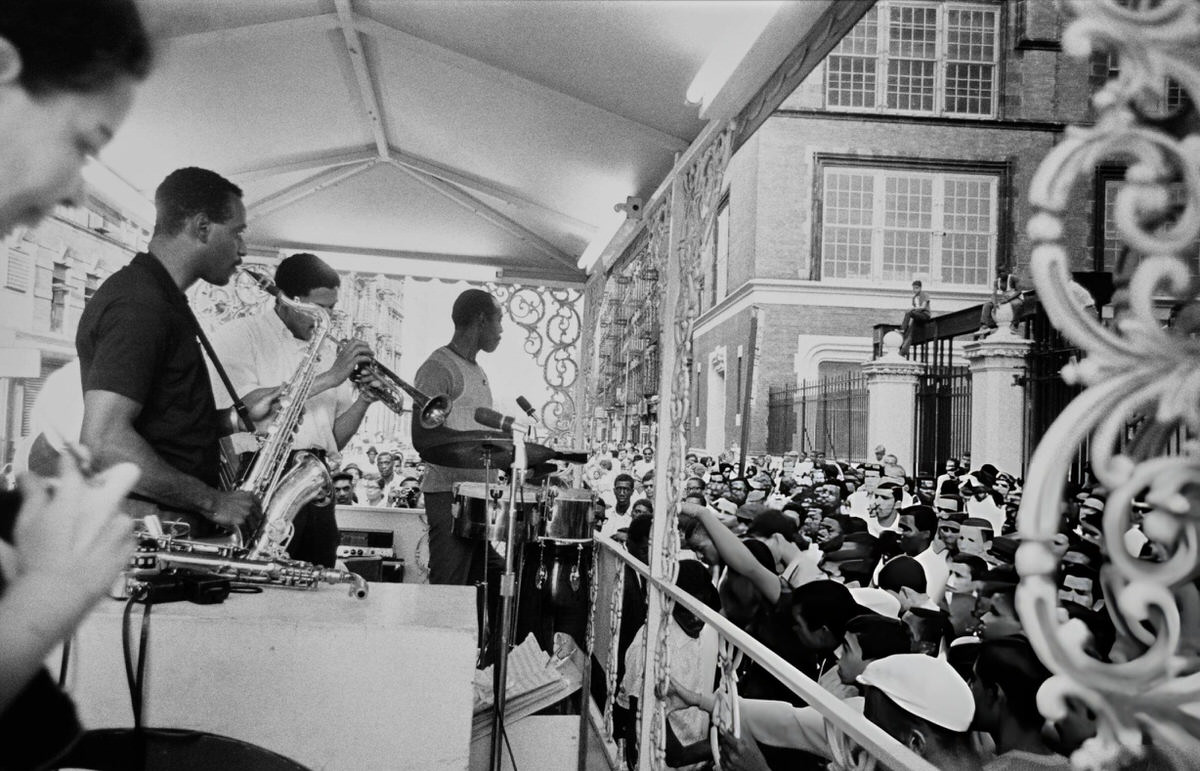
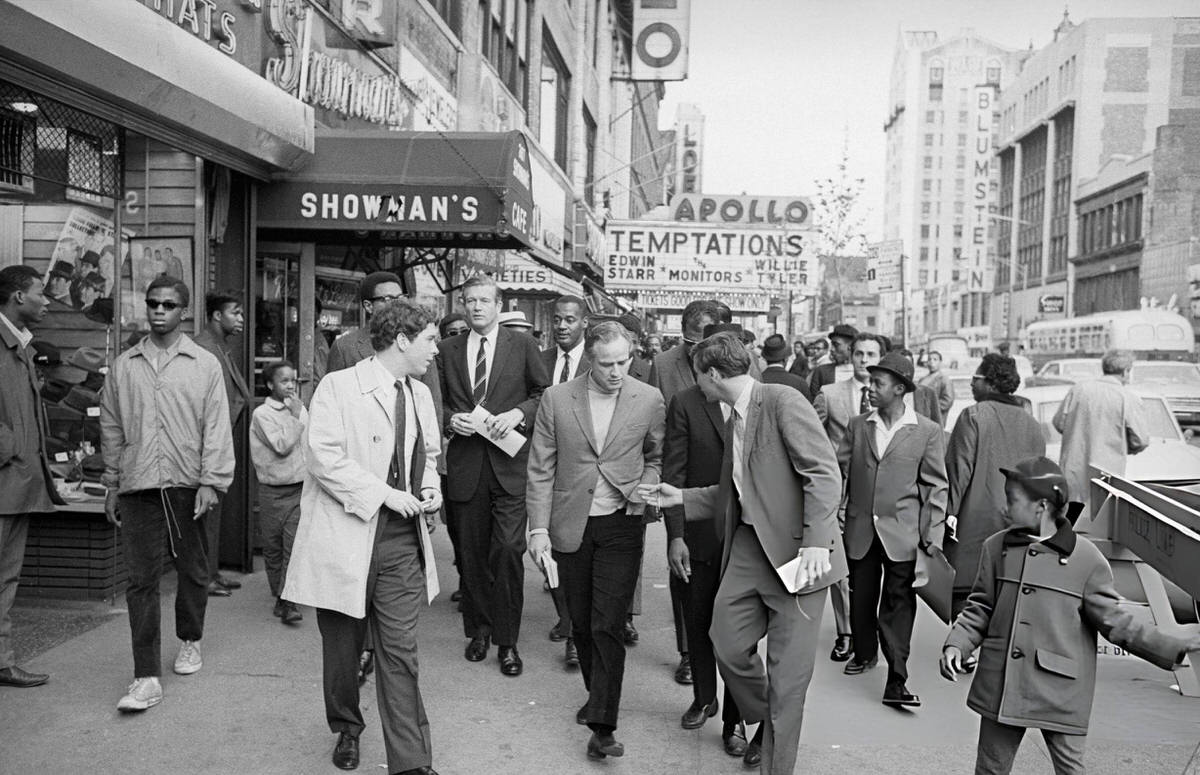
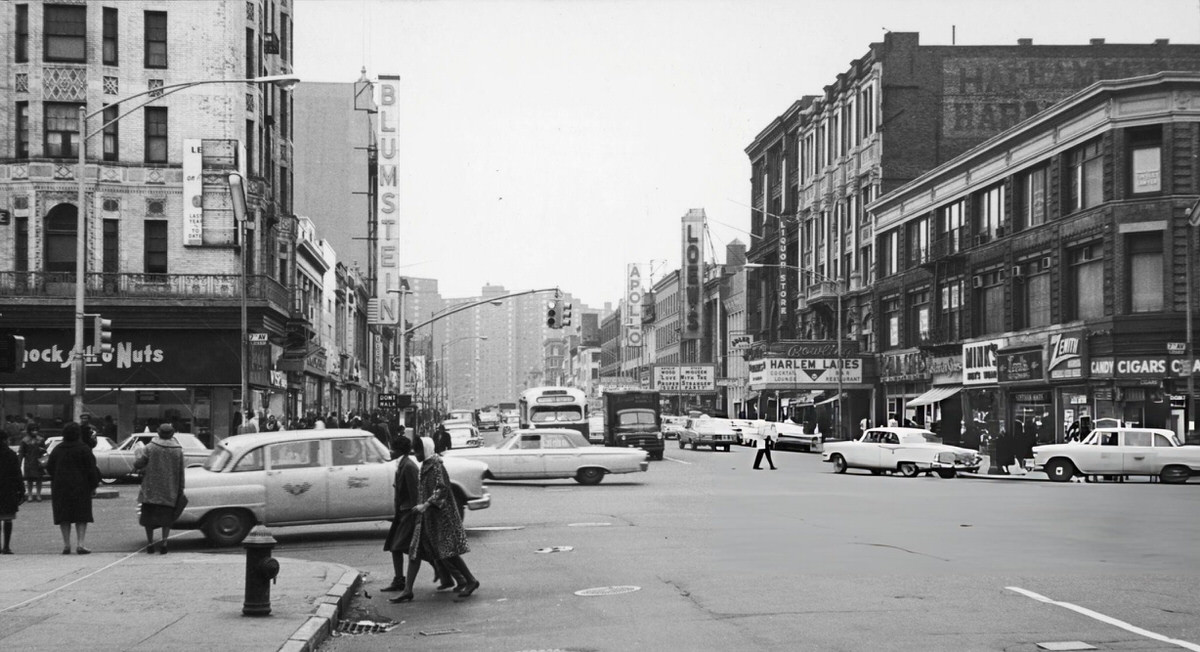
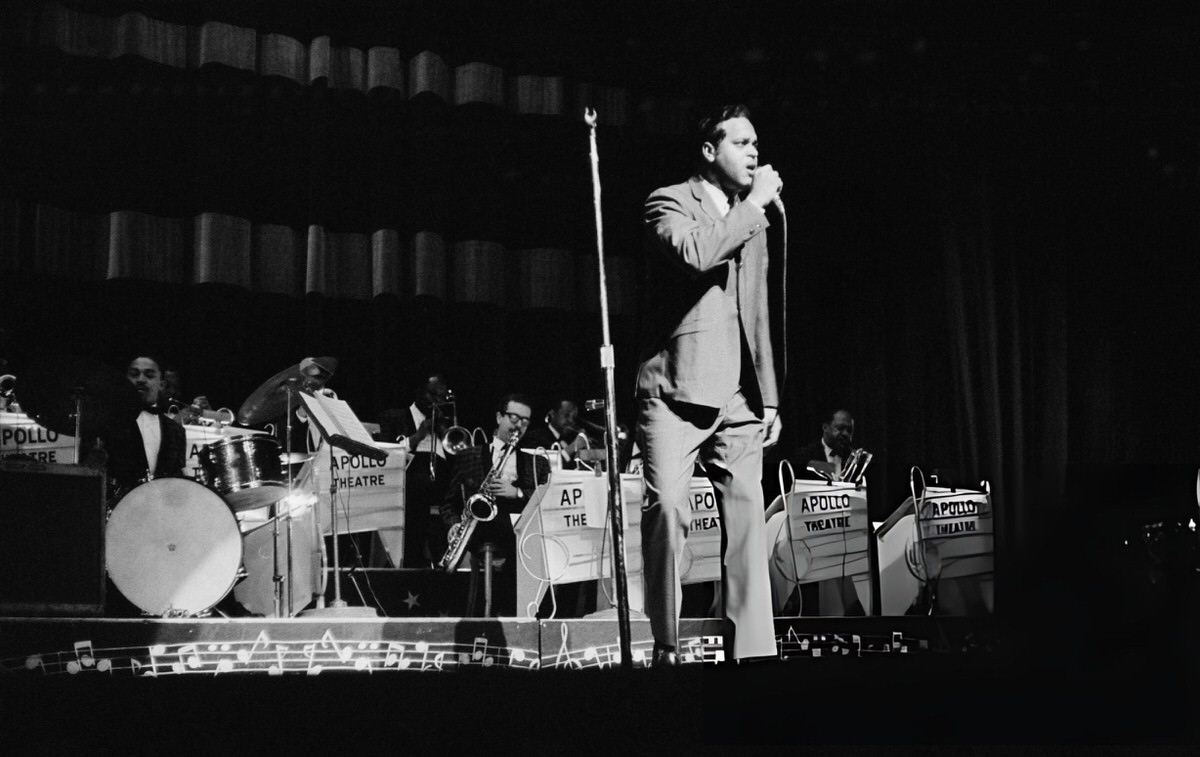
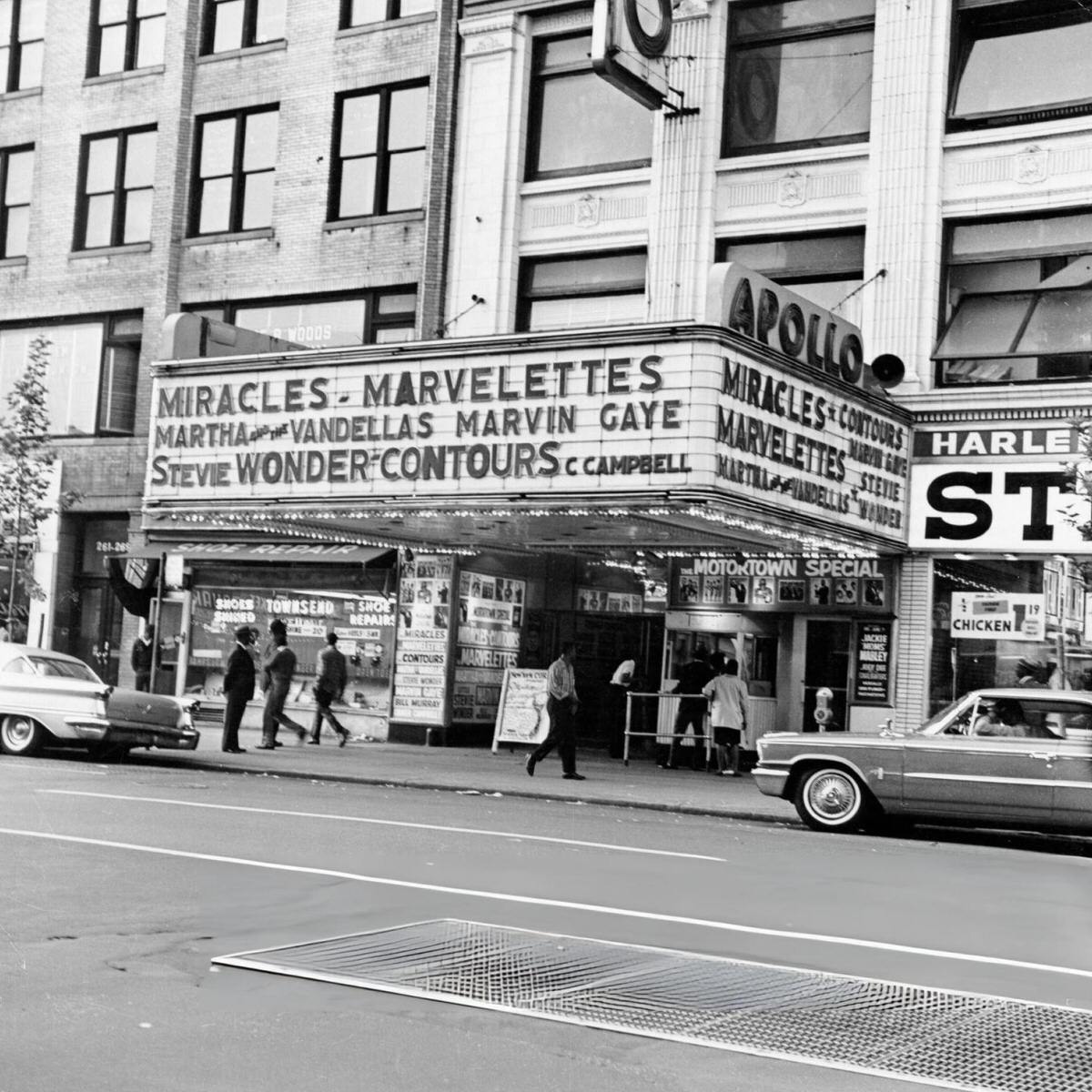
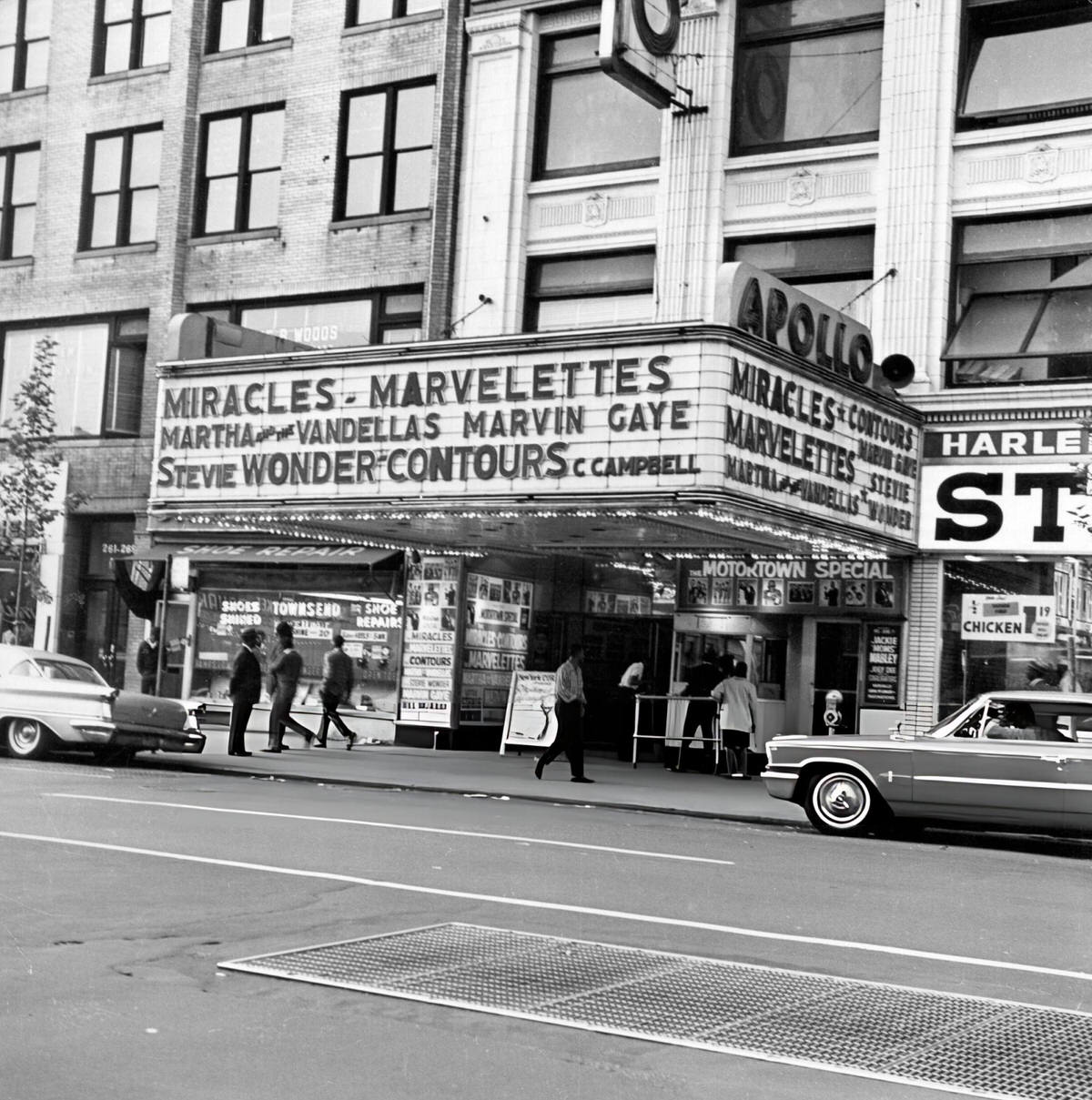
The Apollo Theater on 125th Street remained the neighborhood’s cultural heartbeat. James Brown performed there with a ferocity that audiences met with equal force. His 1962 live album, recorded at the Apollo, captured something real about the relationship between a performer and a Harlem crowd — a mutual demand for everything, no holding back.
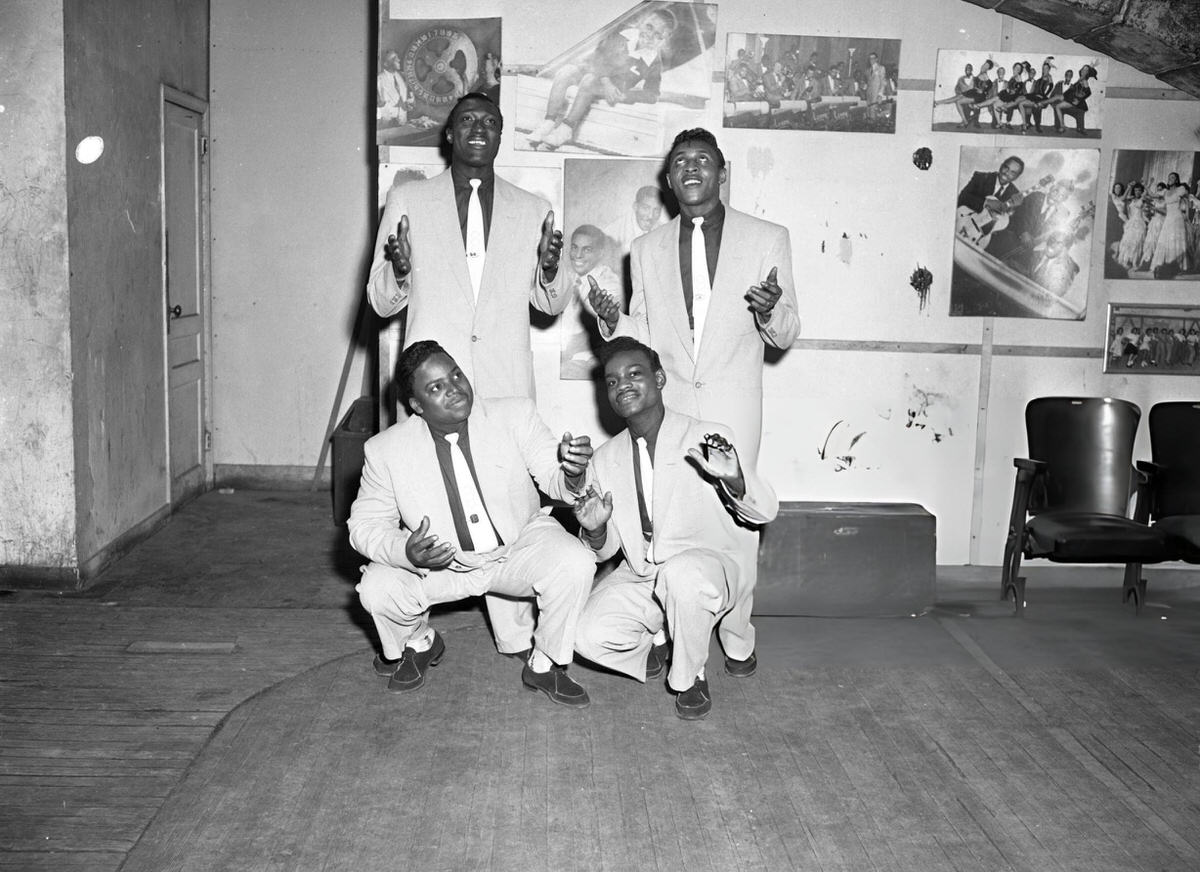
Soul music in the 1960s tracked the decade’s emotional reality with precision. Aretha Franklin, who recorded at Atlantic Records and performed regularly in New York, made music that carried both personal pain and collective dignity. Curtis Mayfield and Nina Simone were writing songs that named what was happening in the streets directly — “Mississippi Goddam,” recorded after the 1963 church bombing in Birmingham, was not a subtle piece of music. It played in Harlem apartments and was understood completely.

GIPHY App Key not set. Please check settings