

 Henry Parker
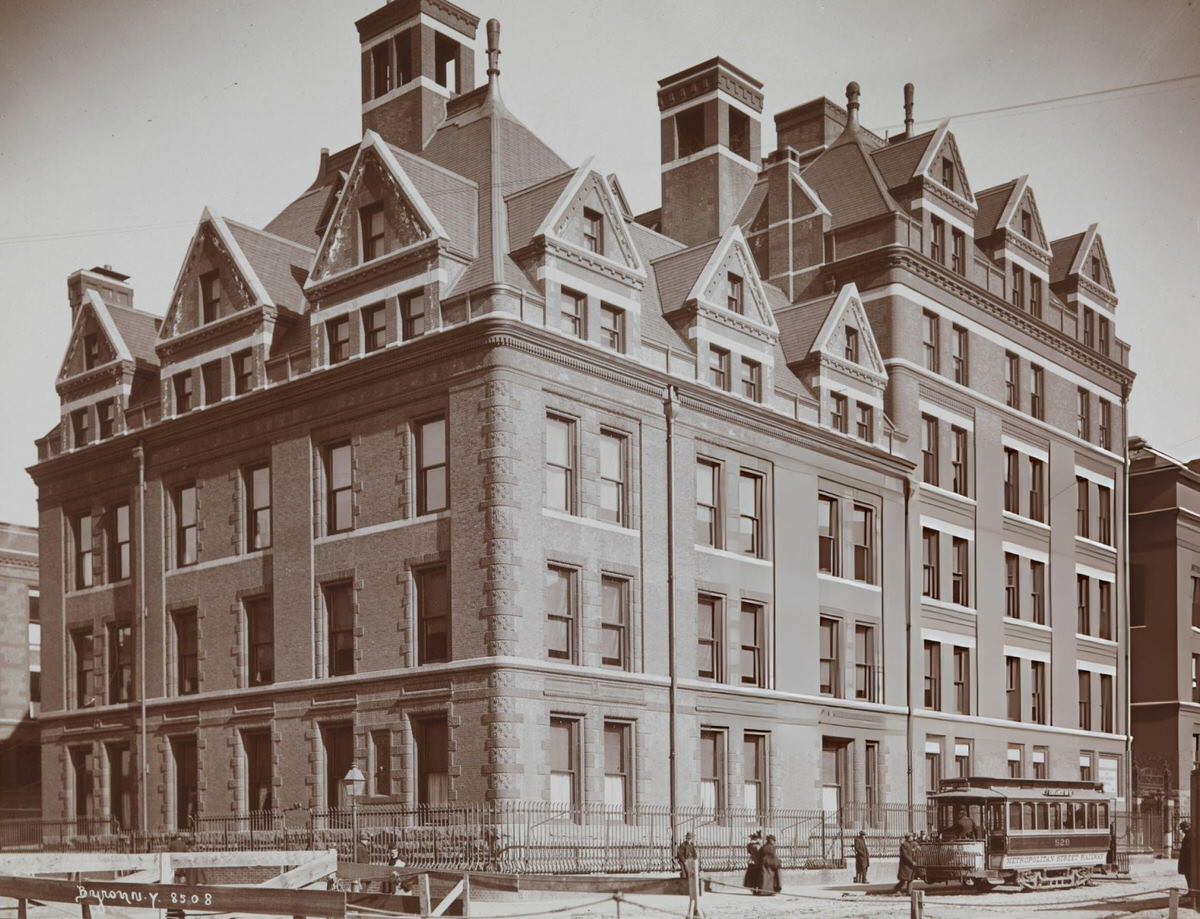
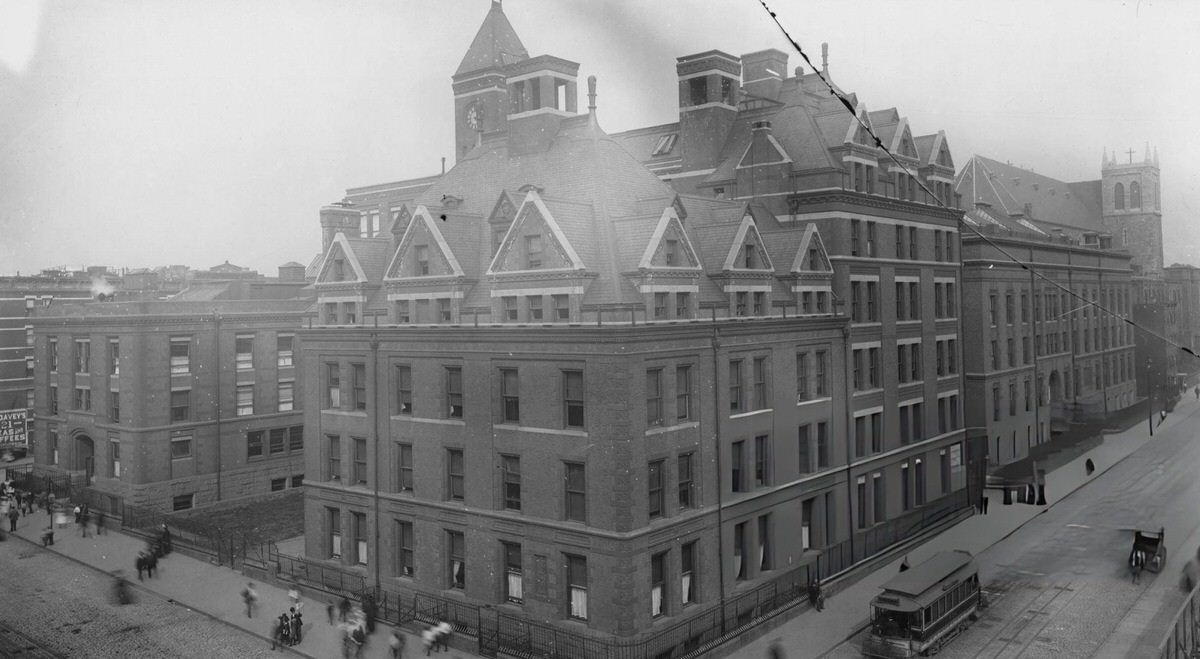
Sloane Maternity Hospital opened its doors at the corner of Amsterdam Avenue and 59th Street in late 1887. By the 1890s, it functioned as the premier facility for childbirth in New York City. The hospital was a gift from William D. Sloane and his wife, Emily Thorn Vanderbilt Sloane. They provided the funds to build and maintain the facility so that women could have a safe, clean place to give birth regardless of their ability to pay.
The Architecture of Health
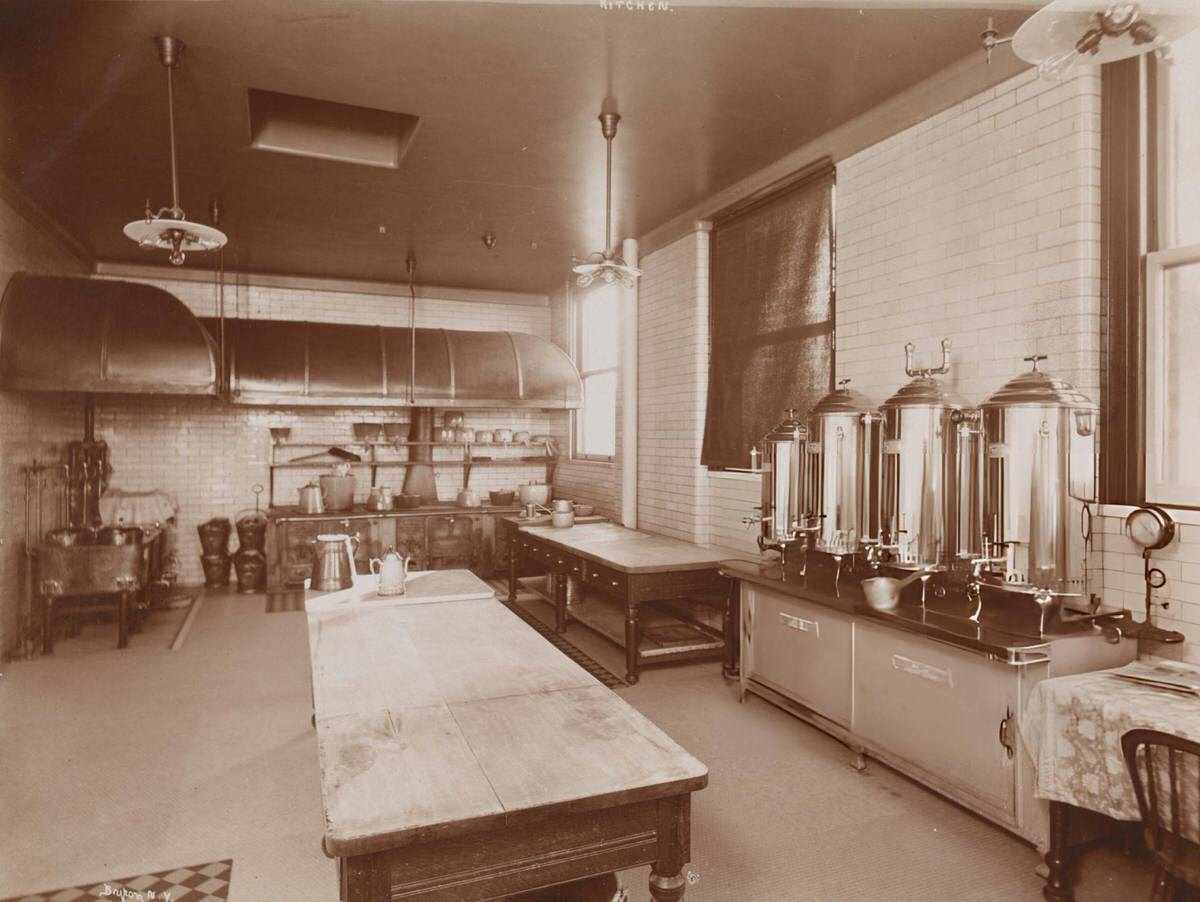
The building featured a specialized design intended to prevent the spread of germs. In the 1890s, doctors were beginning to understand “germ theory,” and the hospital reflected this new knowledge. The walls were made of smooth, polished plaster that could be easily scrubbed. Floors were constructed from hard, non-porous materials like tile and marble. This made it difficult for bacteria to hide in cracks or soft wood.
Natural light was a key part of the design. The hospital had large windows that allowed sunlight to flood the wards. At the time, fresh air and sunlight were considered essential treatments for recovery. Each floor had a specific purpose, separating the waiting mothers from those who had already given birth. This system of “isolation” helped keep the environment quiet and reduced the risk of infections passing between patients.
Read more
Modern Medical Standards
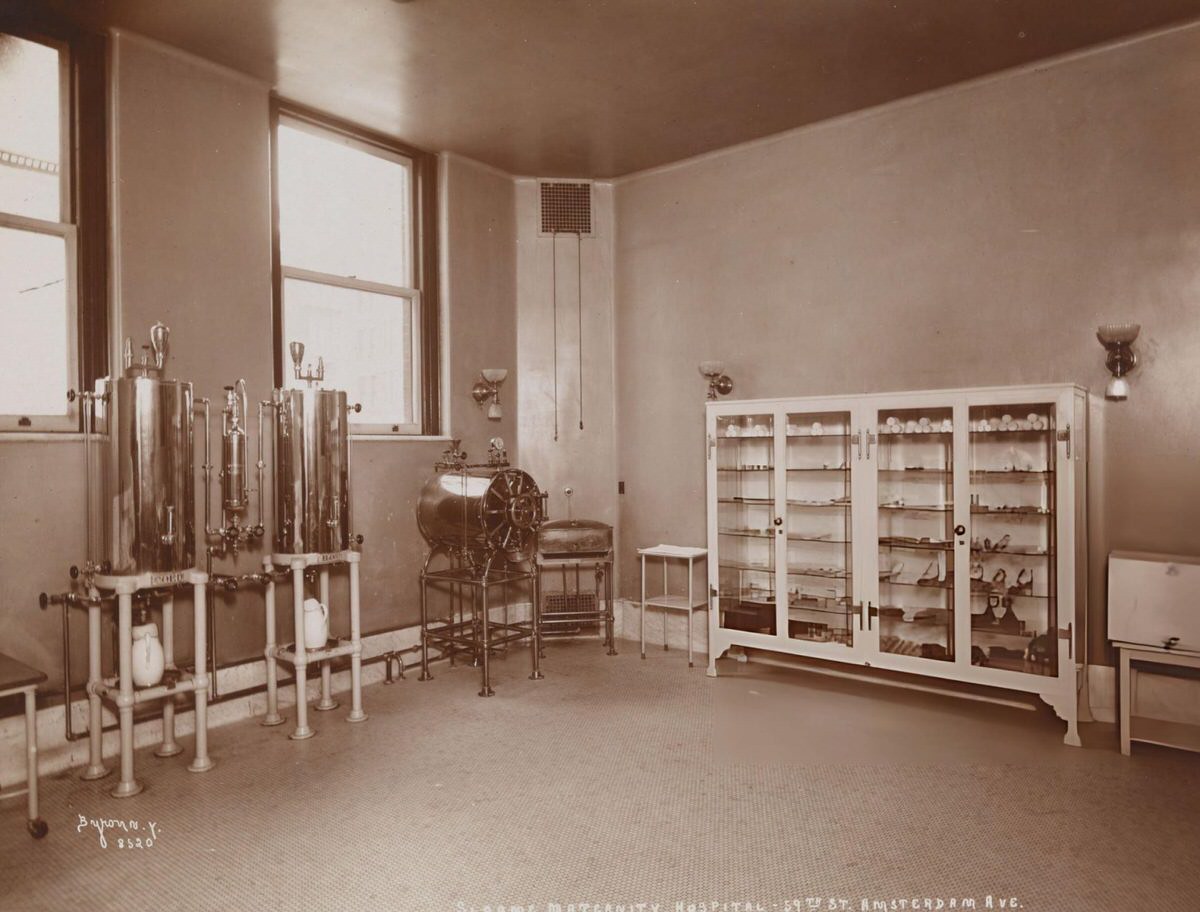
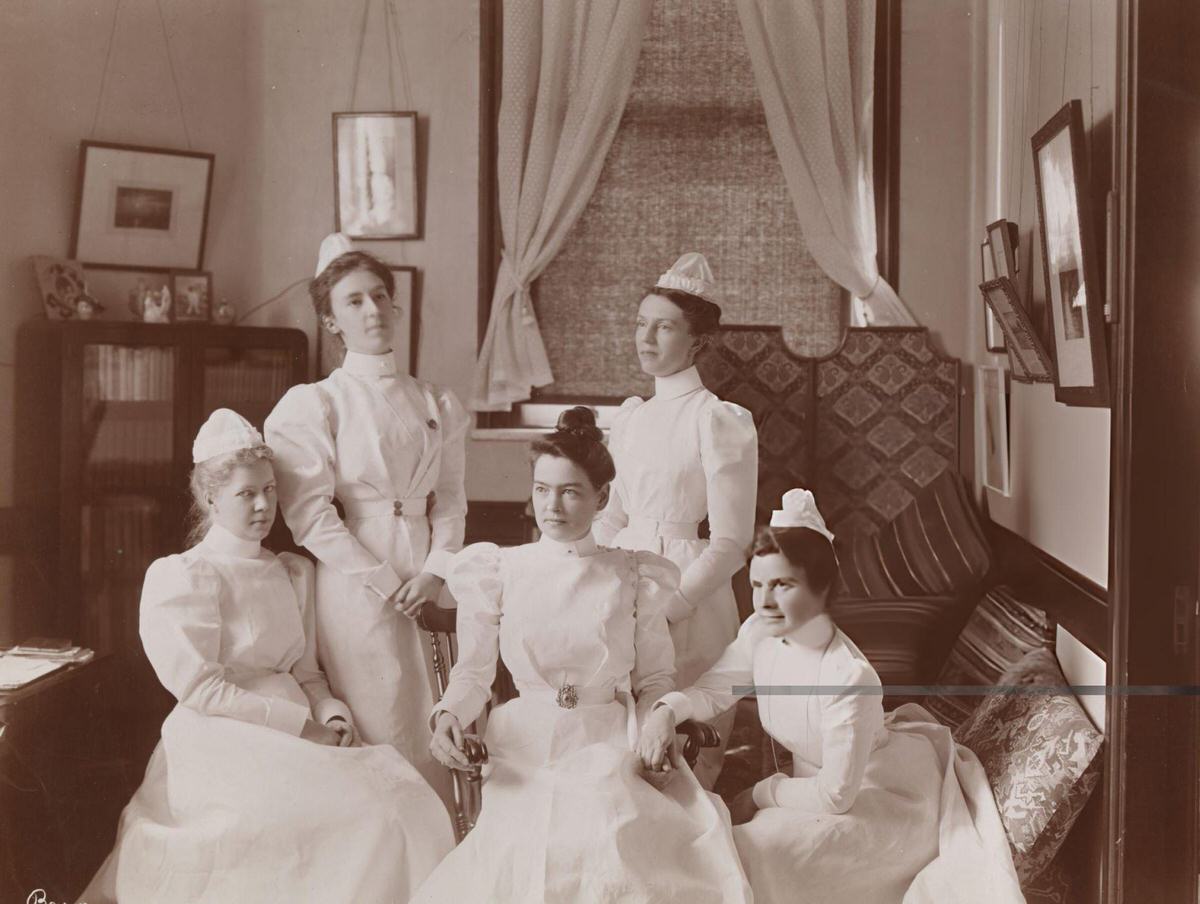
In the 1890s, Sloane Maternity Hospital became a teaching center for the College of Physicians and Surgeons. Medical students and nurses came here to learn the most advanced techniques in obstetrics. One of the most important rules in the hospital was the strict use of “antisepsis.” This meant that every doctor and nurse had to wash their hands and tools with strong chemicals before touching a patient.
The hospital used carbolic acid and corrosive sublimate to clean the delivery rooms. Because of these high standards, the mortality rate at Sloane was significantly lower than in other city hospitals. While many women still gave birth at home during this decade, those who came to Sloane received care from specialized specialists who had access to the latest surgical instruments.
The Patient Experience
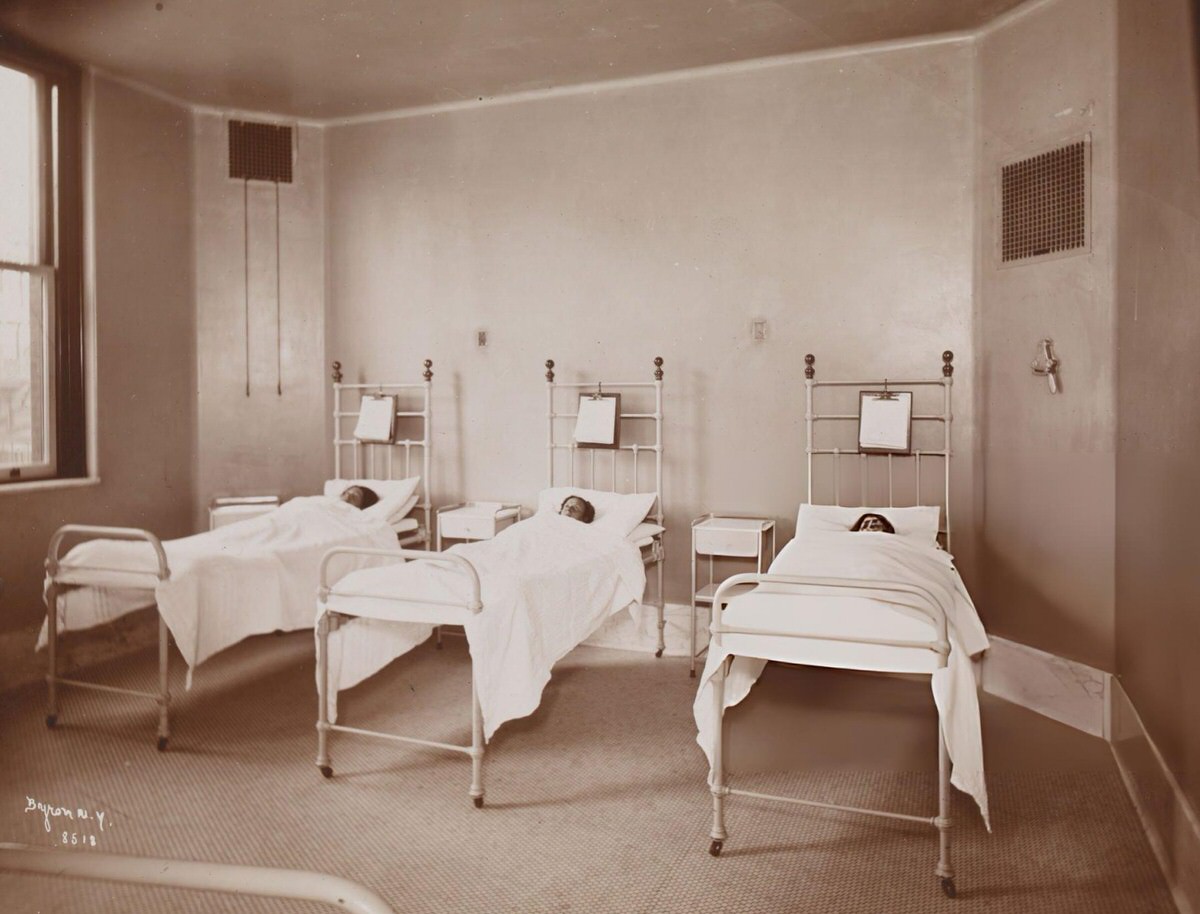
The hospital offered 30 free beds for women who lived in the surrounding tenements. These women often arrived at the hospital exhausted and malnourished. Upon arrival, they were given clean gowns and a bed with fresh linens. The diet provided to patients included nutritious meals like beef broth, milk, and soft bread, which helped them gain strength before and after labor.
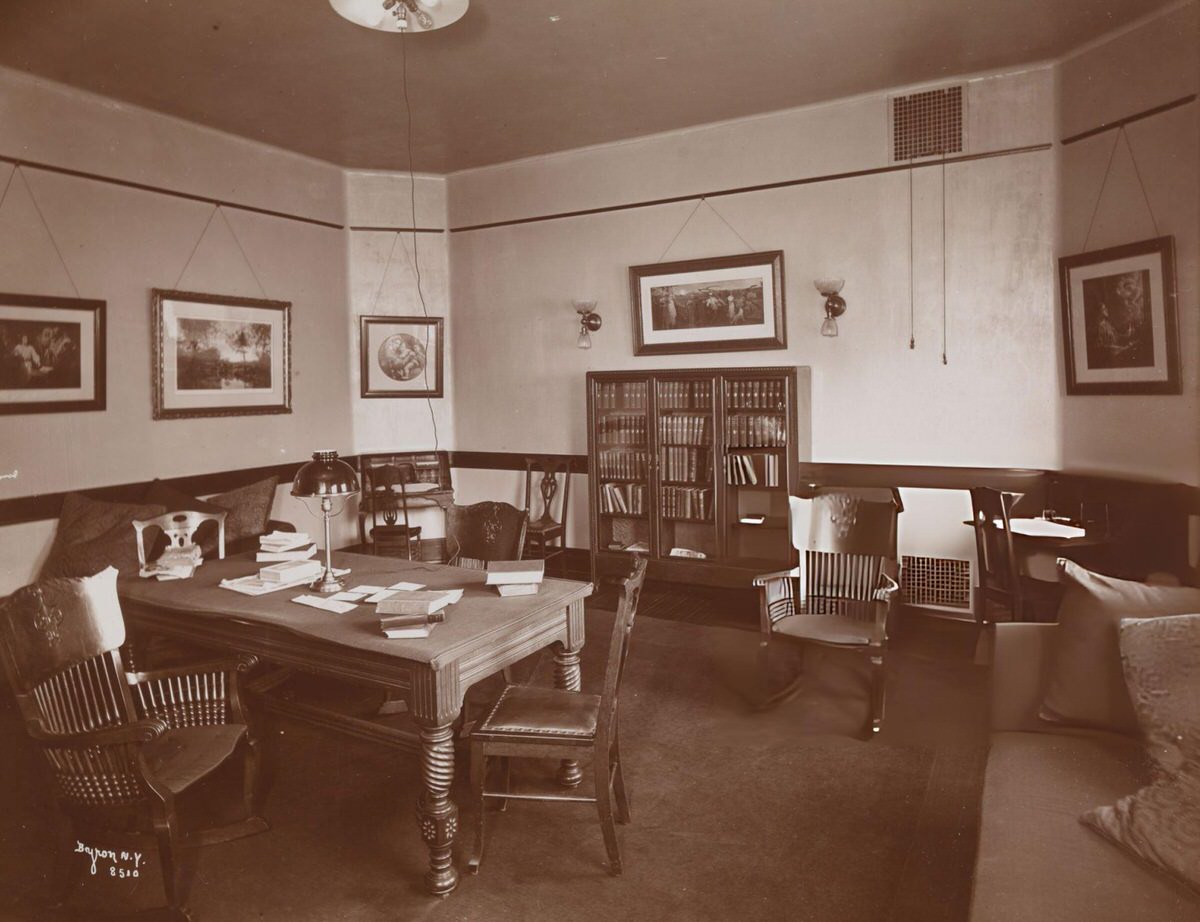
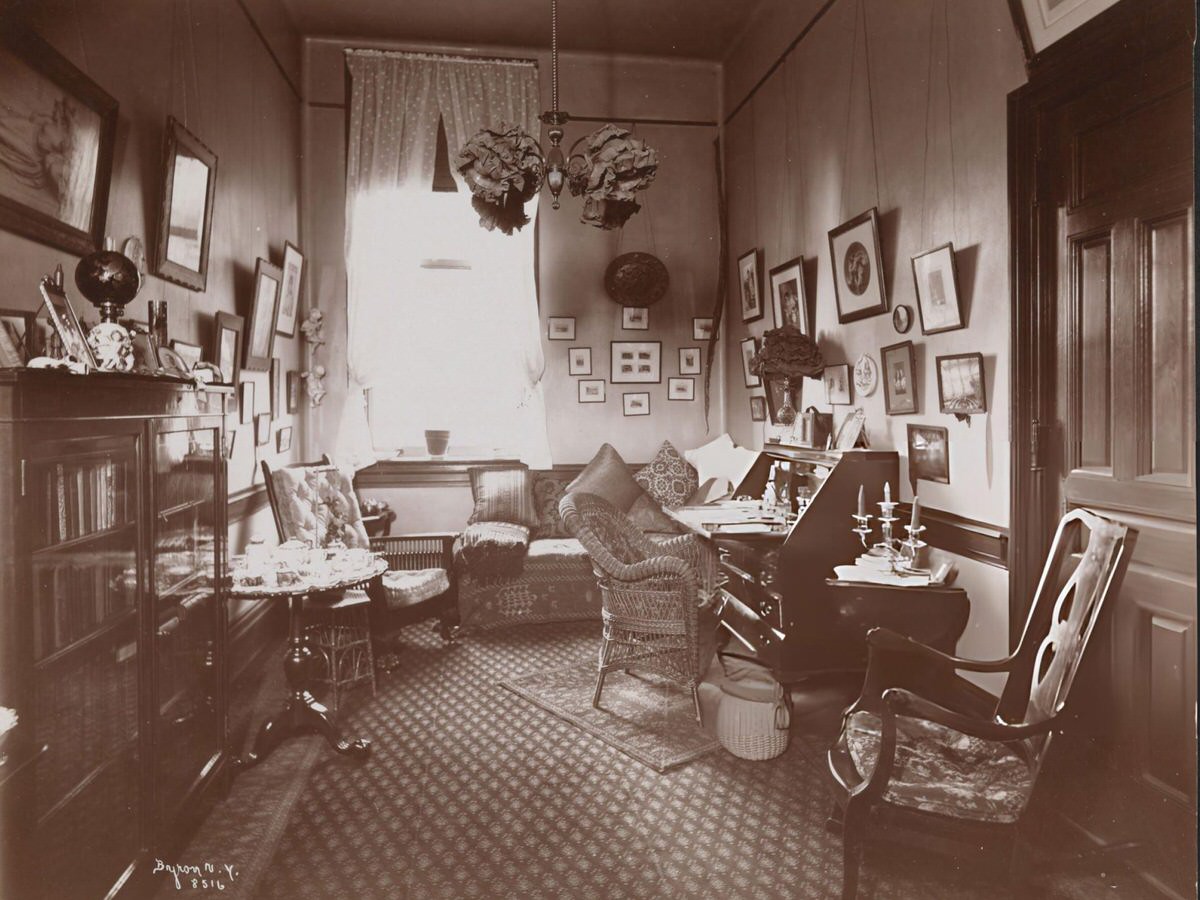
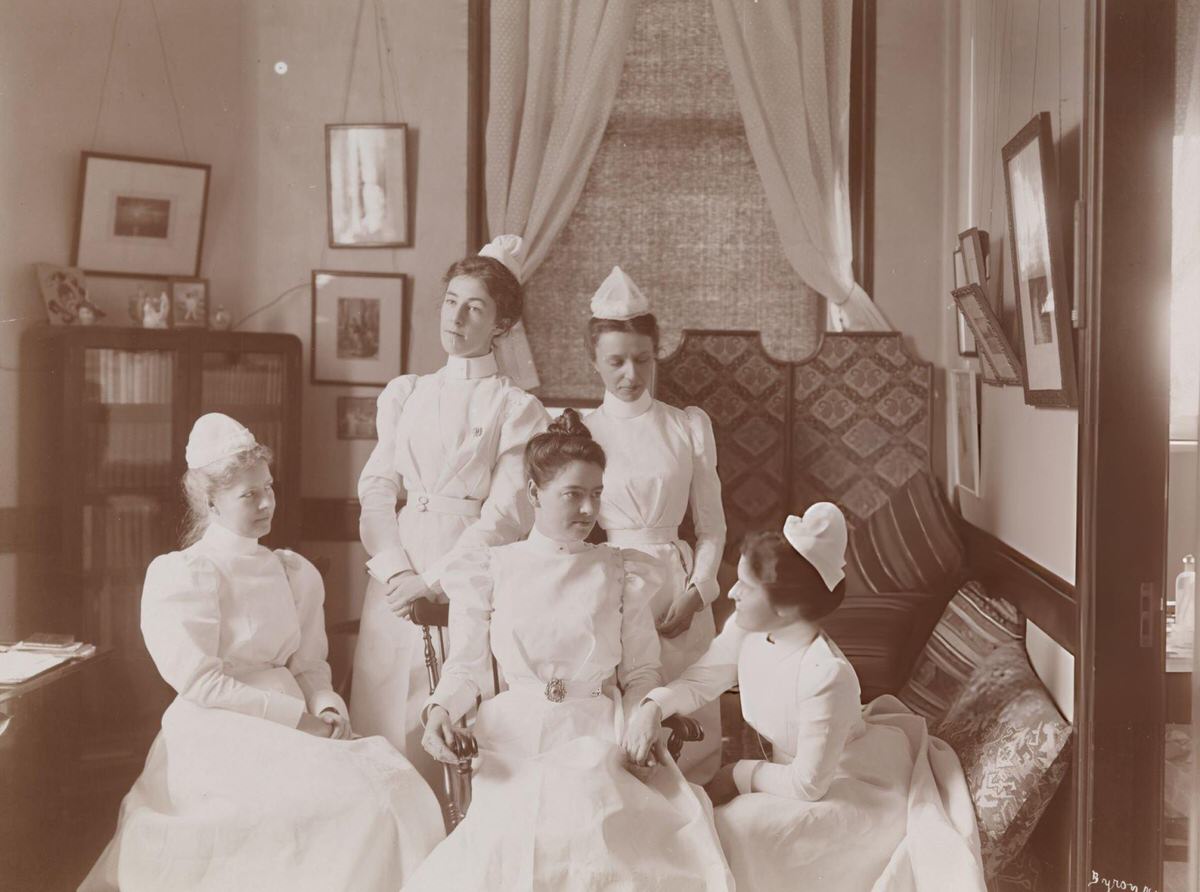
Wealthier patients stayed in private rooms on the upper floors. These rooms were decorated more like a home than a hospital ward, with wooden furniture and curtains. However, the medical care remained the same for everyone. Nurses worked in 12-hour shifts, monitoring the mothers and newborns around the clock. They kept detailed charts of every patient’s temperature and pulse, which was a relatively new practice in the 1890s.
Technology for Newborns
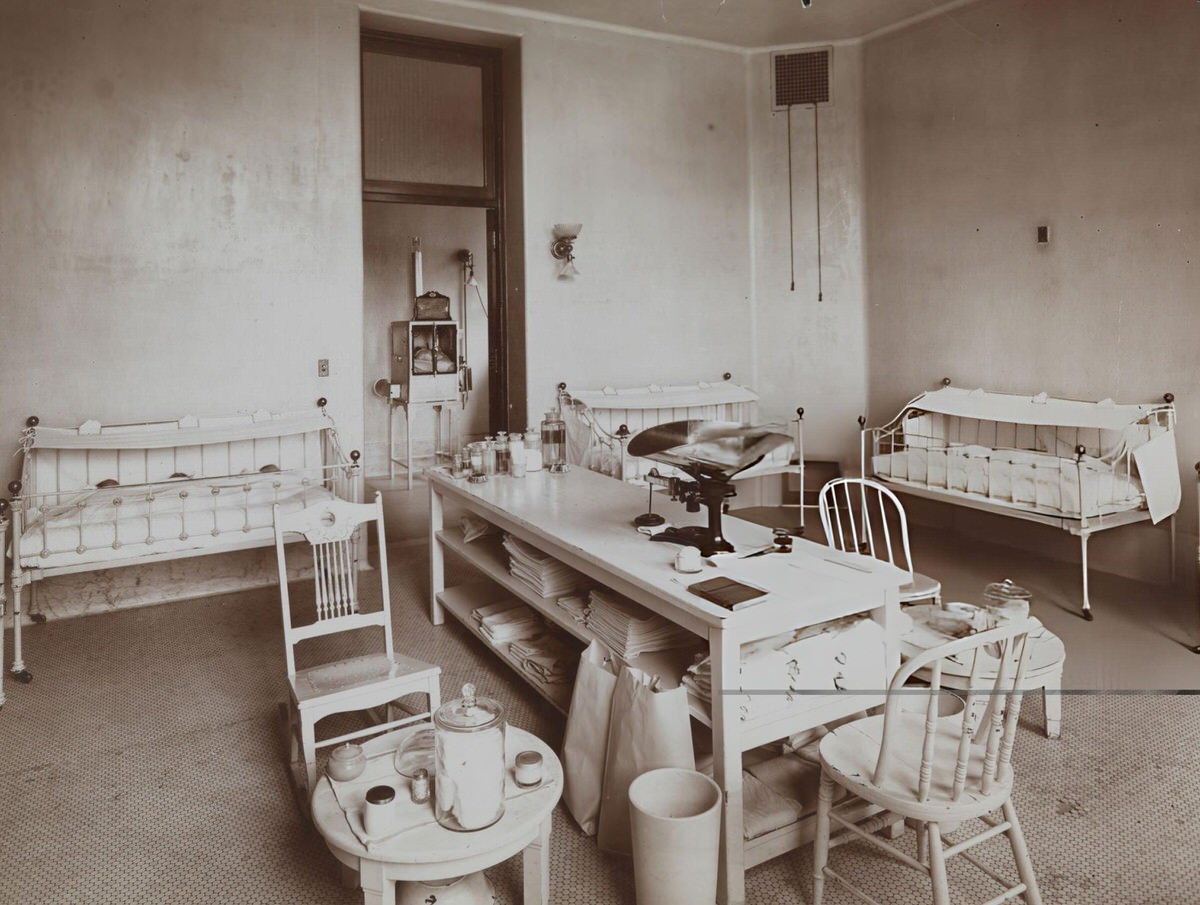
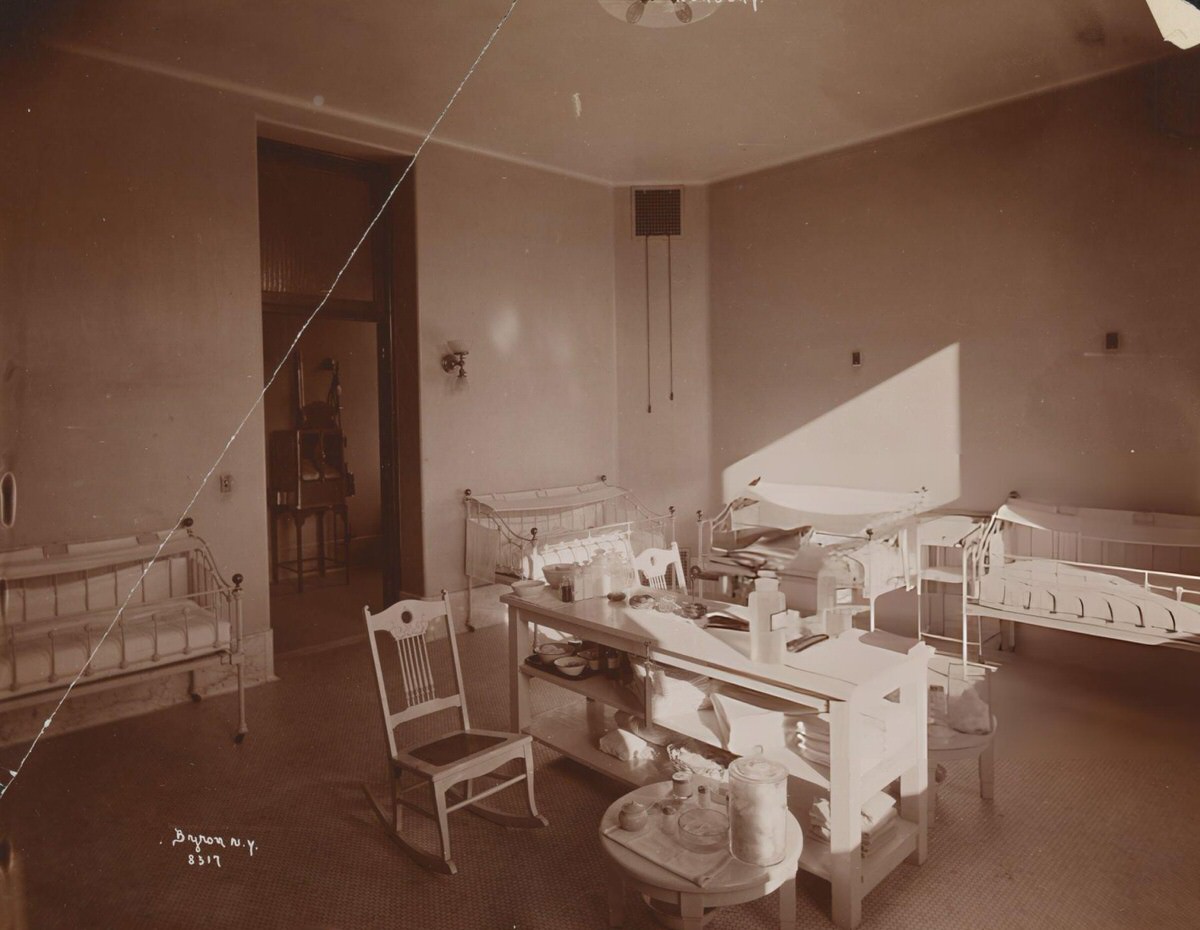
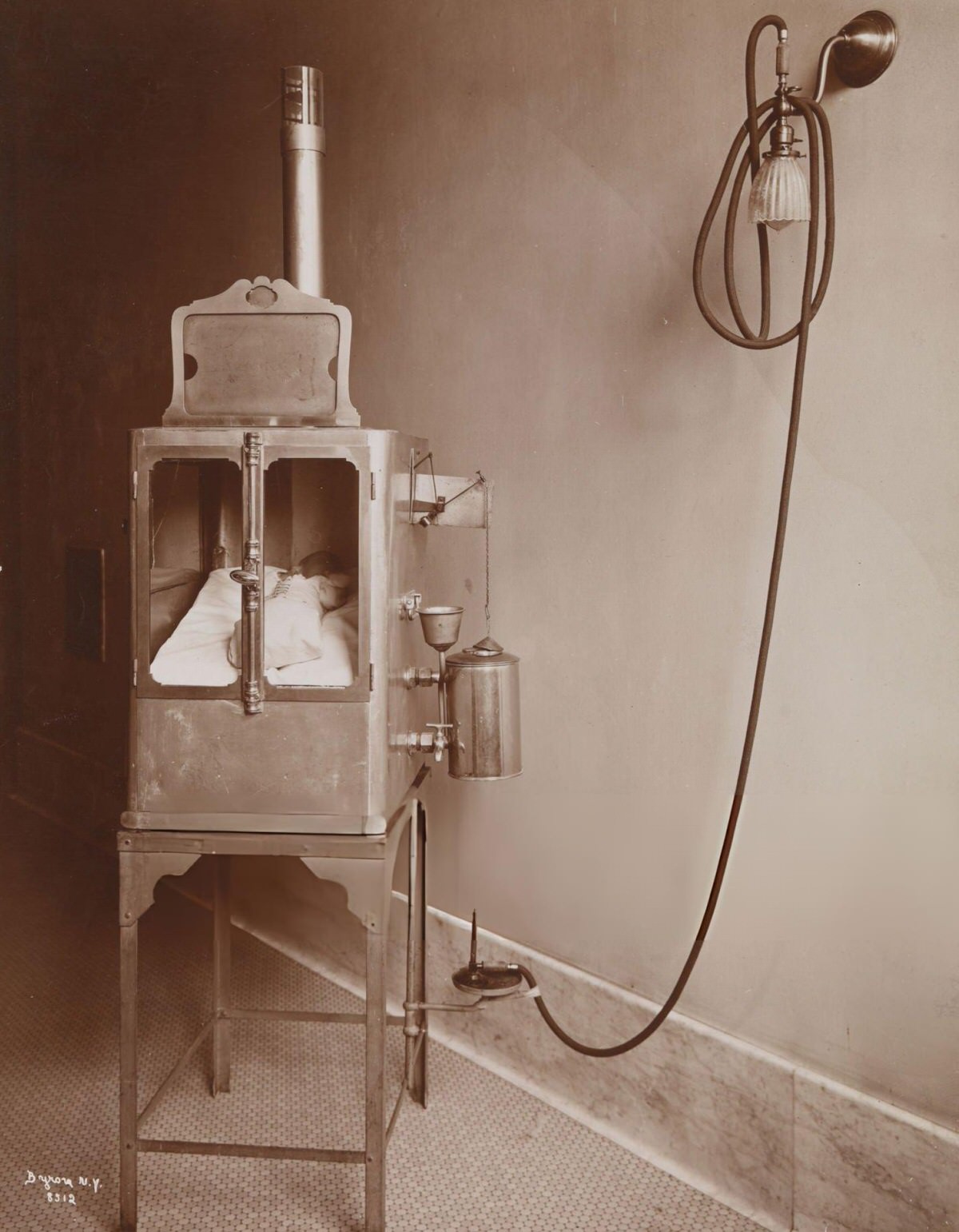
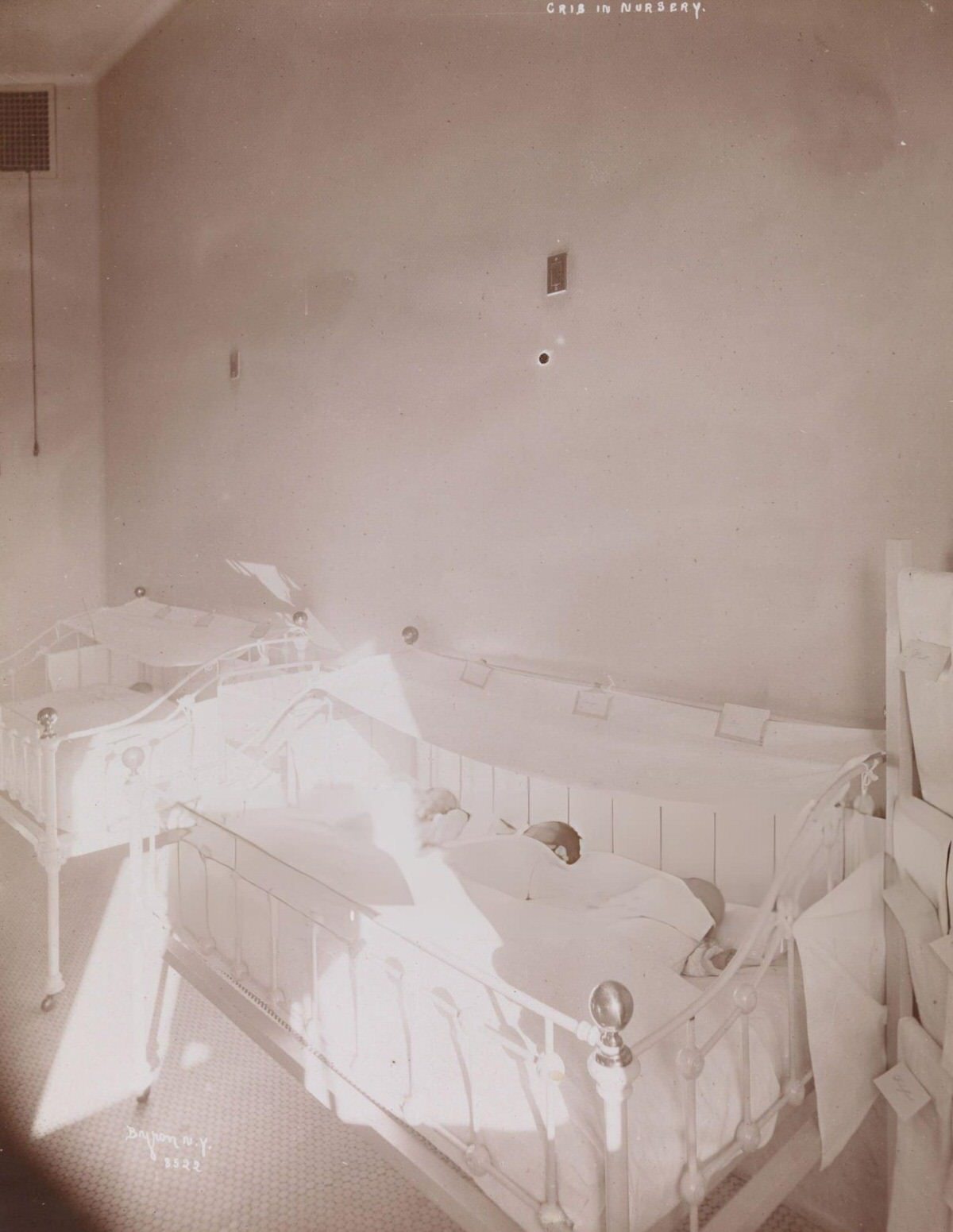
Sloane Maternity Hospital was an early adopter of the “incubator” for premature babies. In the 1890s, these devices were primitive boxes made of glass and metal. They used hot water pipes in the base to keep the air inside at a steady, warm temperature. Before this technology, babies born early had very little chance of surviving. At Sloane, these infants were given specialized feedings and kept away from the drafty hallways.
The hospital also had its own pharmacy and laboratory. Scientists used the lab to test the quality of the milk given to the babies. In the 1890s, milk in New York City was often contaminated with bacteria. Sloane ensured that every drop of milk used in the nursery was sterilized or “pasteurized” to prevent stomach illnesses.

GIPHY App Key not set. Please check settings