

 Adriana Palmer
Long before the boutique shops and the tourist brochures, South Street smelled like salt water and fish guts at four in the morning — and that was exactly how the city wanted it.
What South Street actually was
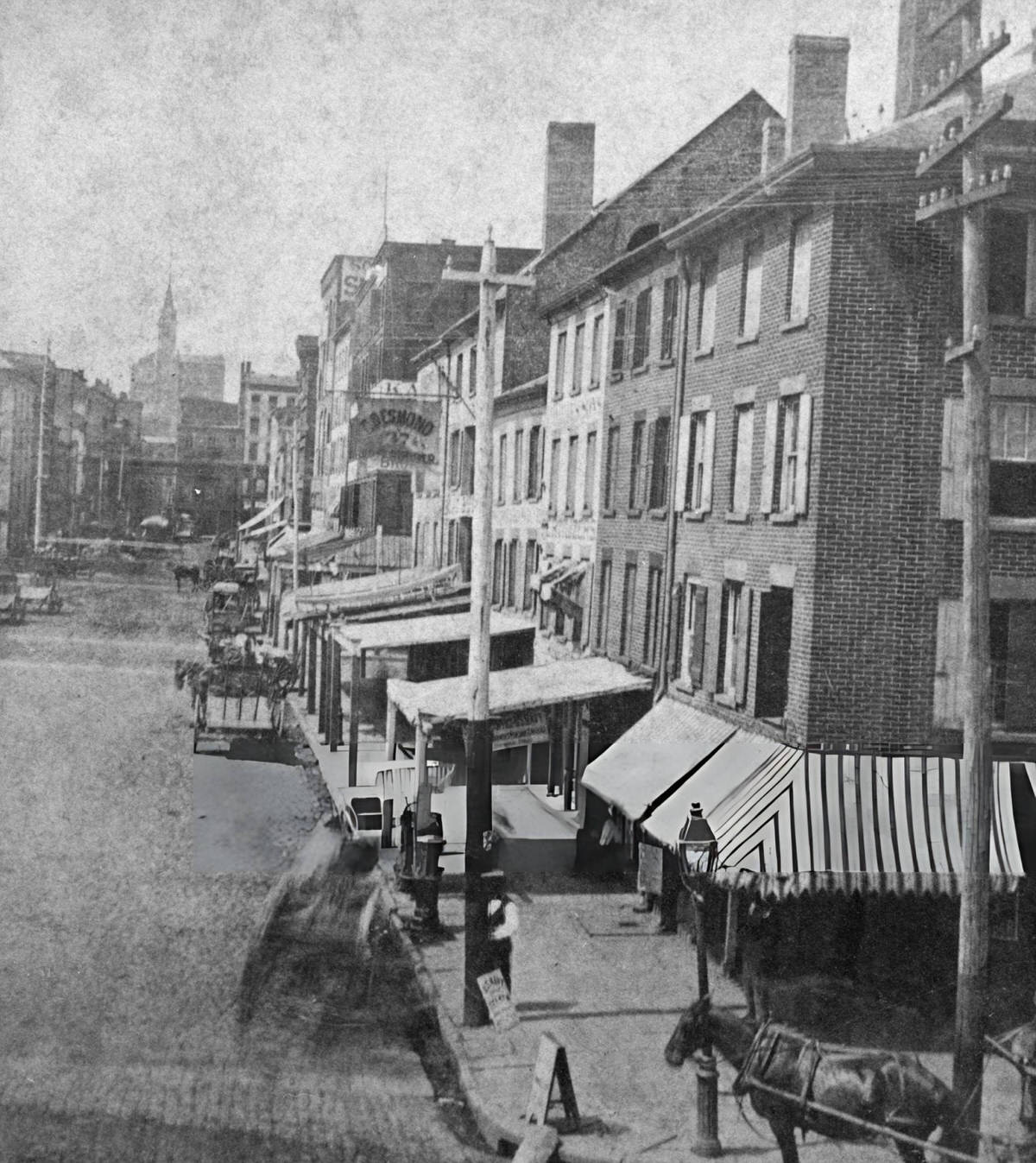
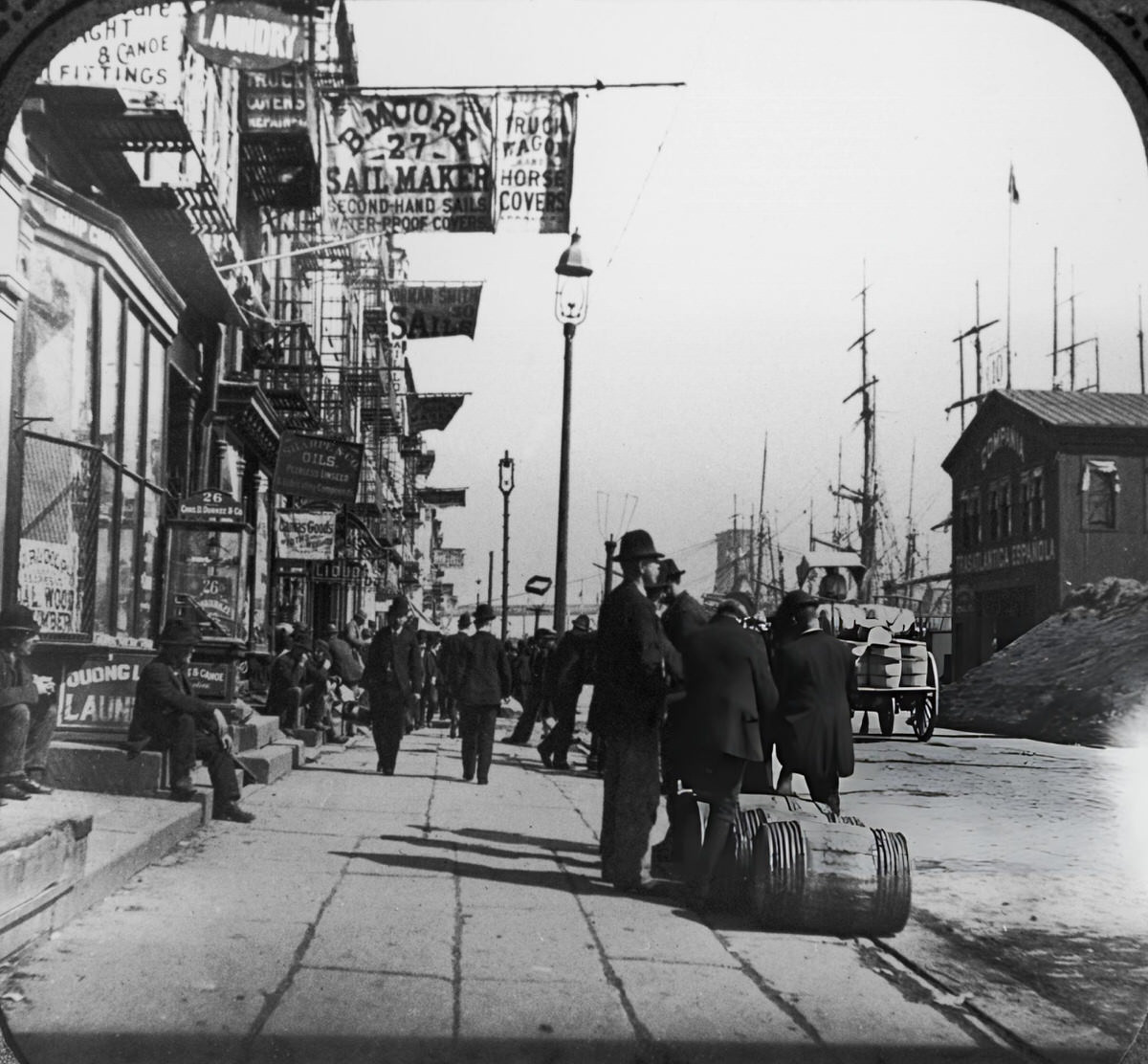
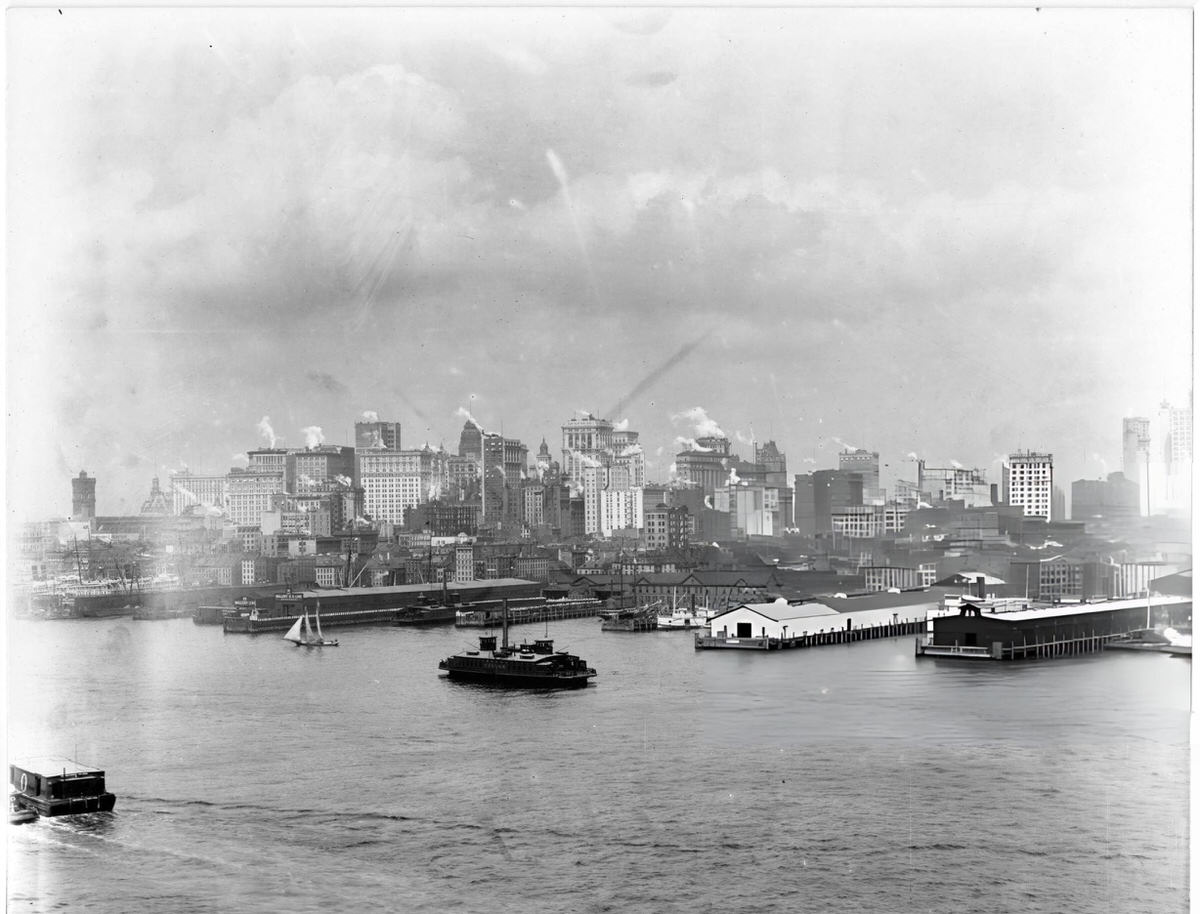
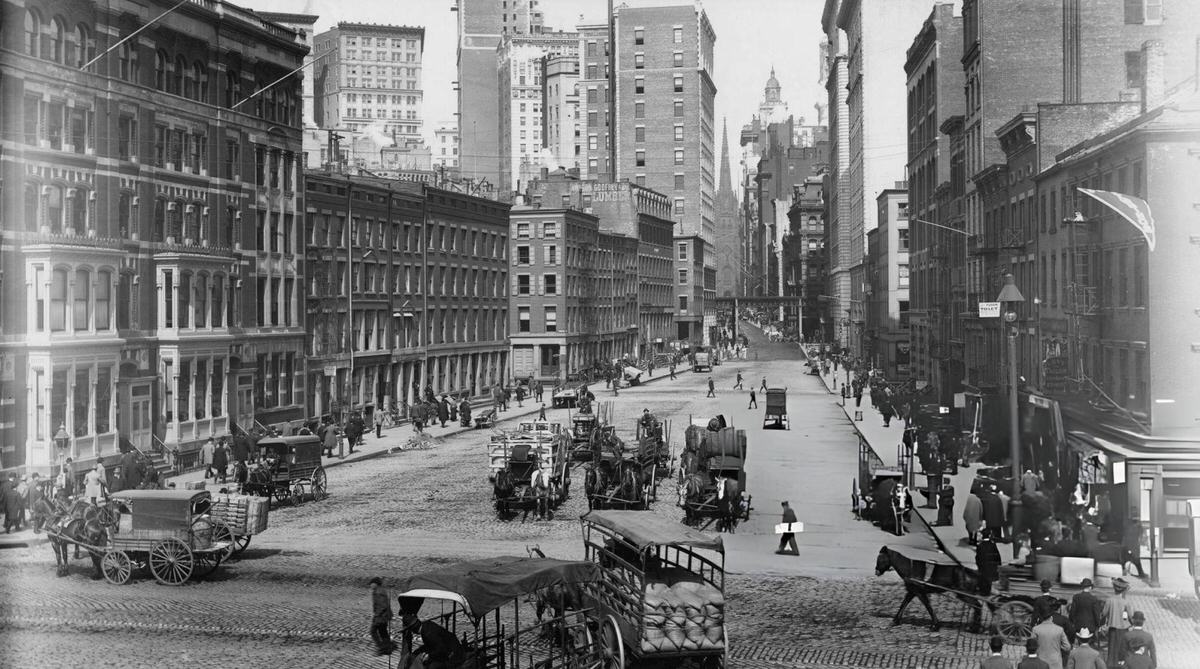
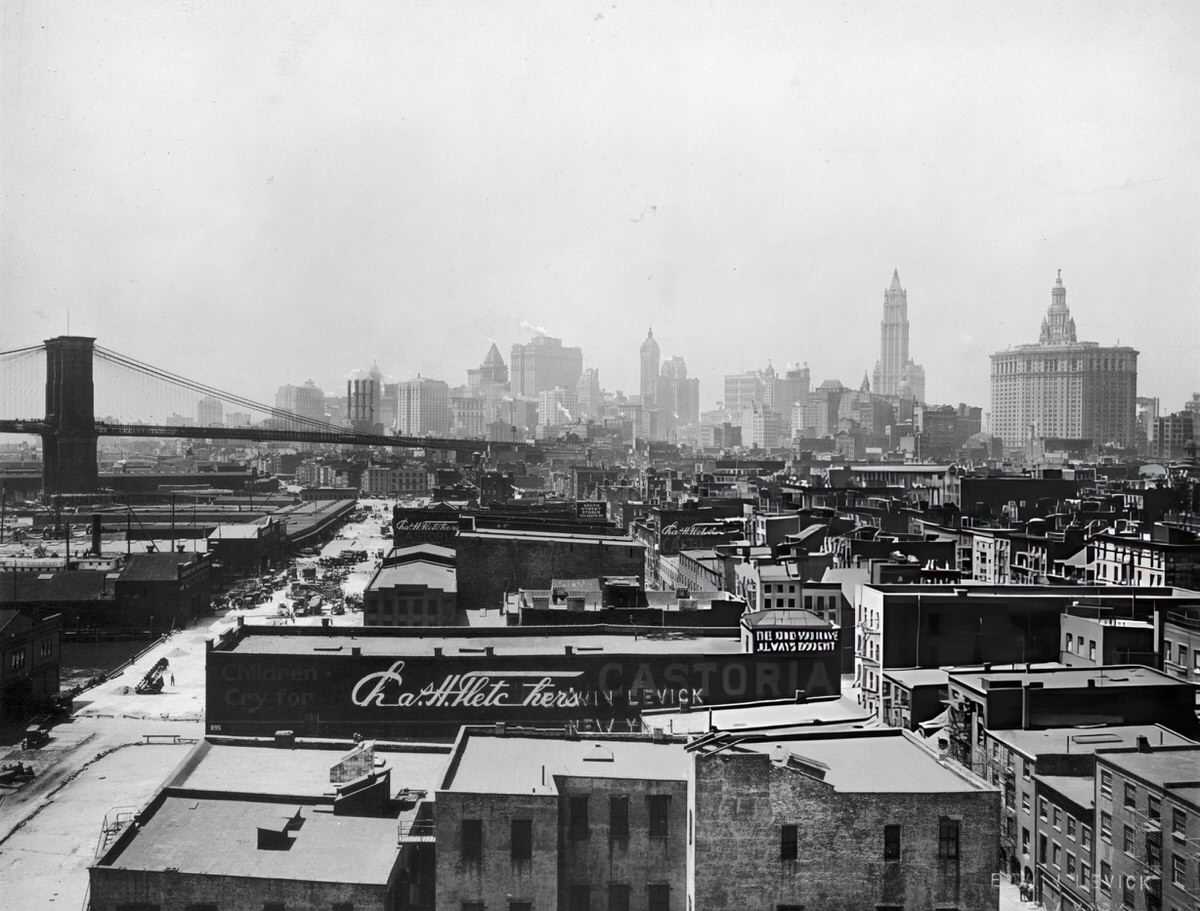
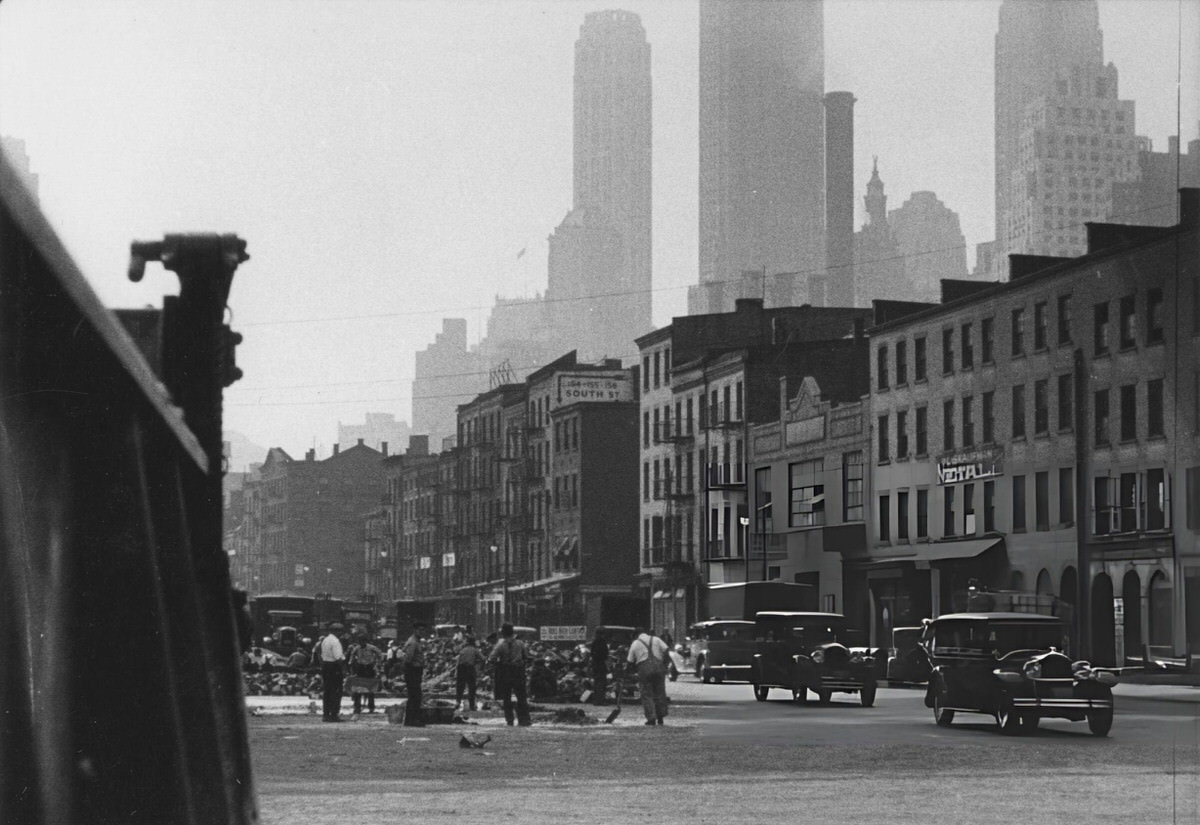
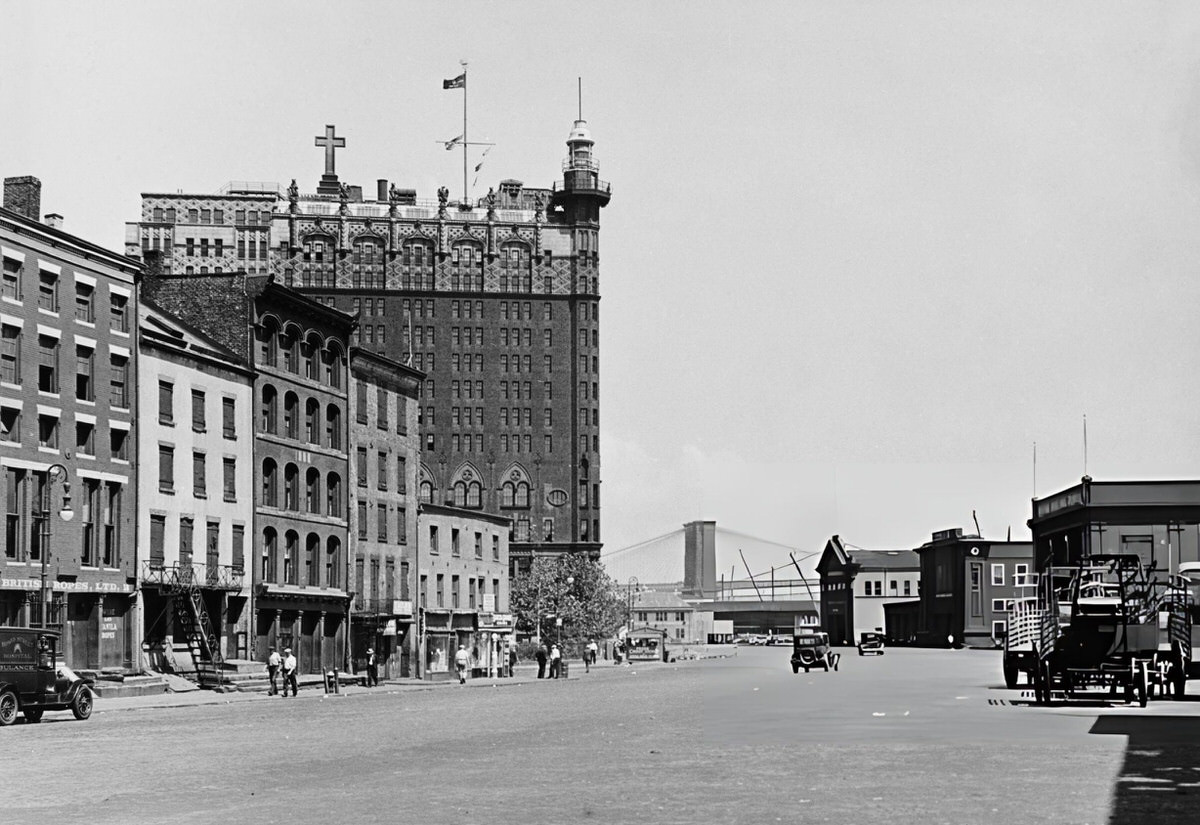
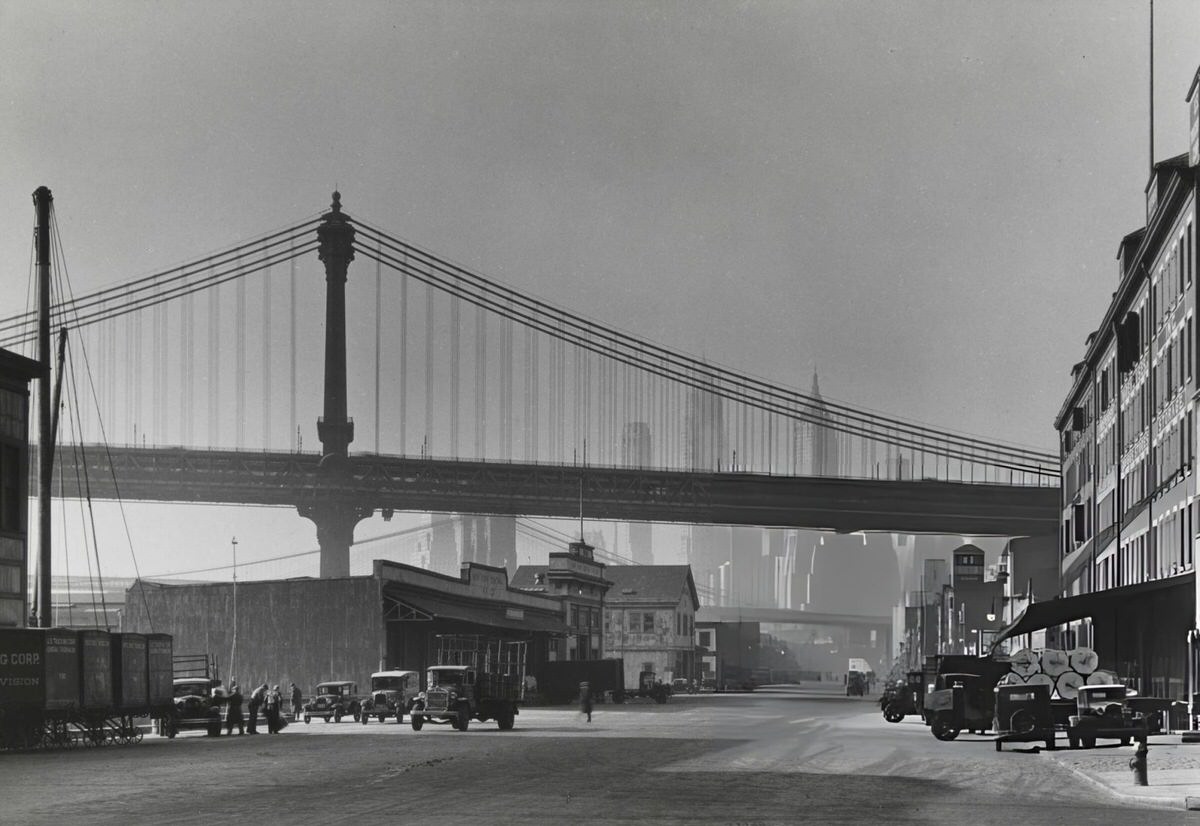
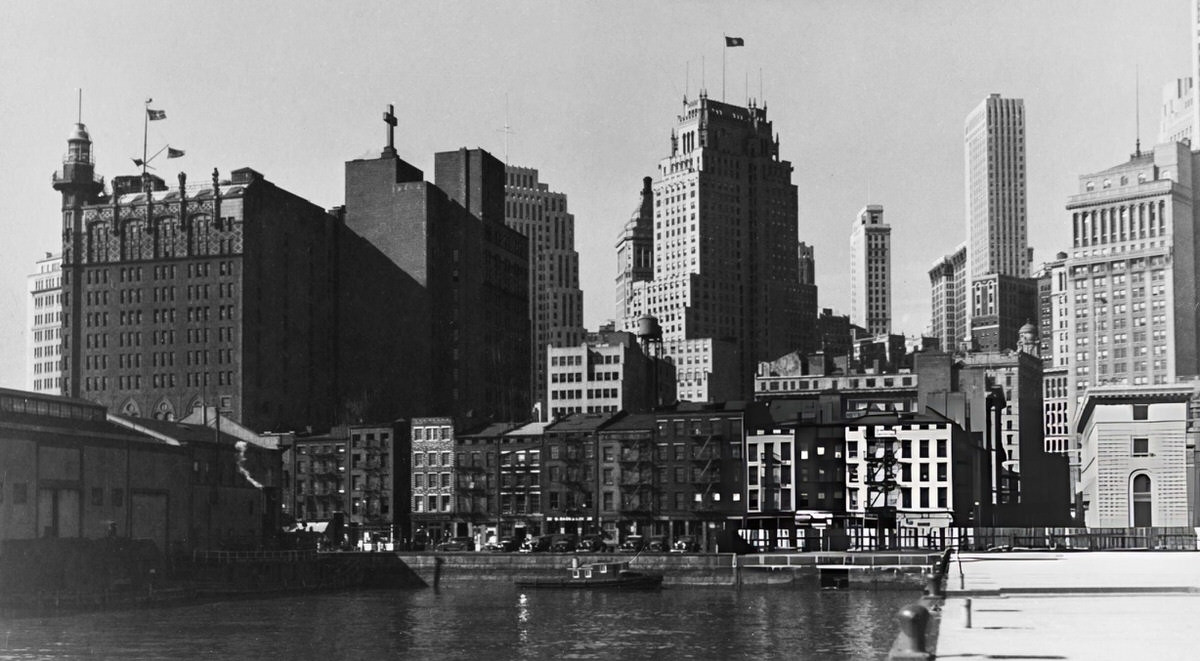
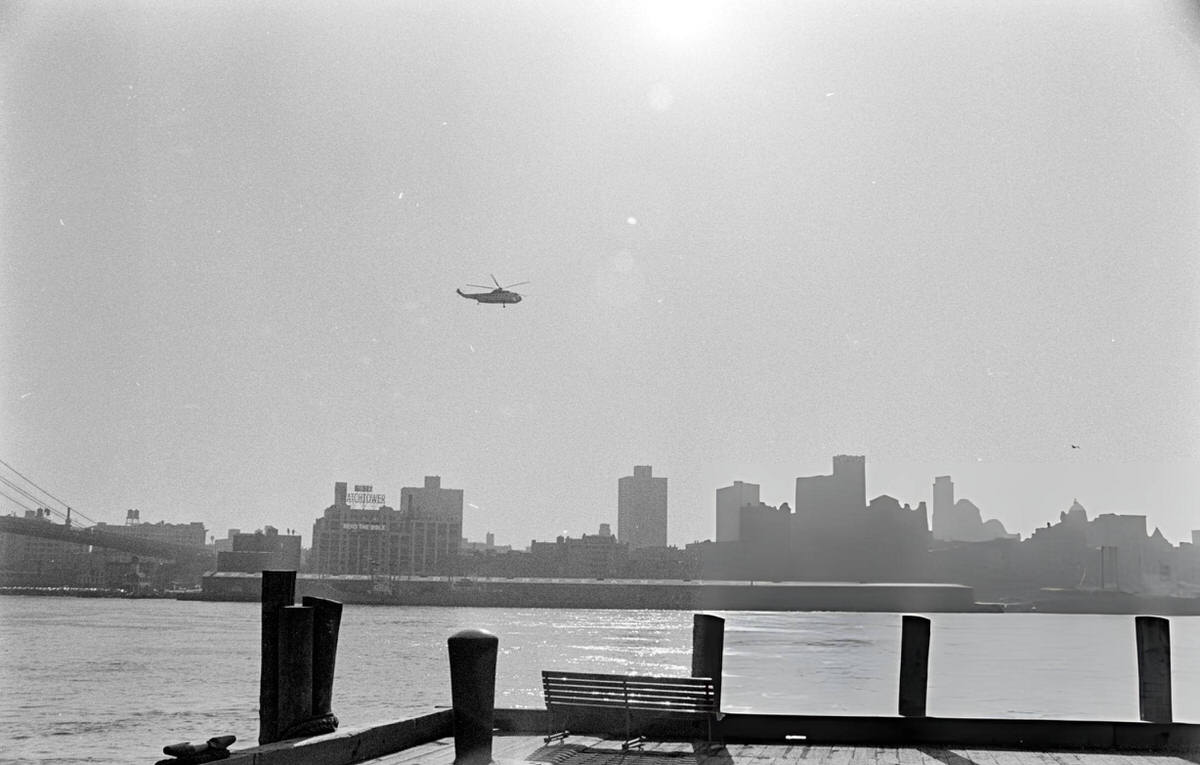
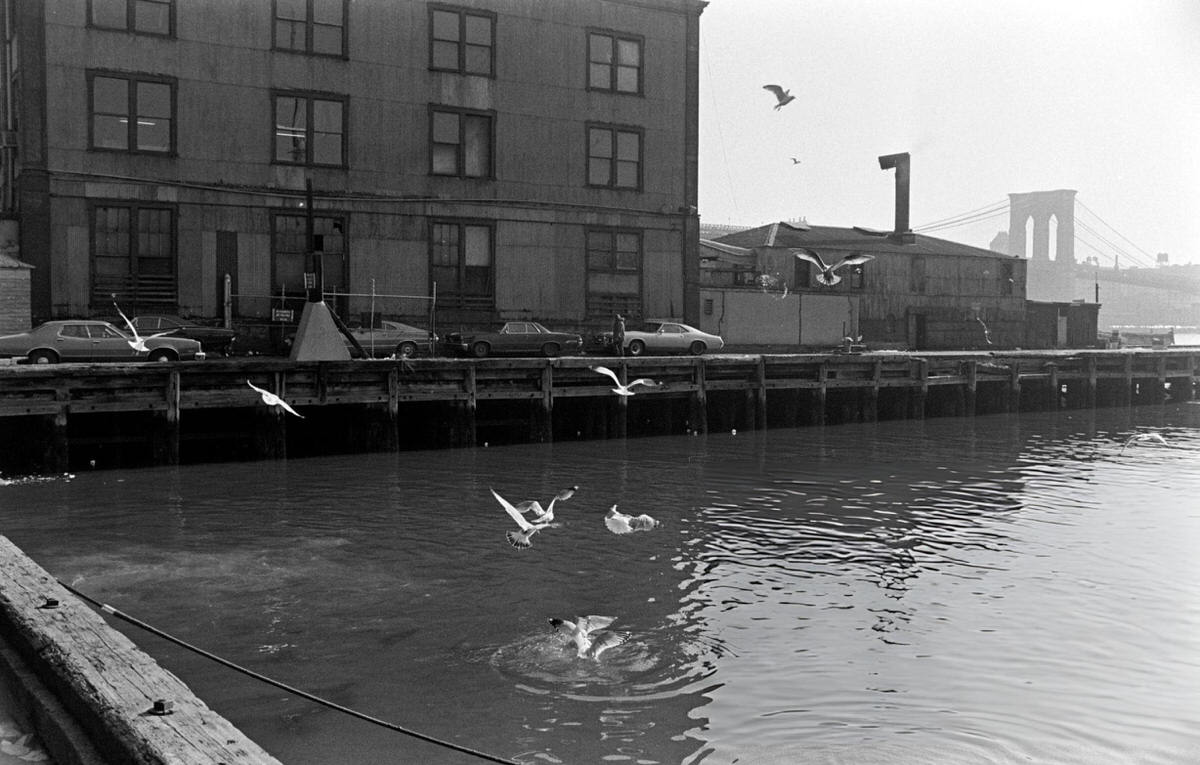
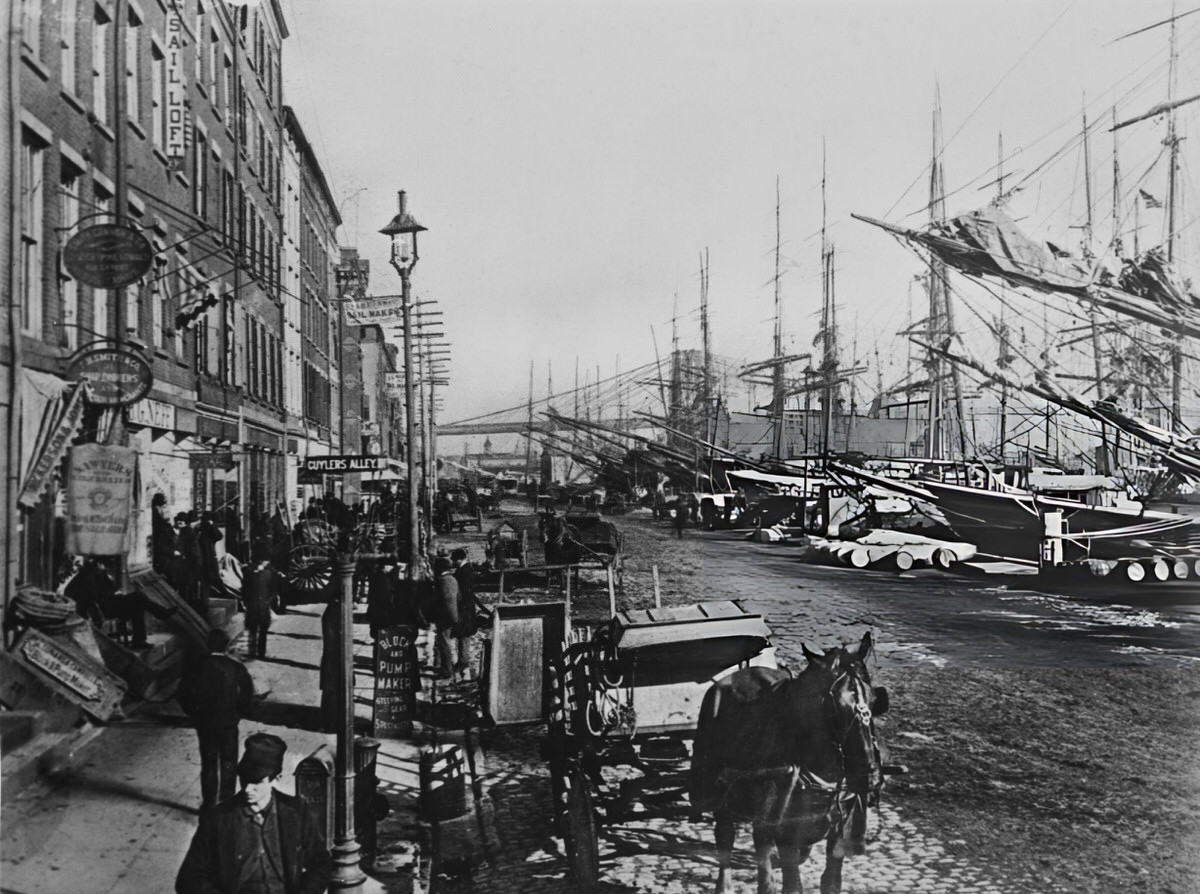
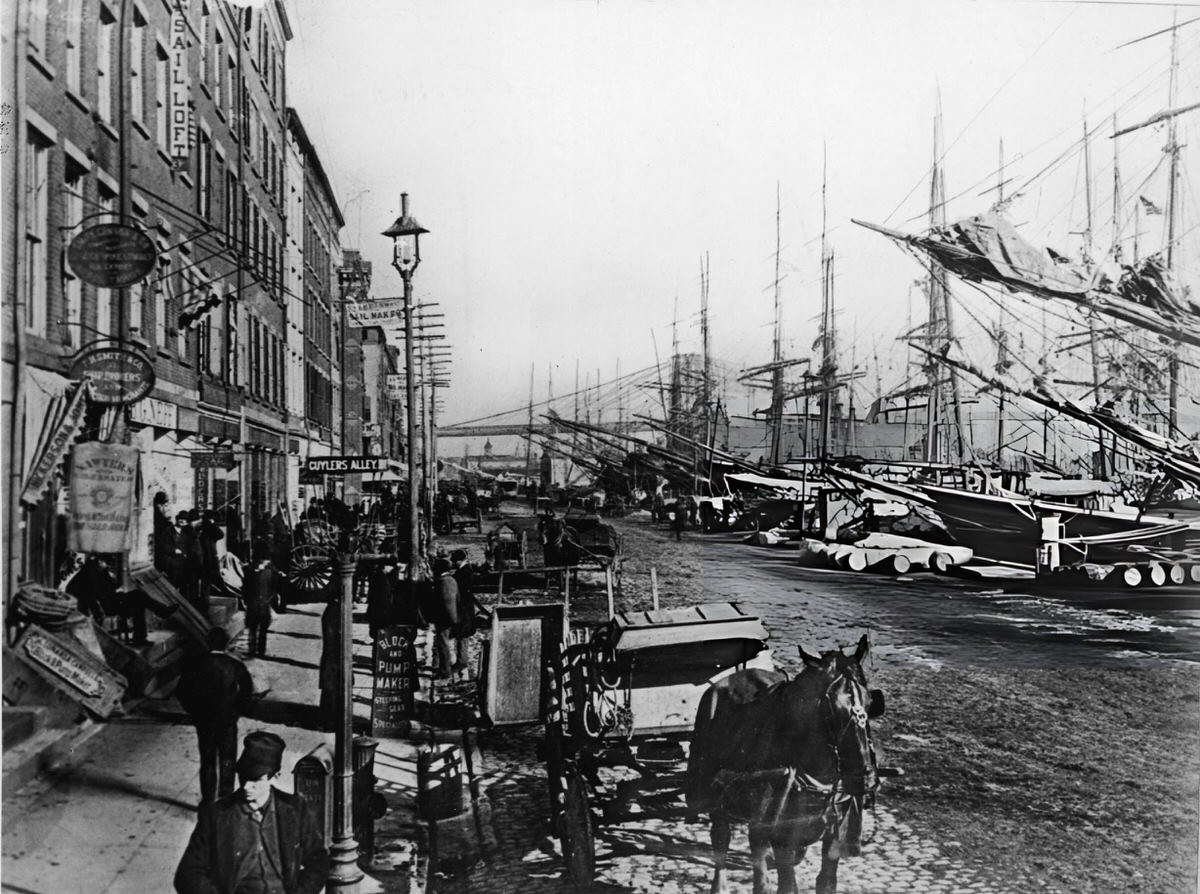
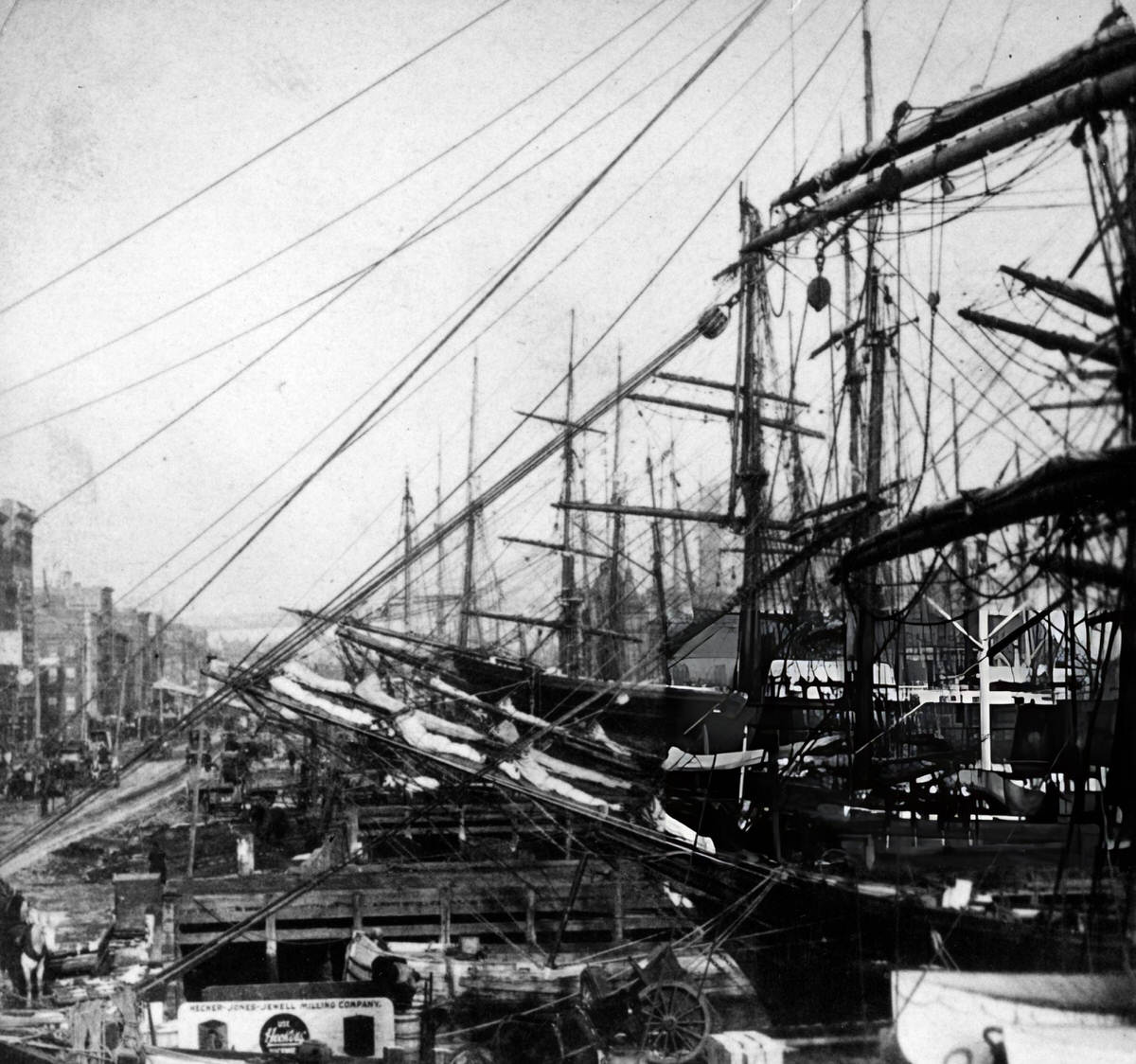
South Street runs along the East River at the very bottom of Manhattan. By 1900, it had already been a working waterfront for over a hundred years. The blocks between Beekman Street and John Street were packed tight with old counting houses, commission merchants, and ship chandlers — businesses that sold rope, canvas, nails, and food to ships before they left port.
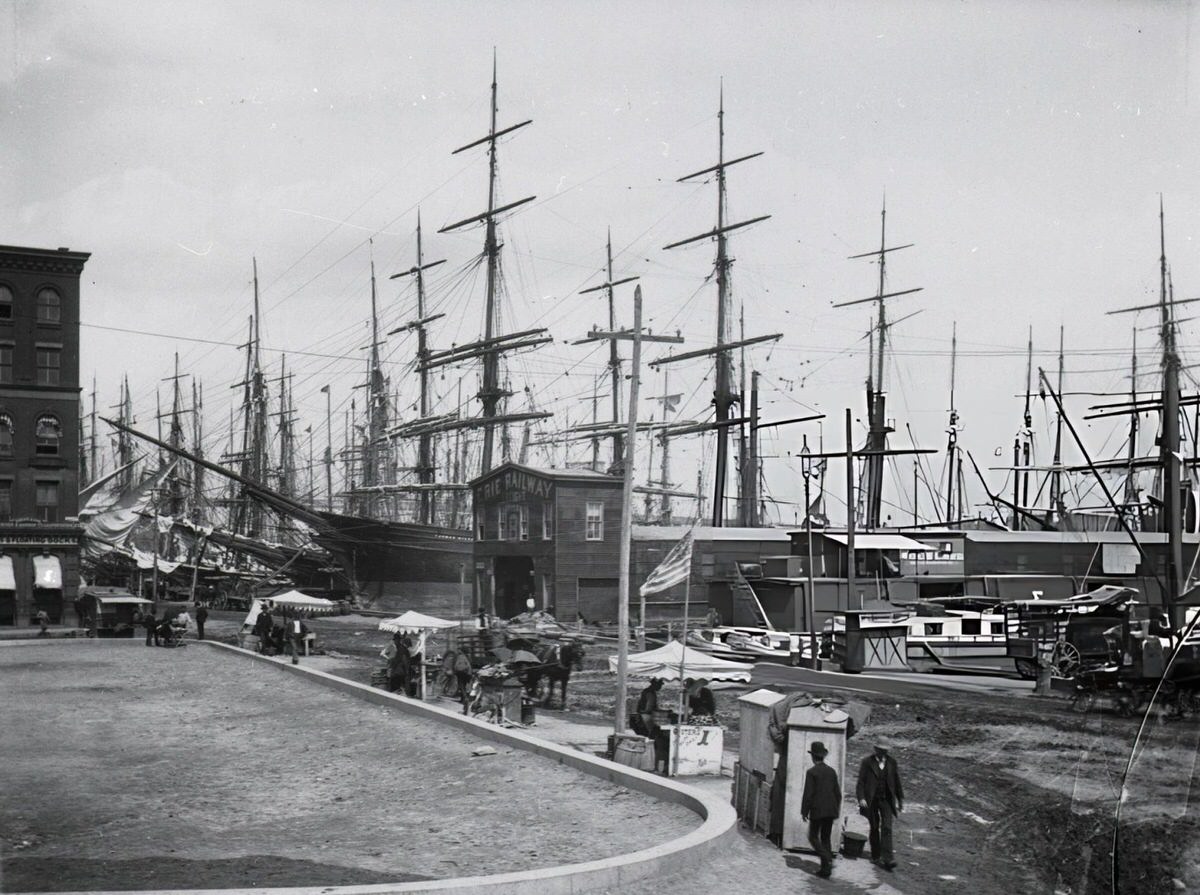
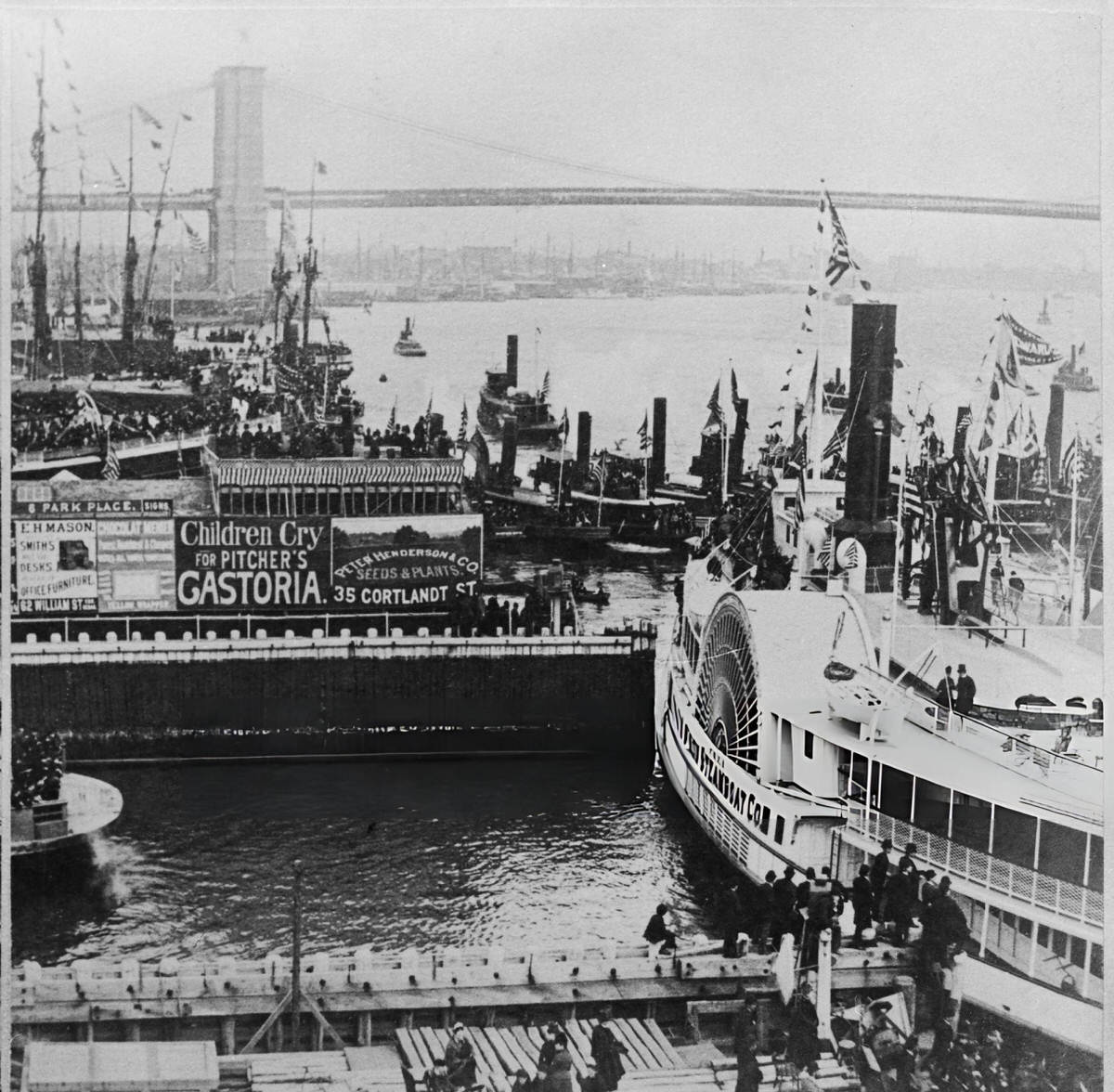
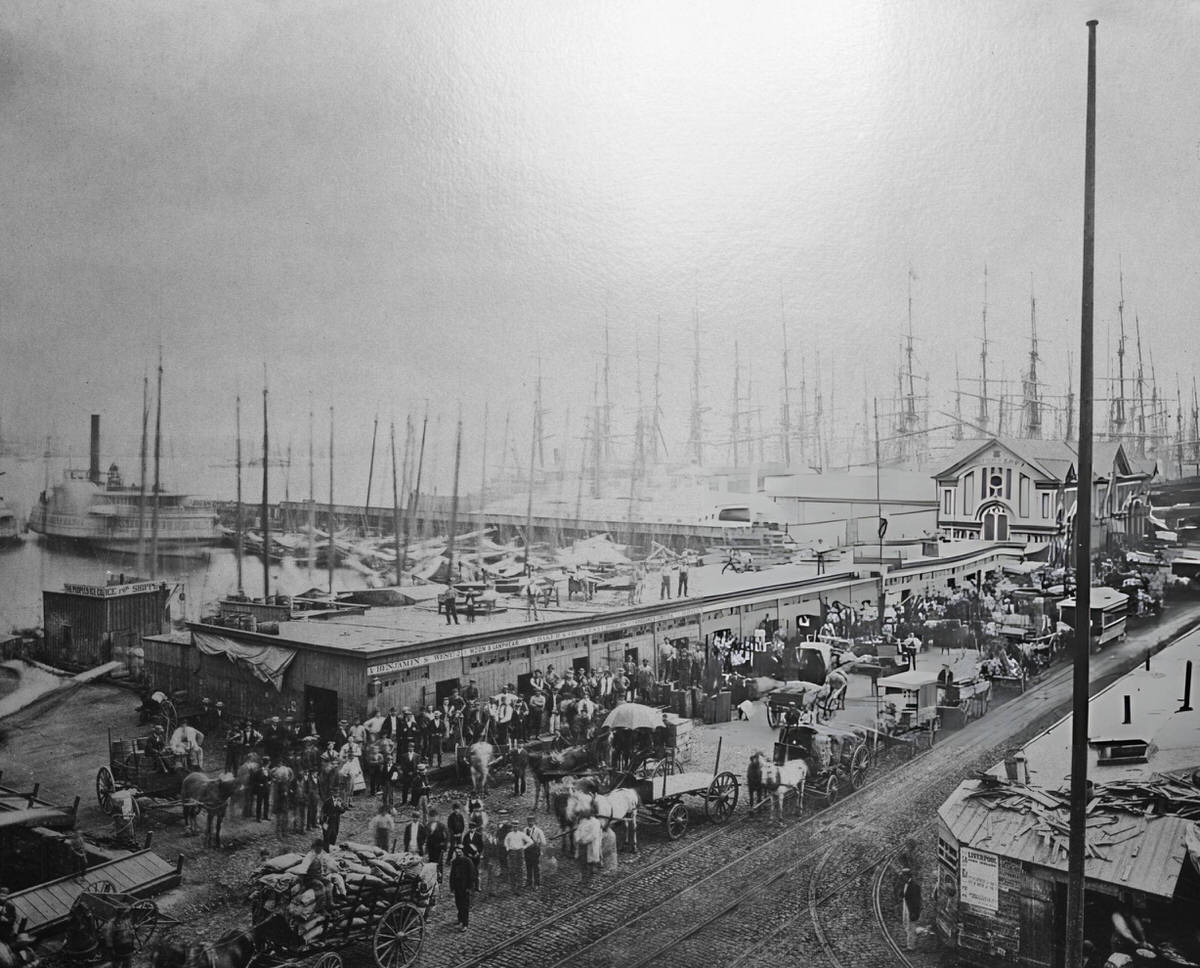
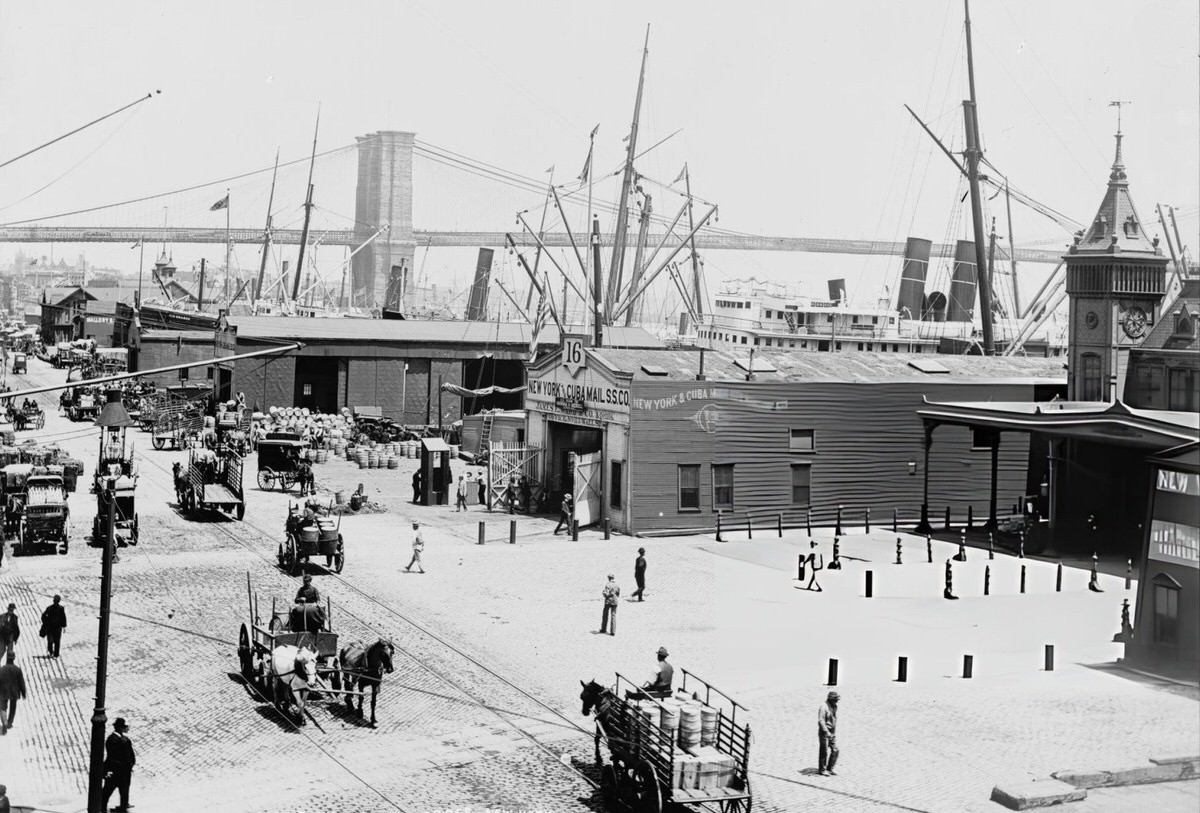
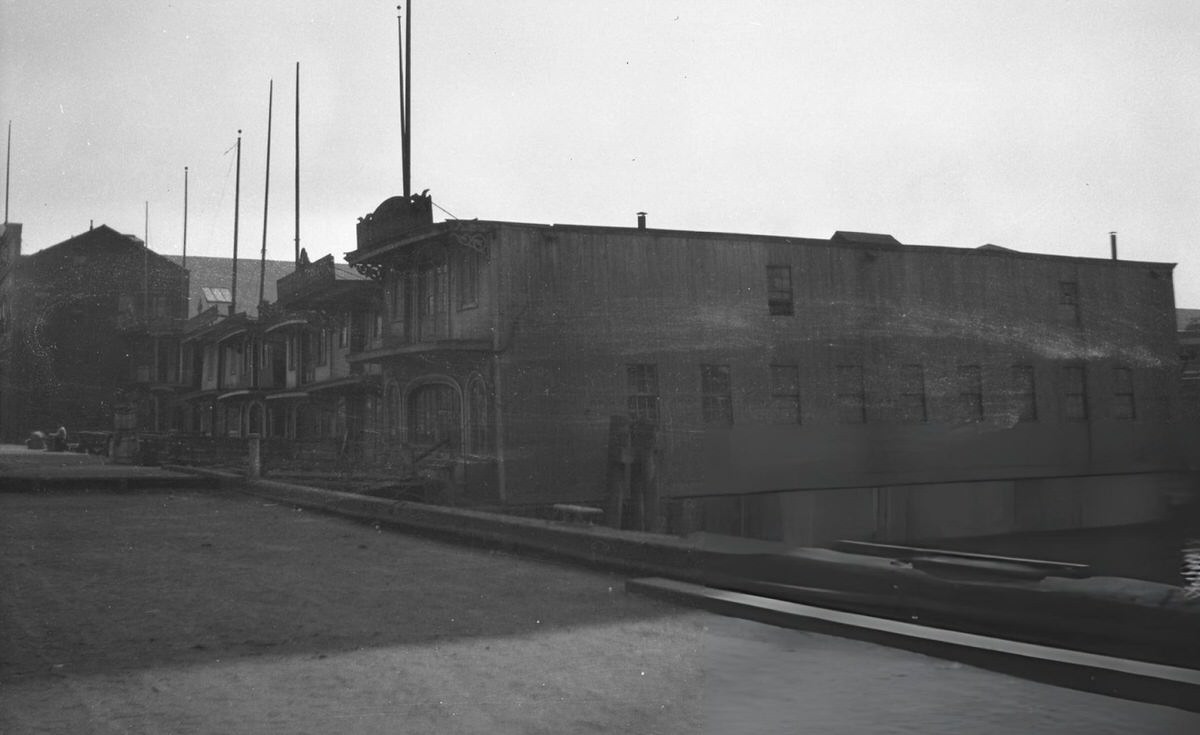
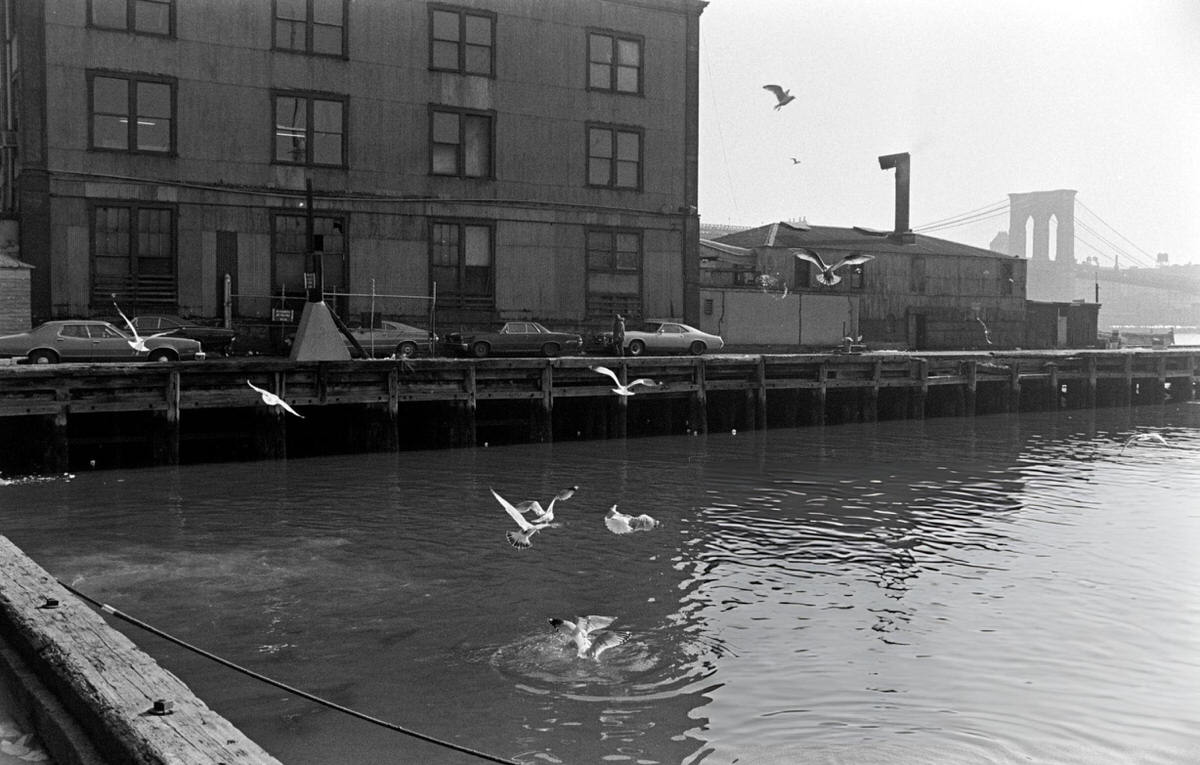
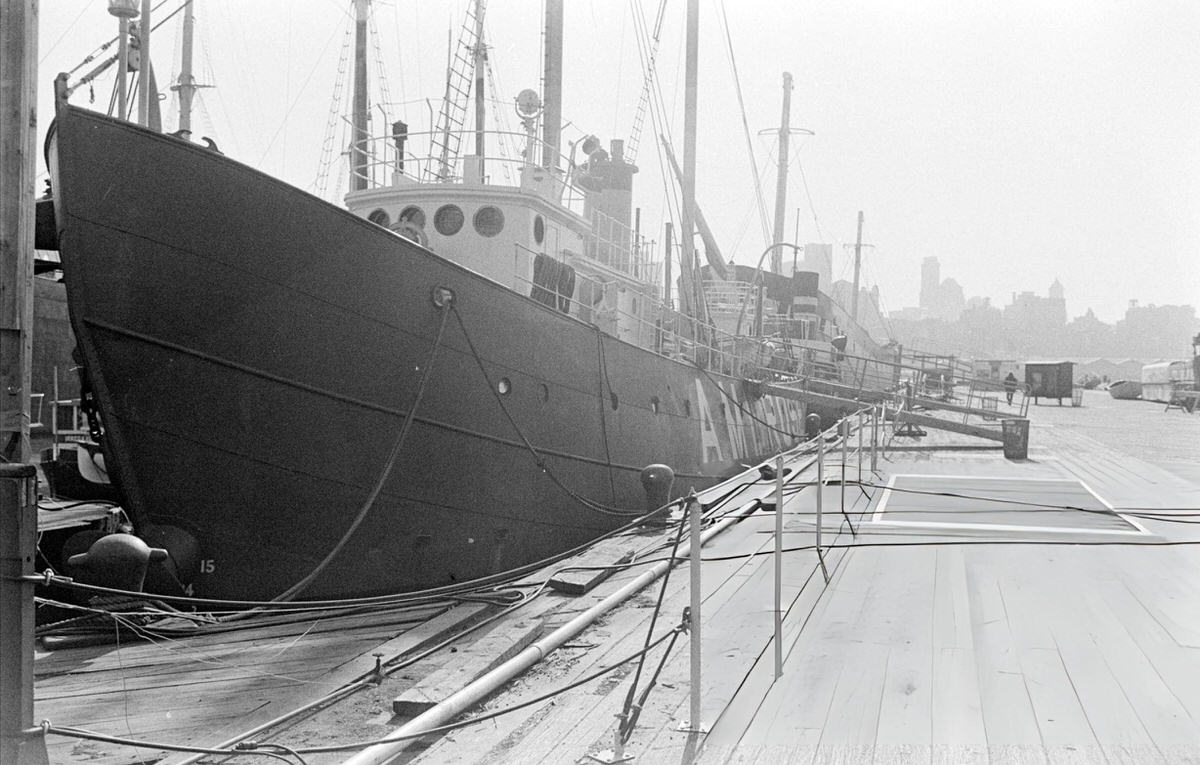
The piers jutted out into the East River one after another, numbered from Pier 1 heading south. Each pier had a specific trade. Some handled dry goods coming in from New England. Others unloaded coal. And the piers around Fulton Street, from about Pier 17 south to Pier 18, handled fish. Enormous amounts of fish.
The Fulton Fish Market in its prime
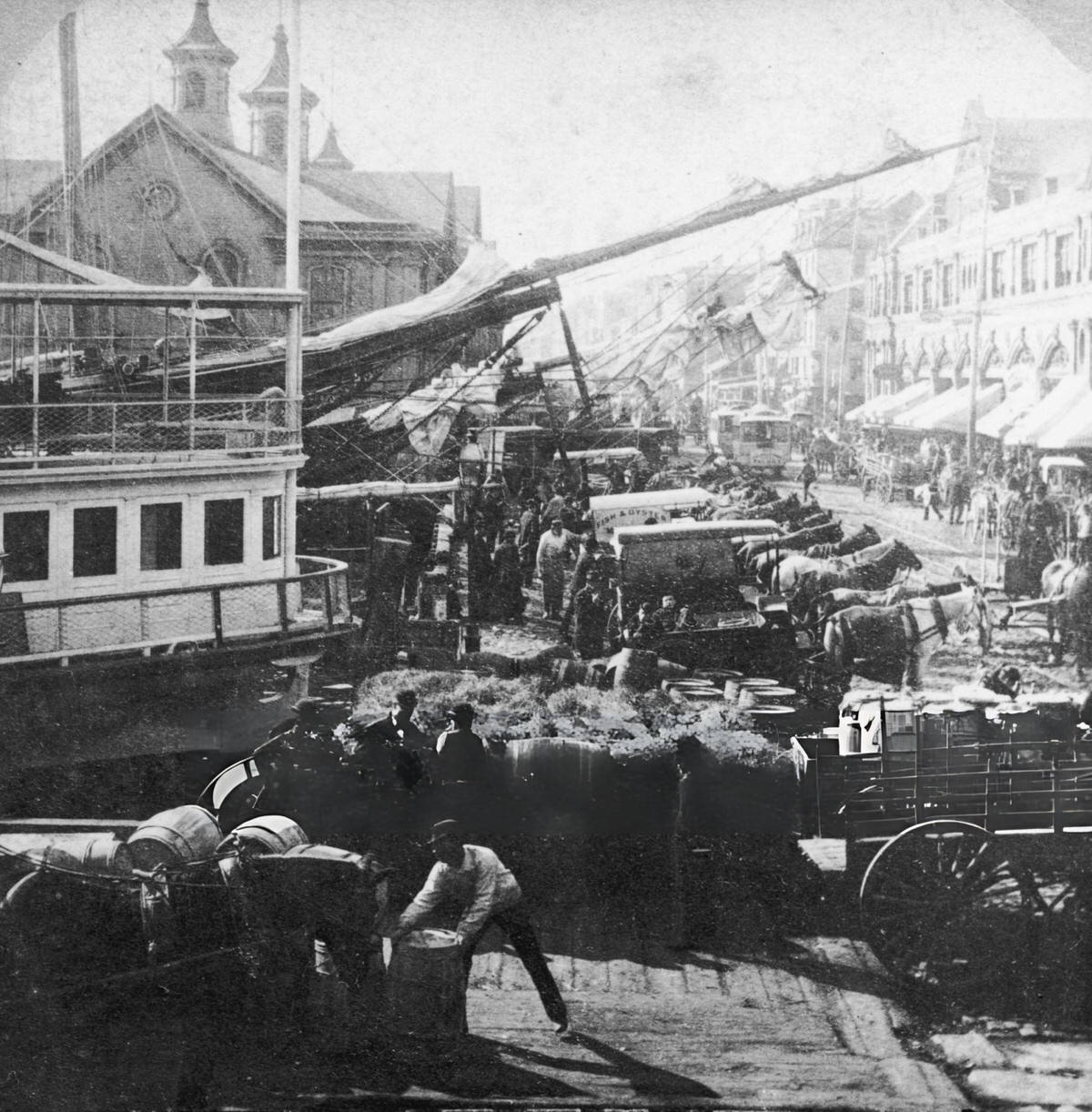
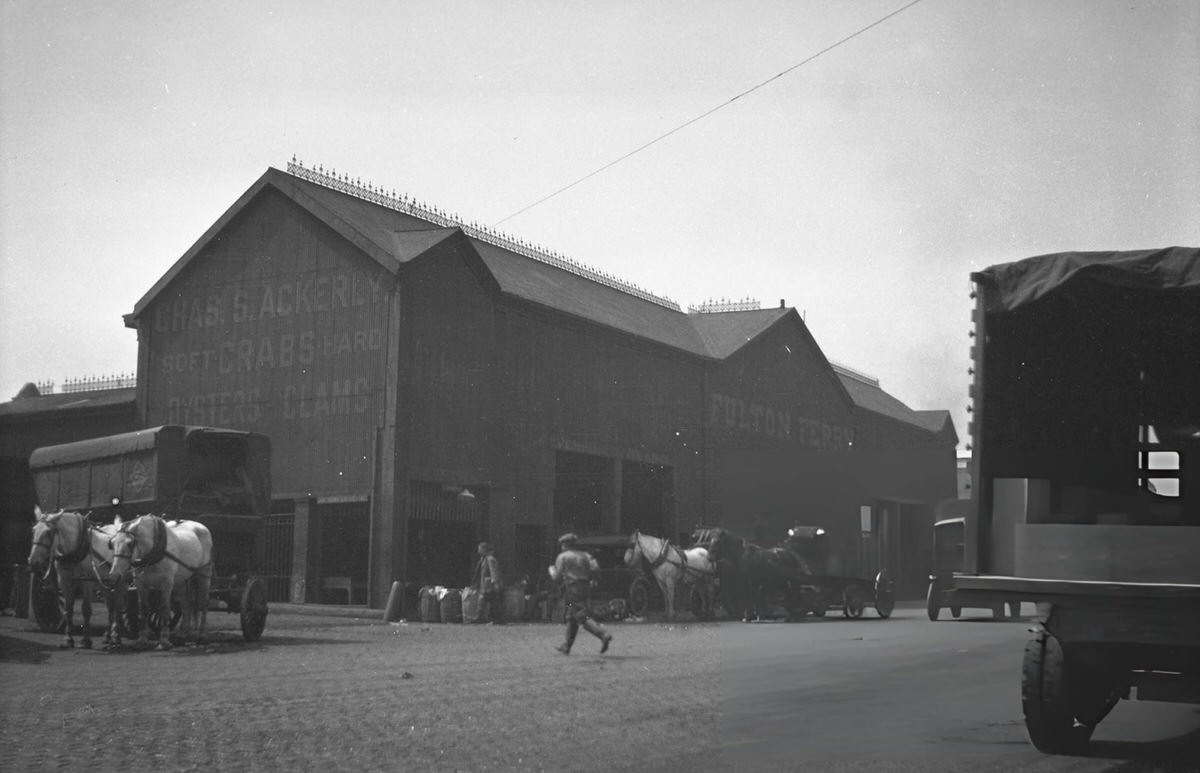
The Fulton Fish Market had been running on that block since 1822, but by 1900 it was operating at a scale that most people in the city never saw — because the real work happened before sunrise. Boats came in from Long Island Sound, from New Jersey, from the waters off Montauk and the Connecticut shore. They tied up at the docks between midnight and 2 AM, and by 3 AM the unloading had already begun.
Read more
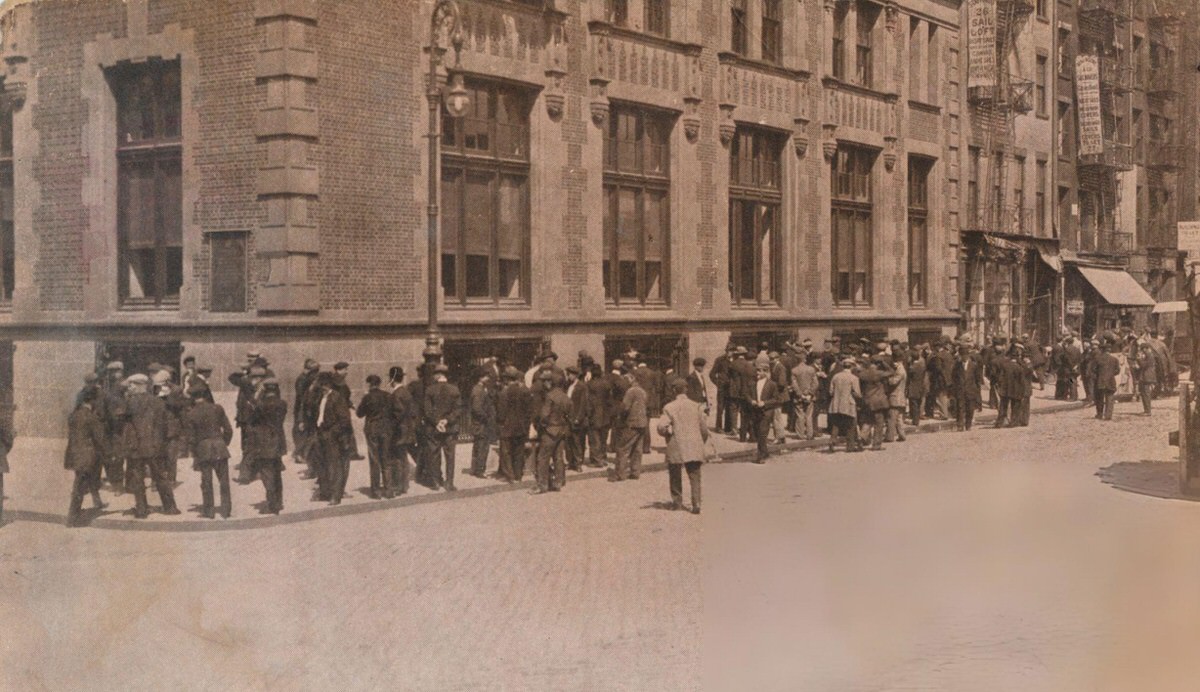
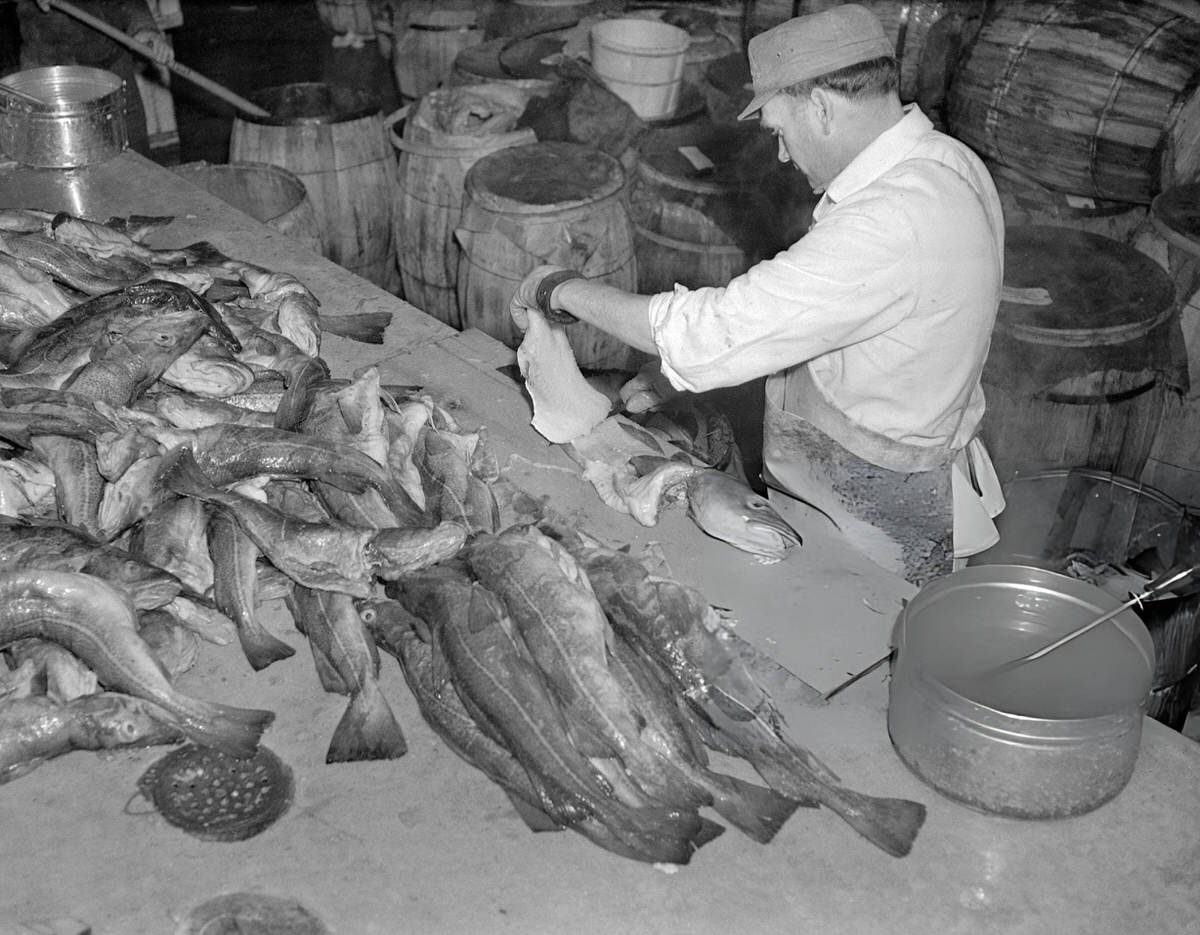
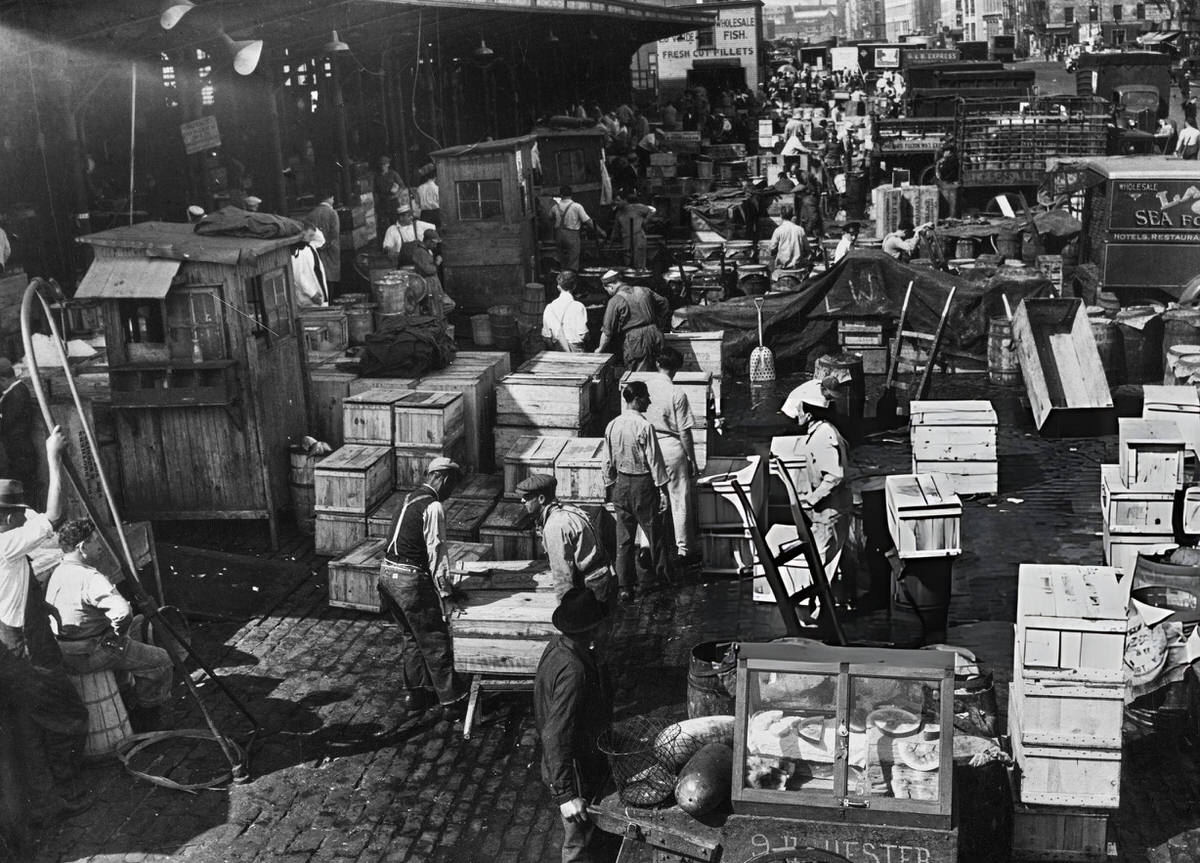
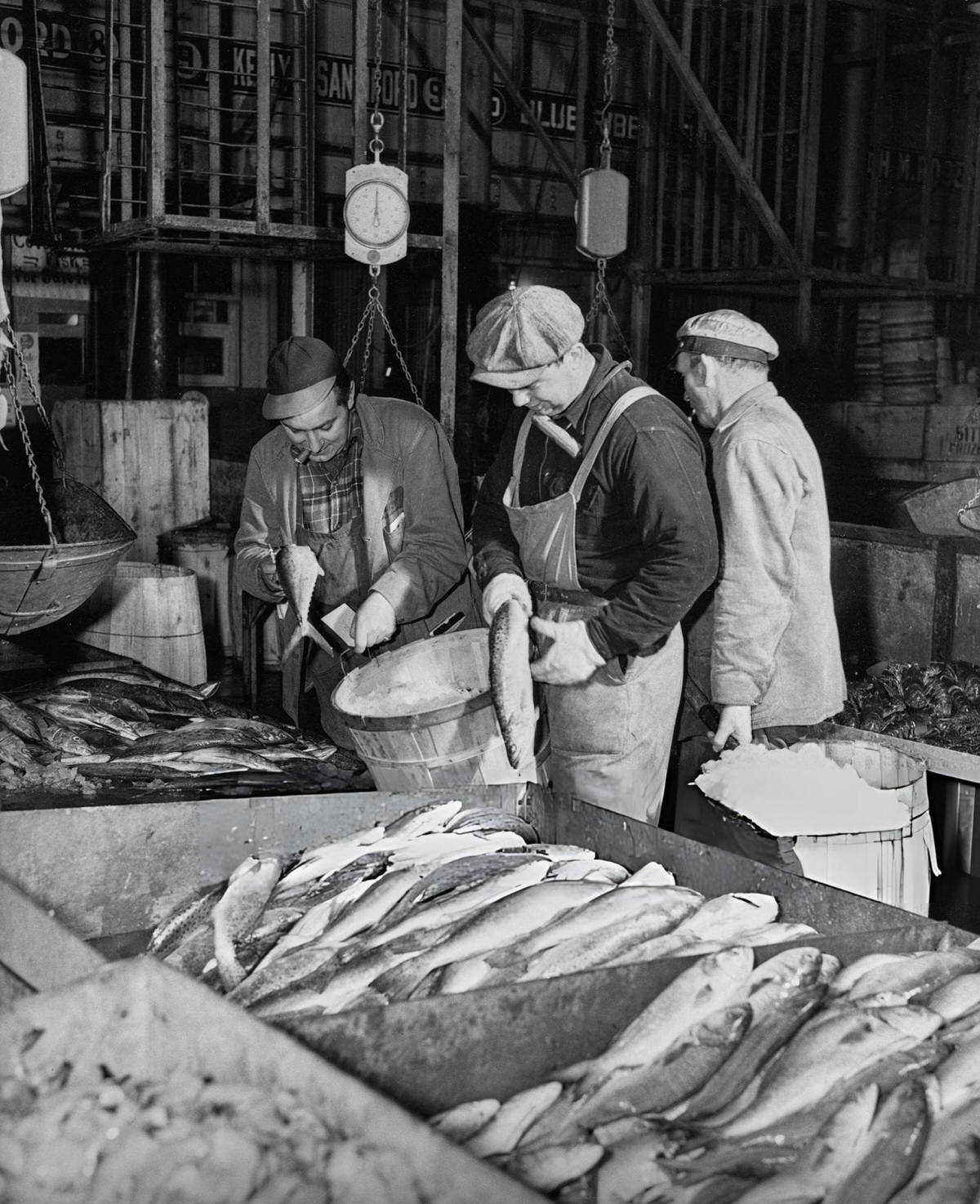
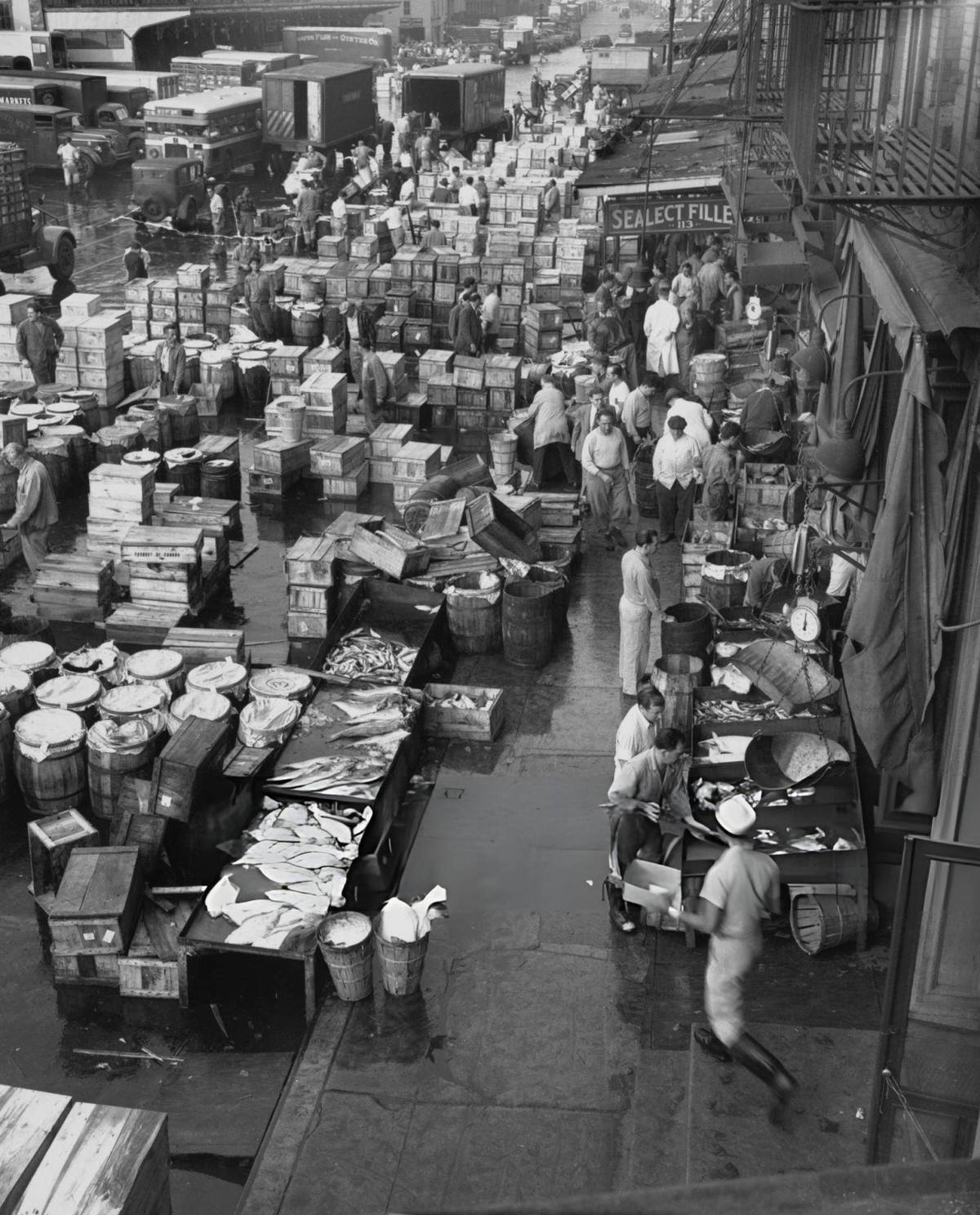
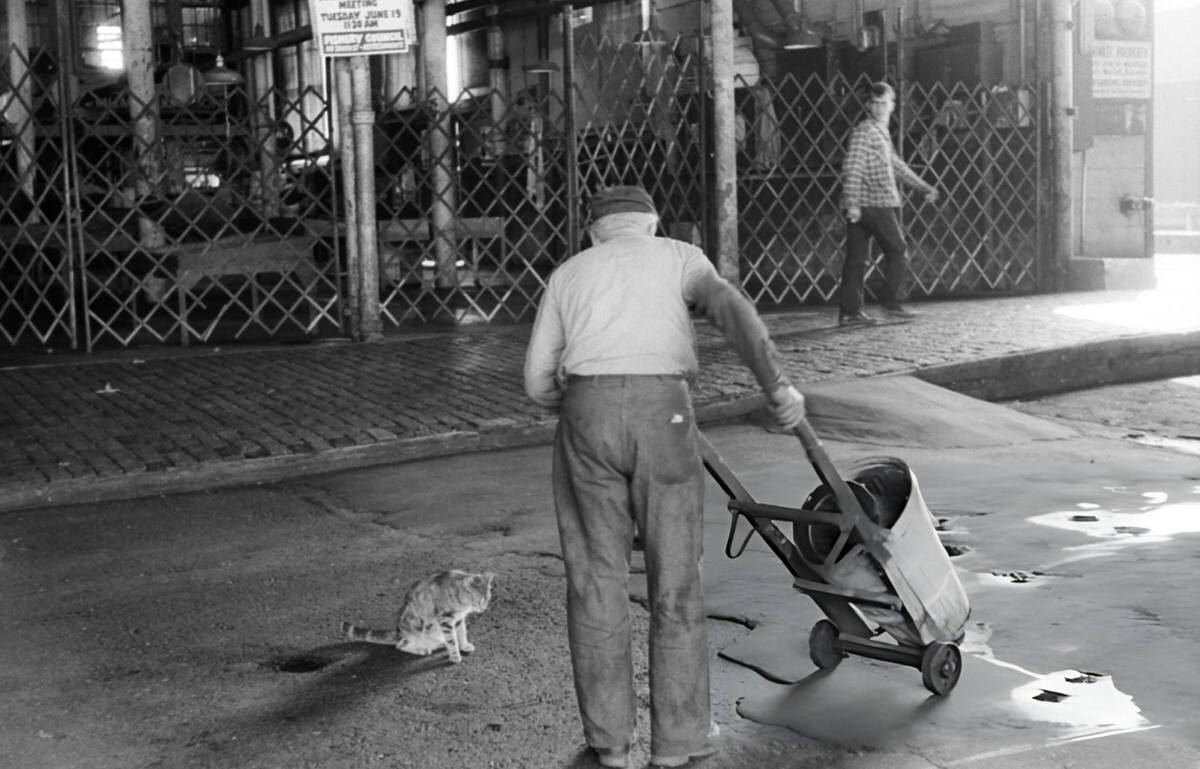
Porters called “lumpers” moved the fish from the holds of the boats onto the docks by hand, carrying wooden crates and barrels packed with crushed ice. They worked fast and loud. The fish came in by species and were sorted immediately — bluefish, flounder, sea bass, striped bass, cod, mackerel, and in summer, large hauls of weakfish. By 4 AM, the market floor inside the long shed on Fulton Street was completely full. Dealers stood behind their stalls and buyers — restaurant owners, hotel purchasing agents, and smaller fish shops from all five boroughs — moved through the crowd making deals.
The whole transaction happened on handshakes and reputation. There were no contracts written out on the floor. A buyer said what he wanted, a dealer named a price, and that was it. The same relationships went back generations in some cases. A fishmonger on Mott Street in Little Italy bought from the same Fulton Street dealer his father had bought from. That kind of loyalty was the glue that held the market together.
The ships that kept the piers busy
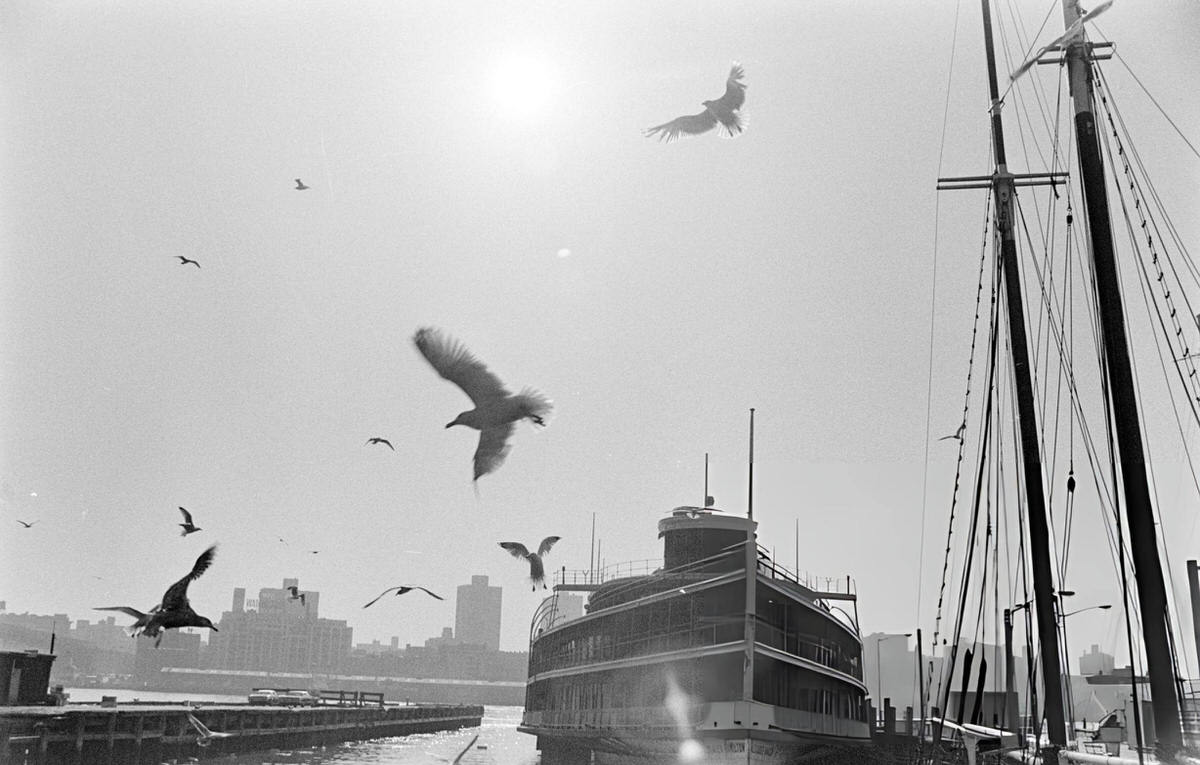
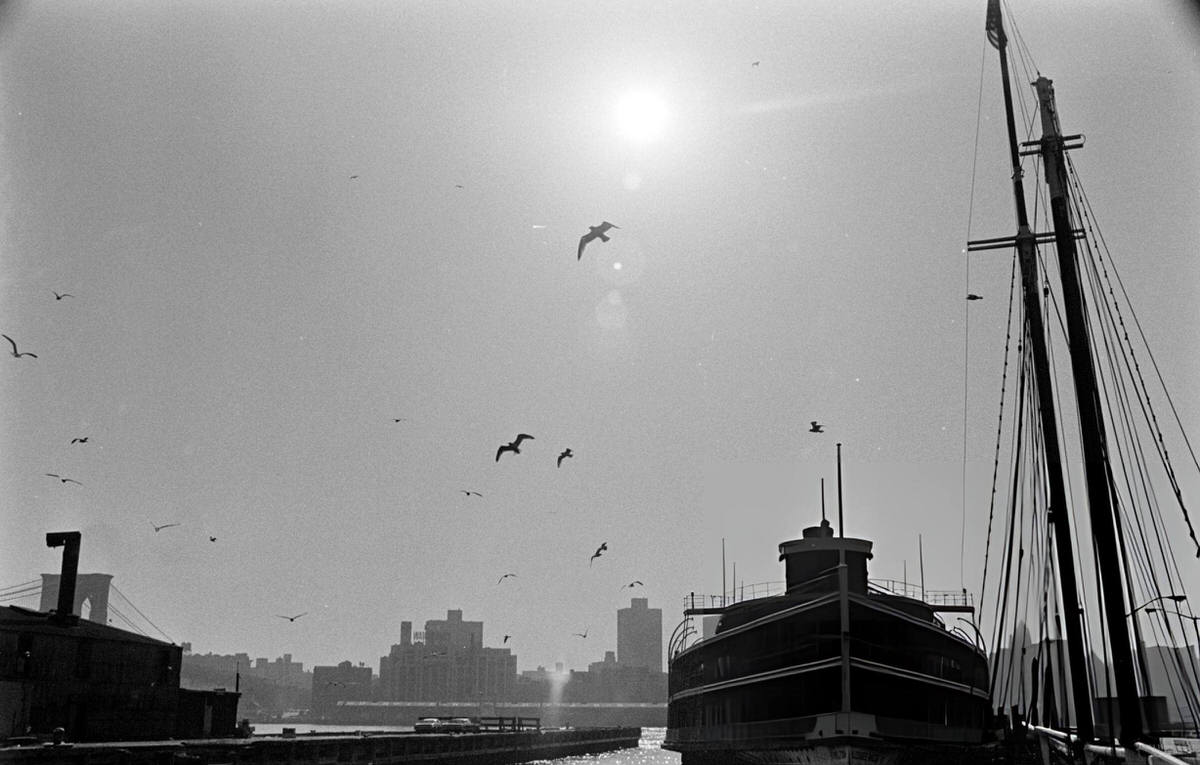
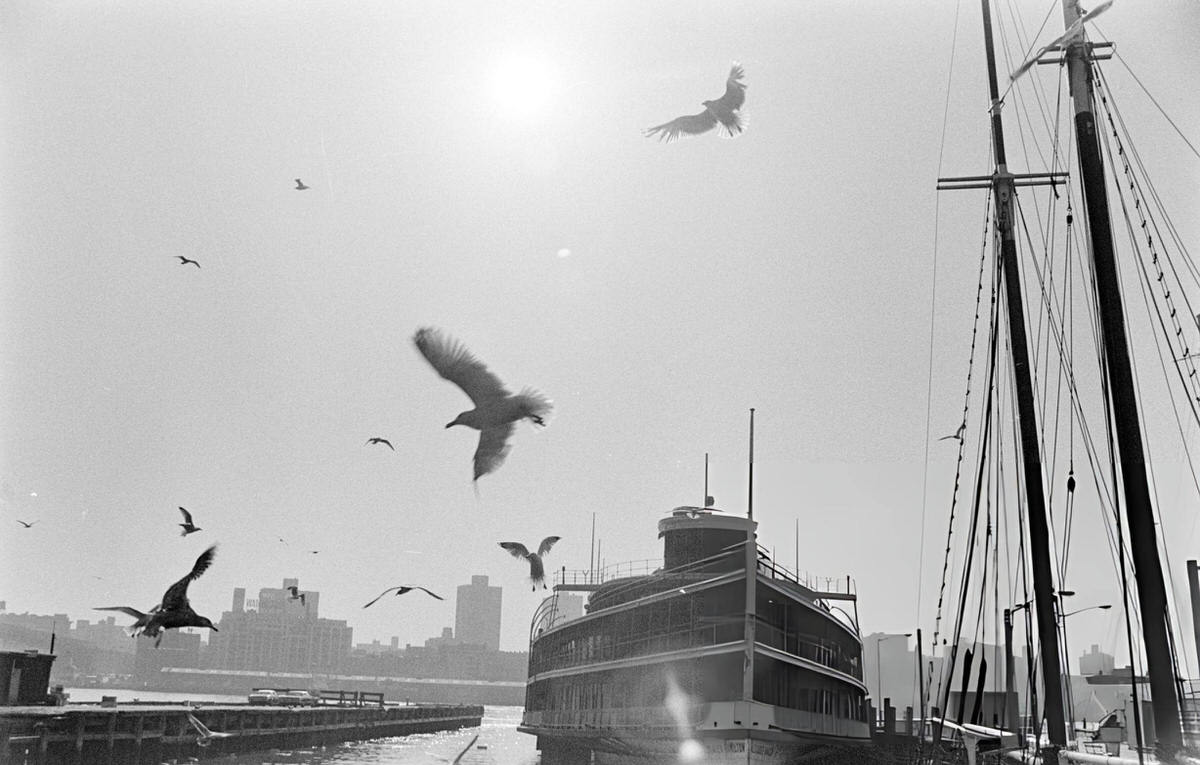
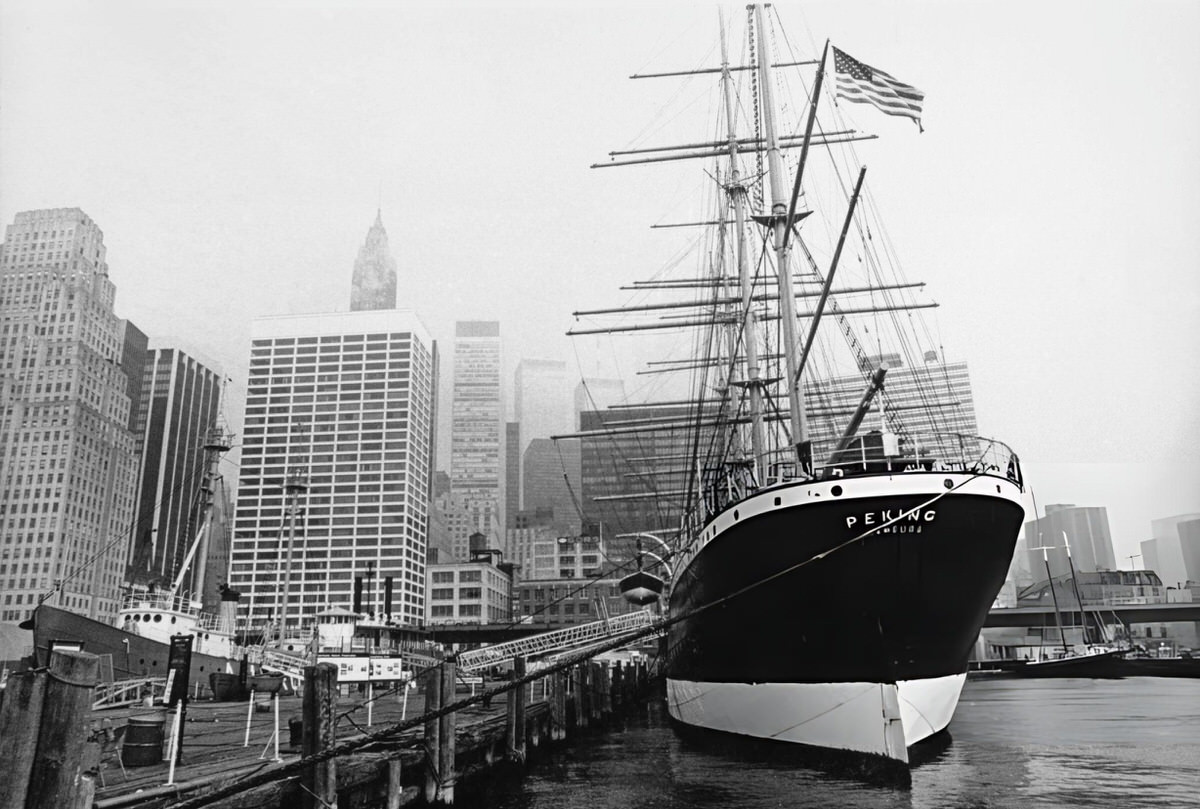
The fish boats were only part of the picture. South Street in the early 1900s was still active with commercial shipping, though it had clearly passed its peak. The great clipper ship era was over — those fast, tall-masted wooden sailing ships that once made South Street the busiest port in the Western Hemisphere had been replaced by steam-powered vessels that docked upriver at the Hudson side piers, which had deeper water and more modern equipment.
Pier 17
Core fish unloading pier. Fish boats tied up here nightly from Long Island and New Jersey waters.
Pier 18
Mixed use — dry goods and smaller coasting vessels carrying produce from New England ports.
Piers 9–11
Coal and bulk cargo. Steam-powered barges ran regular routes from Pennsylvania fields.
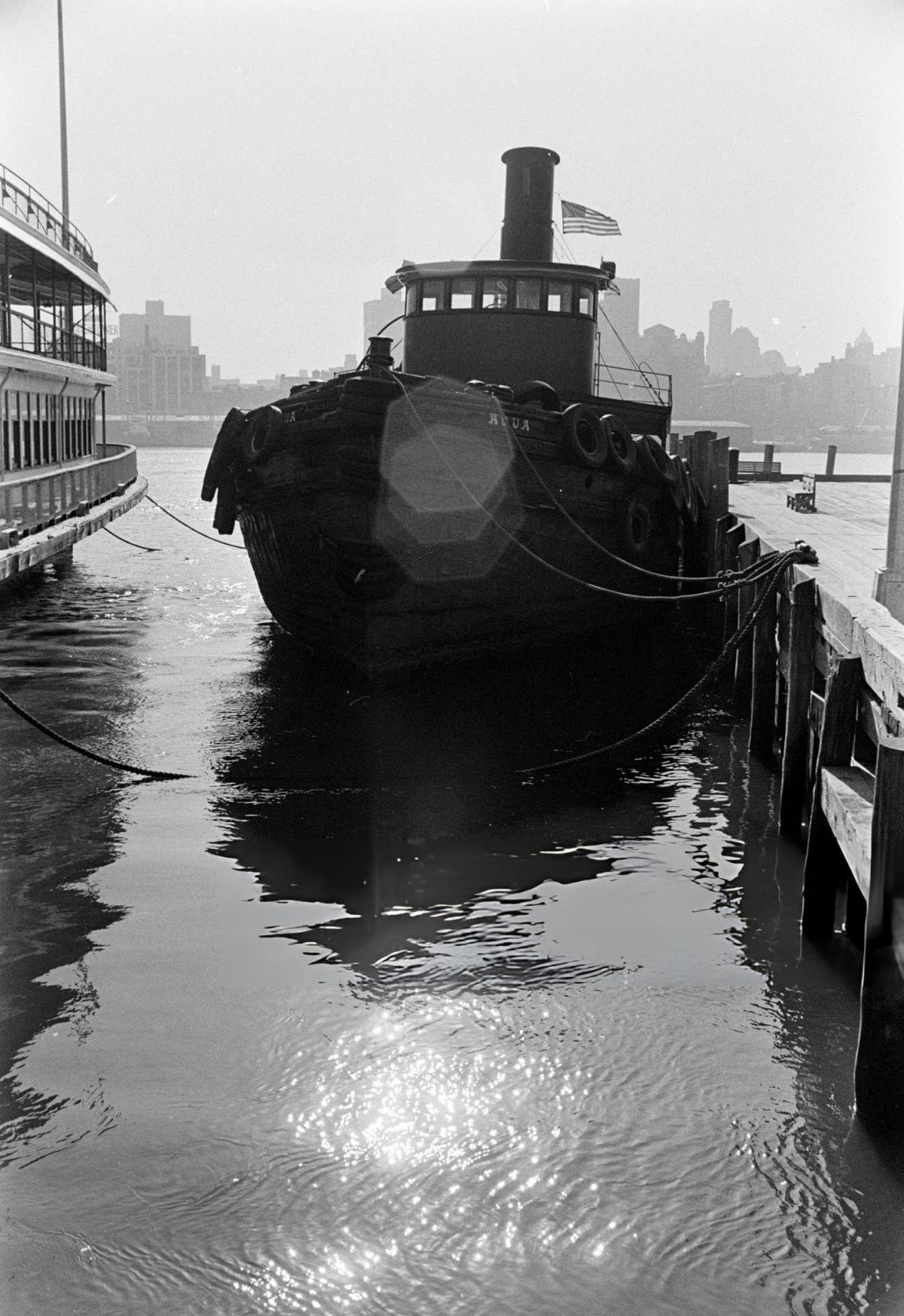
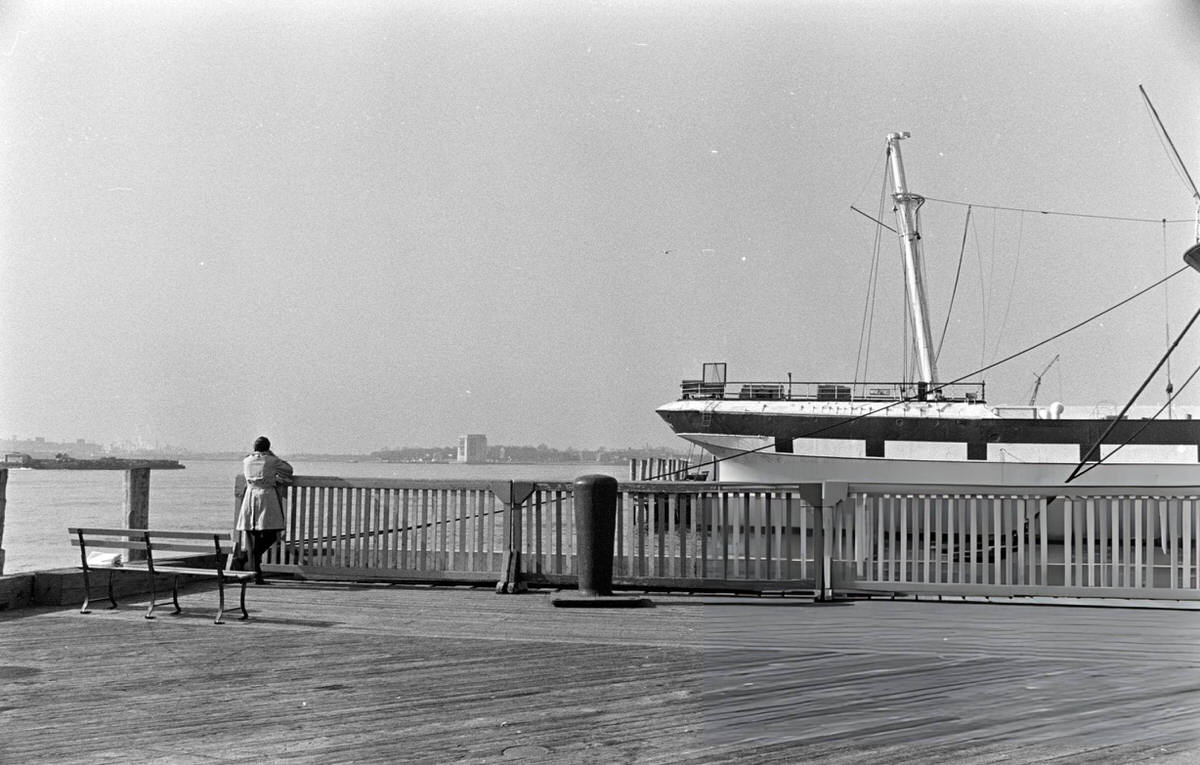
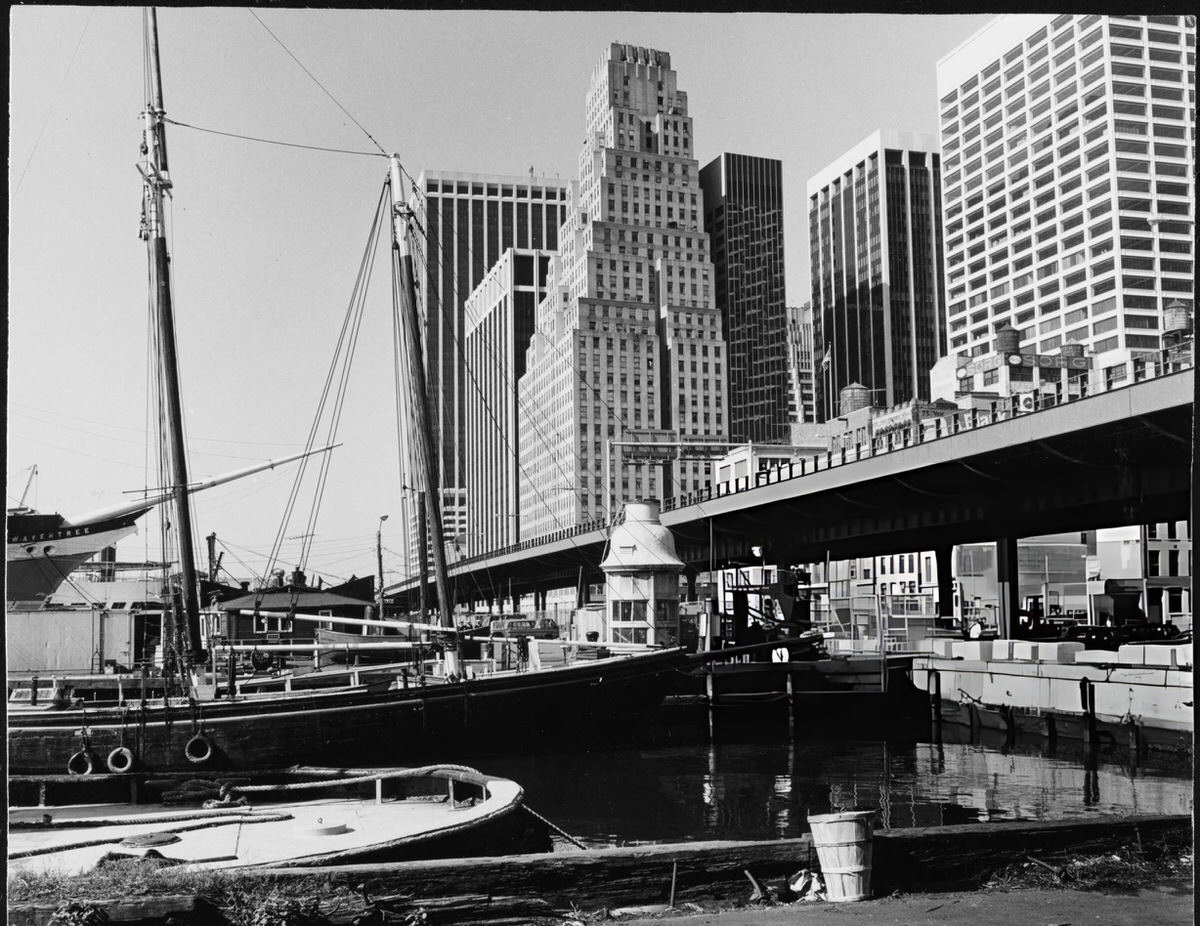
Still, the East River piers south of the Brooklyn Bridge stayed busy with coasting schooners — smaller, two-masted wooden sailing ships that ran cargo along the Eastern Seaboard. These boats carried lumber from Maine, granite from New Hampshire, and barrels of pickled goods from ports in Massachusetts. They were slower than steamships, but cheaper to operate, and they kept coming into South Street well into the 1910s.
The schooner captains knew the East River current and the tides the way a truck driver knows a highway. They timed their arrivals to come in with the flood tide, which pushed north and made it easier to maneuver into a slip. Missing the tide meant waiting off Governor’s Island for six hours, which cost money. These men were not romantics about sailing — they were businessmen who happened to use wind for fuel.
The neighborhood behind the docks
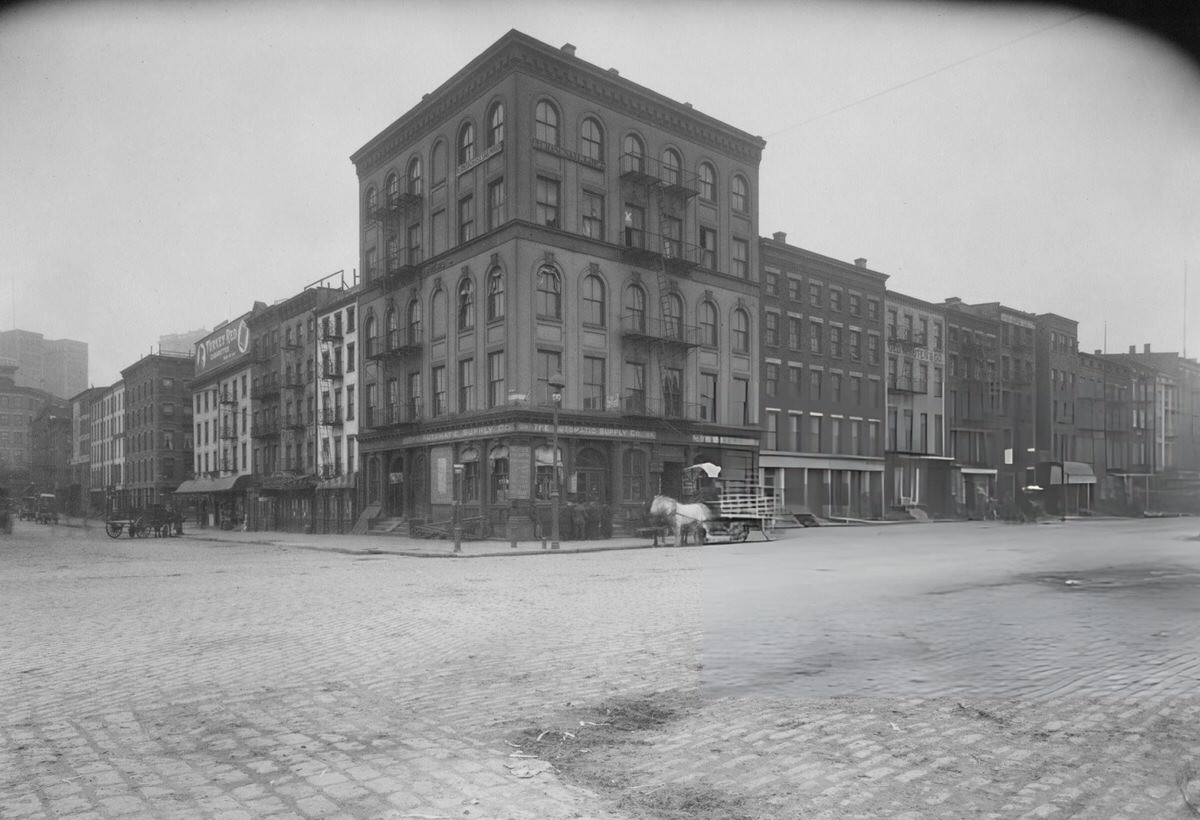
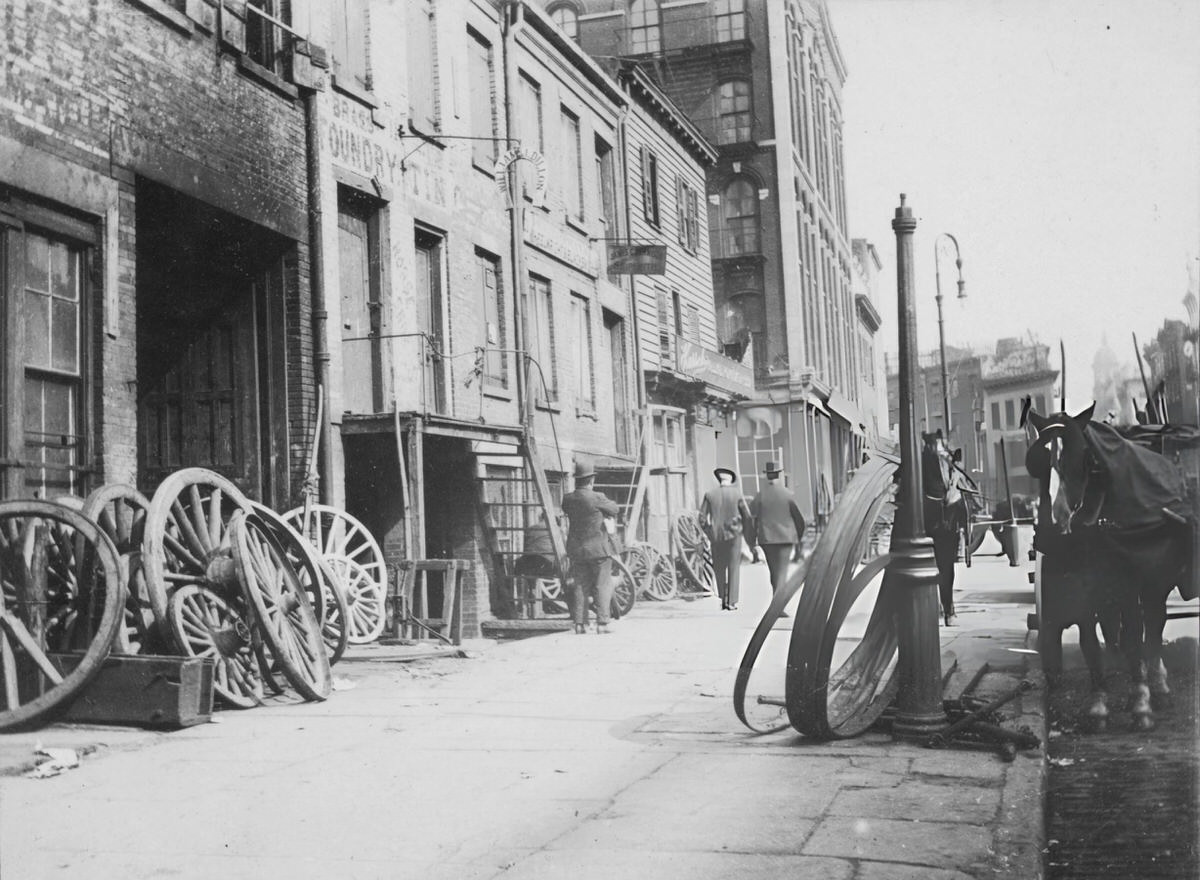
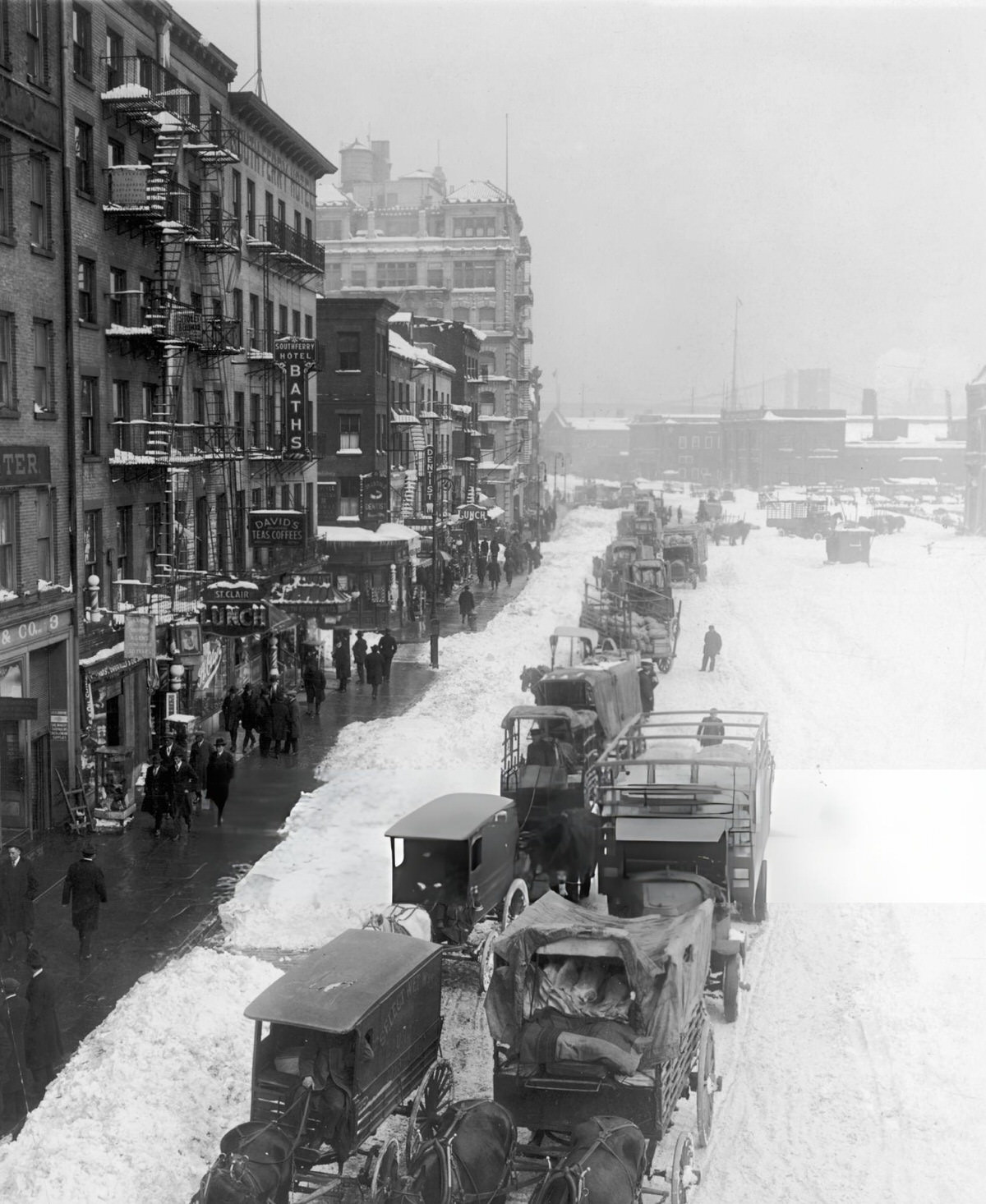
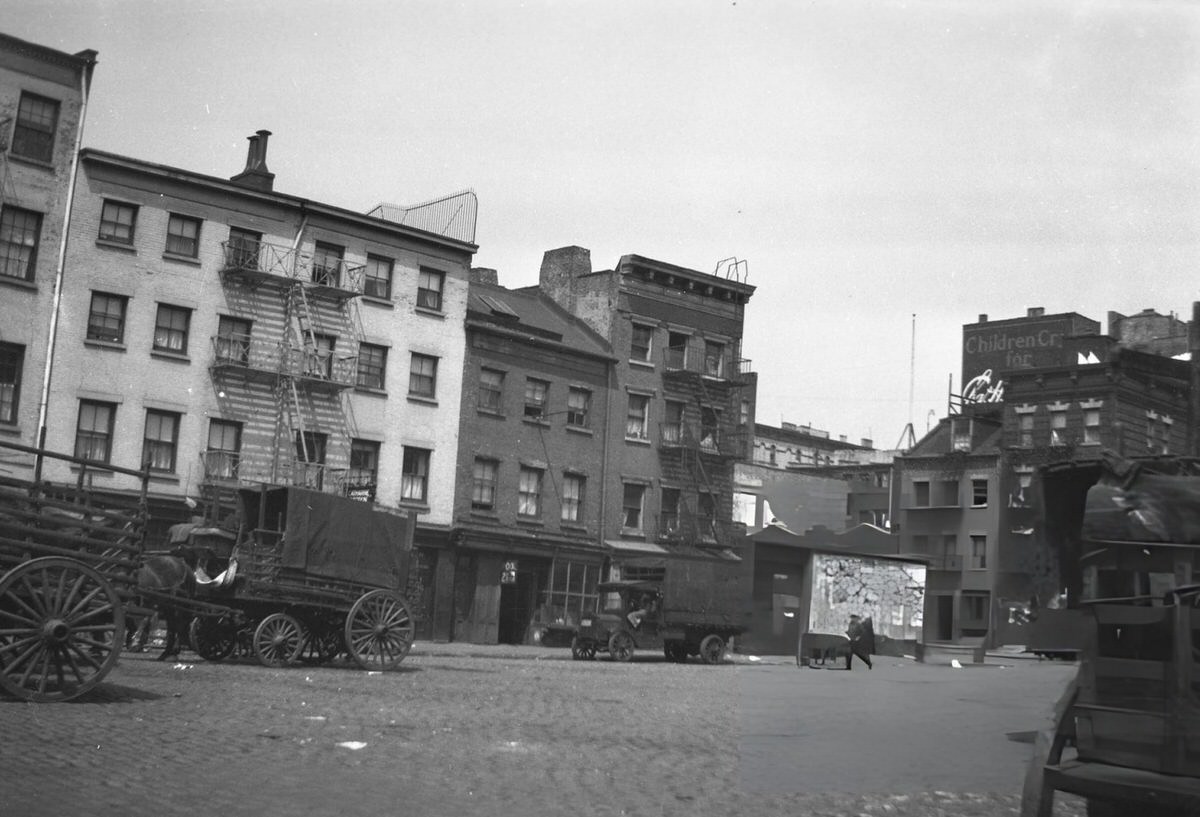
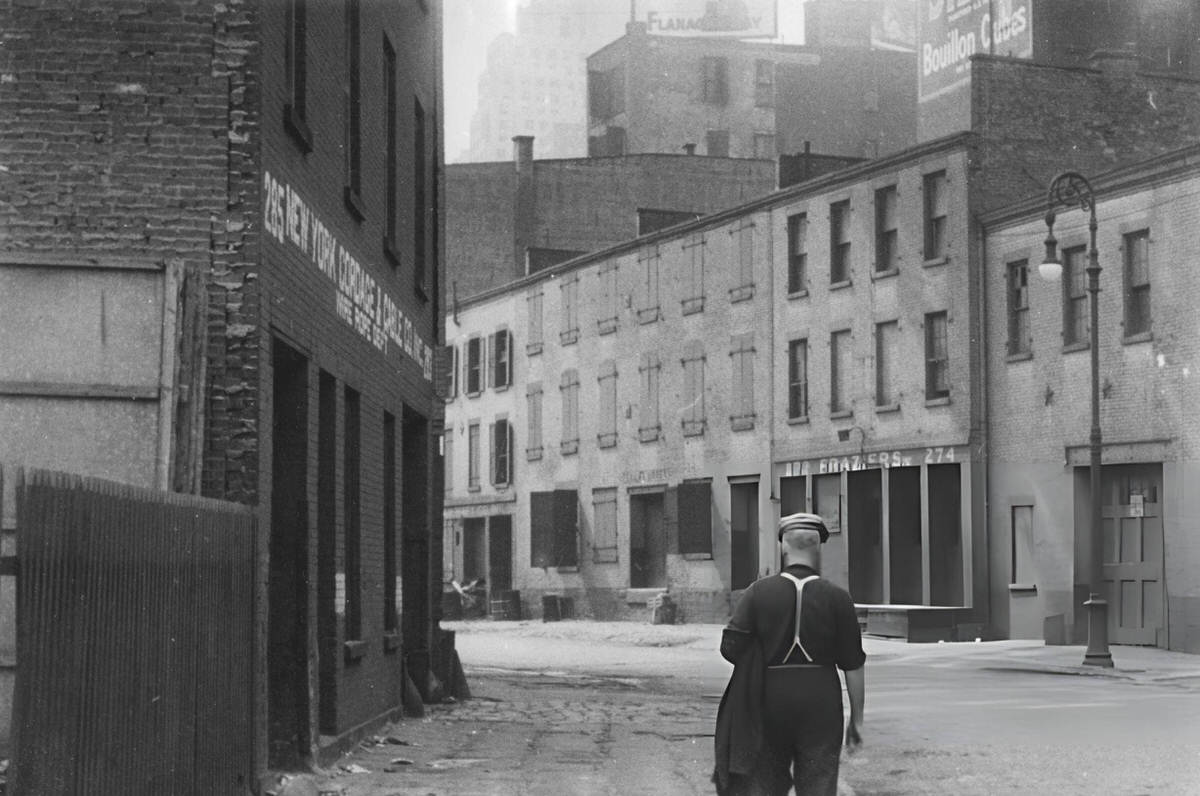
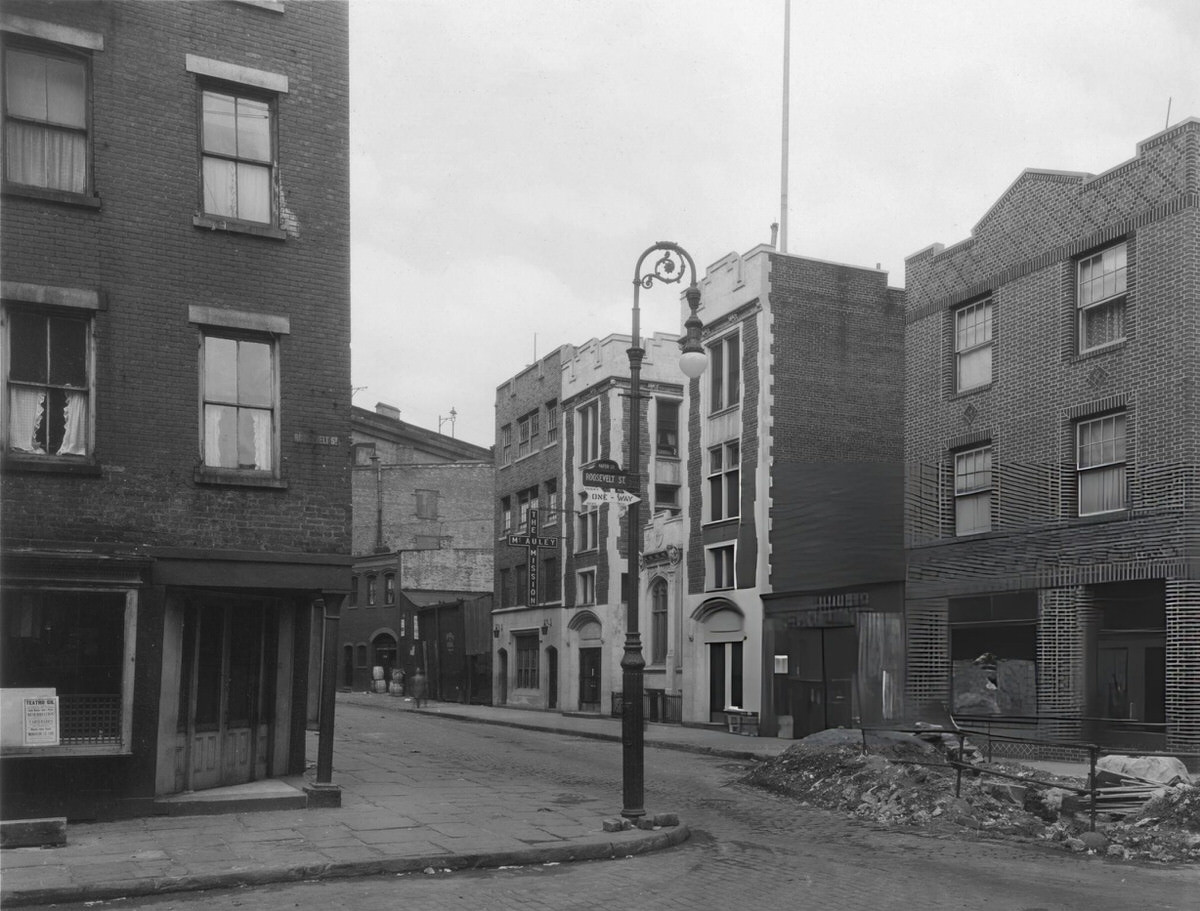
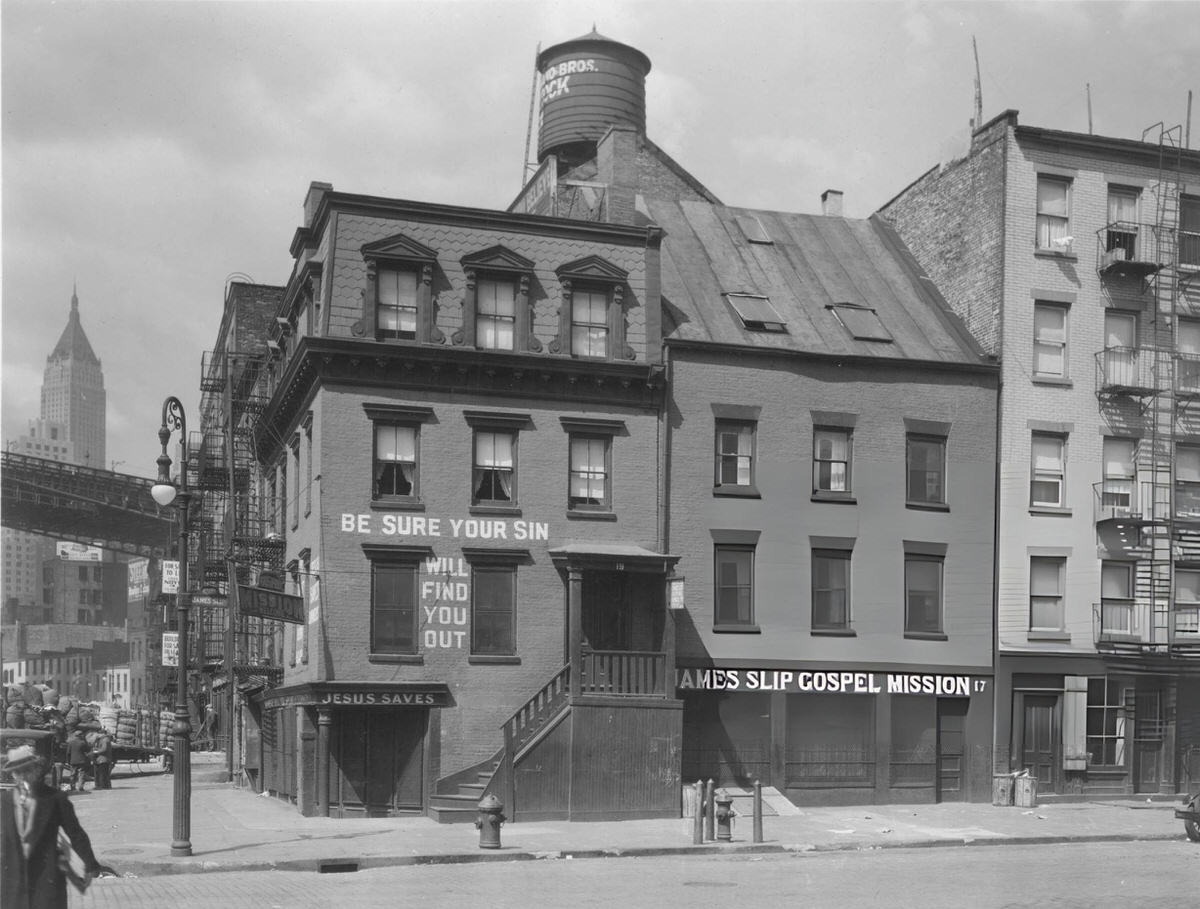
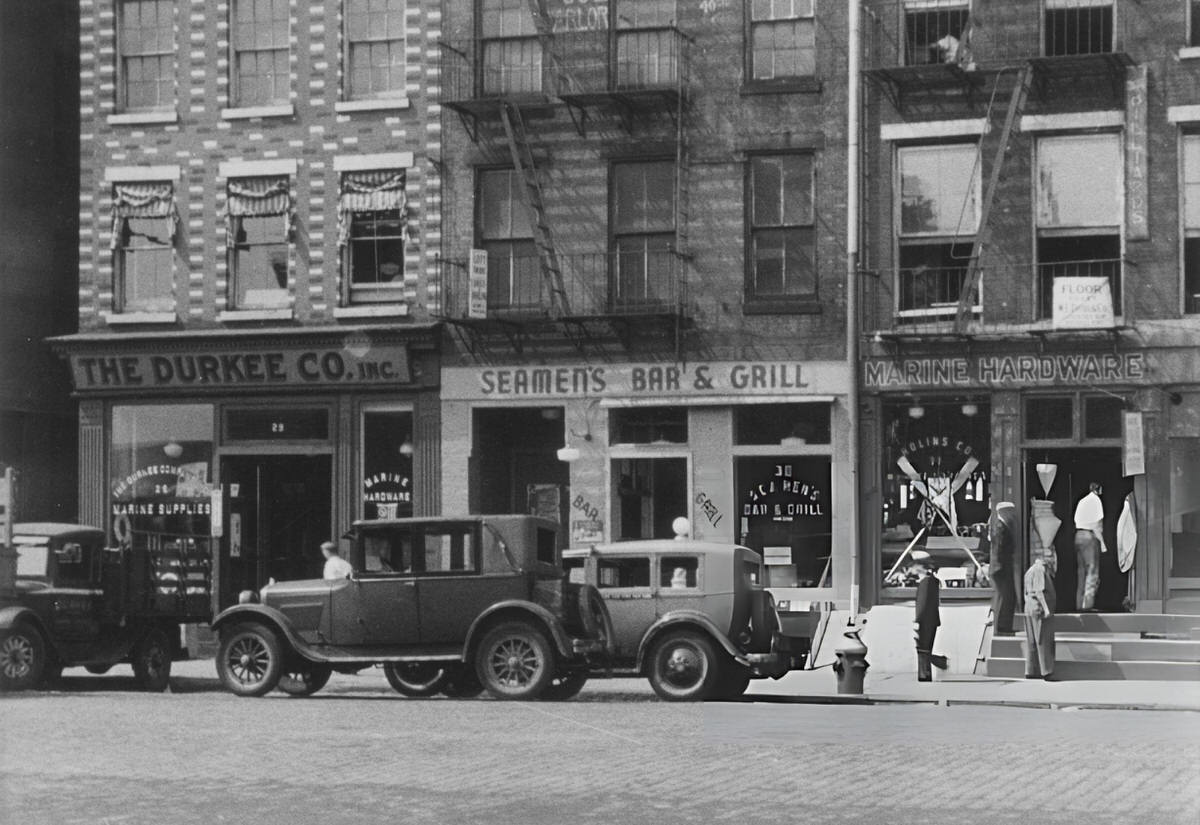
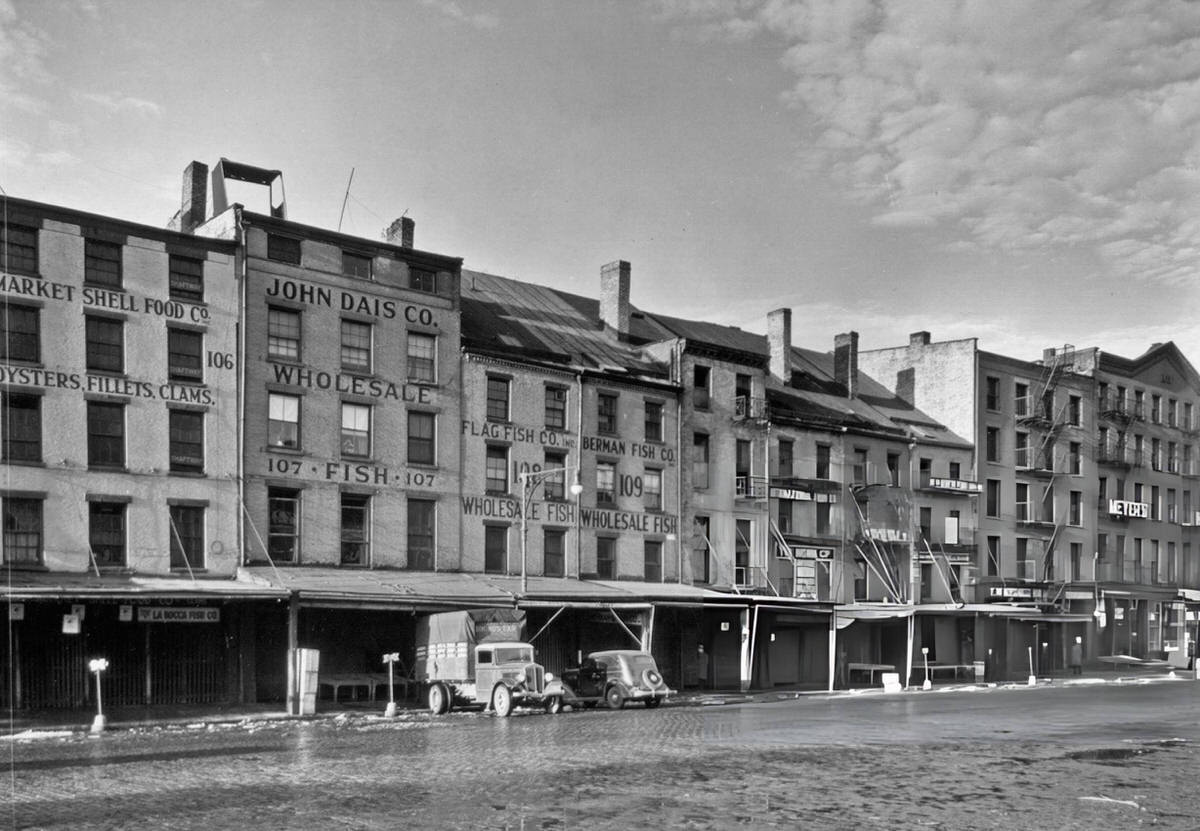
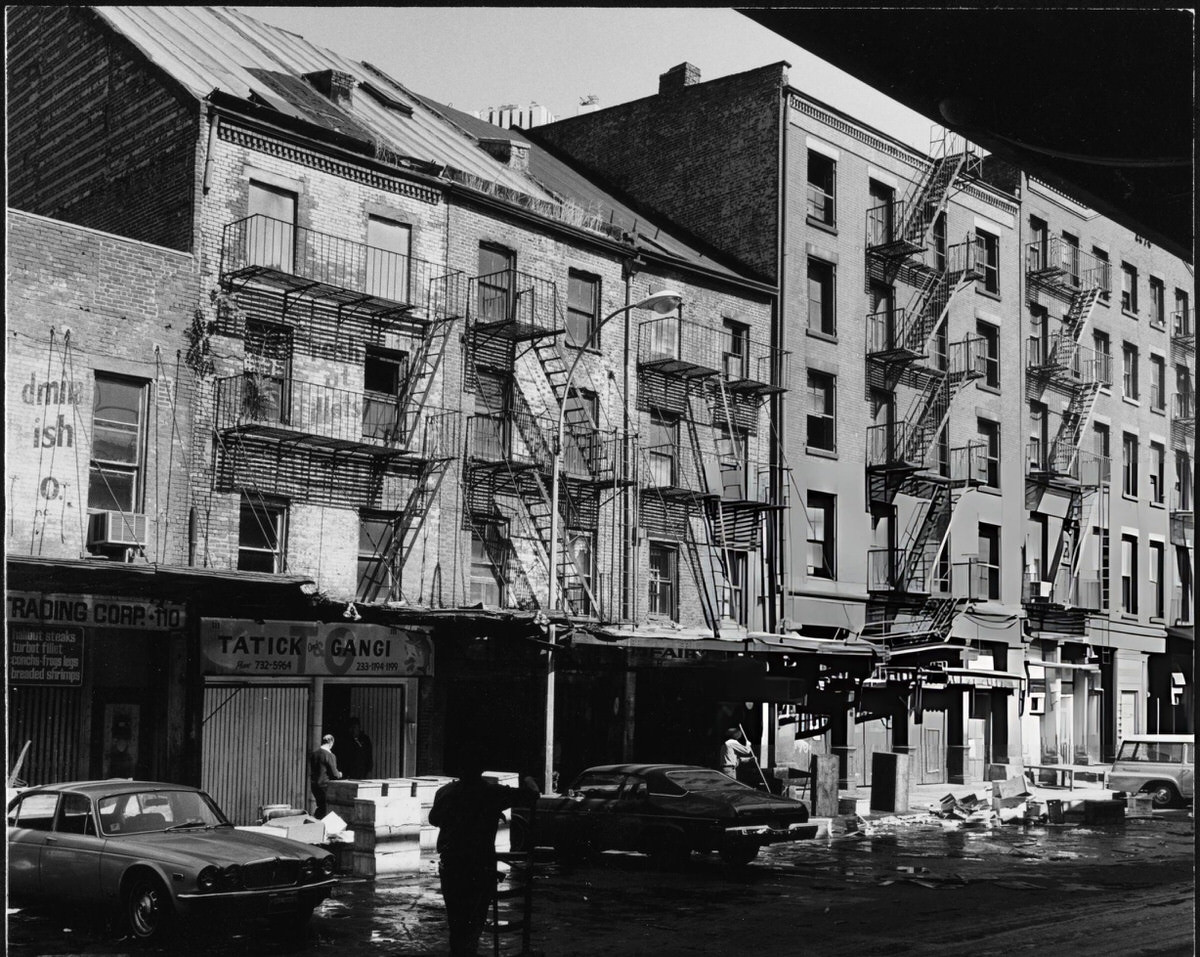
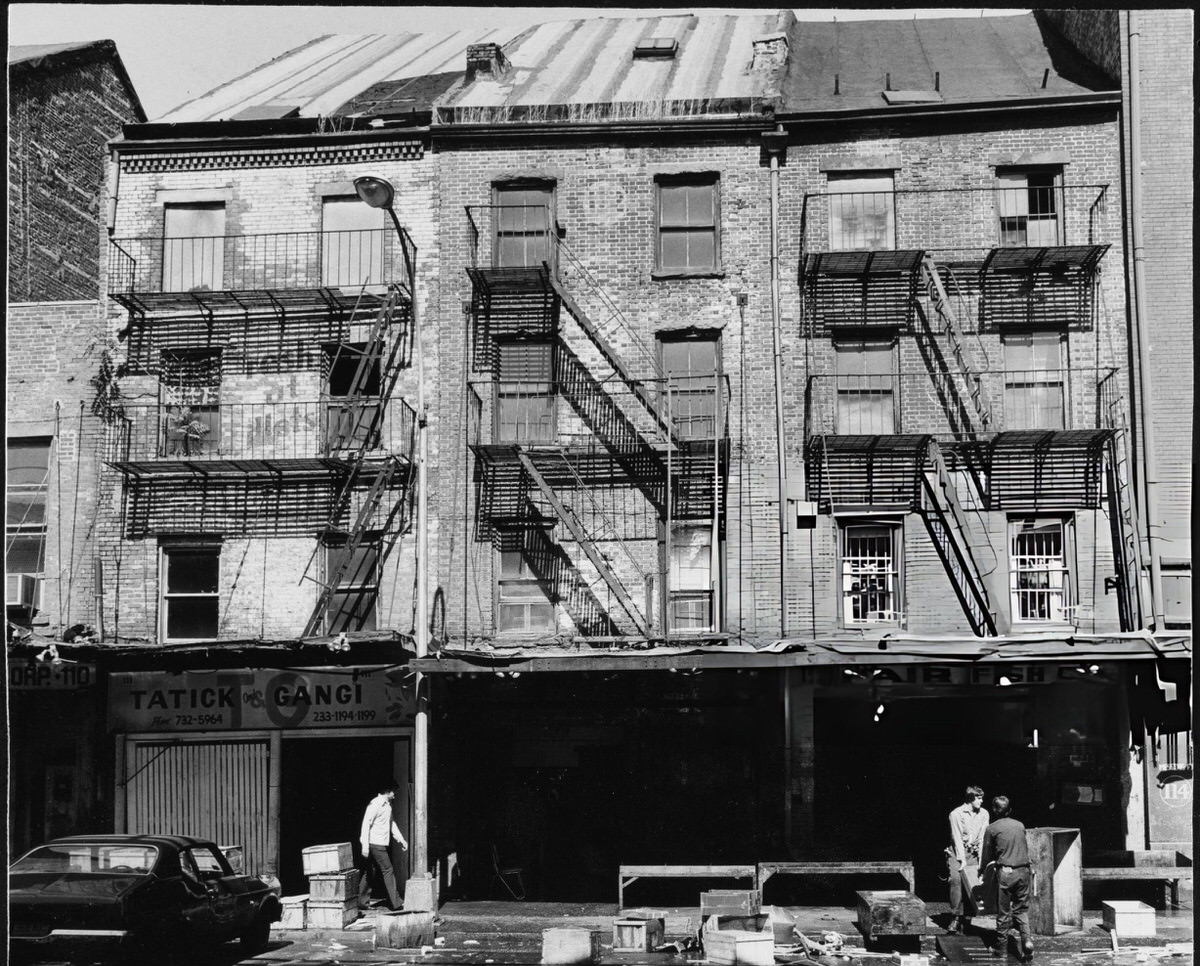
The blocks immediately behind South Street — Fulton, John, Beekman, and Front Street — were all commercial in the early 1900s. There were no apartments. The buildings were four- and five-story brick warehouses and loft buildings, most of them dating from the 1840s and 1850s. The ground floors held fish dealers, ice suppliers, and marine equipment shops. The upper floors stored dry goods and imported merchandise.
The ice was critical. Without refrigeration, fish spoiled in hours. Ice came down from upstate New York by barge in the early part of the century, cut from frozen lakes and rivers during winter and stored in massive insulated warehouses. By the 1910s, machine-made ice had taken over. Ice houses along the waterfront produced it around the clock. The Fulton Market went through tons of it every single day.
When the trucks replaced the boats
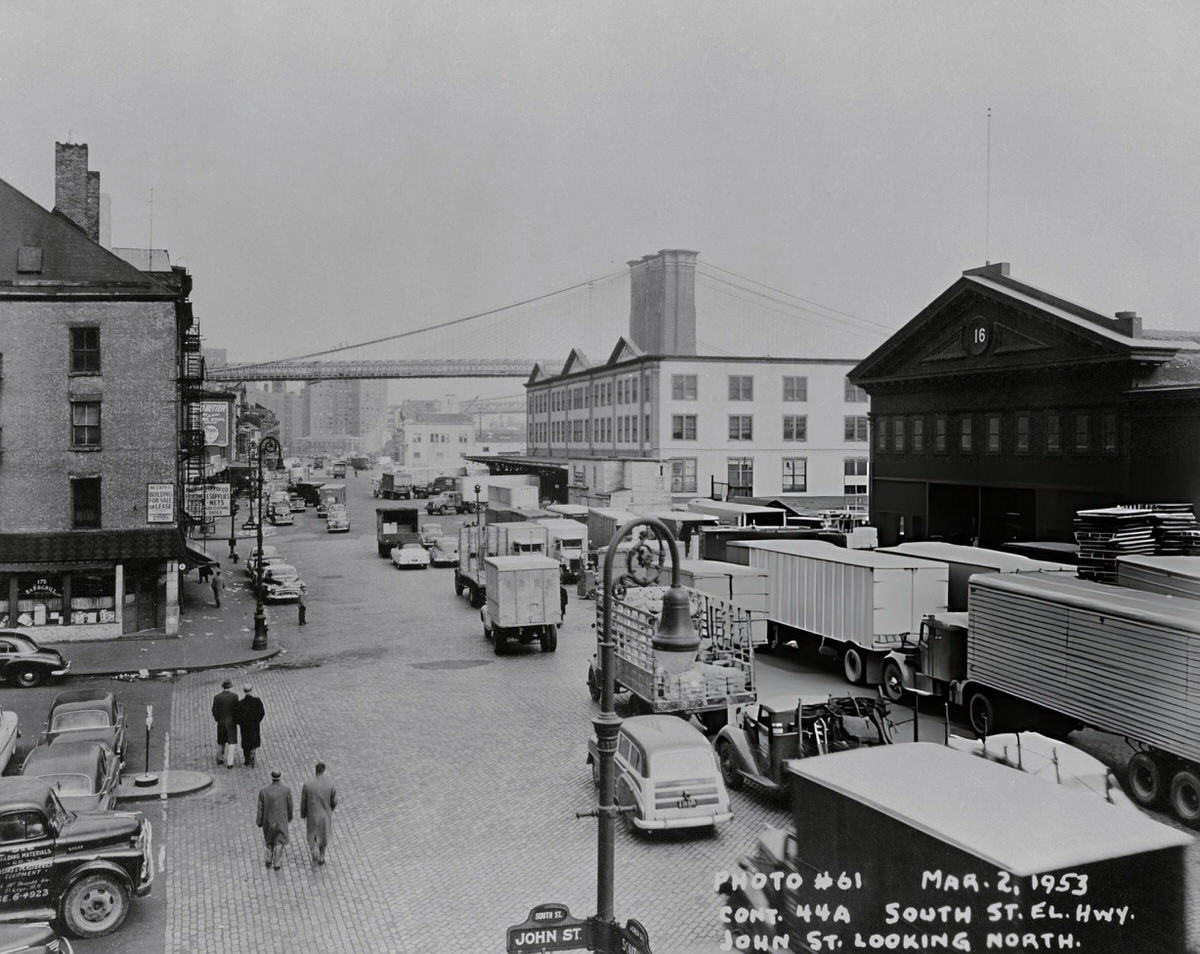
Through the 1920s and into the 1930s, the balance of how fish reached Fulton Street started to shift. Refrigerated trucks got better and more reliable. Fish dealers in New Jersey and on Long Island found it faster and cheaper to drive fish directly to the market rather than load it onto a boat and navigate the harbor. The boat arrivals at the pier did not stop overnight — they declined slowly, one season at a time.
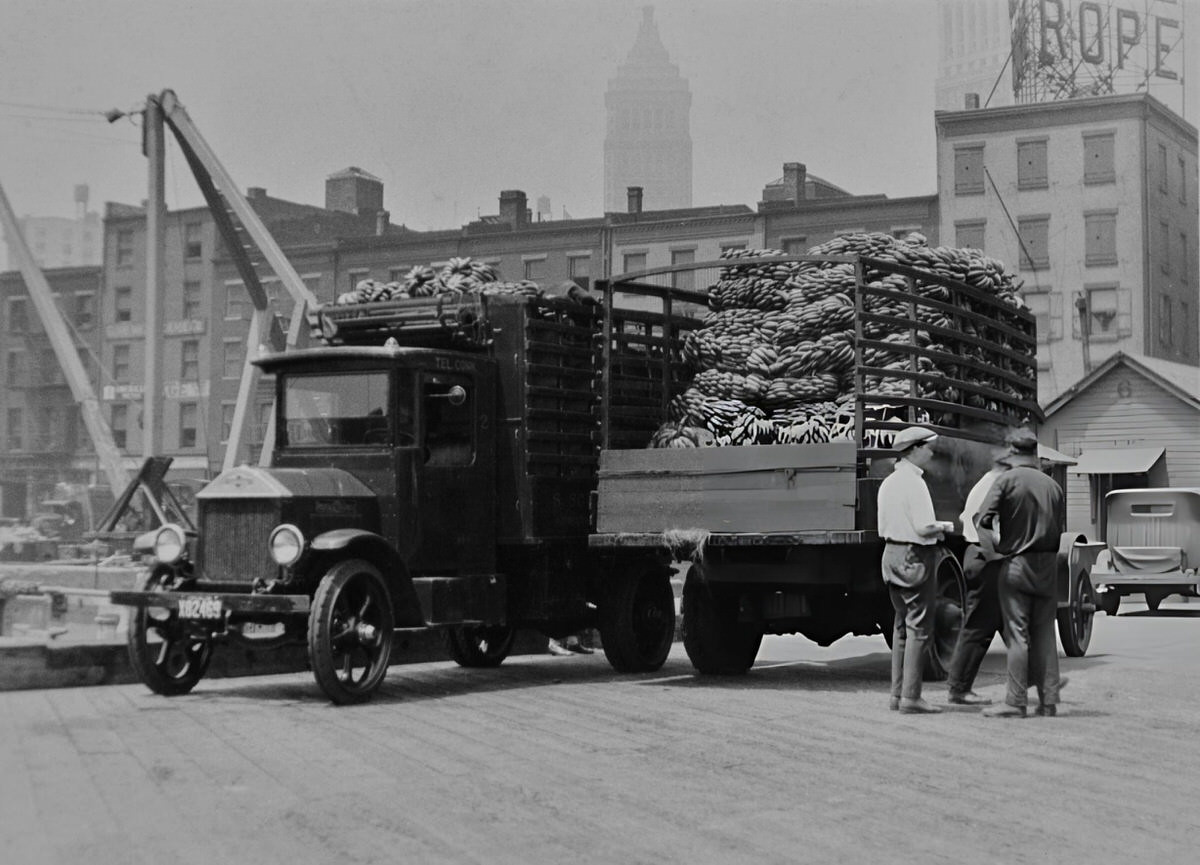
By the late 1930s, trucks were bringing in more fish than boats on most days. The piers were still there, still in use, but the scene at 2 AM looked different. More headlights, more diesel exhaust, fewer masts swinging in the tide. The waterfront was changing on its own terms, driven entirely by what was cheapest and fastest, with no ceremony about it.

GIPHY App Key not set. Please check settings