

 Henry Parker
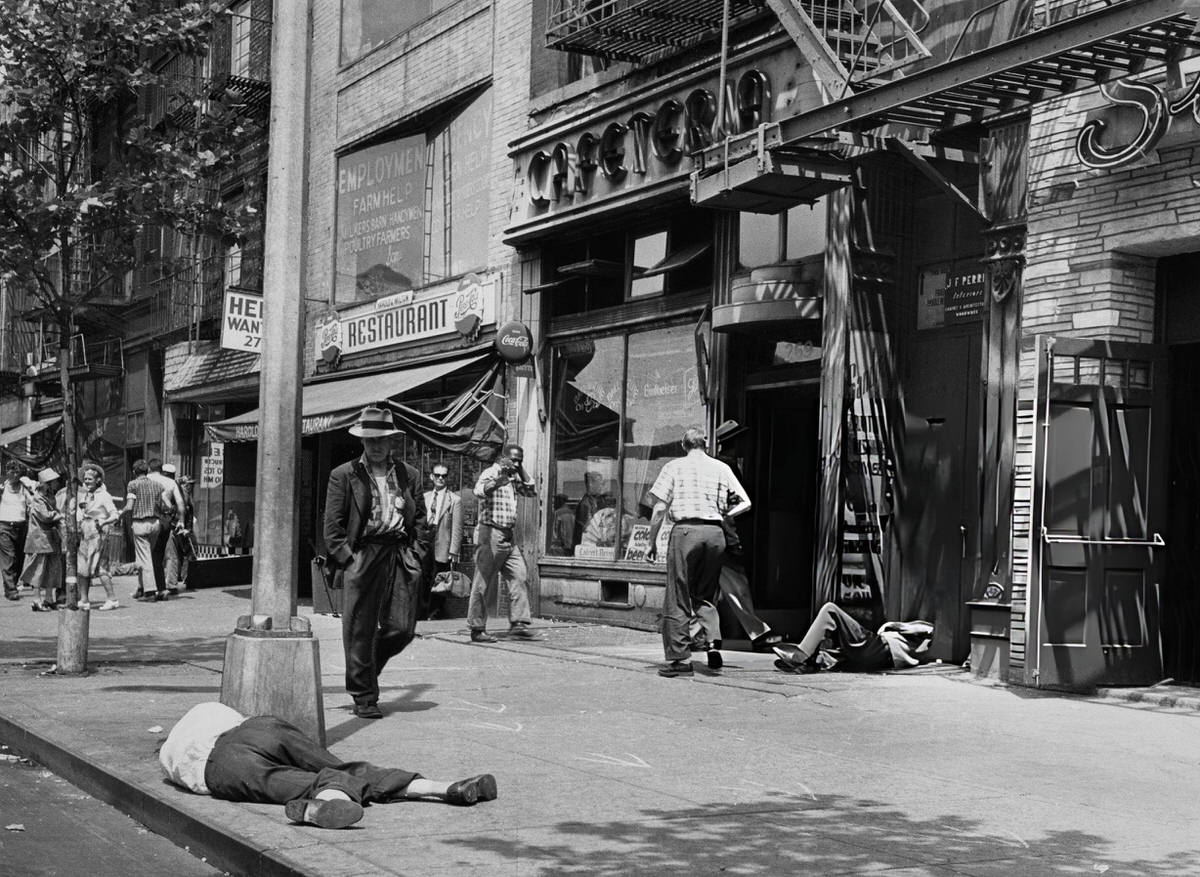
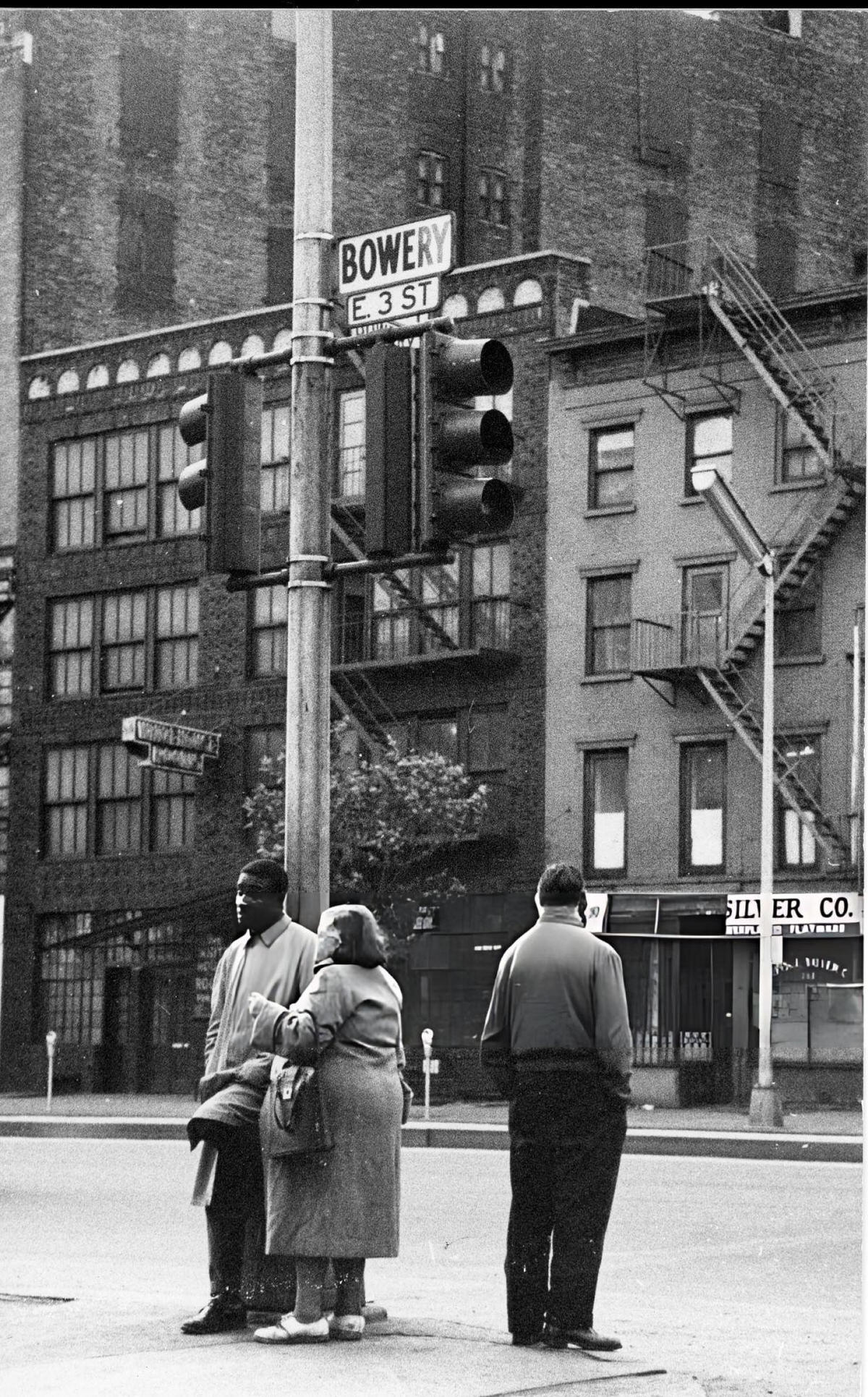
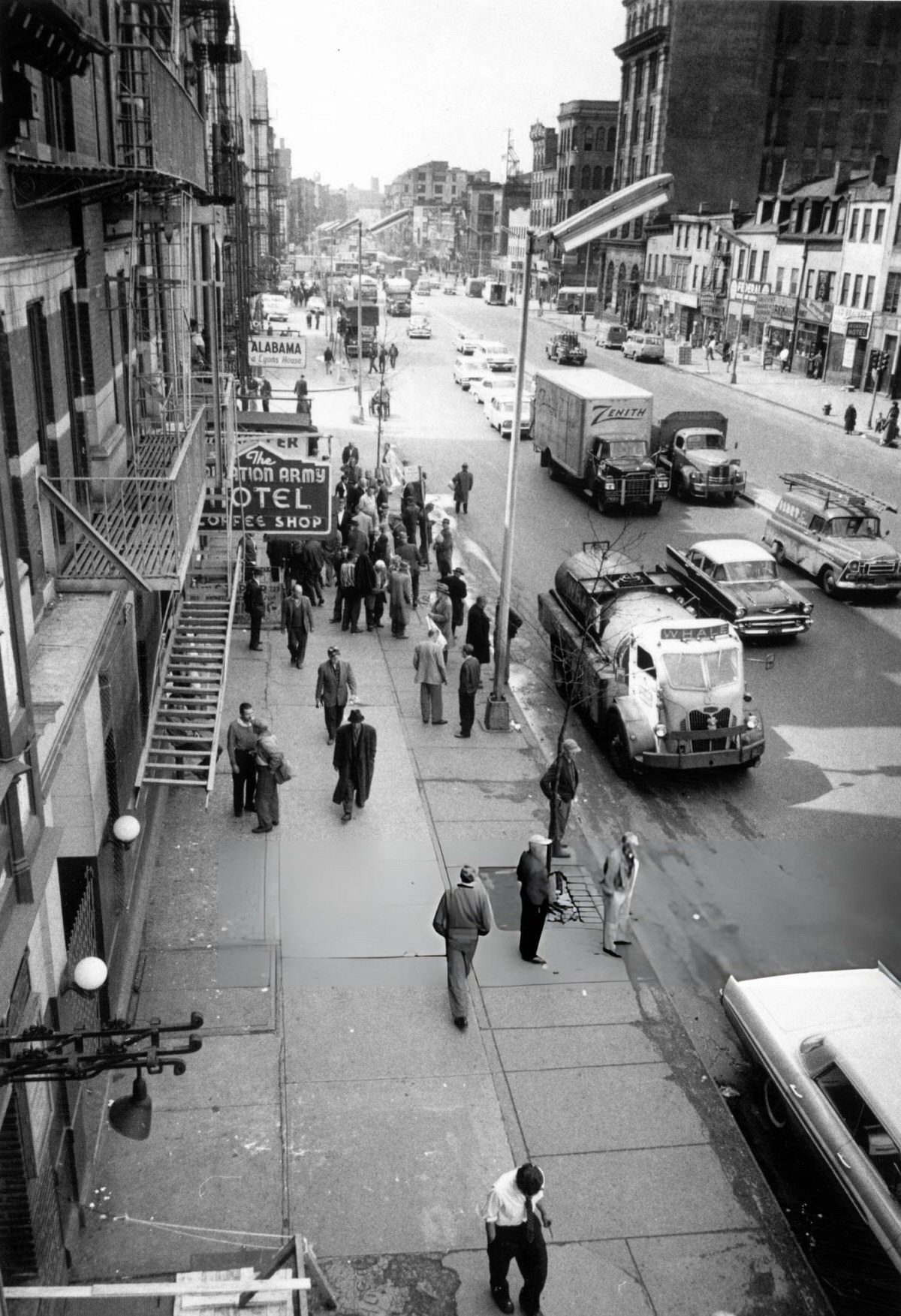
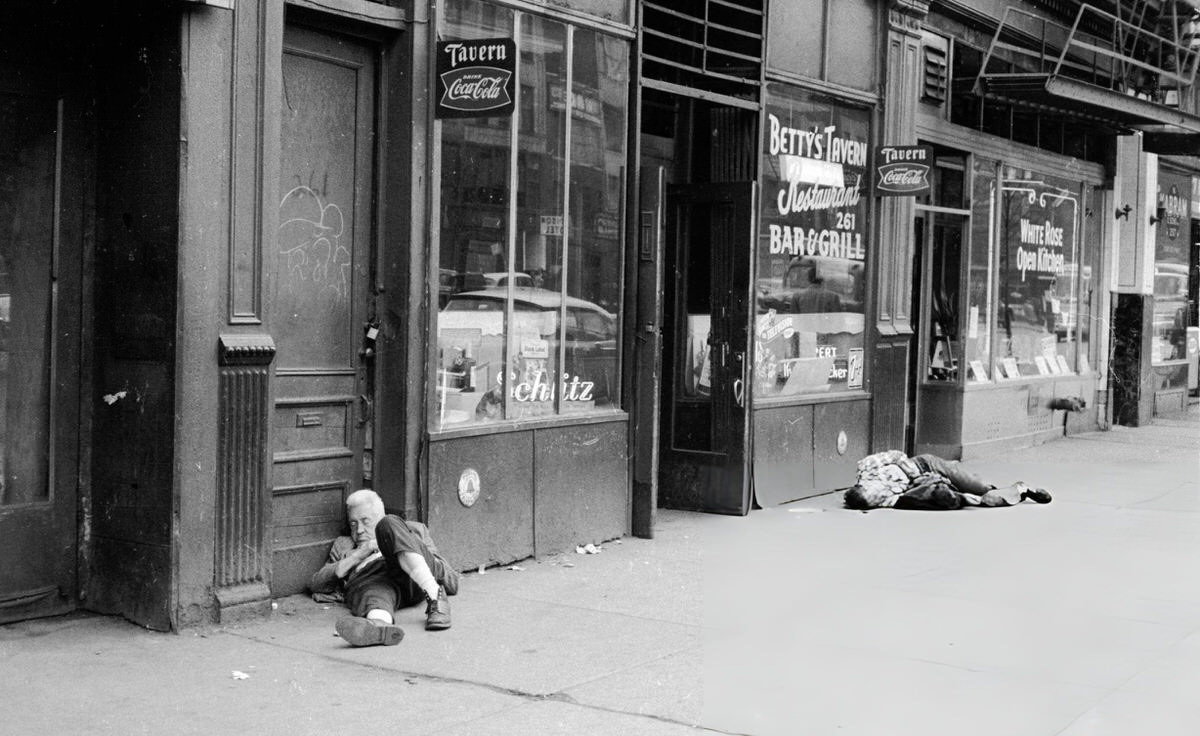
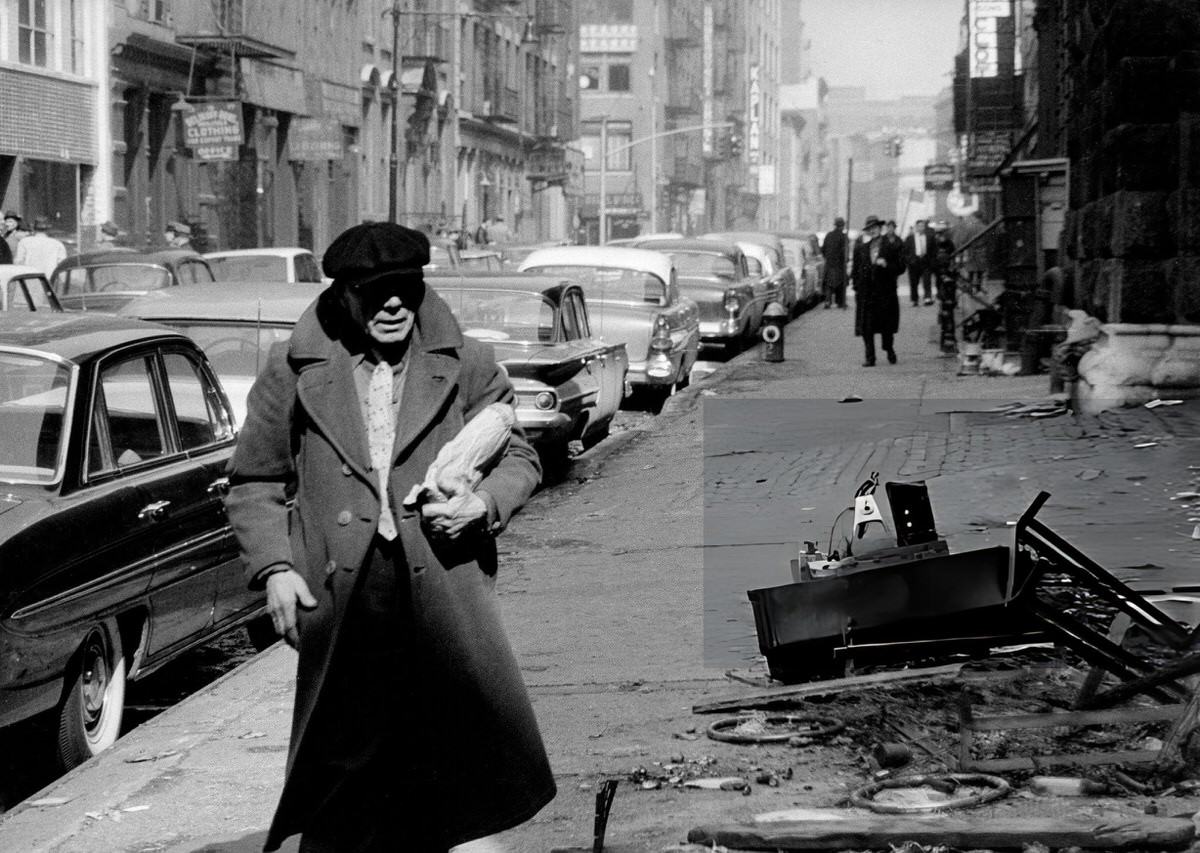
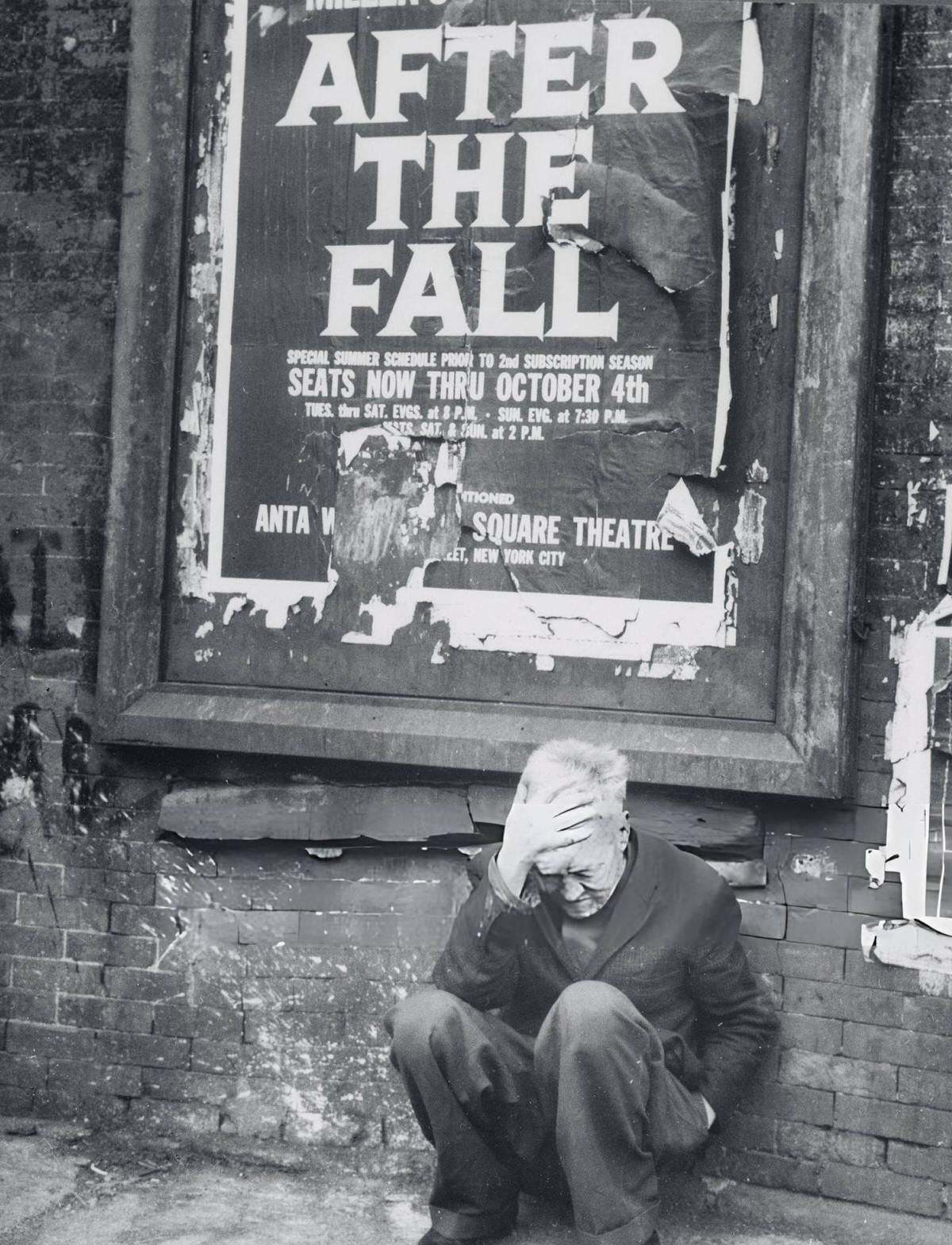
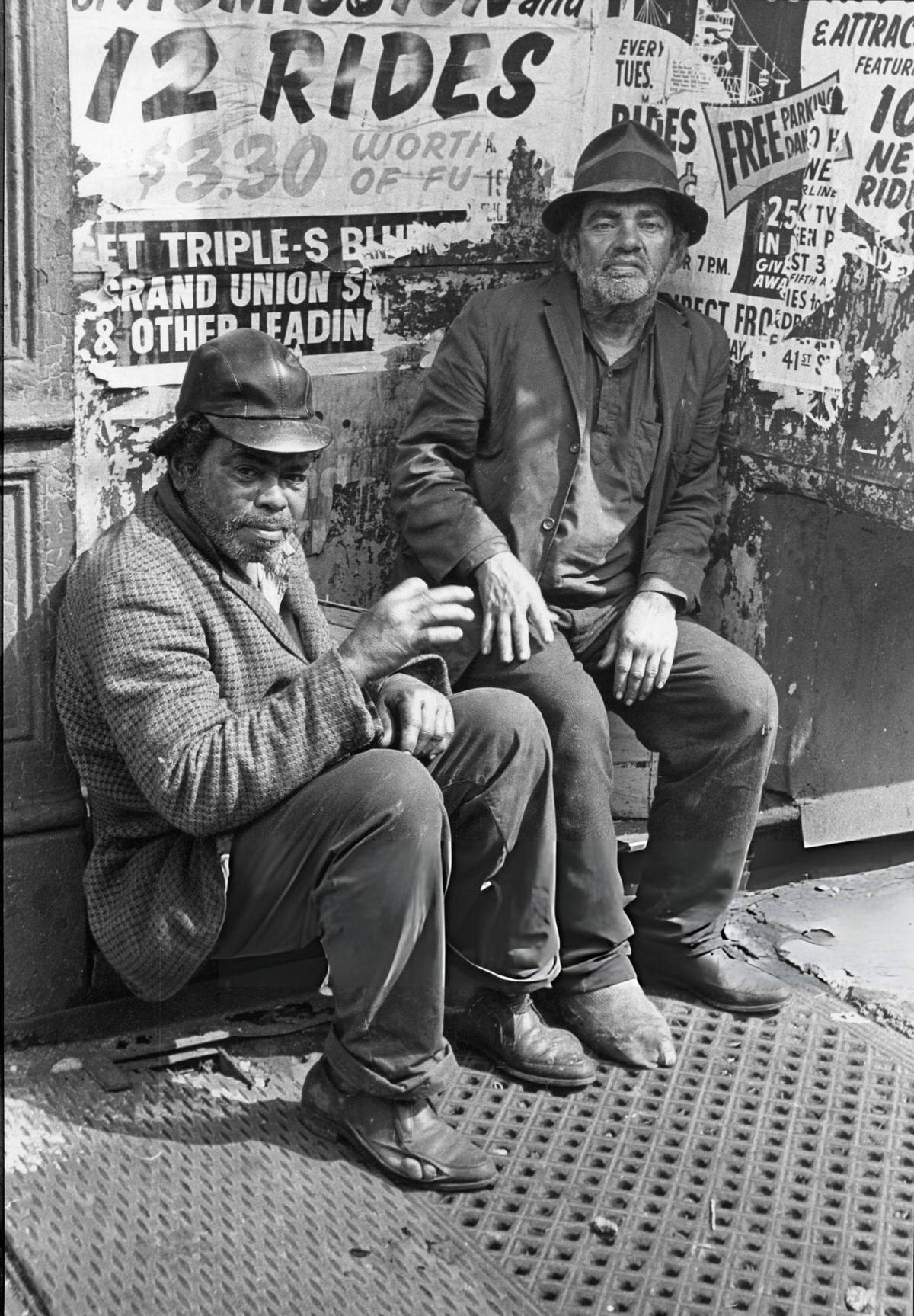
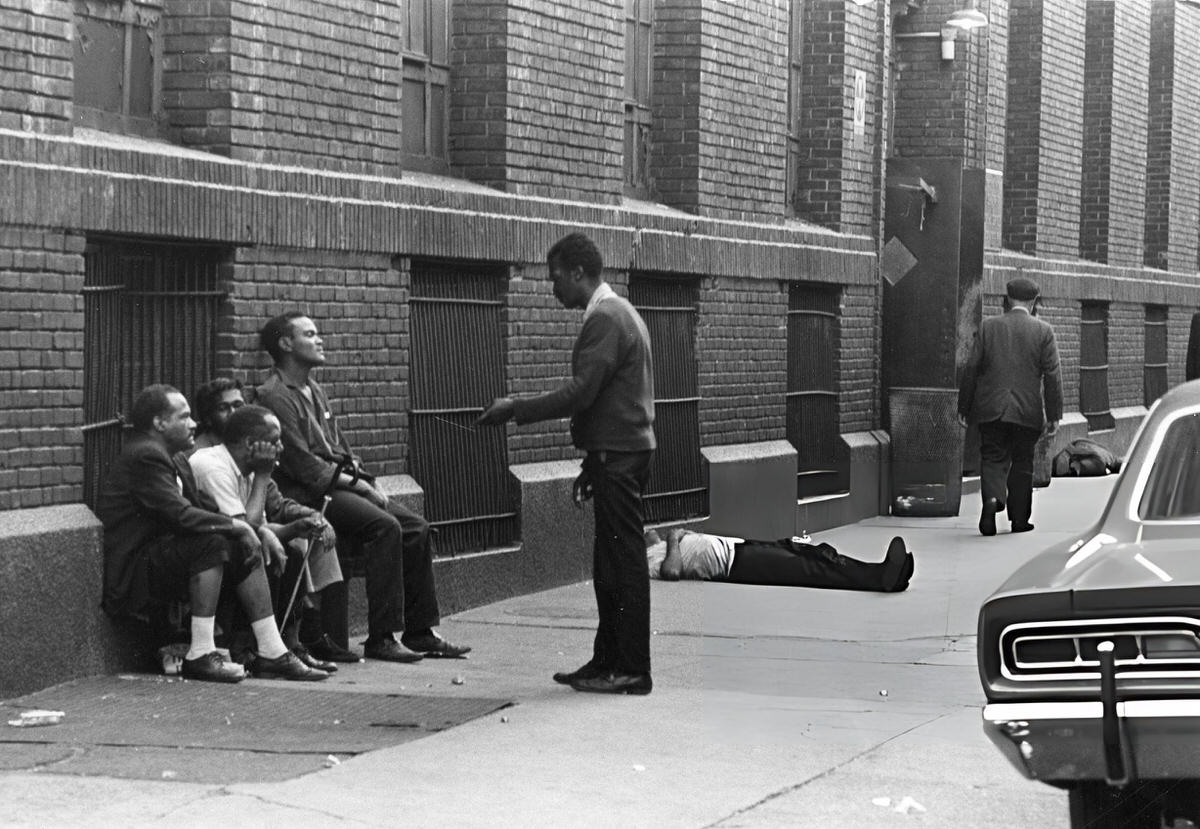
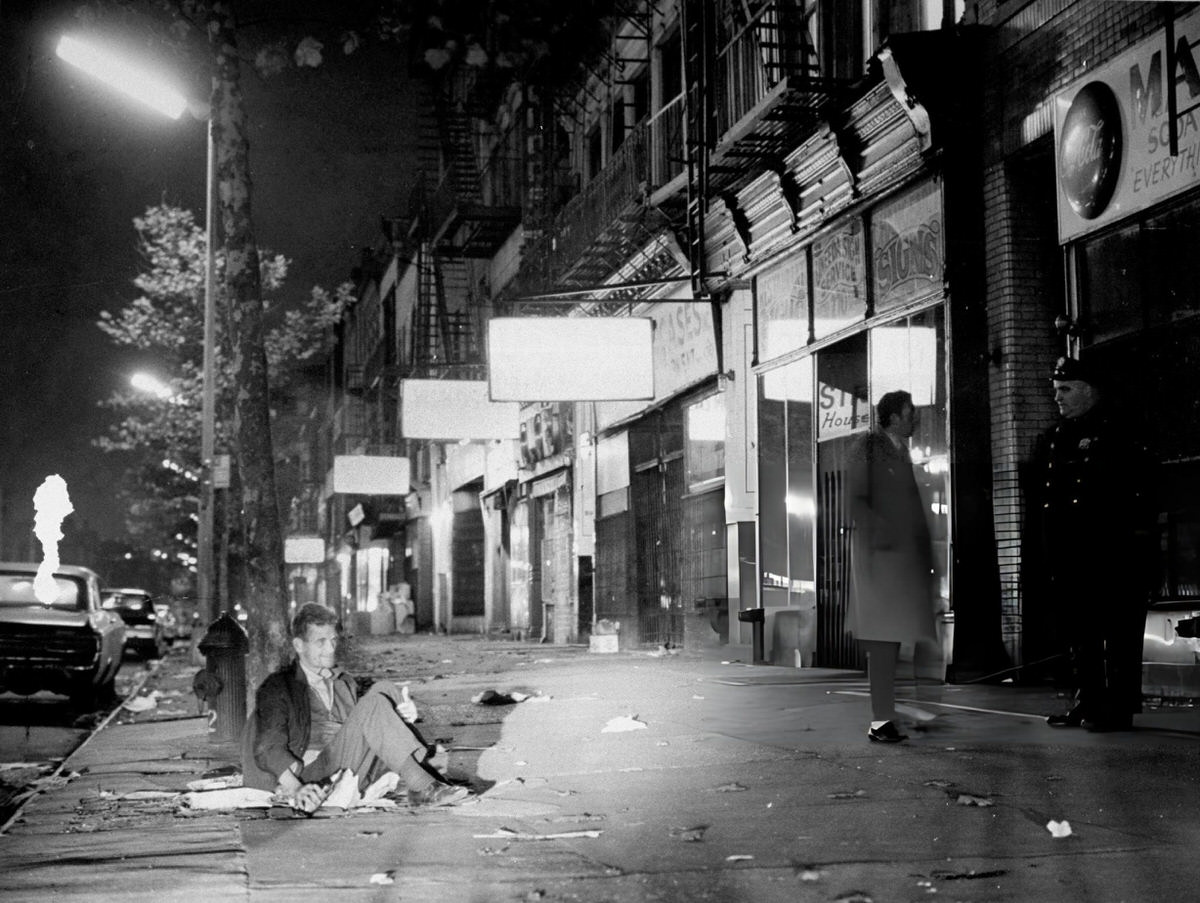
At the start of the 1960s, the Bowery was still the same street it had been for thirty years — the longest-running Skid Row in America, dense with flophouses, saloons, missions, and men with nowhere else to go. The population of homeless and transient men living on or near the Bowery was estimated at between 8,000 and 10,000 at the beginning of the decade, down from the 14,000 peak of the late 1940s but still an enormous concentration of poverty in a single mile of Lower Manhattan. Nothing about the street suggested it was about to become one of the most watched blocks of real estate in New York City.
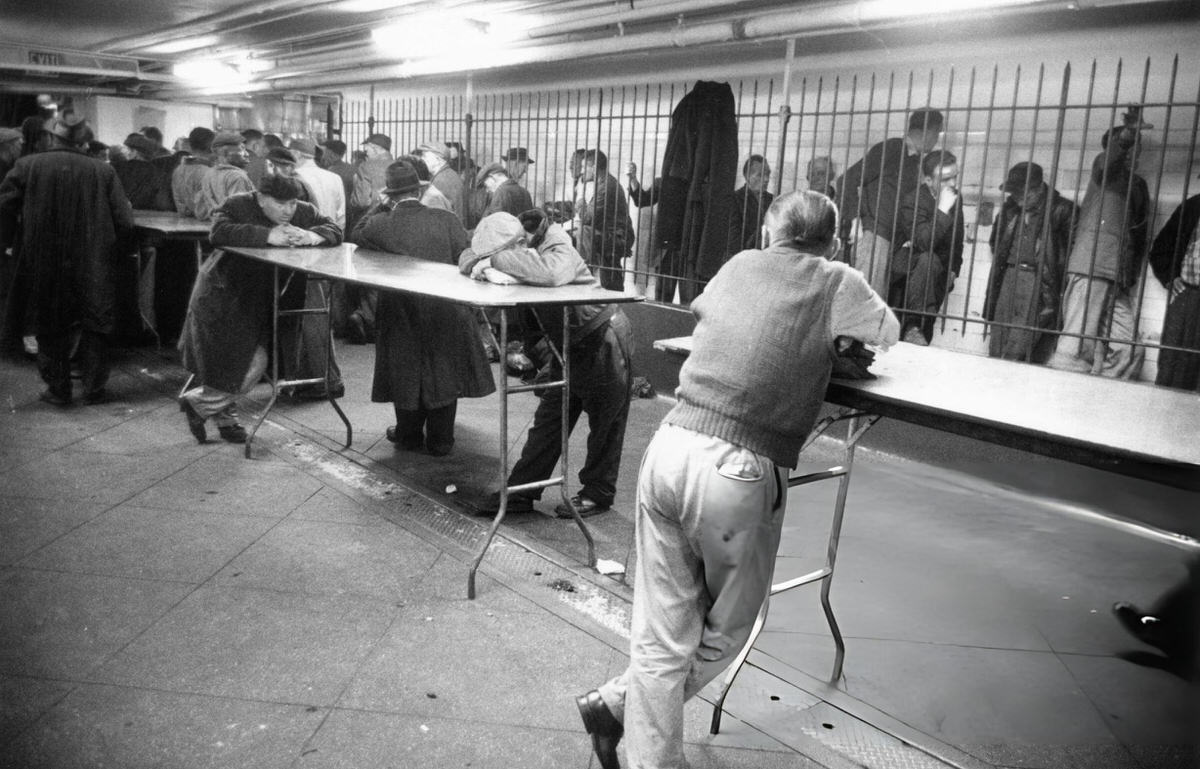
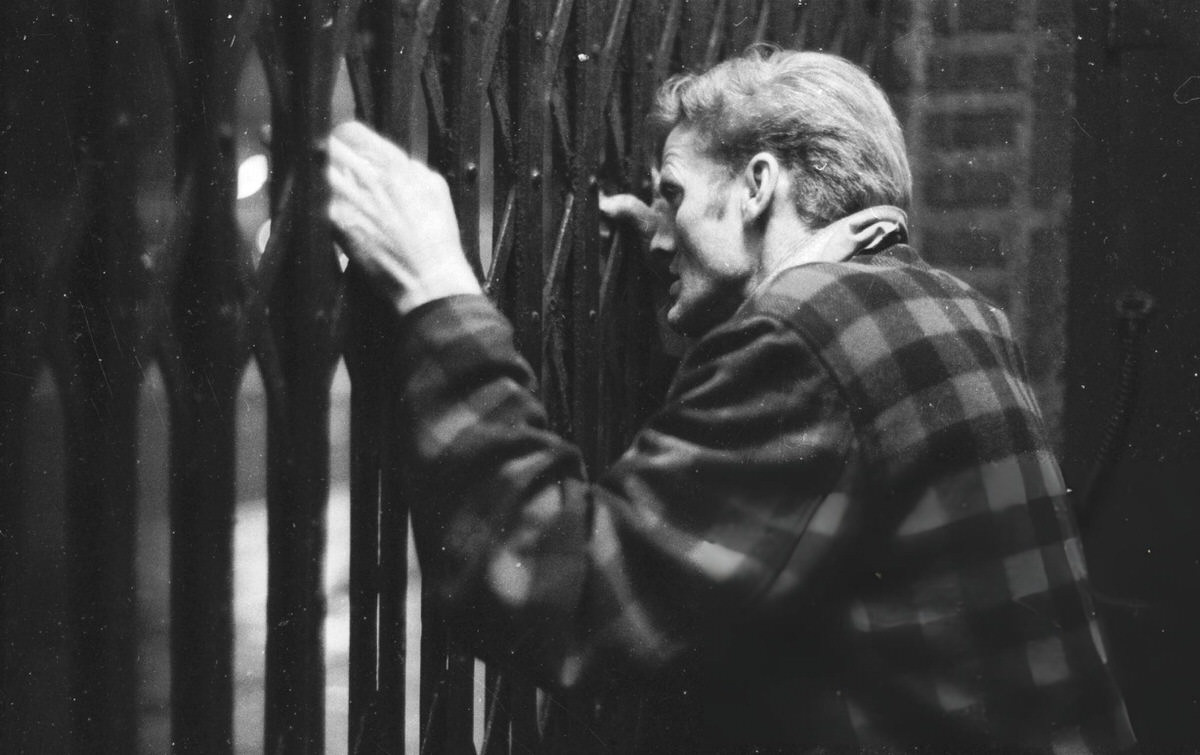
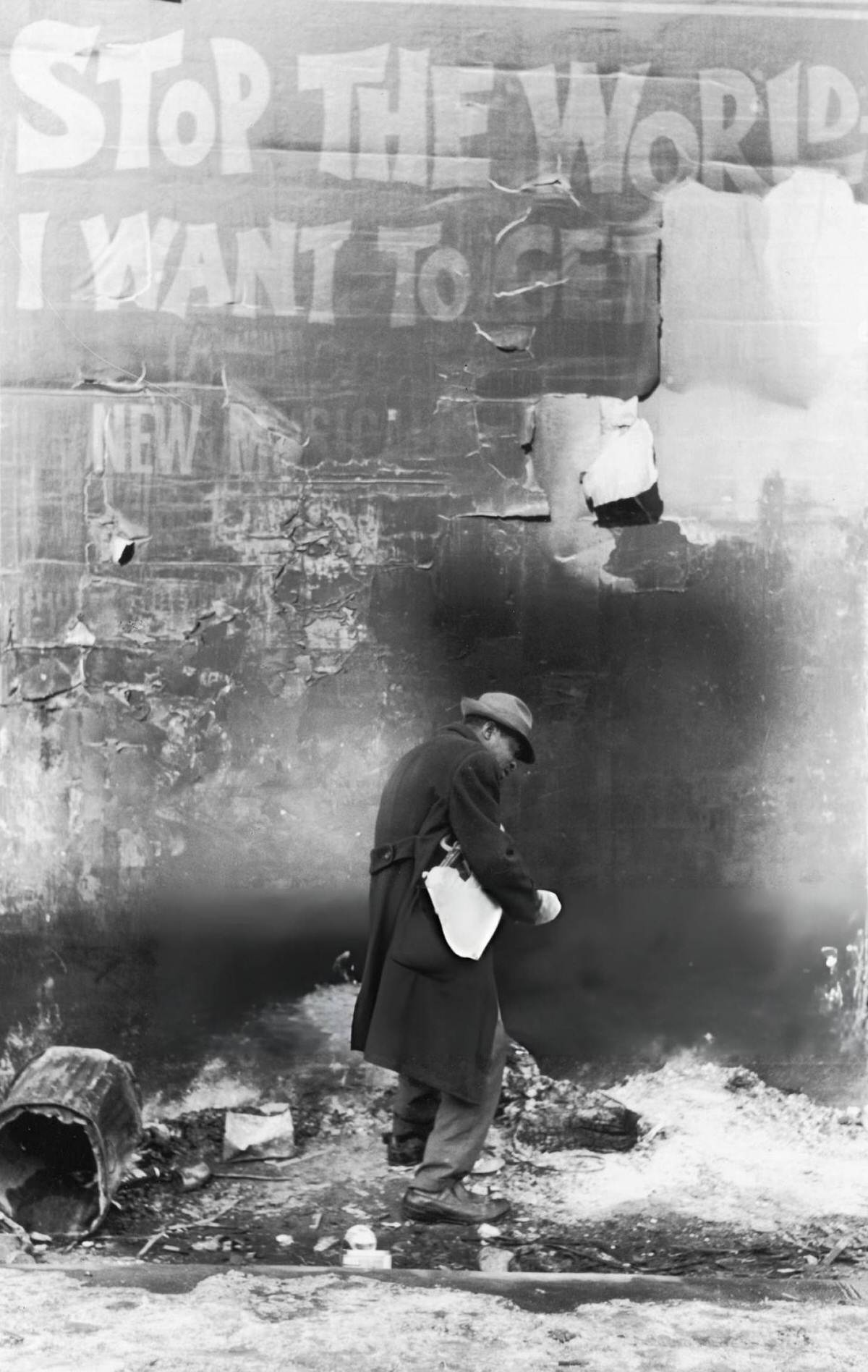
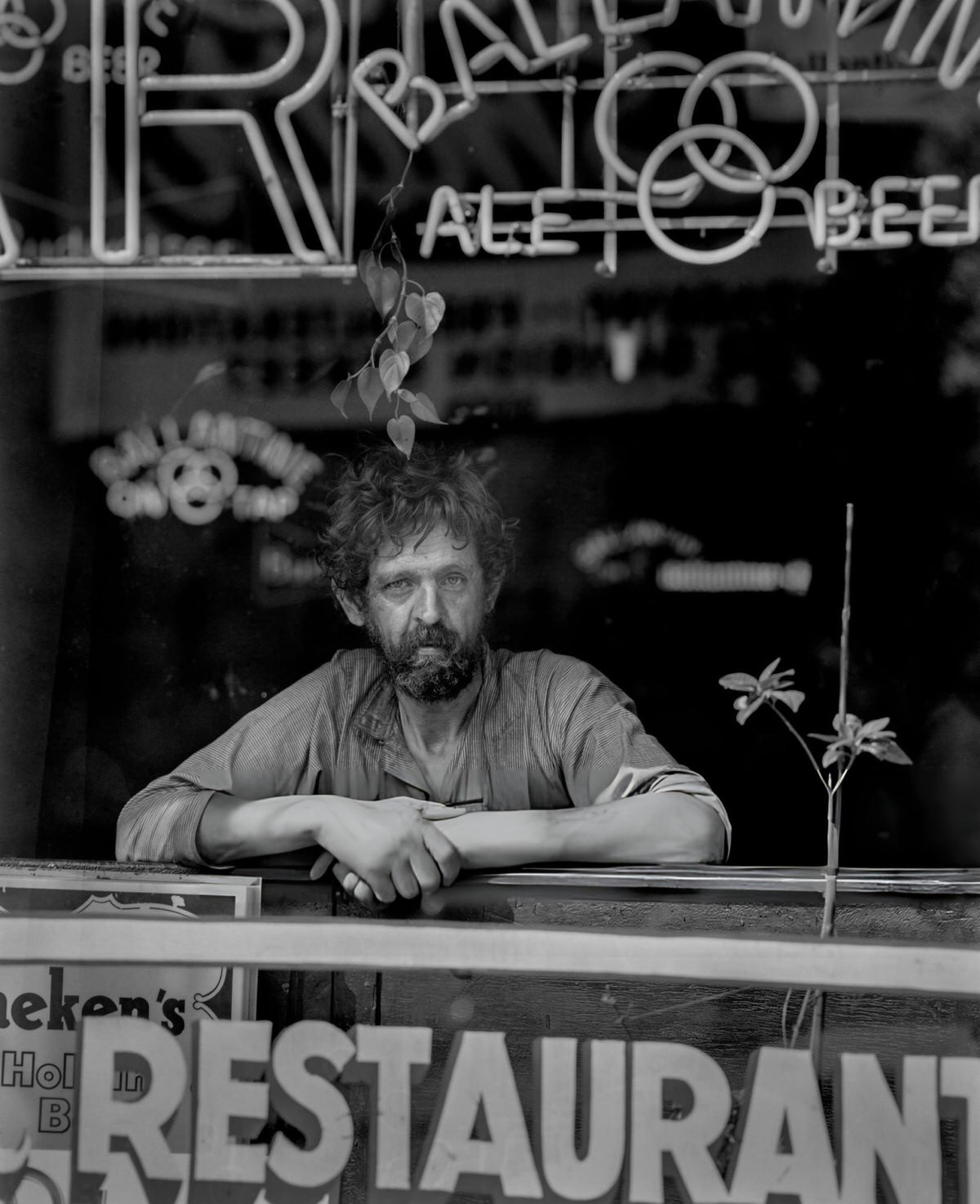
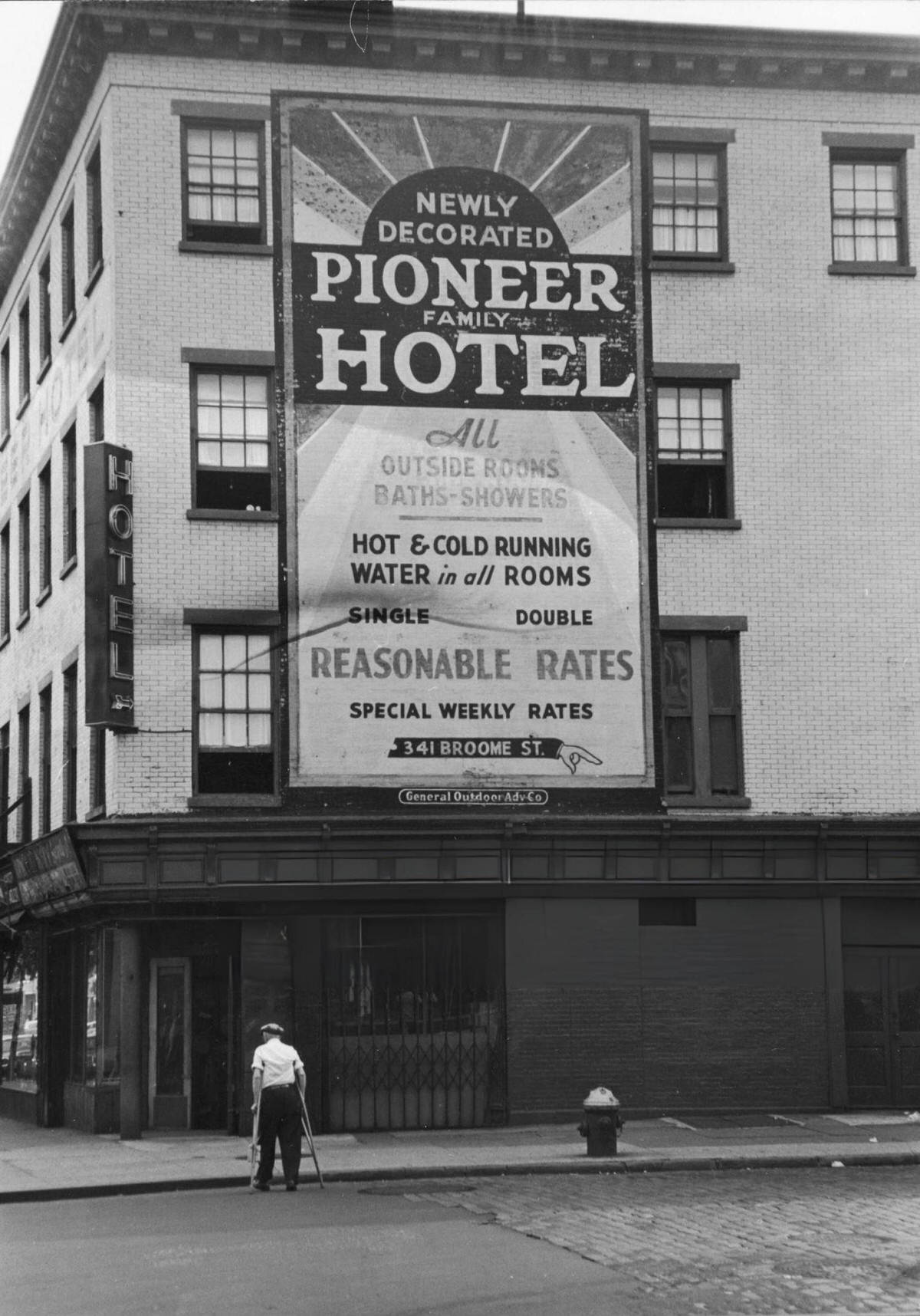
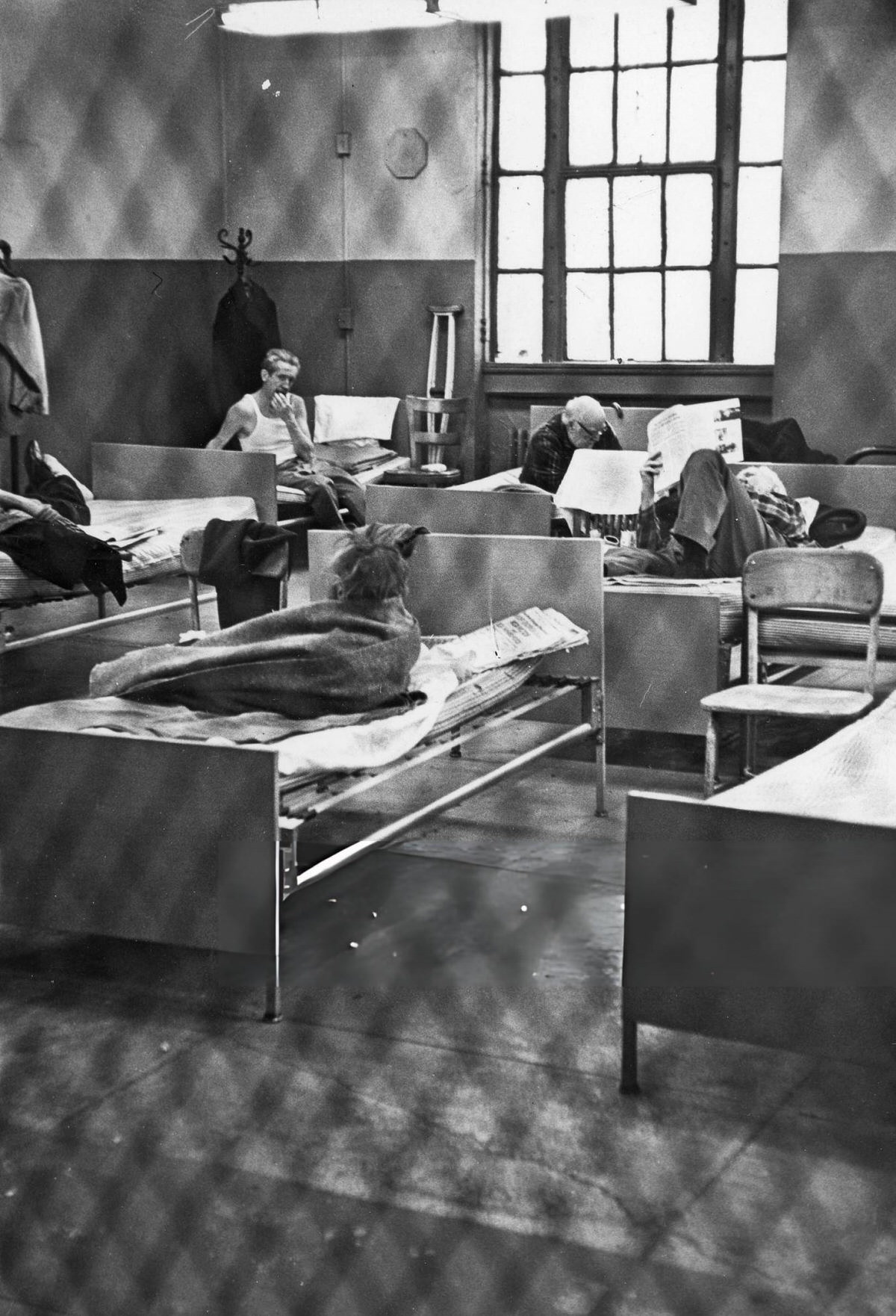
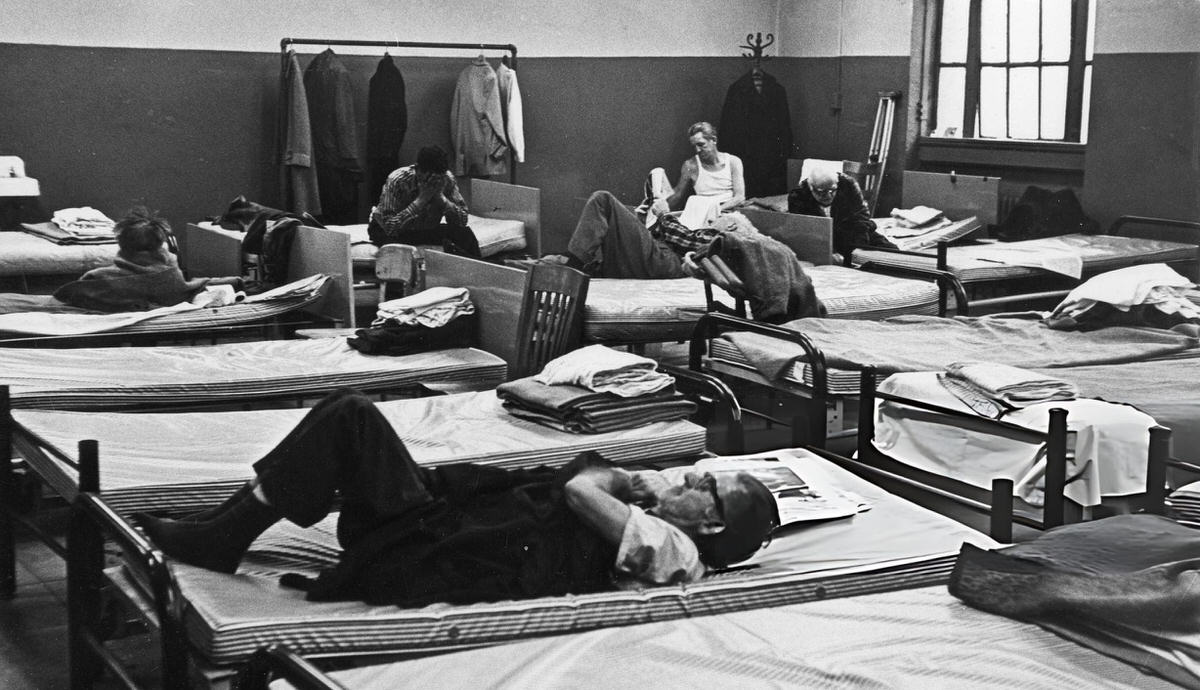
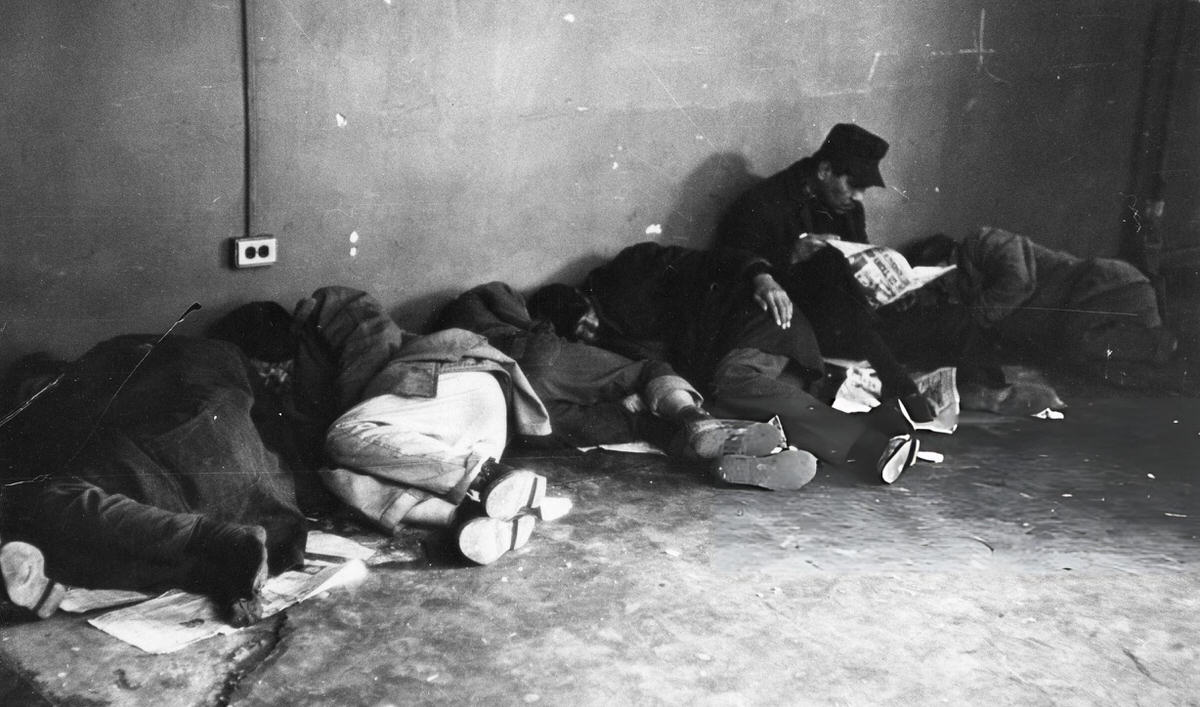
The flophouses set the pace of daily life. The Whitehouse Hotel at 340 Bowery charged men fifty cents to a dollar a night for a cage room — four walls of thin wood partition topped with chicken wire, a cot, and a bare bulb. The Providence Hotel, the Sunshine, the Uncle Sam — these were the addresses that filled when the temperature dropped and emptied slightly when day labor was available and men could pay a week in advance somewhere slightly better. The economy of the street had not changed in decades: day wages became drink money, drink money became a bed, and the morning started the same cycle again.
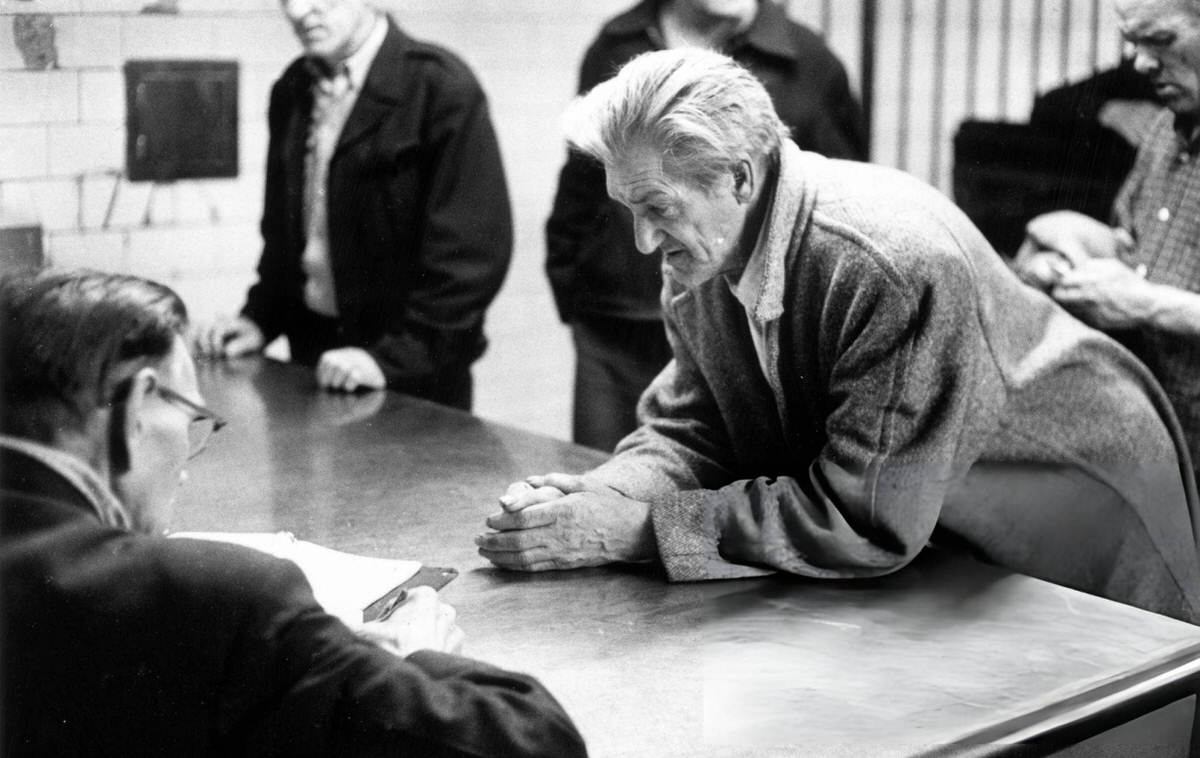
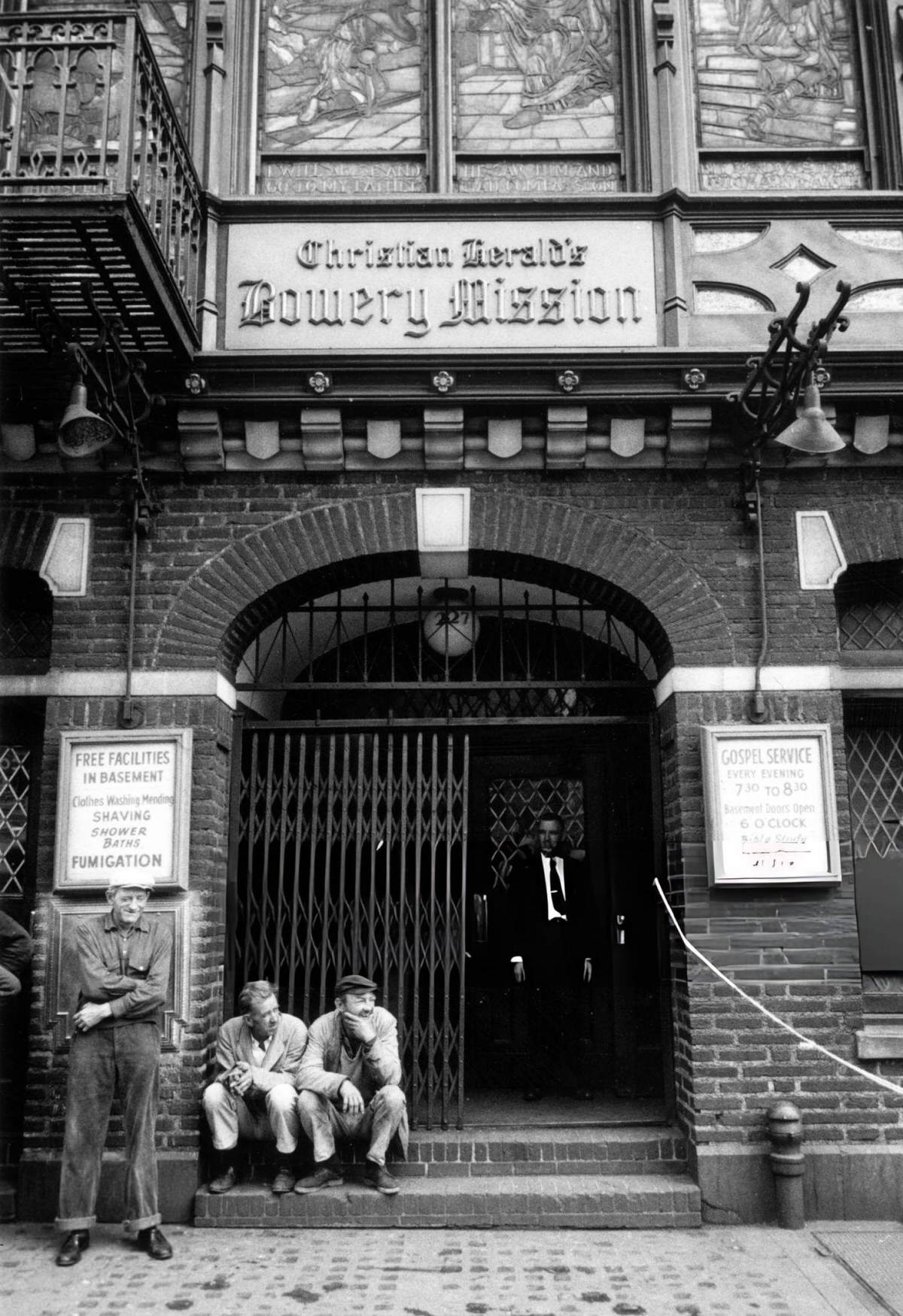
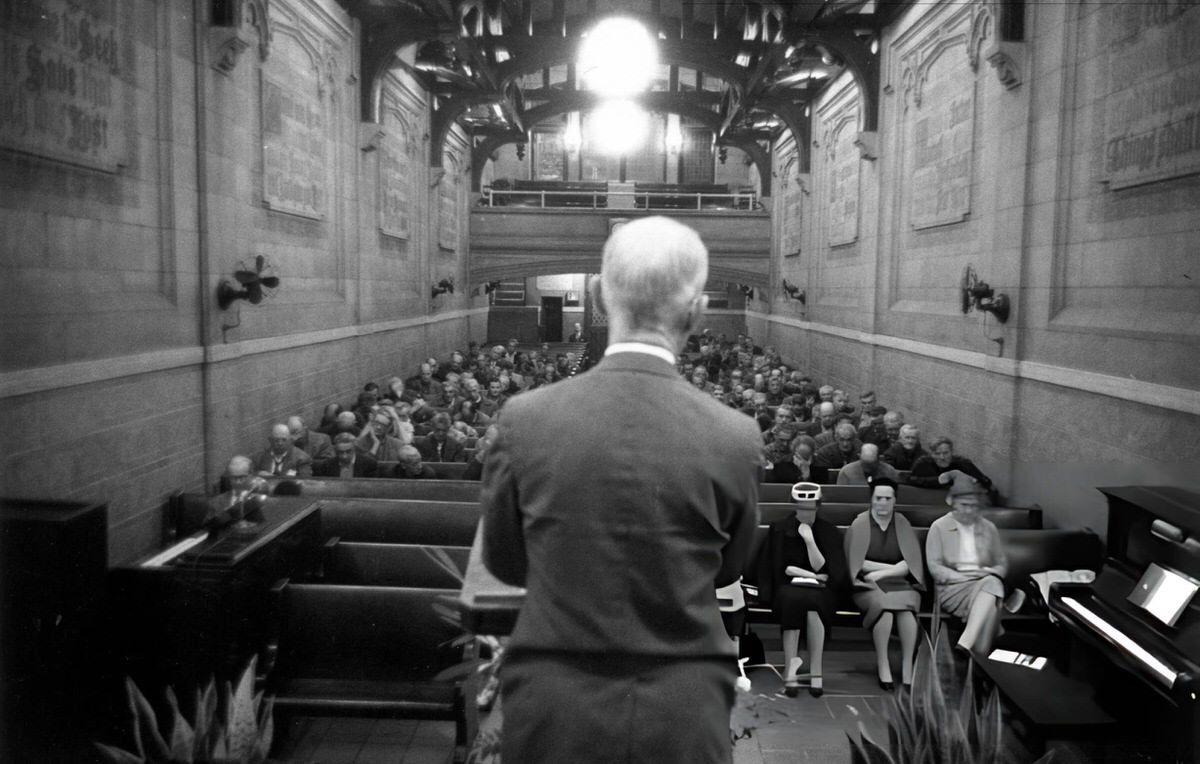
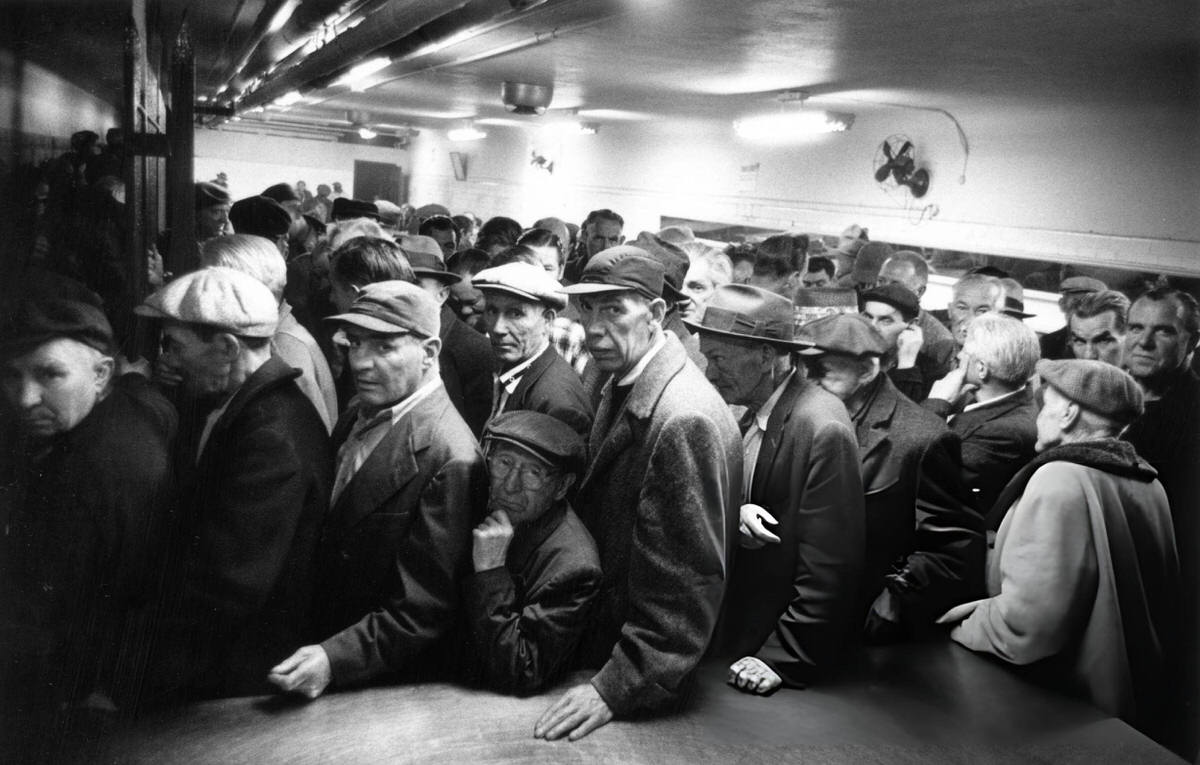
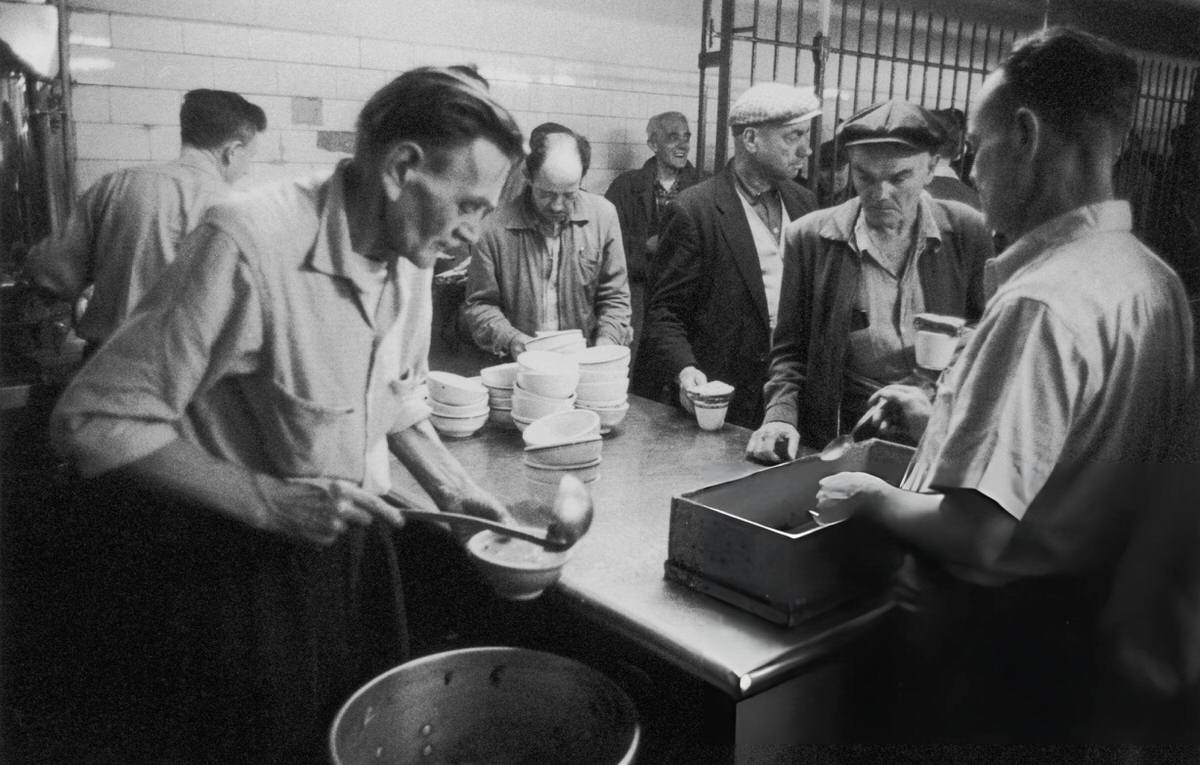
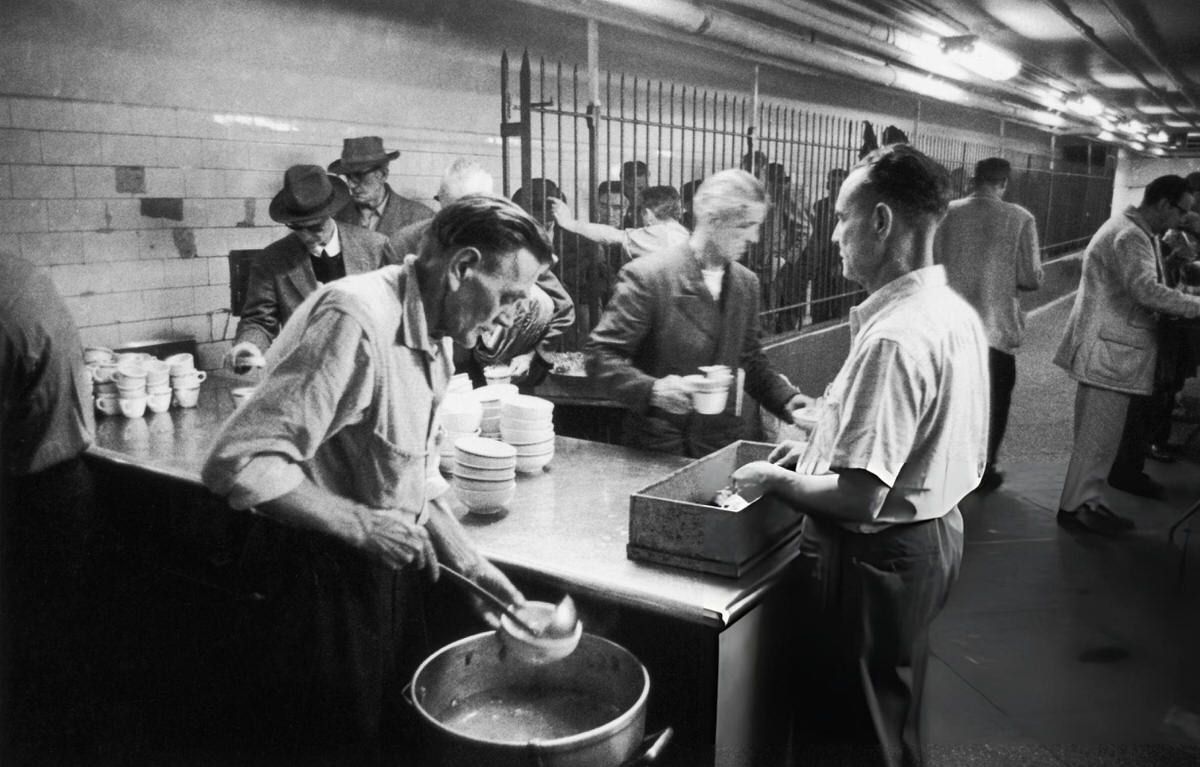
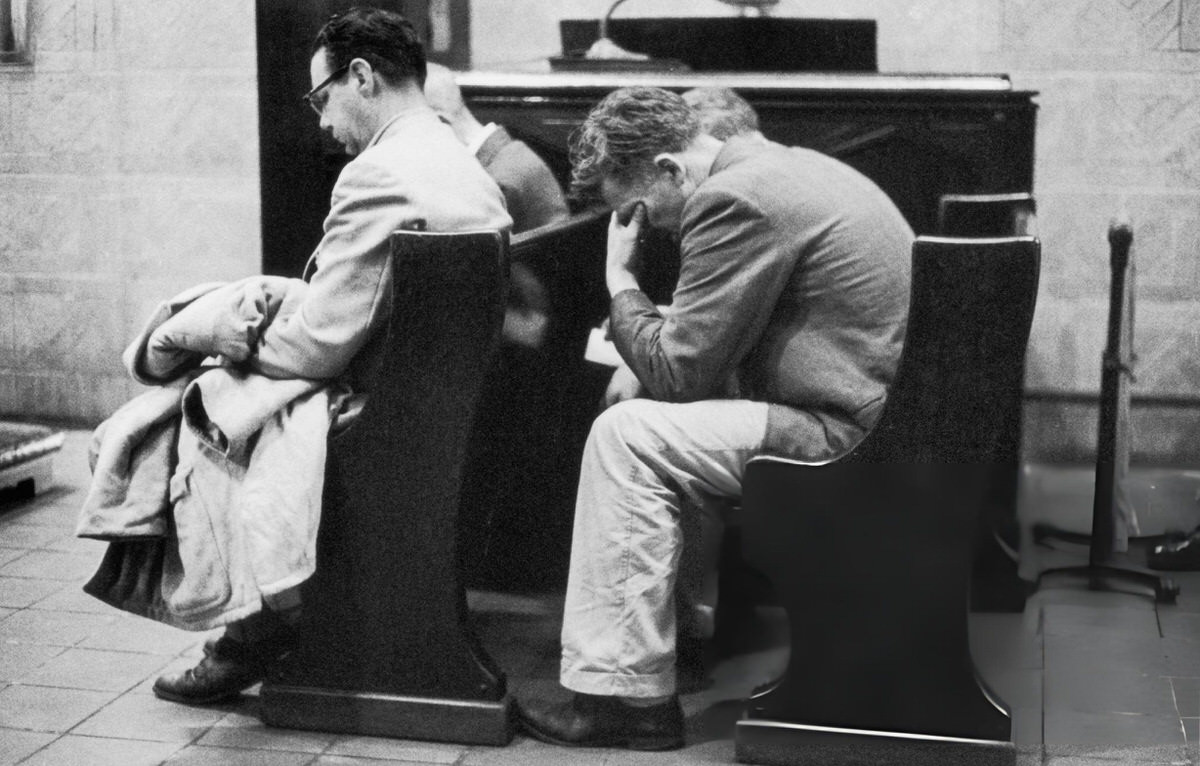
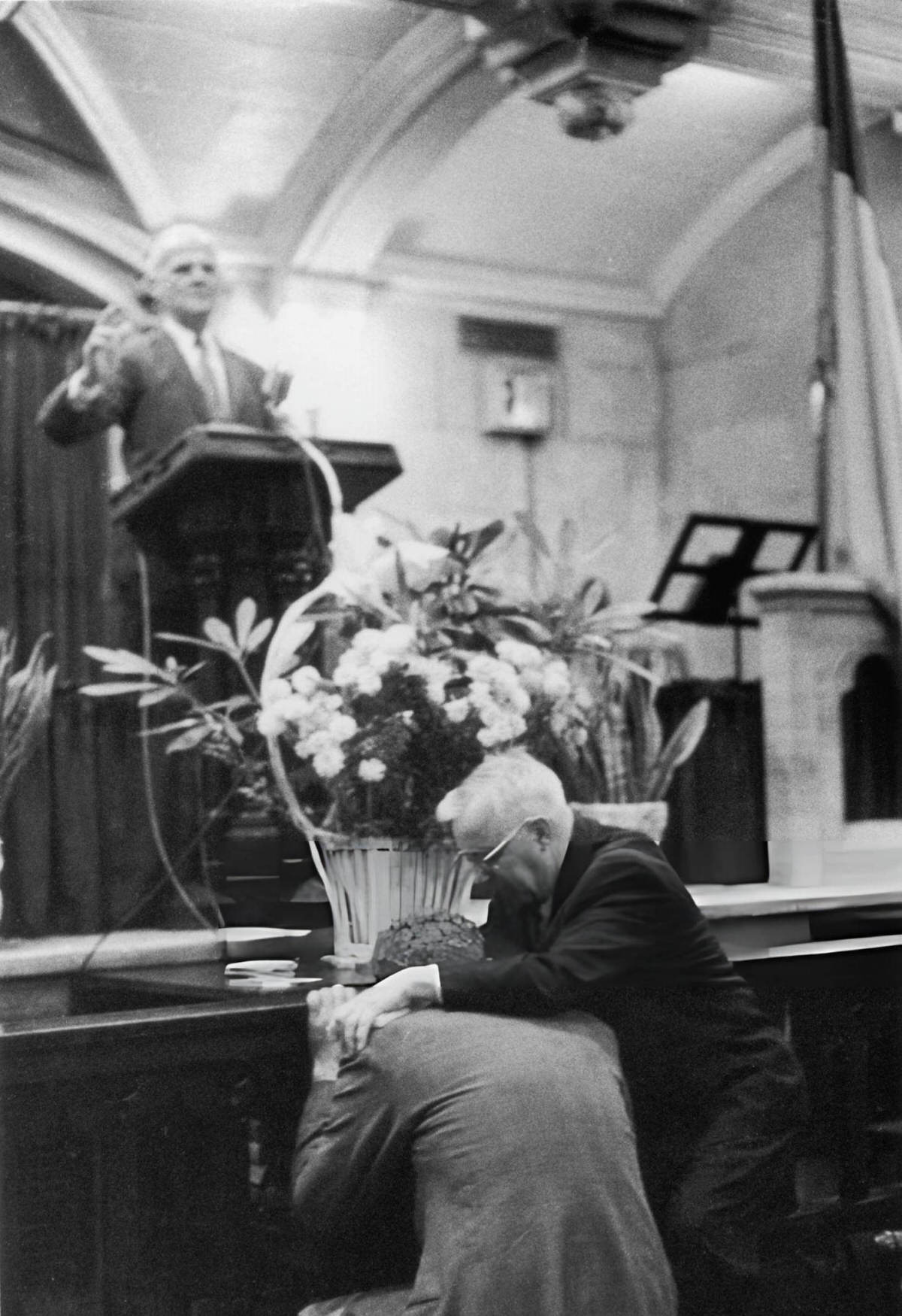
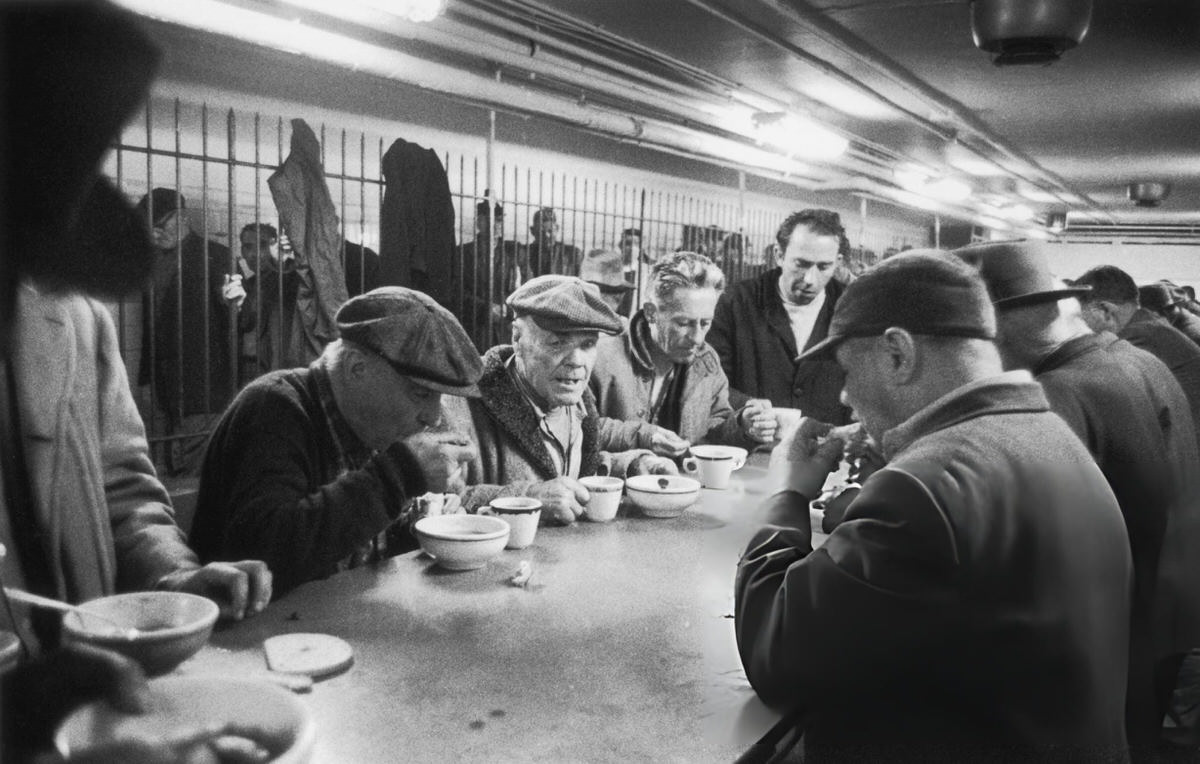
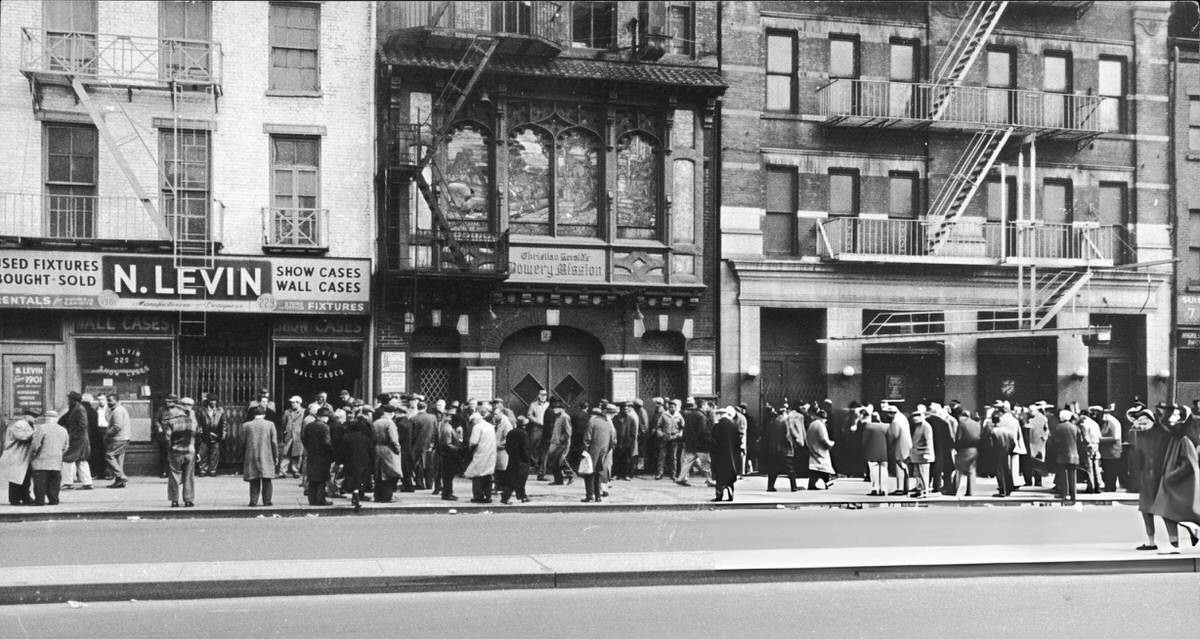
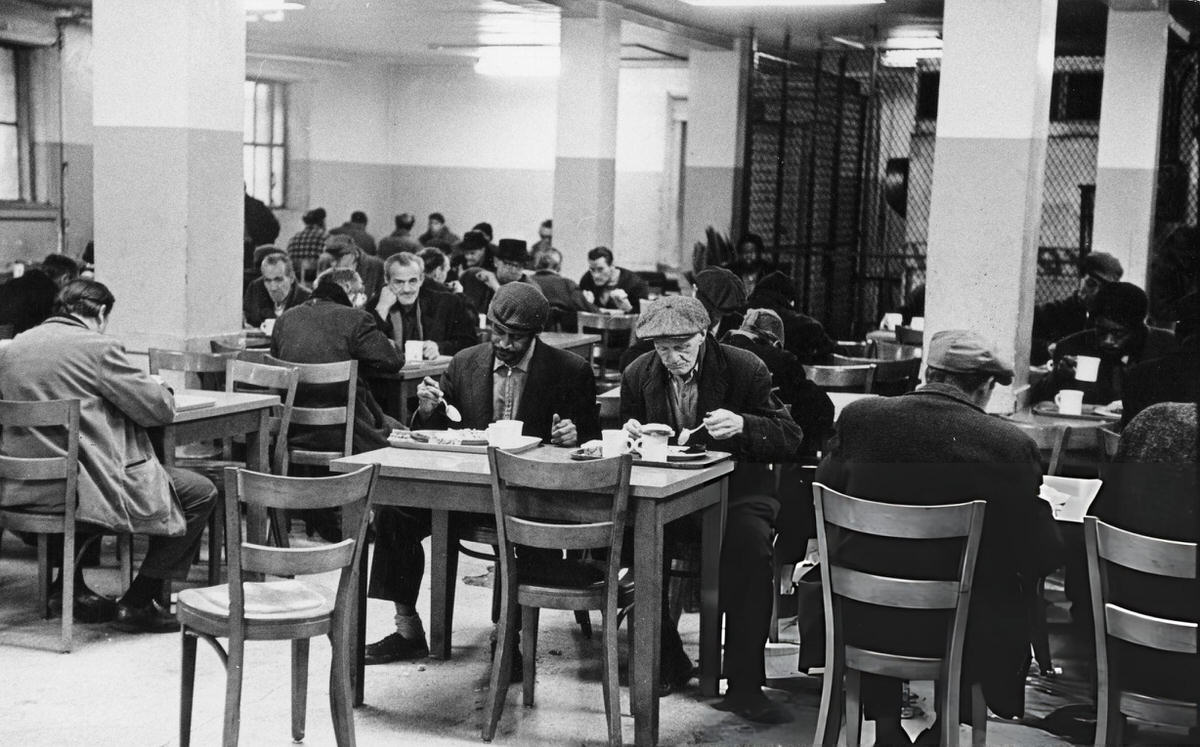
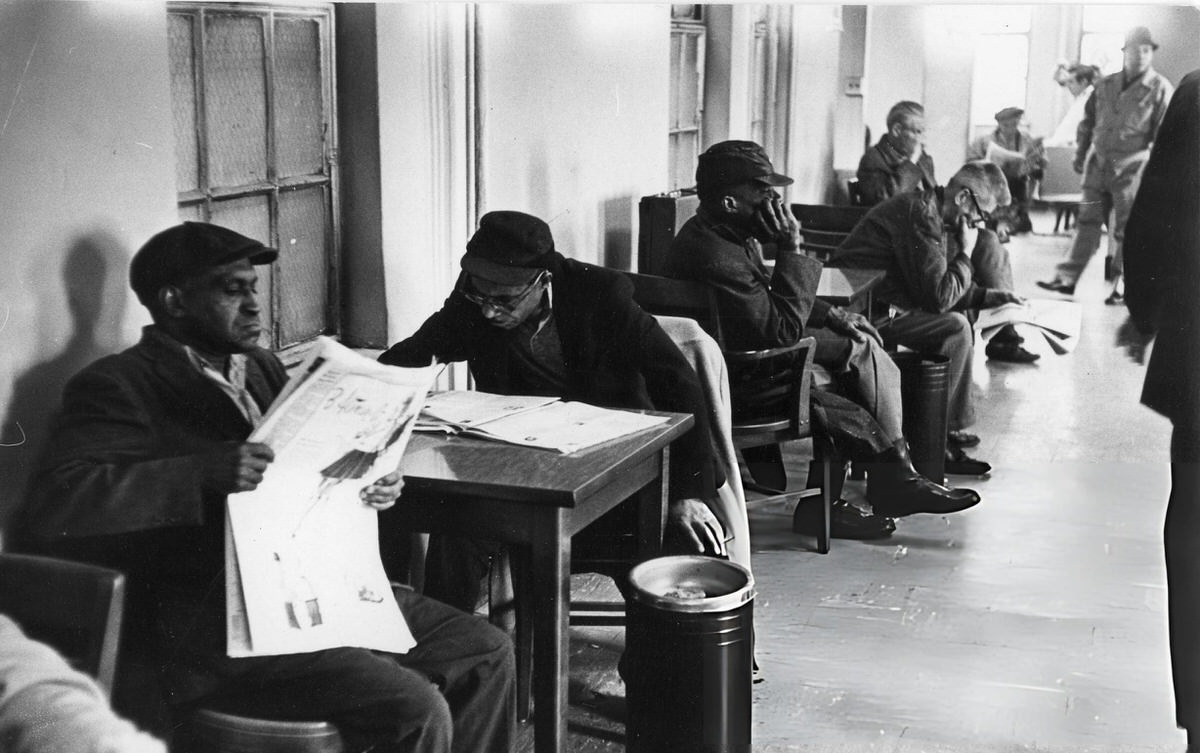
The Bowery Mission at 227 Bowery continued running its daily operations with the same structure it had maintained since 1879 — a religious service, then a meal. On cold January nights in the early 1960s, the line outside the mission stretched past several storefronts. The mission’s kitchen served hundreds of meals a day. Volunteers came from churches across the five boroughs. The men who went through the line were often the same men who had gone through it the night before, and the night before that. The mission kept records. Many of the men had been on the Bowery for five years or more.
Read more
The city’s approach to the street in the early 1960s was the same as it had been in the 1950s — periodic police sweeps that arrested men for public intoxication, held them overnight, and released them the next morning onto the same block. New York State law still classified public drunkenness as a criminal offense, which meant the police were the primary response to what was clearly a public health problem. The Vera Institute of Justice, a criminal justice reform organization based in New York, began studying the Bowery’s population in the mid-1960s specifically because the arrest-and-release cycle was so obviously pointless. Their research eventually helped build the case for decriminalizing public intoxication in New York State in 1967 — one of the few concrete policy changes the decade produced for the men who lived there.
The restaurant supply trade that had always shared the street with the flophouses continued operating in the 1960s with no interruption. The blocks of the Bowery between Delancey Street and Houston Street were lined with restaurant equipment dealers, lighting fixture wholesalers, and commercial kitchen suppliers. Chefs and restaurant owners from all over the city made regular trips to the Bowery to buy stoves, refrigeration units, shelving, and flatware at prices far below retail. This part of the street’s identity — unglamorous, entirely functional, completely separate from the Skid Row reputation — drew working people into the neighborhood every single weekday and kept a legitimate commercial economy running alongside everything else.
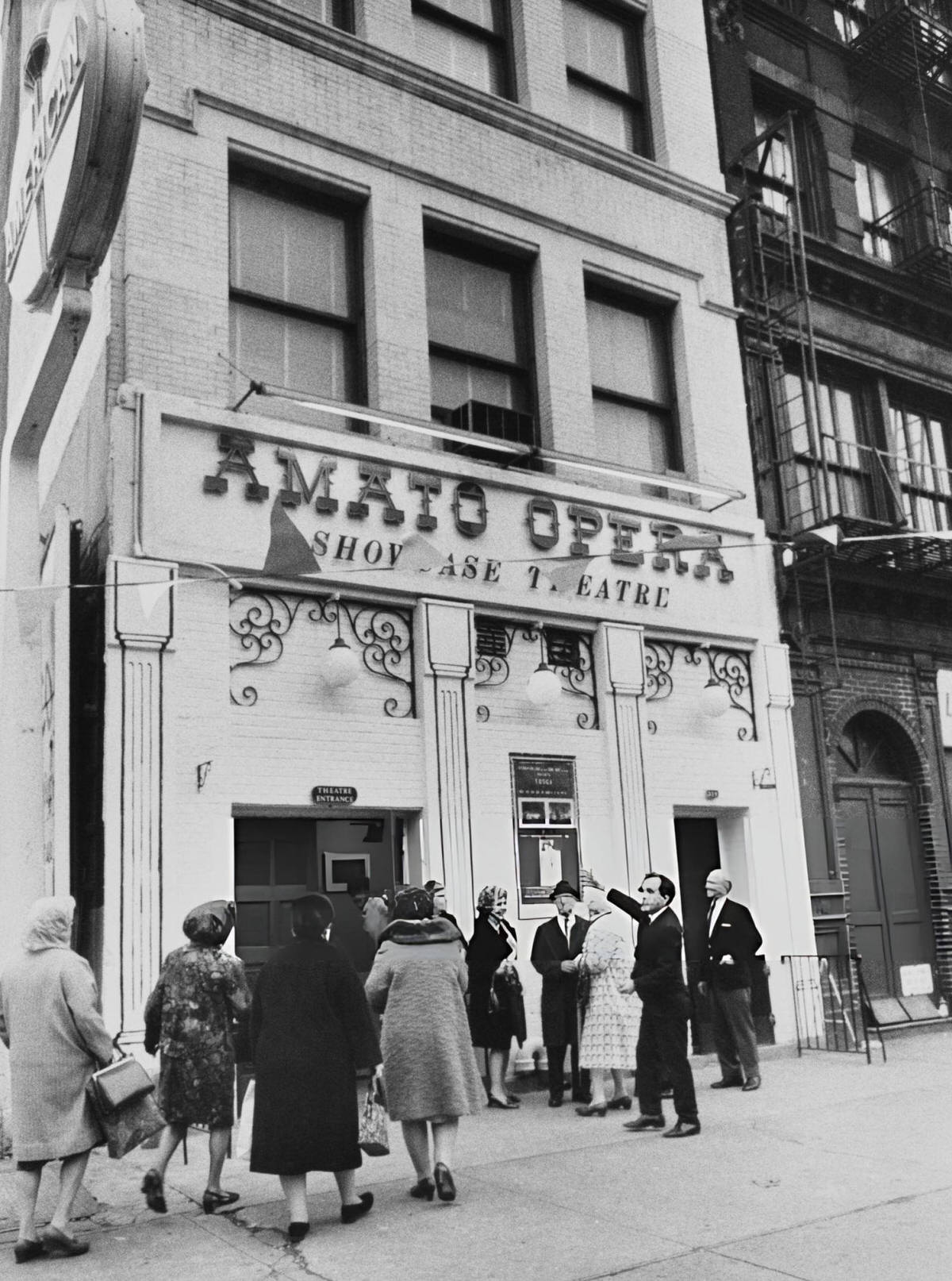
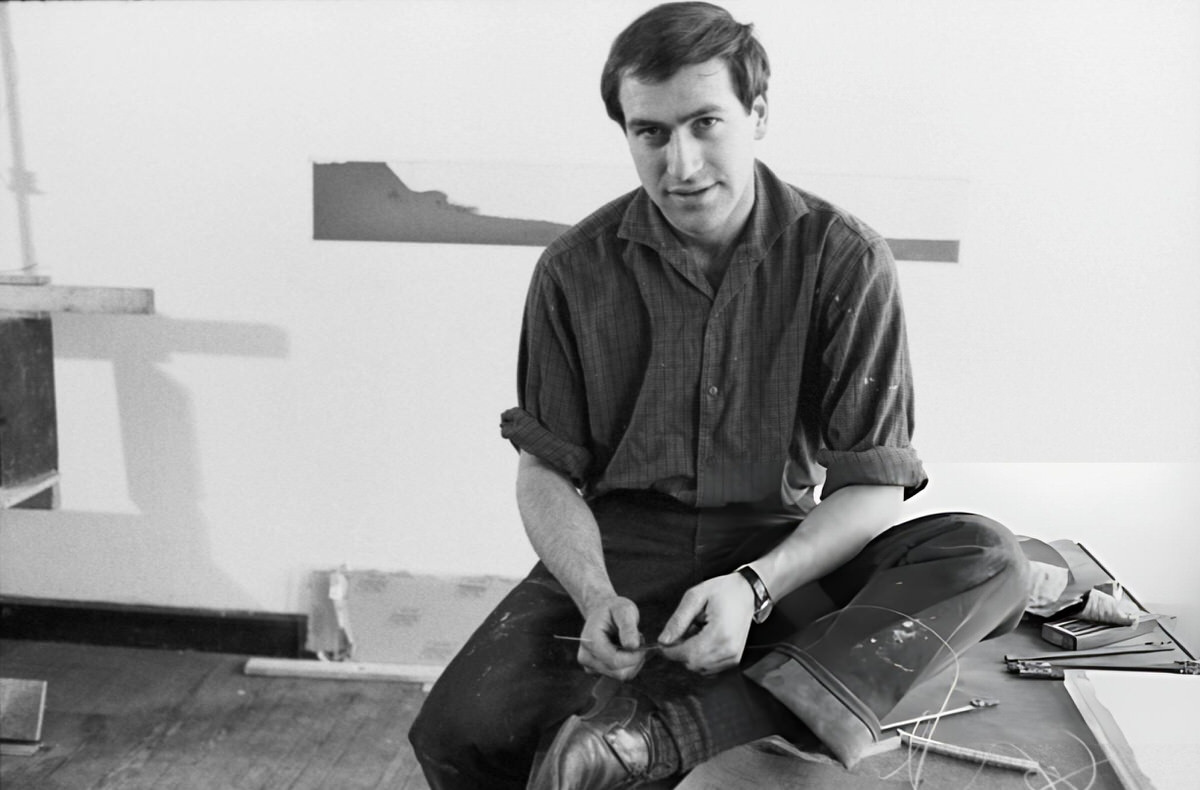
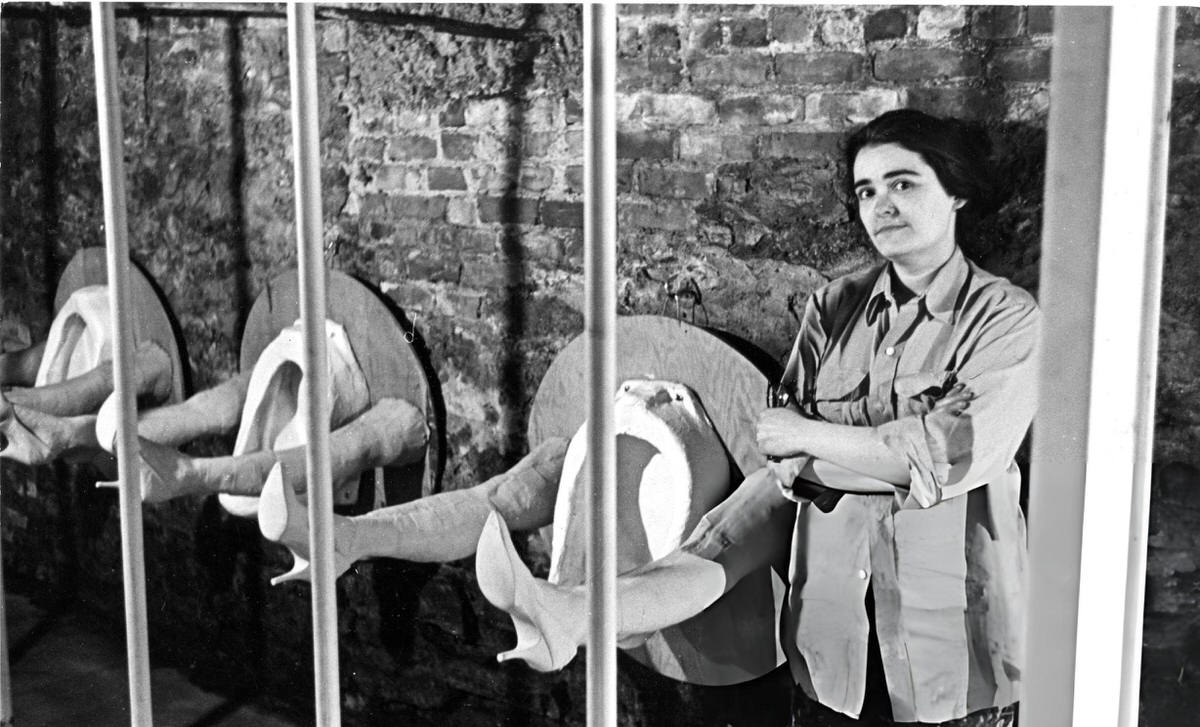
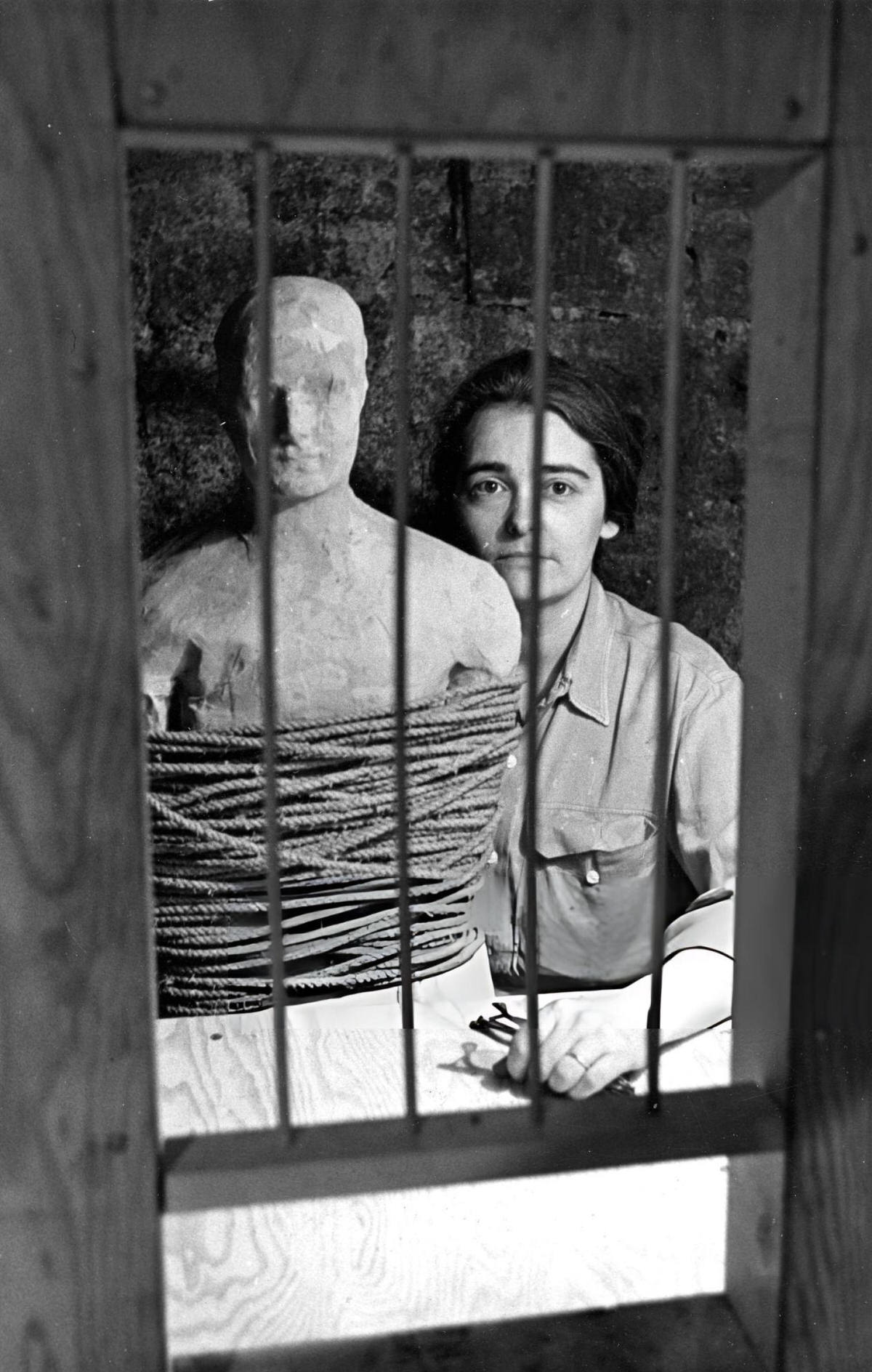
The shift that would eventually define the Bowery’s future began quietly in the early 1960s and accelerated toward the end of the decade. Artists and musicians — most of them priced out of Greenwich Village, which had become expensive enough by the late 1950s to push working artists further downtown — began moving into the loft buildings just off the Bowery and into the blocks immediately south of Houston Street. The rents in these former light industrial buildings were extraordinarily low by Manhattan standards. A loft that ran 2,000 square feet could be had for under $100 a month in the early 1960s because the buildings were zoned for commercial use and technically illegal to live in. Artists moved in anyway.
CBGB did not open until 1973, and SoHo as a recognized neighborhood did not fully coalesce until the early 1970s, but the groundwork was laid in the 1960s. The artists who moved into the blocks immediately west and south of the Bowery during this decade — painters, sculptors, experimental musicians — created the density of cheap creative housing that SoHo would eventually be built on. The Fluxus art movement held performances in loft spaces near the Bowery throughout the 1960s. Yoko Ono’s loft on Chambers Street, a few minutes’ walk from the Bowery’s southern end, was a regular performance space from 1960 onward. La Monte Young, the experimental musician and composer, held concerts in his loft at 275 Church Street that drew serious figures from the New York avant-garde through the mid-1960s.
These two worlds — the flophouse men and the loft artists — occupied the same physical geography without much overlap. A man drinking outside the Sunshine Hotel and a sculptor carrying materials into a Canal Street building passed each other regularly and had essentially no connection. The Bowery in the 1960s was not yet a neighborhood in transition in any way that the men living in the cage hotels could feel or benefit from. The property pressure was building in the blocks just around them, not yet under their feet. That would come later. Through the 1960s, the flophouses stayed full, the missions stayed busy, and the street maintained the identity it had held since the Depression — just with a new set of residents moving into the buildings on the edges, drawn by the same thing that had always made the Bowery tolerable to people with very little money: the rent was cheap and no one asked too many questions.

GIPHY App Key not set. Please check settings