

 Henry Parker
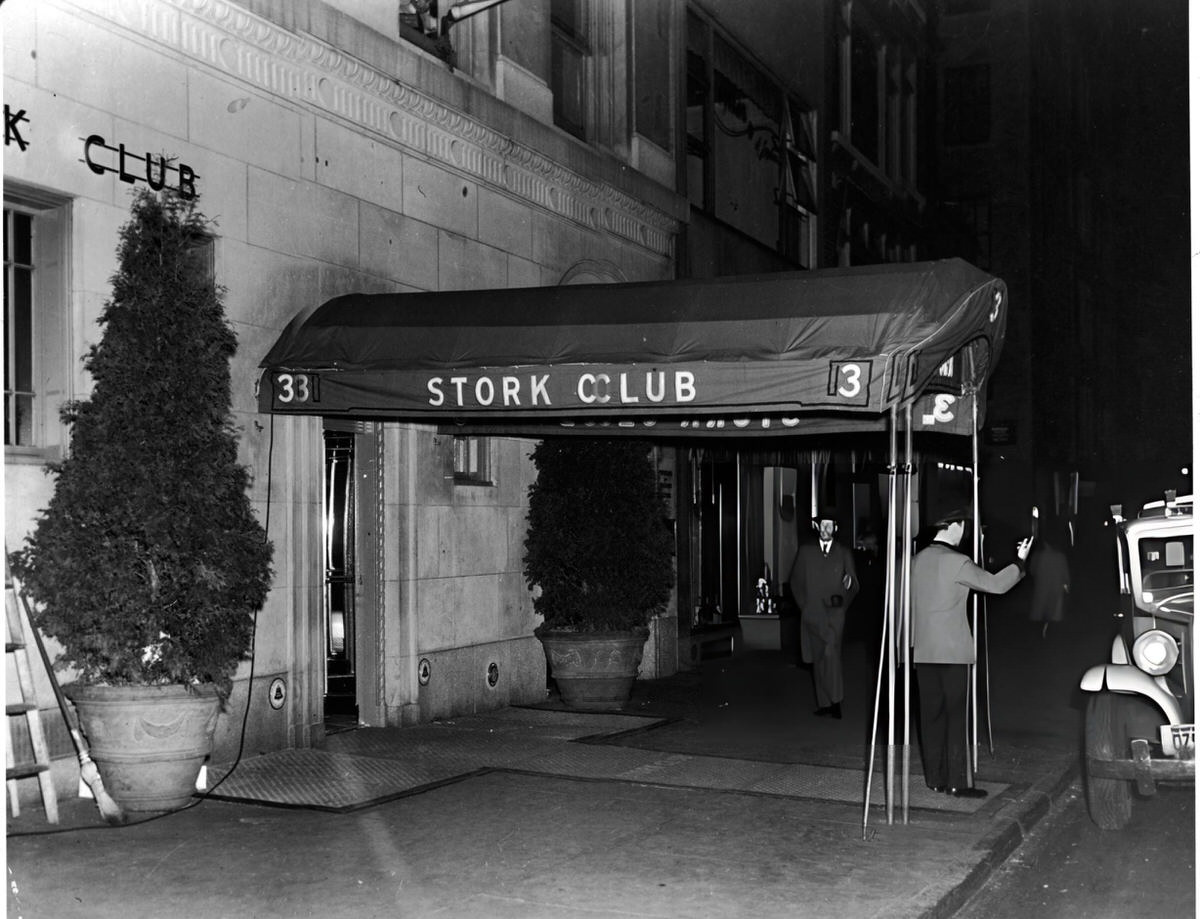
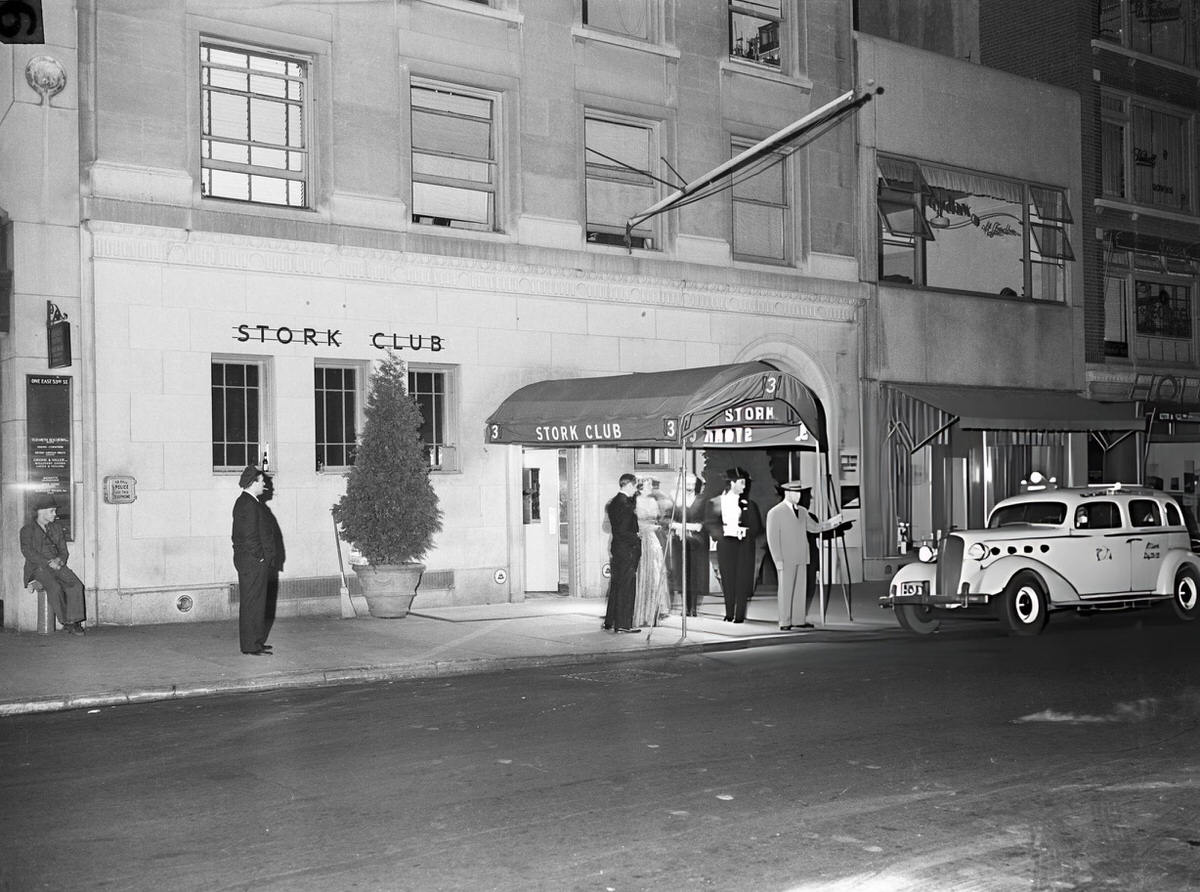
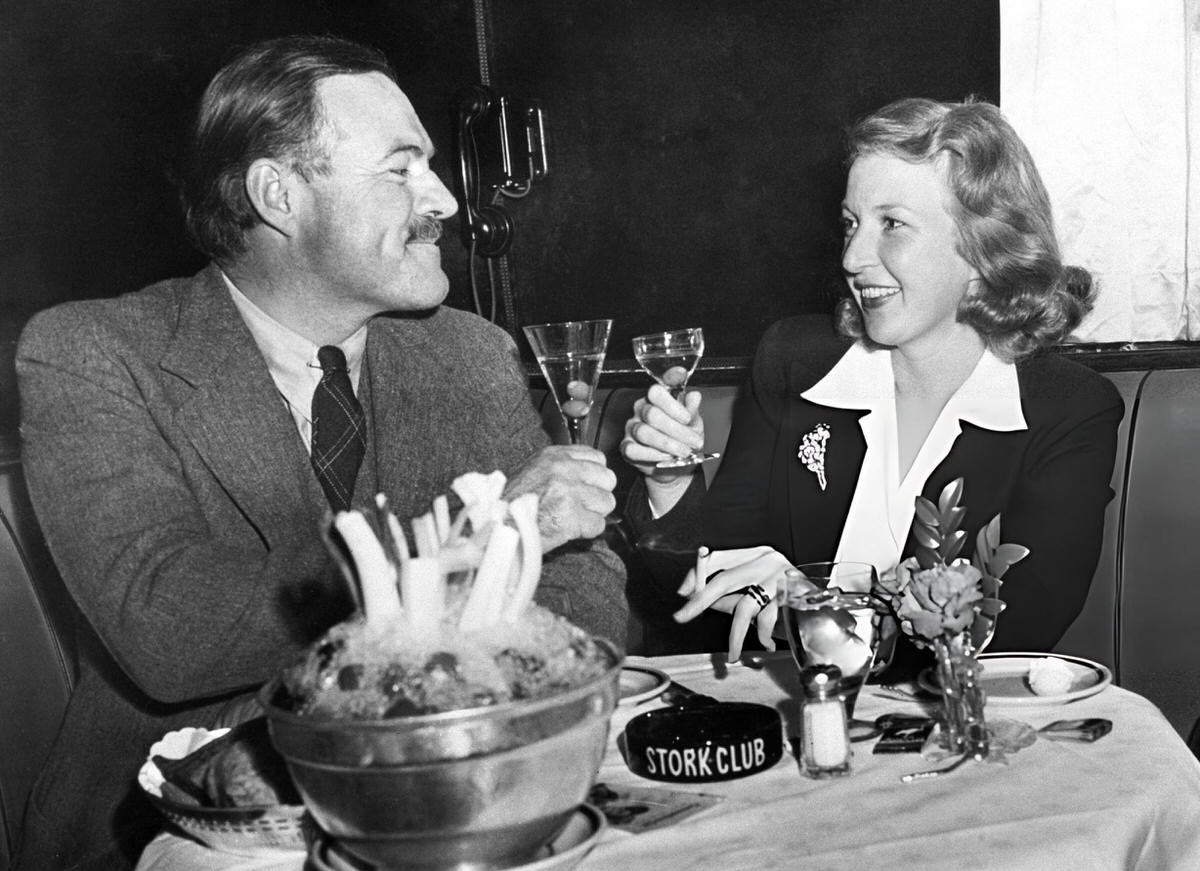
Sherman Billingsley first opened a version of the Stork Club in 1929, a few blocks from its eventual home, during the last years of Prohibition. He was an Oklahoma bootlegger with no social connections and no restaurant experience, and he built the most socially powerful nightclub in America anyway. The club moved to 3 East 53rd Street, just off Fifth Avenue, in 1934, and that address became the fixed point around which a large part of New York’s celebrity culture rotated for the next three decades.
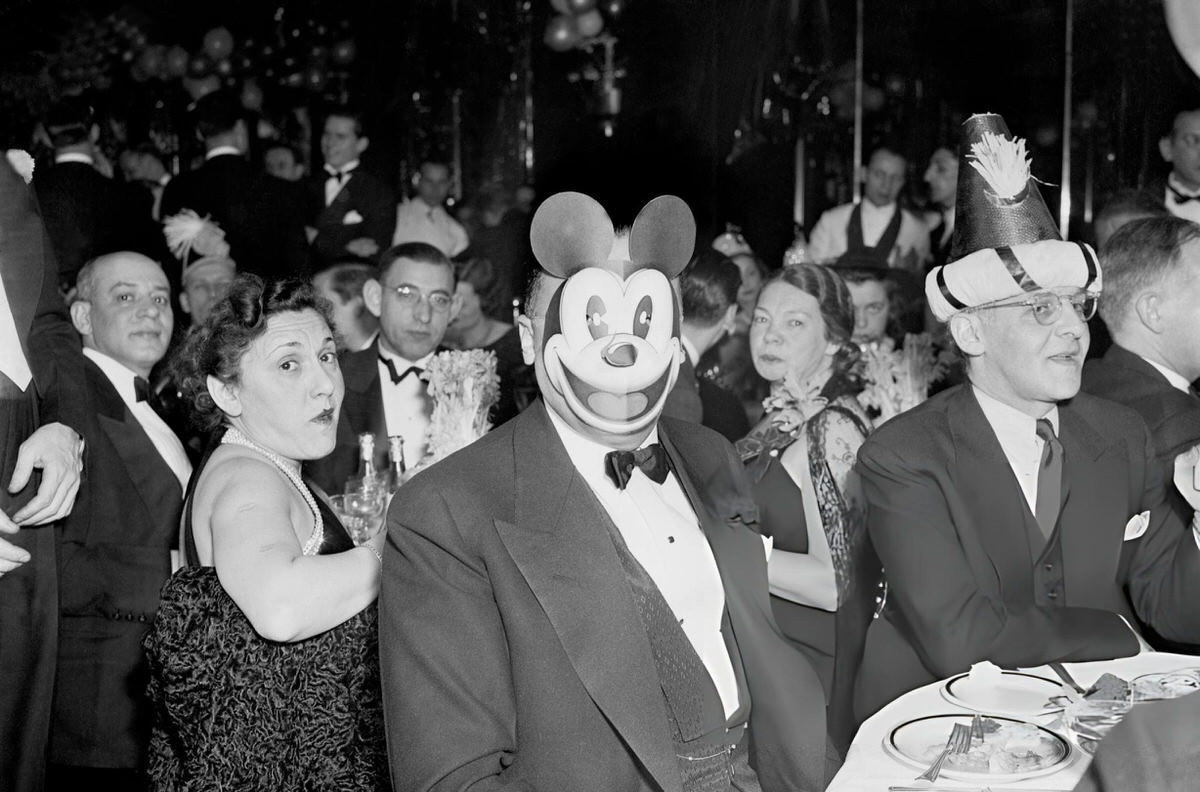
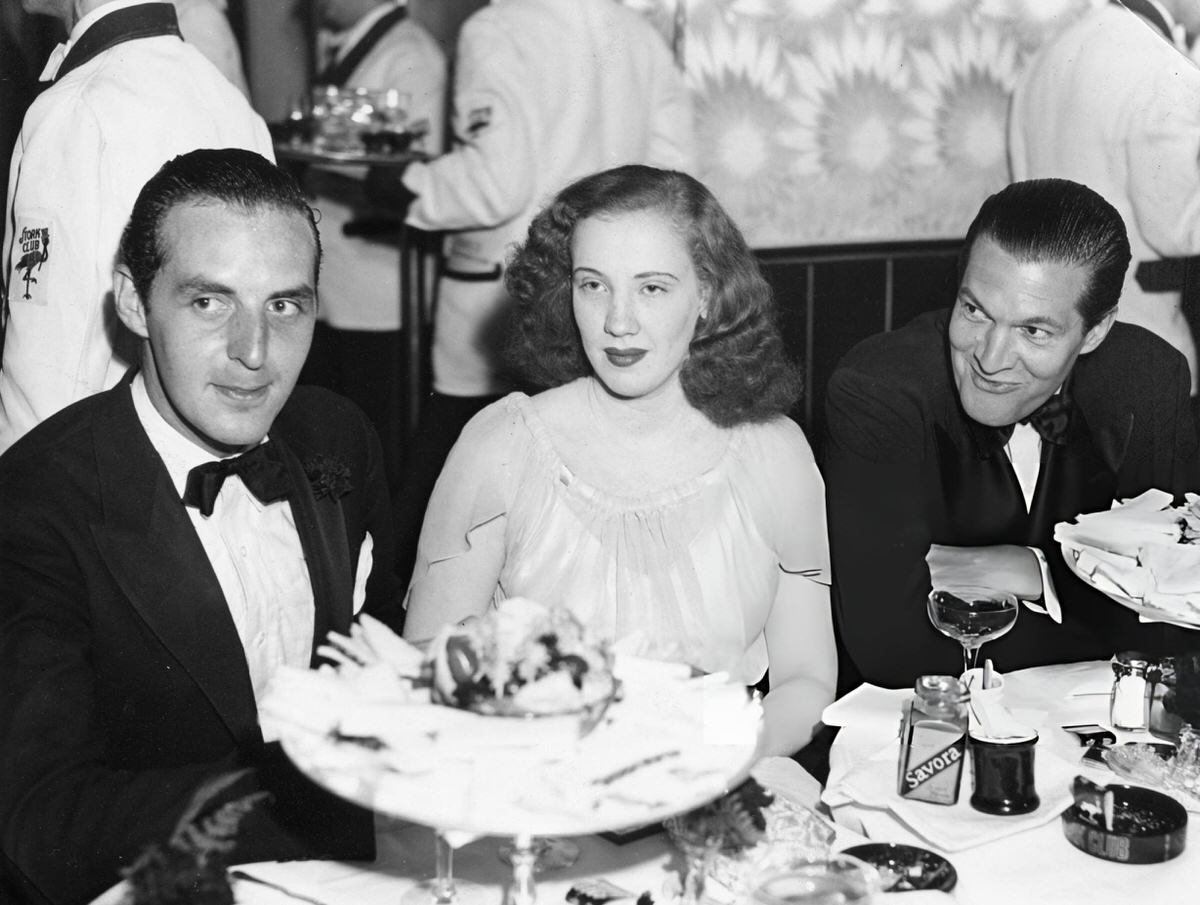
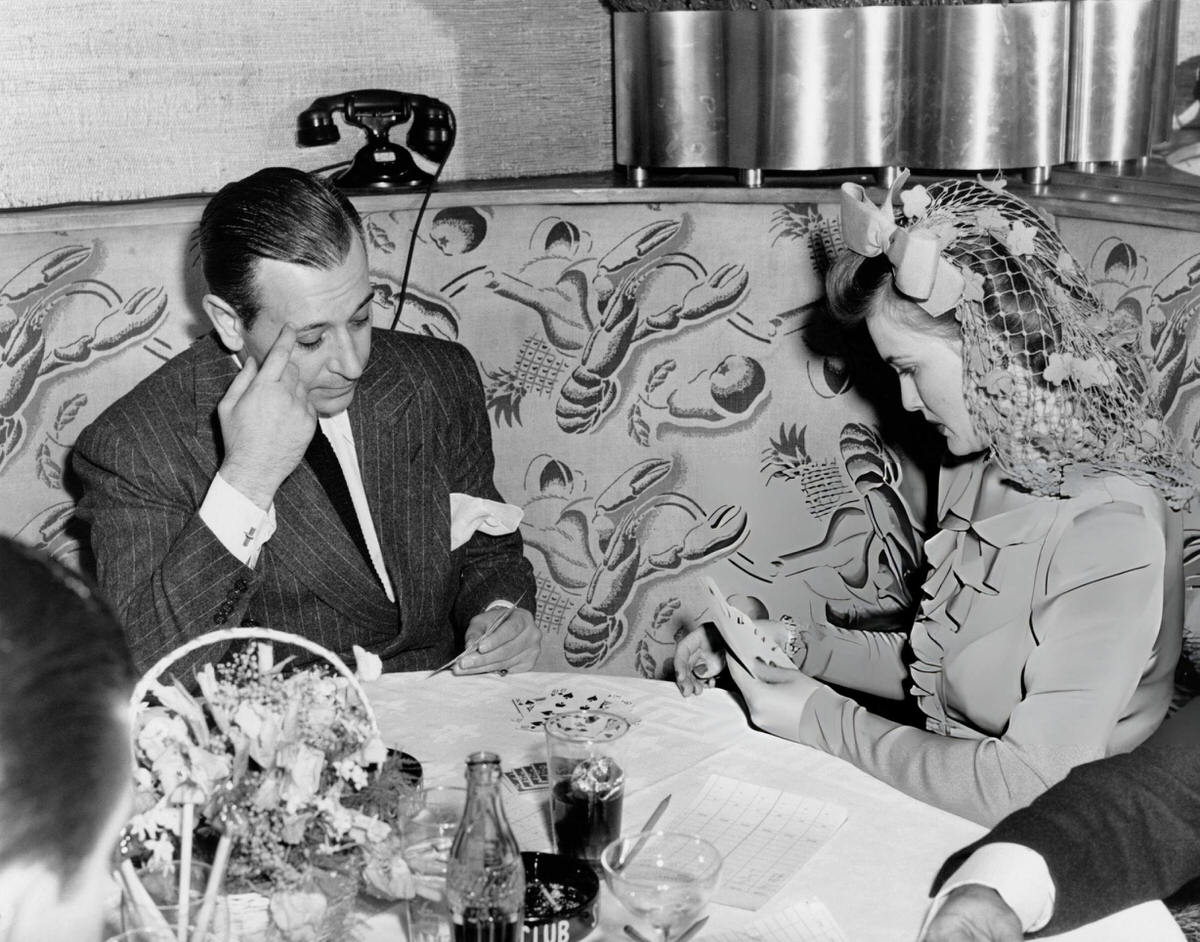
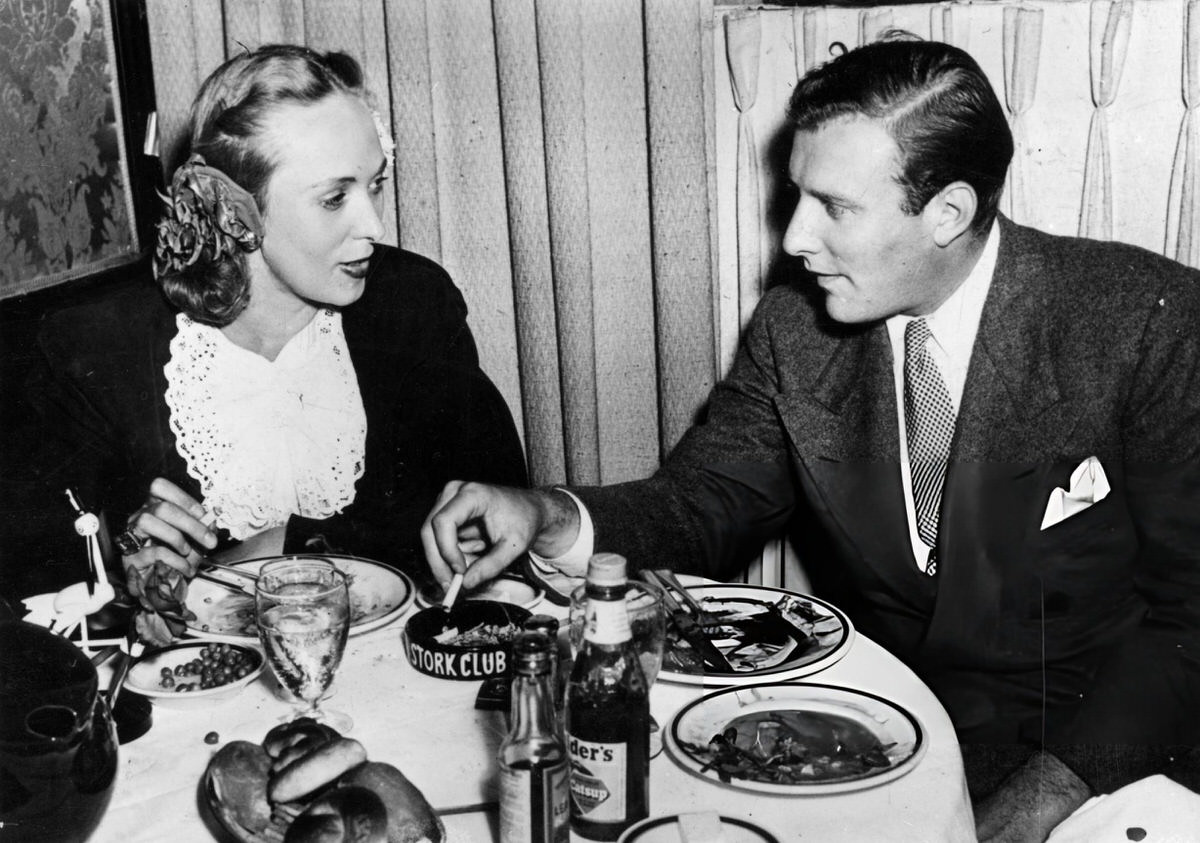
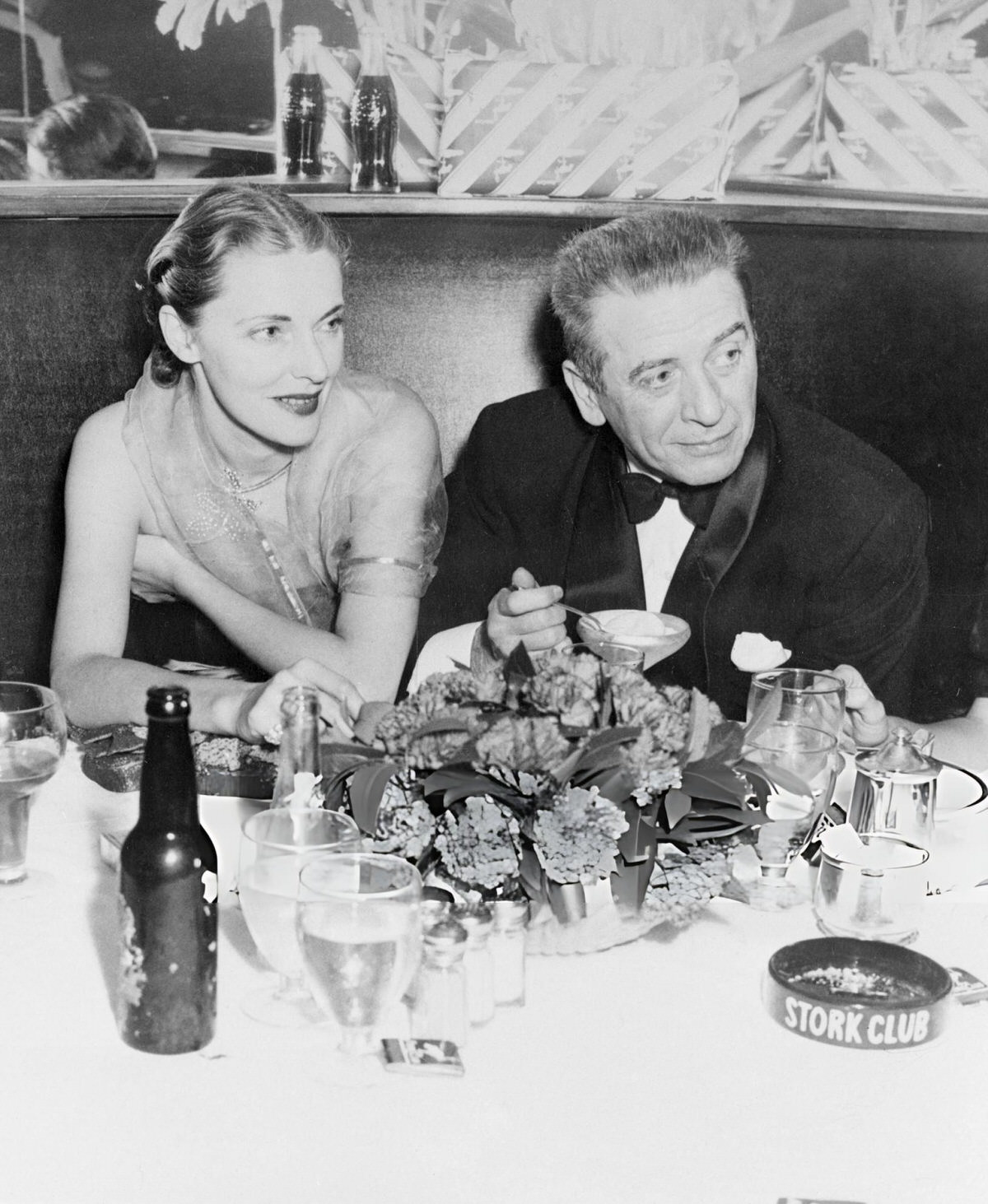
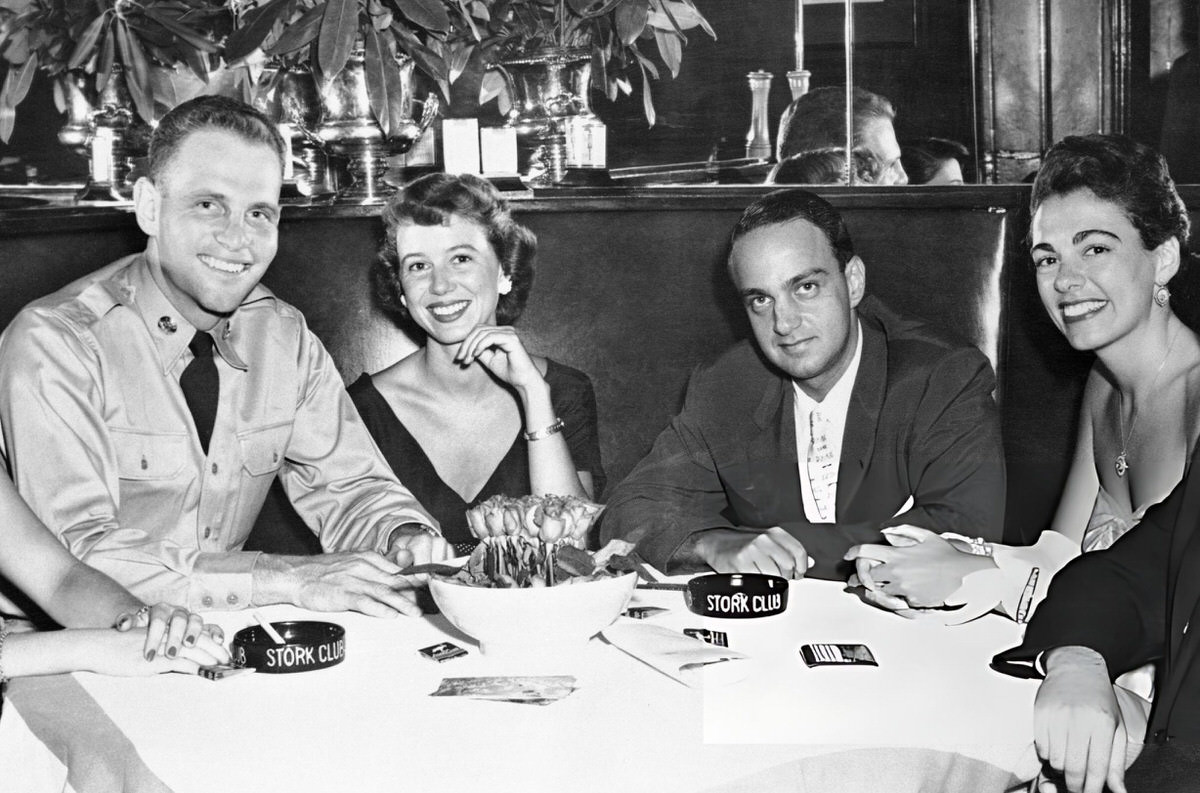
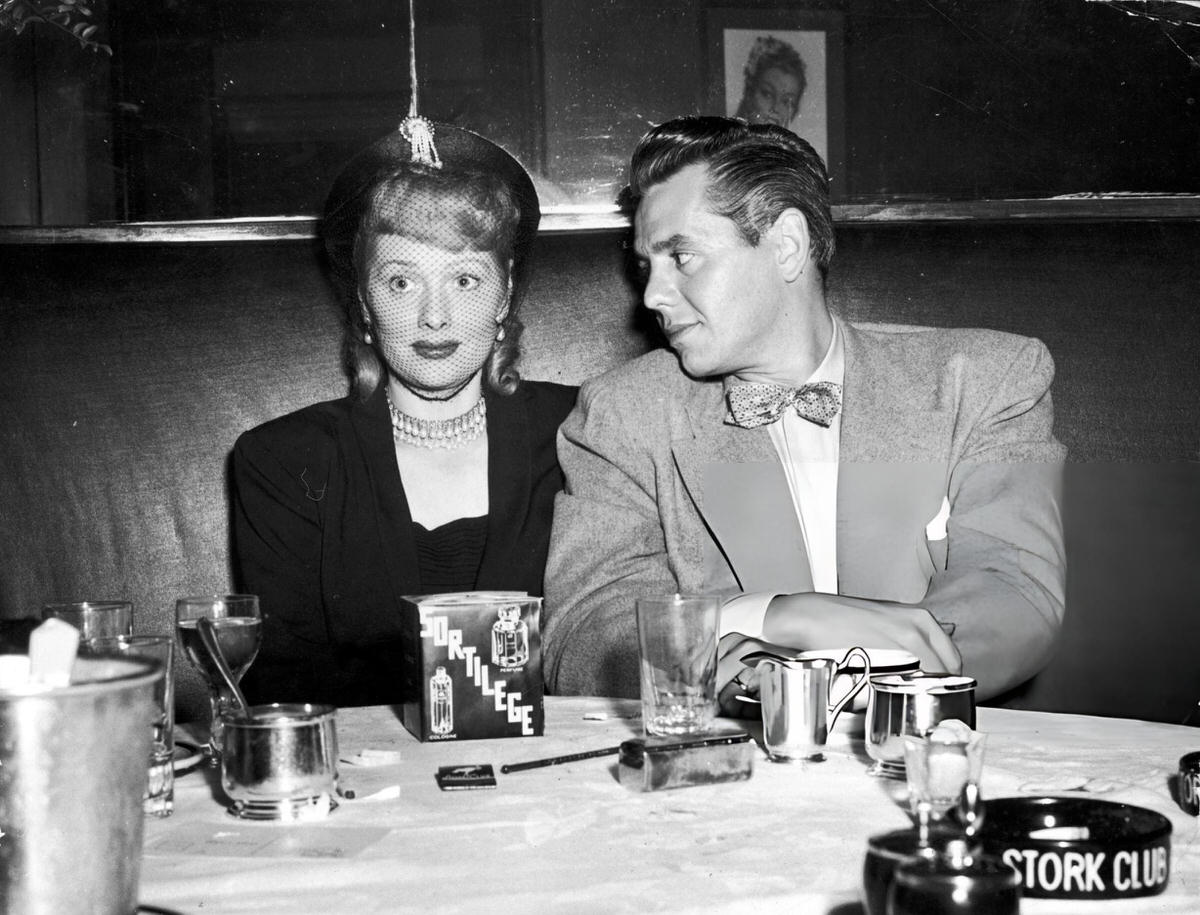
The building itself was not especially impressive from the outside. Inside, the main room held several hundred people at white-linen tables, with a small dance floor and a bandstand. The walls were decorated with caricatures of famous regulars drawn by the artist John Honce. But the physical space was not the point. The point was the Cub Room.
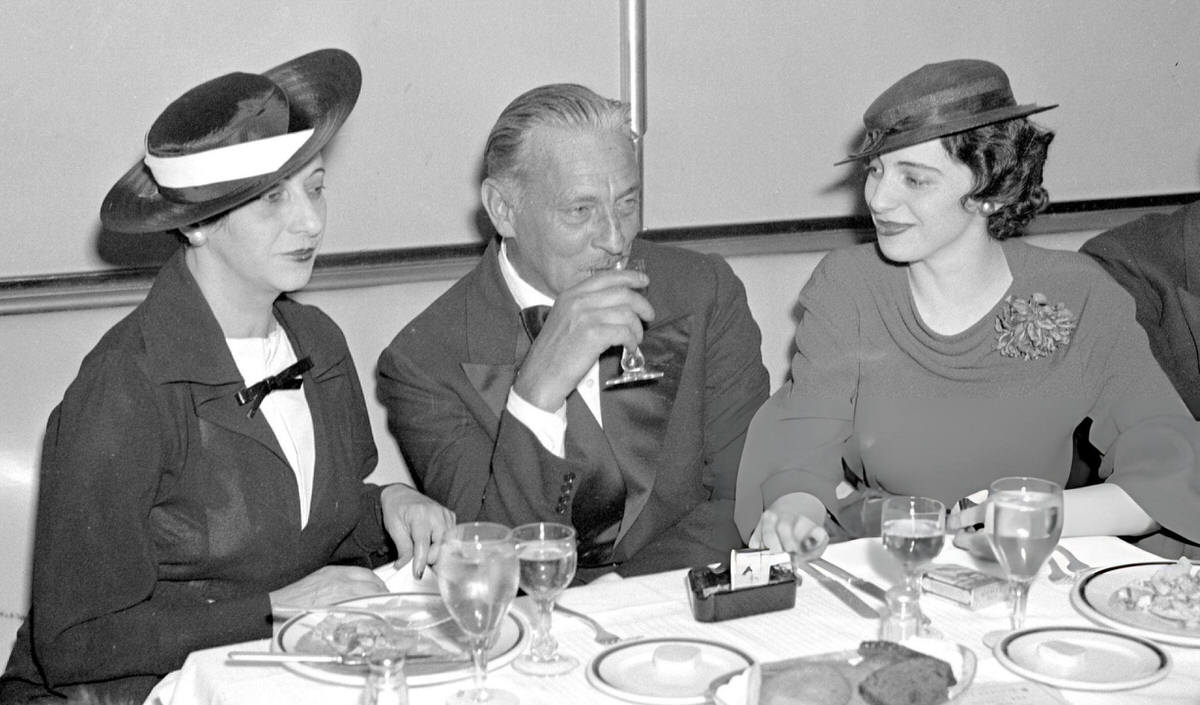
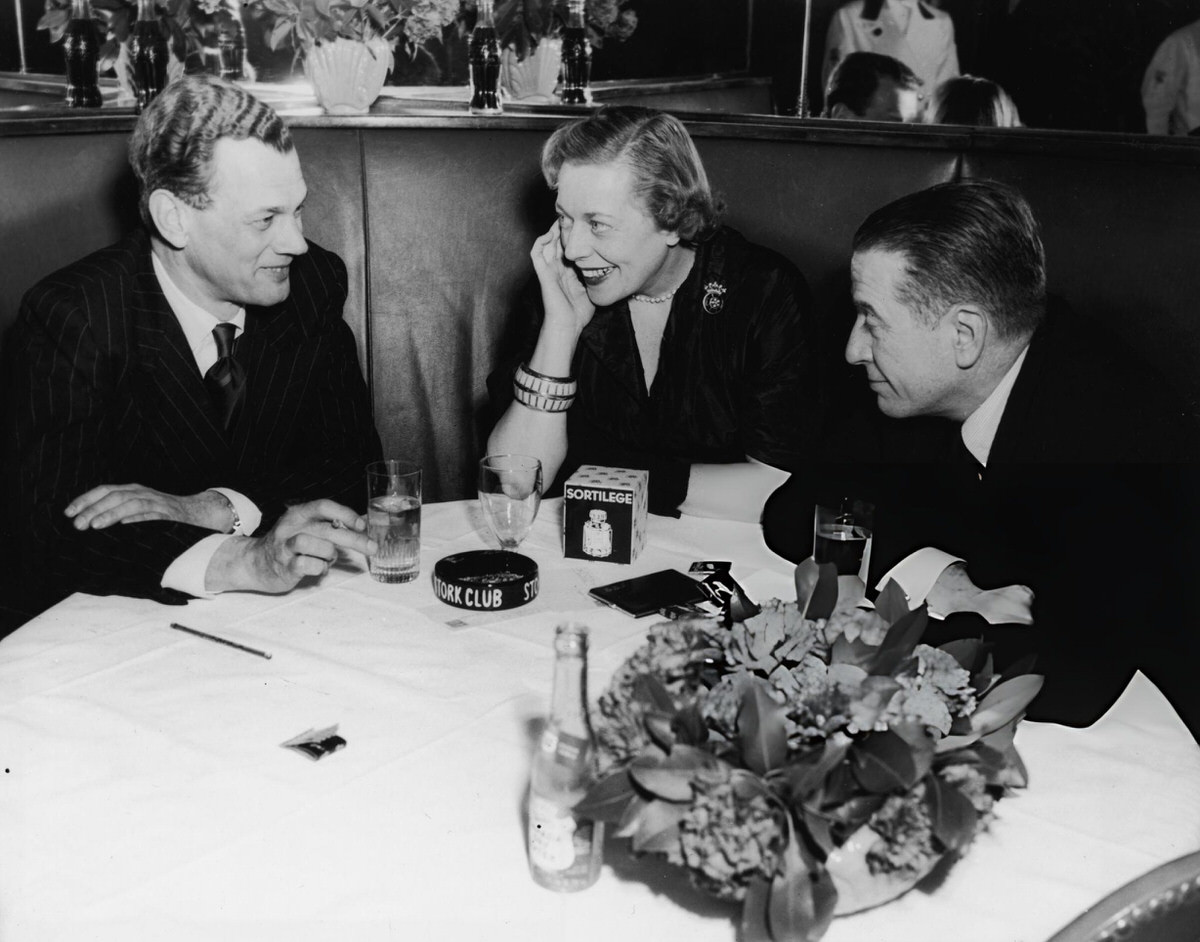
The Cub Room was a smaller, inner room off the main floor where Billingsley seated his most prized guests. Getting a table in the Cub Room was a social verdict. It meant Billingsley had decided you were worth his personal attention. J. Edgar Hoover ate in the Cub Room regularly — he was a close friend of Billingsley’s and held his own reserved table. Walter Winchell, the most powerful newspaper columnist in America during the 1930s and 1940s, essentially ran his operation from a corner table in the Cub Room, filing items for his column and broadcasting his radio show with the club as his home base.
Read more
Billingsley ran the door himself and made no apologies for how he ran it. Black customers were routinely turned away or seated in the least visible parts of the room. In 1951, this policy produced the most public confrontation of the club’s history. Josephine Baker, the singer and entertainer who had become a major star in France and was well known in the United States, arrived for dinner with a racially mixed group that included the actor Roger Rico and the actress Bessie Allison. The party was seated but then ignored. Waiters passed them repeatedly without taking their order. Baker’s steak, when it finally came, arrived cold and incorrectly prepared. She left and told the press exactly what had happened.
The story became national news. Walter Winchell, rather than acknowledging what had occurred, sided with Billingsley and attacked Baker in his column, calling her a communist sympathizer. The NAACP picketed the club. The New York City commissioner of licenses investigated. Billingsley never admitted wrongdoing, and Winchell’s defense of him damaged both men’s reputations in ways that neither fully recovered from.
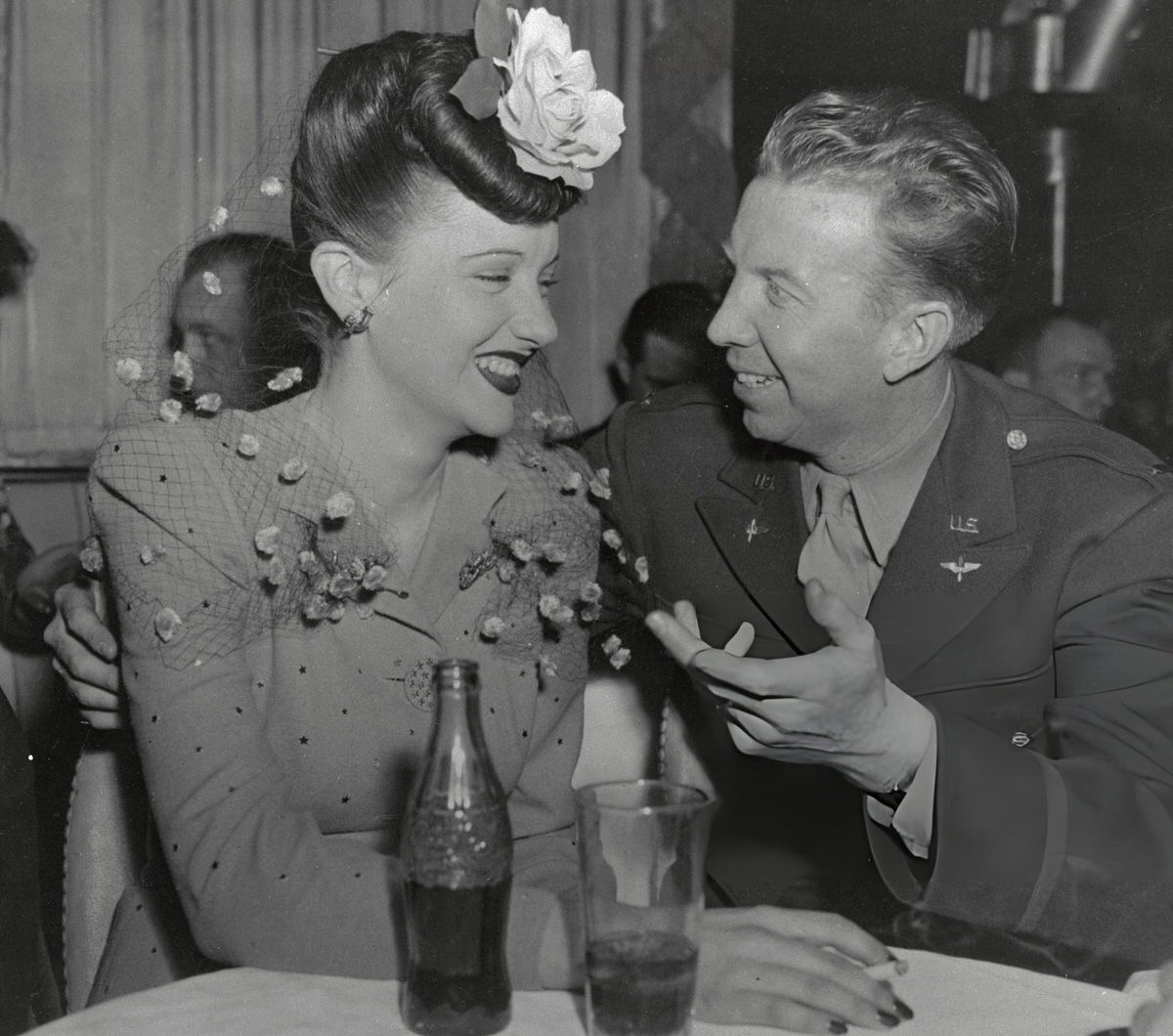
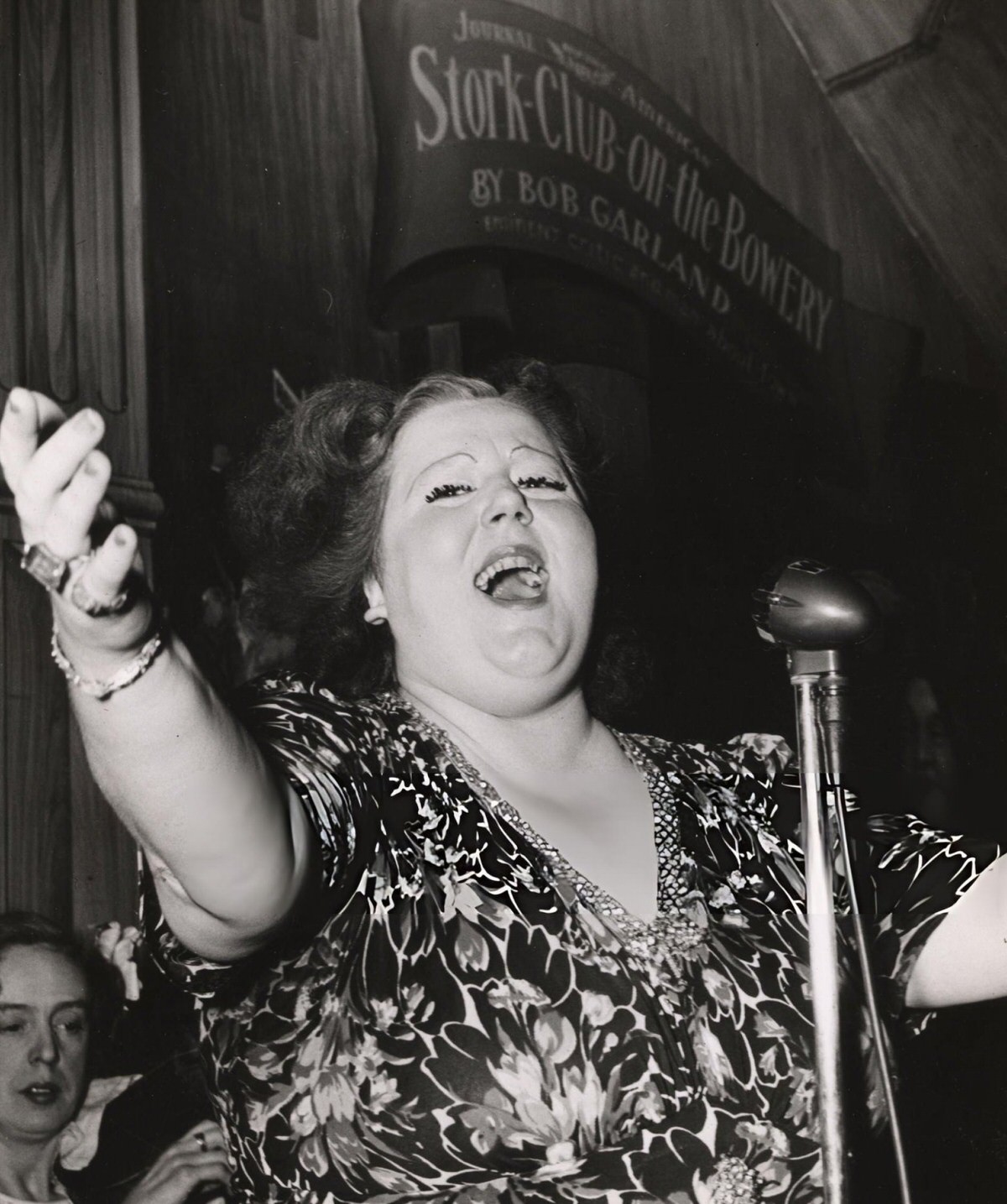
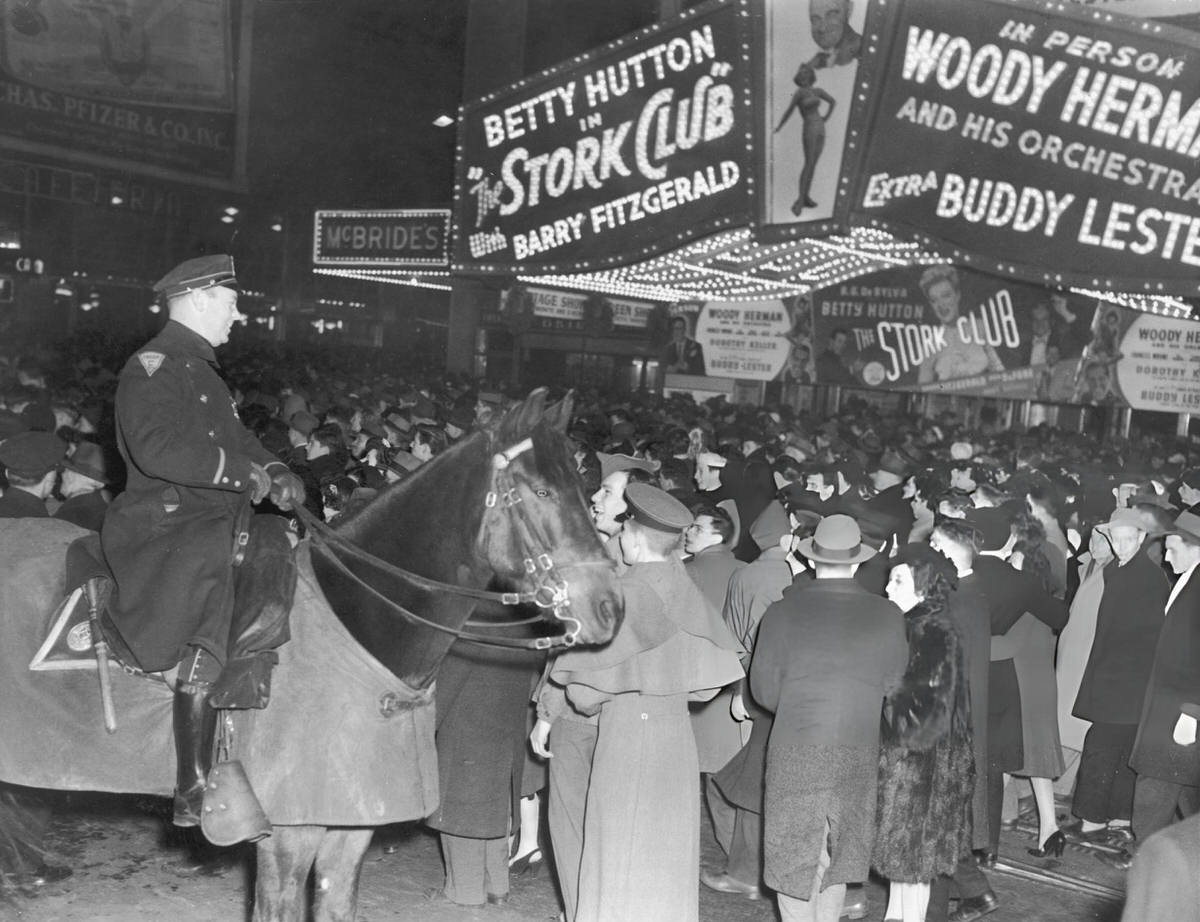
CBS broadcast a live television show called “The Stork Club” from the premises between 1950 and 1955, hosted by Billingsley himself. He was a poor television presence — stiff and uncomfortable on camera — but the show ran five years simply because the location carried enough glamour to sustain it. By the late 1950s, the culture that had built the Stork Club was shifting. The old-guard café society crowd was aging. Newer clubs and downtown scenes were pulling younger money and younger celebrities away from East 53rd Street. Billingsley refused to adapt. The club closed in October 1965. Billingsley died the following month.
The building was demolished in 1966. Paley Park, a small privately owned public space with a waterfall wall that muffles street noise, was built on the site and opened in 1967. It is still there. Most people who sit in it have no idea what stood on that ground thirty years before.

GIPHY App Key not set. Please check settings