

 Dennis Saul
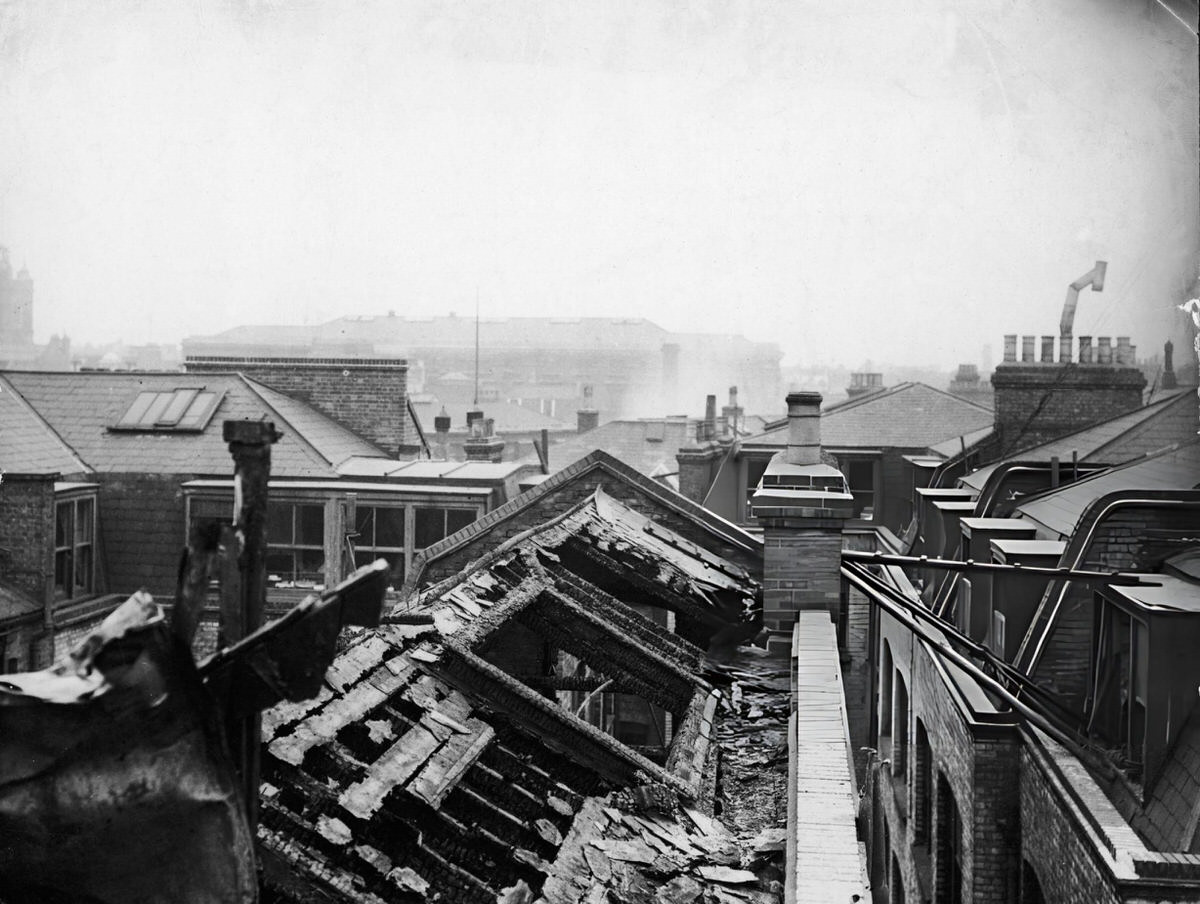
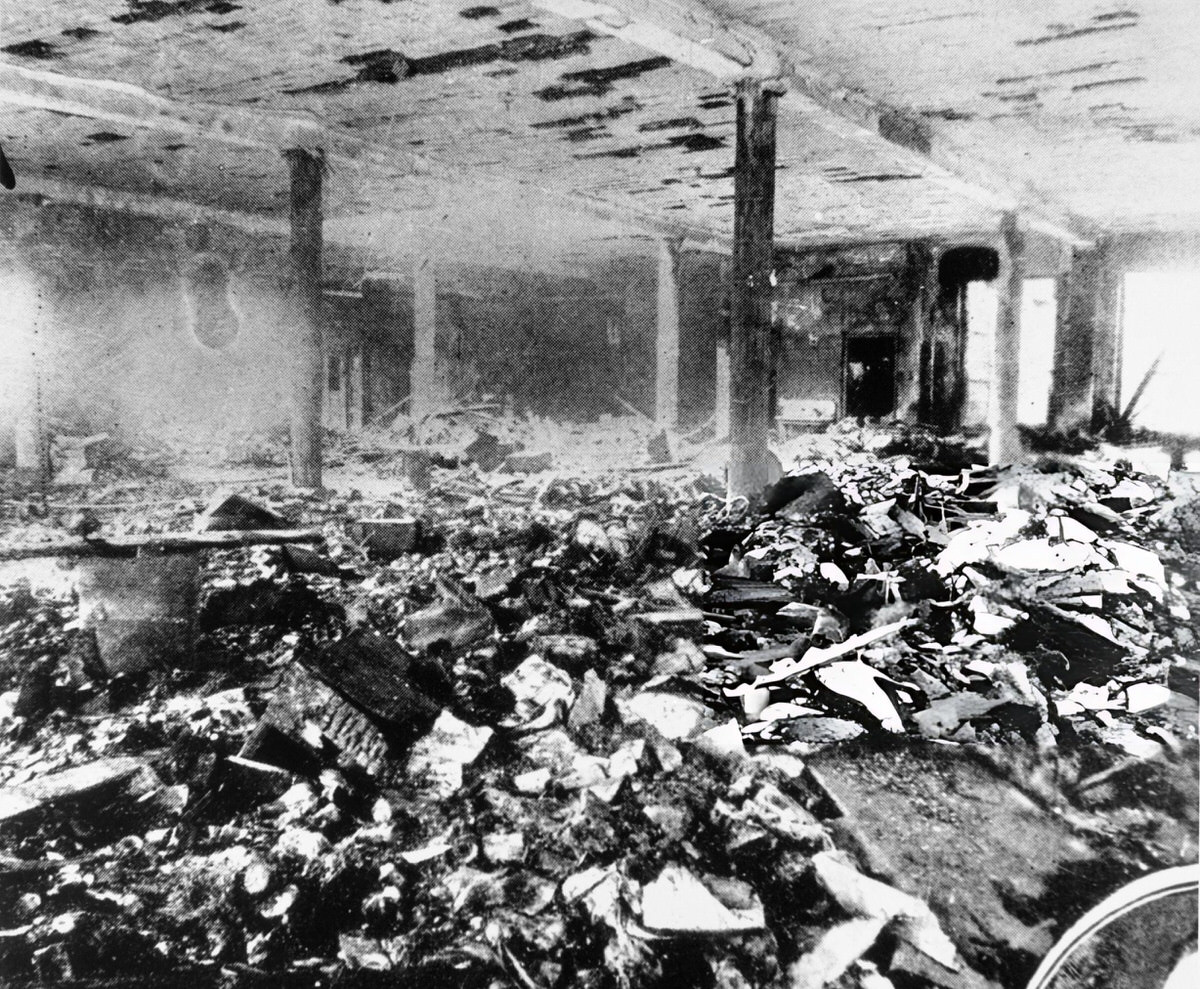
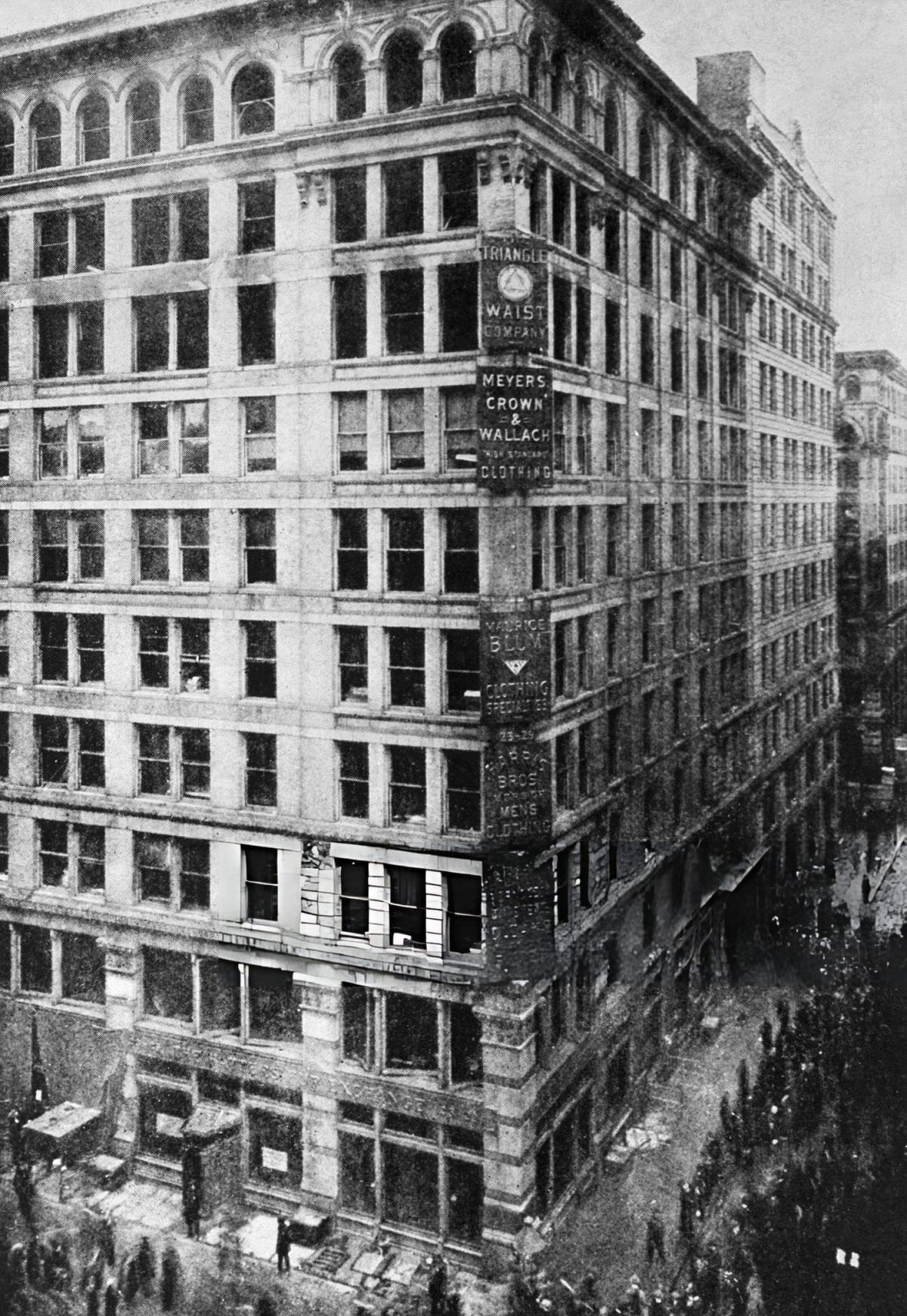
The Asch Building stood at the corner of Washington Place and Greene Street in Greenwich Village, one block east of Washington Square Park. It was ten stories tall, built in 1901, and considered fireproof by the standards of its day — meaning the structure itself, the steel frame and concrete floors, would not burn. What the building’s owners and inspectors had not accounted for was everything inside it. The Triangle Waist Company occupied the eighth, ninth, and tenth floors, and those floors were packed with fabric, thread, tissue paper patterns, wooden work tables, and 500 workers on a Saturday afternoon in late March 1911.
The Triangle Waist Company made shirtwaists — the women’s blouses that were the dominant fashion item of the era. The company was owned by Isaac Harris and Max Blanck, two Jewish immigrants who had built a profitable business on the labor of young immigrant women, mostly Jewish and Italian, who had come to New York in the previous two decades from Eastern Europe and southern Italy. The workers sat in rows at sewing machines from seven in the morning until dark, six days a week. They were paid by the piece. If they made mistakes, the cost of the ruined fabric was deducted from their wages.
The fire lasted about 18 minutes, killing 146 workers out of the roughly 500 people in the building, including 123 women.
How the Fire Started and Spread
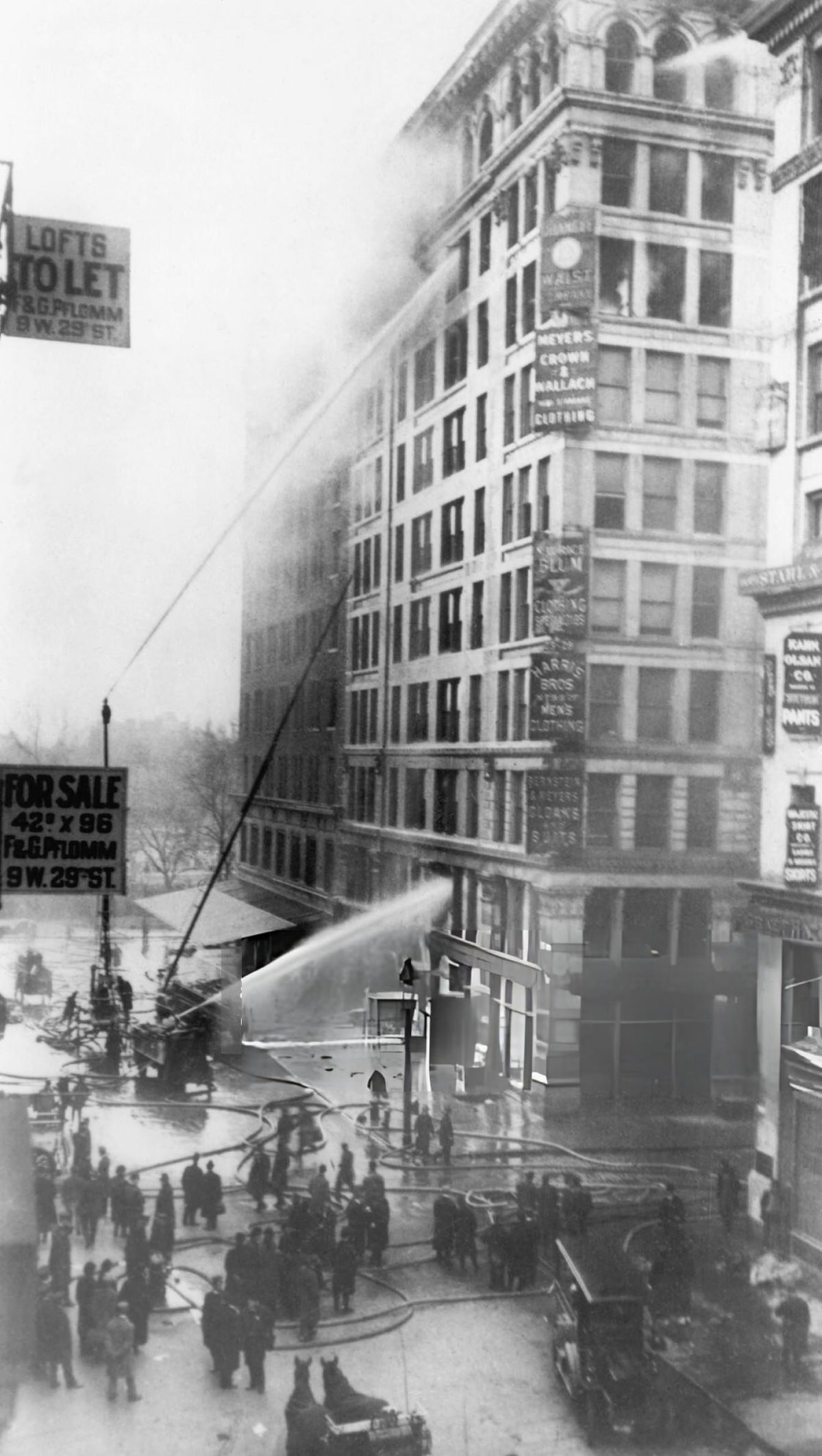
The fire started on the eighth floor at approximately 4:40 PM on Saturday, March 25. A cutting table near a rag bin caught fire — the most likely cause was a lit cigarette, though smoking was technically prohibited in the factory. The rag bins beneath the cutting tables were filled with months of accumulated fabric scraps, and they went up immediately. Within minutes the entire eighth floor was burning. Workers on that floor managed to escape through the stairwells and the freight elevator, though barely.
Read more
The problem was communication. The eighth floor workers who escaped sent word up to the tenth floor by telephone, and the managers and owners there got out using the roof — students from New York University Law School in the adjacent building helped pull them across to safety. The ninth floor received no warning at all. When the fire reached the ninth floor from below and smoke began pouring through the floorboards, the 250 workers at their machines had almost no time and almost nowhere to go.
The Washington Place exit door on the ninth floor was locked. Harris and Blanck kept that door locked during working hours so that supervisors could check workers’ bags as they left, to prevent theft of fabric. This was standard practice in the garment industry. On any normal day it was an indignity that workers absorbed because they had no choice. On March 25, 1911, it was a death sentence for the workers closest to that door who found it would not open.
The Fire Escapes and the Ladders
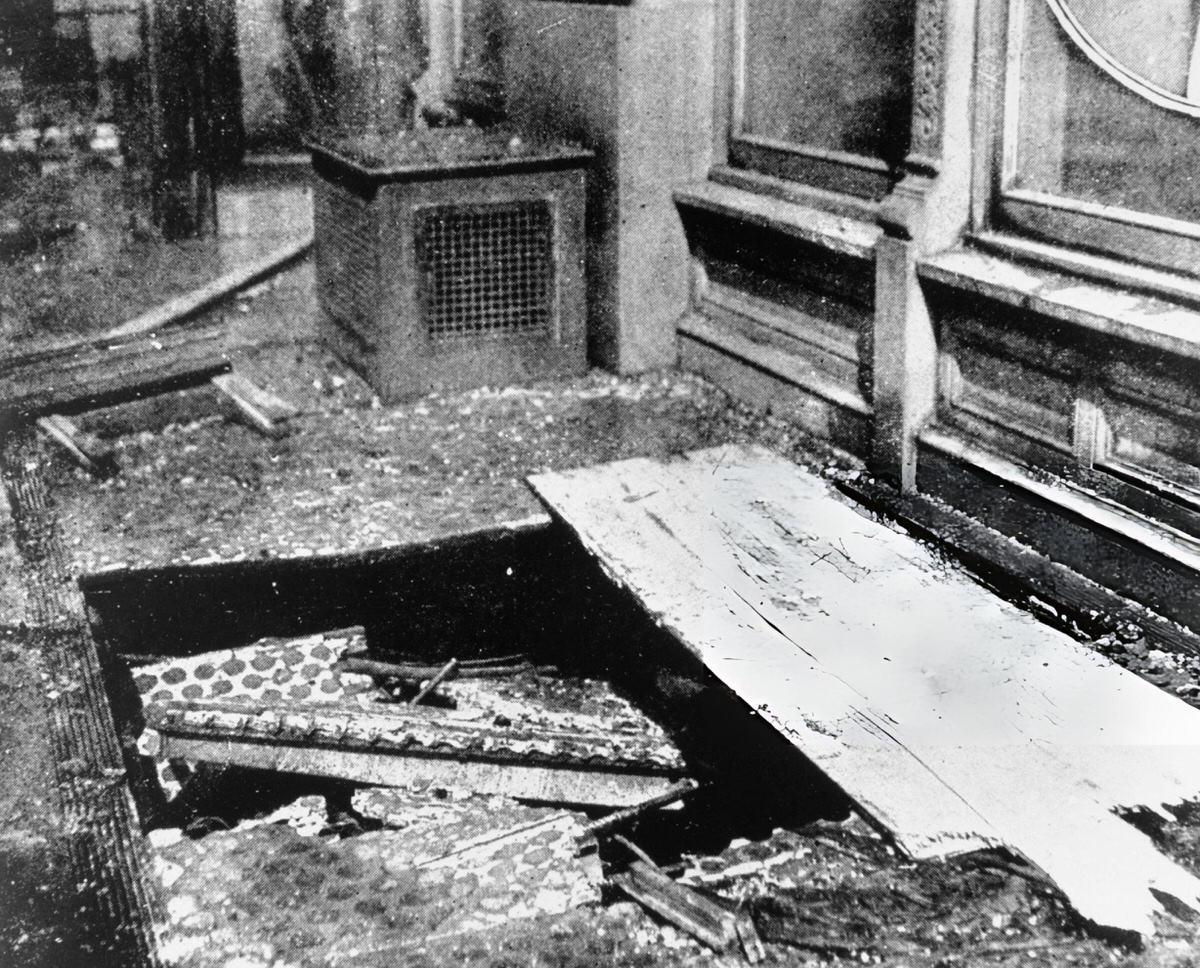
The Asch Building had one fire escape serving the upper floors. It was an exterior iron stairway that led to a small courtyard at the back of the building. Workers who reached it found it immediately overwhelmed — too many people, moving too fast, in too much heat and smoke. The fire escape pulled away from the building wall under the weight and the heat and collapsed into the courtyard, taking the workers on it down with it. At least 20 people died in that collapse.
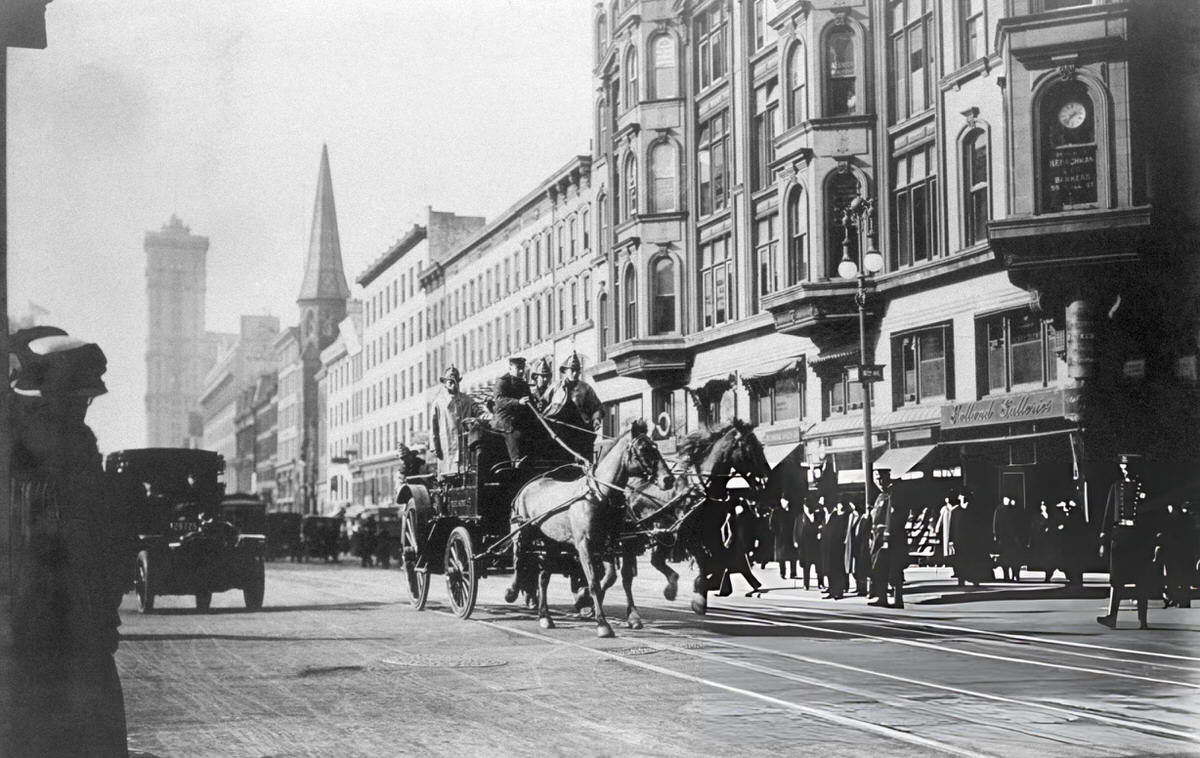
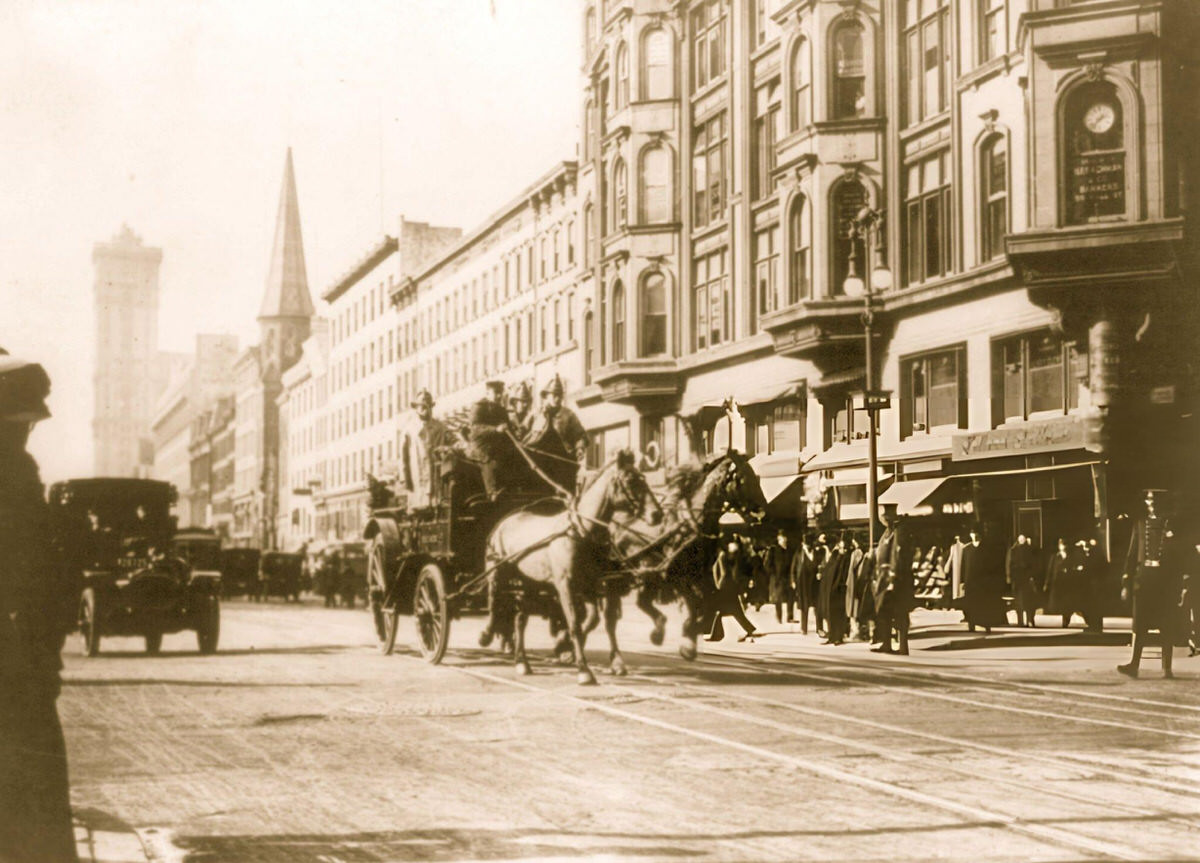
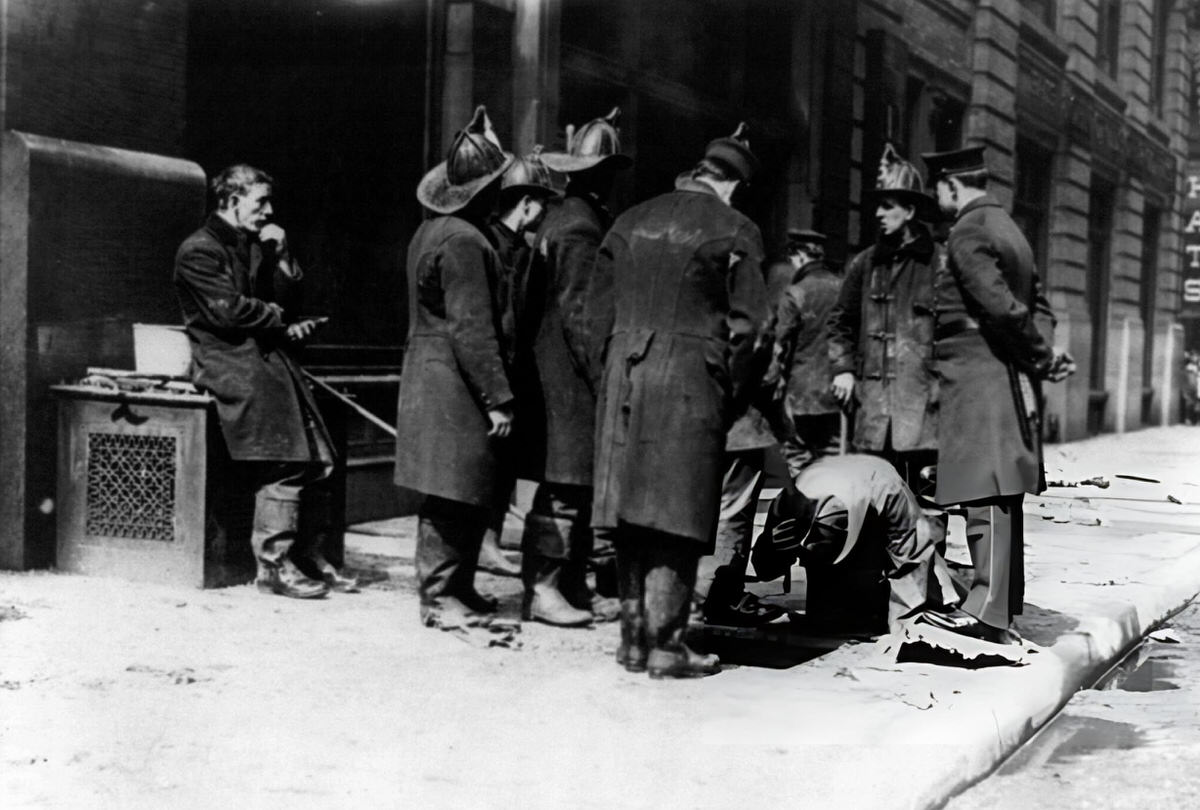
The New York City Fire Department arrived within minutes of the alarm. Their ladders extended to the sixth floor. The Triangle fire was burning on the eighth, ninth, and tenth. The gap between the top of the ladders and the bottom of the fire was two full floors, and there was nothing to be done about it. Firefighters on the ground watched women appear at the ninth-floor windows, look down at the street, and jump. The life nets the department stretched below could not absorb the impact of a fall from nine stories. The nets tore. The bodies broke through.
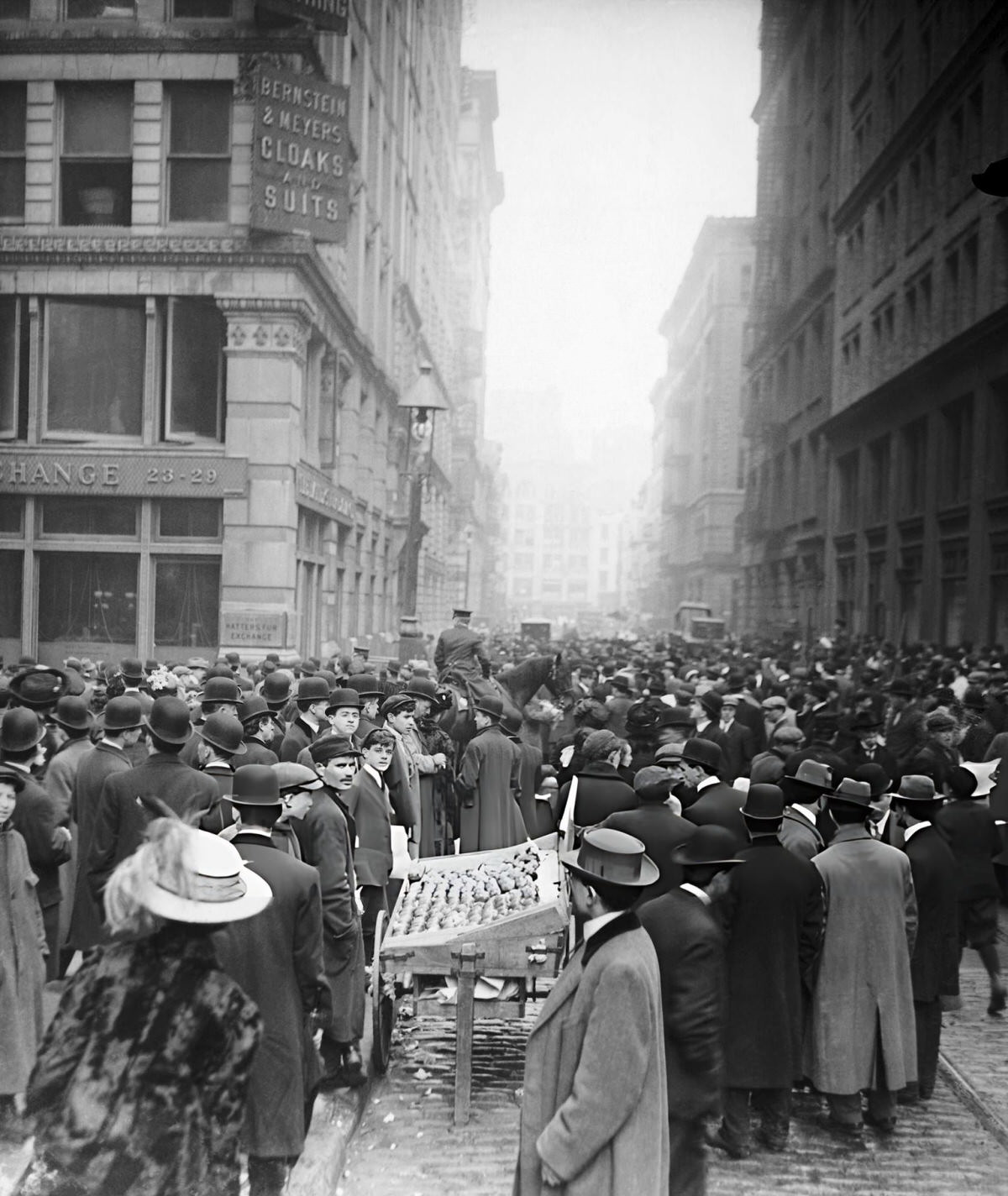
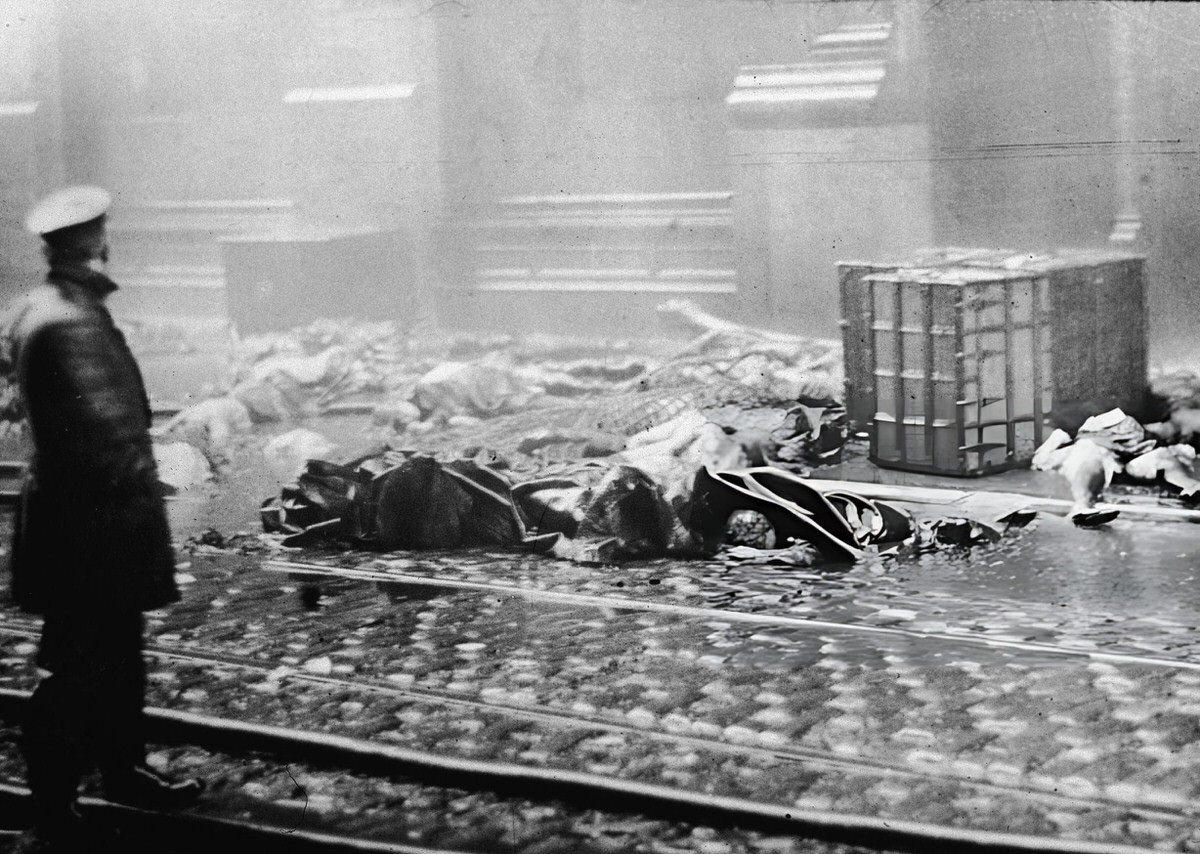
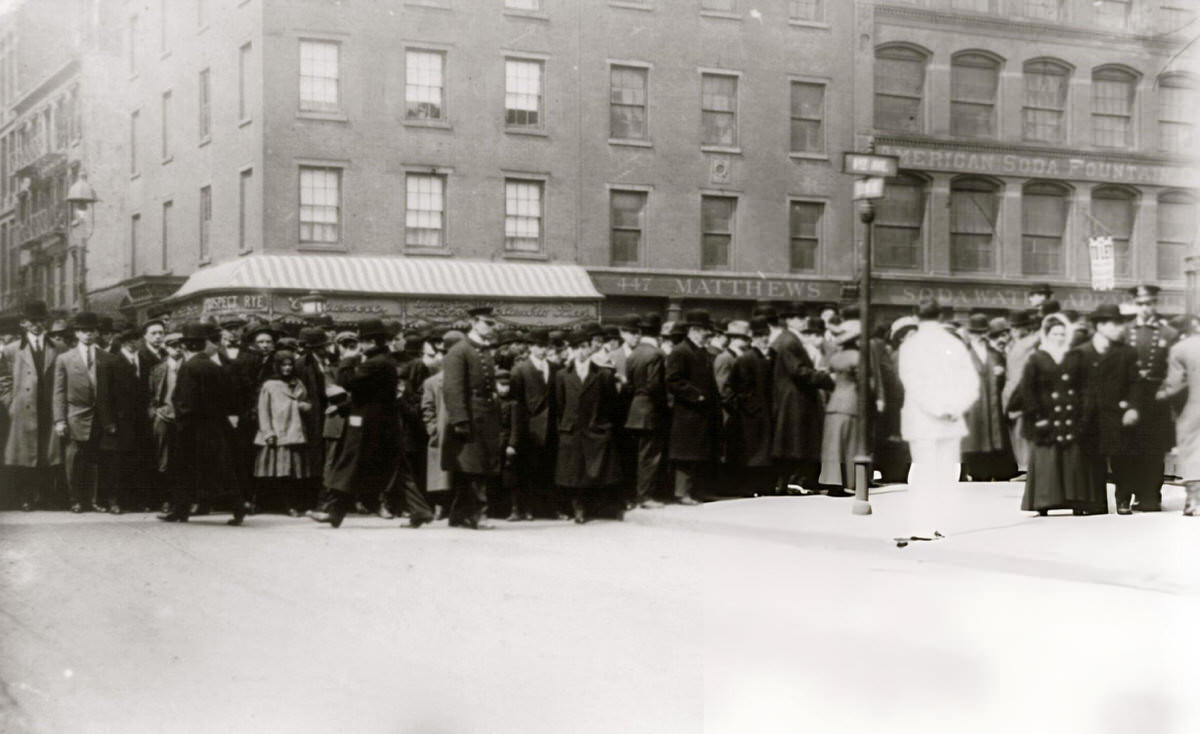
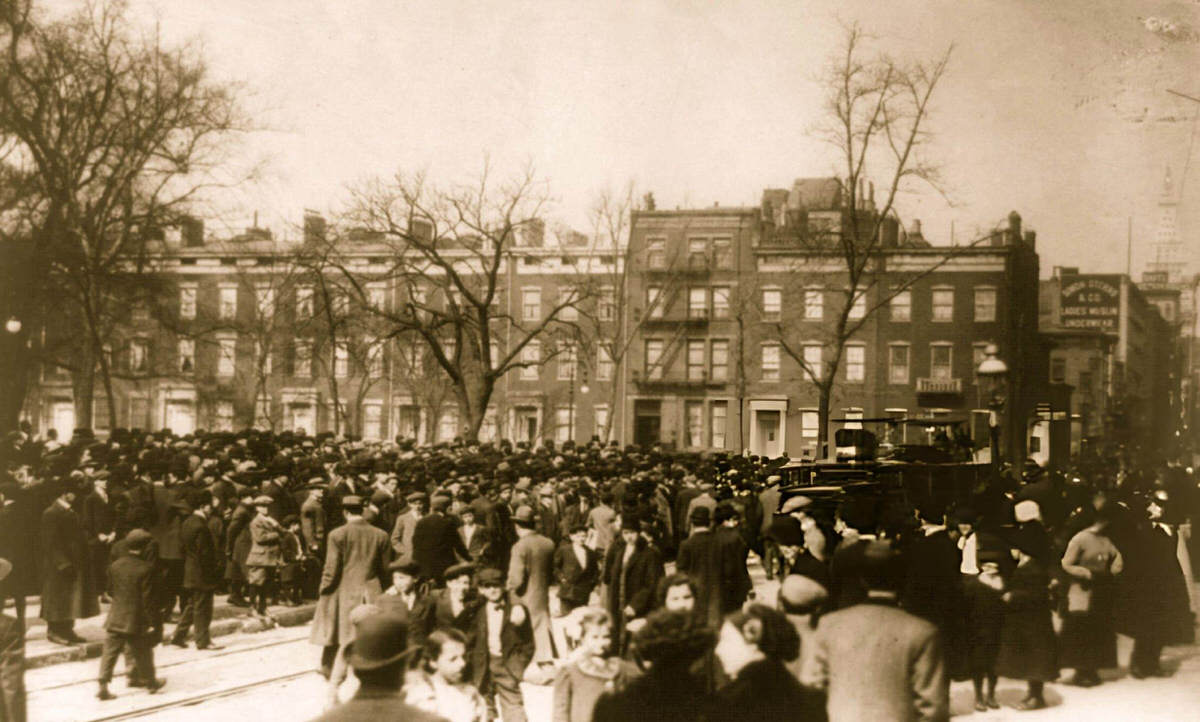
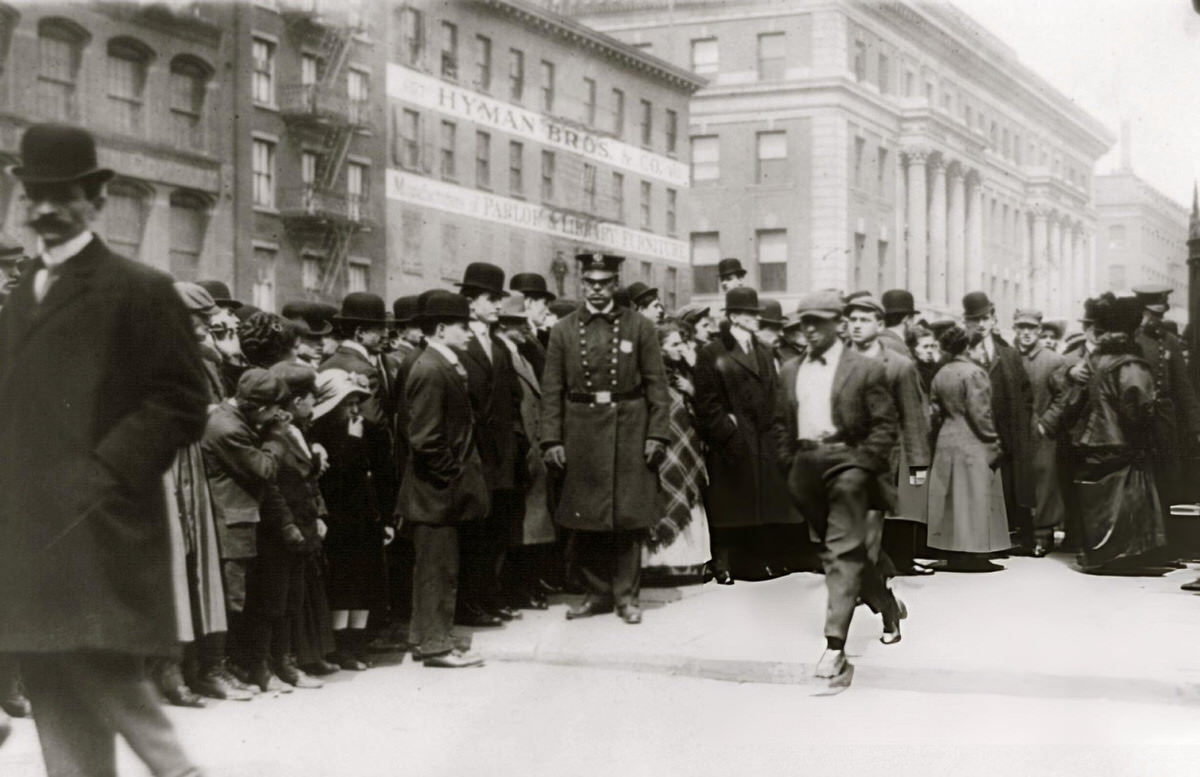
At least 62 workers jumped or fell from the upper floors. Crowds that had gathered on Washington Place and Greene Street watched it happen and could not look away. A reporter for the New York World who arrived on the scene within minutes wrote that the bodies hit the pavement so hard the sound carried over the noise of the fire engines. The Fire Department eventually stopped stretching nets because the jumps were happening faster than the nets could be repositioned.
Who They Were
Of the 146 dead, 123 were women. The youngest victim was Kate Leone, 14 years old. Most of the dead were between 16 and 23. They were almost entirely Jewish immigrants from Russia, Poland, and Hungary, and Italian immigrants from Sicily and the Abruzzo region. Many had been in the United States for less than five years. Several had not yet learned English. They had come to New York because it offered factory work at wages that, while brutal by any standard, exceeded what was available to them in the villages they had left
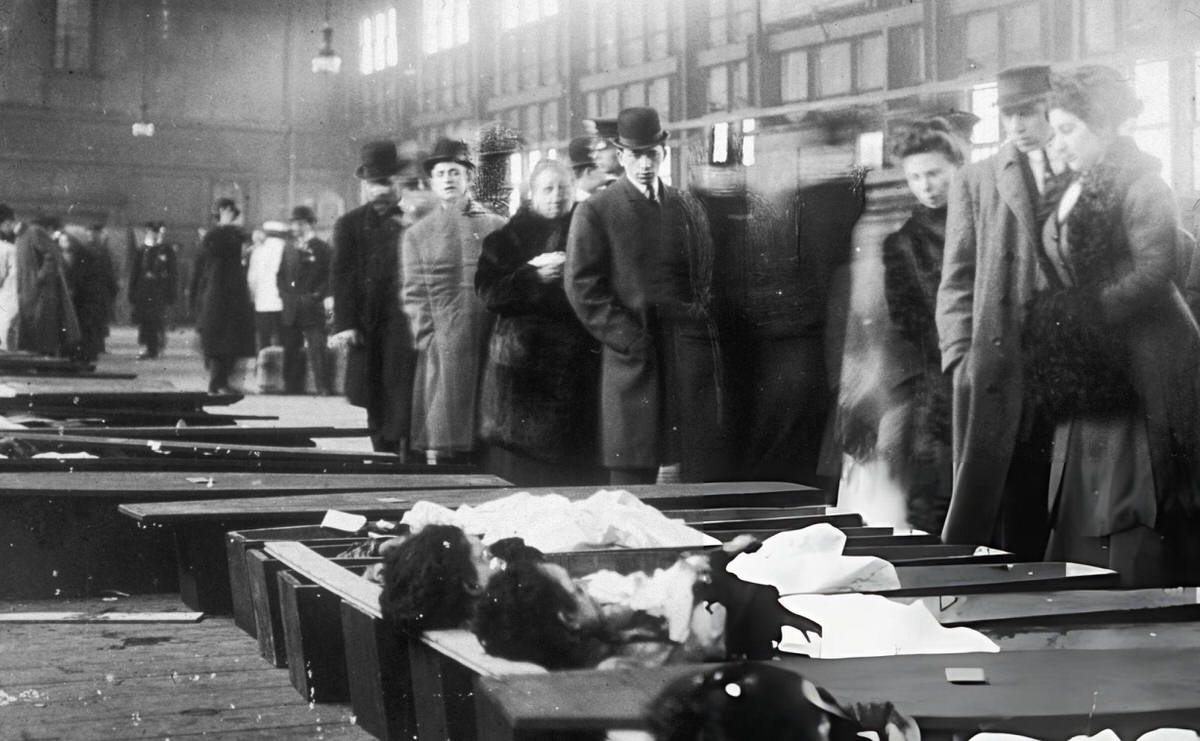
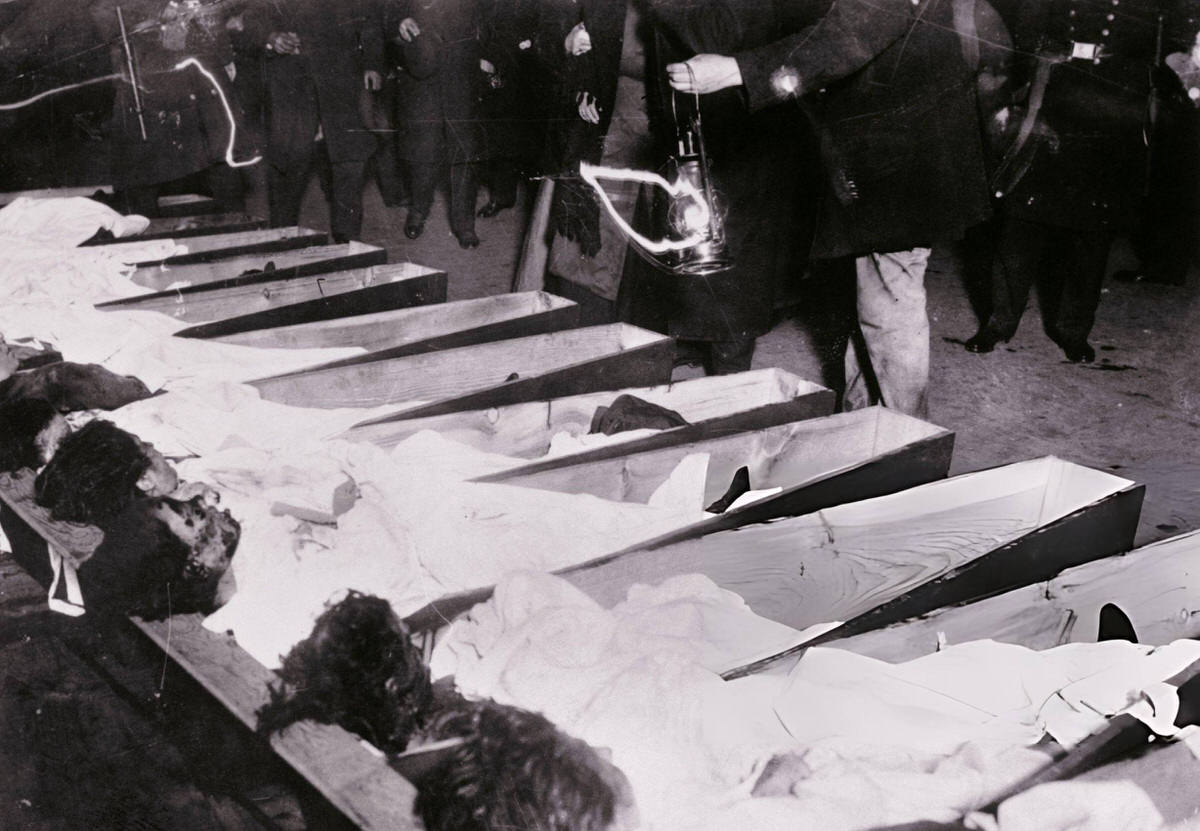
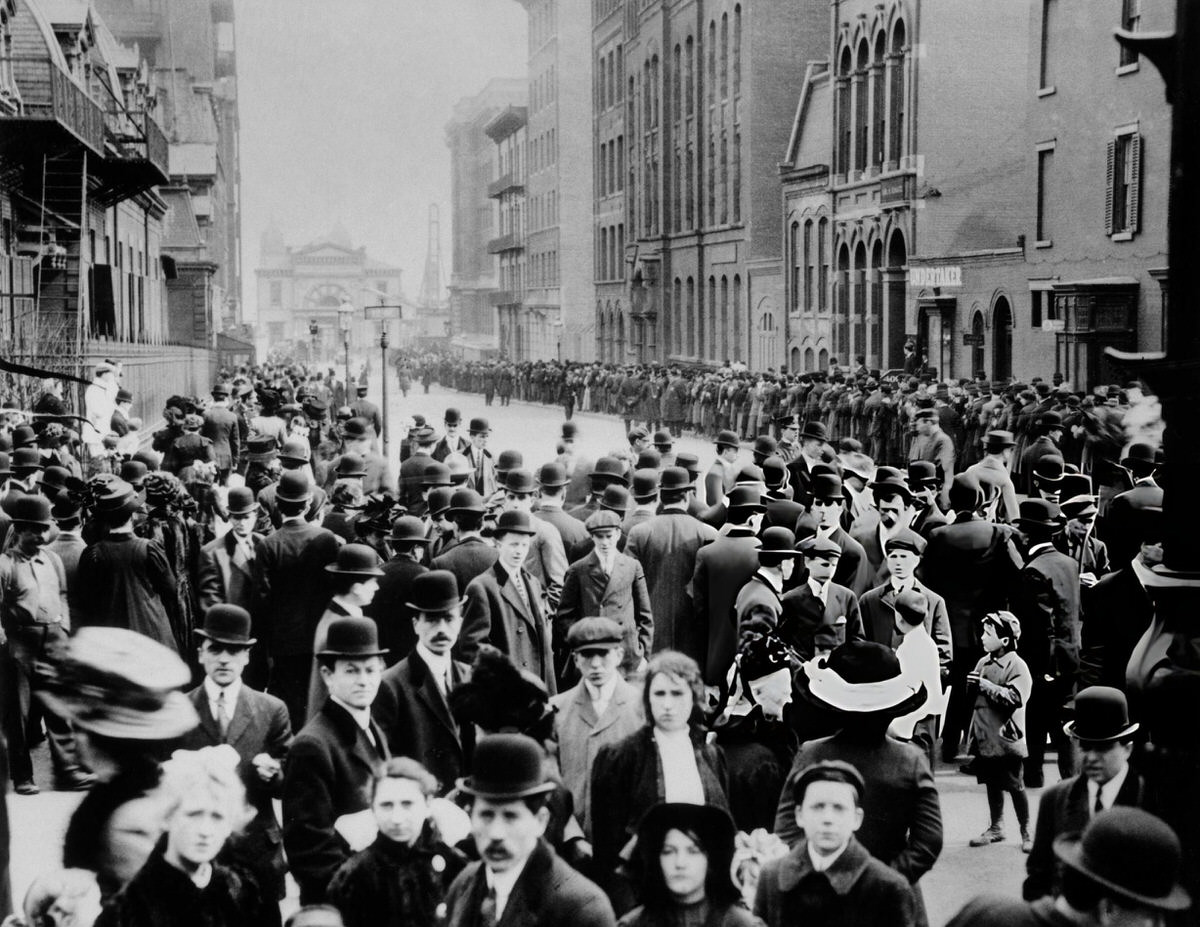
Identifying the dead took days. Bodies were laid out on the pier at Charities Pier on the East River — the same pier that had been used for mass casualty events before — and families filed past to identify their daughters, sisters, and wives. Some bodies were burned beyond recognition. Twenty-three victims were never conclusively identified and were buried in a common grave in the Evergreens Cemetery in Brooklyn.
The Trial
Isaac Harris and Max Blanck were indicted on manslaughter charges in April 1911. The trial began in December. The prosecution’s central argument was straightforward: the owners knew the Washington Place door was locked, the door being locked caused deaths, therefore the owners were criminally responsible for those deaths. The defense argued that Harris and Blanck did not know the door was locked at the moment of the fire. After deliberating for less than two hours, the jury acquitted both men on December 27, 1911.
The acquittal produced rage across the city’s labor and immigrant communities in a volume that did not subside for years. In 1913, a civil suit brought by families of 23 victims resulted in a settlement of $75 per deceased victim. Harris and Blanck had collected $60,000 in insurance payments for the fire — roughly $400 per victim at a time when the civil settlement paid $75. They reopened the Triangle Waist Company at a new location within months of the fire. In 1913 they were caught locking the doors of the new factory and were fined $20.
The Funerals and the March
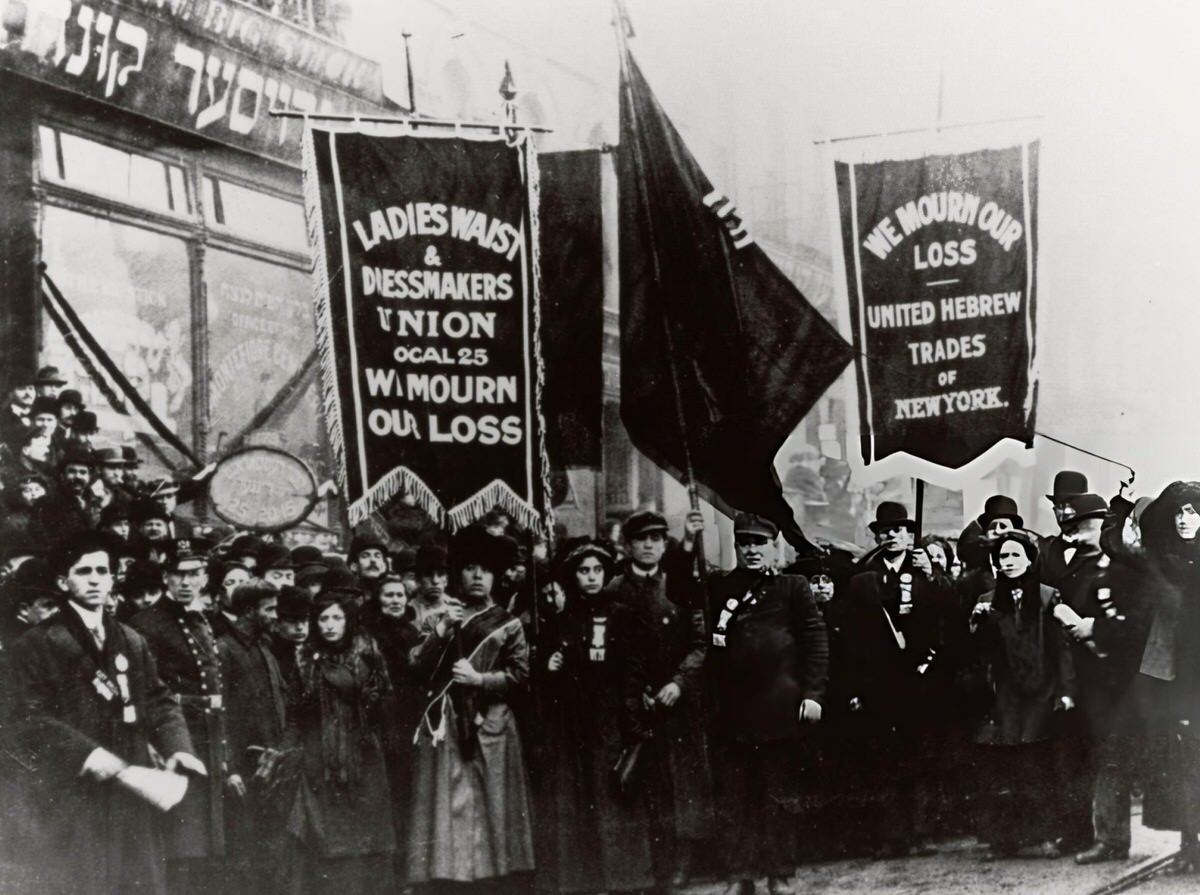
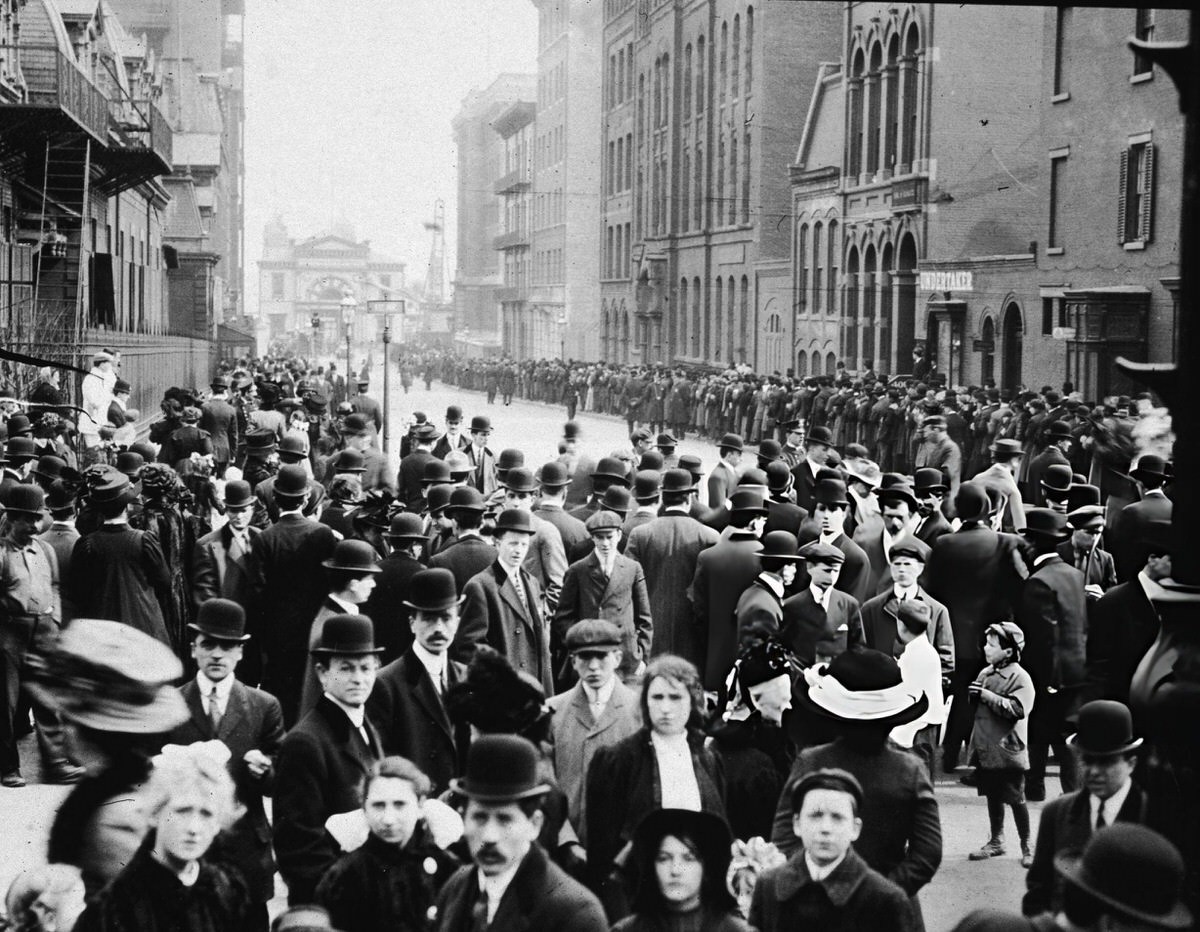
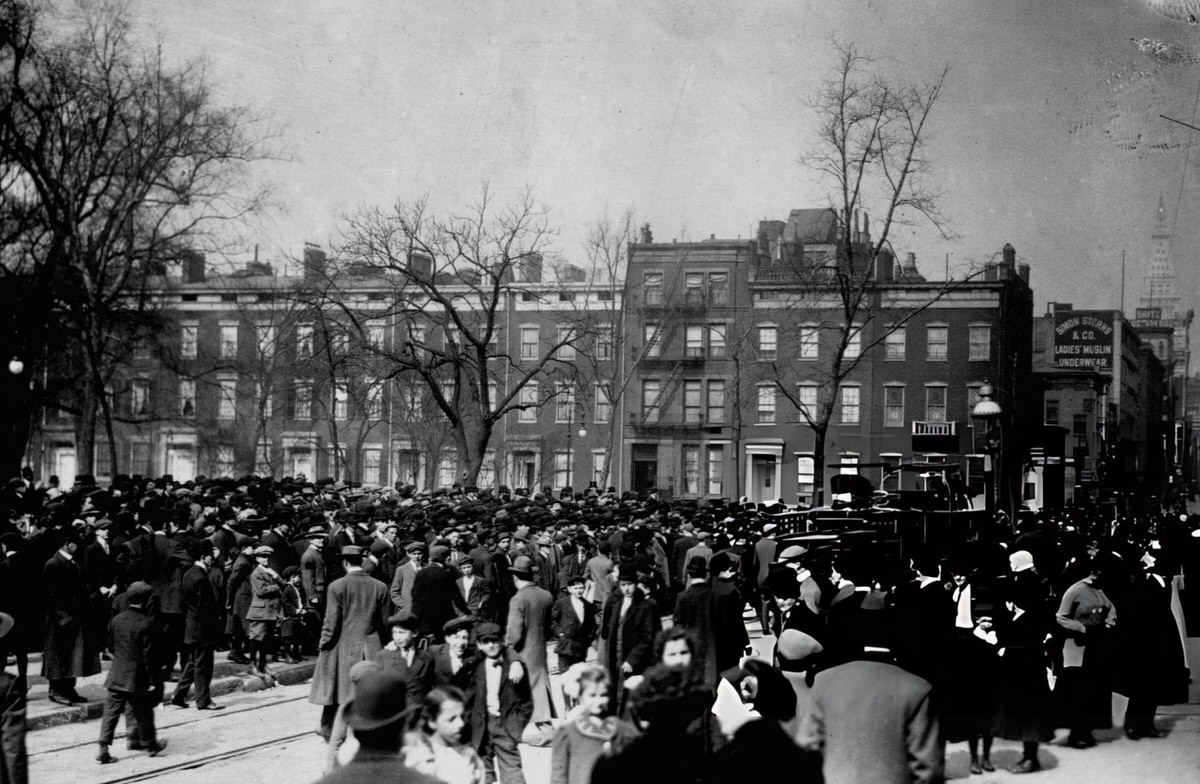
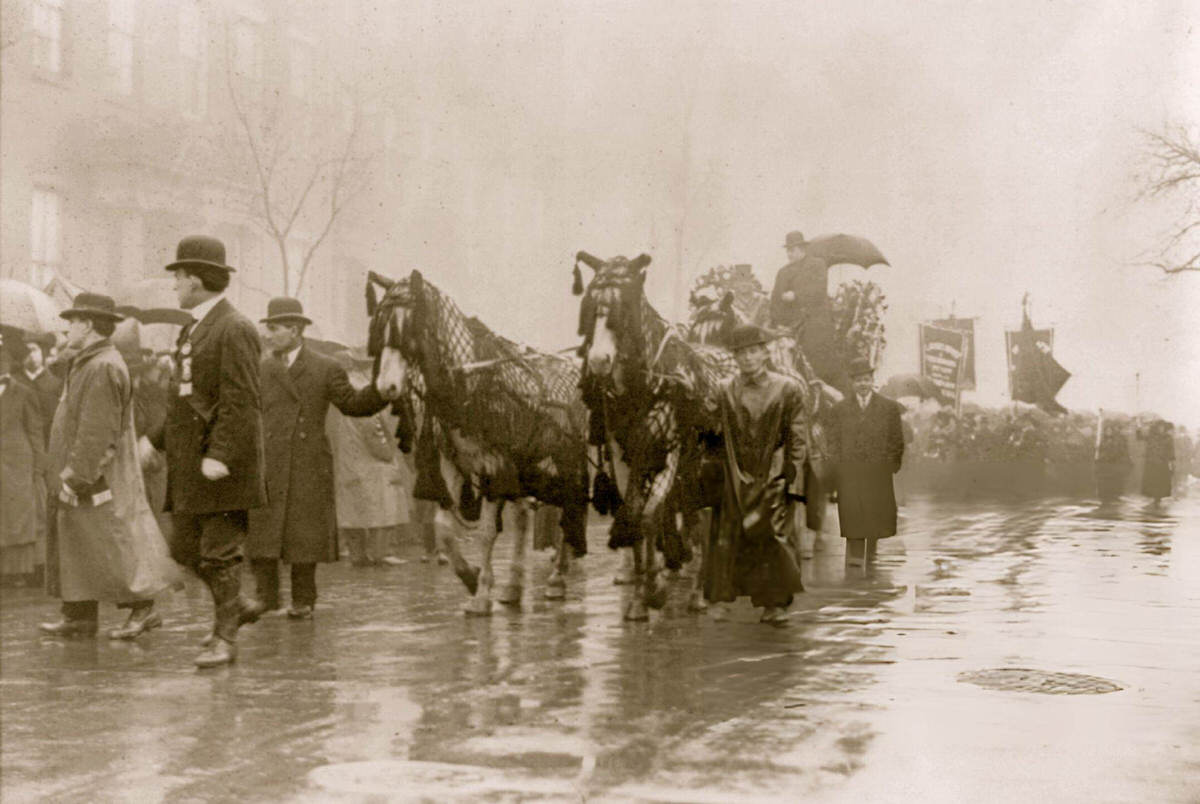
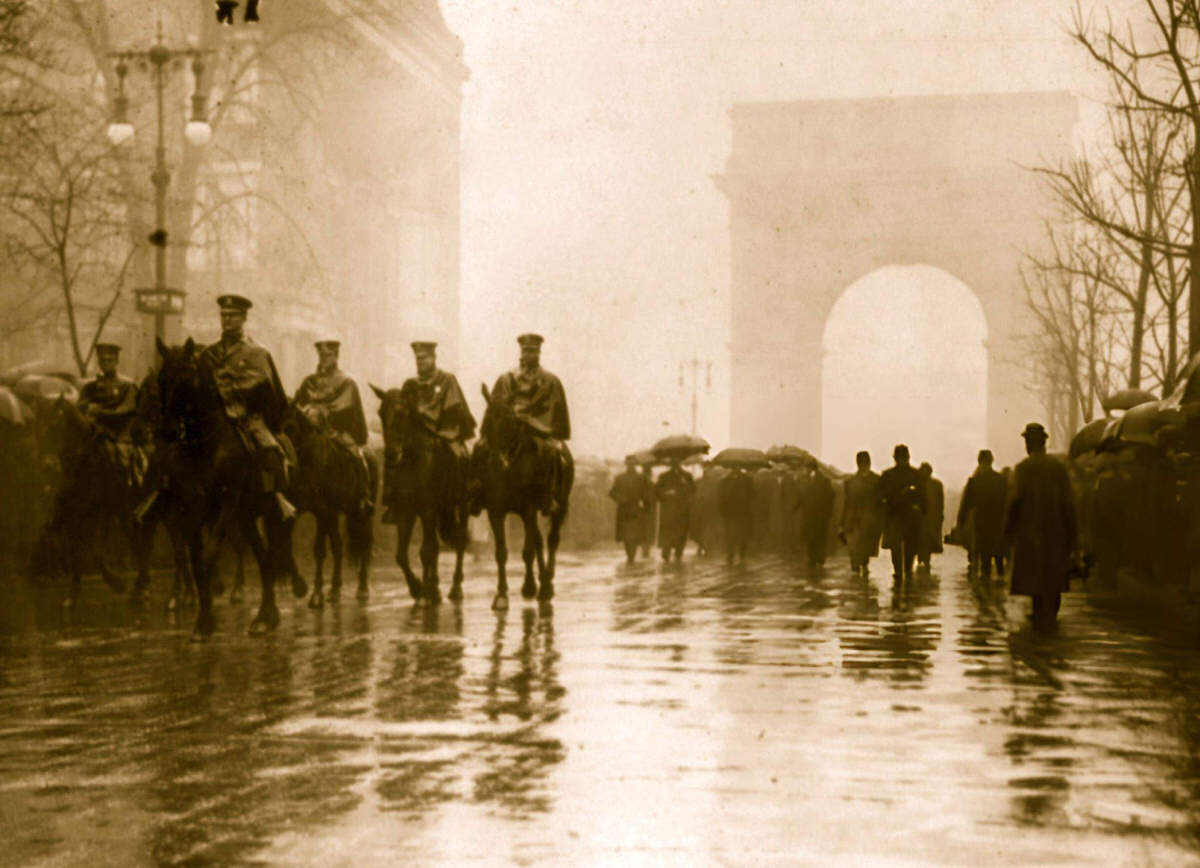
On April 5, 1911, eleven days after the fire, a funeral procession marched through the streets of Lower Manhattan in the rain. It was organized for the unidentified dead. Over 100,000 people marched. Another 300,000 lined the streets and watched in silence. The route went up Fifth Avenue from Washington Square, past the buildings of the garment district, through the streets of the neighborhoods where most of the dead had lived. It was the largest labor funeral in New York City history, and it moved without a single incident of disorder because the people marching were not rioting — they were mourning, with a precision and a weight that said everything that needed to be said about what the city had allowed to happen on the ninth floor of the Asch Building.

GIPHY App Key not set. Please check settings