

 Henry Parker
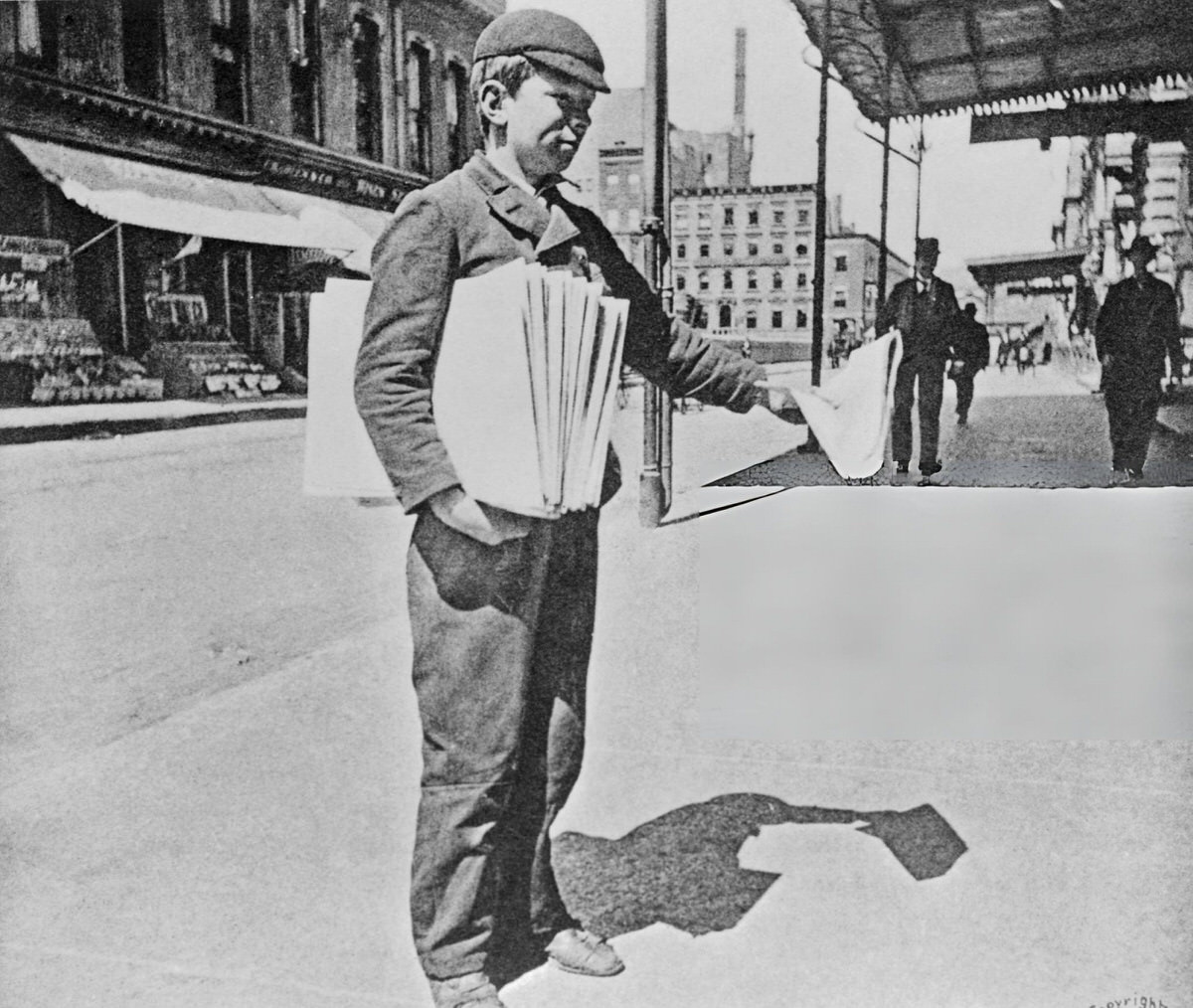
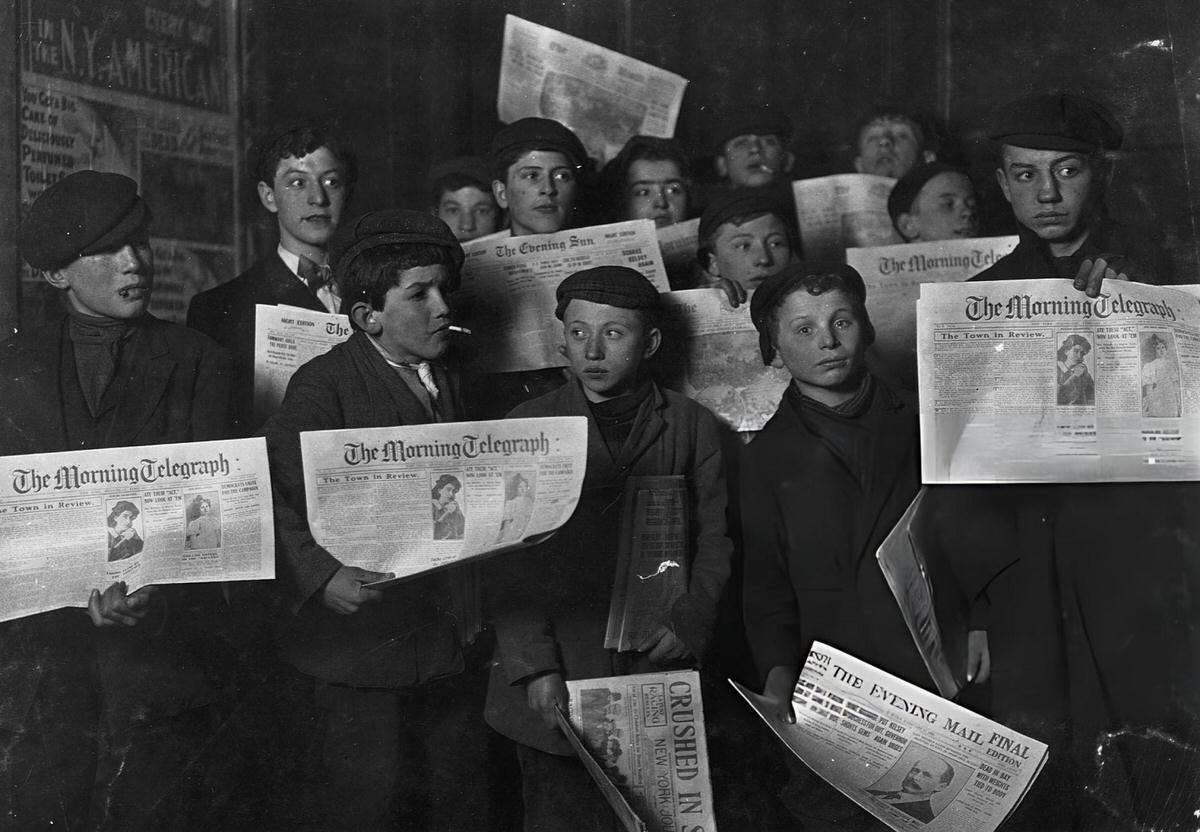
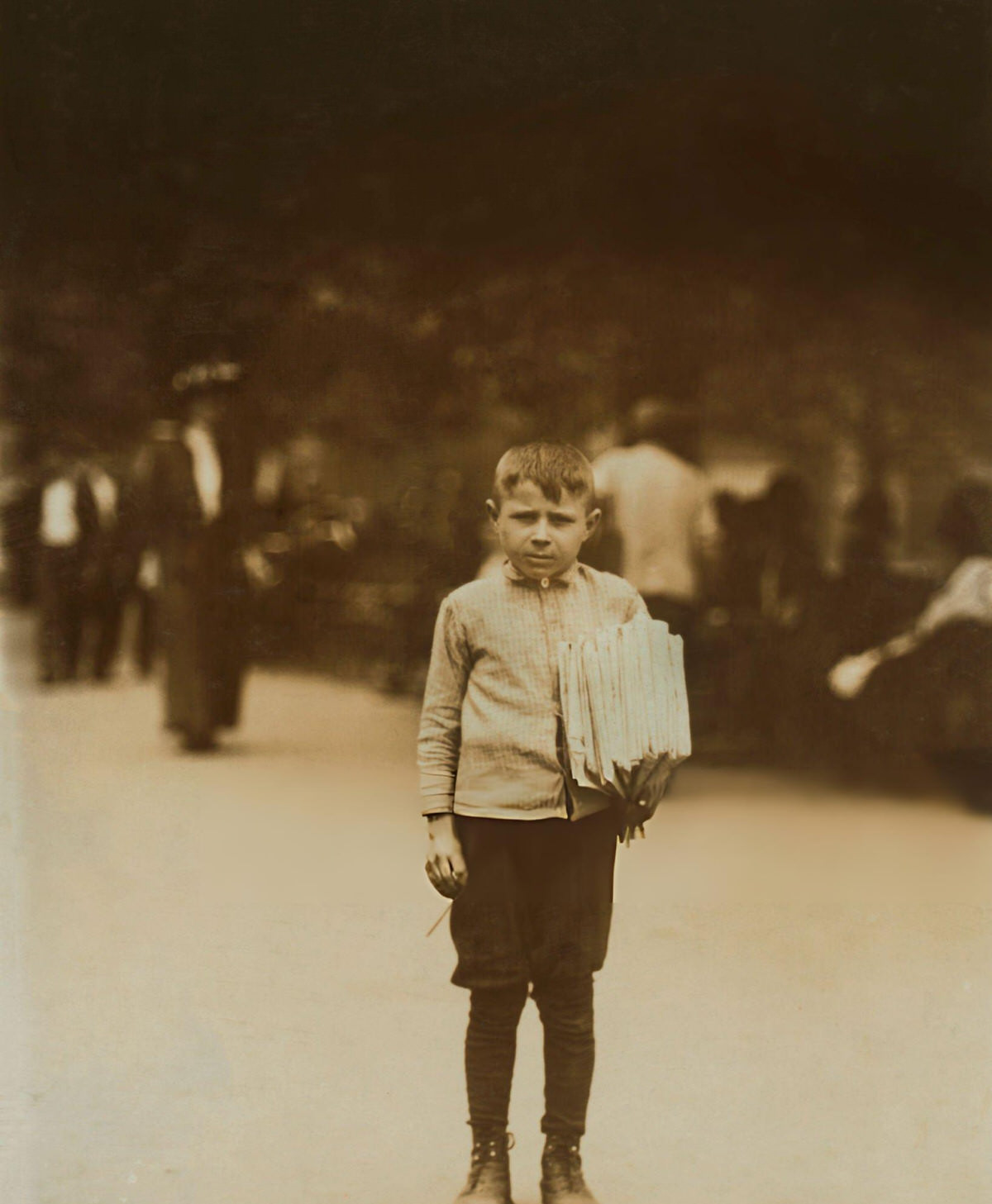
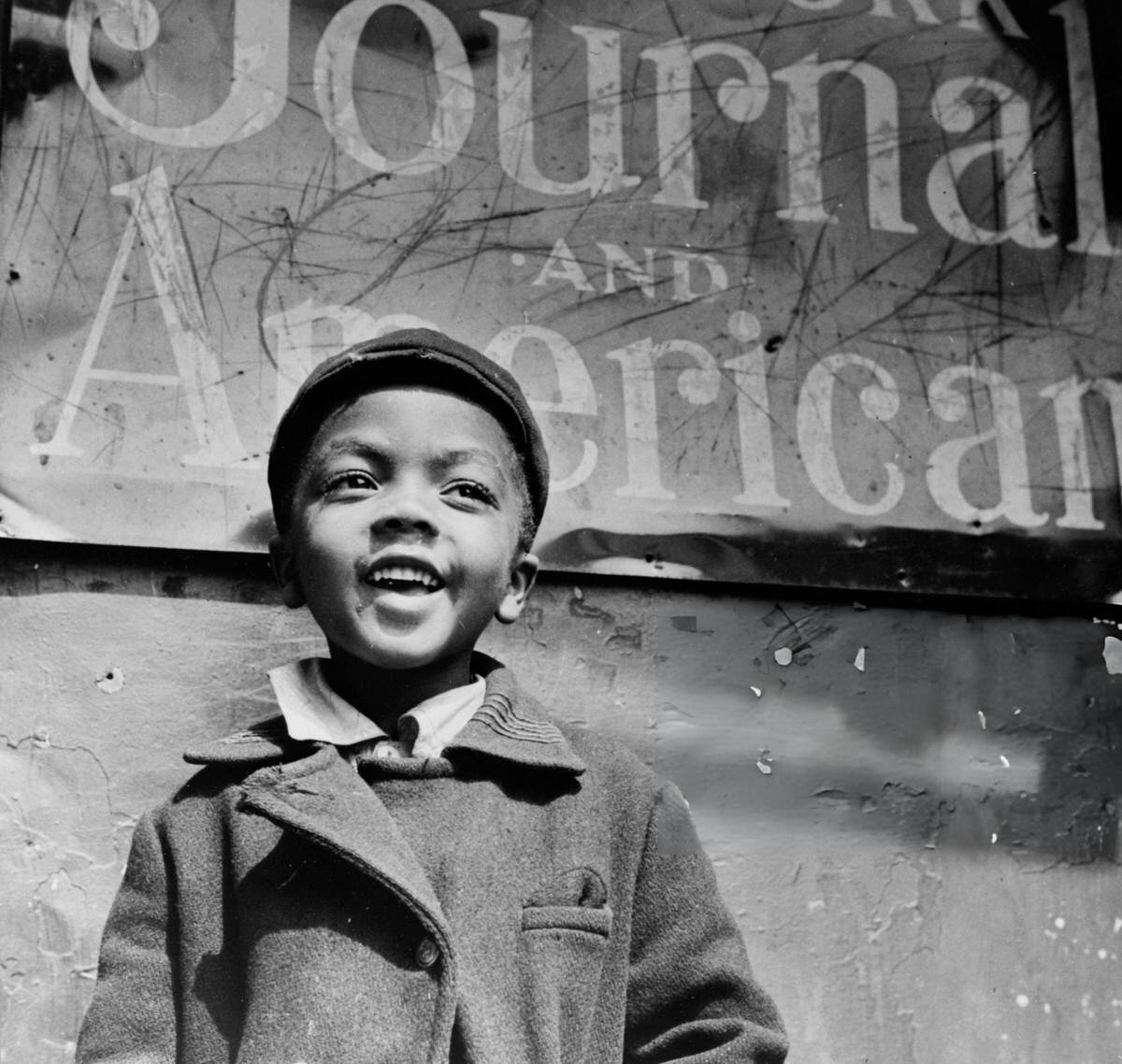
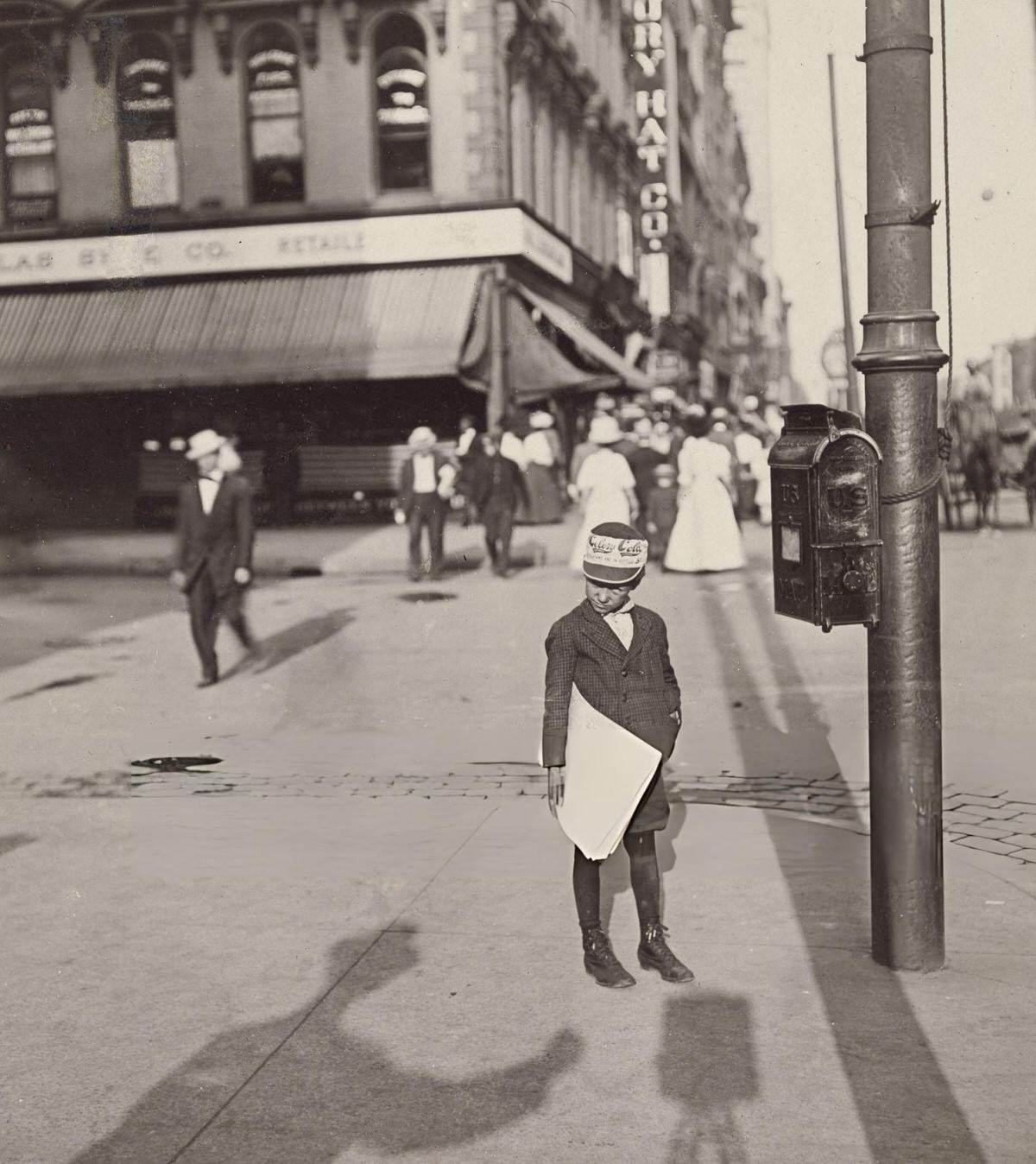
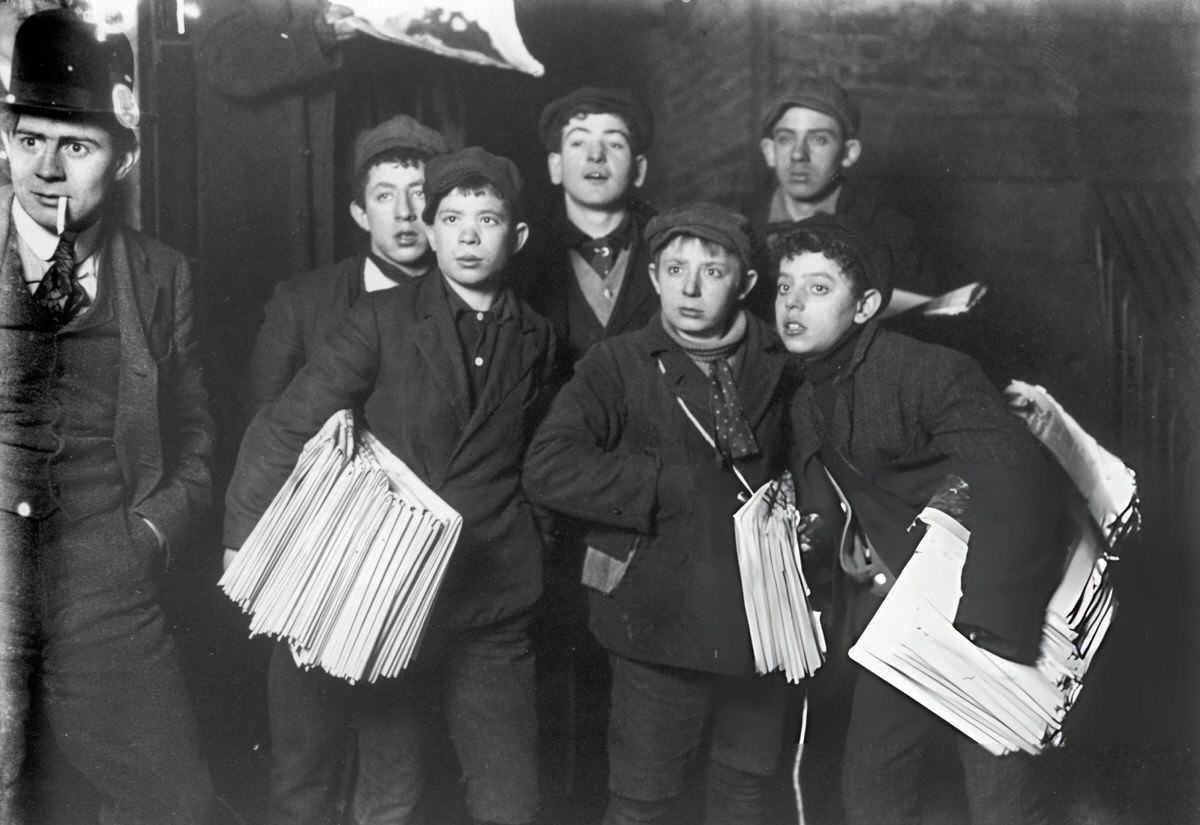
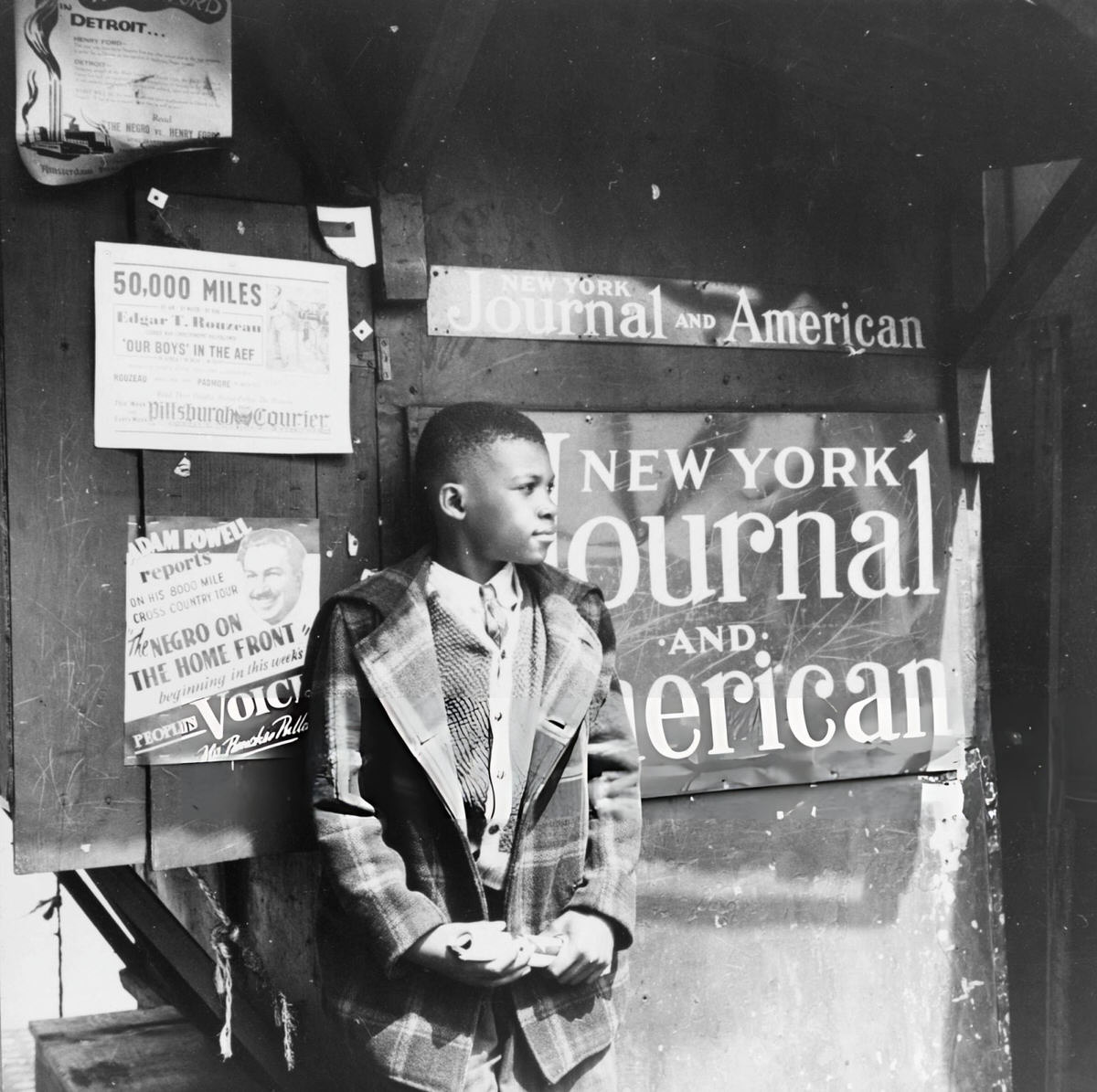
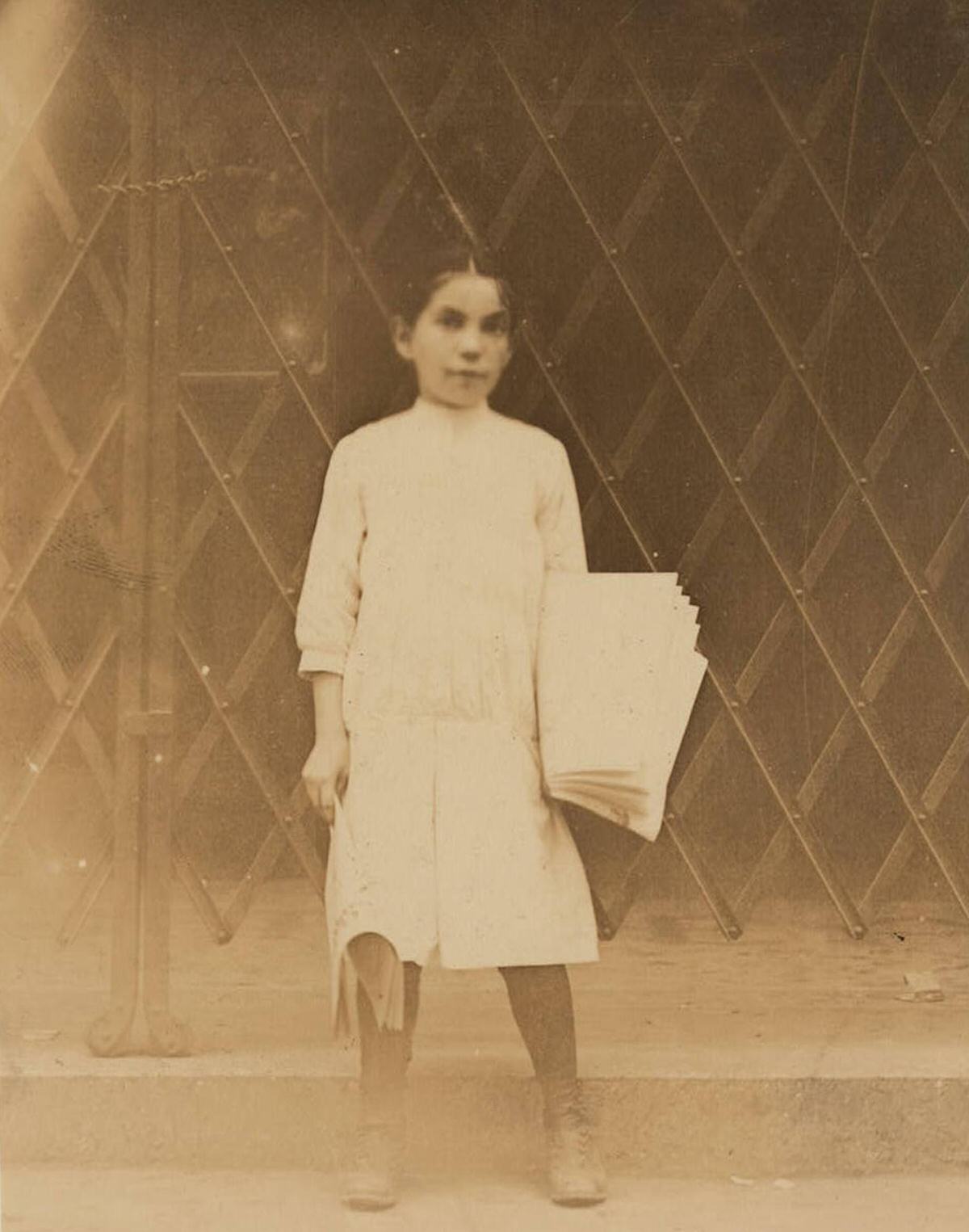
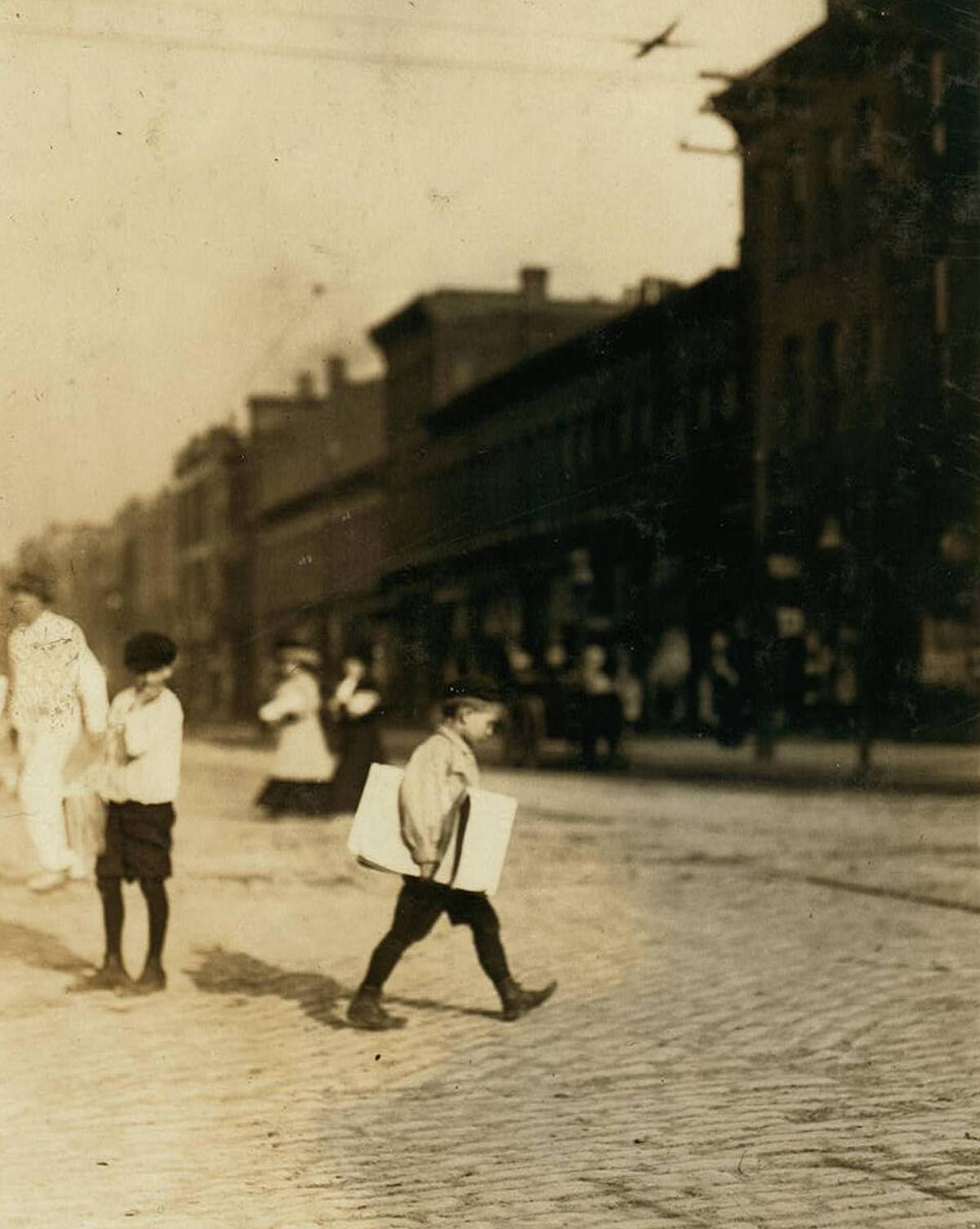
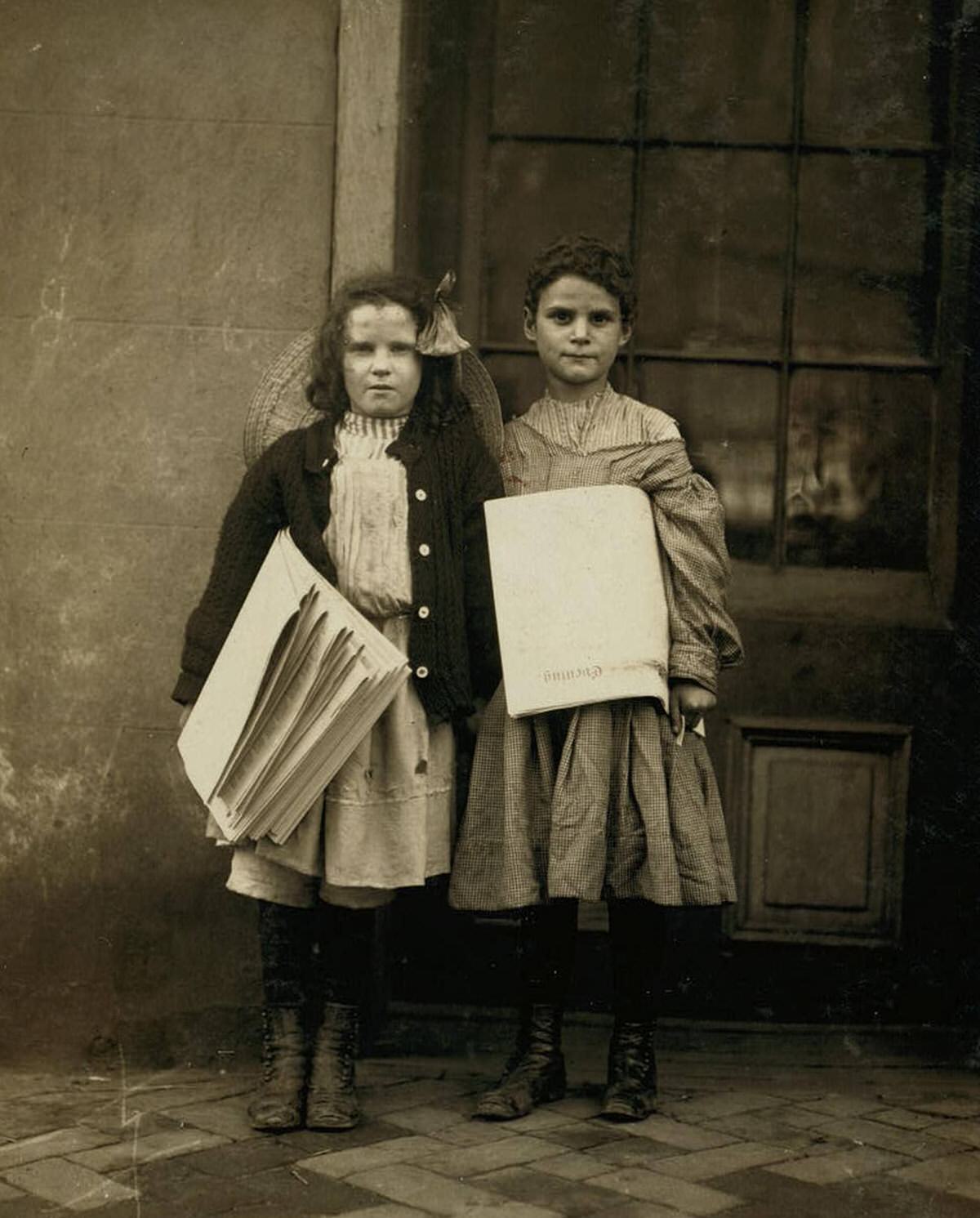
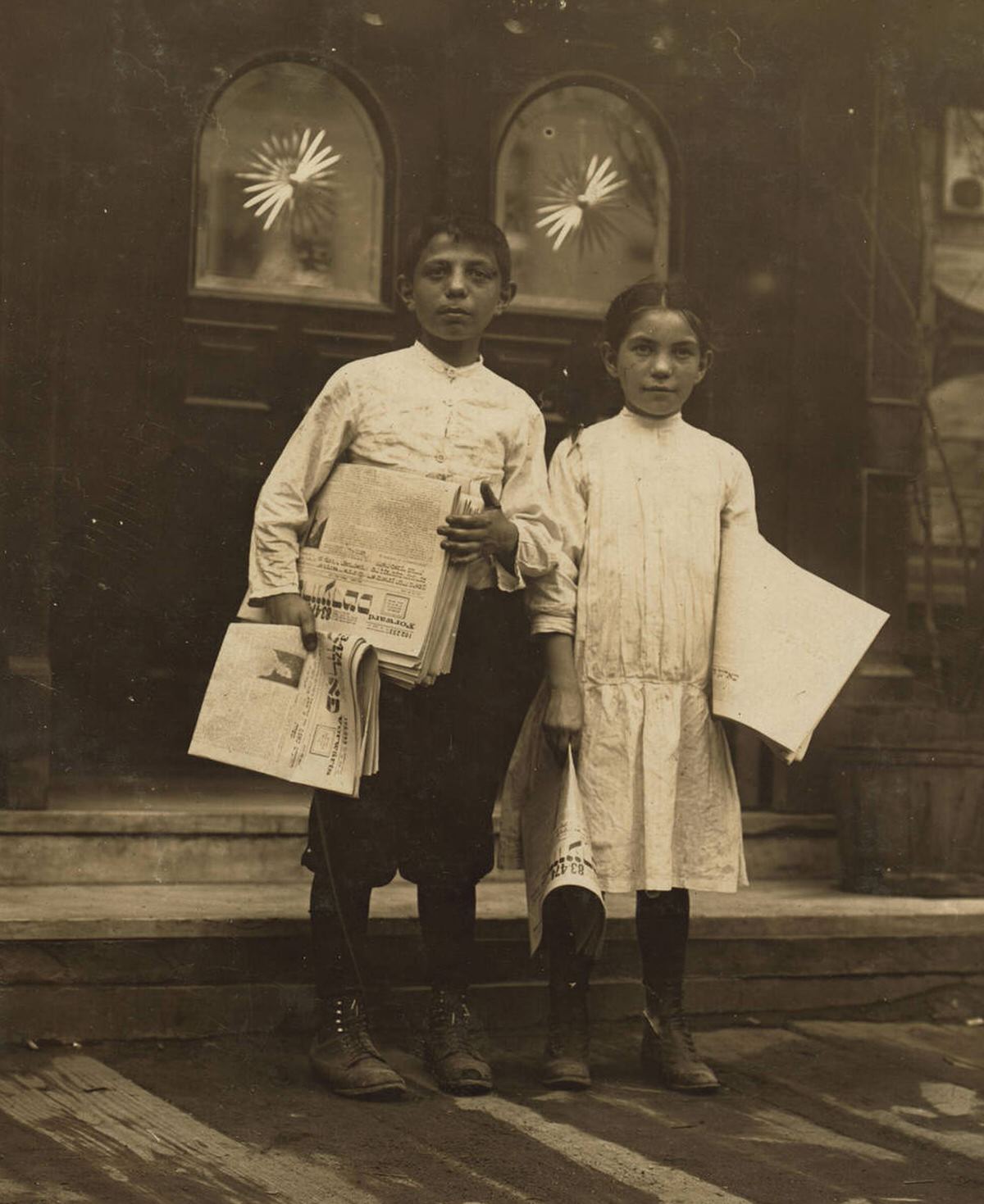
In the early 1900s, the streets of New York City hummed with the shouts of thousands of children. These children were known as newsies. Most were between the ages of 7 and 15. They were a vital part of the city’s communication system. Without them, newspapers would never reach the hands of busy workers and commuters.
Buying the News
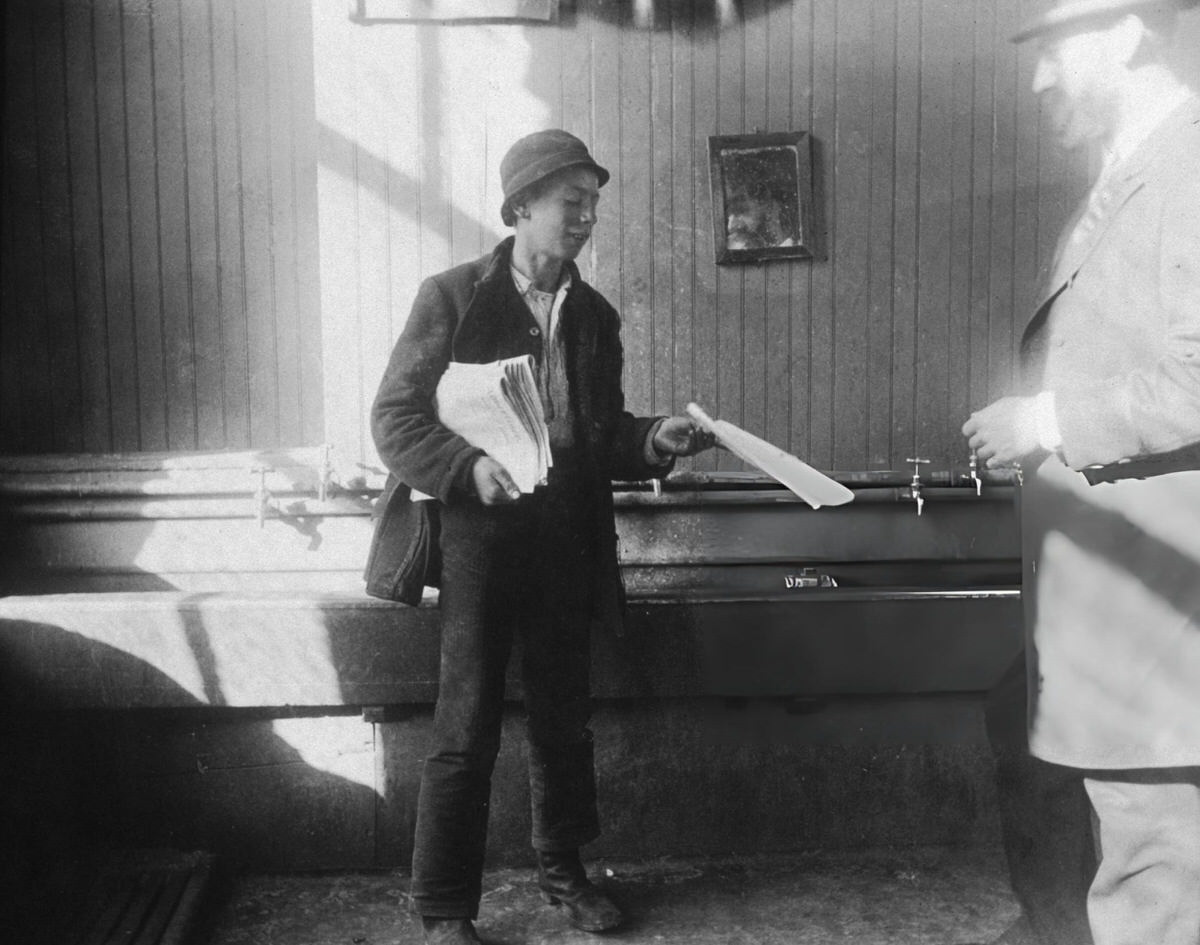
Newsies did not work for the newspaper companies as employees. They were independent sellers. Every morning, a newsie stood in line at the “delivery room” of papers like the New York World or the New York Journal. They used their own small savings to buy papers in bundles of 100. The cost was usually 50 cents per bundle.
They sold each paper for a penny. This meant a newsie had to sell every single paper just to make a small profit. If they had leftovers at the end of the night, the newspaper companies did not buy them back. The boy lost his money. This risk forced them to stay on the streets until the very last paper was gone, often long after midnight.
Life on the Streets
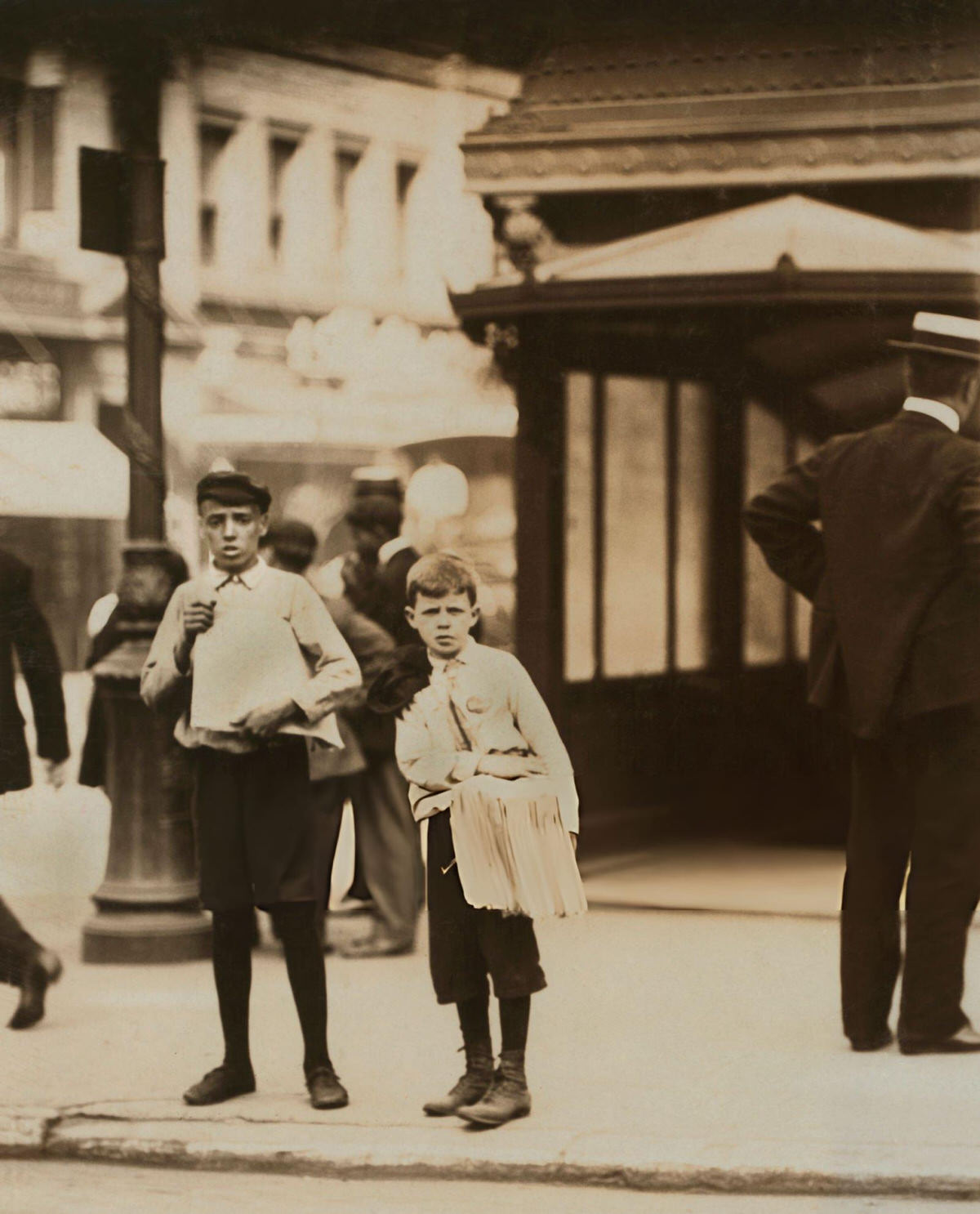
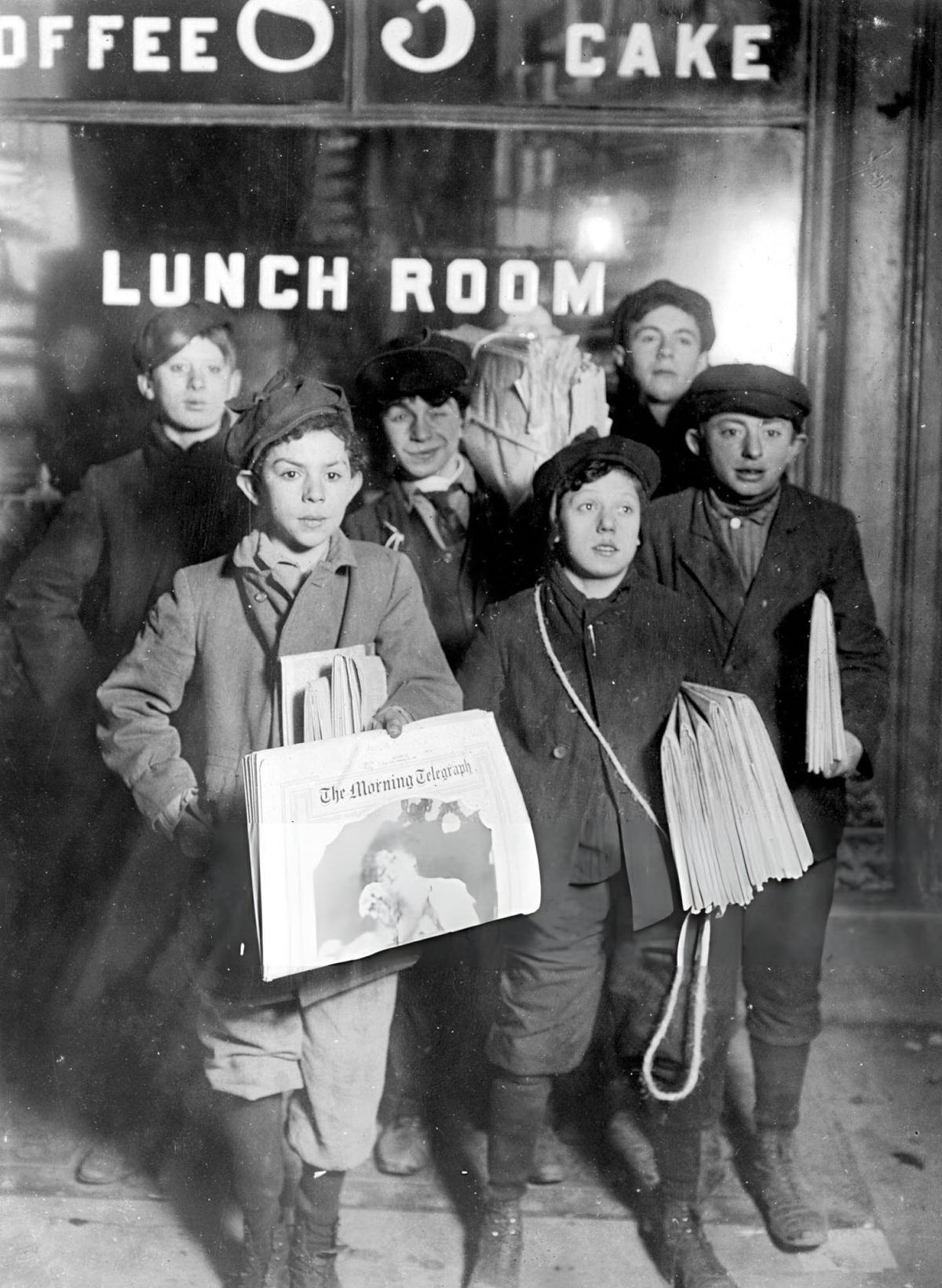
The daily routine was grueling. Newsies gathered at distribution points as early as 4:00 a.m. to catch the morning editions. They occupied specific street corners, which they protected fiercely from rivals. The best spots were near trolley stops, ferry terminals, and busy intersections.
Read more
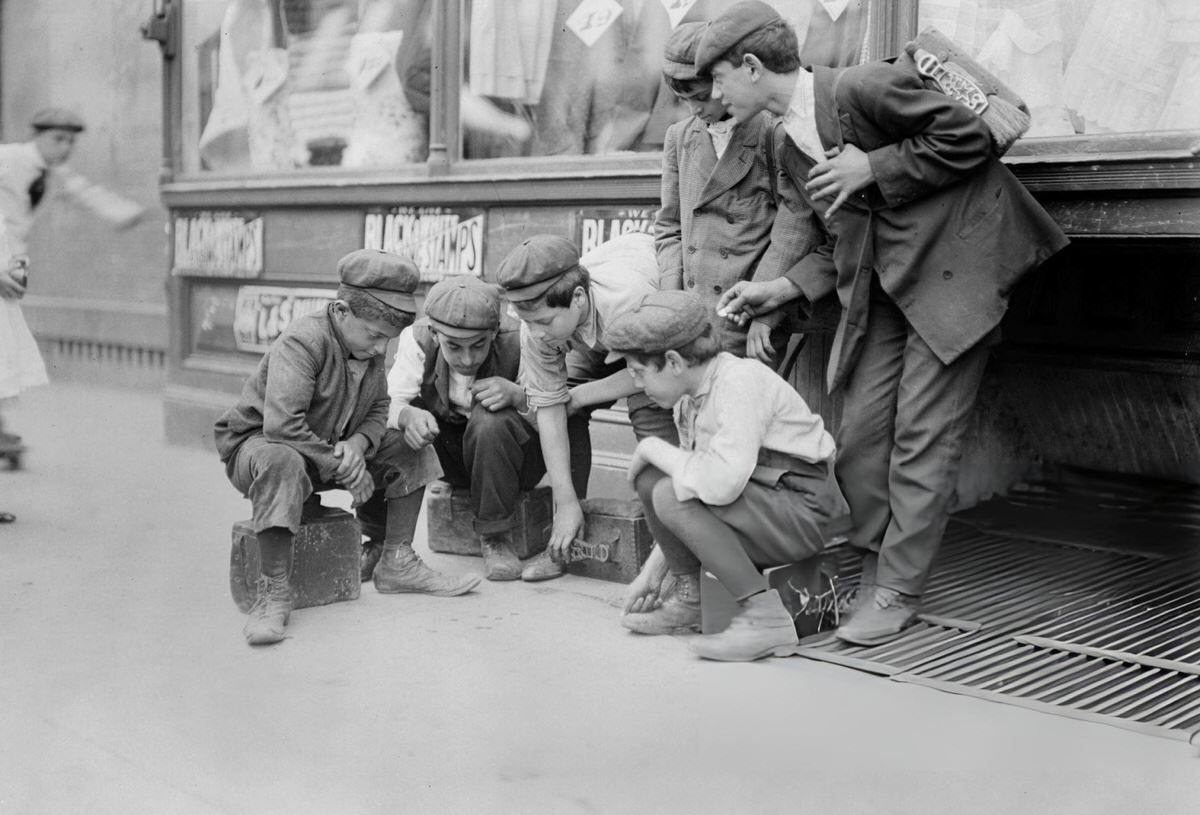
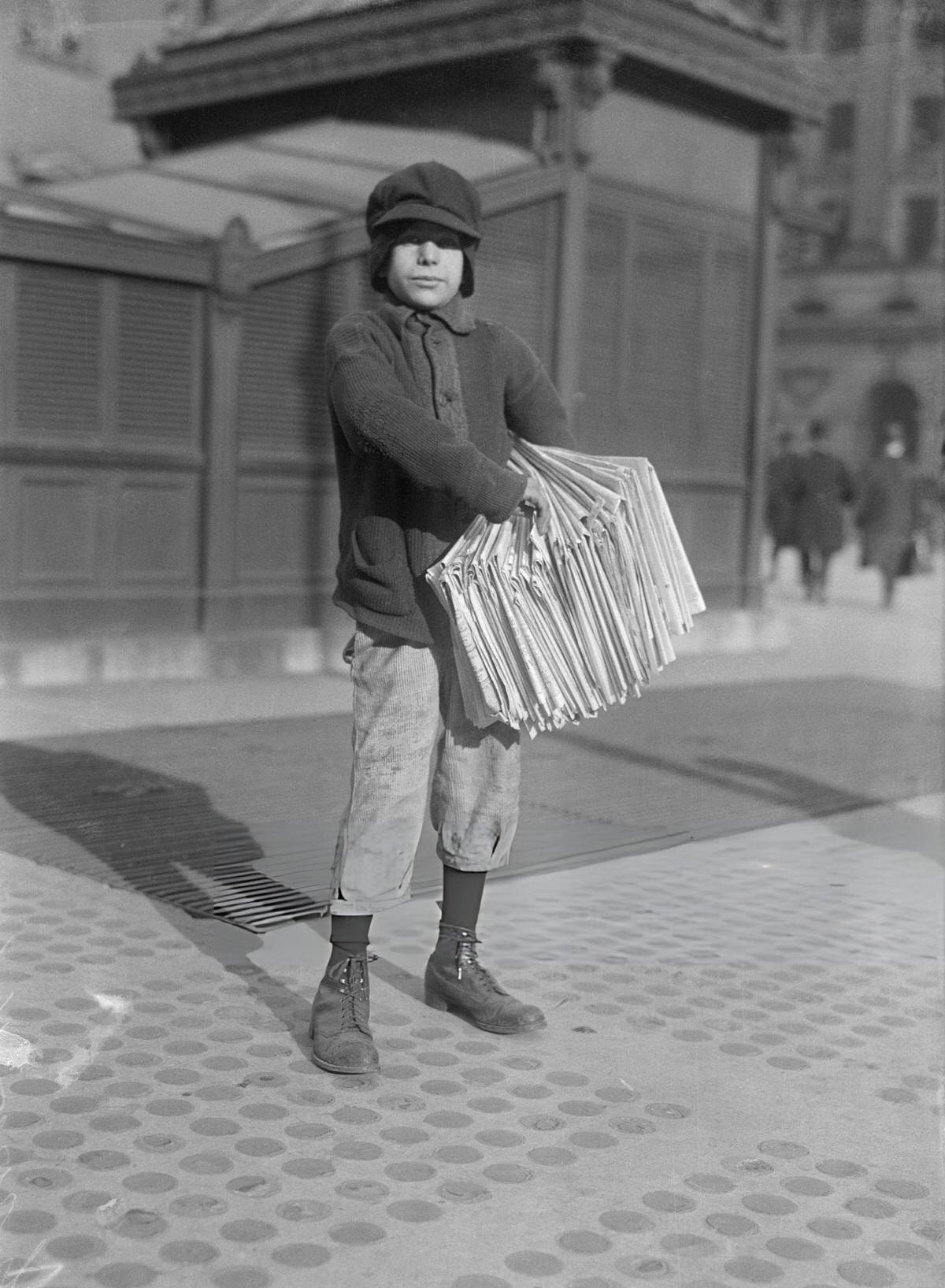
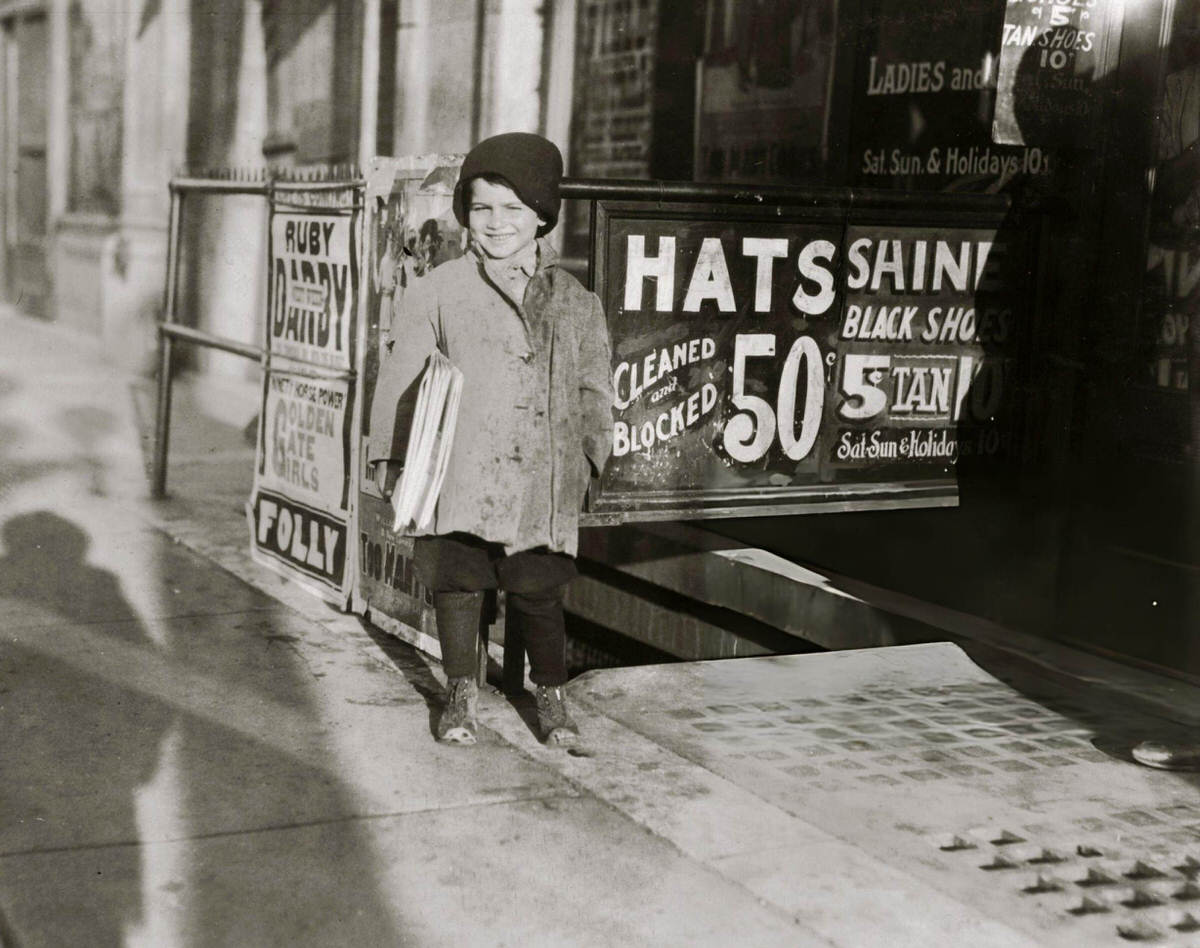
Their clothing was often worn and oversized. Most wore flat caps, knickers, and worn-out shoes. In the winter, they wrapped their feet in burlap sacks to stay warm. Many newsies were homeless. These boys slept on fire escapes, in alleyways, or inside “newsboy lodging houses.” These houses charged a few cents a night for a small bed and a basic meal.
Selling Tactics
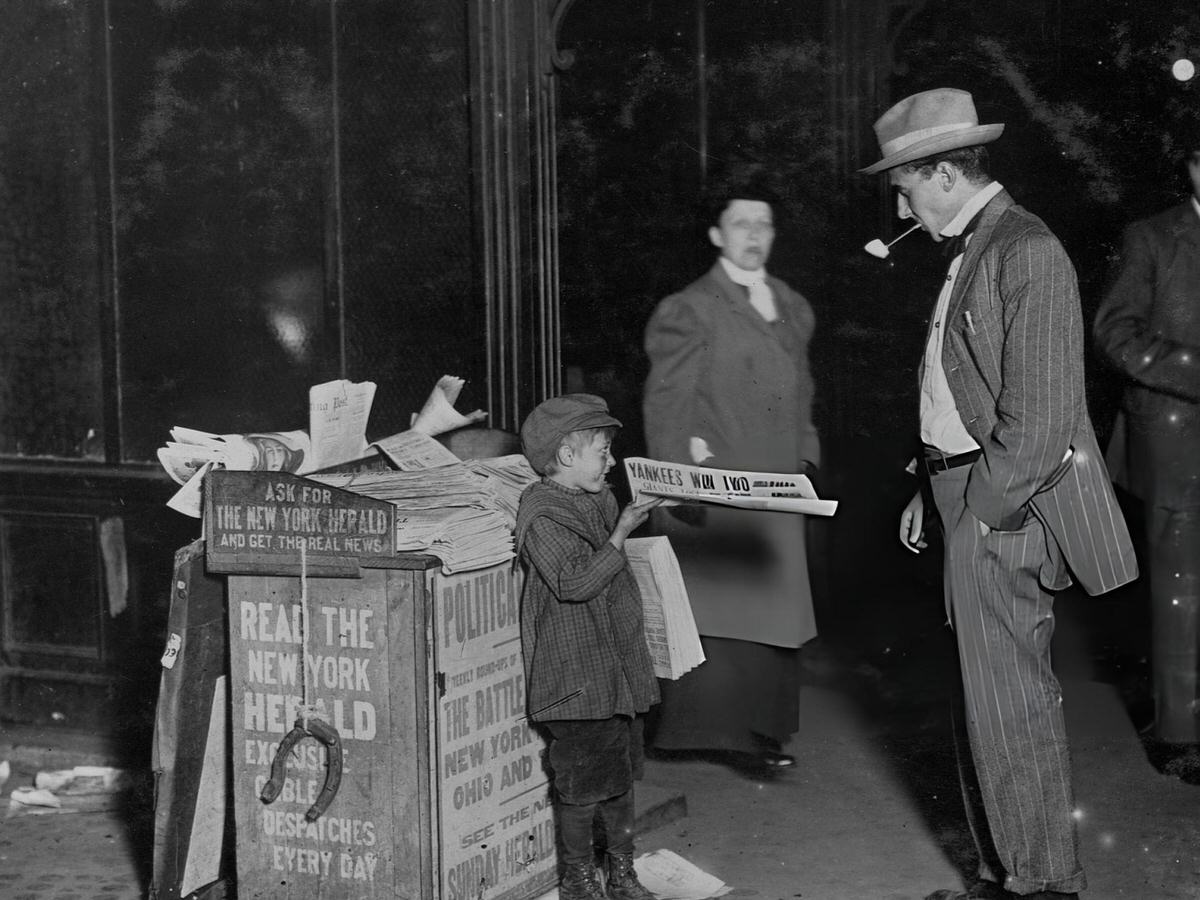
Competition was constant. To sell a paper, a newsie had to be louder and faster than the boy on the next corner. They used “patter” to grab attention. This involved shouting the most dramatic headlines of the day. If the news was boring, they sometimes exaggerated the details to make a sale.
They ran alongside moving streetcars to hand papers to passengers. They wove through thick crowds of horses and carriages. Speed was their greatest tool. The first boy to reach a customer usually got the penny.
The Newsboys’ Strike of 1899
While the work was always hard, it became impossible in the summer of 1899. The Spanish-American War had ended, and people were buying fewer papers. To keep their profits high, powerful owners like Joseph Pulitzer and William Randolph Hearst raised the price they charged the newsies for bundles.
The children refused to pay. Thousands of newsies across the city organized a strike. they stopped selling the World and the Journal. They held rallies and gave speeches. They even flipped over delivery wagons to stop the papers from reaching the streets.
The strike lasted two weeks. It paralyzed the newspaper business in New York. Eventually, the owners reached a deal. While the price of the bundles stayed the same, the owners agreed to buy back any unsold papers. This gave the newsies a safety net they never had before.

GIPHY App Key not set. Please check settings