
in

1907 to Now: The Stunning Evolution of the Times Square New Year’s Ball

Every year on December 31, a glowing ball slides down a pole at One Times Square in New York City. As the clock strikes midnight, the new year begins. This tradition started in 1907 and has continued for more than a century.

The first New Year’s Eve ball drop took place on December 31, 1907. At that time, six men lowered the ball by hand using ropes and a pulley system. The ball moved slowly down a flagpole on top of the building. When it reached the bottom at midnight, fireworks exploded, and the crowd cheered.

The early ball was made of iron and wood. It measured five feet across and weighed about 700 pounds. Electric light bulbs covered its surface, making it shine against the night sky. For the people gathered below, the bright ball became a clear signal that the new year had arrived.

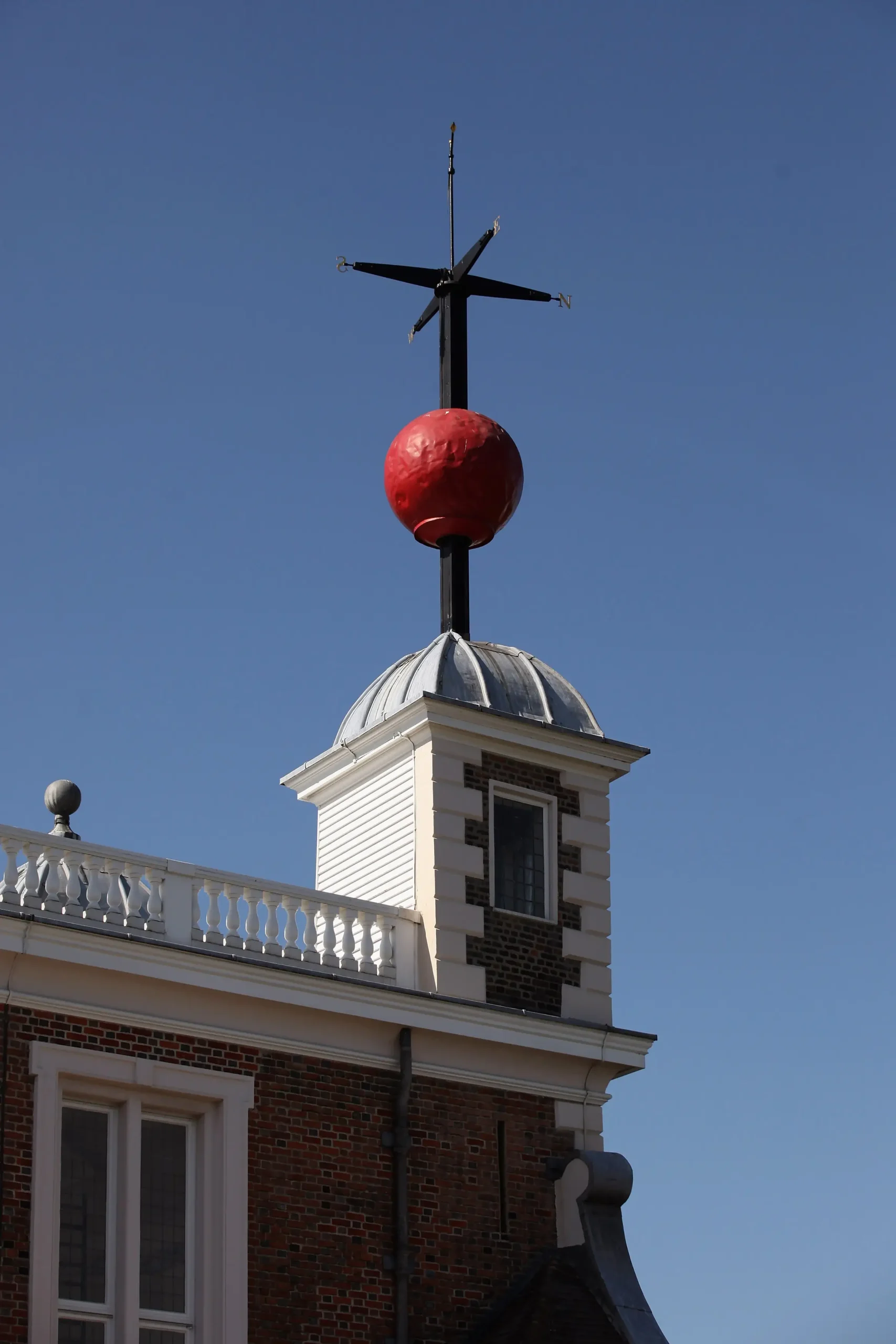
The idea of dropping a ball to mark time was not new in 1907. Time balls had been used since the 1800s to help people tell time accurately. The first one was installed in 1833 on the roof of Flamsteed House at the Royal Observatory, Greenwich in England. Every day at 1 p.m., the ball dropped so ship captains in the harbor could set their chronometers. People in the city also used it to set their watches.

When New York City adopted this idea for New Year’s Eve, it turned a practical tool into a celebration symbol. The ball drop soon became the center of a growing holiday gathering in Times Square.

Read more

Over the years, the ball changed many times. In 1920, the original iron and wood ball was replaced with a lighter one made entirely of iron. In 1955, an aluminum ball took its place. Aluminum made the ball easier to lift and lower. The design stayed simple, but the materials improved.

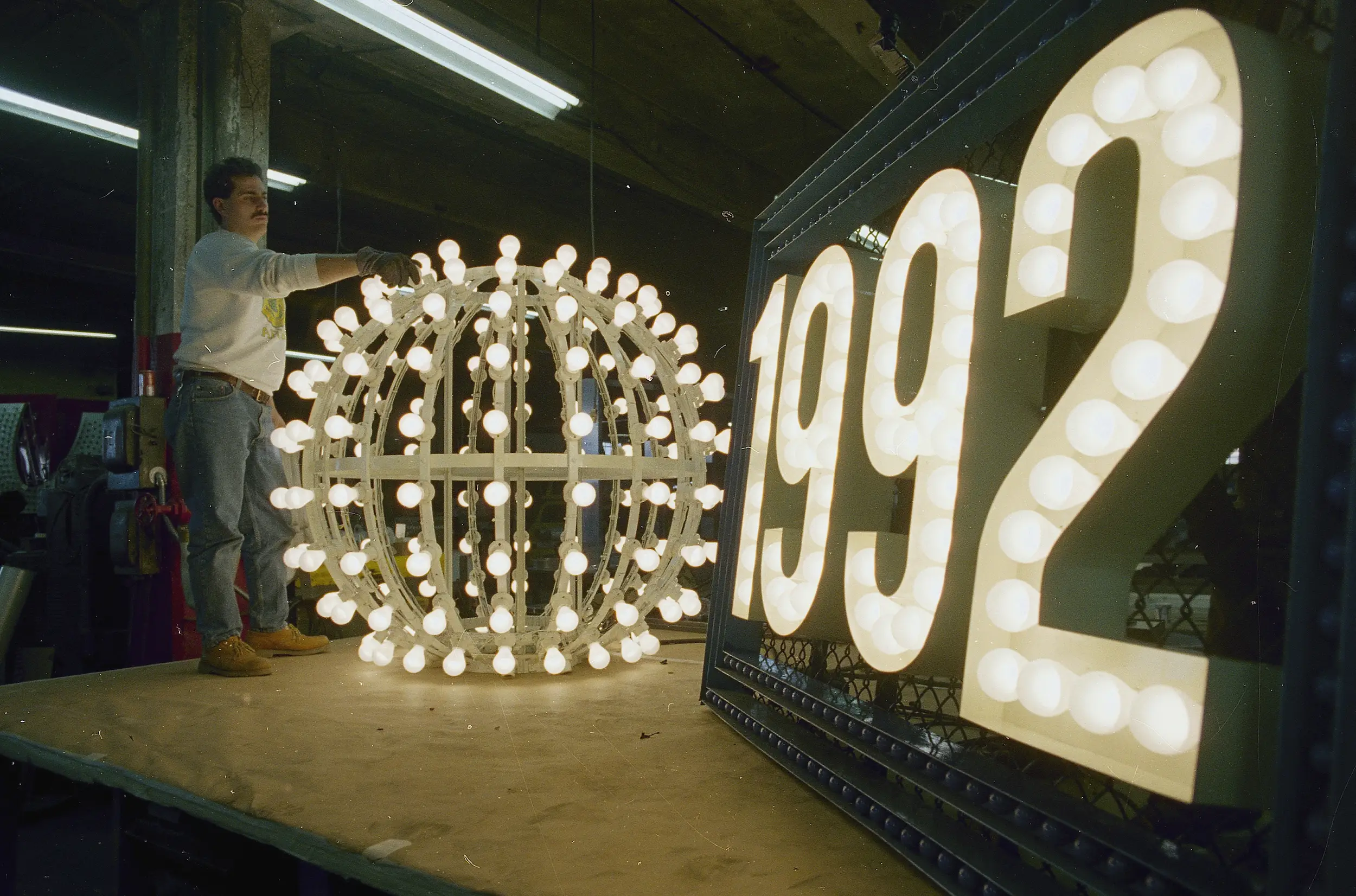
Technology shaped the next big changes. By the 1980s and 1990s, the ball featured halogen lights. In 1999, it was redesigned with crystal triangles and computer-controlled lighting for the new millennium. The ball grew brighter and more detailed. It could display patterns and colors that shifted throughout the night.

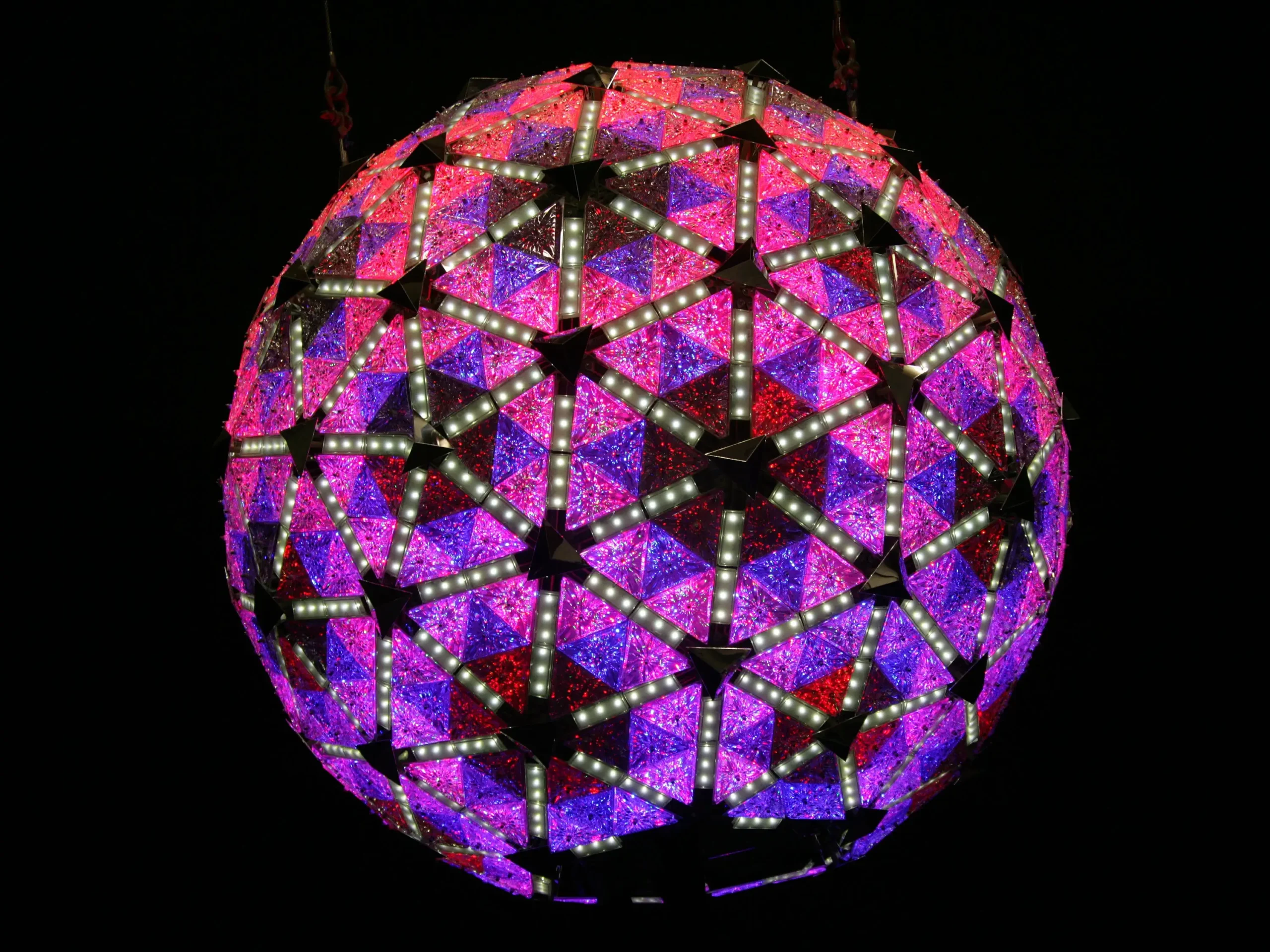
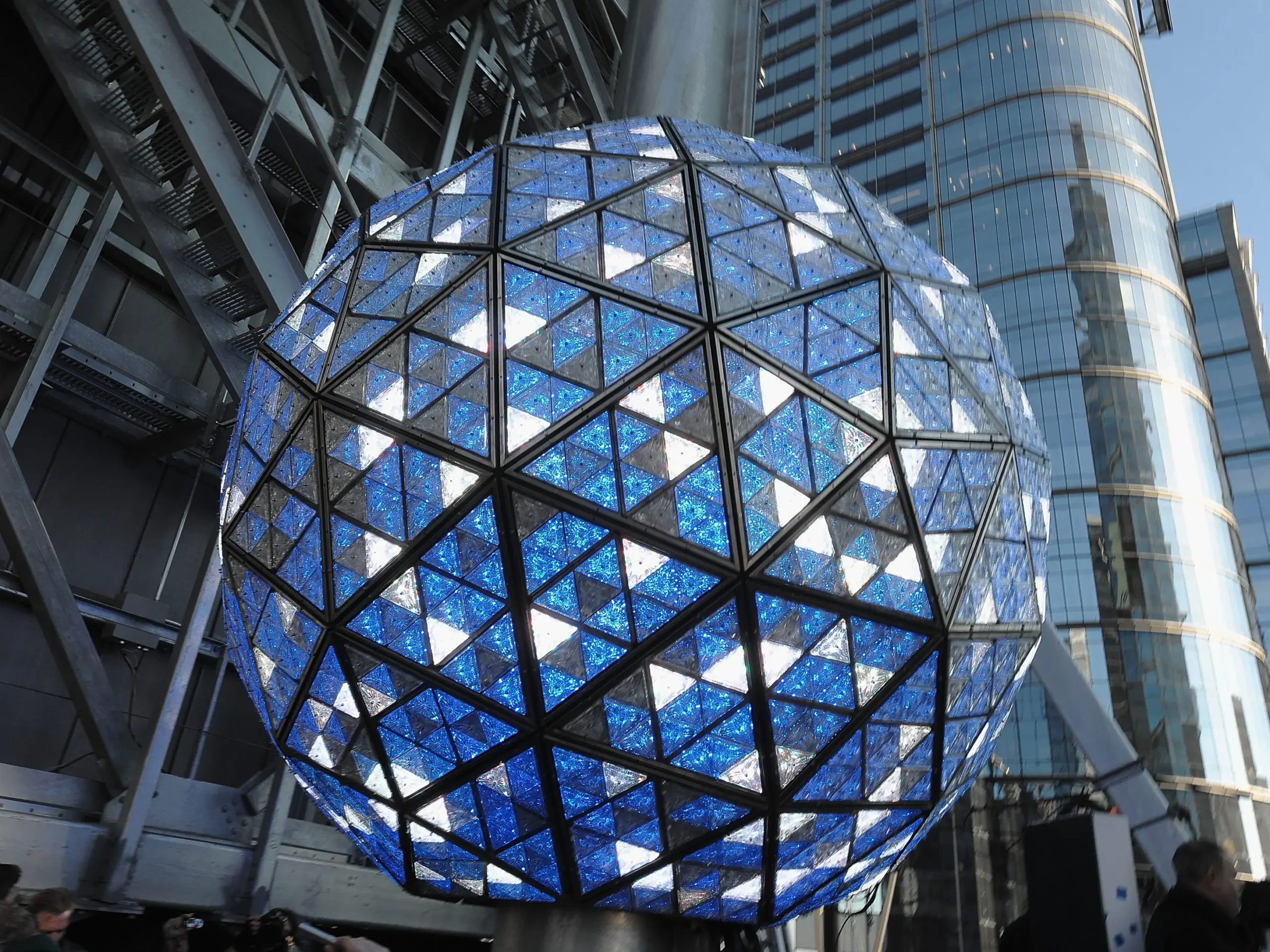
Today’s ball is an icosahedral geodesic sphere. It is covered in thousands of crystal panels and LED lights. A computer system controls the lights and the exact timing of the drop. At 11:59 p.m., the ball begins its 60-second descent. It reaches the bottom at midnight, marking the first second of the new year.

In a typical year, more than one million people fill Times Square. They stand shoulder to shoulder in the cold, watching the glowing sphere high above them. Millions more watch the event on television and online.

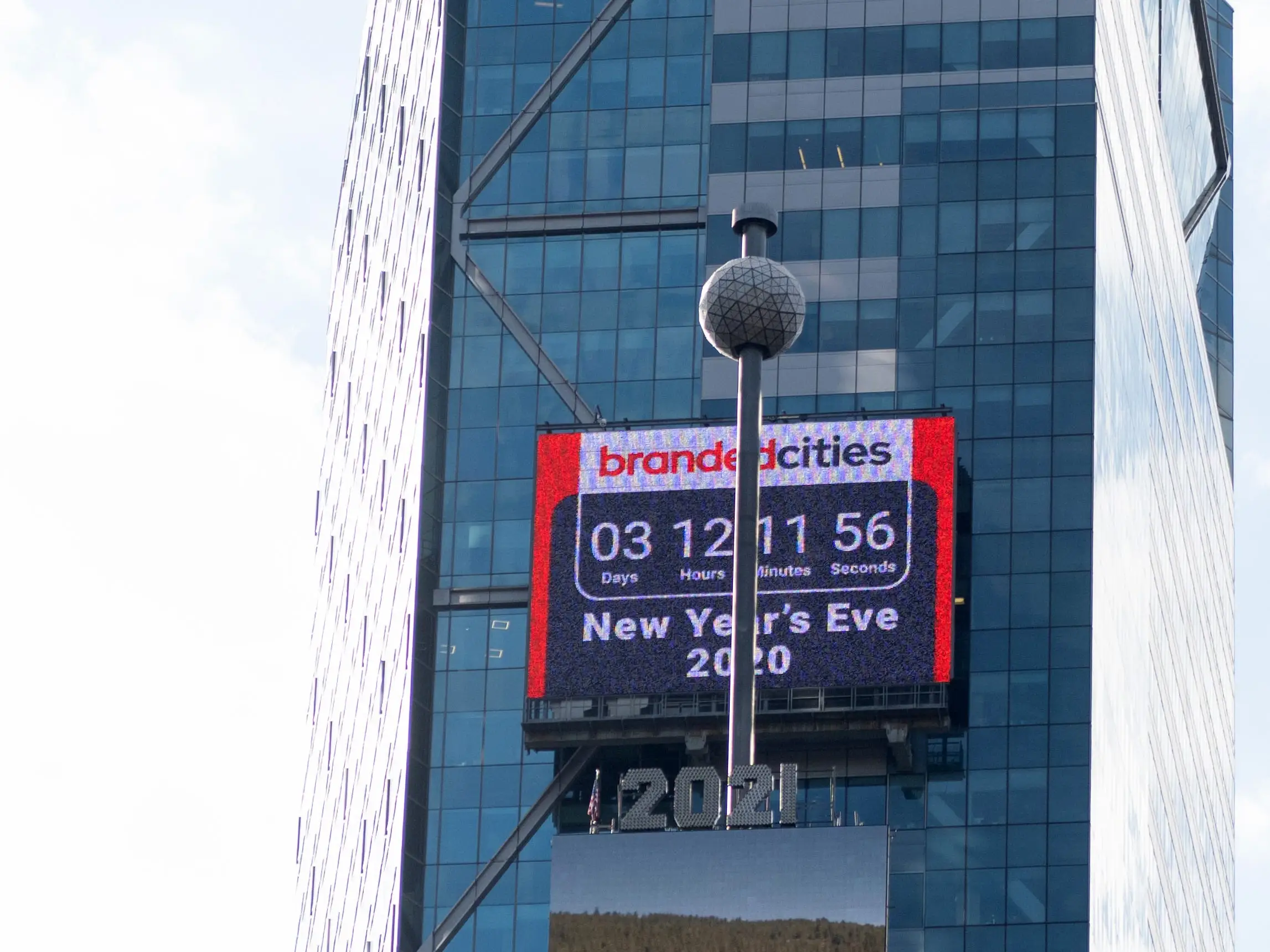
In 2021, the celebration marked its 114th anniversary. That year, the event went virtual due to public health concerns. The ball still dropped from One Times Square, but most people watched from home. Cameras streamed the moment across the world, keeping the tradition alive even without the usual crowd.

From a hand-lowered wooden sphere to a computer-driven display of light and crystal, the Times Square ball drop has changed with each generation. The basic act remains the same: a glowing ball slides down a pole, and a new year begins at midnight in New York City.
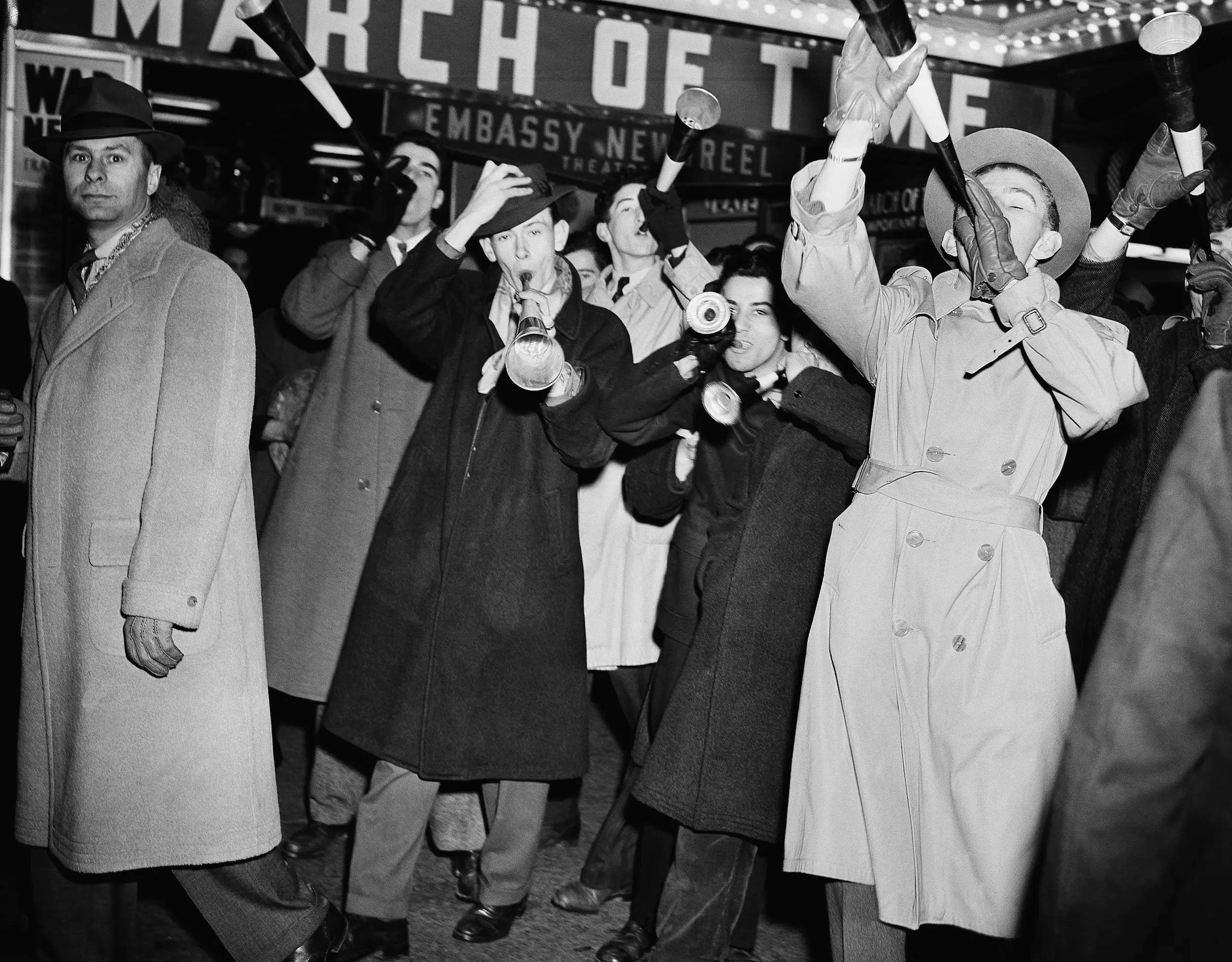
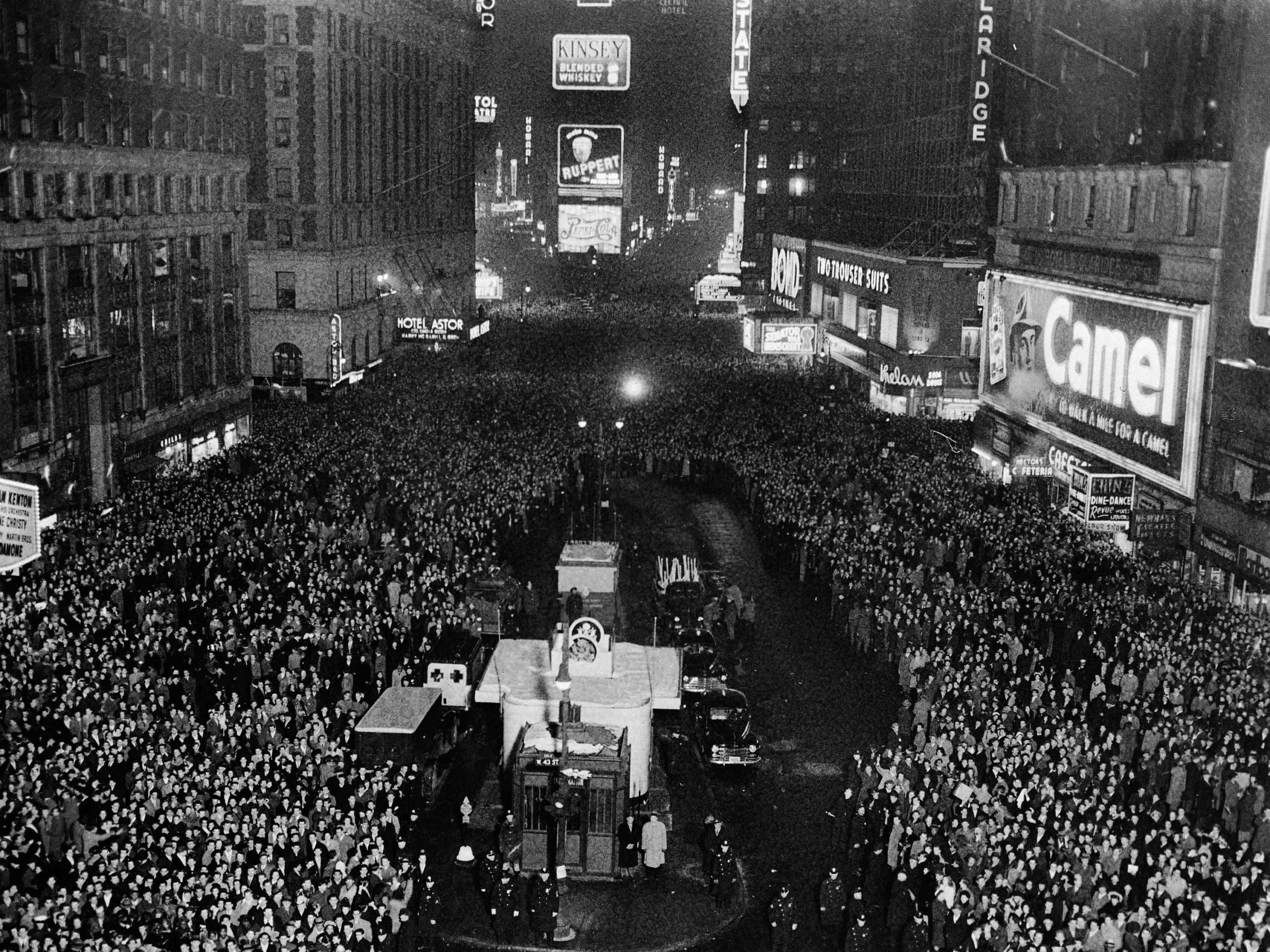
#1 Revelers wending their way through New York’s Times Square to ring in the New Year on January 1, 1942.

#2 Time balls like the one dropped on New Year’s Eve have been around long before the Times Square celebration. The time ball atop the Royal Observatory in Greenwich, England.

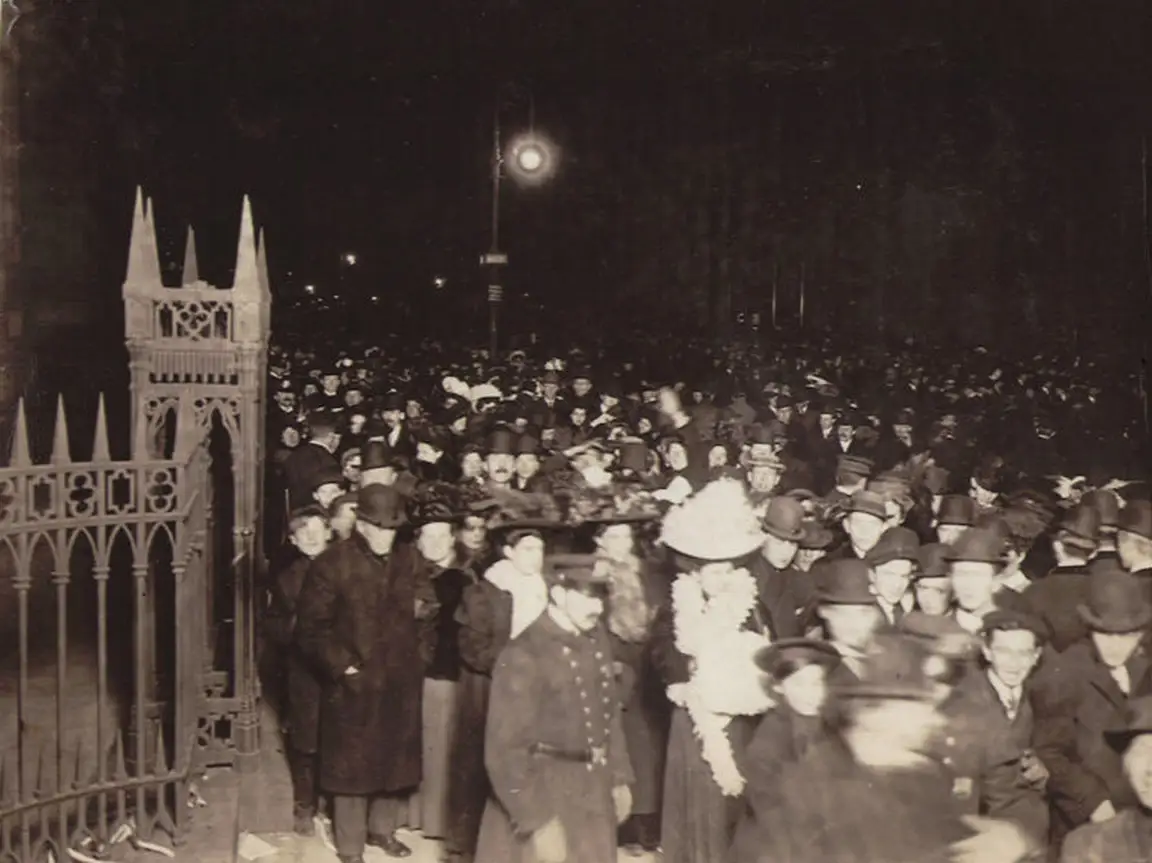
#3 People near Trinity Church on New Year’s Eve in 1906 in New York City.
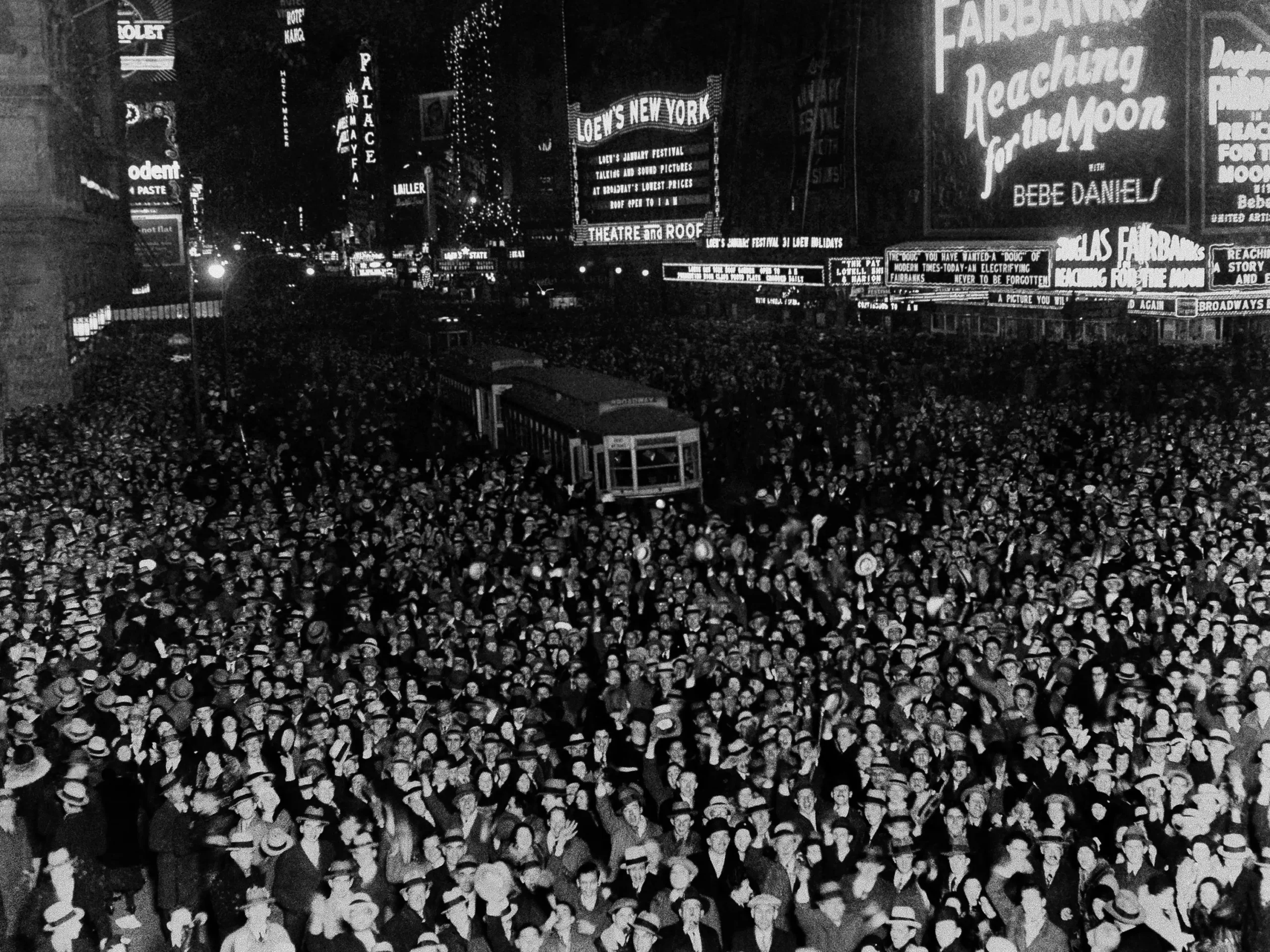
#6 The crowd at Times Square on December 31, 1940. Over the next few decades, the number of spectators swelled. This was the crowd of about 500,000 people ringing in the new year in 1940.

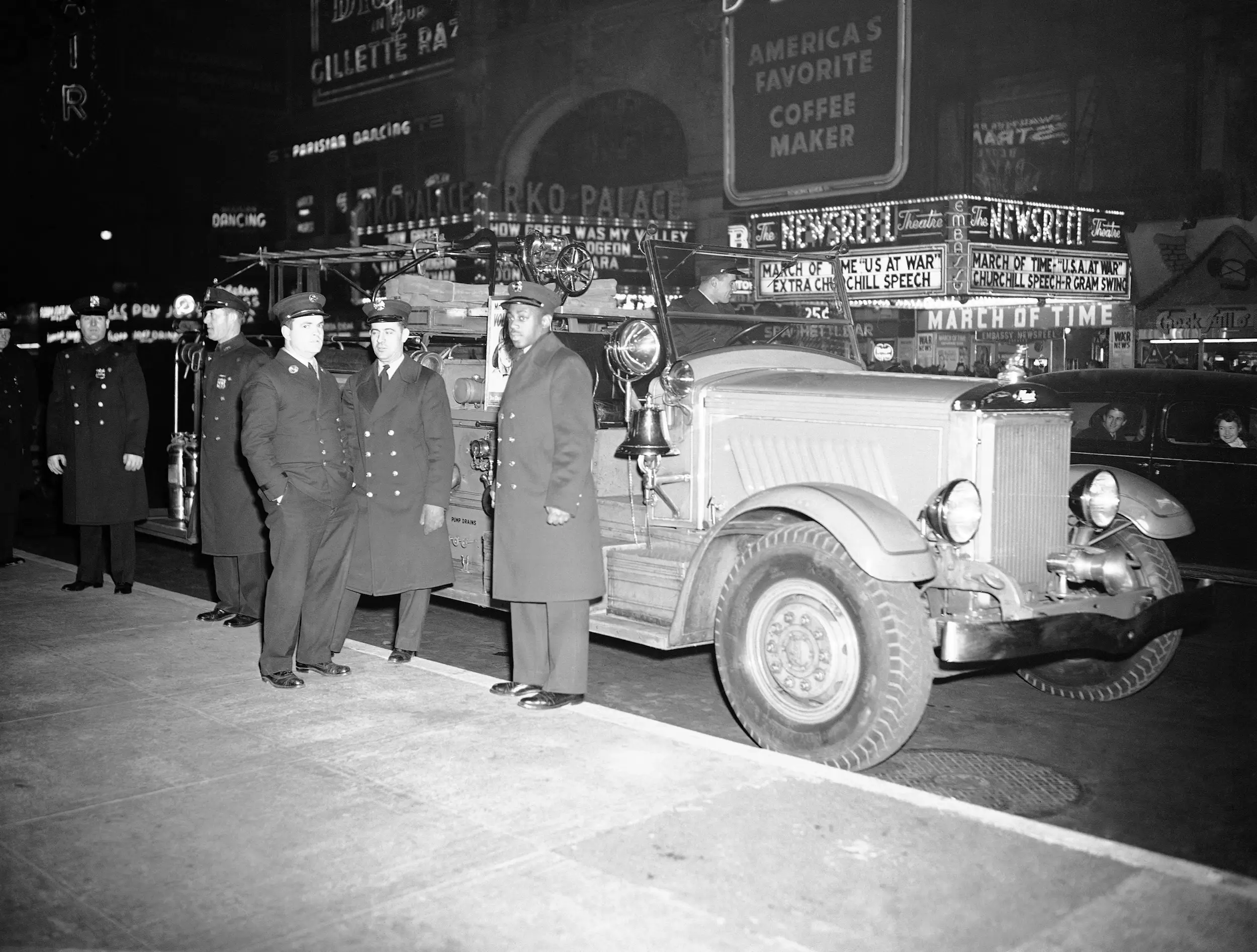
#7 New York’s fire department in Times Square on December 31, 1941. Instead of a ball drop, crowds gathered in 1942 and ’43 rang in the New Year with a minute of silence followed by the sound of chimes played from a sound truck at the base of the Times Tower, a nod to the original New Year’s celebration at Trinity Church.

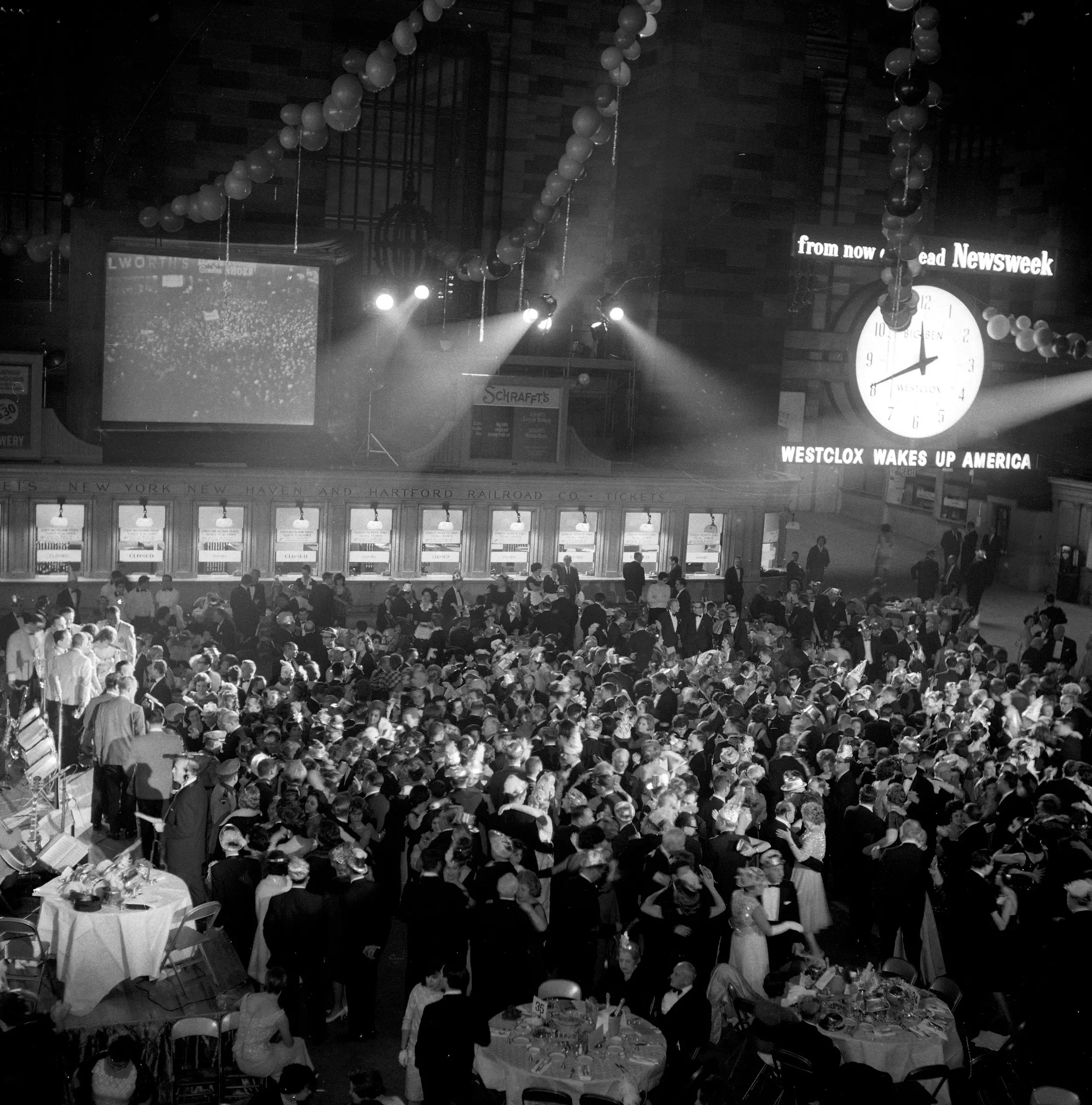
#8 A crowd watches a large screen in 1963. Thousands more citizens across the US would begin watching the Times Square celebration in 1972 thanks to the inaugural installation of “Dick Clark’s New Year’s Rockin’ Eve.”

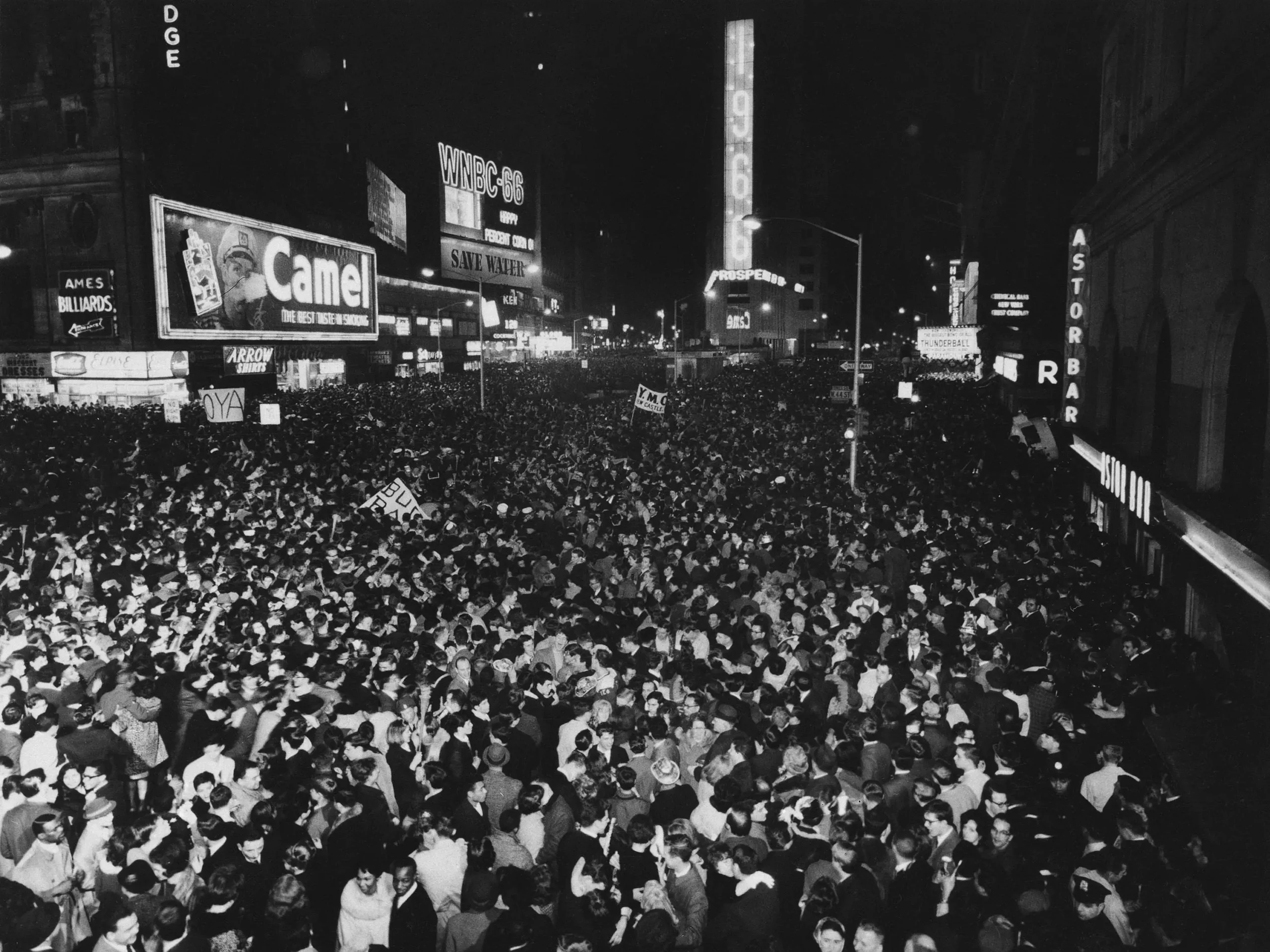
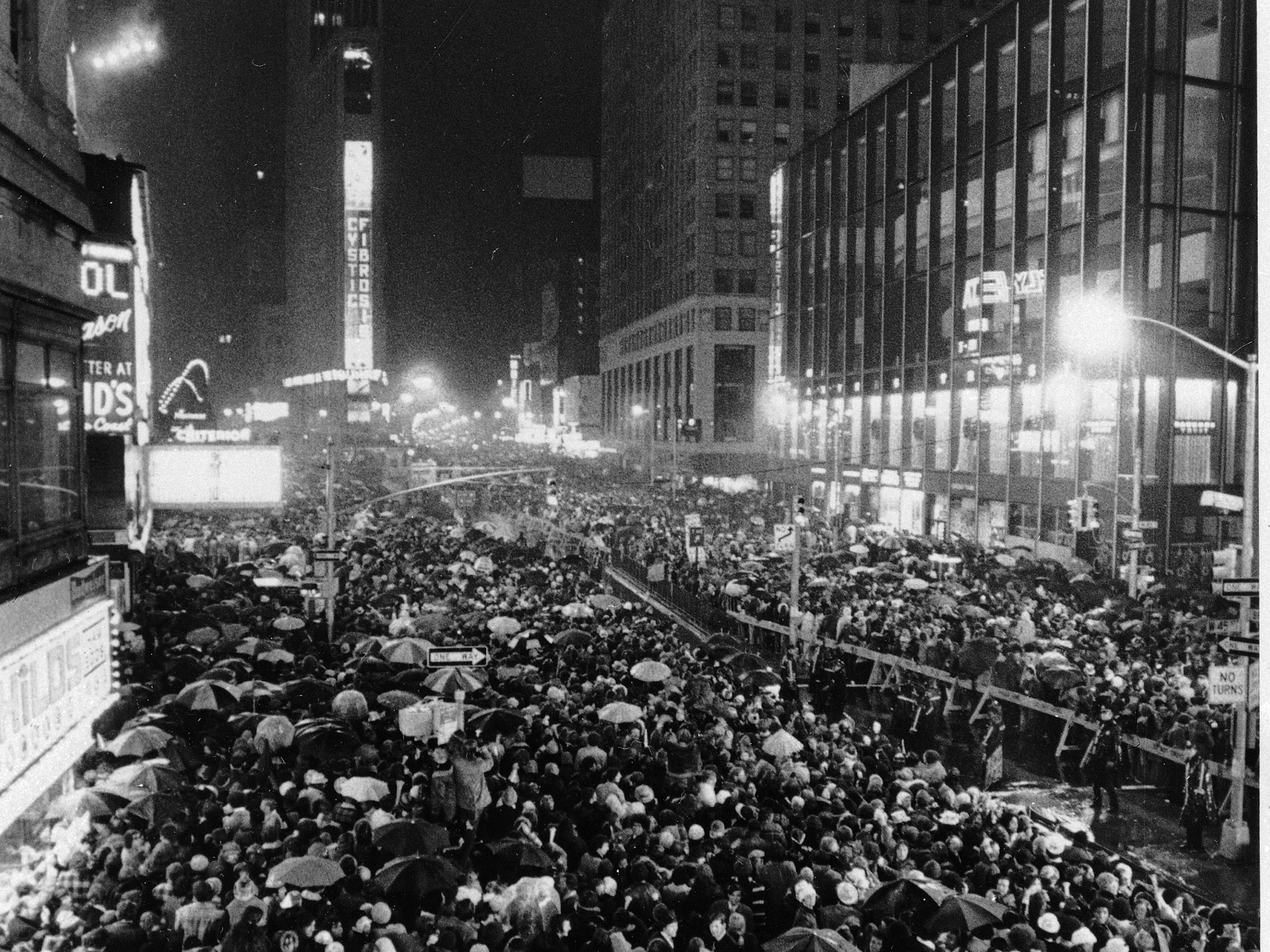
#9 Crowds jamming New York’s Times Square on December 31, 1974.

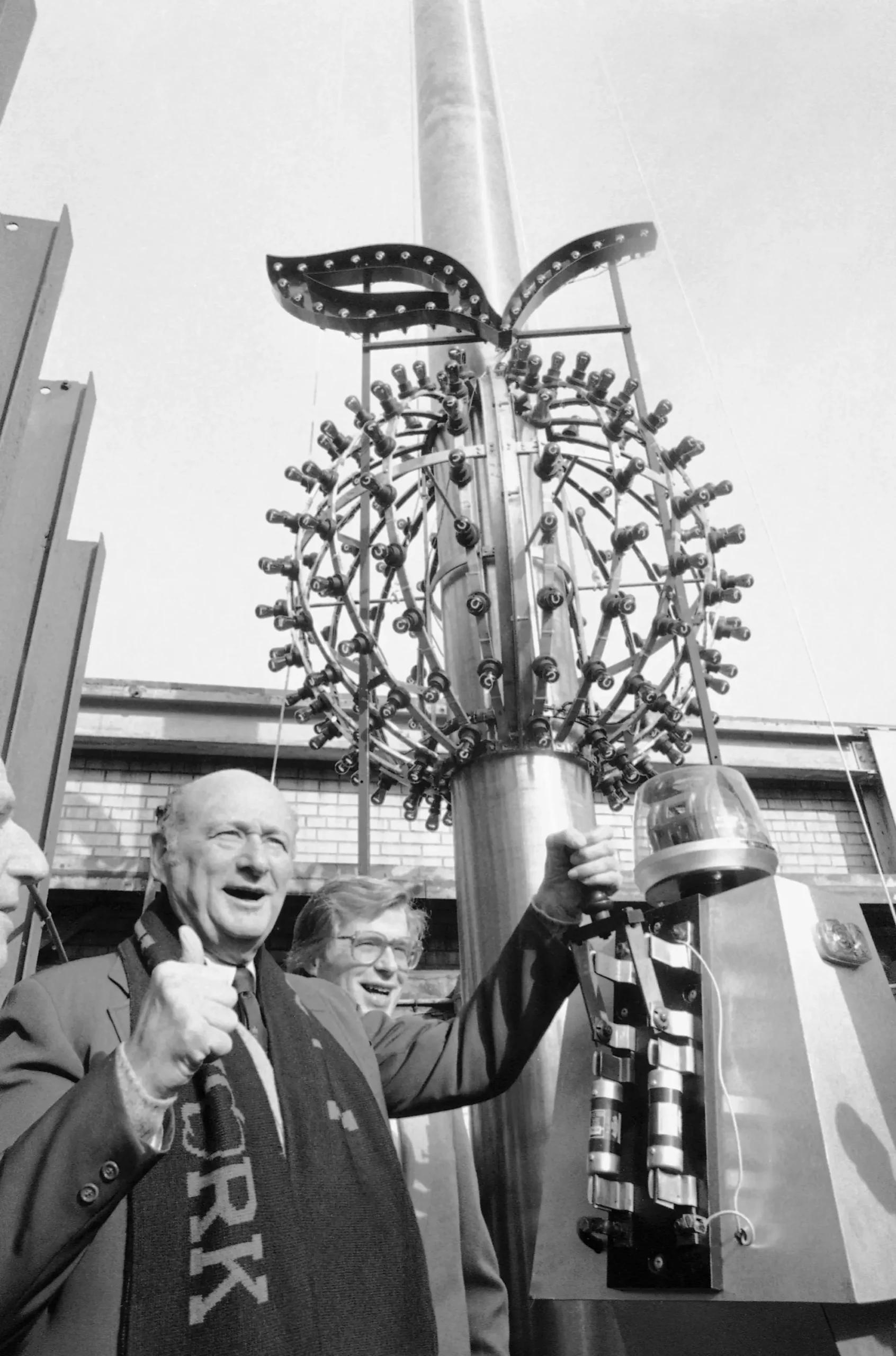
#10 New York City Mayor Ed Koch gives the thumbs-up sign as he flips a switch to test the Big Apple Ball in 1981. That was also the final year Russ Brown, the superintendent of One Times Square, managed the ball dropping after 16 years.

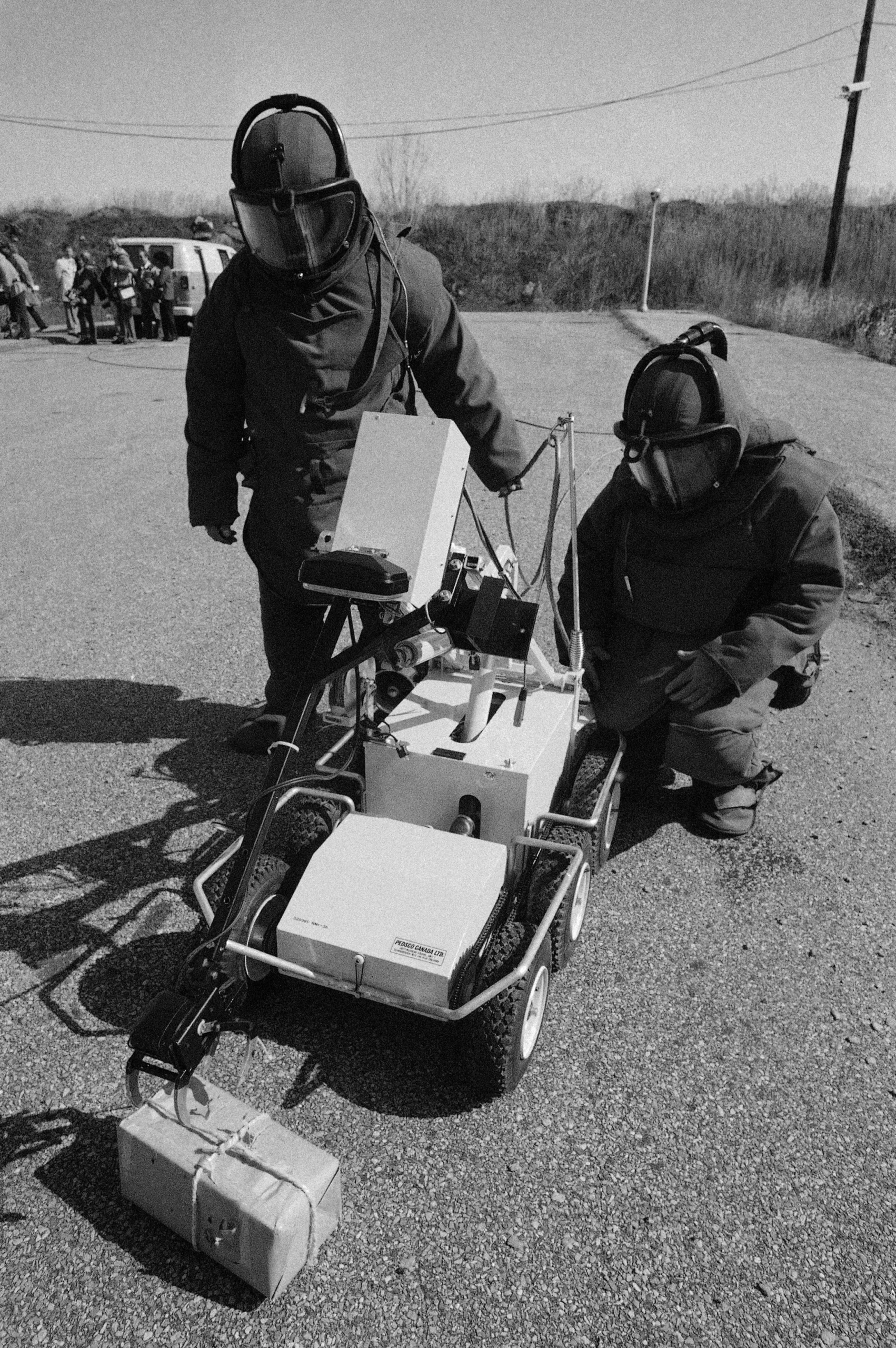
#11 In 1982, four bombs exploded at government buildings in New York on New Year’s Eve. The next year, the city bought a series of $20,000 robots that could handle bombs, wield shotguns, and drag fallen officers out of danger. They monitored the 1983 celebration.

#12 In the 1990s, special guests started activating the ball. The first was the philanthropist Oseola McCarty, later followed by Muhammad Ali, Mary Ann Hopkins from Doctors Without Borders, and others. The tradition was started by New York City Mayor Rudy Giuliani in 1996 as an initiative to honor community heroes on one of the world’s largest stages.

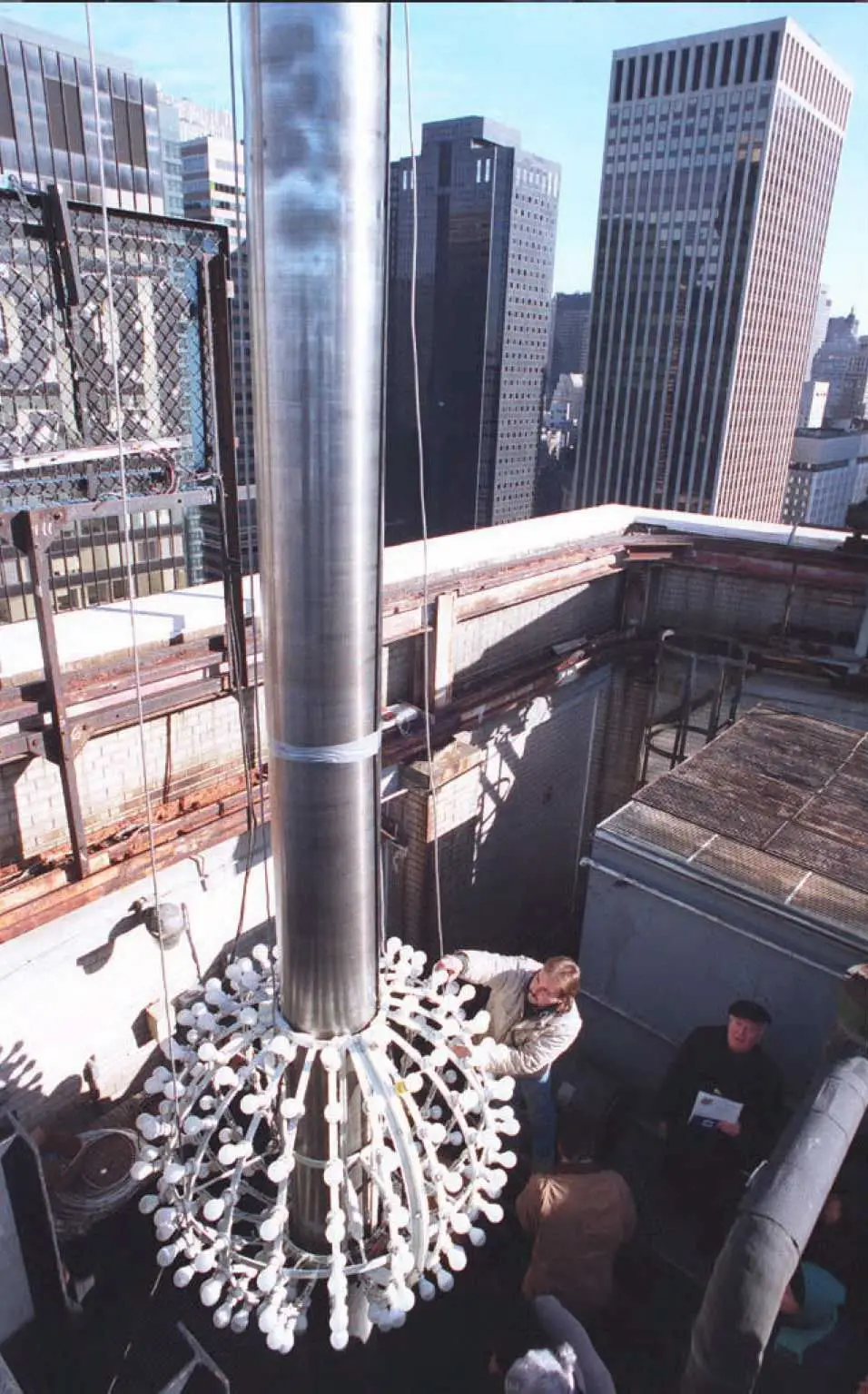
#13 The 1995 New Year’s Eve ball. Before the ball was lowered automatically, it descended down its pole in a pretty old-school way.

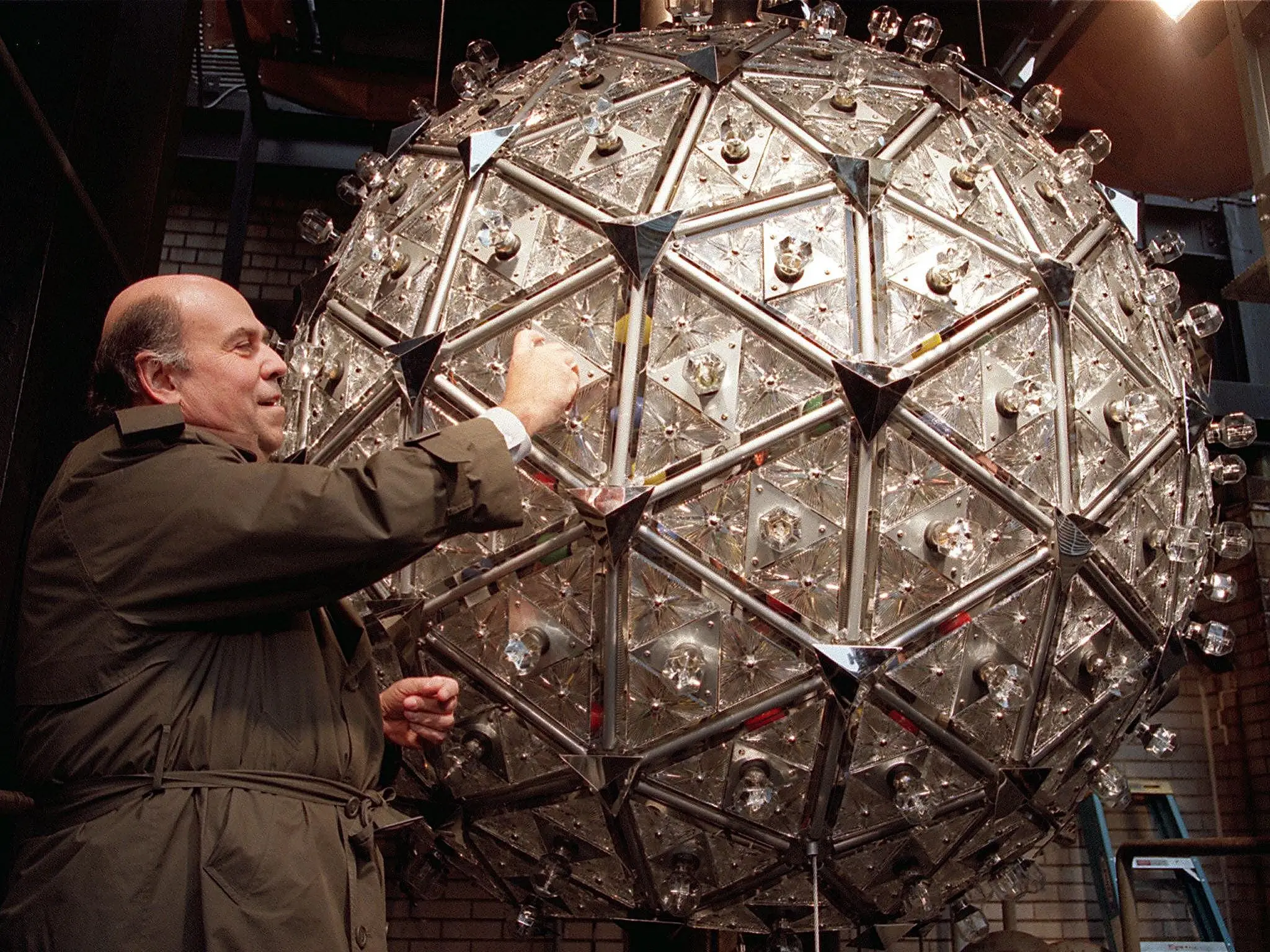
#14 In 2000, the ball was redesigned again for the millennium celebration at the Crossroads of the World. Steven Goldmacher of Philips Lighting Company screws in one of the 168 light bulbs in the Times Square New Year’s Eve ball in 1999.

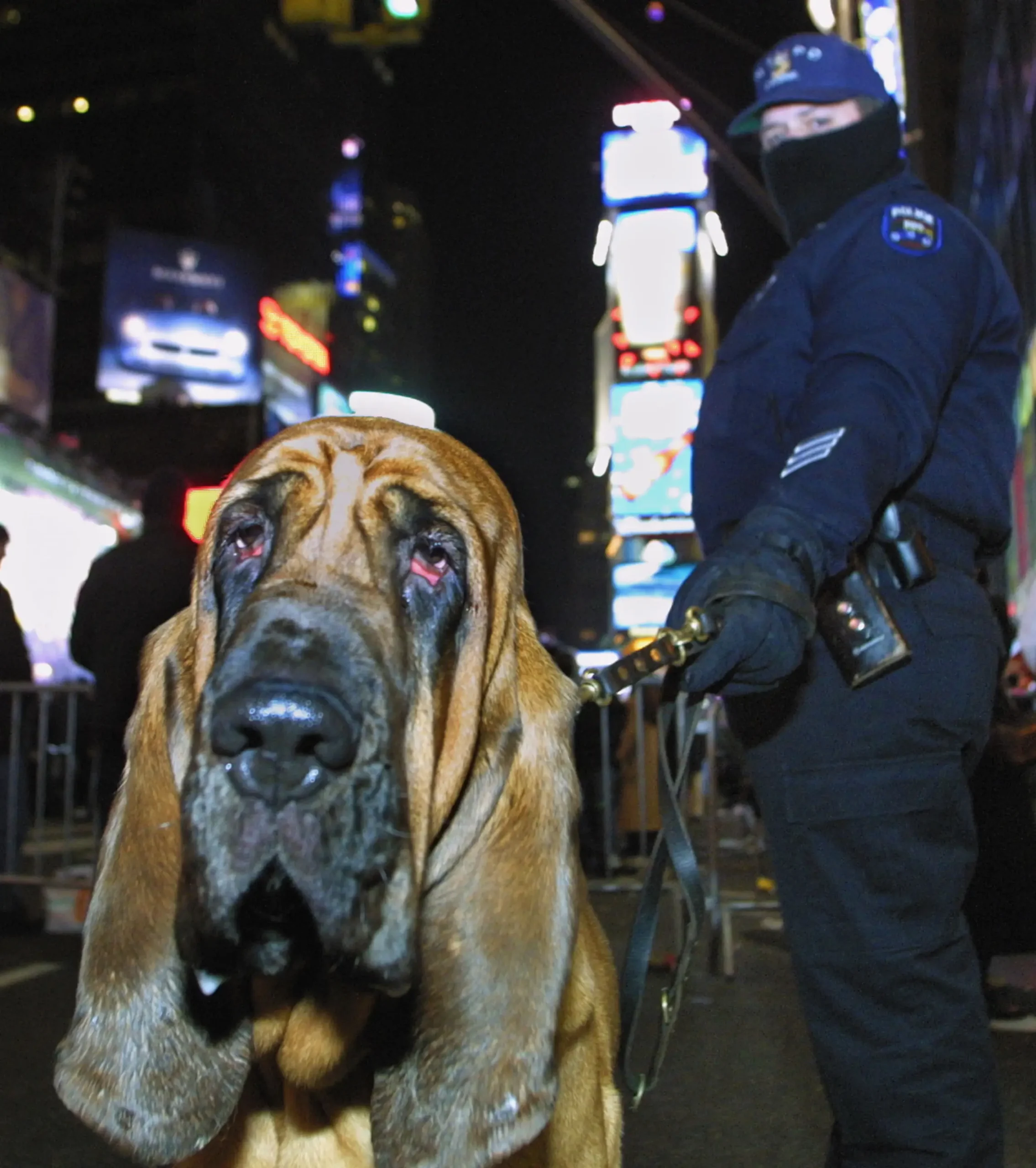
#15 Following the September 11 attacks in 2001, the police department tightened security in Times Square even more. Bomb-sniffing dogs and 7,000 officers with handheld metal detectors were on duty.

#16 In 2007, the ball was updated again for the celebration’s 100th anniversary.

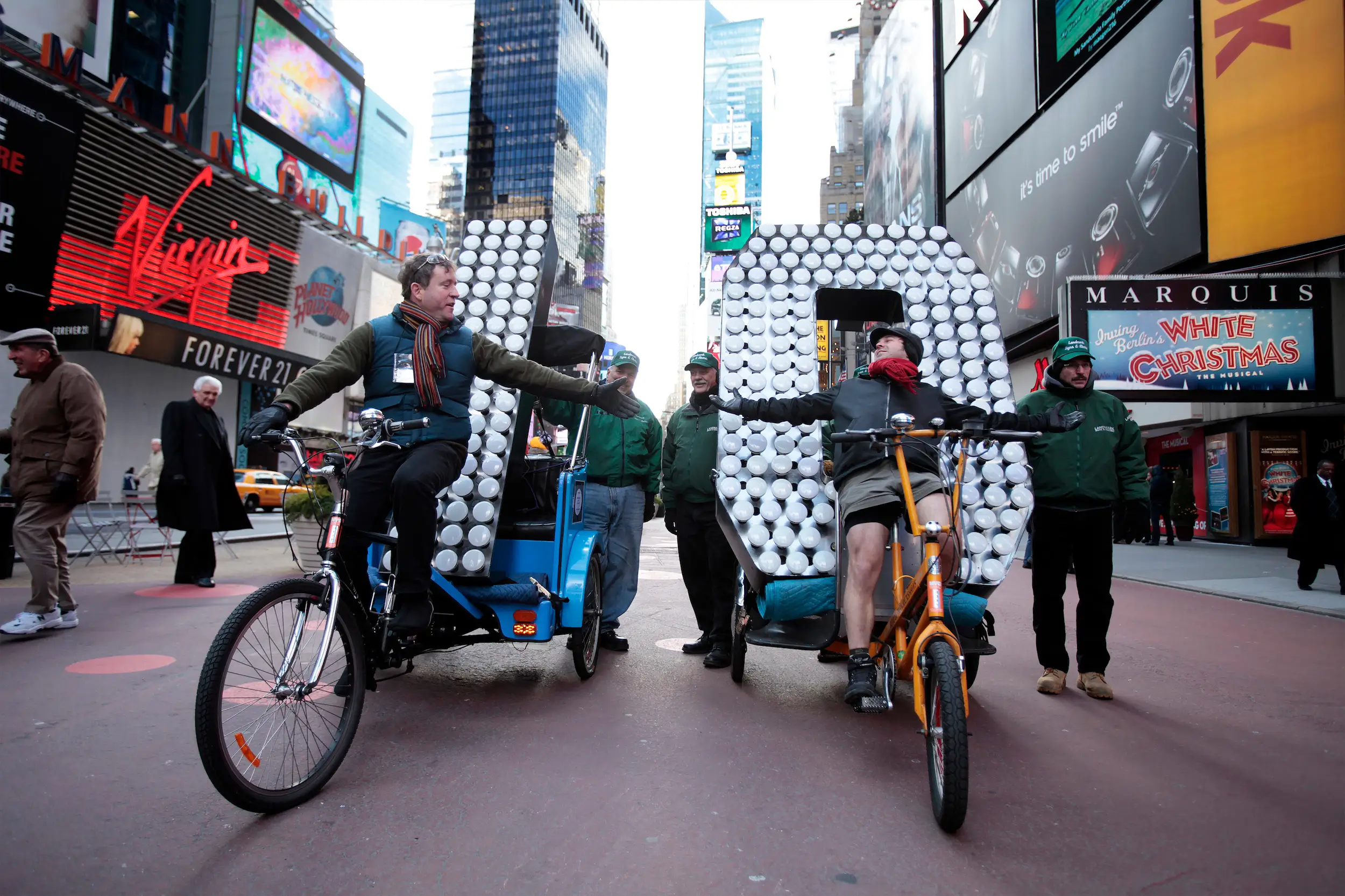
#17 Pedicab drivers in Times Square on December 16, 2009.

#18 In 2009, the ball got its final major renovation, making it a permanent year-round attraction.

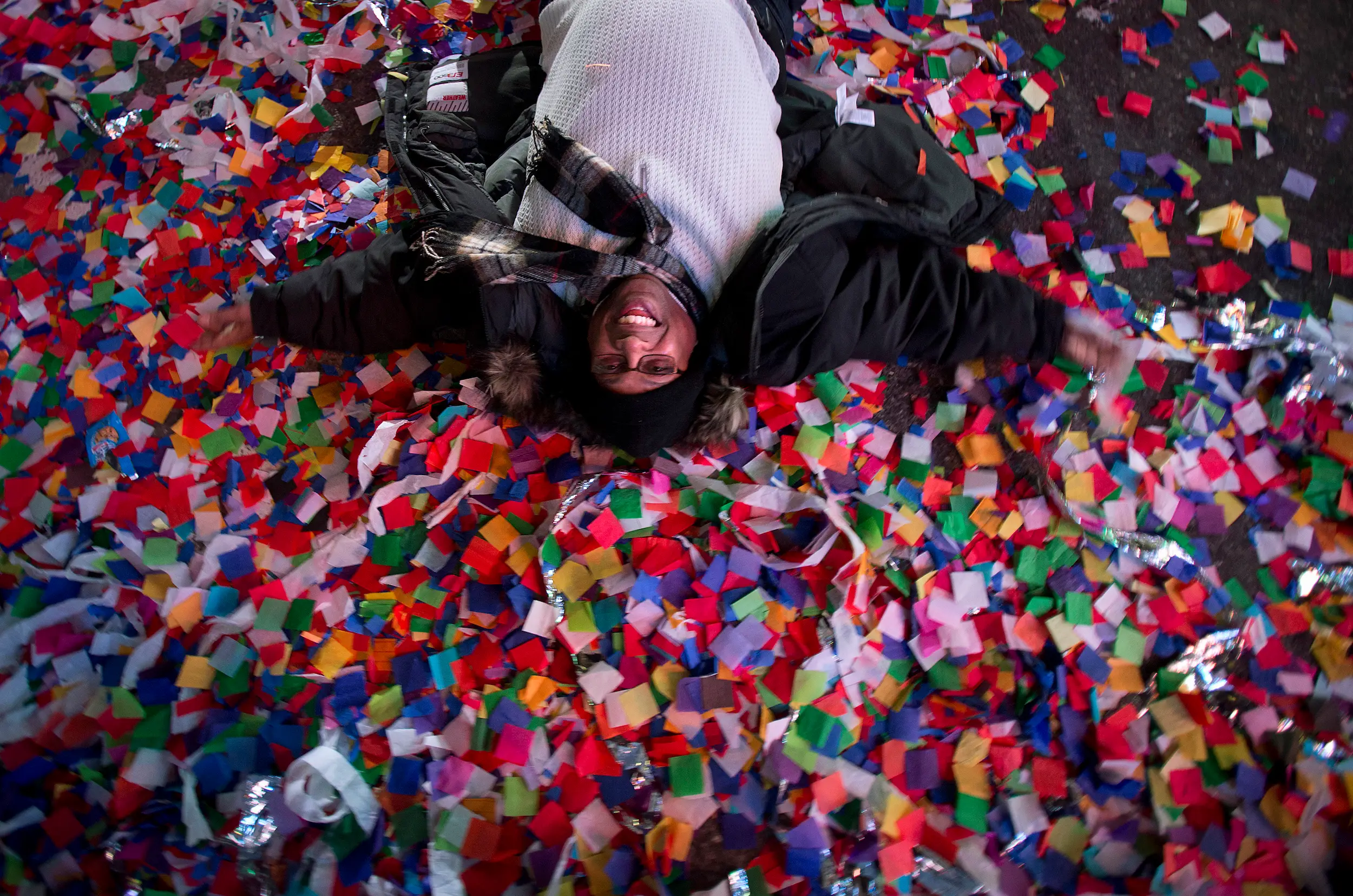
#19 A reveler makes angels in the confetti on the ground during New Year’s Eve celebrations in Times Square on January 1, 2014

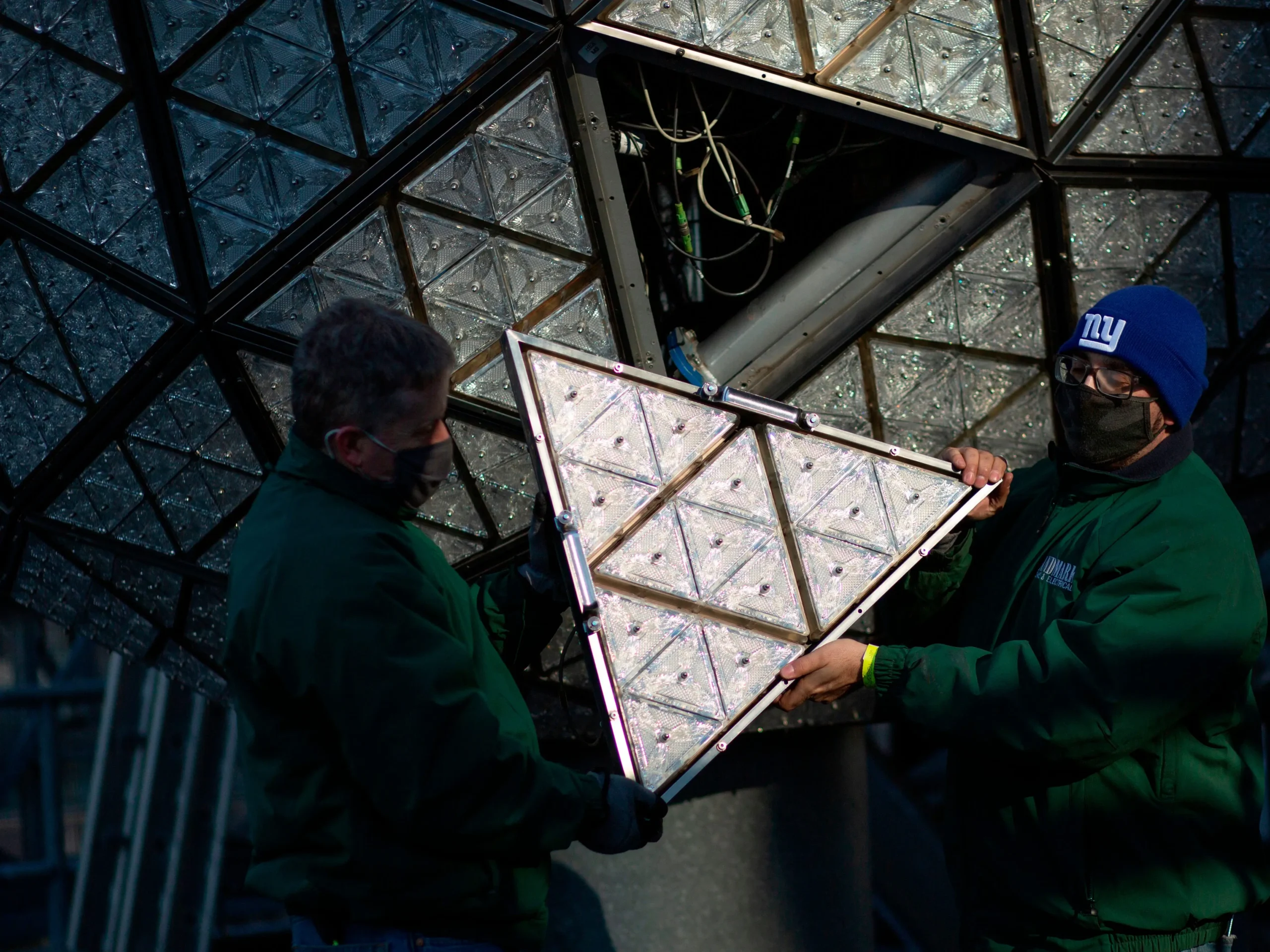
#20 Workers hold a new Waterford Crystal triangle next to the New Year’s Eve ball for the 2021 New Year’s Eve Celebration.

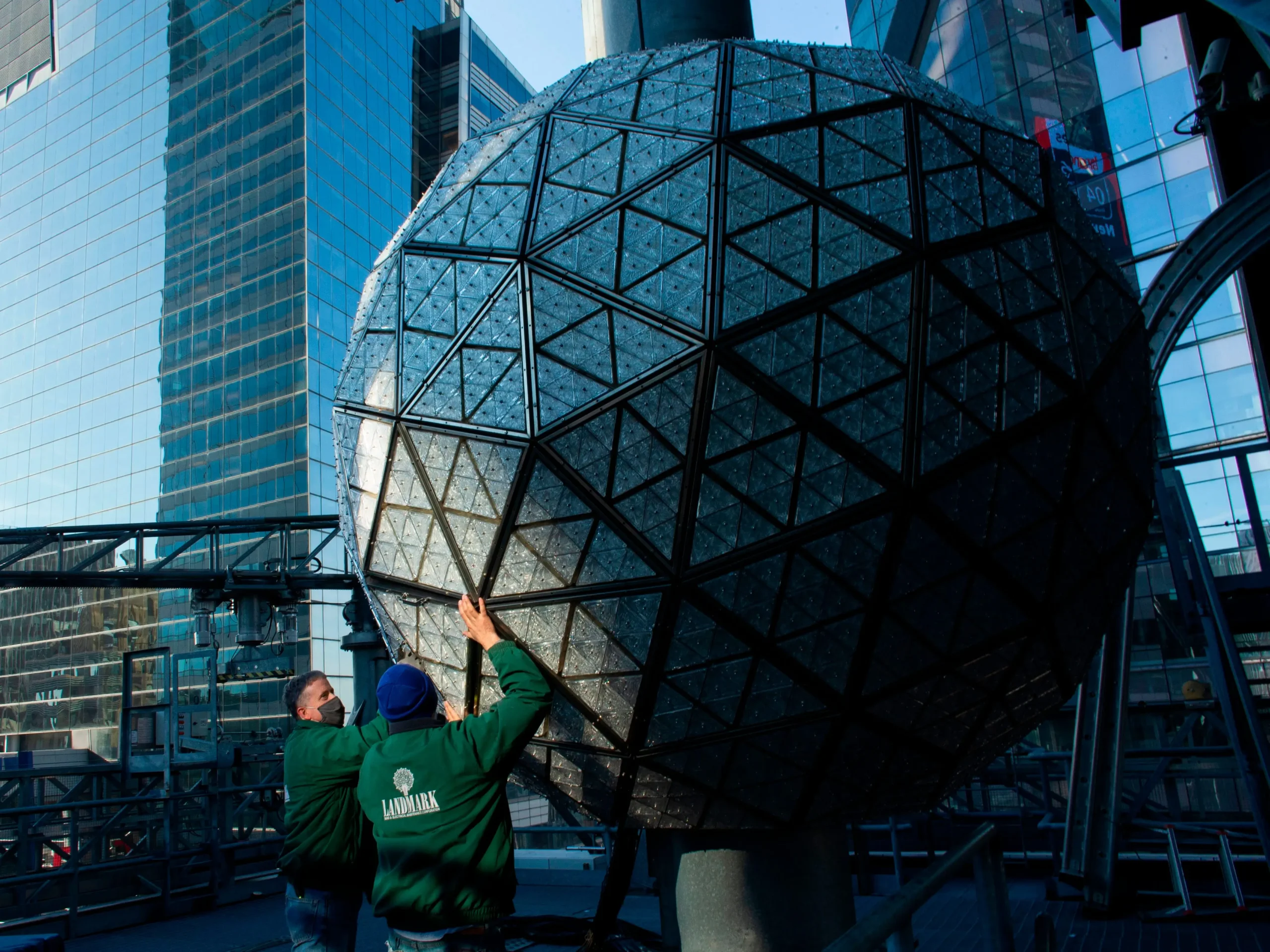
#21 Workers install new Waterford Crystal triangles on the New Year’s Eve ball for the 2021 New Year’s Eve Celebration.

Written by Adriana Palmer

Blogger, Editor and Environmentalist. A writer by day and an enthusiastic reader by night. Following the Jim Roh's prophecy “Reading is essential for those who seek to rise above the ordinary.”

Leave a Reply

Comment using name and email. Or Register an account

GIPHY App Key not set. Please check settings