

 Frederick Victor
The plans for Radio City Music Hall began in late 1929 as part of the Rockefeller Center project. John D. Rockefeller Jr. signed a long-term lease for the land from Columbia University just before the stock market crashed. Despite the economic downturn, the construction moved forward under the leadership of Samuel “Roxy” Rothafel. The goal was to build the largest indoor theater in the world.
Excavation and Steel Framework
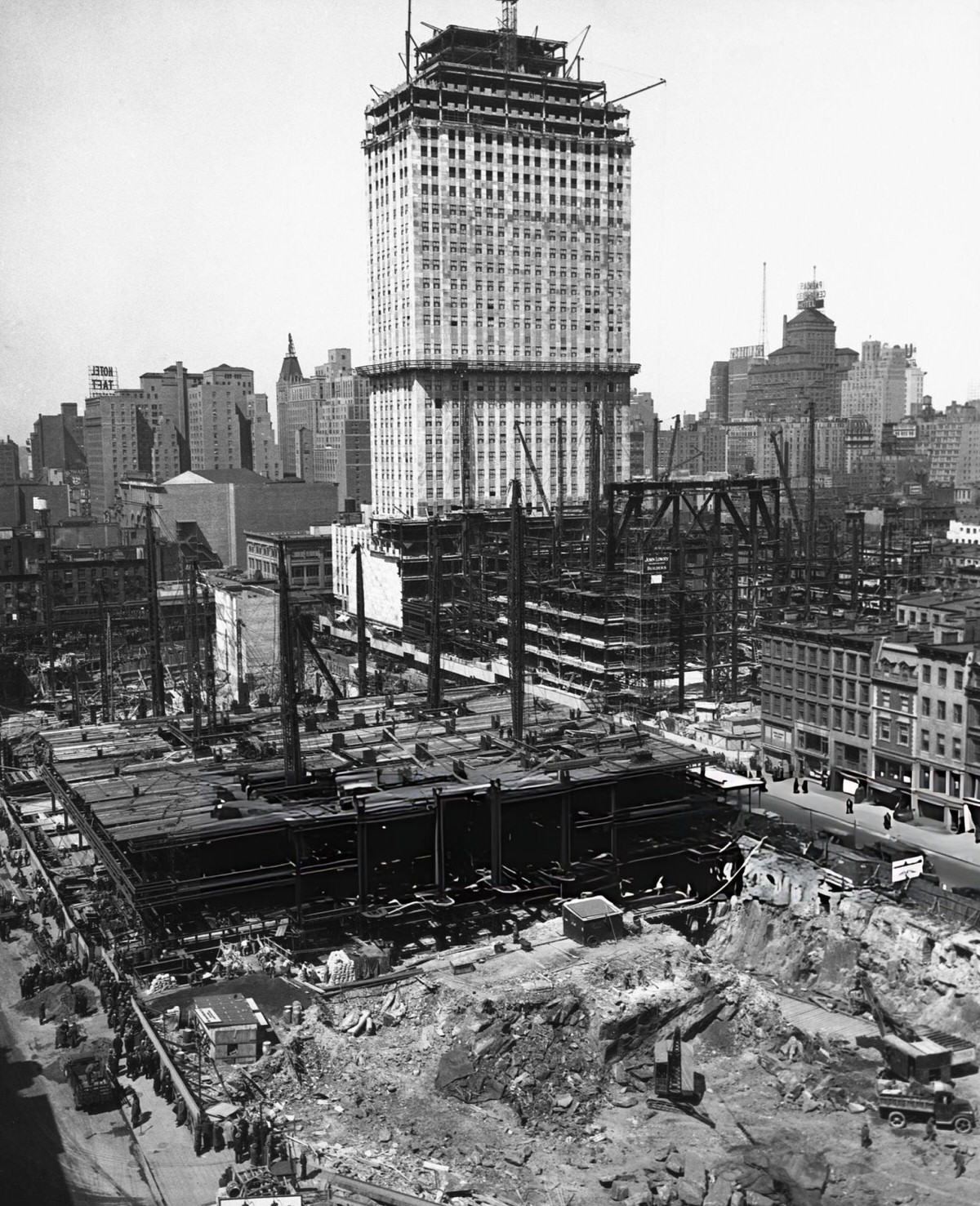
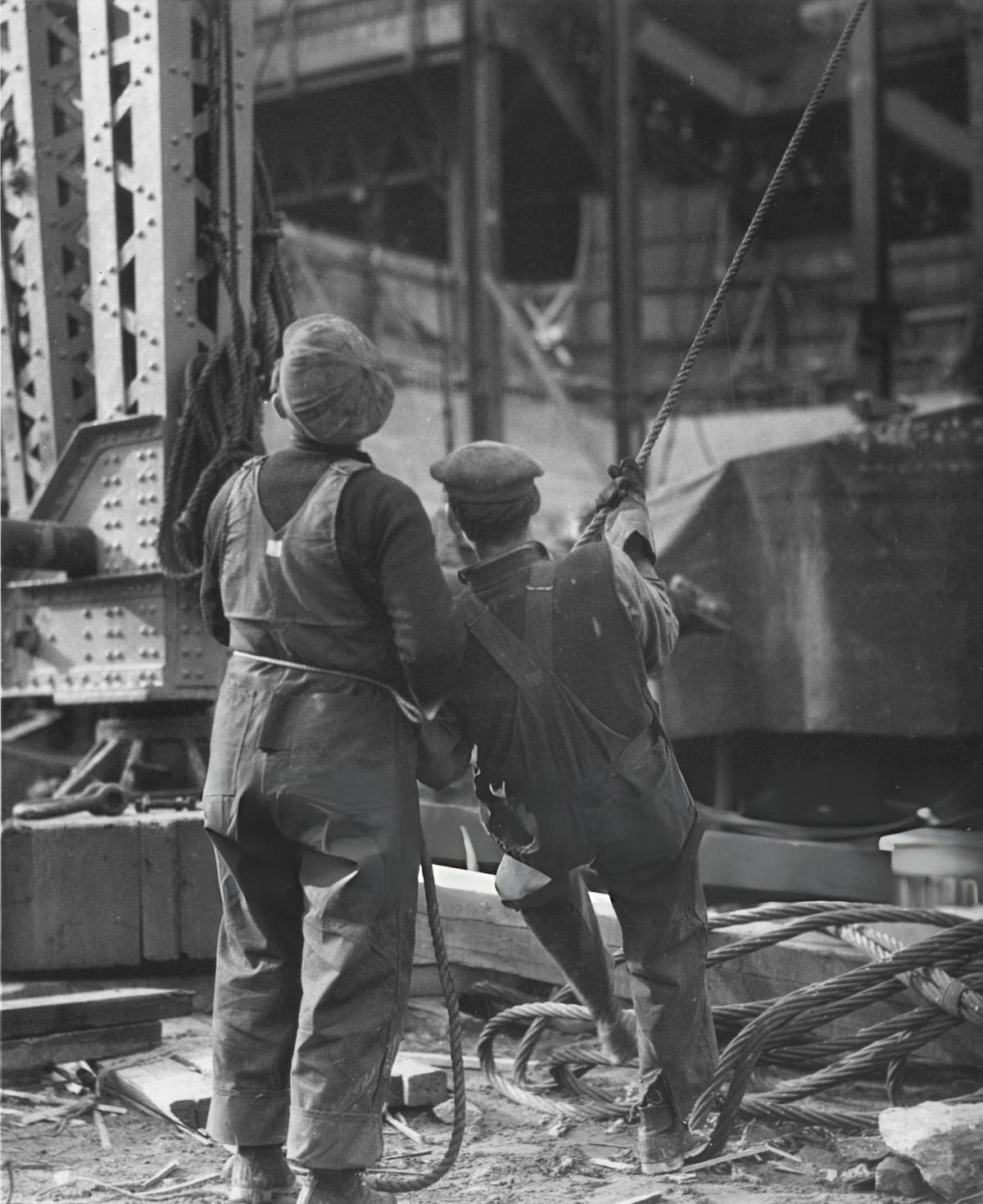
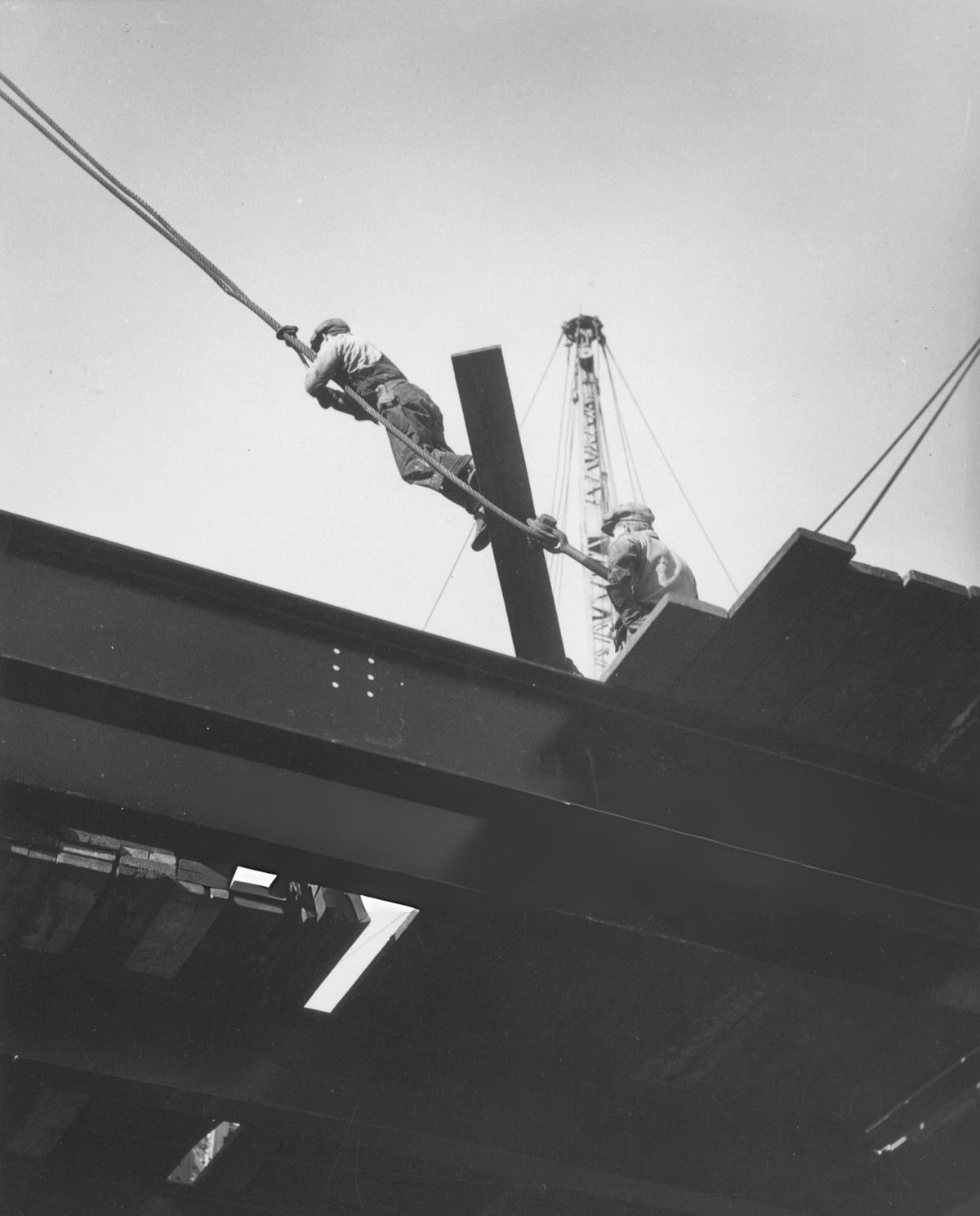
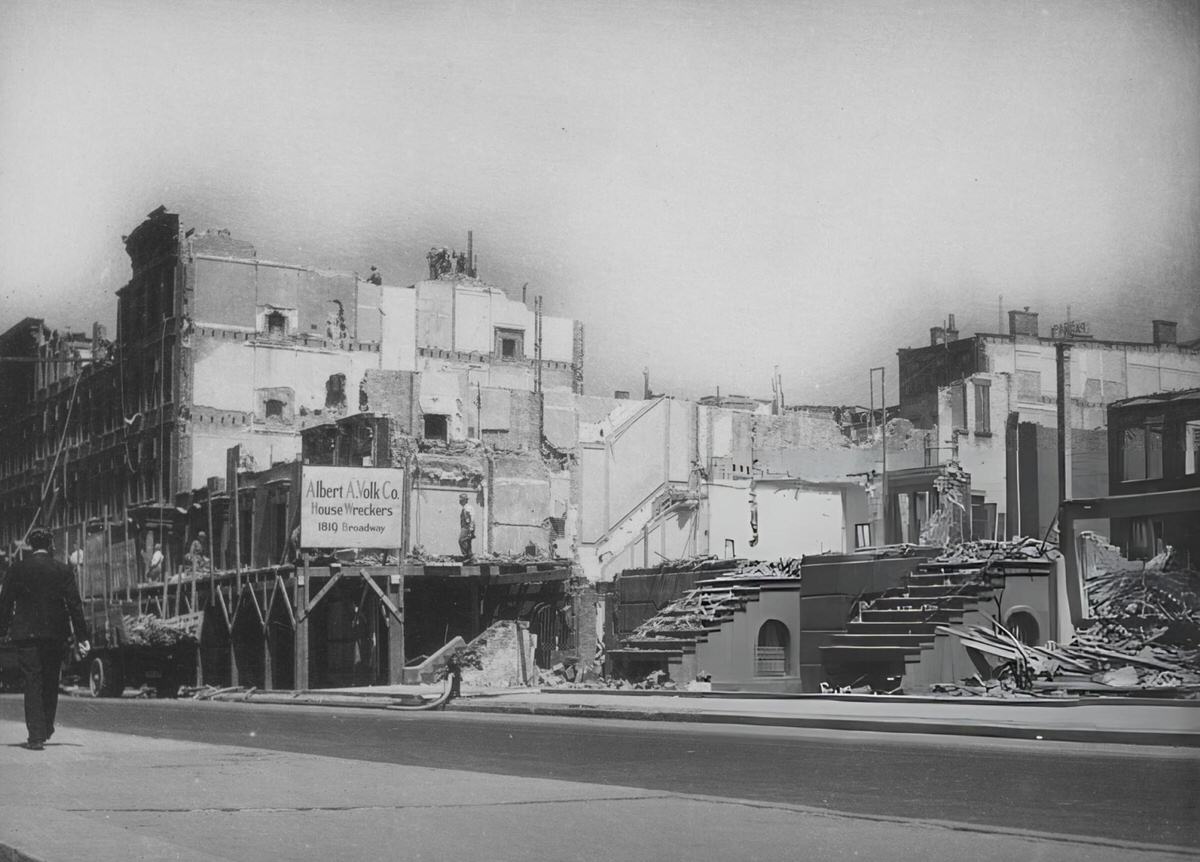
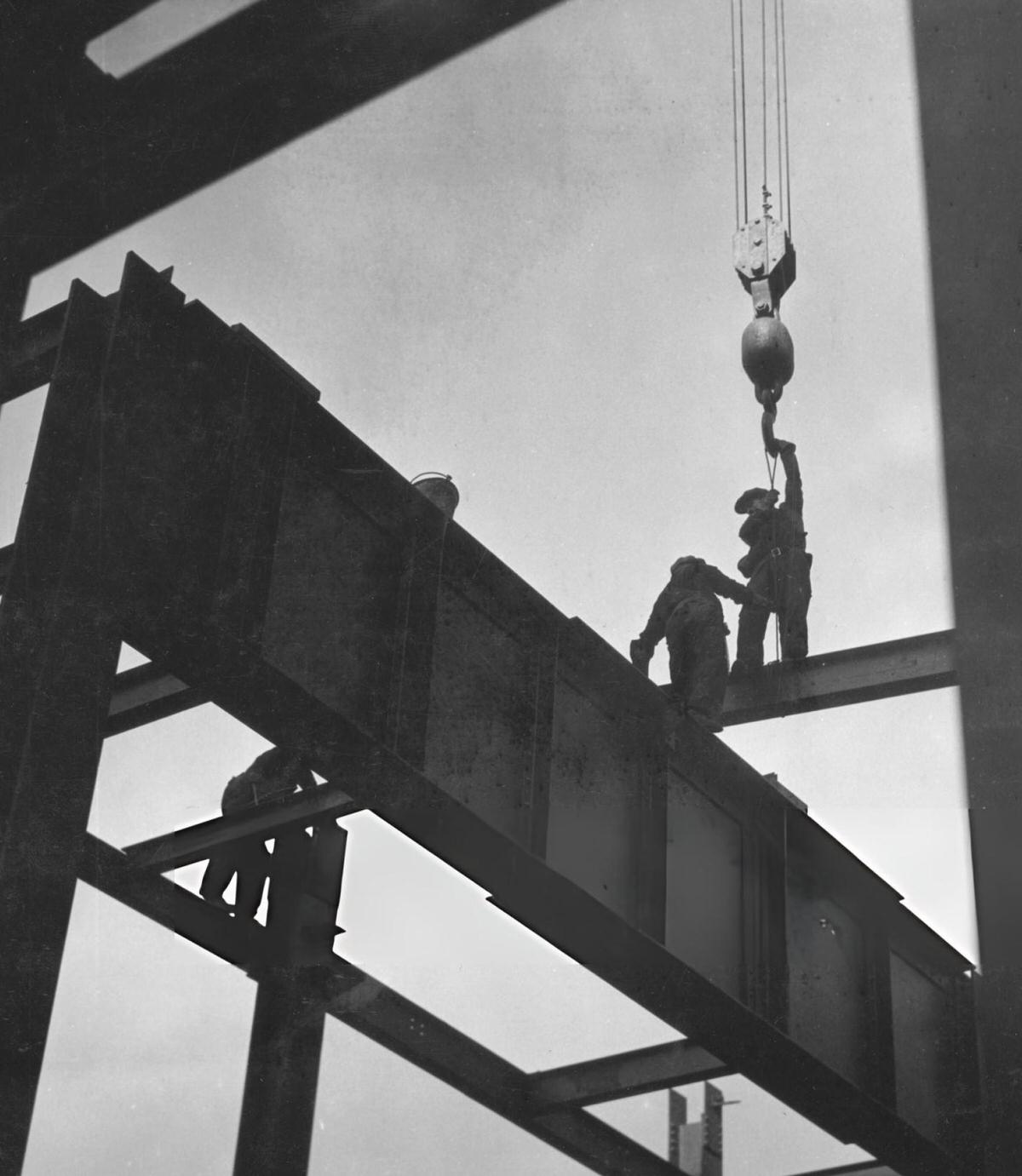
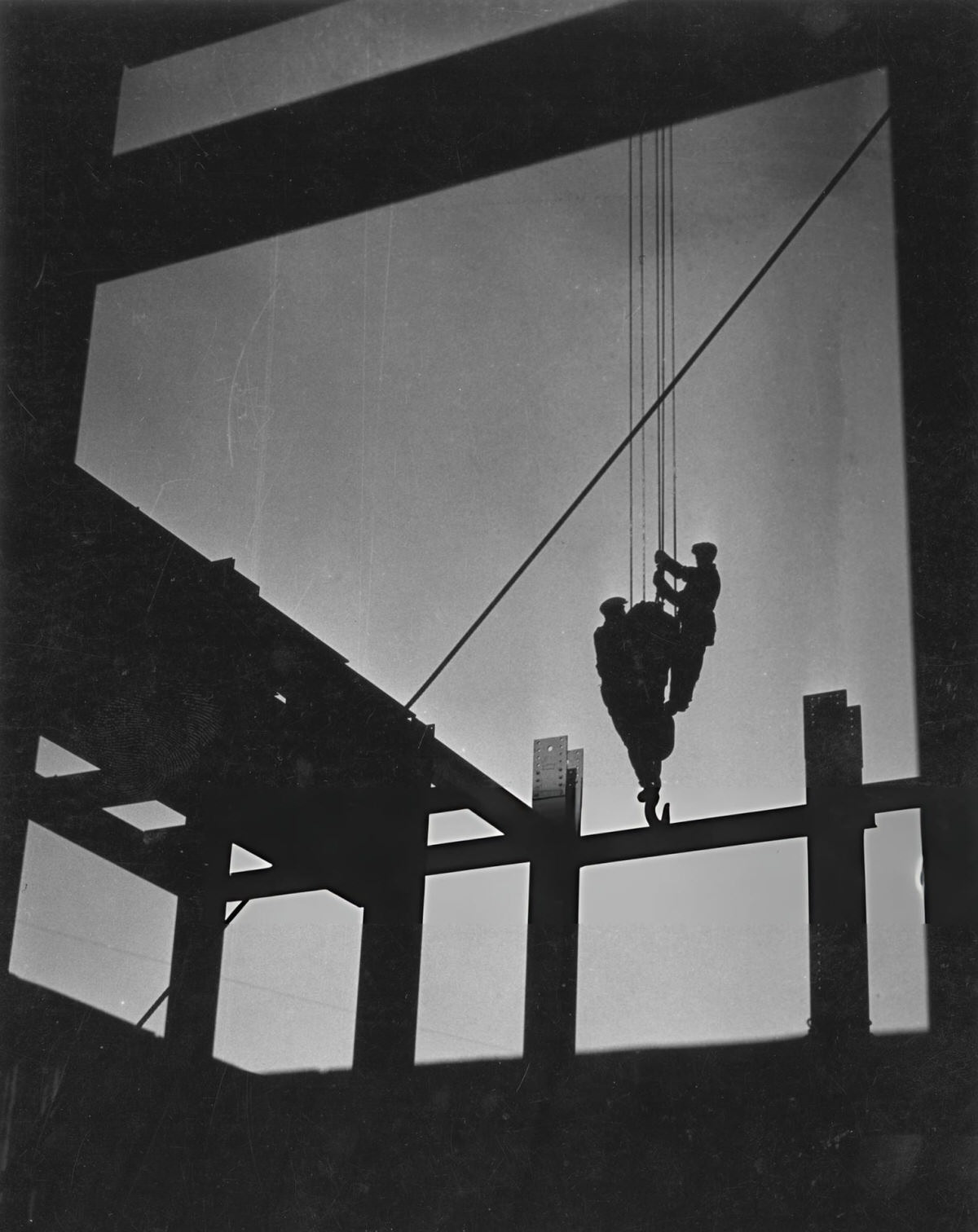
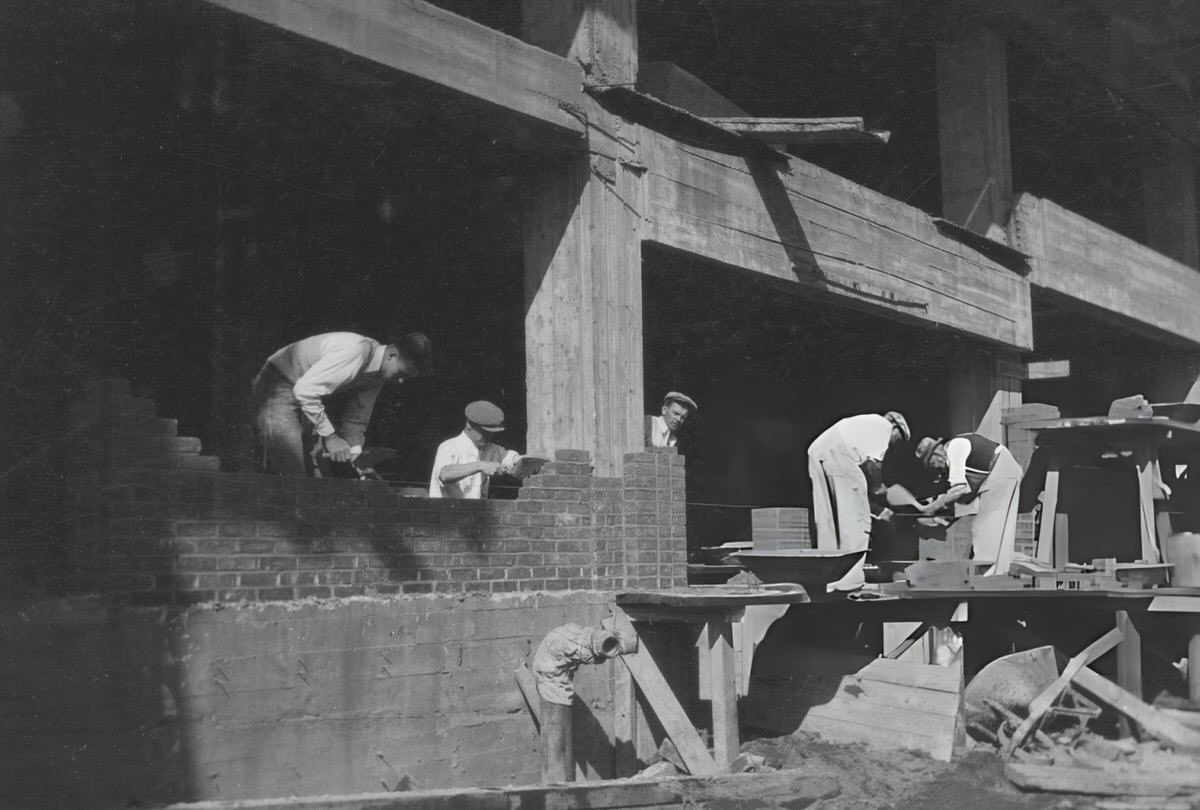
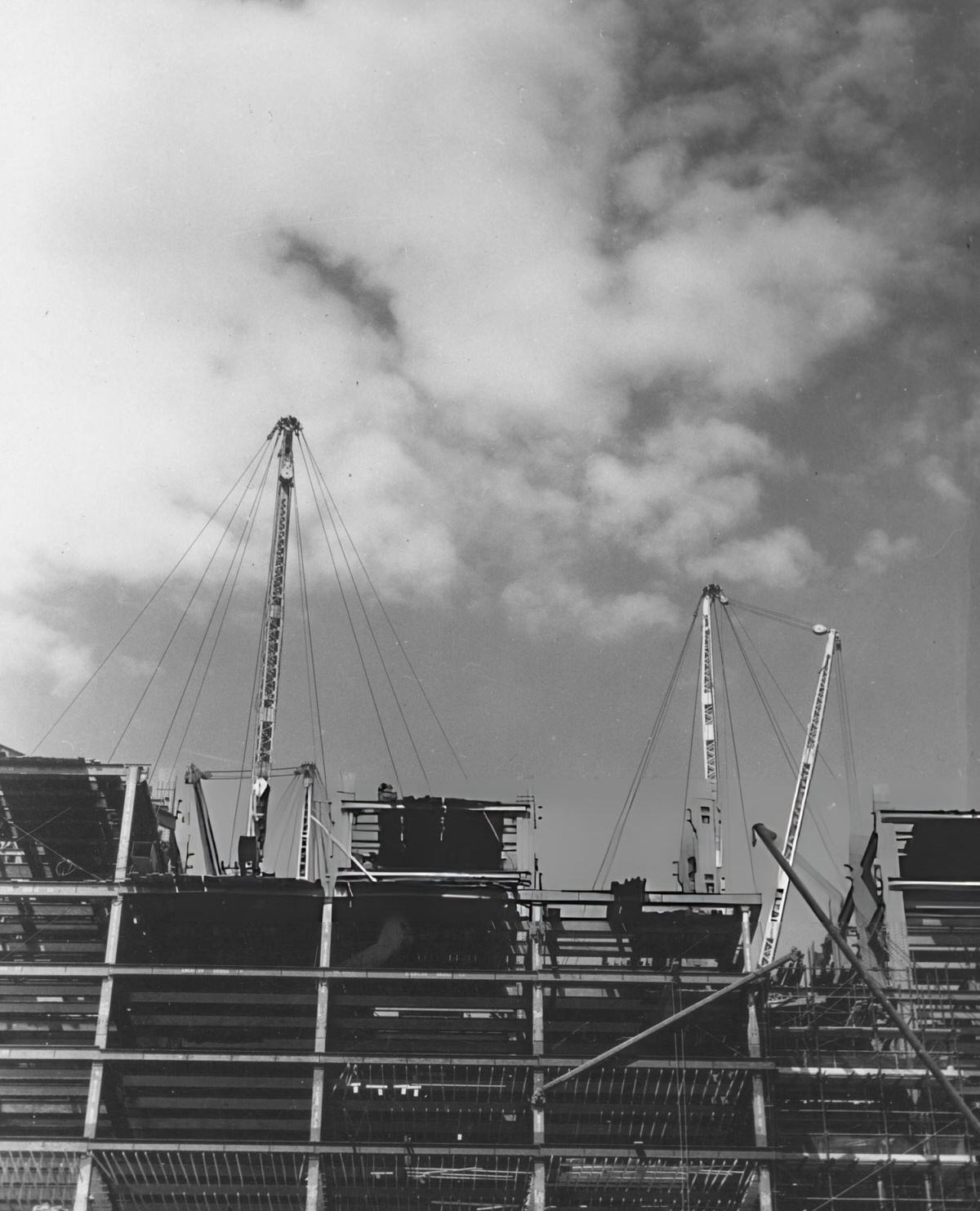
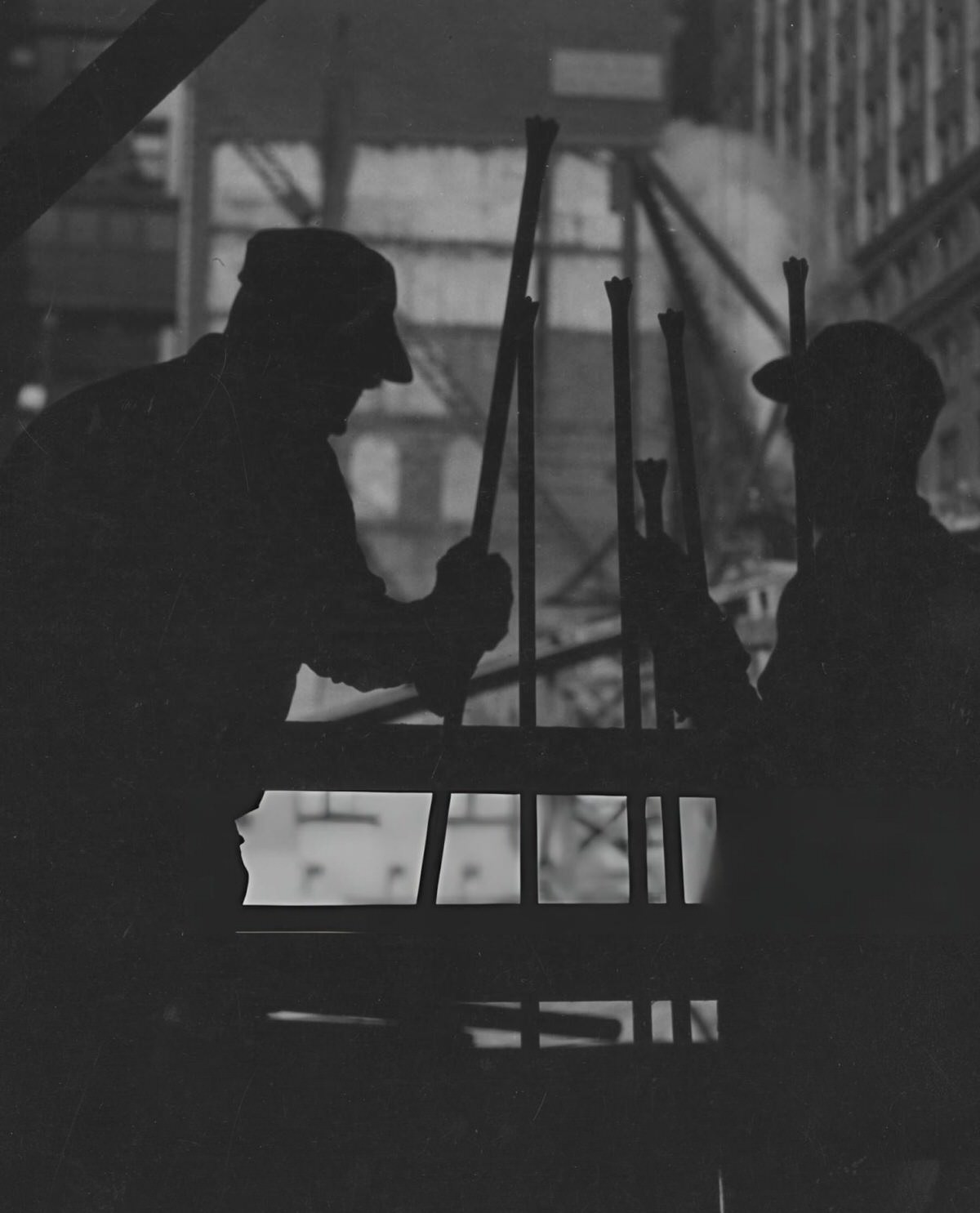
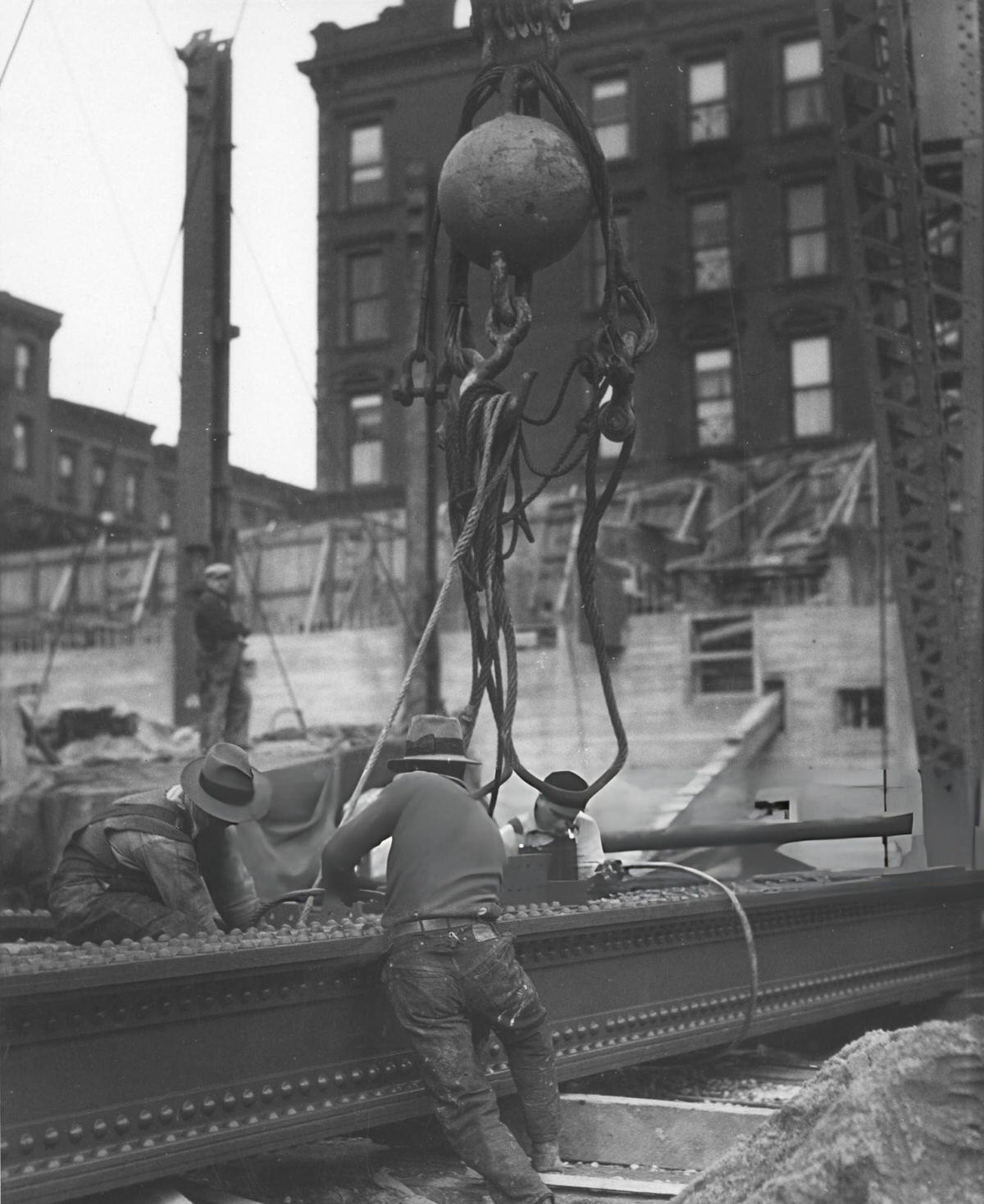
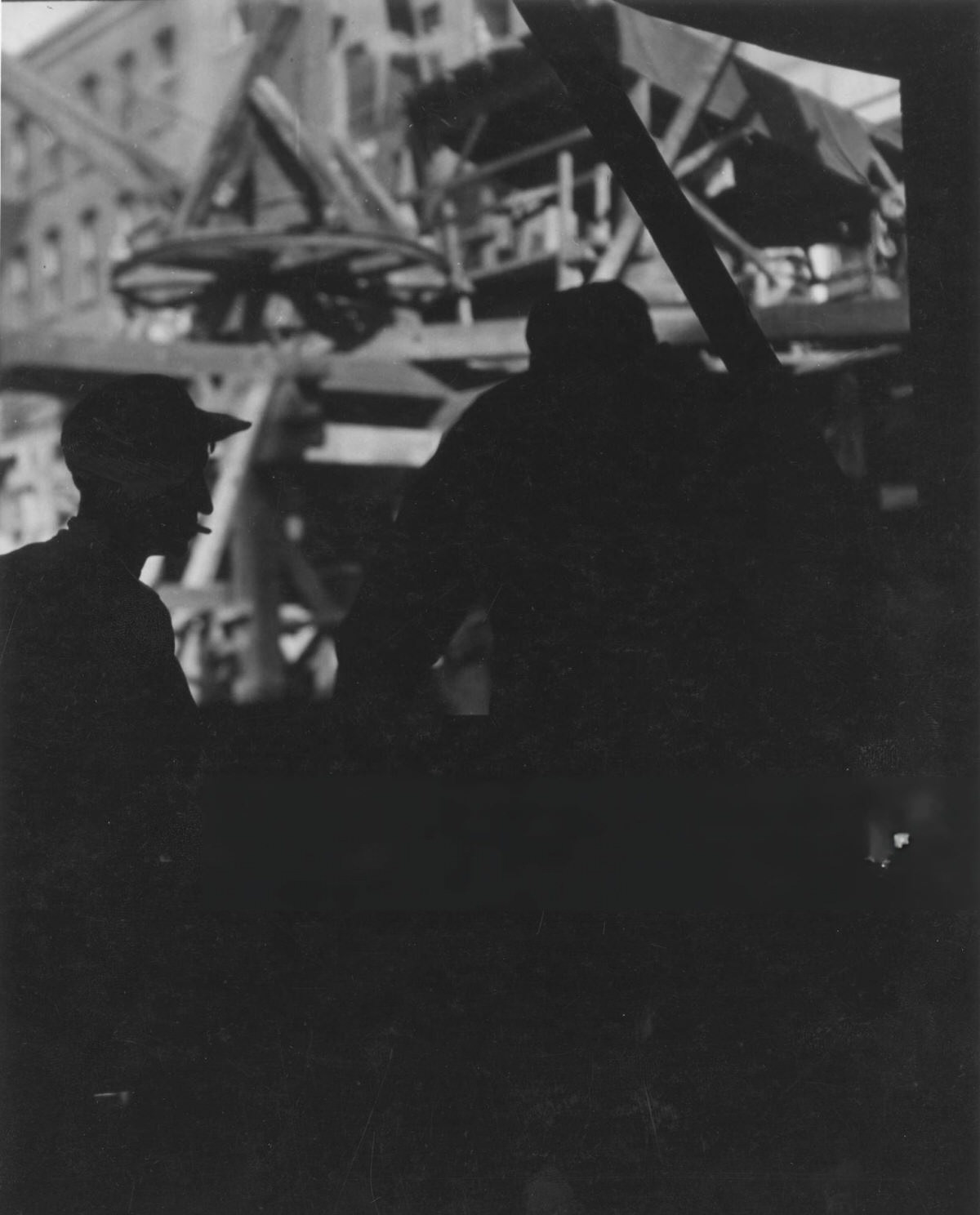
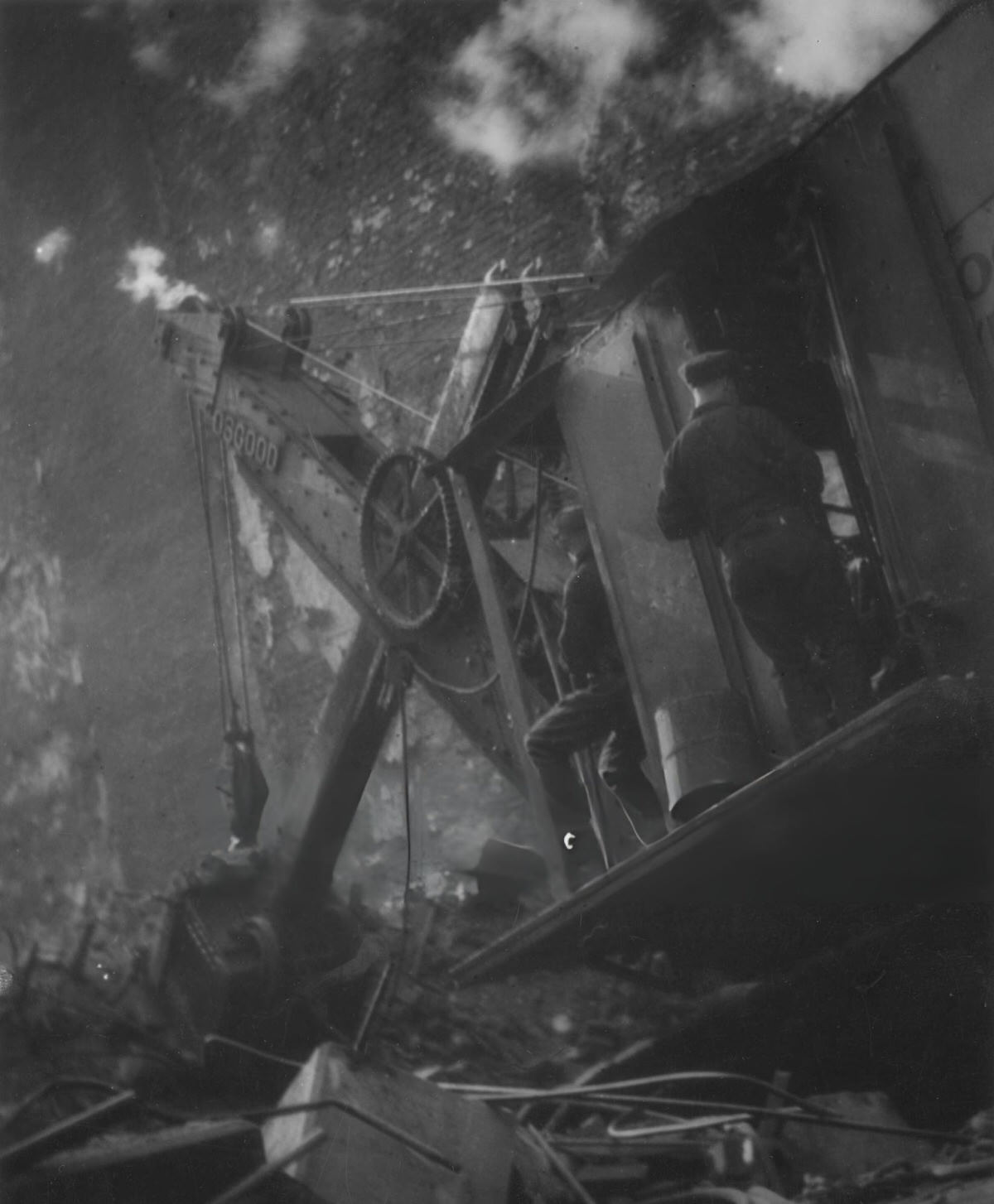
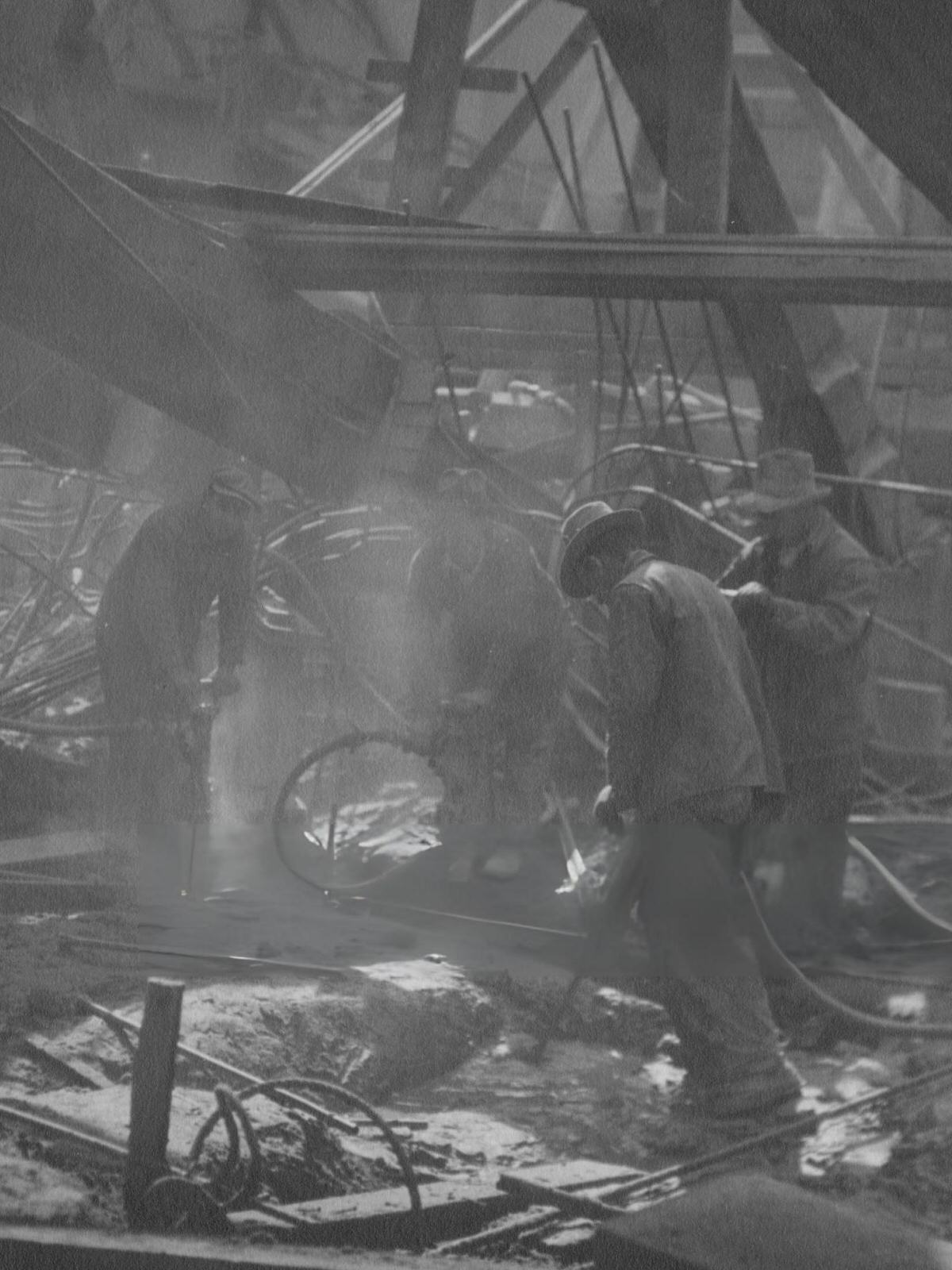
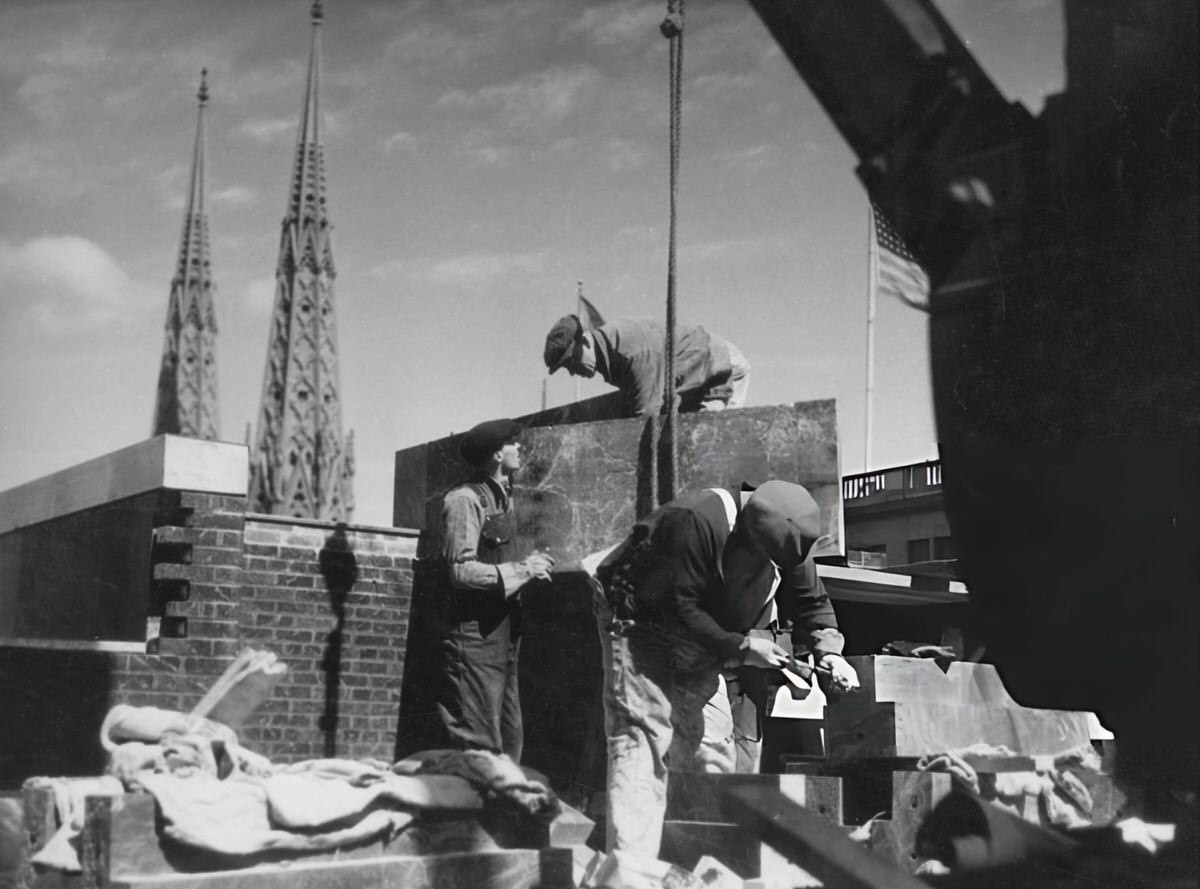
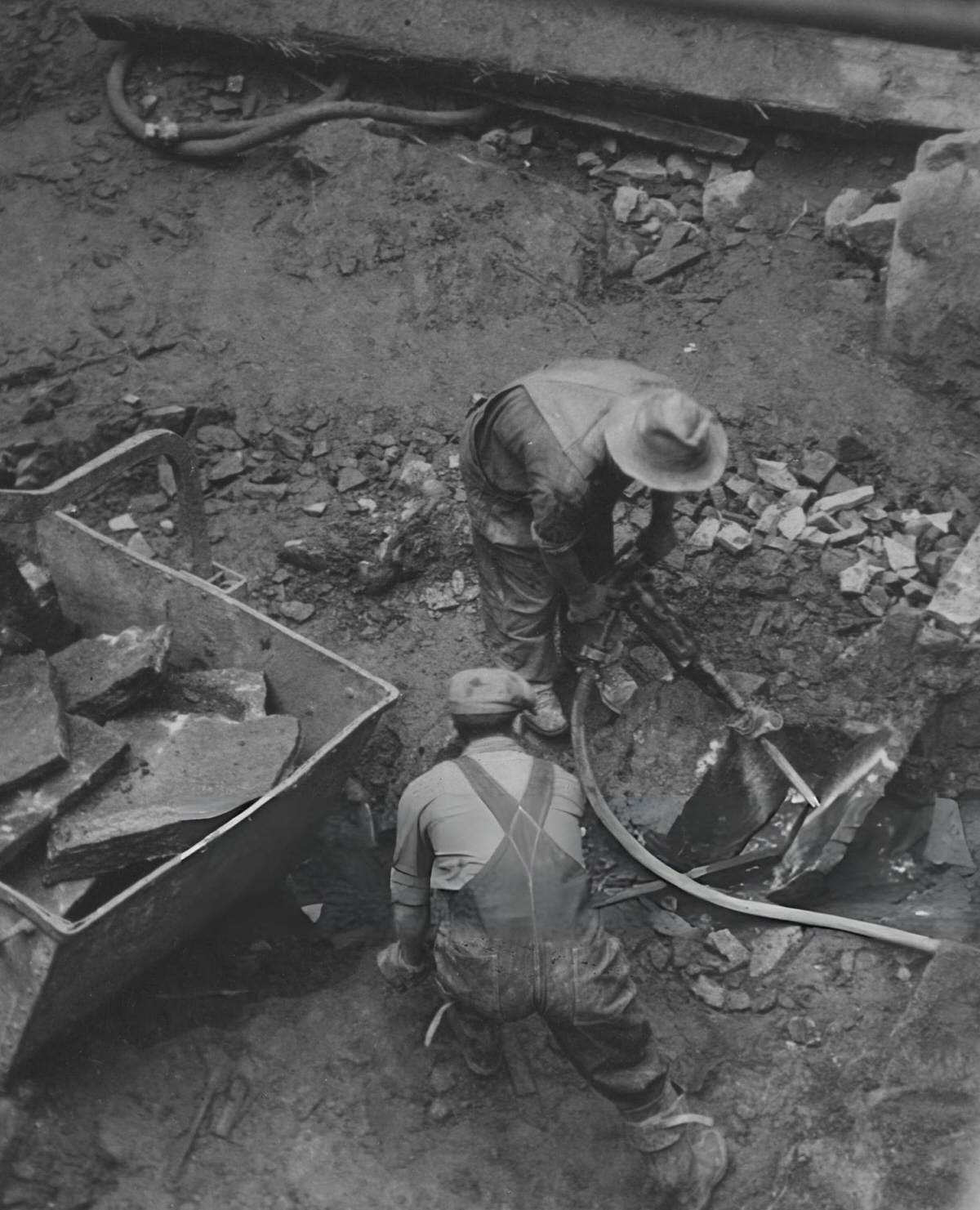
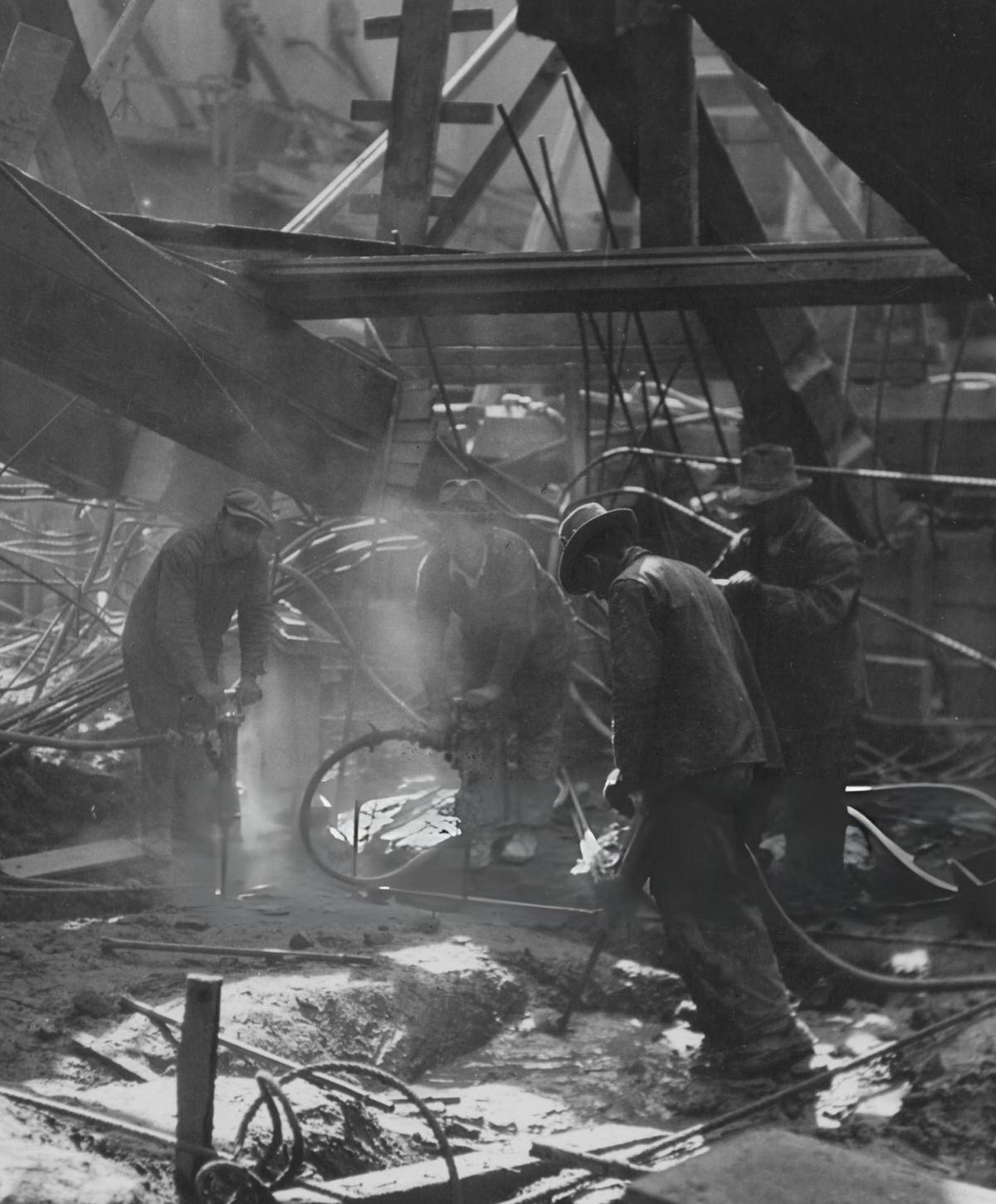
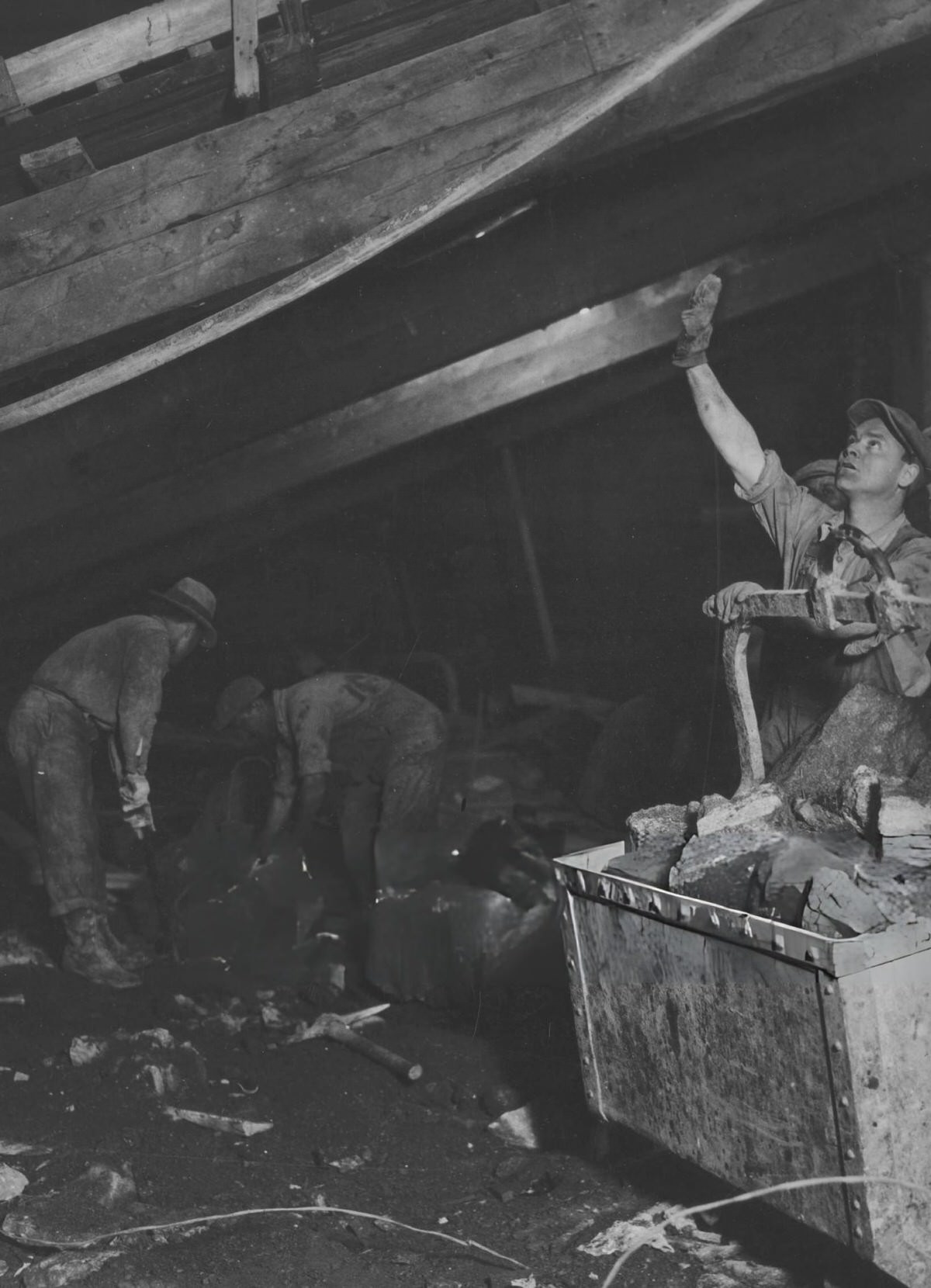
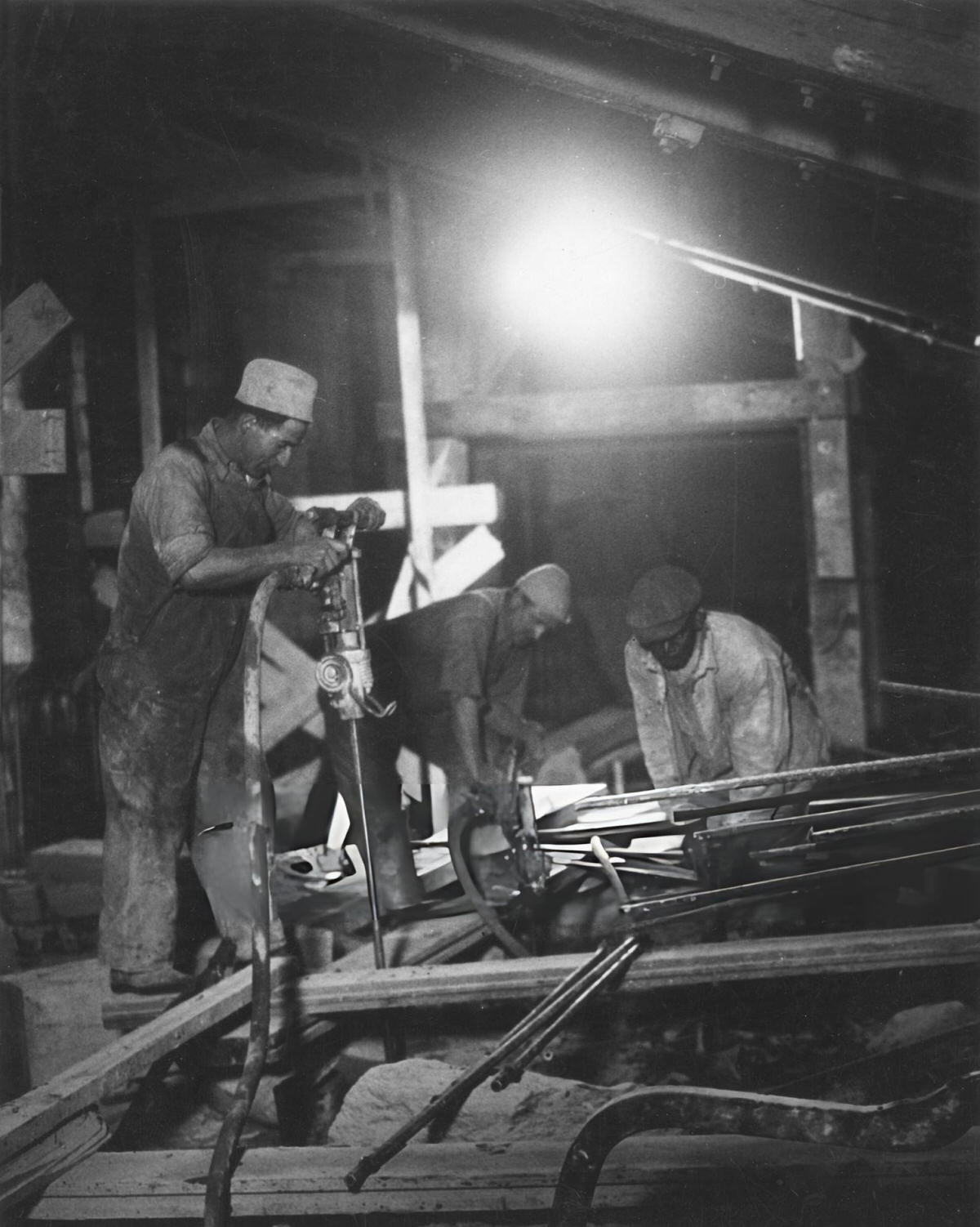
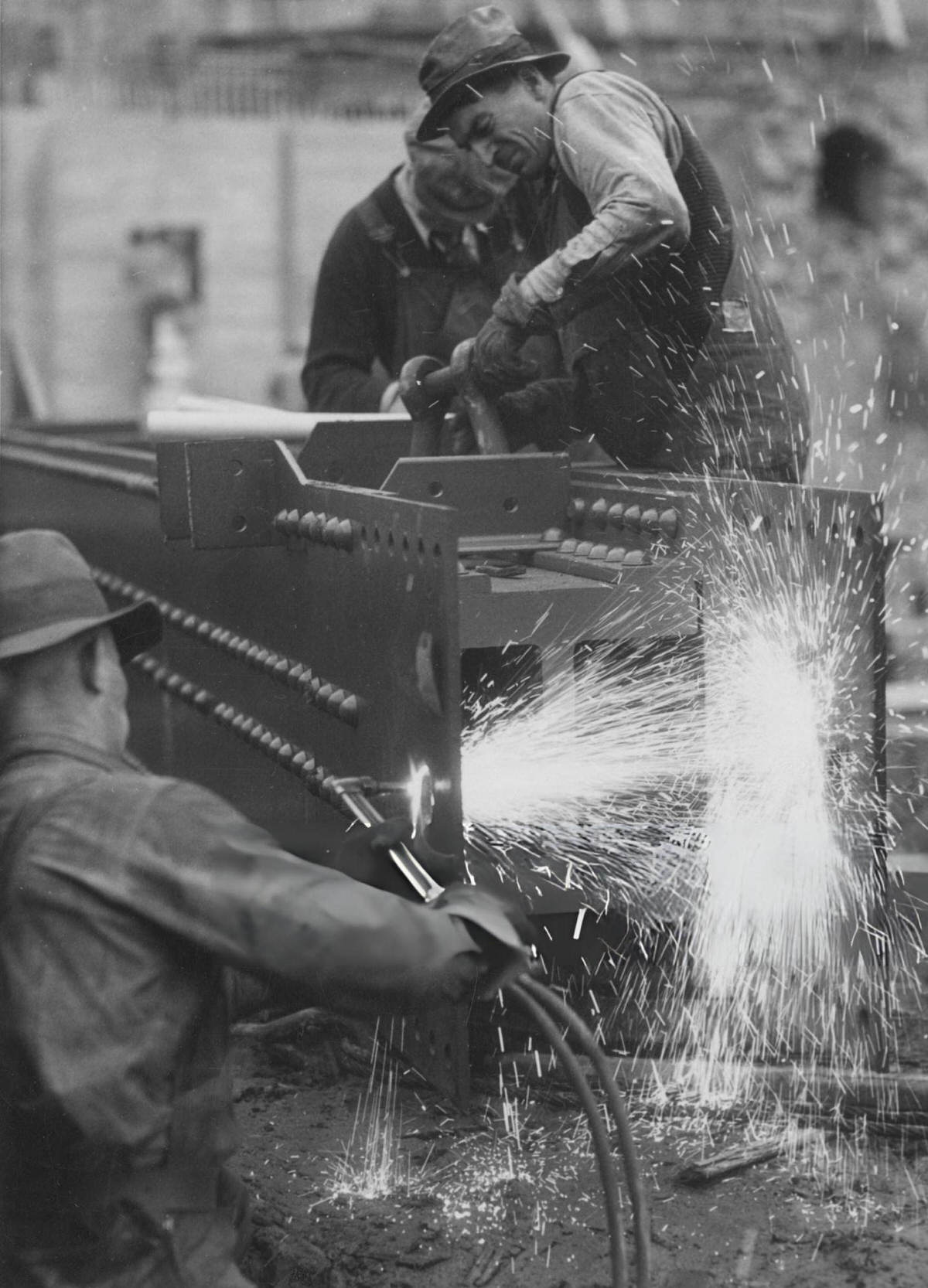
Workers cleared a site that was once occupied by rows of brownstone houses. Steam shovels dug deep into the Manhattan schist bedrock to create a foundation strong enough to support the massive structure. Steelworkers then assembled a skeleton of heavy girders. The auditorium required a clear span without any pillars to block the view. To achieve this, engineers used massive steel trusses that stretched across the entire width of the ceiling.
Designing the Great Stage
The stage design was the most complex part of the 1929 plans. It was built as a series of three separate hydraulic elevators. These lifts allowed entire sets or groups of performers to rise from the basement to the stage level during a show. Peter Clark, an expert in stage machinery, designed the system using heavy-duty pistons. A fourth elevator was built specifically to raise and lower the entire orchestra.
Read more
The Auditorium and the Sunburst
Architect Edward Durell Stone and designer Donald Deskey worked on the interior layout. They decided on a semi-circular shape for the auditorium. The ceiling was built as a series of overlapping arches that resembled a setting sun. This “sunburst” design served a dual purpose. It created a dramatic visual effect and helped carry sound from the stage to the back of the theater without electronic speakers.
Art Deco and Modern Materials
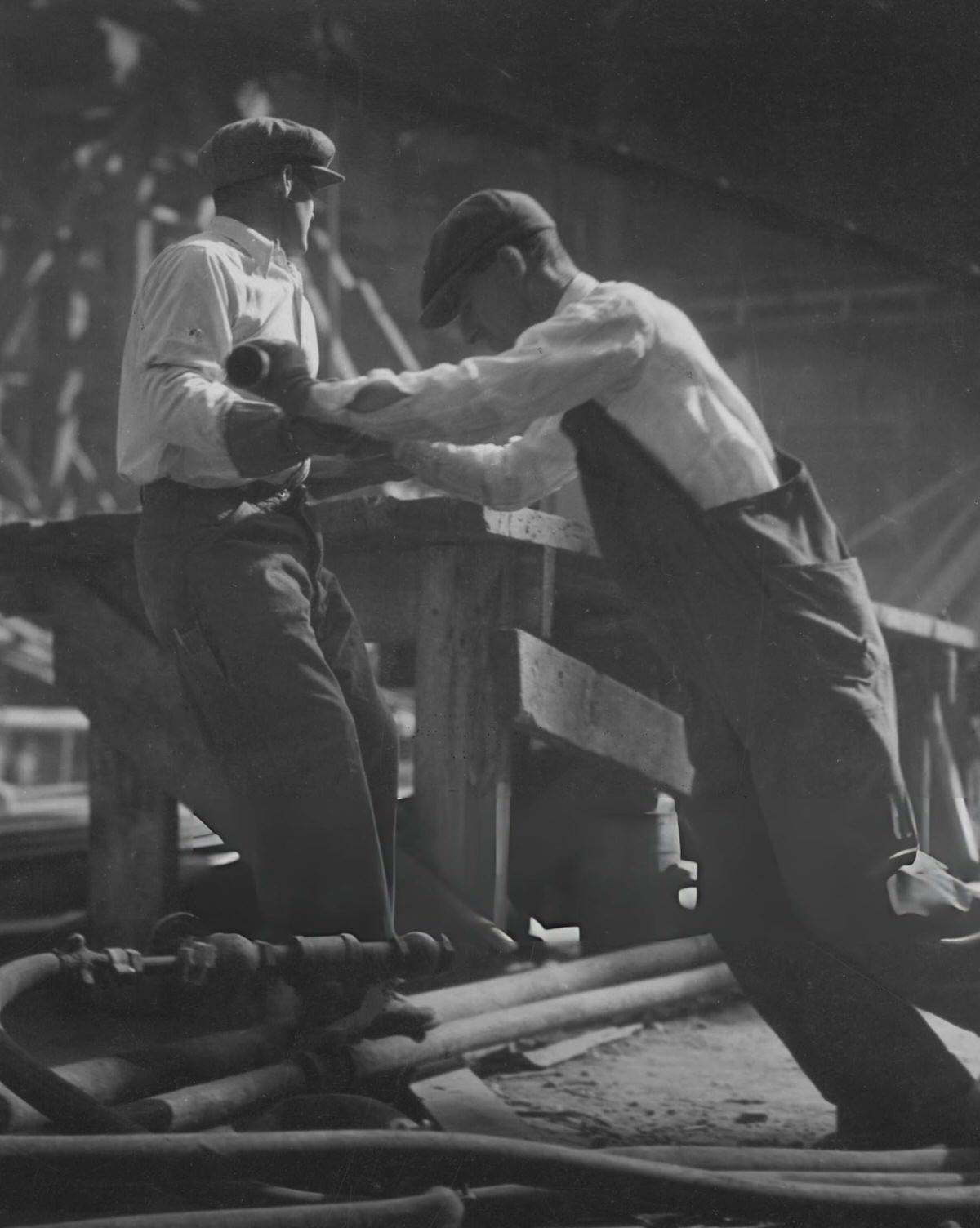
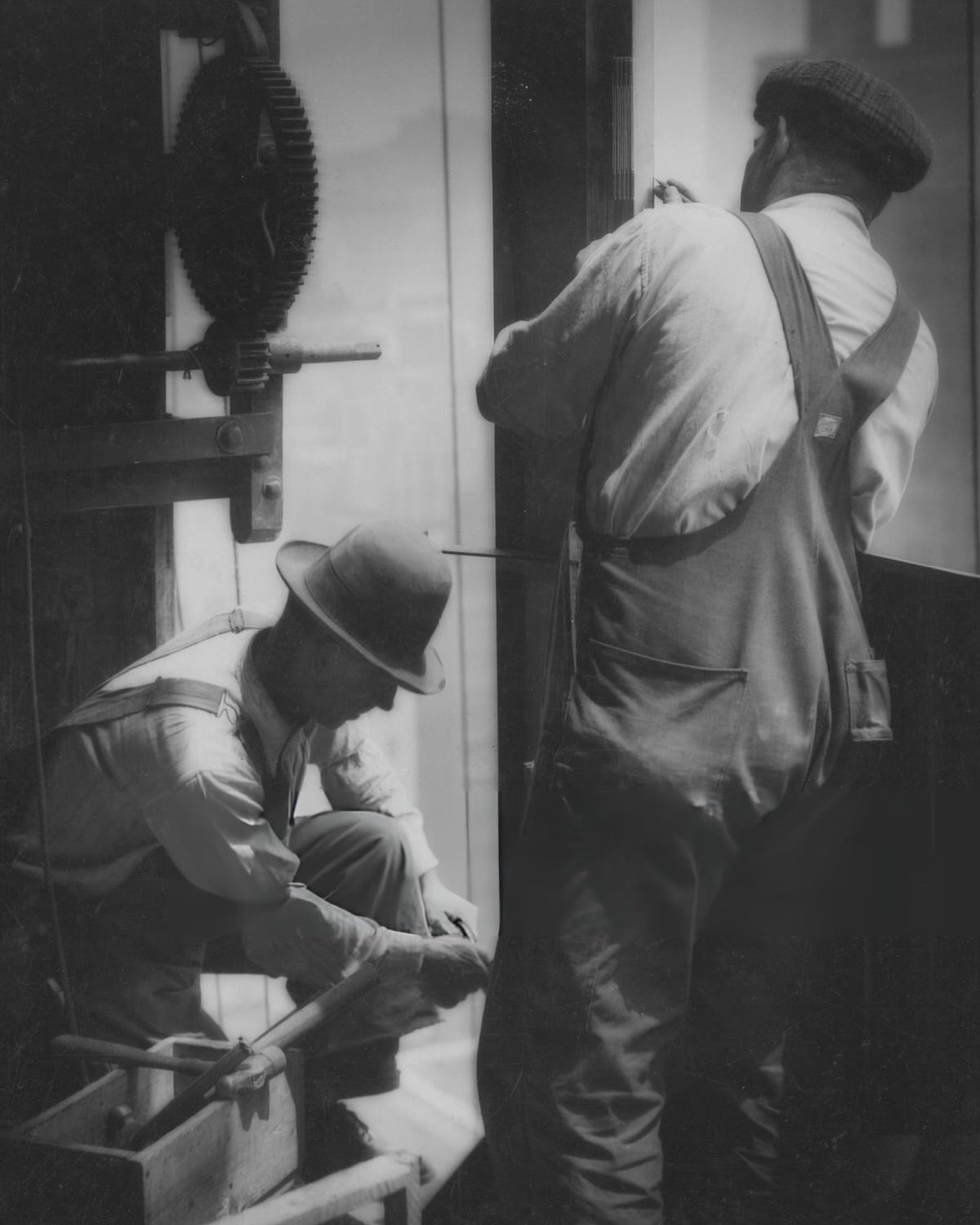
Construction crews used a variety of modern materials for the finish. Workers installed aluminum foil on the ceiling of the auditorium to reflect the light. The walls were covered in warm wood veneers and acoustic plaster to keep the sound clear. In the bathrooms and lounges, they used glass, chrome, and marble. Every piece of furniture and every light fixture was custom-made to fit the Art Deco style of the era. The theater used over 15,000 light bulbs in its hidden coves to provide a soft, indirect glow.

GIPHY App Key not set. Please check settings