

 Dennis Saul
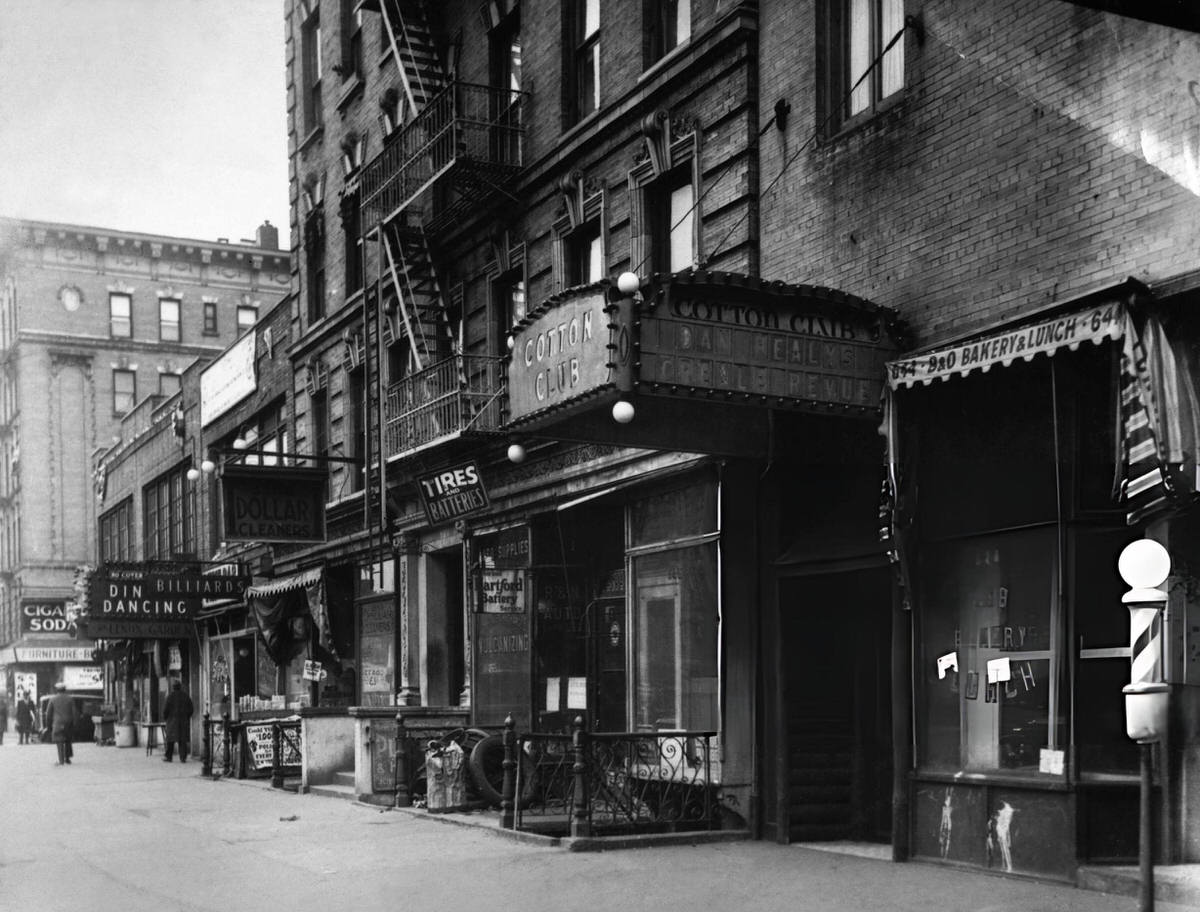
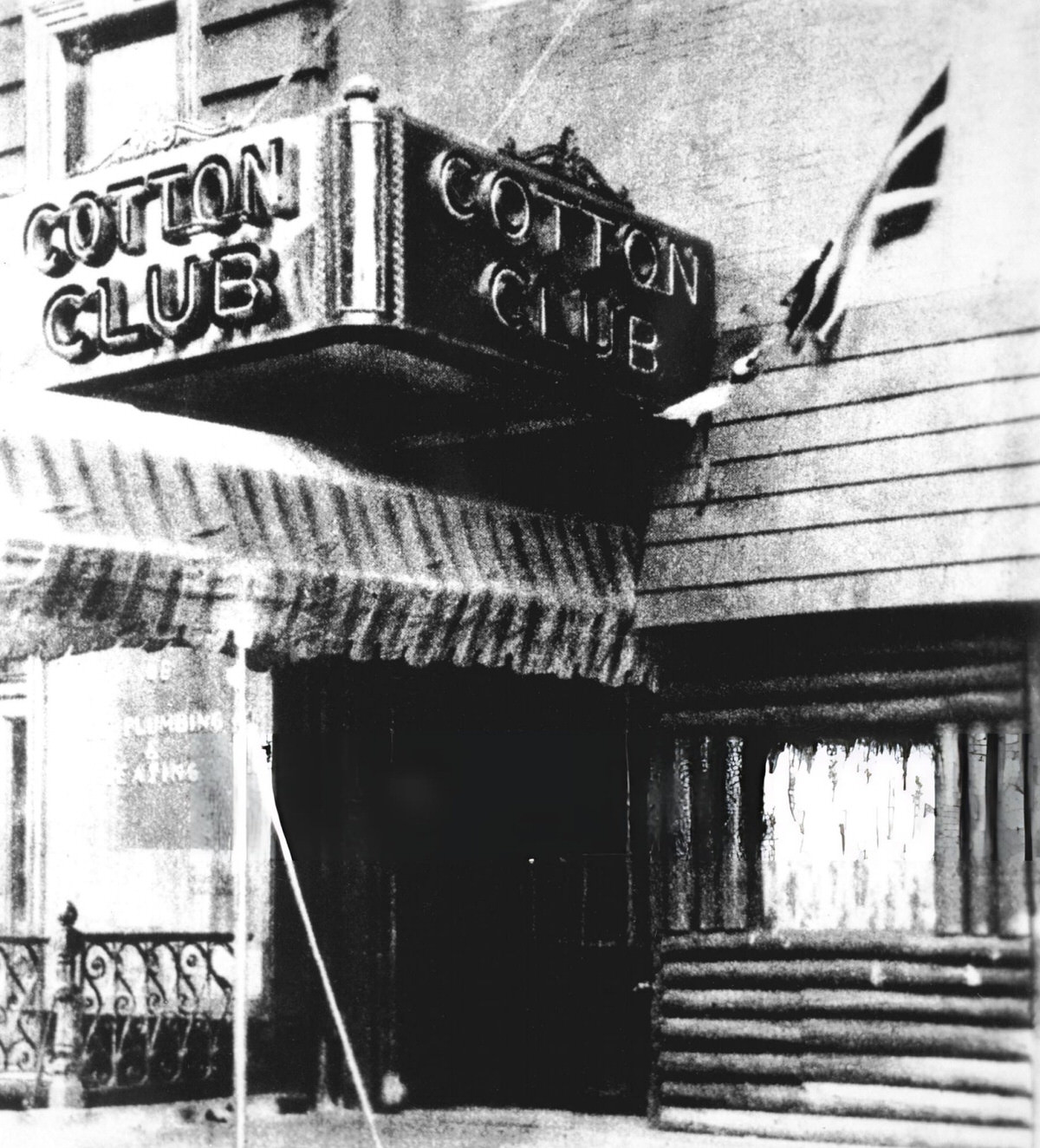
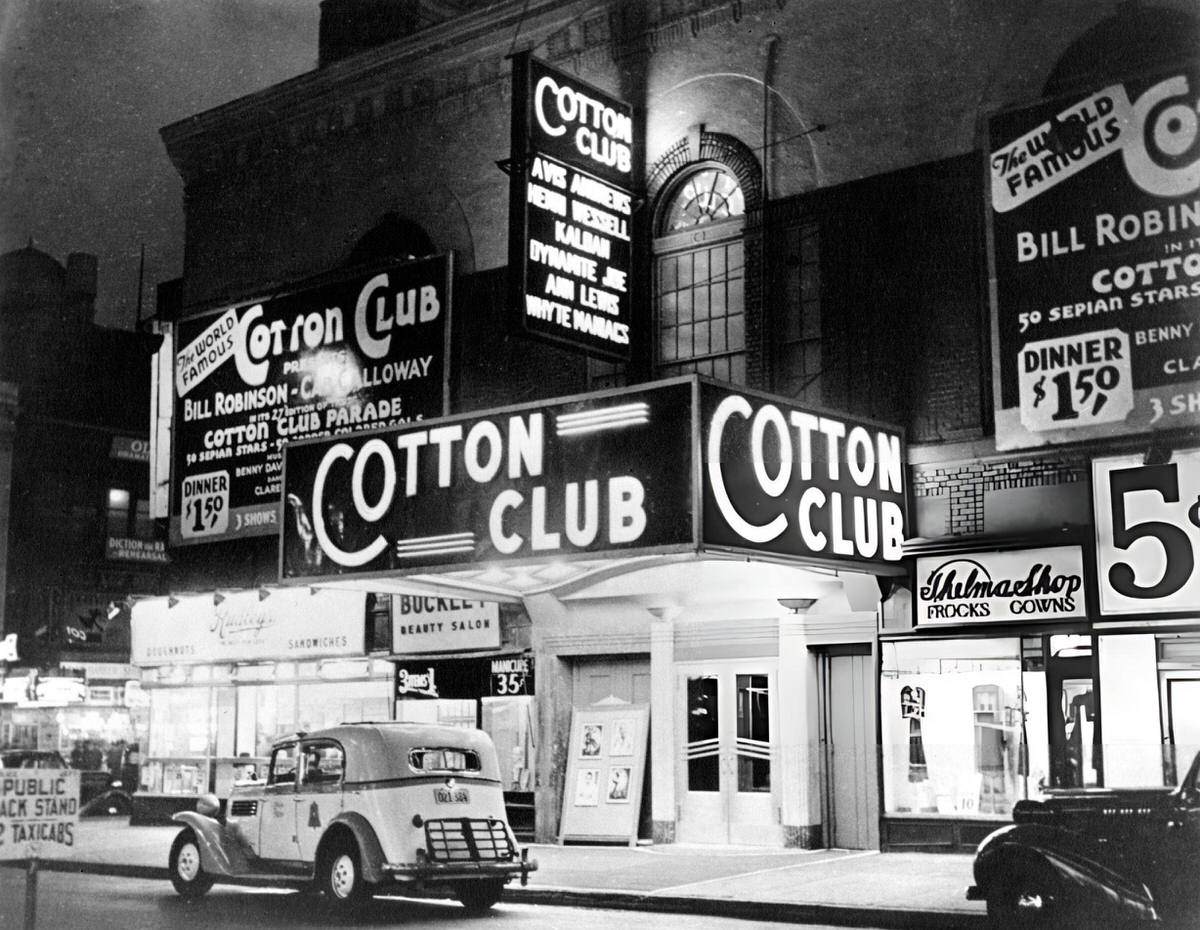
The Cotton Club opened in 1923 at 644 Lenox Avenue, on the corner of 142nd Street in Harlem. The building had previously been a venue called Club Deluxe, owned by heavyweight boxing champion Jack Johnson. Owney Madden, a bootlegger and gang boss who ran much of New York’s illegal liquor trade during Prohibition, bought the club while he was serving time at Sing Sing prison and turned it into something far bigger than Johnson had built.
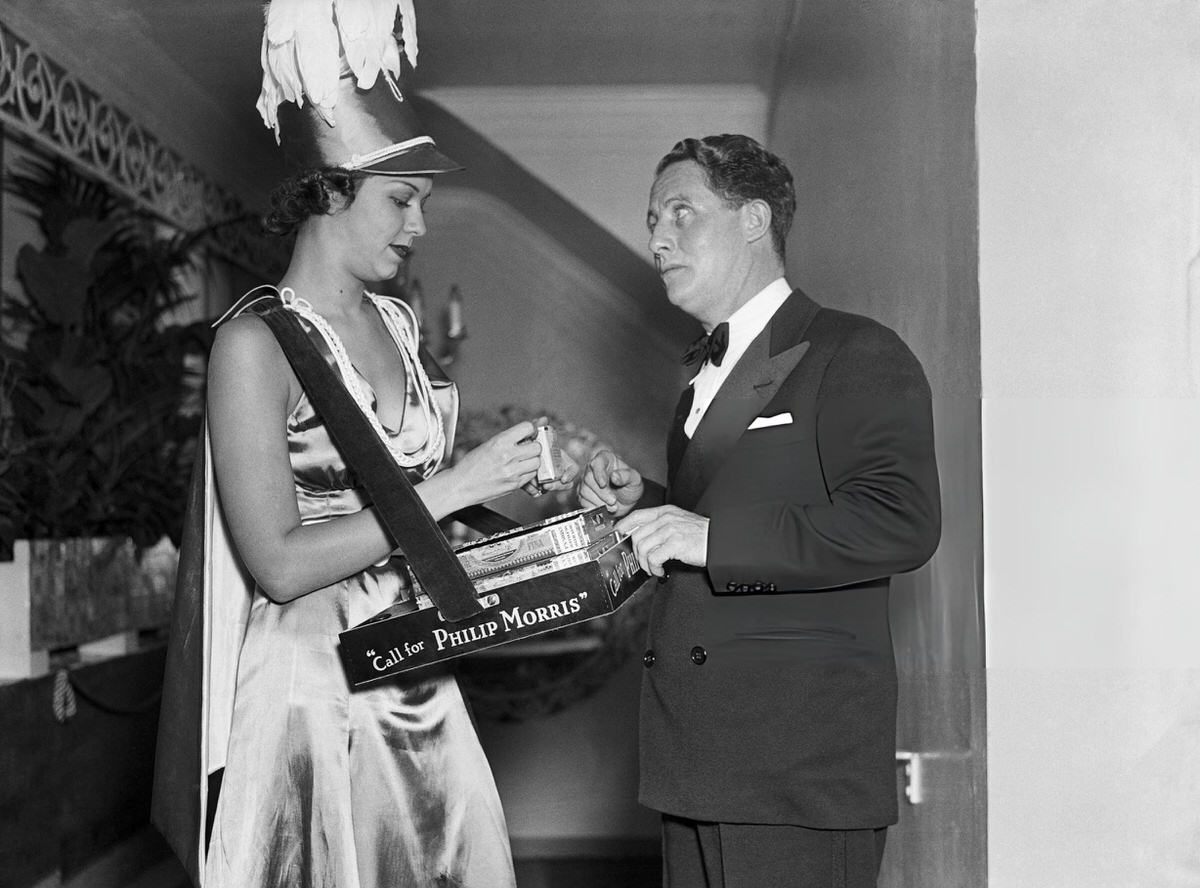
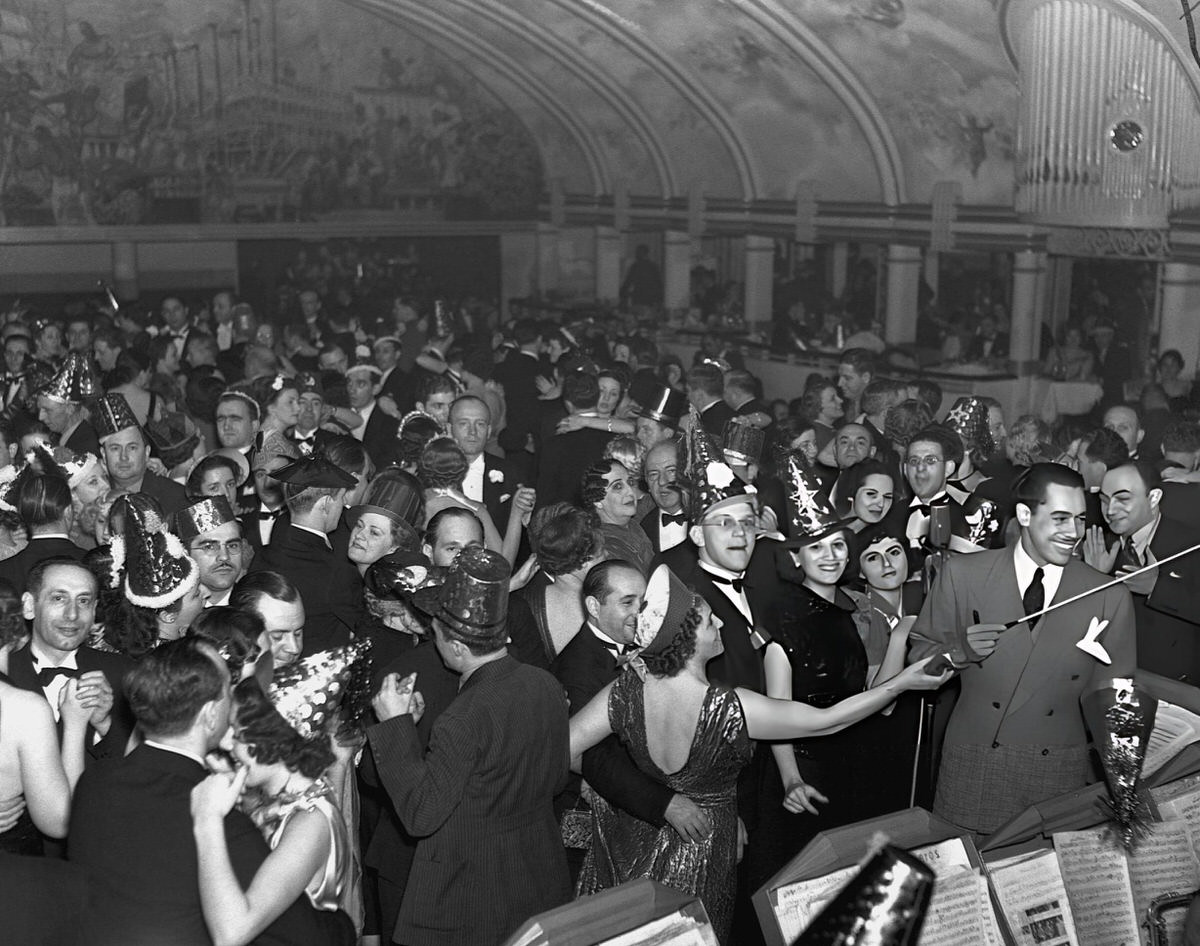
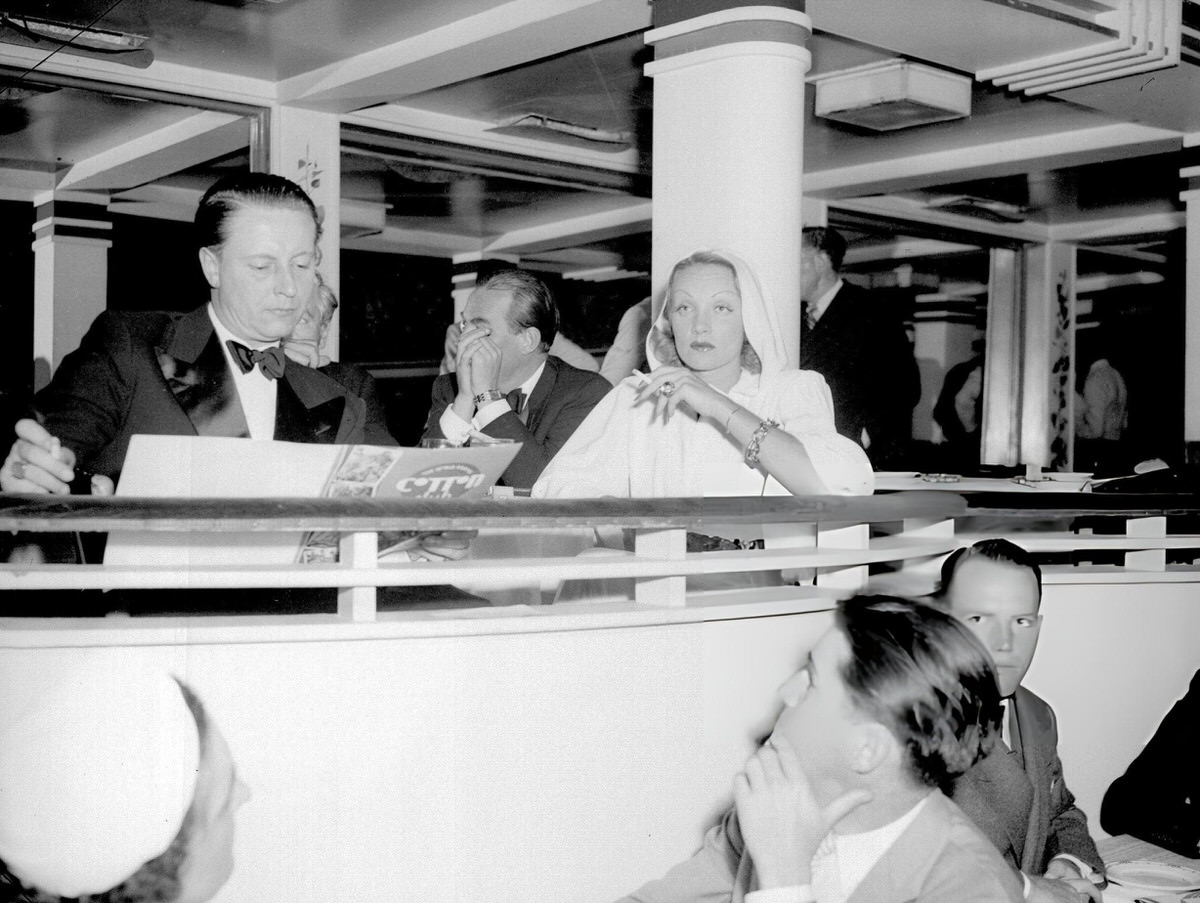
Madden needed a place to sell his bootleg beer — he called it Madden’s No. 1 — and the Cotton Club became his flagship outlet. But the business model went well beyond selling drinks. Madden hired the best Black entertainers in the country and charged white Manhattan society top dollar to watch them perform. A dinner and show at the Cotton Club in the late 1920s cost around $3 per person at a time when a full meal at a decent restaurant ran fifty cents. The crowd that paid those prices came from downtown: Broadway producers, Hollywood actors, politicians, and socialites who wanted to experience Harlem without actually mixing with Harlem.
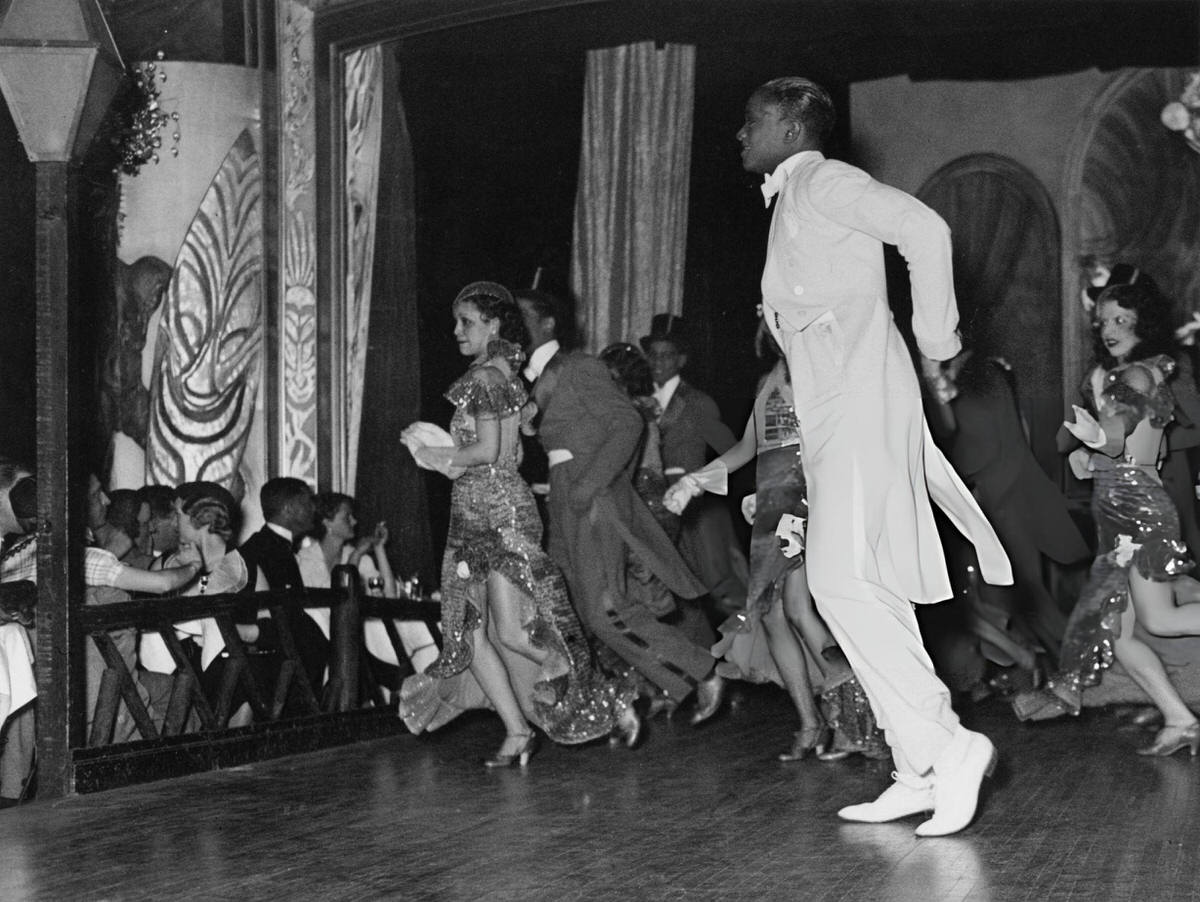
The club’s policy was explicit. Black performers worked the stage. White customers filled the seats. Black Harlem residents were turned away at the door unless they were known celebrities. The neighborhood that surrounded the Cotton Club on every side had no access to what was happening inside it. This was not a quiet or hidden arrangement — it was the stated business model, enforced by Madden’s people every single night.
Read more
Duke Ellington arrived at the Cotton Club in December 1927 and stayed for four years. He was 28 years old when he took the job, and the residency transformed him from a promising bandleader into a national figure. CBS Radio began broadcasting the Cotton Club’s performances live, and the signal carried Ellington’s orchestra into living rooms across the country. Songs like “Creole Love Call,” “East St. Louis Toodle-Oo,” and “Black and Tan Fantasy” reached audiences who had never set foot in New York. Ellington wrote new material constantly to feed the radio broadcasts, and the pressure of that schedule pushed his compositional range in ways that a regular touring life would not have.
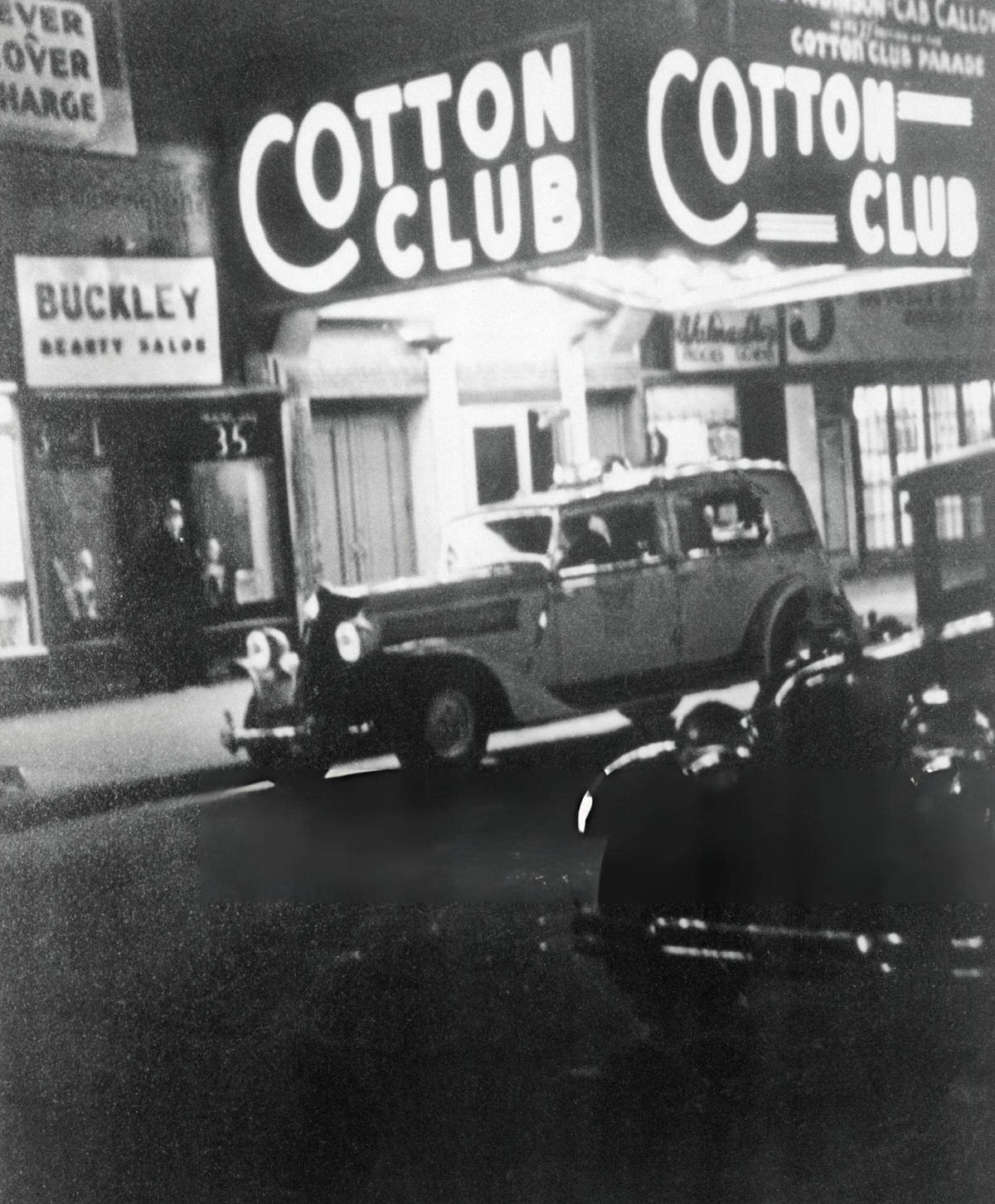
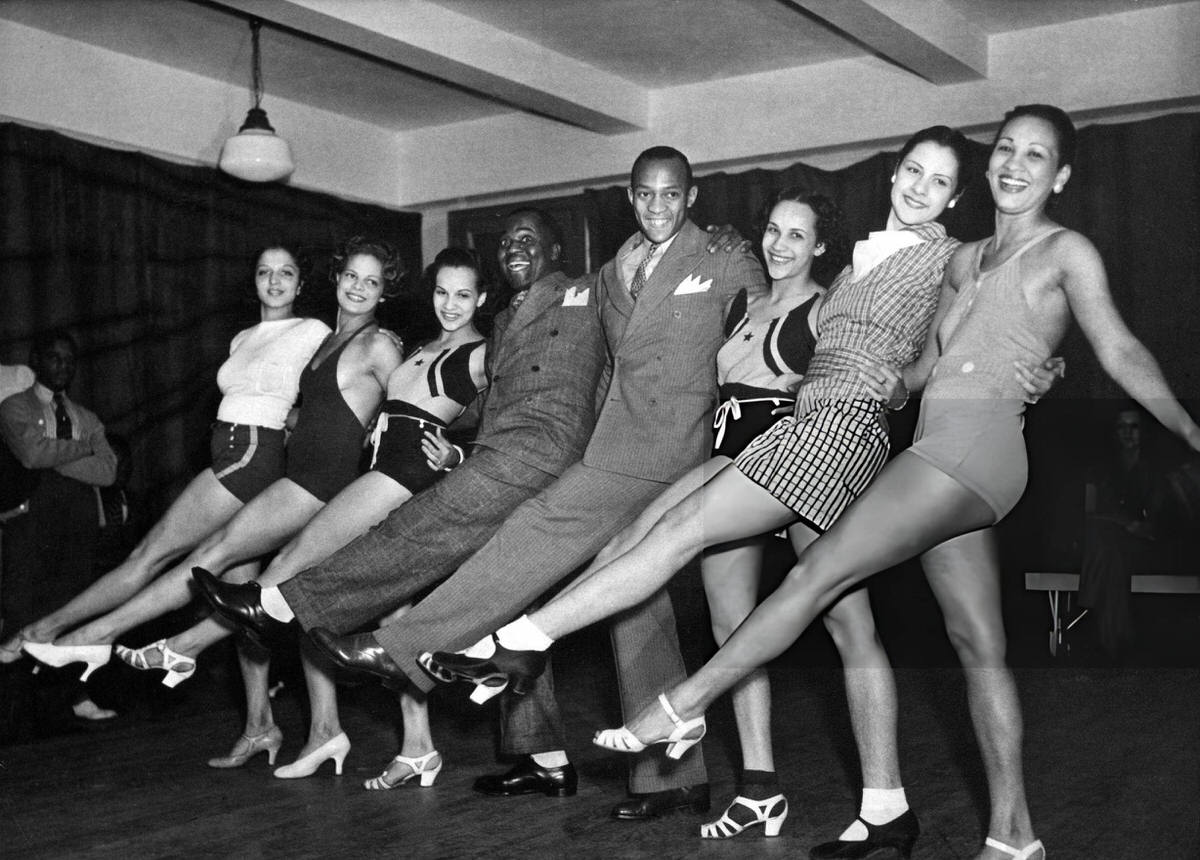
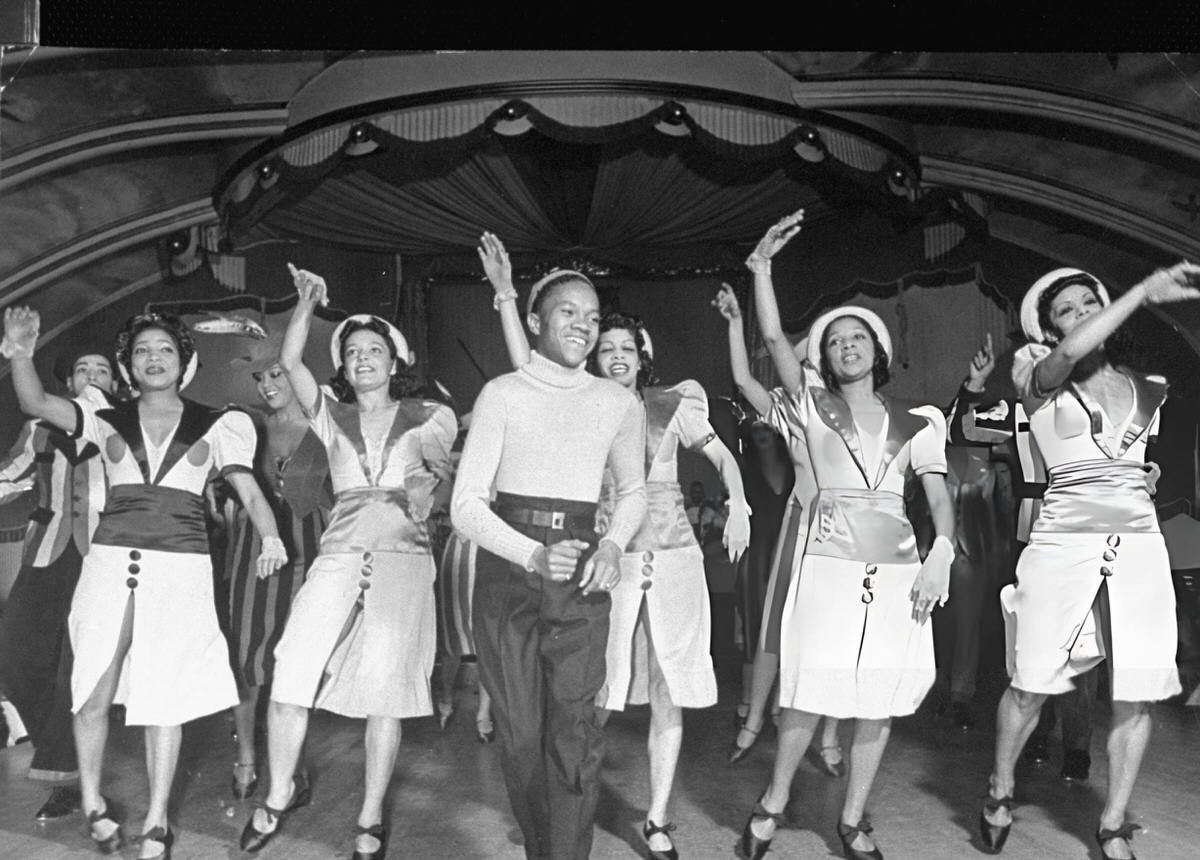
Cab Calloway replaced Ellington as the house bandleader in 1931 and brought a completely different energy to the stage. Calloway’s performances were pure spectacle. He conducted his orchestra while dancing, scatting, and working the crowd with a physical intensity that the radio audience could only partially capture. His recording of “Minnie the Moocher” in 1931 sold over a million copies. Lena Horne performed at the Cotton Club starting in 1933, at age 16, hired as a chorus dancer before her voice got her promoted to featured singer. Ethel Waters, Bill Robinson, and the Nicholas Brothers — one of the greatest tap dancing acts in American history — all performed on that stage.
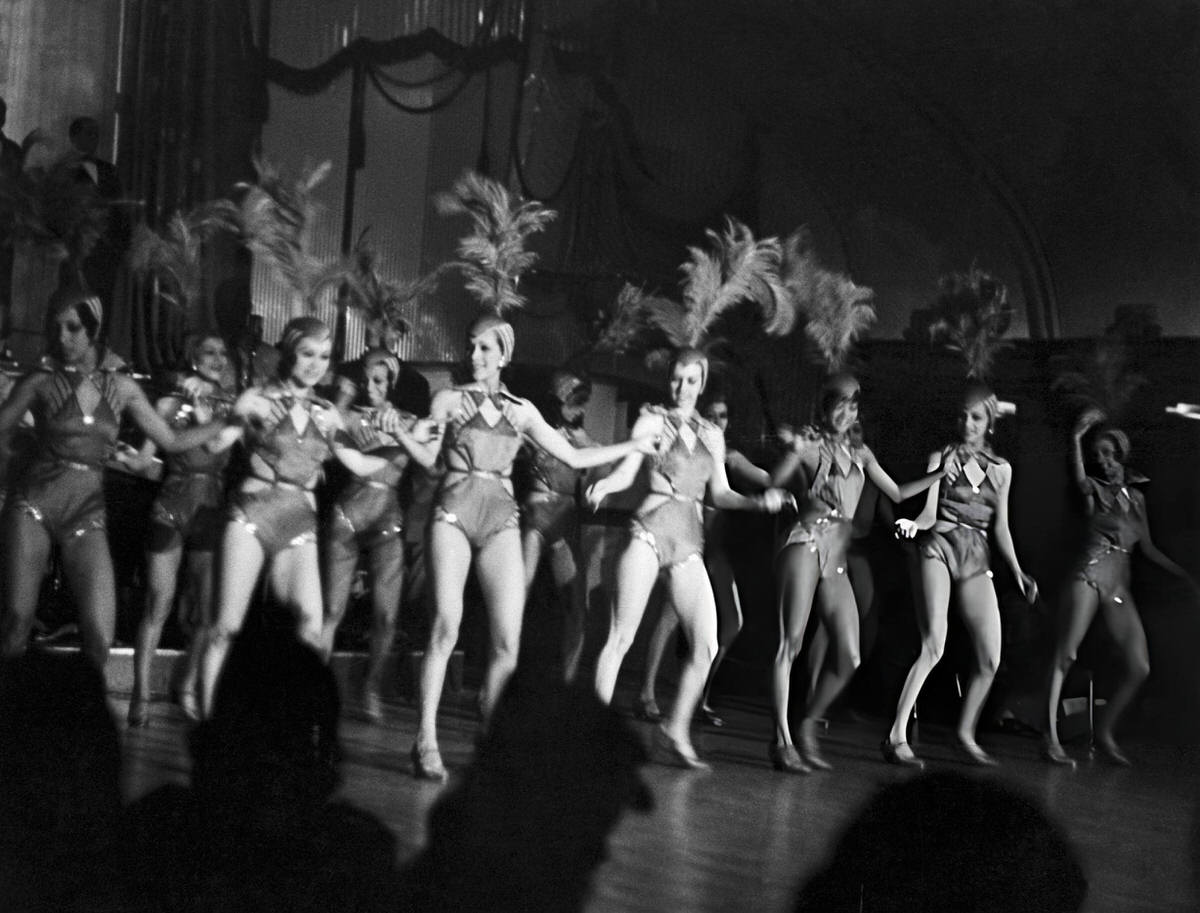
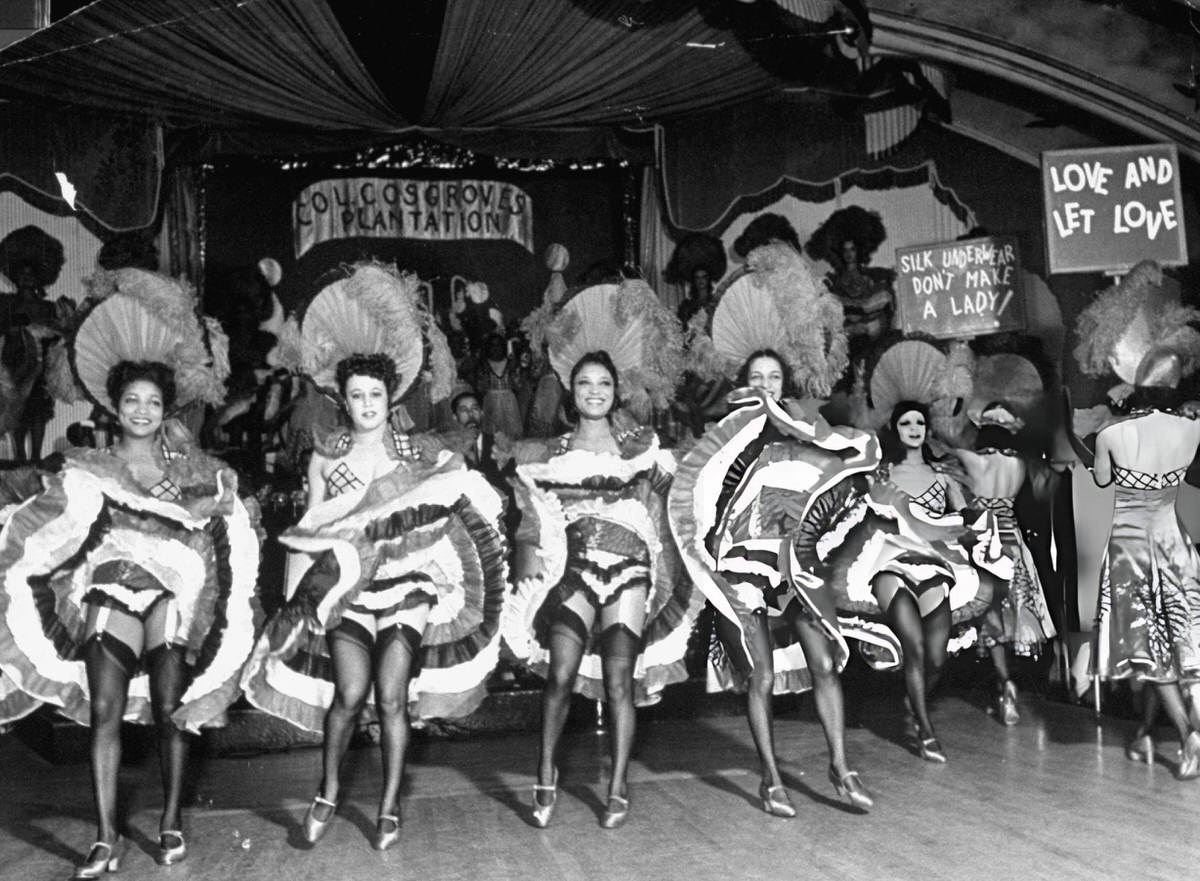
The shows themselves were elaborate productions. The Cotton Club employed full costume designers, choreographers, and set decorators. Each seasonal revue had a theme, original music, and staged numbers that ran like a Broadway show compressed into a nightclub format. Ted Koehler and Harold Arlen wrote music specifically for Cotton Club productions. “Stormy Weather,” which Ethel Waters first performed at the club in 1933, came directly out of one of those revues.
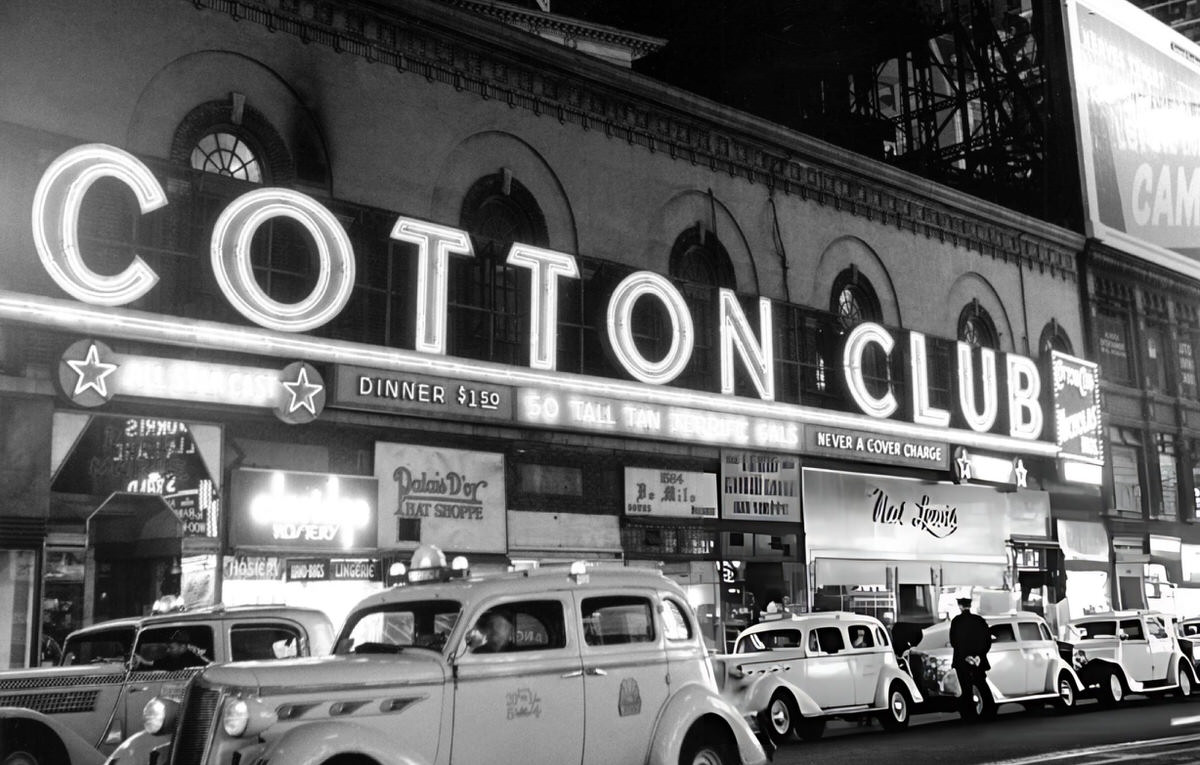
The Harlem race riot of 1935 damaged the neighborhood badly and scared the white downtown crowd away. Attendance dropped and never fully recovered. Madden, who had long since left direct management of the club, was no longer there to hold things together. The Cotton Club moved downtown to Broadway and 48th Street in 1936, taking its name and its format into Midtown Manhattan. The Harlem building was torn down. The Broadway location closed in 1940 when the economics of the big band era started shifting and the novelty of the format wore thin.
The address at 644 Lenox Avenue is a residential building today. There is a historical marker on the corner. The block looks like the rest of Central Harlem — unremarkable from the outside, carrying an enormous amount of history underneath.

GIPHY App Key not set. Please check settings