

 Adriana Palmer
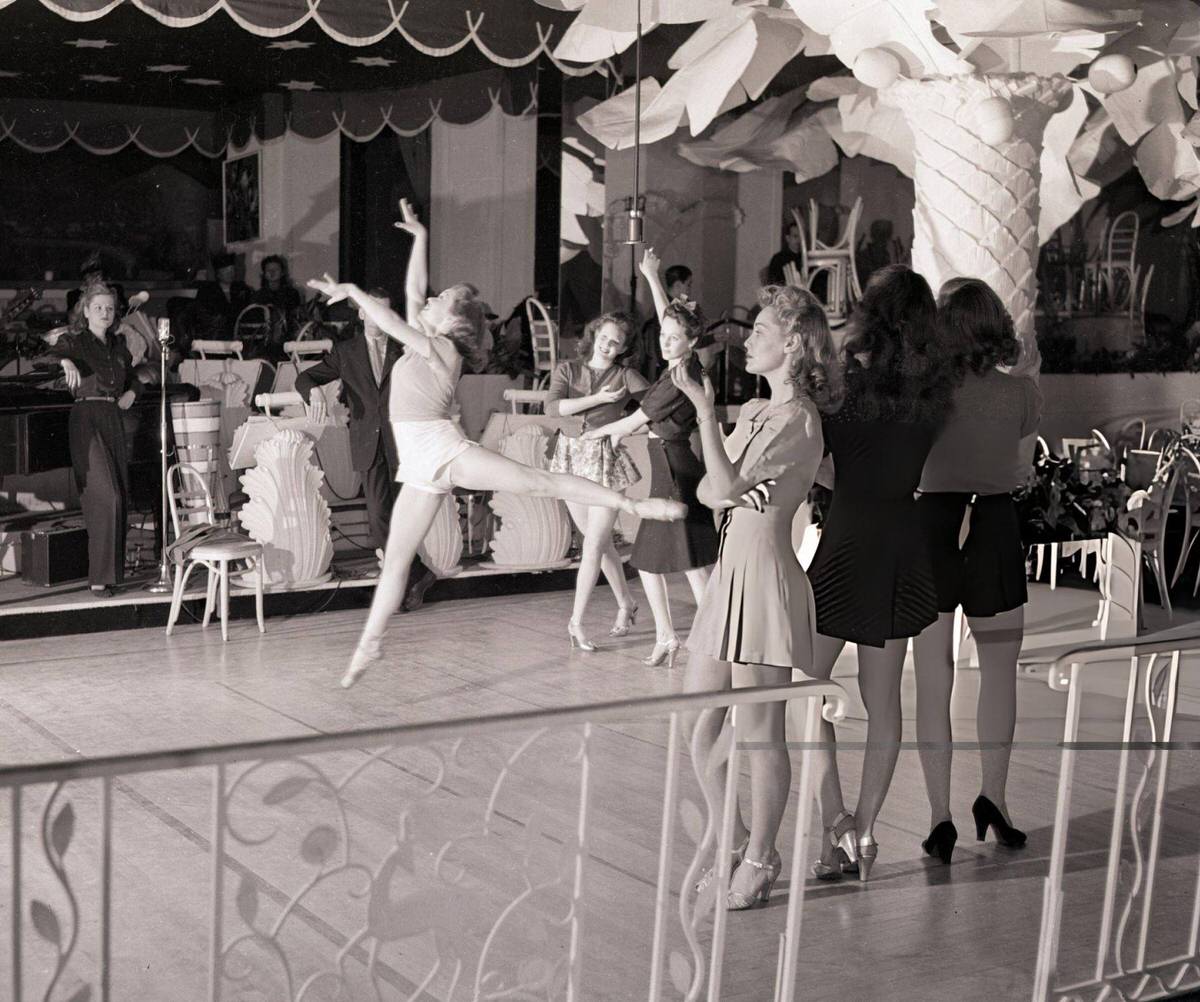
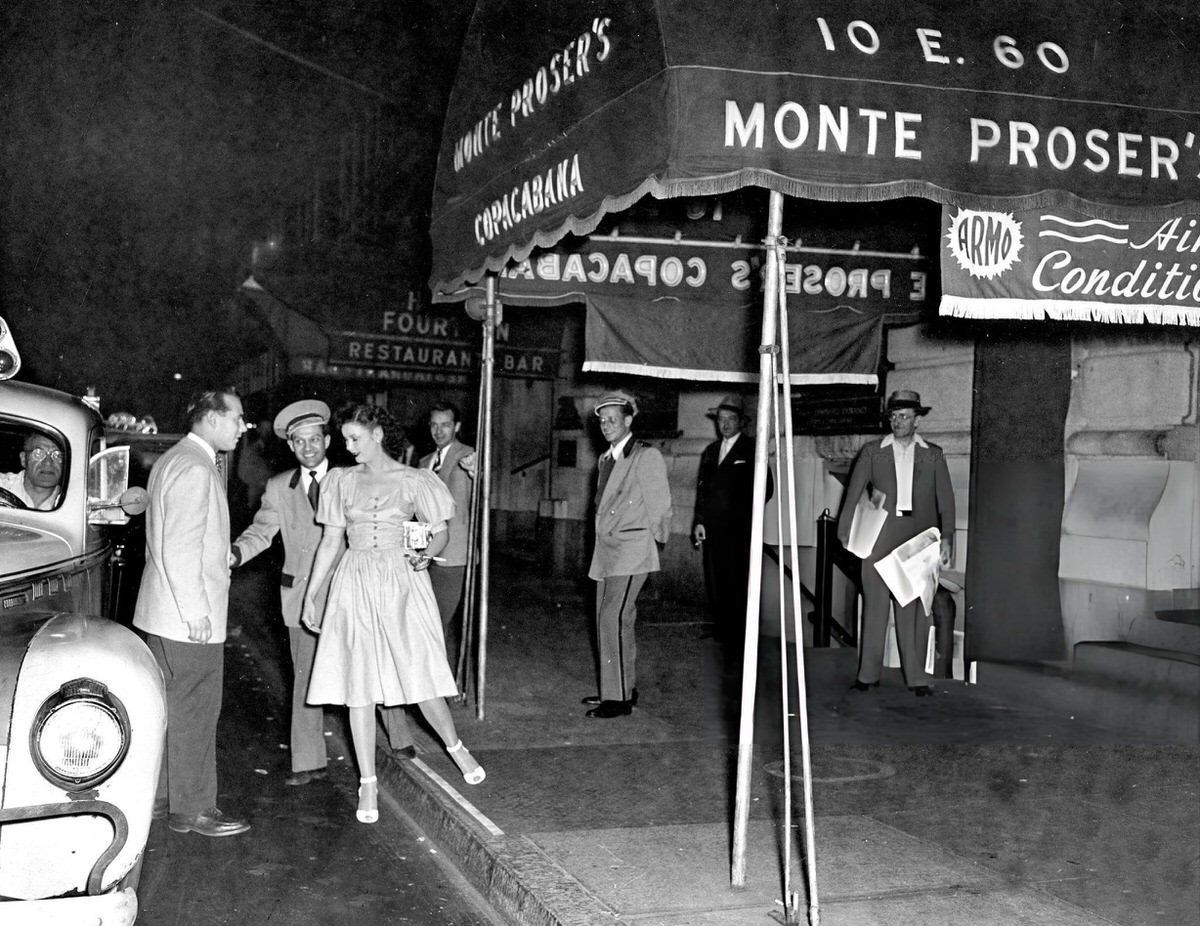
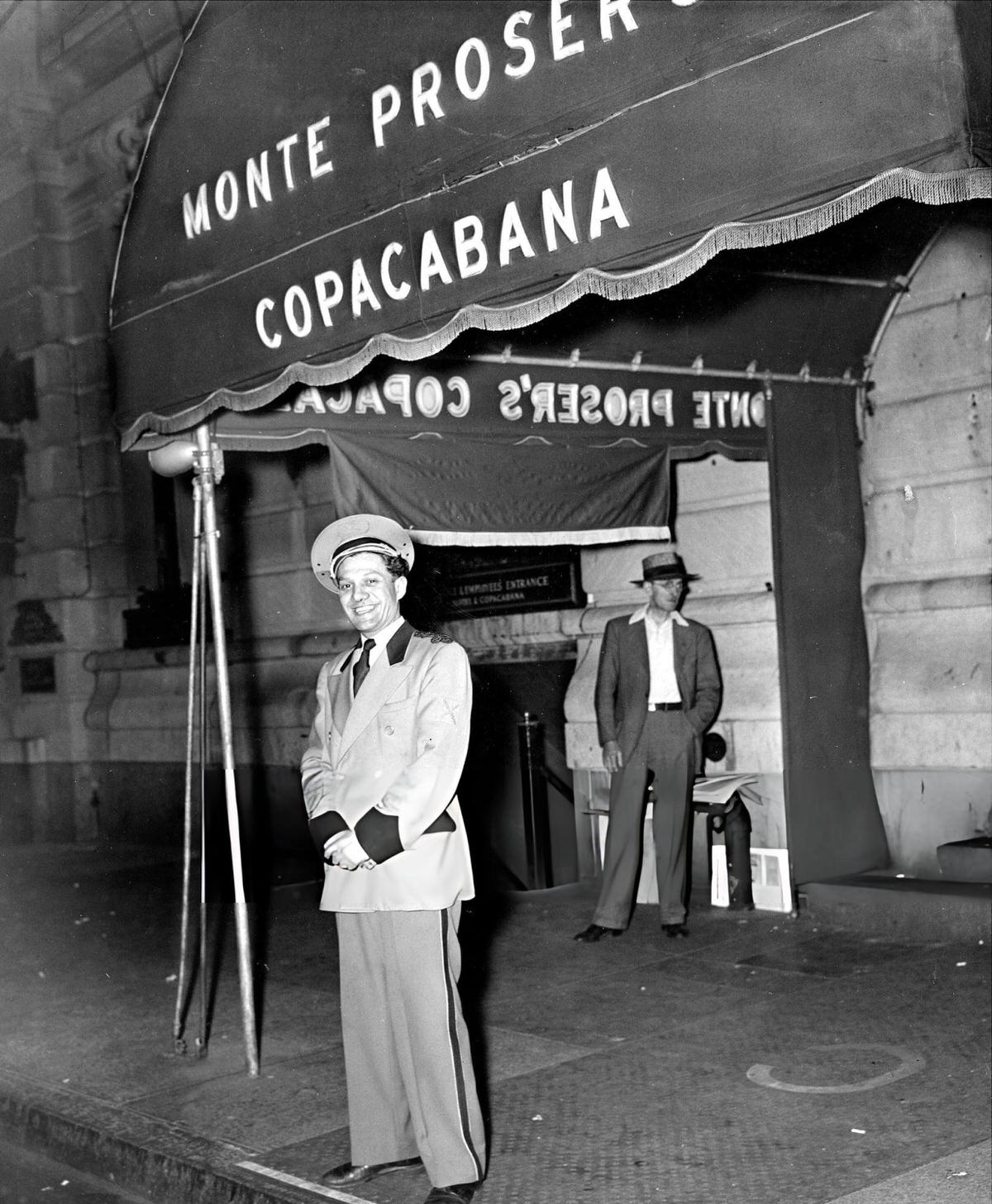
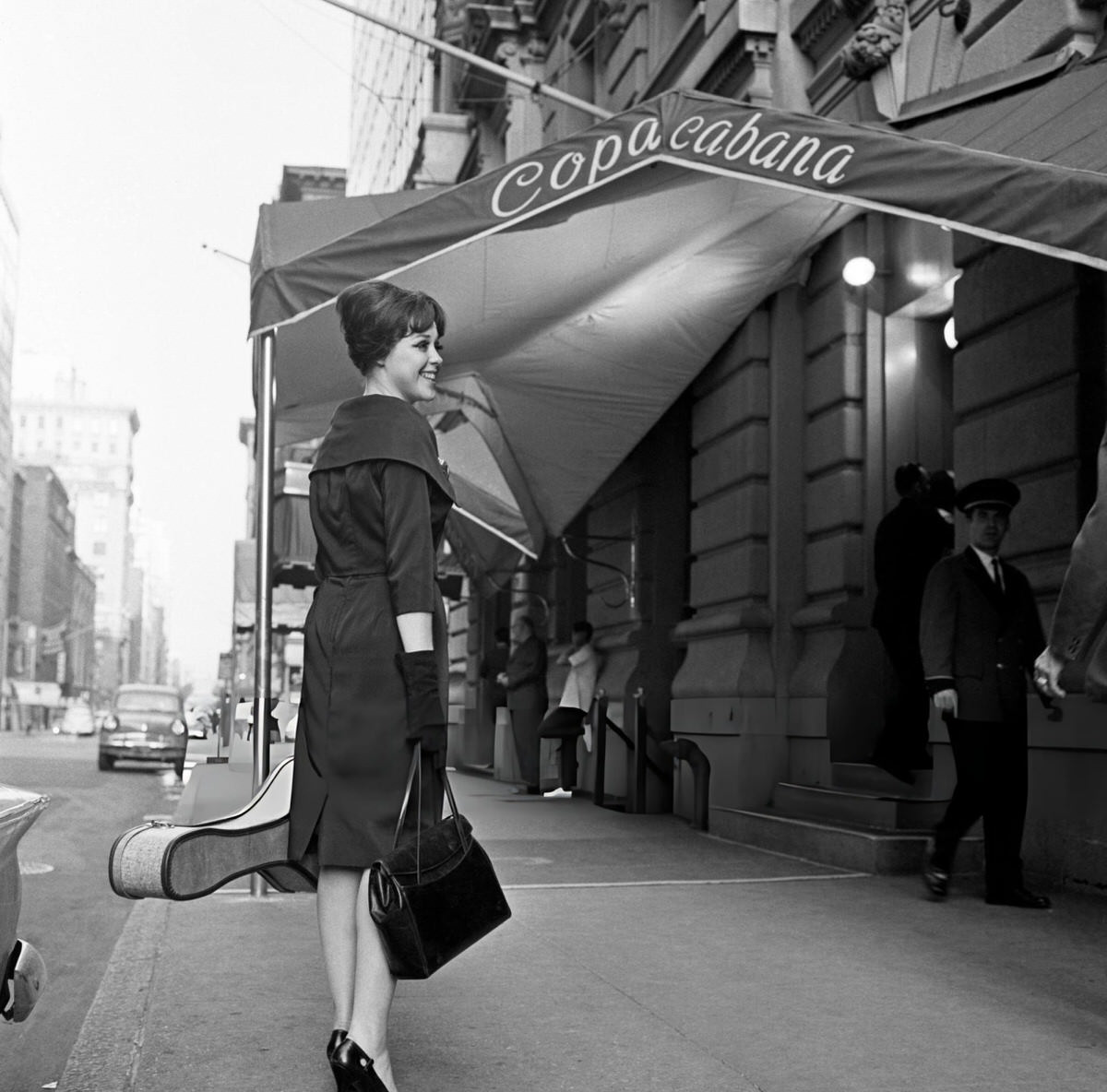
The Copacabana opened on November 10, 1940, at 10 East 60th Street in New York City. Monte Proser, a well-known nightclub promoter, created the tropical-themed venue to bring a taste of Rio de Janeiro to Manhattan. The club occupied the basement of a building just off Fifth Avenue. To enter, guests walked down a grand staircase into a room filled with artificial palm trees with satin leaves and white picket fences. The ceiling was painted a deep blue to mimic a night sky.
The Kings of the Club
While Monte Proser was the public face of the club, the real power sat at the front tables. Frank Costello, a high-ranking figure in the underworld, provided the financial backing for the Copa. This arrangement was common for mid-century New York nightclubs. Costello and his associates used the club as a headquarters for business meetings and social gatherings. They occupied the “Number One” table, which offered the best view of the stage and the entrance.
Jules Podell eventually took over the day-to-day operations from Proser. Podell was a man of few words who ruled the club with an iron fist. He stood at the entrance every night, wearing a tuxedo and watching every guest who arrived. He decided who was important enough to sit near the stage and who would be relegated to the back of the room. Under Podell’s management, the Copacabana became the most profitable and famous nightclub in the world.
Read more
The Copa Girls
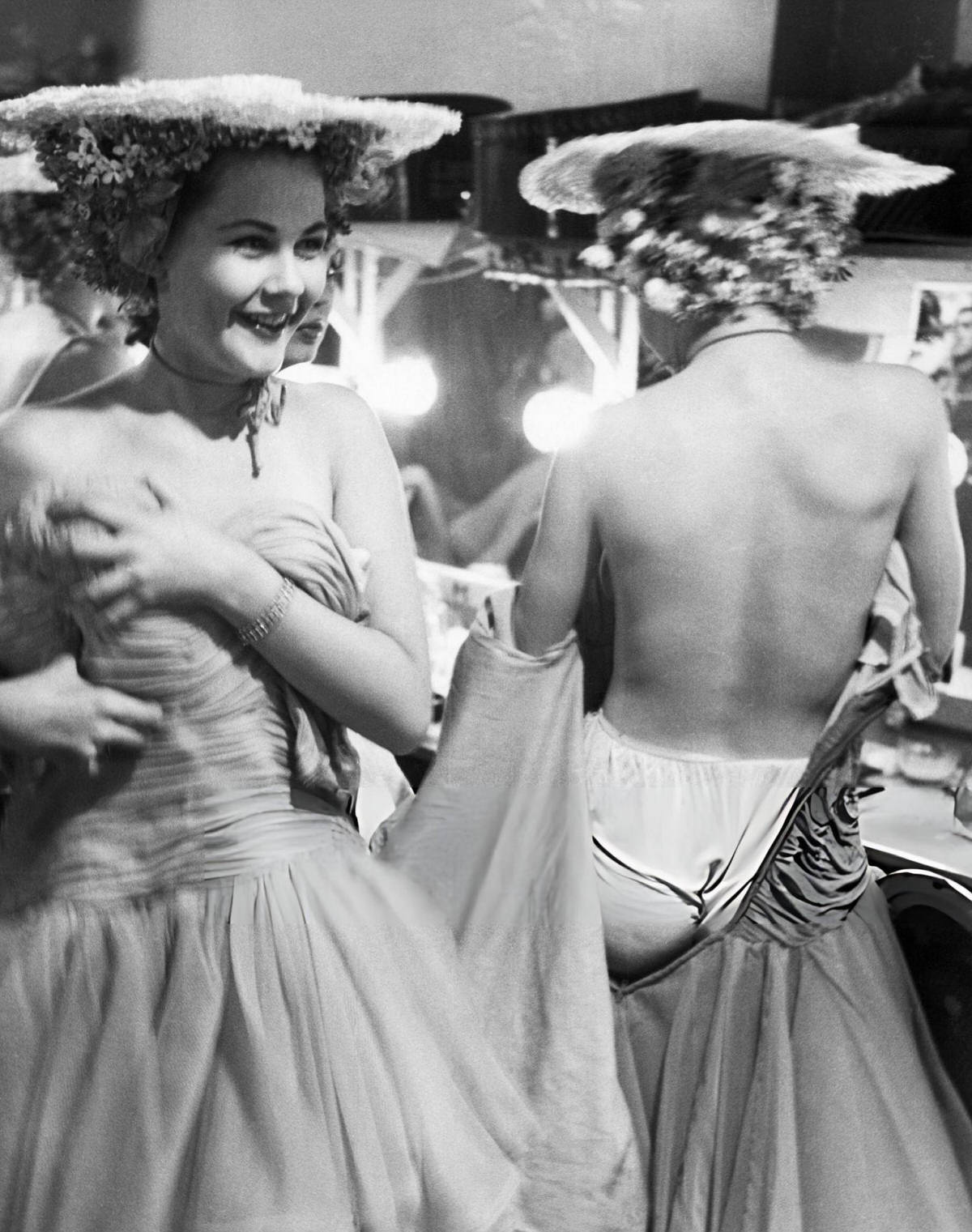
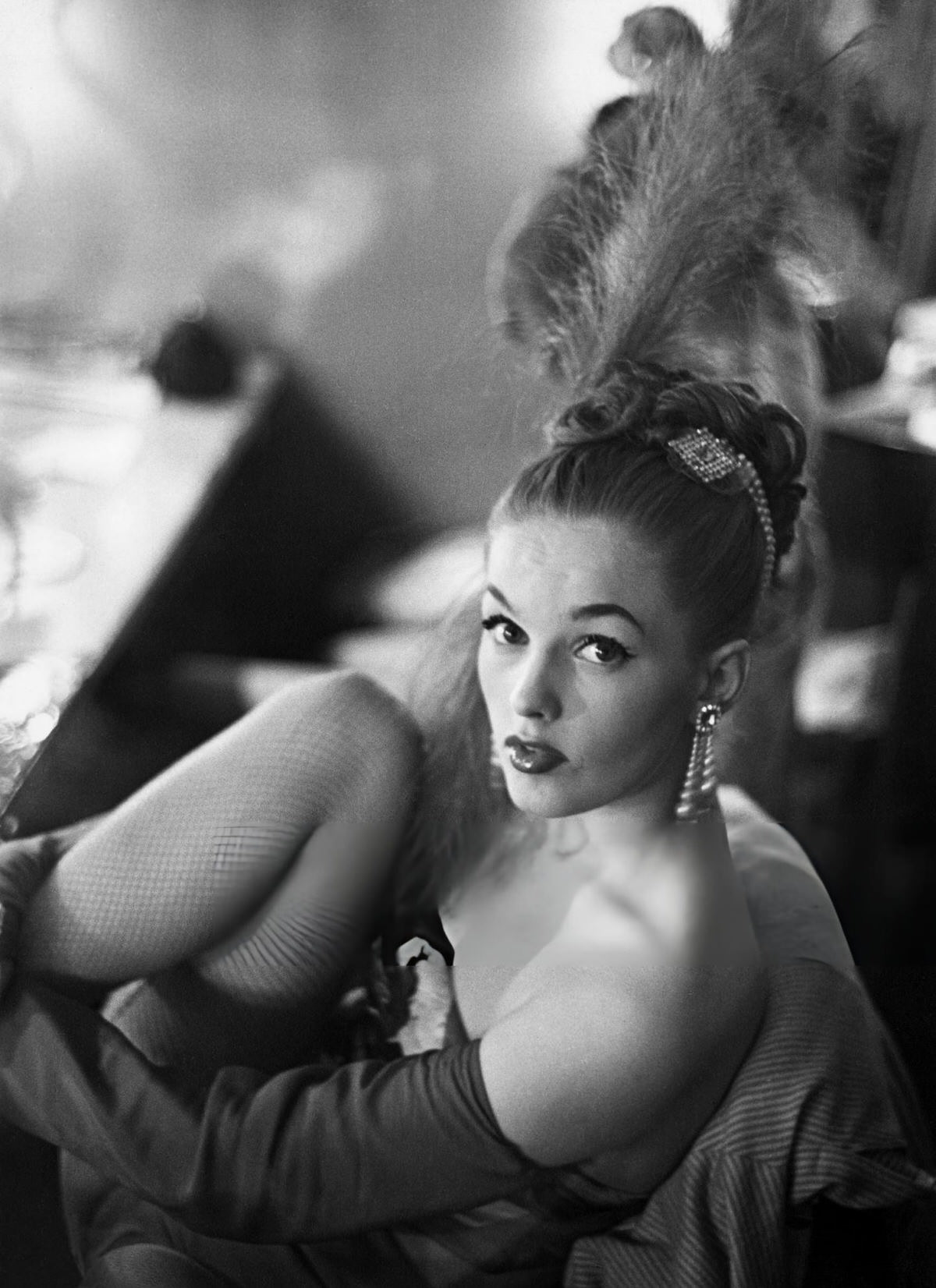
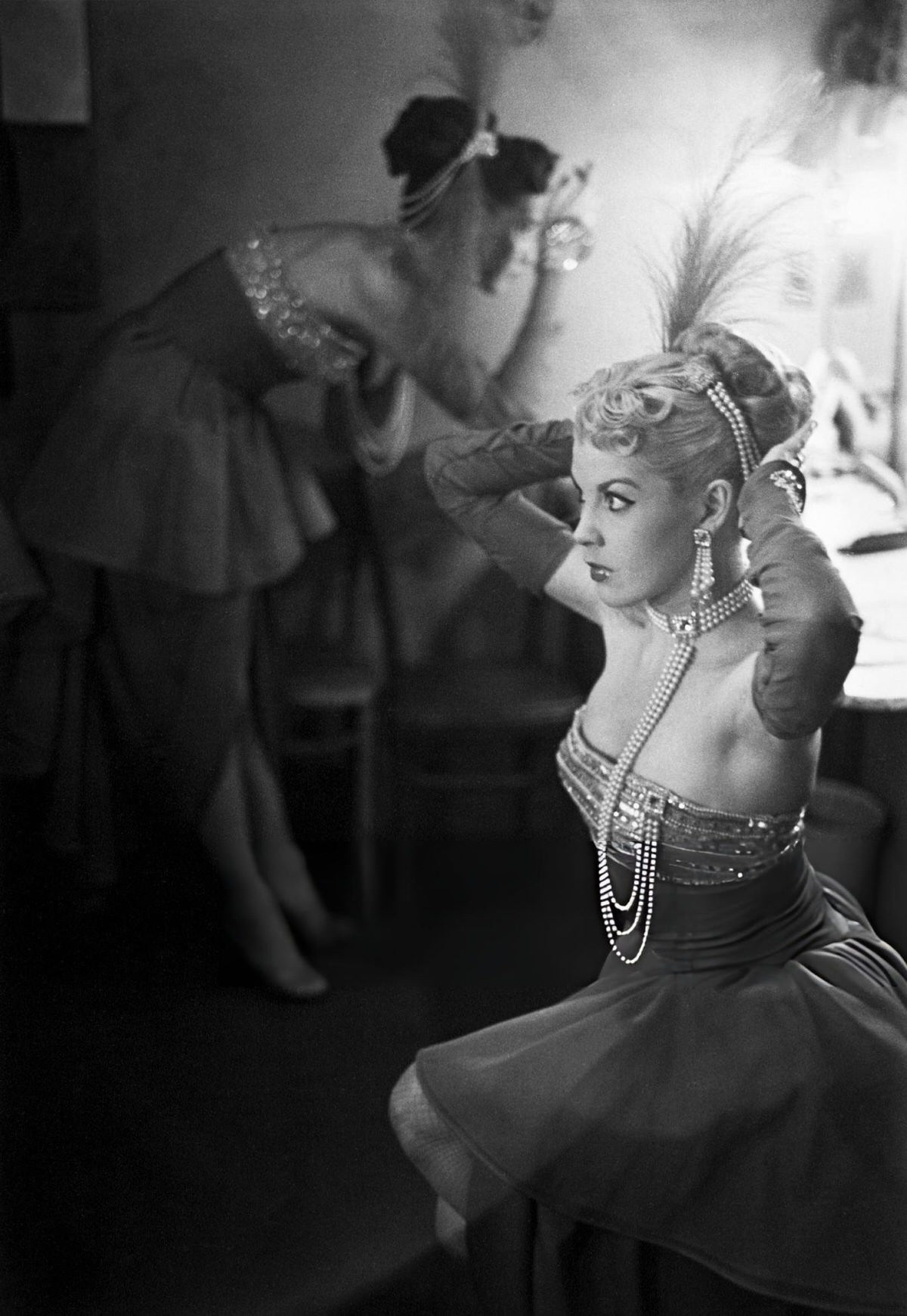
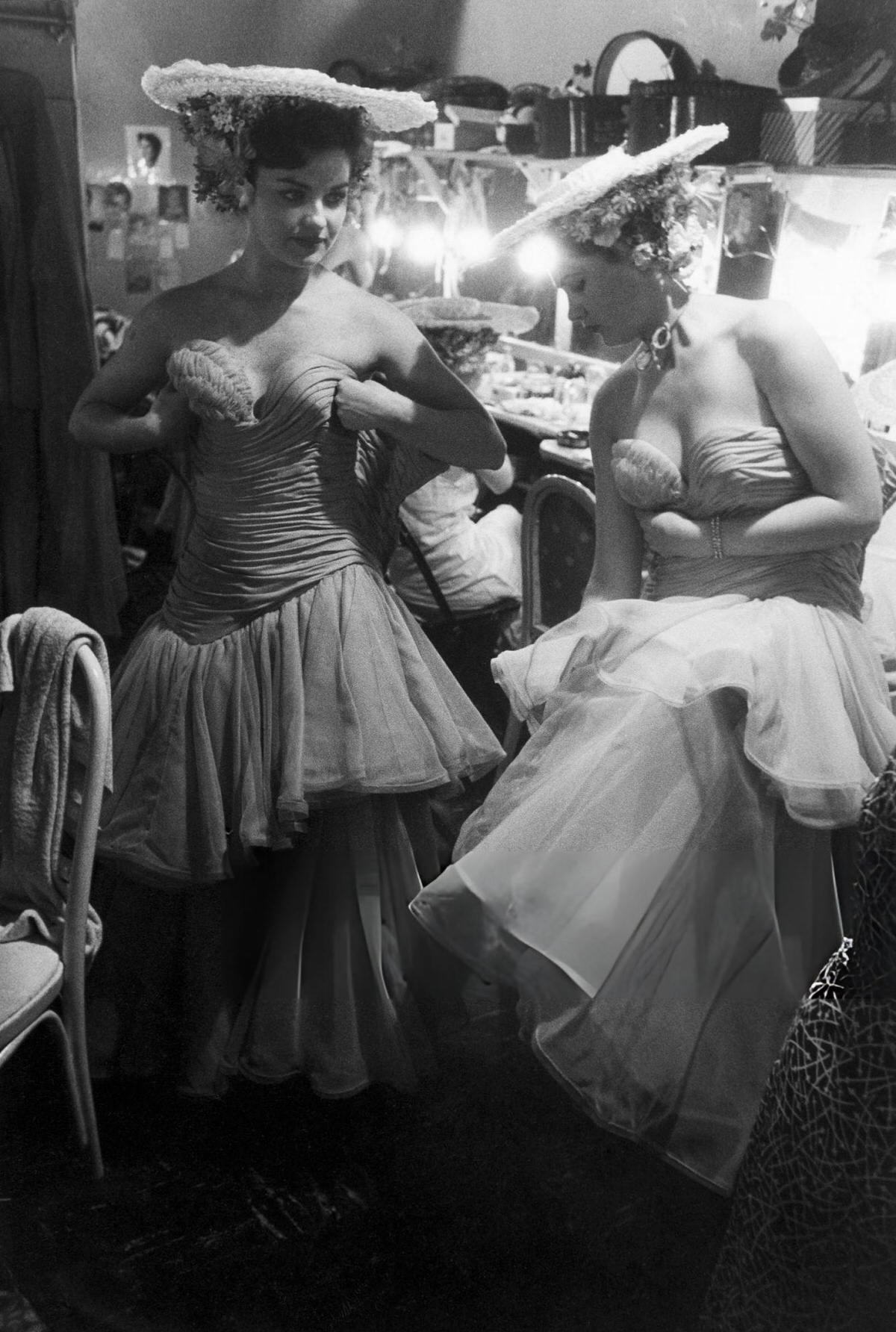
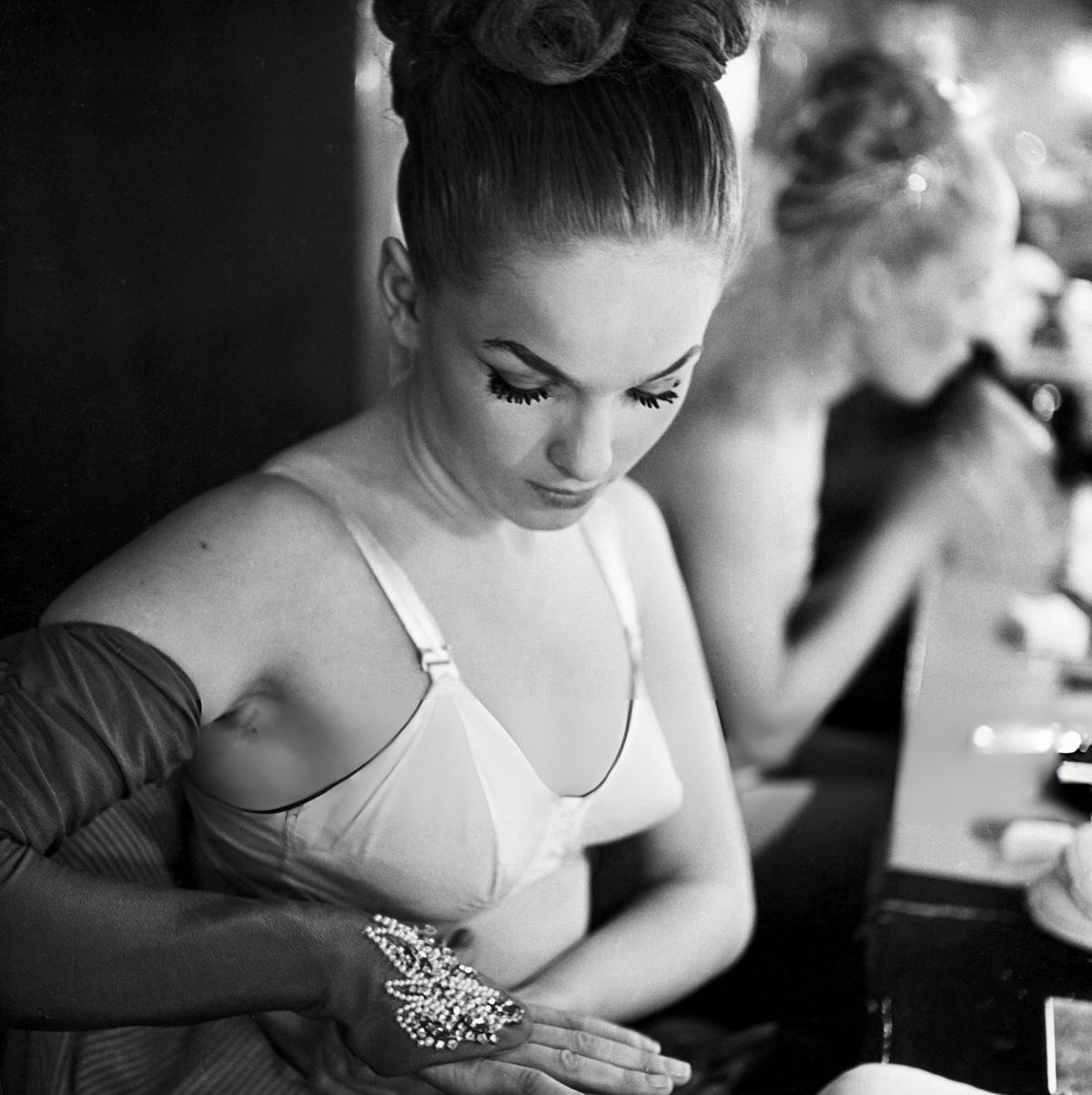
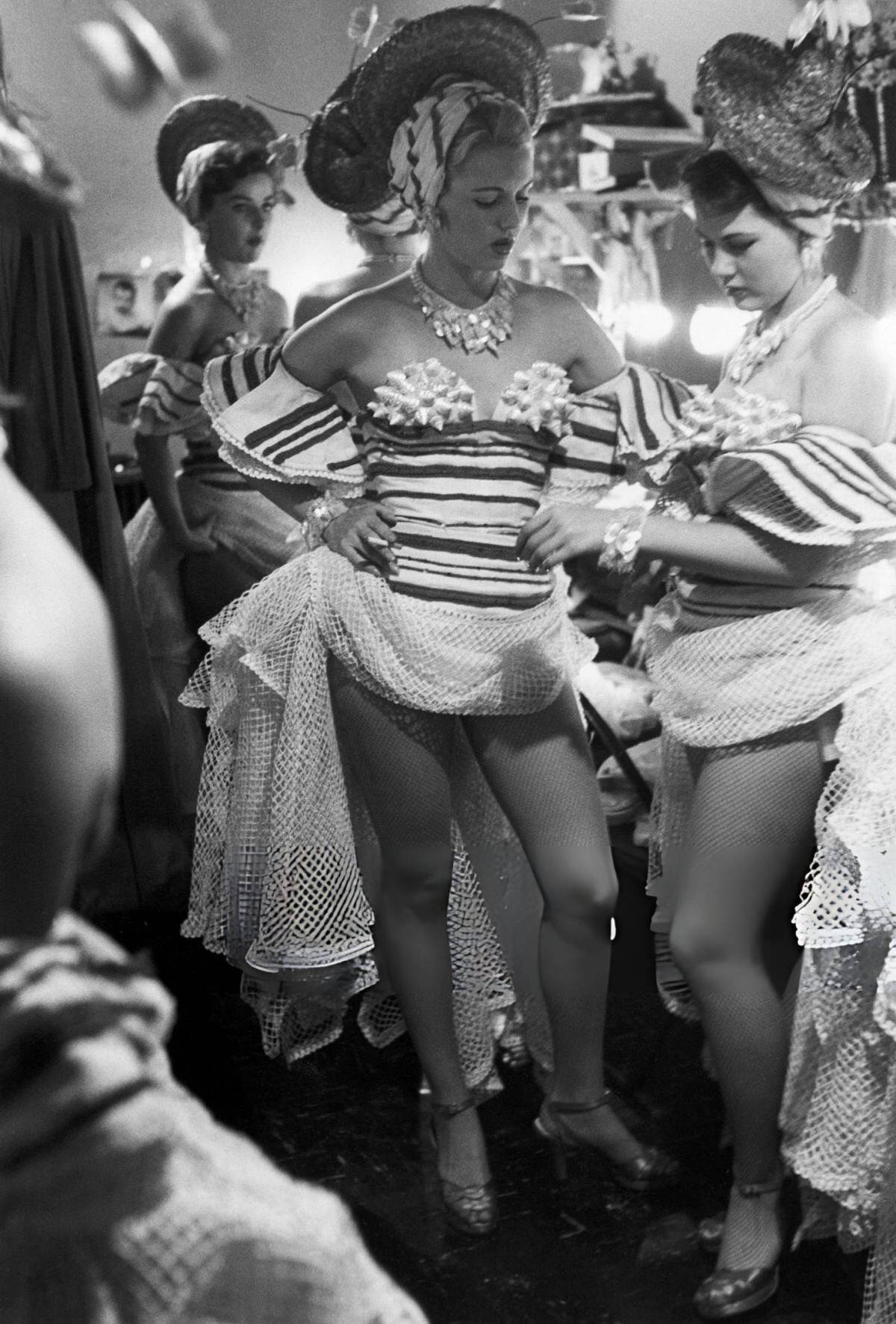
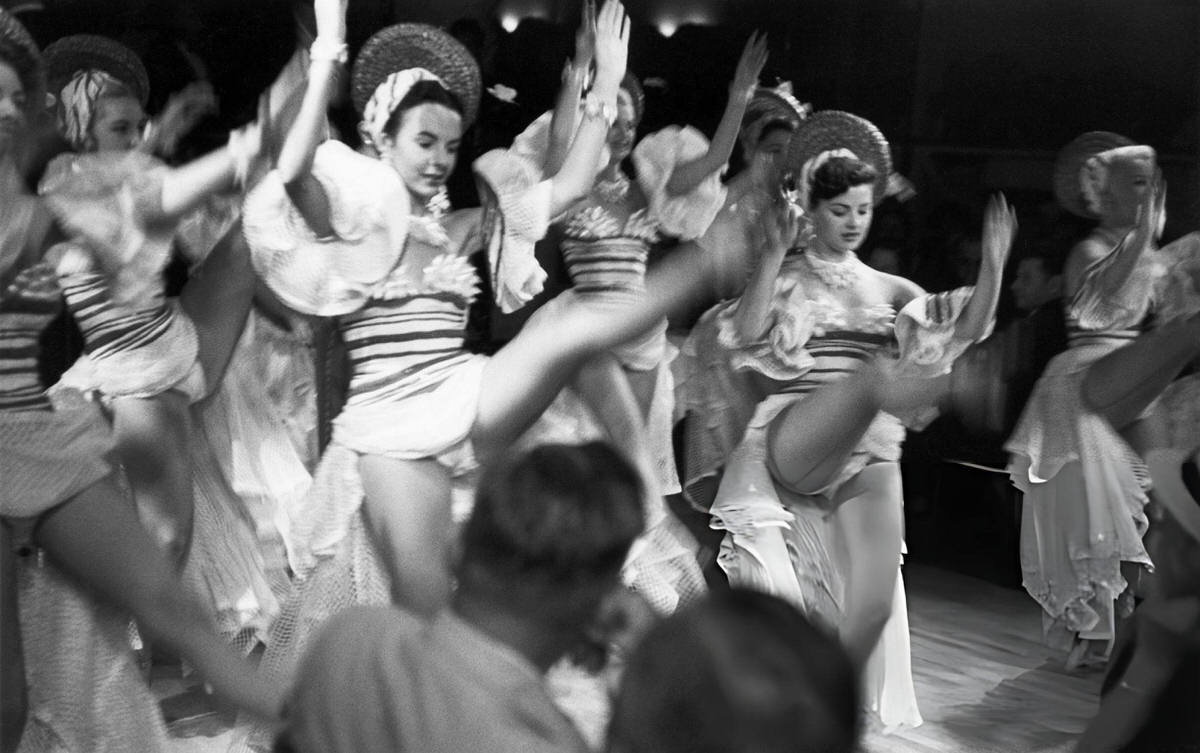
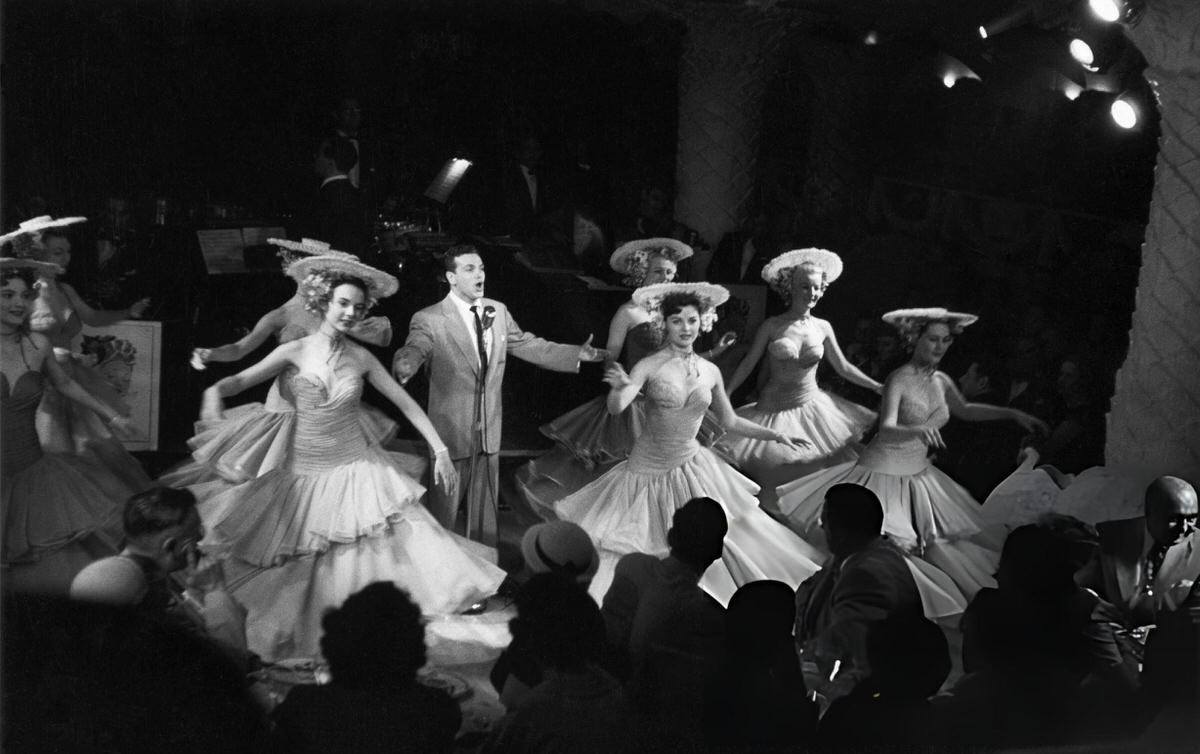
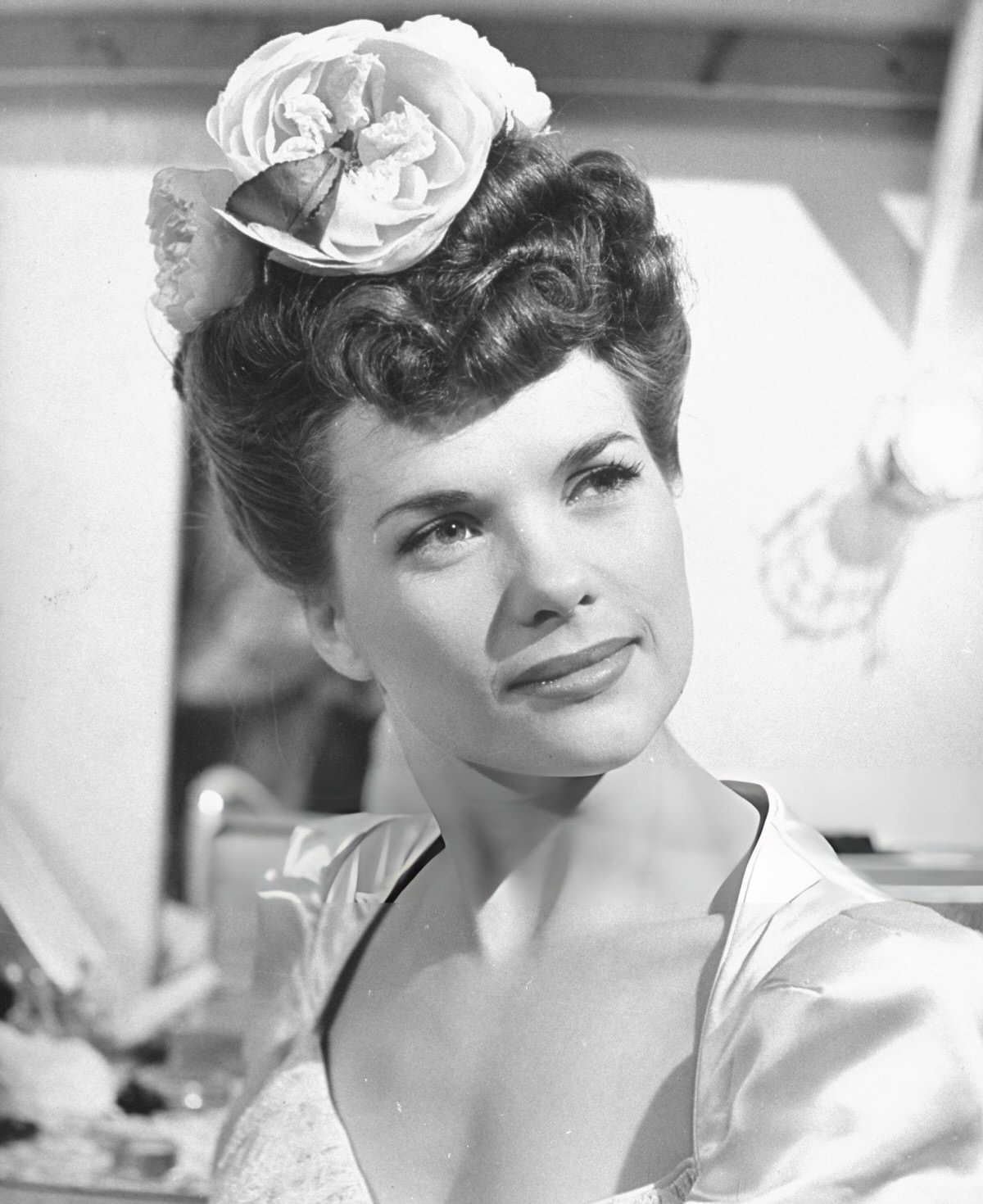
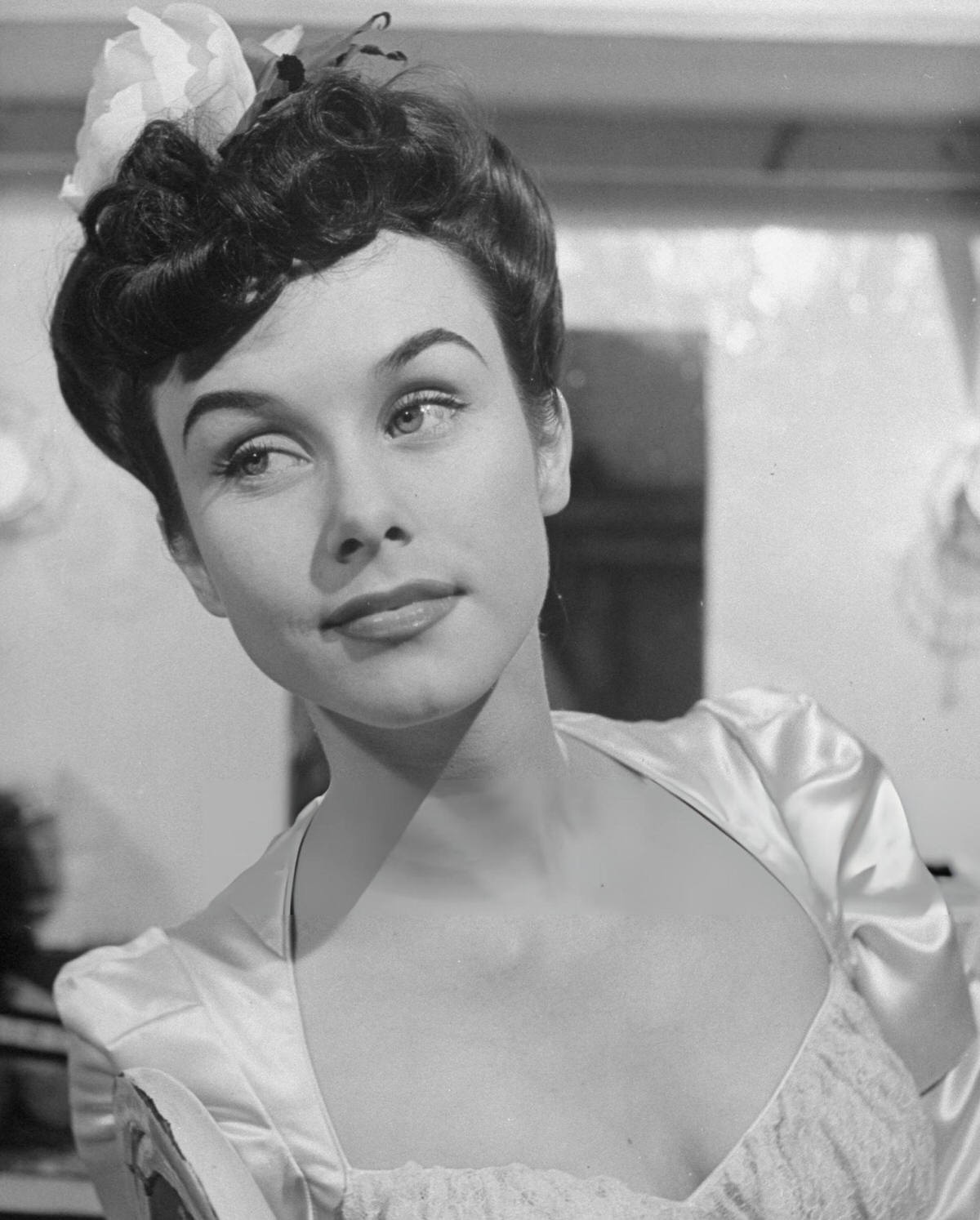
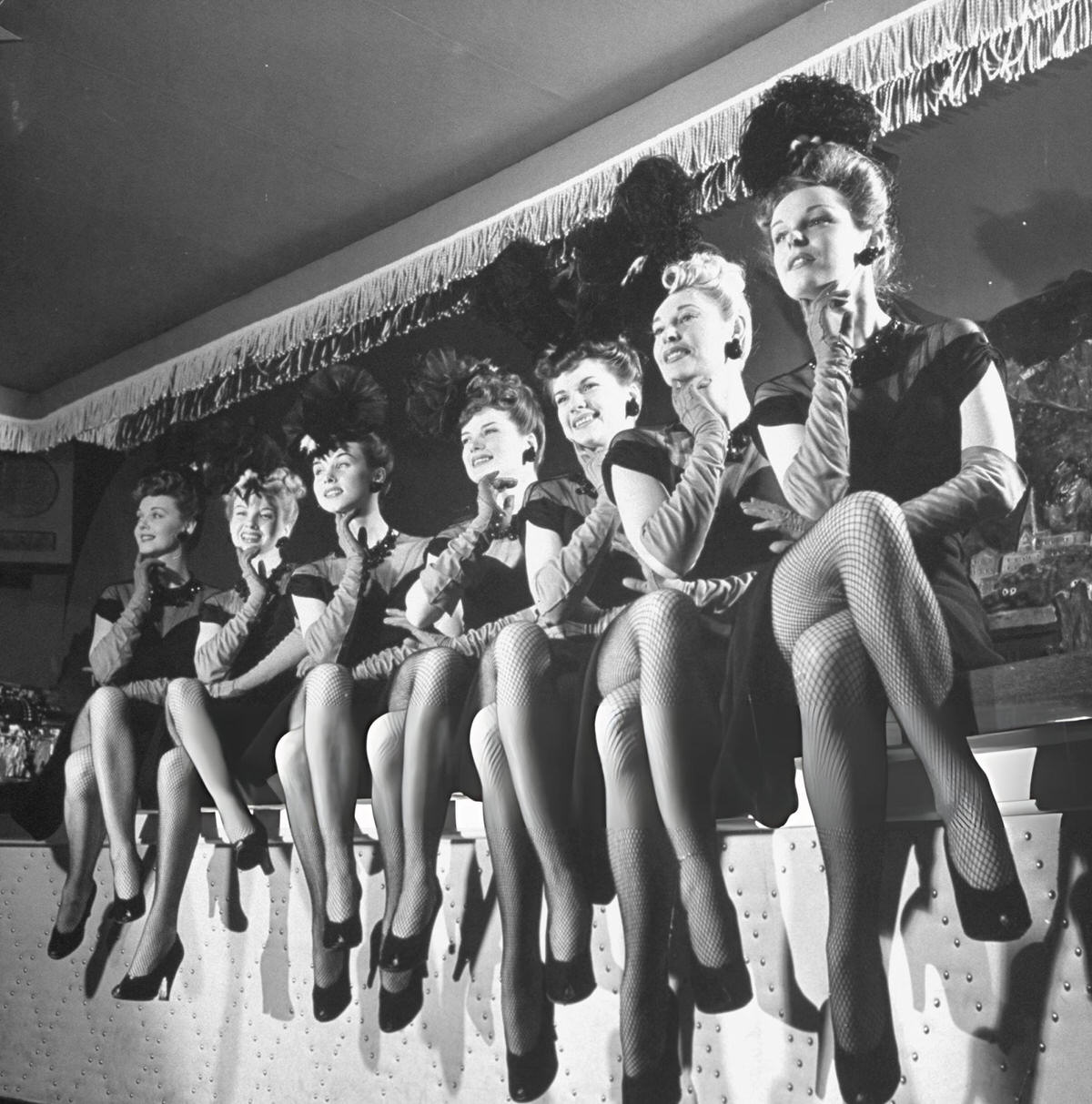
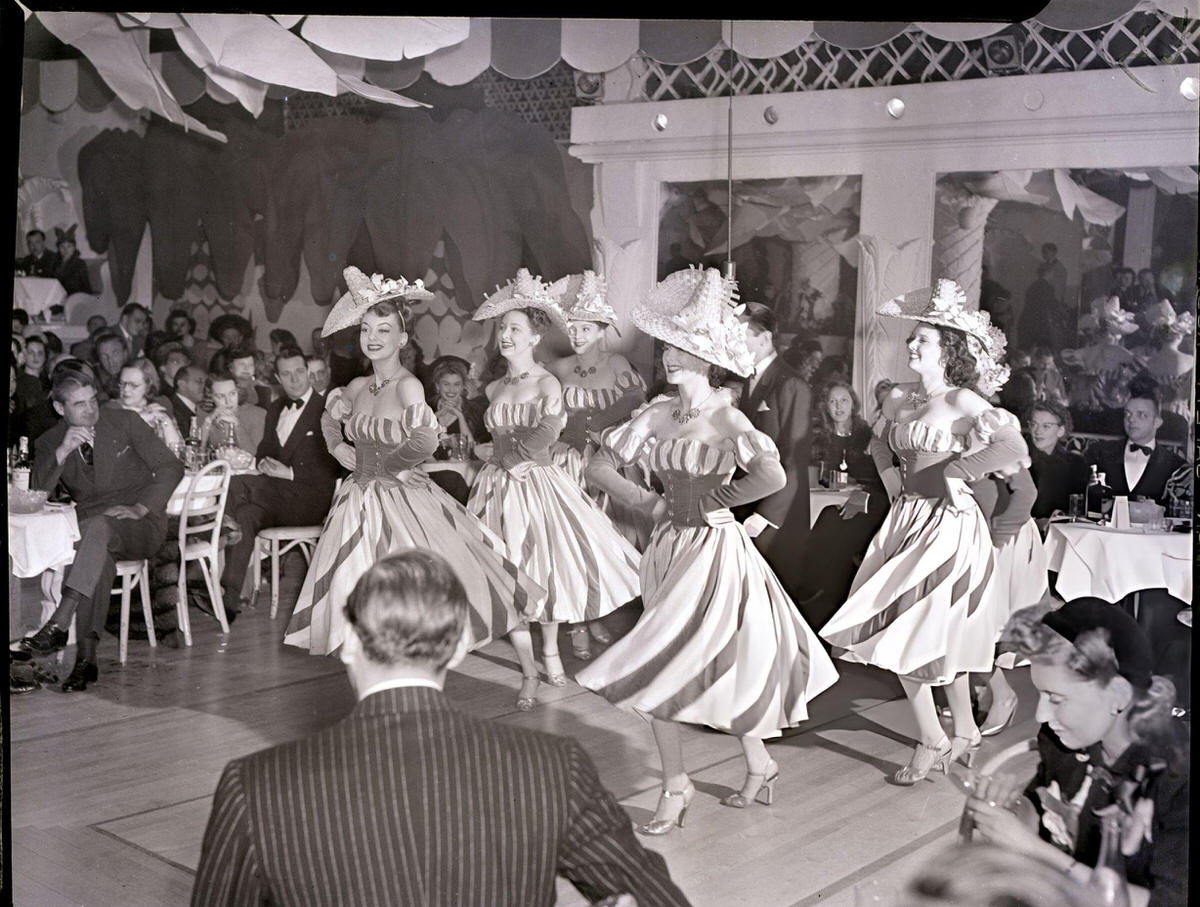
The main attraction of the club was the line of showgirls known as the “Copa Girls.” These women were chosen for their height, beauty, and ability to move gracefully in elaborate costumes. Unlike the chorus girls in many other clubs, the Copa Girls did not have to be expert dancers. Their primary job was to look glamorous and provide a colorful backdrop for the main performers. They wore massive headpieces decorated with fruit, feathers, and flowers that often weighed fifteen pounds.
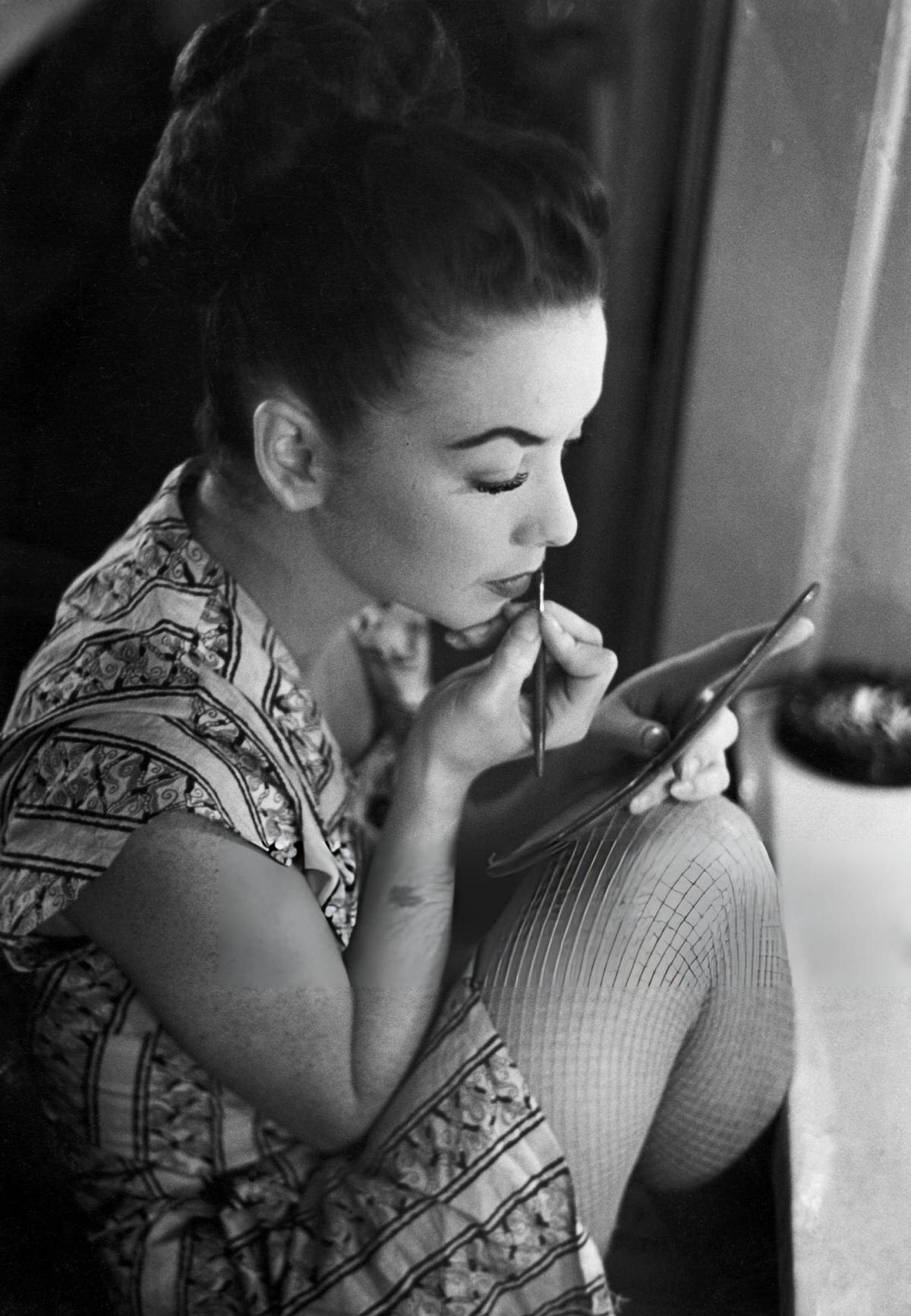
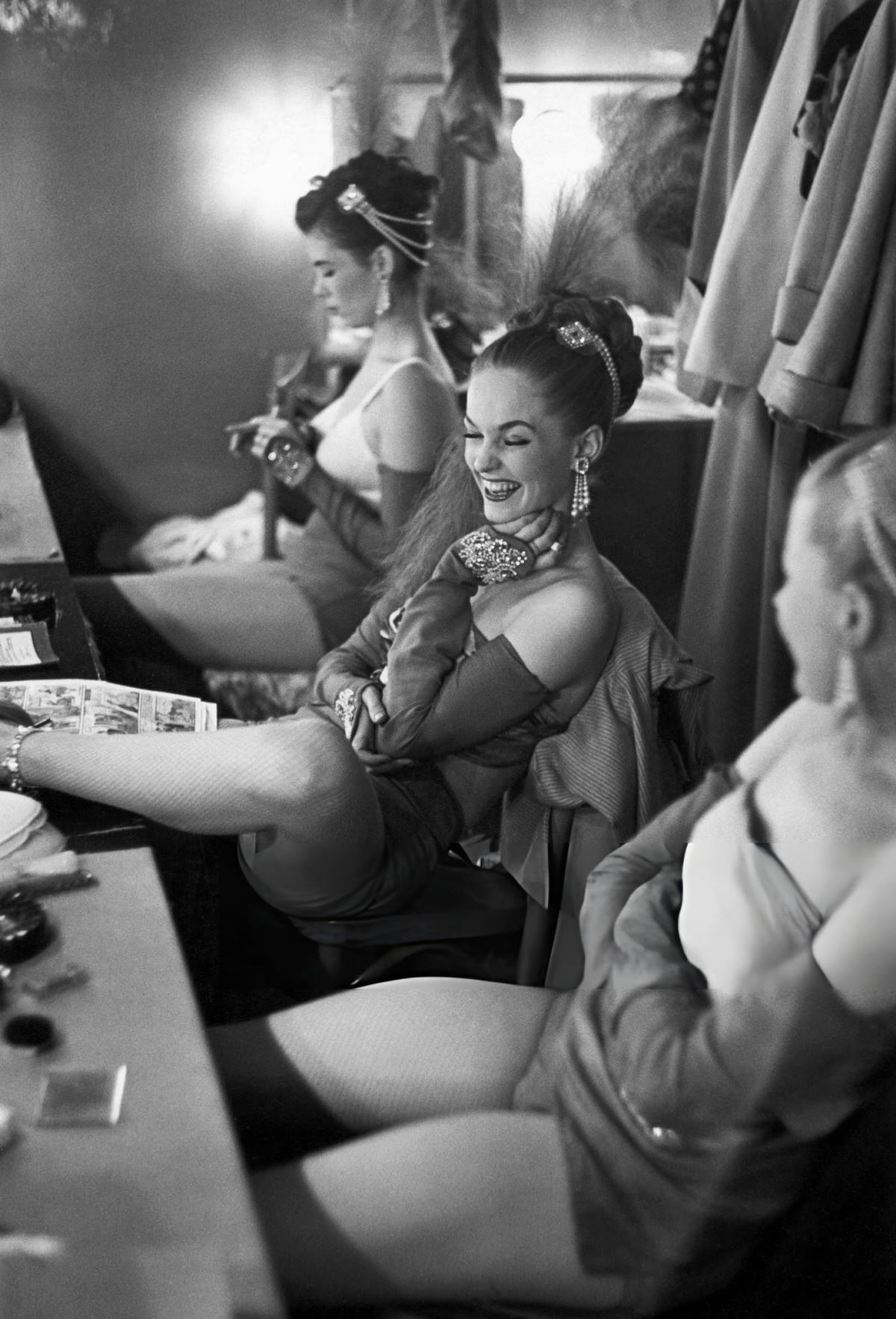
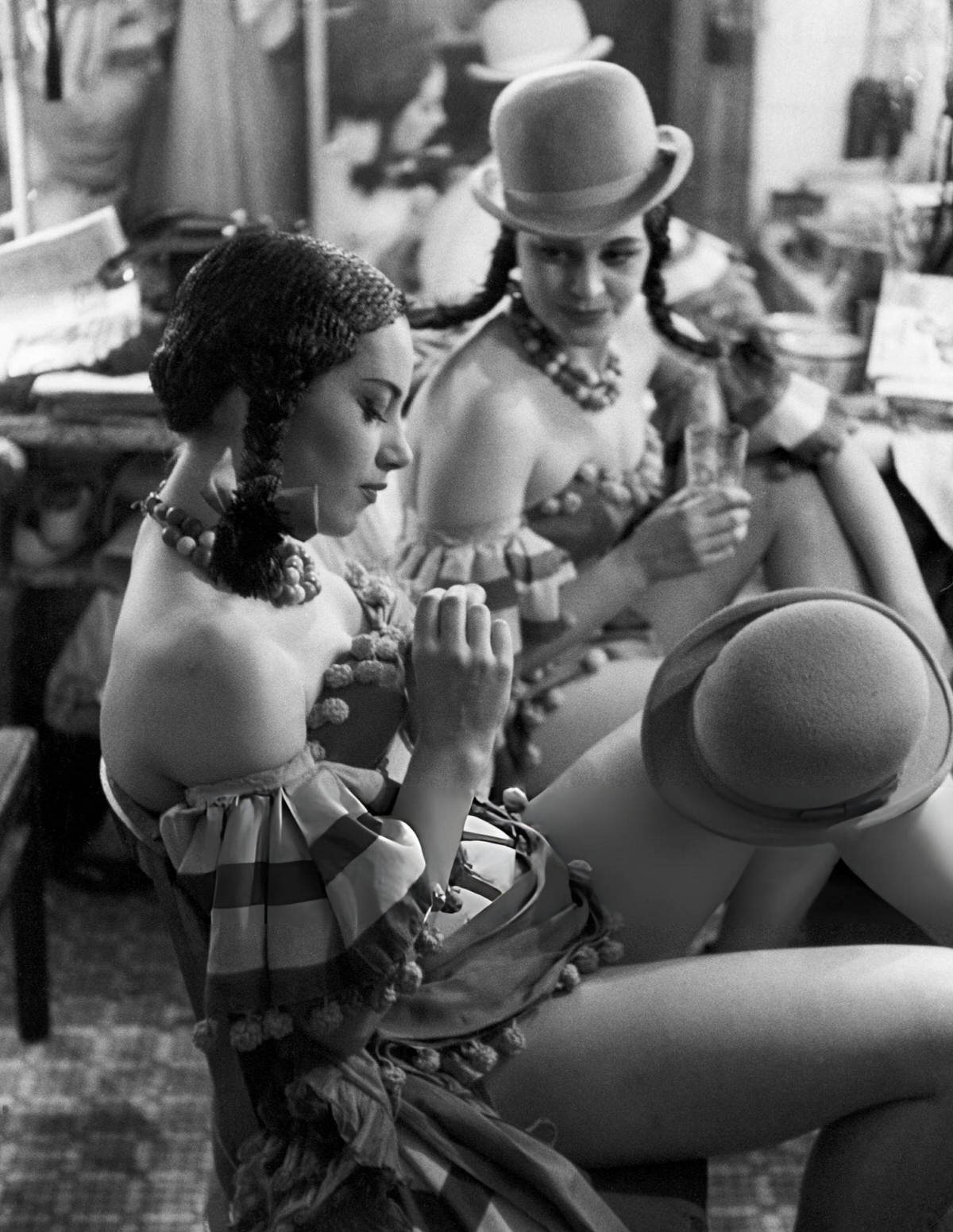
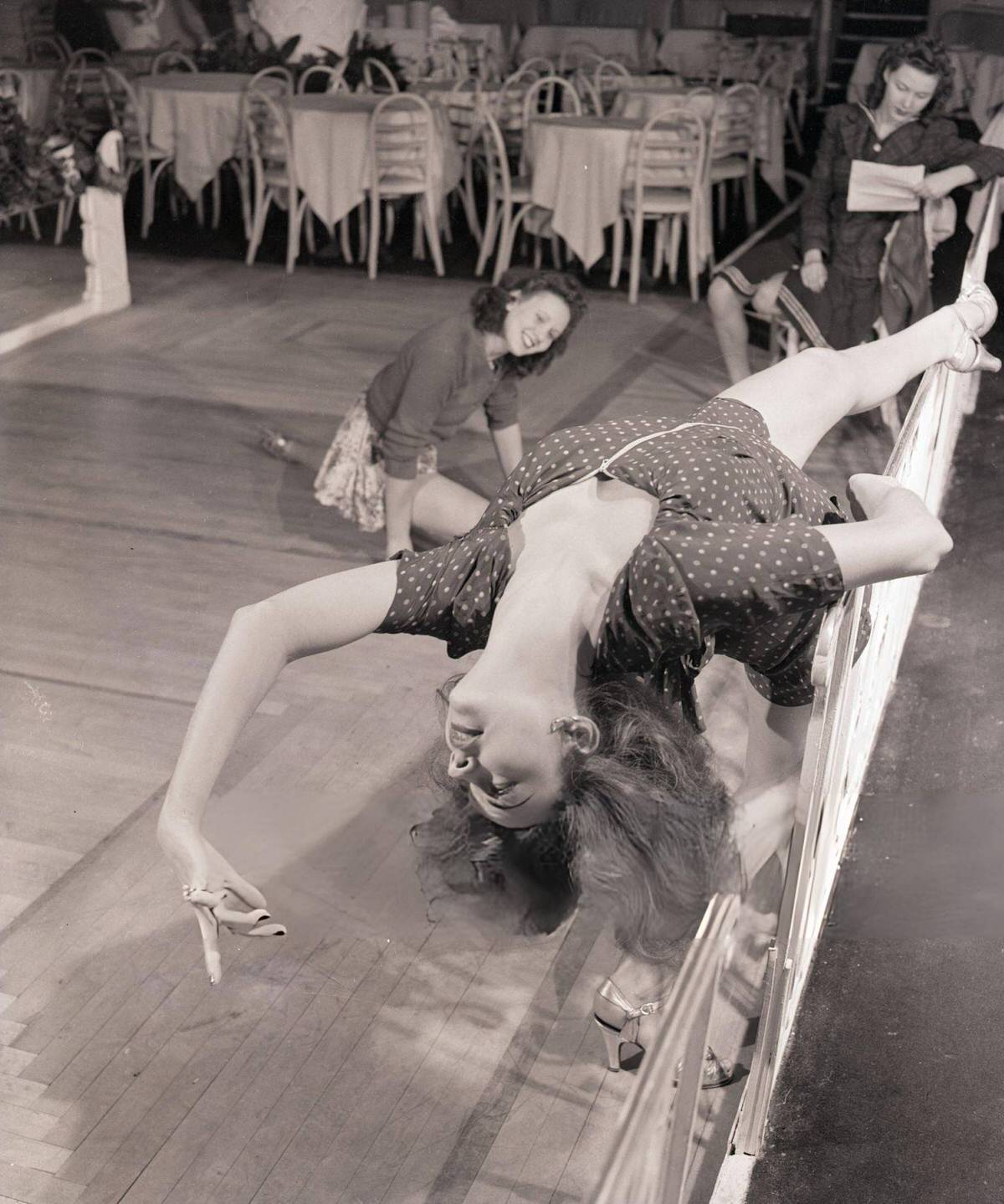
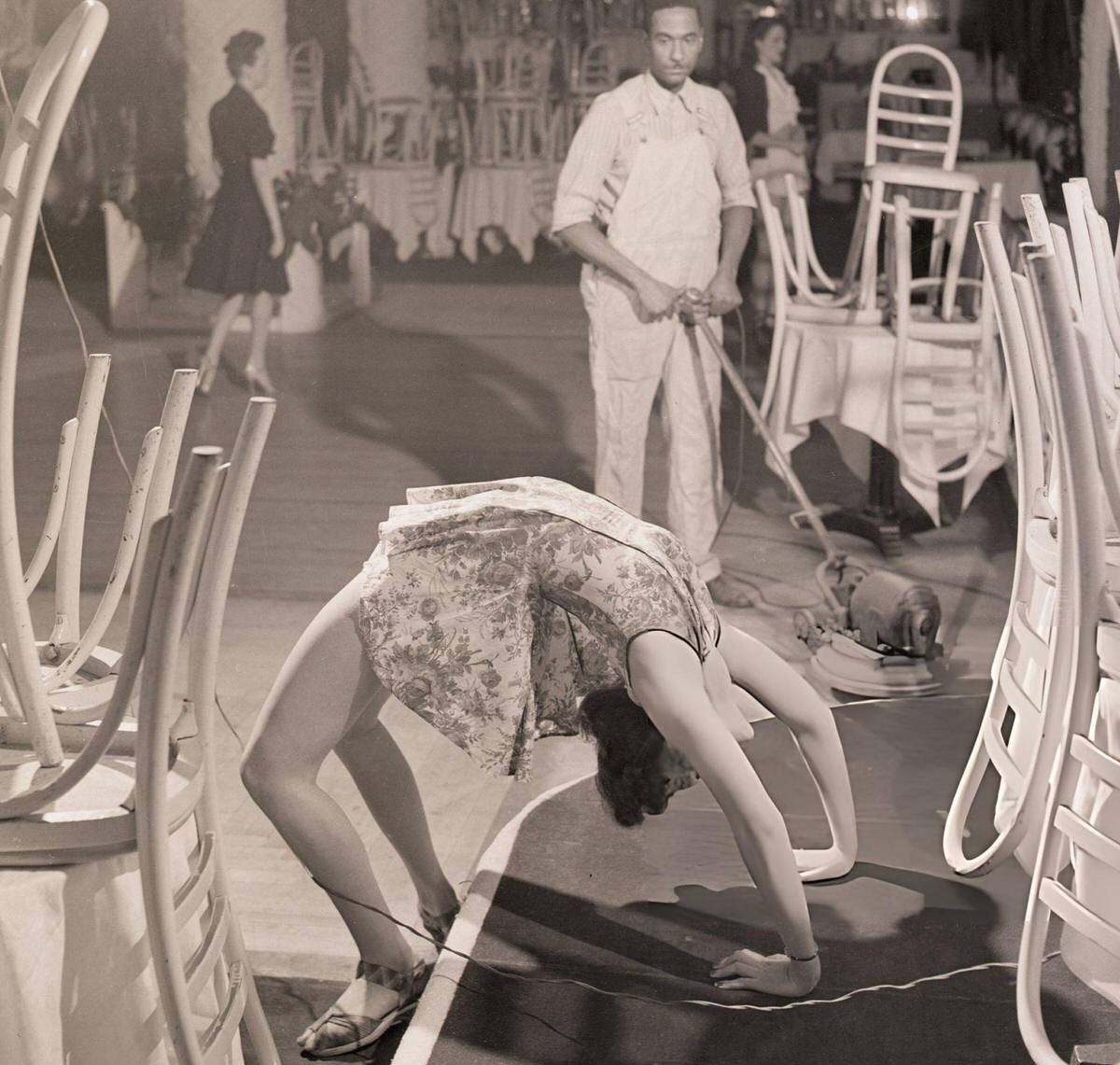
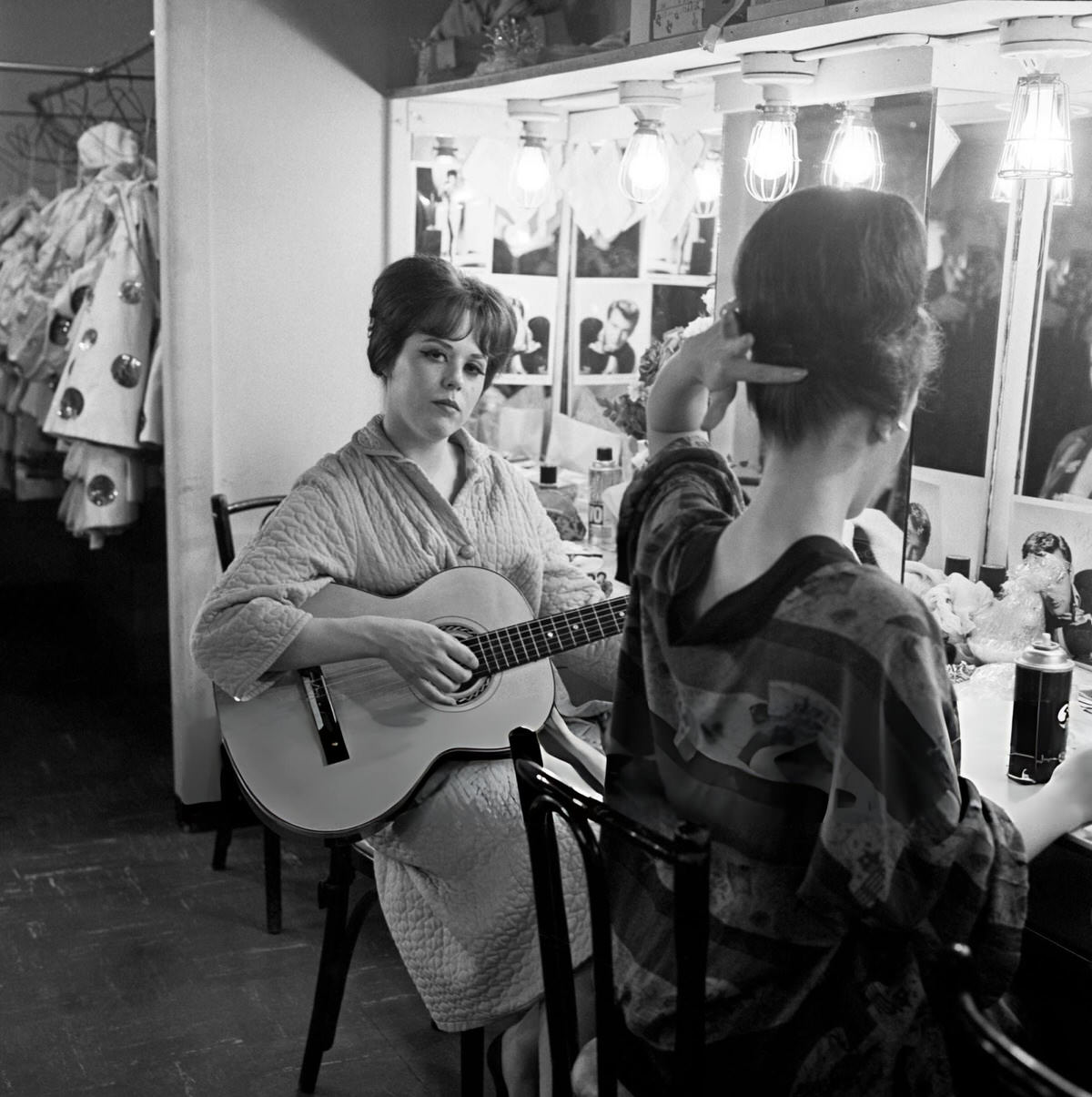
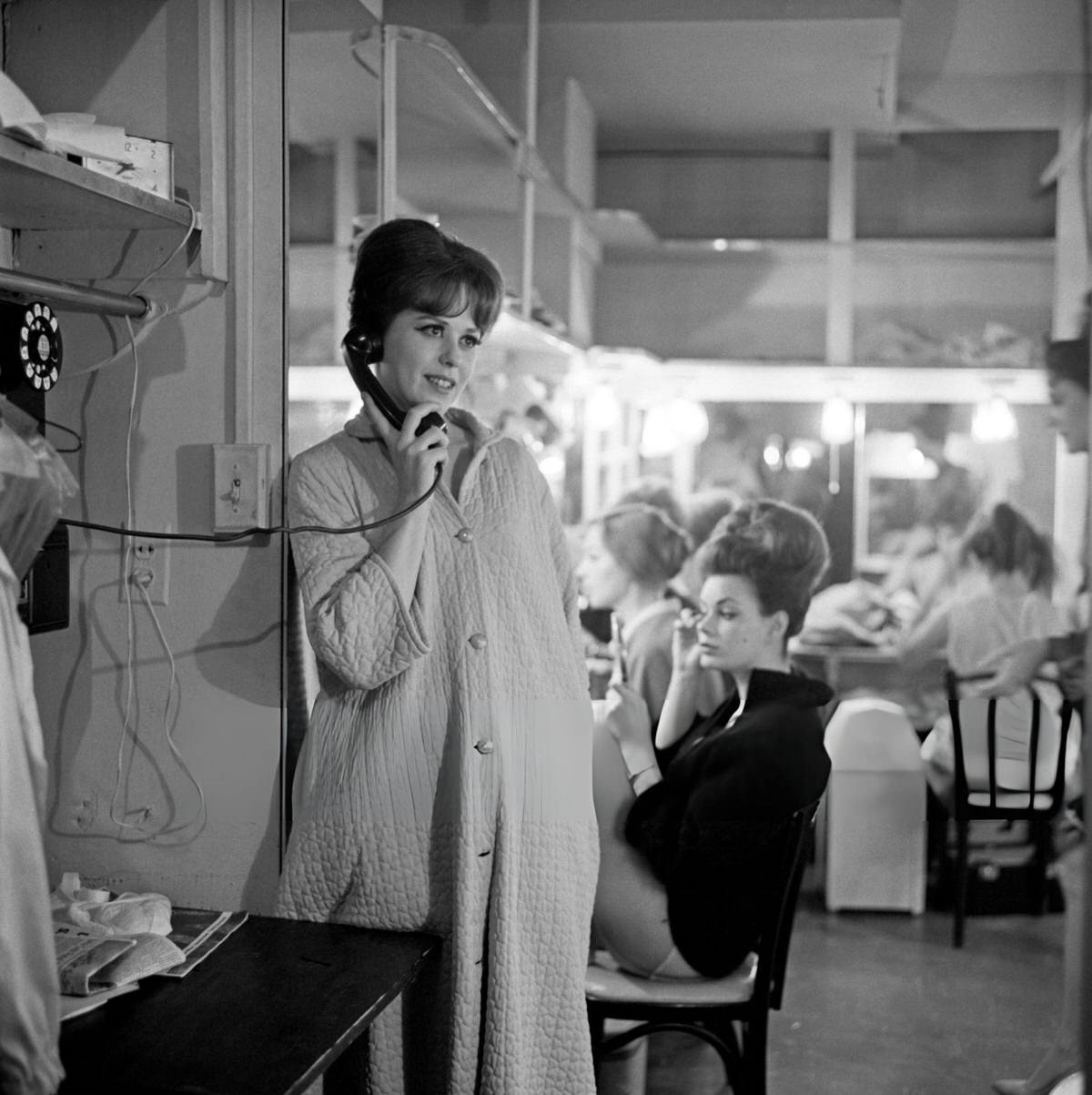
The girls lived under strict rules set by Jules Podell. They were not allowed to sit with the guests or date the customers. If a girl was caught talking to a patron at the bar, she was fired immediately. They worked seven nights a week, performing three shows a night at 8:00 p.m., 12:00 a.m., and 2:00 a.m. Between sets, they stayed in a crowded dressing room in the basement. Despite the hard work, being a Copa Girl was a prestigious job that often led to modeling contracts or acting roles in Hollywood.
The Entertainment and the Kitchen
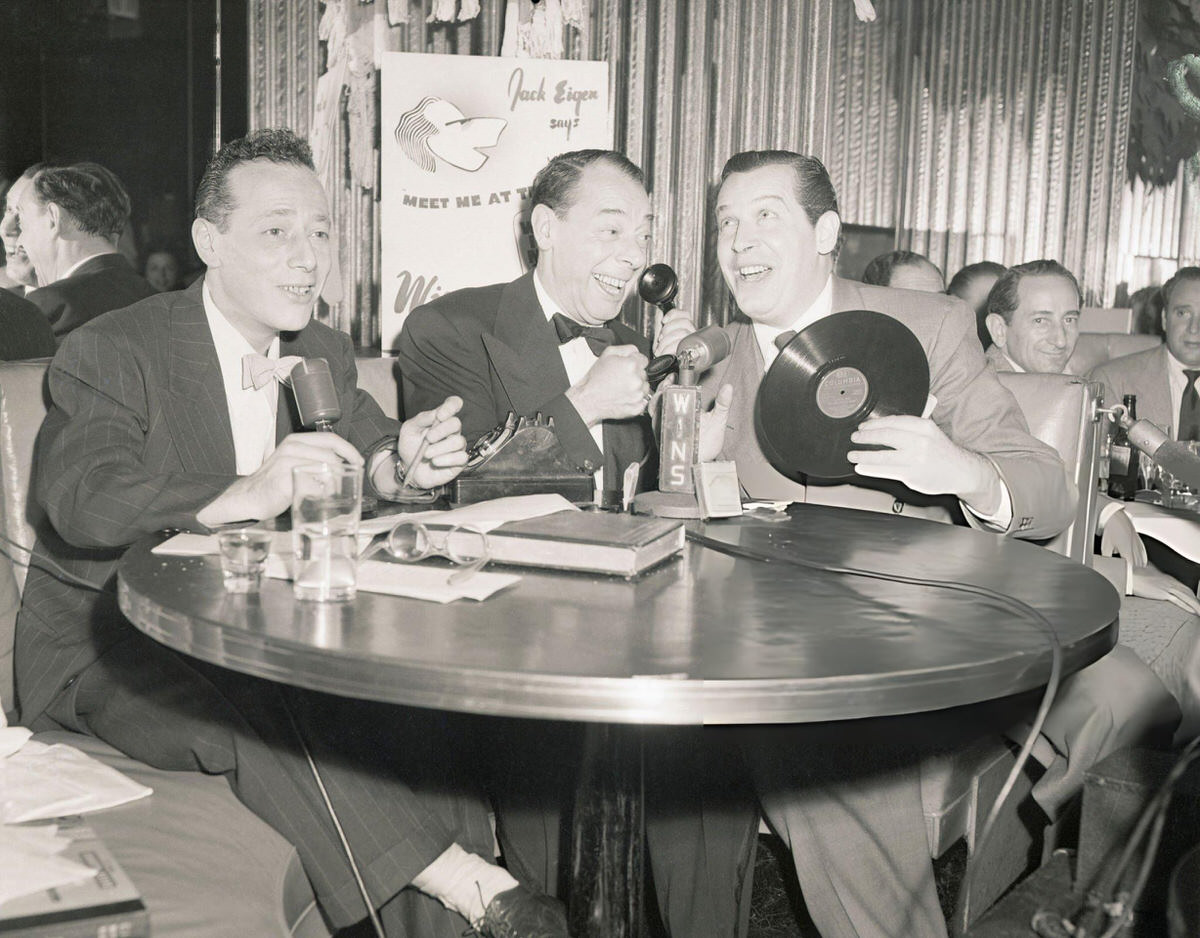
The Copacabana was the ultimate proving ground for entertainers. Getting booked at the Copa meant an artist had officially arrived at the top of the industry. Frank Sinatra, Dean Martin, and Jerry Lewis were regular performers who drew massive crowds. The club was one of the few high-end venues that also booked Black performers like Sammy Davis Jr. and Nat King Cole, though they often faced discrimination outside the spotlight.
The dining experience was as important as the music. The kitchen specialized in Chinese food and steak, an unusual combination that became a club trademark. Waiters in white jackets moved quickly between the crowded tables, carrying heavy trays above their heads. Because the club was always overbooked, the tables were packed so tightly that guests often touched elbows with the people next to them.
Nightly Operations and Atmosphere
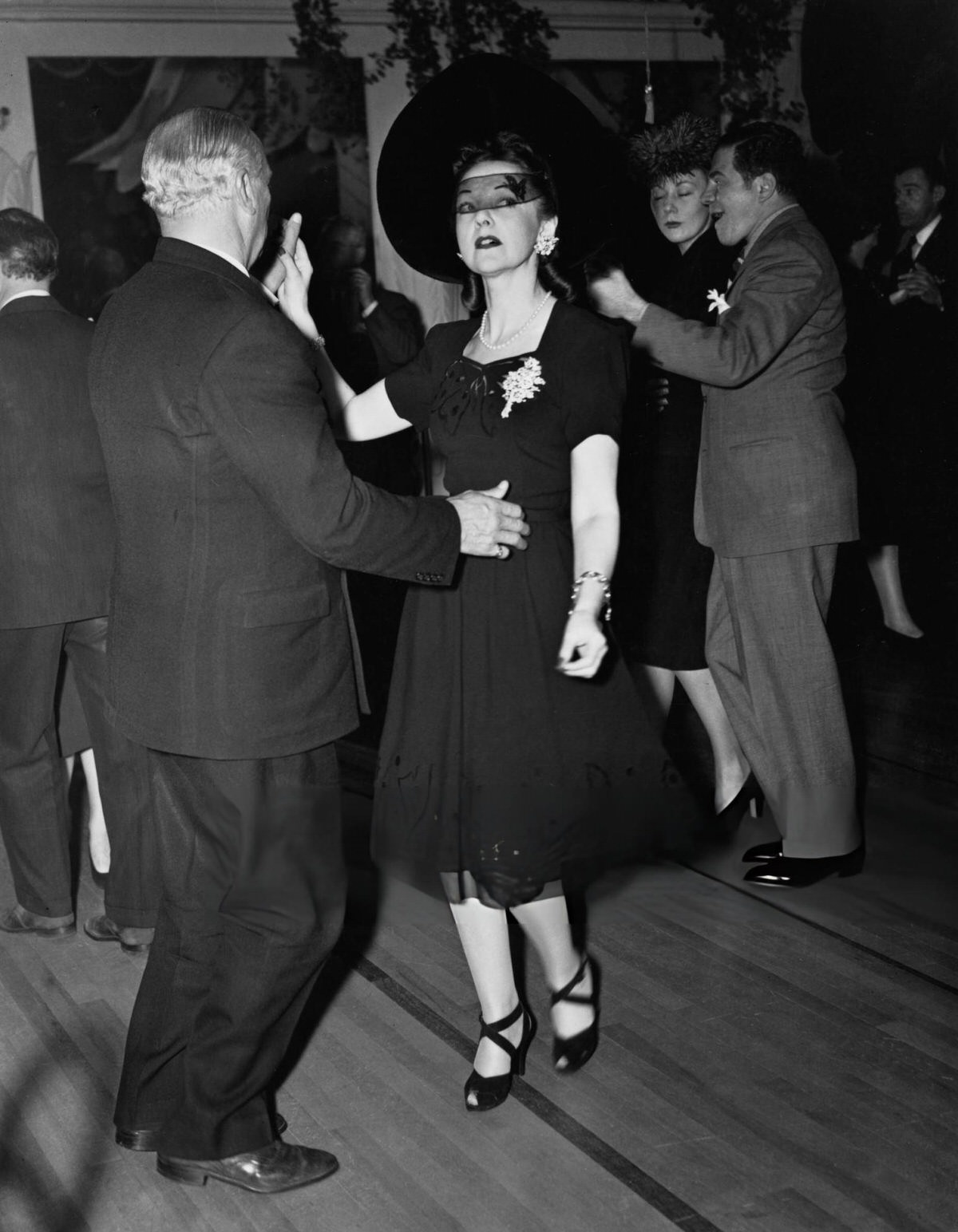
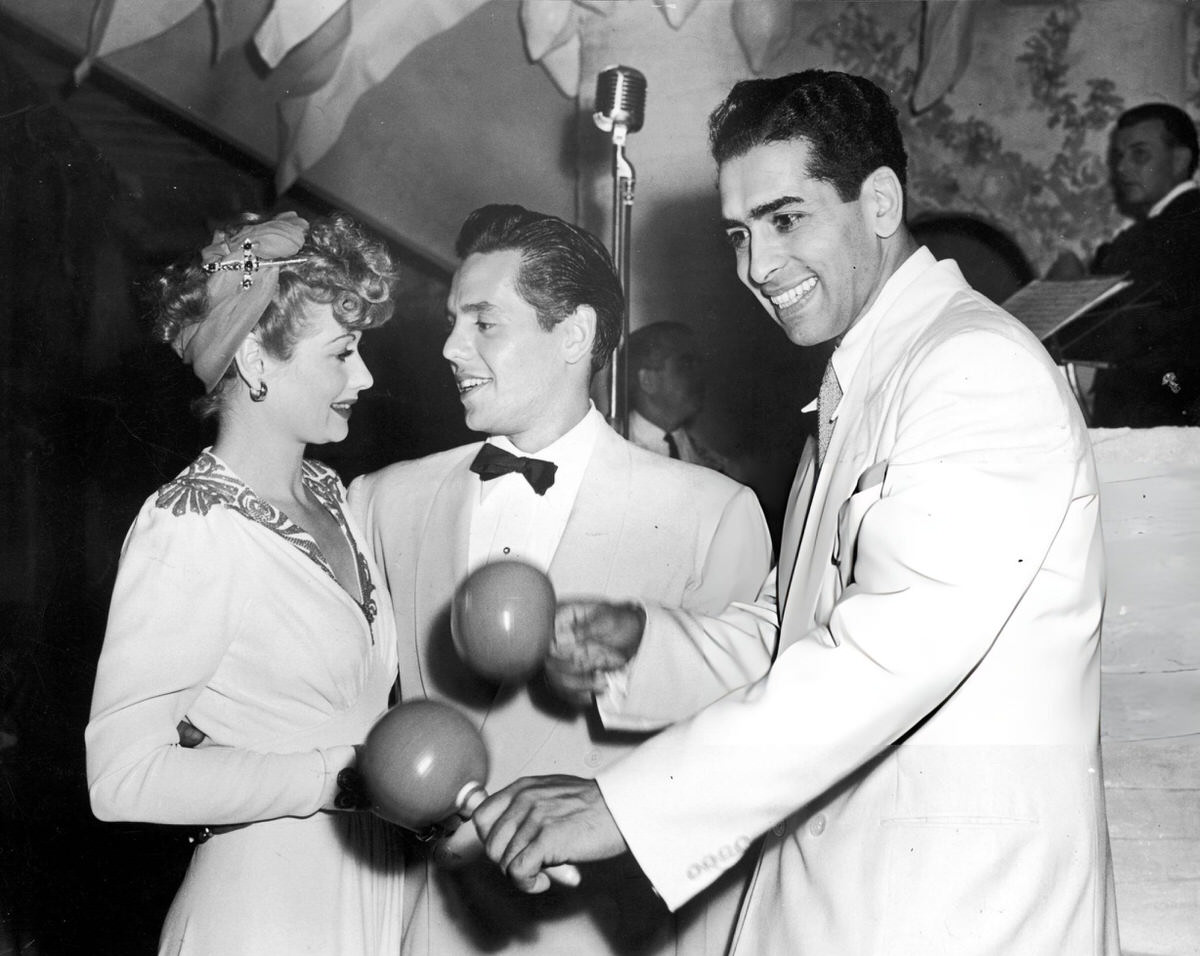
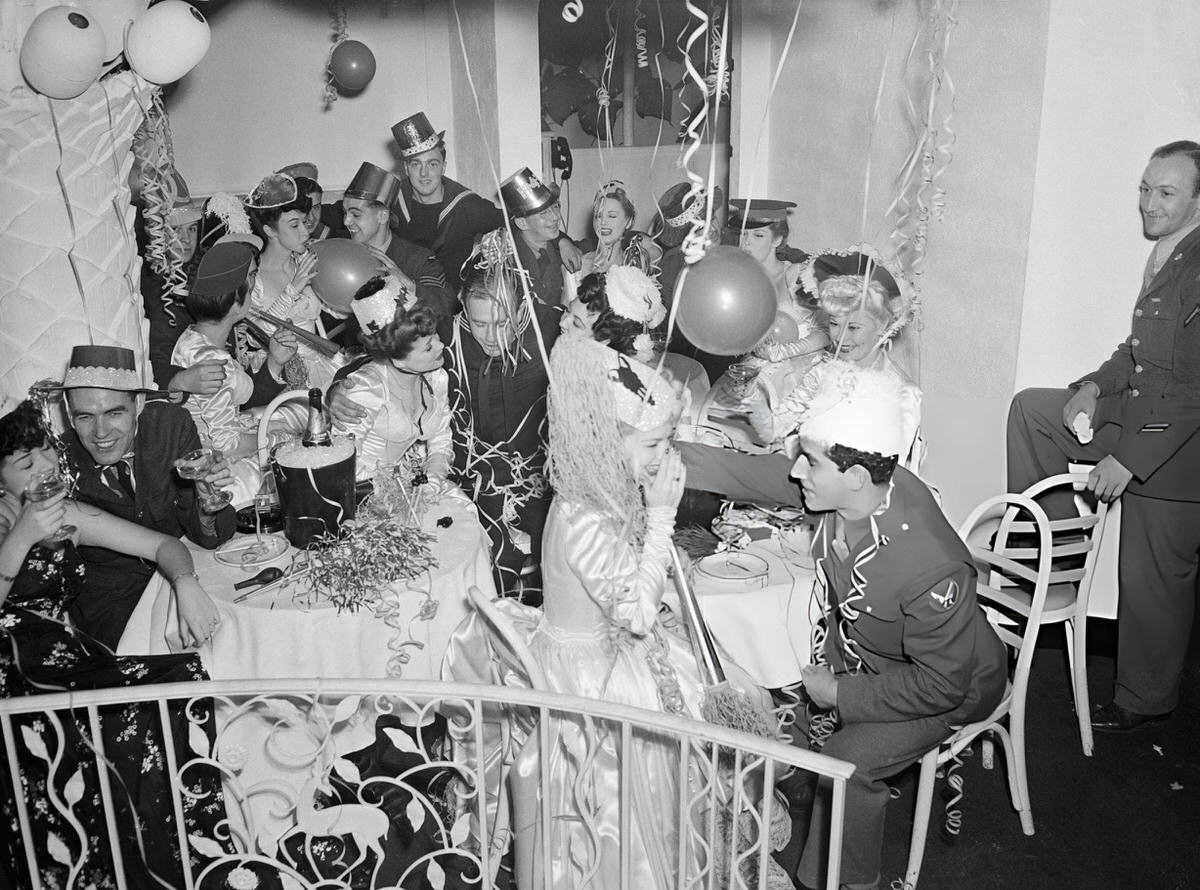
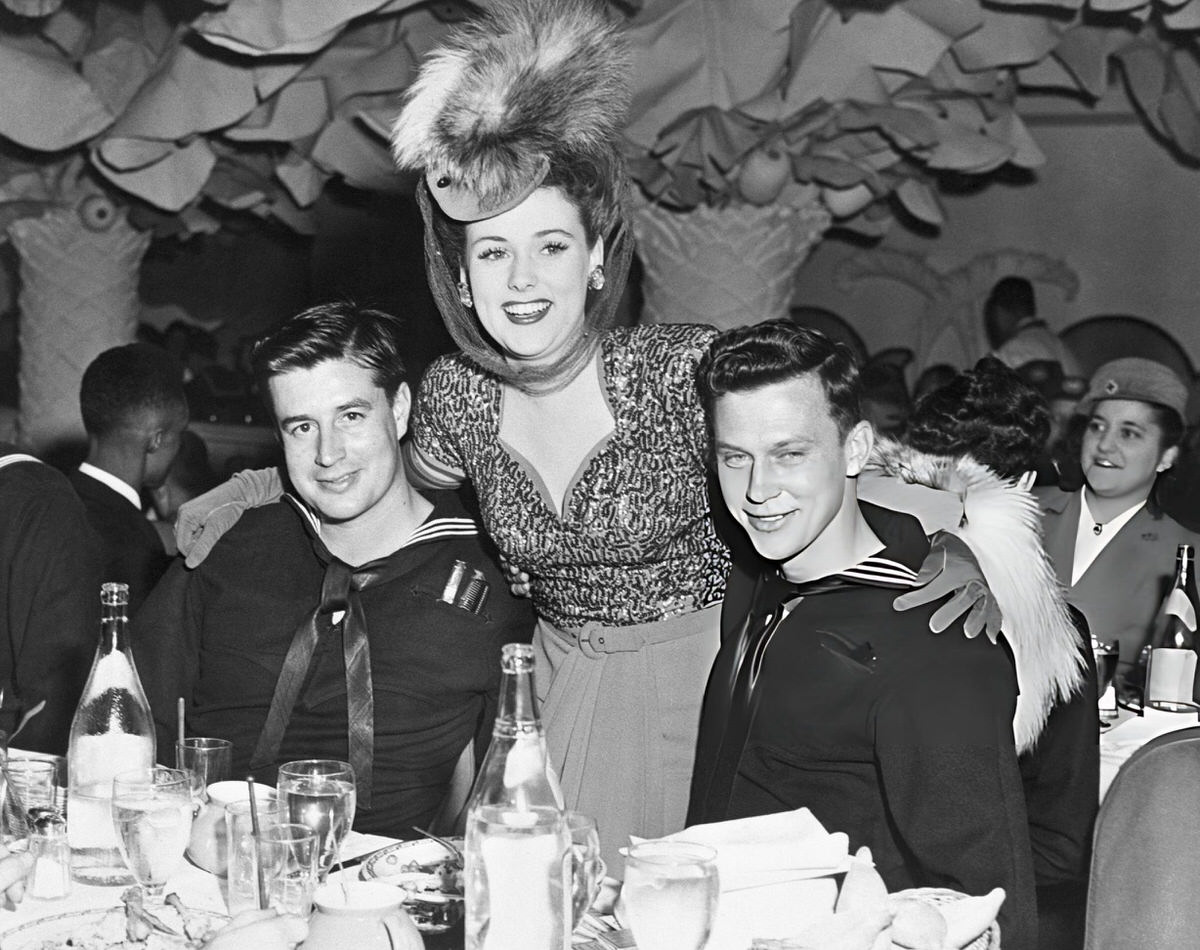
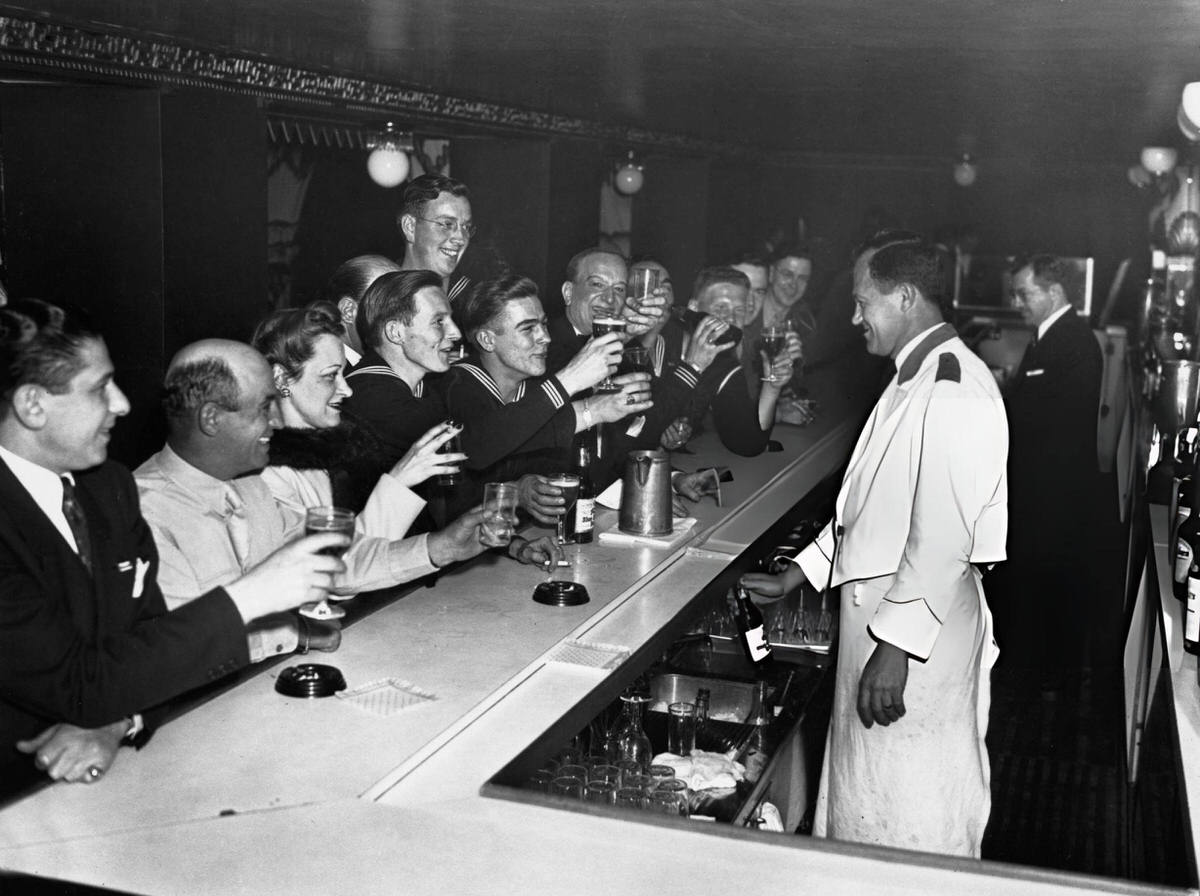
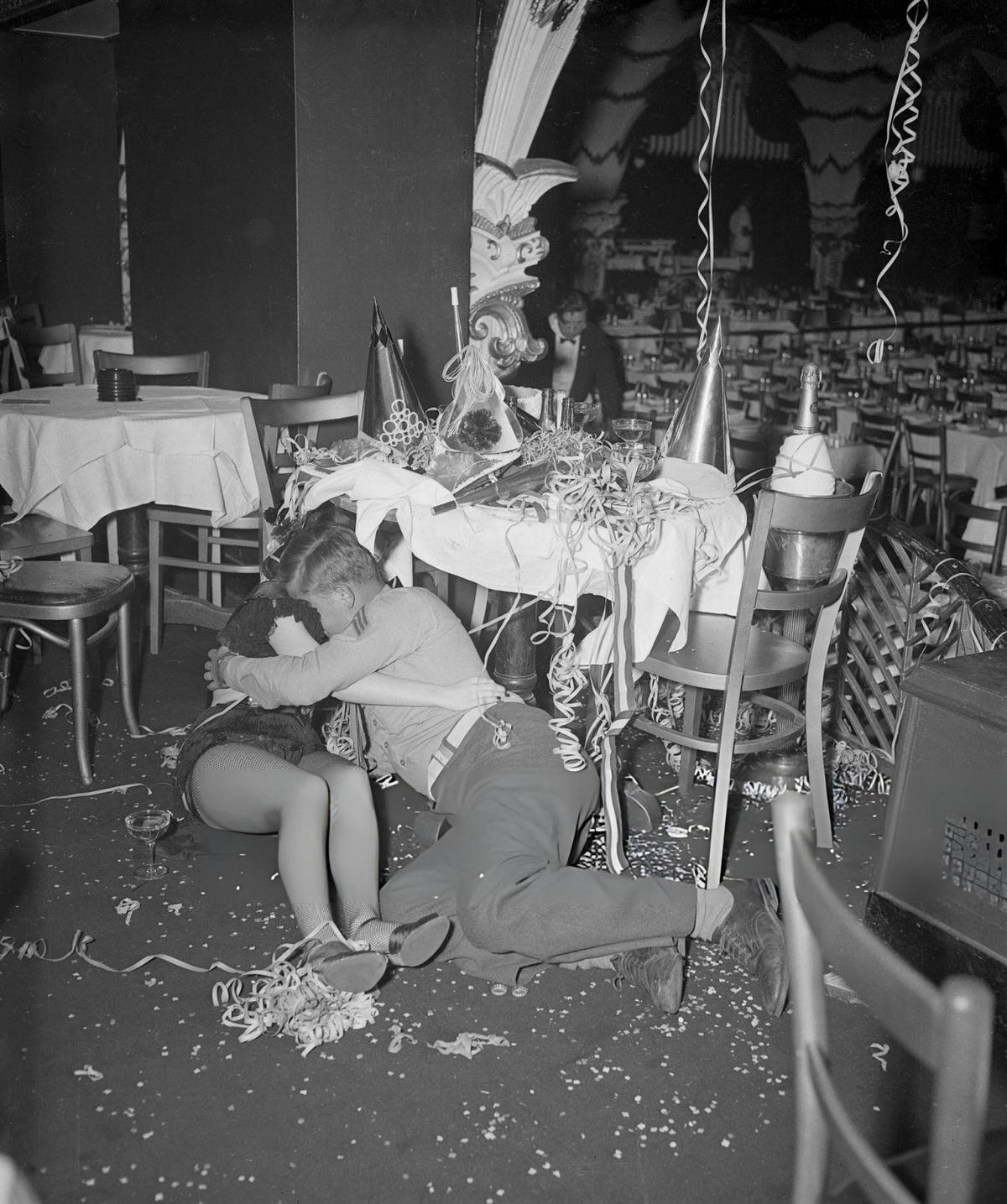
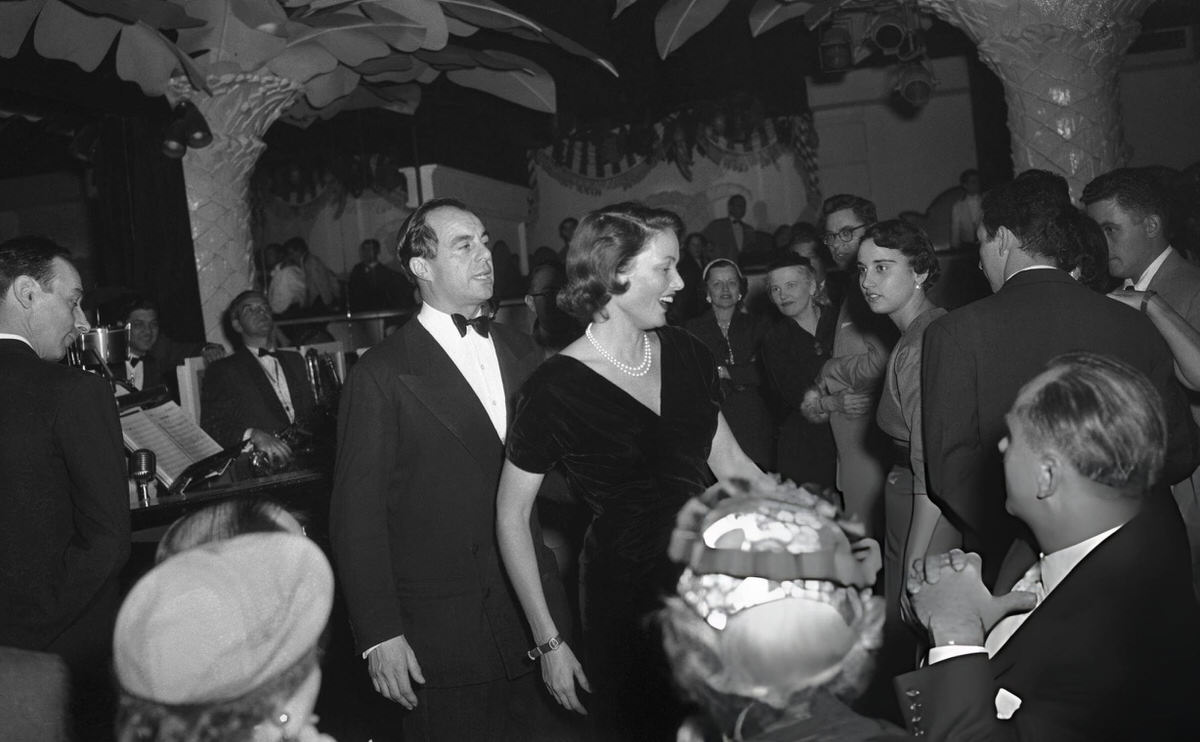
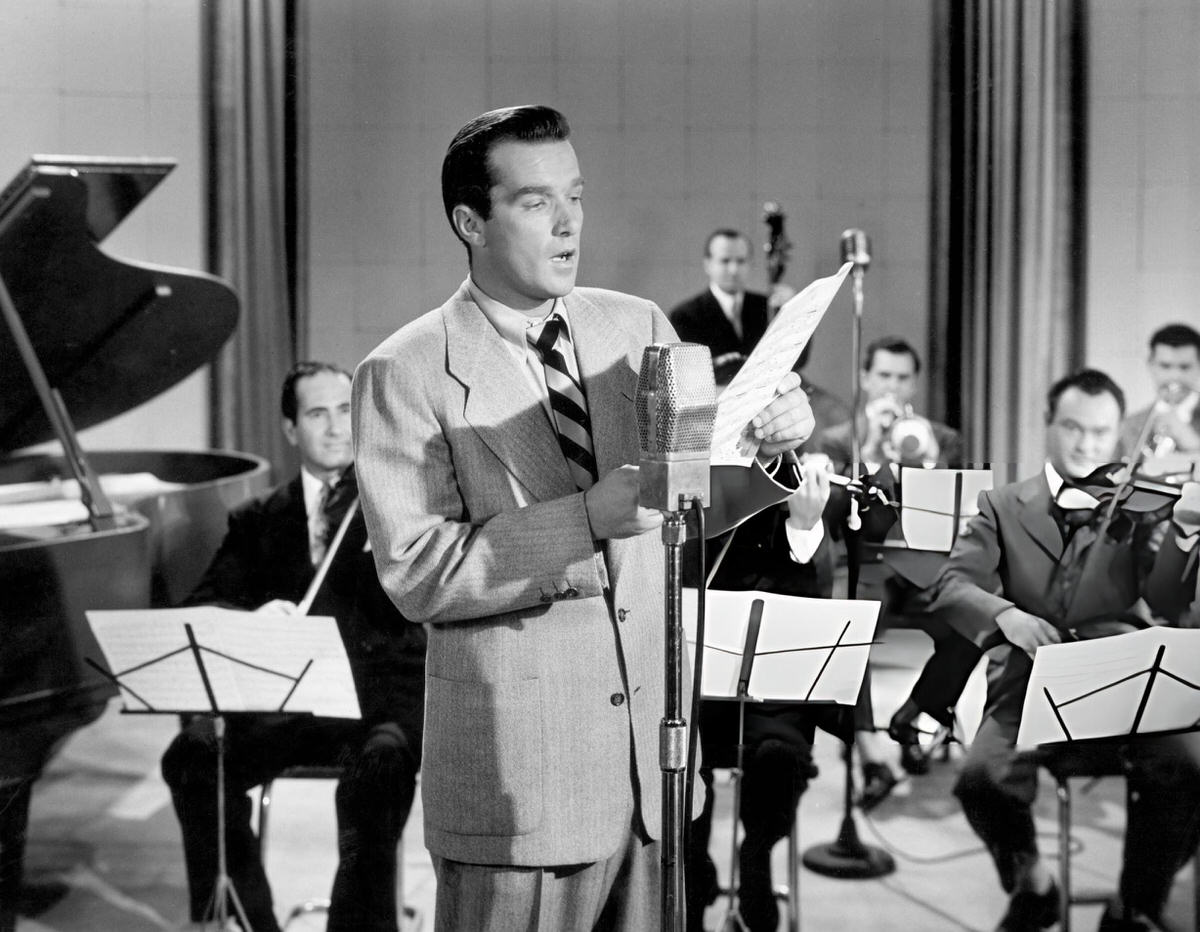
The atmosphere inside the Copa was loud, smoky, and high-energy. The house band, led by various conductors over the years, played Latin-inspired rhythms and jazz standards. A photographer walked from table to table, taking pictures of couples and selling them in souvenir folders. These photos provided proof that a guest had spent a night at the most exclusive spot in the city.
In the 1950s, the club expanded its reach by appearing in movies and being mentioned in gossip columns. The “Copa Lounge” was a separate area within the club where up-and-coming comedians and singers performed for a smaller audience. This room served as a laboratory for new talent. Many famous comedy duos practiced their timing in the lounge before moving to the main stage.
The security at the club was handled by a group of men who acted as both ushers and bouncers. They ensured that the “Nightclub Kings” were never disturbed by autograph seekers or rowdy tourists. If a guest became too loud, they were quietly but firmly led to the exit. This combination of organized crime backing, strict management, and world-class talent created a unique environment that stayed relevant for decades.

GIPHY App Key not set. Please check settings