

 Dennis Saul
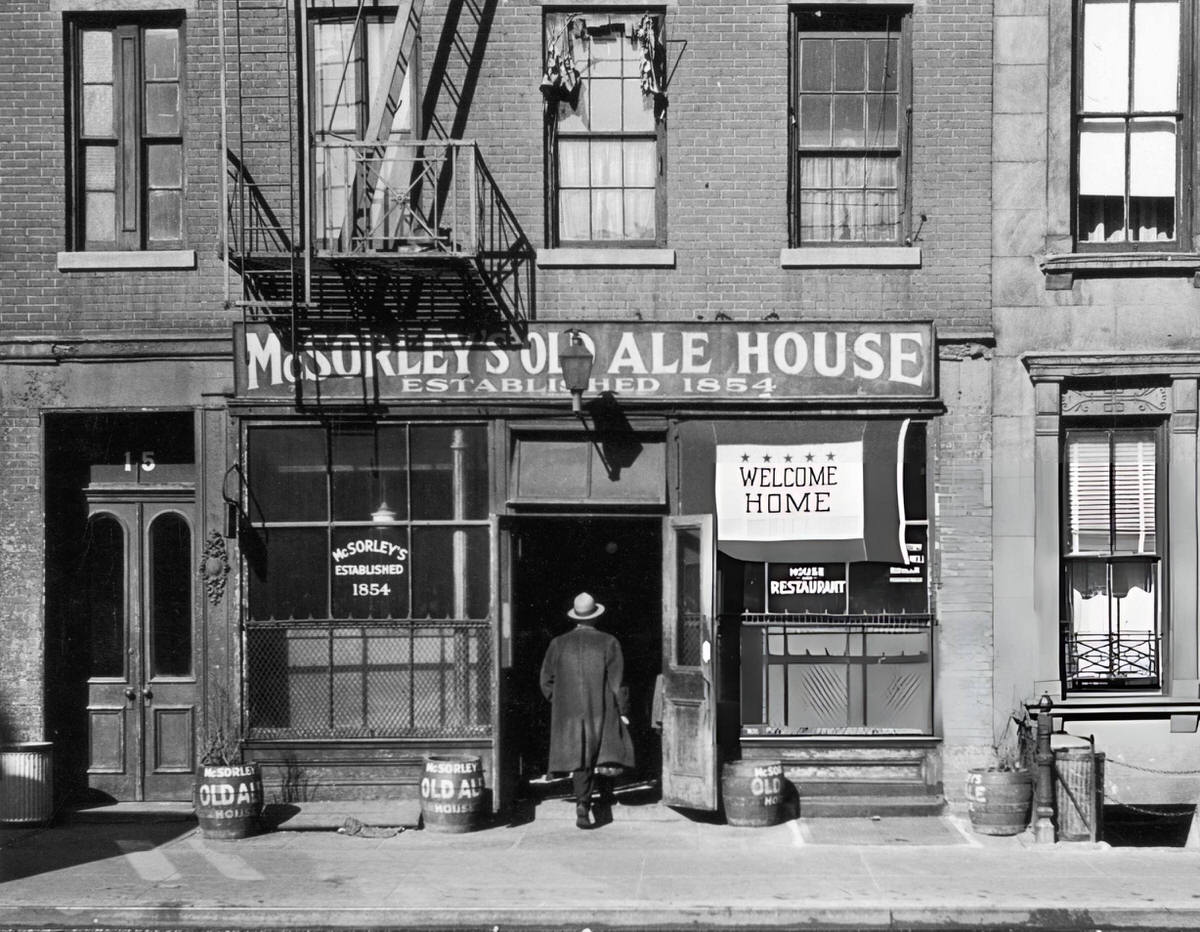
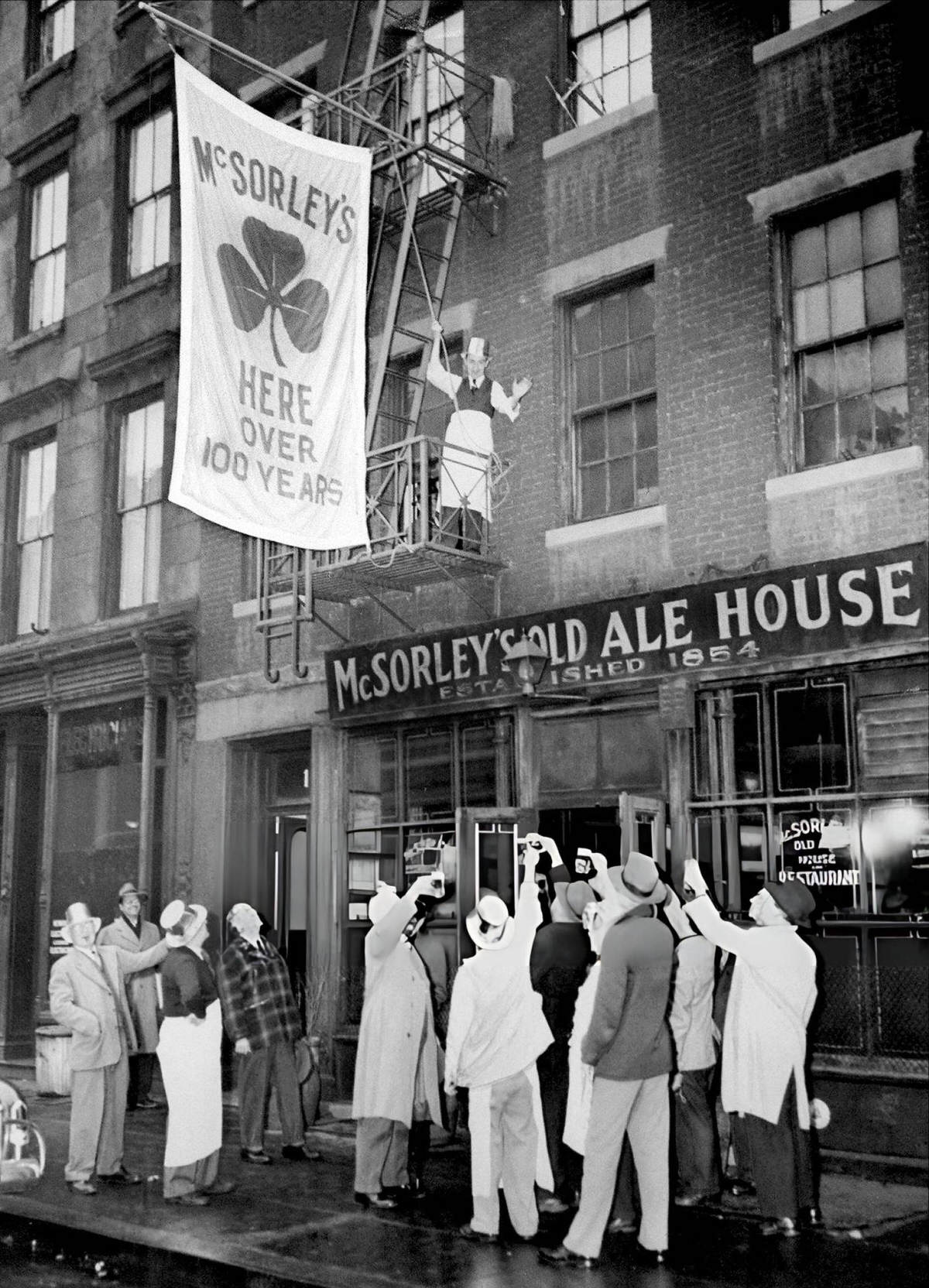
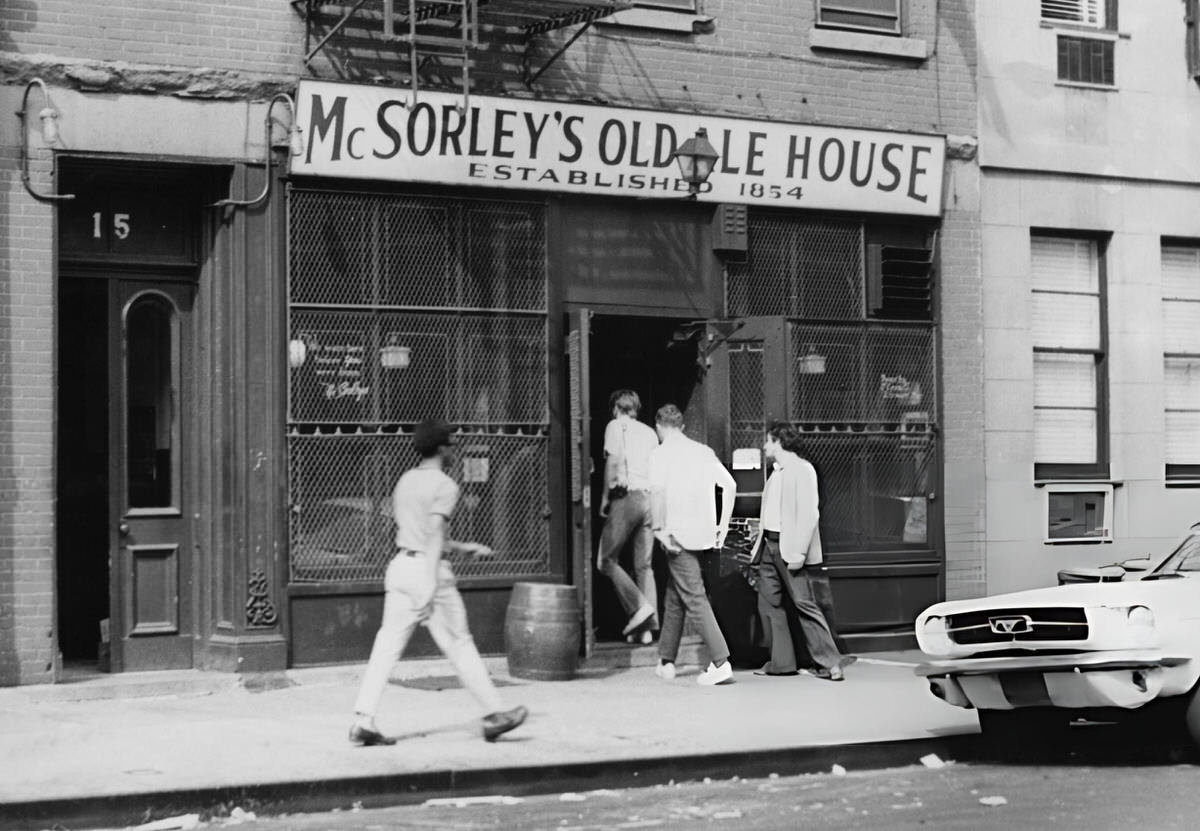
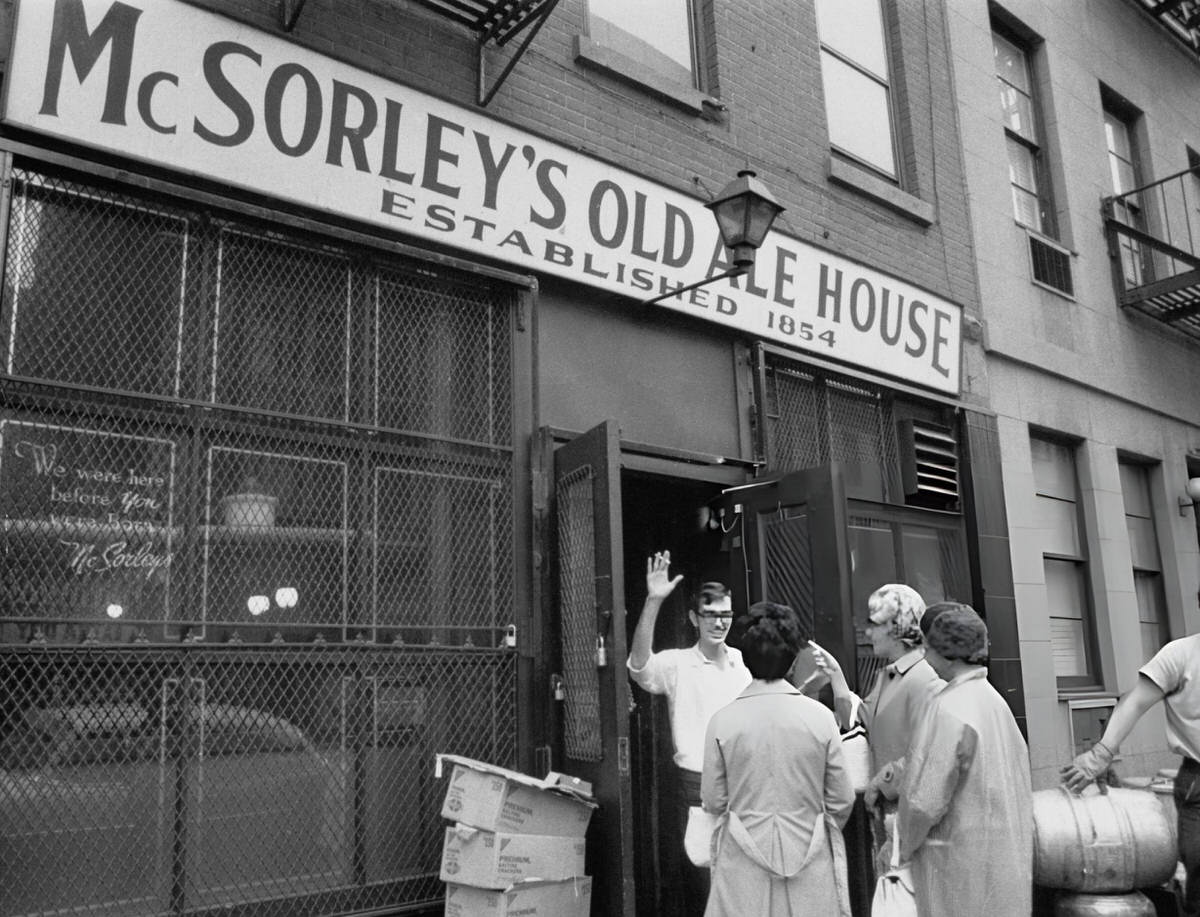
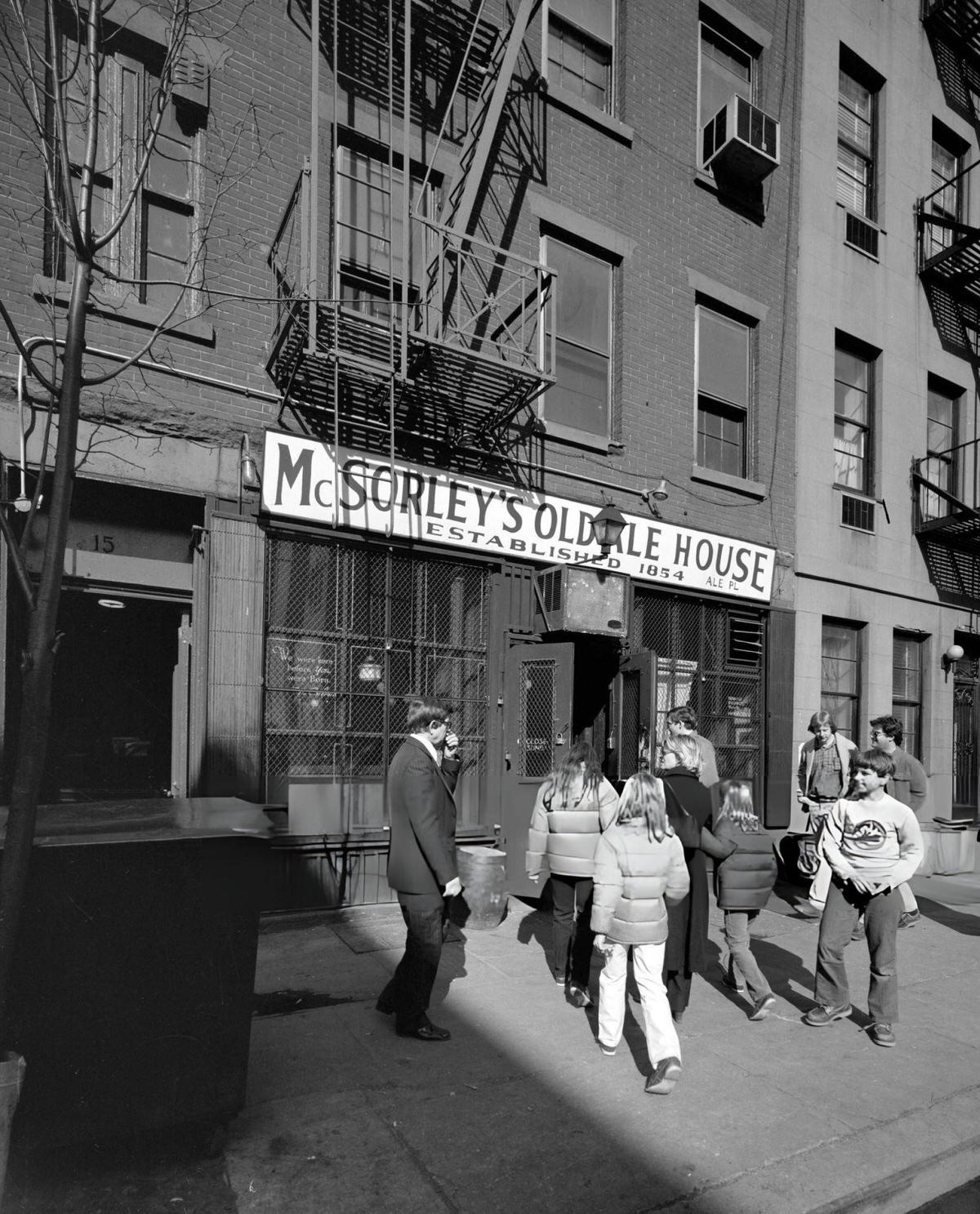
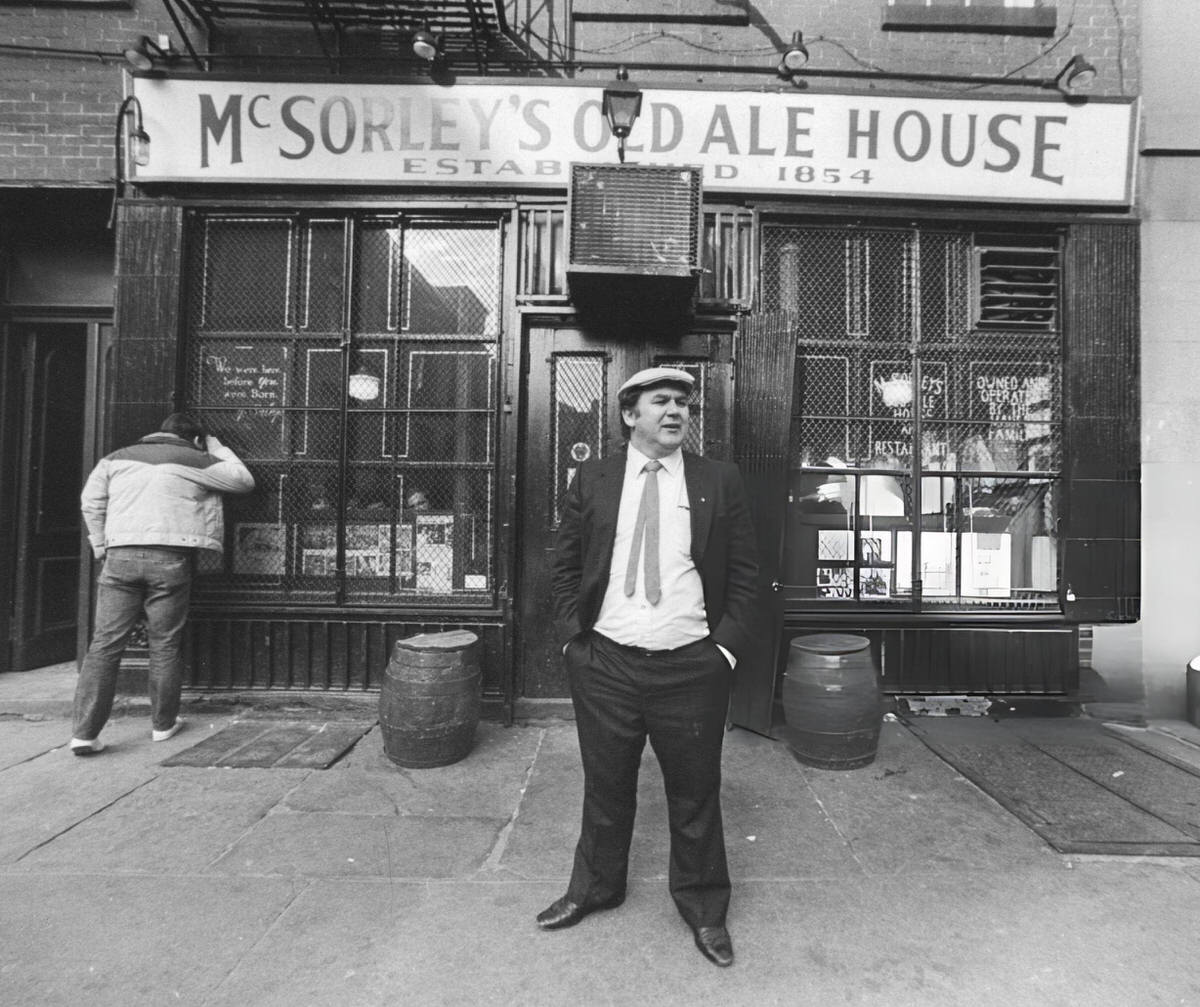
McSorley’s Old Ale House opened its doors in 1854 at 15 East 7th Street in Manhattan. John McSorley, an Irish immigrant, established the bar as a place for working-class men to gather. For over 100 years, the establishment maintained a strict policy that prohibited women from entering. This rule remained in place through the Civil War, the Great Depression, and two World Wars. The bar became famous for its refusal to change its traditions or its decor as the city modernized around it.
The Original Environment
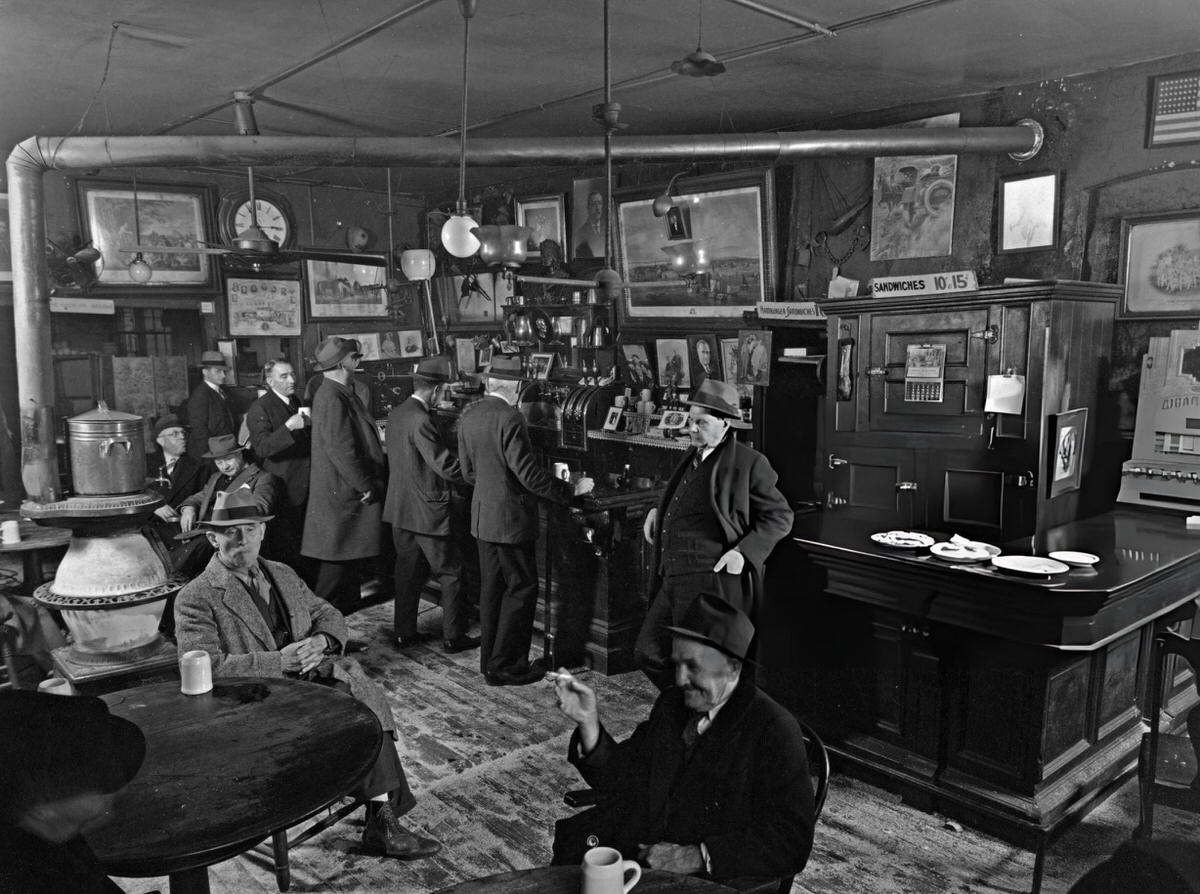
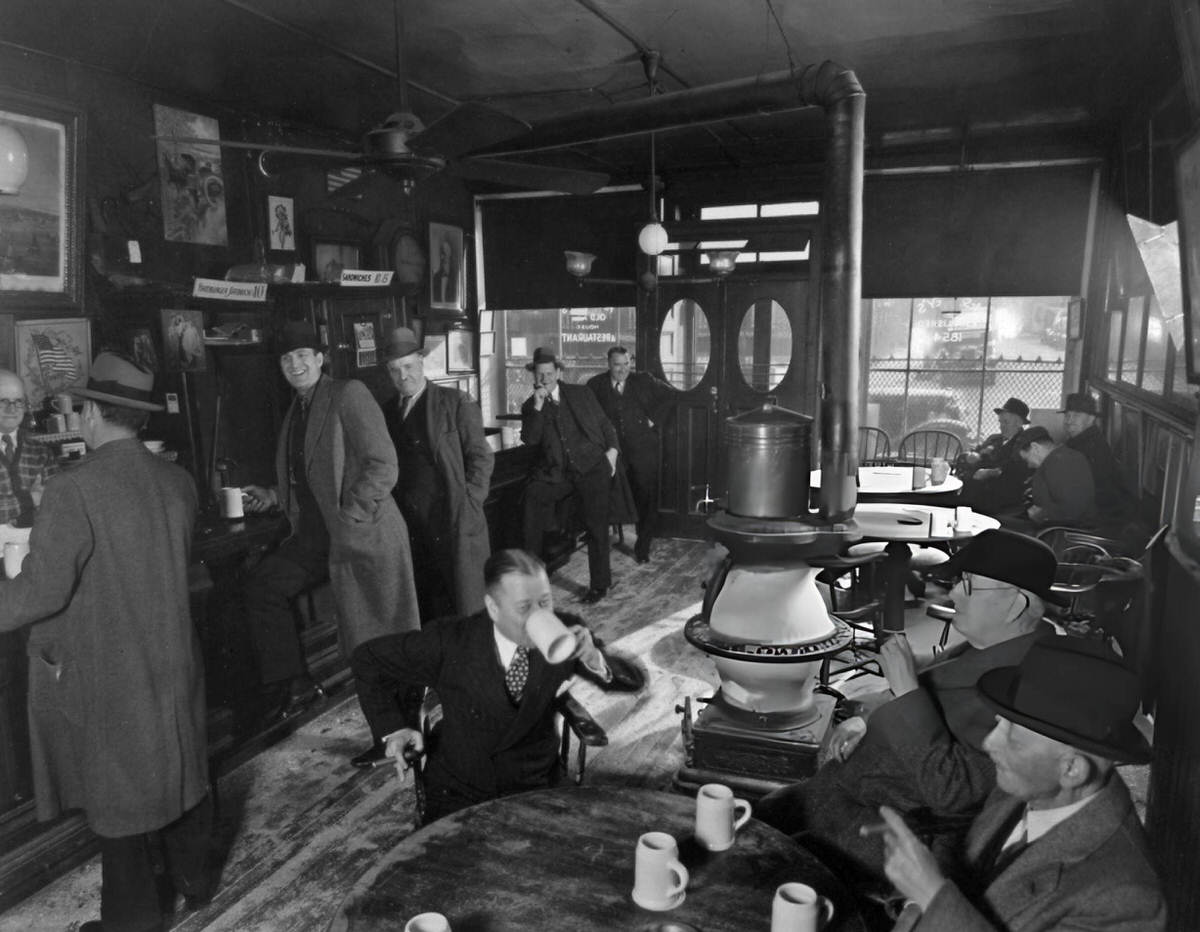
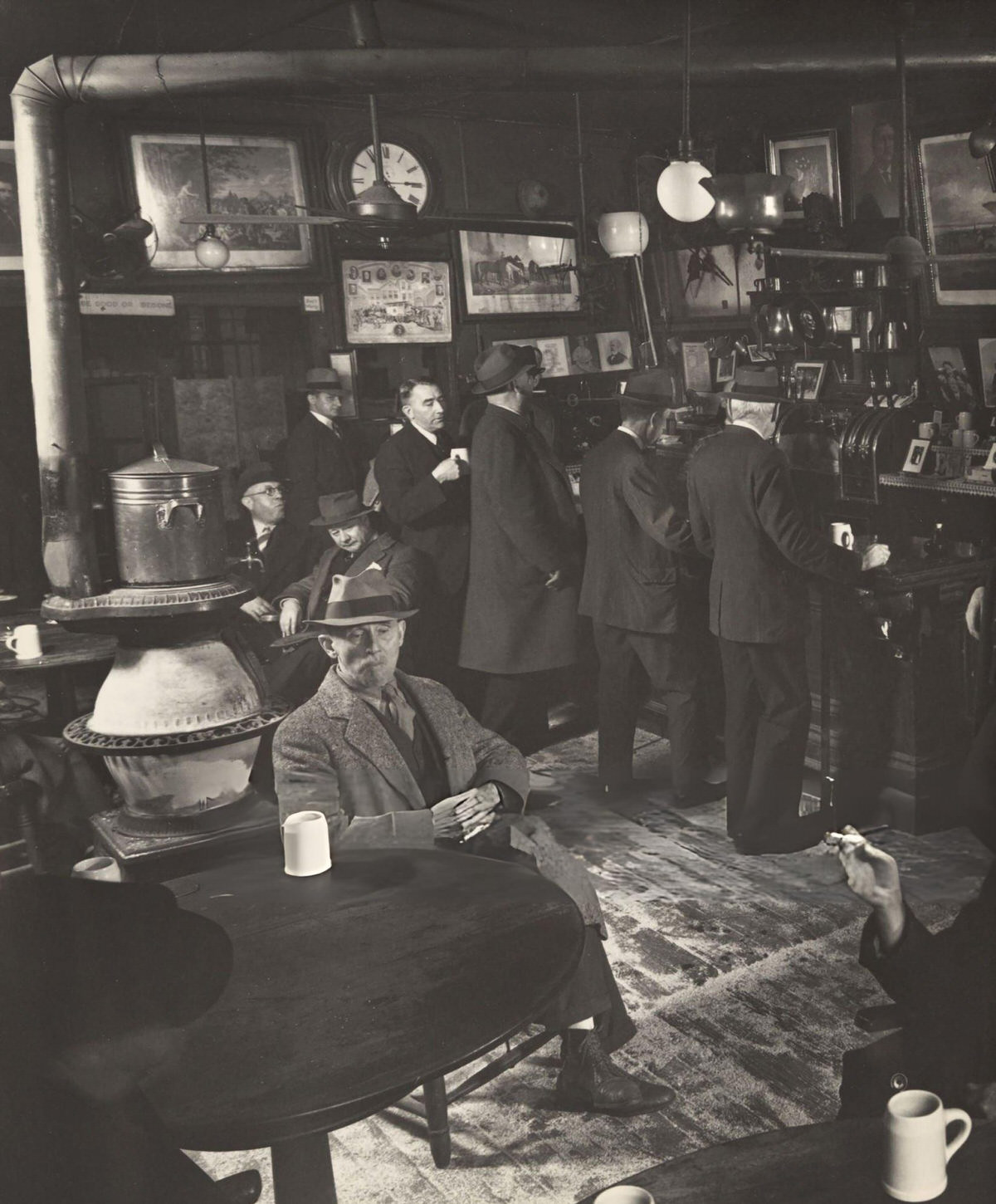
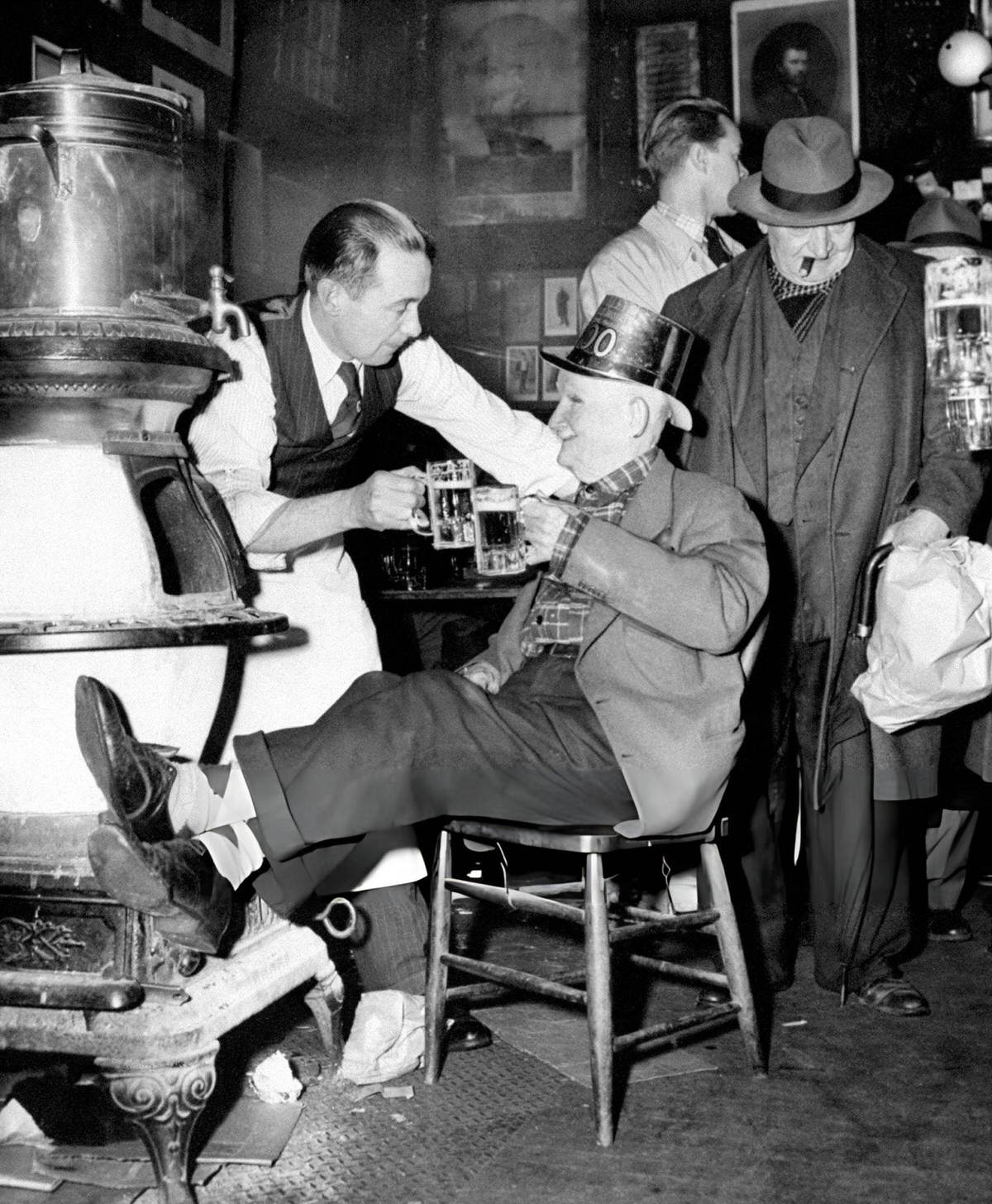
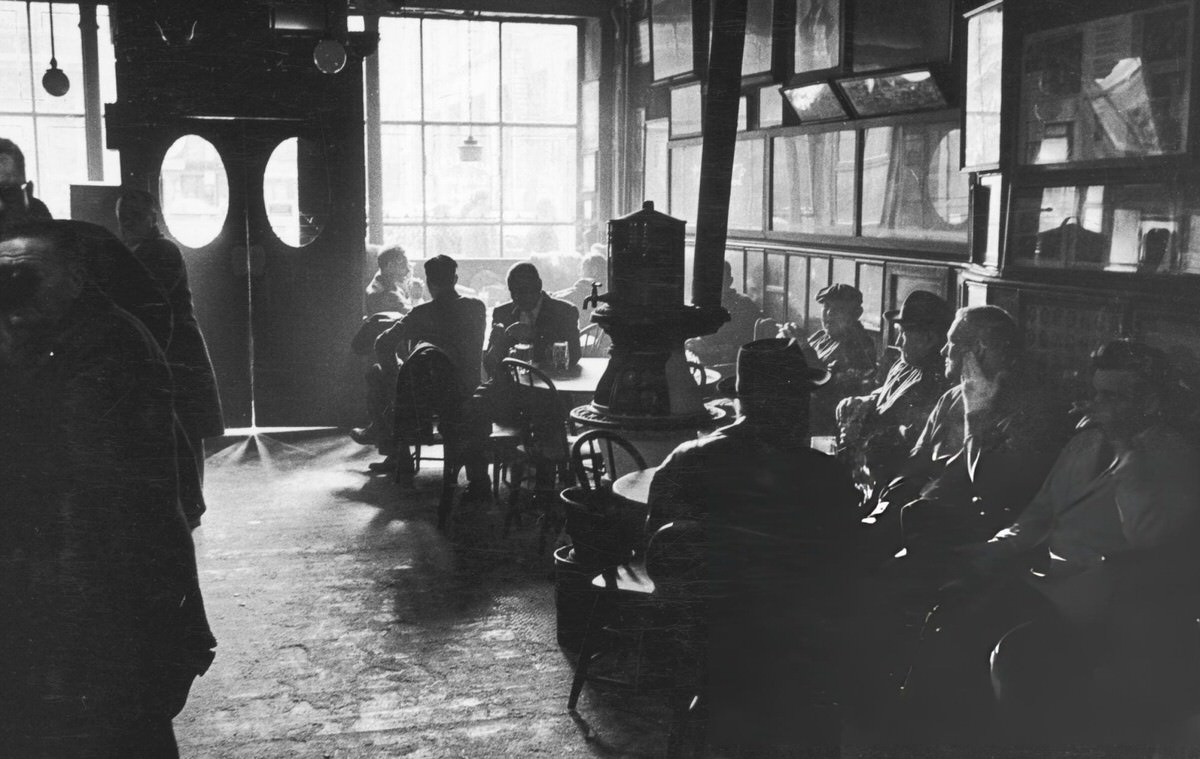
The interior of McSorley’s in the mid-20th century looked almost identical to the day it opened. Sawdust covered the floor to soak up spilled beer and mud from patrons’ boots. A large potbelly stove stood in the center of the room to provide heat during the winter months. The walls were crowded with thousands of items, including old newspaper clippings, theater programs, and faded photographs. One of the most famous features was a pair of wishbones hanging from a dusty chandelier. Soldiers leaving for World War I placed them there, intending to remove them when they returned. The wishbones left behind belonged to those who never came home.
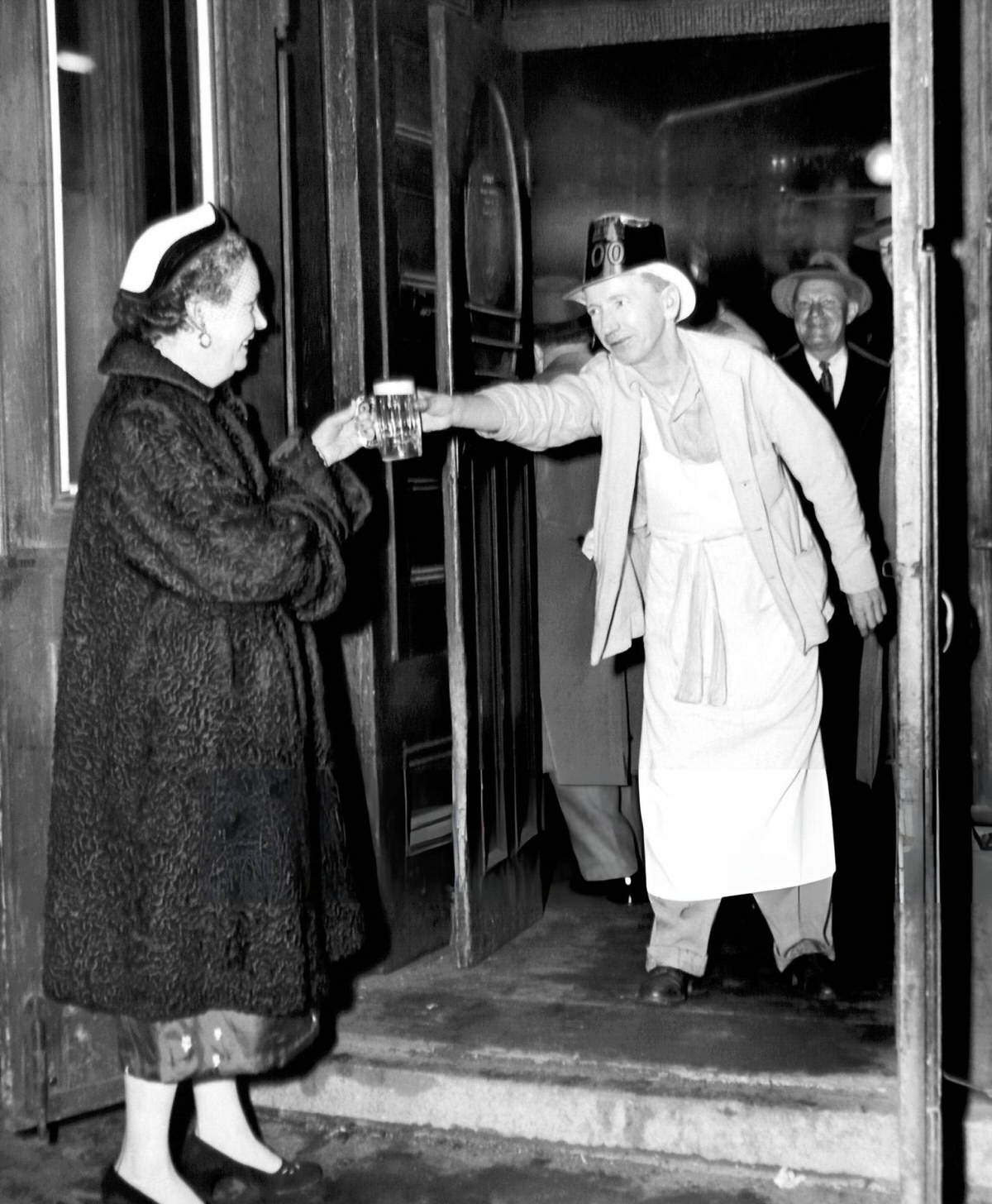
The bar served only two types of beverages: McSorley’s Light Ale and McSorley’s Dark Ale. There were no soda options, no hard liquor, and no bottled water. Patrons received their ale in small glass mugs, often ordered in pairs. The food menu was equally limited. It consisted mainly of thick slices of raw onion, cheddar cheese, and saltine crackers served on a simple platter.
Read more
The “No Women” Policy
The sign on the door famously read, “Be Good or Be Gone,” but the unwritten rule was “Men Only.” This policy was not based on a specific law but on the personal preference of the McSorley family. They believed that the presence of women would change the atmosphere of the bar. They argued that men needed a private space to talk without the social pressures of mixed company. The bar staff strictly enforced this rule at the entrance. If a woman tried to enter, the bartender or the owner immediately asked her to leave.
This exclusion extended to employees as well. The bartenders and servers were all men, often working at the pub for decades. This consistency created a tight-knit community of regulars who viewed the bar as a second home. Famous figures like Abraham Lincoln, Ulysses S. Grant, and Peter Cooper visited the bar, contributing to its reputation as a masculine sanctuary in the heart of the East Village.
The 1970 Legal Challenge
The policy faced a major challenge in 1969 when Faith Seidenberg and Karen DeCrow, two attorneys and members of the National Organization for Women (NOW), entered the bar. The bartender refused to serve them, and they were escorted out. Unlike previous attempts by women to enter, this incident led to a formal lawsuit. The case was argued in the United States District Court for the Southern District of New York. The plaintiffs argued that the bar’s “men only” policy violated the Equal Protection Clause of the Fourteenth Amendment.
The owners of McSorley’s argued that as a private establishment, they had the right to choose their customers. However, the court found that because the bar held a public liquor license, it was a place of public accommodation. On June 25, 1970, Judge Walter R. Mansfield ruled that the bar could no longer legally exclude women. He stated that the refusal to serve women was arbitrary and discriminatory.
The First Day of Integration
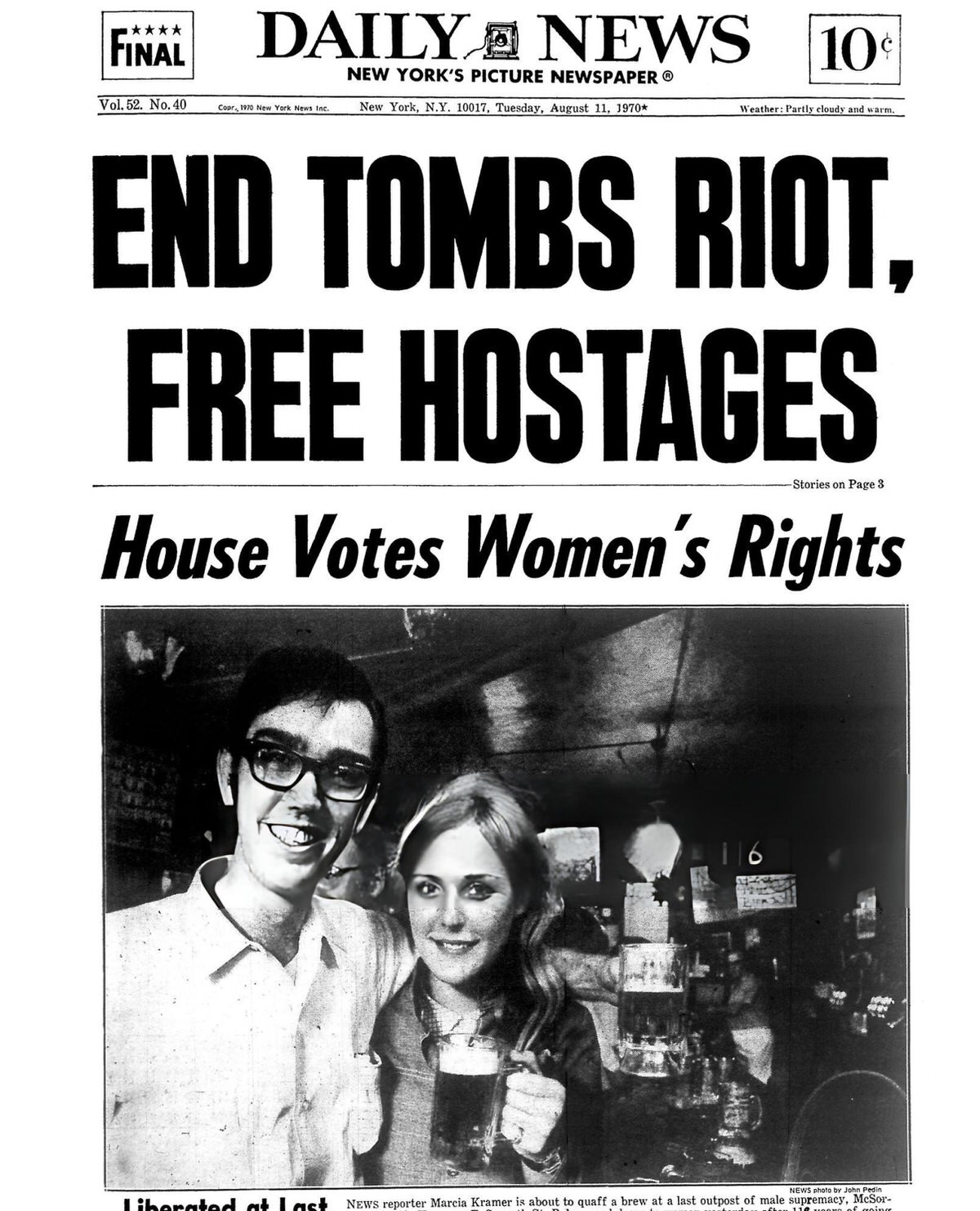
On August 10, 1970, McSorley’s officially opened its doors to women for the first time. The event drew a massive crowd of reporters, photographers, and curious onlookers. Barbara Shaum, a local leather worker and long-time neighbor of the bar, was the first woman to be served. She had lived in the neighborhood for years and had often walked past the bar without being allowed inside.
The atmosphere that day was tense. Many of the older regulars sat in silence, unhappy with the change to their routine. Some patrons wore black armbands to mourn the end of the “men only” era. Despite the protests, the bar served dozens of women throughout the afternoon. The bartenders continued to serve the same light and dark ales in the same glass mugs. The only immediate physical change to the building was the installation of a women’s restroom, which had to be constructed quickly to comply with the new requirements.
Daily Life in the 1960s
Before the court ruling, the daily rhythm of the bar was highly predictable. It opened at 11:00 a.m. and stayed busy until late at night. The morning hours usually saw local laborers and retirees. By the afternoon, writers and students from nearby Cooper Union filled the wooden tables. There was no music played in the bar—no jukebox and no live bands. The only sounds were the clinking of glasses and the low roar of conversation.
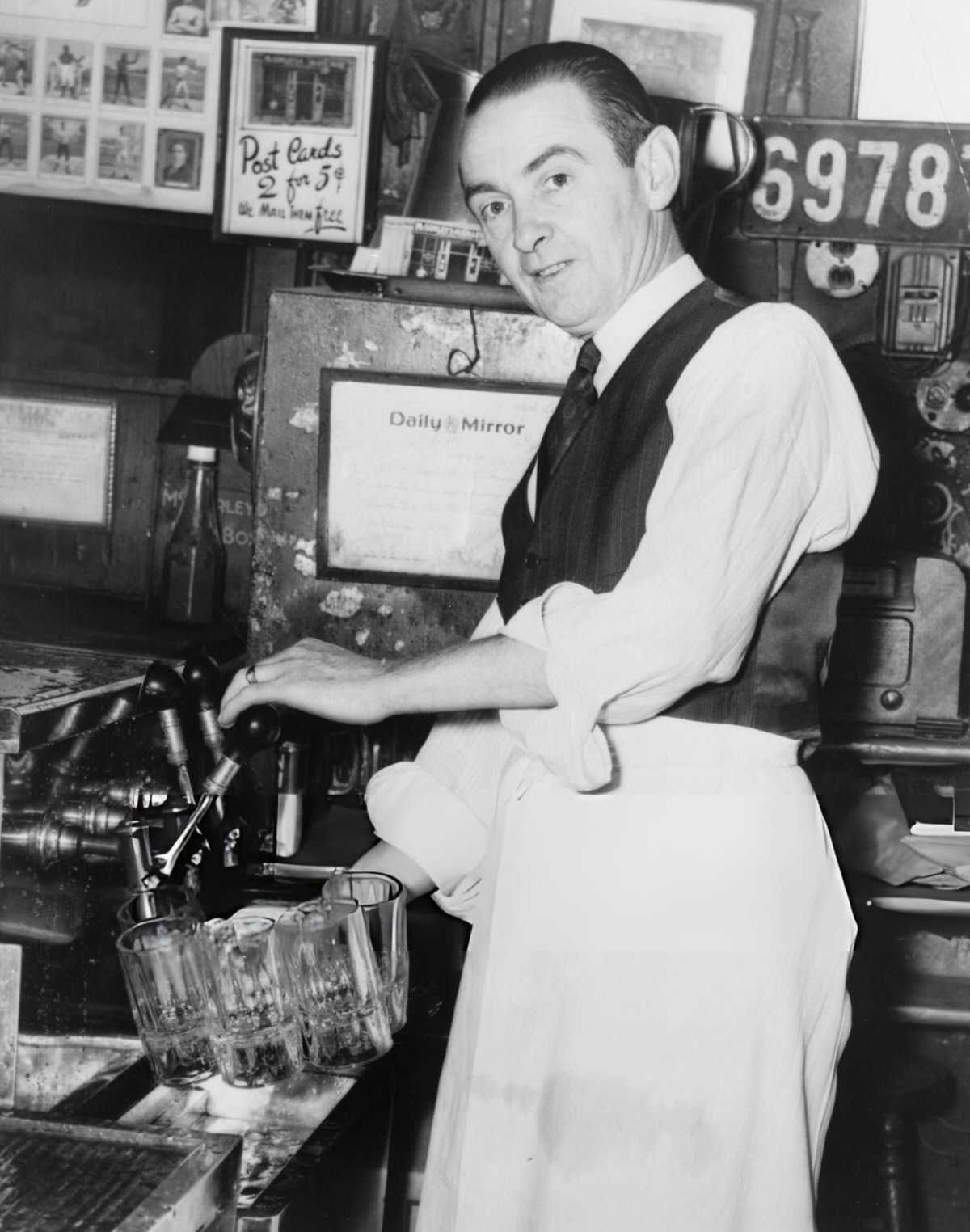
The staff took pride in their efficiency. Bartenders carried dozens of mugs at a time, balanced on their arms. Because the menu was so small, orders were filled almost instantly. The lack of variety was a point of pride for the owners. They believed that keeping things simple prevented the bar from becoming a “fancy” establishment. This simplicity was a key reason why the bar remained popular even as other businesses in the area failed.
Architectural Details
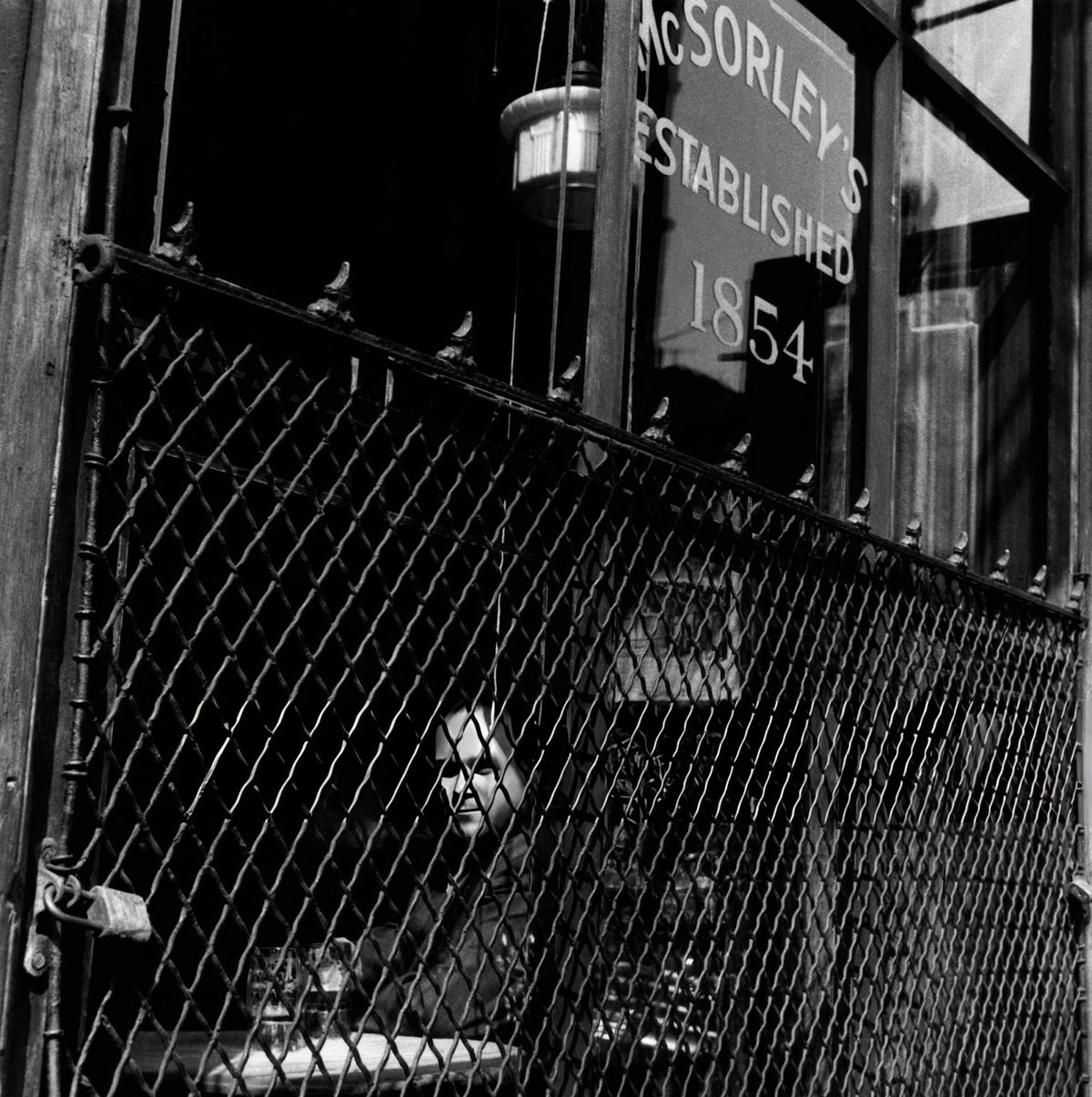
The building itself is a small, five-story tenement. The bar occupies the ground floor, while the upper floors contain apartments. The storefront features large wooden windows that are often covered in grime and dust, as the owners rarely cleaned them. The bar top is made of thick, dark wood that has been worn smooth by over a century of leaning elbows.
Behind the bar, a large mirror reflects the room, though it is often obscured by stacks of mugs and old bottles. There is a small back room with more tables, but it is just as dark and crowded as the front. The basement serves as the storage area for the barrels of ale. These barrels are brought into the building through a hatch in the sidewalk on 7th Street.
Traditions and Superstitions
Many of the items on the walls are considered sacred by the regulars. Aside from the wishbones, there are portraits of every owner since John McSorley. There is also a collection of old coins and keys that have been left on the ledge above the bar over the years. The staff does not move these items, even when they accumulate thick layers of dust. This “living museum” feel is what drew people to the bar.
The “Be Good or Be Gone” motto was strictly enforced. Drunk or rowdy behavior was not tolerated. If a customer became too loud or started a fight, the staff would physically remove them from the premises. This helped maintain the bar’s reputation as a place for serious drinking and quiet talk rather than a wild party spot. This discipline was one of the reasons the McSorley family gave for wanting to exclude women; they felt a mixed crowd would lead to more social friction and less order.
The Impact of Modernization
By the late 1960s, New York City was changing rapidly. High-rise buildings were going up, and the counterculture movement was centered in the East Village. McSorley’s stood as an island of the past. The owners refused to install a telephone for customer use for many years. They did not have a television to show sporting events. The lighting remained dim, using old-fashioned bulbs that mimicked the look of gas lamps.
This resistance to change made the bar a destination for people who felt overwhelmed by the fast pace of the city. For the price of a few cents, a man could sit in the same chair his grandfather might have used. The consistency of the ale, the onions, and the sawdust provided a sense of stability. The legal battle in 1970 was the first time in over a century that the outside world forced the bar to change its core identity. Even after women were admitted, the bar owners tried to keep as many other traditions alive as possible to preserve the original spirit of the house.

GIPHY App Key not set. Please check settings