

 Makayla White
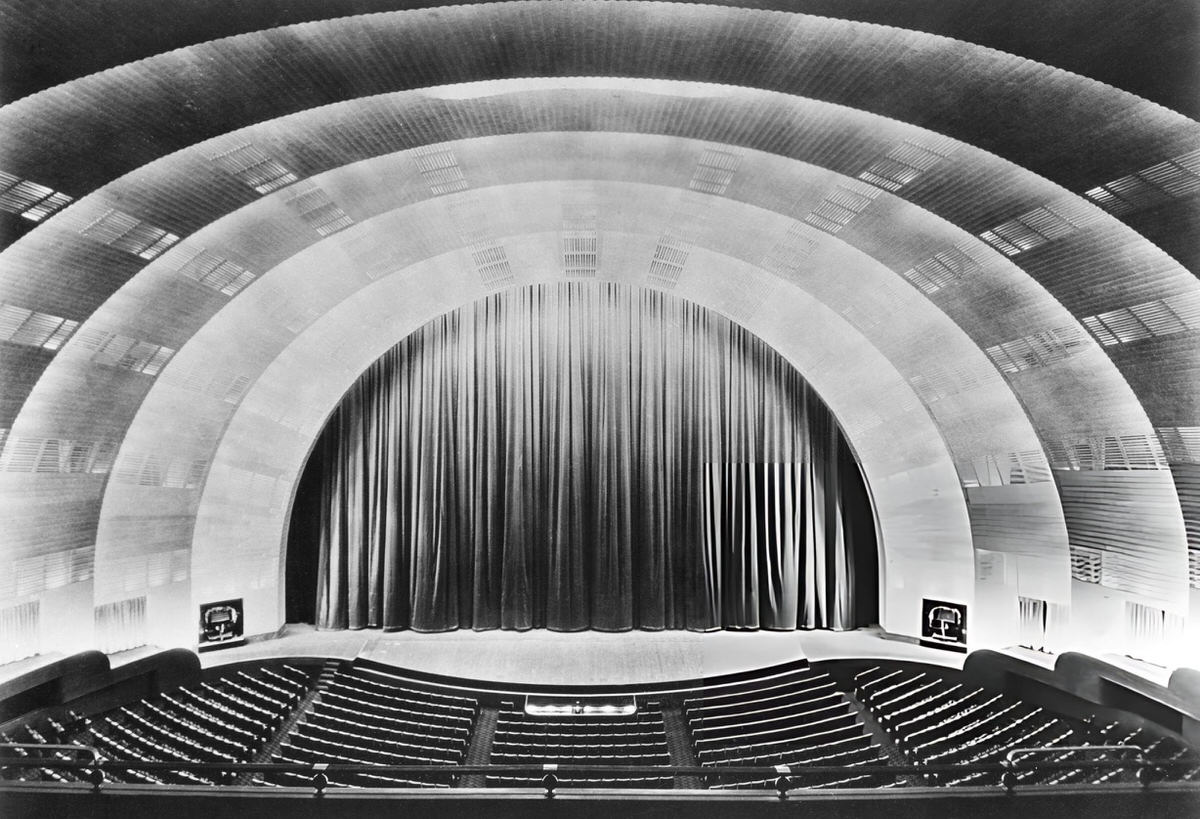
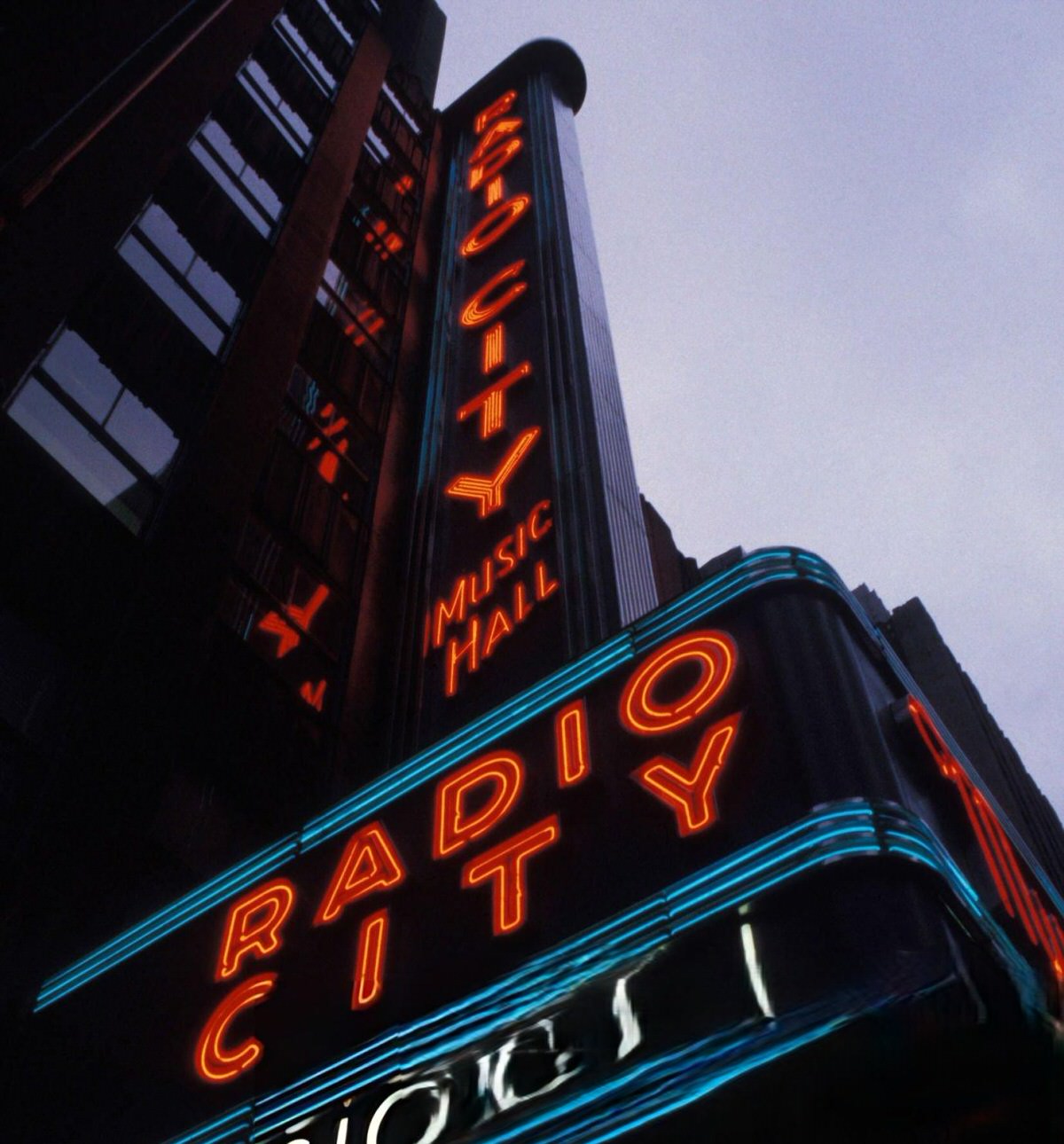
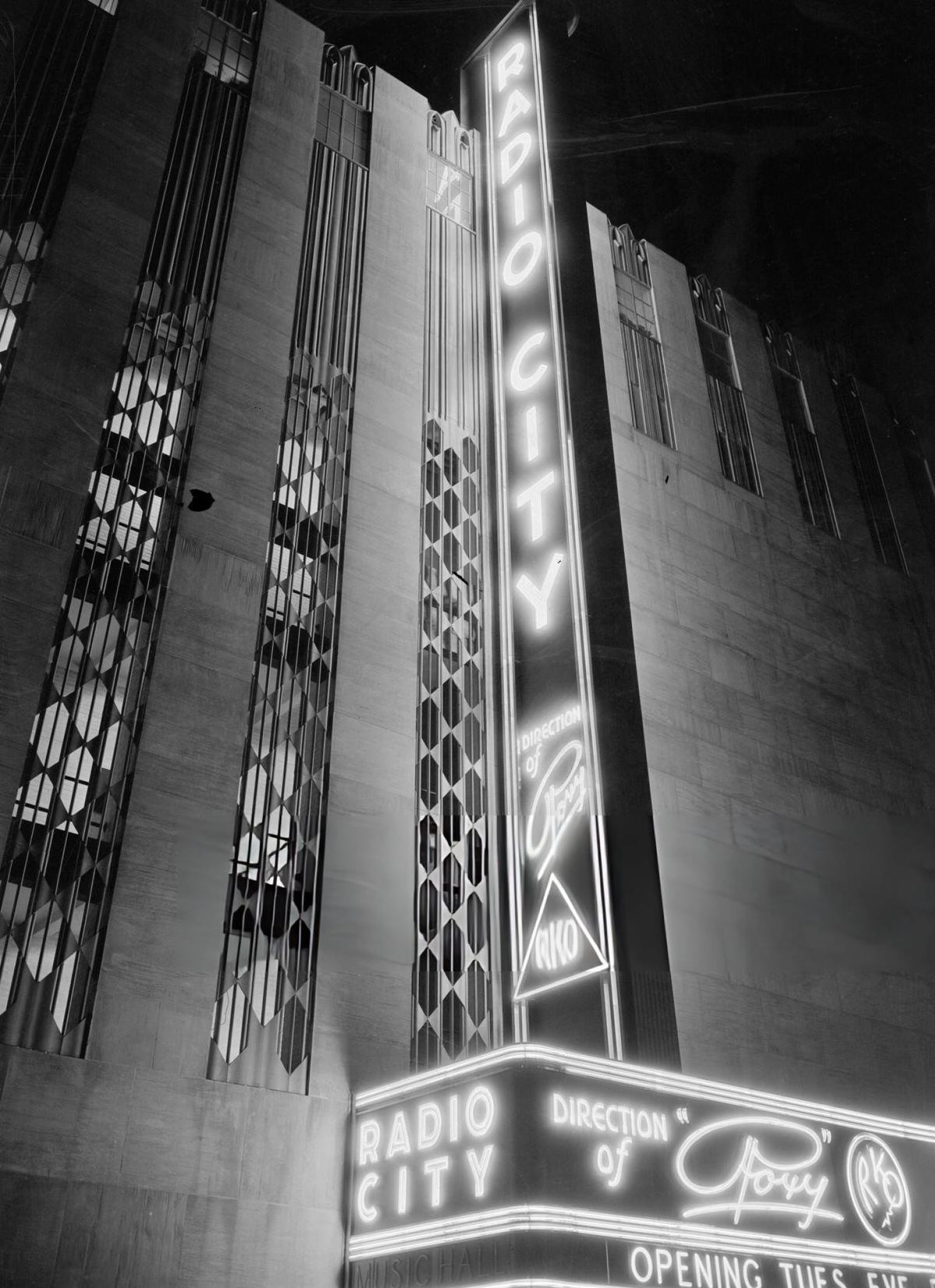
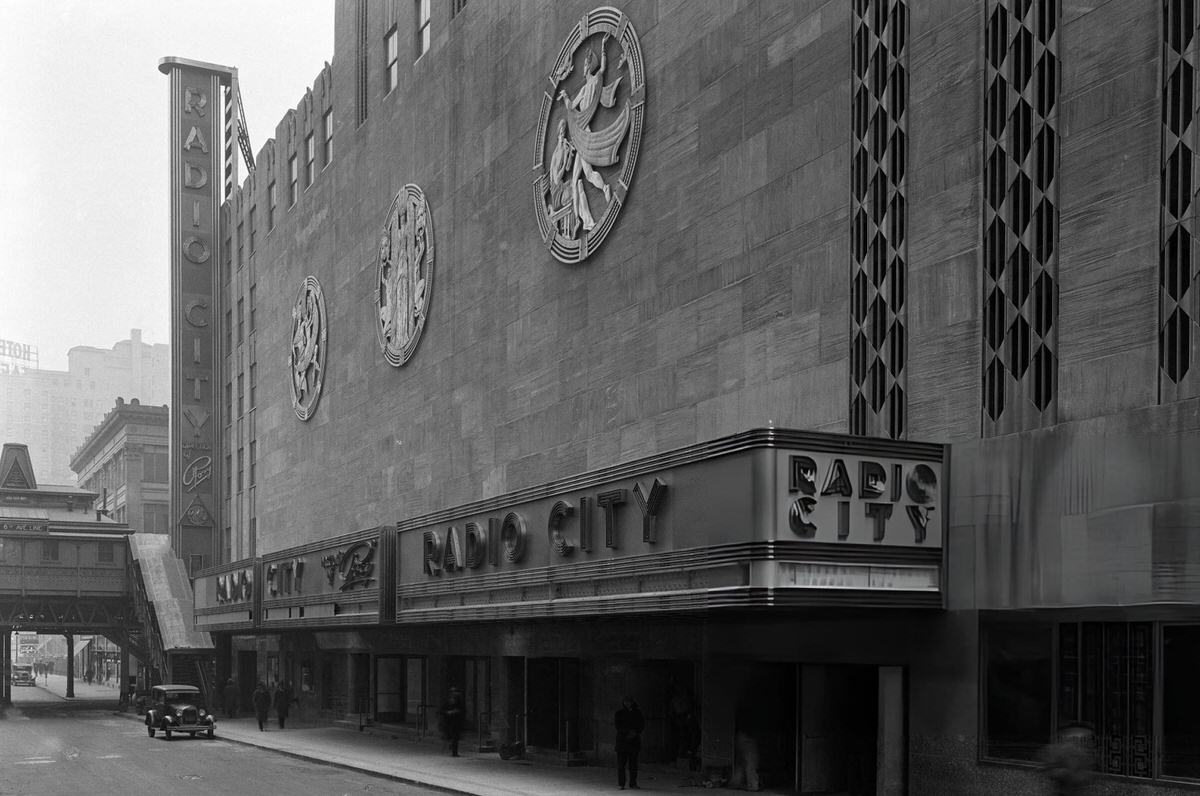
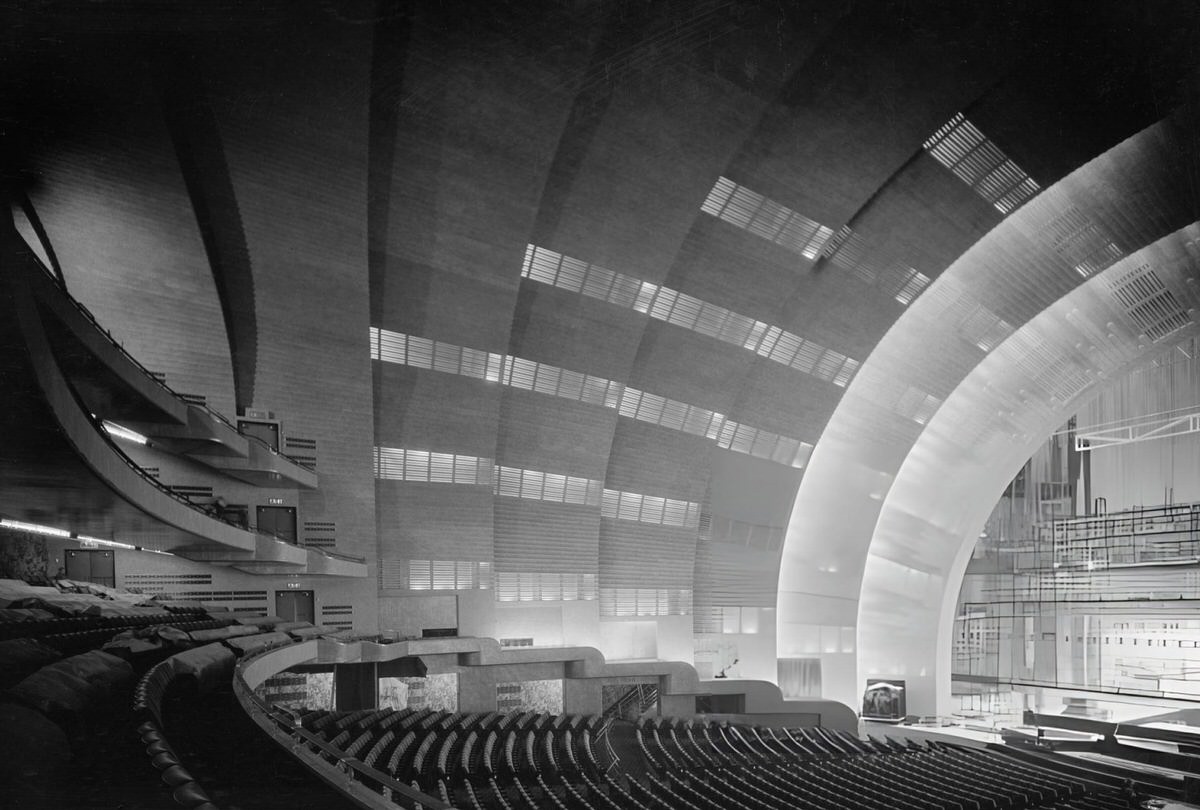
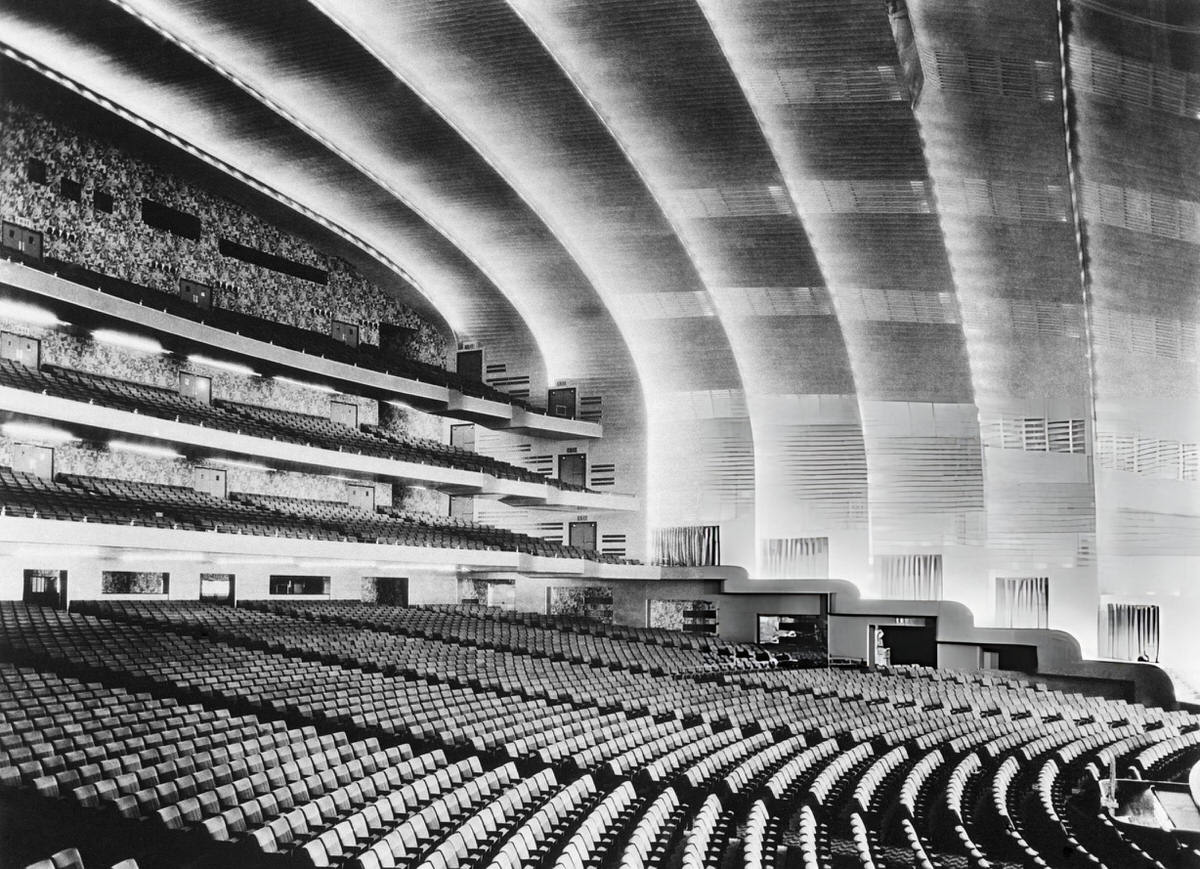
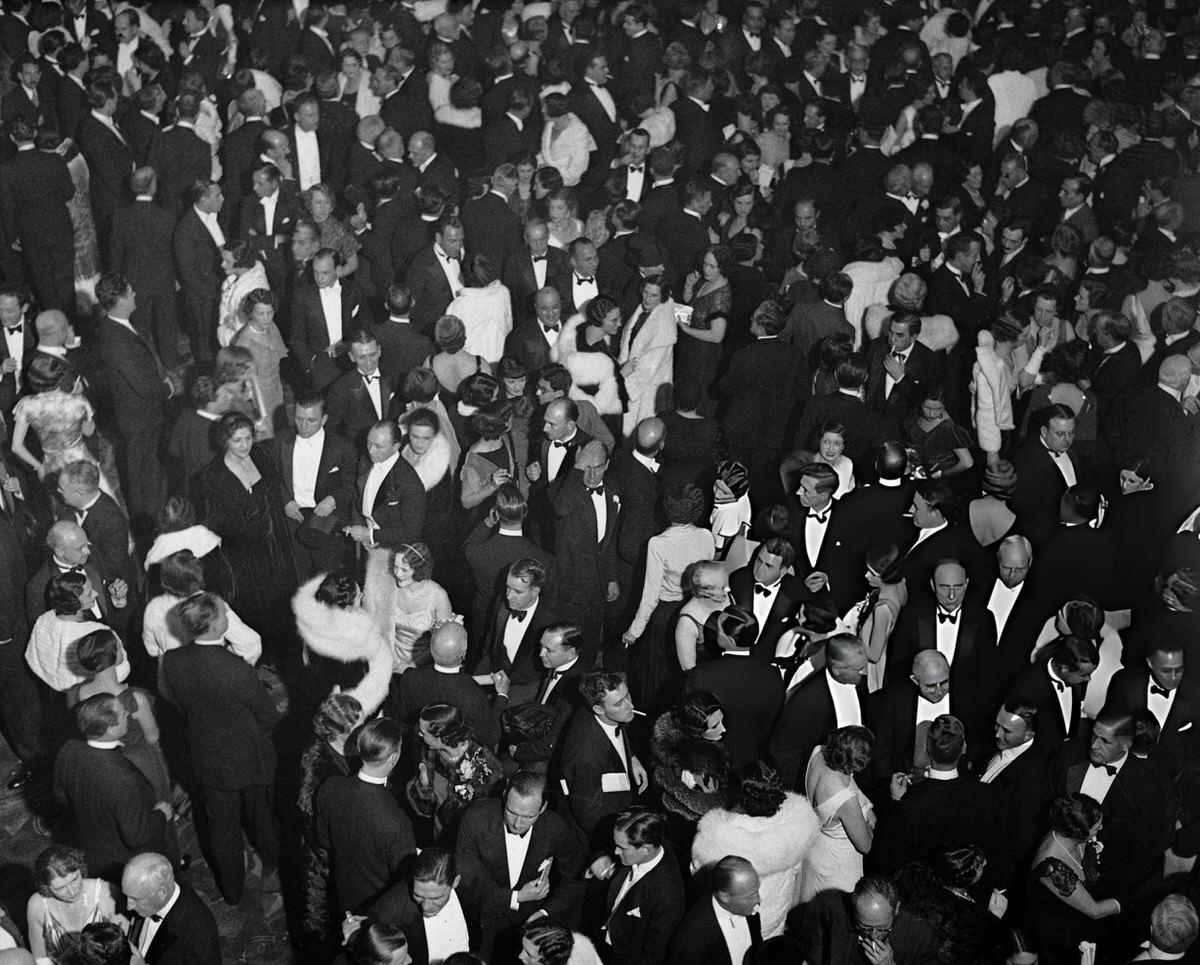
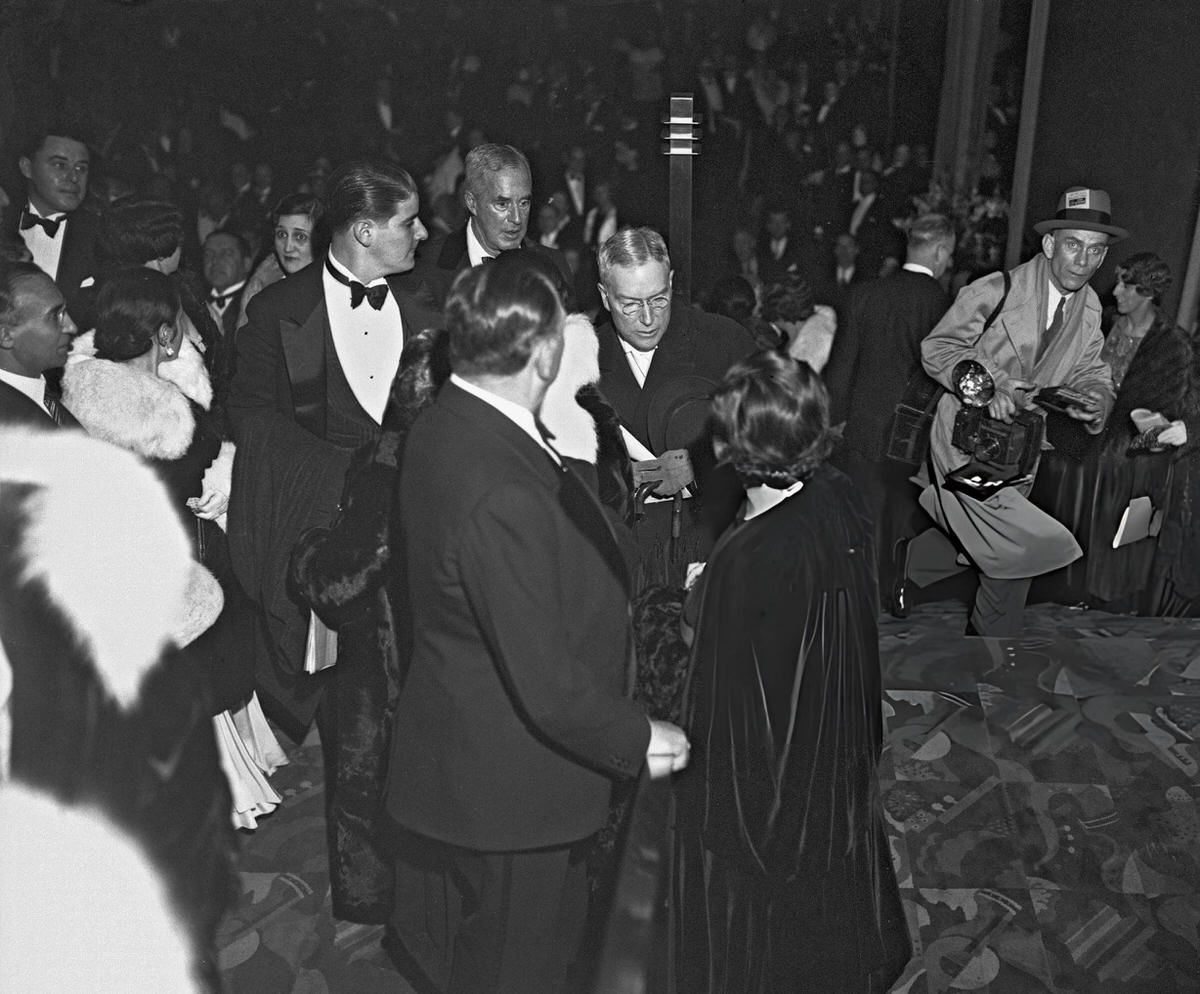
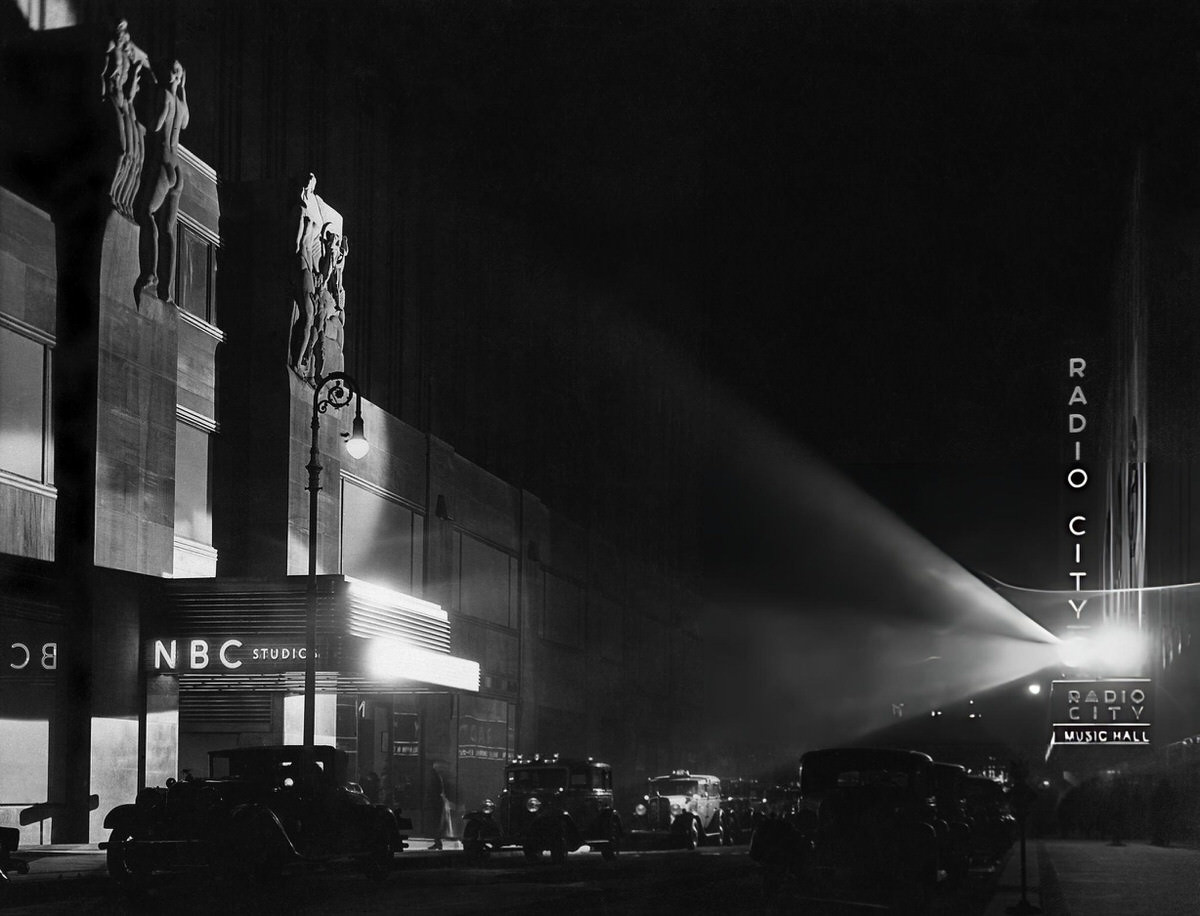
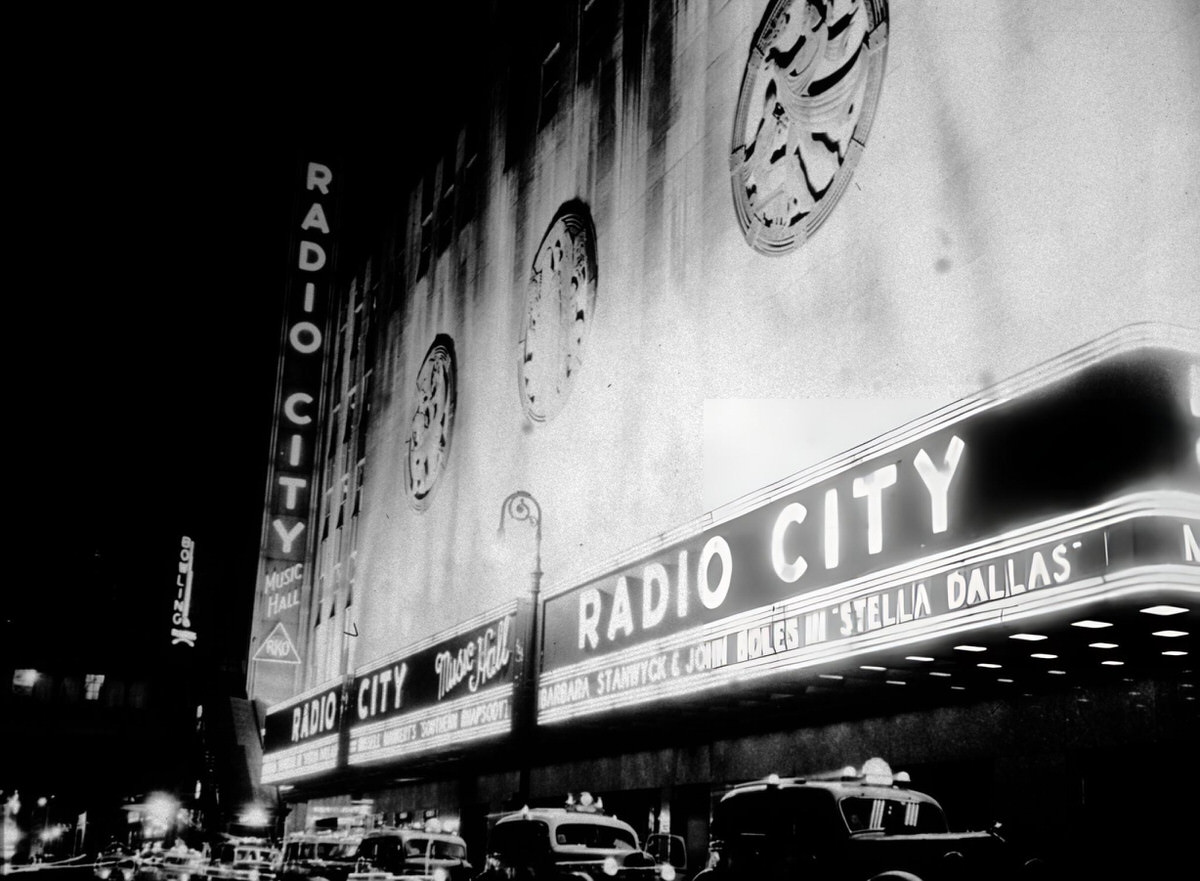
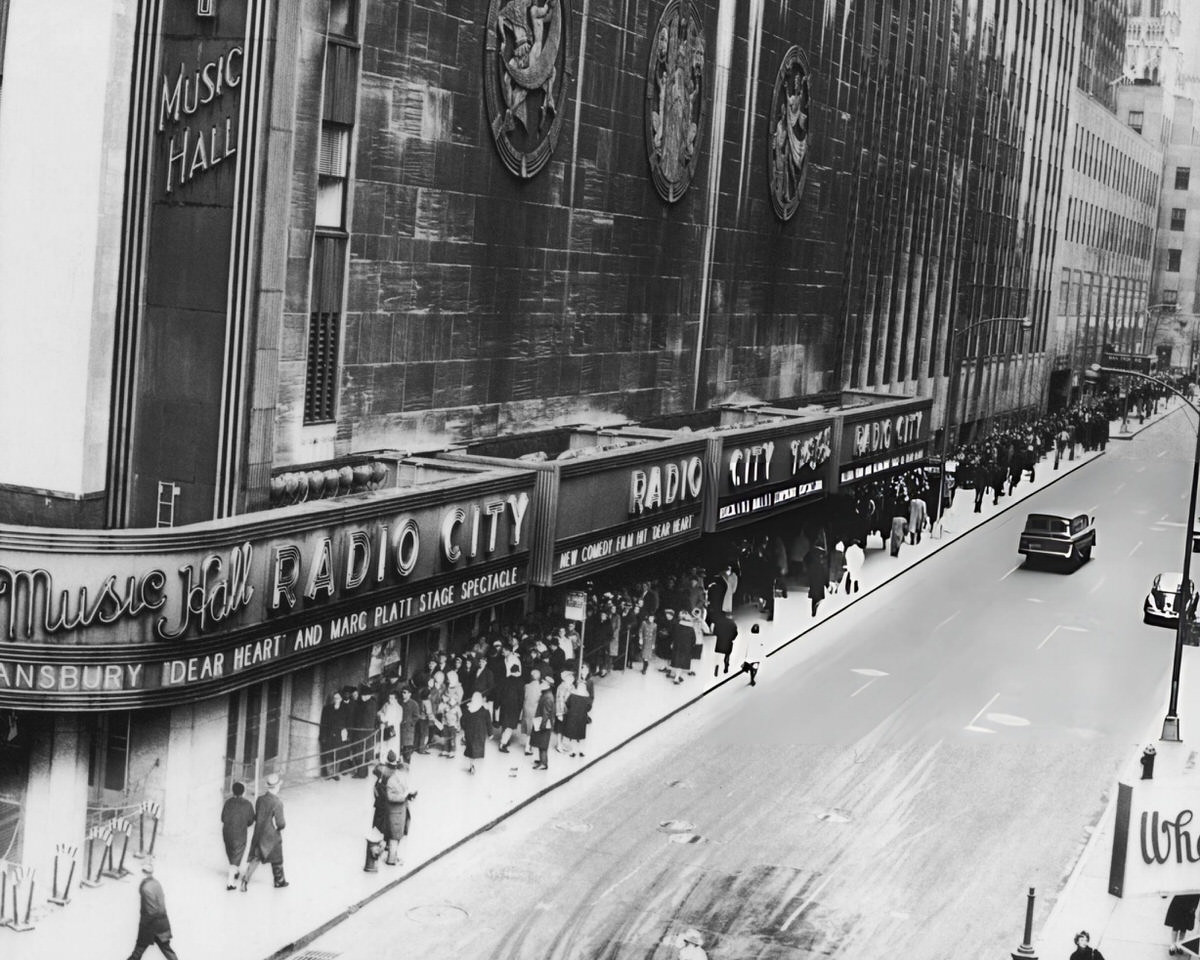
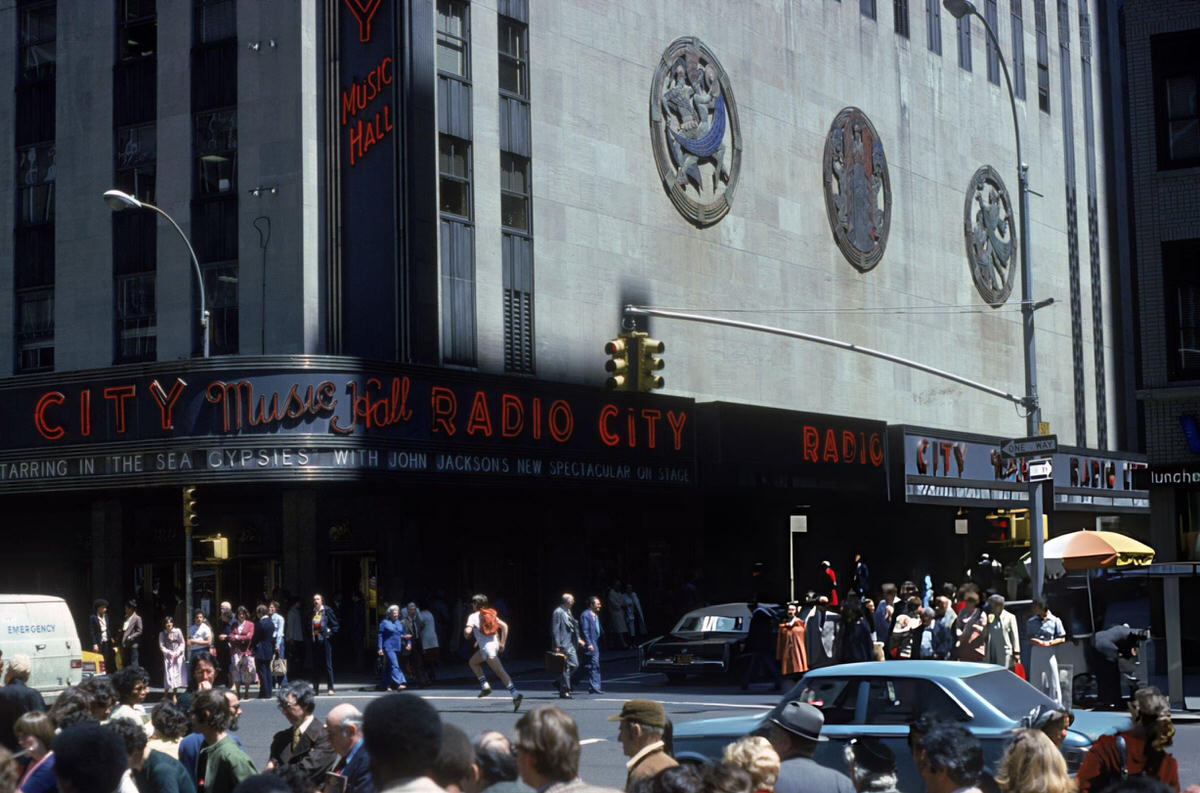
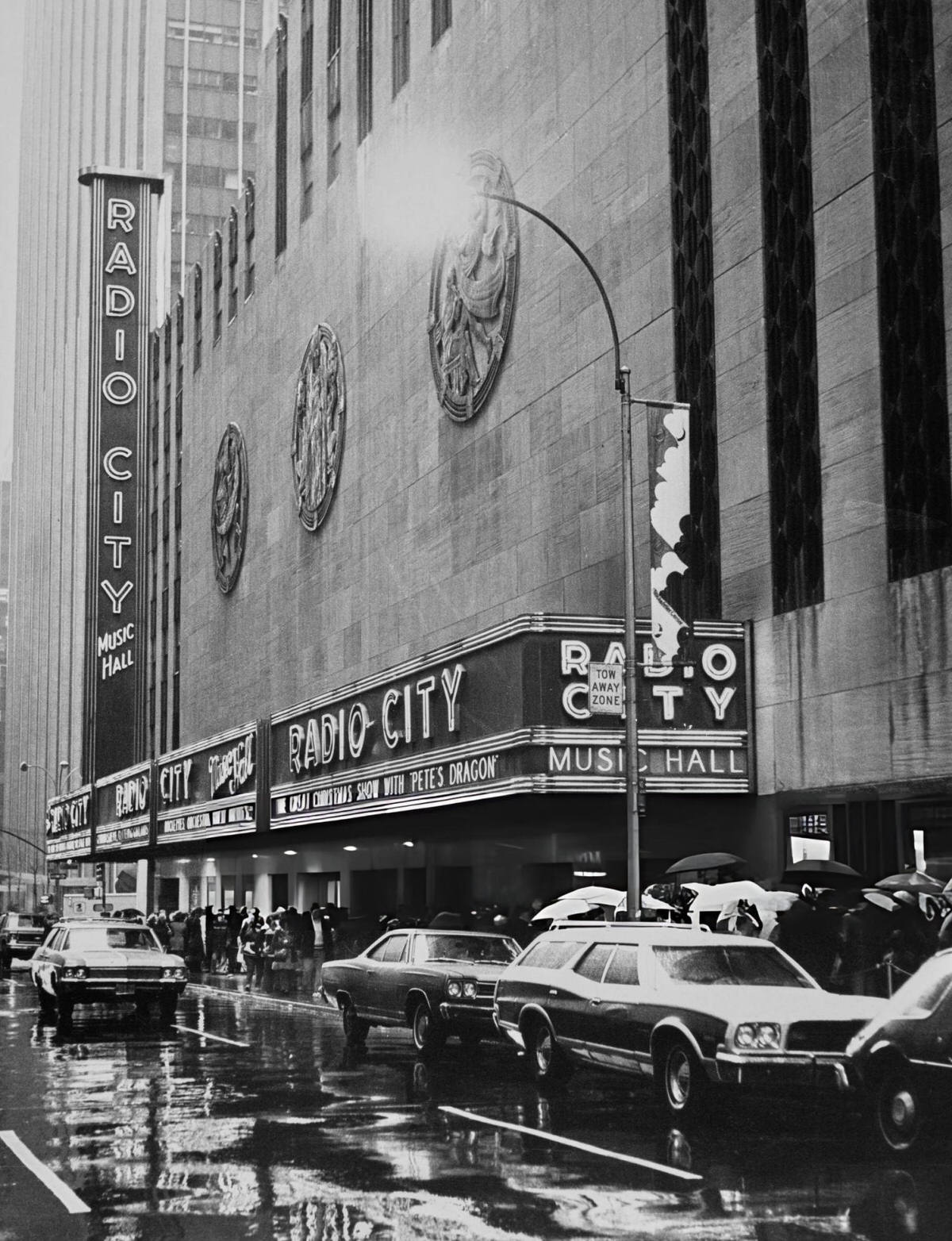
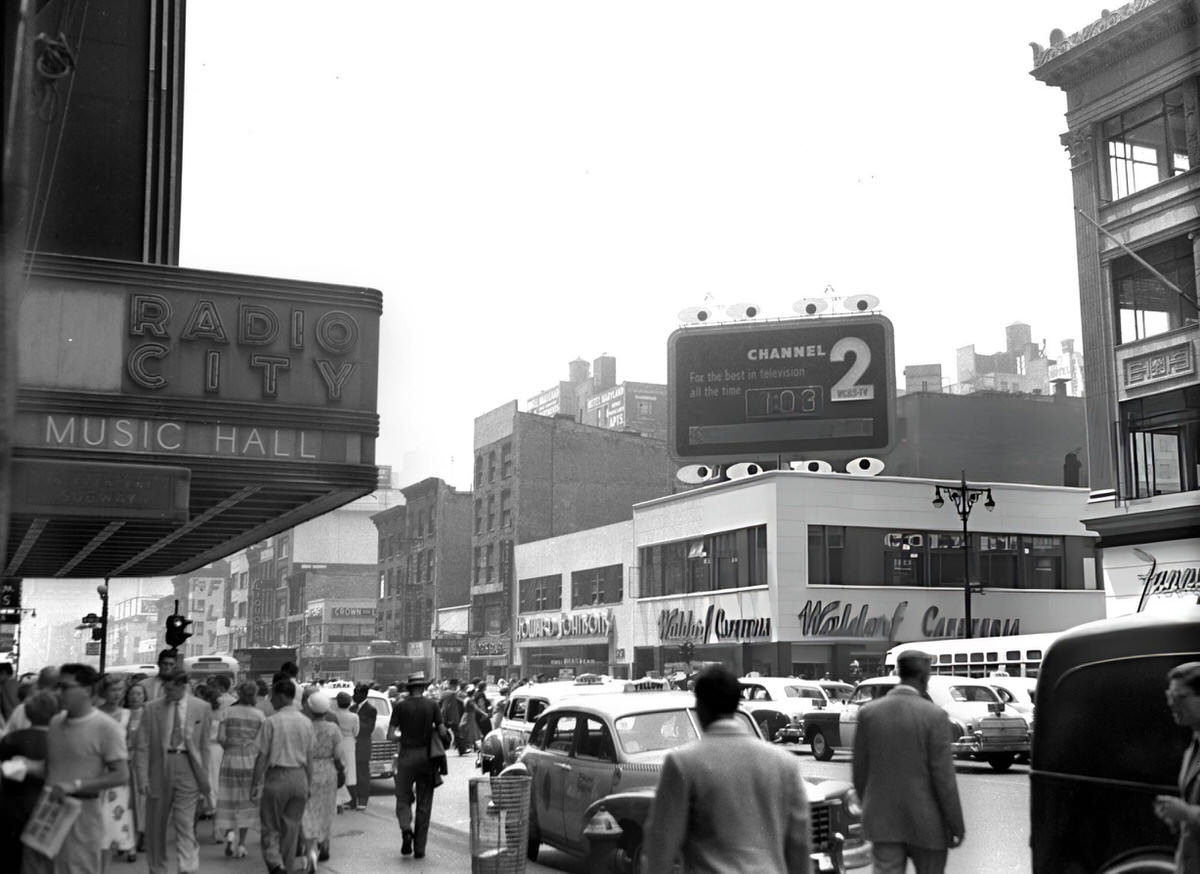
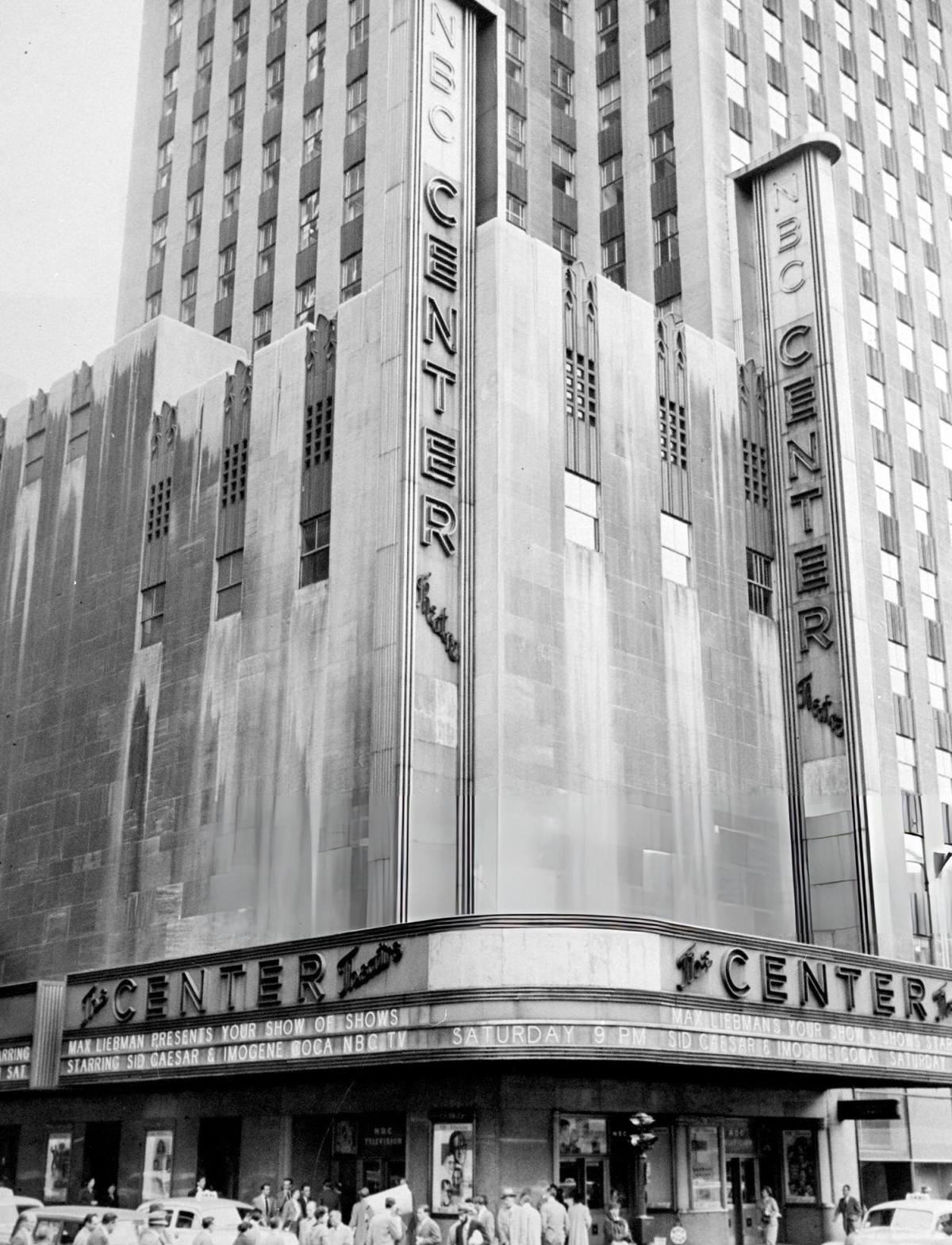
Radio City Music Hall opened on December 27, 1932, at 1260 Sixth Avenue in Rockefeller Center. The country was three years into the Great Depression. Unemployment in New York City sat above 25 percent. And yet John D. Rockefeller Jr. opened the largest indoor theater ever built — 5,960 seats, a stage 144 feet wide, a ceiling that arched six stories above the orchestra floor — and New Yorkers came. They came because the building itself was an event. Stepping inside Radio City for the first time was unlike anything else the city offered, at any price.
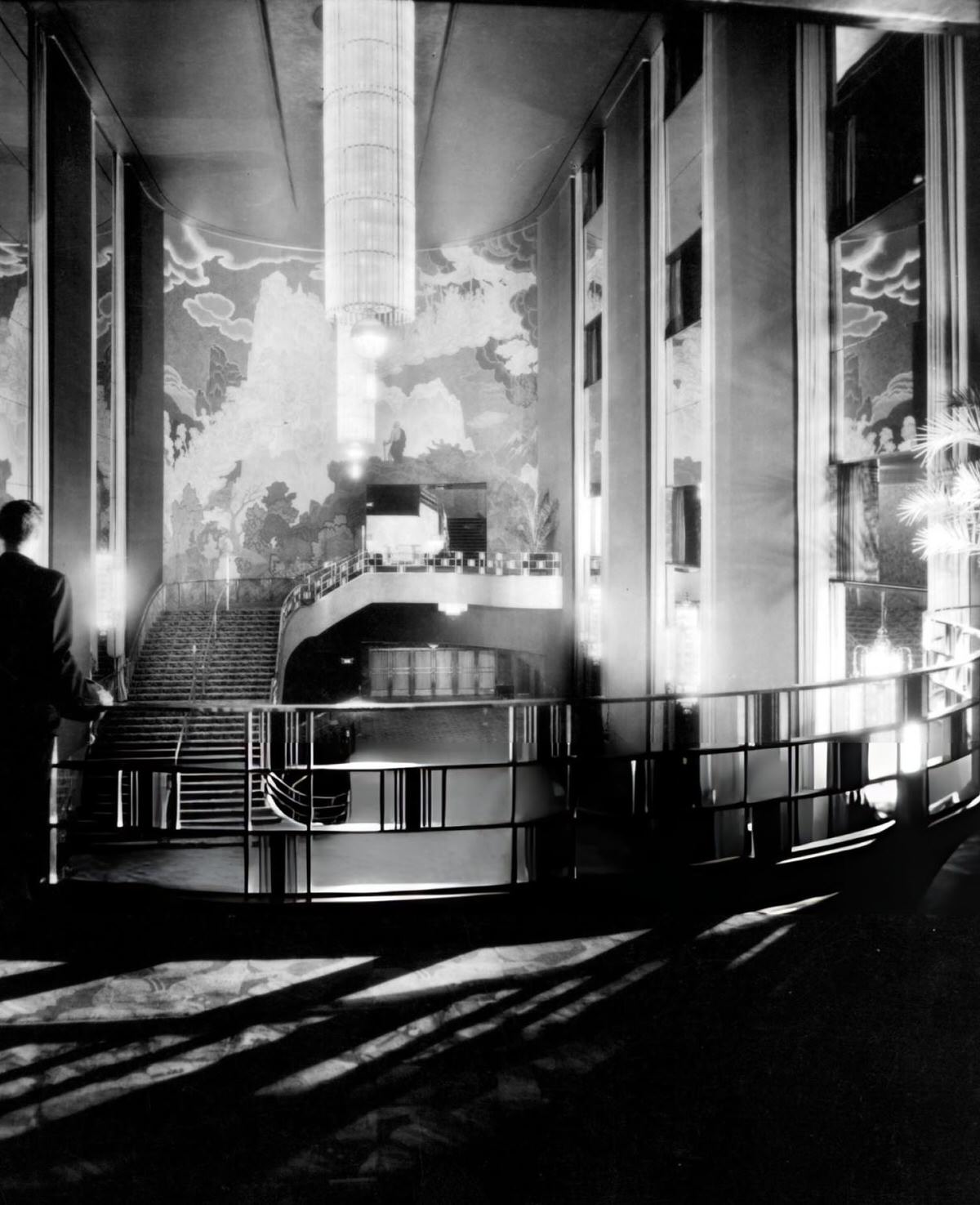
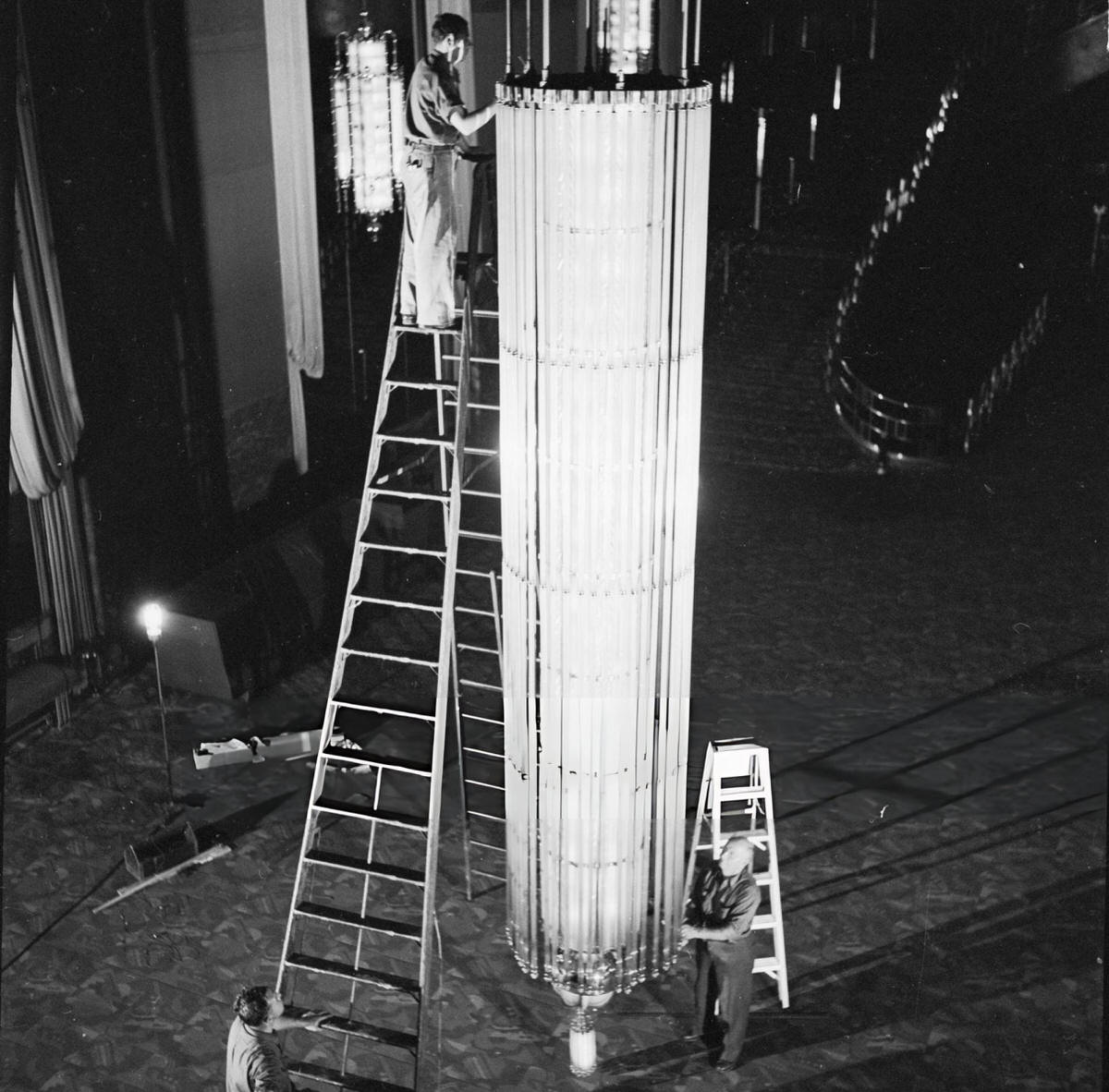
The interior was the work of designer Donald Deskey, who won the commission over 29 competing designers and then executed it with a level of detail that has never been equaled in an American public space. Every surface was addressed. The great gold-and-crimson curtain — the largest theatrical curtain ever made at the time, 13,000 square feet of fabric — could be lit to suggest sunrise or sunset. The chandeliers in the grand foyer were hand-crafted. The carpets, the door hardware, the elevator interiors, the women’s lounges on each level — all of it was designed as a single cohesive vision in the Art Deco style. Deskey put aluminum, chrome, leather, and rare woods together in a way that felt simultaneously modern and warm. The building did not feel cold the way some modernist spaces do. It felt like the most glamorous place you had ever stood.
What Played There
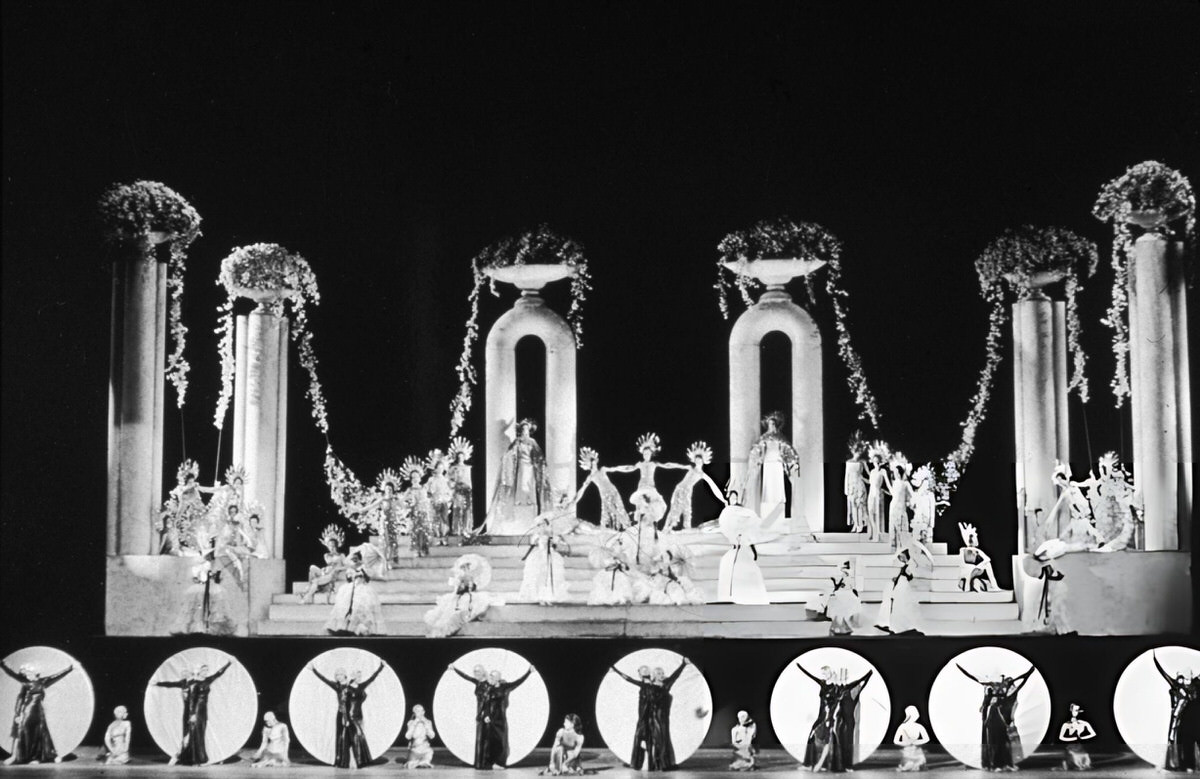
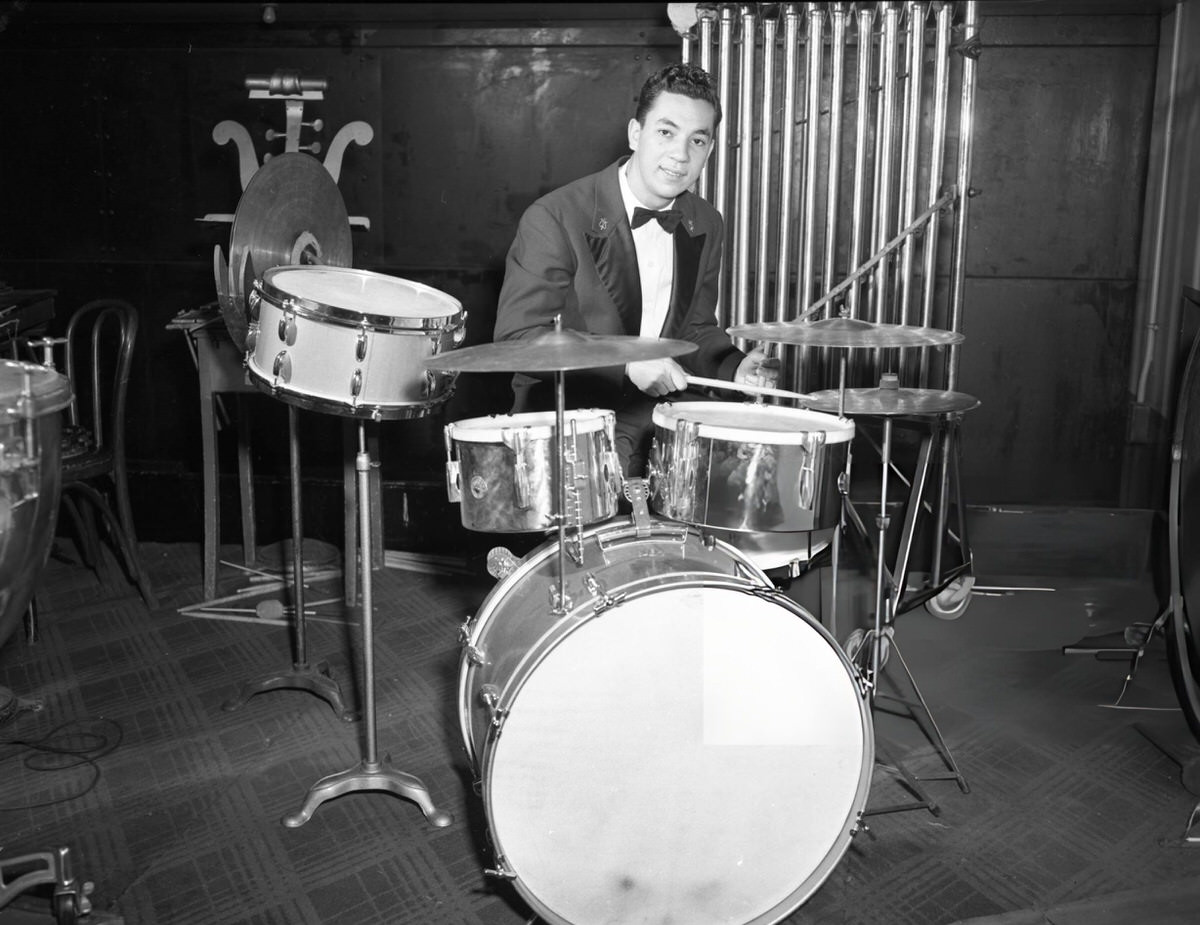
The original format was a live variety show with no film — a stage spectacular that rotated through multiple acts backed by the house orchestra and the Corps de Ballet. That format lasted exactly three weeks. Audiences stayed away, and the booking office panicked. By January 1933, management switched to the format that would define Radio City for the next four decades: a first-run Hollywood film paired with a live stage show featuring the Rockettes, the house orchestra, and guest performers. That double bill — movie plus live performance — became the most reliable entertainment package in New York City history.
Read more
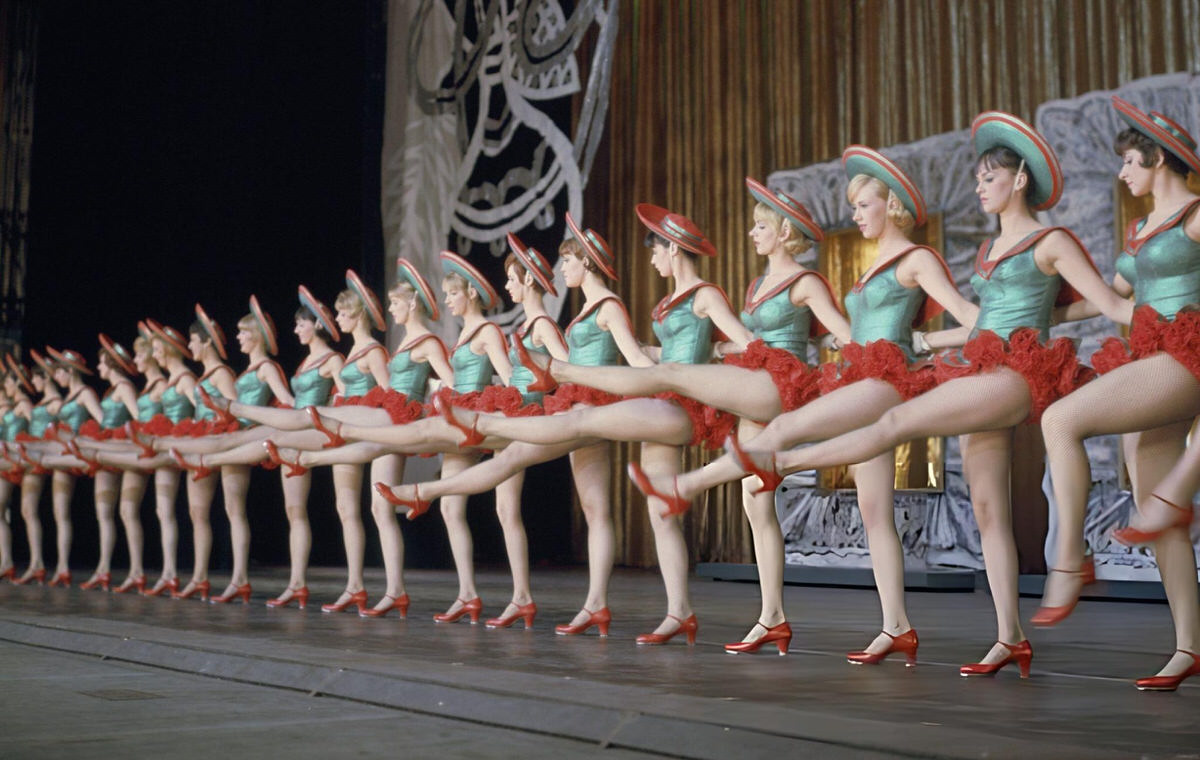
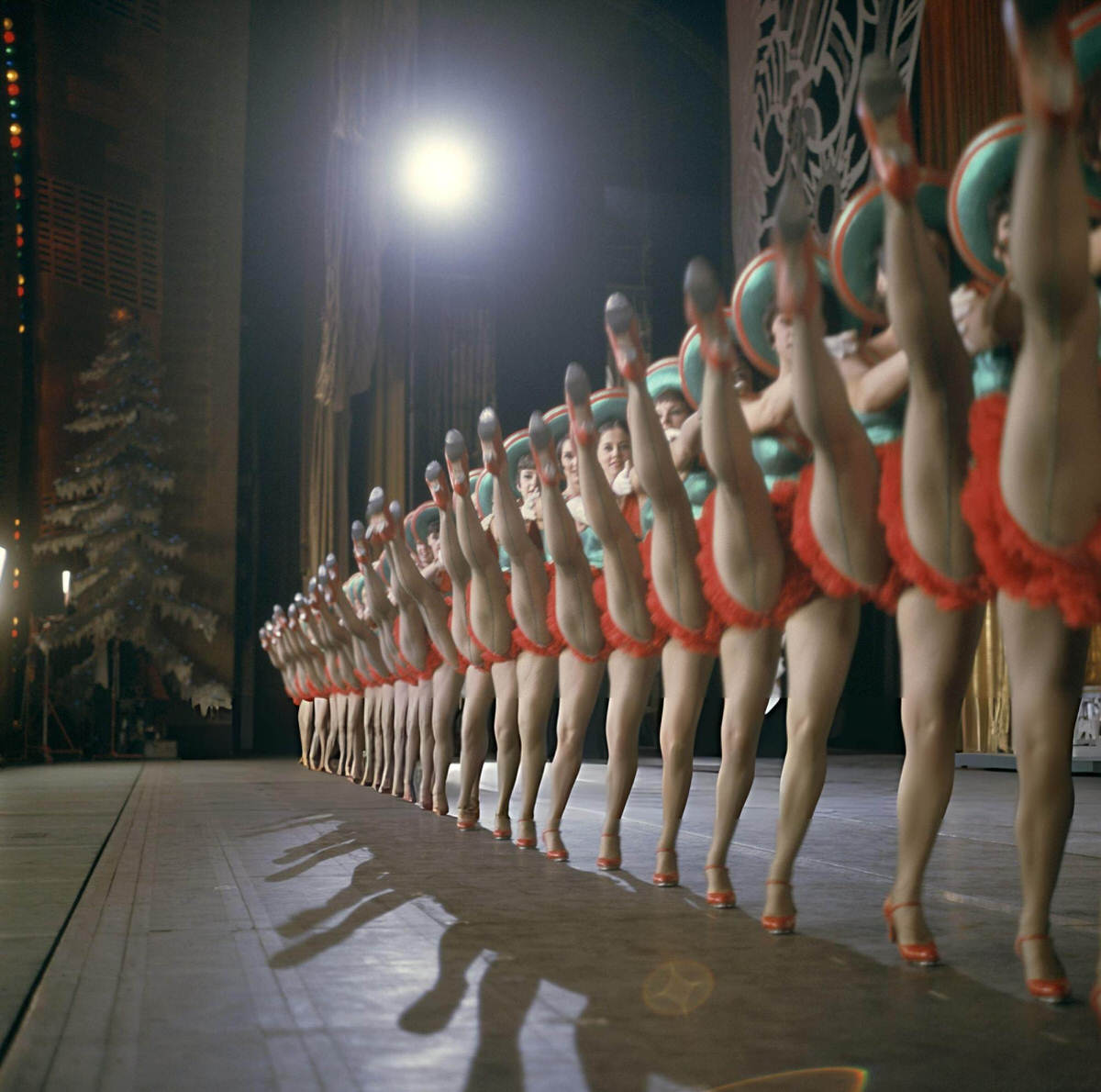
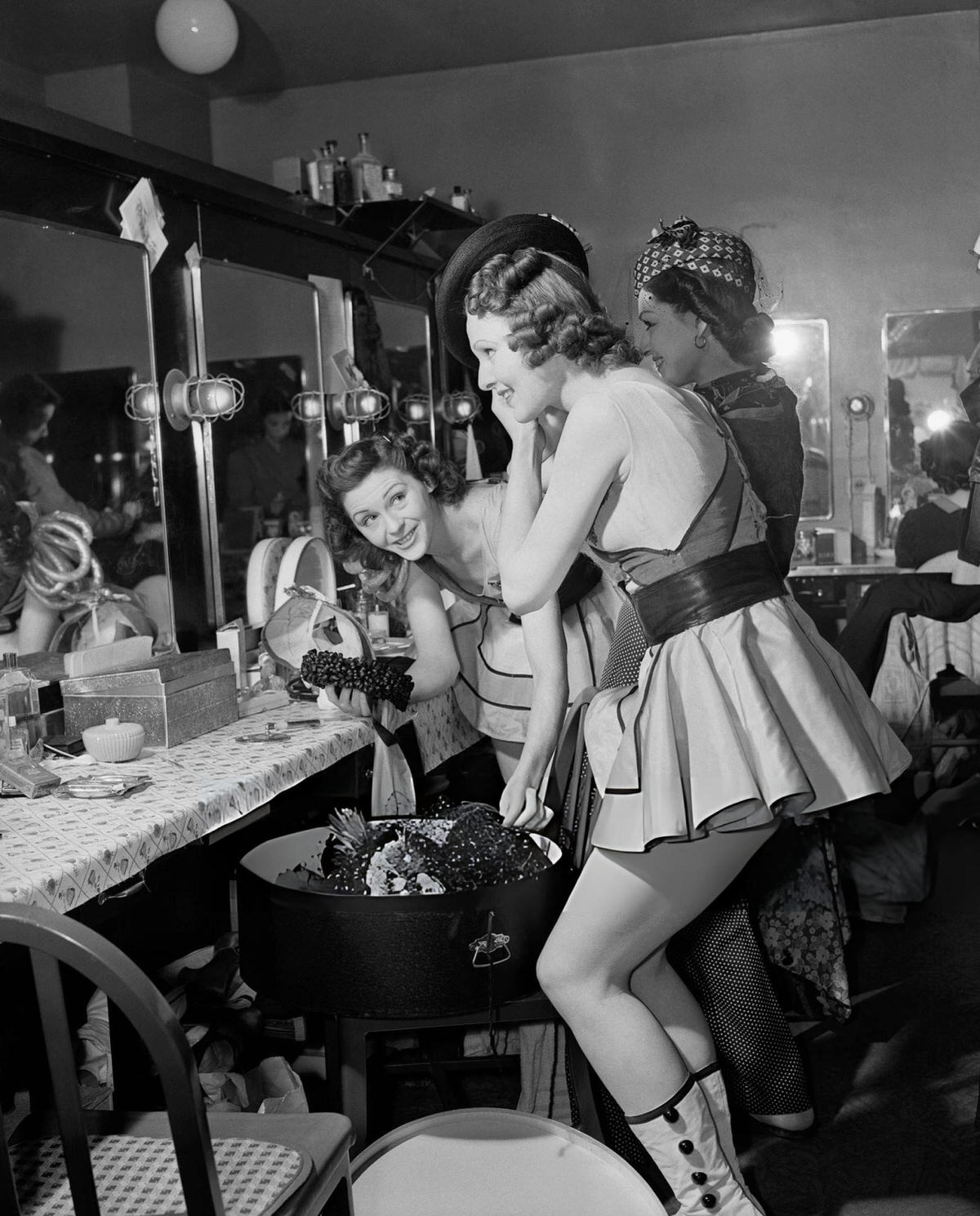
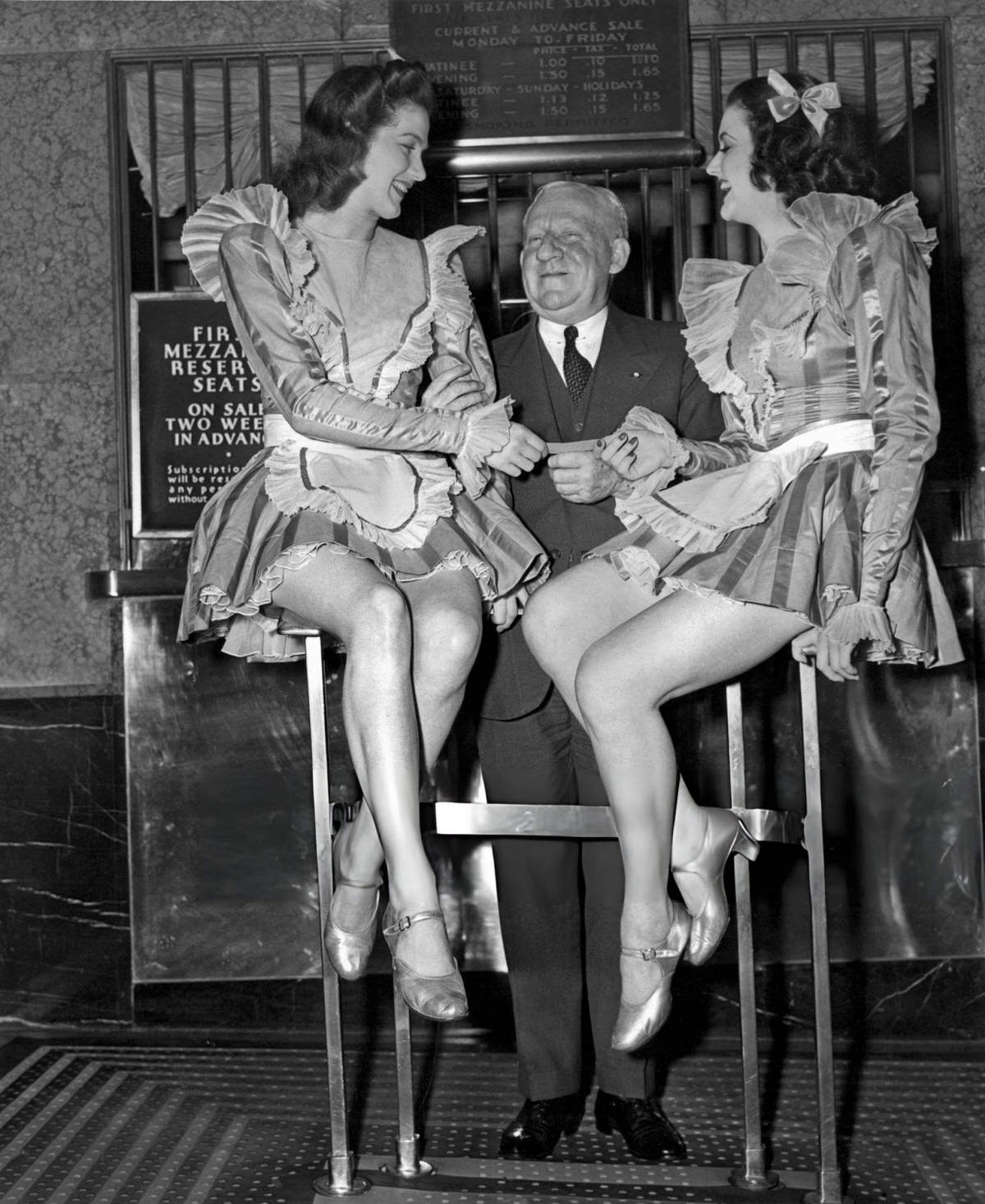
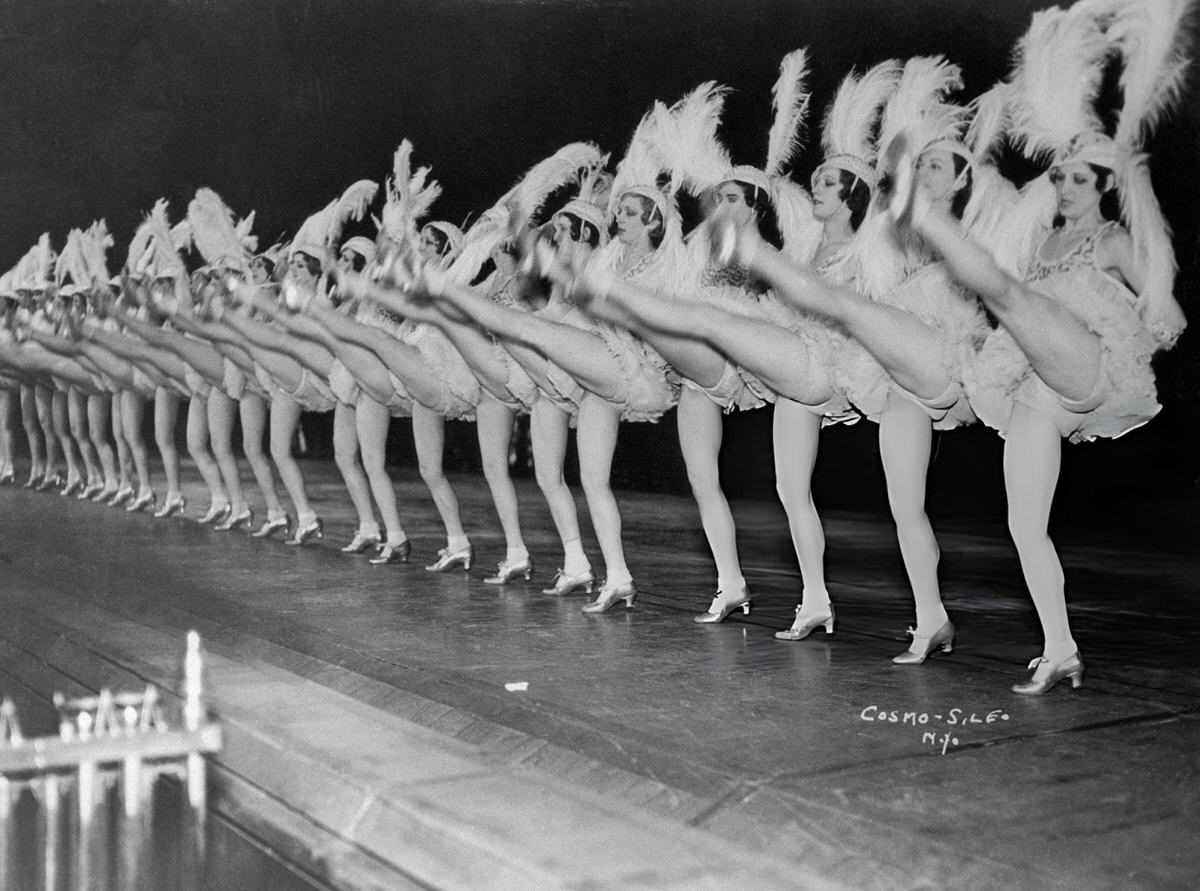
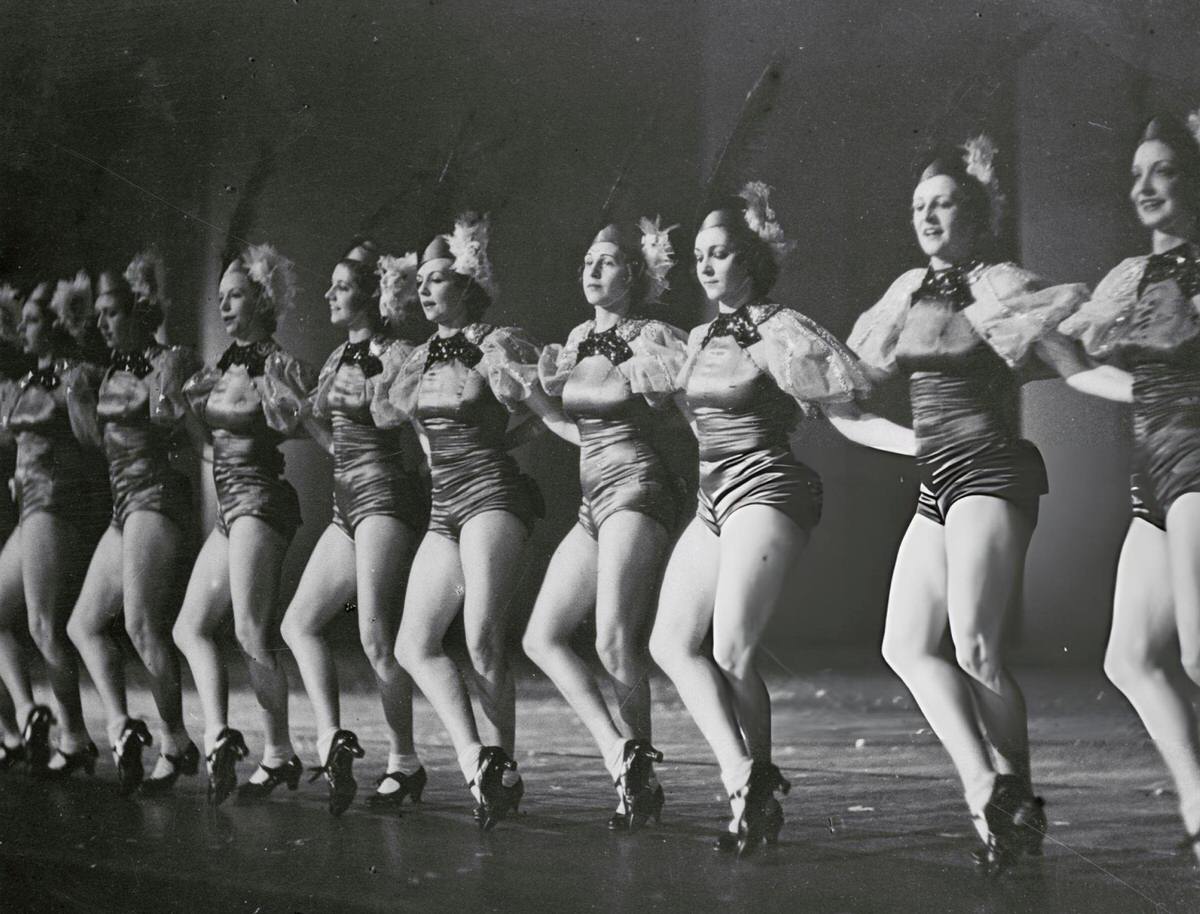
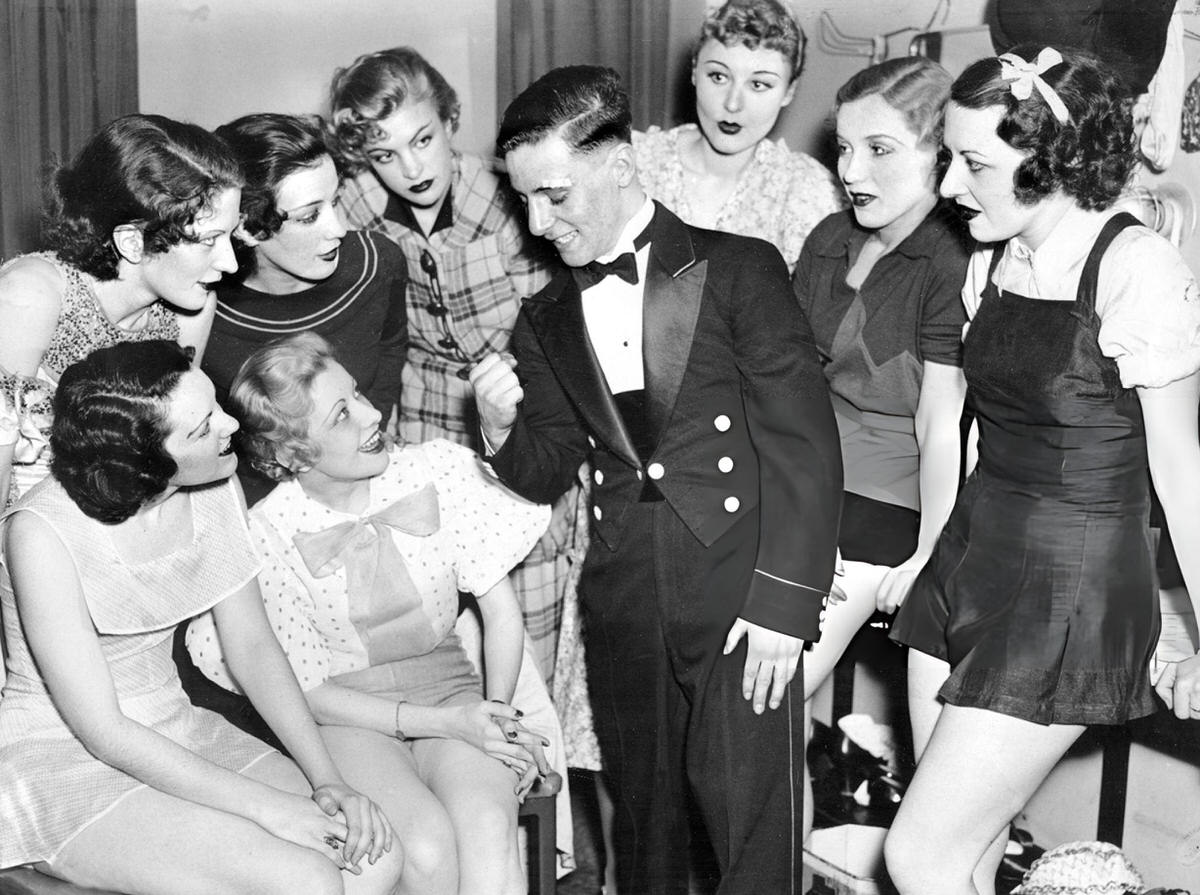
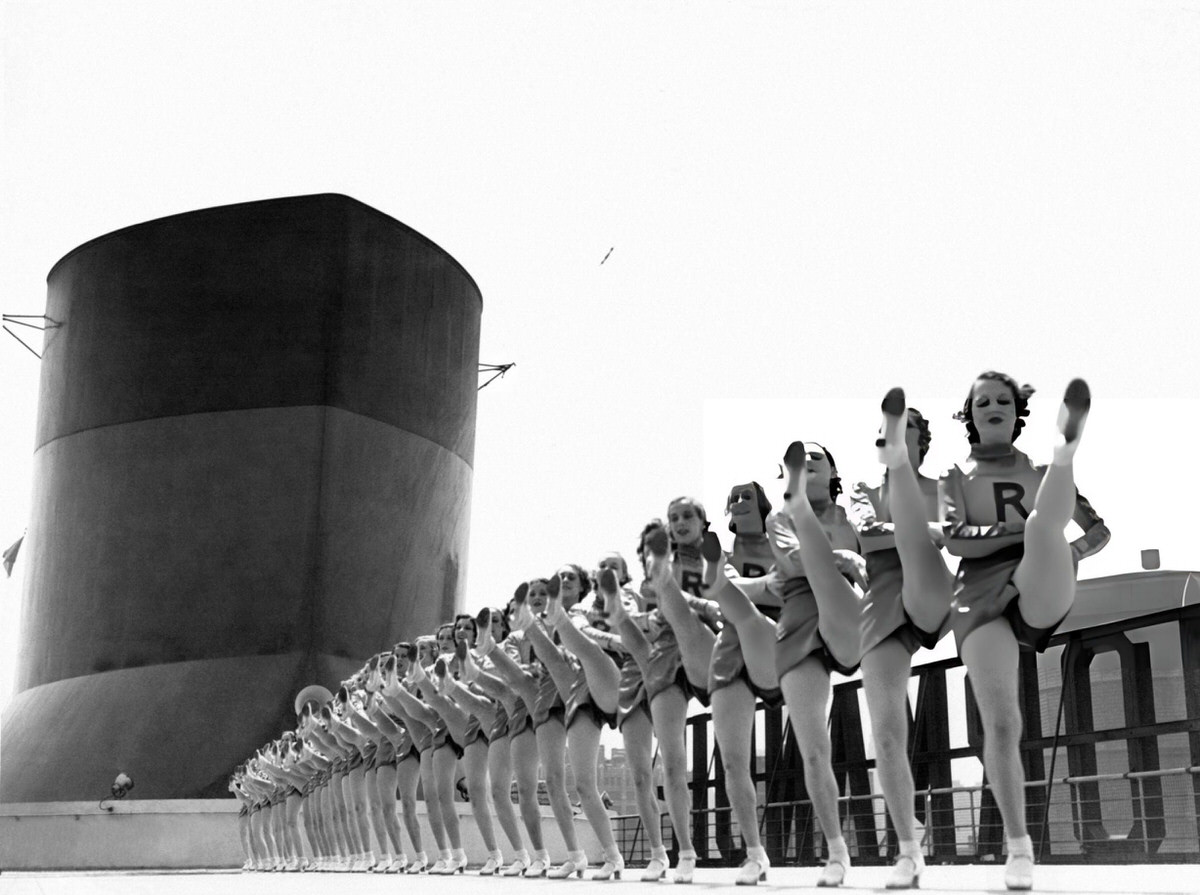
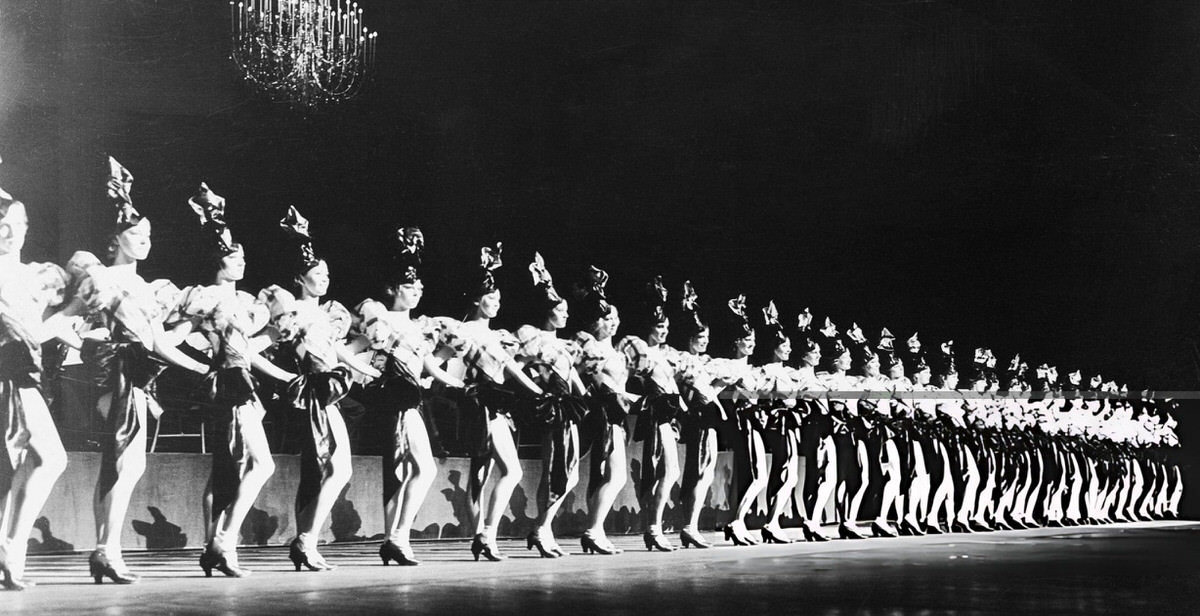
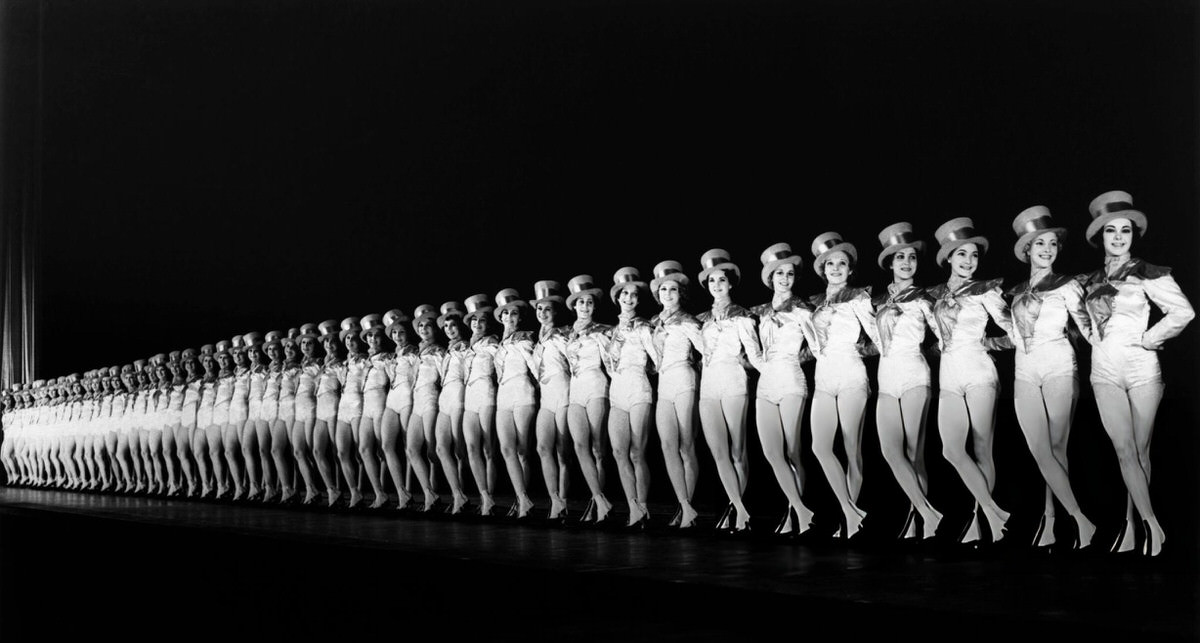
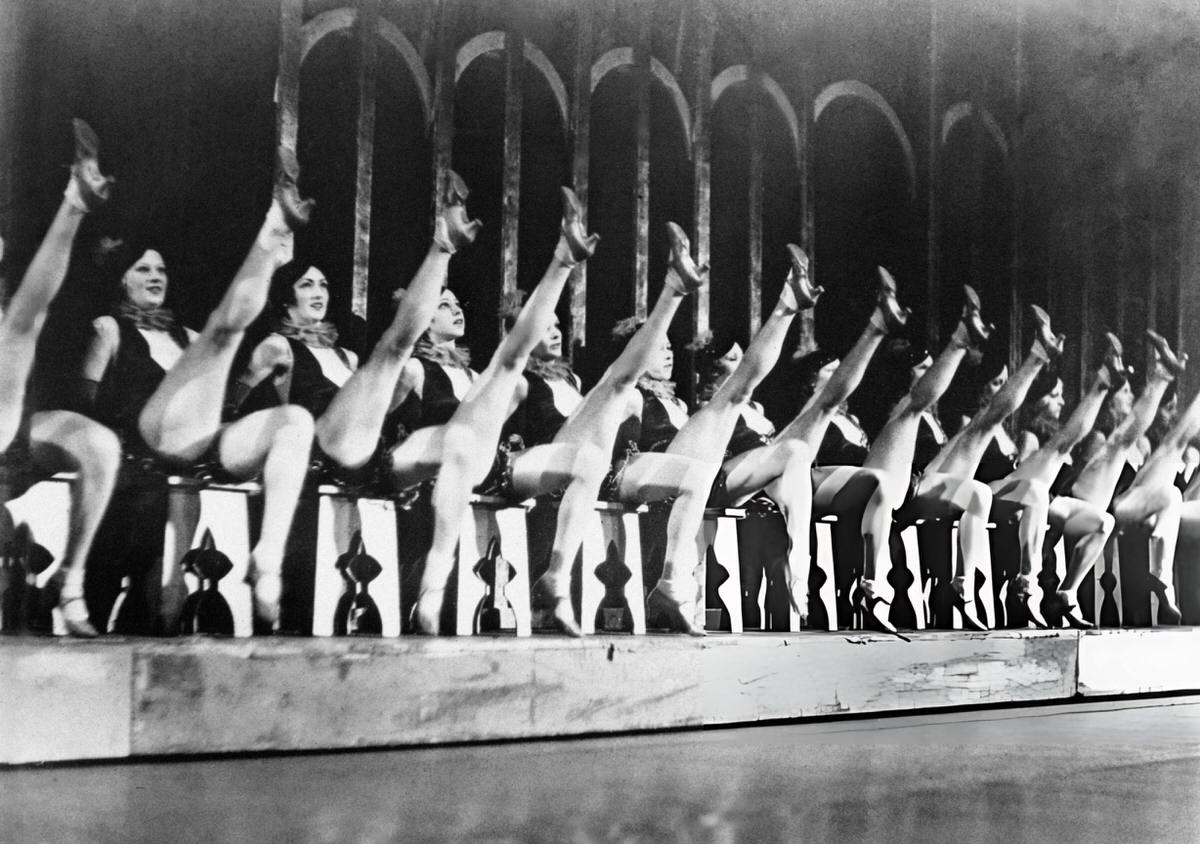
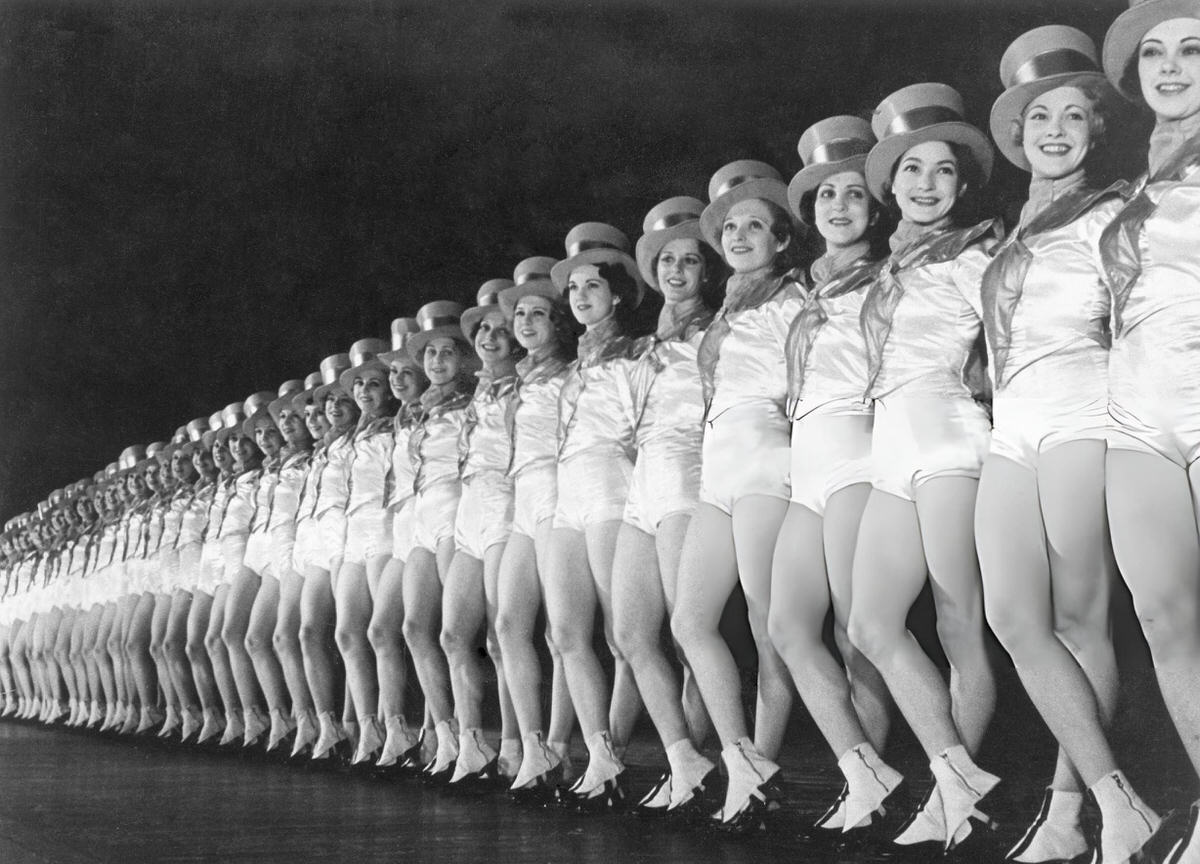
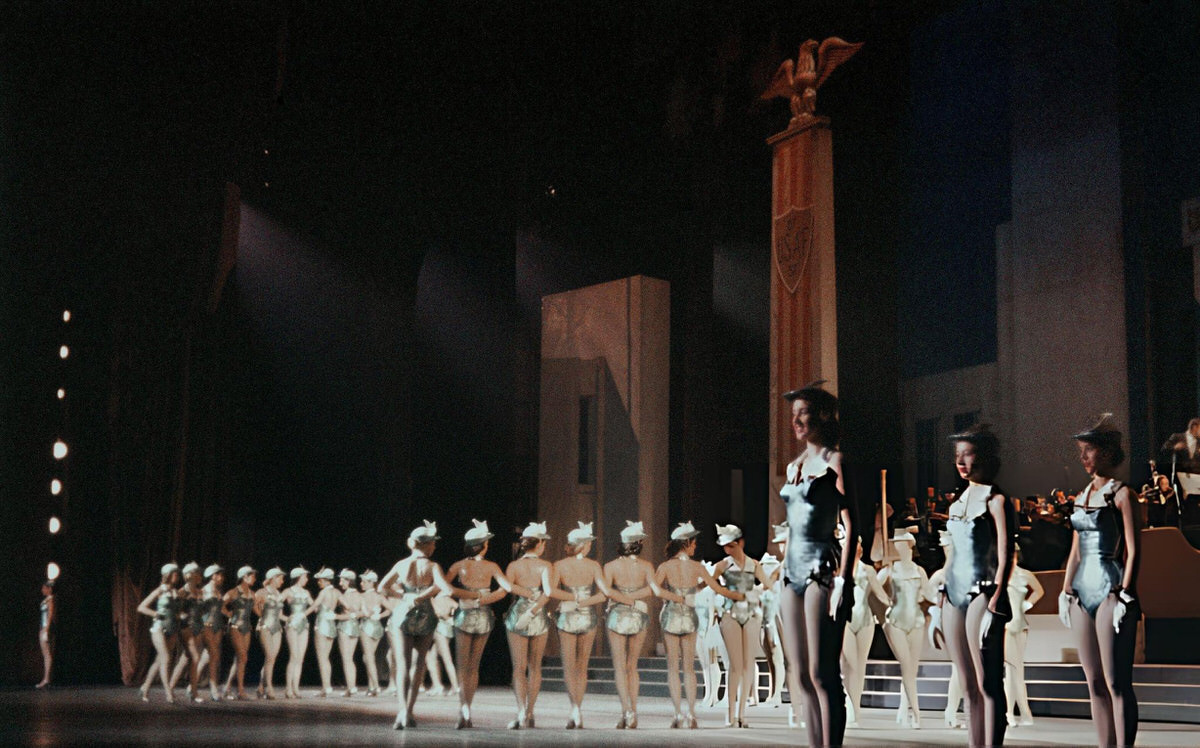
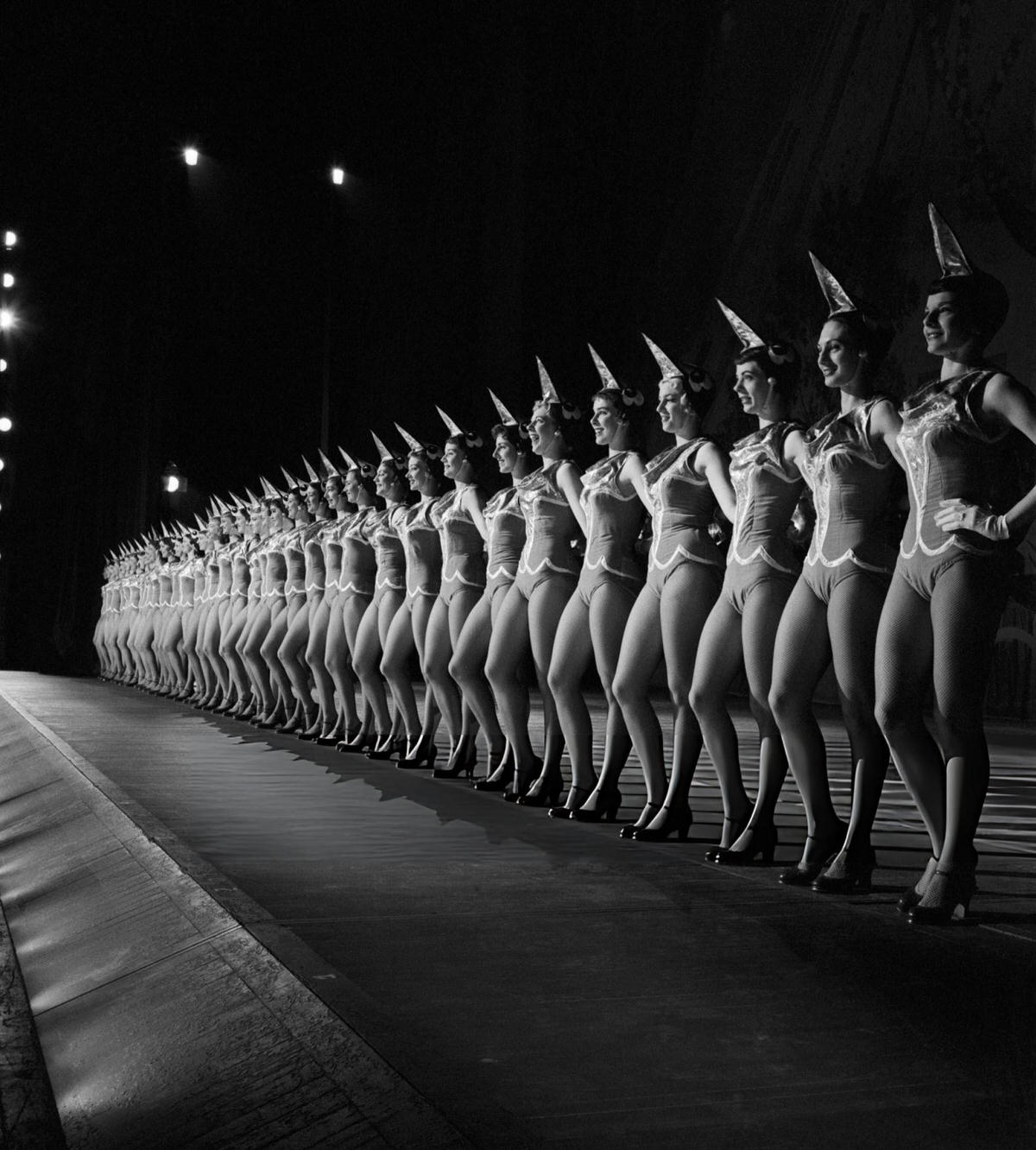
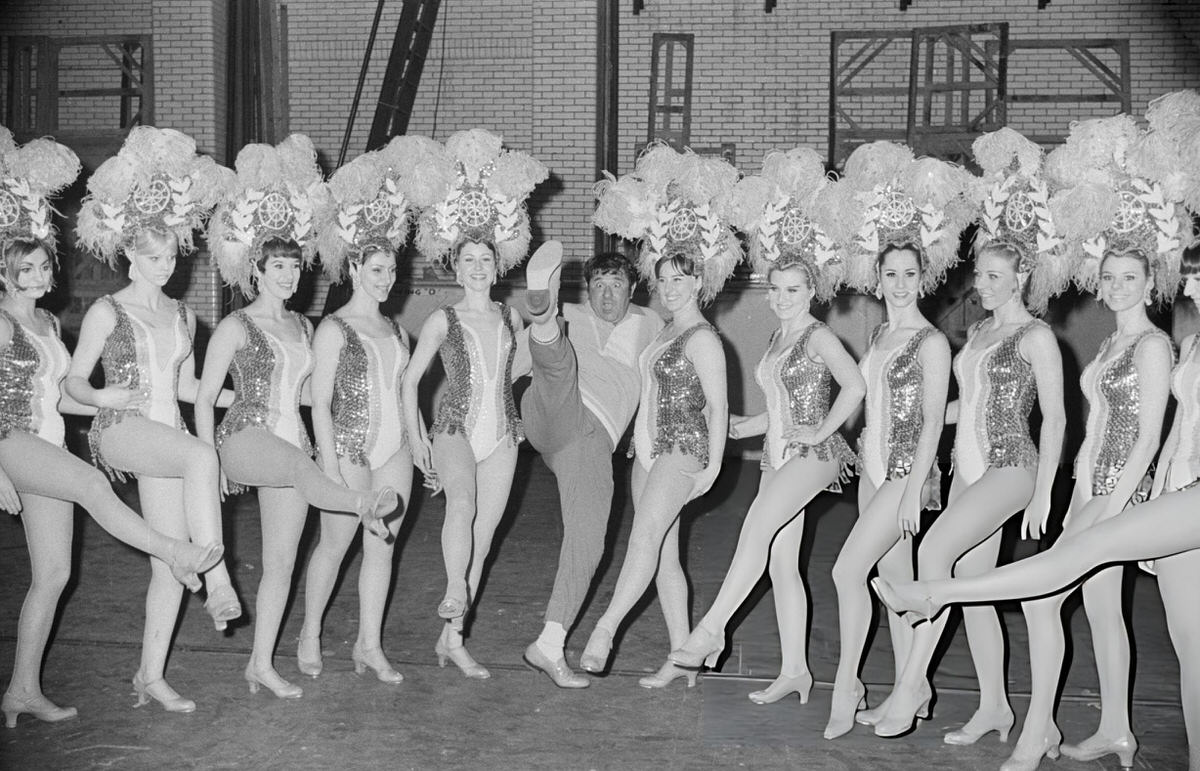
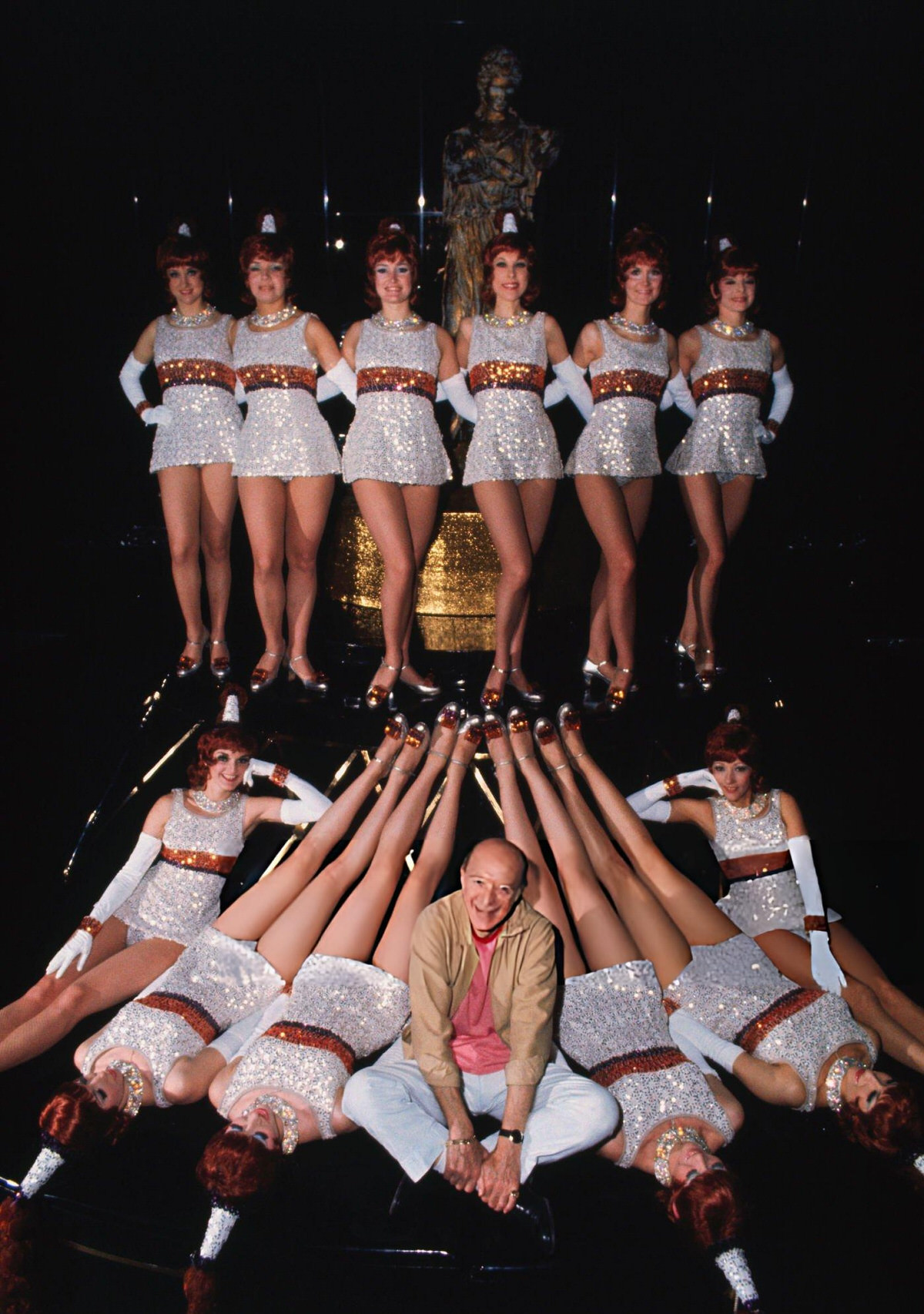
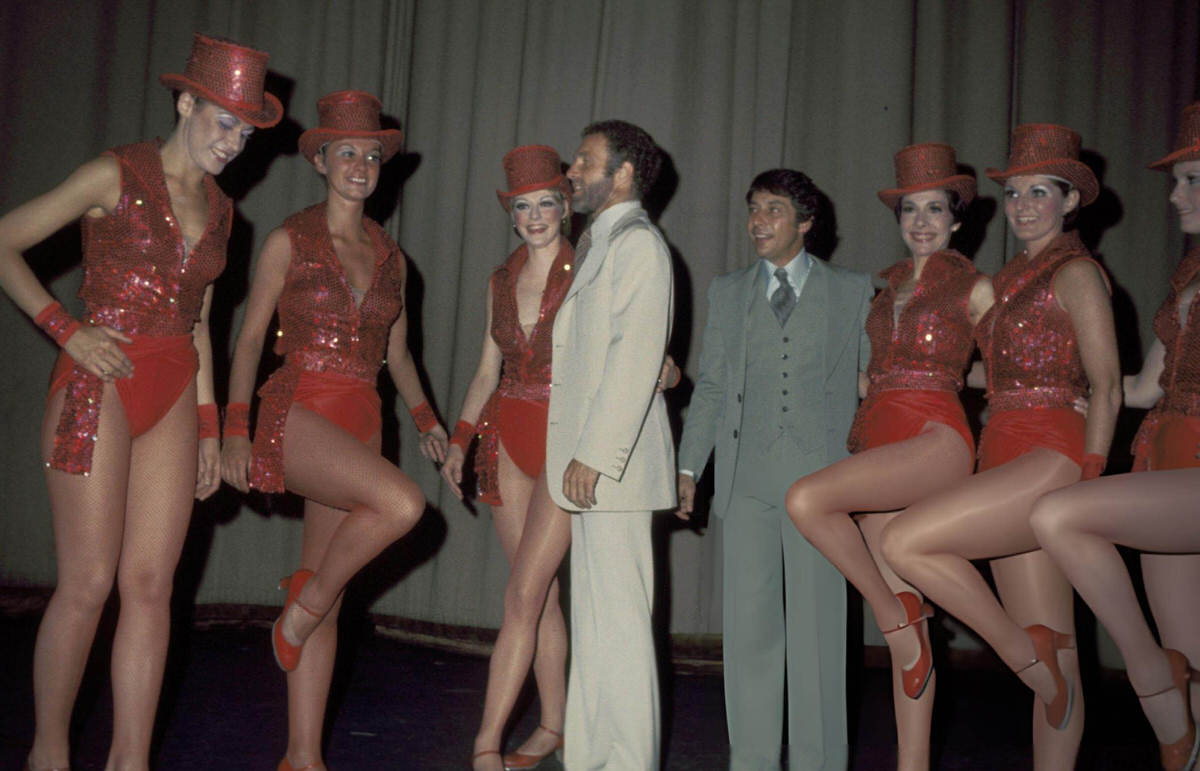
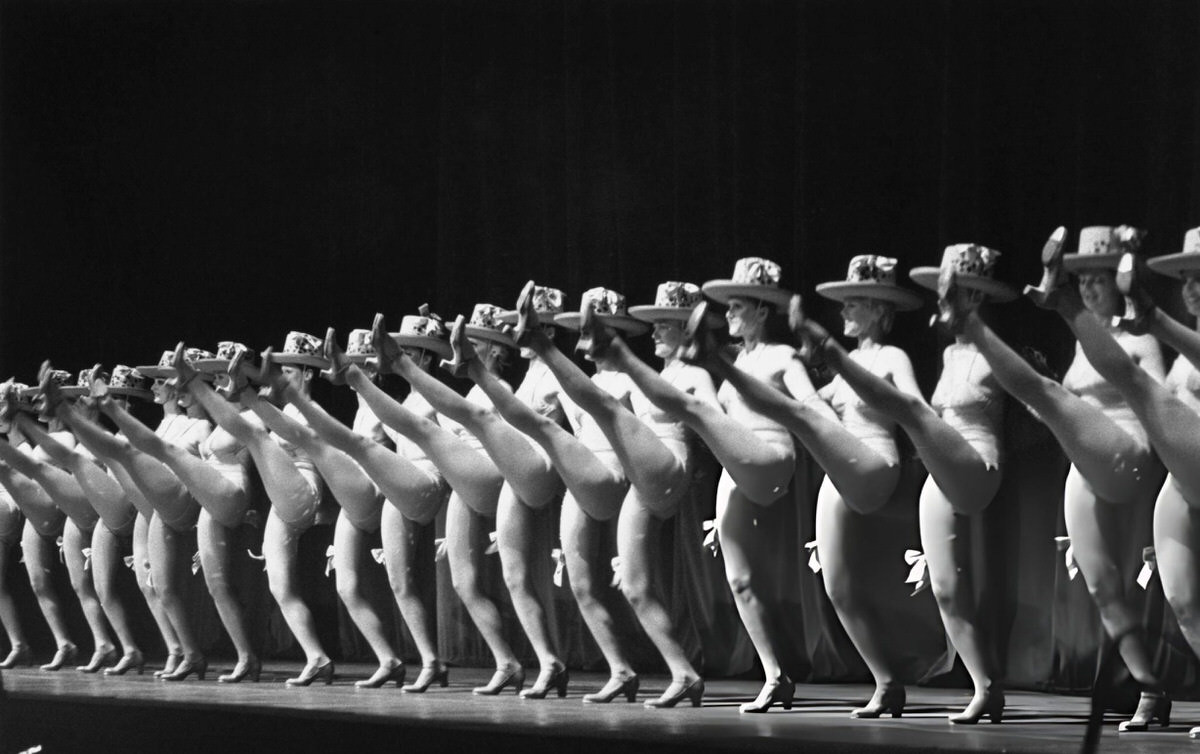
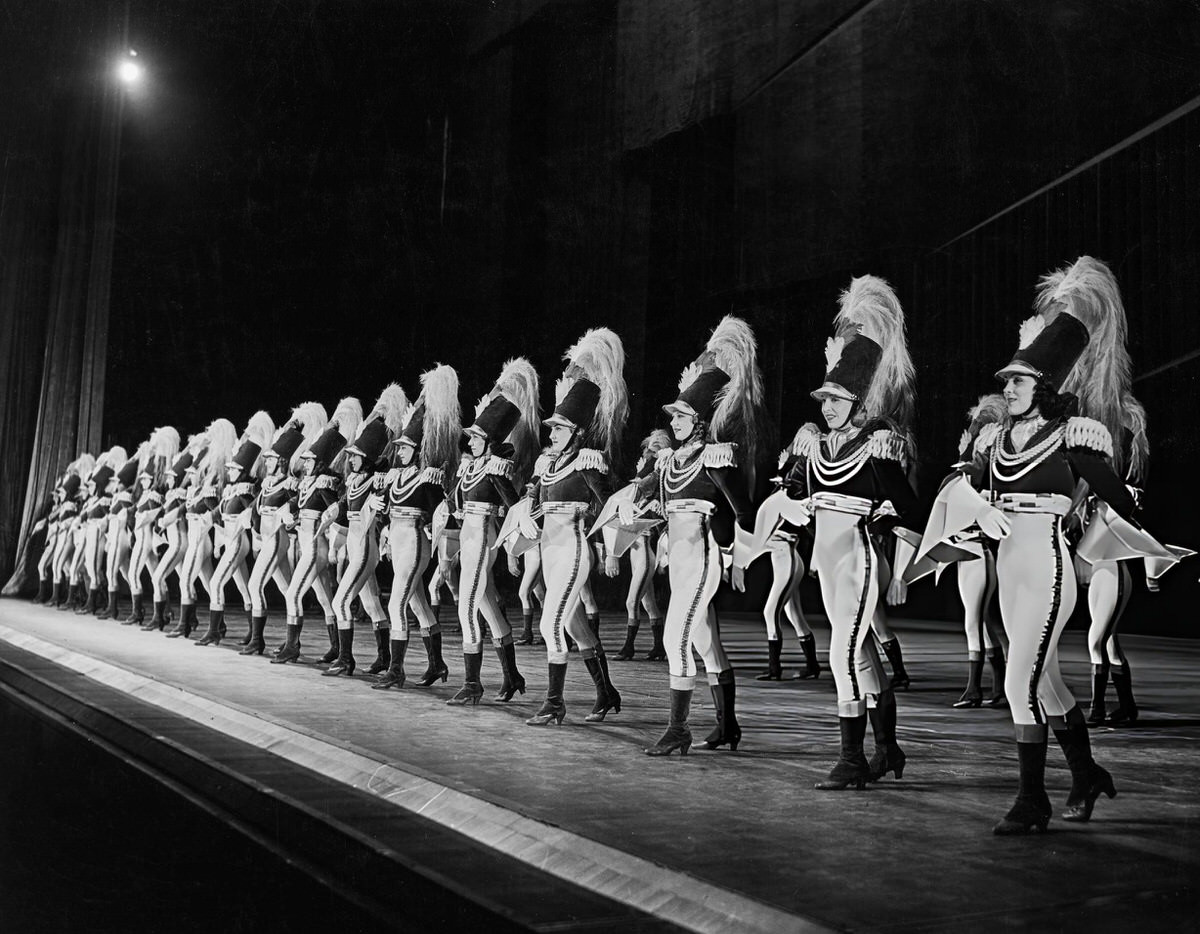
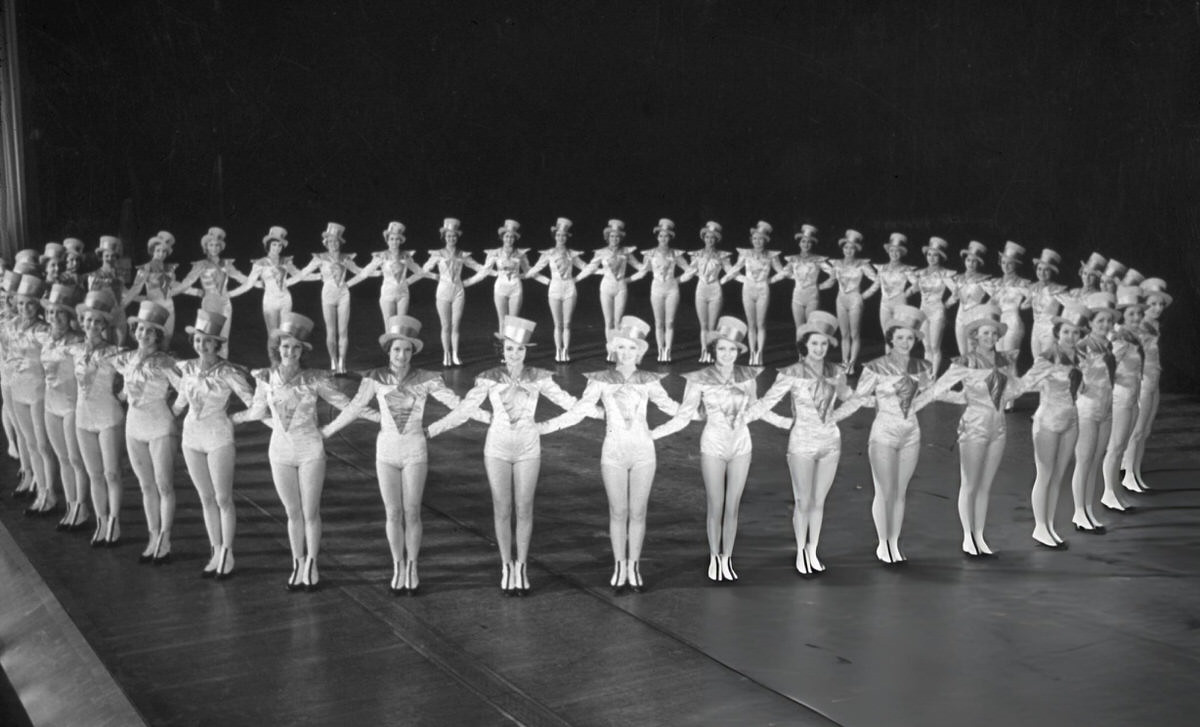
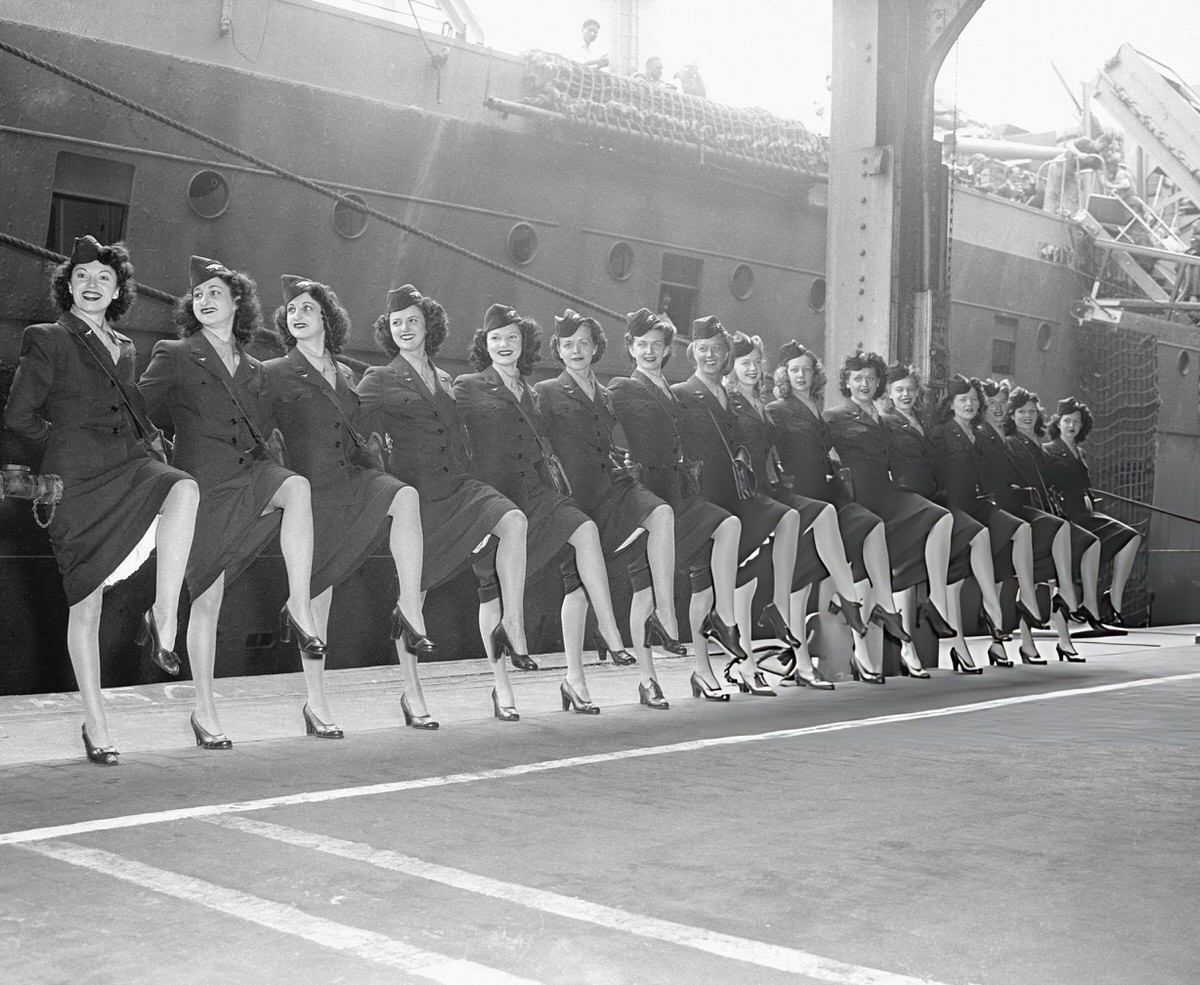
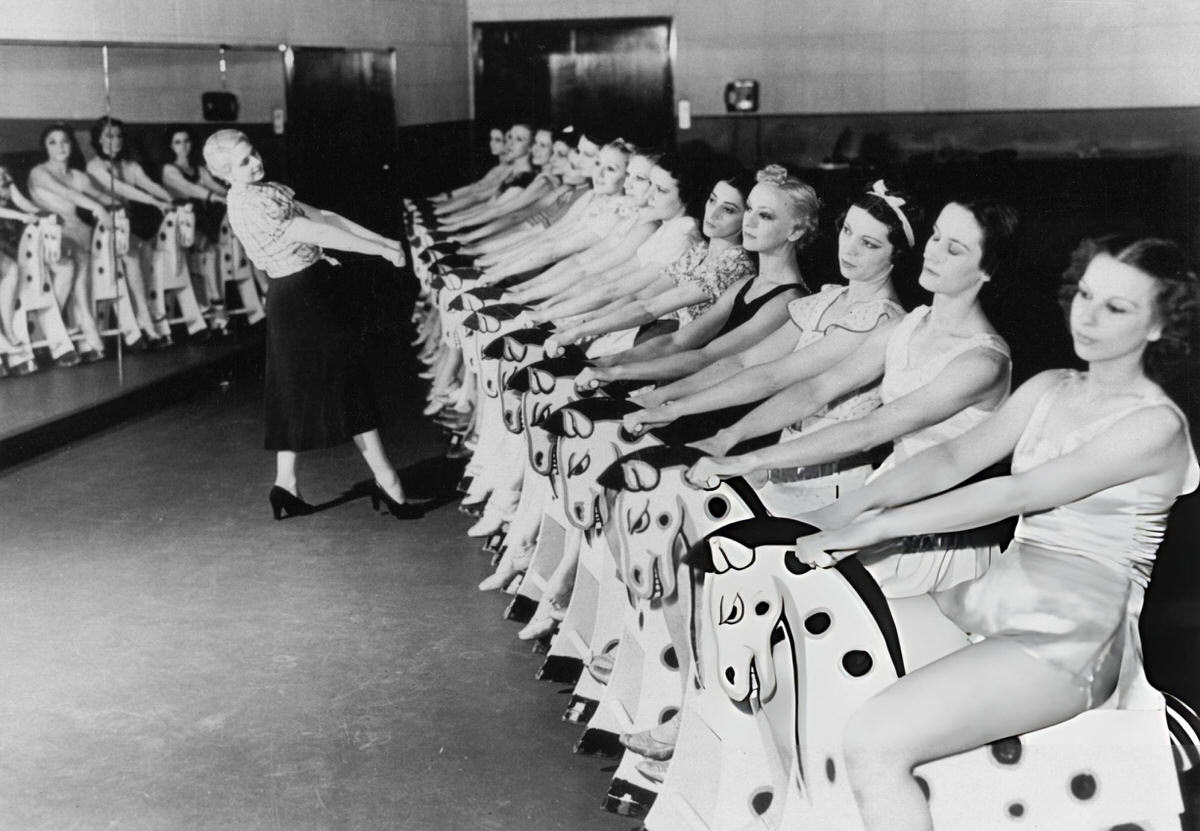
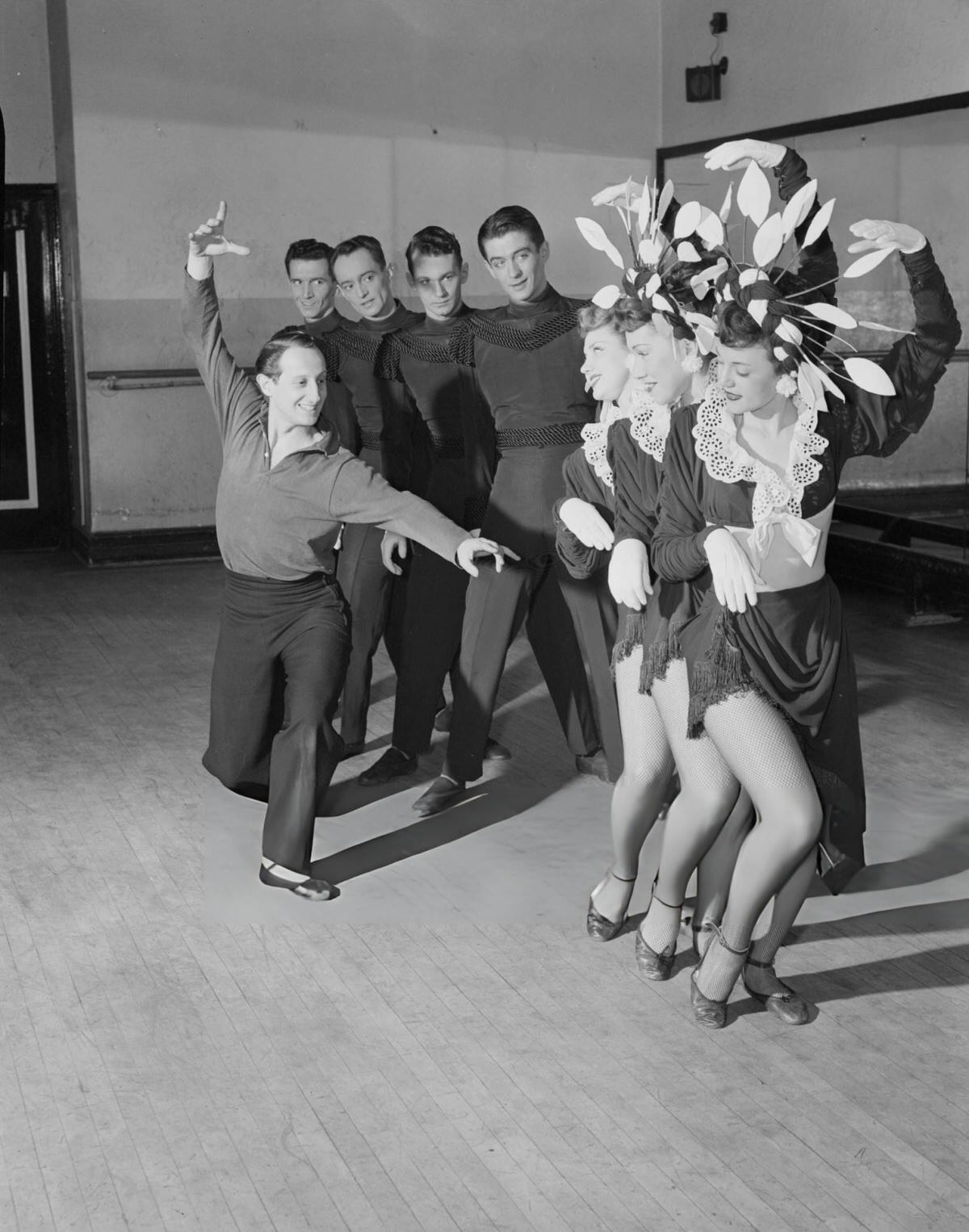
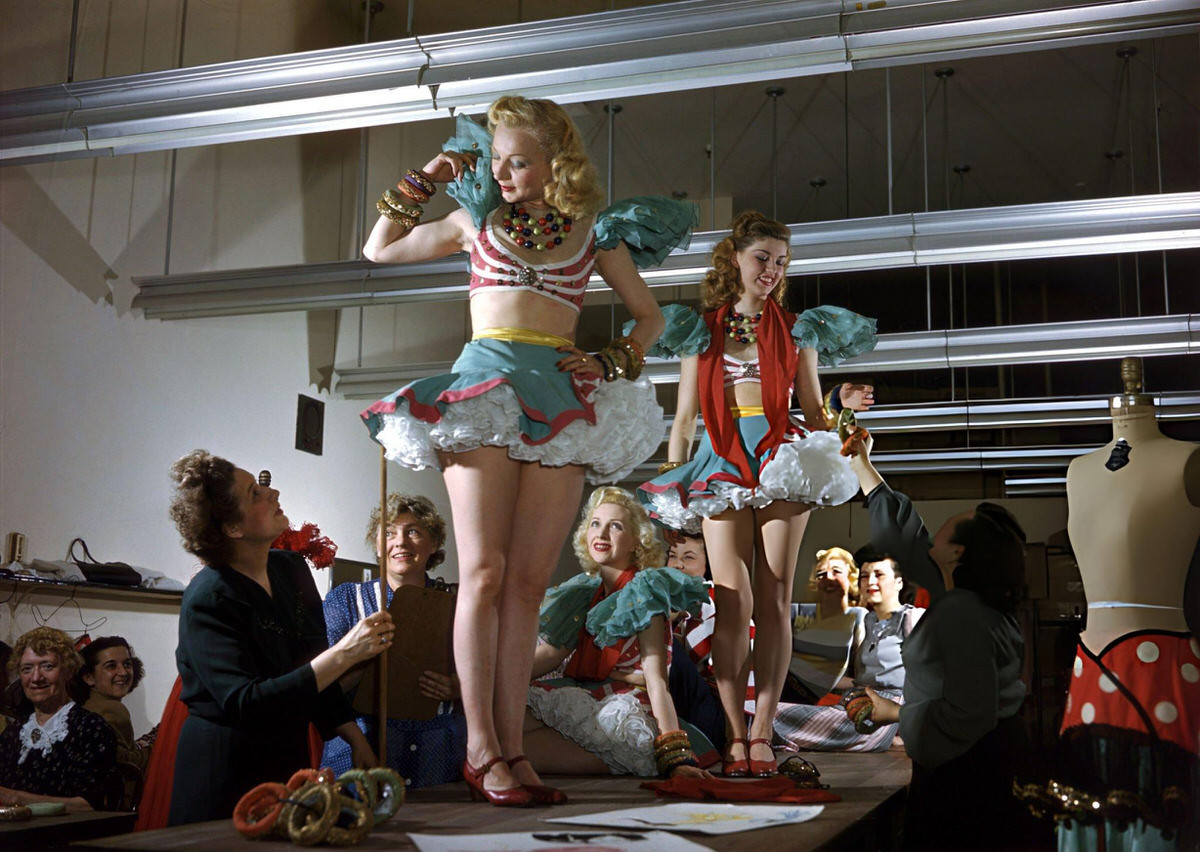
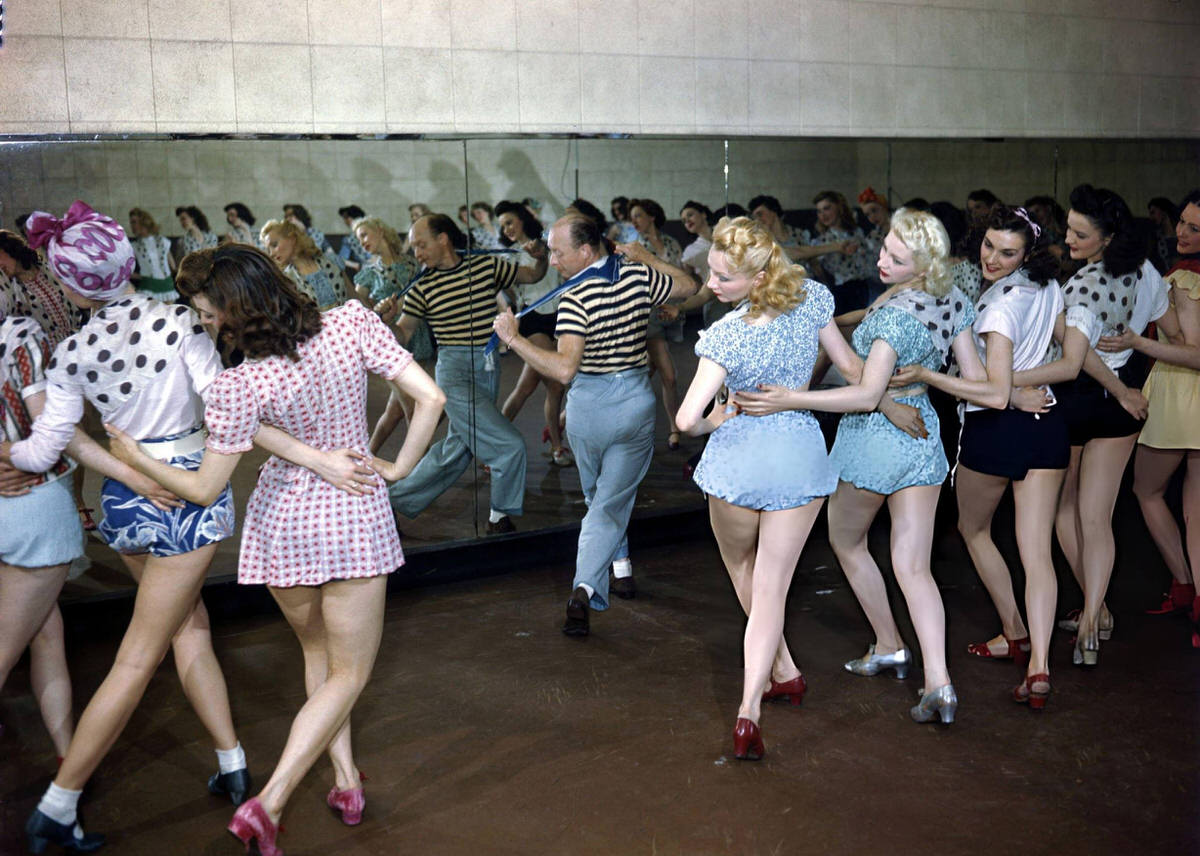
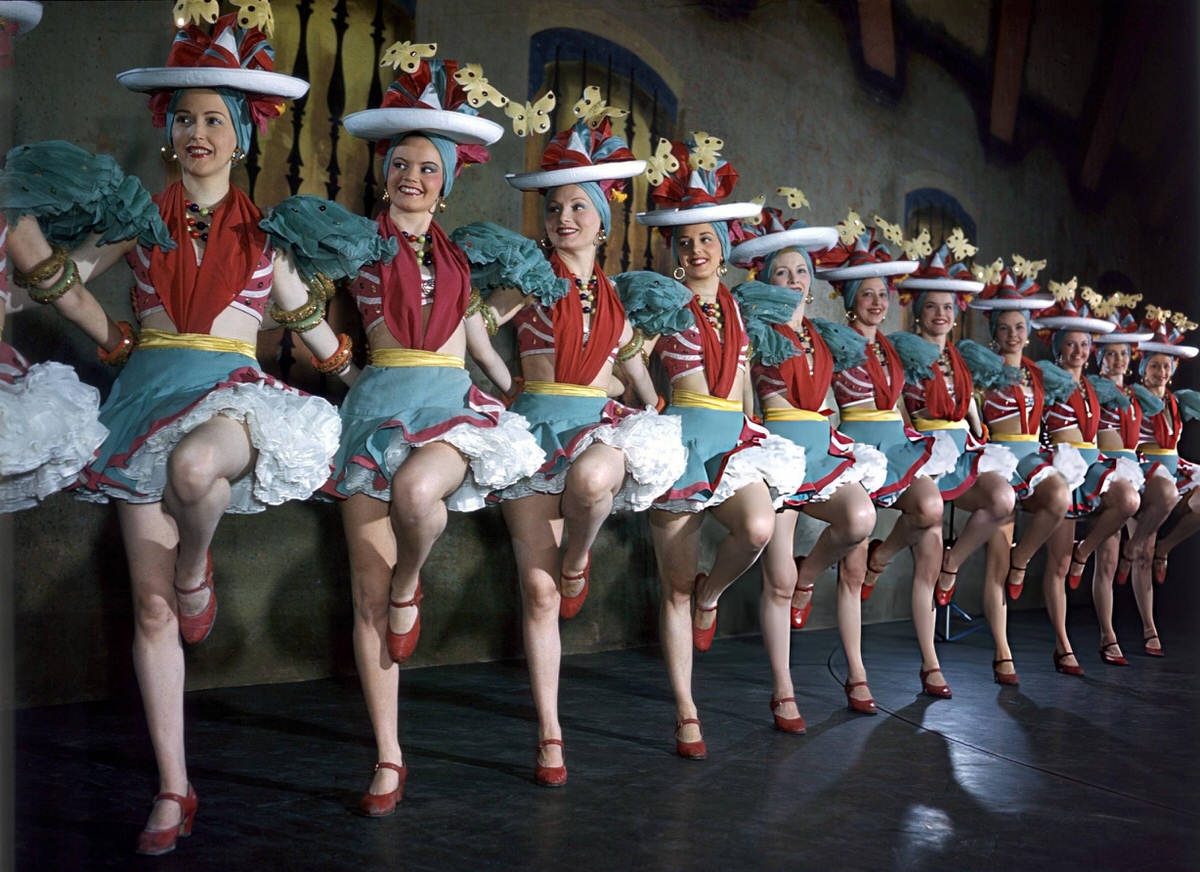
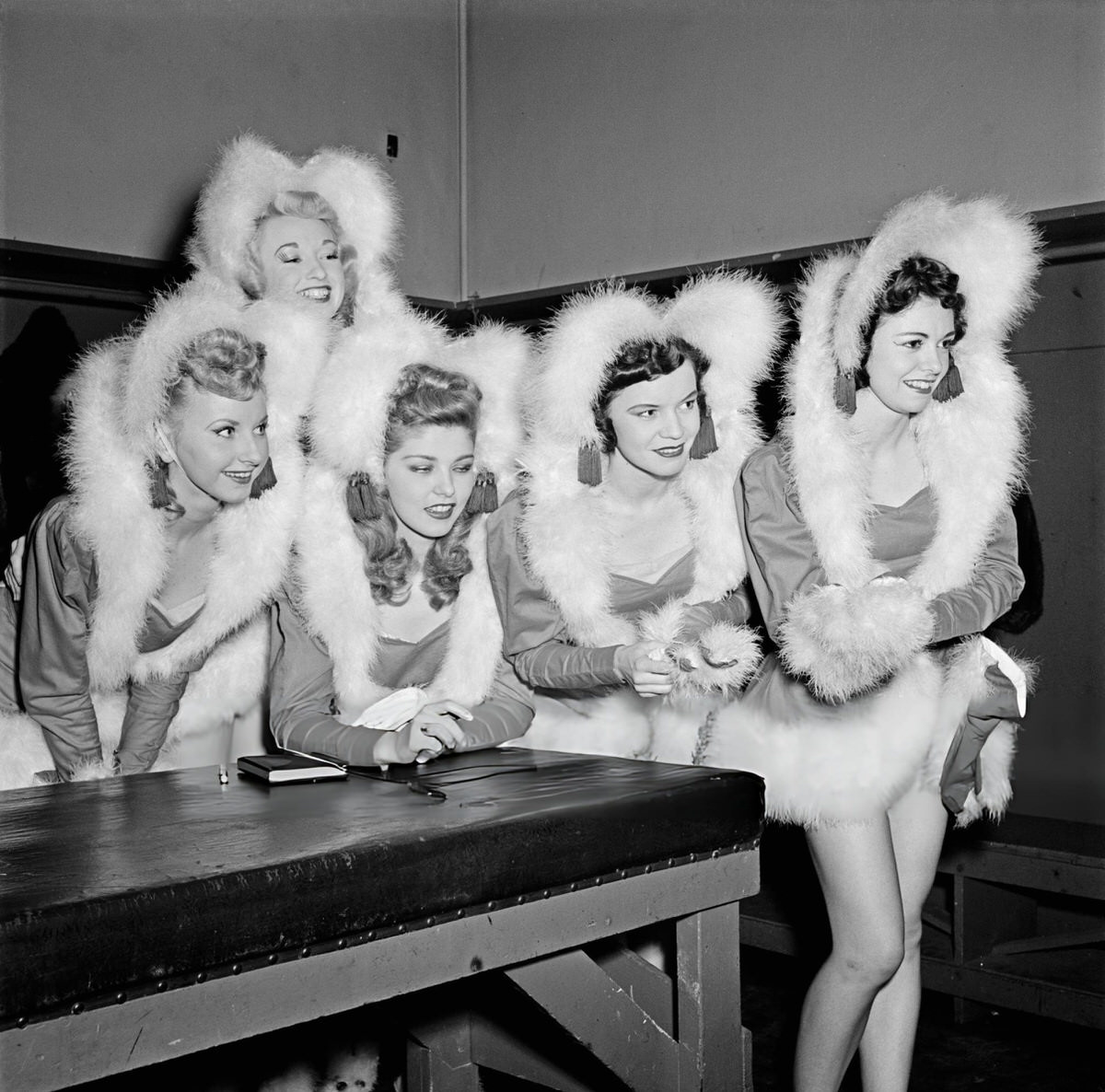
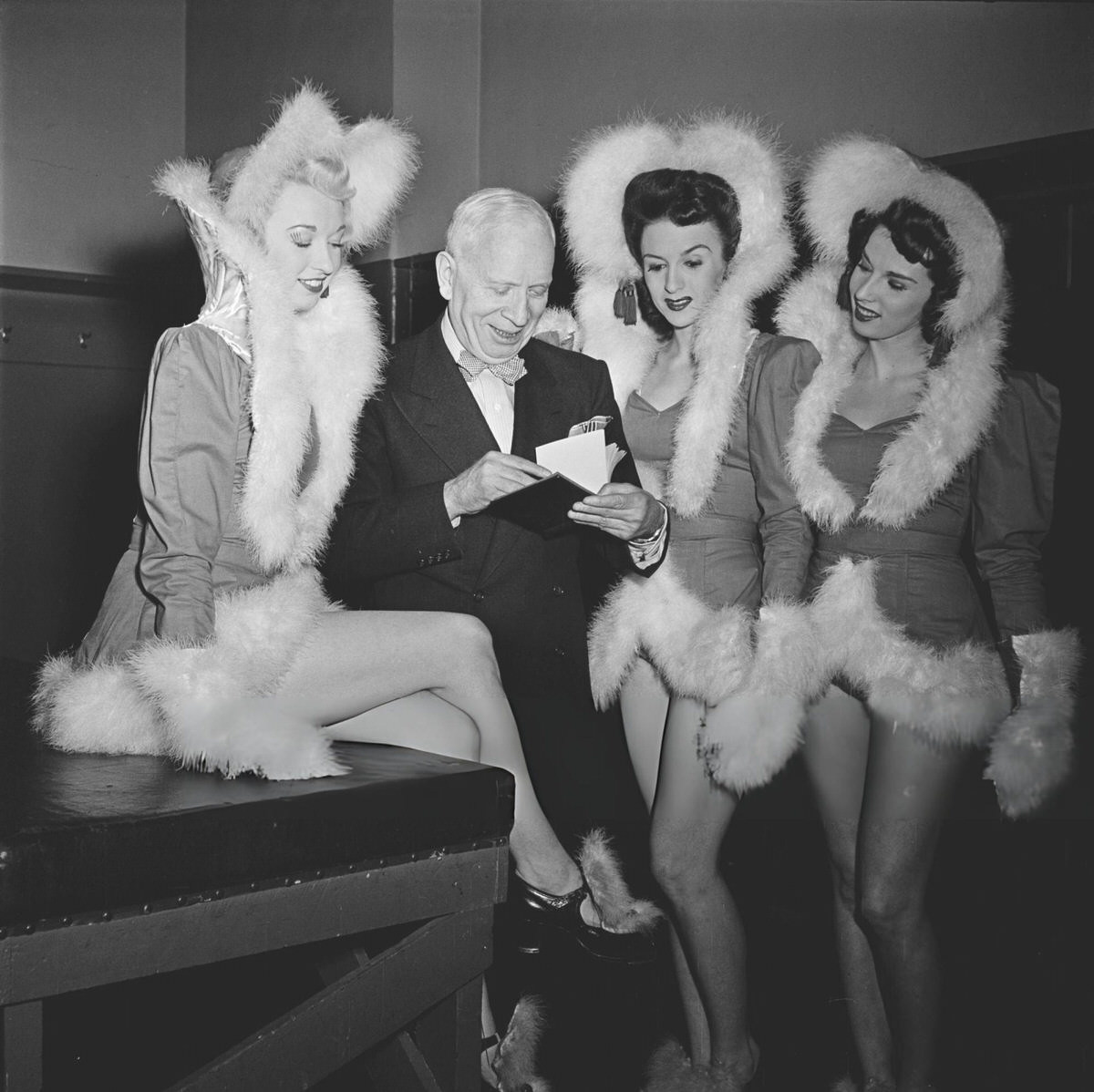
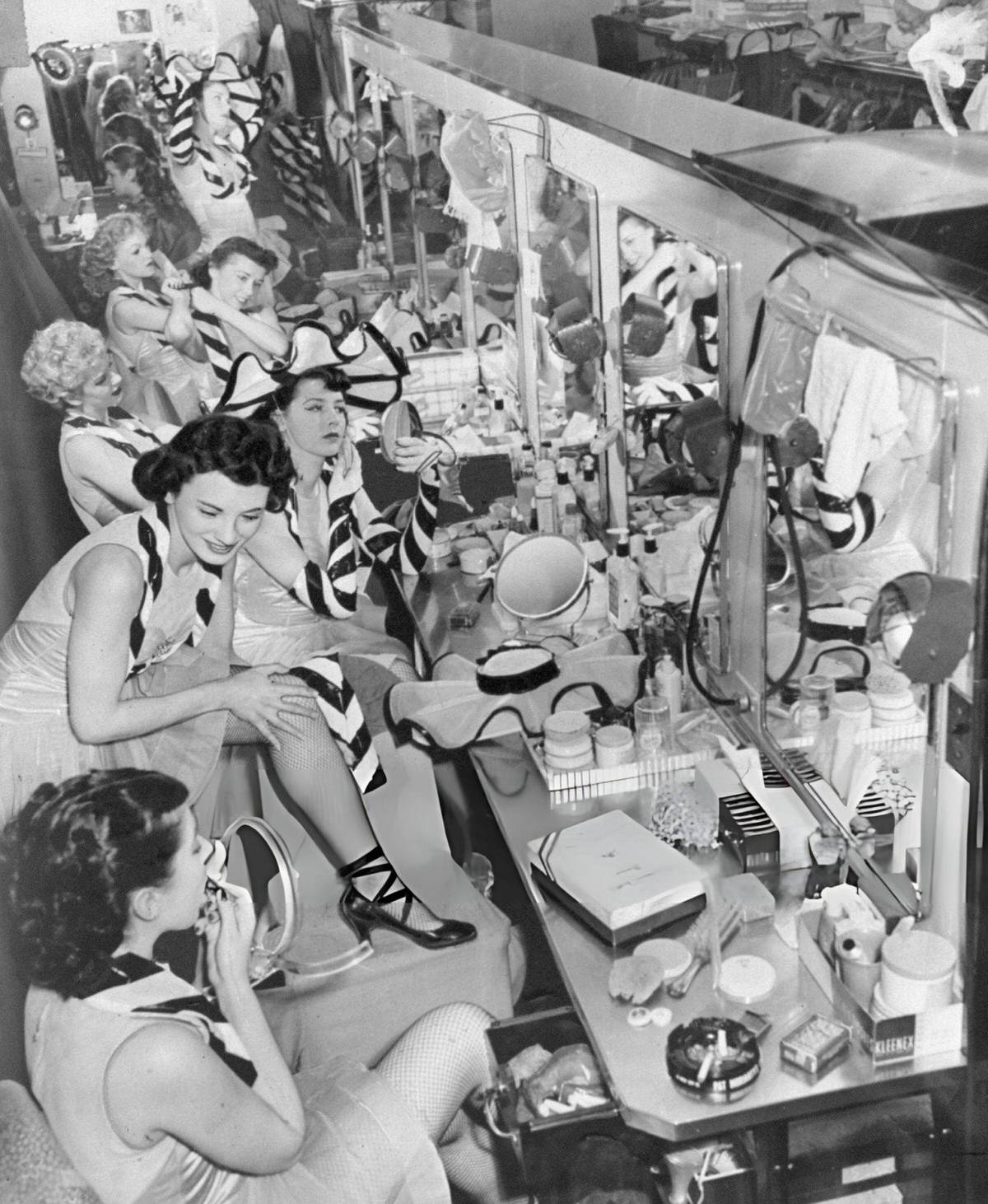
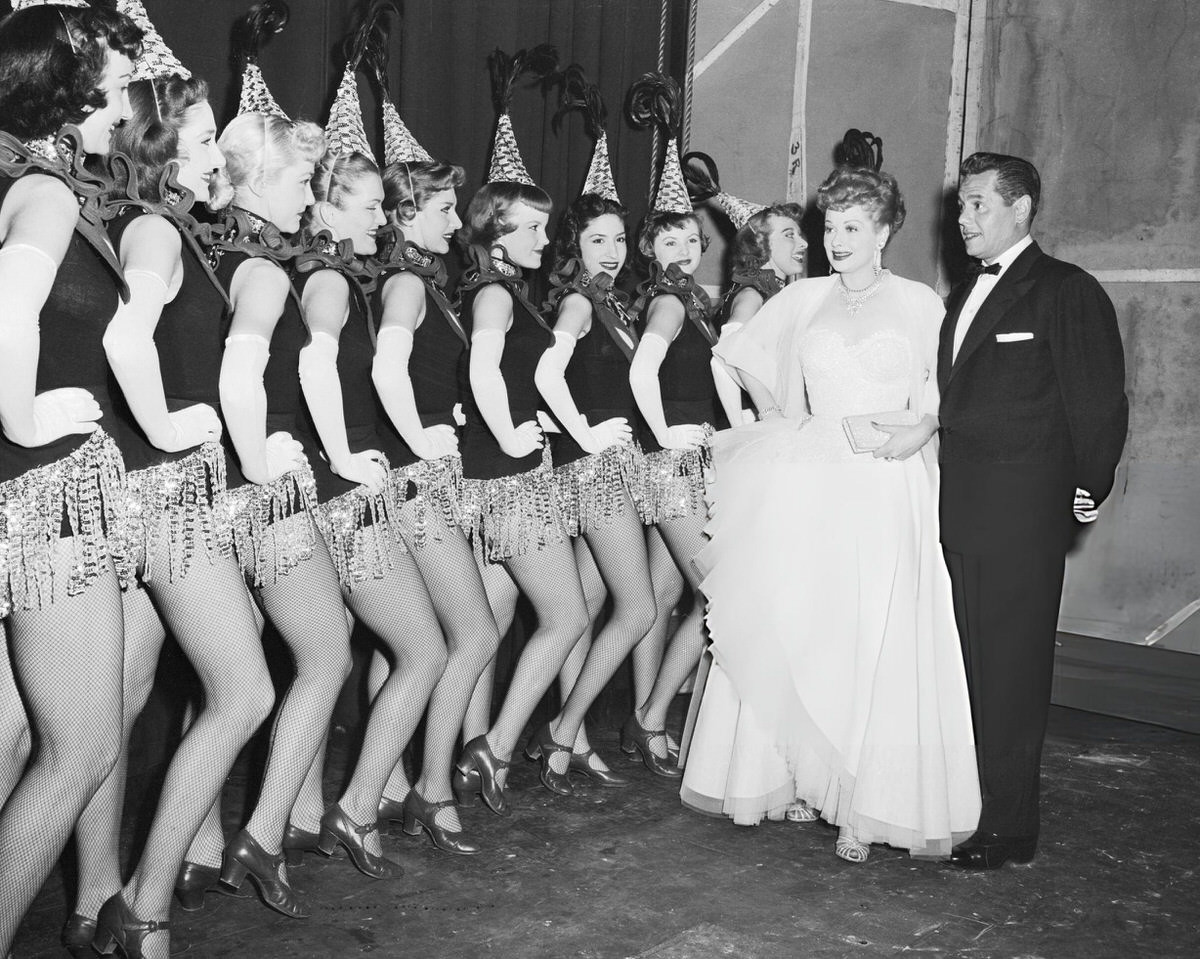
The Rockettes were the constant. The precision dance company had originally formed in St. Louis in 1925 as the Missouri Rockets, moved to New York, and were absorbed into the Radio City operation when the hall opened. Their famous eye-high kick line — 36 women moving in absolute unison — was engineered with obsessive exactness. The tallest Rockette stood 5’10½”, the shortest 5’5½”, and they were arranged by height so that from the audience every woman appeared the same height. Rehearsals ran six days a week. A single Rockette who missed a step in performance was corrected the next morning. The precision was not incidental to the show — it was the show.
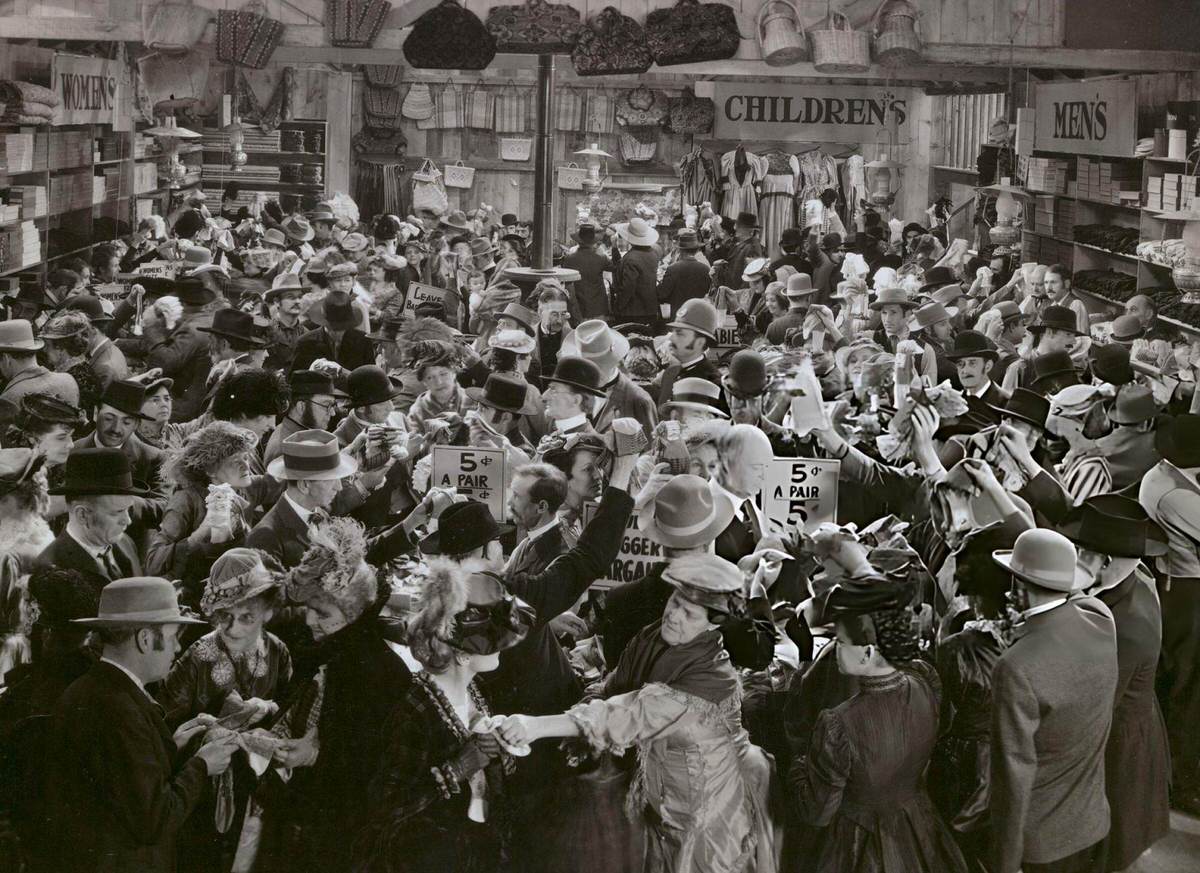
The film program ran four or five shows per day, every day. Major Hollywood studios treated a Radio City booking as the premier showcase for their biggest releases. King Kong played Radio City in 1933. Breakfast at Tiffany’s opened there in 1961. How the West Was Won ran there through 1963. A film that opened at Radio City had automatic credibility — the venue’s prestige transferred directly to the picture. Studio executives pushed hard to secure Radio City dates the same way Broadway producers pushed for the best houses on 45th Street.
The Christmas Spectacular
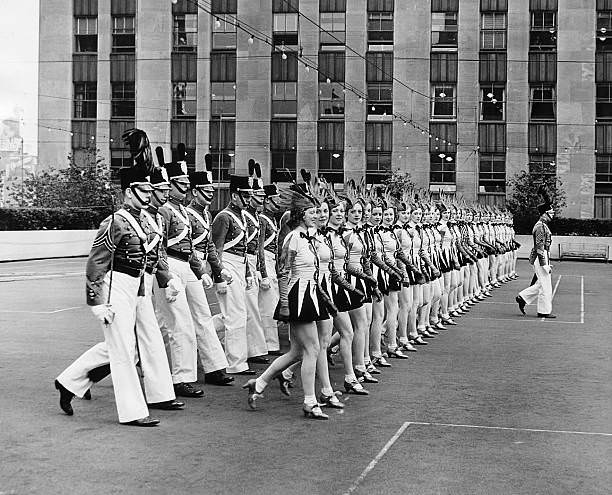
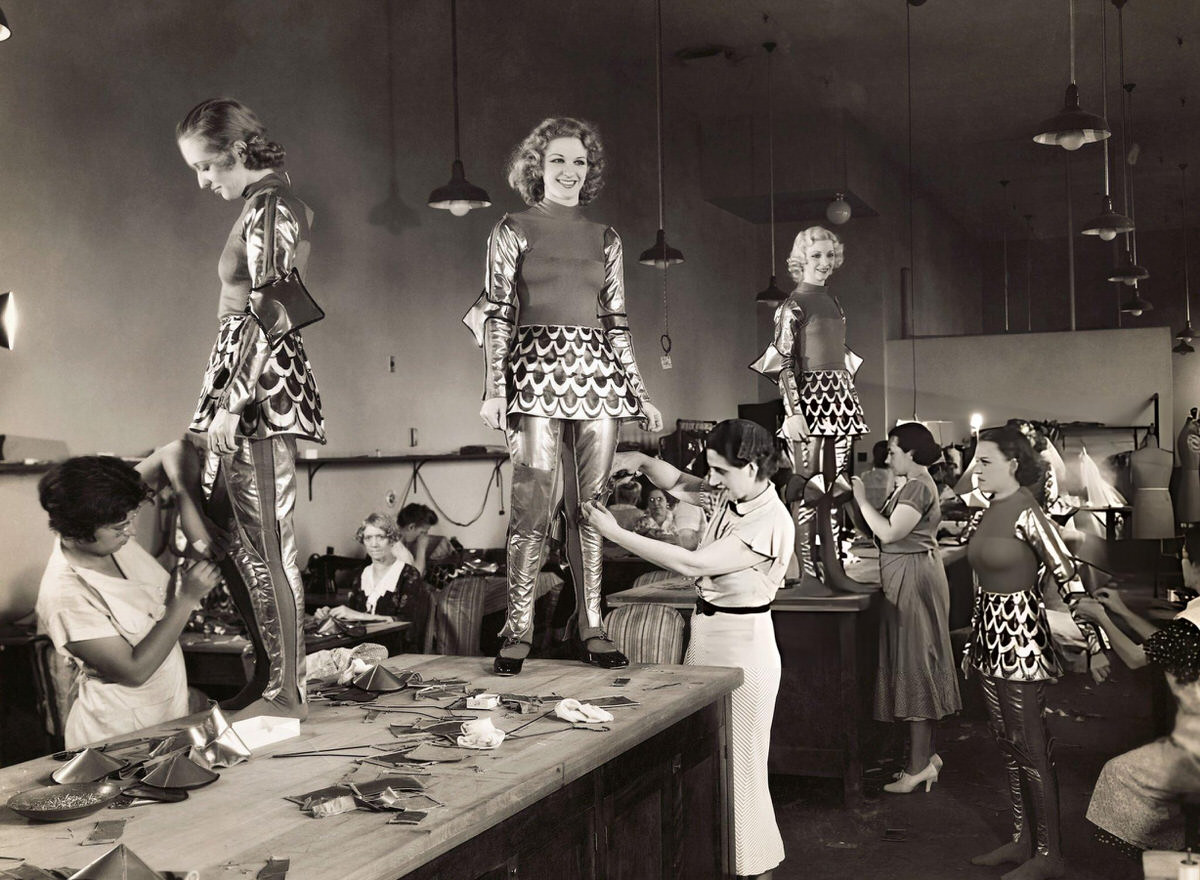
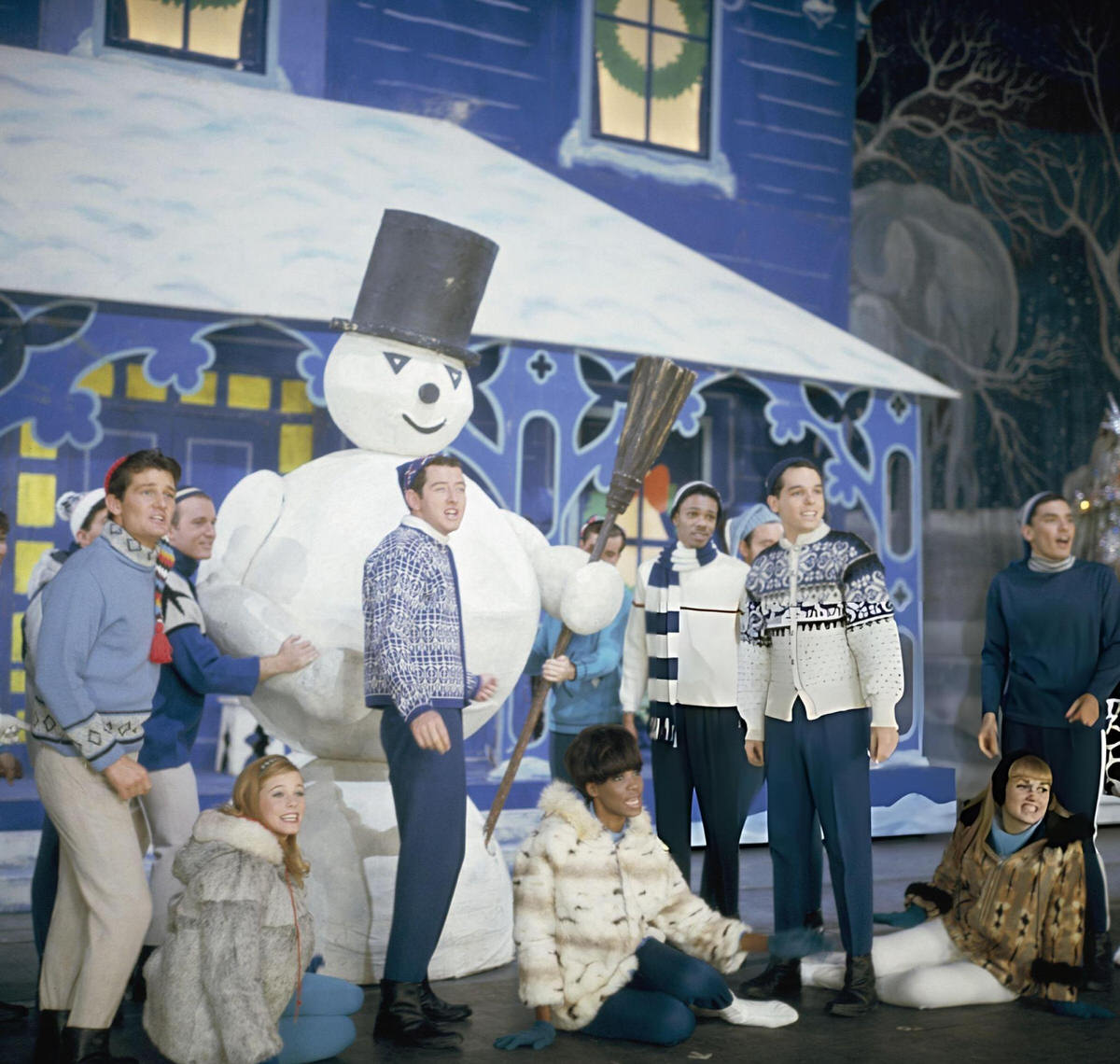
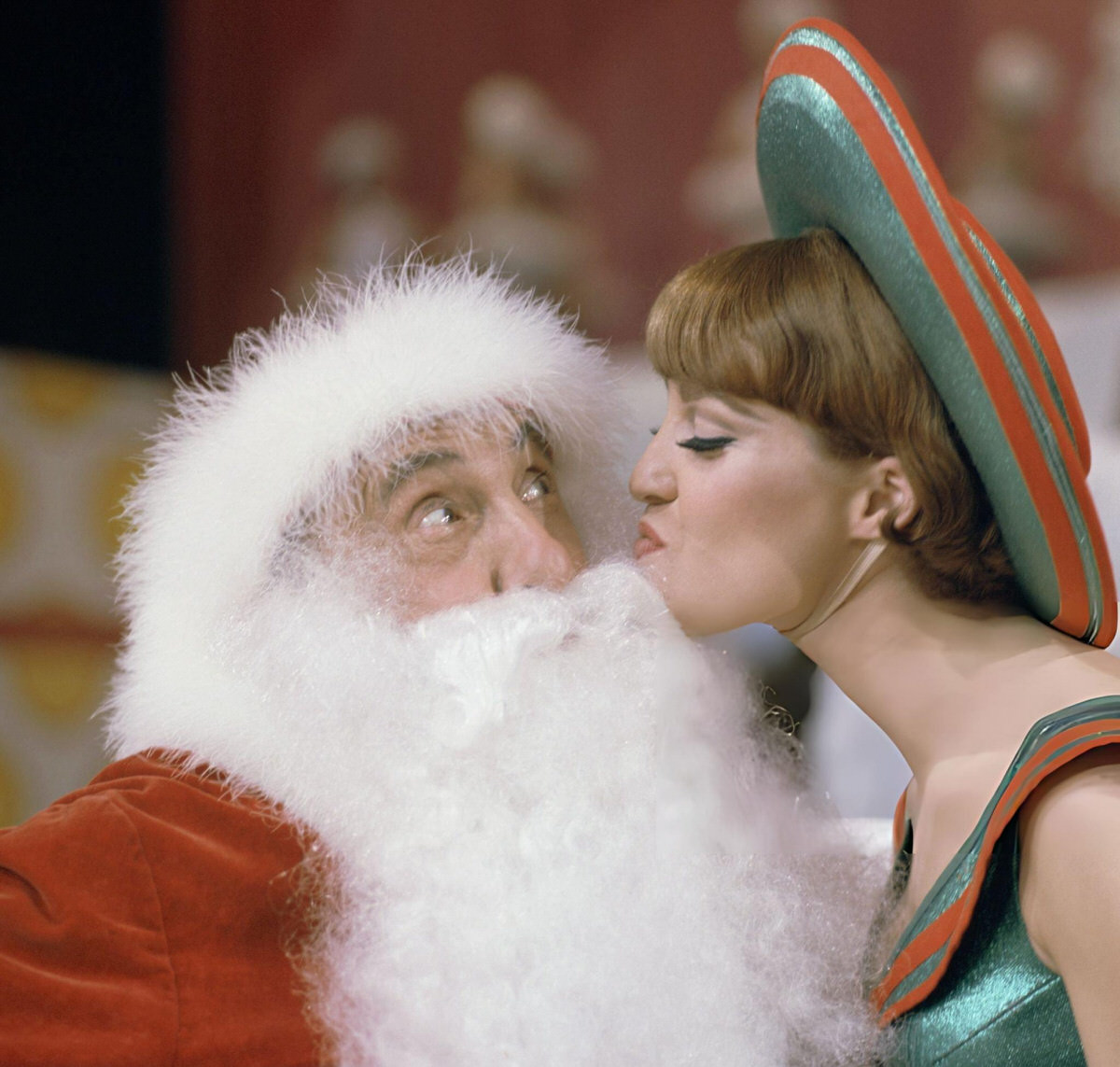
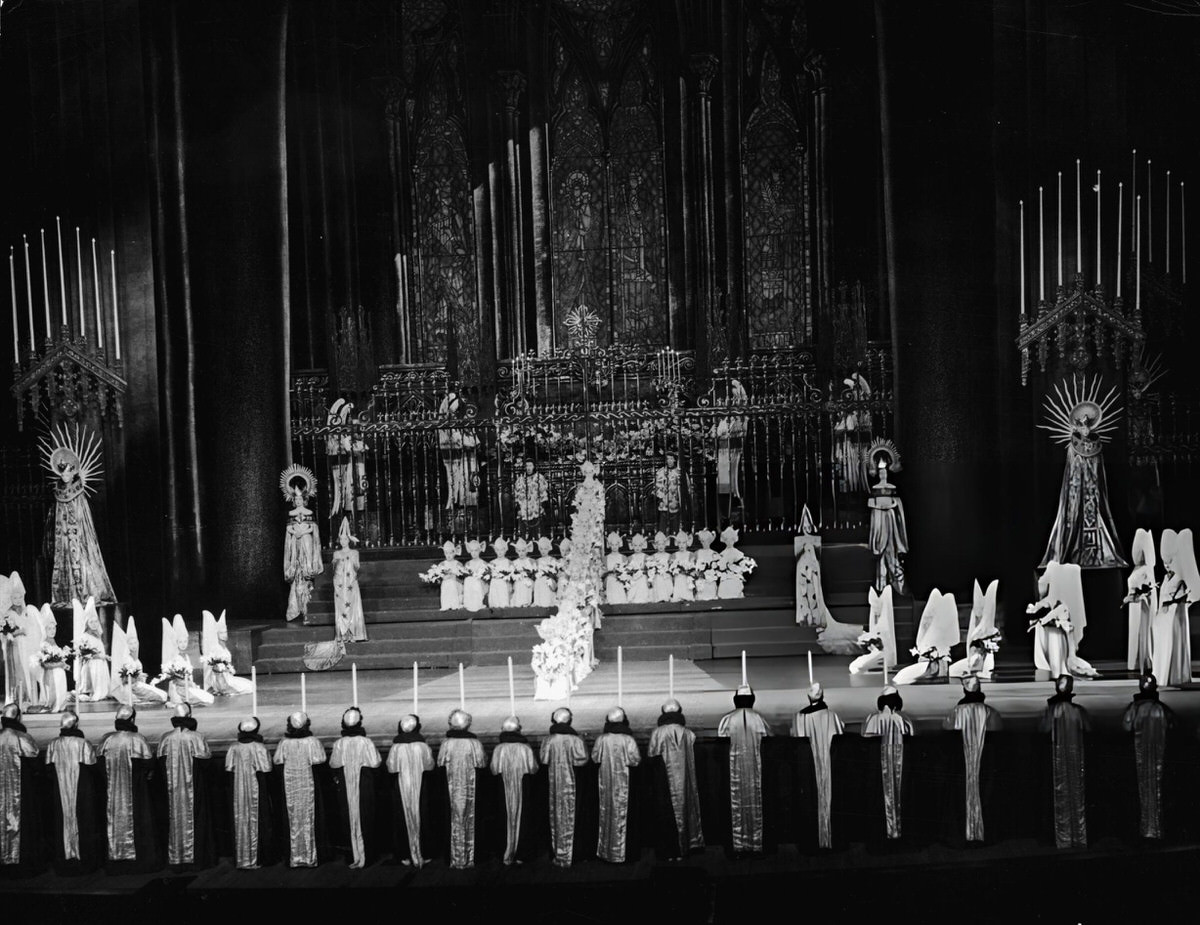
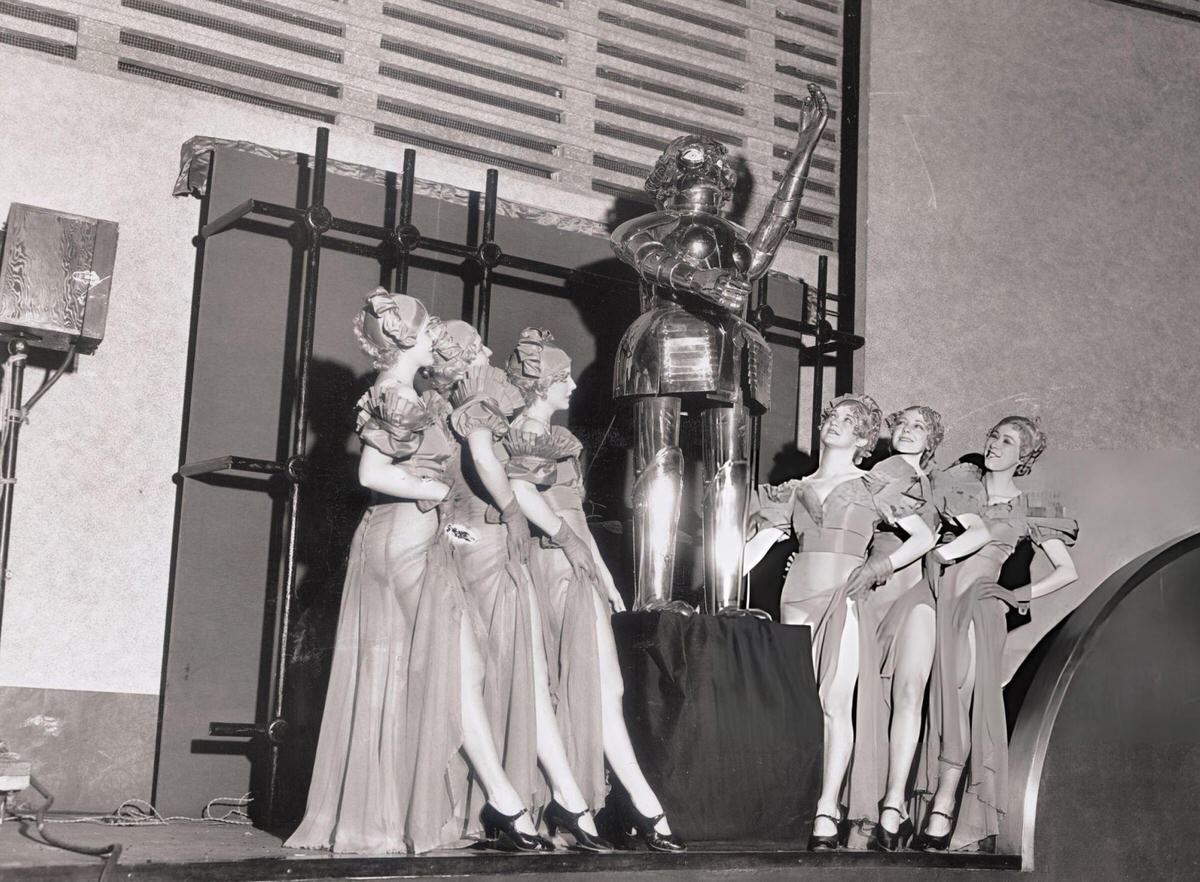
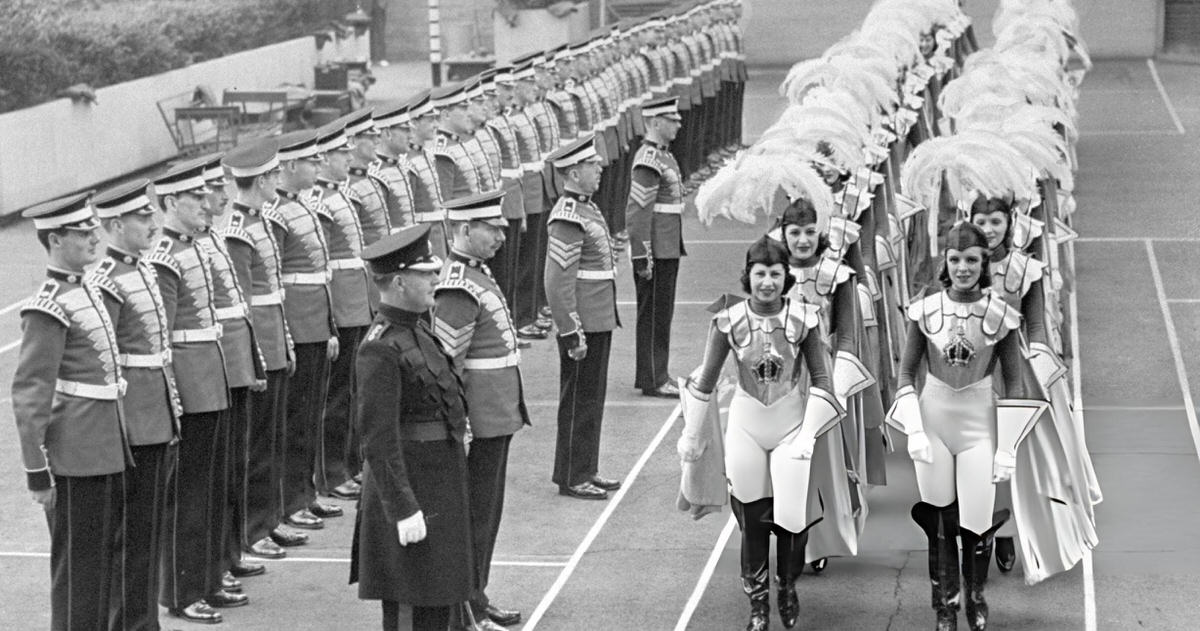
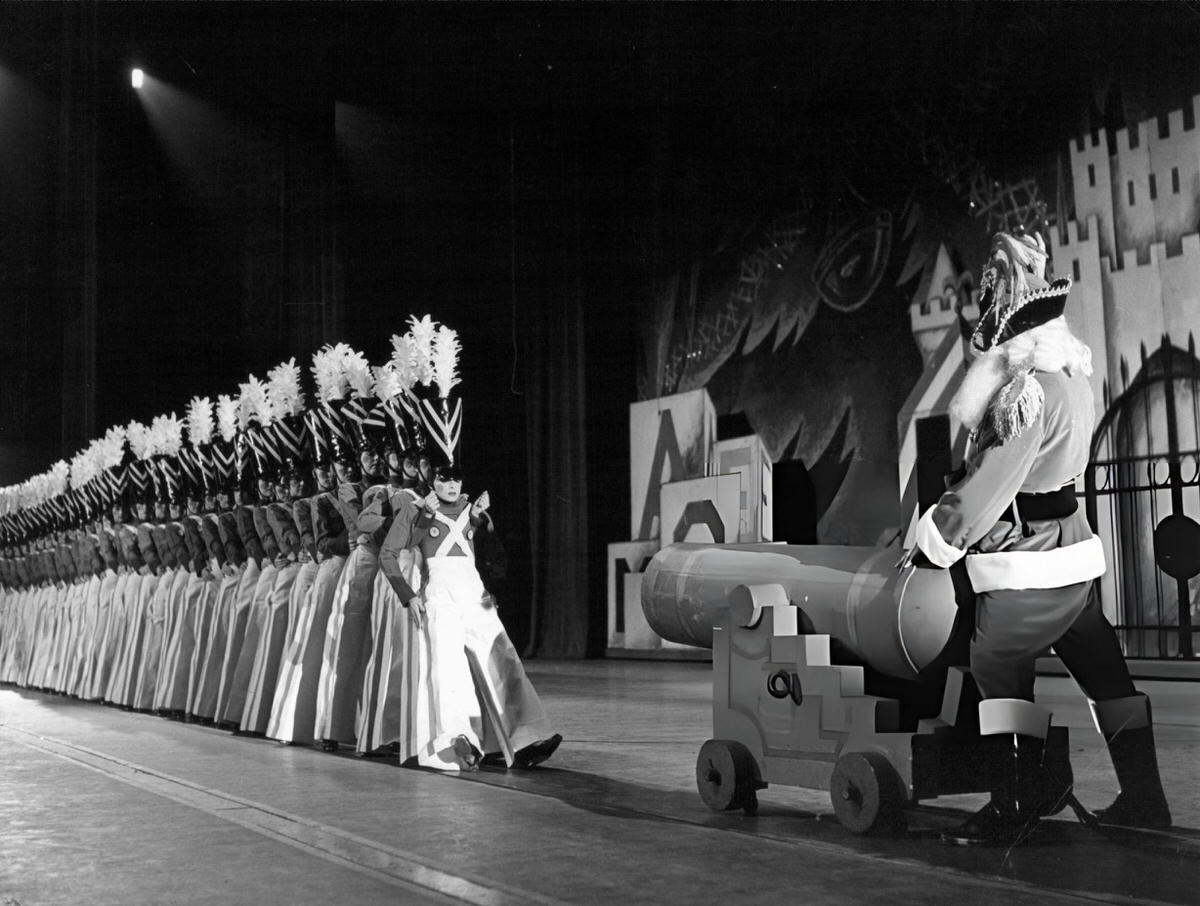
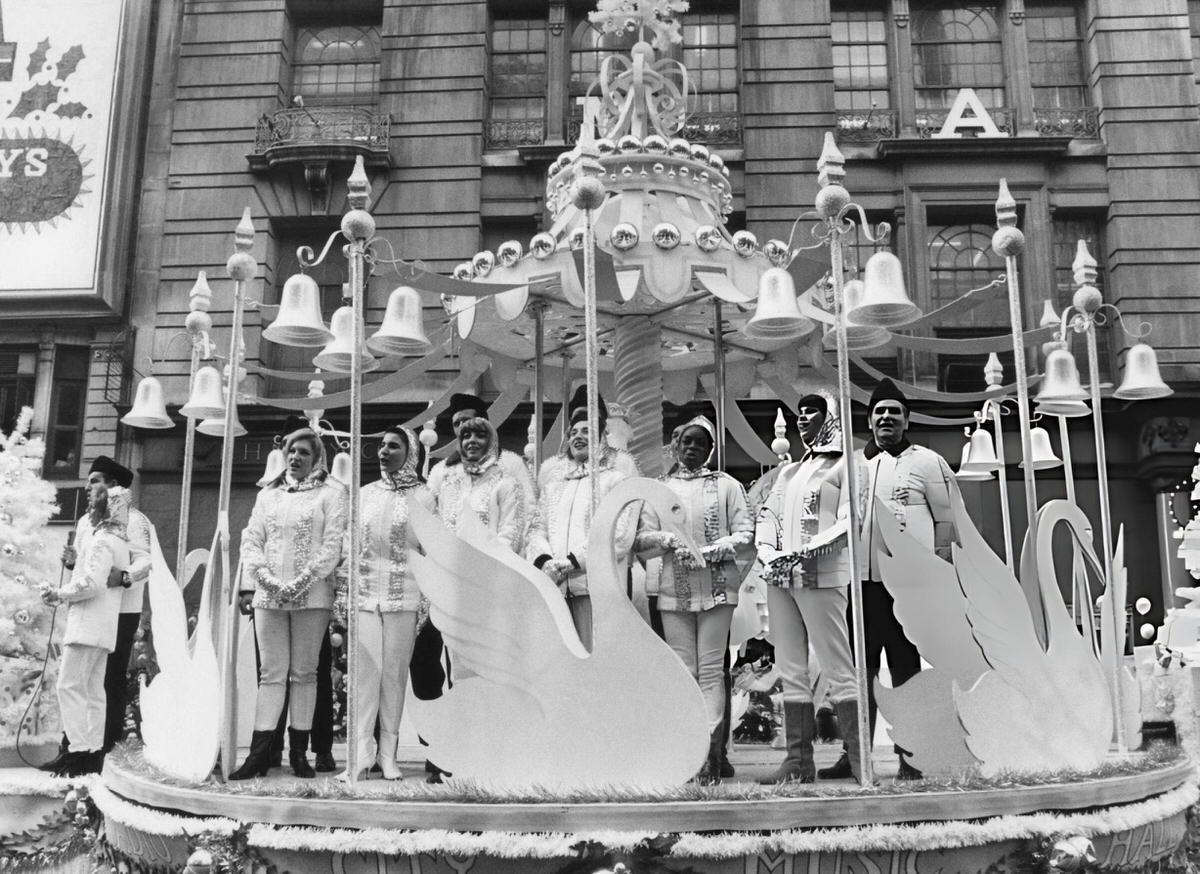
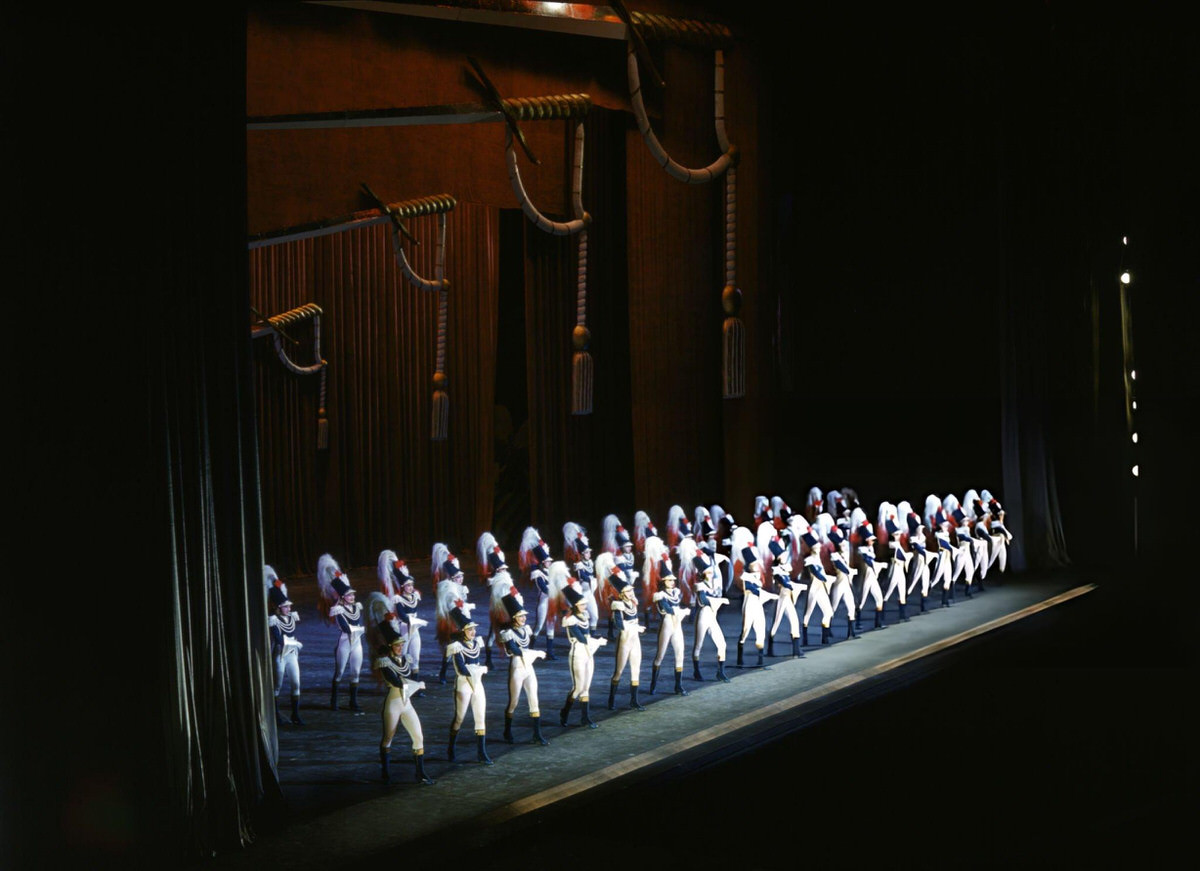
The Christmas show began in 1933, one year after opening, and established itself as a New York institution within a decade. The show combined the Rockettes with an elaborate nativity tableau, a toy-soldier number that became one of the most technically demanding pieces of precision choreography in American entertainment, and enough production spectacle to justify the ticket price many times over. The toy-soldier routine — in which the Rockettes, dressed as soldiers, fall in sequence like a row of dominoes, each woman landing on the body of the woman before her — required months of training and produced a different kind of precision than the kick line. The timing had to be exact to the fraction of a second. A single mistimed fall disrupted the entire sequence.
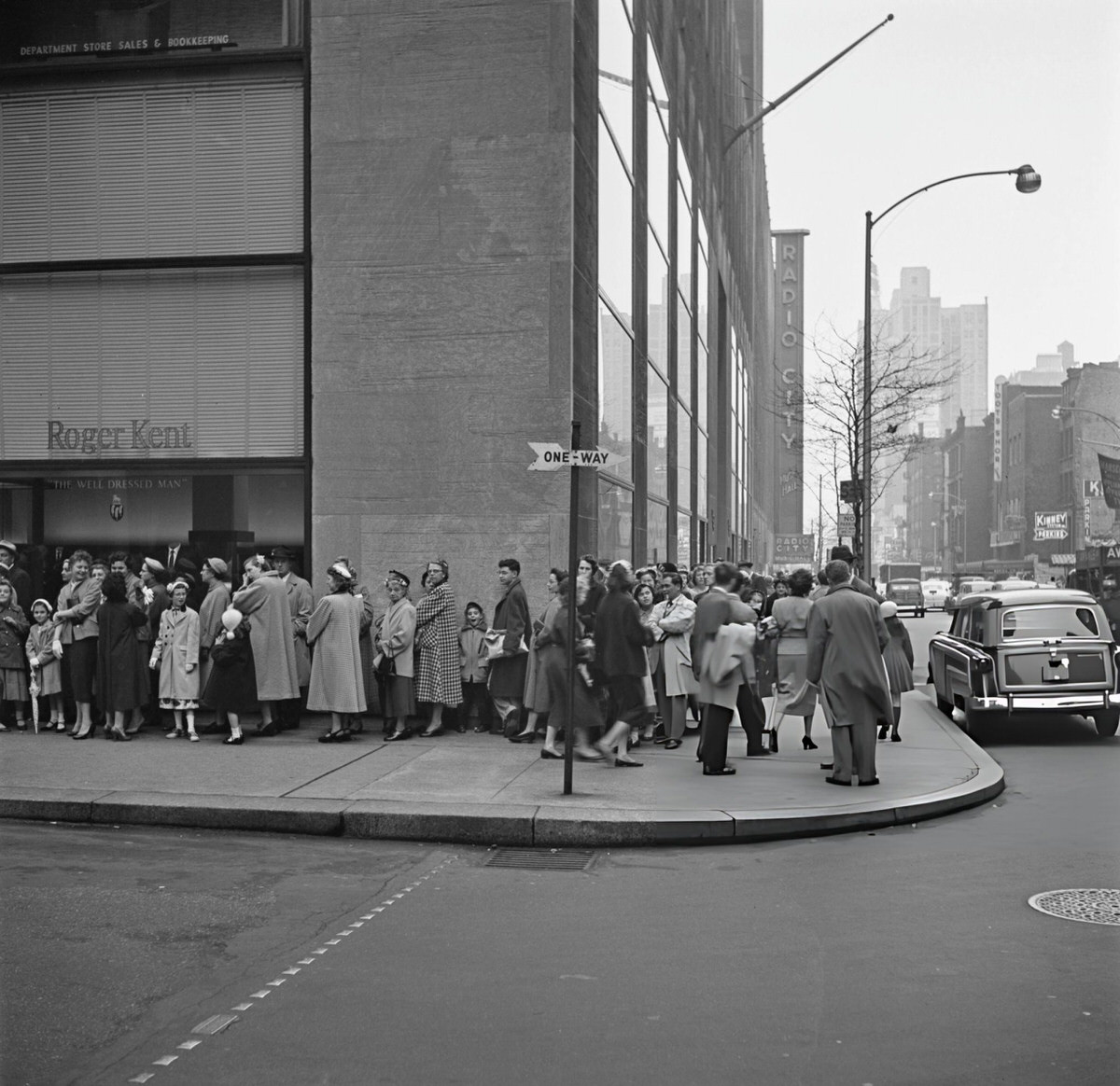
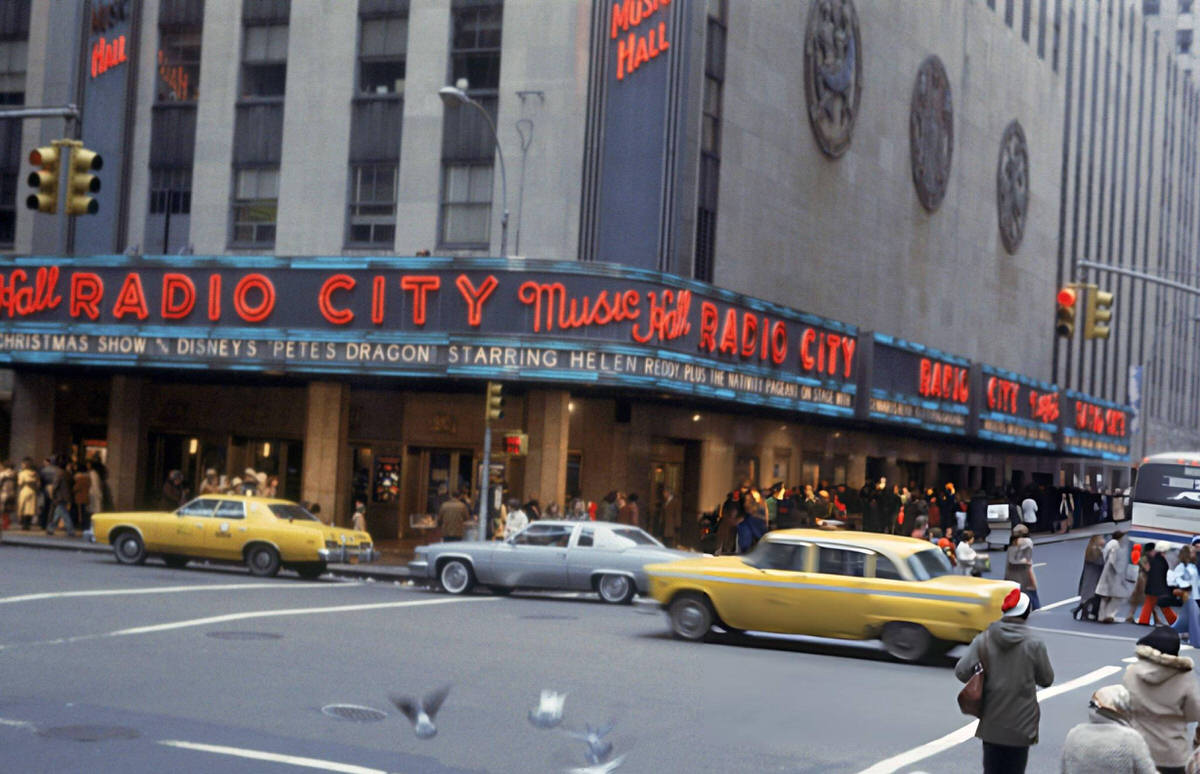
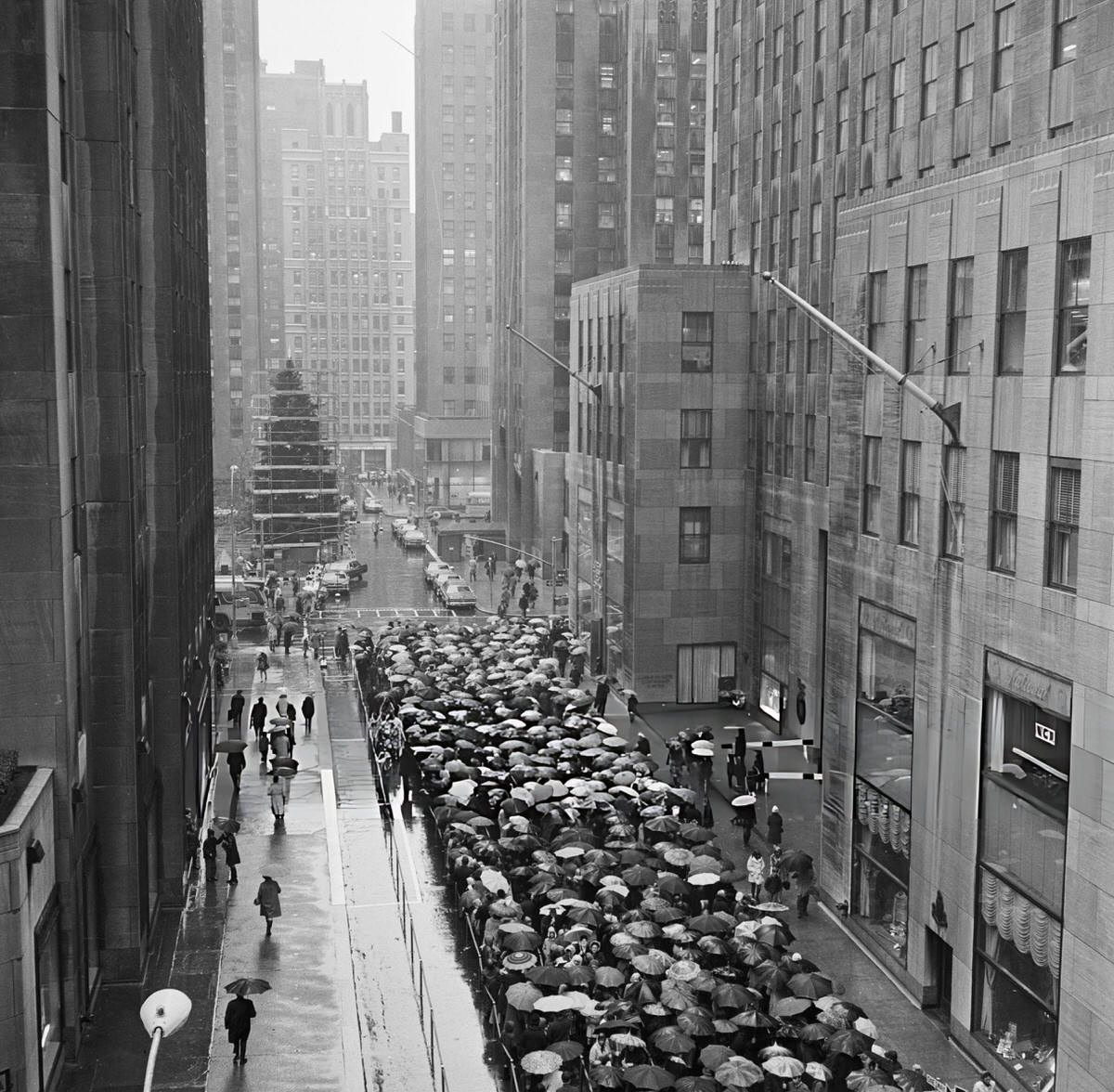
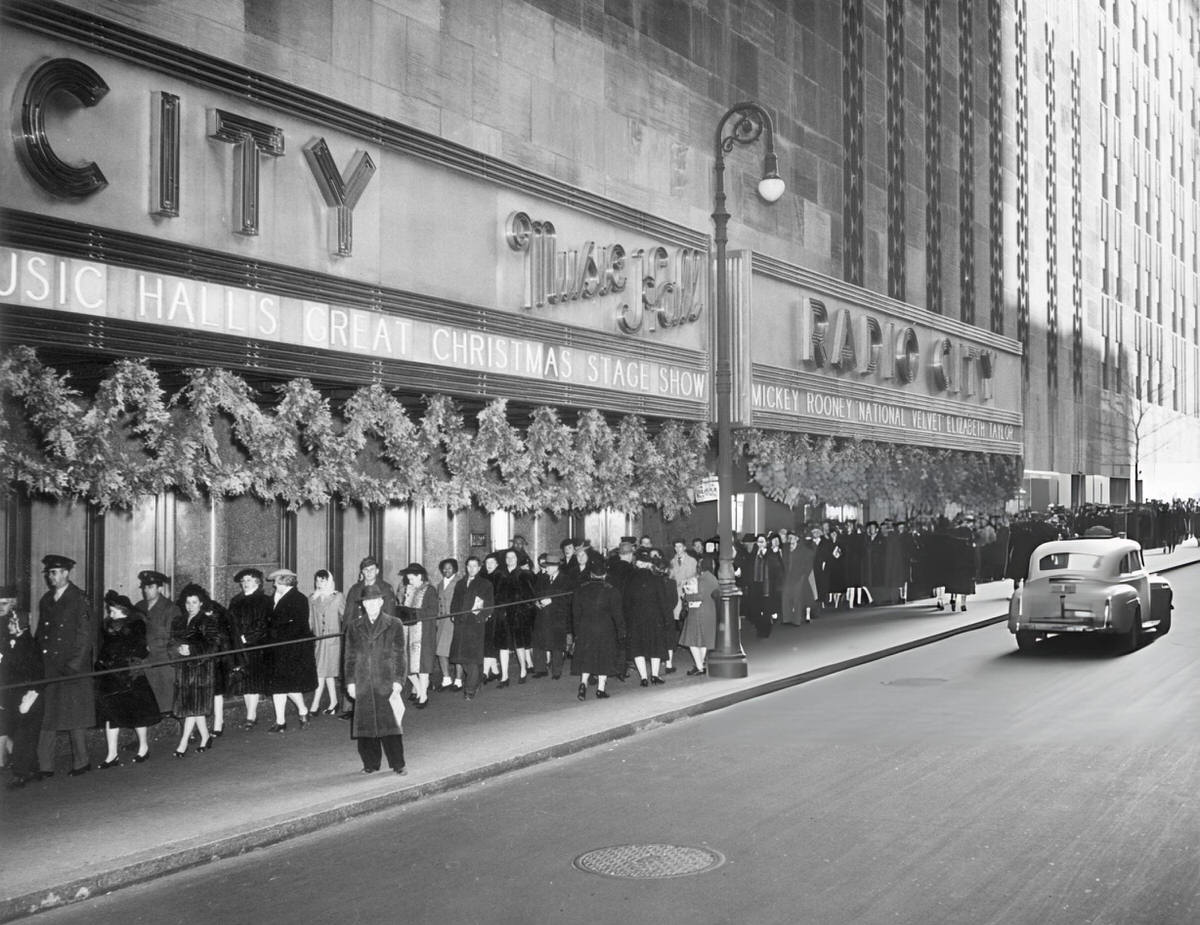
Families from across the New York metropolitan area built the Christmas show into their annual calendar the way they built in Thanksgiving dinner. A mother who had seen it as a child in the 1940s brought her own children in the 1960s. Tickets were bought weeks in advance. The lines outside 1260 Sixth Avenue on December weekends stretched halfway down the block. For many New York families, seeing the Christmas show at Radio City was the event that marked the season — more reliable and more consistent than anything else the city offered at that time of year.
The Hall as Concert Venue
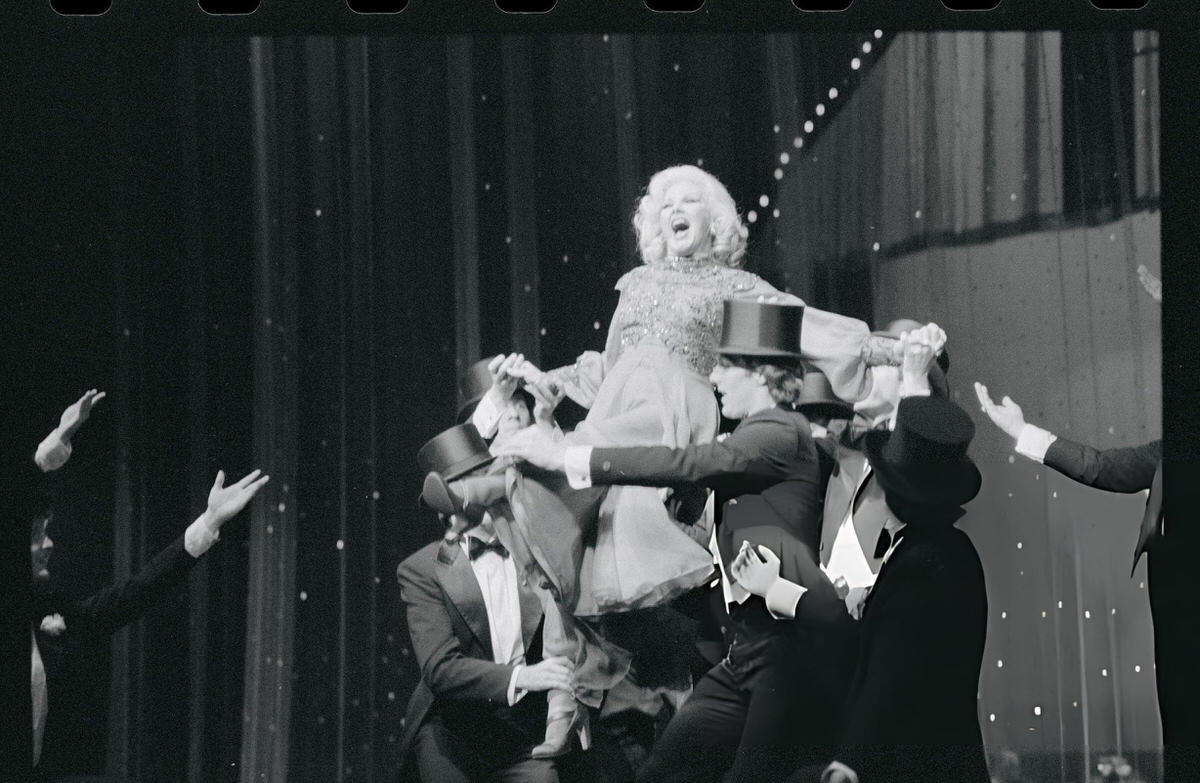
Through the 1960s and 1970s, Radio City expanded beyond film and the Rockettes to serve as a major concert venue. The hall’s acoustics, which had been designed primarily for orchestral performance and spoken word from the stage, proved well-suited to amplified rock and pop as sound technology improved. Artists who played Radio City in this period were making a specific statement — the venue conferred a level of prestige that smaller New York halls did not. Frank Sinatra performed there. Ella Fitzgerald performed there. As rock music matured into an arena-ready form in the 1970s, the hall hosted acts including Crosby, Stills, Nash and Young and later provided a blueprint for what a major New York concert date could look like outside of Madison Square Garden.
The Near-Demolition of 1978
By the mid-1970s, Radio City was in serious financial trouble. The double-bill format — film plus live show — had become expensive to produce at a time when television kept audiences at home and the neighborhood around Rockefeller Center had deteriorated along with the rest of Midtown. Rockefeller Center Inc. announced in 1978 that the hall would close and be demolished to make way for office development. The announcement landed like a physical blow on the city.
The campaign to save Radio City mobilized fast. The Municipal Art Society, the New York City Landmarks Preservation Commission, and a broad coalition of performers, architects, and ordinary New Yorkers pushed back hard. The city designated Radio City a landmark in March 1978, which blocked demolition. A financial restructuring followed, the Rockettes’ parent company renegotiated its arrangement with the building, and Radio City stayed open. The Christmas Spectacular was relaunched as a standalone production in 1979, without the accompanying film, and sold out immediately. That format has run every year since.

GIPHY App Key not set. Please check settings