

 Frederick Victor
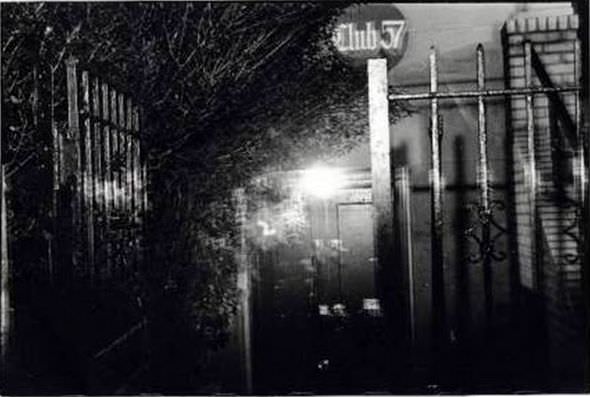
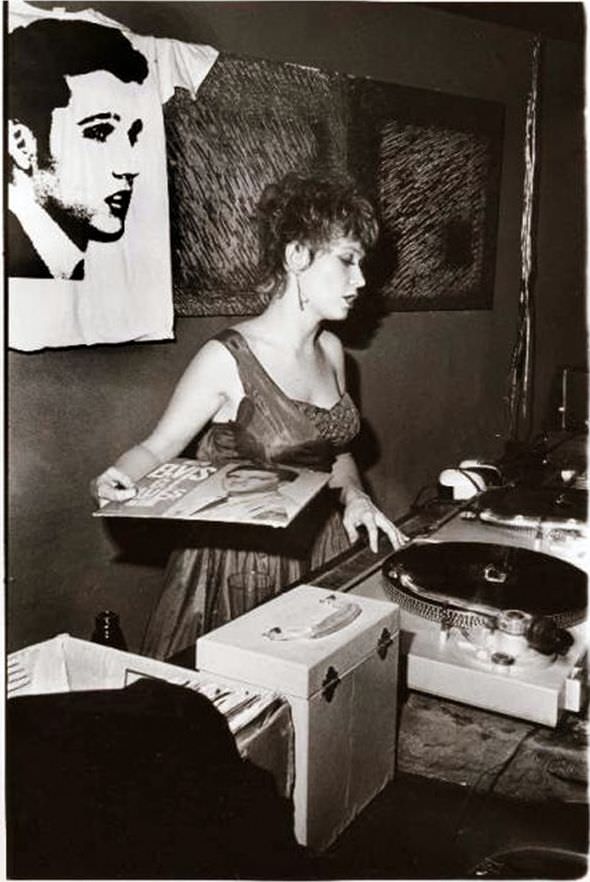
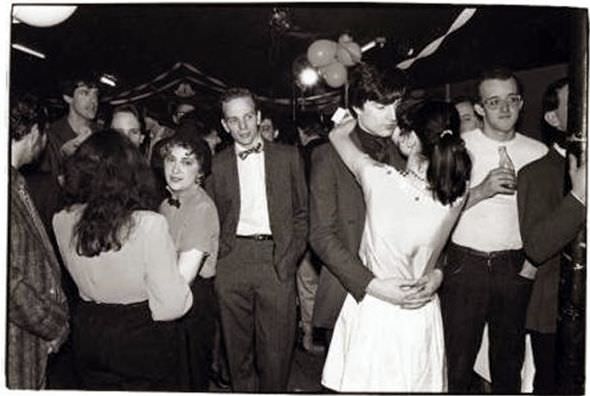
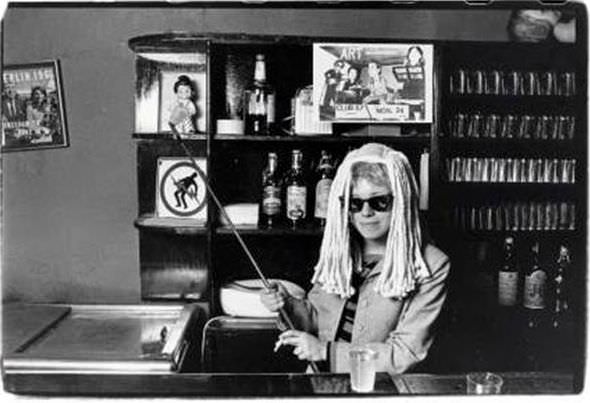
Club 57 wasn’t a glamorous venue. It was a basement space beneath a Polish church on St. Mark’s Place in Manhattan’s East Village, and from 1979 through 1983, it became one of the most creatively charged rooms in New York City.
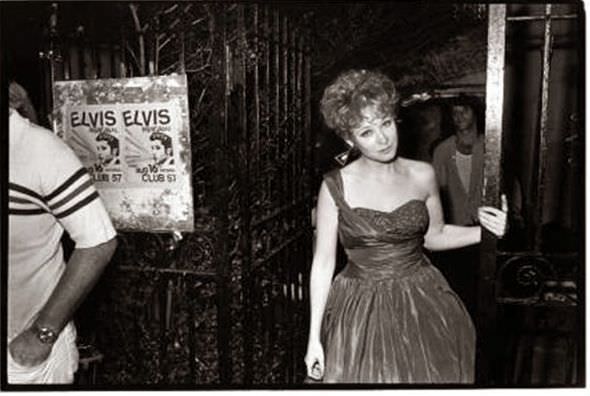
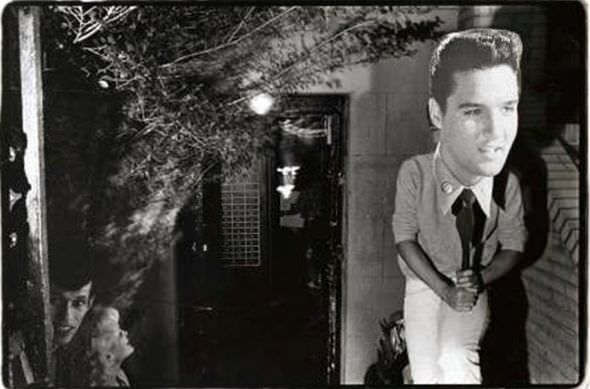
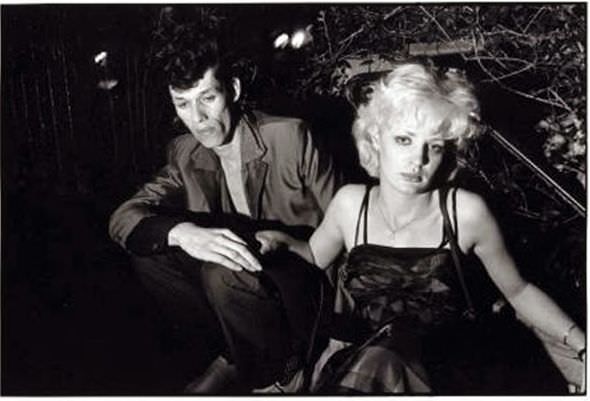
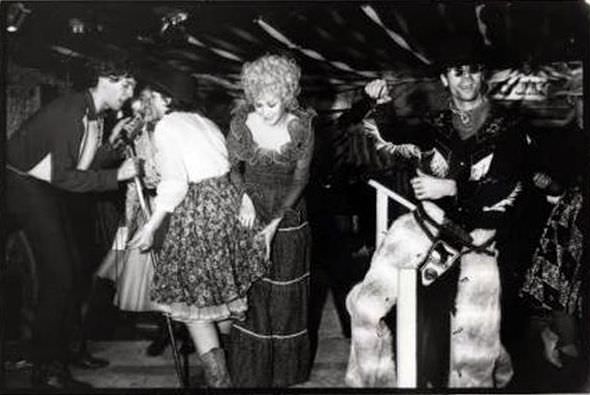
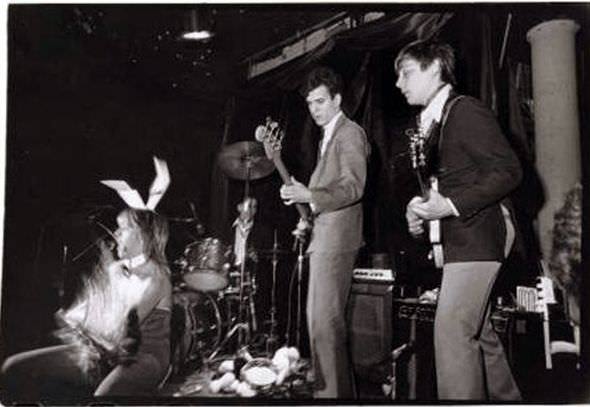
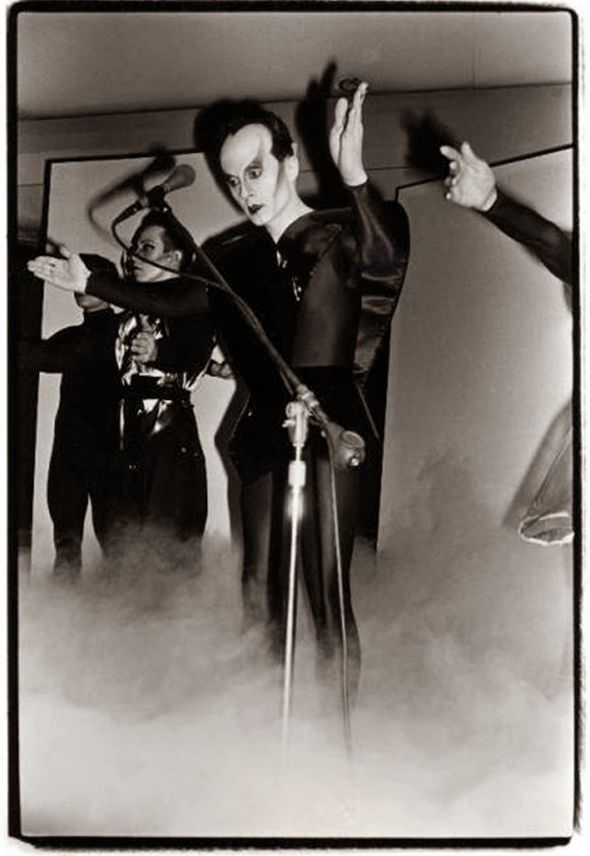
The club operated with a punk and alternative sensibility that set it apart from the polished disco scene happening uptown. There were no velvet ropes, no dress codes, and no interest in being fashionable in any conventional sense. What Club 57 offered instead was a stage — literally and figuratively — for artists, performers, filmmakers, and musicians who wanted to experiment without asking anyone’s permission first.
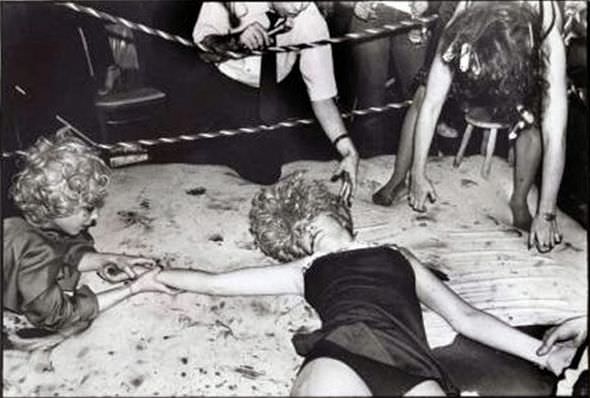
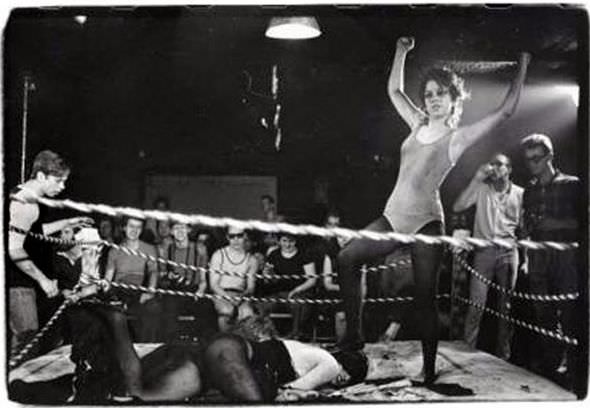
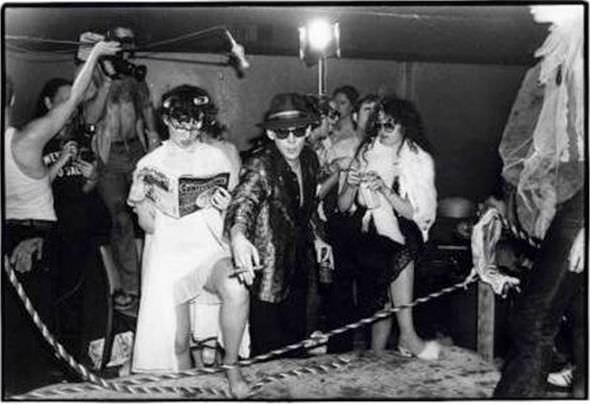
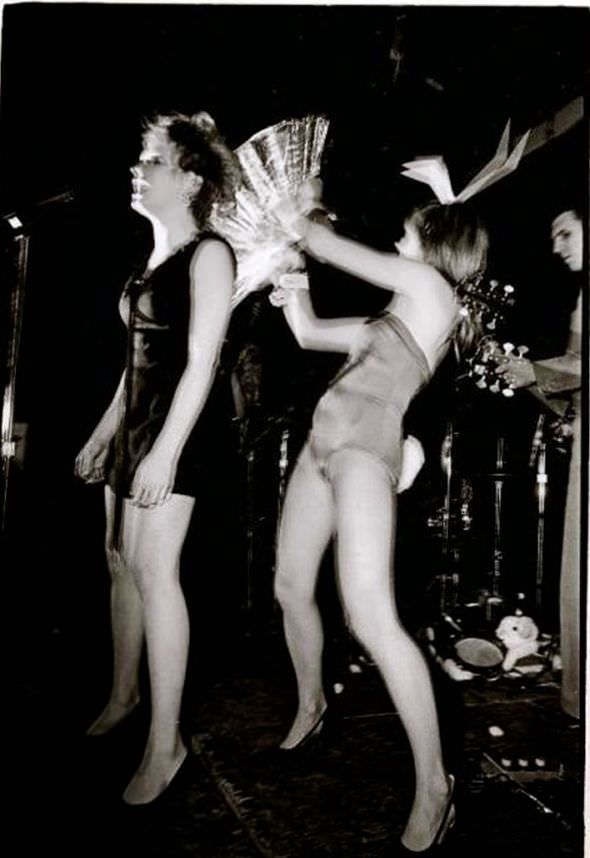
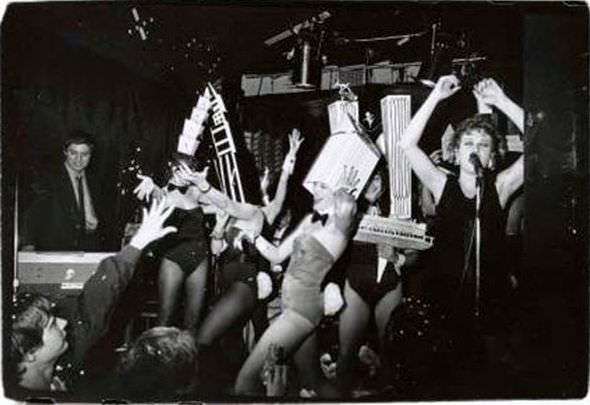
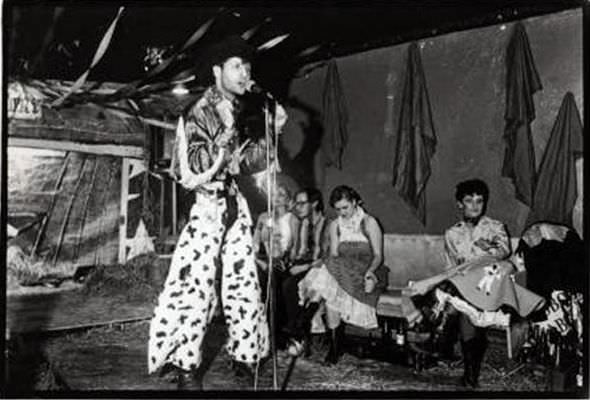
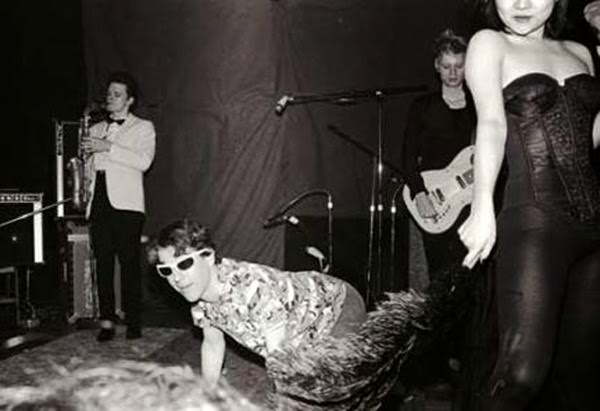
Ann Magnuson managed the club for much of its run and shaped its programming with a deliberately chaotic energy. Events ranged from film screenings and performance art to themed parties, live music, and comedy nights that blurred the line between audience and performer. One week the club hosted a Monster Movie Night. The next it was a New Wave Vaudeville show. Nothing was too strange to try.
The regulars included a remarkable group of young artists who were all unknown at the time. Keith Haring, Kenny Scharf, and a young Andy Warhol protégé named Jean-Michel Basquiat all moved through Club 57’s orbit in those years. The basement on St. Mark’s Place functioned as an incubator — a place where ideas were tested in front of a small, receptive, and genuinely engaged crowd.
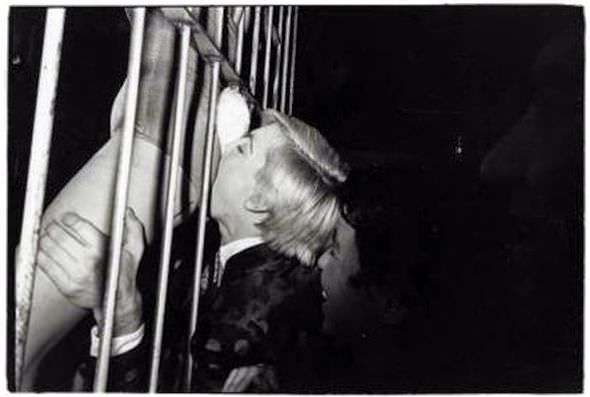
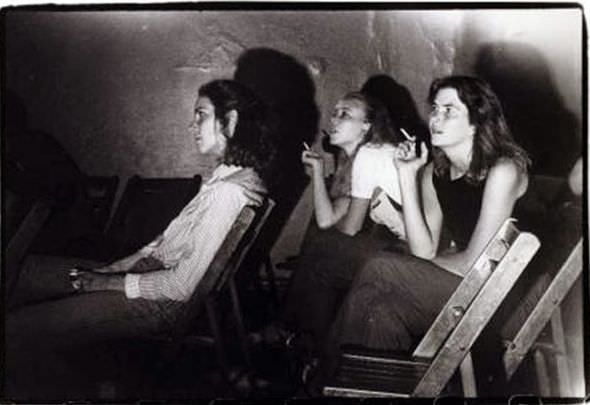
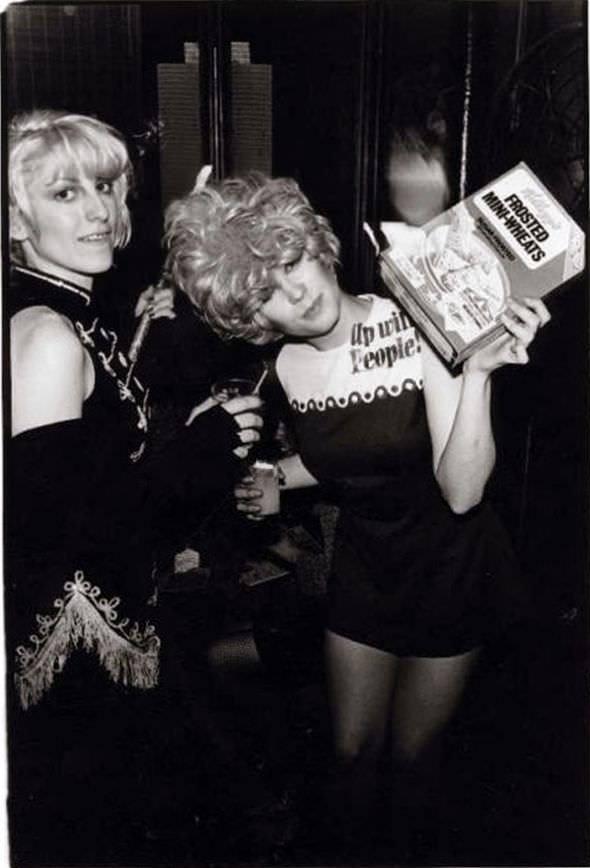
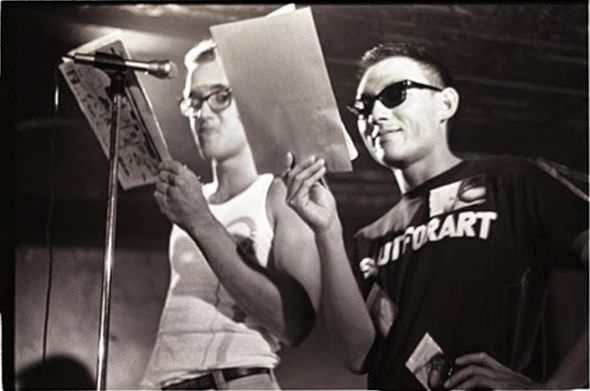
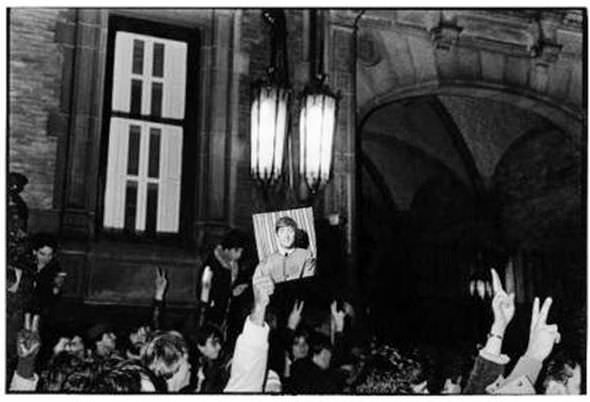
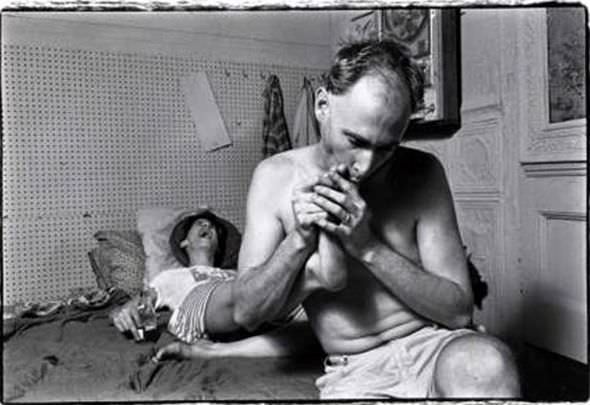
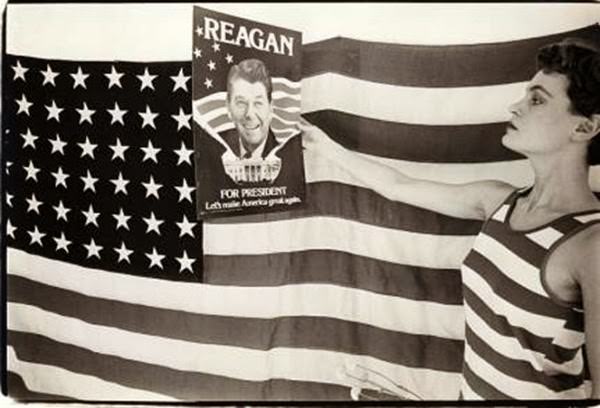
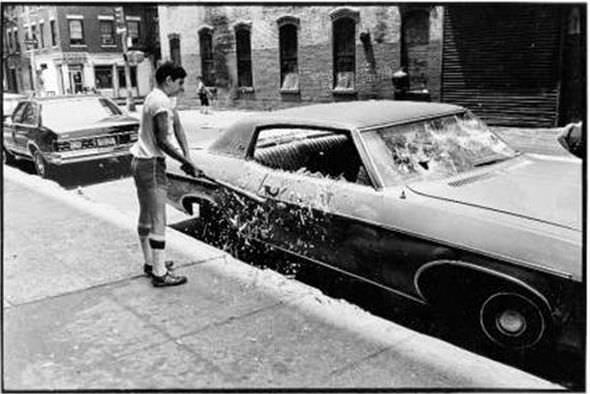
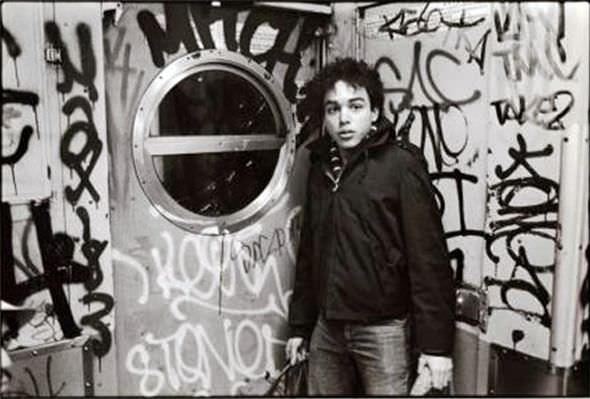
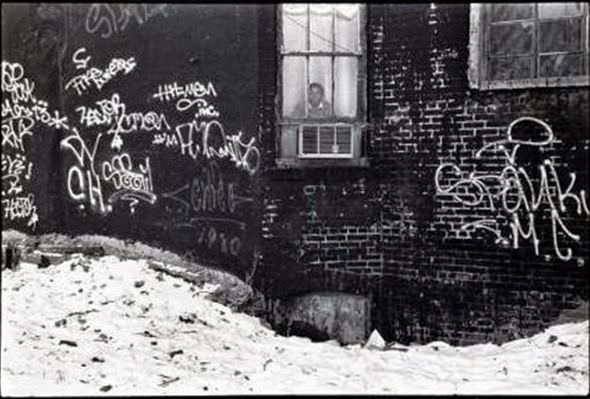
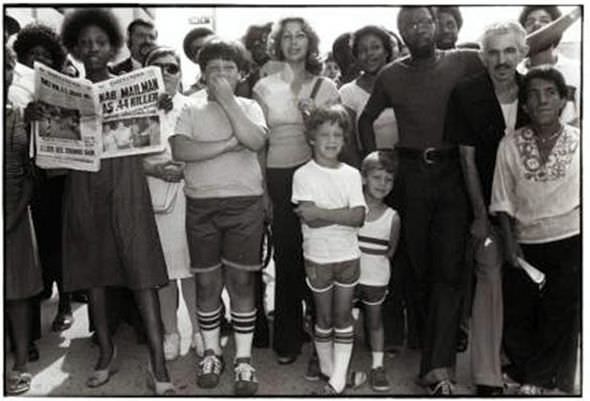
Harvey Wang was 23 years old when he started photographing the club. He showed up regularly, camera in hand, and documented the performances, the personalities, and the general atmosphere of a scene that many participants later struggled to remember clearly. Wang understood early that what was happening at Club 57 mattered. His photographs remain the sharpest record of those nights.

GIPHY App Key not set. Please check settings