

 Makayla White
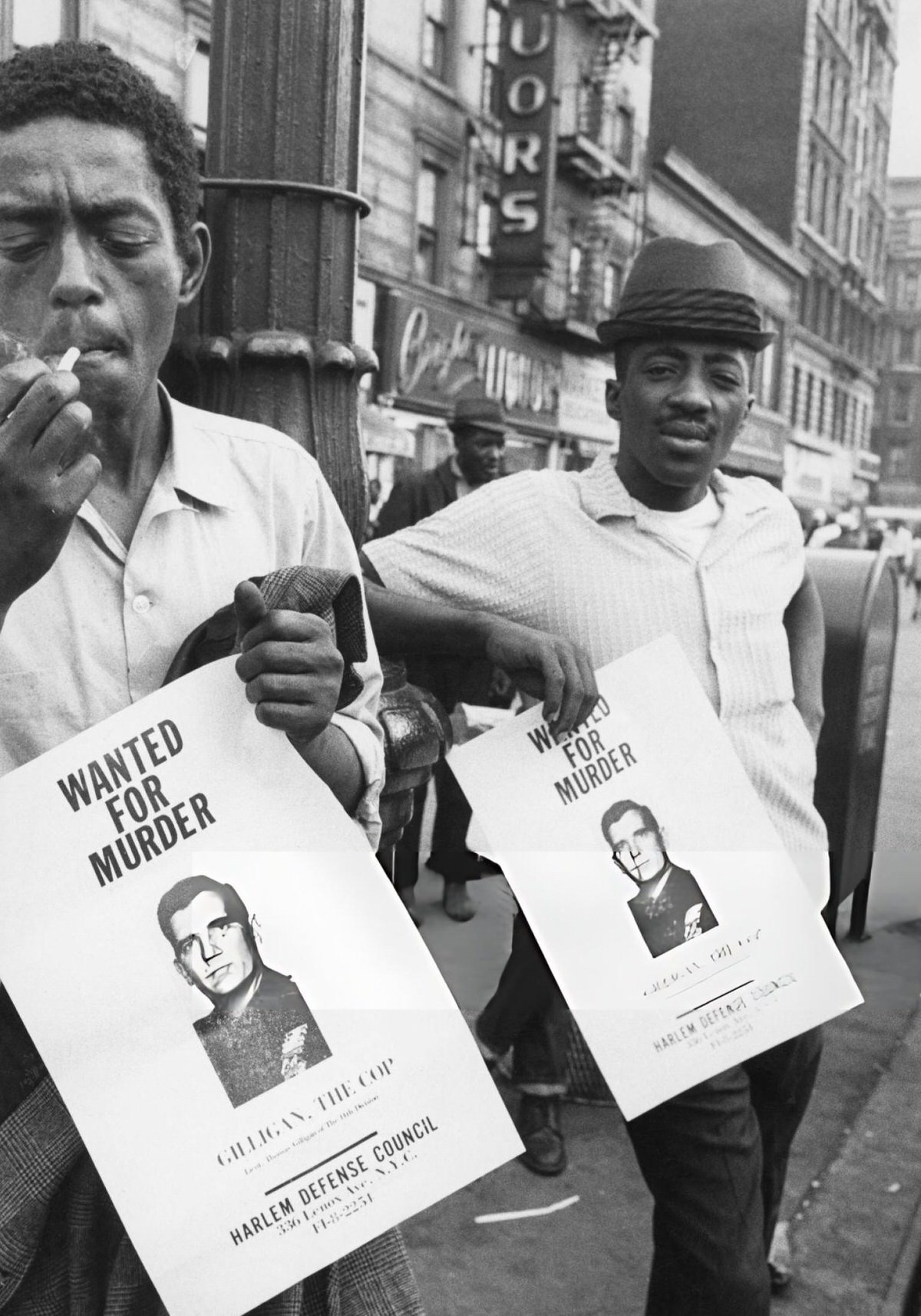
On the morning of July 16, 1964, an off-duty New York City police lieutenant named Thomas Gilligan shot and killed a fifteen-year-old Black boy named James Powell on East 76th Street on the Upper East Side. Powell was a student attending a summer school program nearby. A building superintendent had turned a water hose on a group of Black teenagers outside his building. Powell had words with the man. Gilligan, in plain clothes and carrying his off-duty weapon, intervened. Within seconds, Powell was shot three times and dead on the sidewalk.
Witnesses said Powell was unarmed and posed no threat. Gilligan said Powell came at him with a knife. No knife was recovered at the scene that matched the threat Gilligan described. The city’s response was immediate and predictable — the Police Department backed Gilligan without waiting for an investigation. Within days, a grand jury declined to indict him.
Harlem had been waiting for something like this for years.
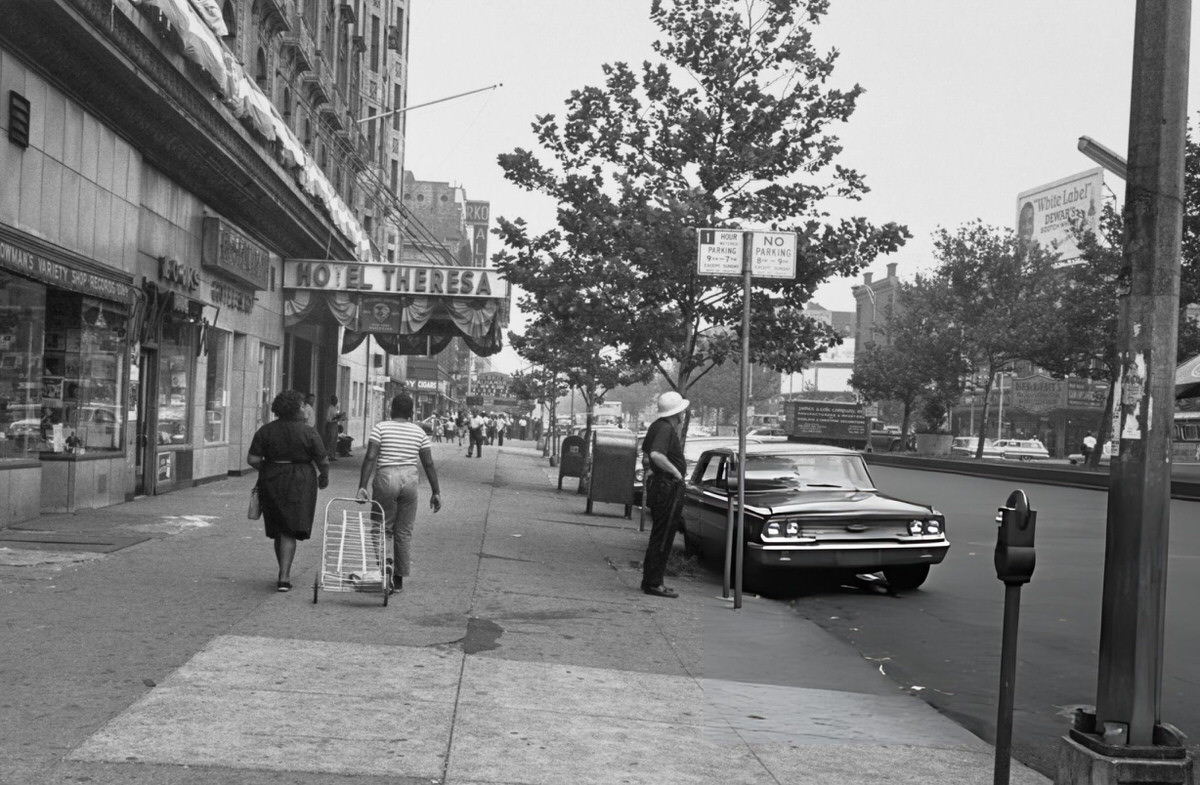
The neighborhood in 1964 was under enormous pressure. Unemployment among Black men in Harlem ran at roughly twice the rate of white men citywide. Housing was overcrowded and decaying — landlords collected rent on apartments without heat, with broken plumbing, with rat infestations that the city’s housing inspectors documented and then ignored. Schools in Harlem were underfunded compared to schools in white neighborhoods. The civil rights movement was winning legal battles in the South, but the daily conditions in northern cities like New York told a different story about how much had actually changed.
Read more
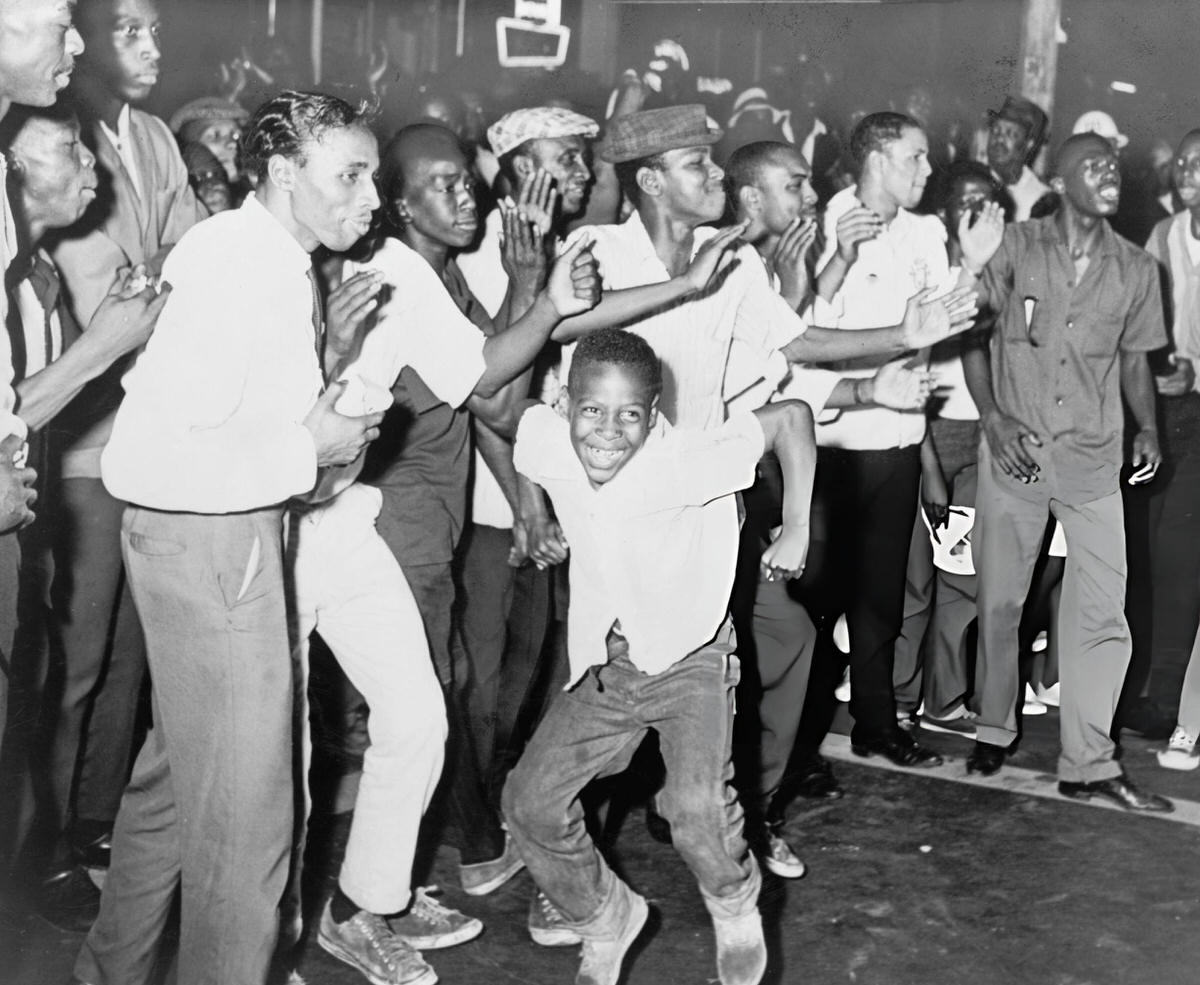
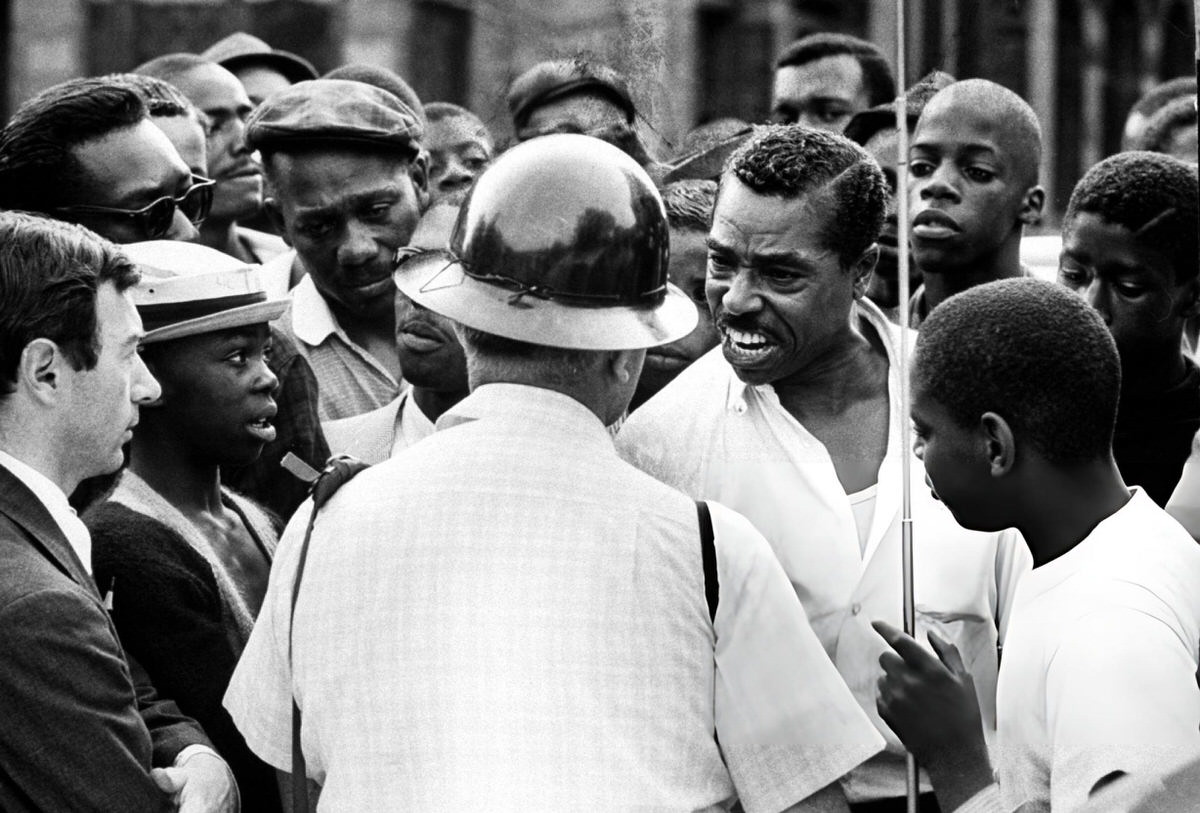
CORE — the Congress of Racial Equality — organized a rally on July 18, two days after Powell’s death. The rally was held outside the 28th Precinct on West 123rd Street. Several hundred people gathered. Speakers demanded that Gilligan be suspended and charged. The crowd was angry but the rally began peacefully.
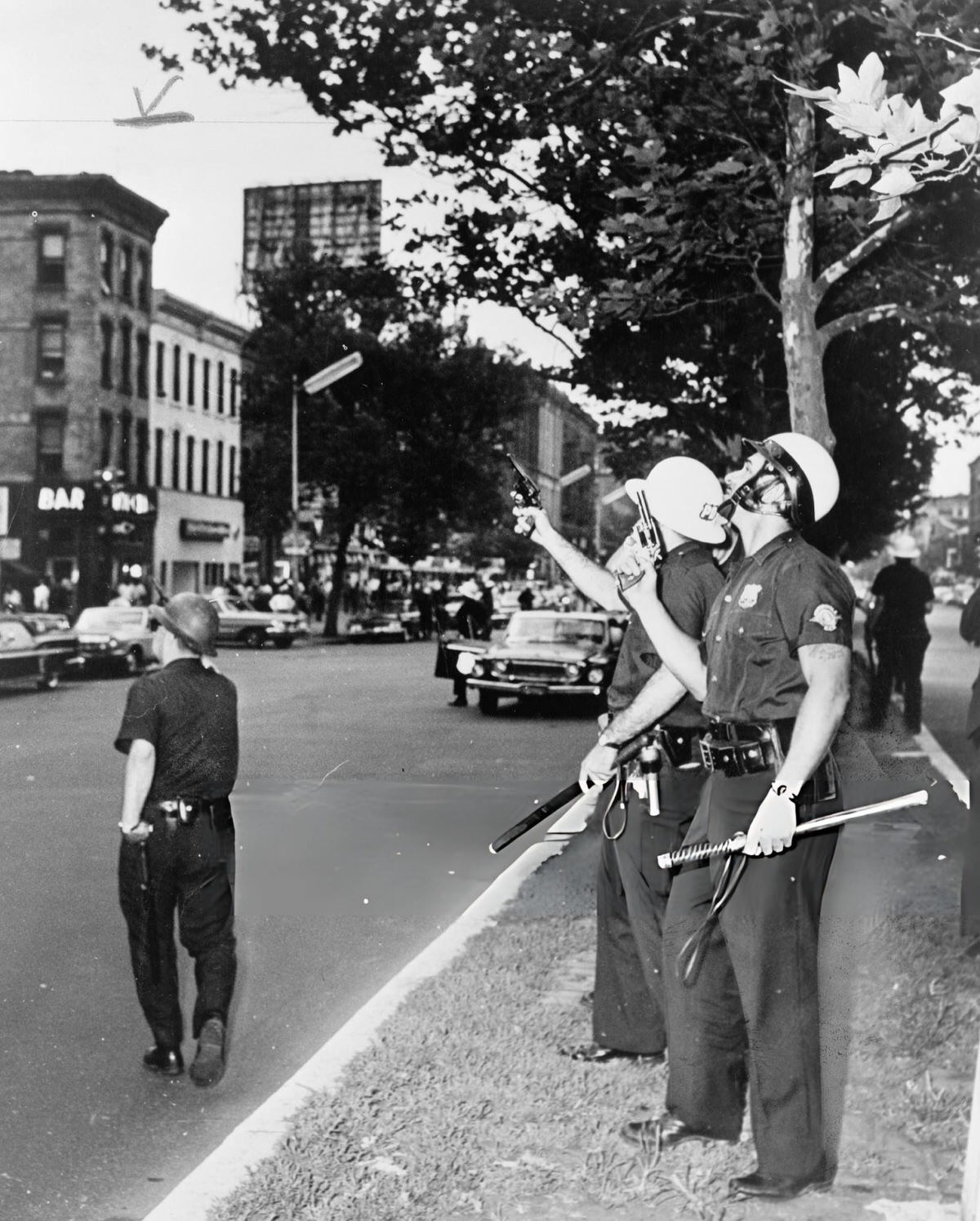
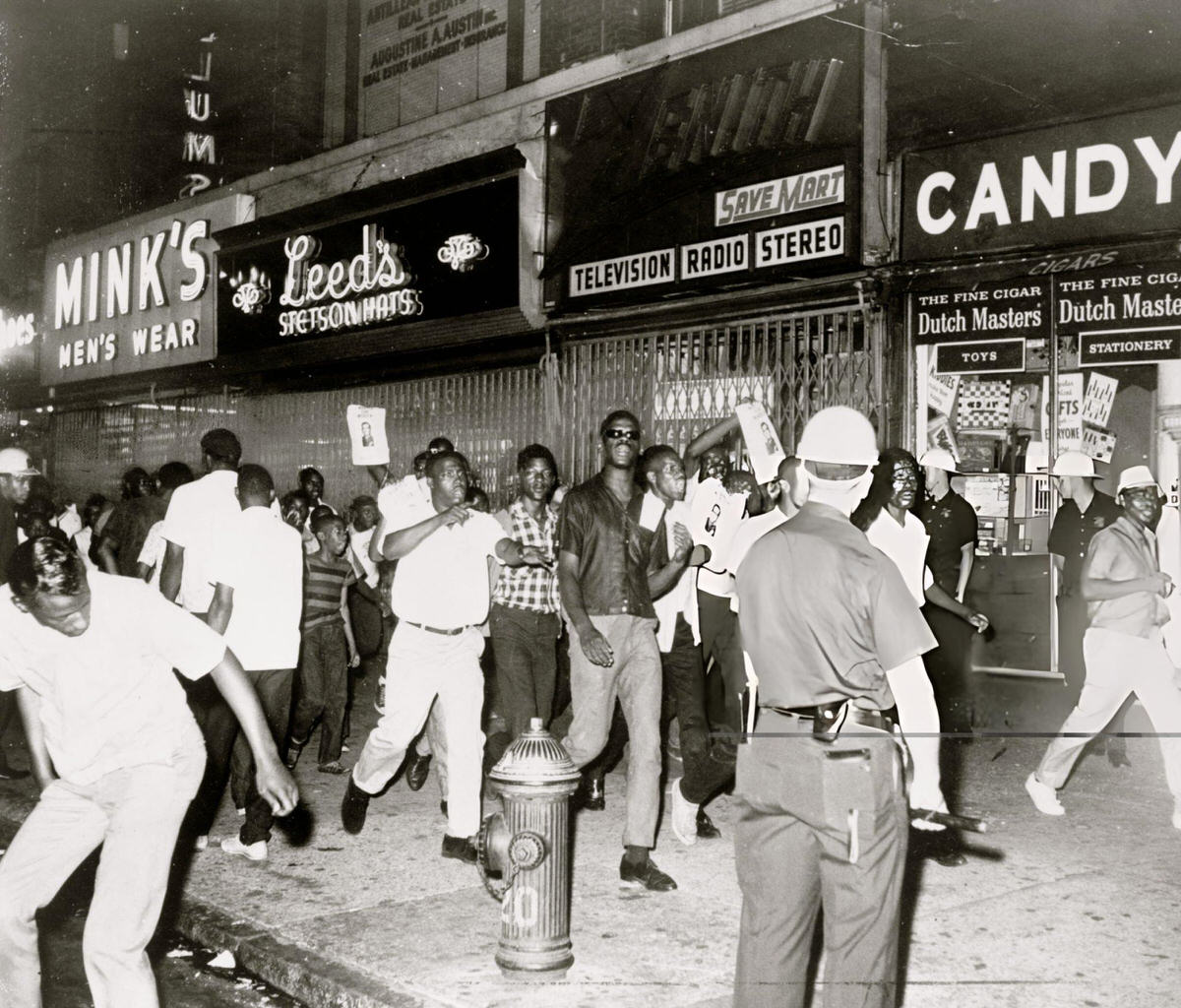
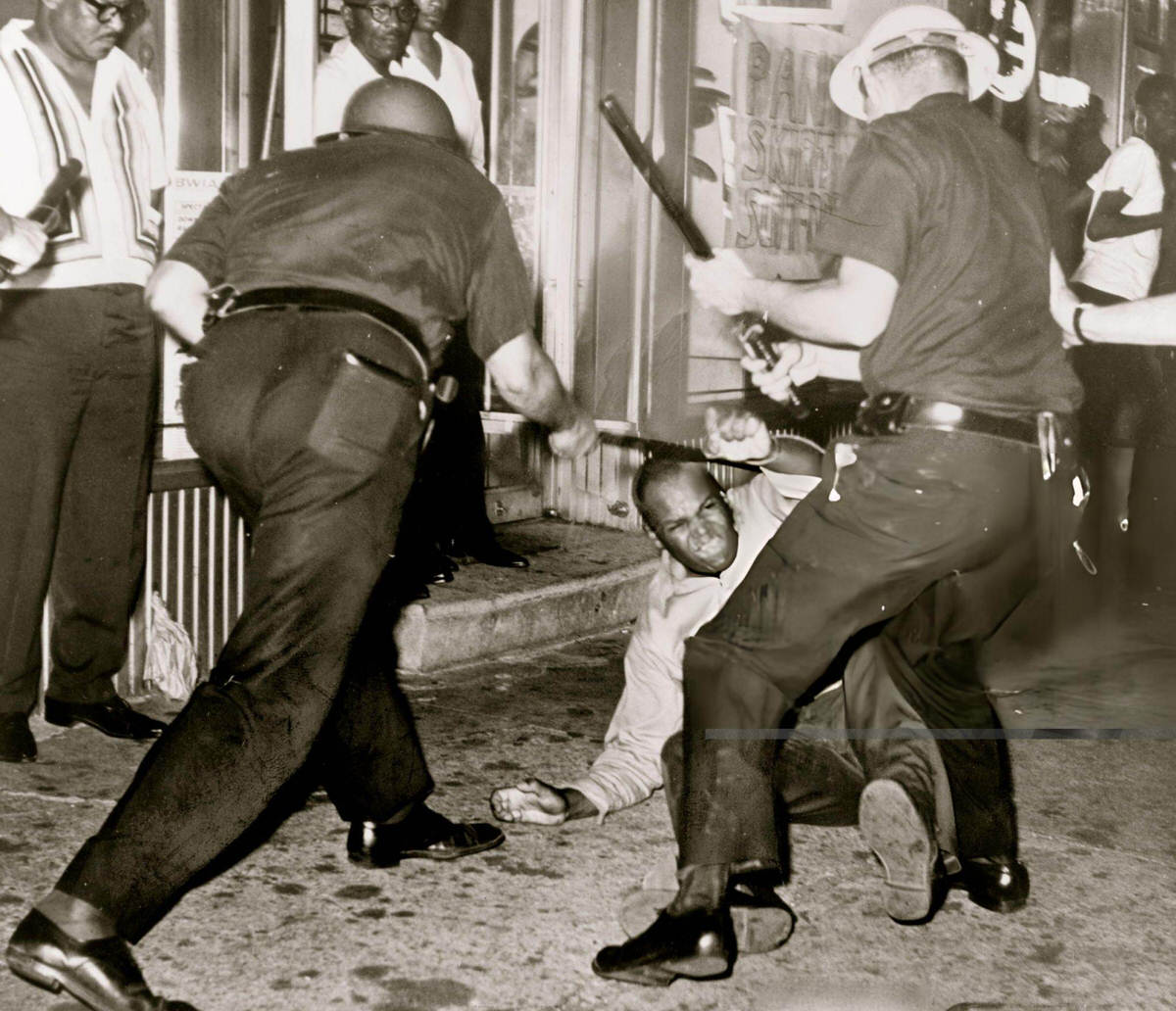
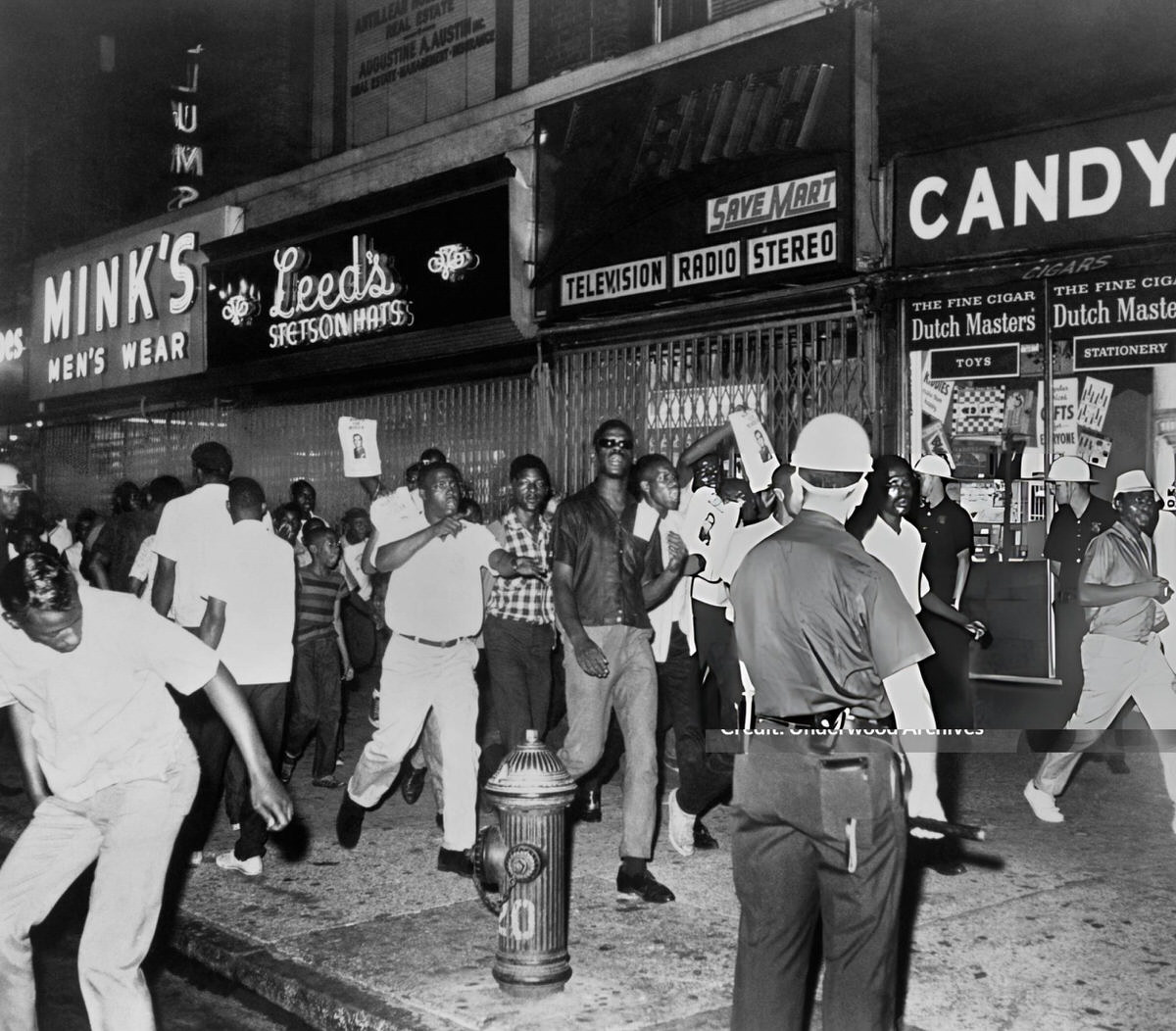
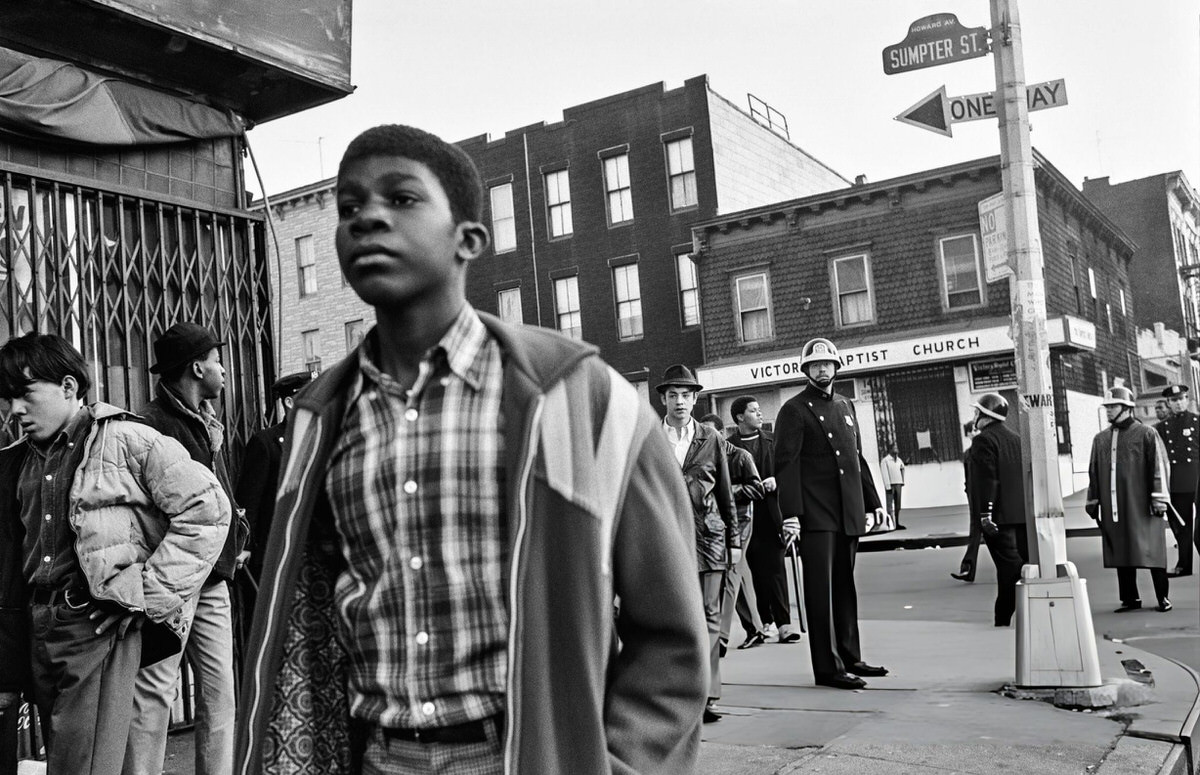
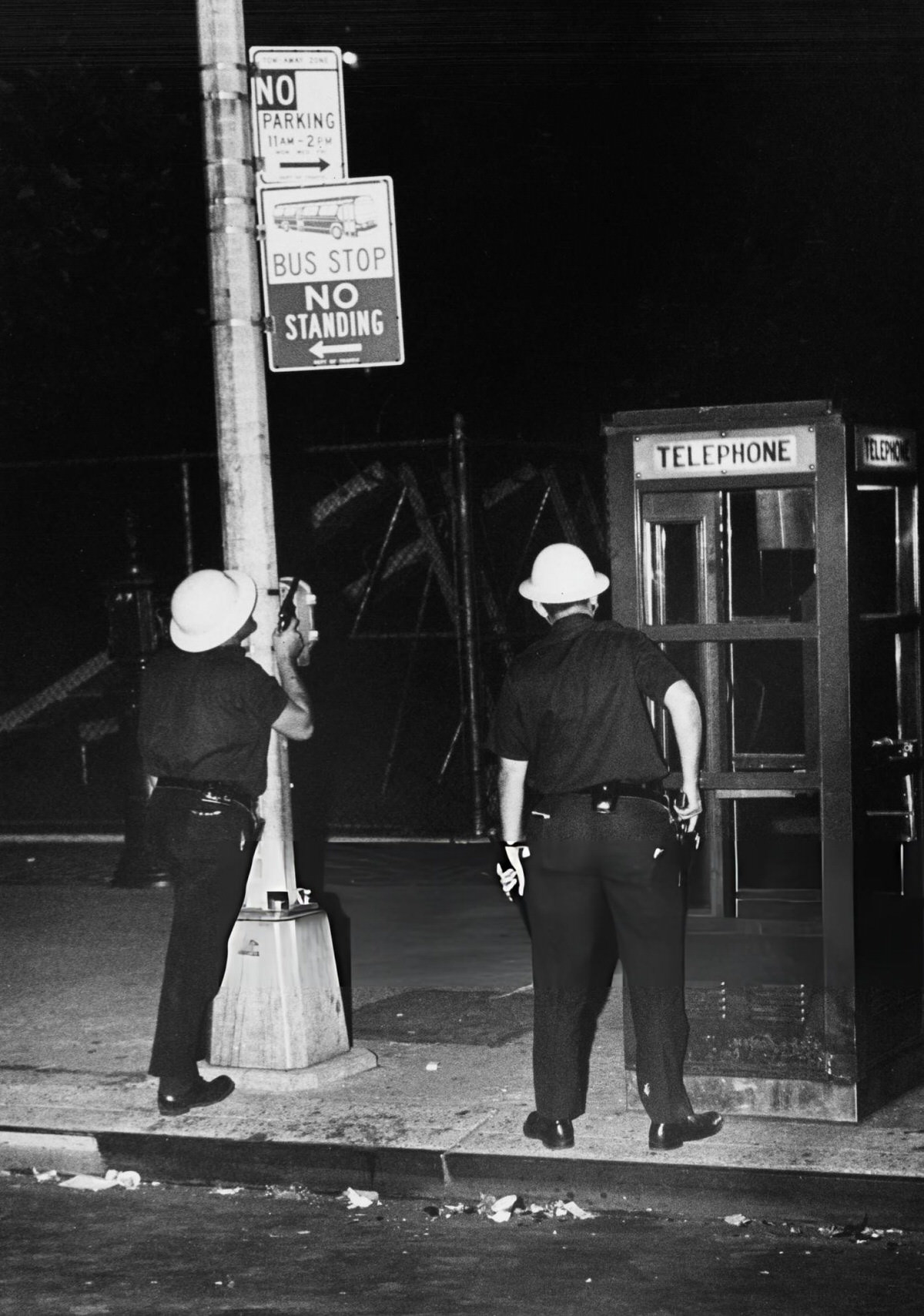
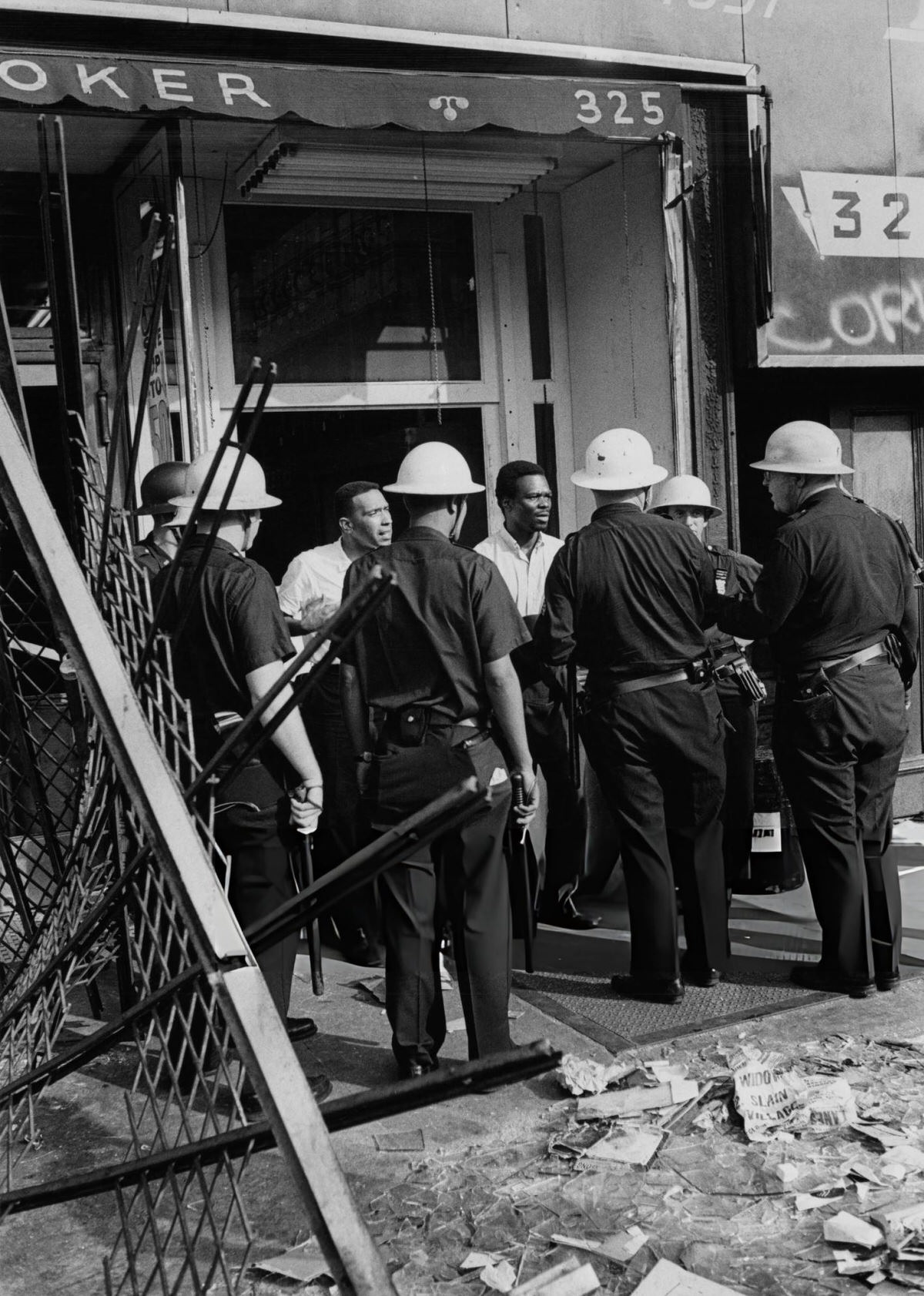
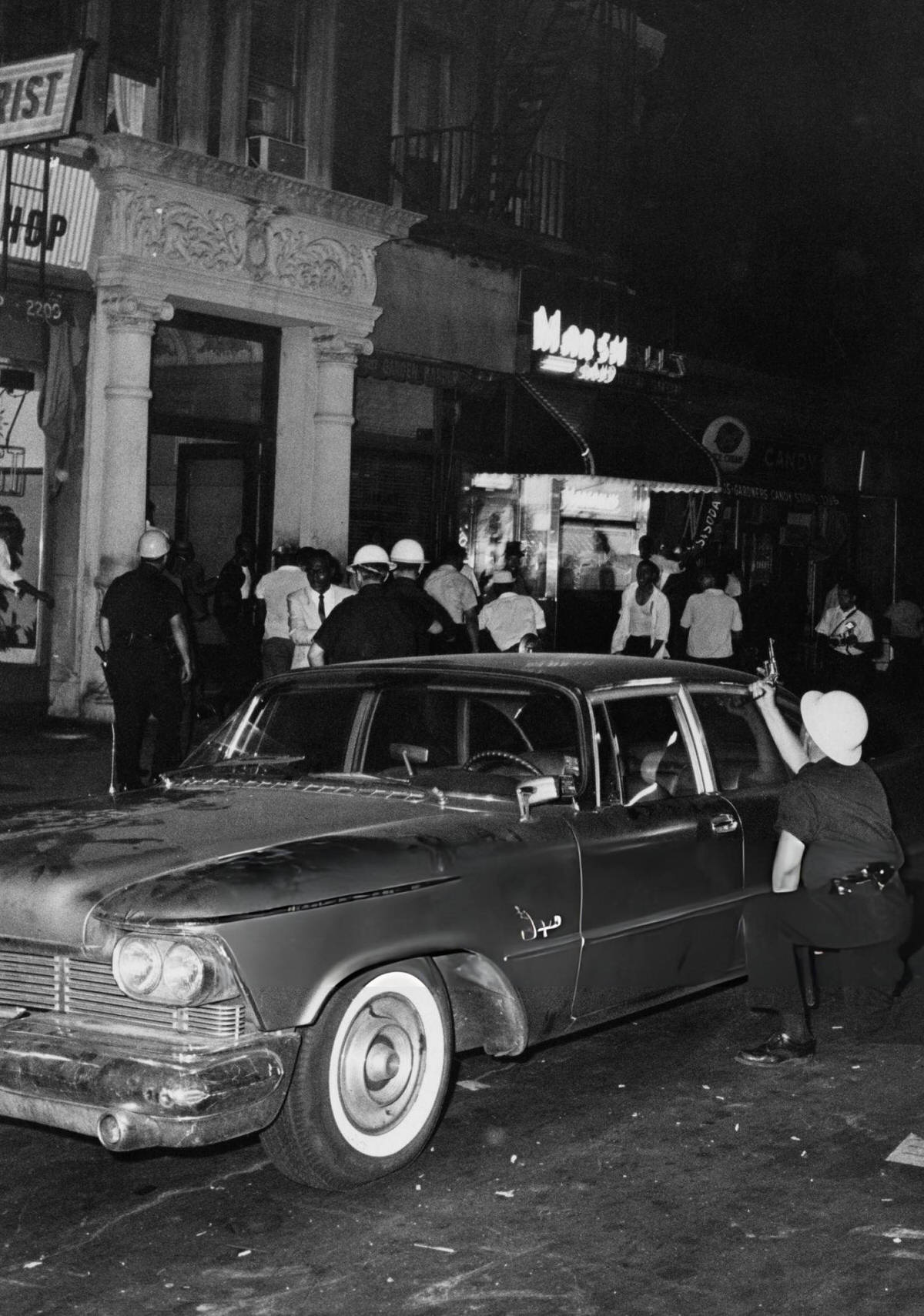
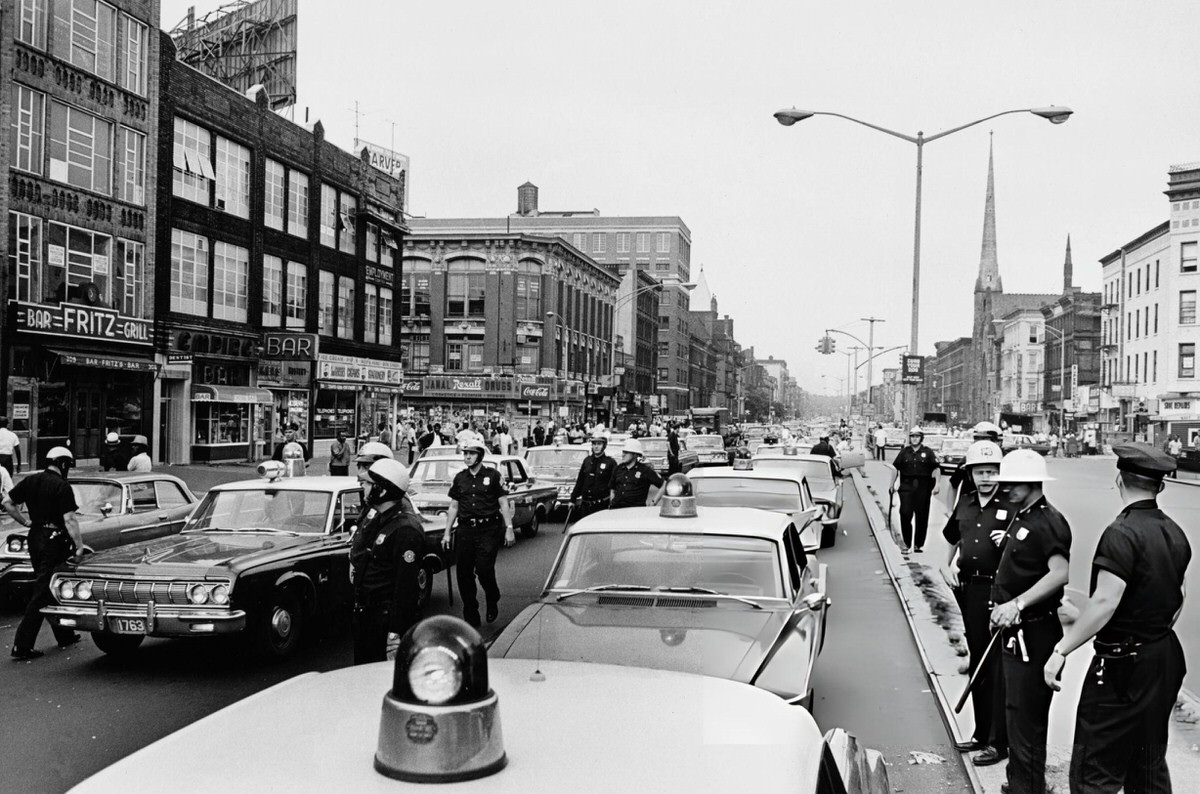
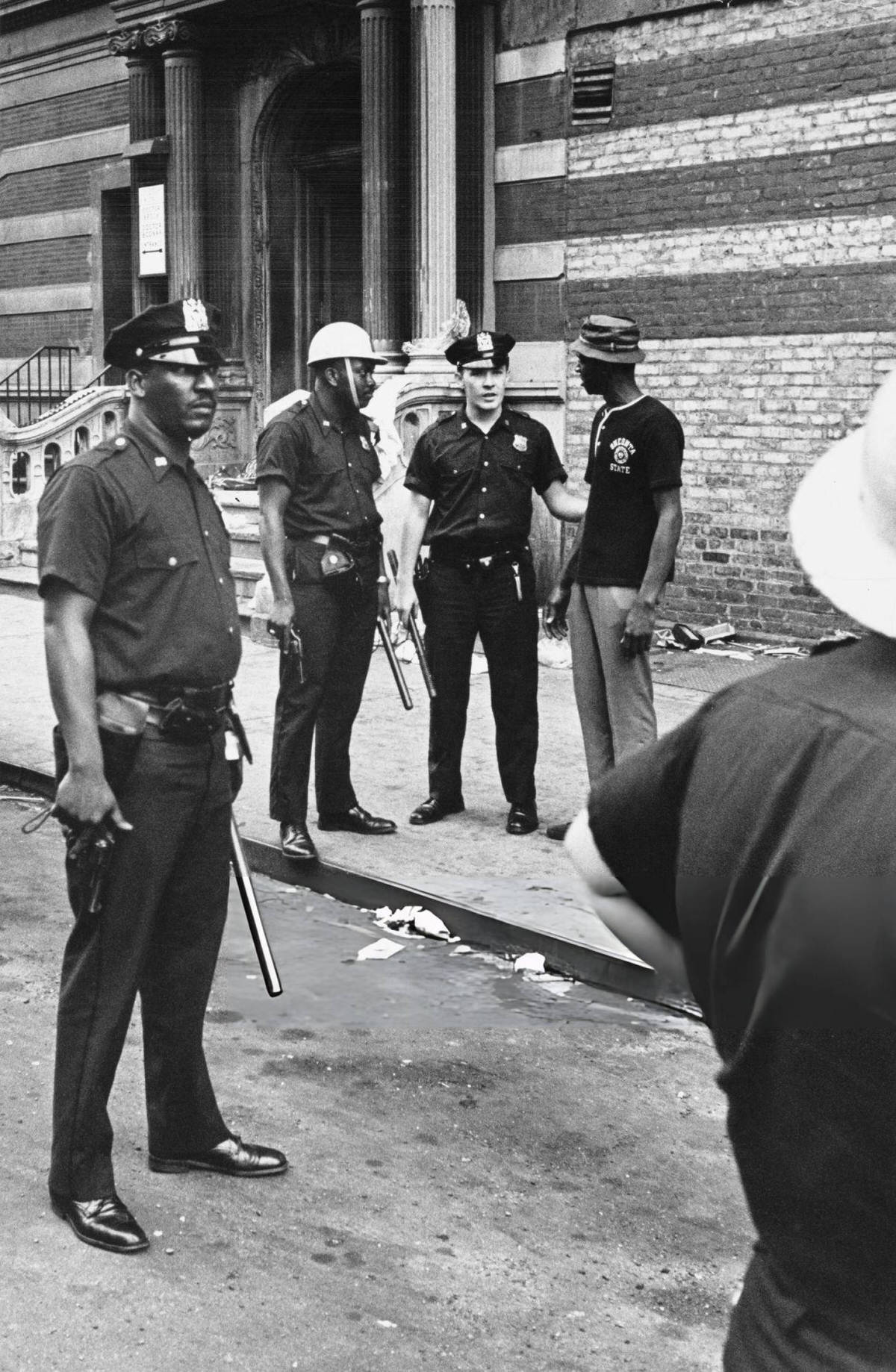
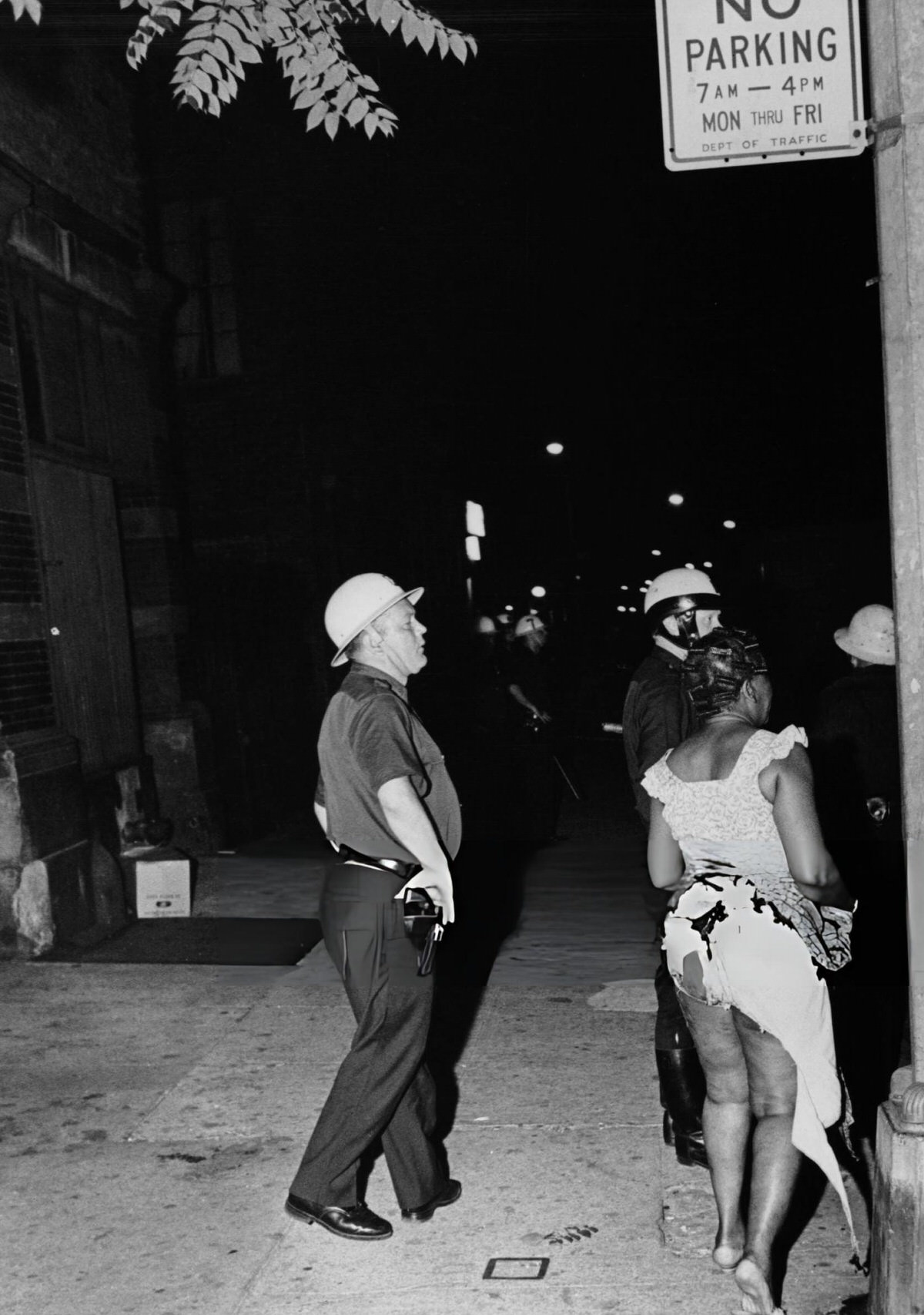
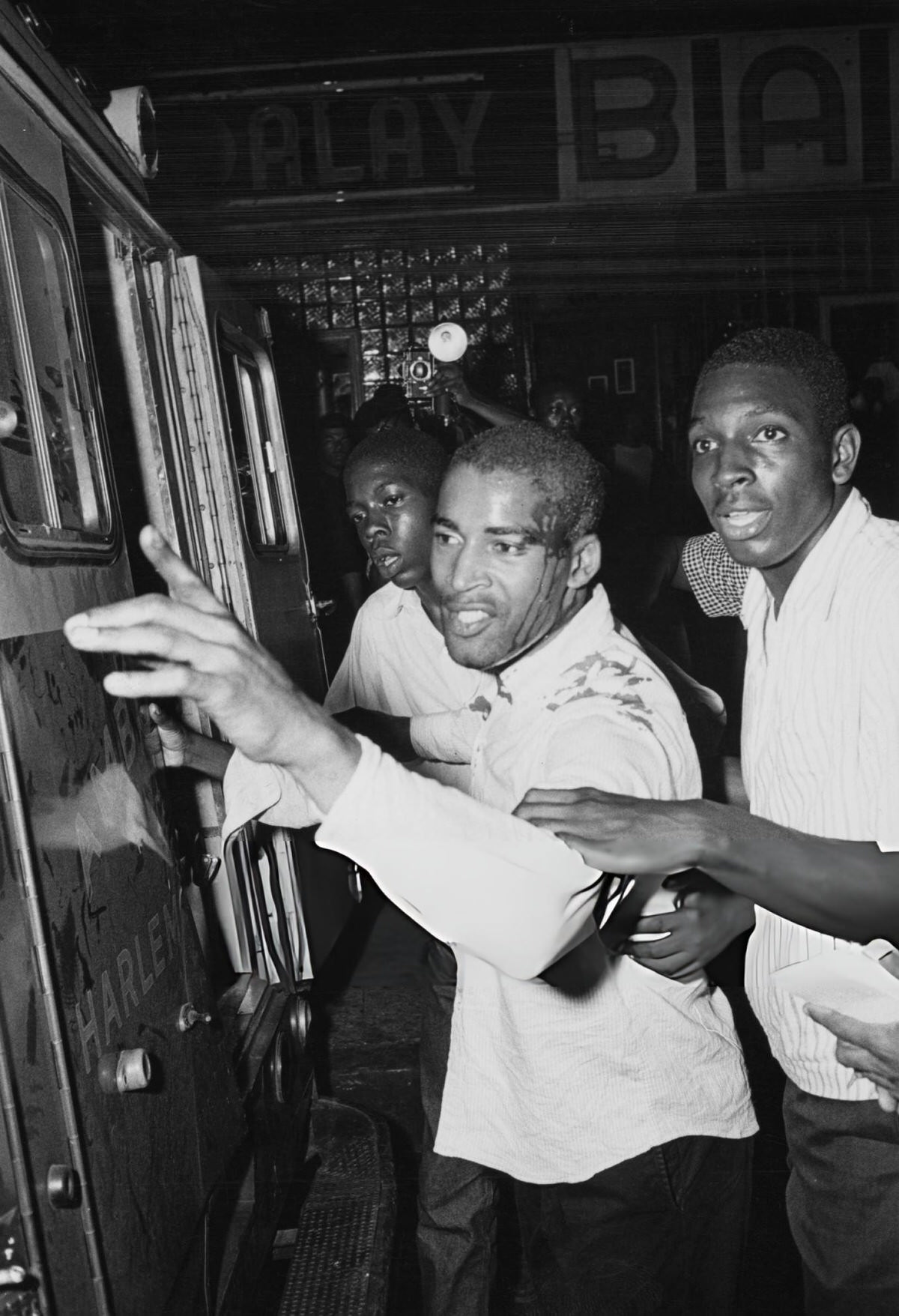
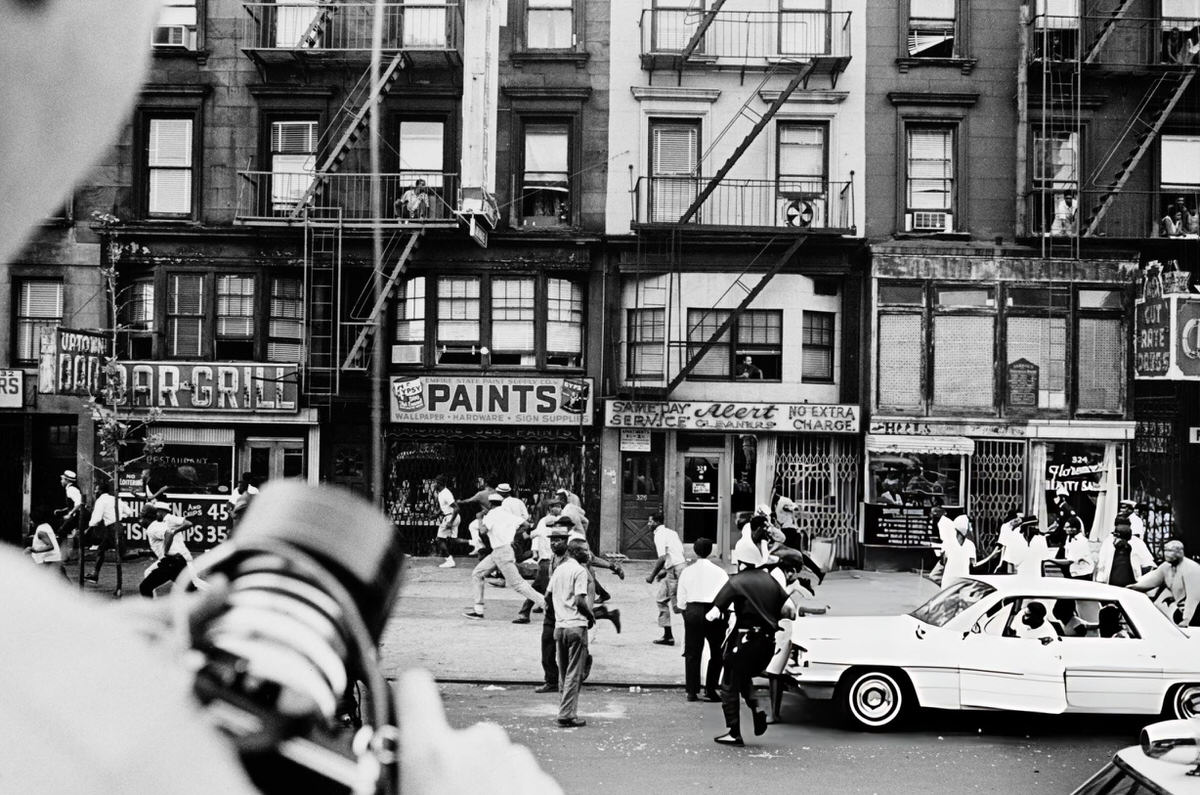
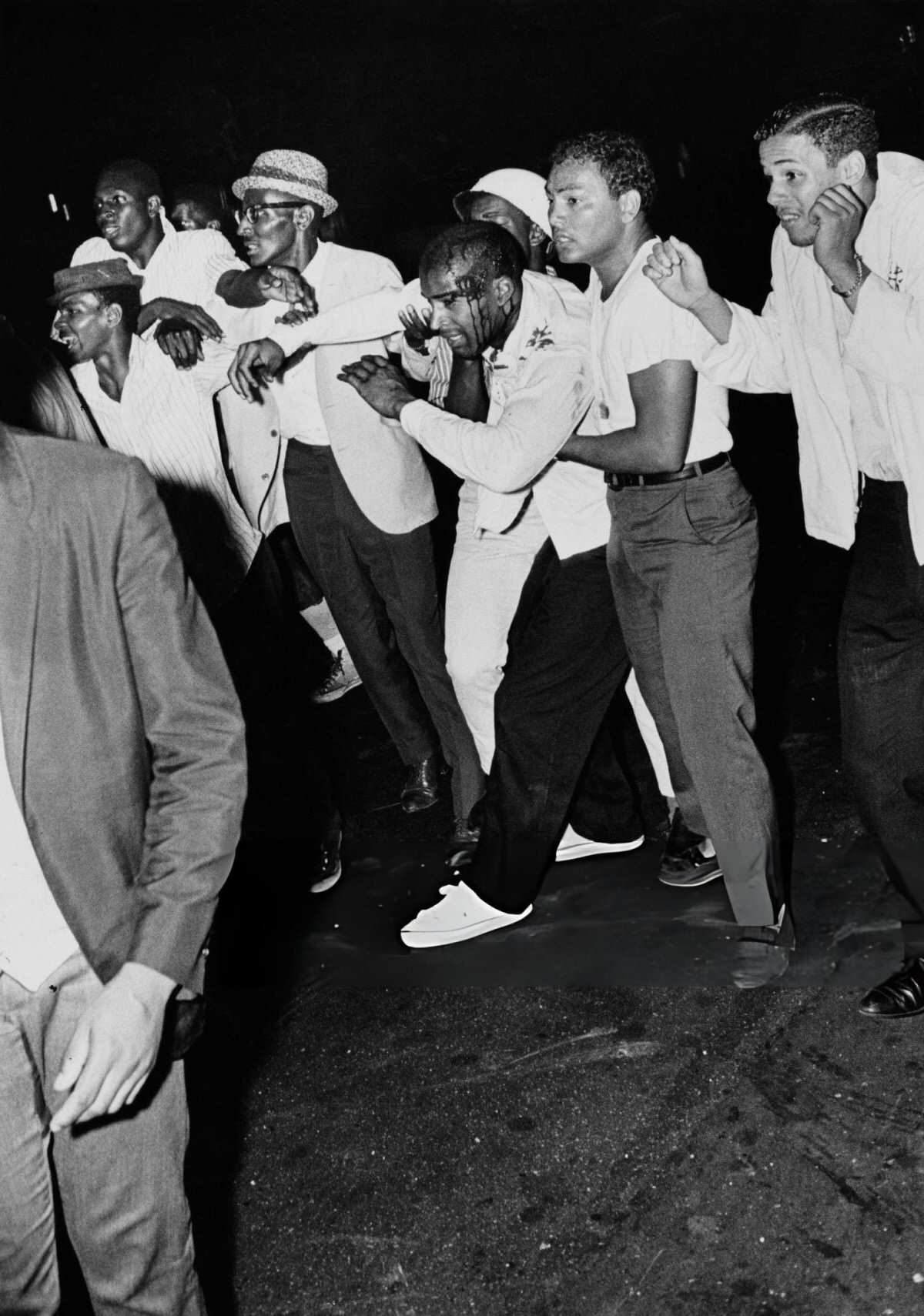
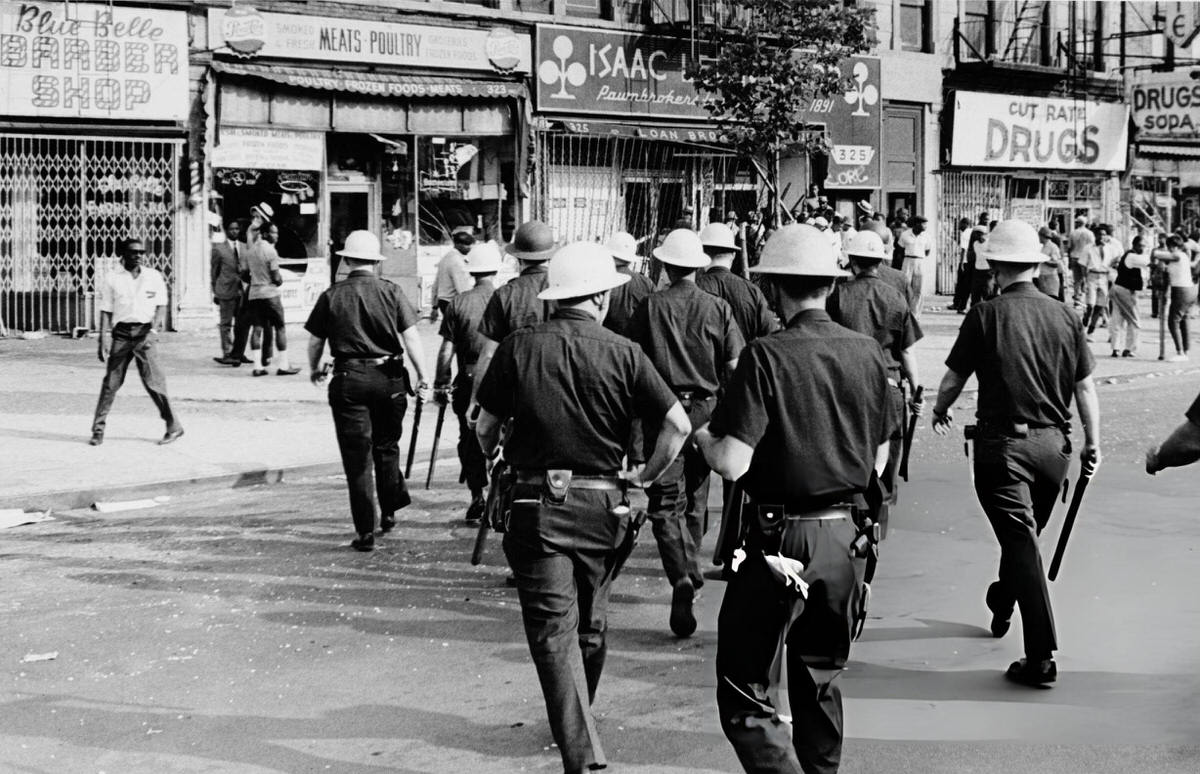
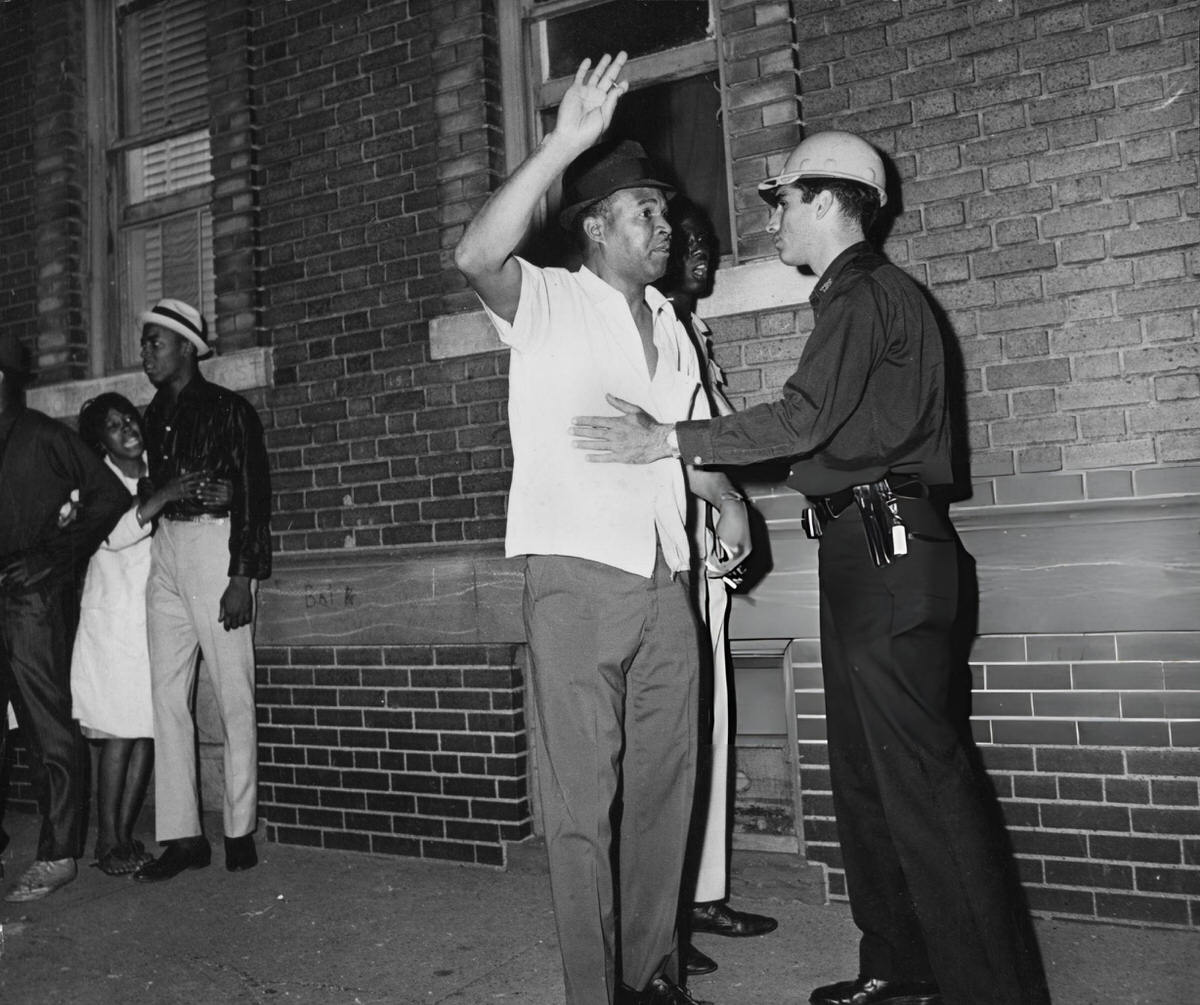
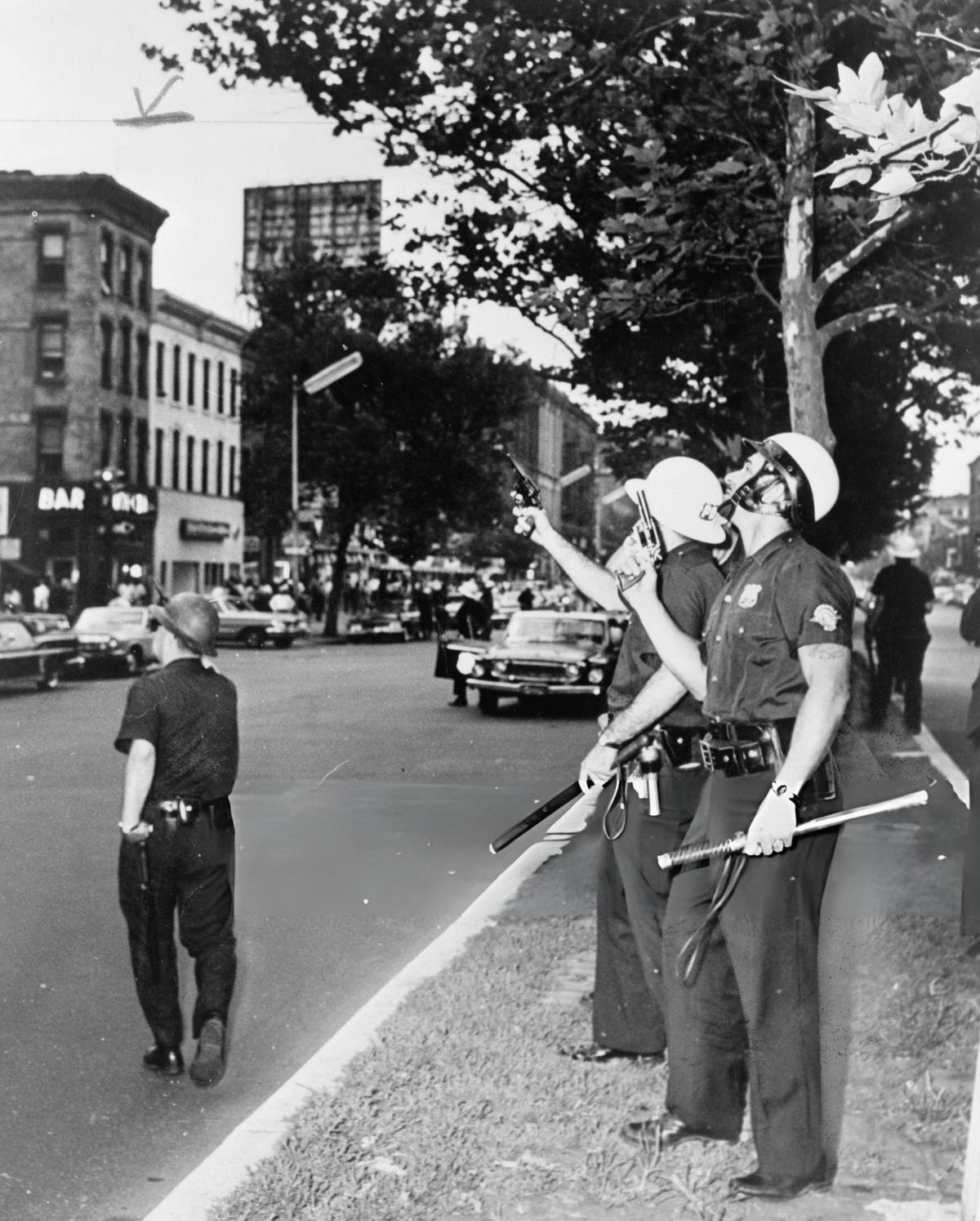
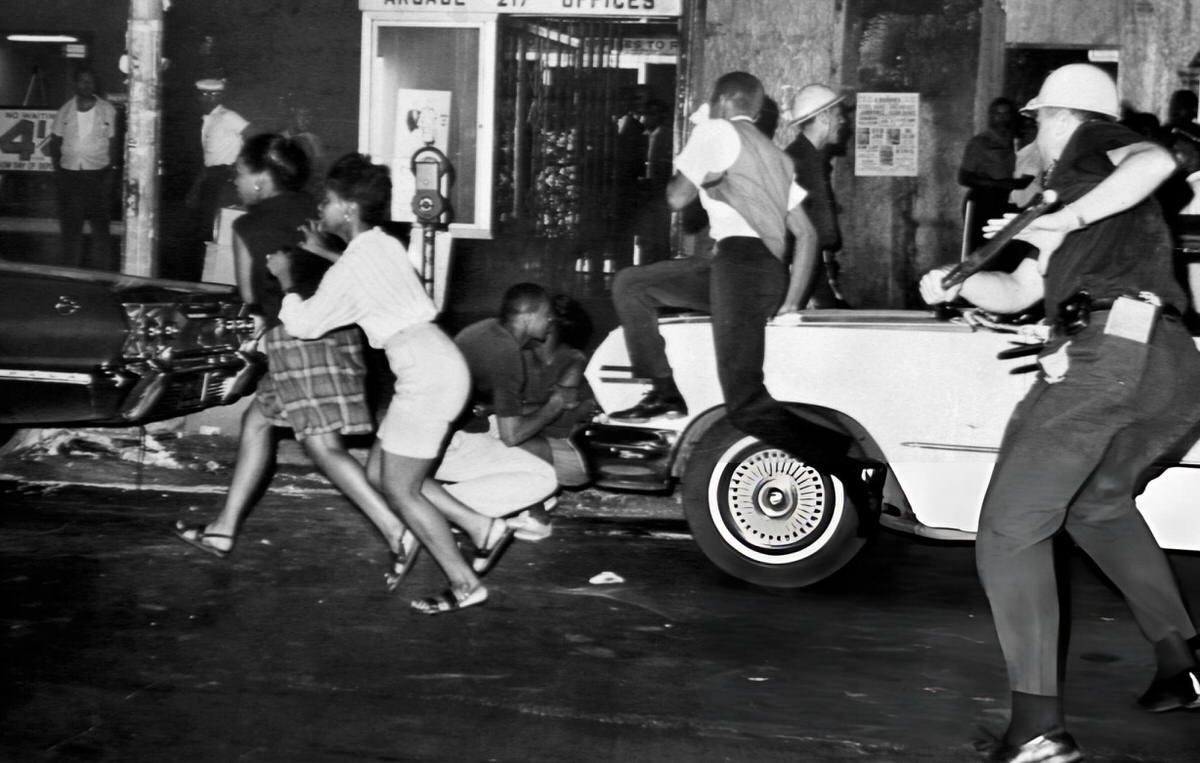
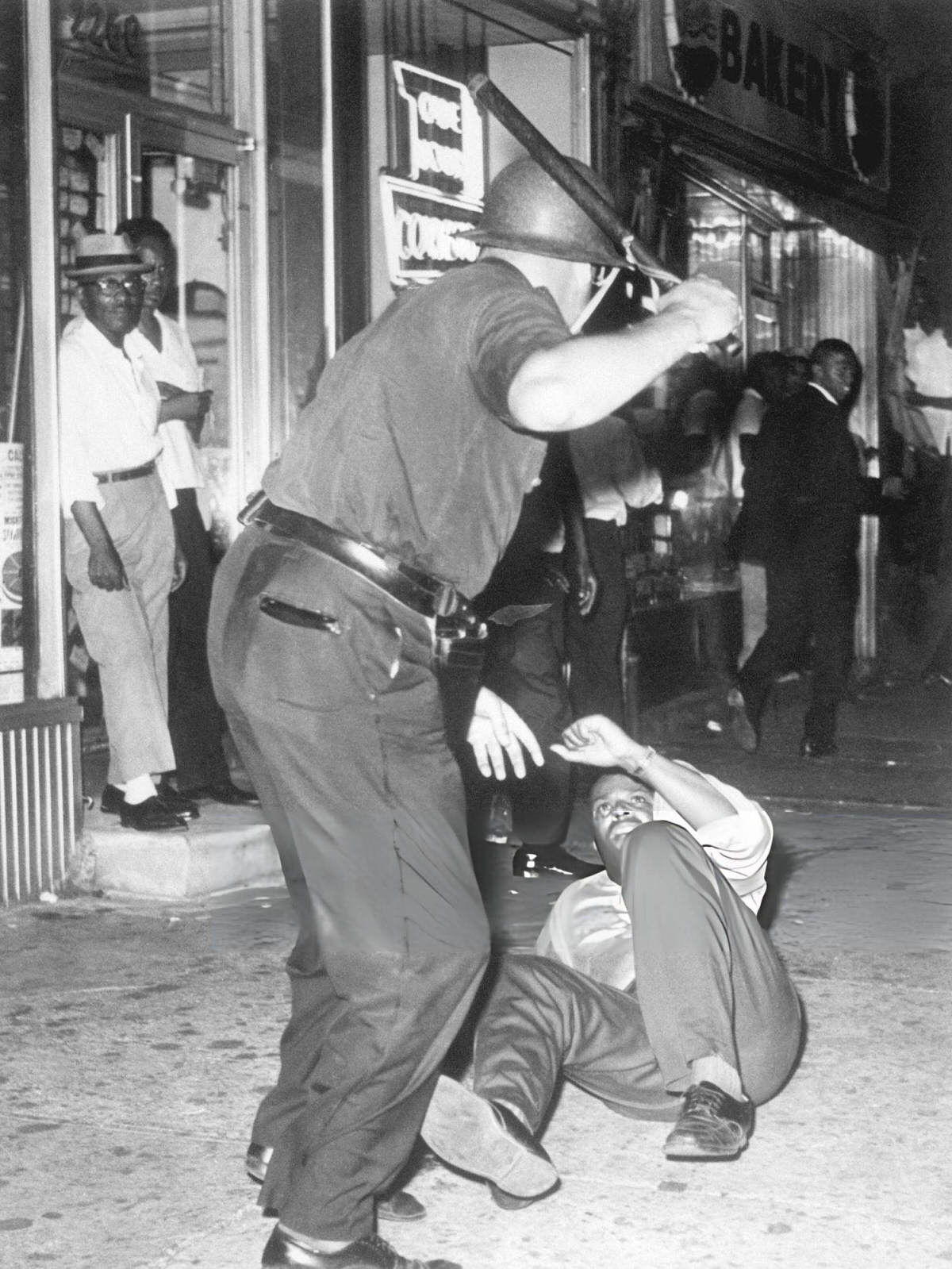
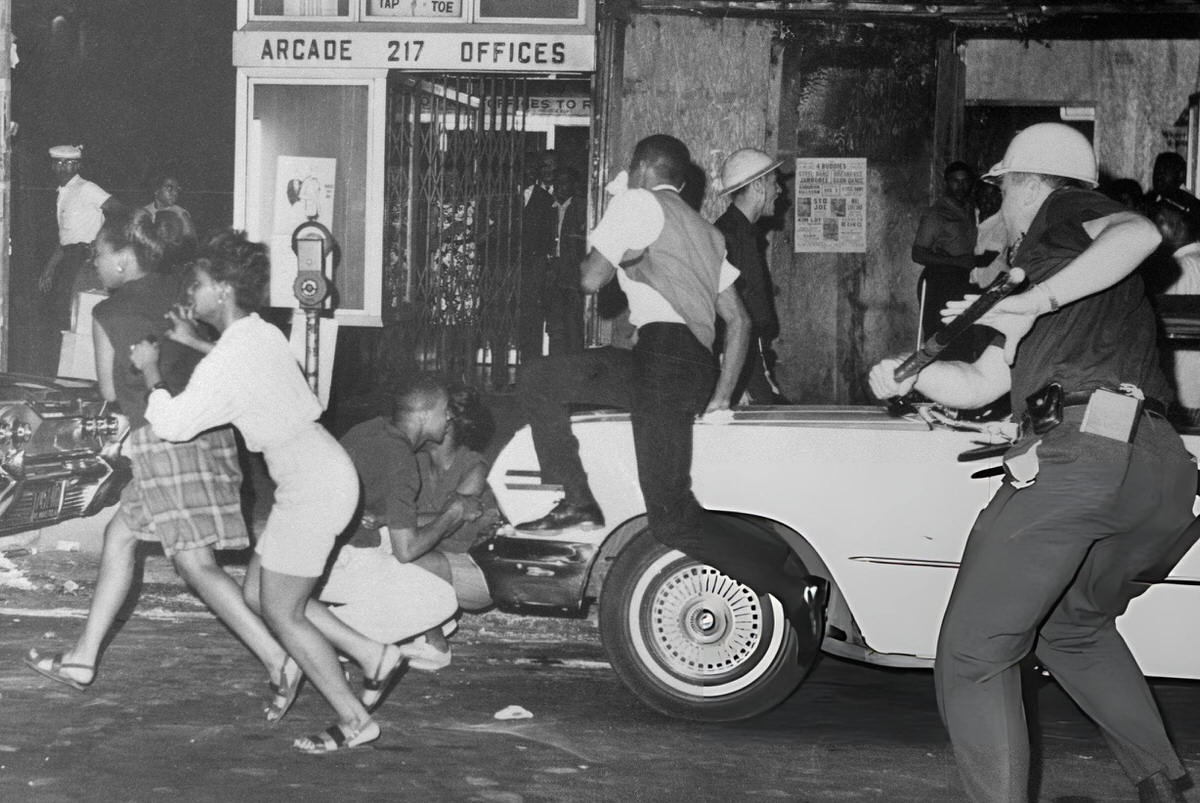
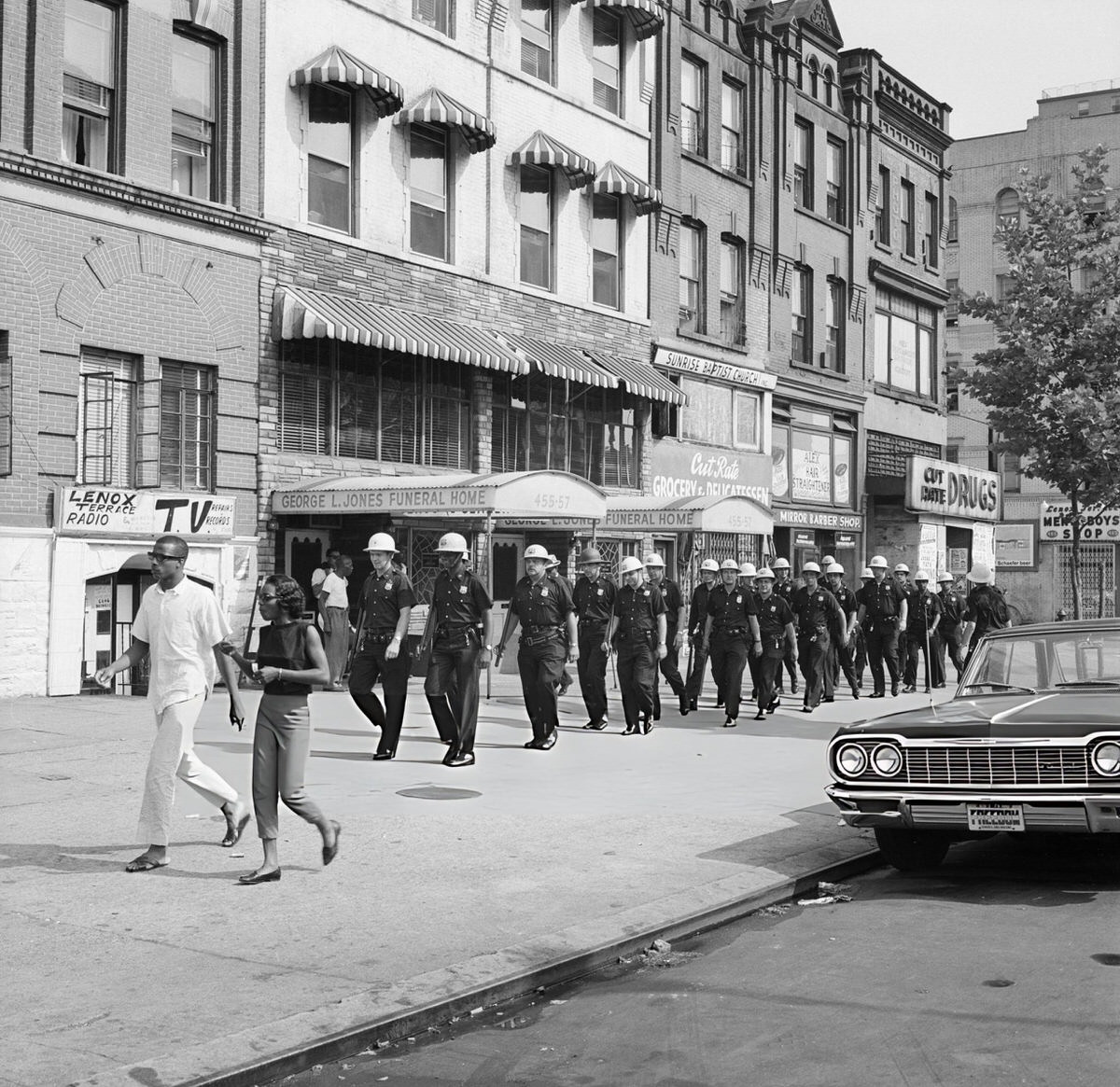
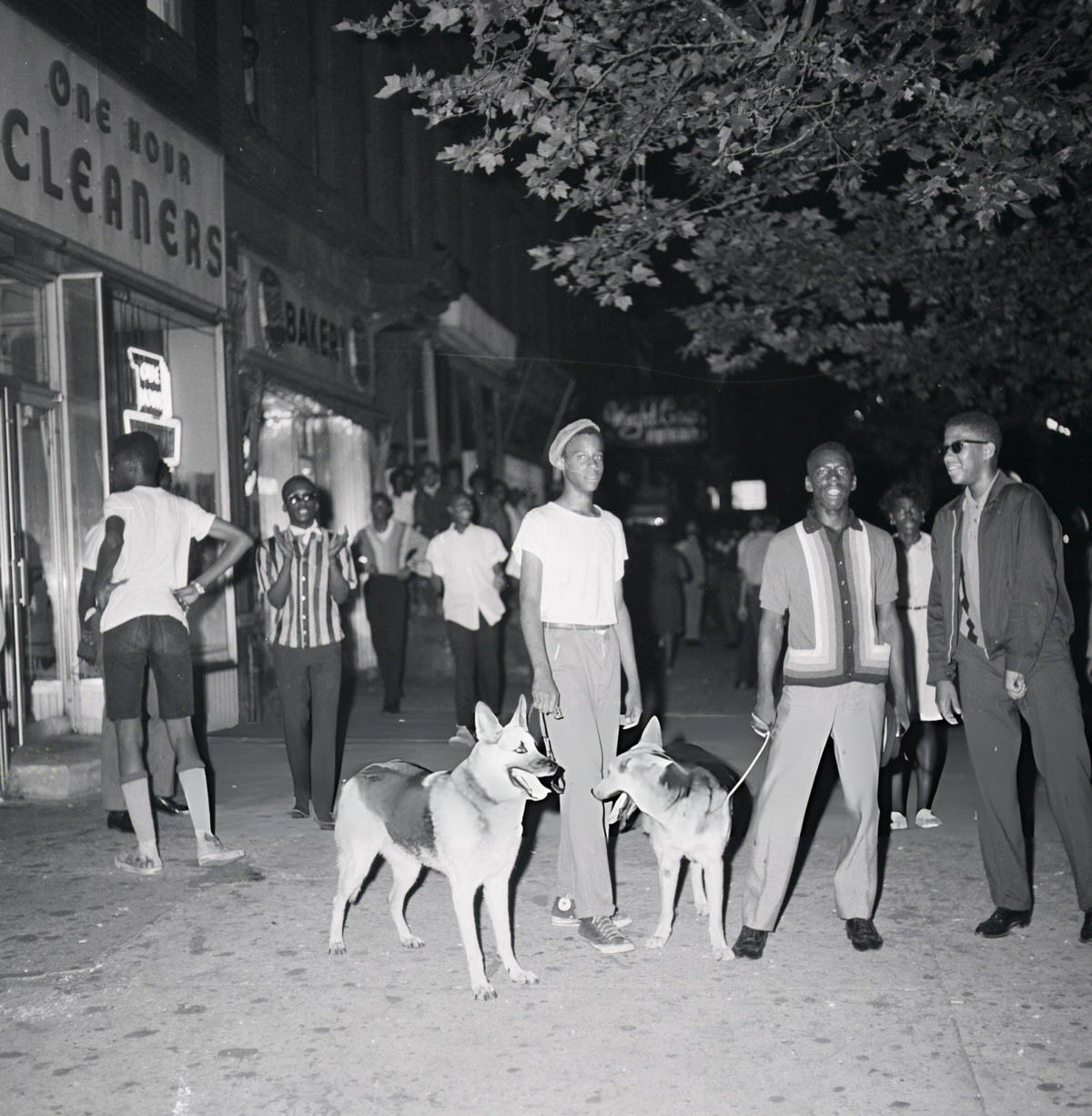
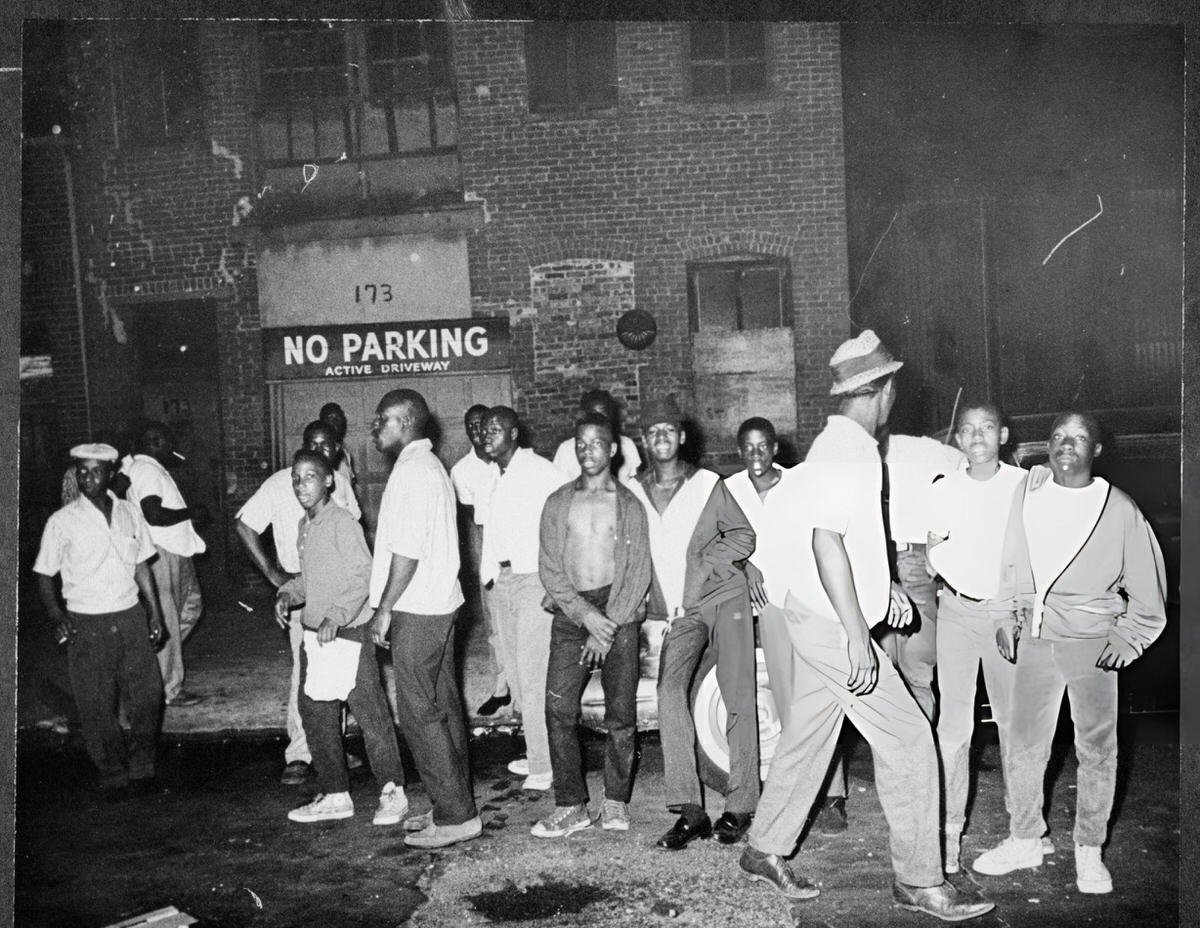
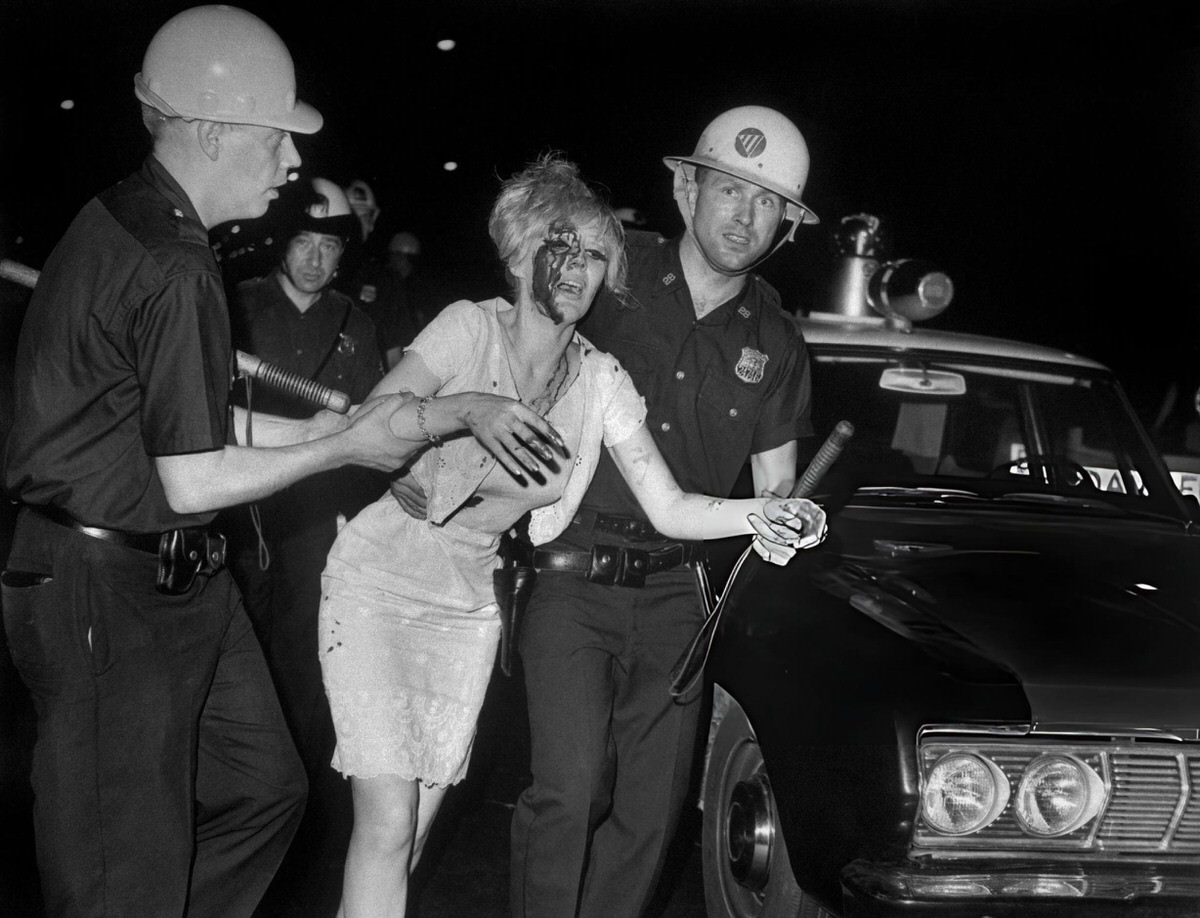
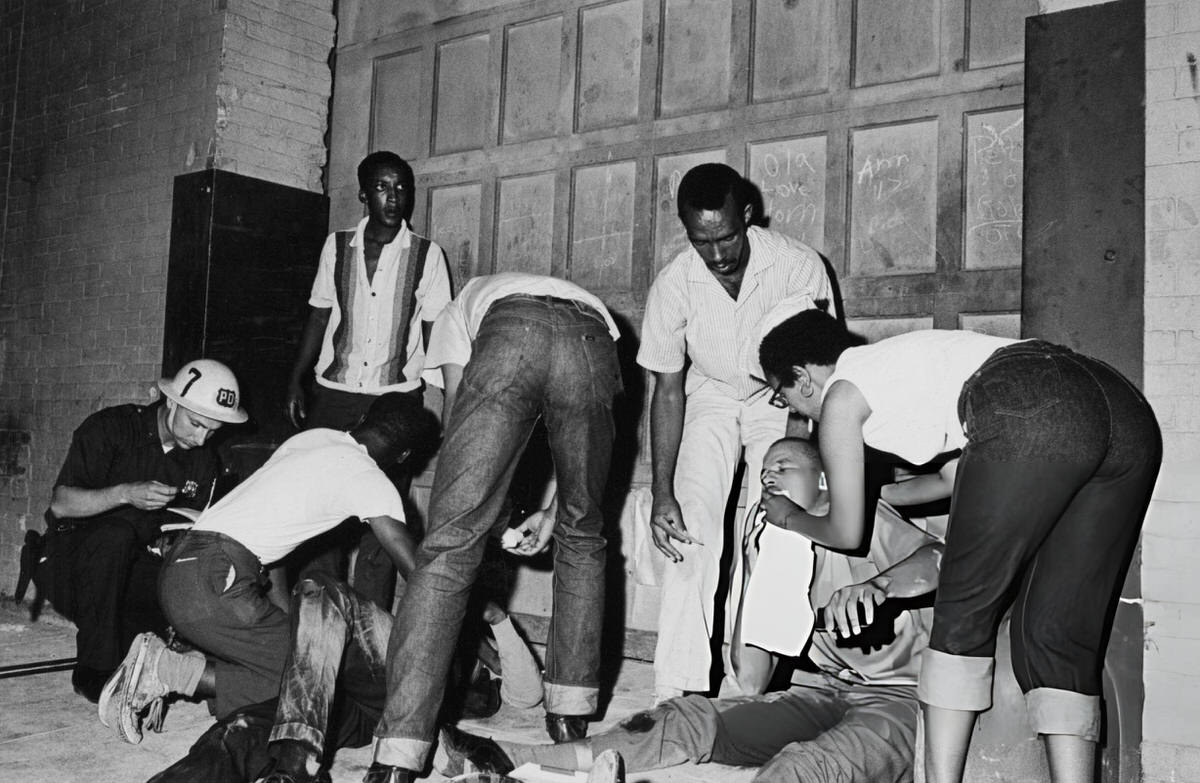
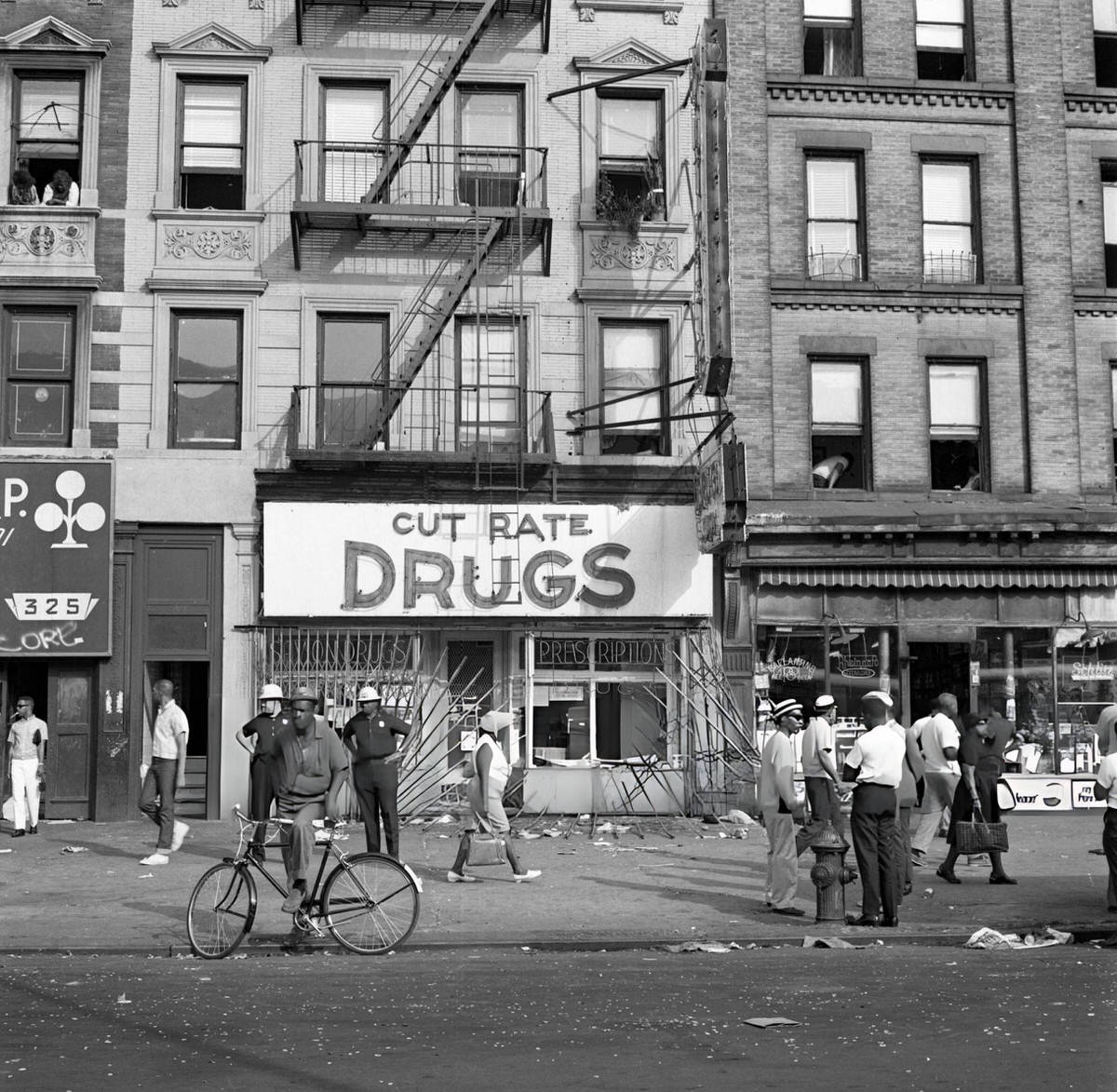
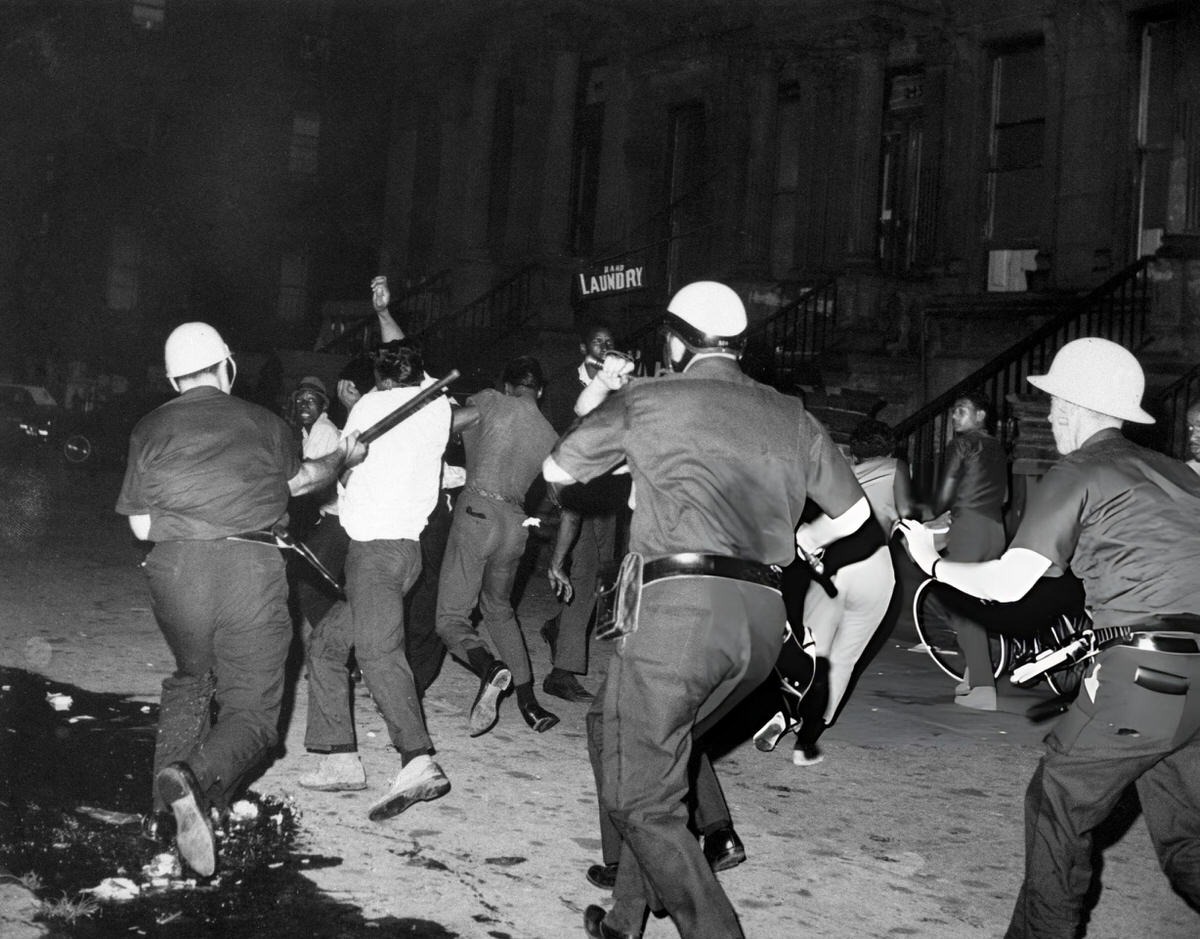
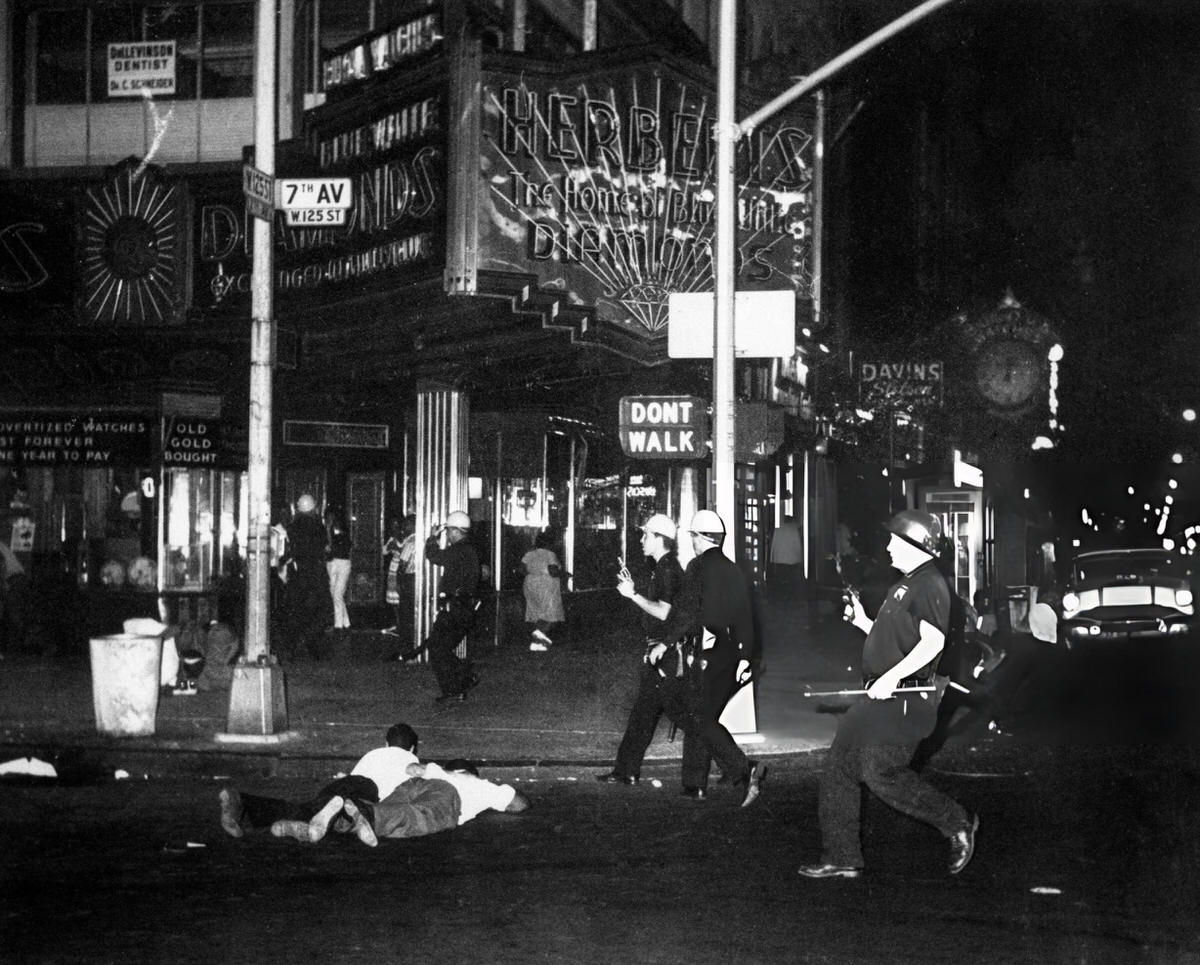
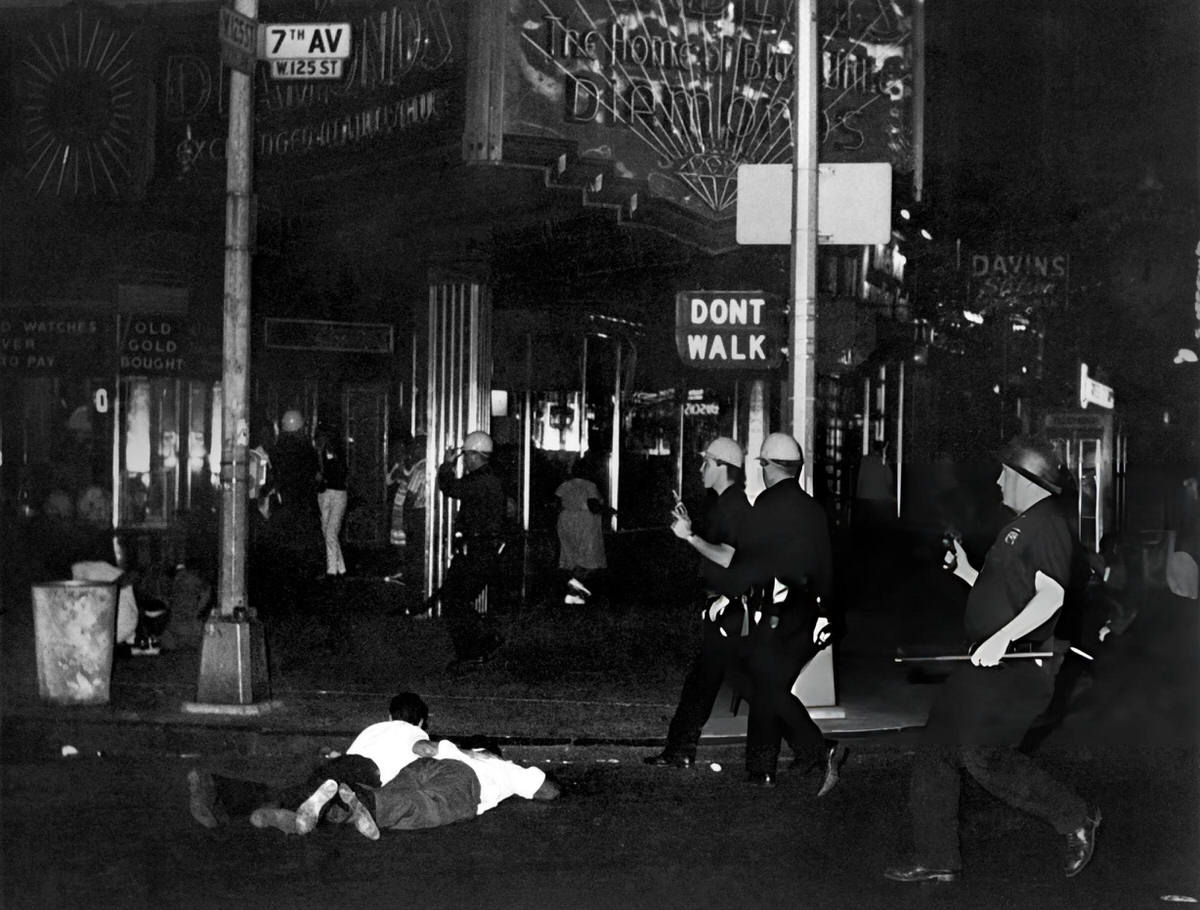
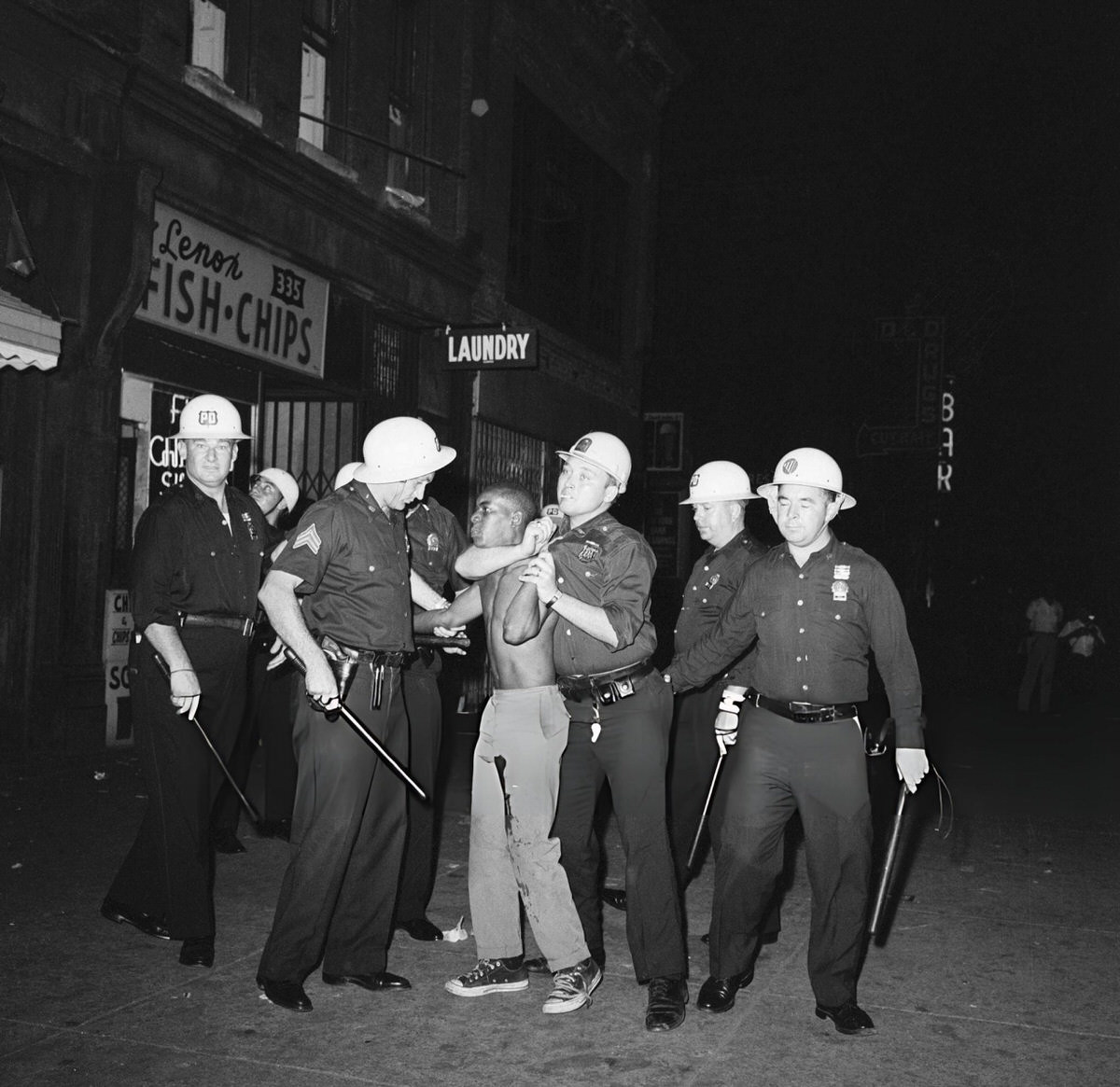
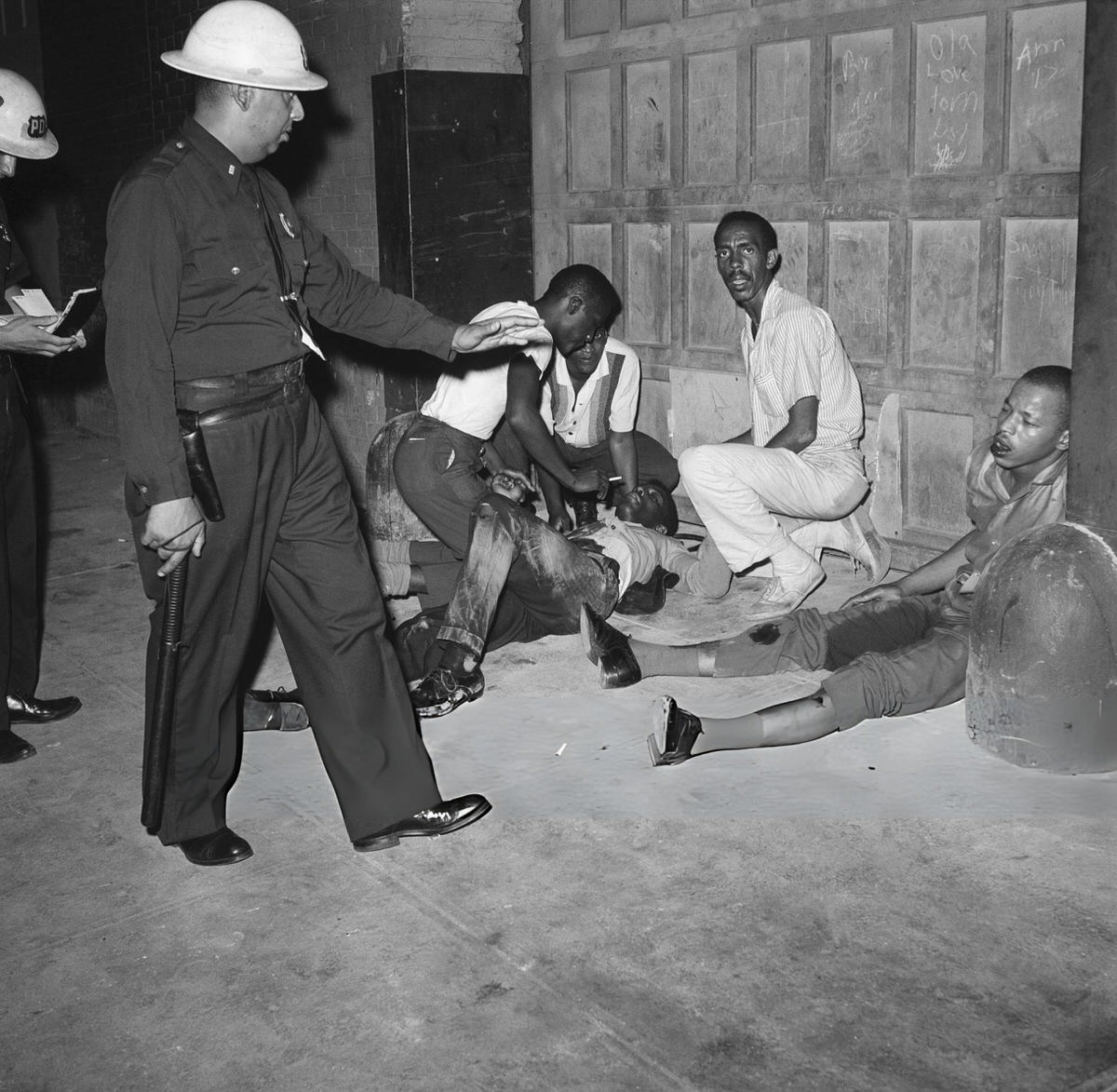
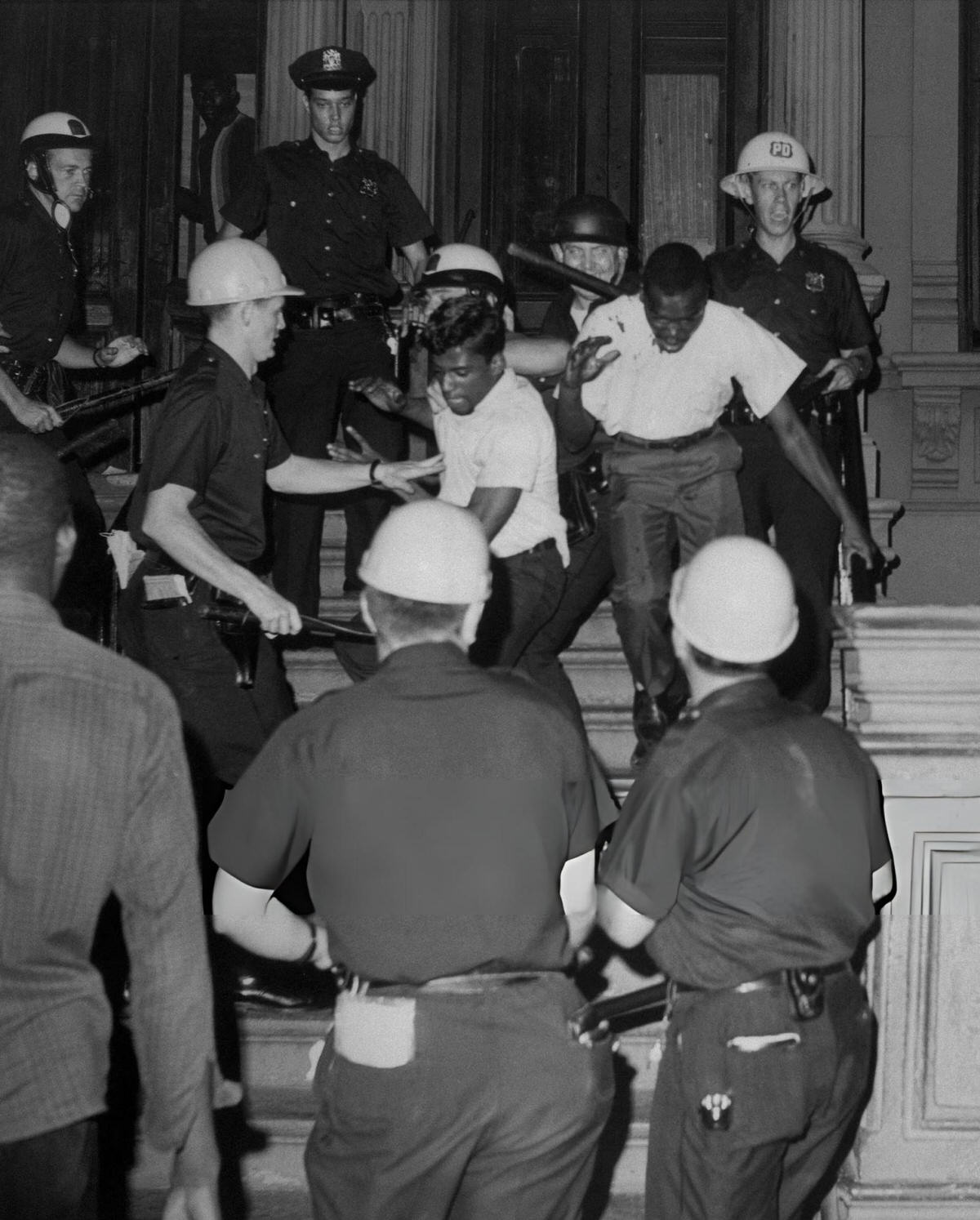
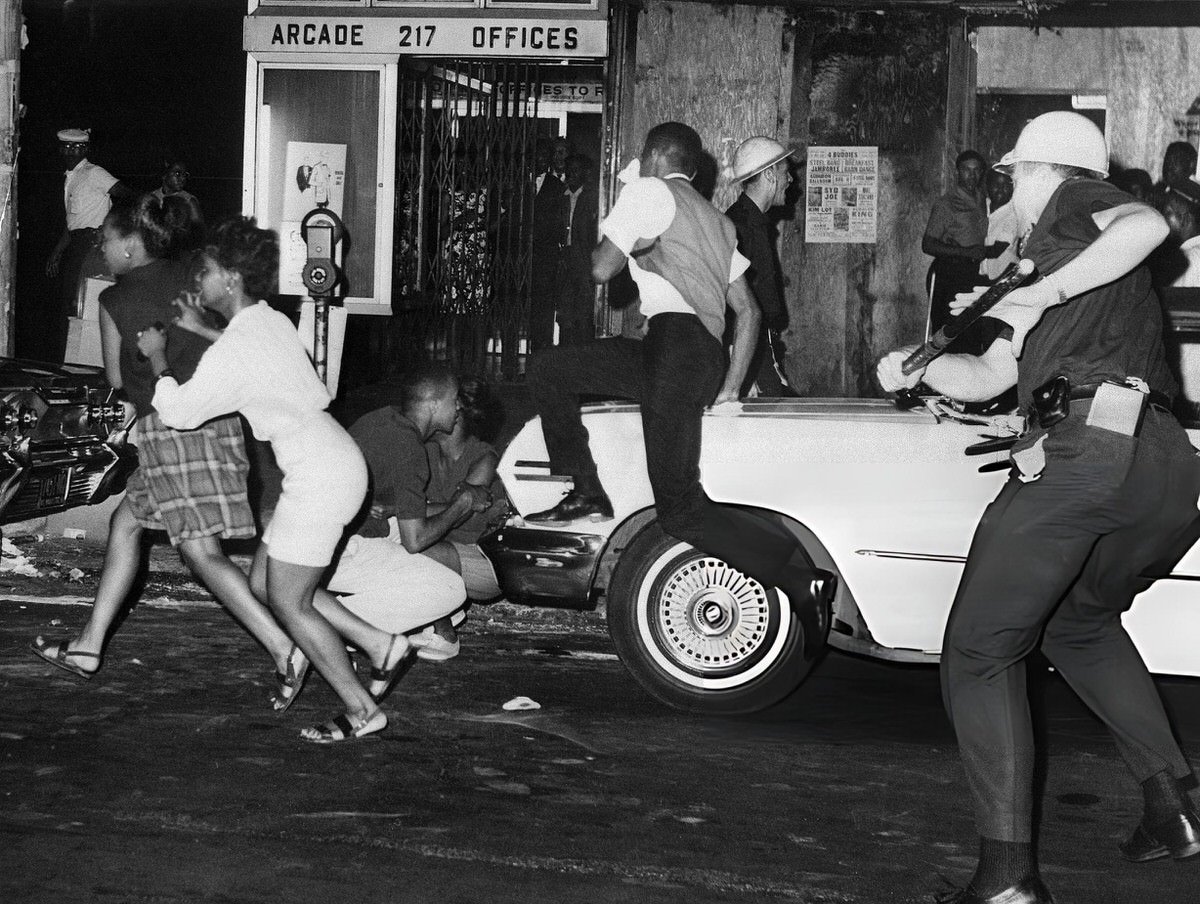
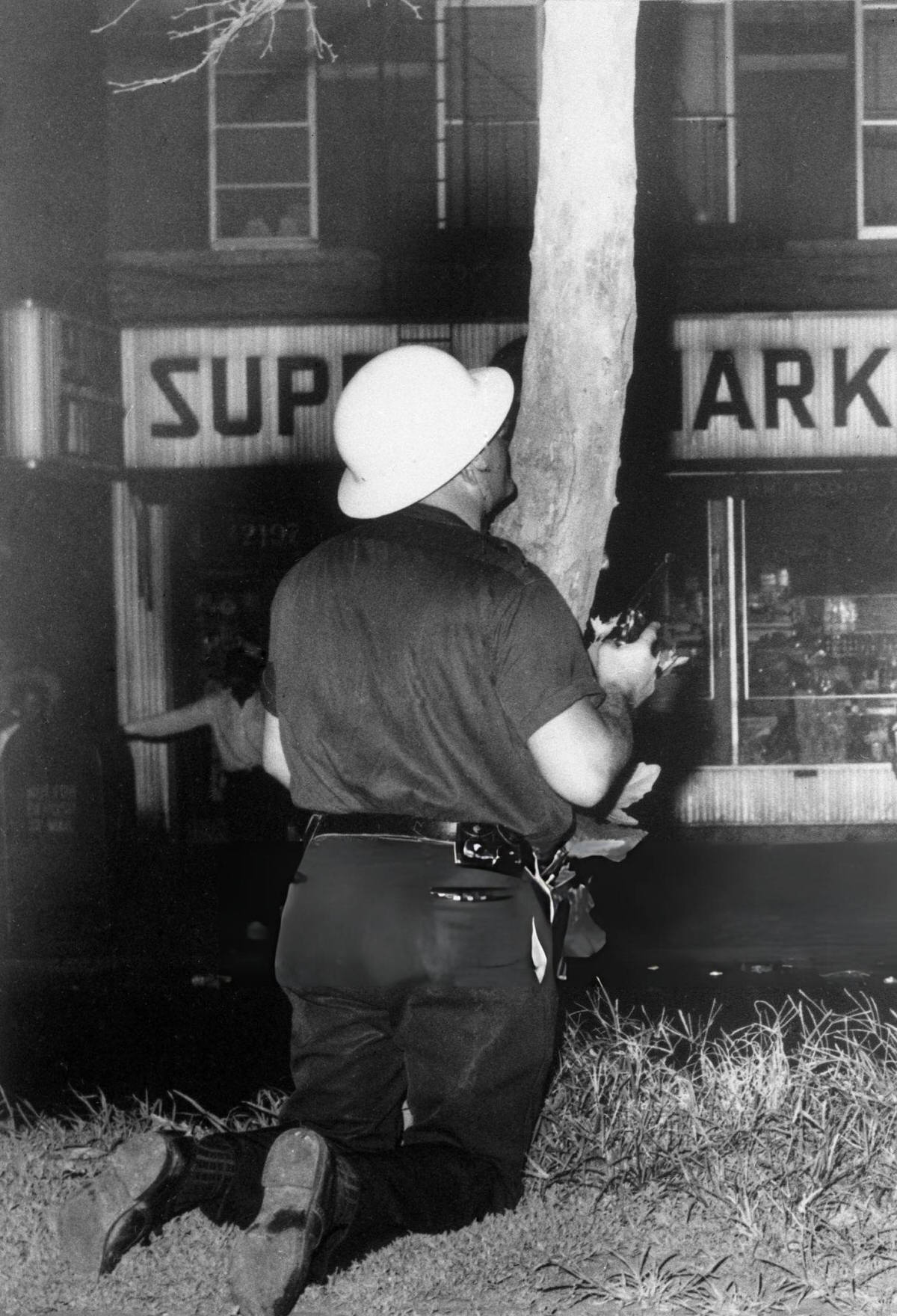
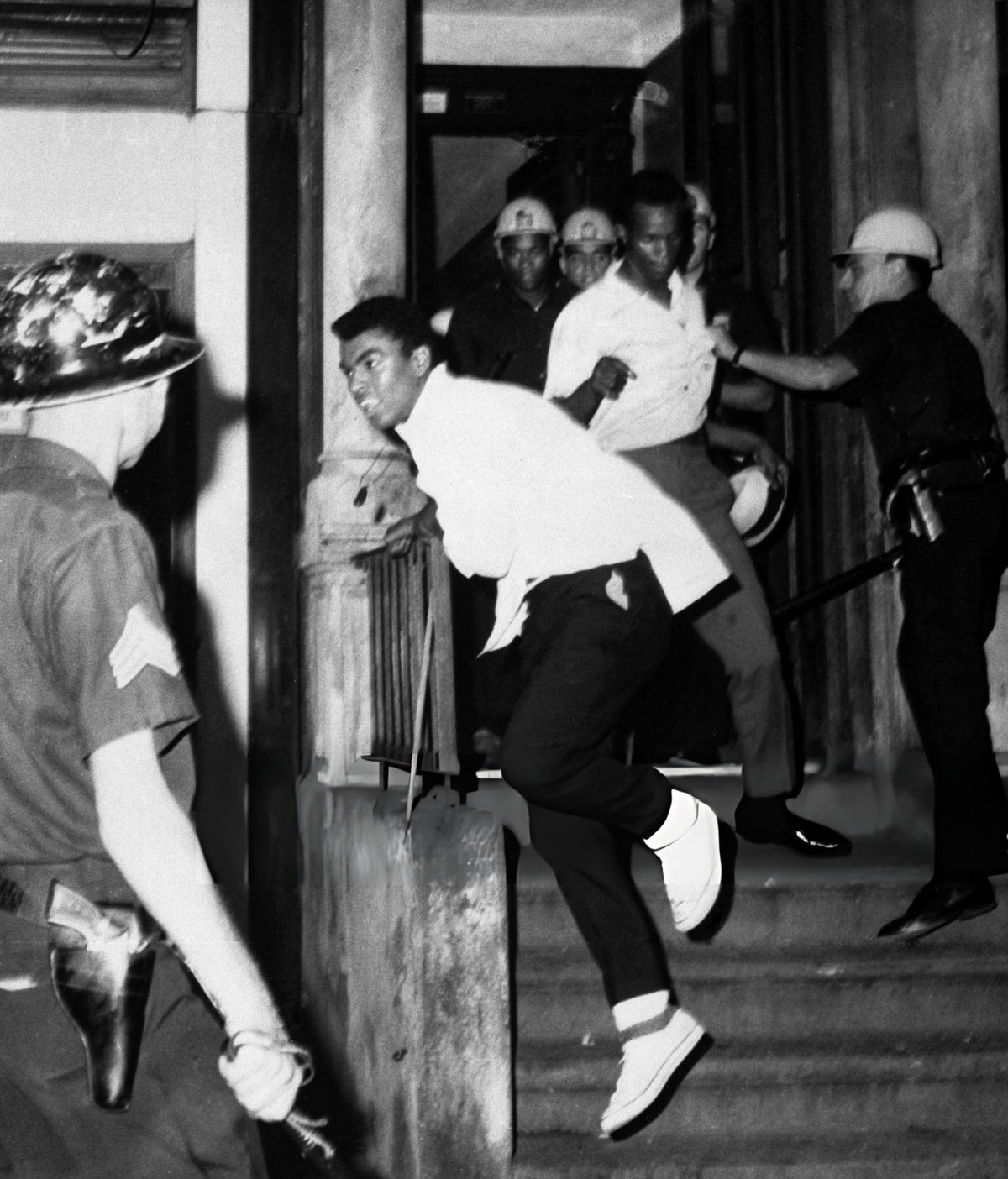
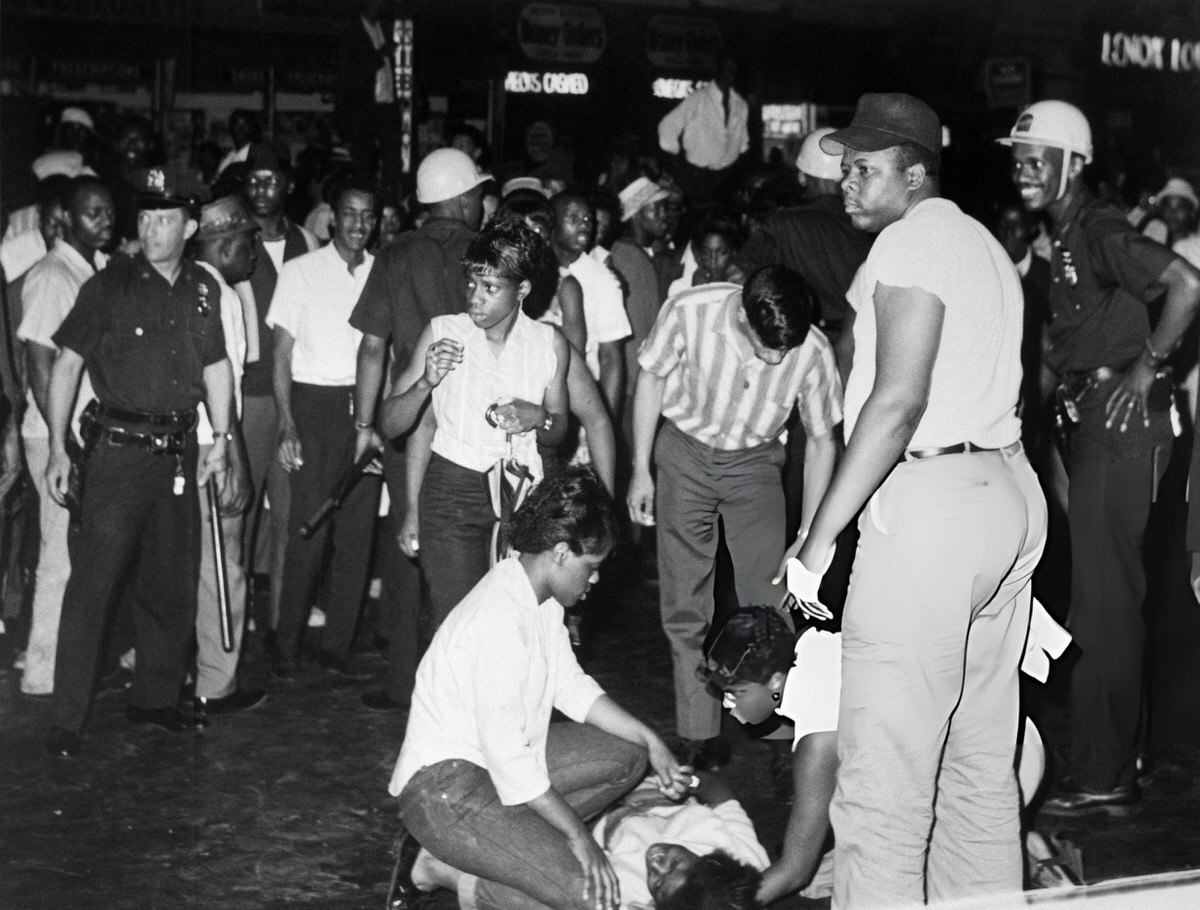
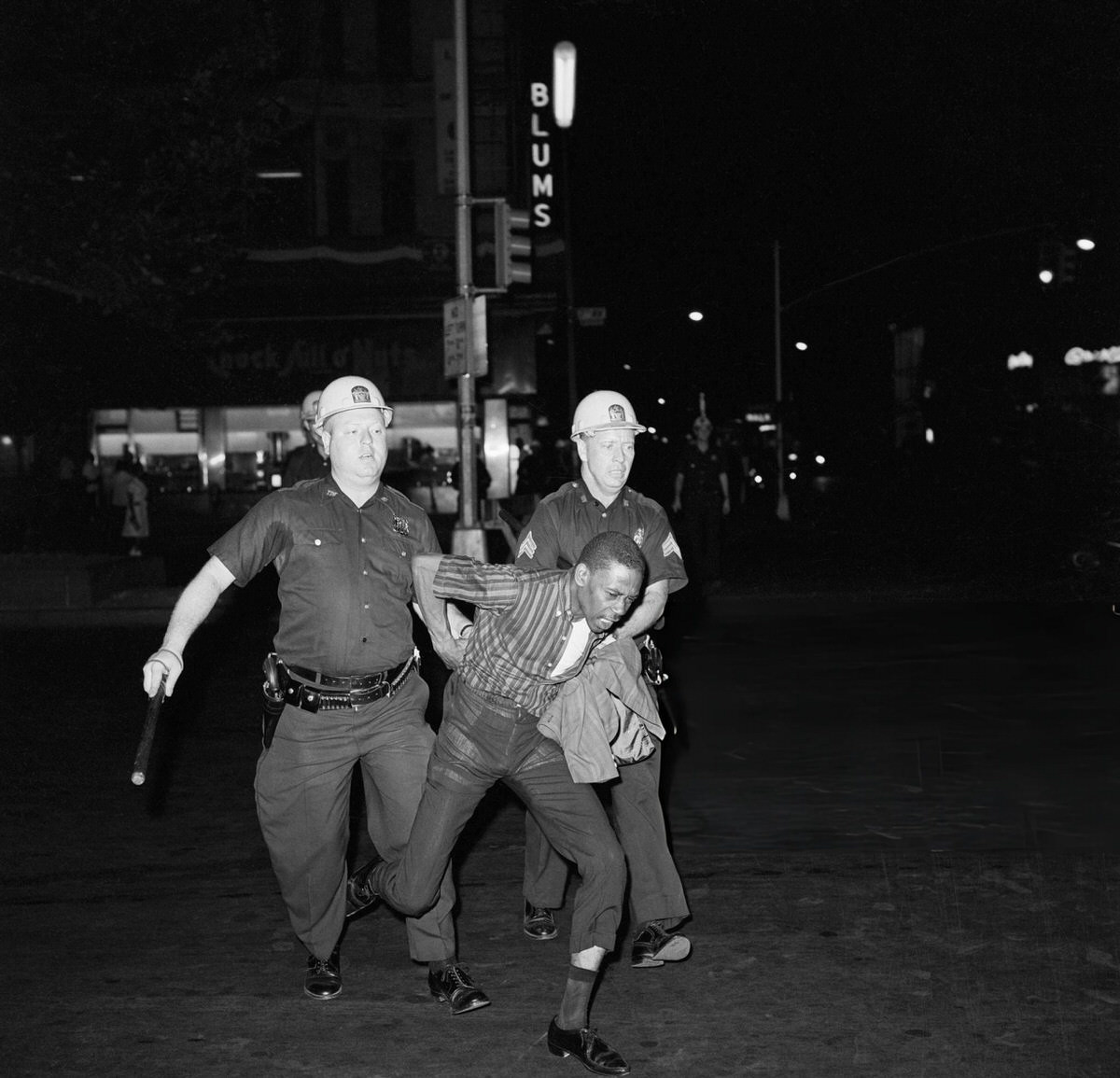
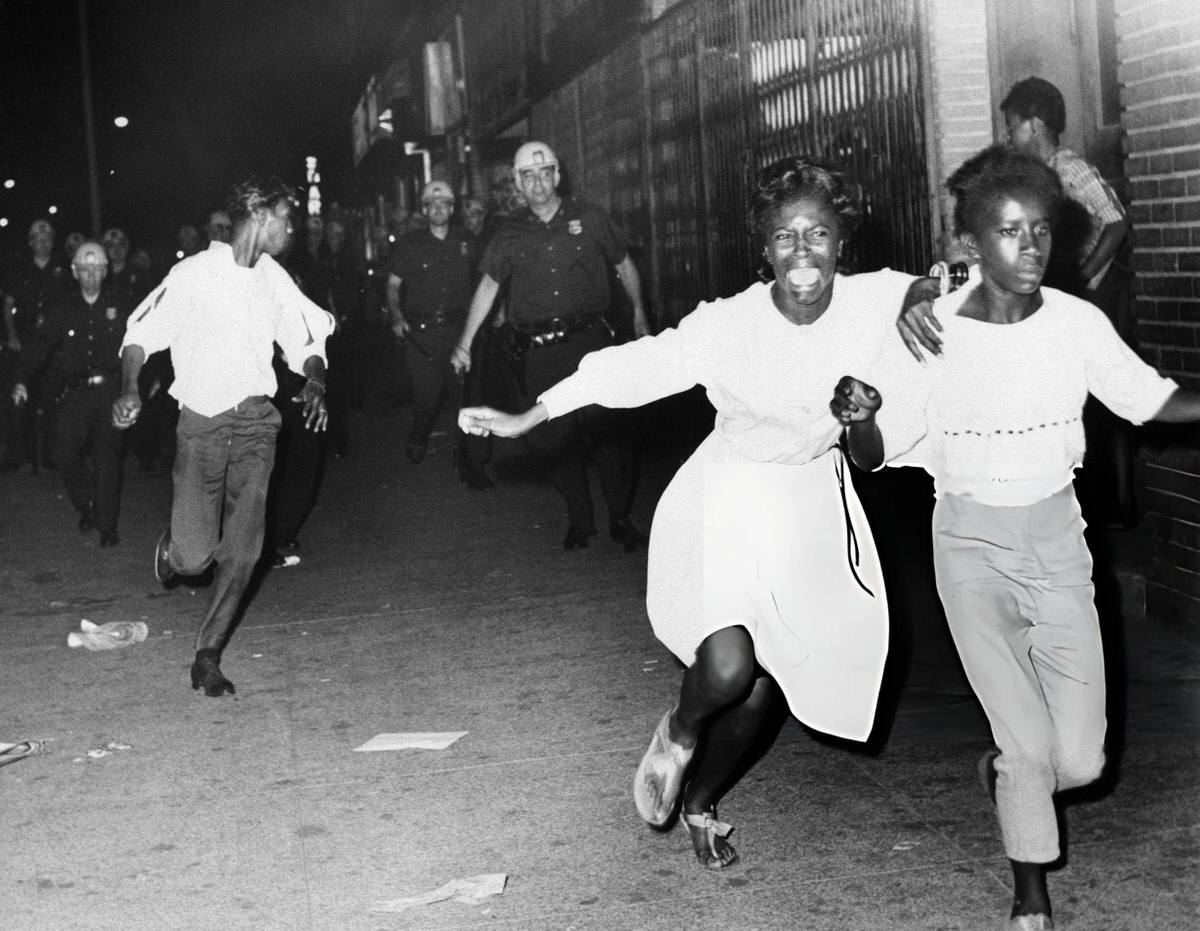
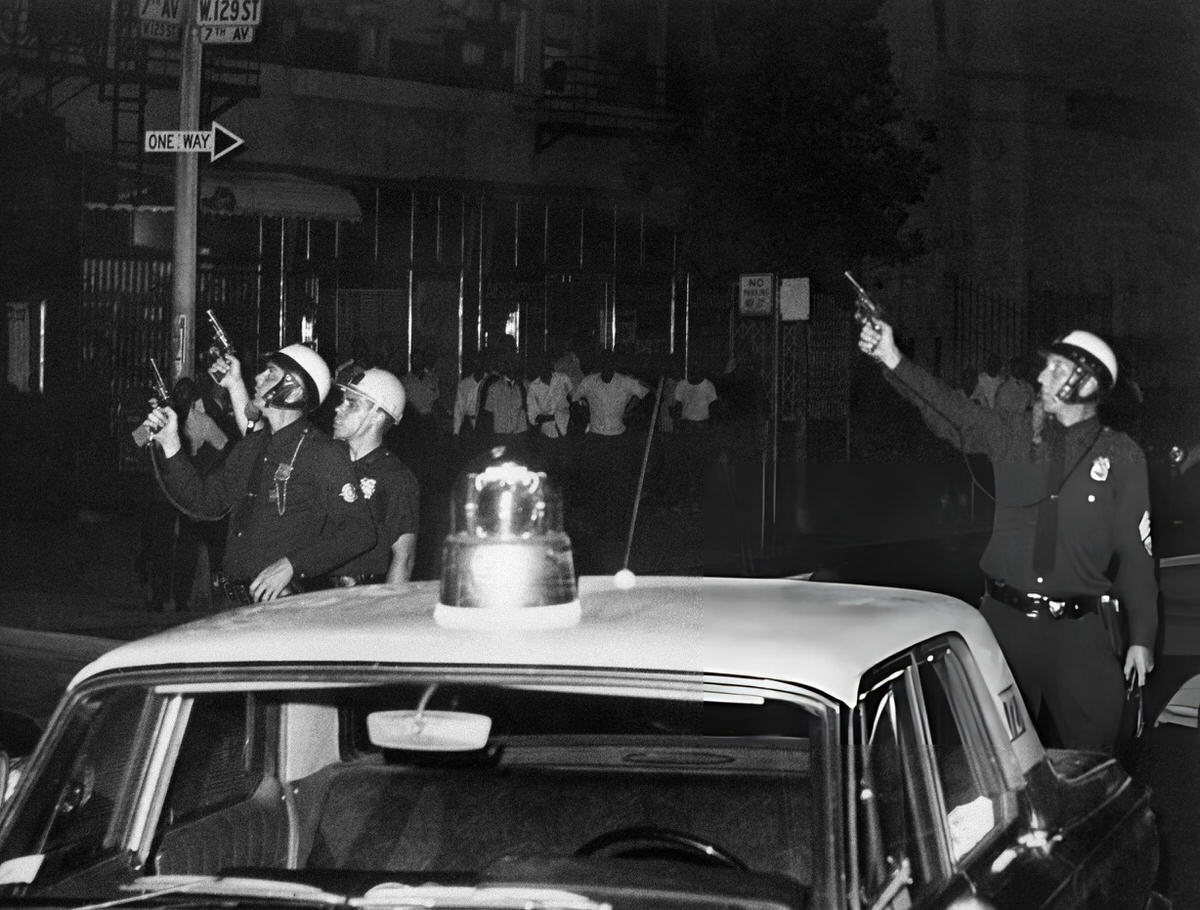
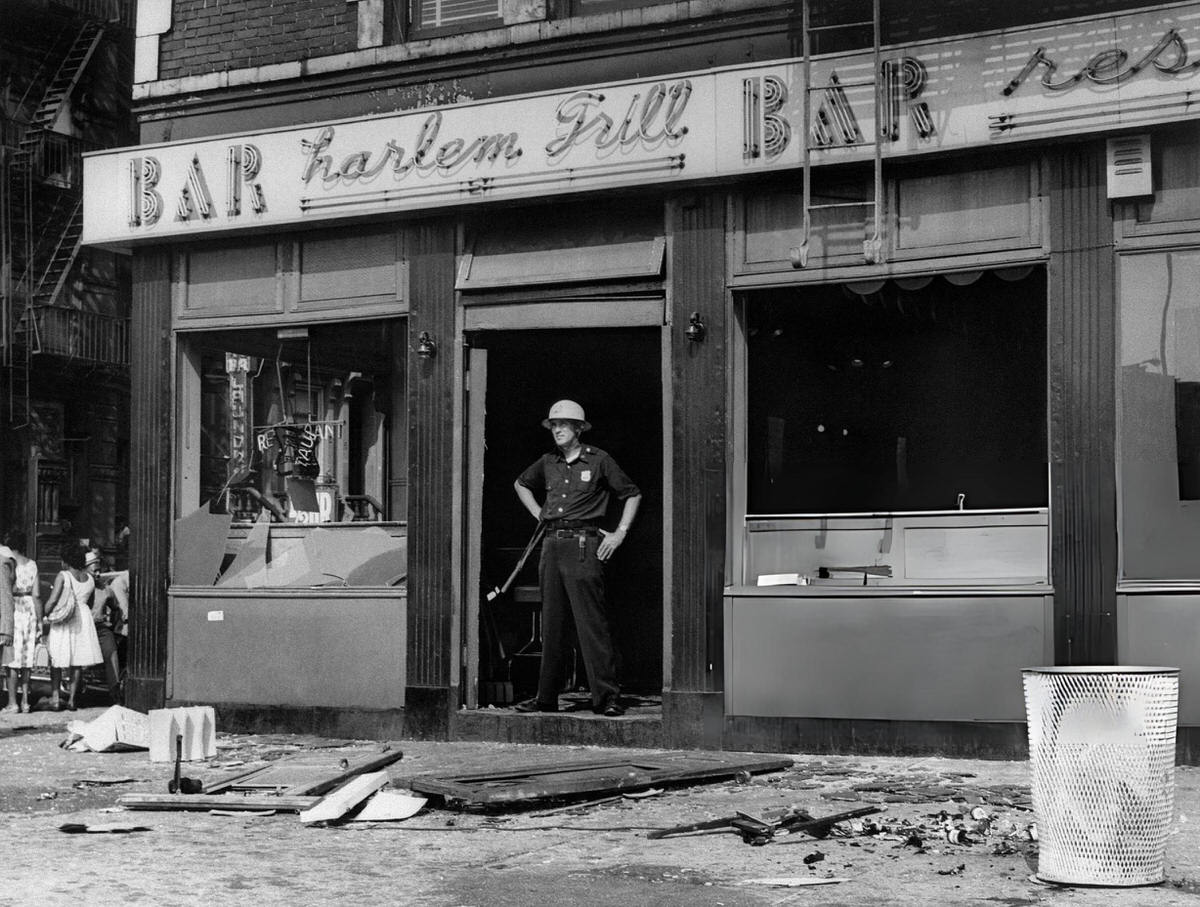
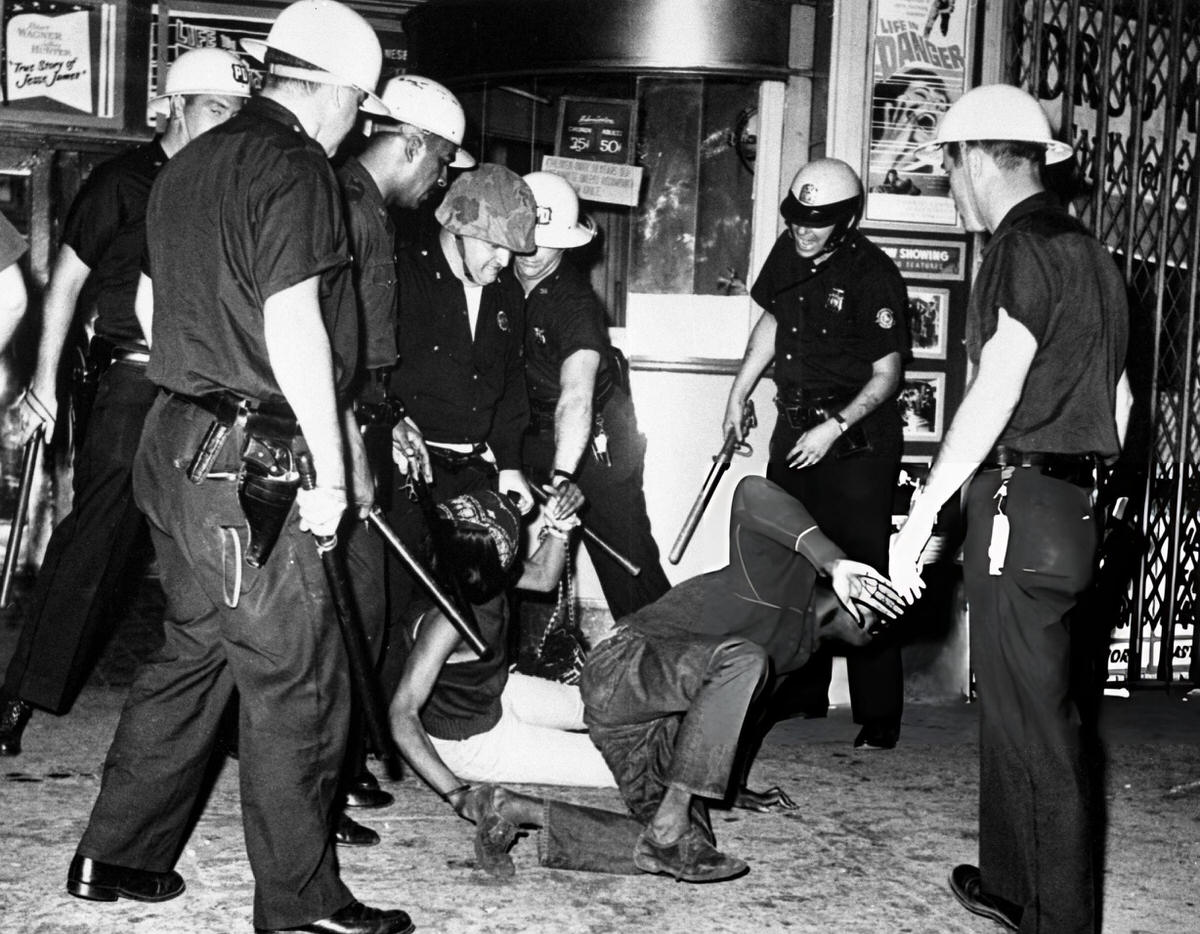
It did not stay that way. Police moved in to clear the crowd. People pushed back. Bottles and garbage can lids came off rooftops. Officers responded with batons and drawn weapons. Within an hour, 125th Street — Harlem’s main commercial corridor — was a running battle between residents and police. Store windows broke. Garbage fires burned in the street. The police pushed crowds north and east; the crowds regrouped and came back.
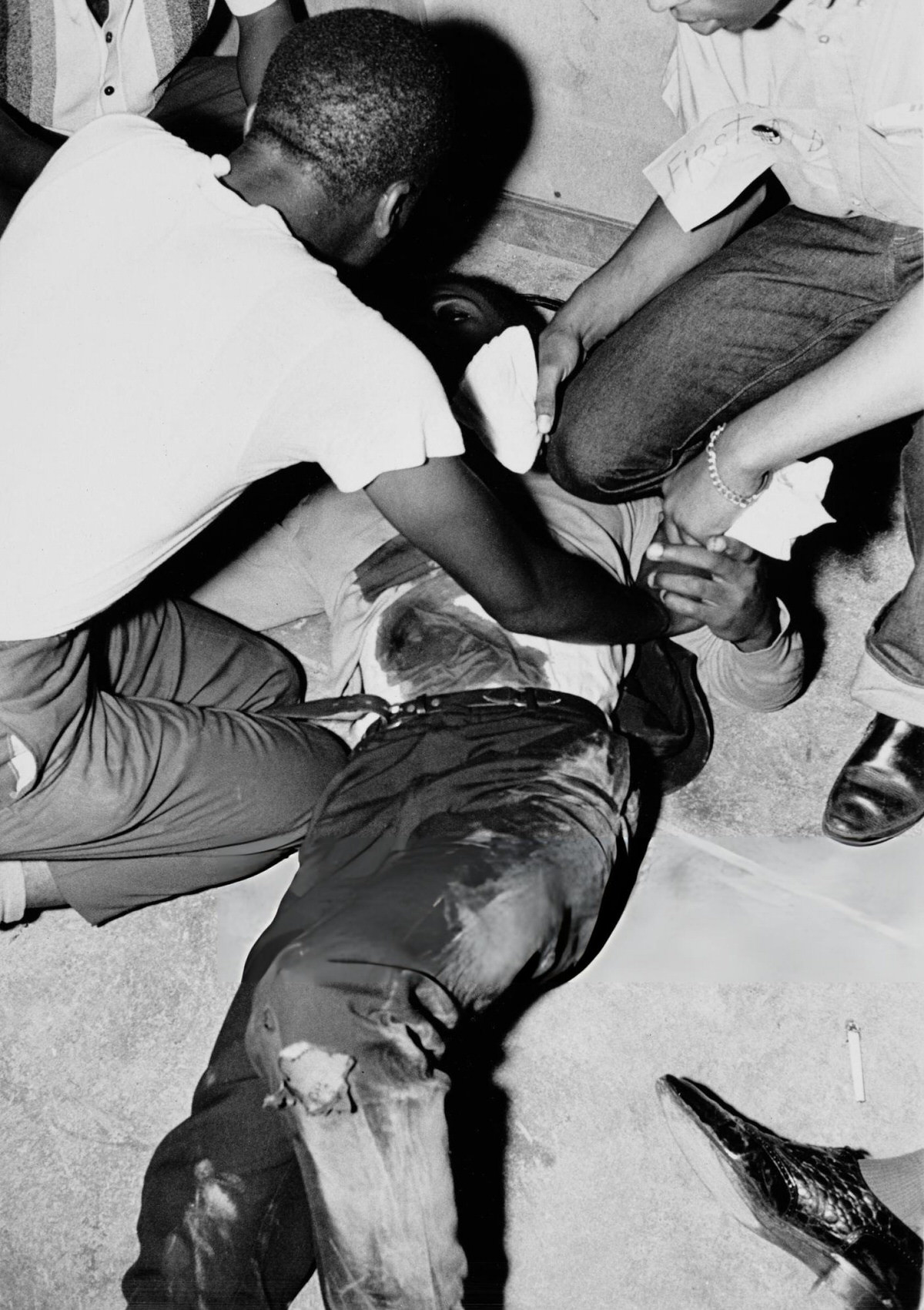
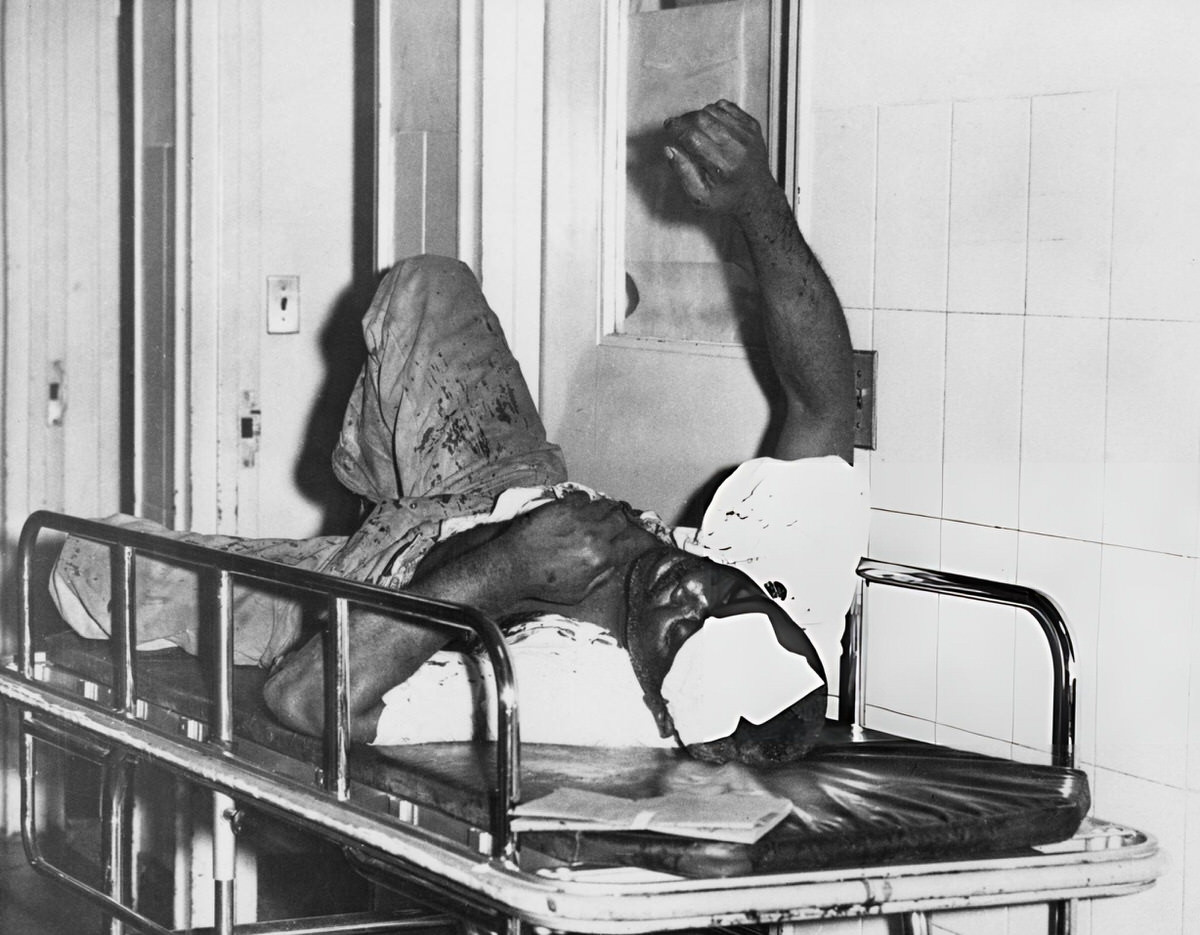
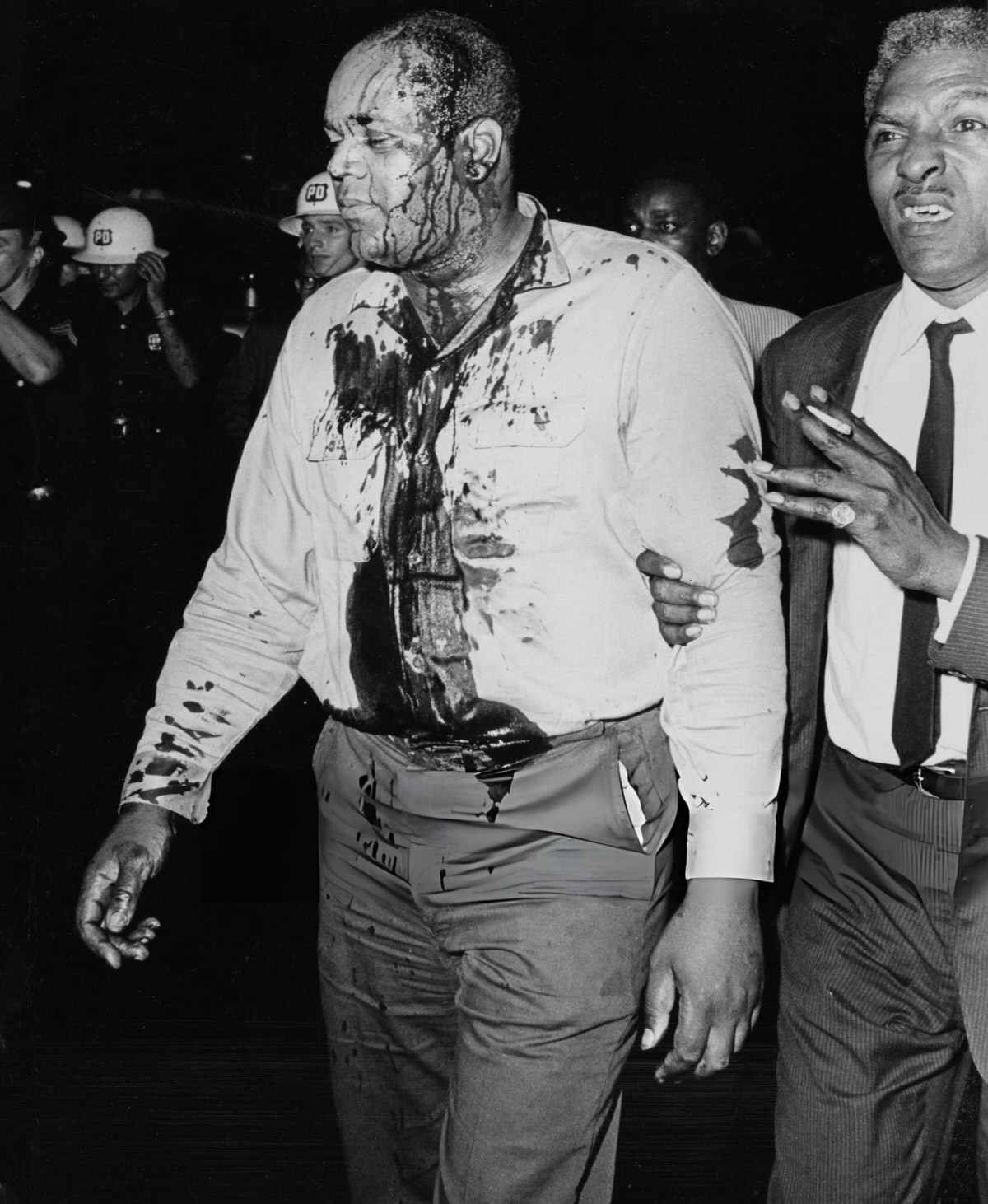
The fighting continued for six nights. The second night spread to Bedford-Stuyvesant in Brooklyn, where the same conditions — poverty, overcrowding, hostile police — had been building for years. One person was killed, a Harlem resident named Henry Feuss, shot during the unrest. Hundreds were injured. More than 450 people were arrested over the course of the riots. Property damage ran into the hundreds of thousands of dollars, concentrated mostly on 125th Street and Seventh Avenue.
Mayor Robert Wagner was on vacation in Spain when the riots began. He flew back to New York but kept his distance from Harlem. His public statements focused on restoring order rather than addressing what had caused the disorder. Police Commissioner Michael Murphy described the rioters as criminals and outside agitators — a framing the city’s major newspapers largely accepted. The idea that Harlem’s residents had specific, documented grievances that were driving the unrest was treated as secondary to the property damage on 125th Street.
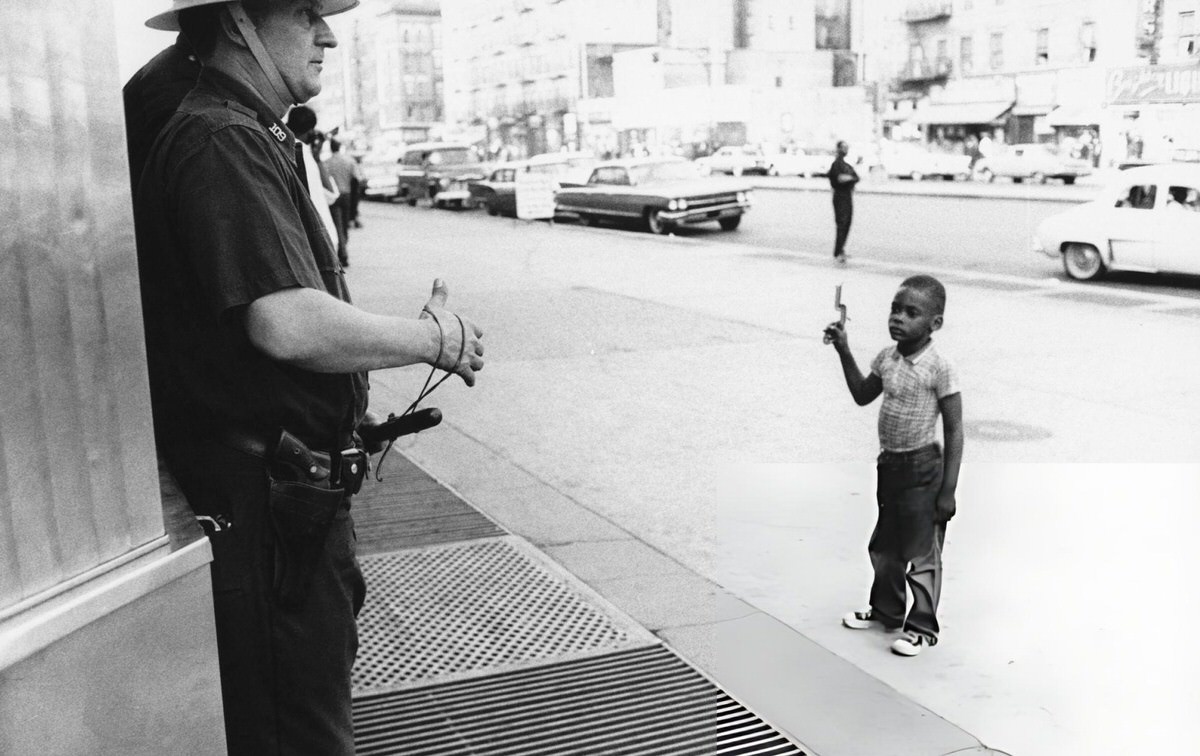
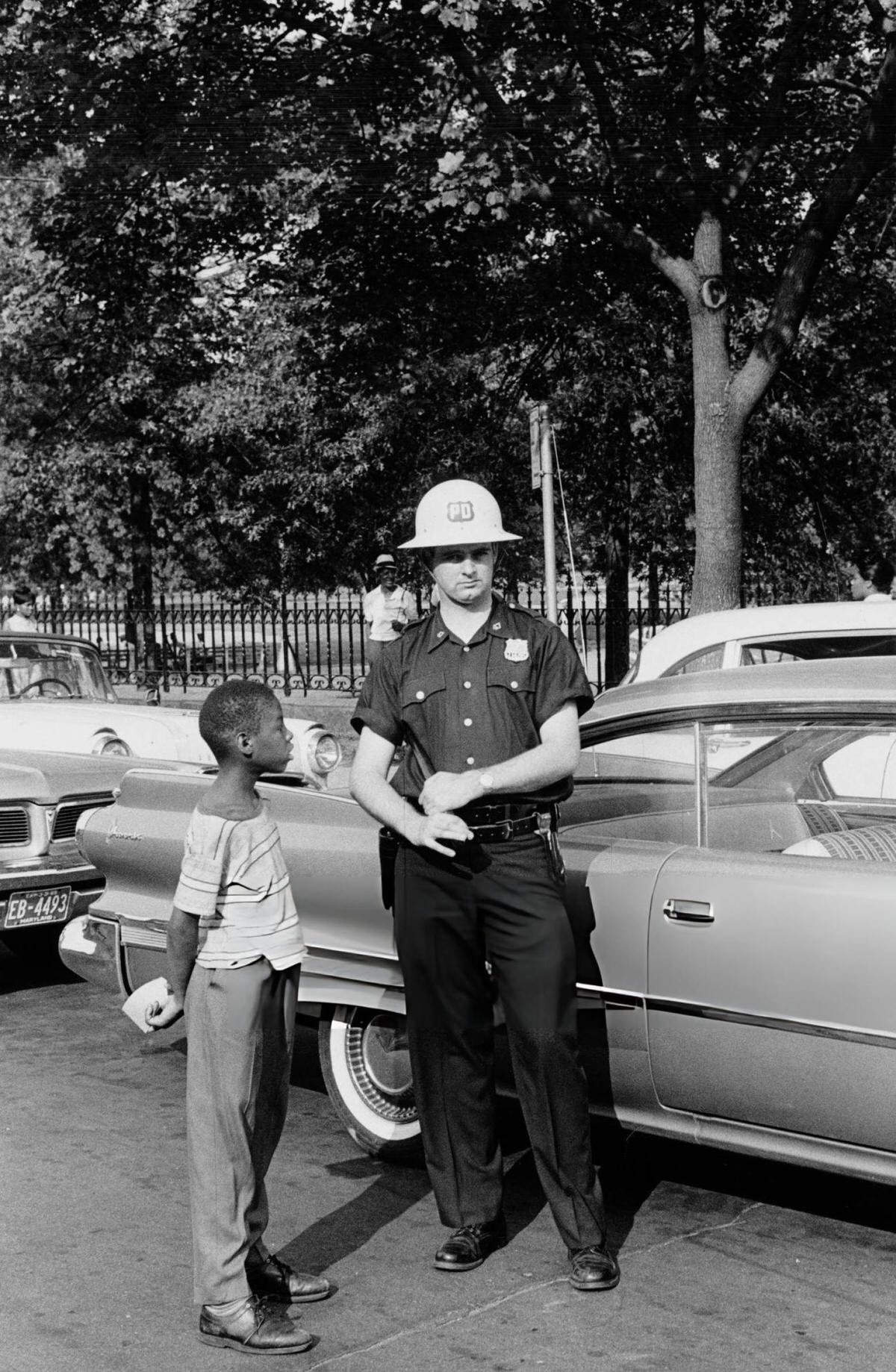
James Baldwin, who had grown up in Harlem and understood its streets in a way that city hall did not, wrote about the riots with precision. He pointed out that the police in Harlem functioned as an occupying force in the eyes of the community — not as protection but as a source of constant danger. Stop-and-frisk practices targeted Black men on Harlem streets daily. Brutal arrests were common and rarely resulted in any discipline for the officers involved. Powell’s death was not an isolated incident. It was the latest in a pattern that Harlem residents had been reporting, protesting, and documenting for years without results.
The Civilian Complaint Review Board existed in 1964 but had no independent power. It was staffed entirely by police officers reviewing complaints against police officers. Civil rights organizations had been demanding an independent board with civilian members since the late 1950s. The city’s police union fought every proposal to change the board’s composition, and the city government backed the union each time.
Roy Wilkins of the NAACP and Martin Luther King Jr. both called for calm during the riots, concerned that the violence would damage the civil rights movement’s public image in an election year. Many Harlem residents found this deeply frustrating. They were being asked to remain calm about conditions that the civil rights movement’s own organizing had not managed to change in the North.
The summer of 1964 saw riots in Rochester, Jersey City, Philadelphia, and Chicago — all northern cities, all with large Black populations living under conditions nearly identical to Harlem’s. New York was not an exception. It was the first city to explode.

GIPHY App Key not set. Please check settings