

 Dennis Saul
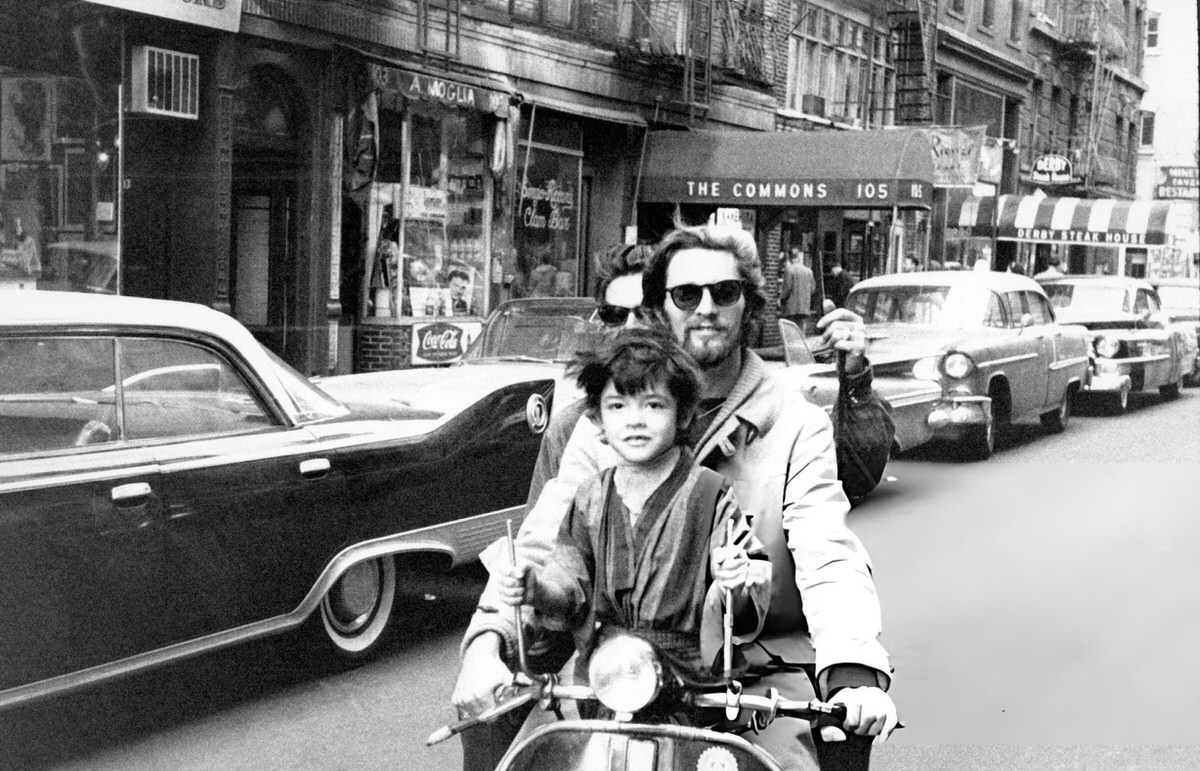
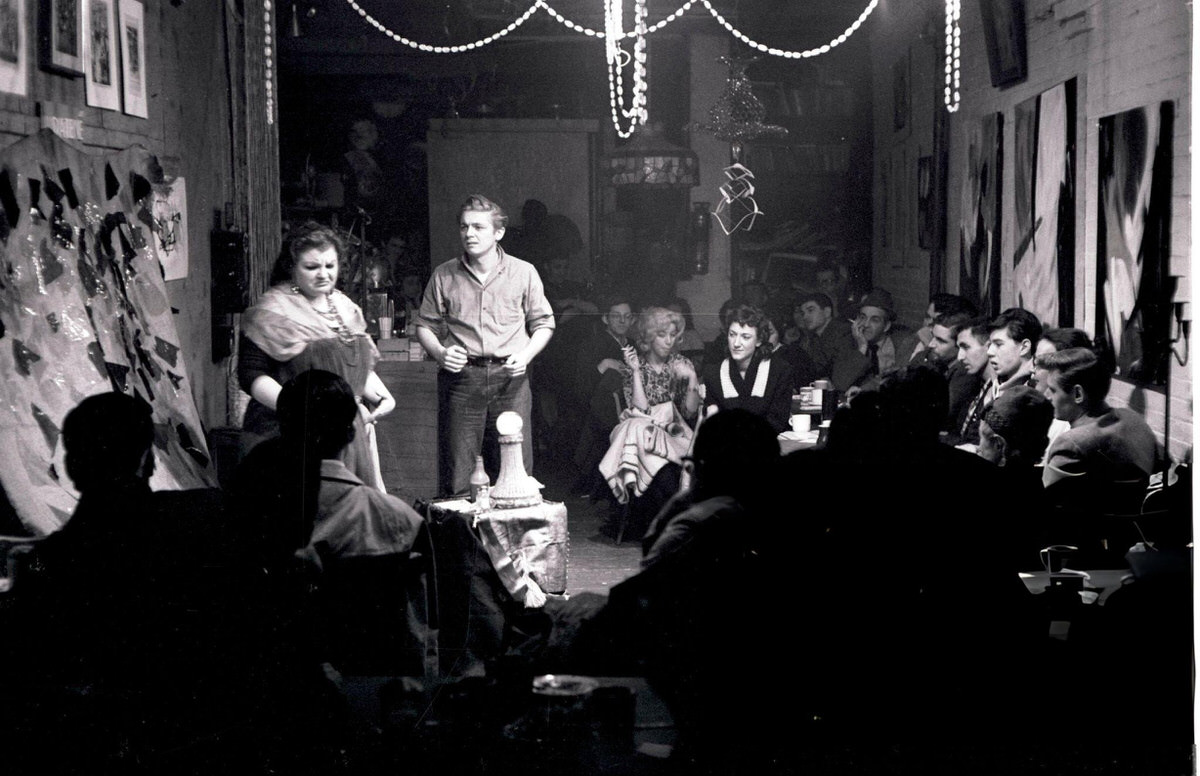
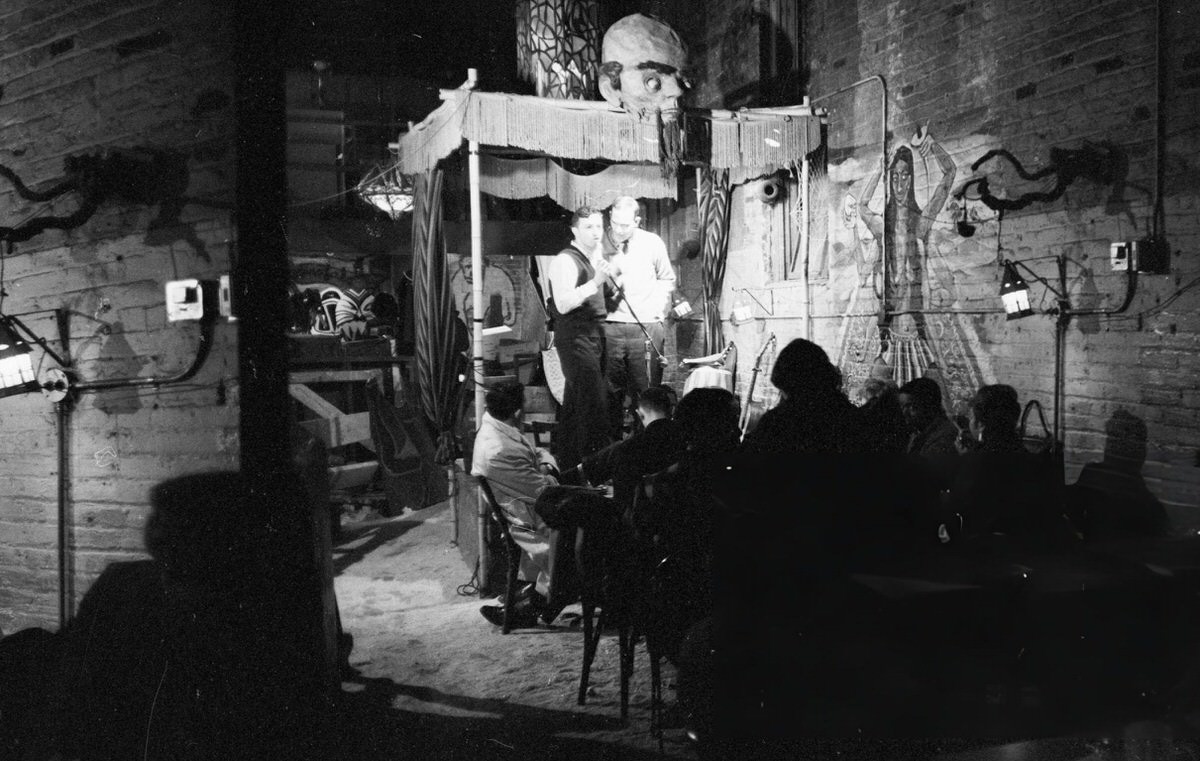
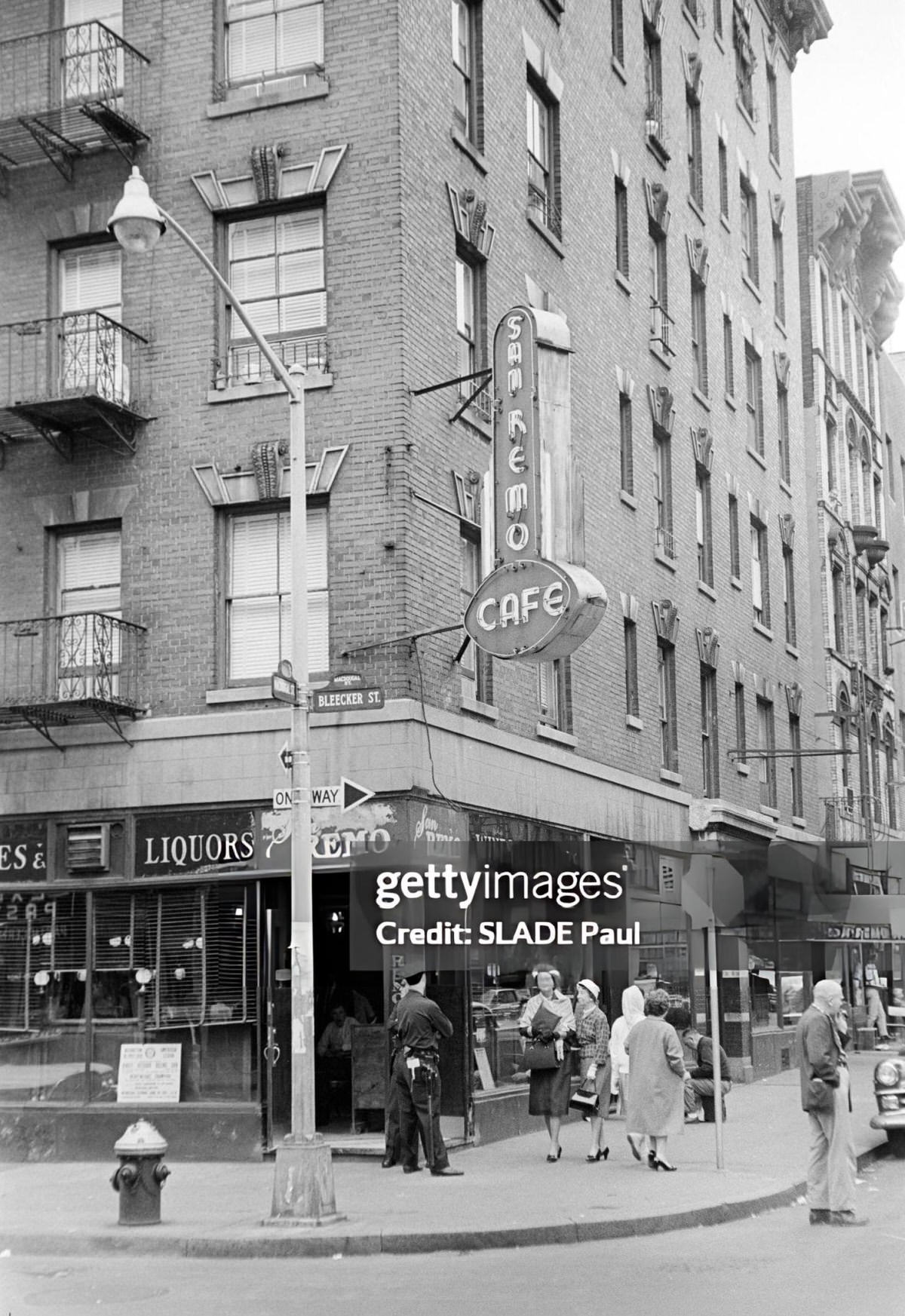
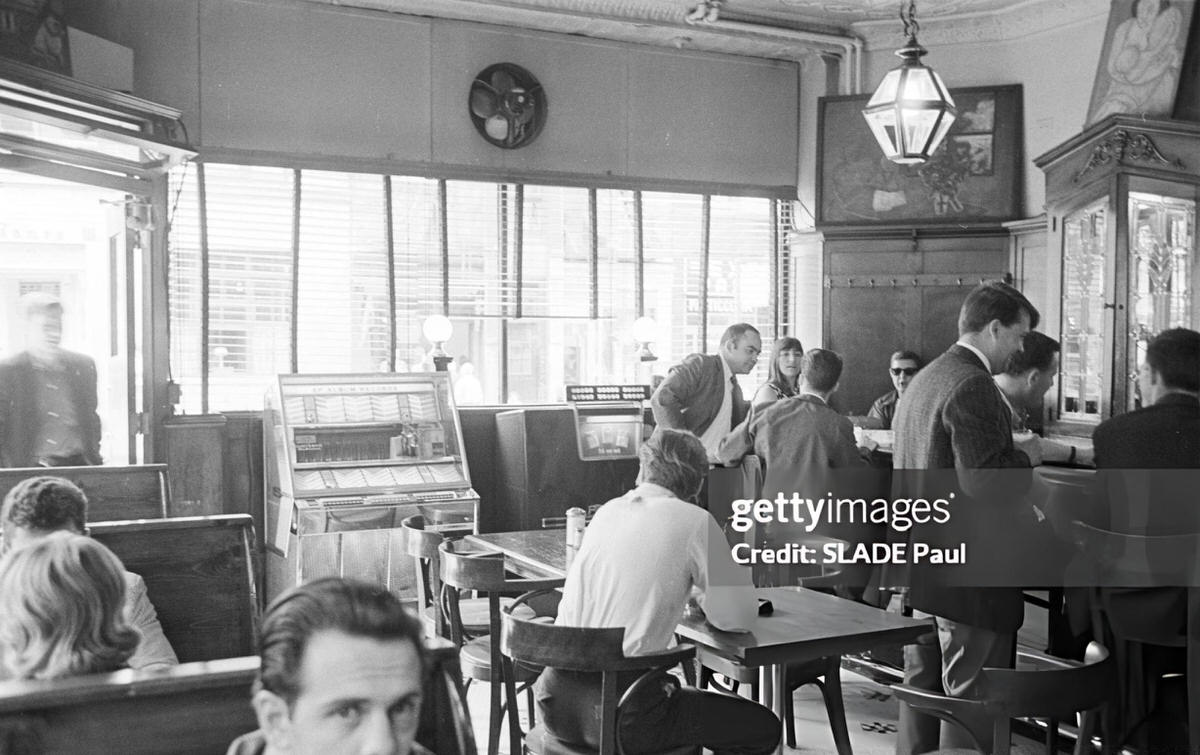
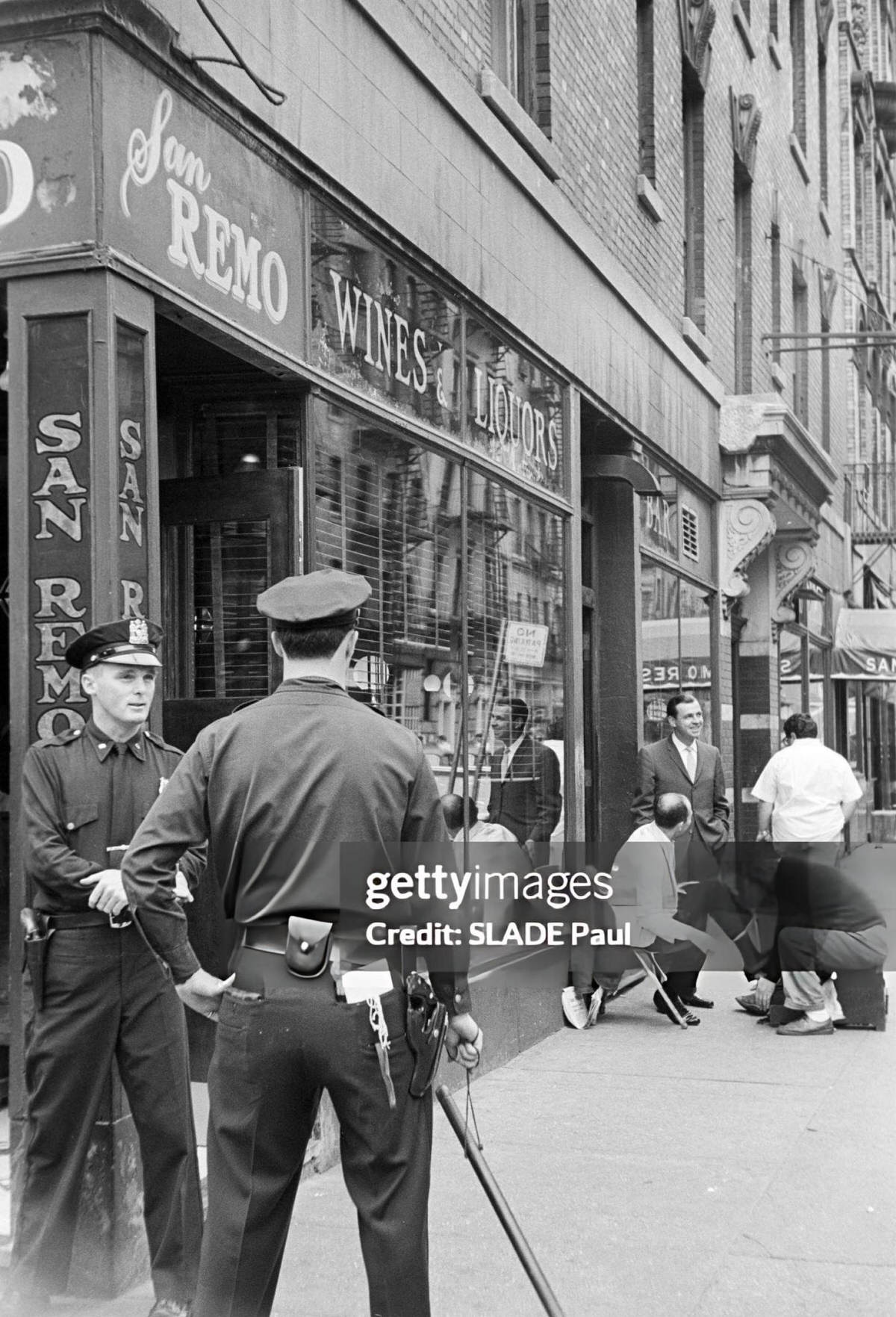
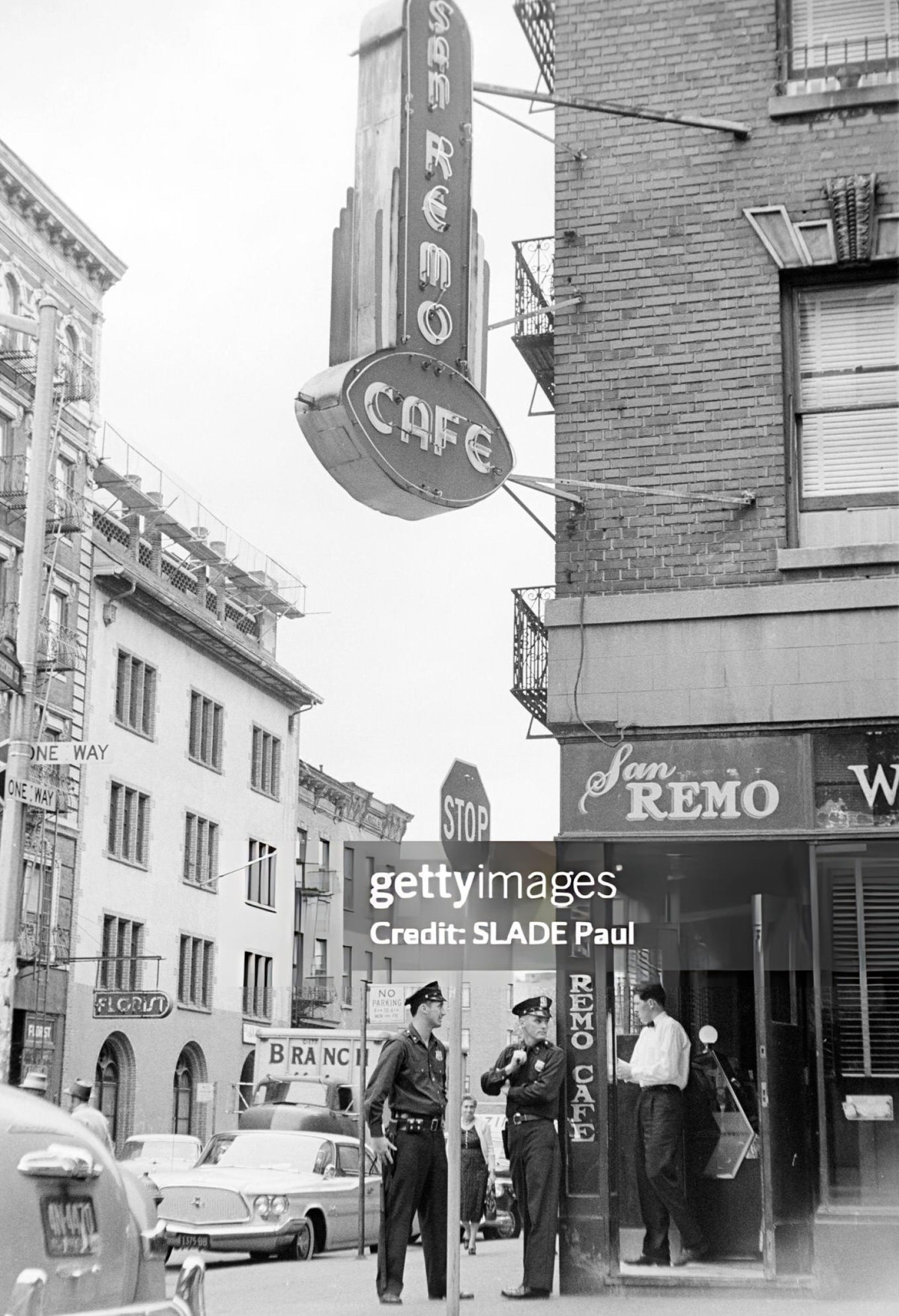
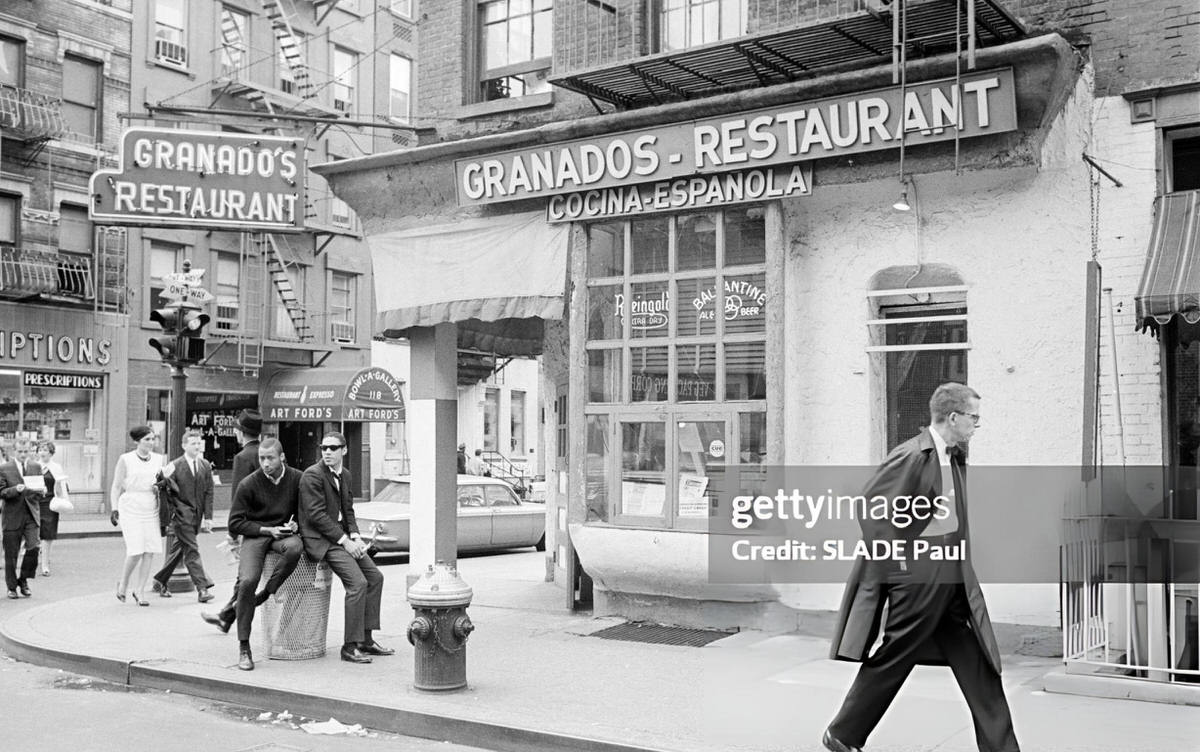
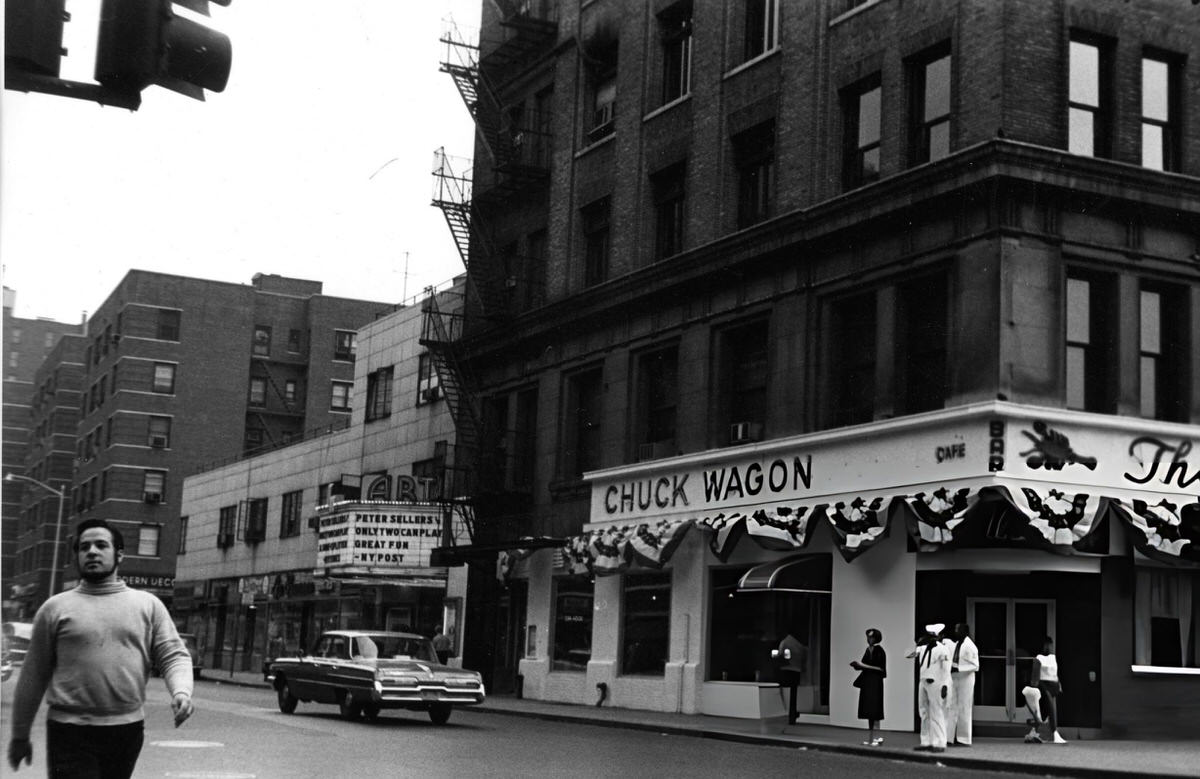
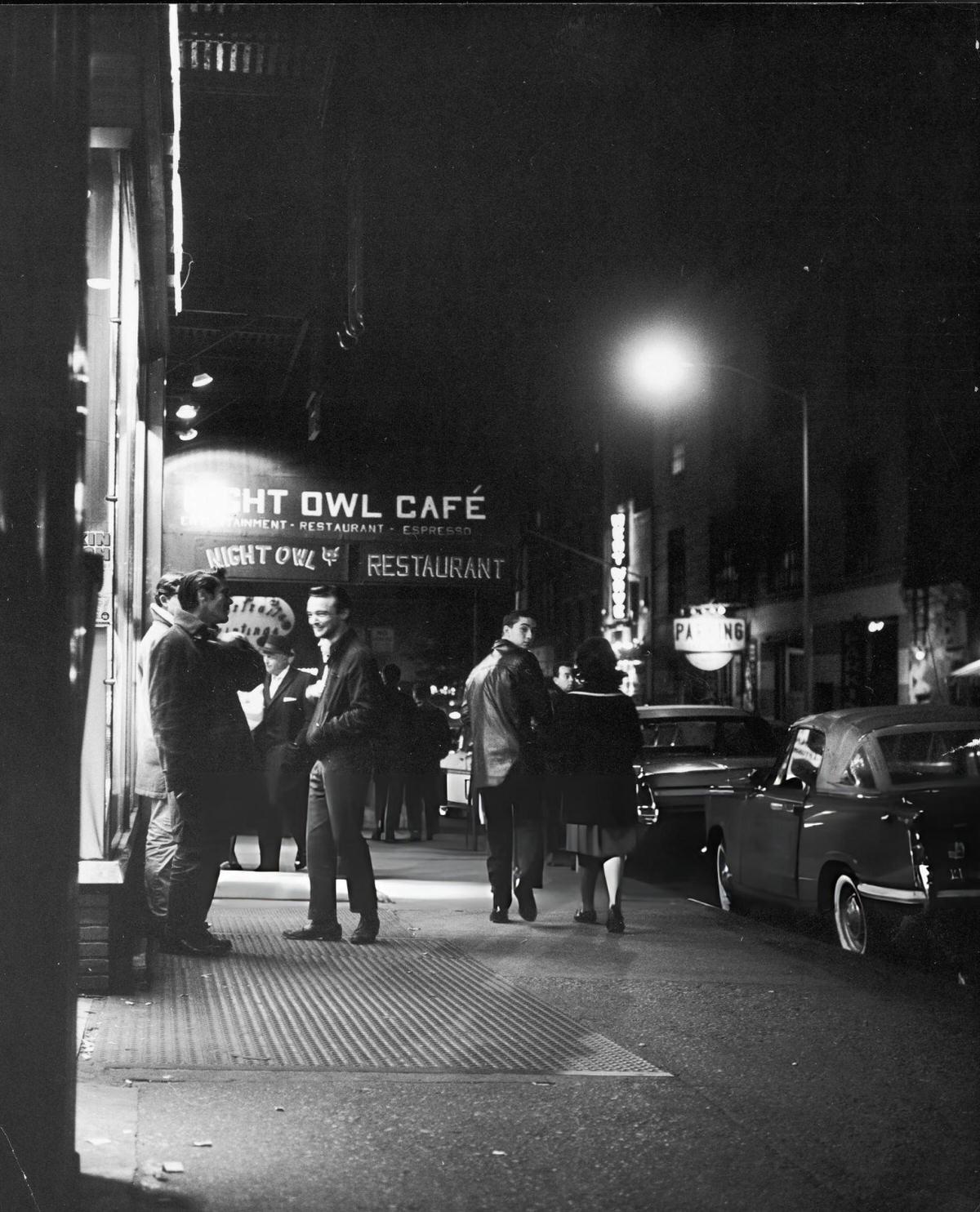
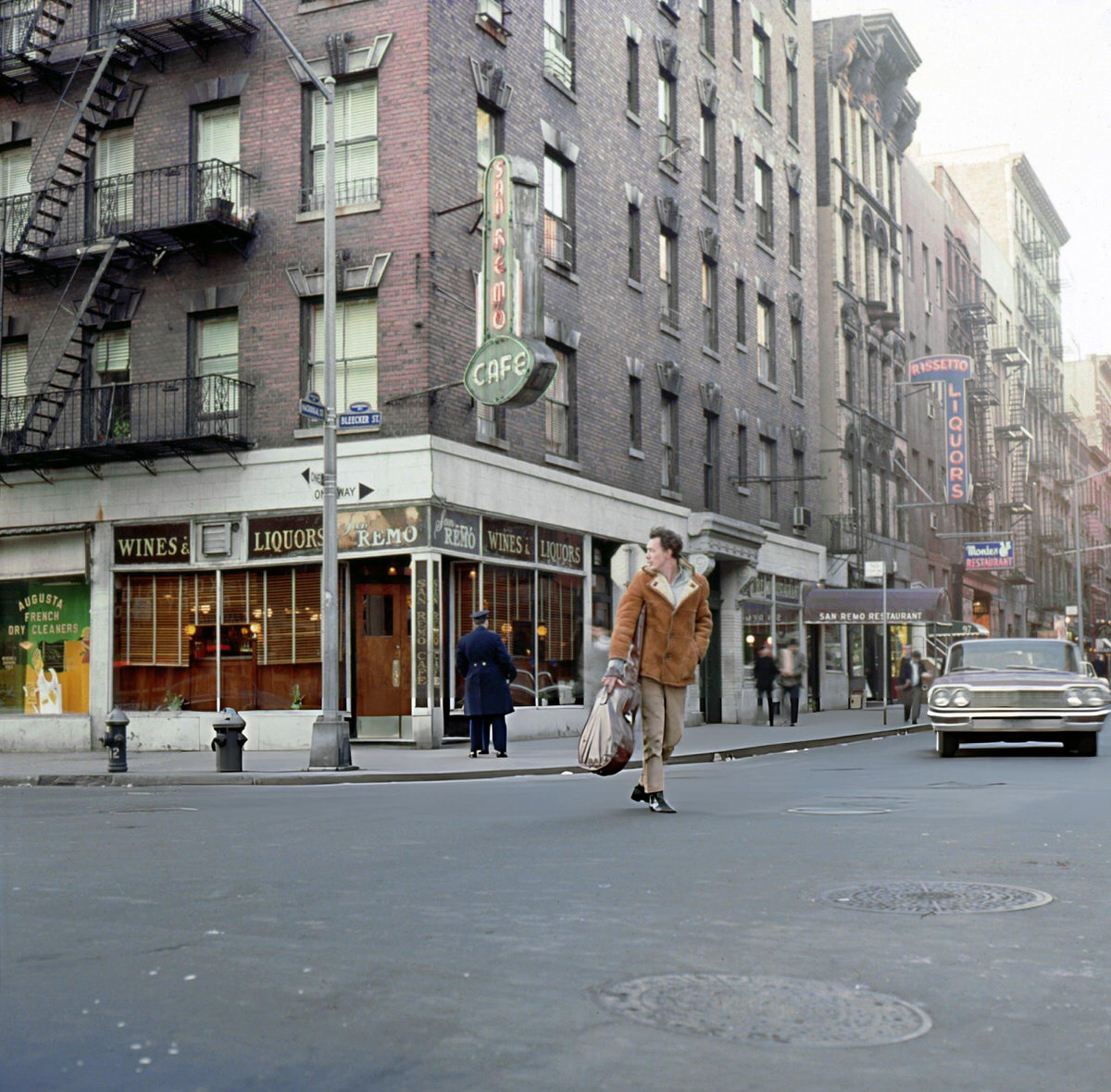
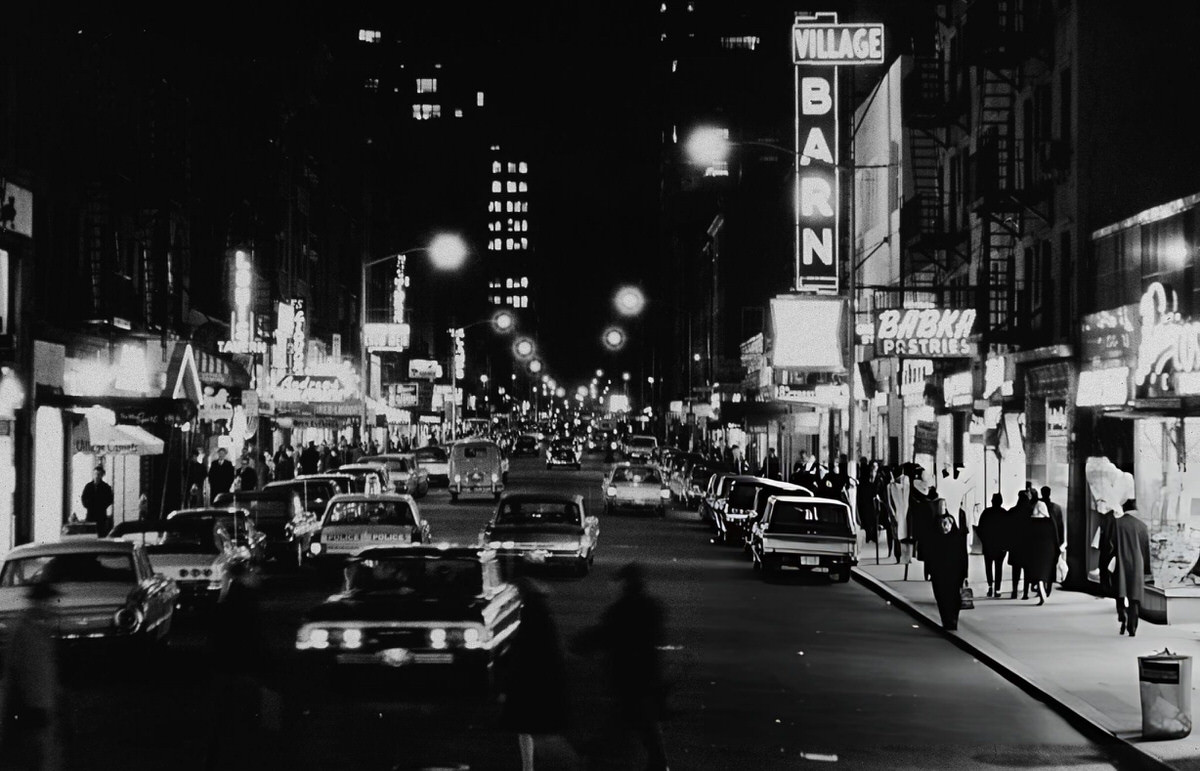
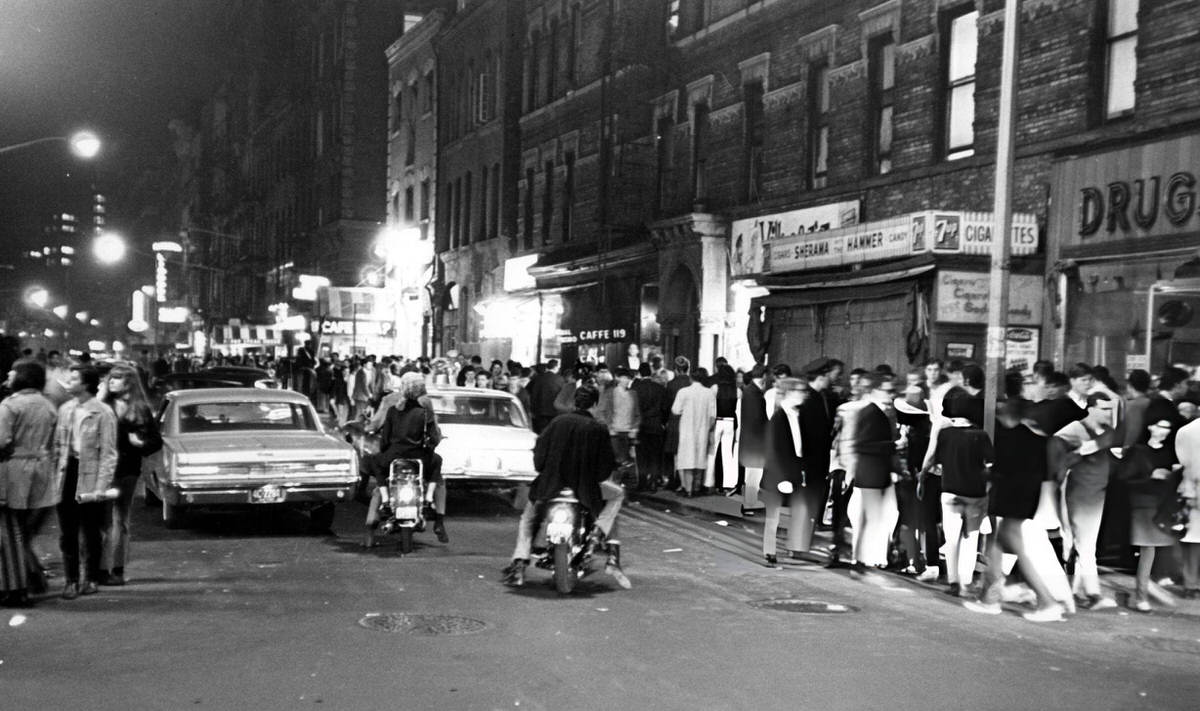
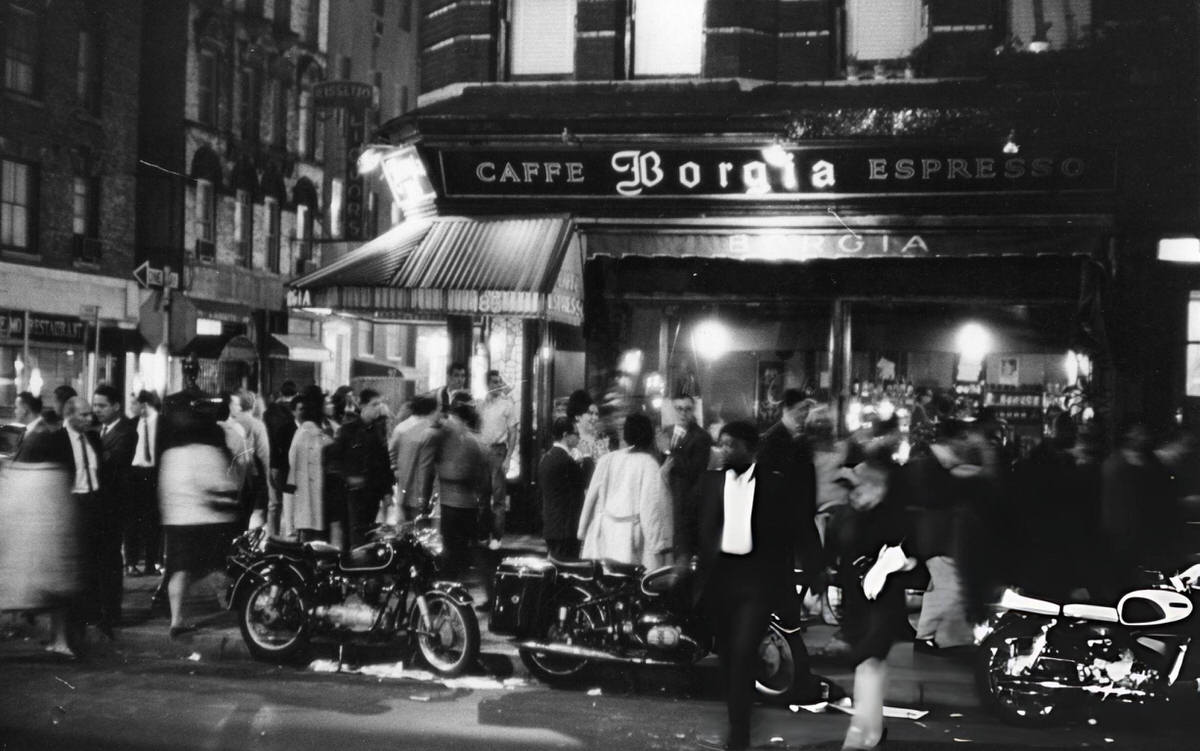
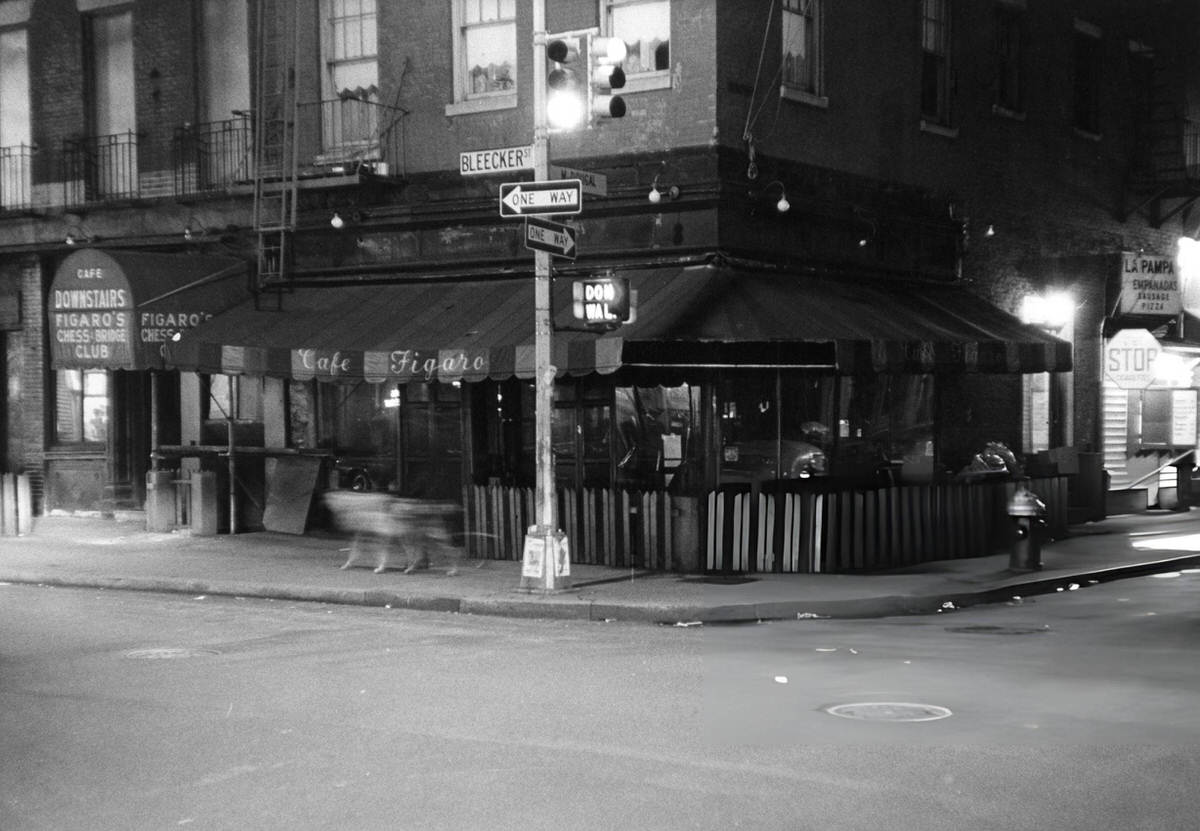
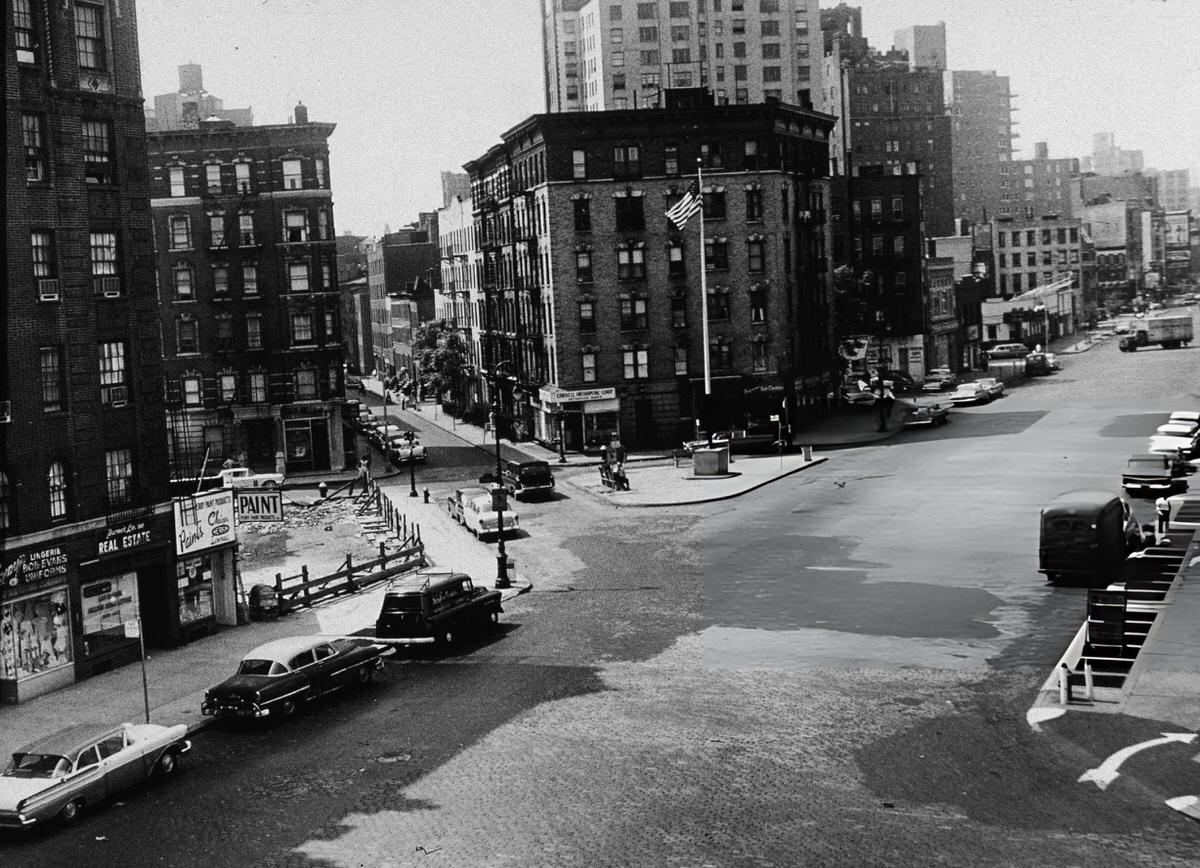
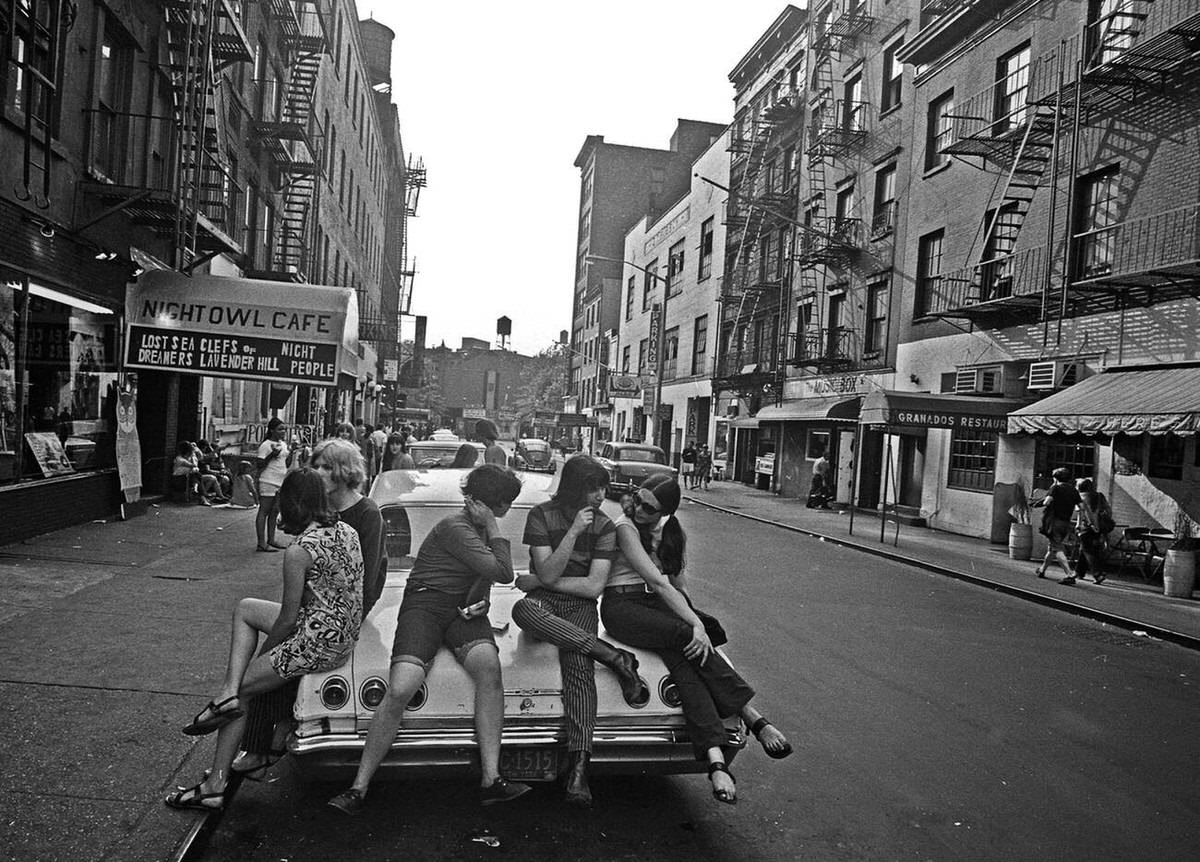
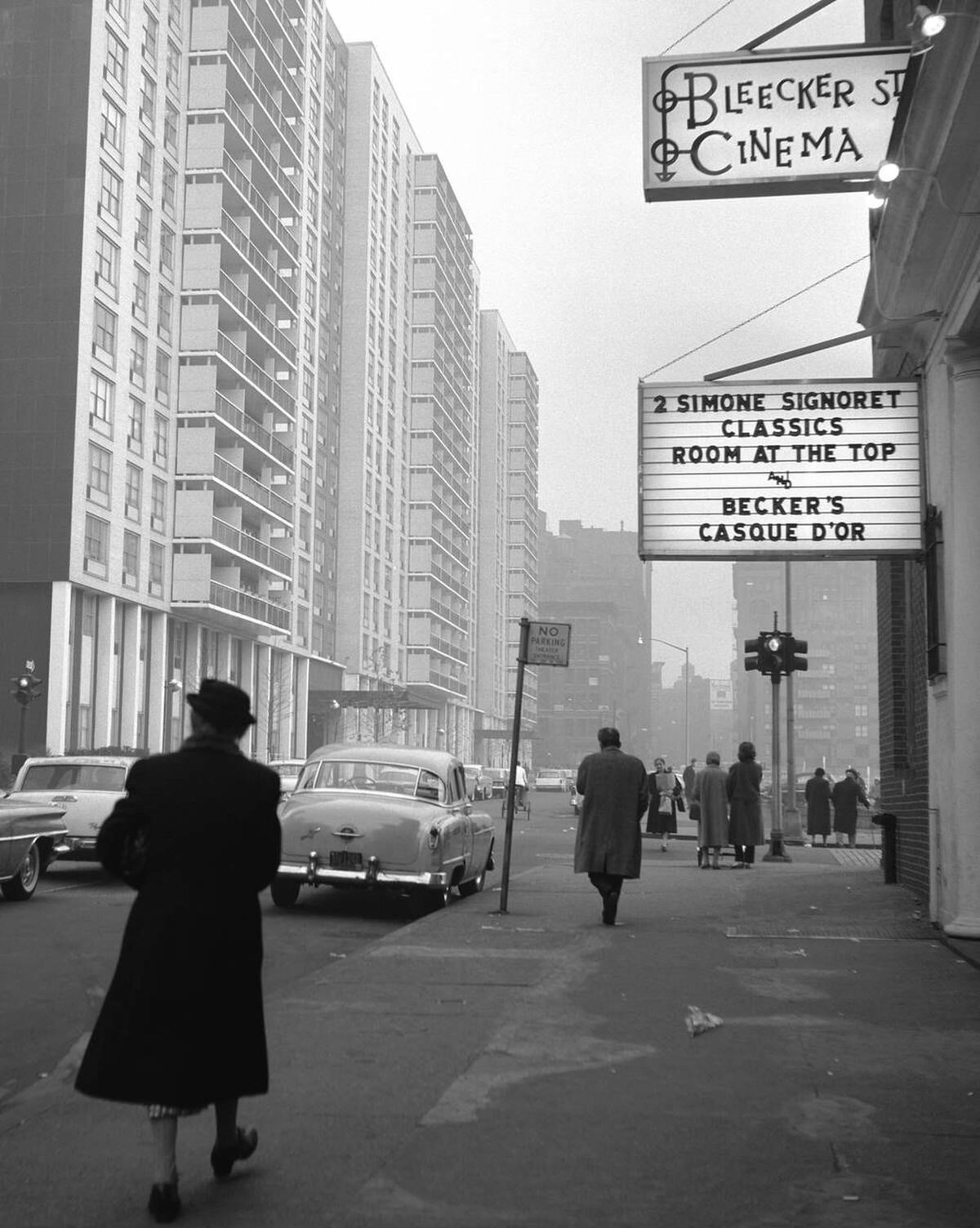
The corner of Bleecker and MacDougal smelled like espresso and cigarette smoke on most nights in 1961. Young people packed into coffeehouses with 50 seats, sitting on floors when chairs ran out, listening to someone with a guitar and something to say. Greenwich Village was not a quiet neighborhood. It was a fight happening out loud.
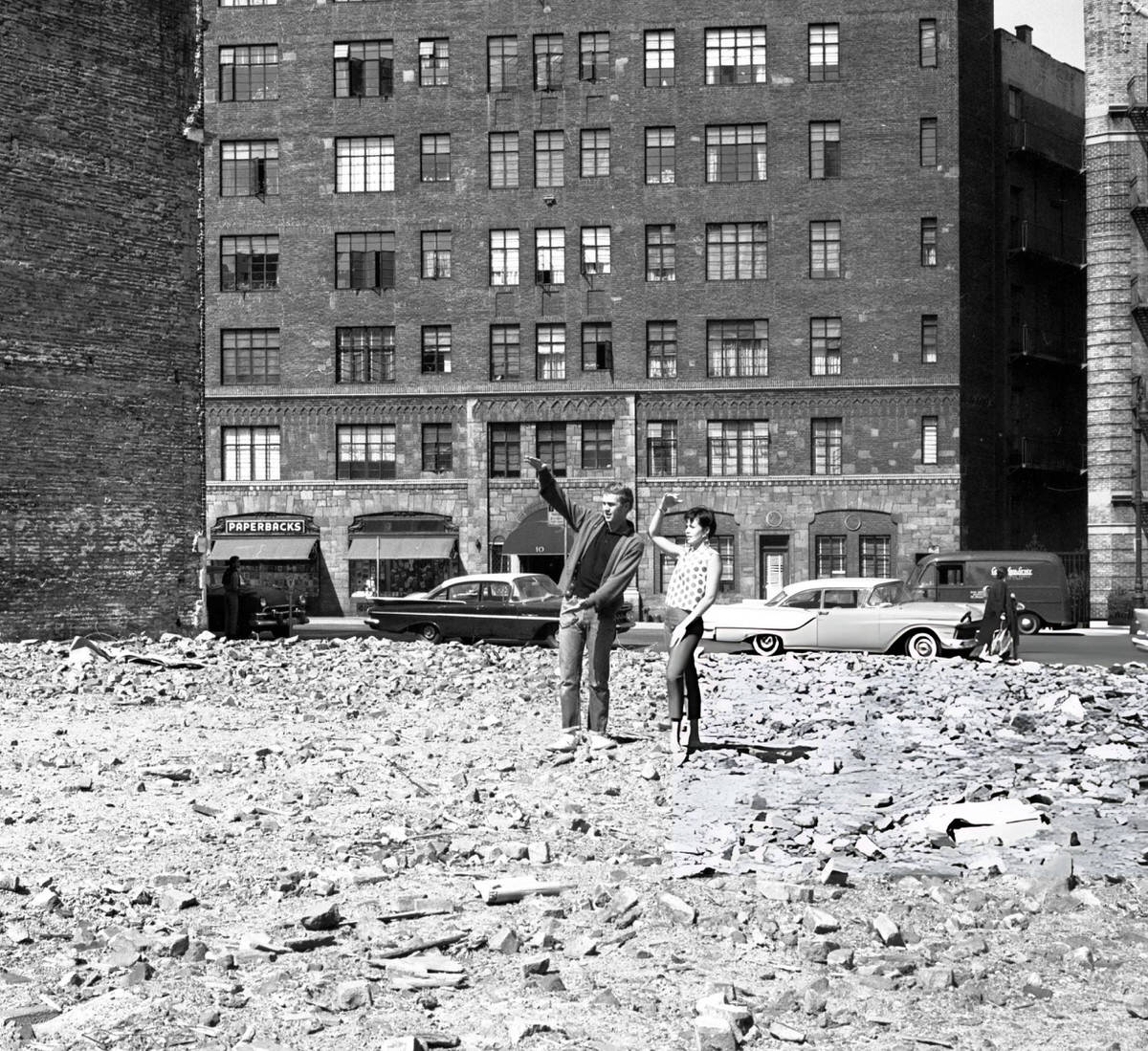
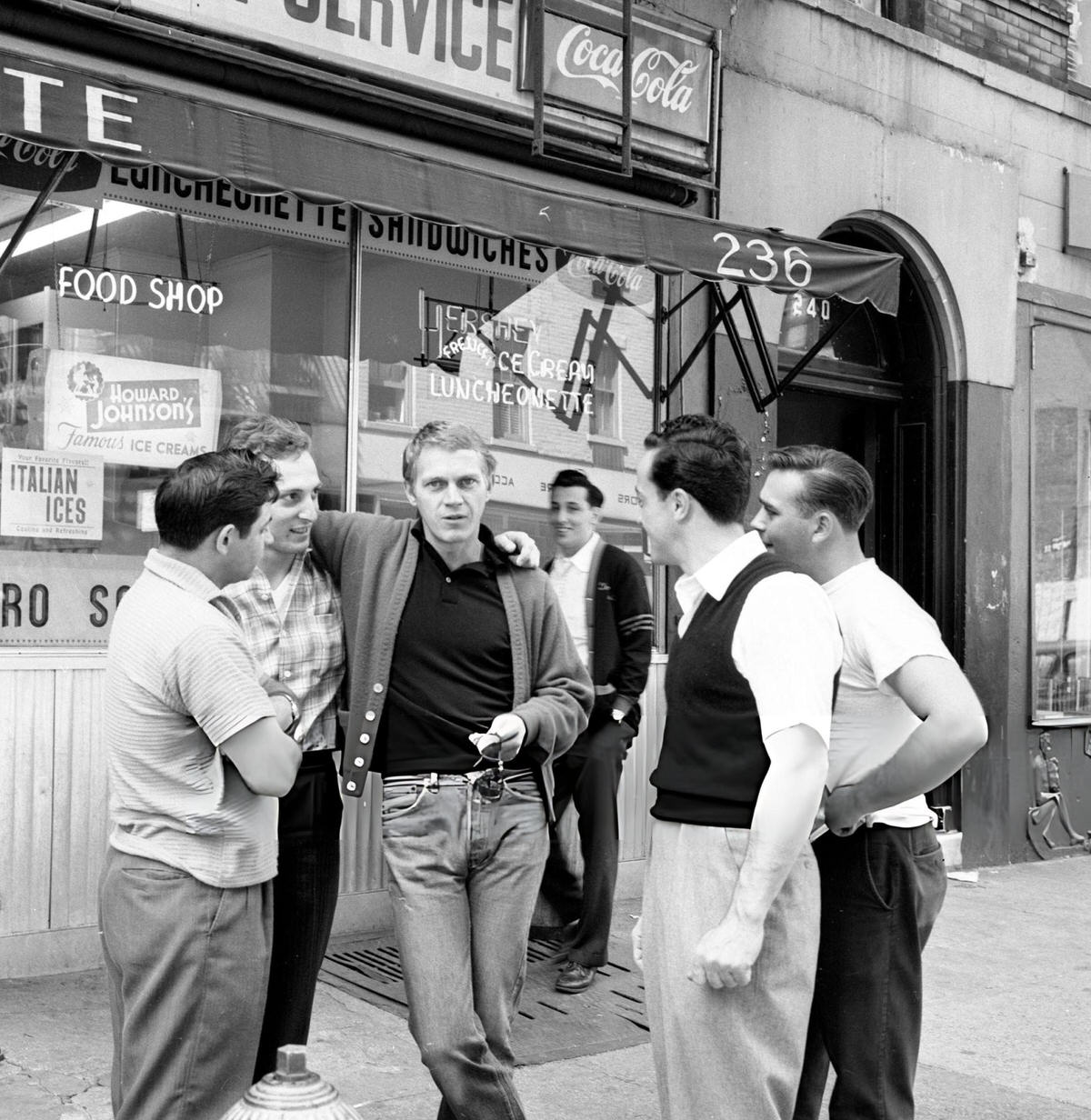
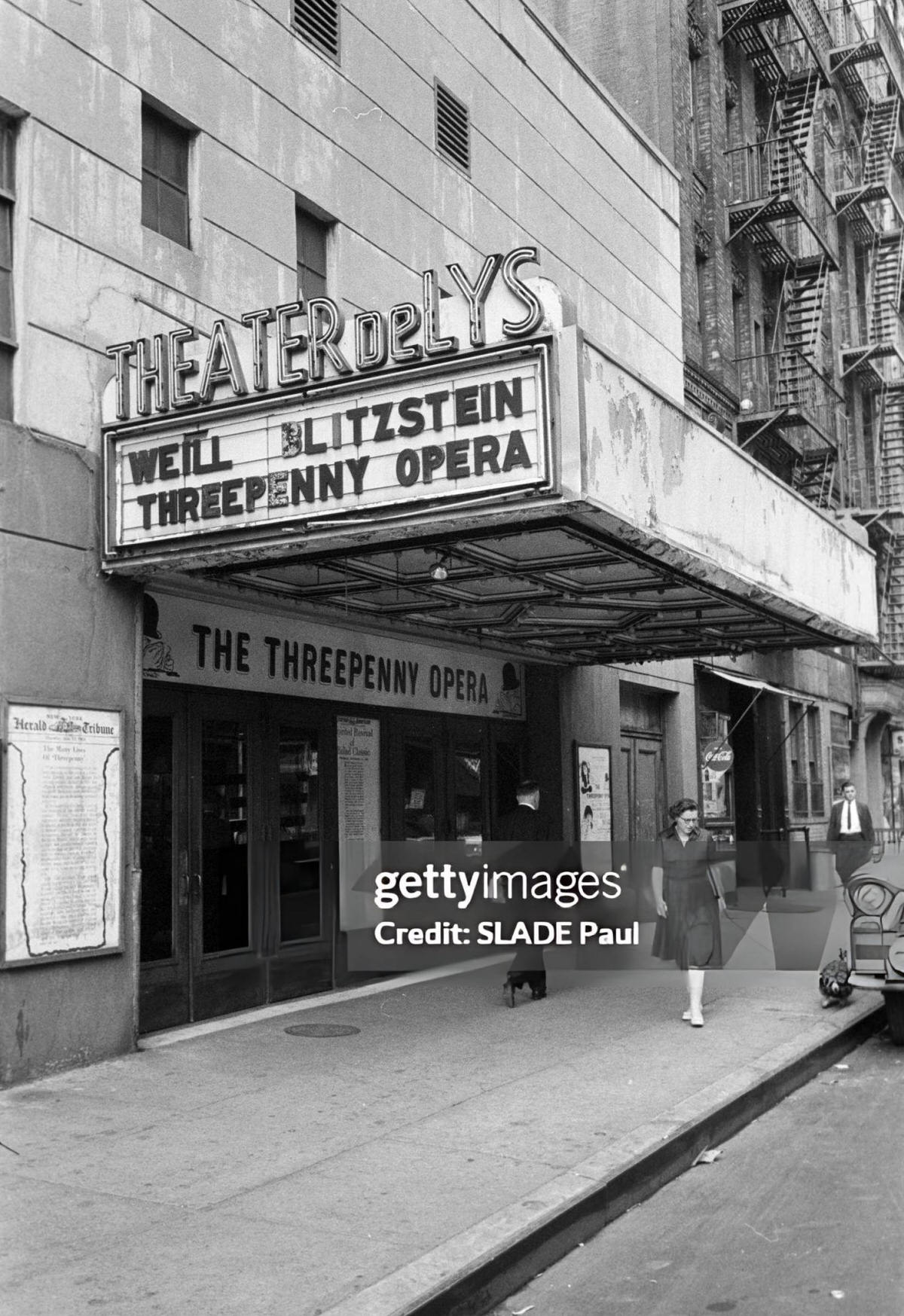
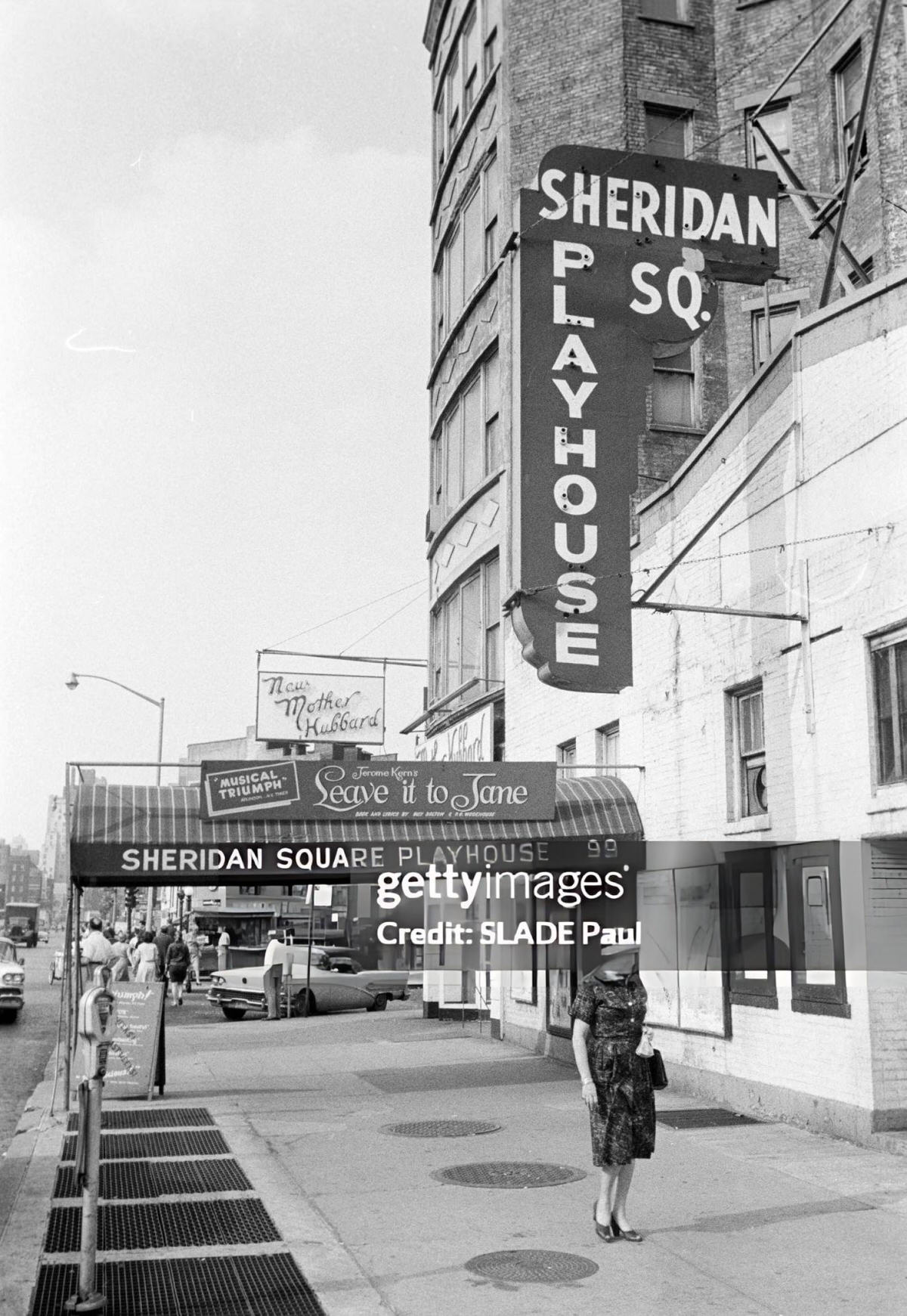
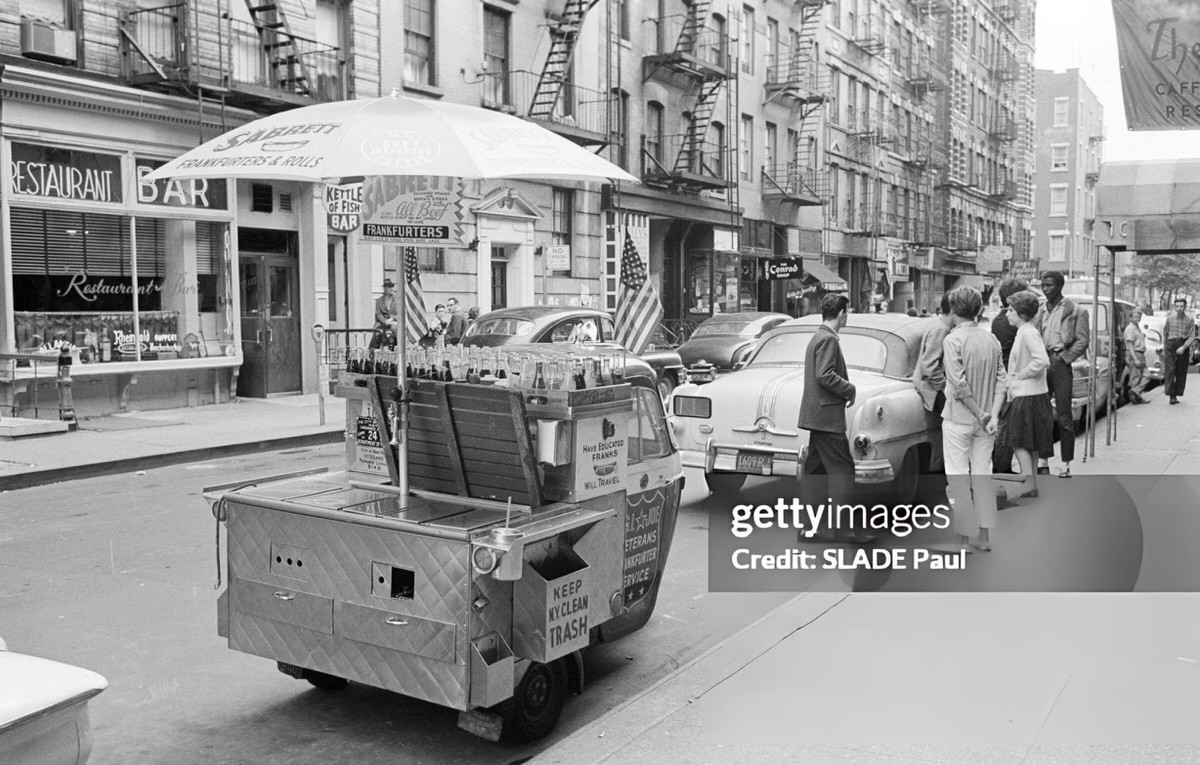
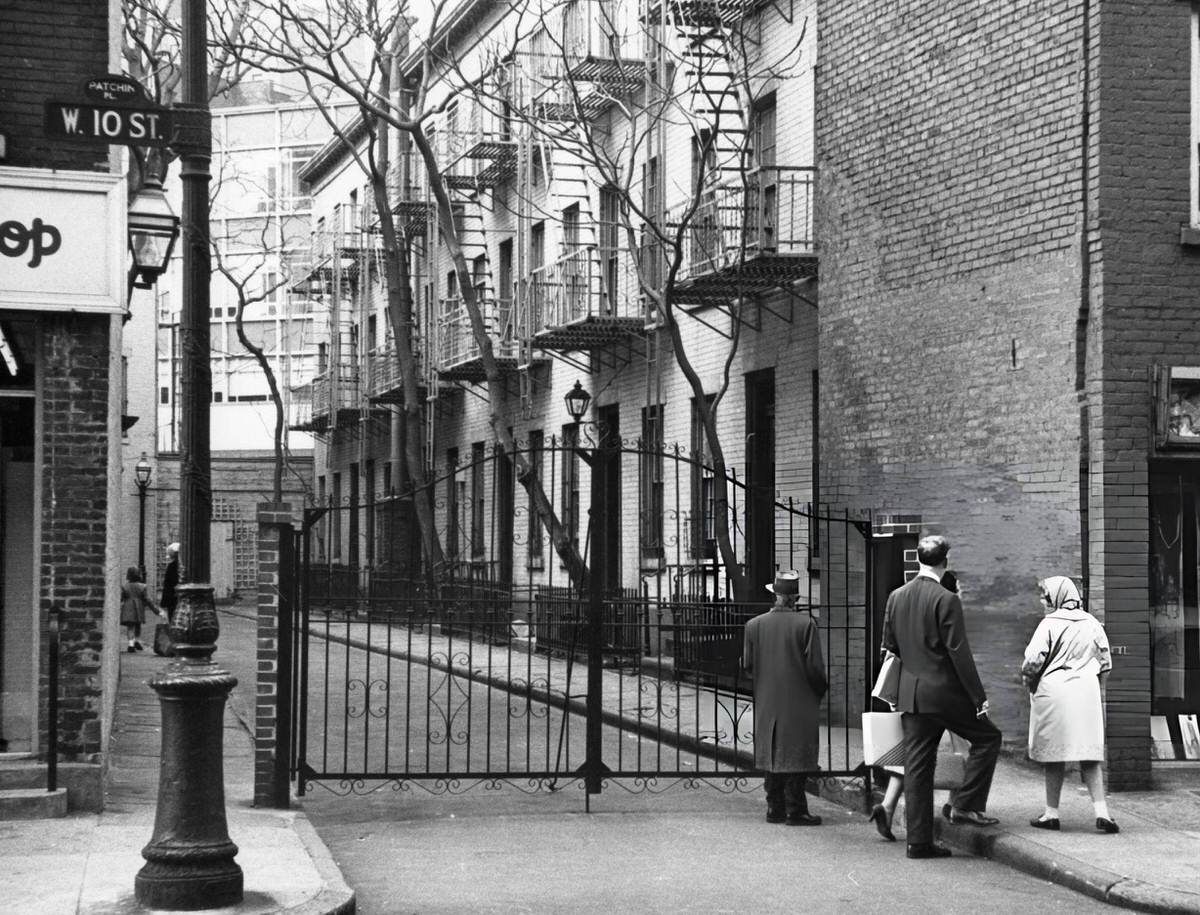
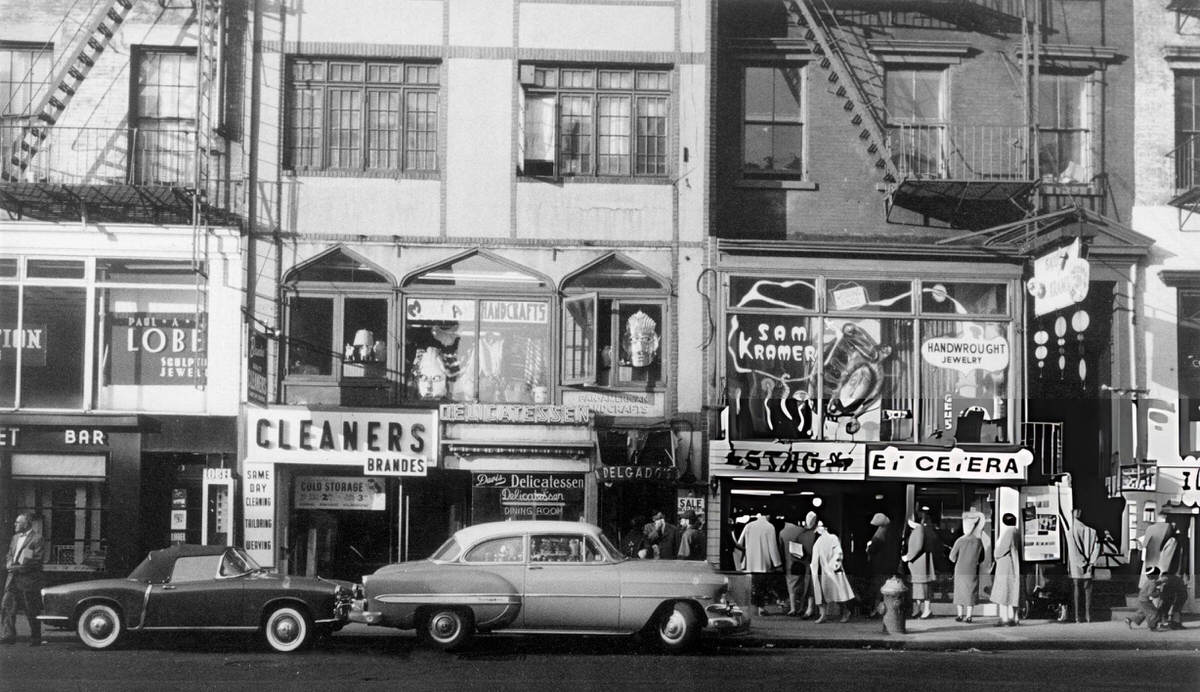
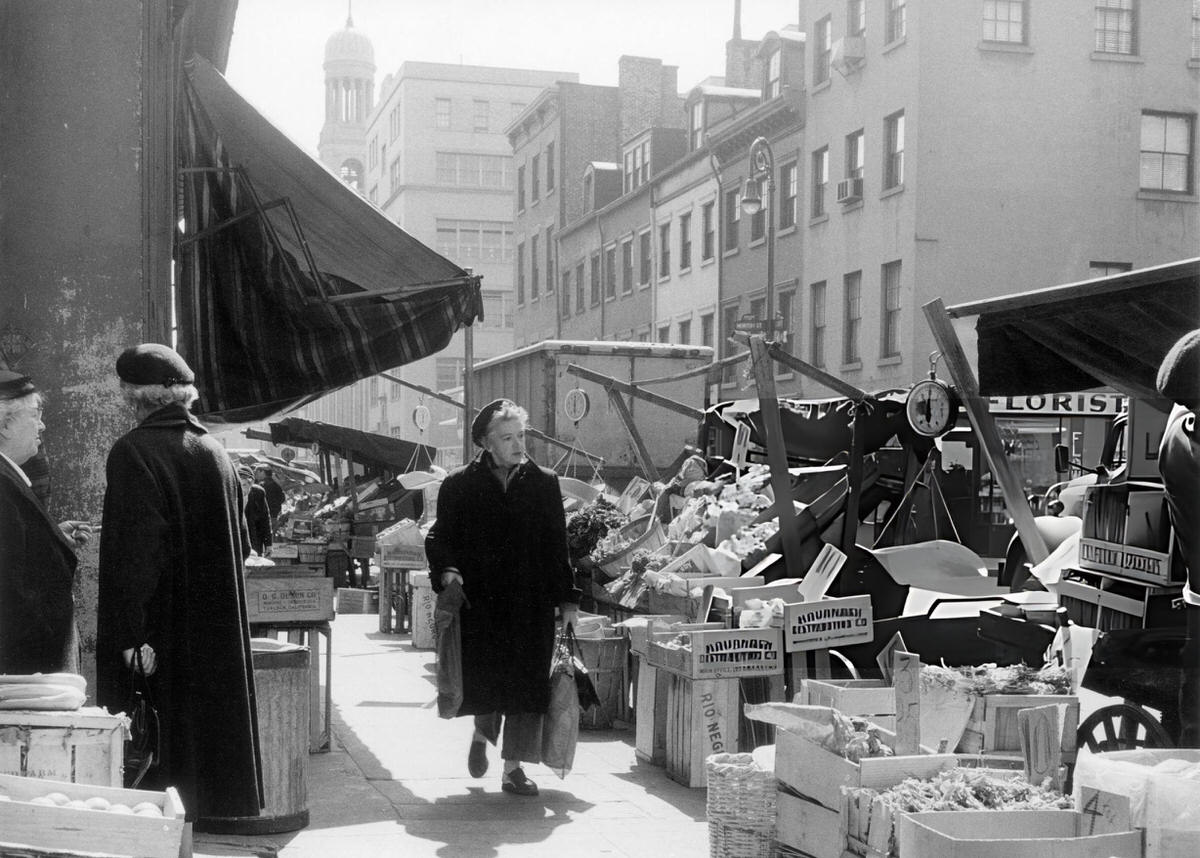
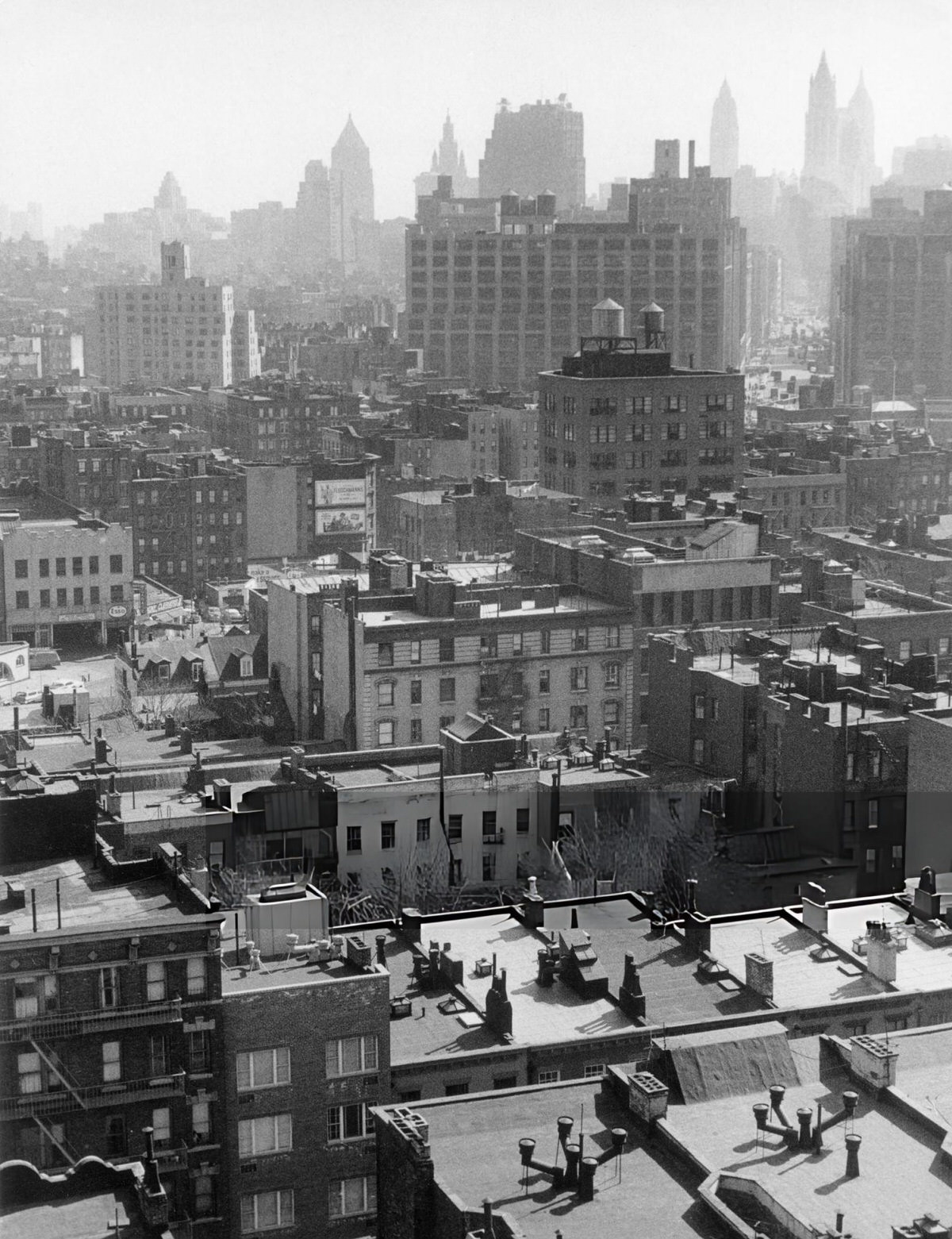
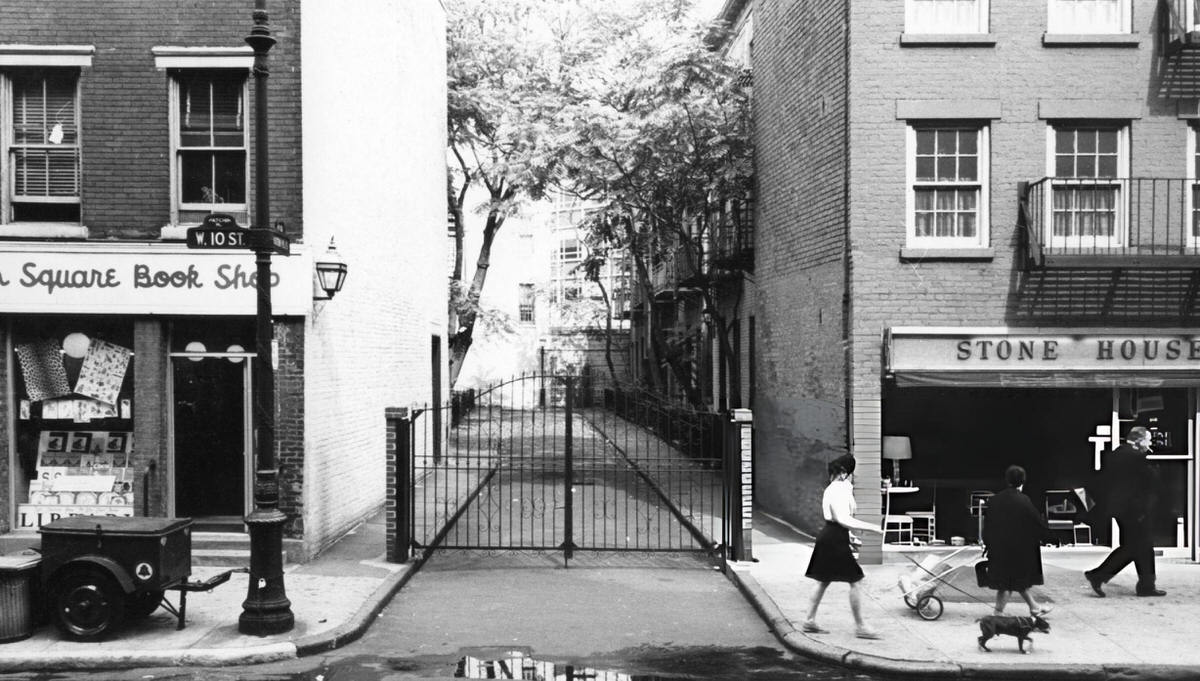
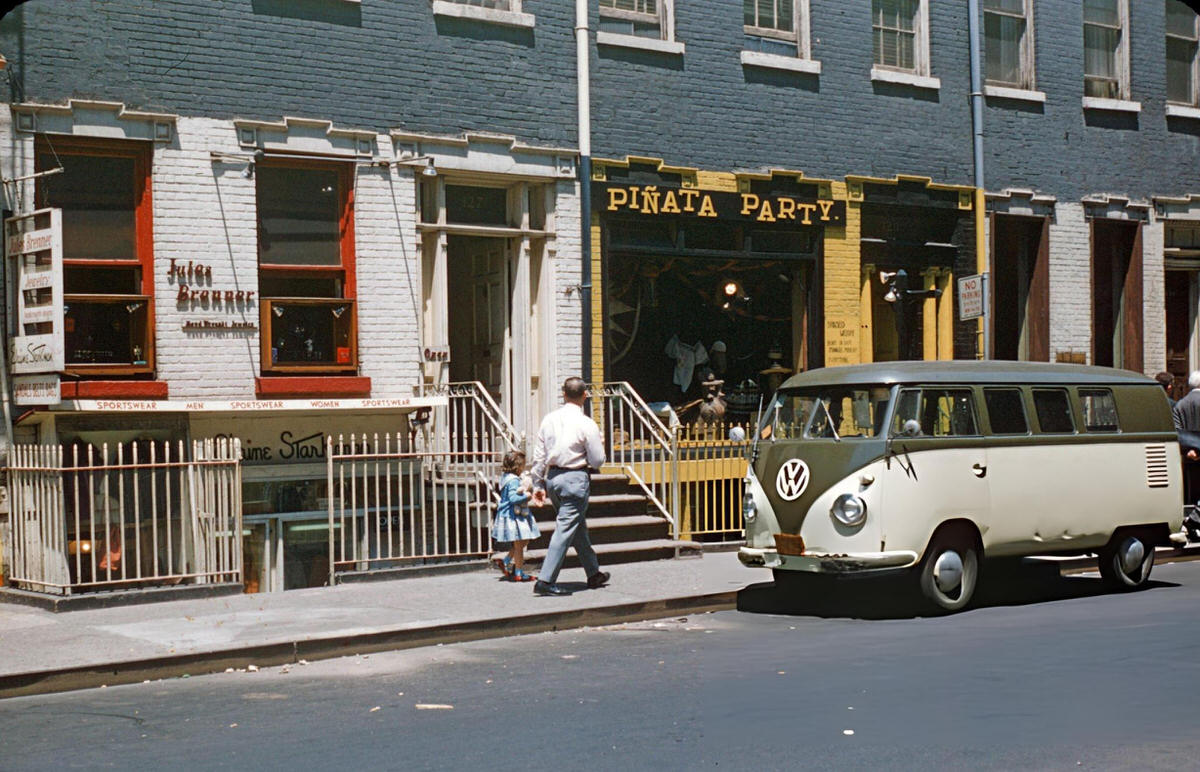
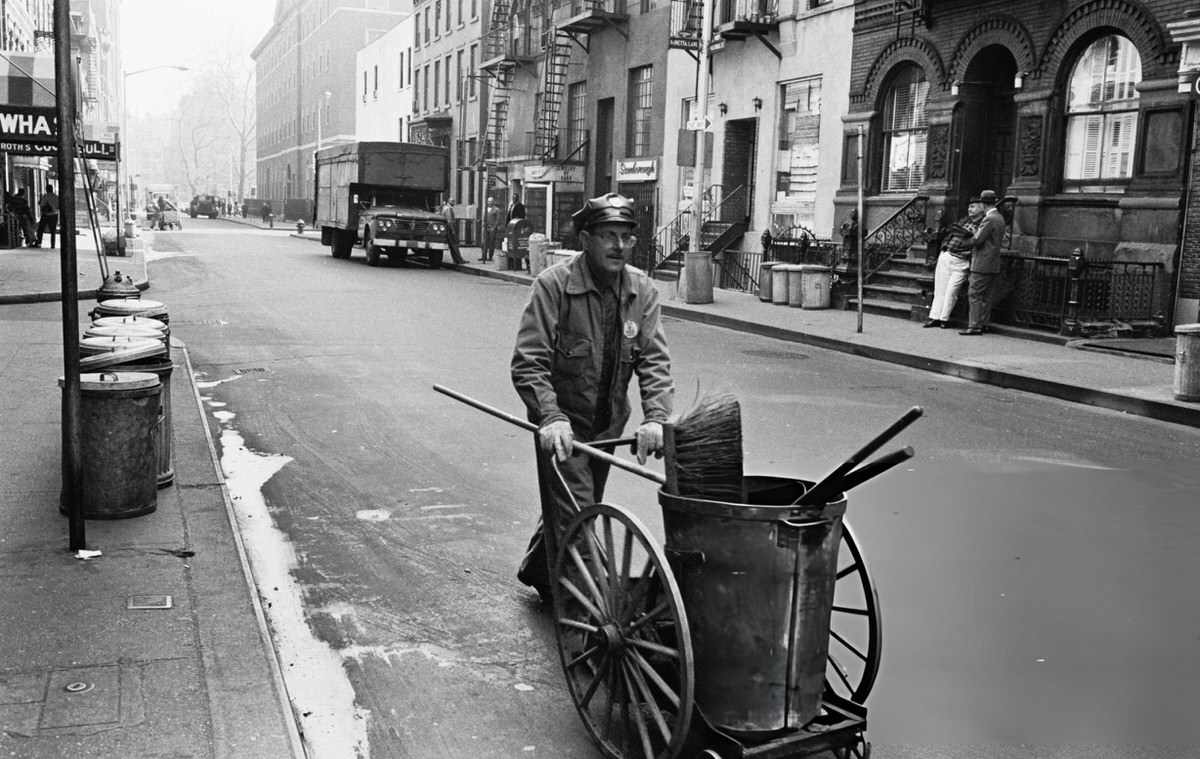
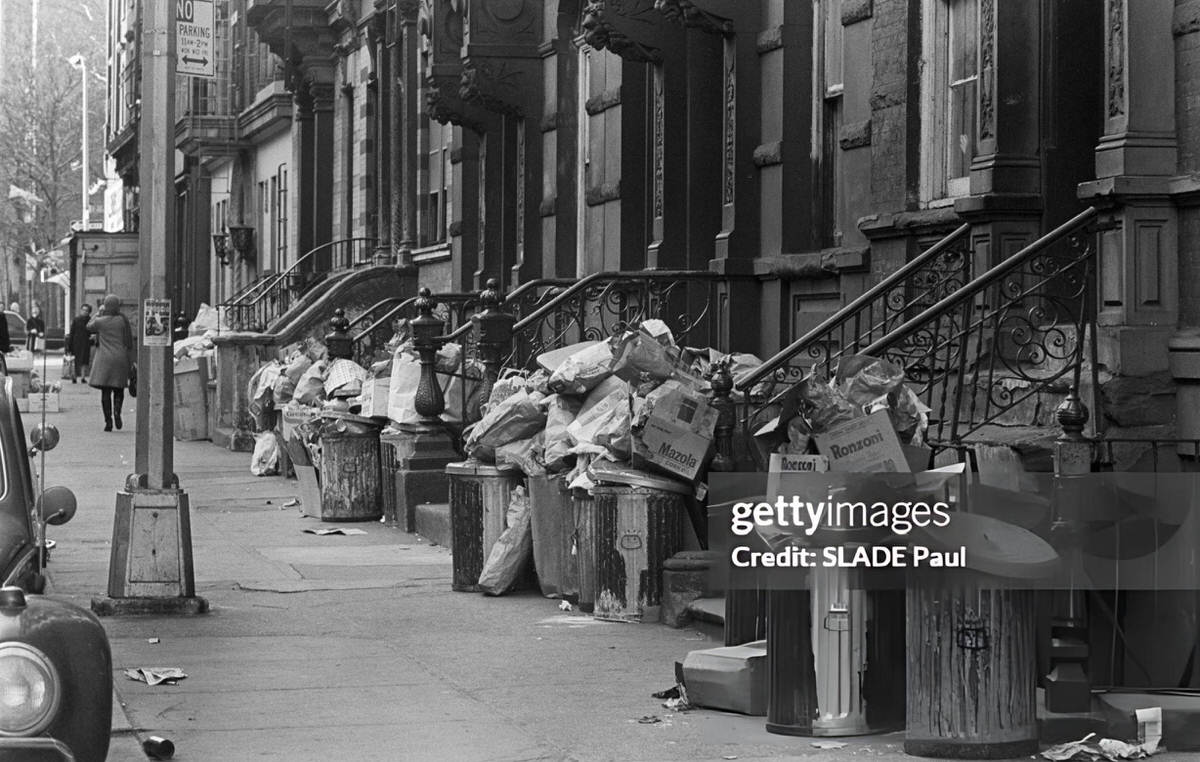
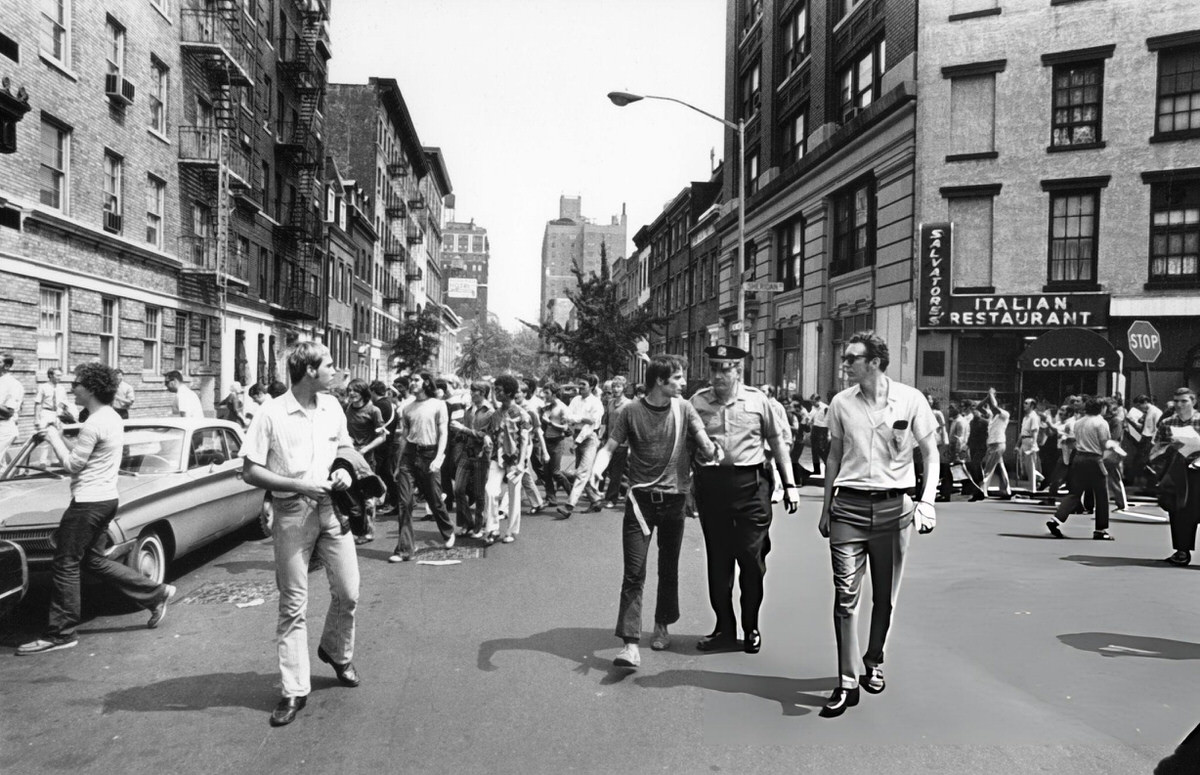
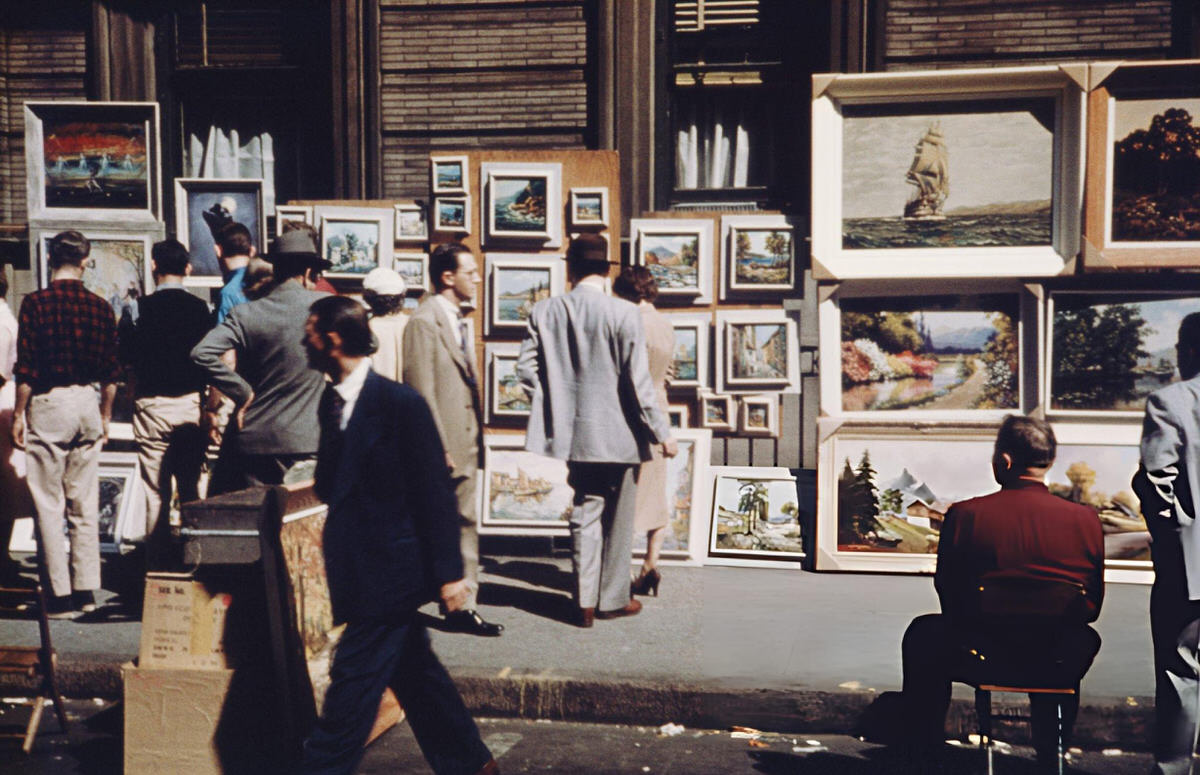
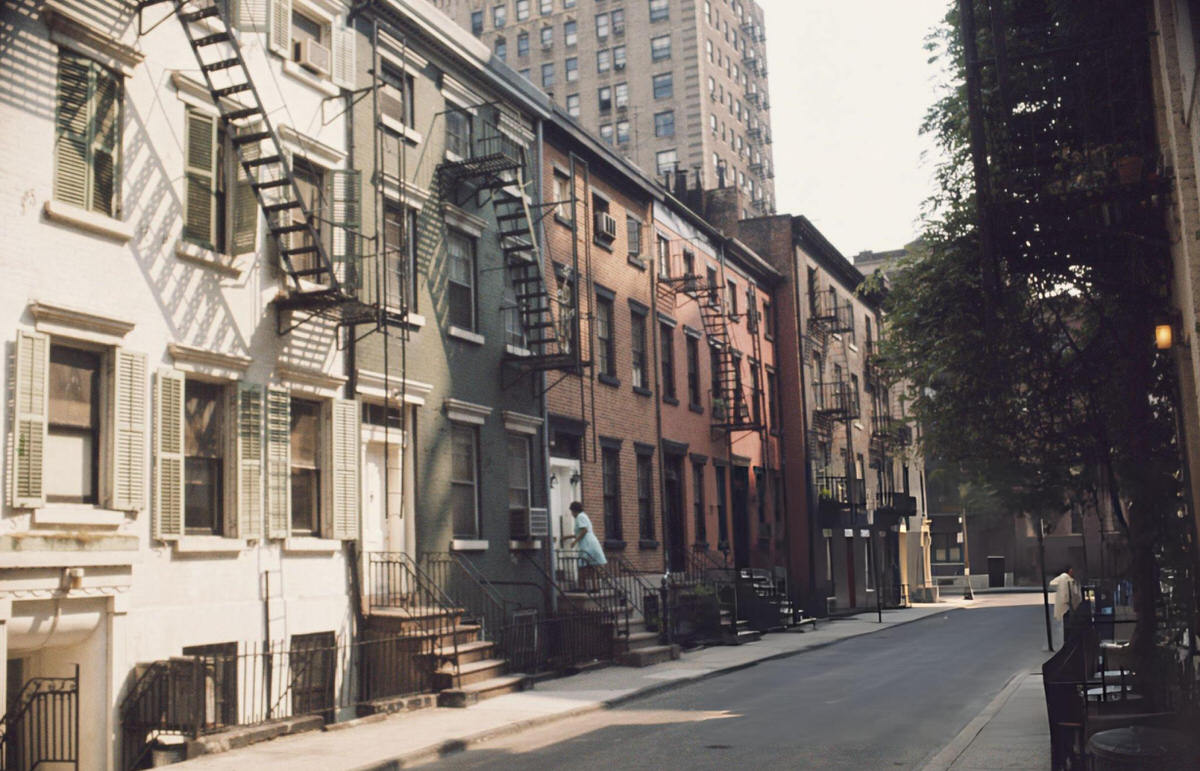
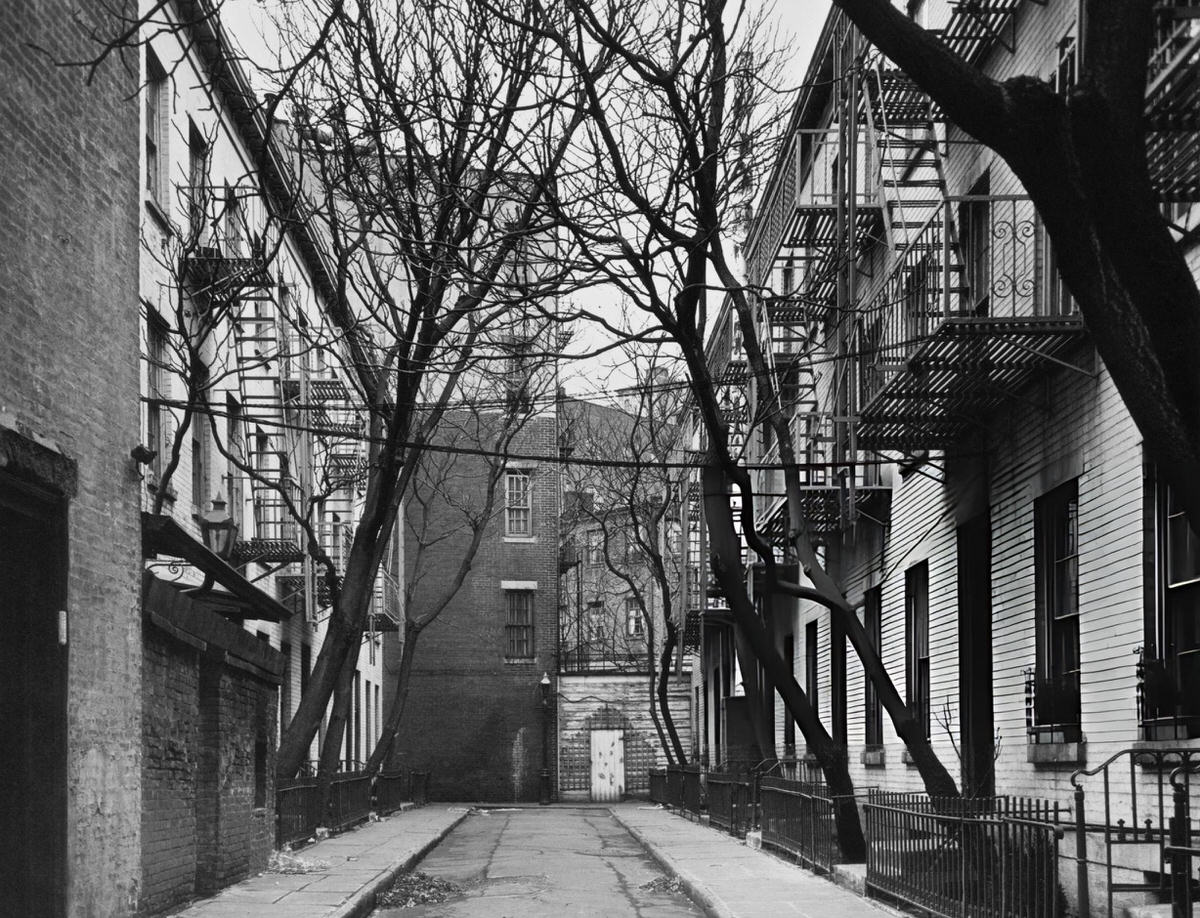
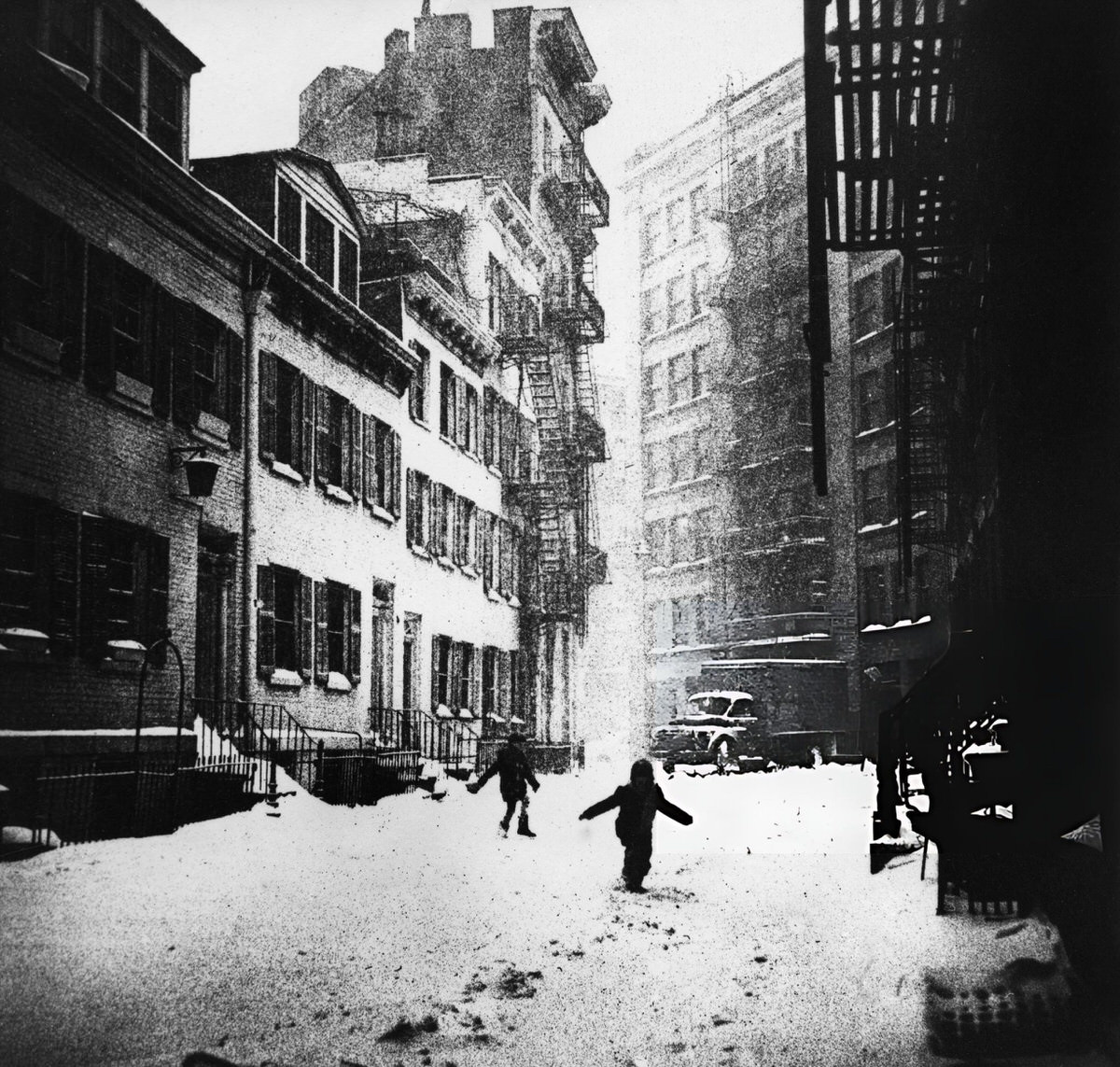
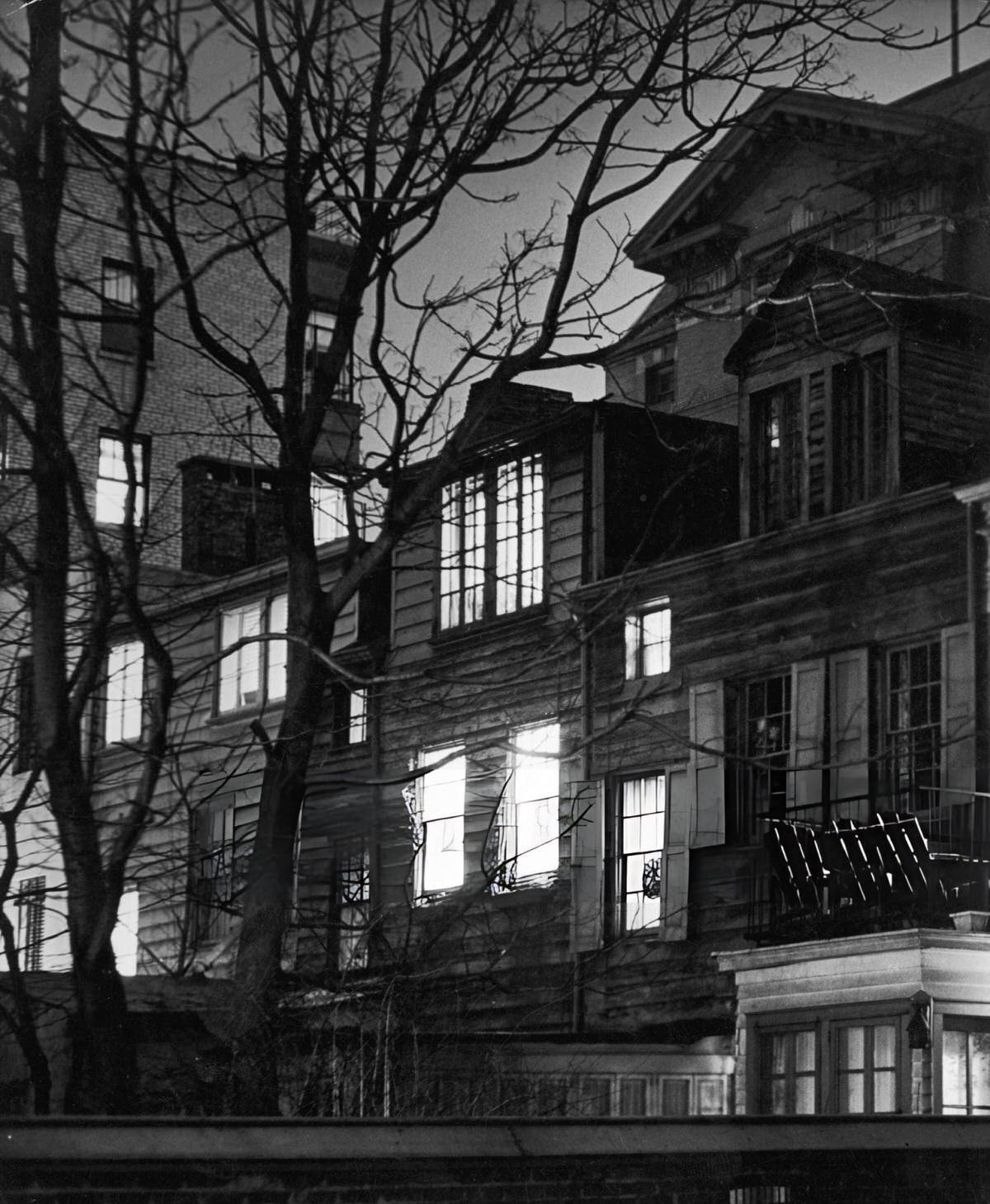
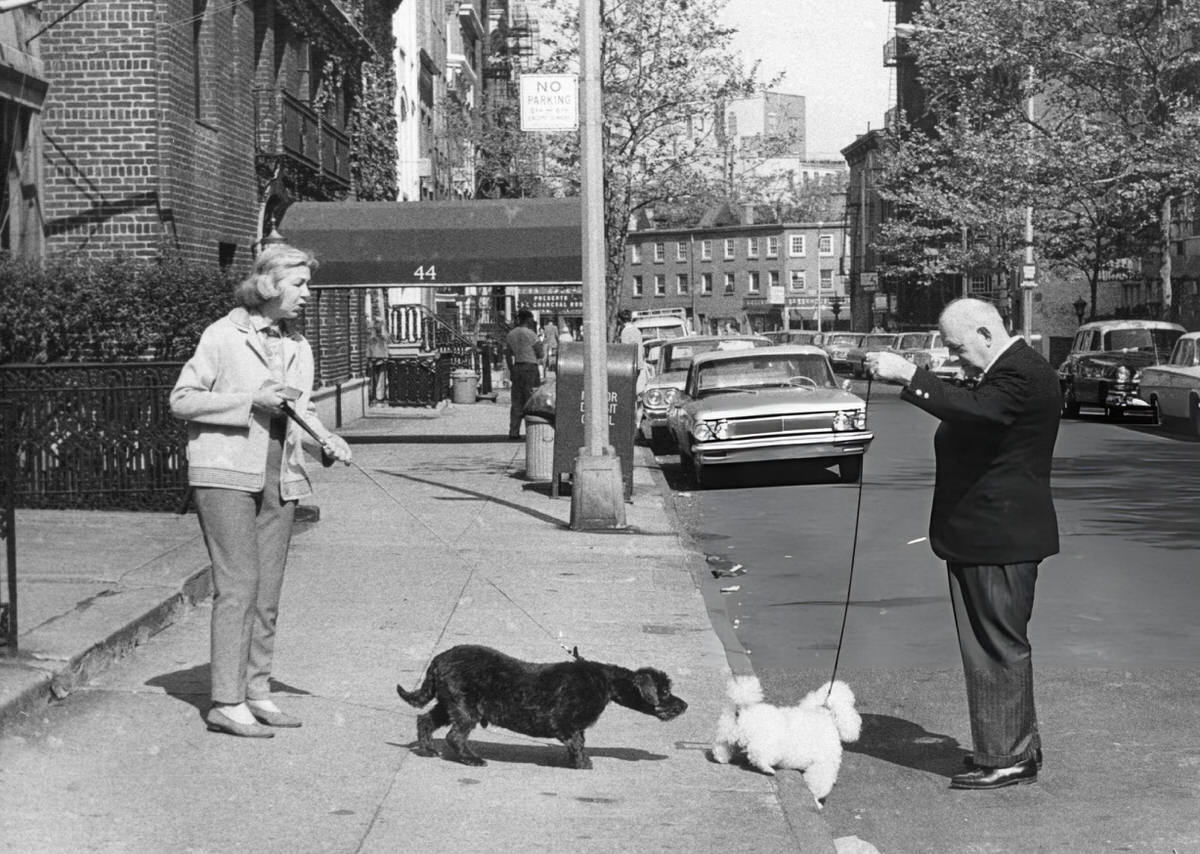
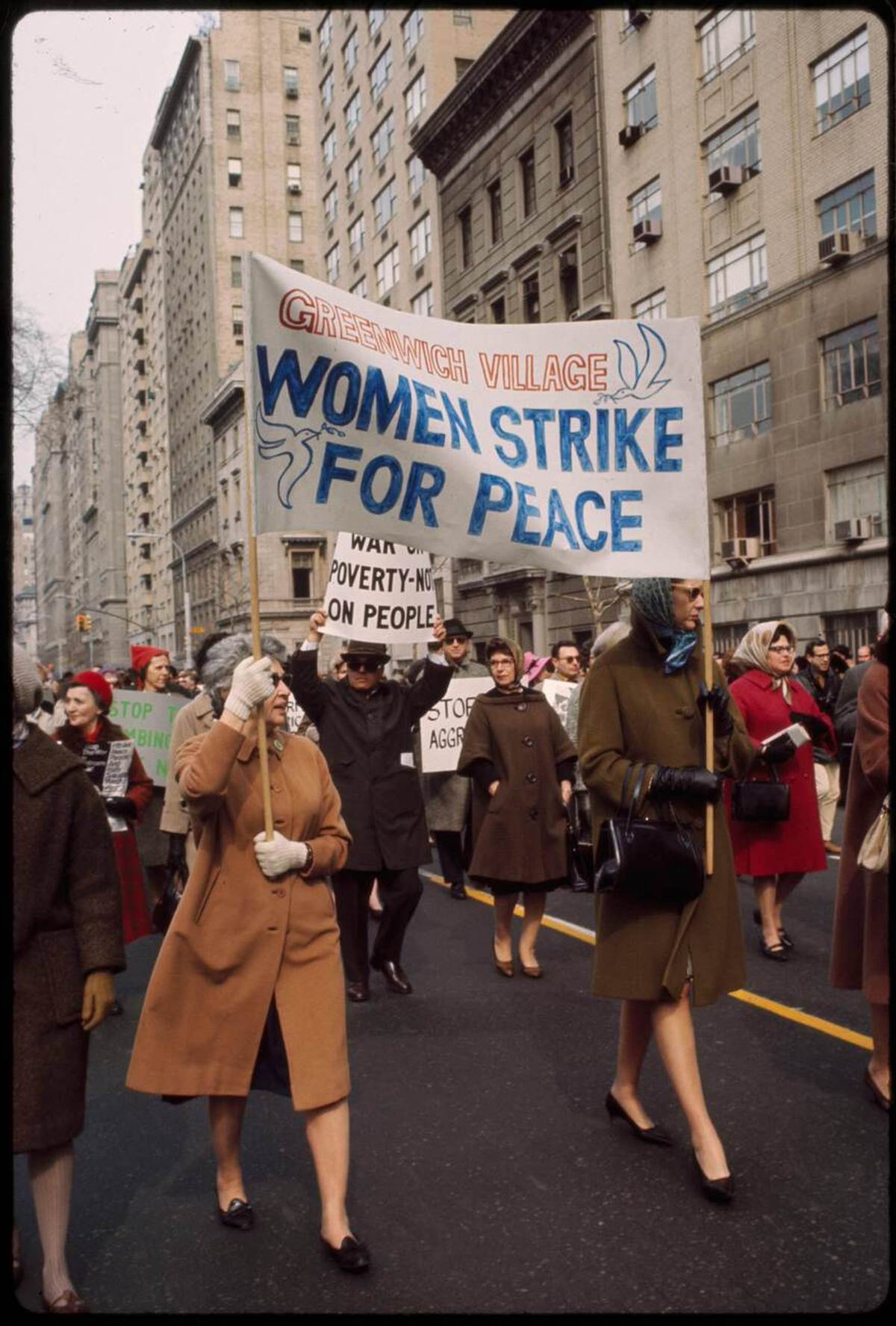
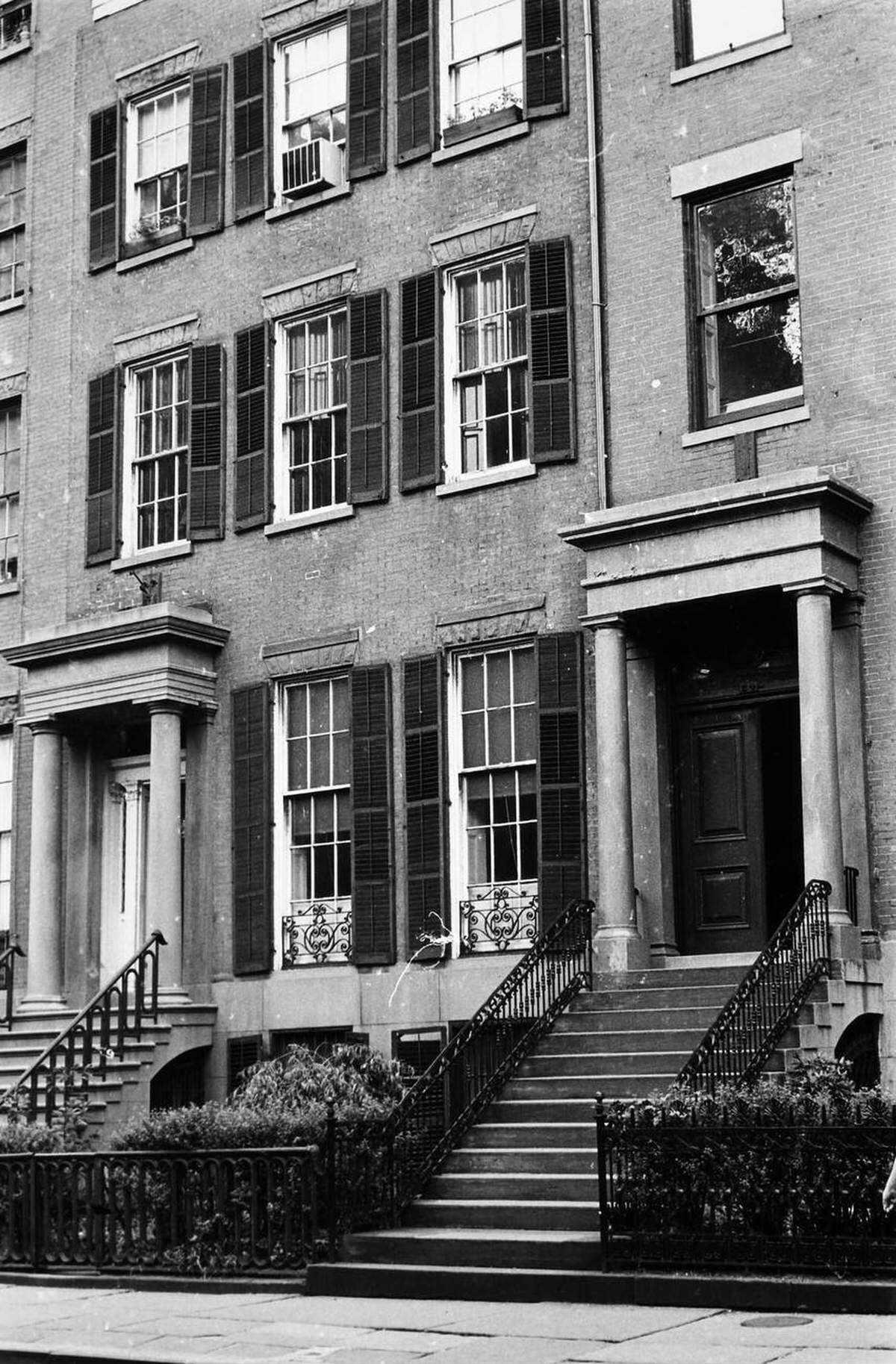
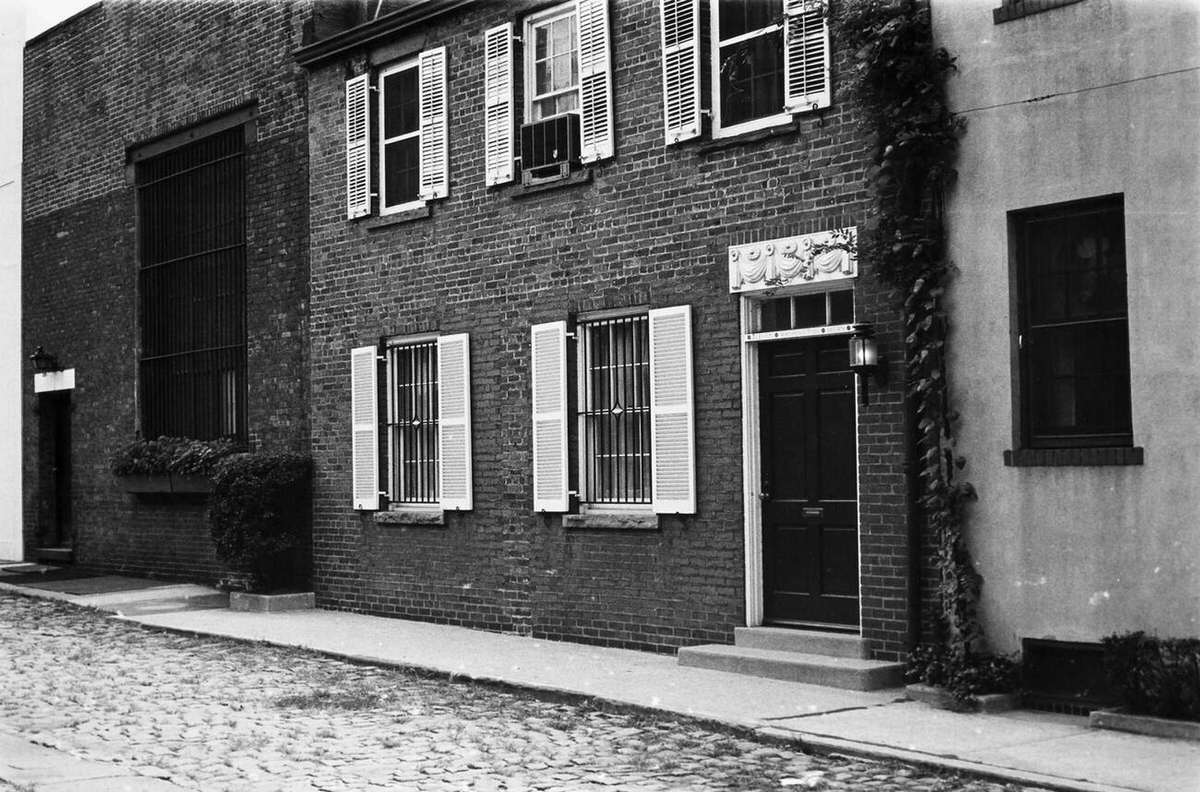
The Village, as locals called it, sat in lower Manhattan west of Broadway. Its streets ran at odd angles compared to the grid above 14th Street — crooked blocks, narrow sidewalks, brownstones packed tight. It had been an artists’ neighborhood since the 1910s, but the 1960s turned it into something sharper. The politics got louder. The music got harder. The stakes felt real.
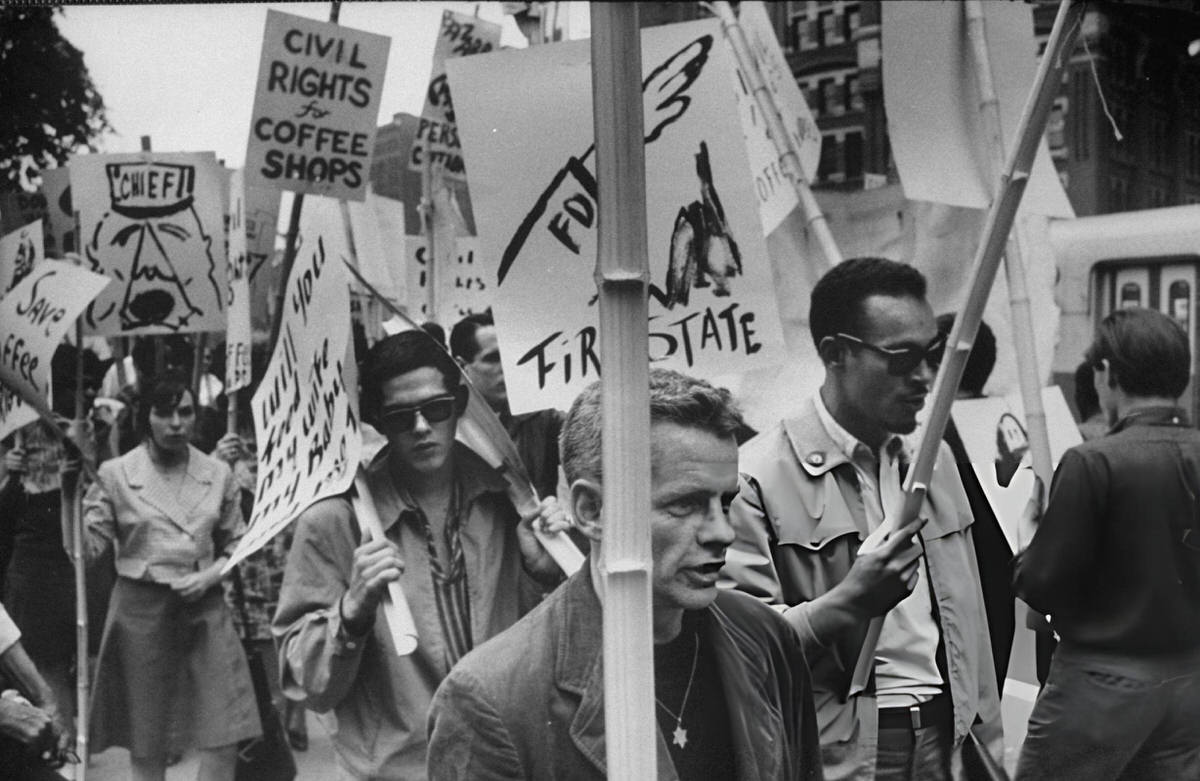
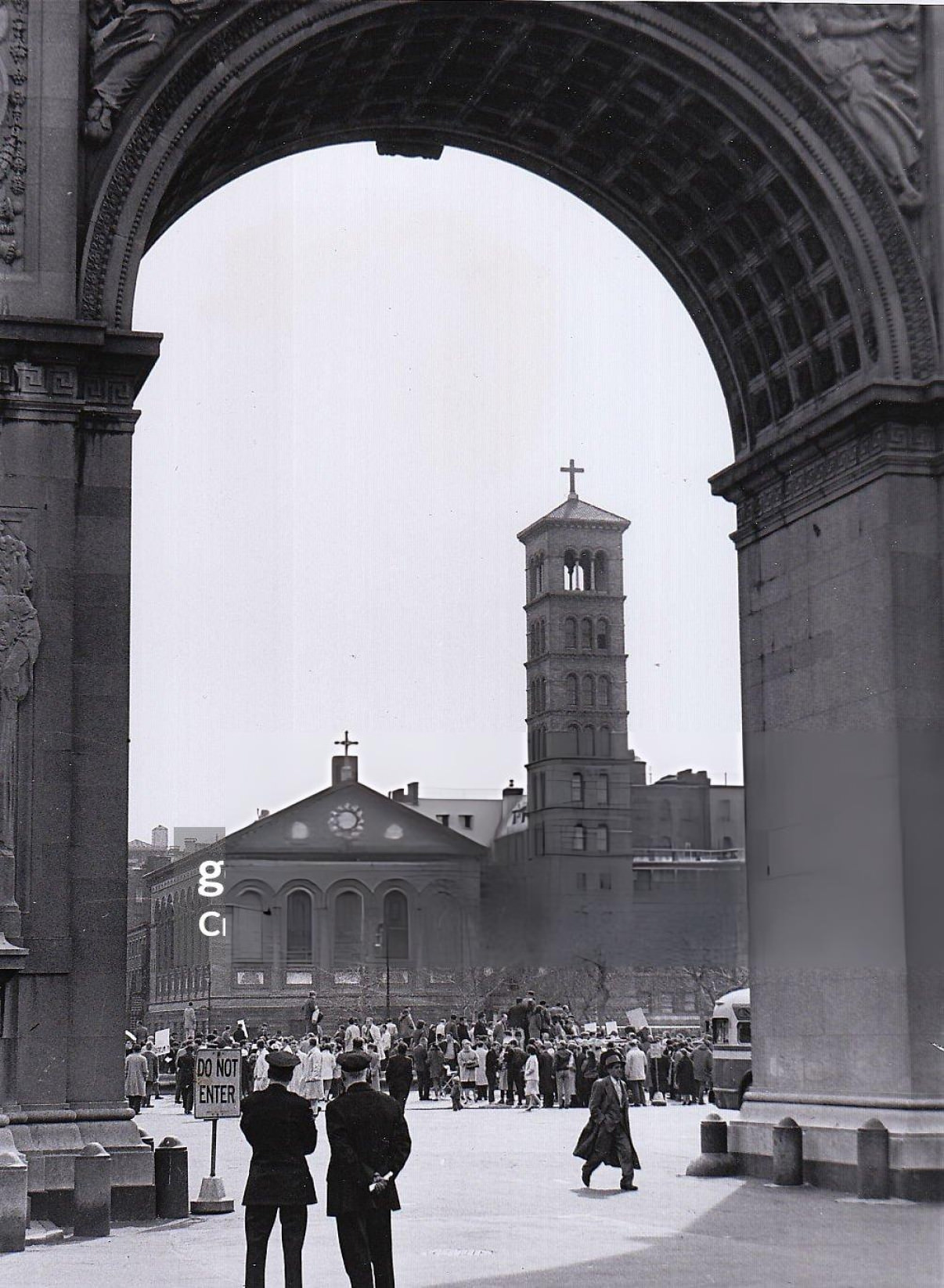
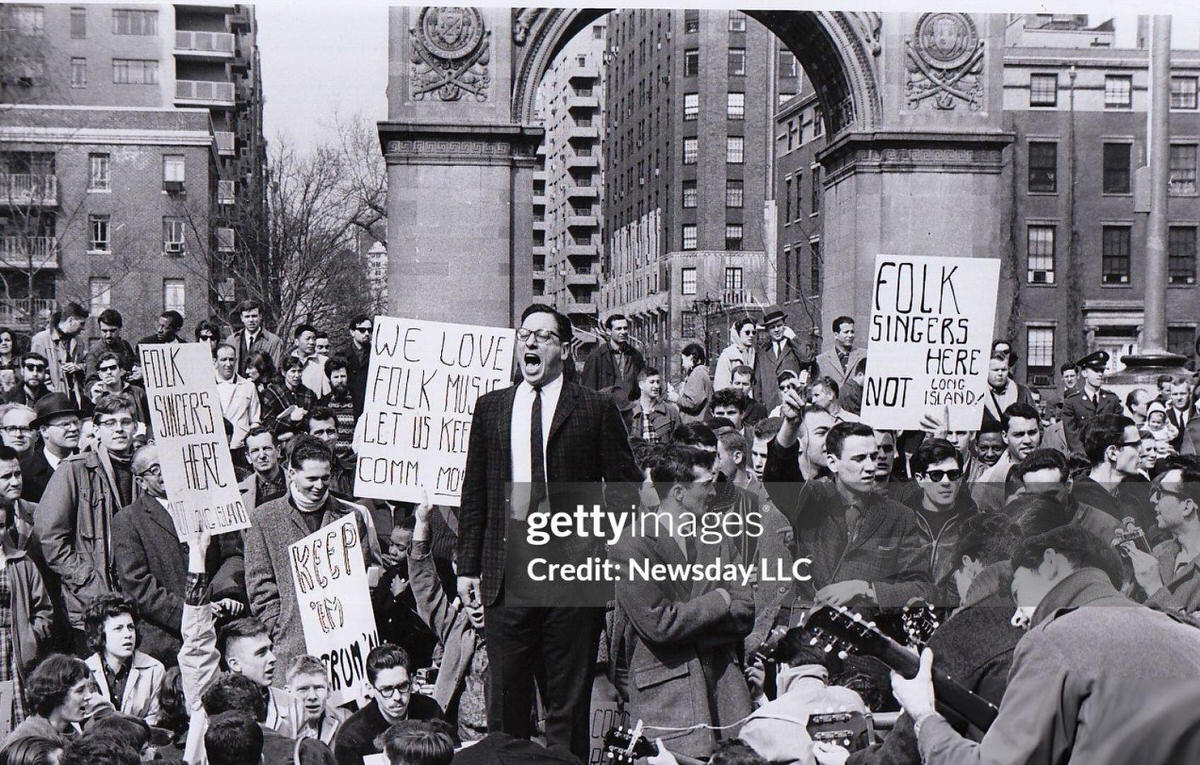
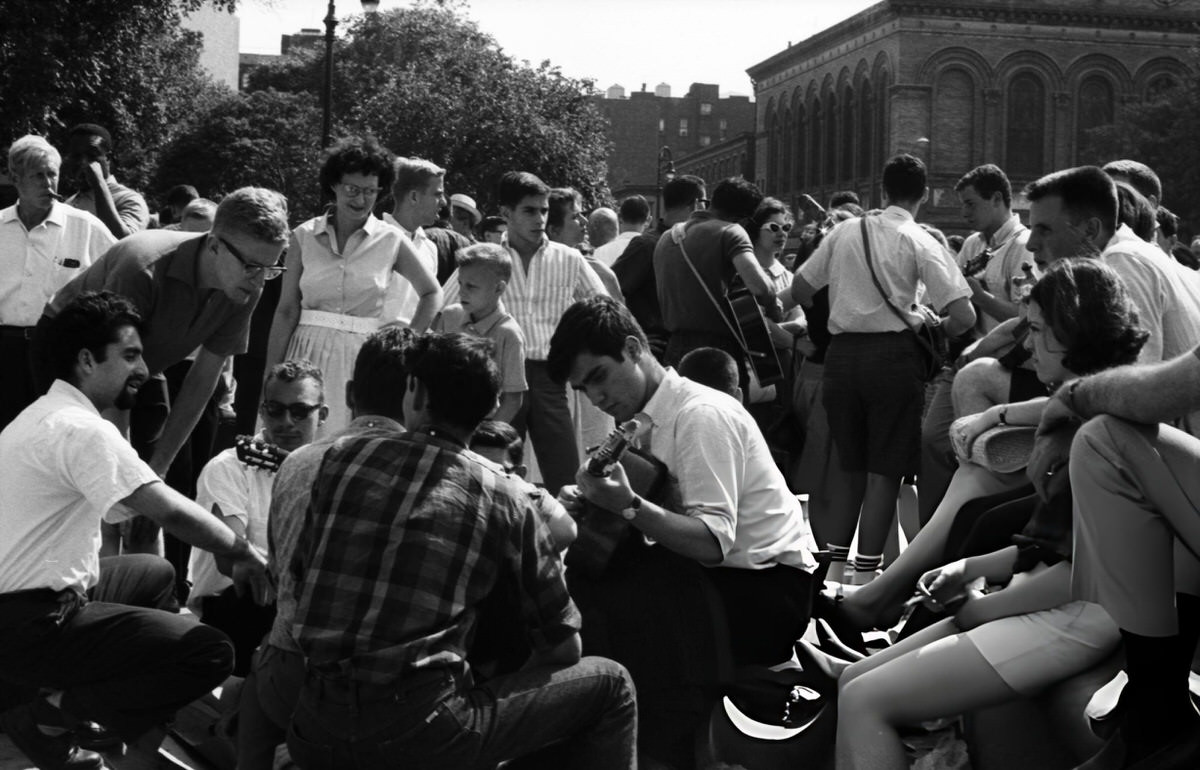
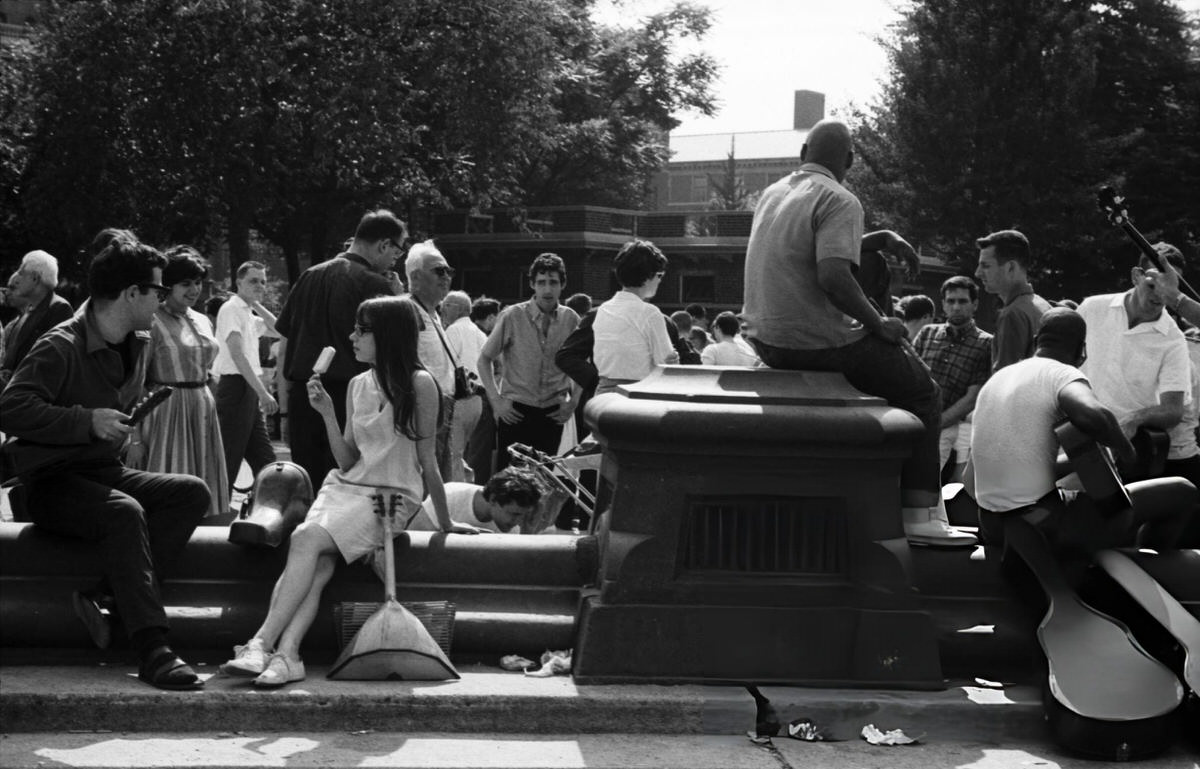
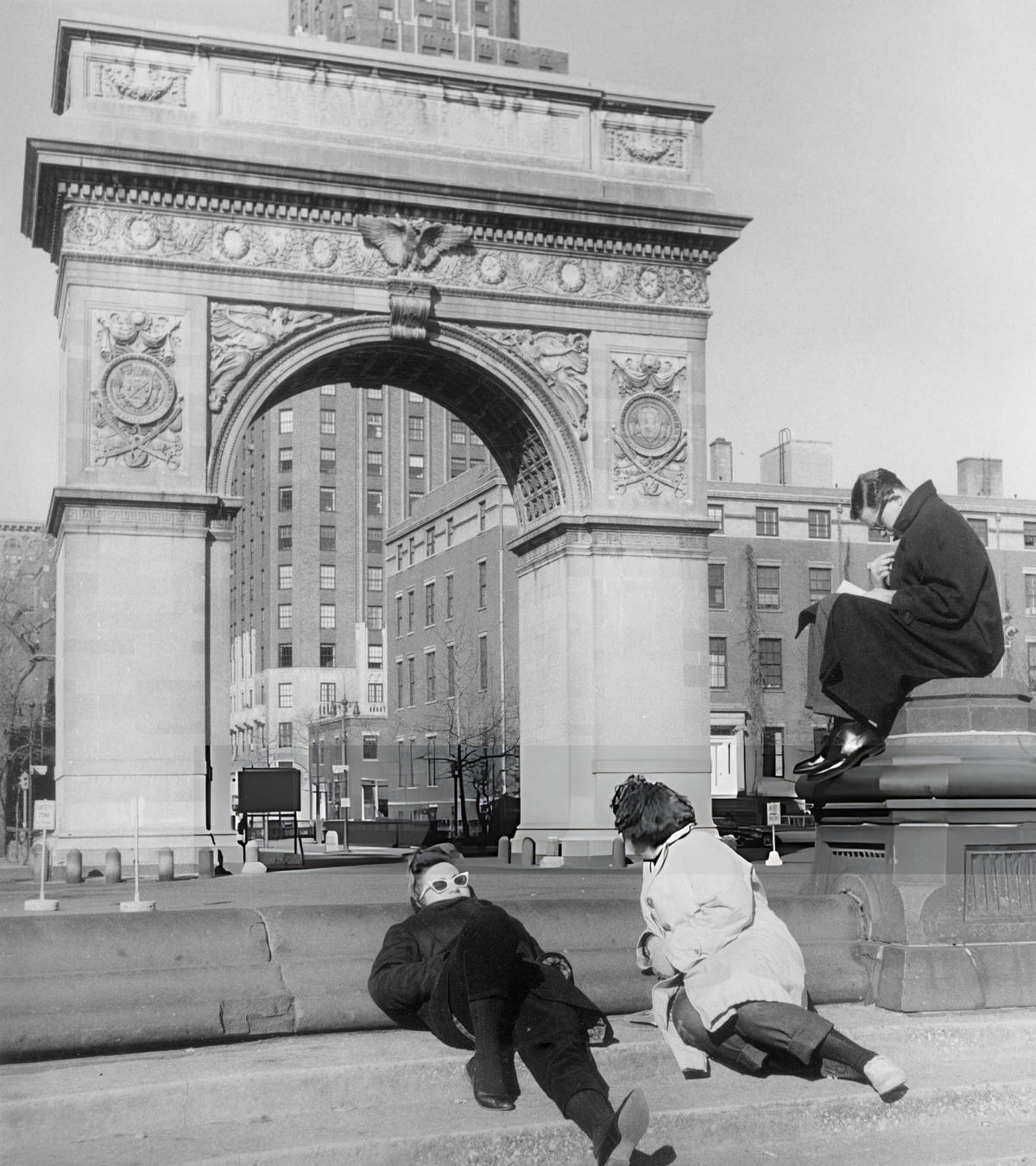
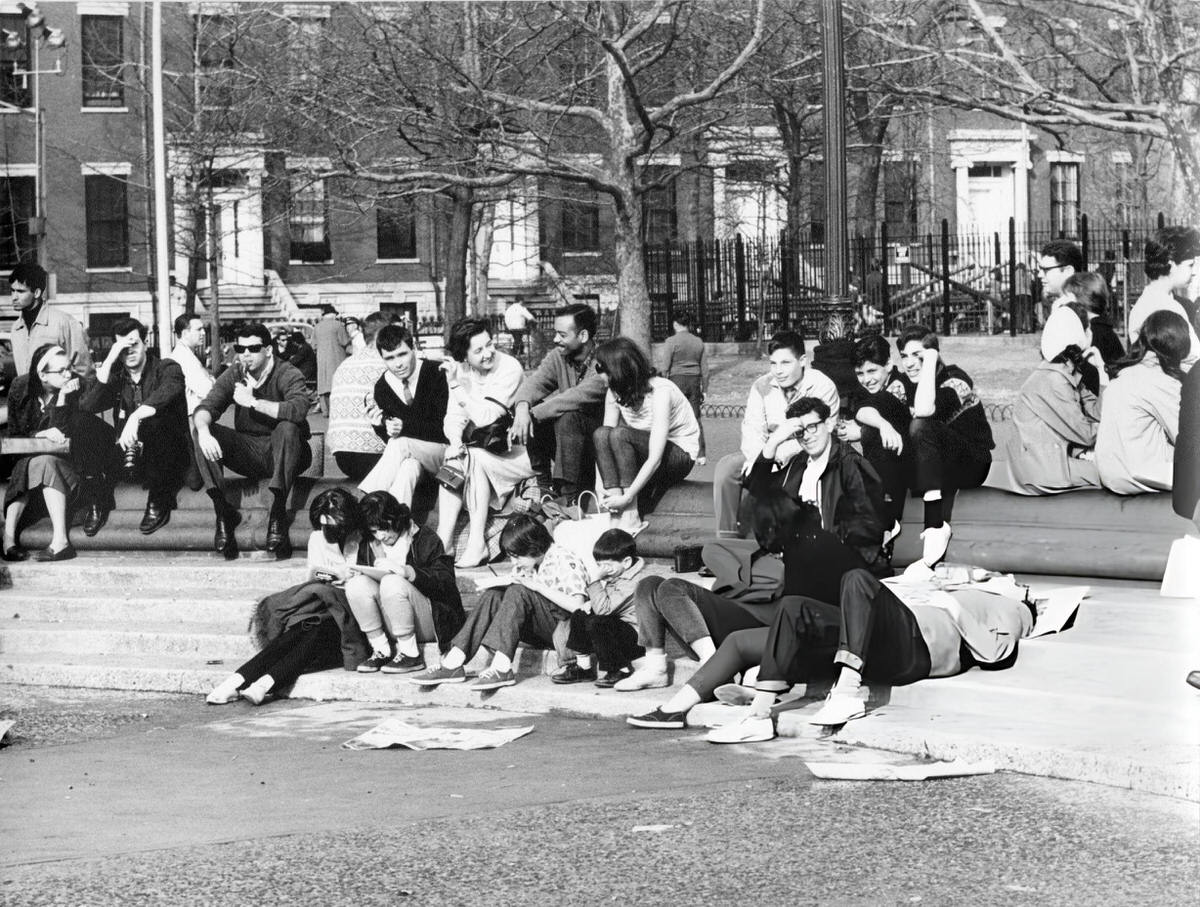
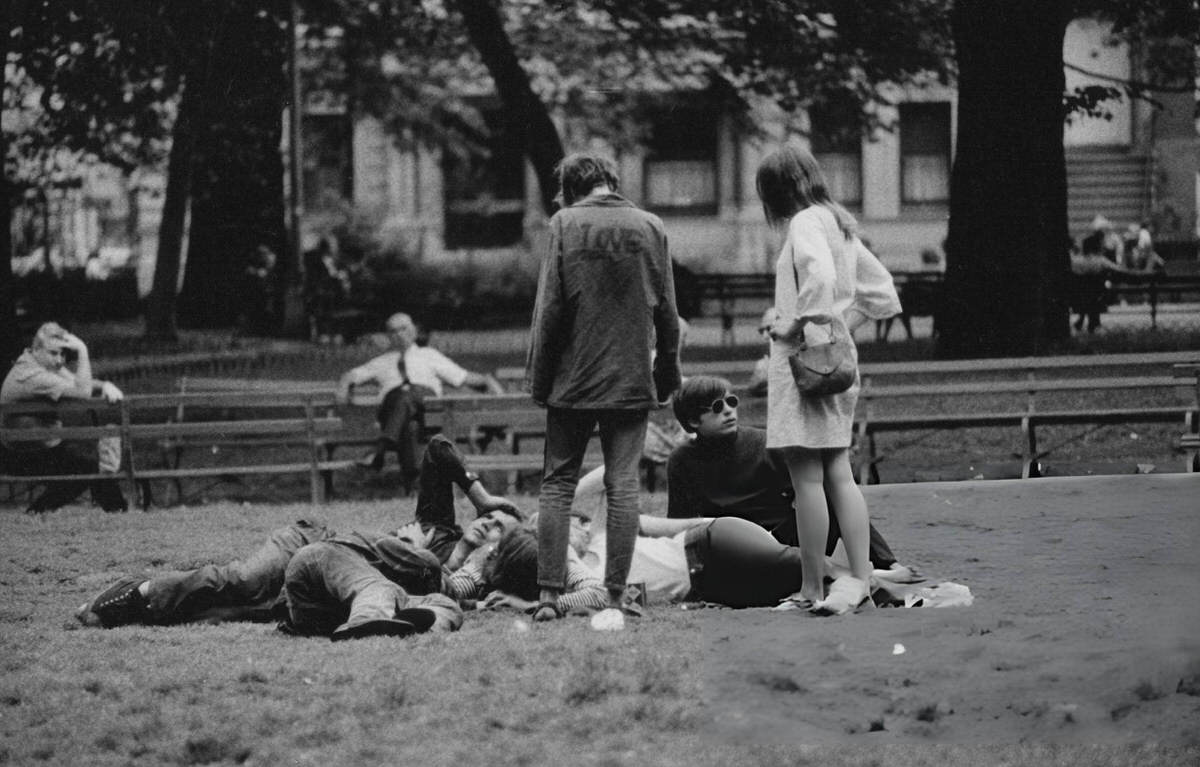
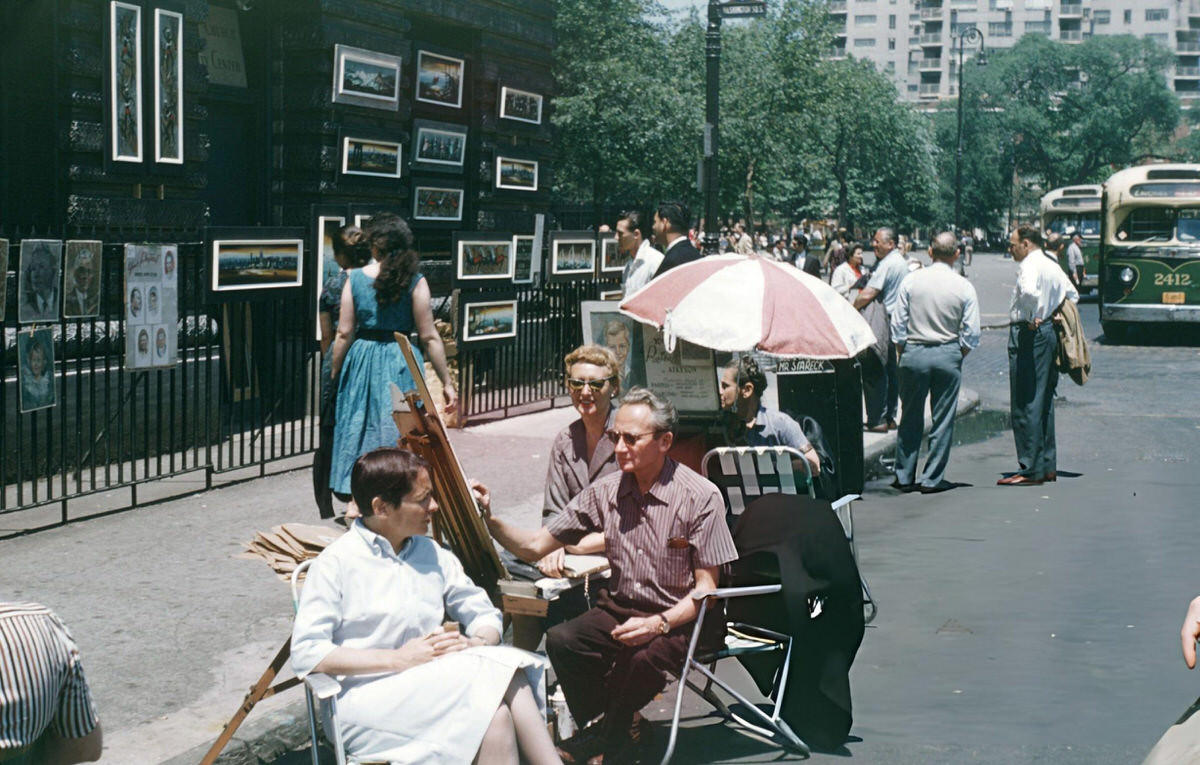
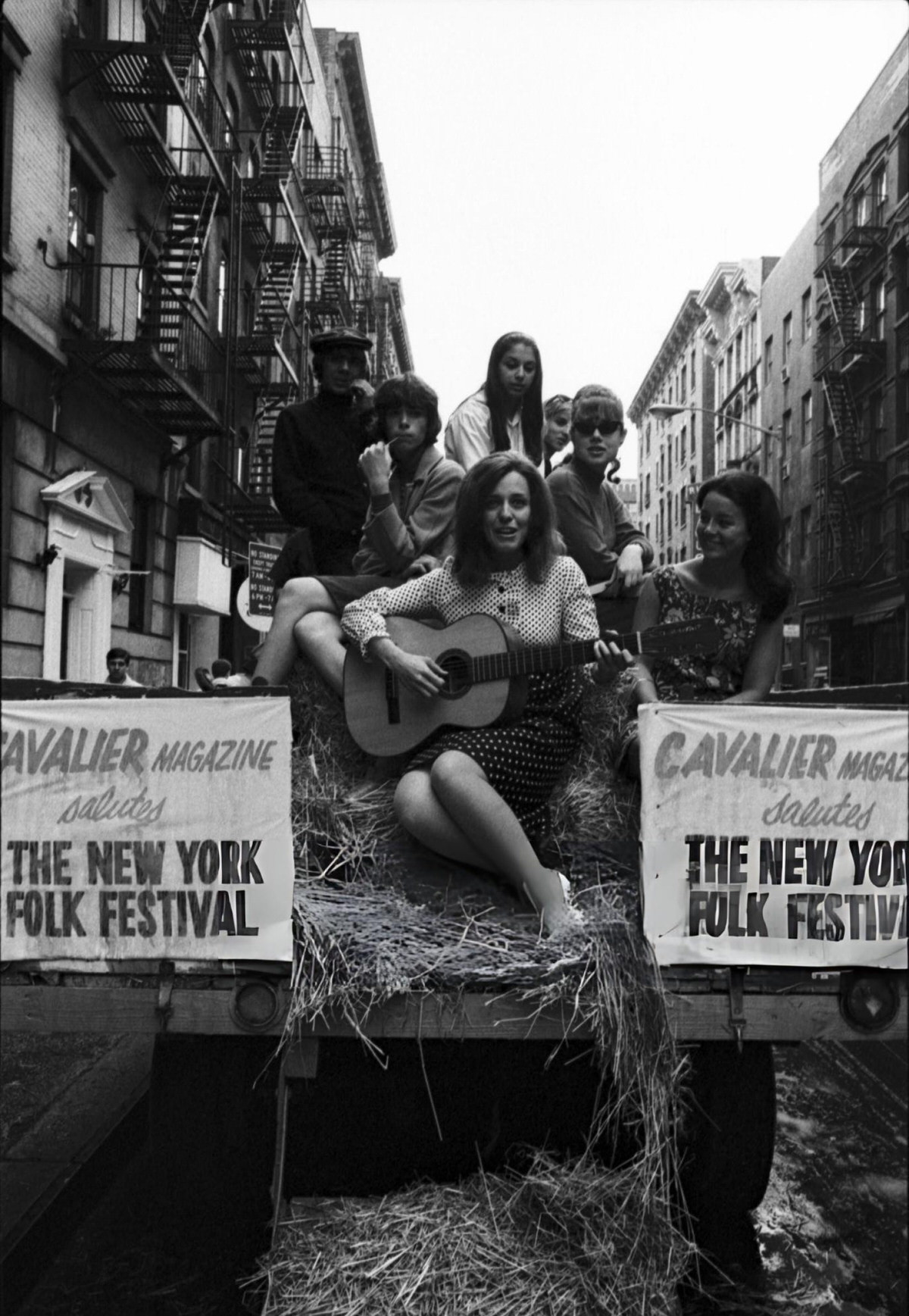
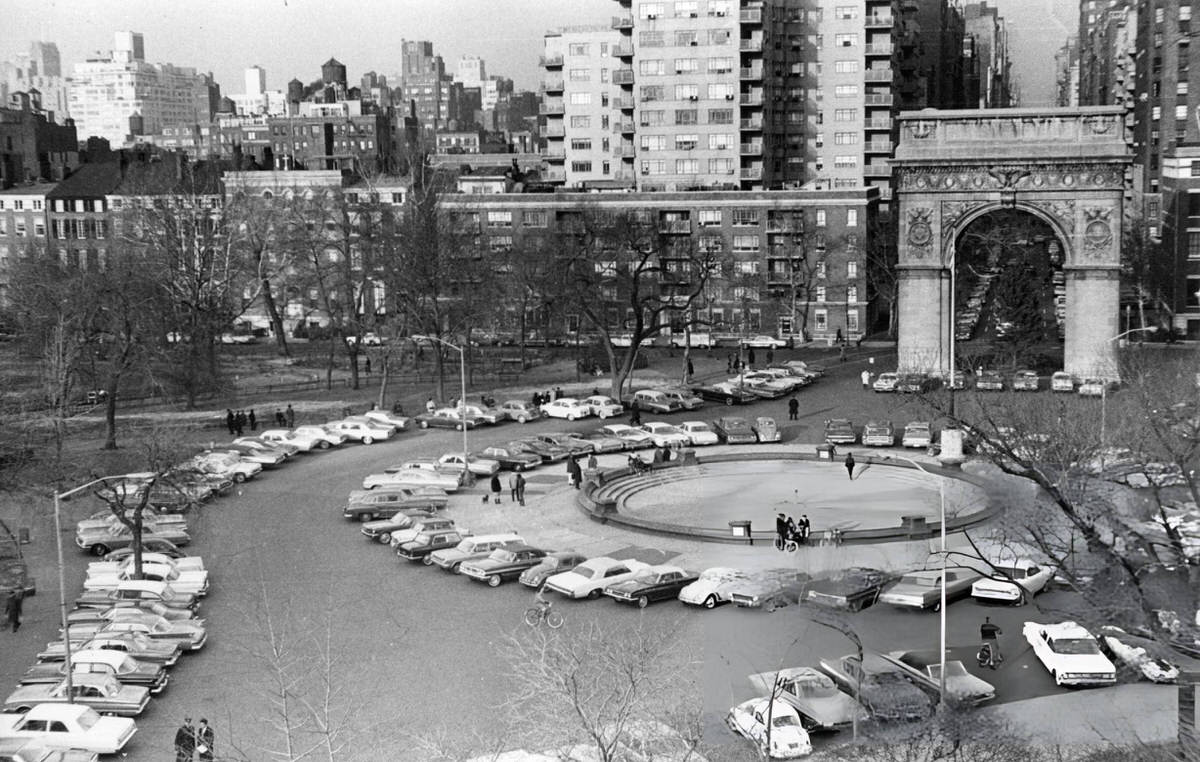
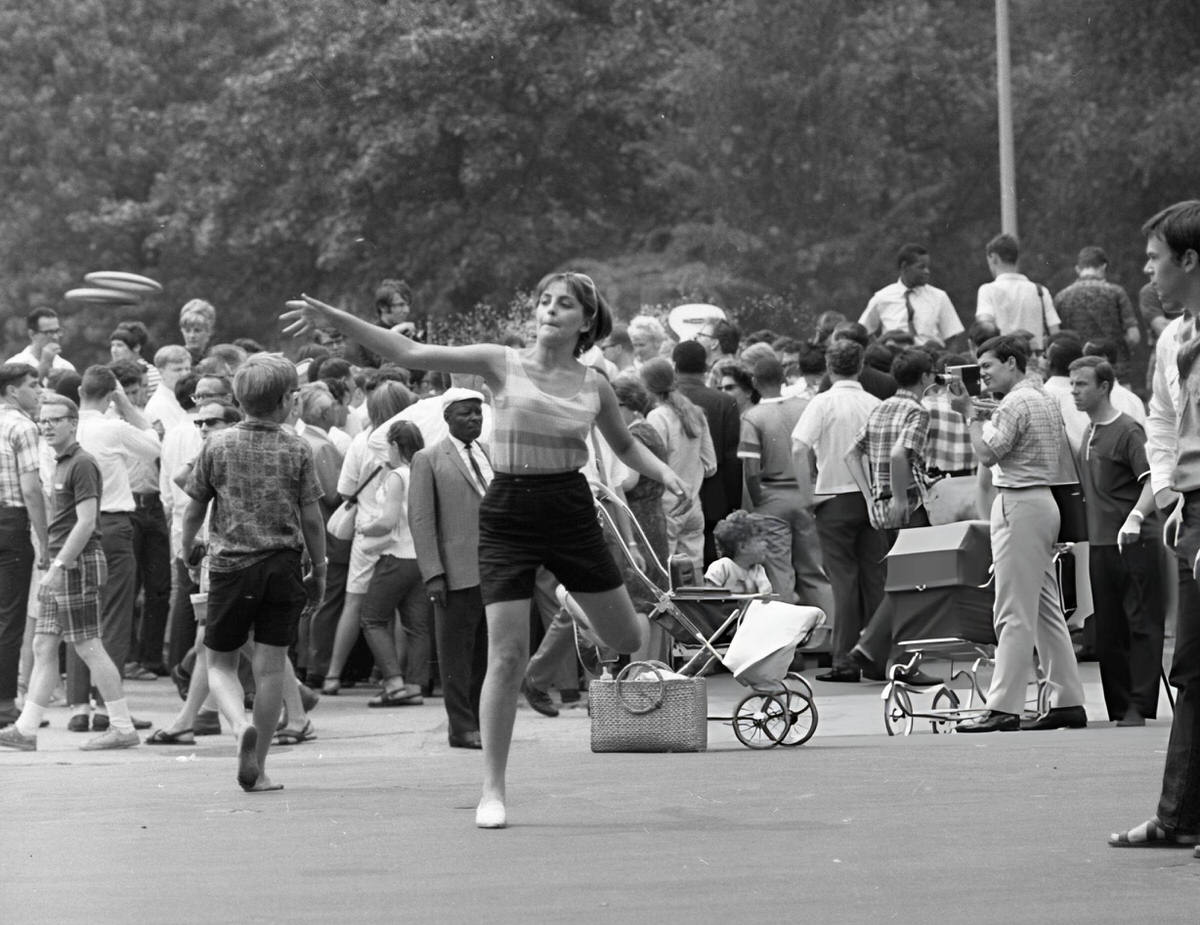
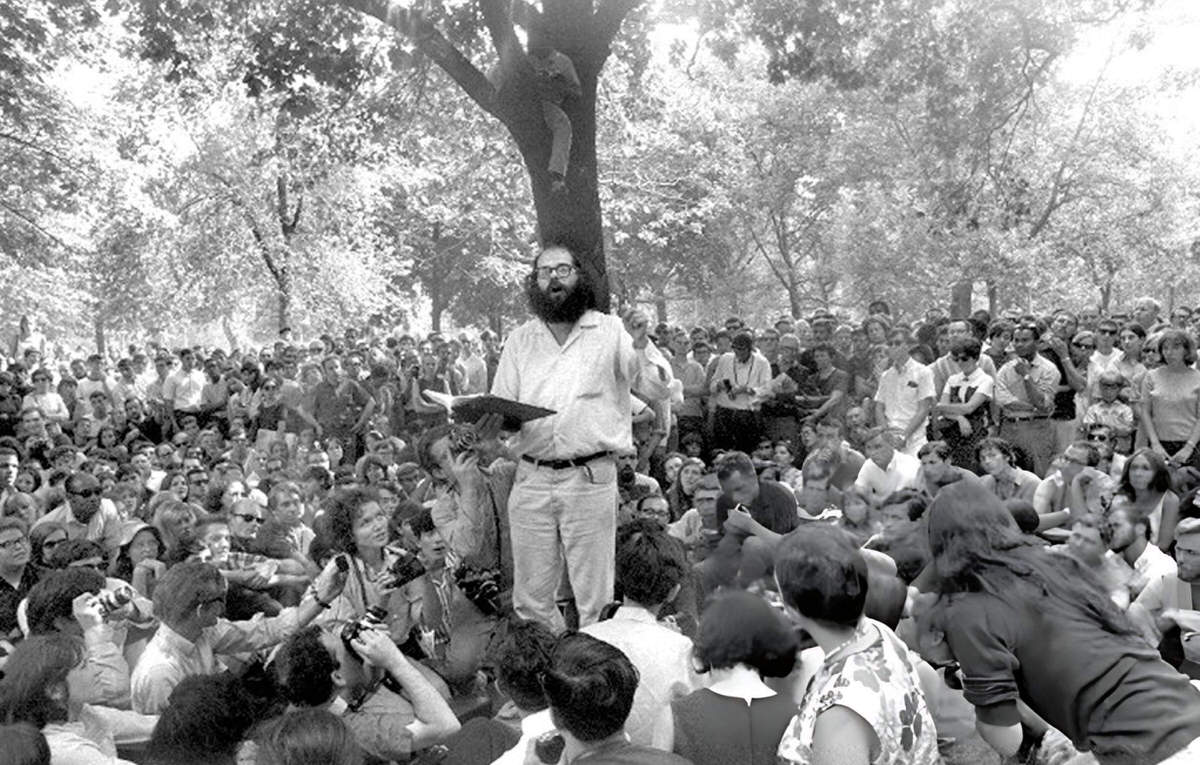
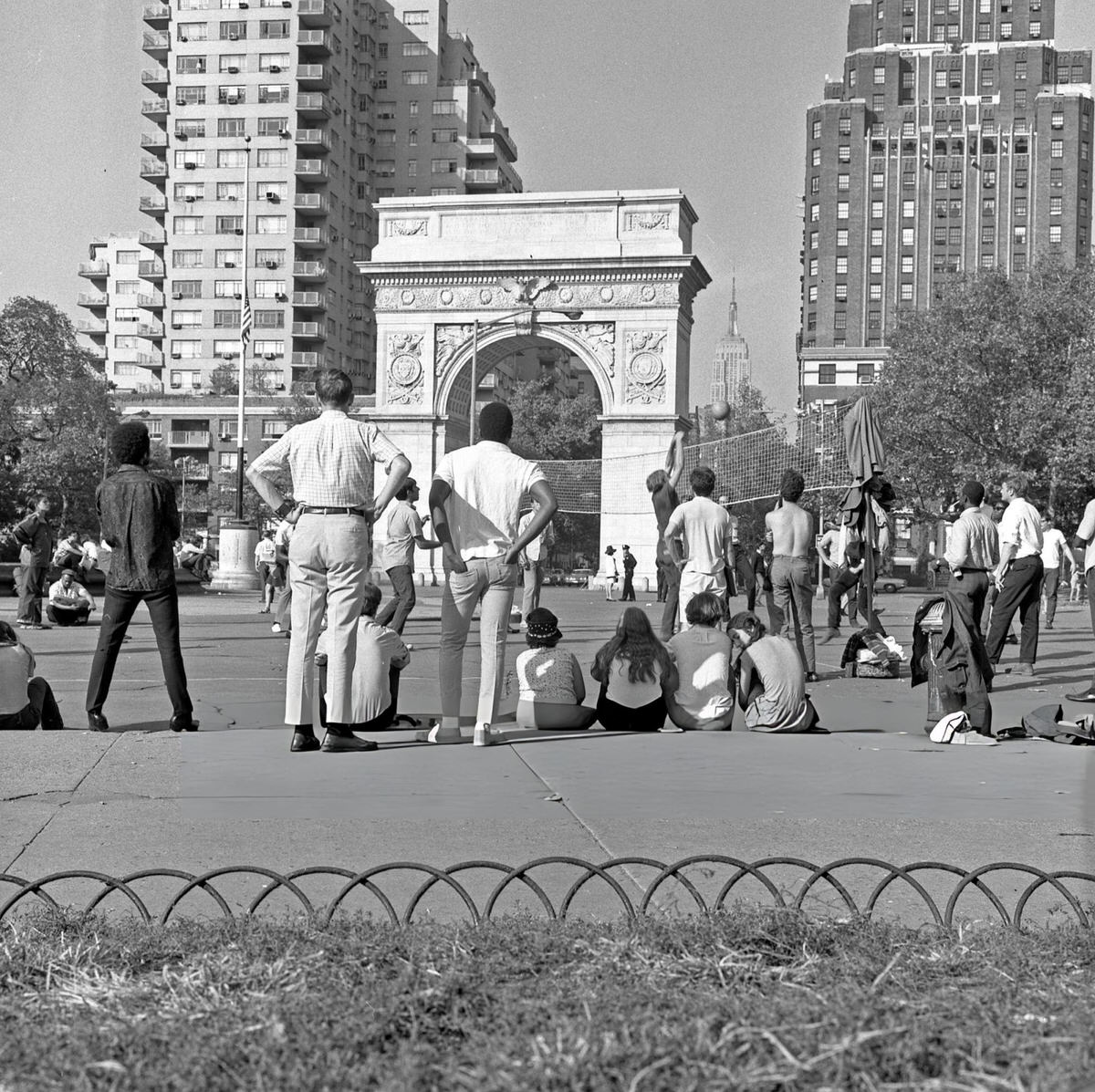
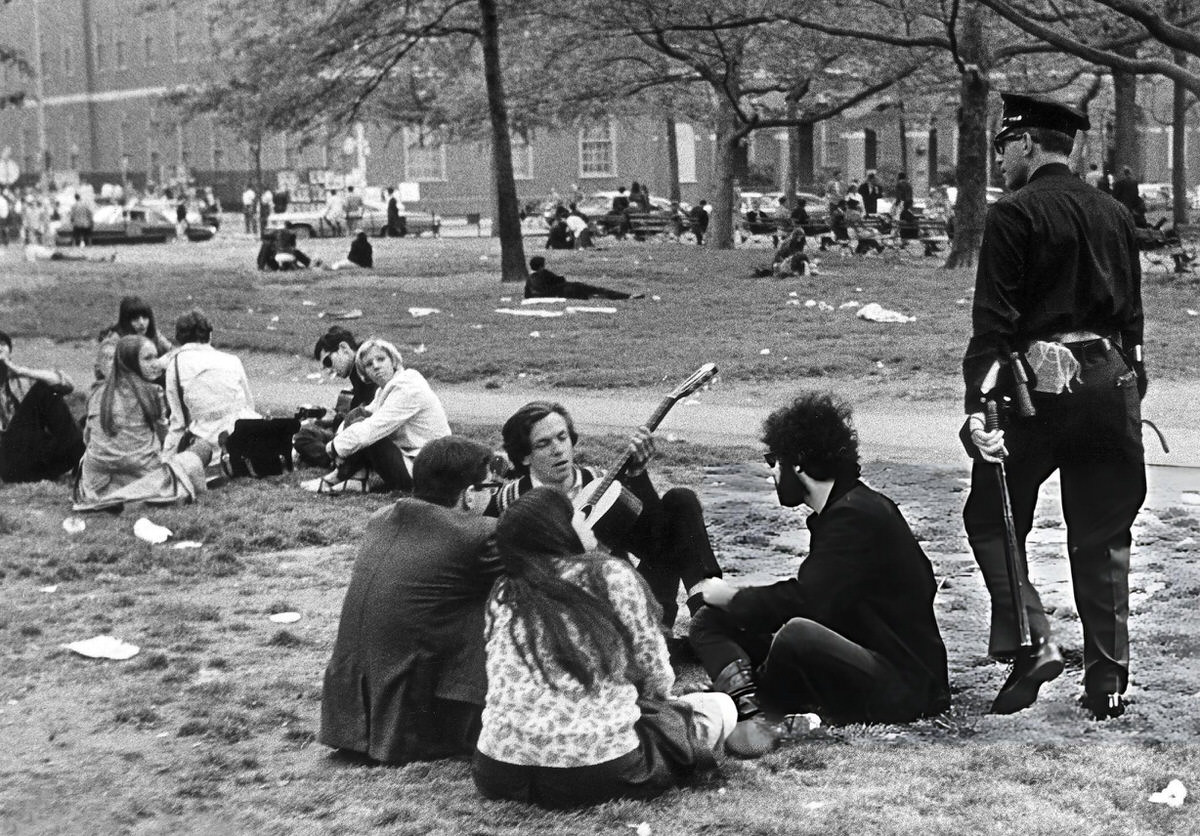
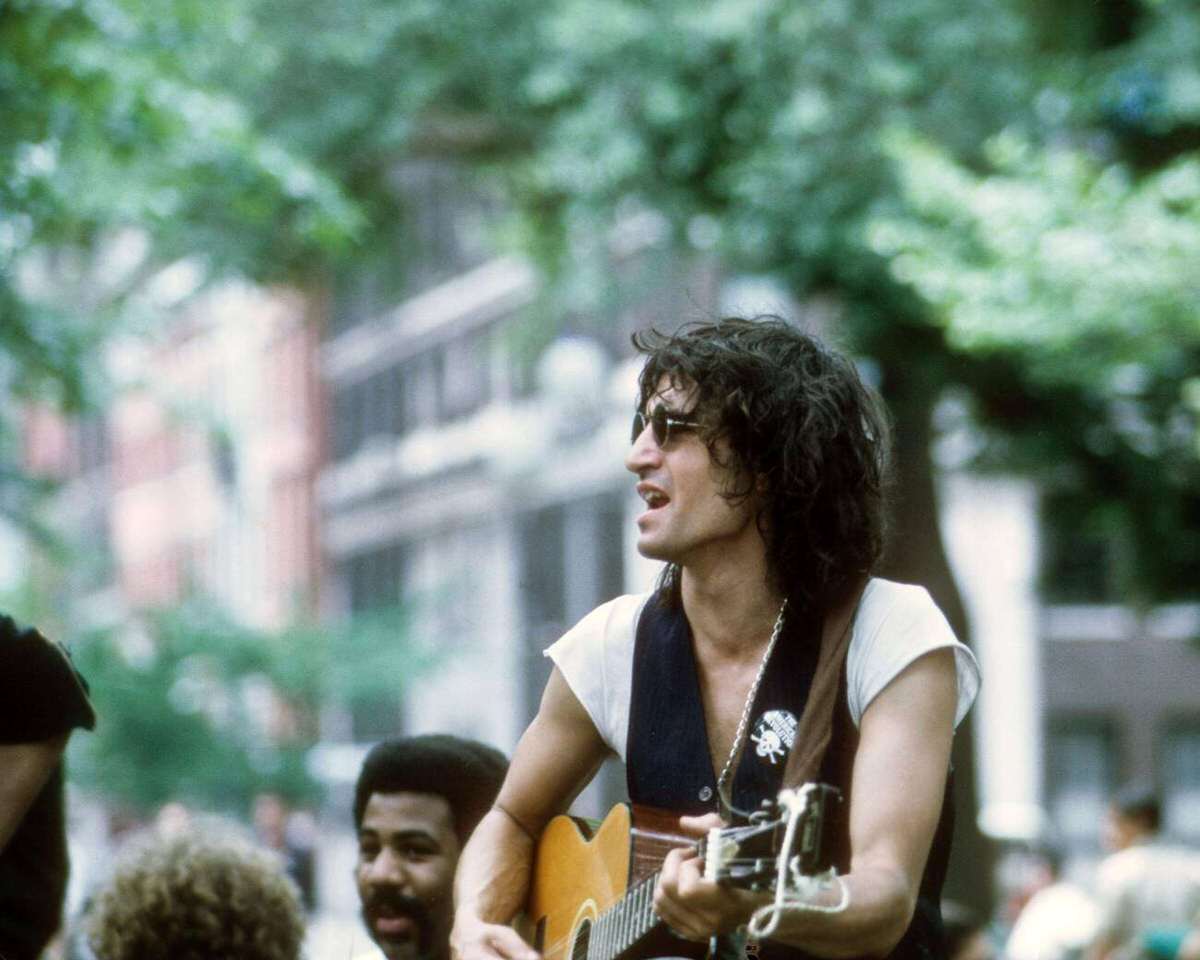
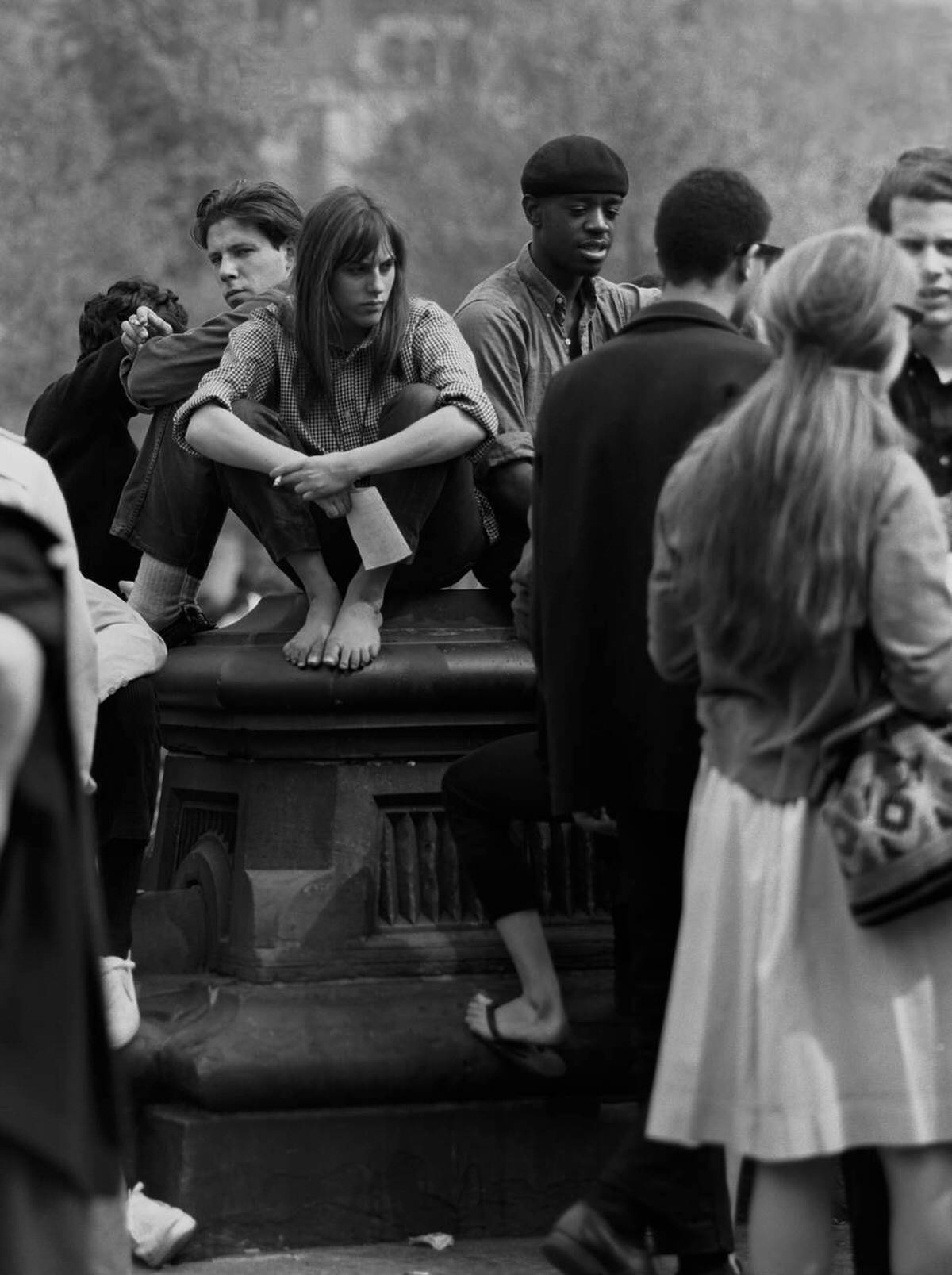
Bob Dylan moved to the Village in 1961 when he was 19. He came from Minnesota and wanted to find Woody Guthrie. What he found instead was a whole scene built around Washington Square Park on Sunday afternoons. Hundreds of folk singers, banjo players, and hangers-on gathered around the fountain. The park was free. Anyone could play. The city tried to ban the gatherings in 1961 and protesters showed up by the thousands. The city backed down.
Read more
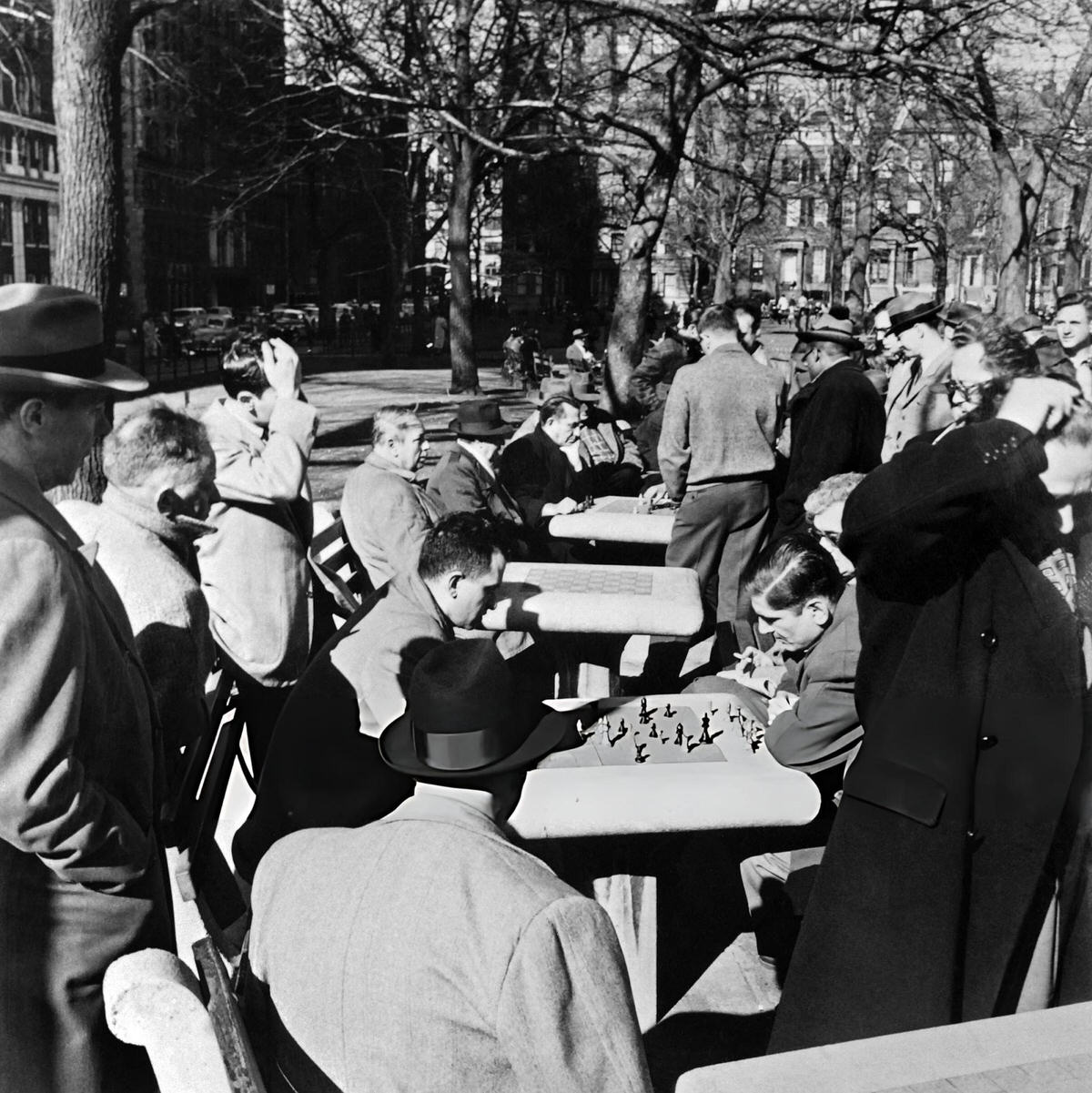
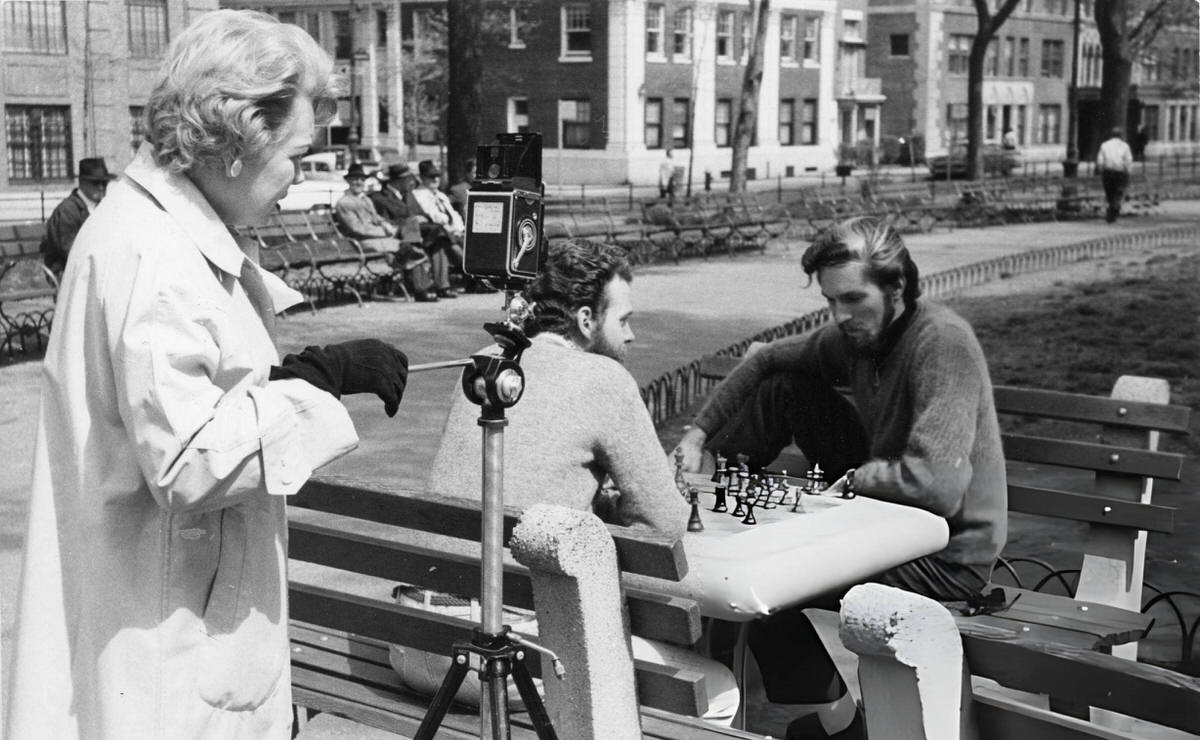
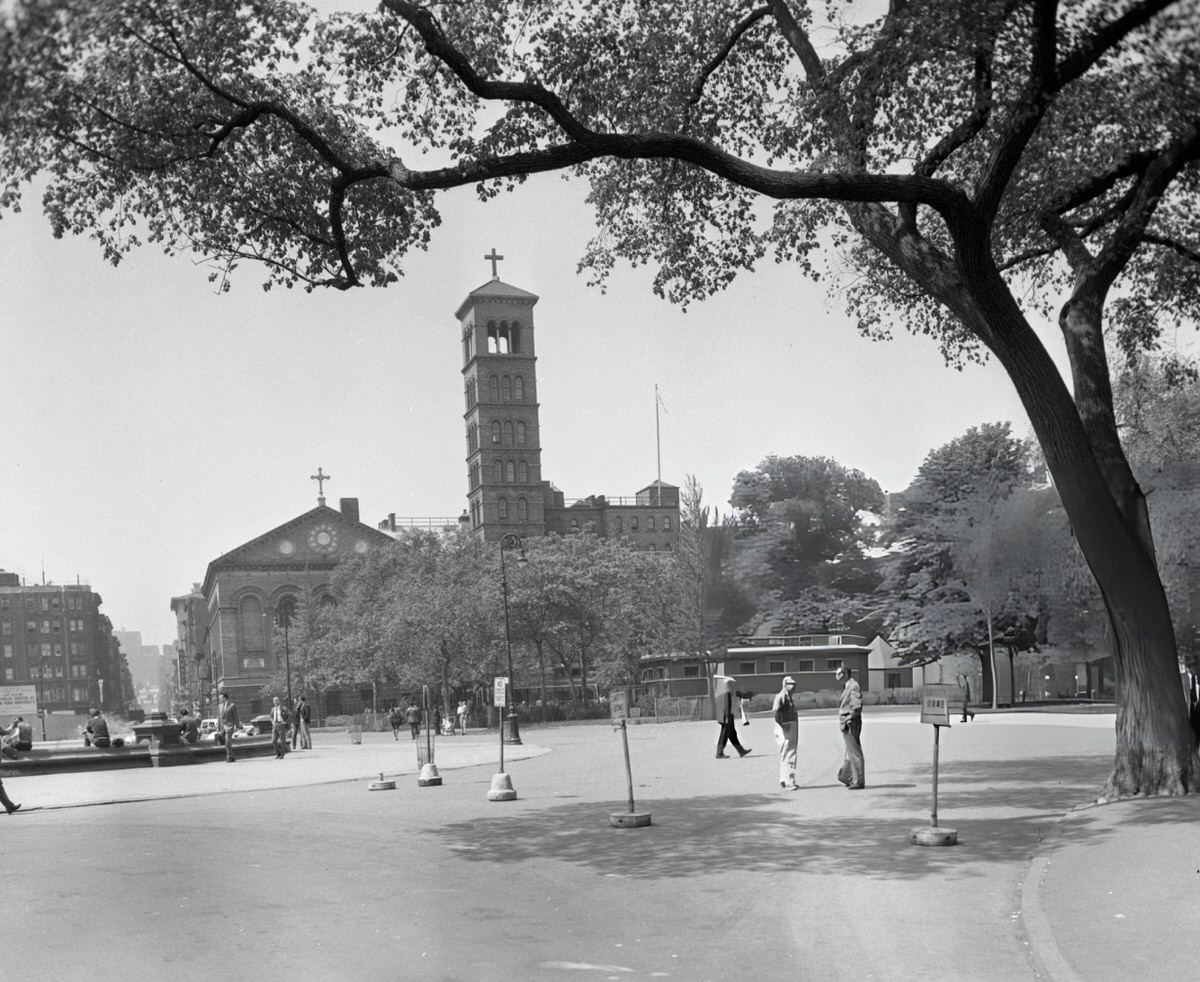
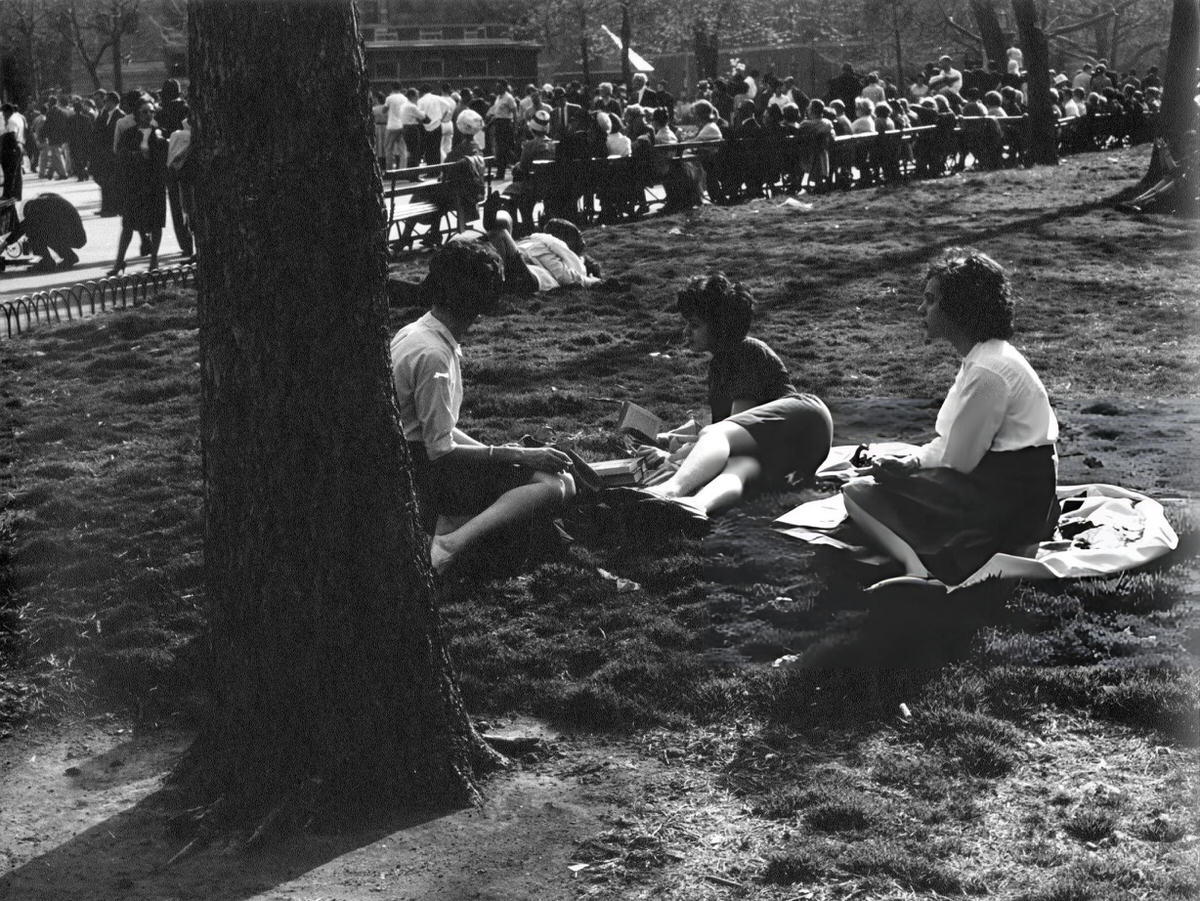
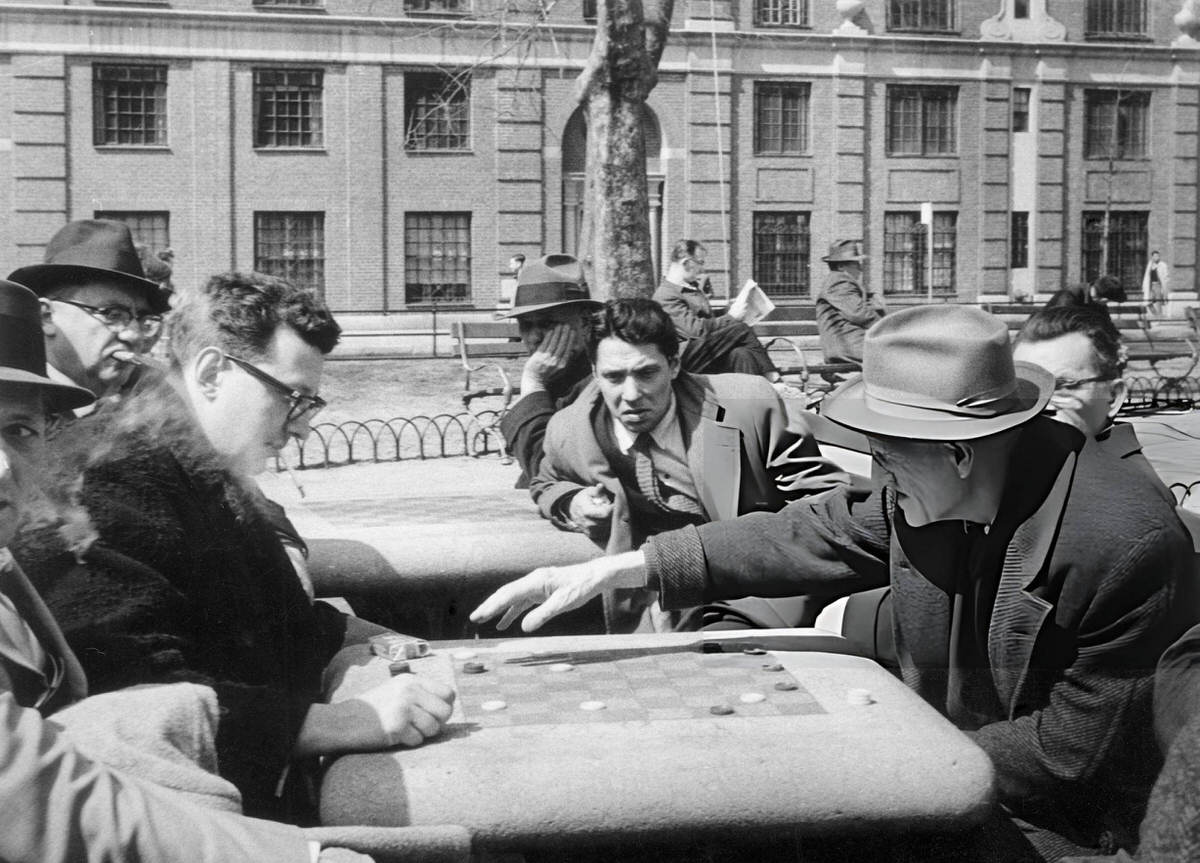
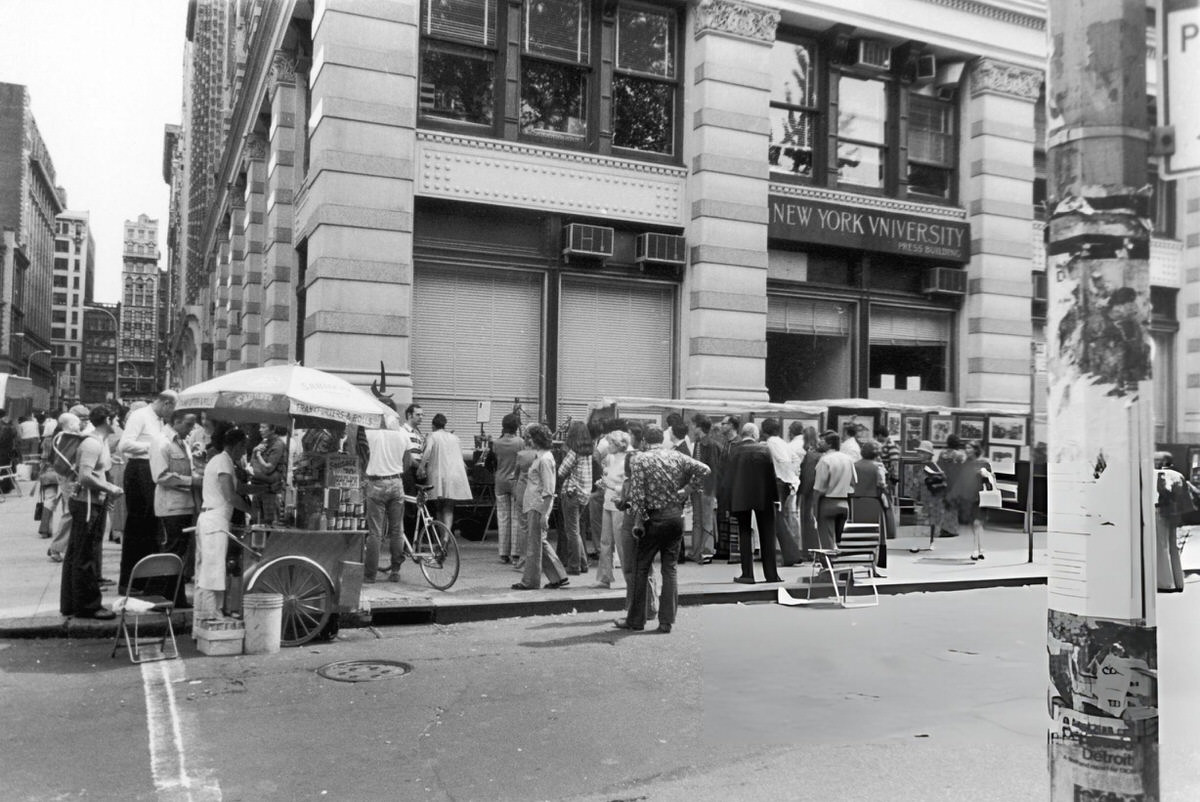
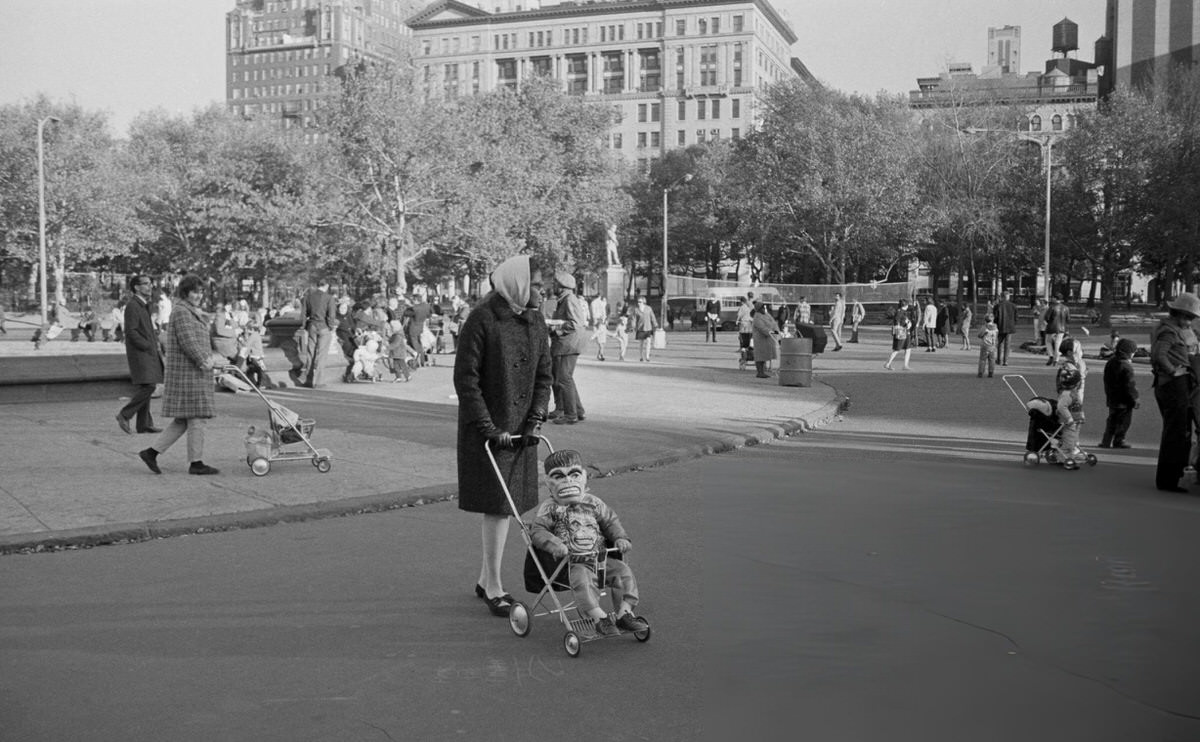
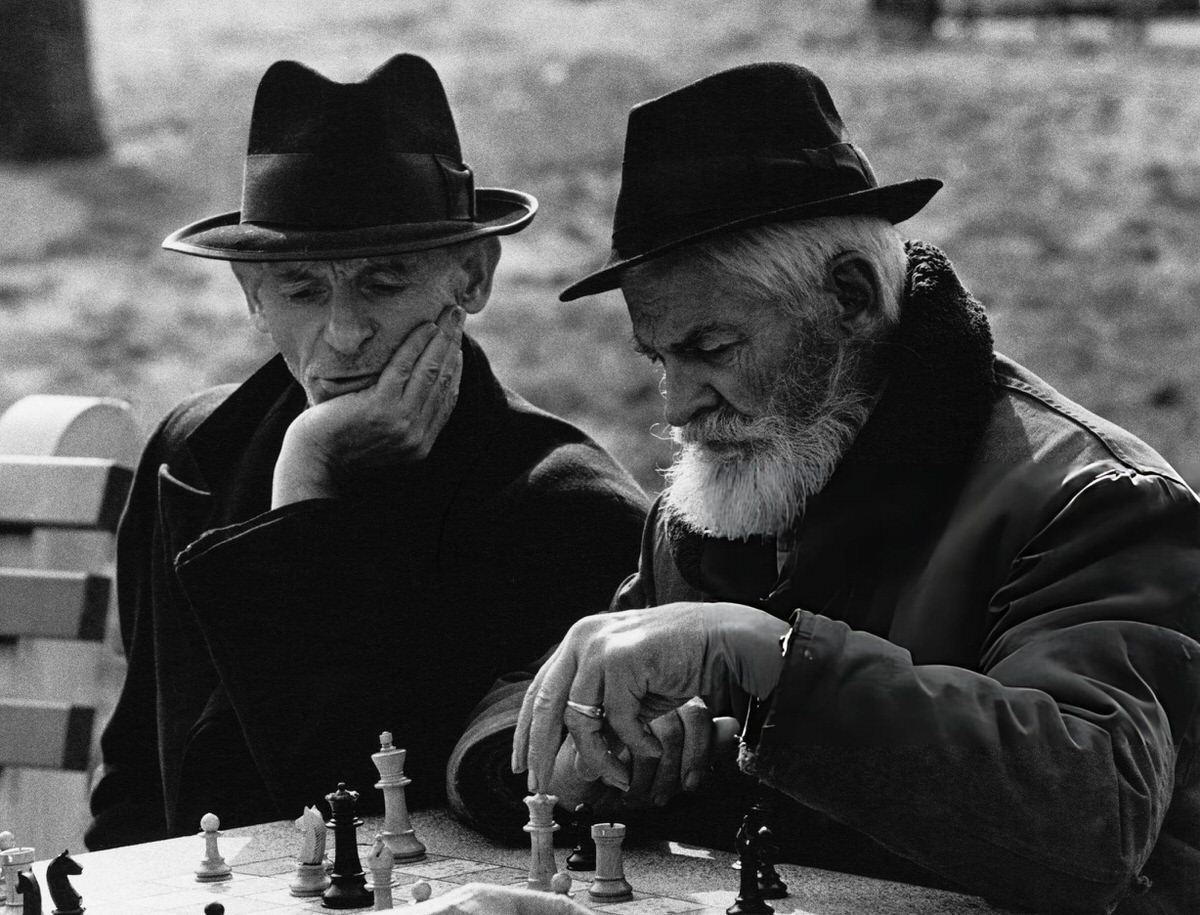
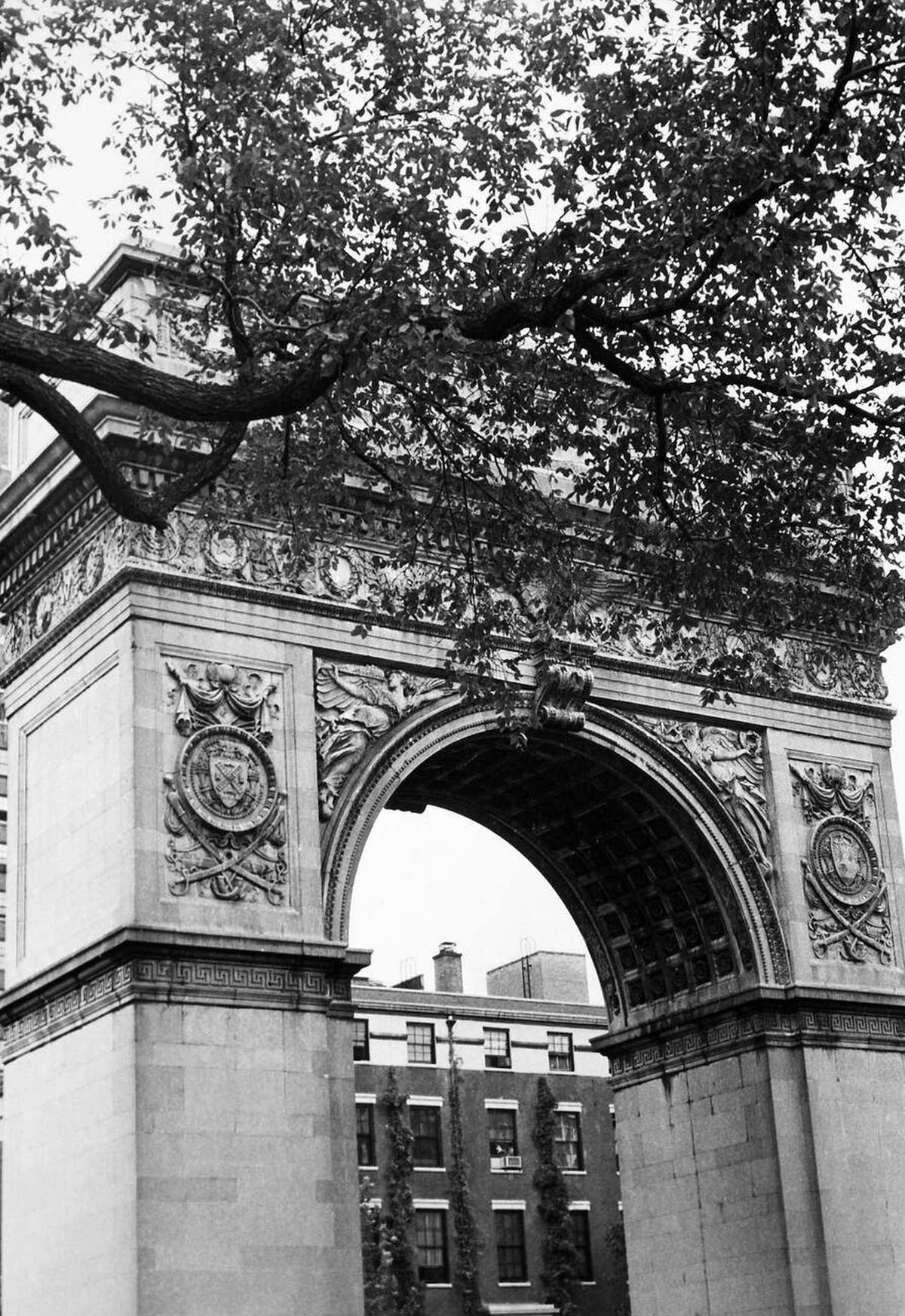
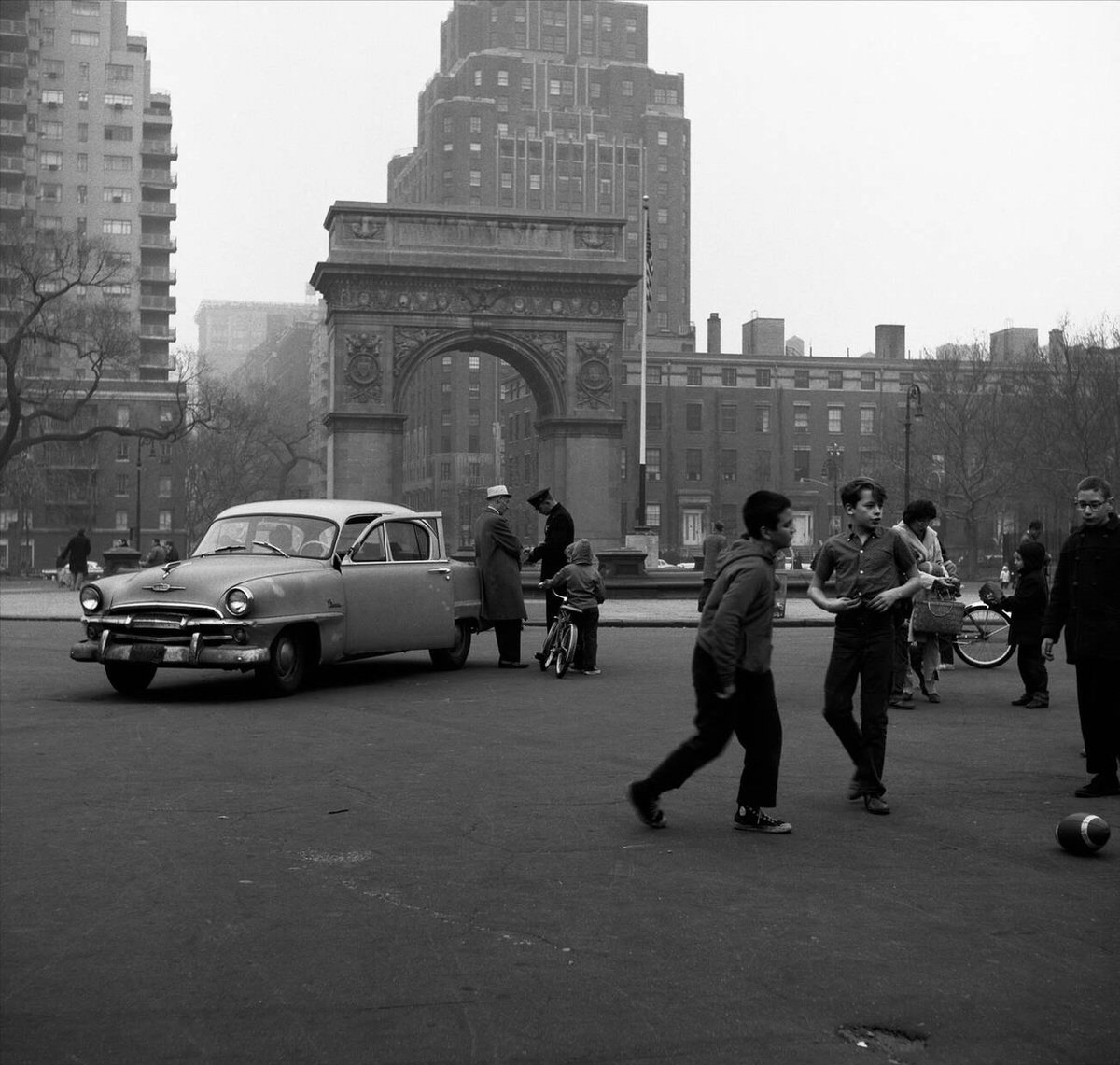
Washington Square was the living room of the Village. NYU buildings framed one side. Chess players sat at stone tables year-round. Heroin was sold in the park in the early evenings if you knew where to look. The same park where kids played in the morning was where beatniks recited poetry at night. That tension — between the respectable and the raw — ran through everything.
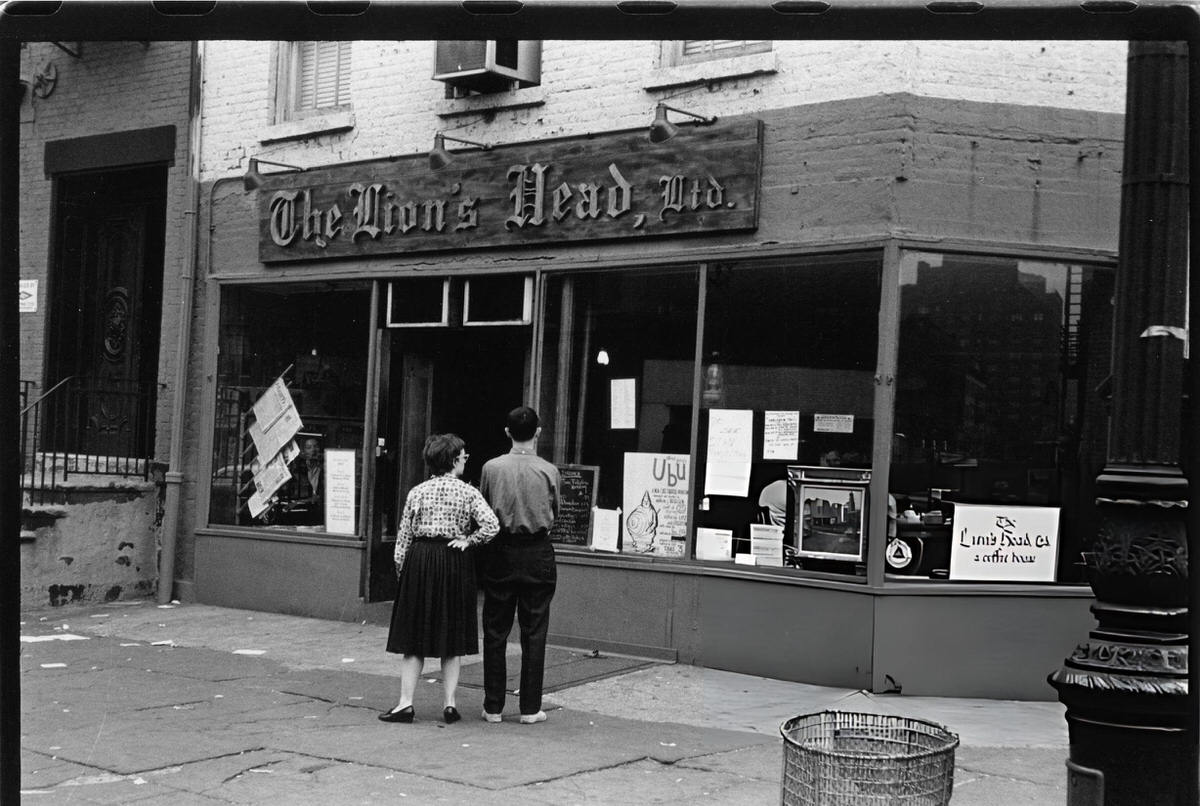
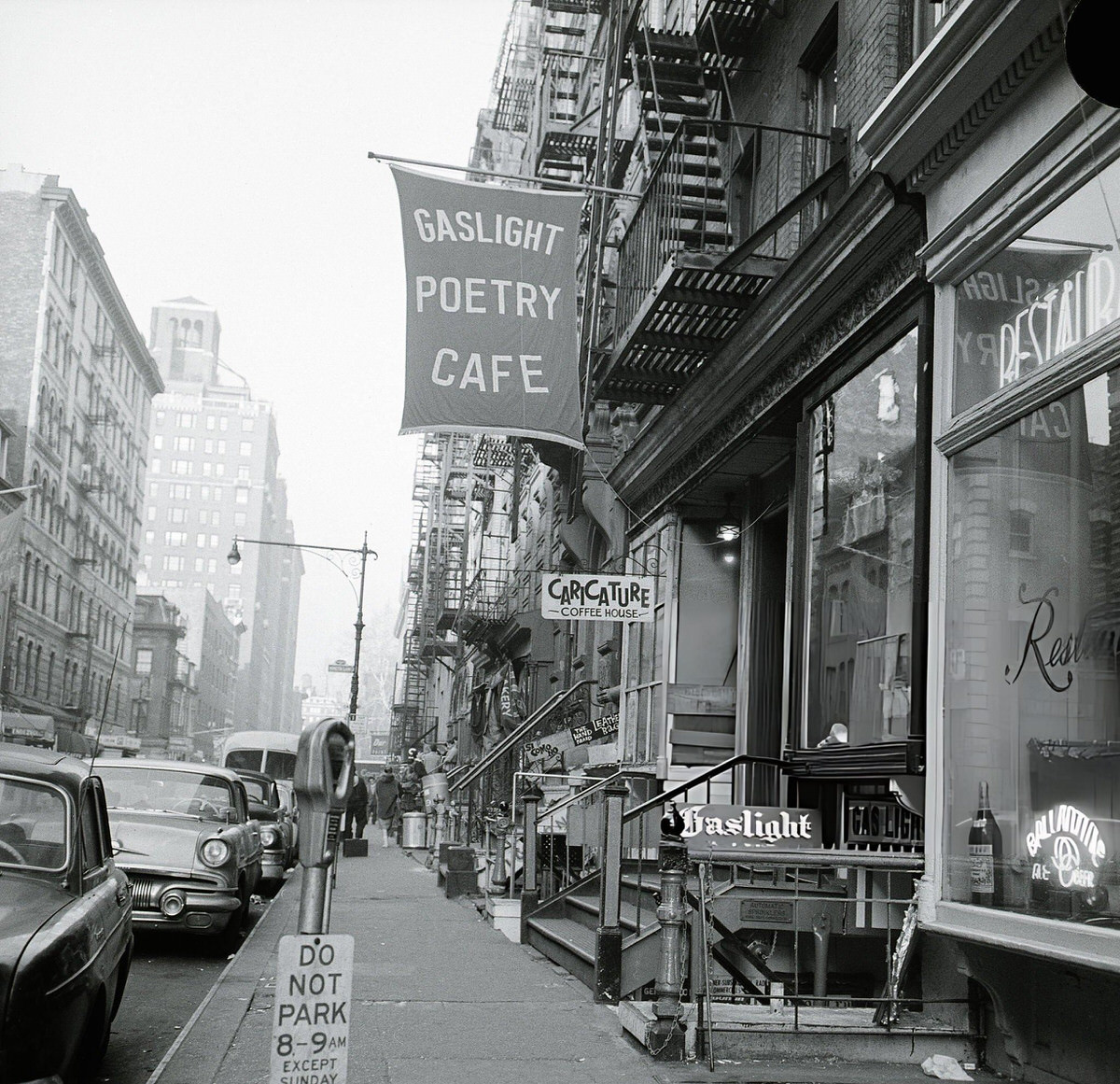
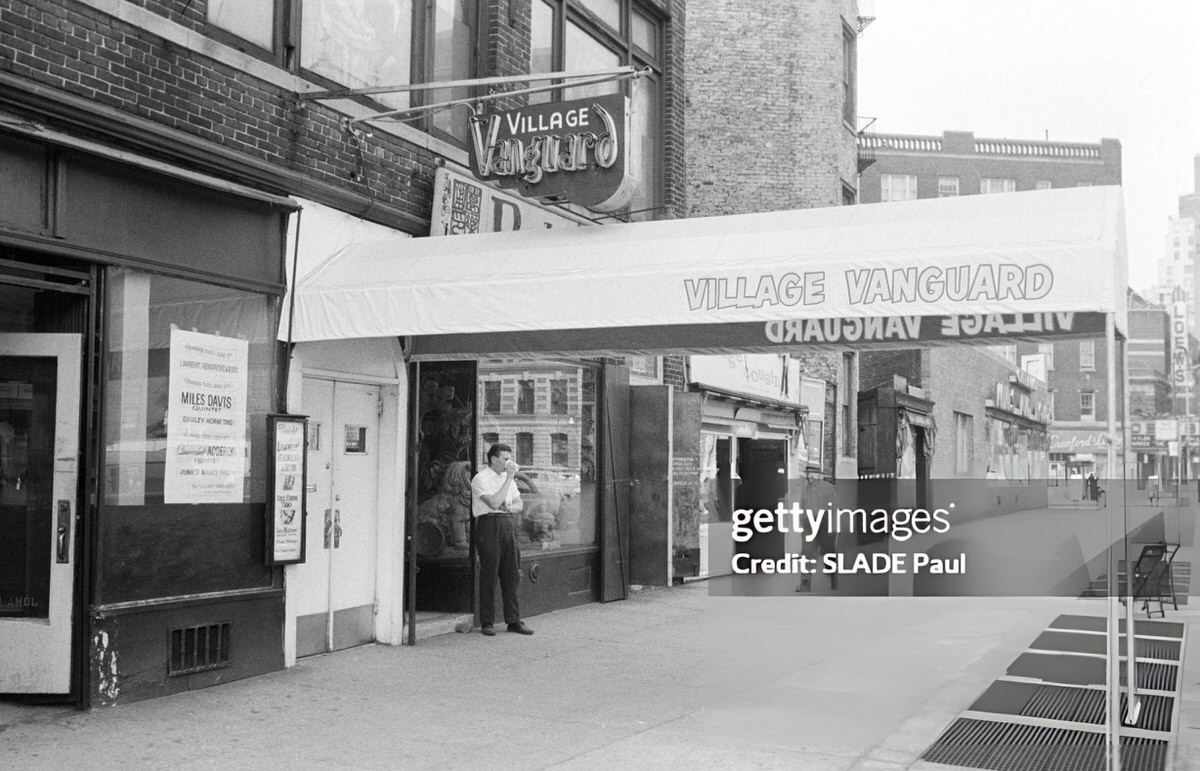
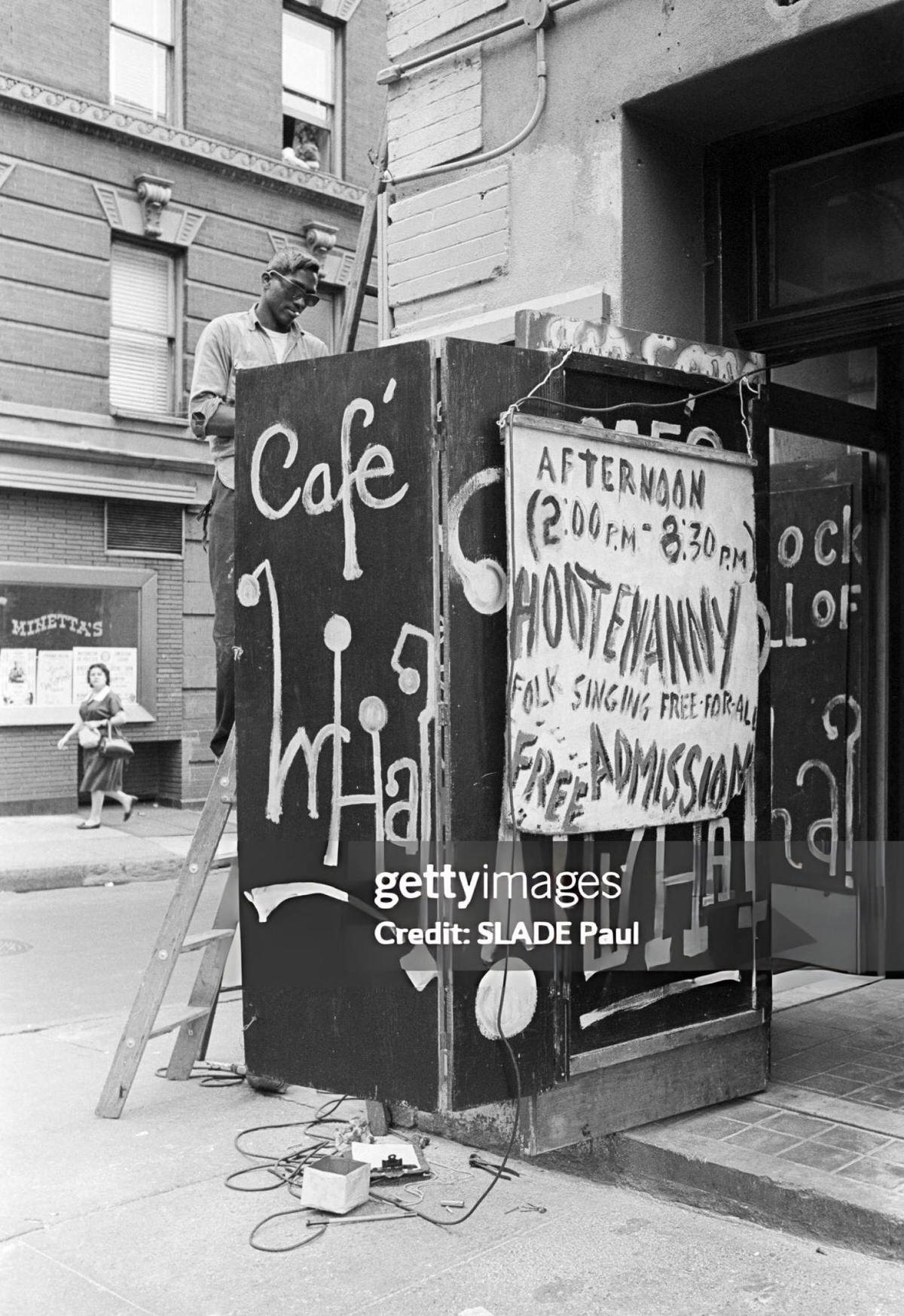
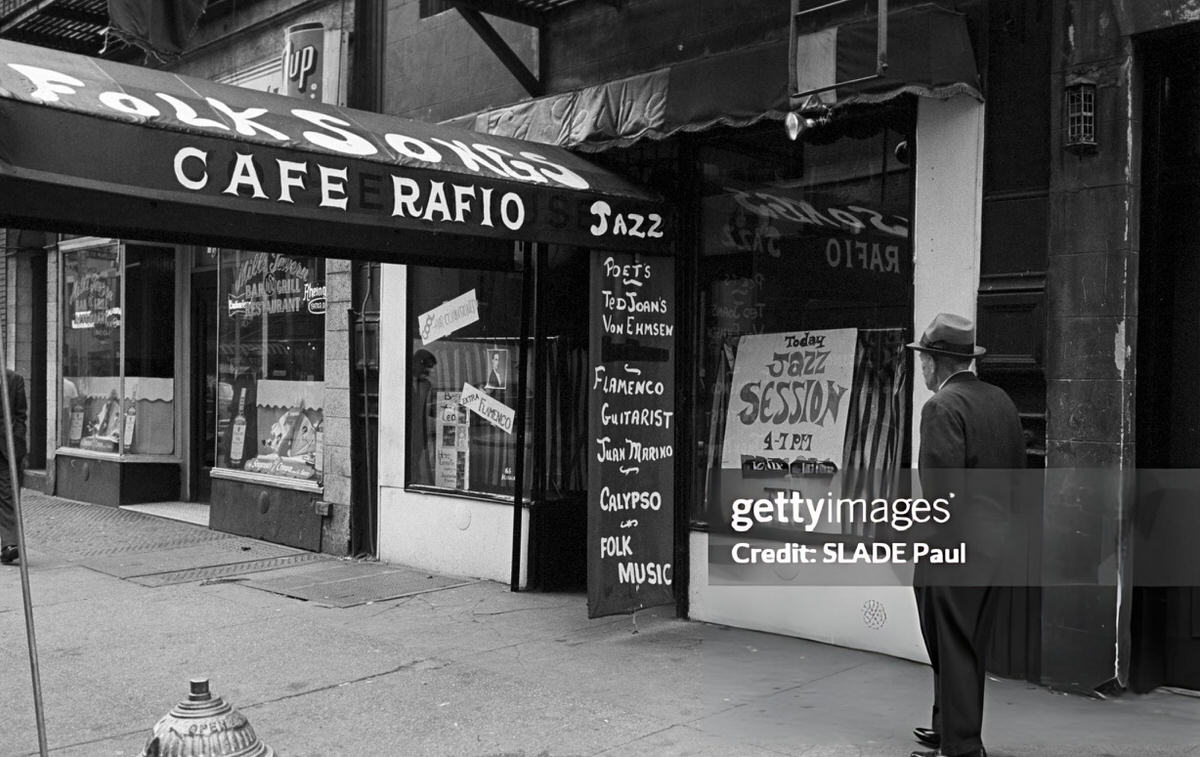
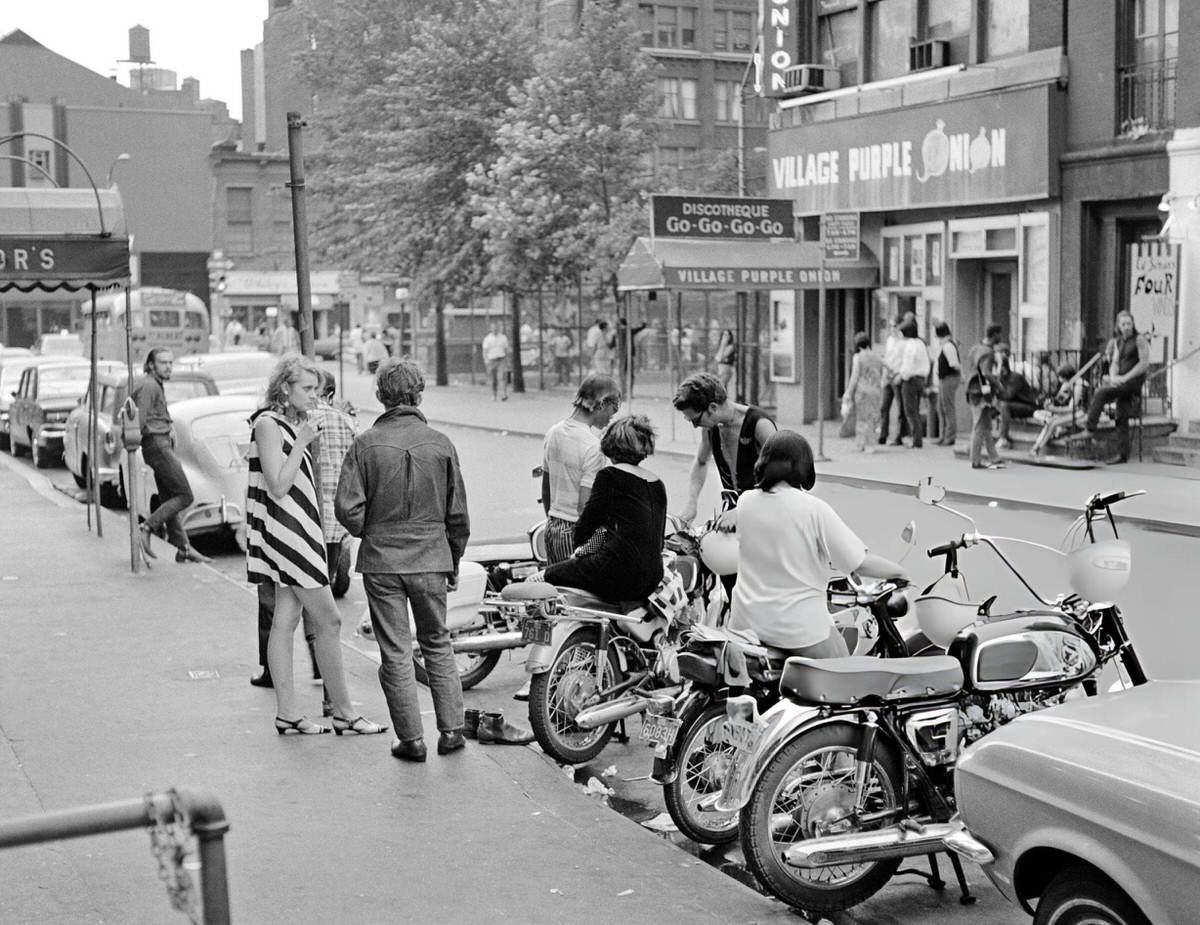
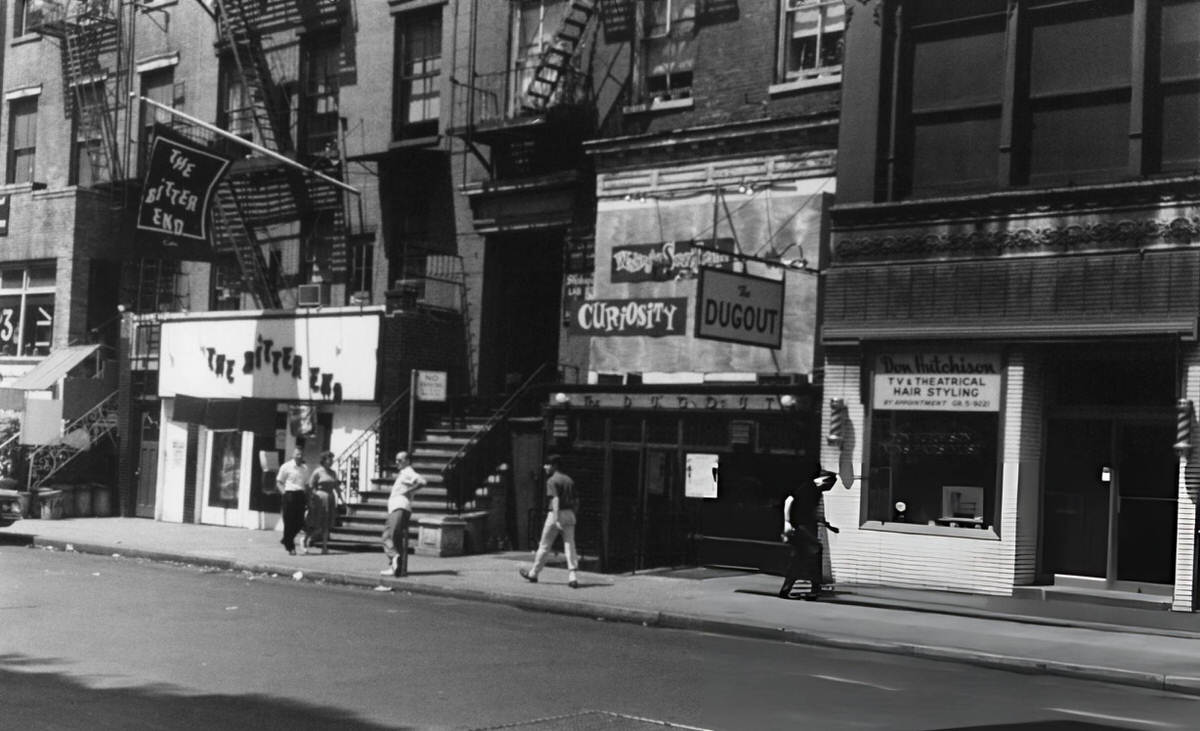
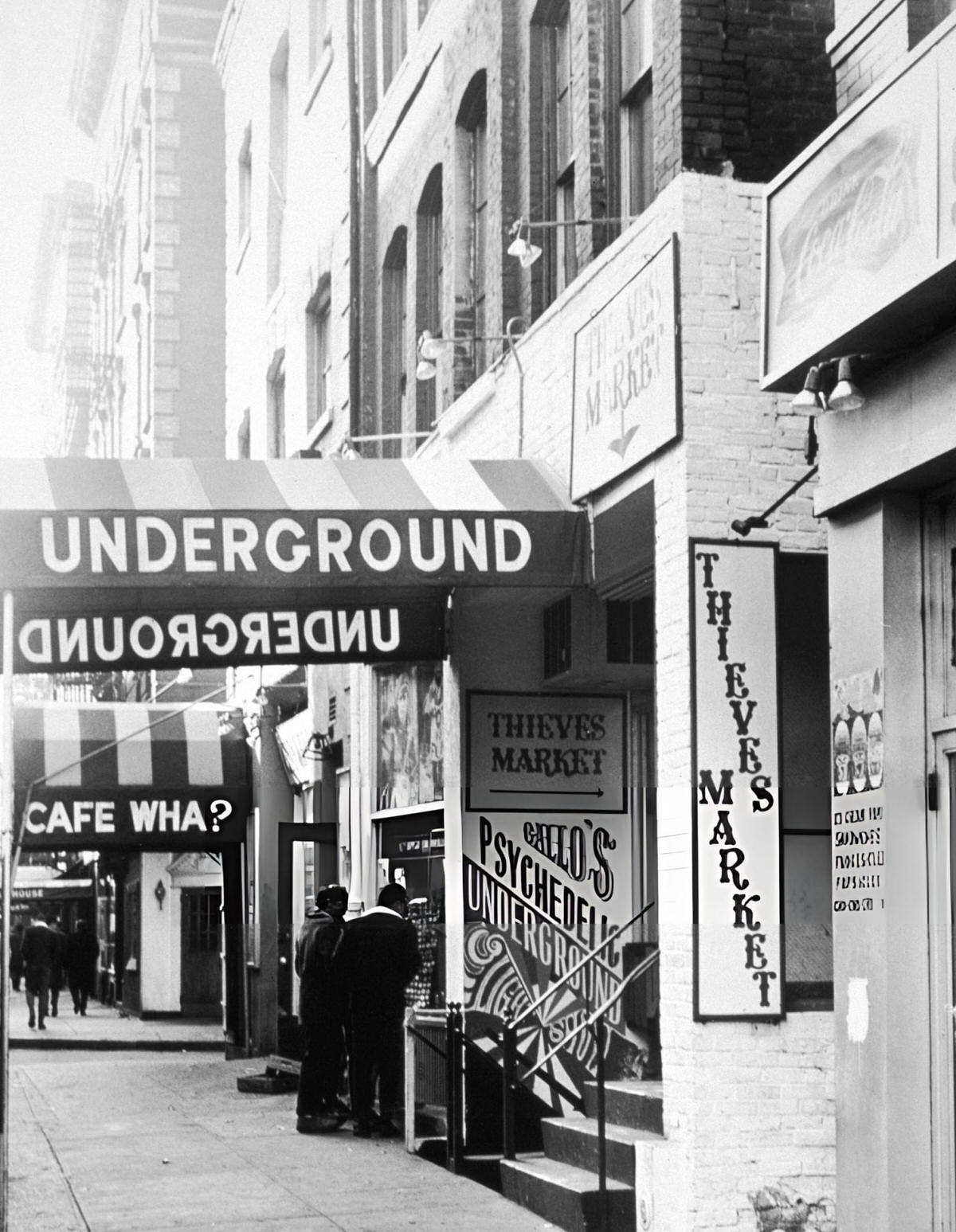
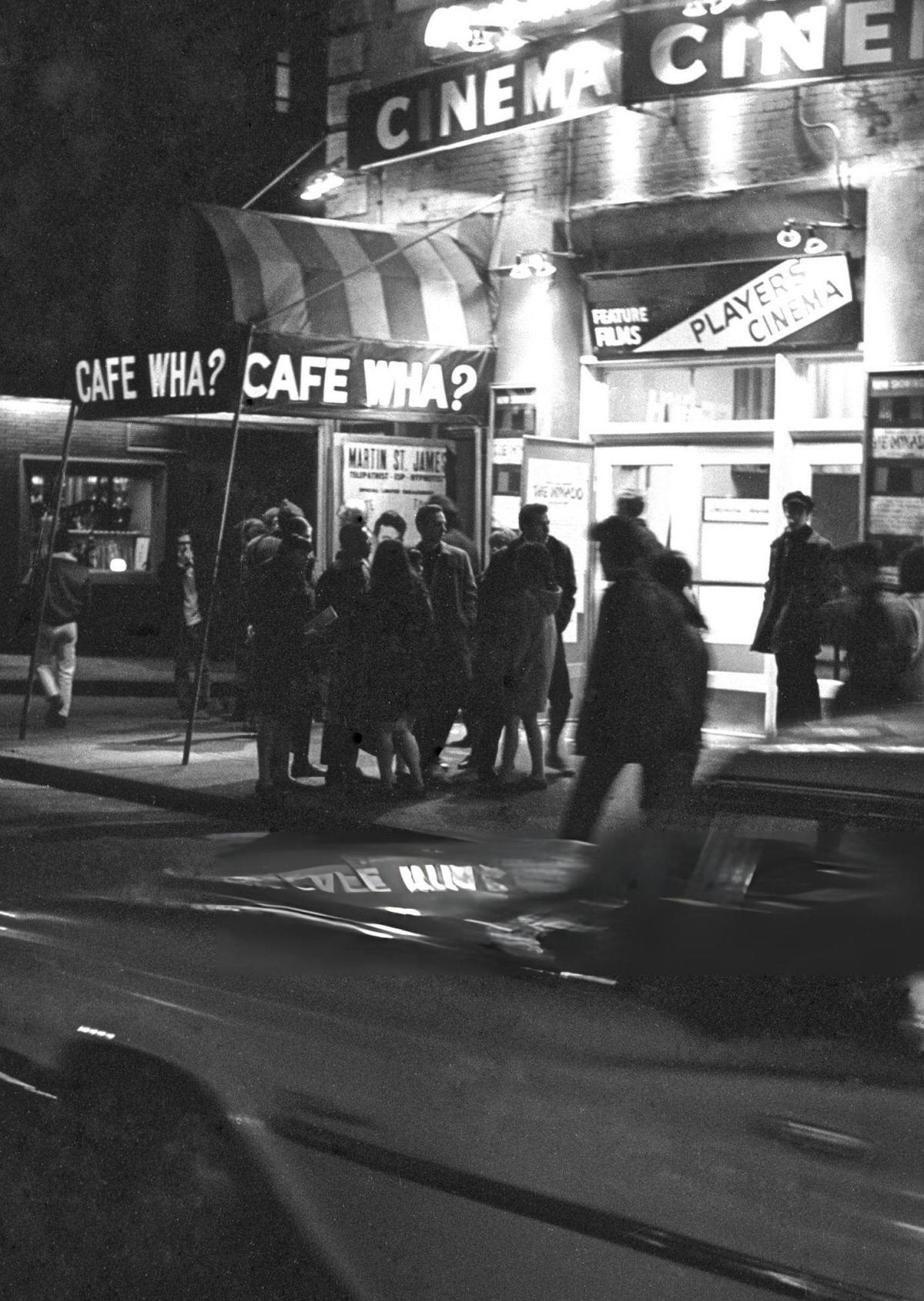
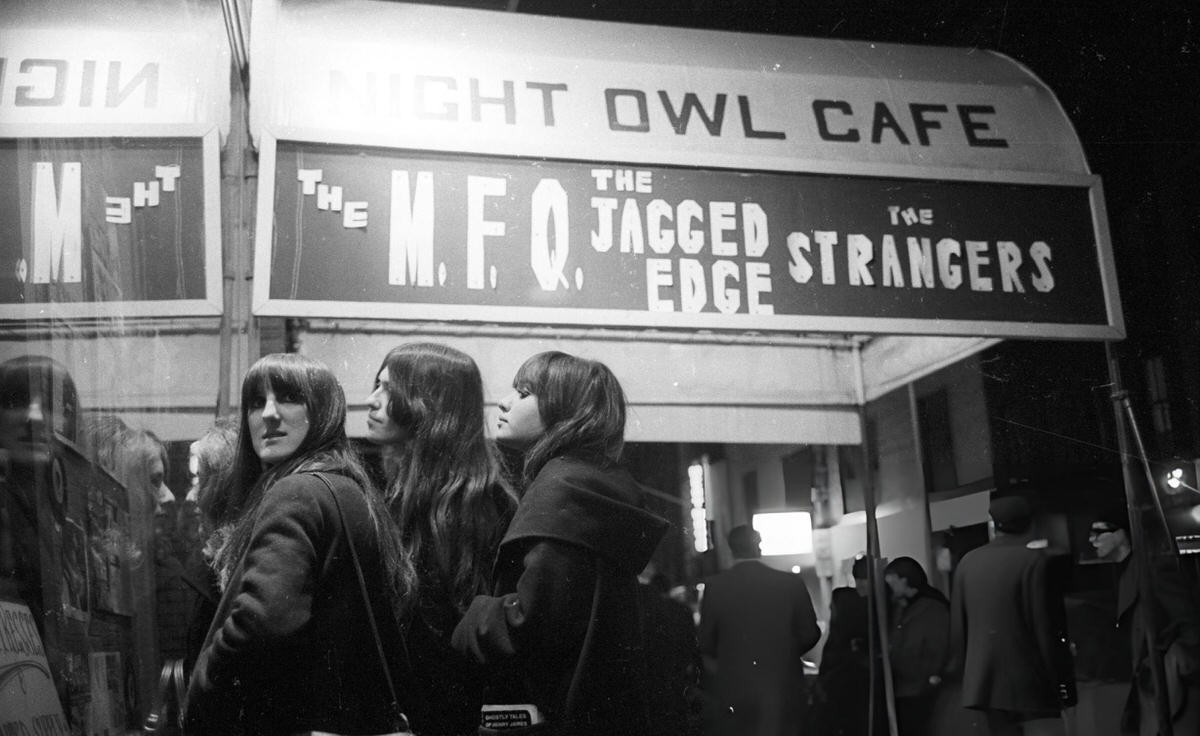
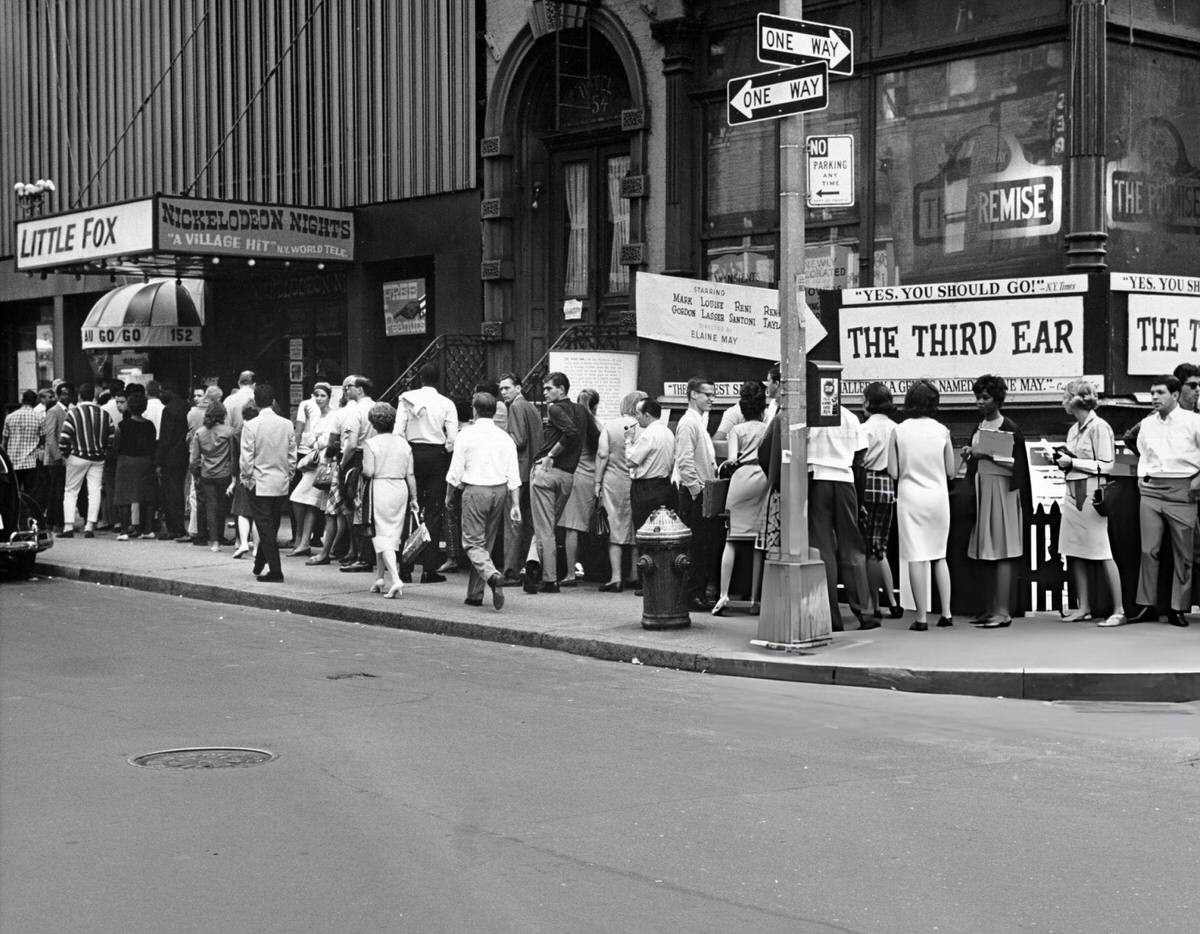
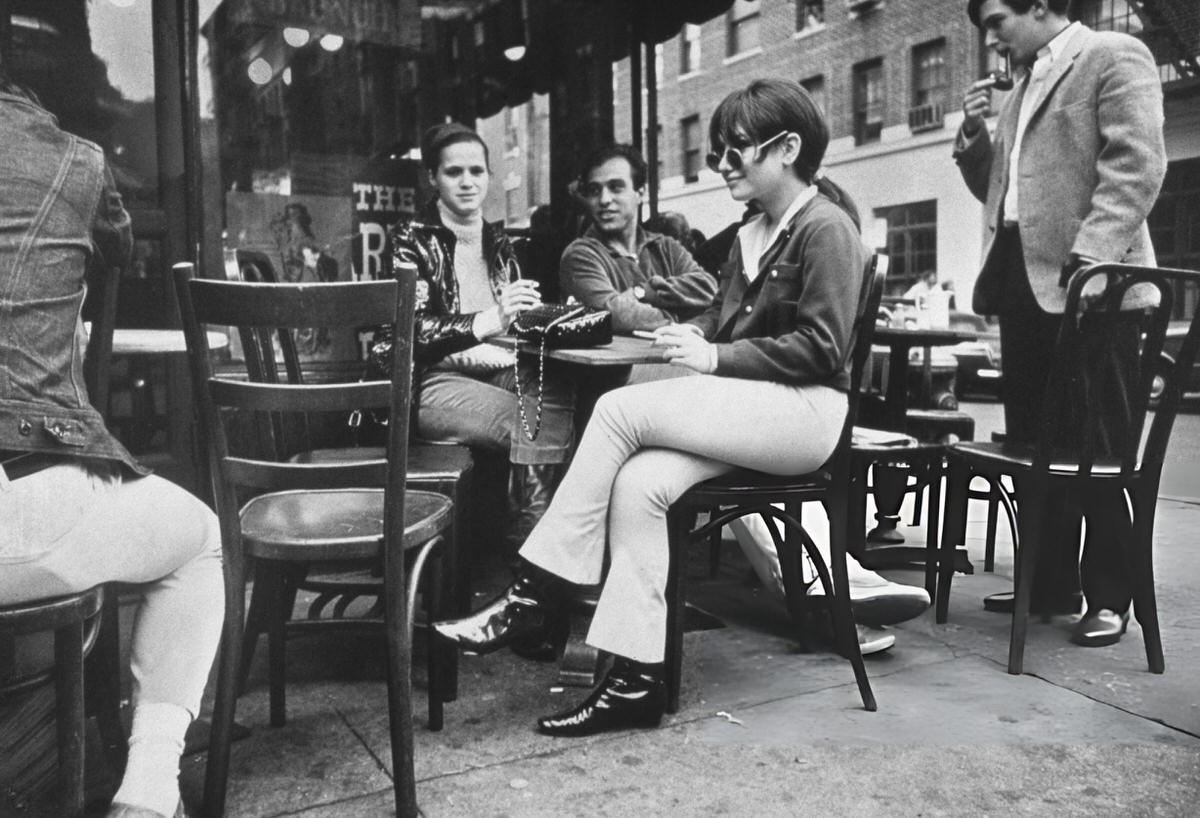
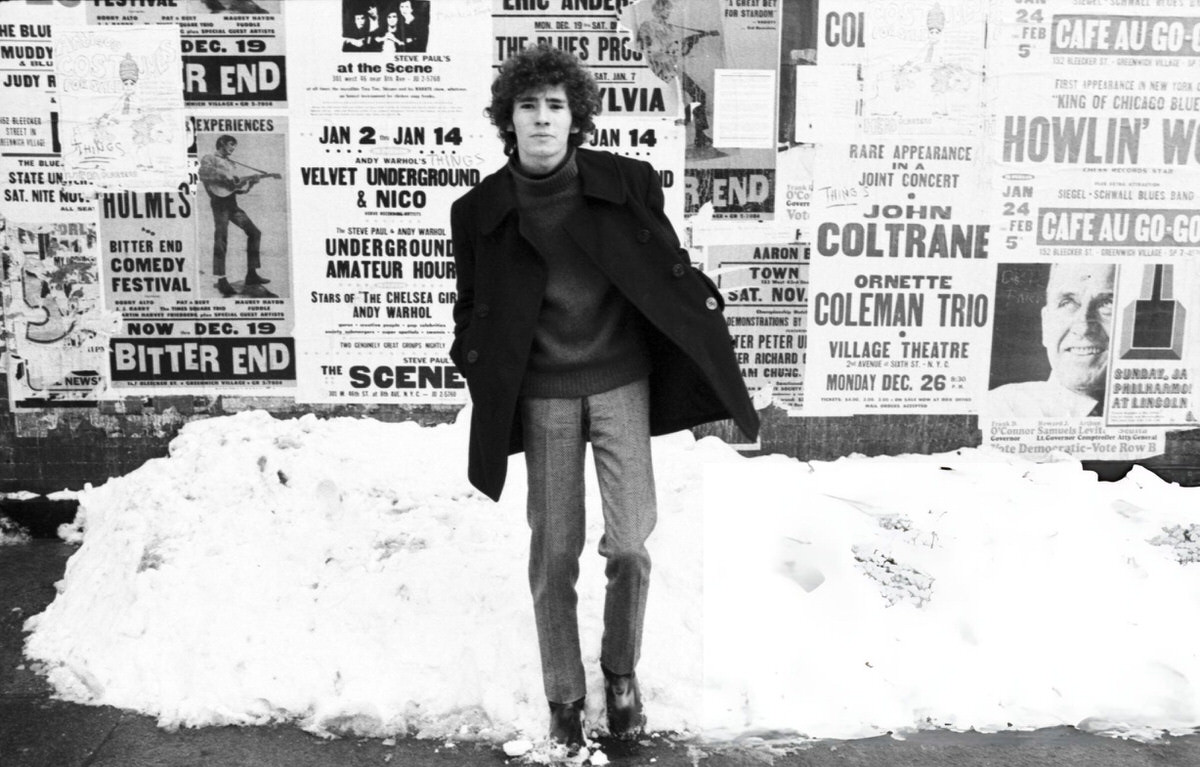
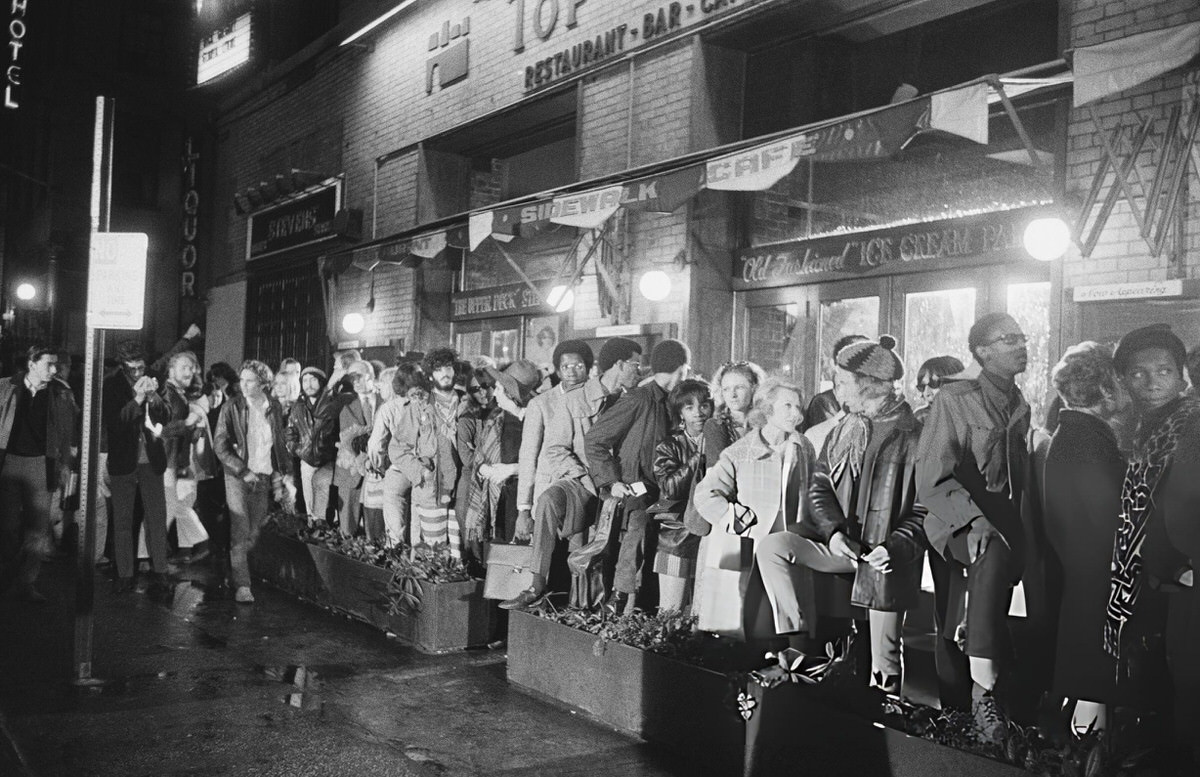
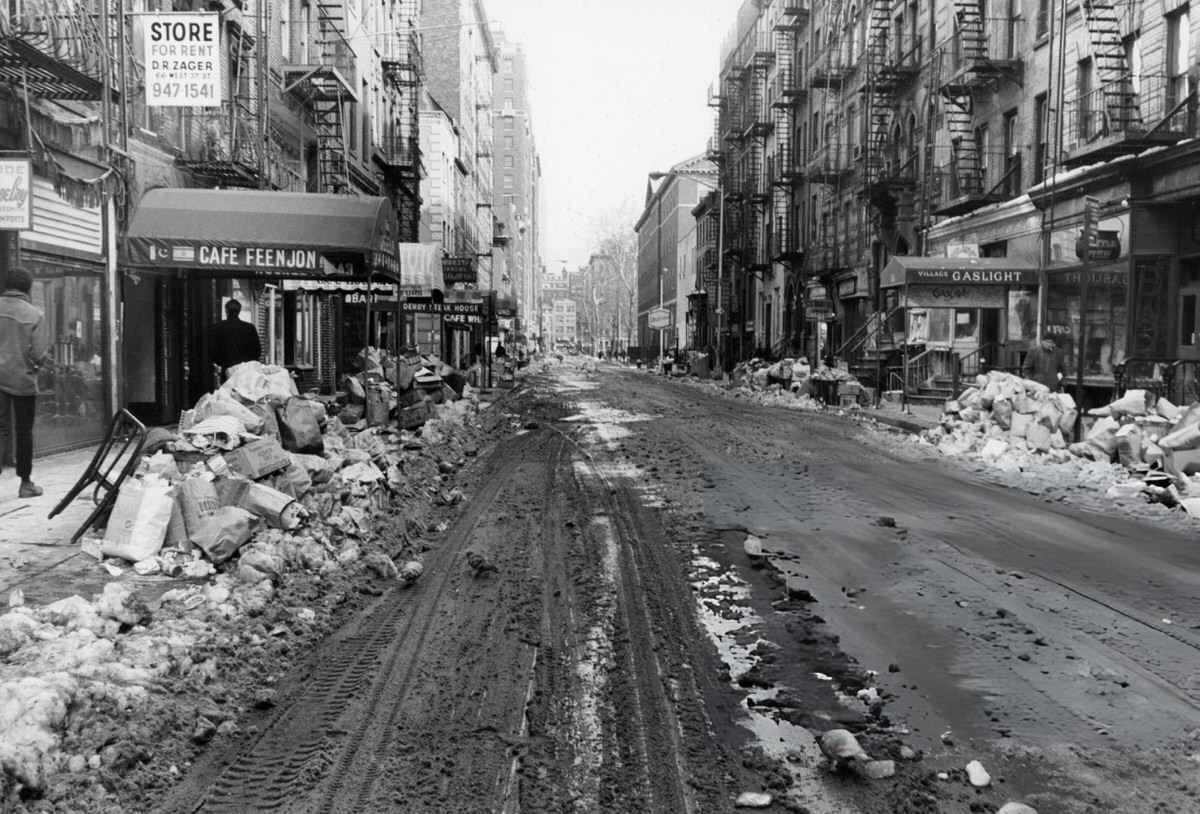
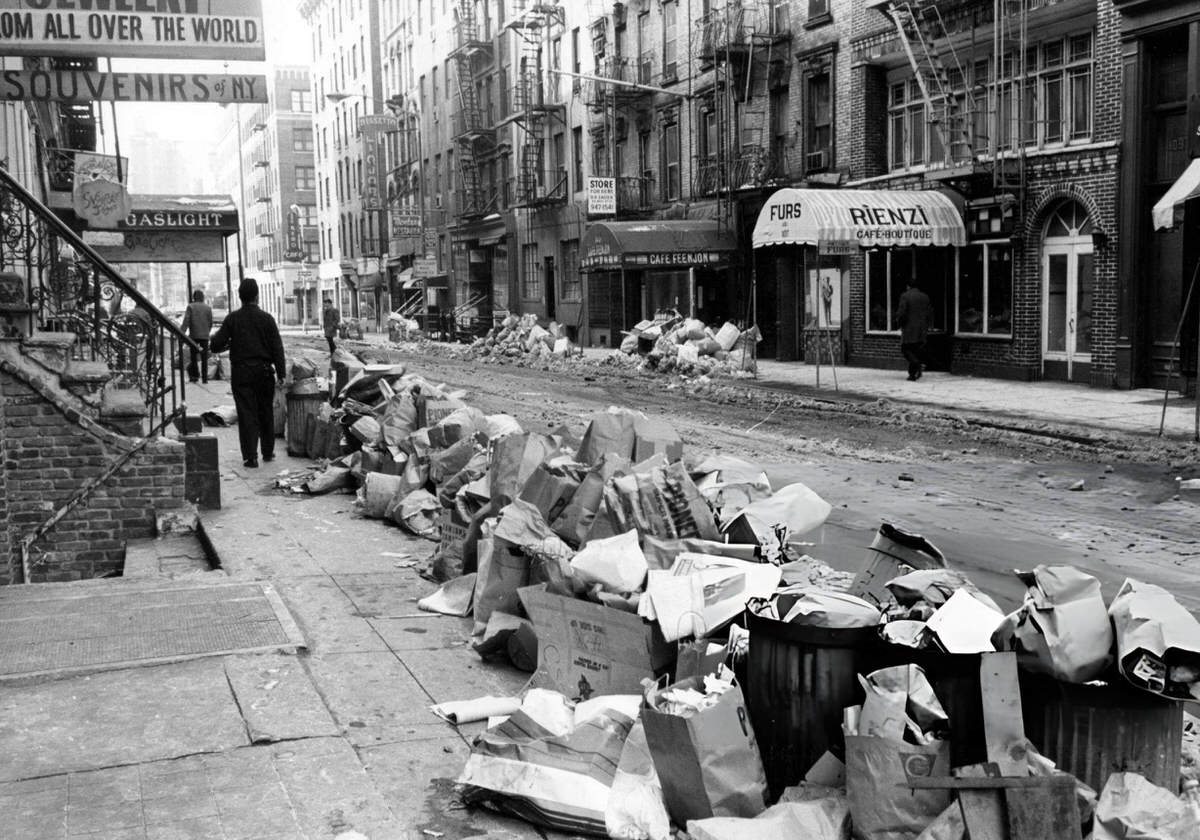
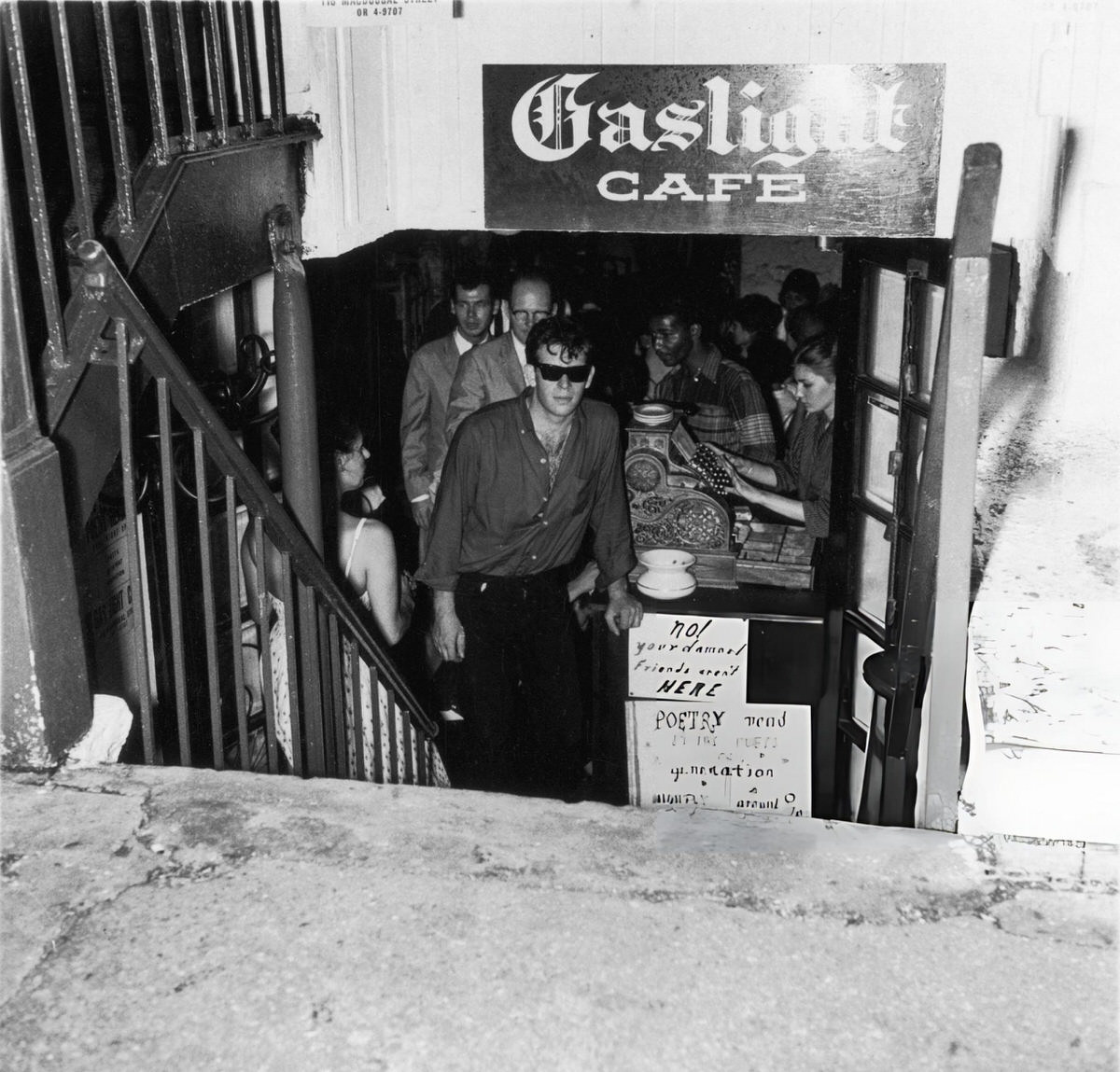
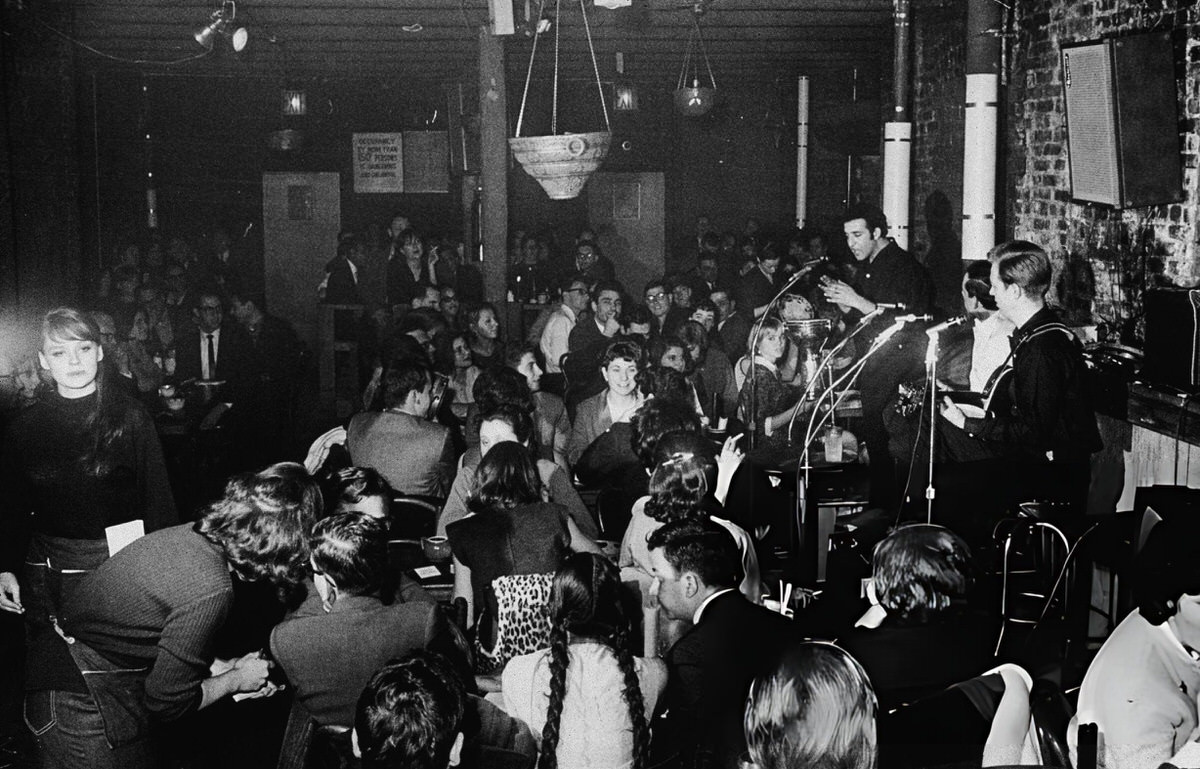
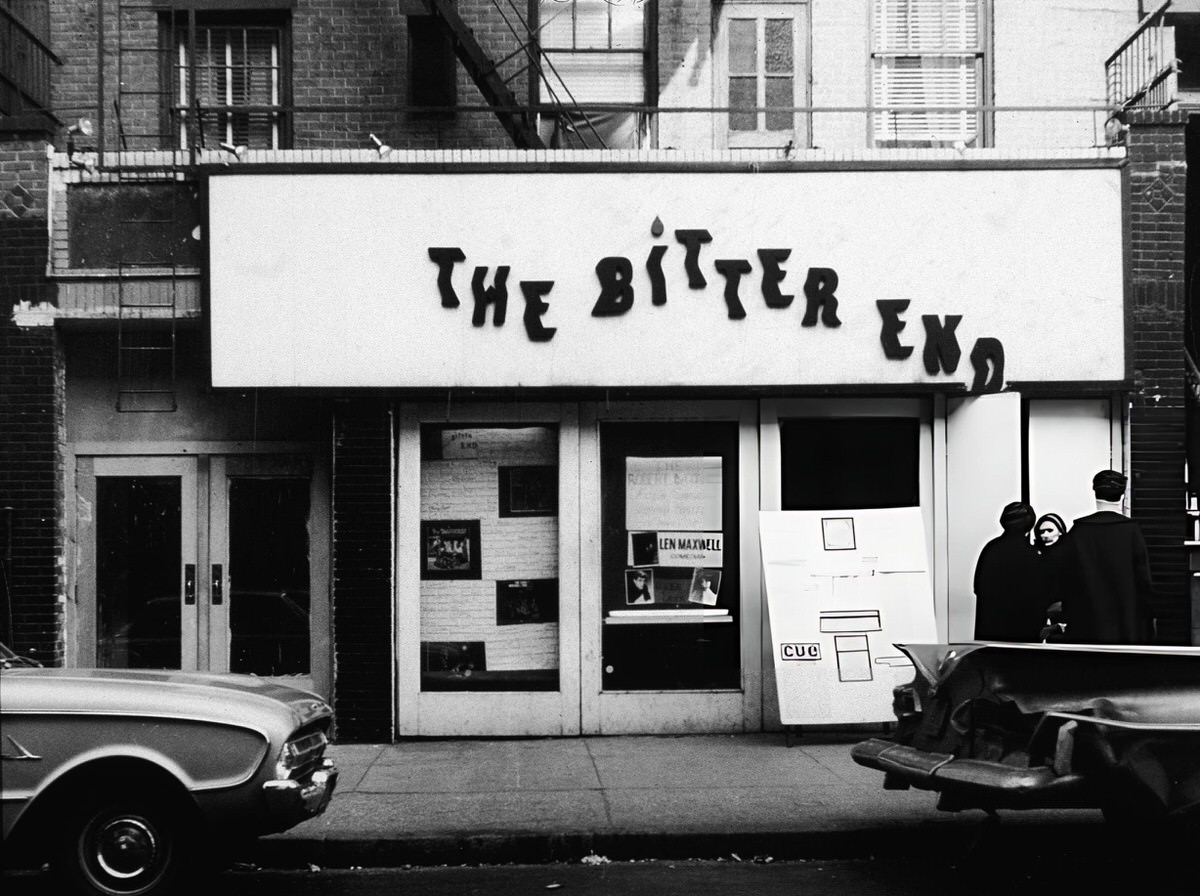
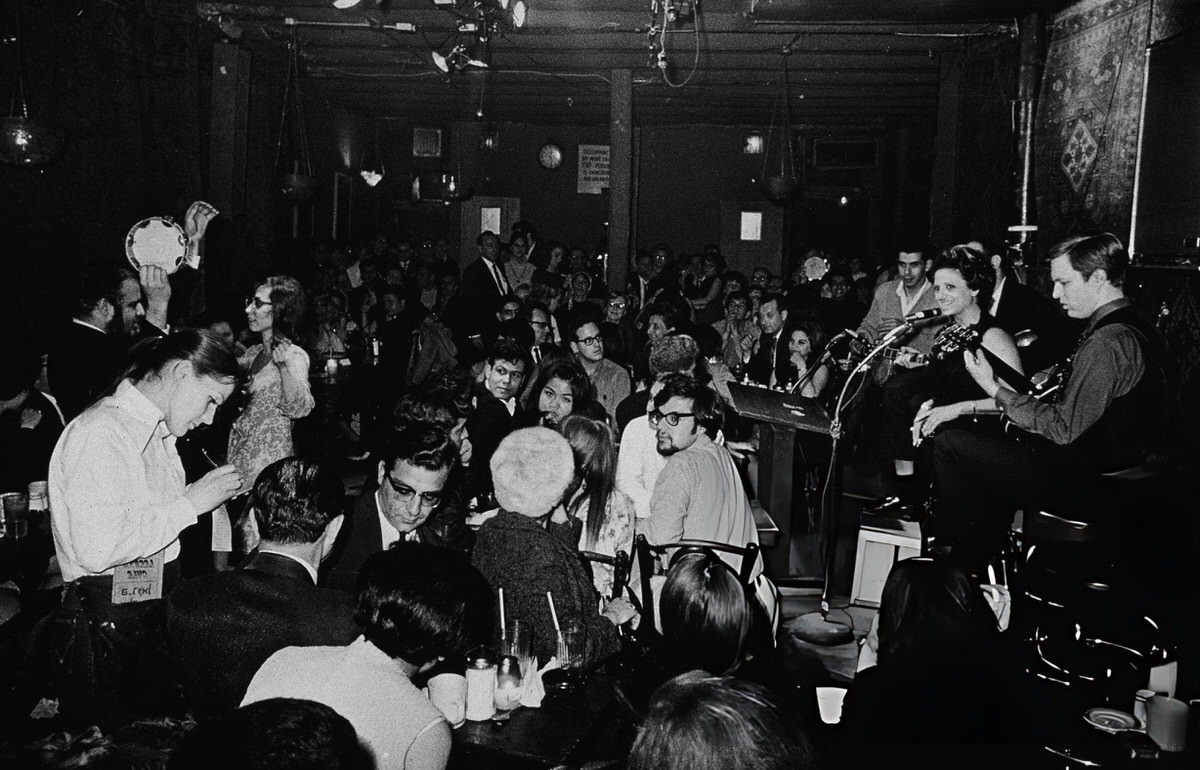
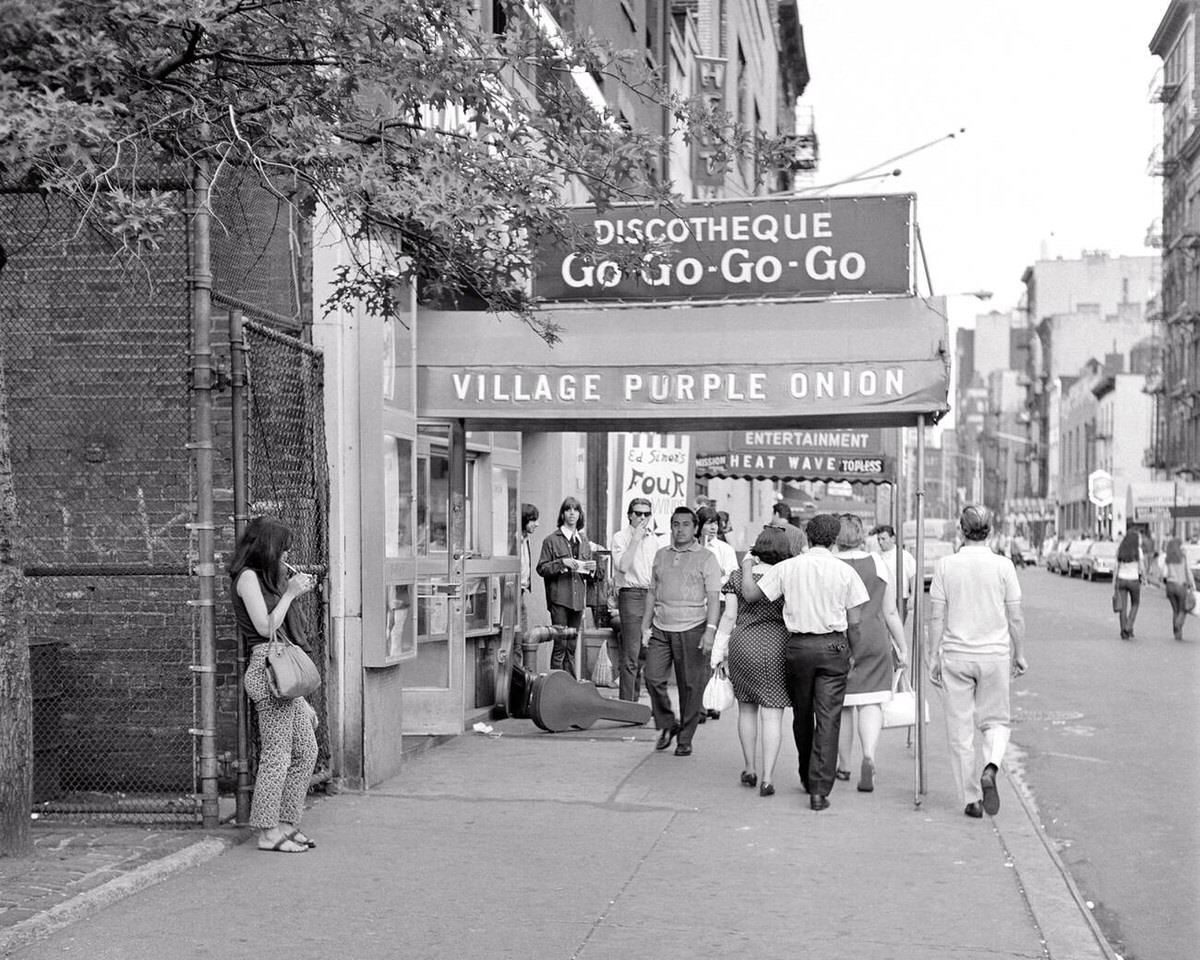
The coffeehouses were the real architecture of the scene. The Gaslight Café on MacDougal ran poetry nights where Allen Ginsberg and Gregory Corso read. The Bitter End, also on Bleecker, booked folk acts before they were famous — Richie Havens, Judy Collins, a very young Joni Mitchell. The Café Wha? had no cover charge and kept its lights low. Managers passed the hat at the end of sets. Musicians made two dollars on a good night and kept coming back anyway.
The civil rights movement was not something Village residents watched on television. CORE, the Congress of Racial Equality, had offices nearby and organized sit-ins. Freedom Riders left from New York. Pete Seeger and the folk community treated protest songs as political tools, not just music. When Dylan wrote “Blowin’ in the Wind” in 1962, he finished it in a bar on West 4th Street in under ten minutes. He showed it to Gil Turner that night. Turner played it at the Gaslight the same week.
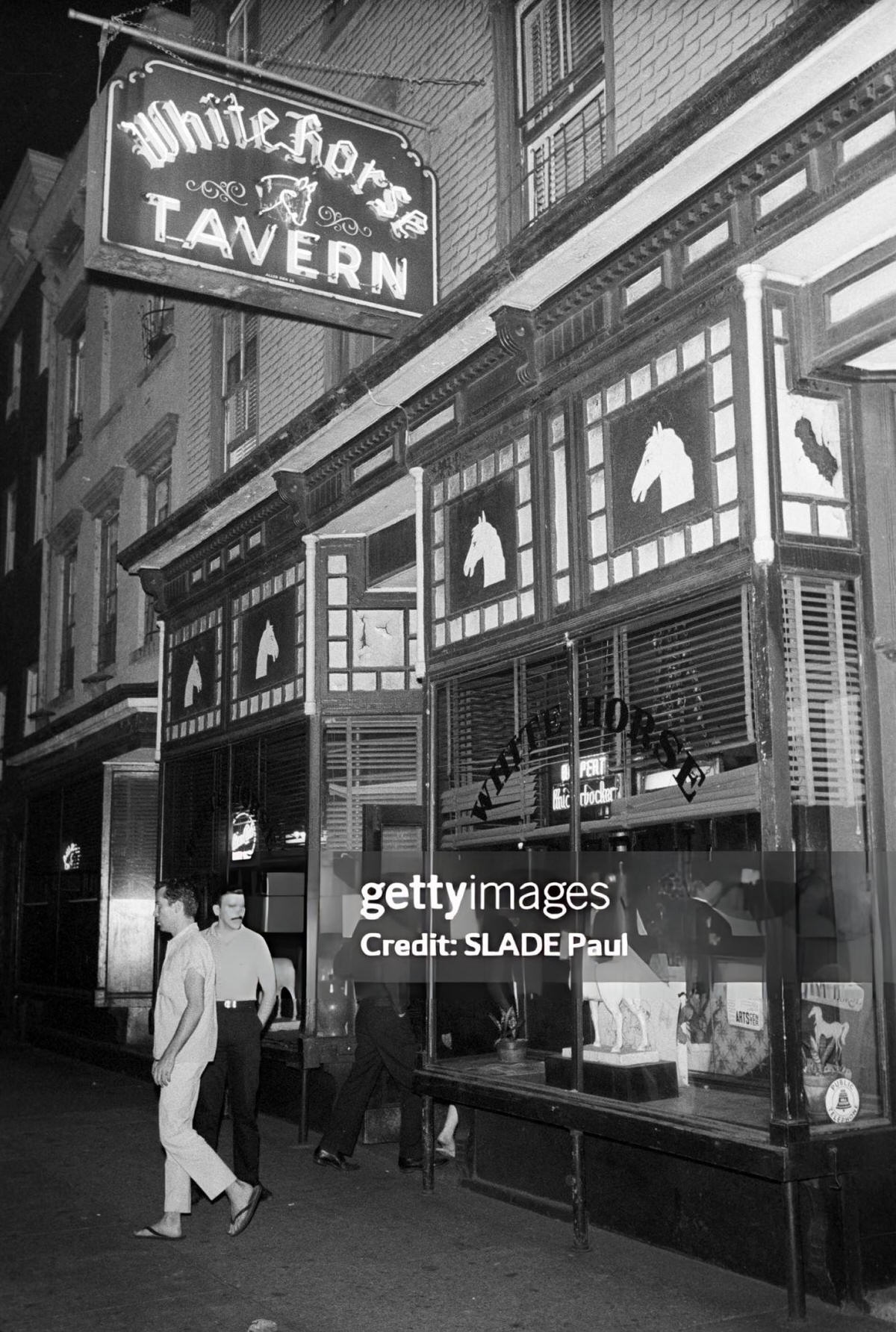
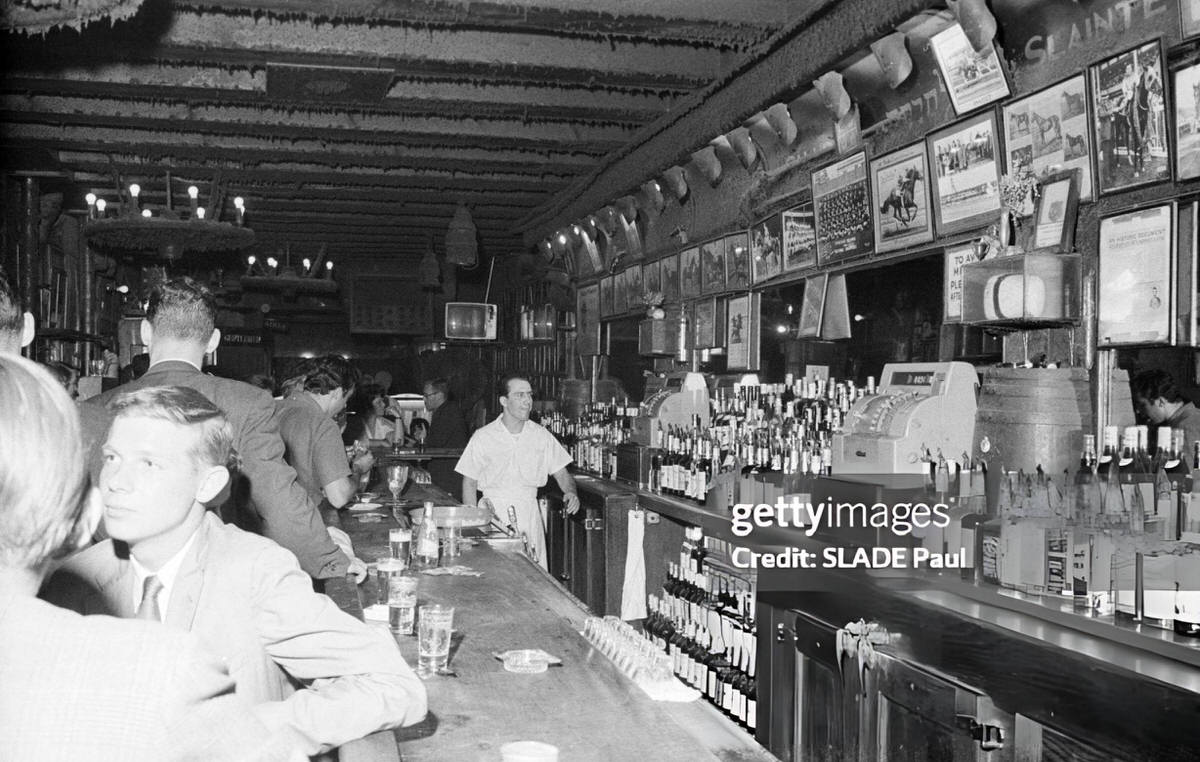
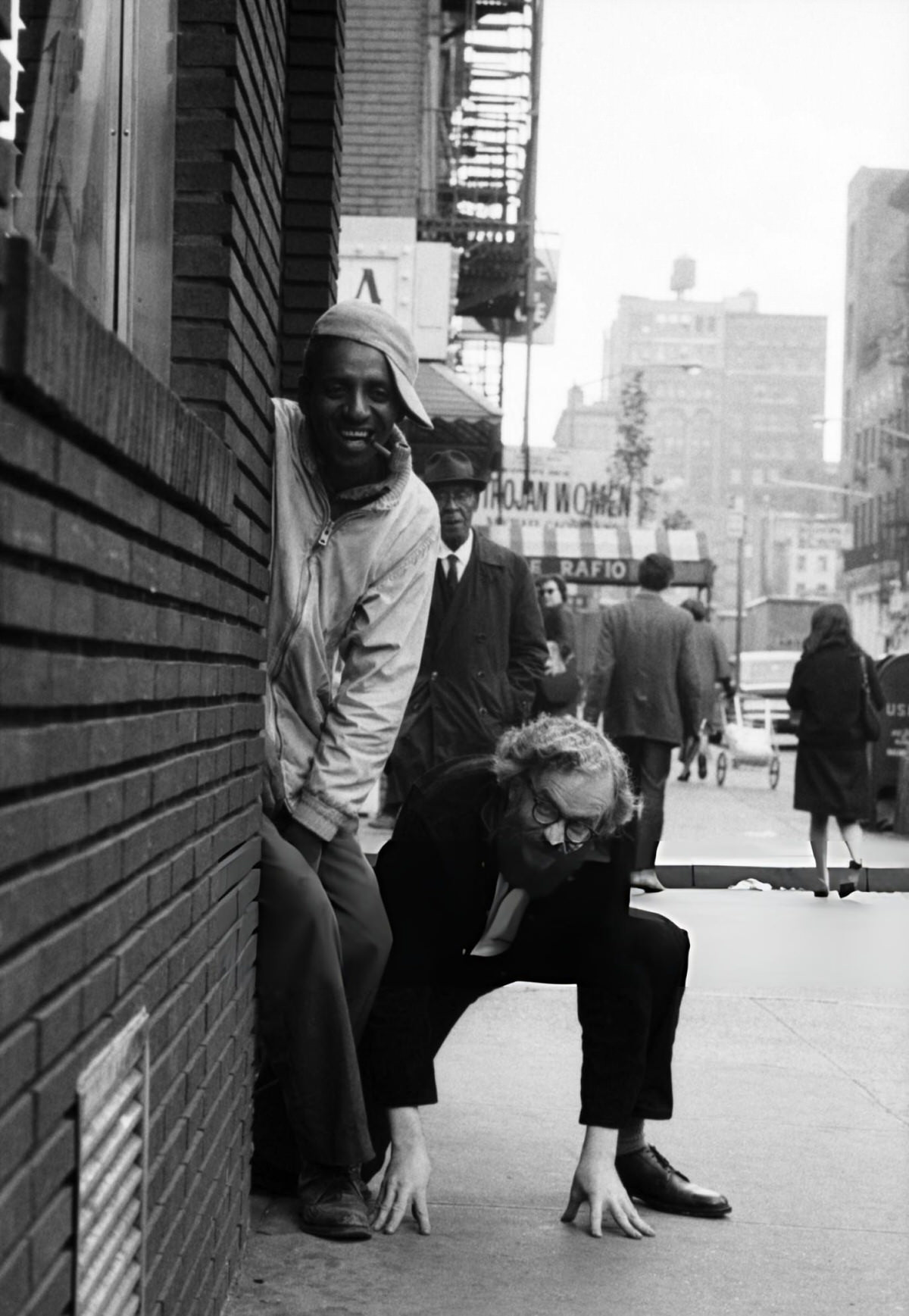
Not everyone in the Village was young or broke. The White Horse Tavern on Hudson Street had been there since 1880. Dylan Thomas drank himself to death there in 1953. In the 1960s, Norman Mailer argued at the bar. Journalists, longshoremen, and Irish locals sat at the same tables as poets. The White Horse did not care about your scene. It cared about your tab.
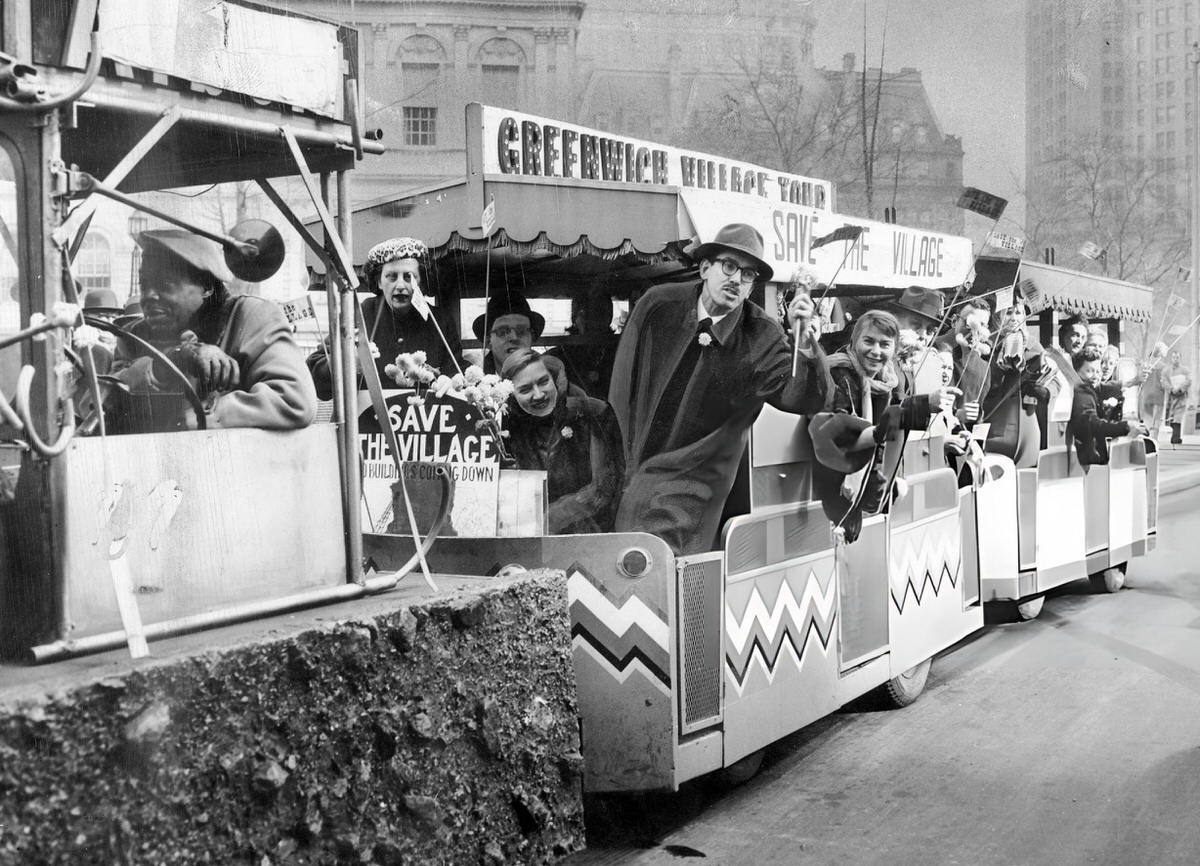
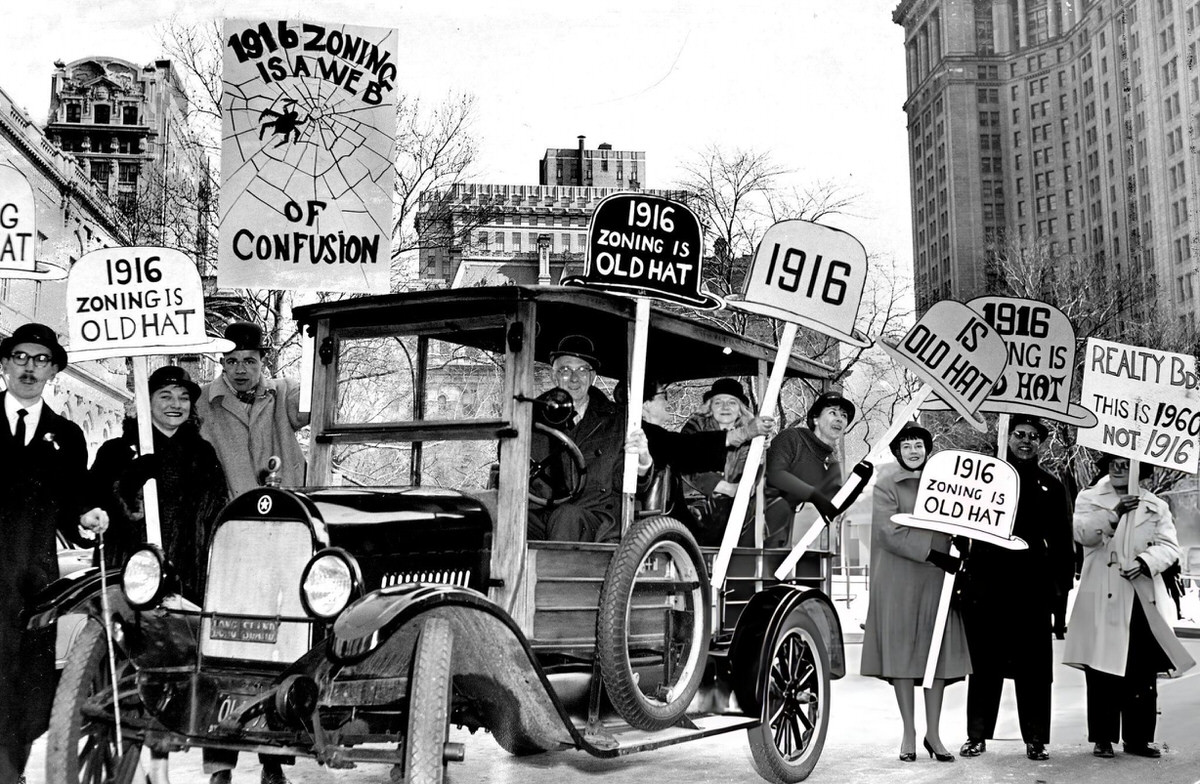
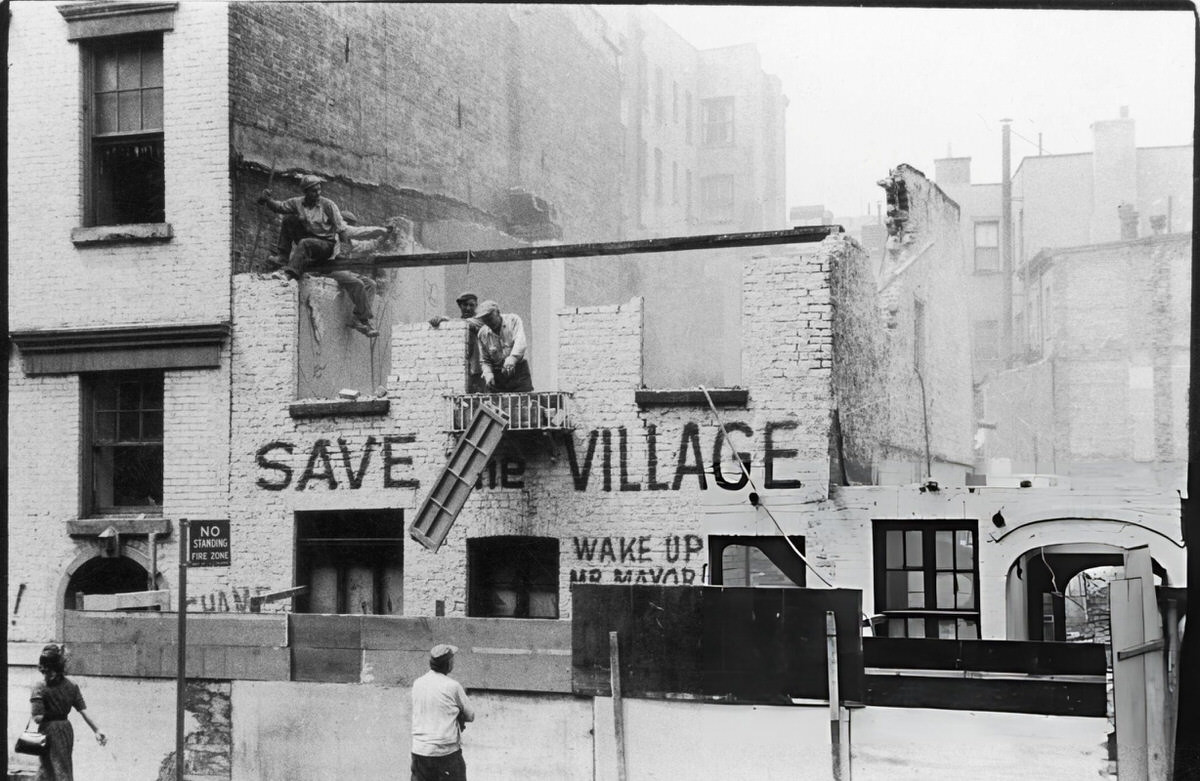
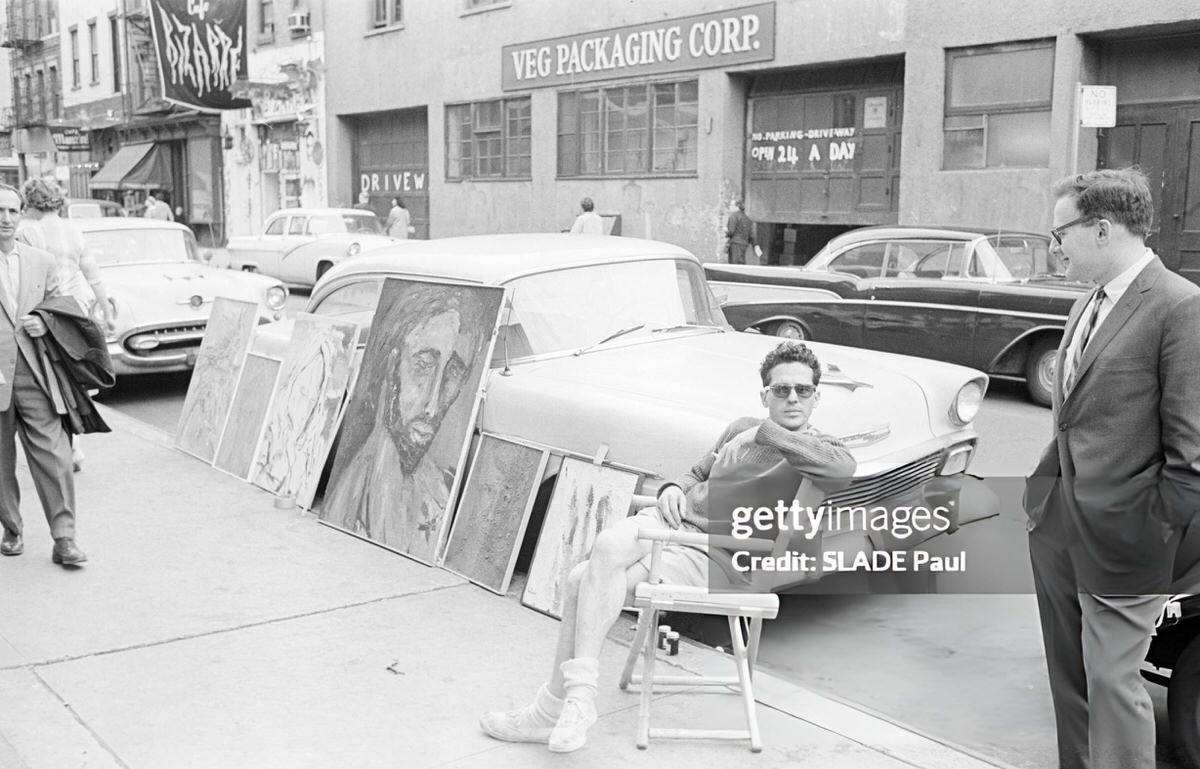
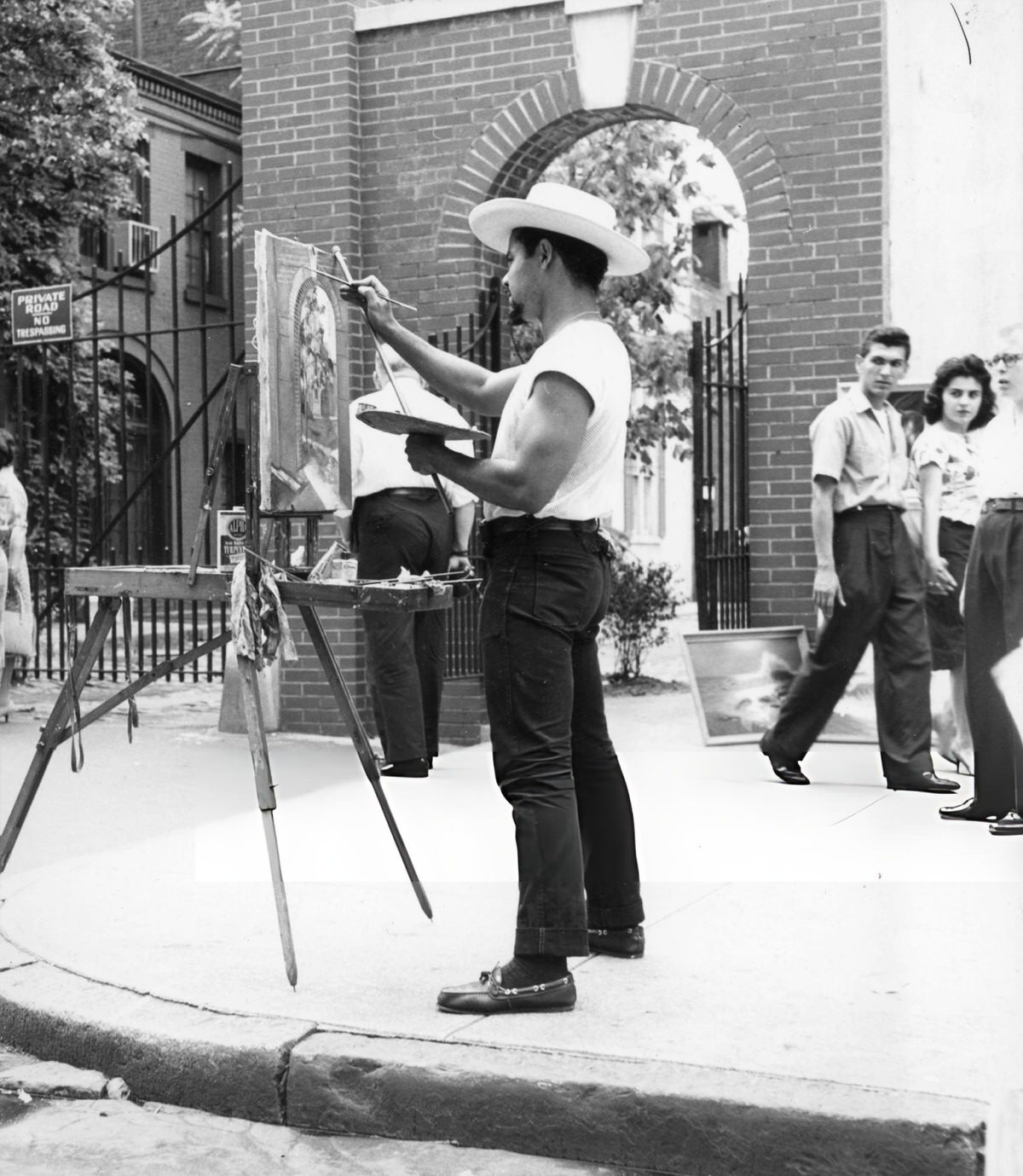
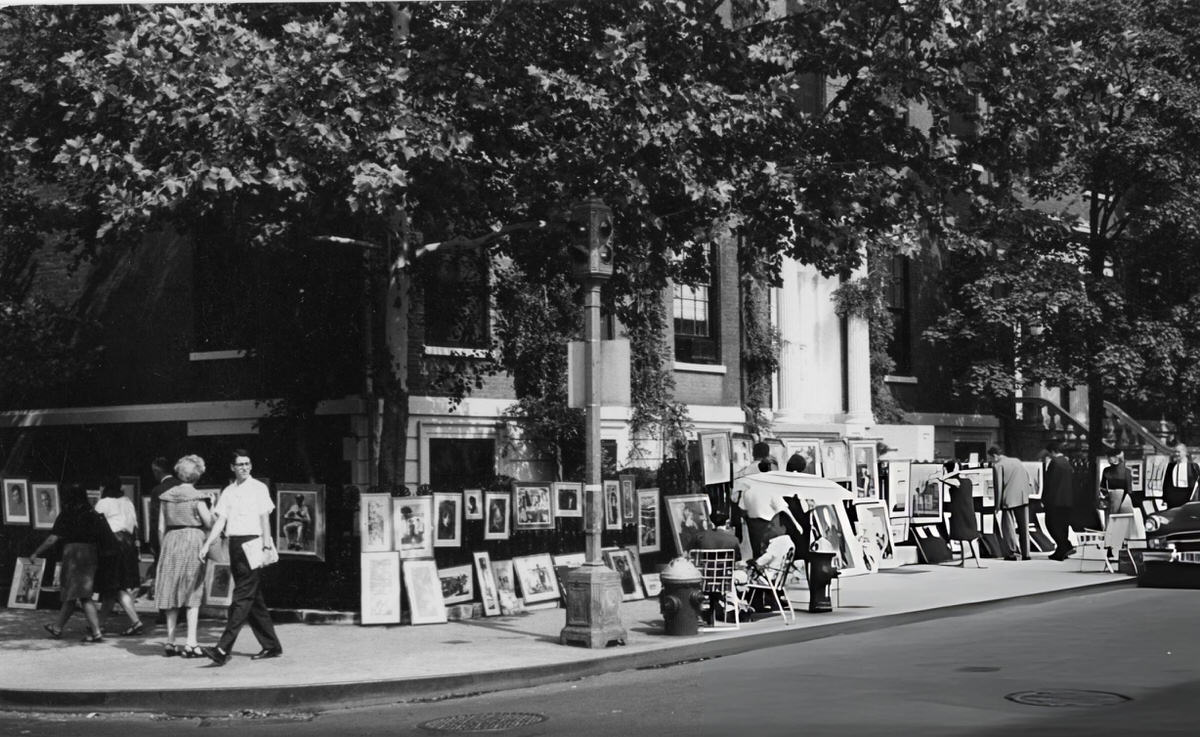
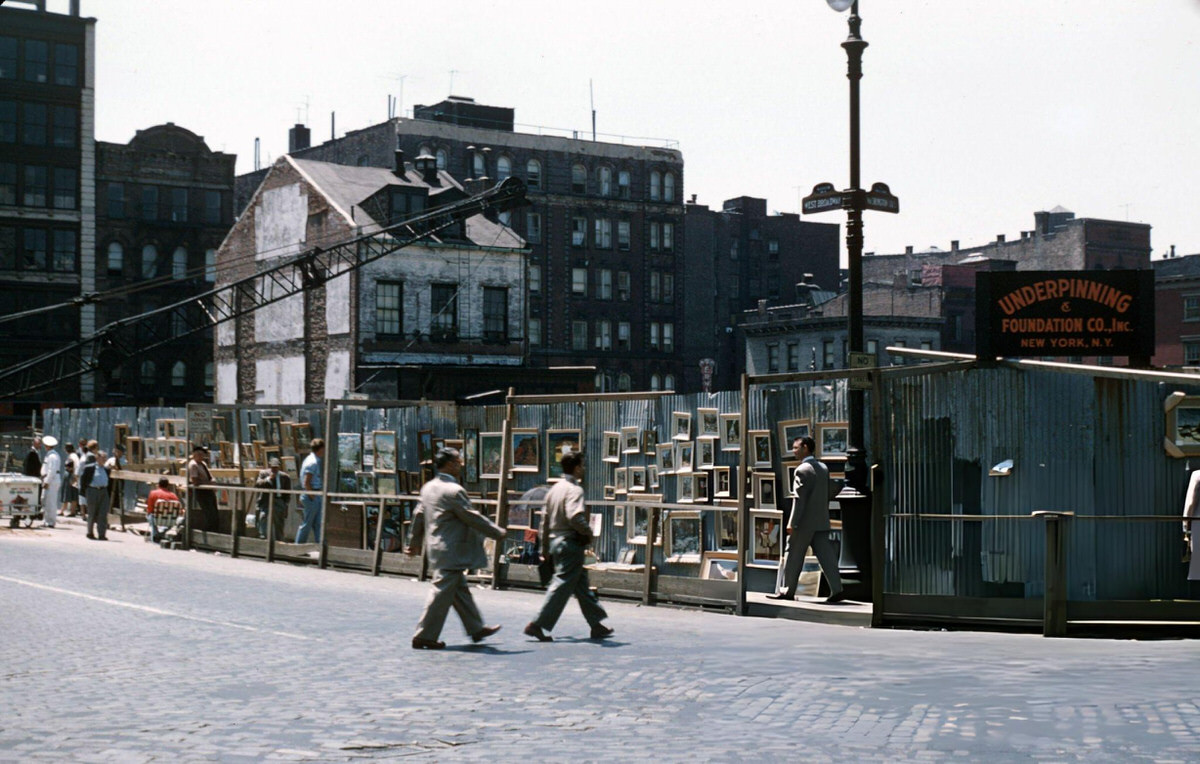
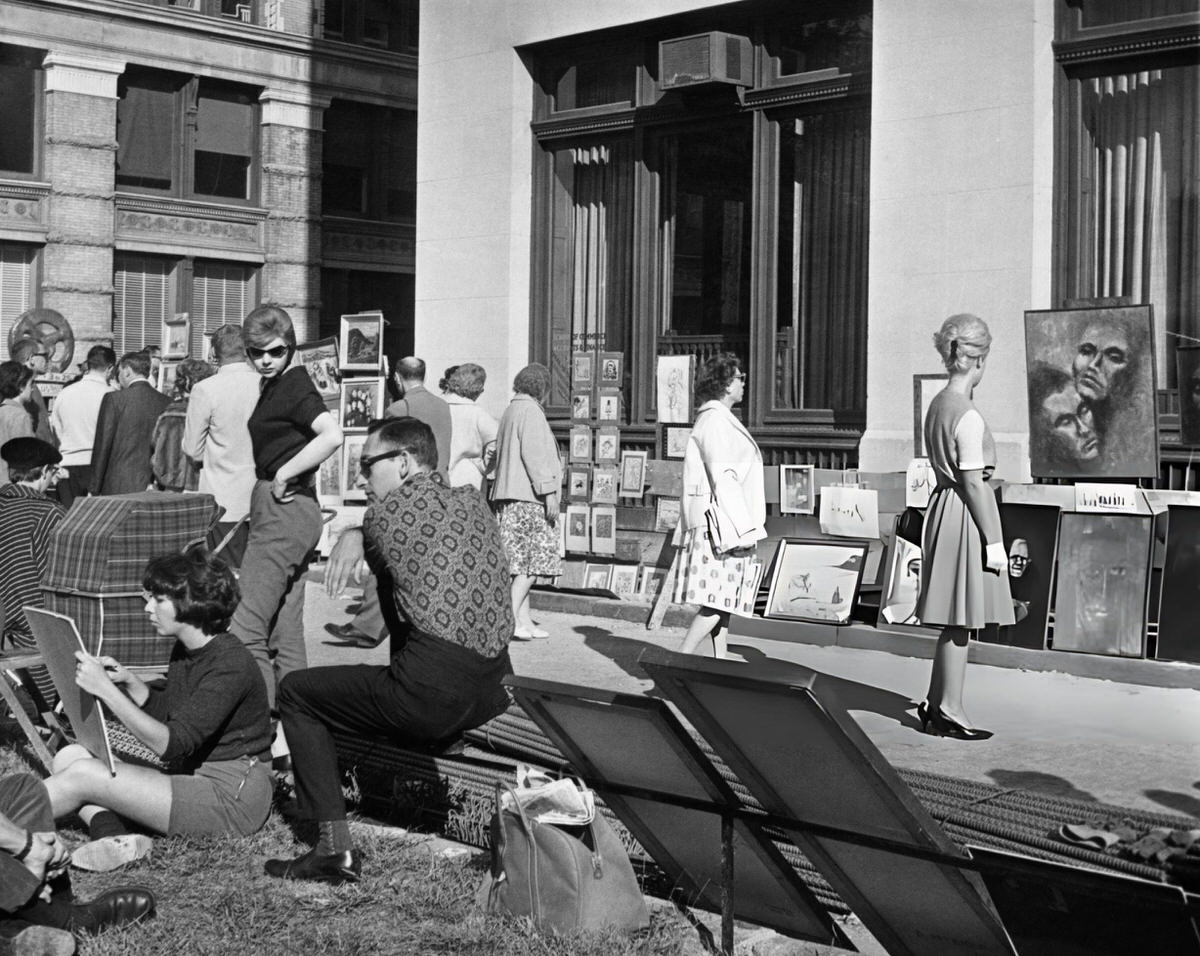
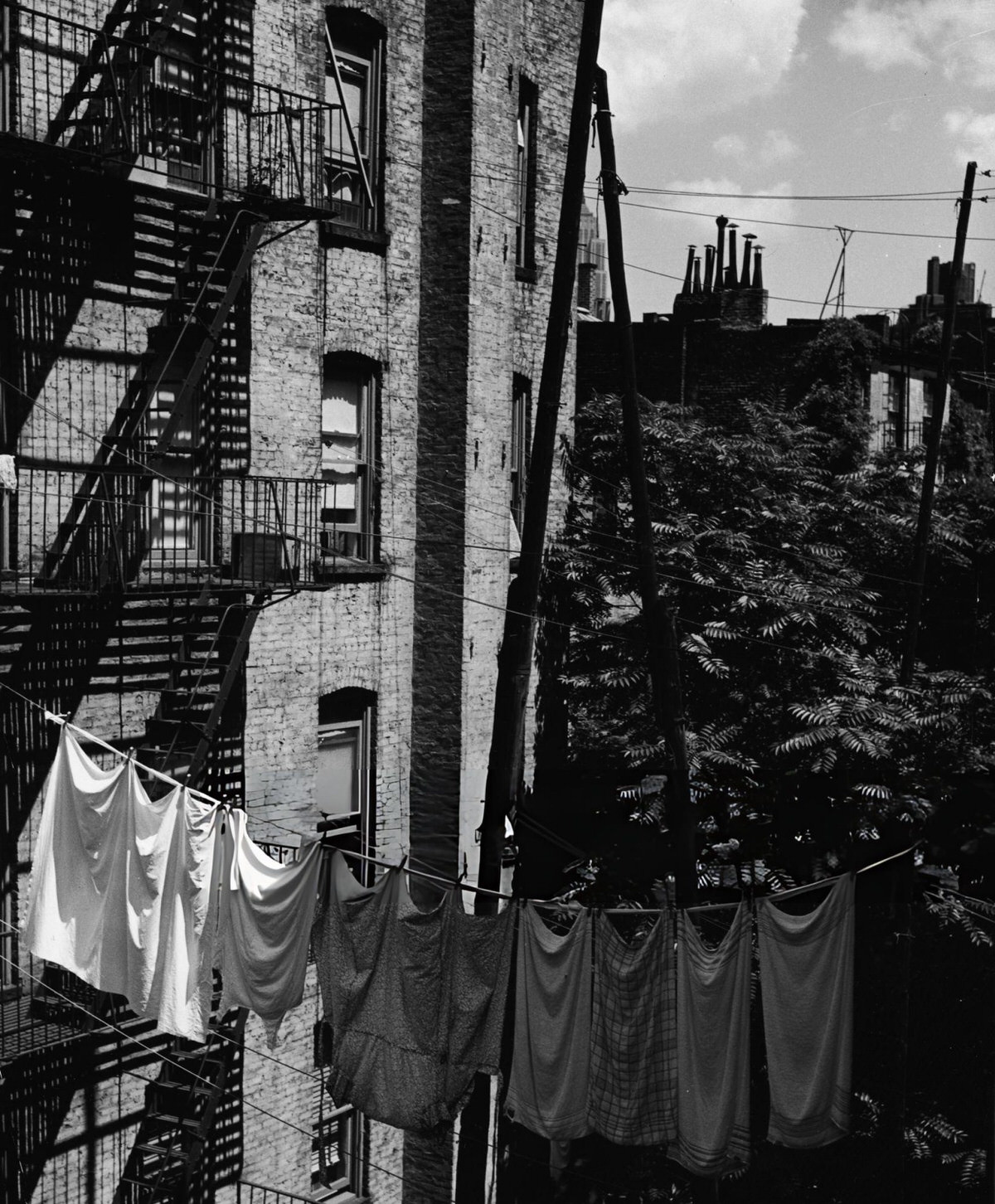
The rents were still cheap enough in the early 1960s that artists actually lived there. Painters took loft spaces in the far West Village near the meatpacking district. Writers rented cold-water flats for $60 a month. Jane Jacobs, who was not an artist but was a journalist and urban thinker, lived on Hudson Street and watched the neighborhood constantly. Her 1961 book, *The Death and Life of Great American Cities*, came directly from watching how the Village worked — the way sidewalks created safety, the way mixed uses kept streets alive. She fought Robert Moses twice and stopped a highway that would have cut the Village in half.
By 1965, Dylan had gone electric and left the folk scene furious behind him. The Beatles had changed what rock music meant. The Village stayed relevant but the center of gravity shifted — to Haight-Ashbury, to acid, to something the coffeehouses were not built for. But from roughly 1958 to 1965, Greenwich Village was the place in America where the argument about what the country should become happened at close range, in small rooms, for almost no money, every single night.

GIPHY App Key not set. Please check settings