

 Frederick Victor
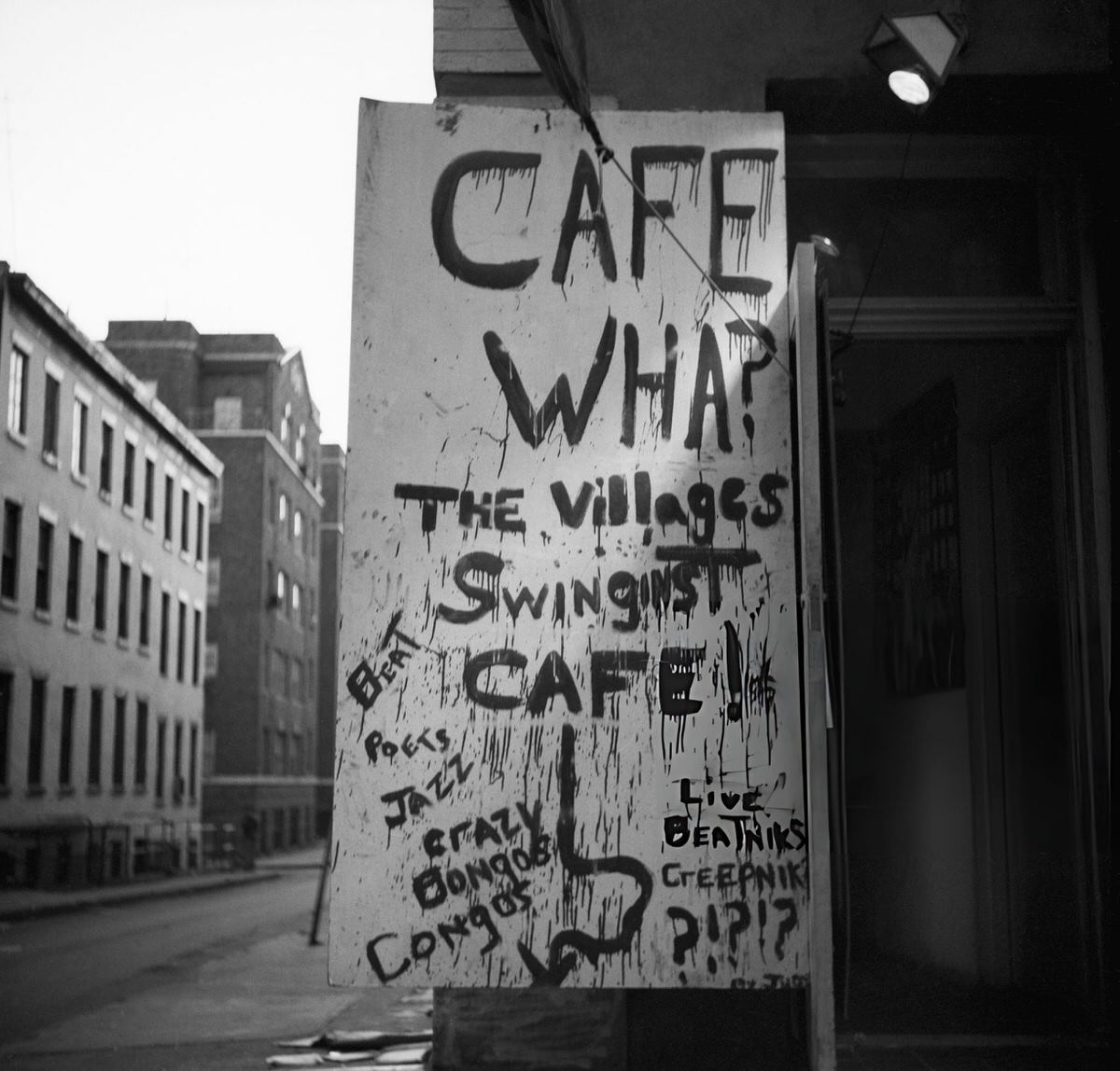
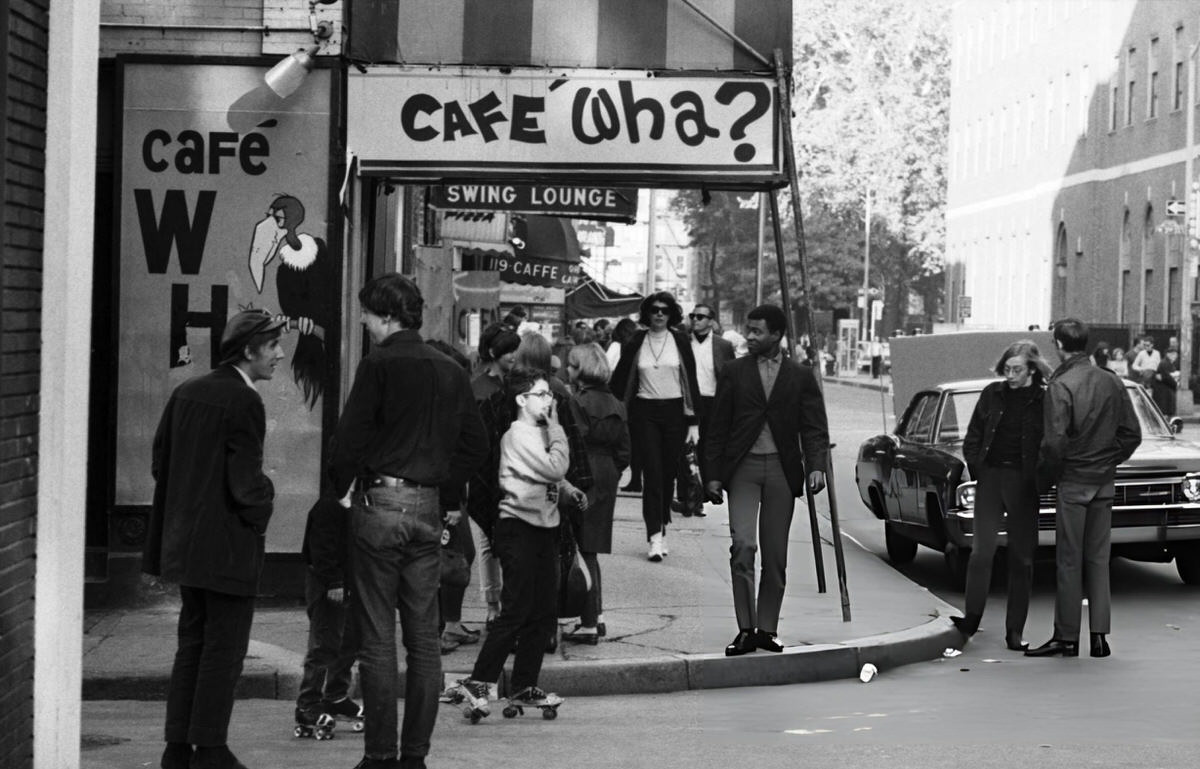
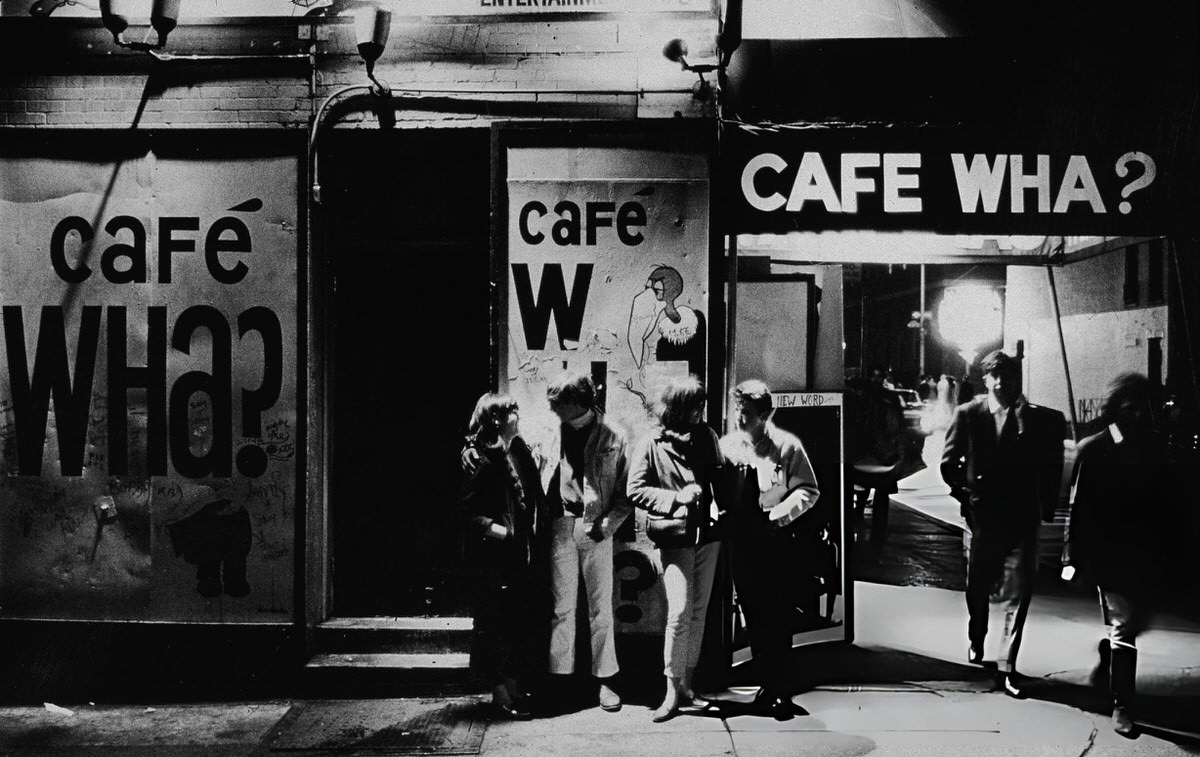
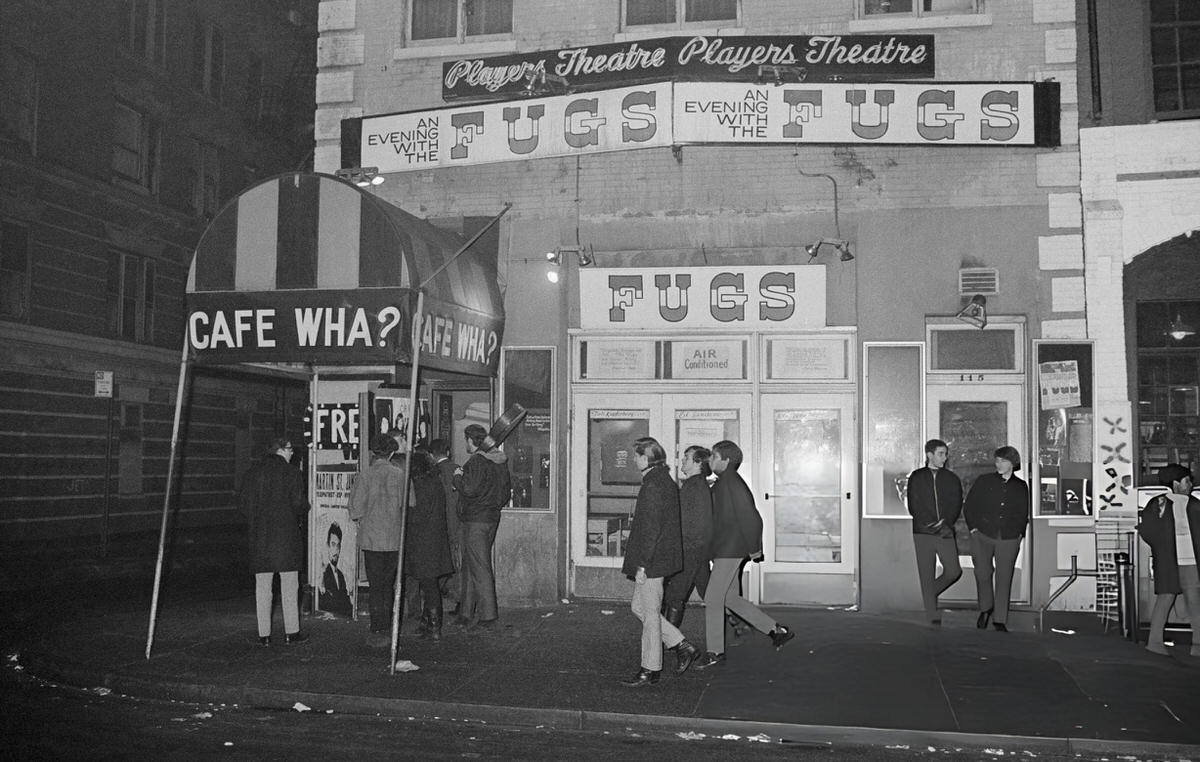
Cafe Wha? opened its doors in 1959 at 115 MacDougal Street in the basement of an old garage. Manny Roth, the owner, created a space that became the center of the folk music explosion in New York City. The venue was a “basket house,” meaning performers did not receive a set salary. Instead, they passed around a hat or a basket at the end of their set to collect spare change from the audience. This system allowed unknown artists to get on stage and prove their talent to a live crowd.
The Physical Space and Atmosphere
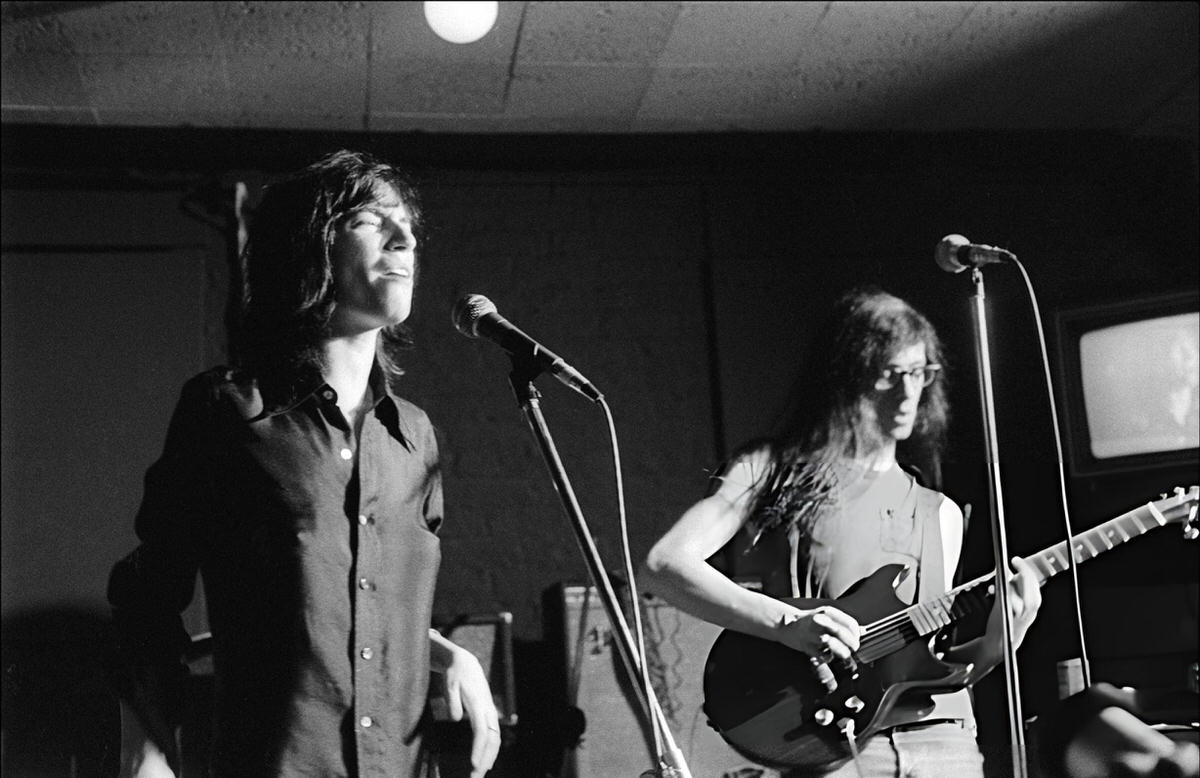
The entrance to the club was a narrow doorway that led down a steep set of stairs. The room was dark, crowded, and lacked professional ventilation. Thick clouds of cigarette smoke filled the air, and the walls were painted a dull black. To save money and space, Roth used old wooden benches and mismatched chairs for seating. The stage was a small, raised platform in the corner of the room with a single microphone.
Because the club did not have a liquor license, it served coffee, cider, and sandwiches. This made the venue accessible to younger fans and performers who were not yet twenty-one. The lack of alcohol meant the focus remained entirely on the lyrics and the music. The audience sat inches away from the performers, creating an intense and quiet environment where every mistake or brilliant note was heard clearly.
Read more
Bob Dylan’s Arrival in 1961
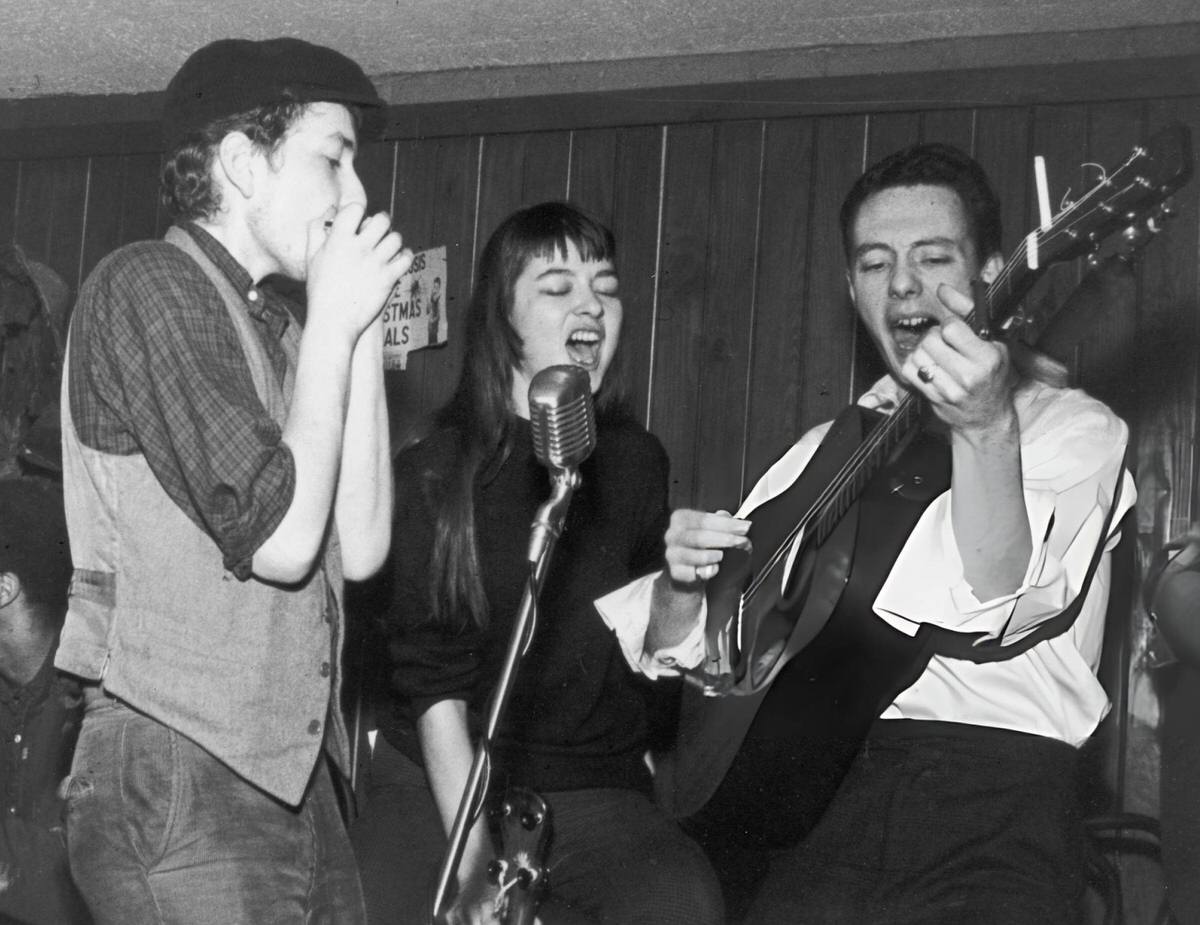
On a freezing afternoon in January 1961, a nineteen-year-old Bob Dylan walked into Cafe Wha? straight from the Port Authority Bus Terminal. He was carrying a guitar case and a small suitcase. He asked Manny Roth for a chance to play during the afternoon “hootenanny,” which was an open-mic session. Dylan performed several songs by his idol, Woody Guthrie. The crowd was small, but his raspy voice and harmonica playing immediately grabbed their attention.
Roth hired Dylan on the spot to play backup harmonica for other singers. This job paid very little, but it gave Dylan a place to stay warm and a platform to practice his songwriting. He often slept on the floors of fans he met at the club. Within weeks, he began performing his own original material during his sets. The basement of Cafe Wha? served as the first laboratory for the songs that would soon change American popular music.
The Variety of Performers
While folk music was the main draw, Cafe Wha? hosted a wide range of talent. Fred Neil was the master of ceremonies for many years. He was a deep-voiced singer who mentored many of the younger musicians. Richie Havens also started his career here, often performing long, rhythmic sets that lasted until the early hours of the morning. The club operated nearly twenty-four hours a day, with music starting in the afternoon and continuing until the sun came up.
Comedy was also a major part of the nightly lineup. A young Woody Allen performed his stand-up routines in front of the folk crowds. He used the small stage to develop his nervous, intellectual persona. Richard Pryor also made his debut at Cafe Wha?, often following folk singers who had just performed protest songs. The transition from serious music to sharp comedy happened multiple times every night.
The Daily Grind of MacDougal Street
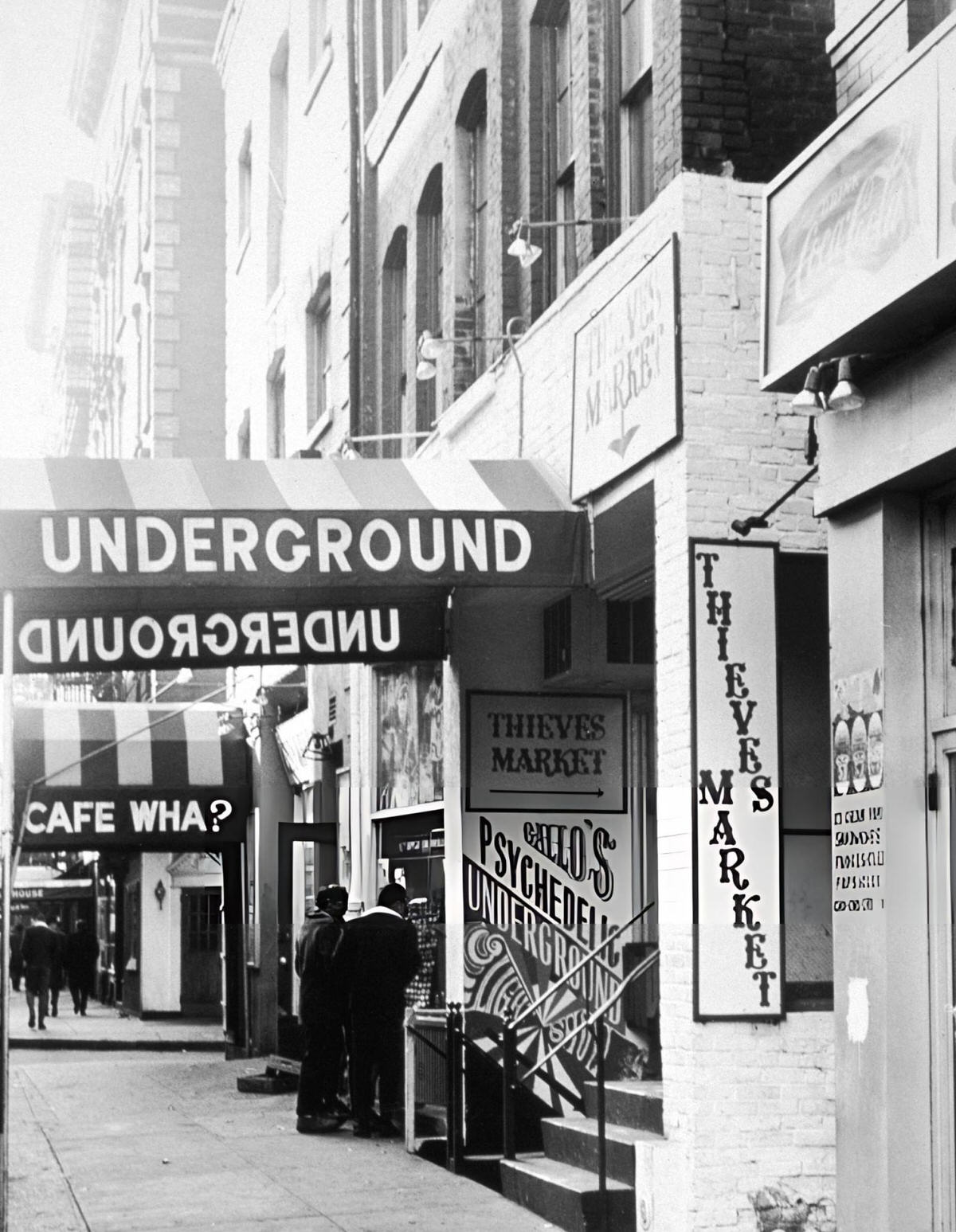
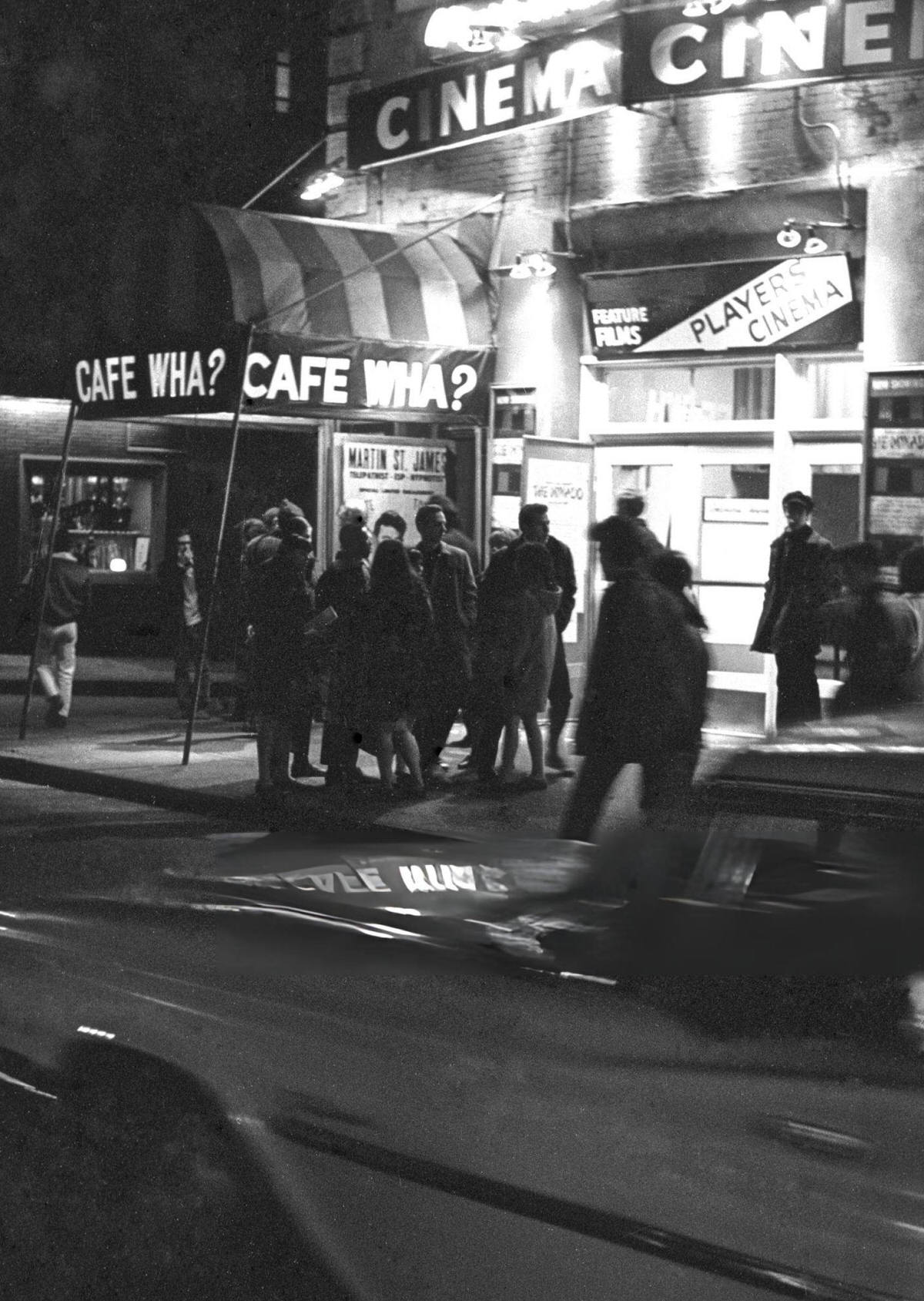
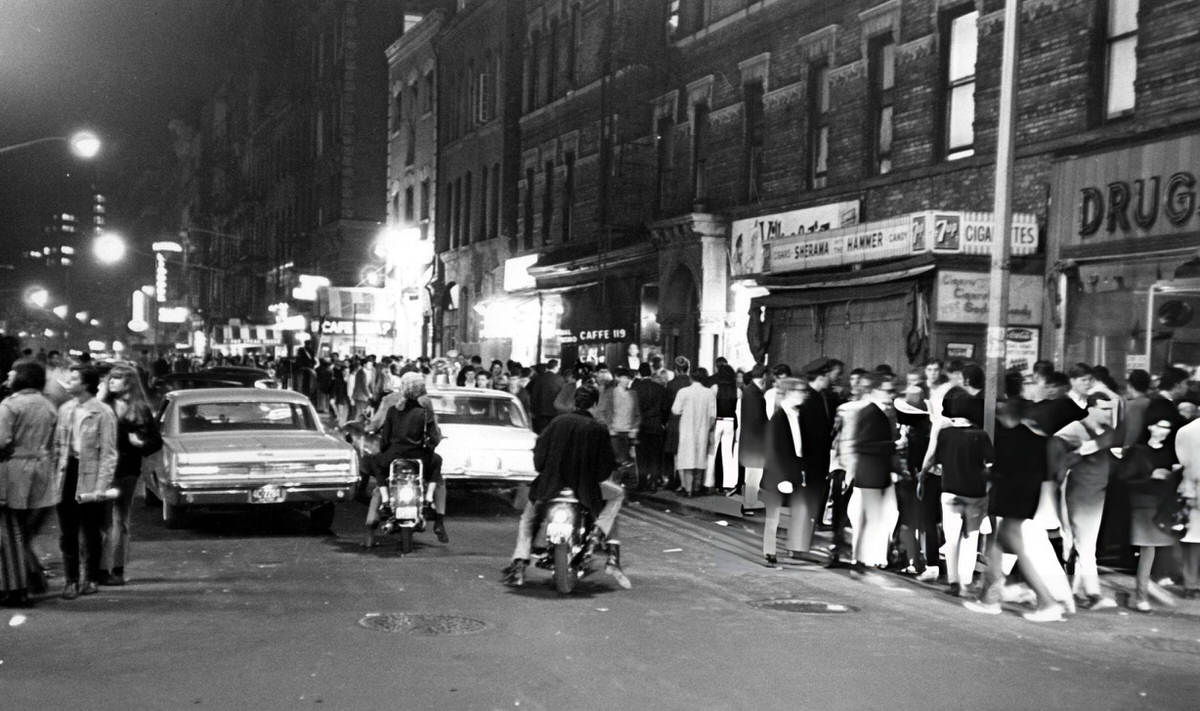
MacDougal Street in the early 1960s was the busiest thoroughfare in the Village. Hundreds of people crowded the sidewalks outside Cafe Wha?, waiting for a seat to open up. The street was lined with other coffeehouses like the Gaslight Cafe and the Cafe Au Go Go. Competition for the audience’s “basket money” was fierce. Performers would often finish a set at Cafe Wha? and run across the street to perform at another club immediately.
The police frequently patrolled the area to enforce noise ordinances and capacity limits. Manny Roth often had to stand at the door to manage the flow of people and keep the authorities from shutting him down. Despite the constant pressure from the city, the club remained a sanctuary for artists who were rejected by mainstream record labels. It was a place where experimental sounds were welcomed rather than criticized.
Technical Setup and Sound
The sound system at Cafe Wha? was primitive but effective for acoustic music. A single amplifier was hidden behind the stage to boost the sound of the guitars. Most performers preferred to sing unamplified because the low ceilings helped the sound bounce off the back walls. This created a natural reverb that worked well for folk ballads. The lighting consisted of a few colored spotlights that the staff manually adjusted between acts.
Musicians often shared instruments if someone’s guitar string broke. The basement was so small that there was no “backstage” area. Performers tuned their instruments while sitting at the tables with the customers. This lack of a barrier between the artist and the audience was the defining characteristic of the 1960s folk revolution in Greenwich Village. Every person in the room felt like they were part of the creative process.

GIPHY App Key not set. Please check settings