

 Henry Parker
During the summer of 1916, New York City recorded 9,023 polio cases and 2,343 deaths, with 80% of the victims being children under the age of five, while the United States reported a total of 27,000 cases during the same outbreak.
The first Polio cases showed up in Brooklyn in June 1916, in the Italian immigrant neighborhood of Pigtown near Sunset Park. Children came down with fever, stiff necks, and muscle pain. Within days some of them lost the use of their arms or legs. Doctors recognized poliomyelitis — infantile paralysis, as it was commonly called — but the scale of what was coming was not yet clear. By July it was clear. Cases were exploding across Brooklyn, spreading into Manhattan, Queens, and the Bronx. The city’s Health Department had never faced anything like it.
Polio was not new to New York in 1916, but it had never hit the city with this kind of force. Small outbreaks had occurred in previous summers — 1907 saw a notable cluster — but nothing that approached epidemic scale. The 1916 outbreak was the worst polio epidemic in American history up to that point, and New York City was its center. Of the roughly 27,000 cases recorded nationally that summer, more than 9,000 were in New York City alone.
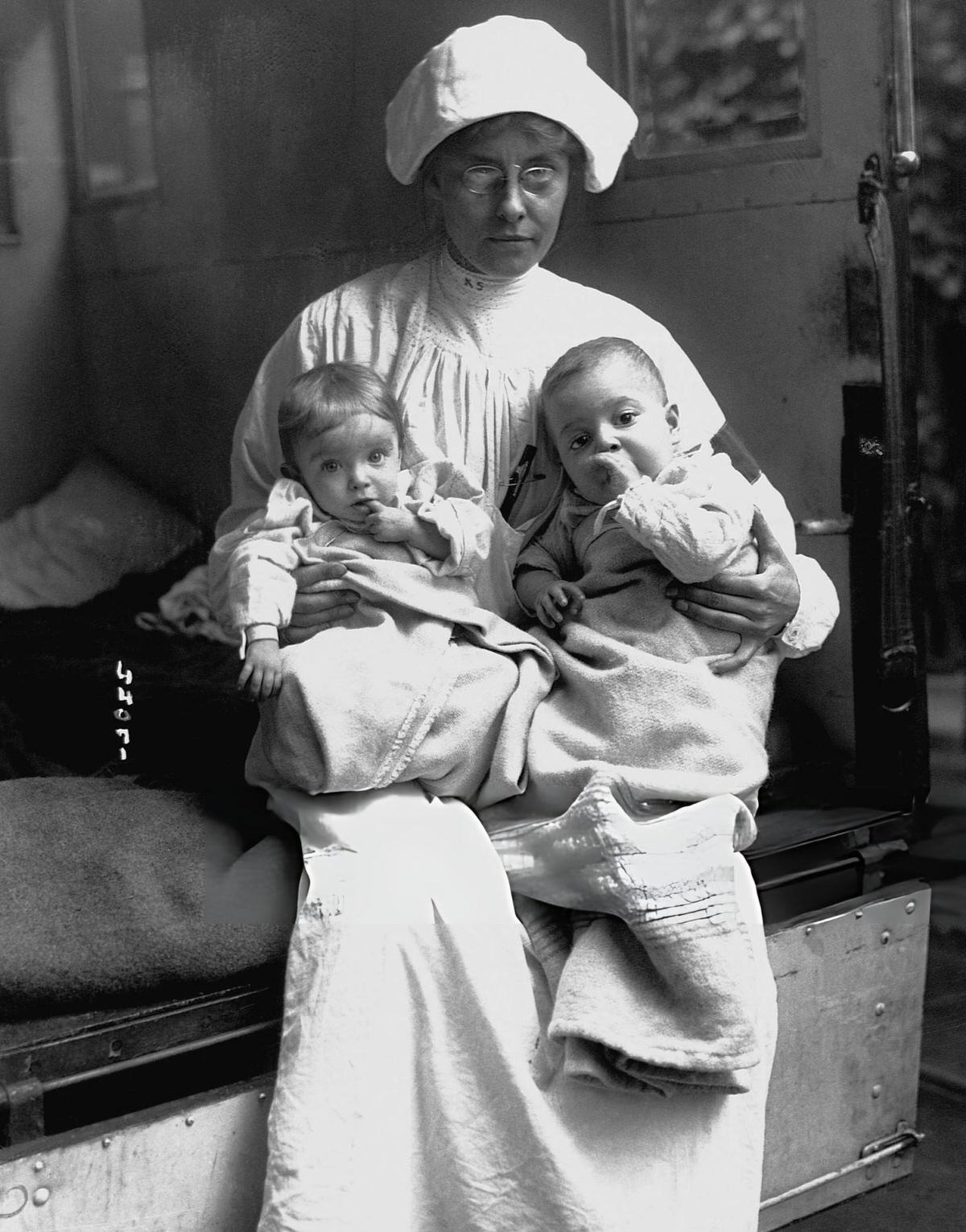
What Polio Did to the Body
Poliomyelitis is a viral disease that enters the body through the mouth, usually through contaminated water or contact with an infected person’s waste. Most people who contracted the virus in 1916 had mild symptoms or none at all — a fever, a headache, a day or two of feeling sick — and recovered without knowing what they had carried. But in a significant number of cases, the virus reached the spinal cord and attacked the nerve cells that control muscle movement. When those cells died, the muscles they controlled went with them. The paralysis that resulted was permanent.
In children, the disease moved fast. A child who seemed merely feverish on Monday was paralyzed by Wednesday. The paralysis could affect one limb or all four. It could affect the muscles that controlled breathing, in which case the child suffocated unless placed in mechanical support — iron lungs did not yet exist in 1916, and the interventions available were primitive. Children who lost their breathing muscles in 1916 died. There was nothing medicine could do.
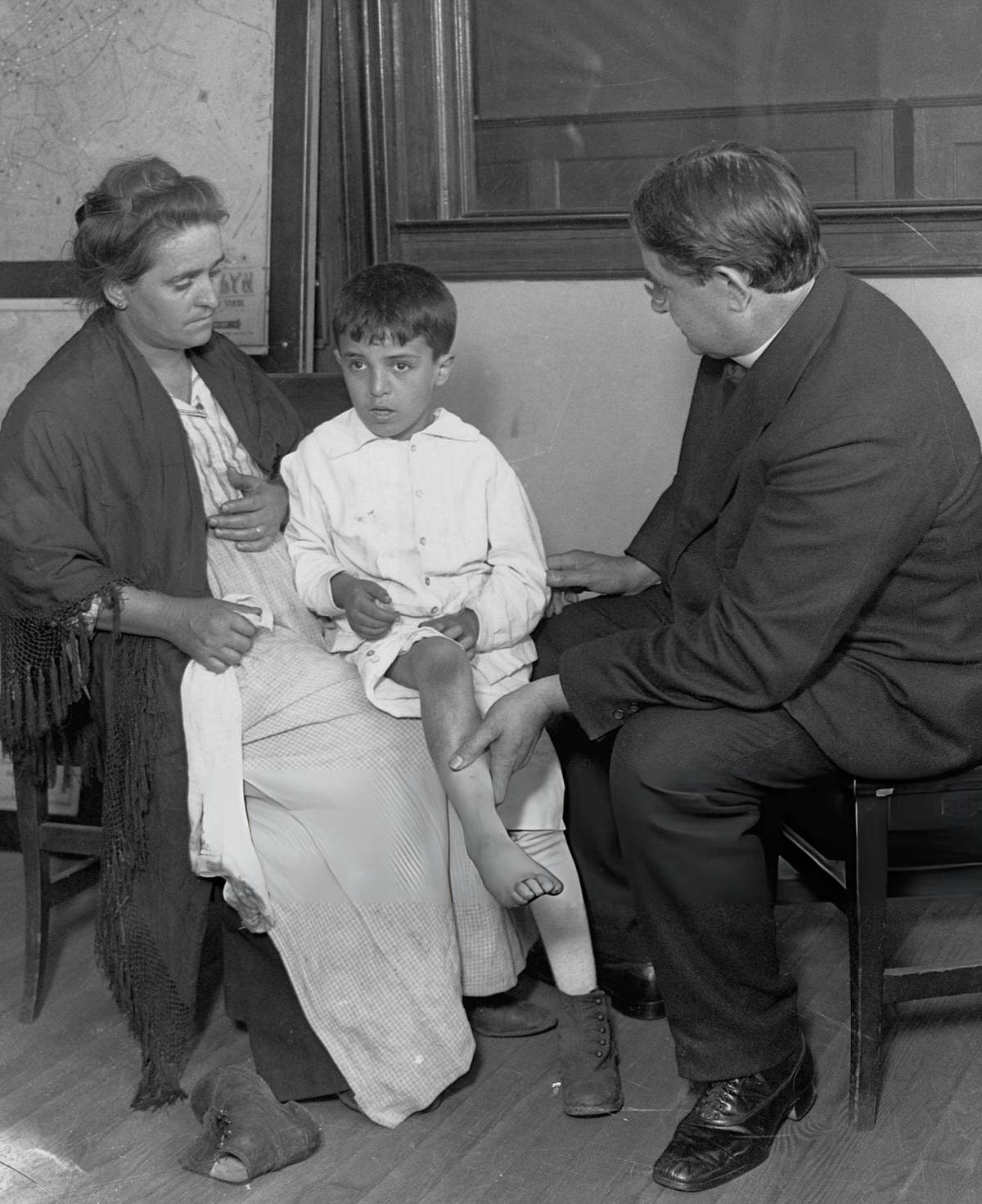
Brooklyn First, Then Everywhere
The epidemic spread outward from Brooklyn through July with a speed that overwhelmed the city’s response. The Health Department under Commissioner Haven Emerson began mandatory reporting of all cases on June 17 and ordered the quarantine of infected households — a yellow card posted on the door, family members restricted from leaving. Children under sixteen were barred from public gathering places: movie houses, parks, swimming pools, libraries. Churches and theaters closed or severely restricted attendance.
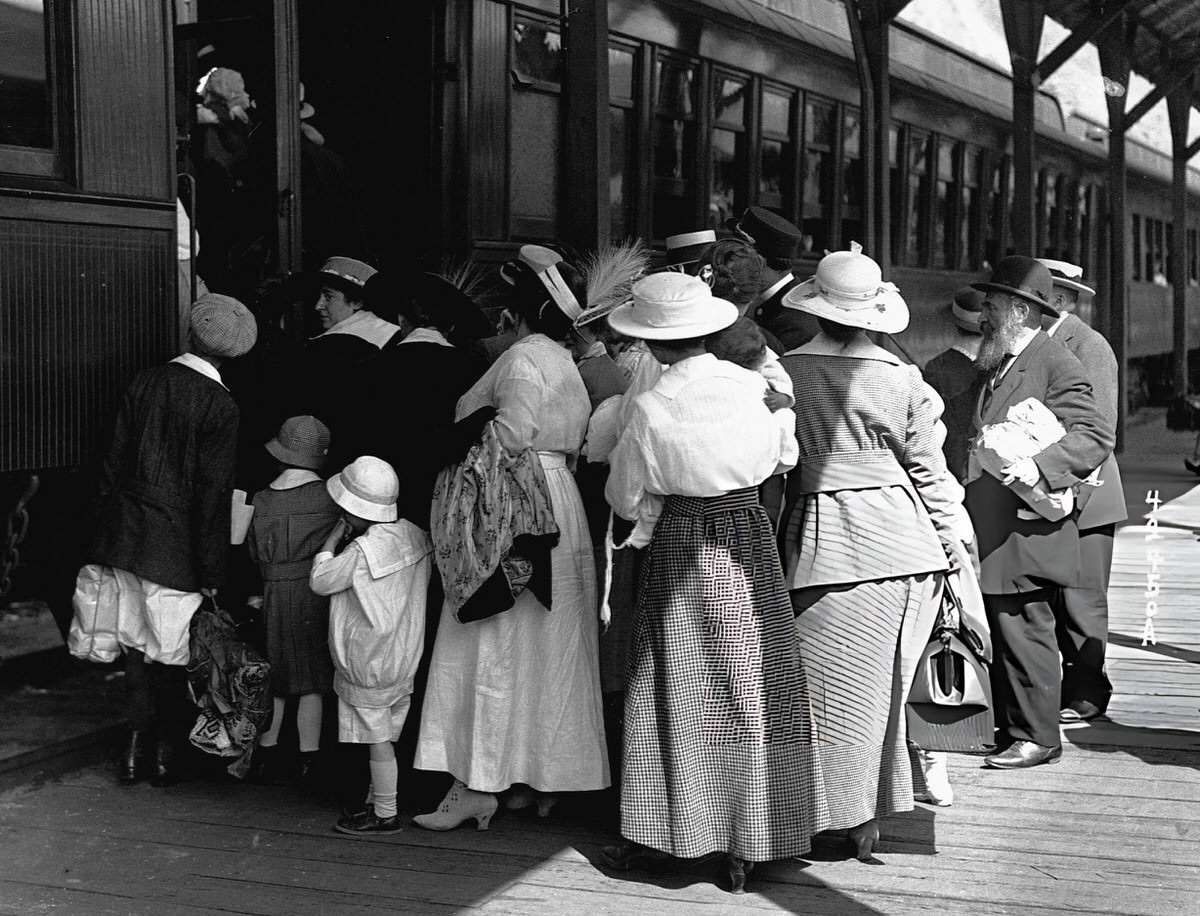
The Health Department also ordered that children under sixteen could not leave New York City without a certificate of health signed by a doctor. Train stations and ferry terminals had inspectors checking for the certificates. Suburban communities outside the city posted their own guards and turned away cars with New York plates. The fear of infected city children spreading the disease to the surrounding countryside was real and acted upon. New York families who had planned to send their children to summer camps or to relatives in New Jersey and Connecticut found the roads and rails blocked.
Inside the city, the rules fell unevenly. Wealthy families who had summer homes upstate or on Long Island got their health certificates and left before the crackdown fully tightened. The families who stayed were the ones who had nowhere else to go — the tenement residents of Brooklyn, the Lower East Side, East Harlem, the South Bronx. These were the neighborhoods where the disease hit hardest, and these were the families with the fewest options for escape.
The Blame and the Scapegoating
The city’s public health officials and newspapers spent a significant portion of the summer trying to identify a source, and Italian immigrants bore the brunt of the blame. The outbreak had started in an Italian neighborhood, and the logic — if it can be called that — held that Italian immigrants carried the disease. Health inspectors focused their enforcement on immigrant blocks. Garbage collection was increased in Italian and Jewish neighborhoods under the theory that filth was a vector, which reflected the medical understanding of the time but was applied with a bias that targeted specific communities.
The science behind this blame was wrong. Polio spread through fecal-oral transmission, meaning it traveled through contaminated water and poor sanitation — conditions that existed across working-class New York regardless of ethnicity. The tenement blocks where Italian immigrants lived were no more unsanitary than equivalent tenement blocks in Irish or Jewish neighborhoods. But the epidemic needed a face, and in 1916 New York, Italian immigrants provided it. Relations between the immigrant community and the Health Department were openly hostile through much of the summer, with families hiding sick children to avoid quarantine and inspectors using force to enter apartments.
The Hospitals Fill Up
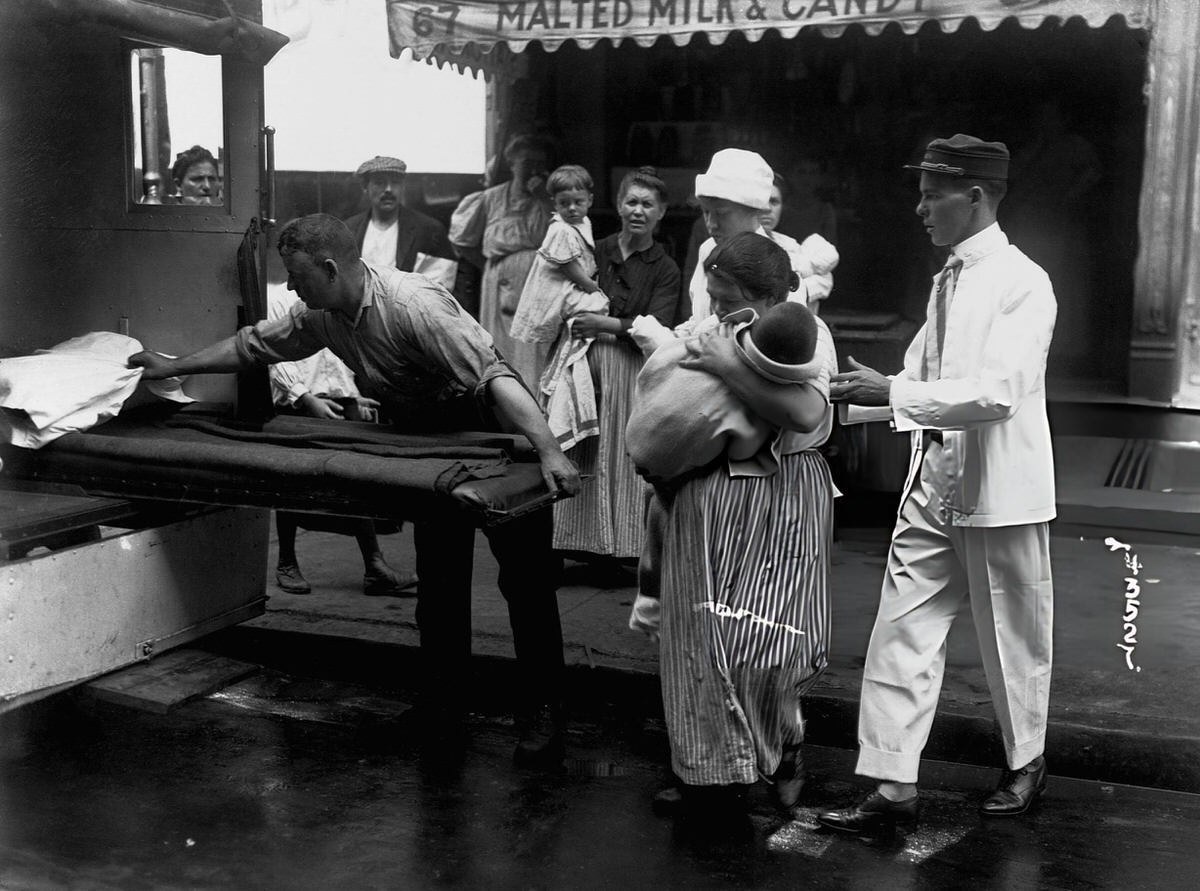
New York’s hospital system was not built for what arrived in July and August 1916. Willard Parker Hospital on the East River at 16th Street was the city’s designated infectious disease facility, and it filled immediately. The city rushed to open emergency wards at Queensboro Hospital and at facilities on North Brother Island in the East River, the same island where Typhoid Mary had been quarantined a decade earlier. Bellevue took overflow cases. The children’s wards at city hospitals were stretched past any reasonable capacity.
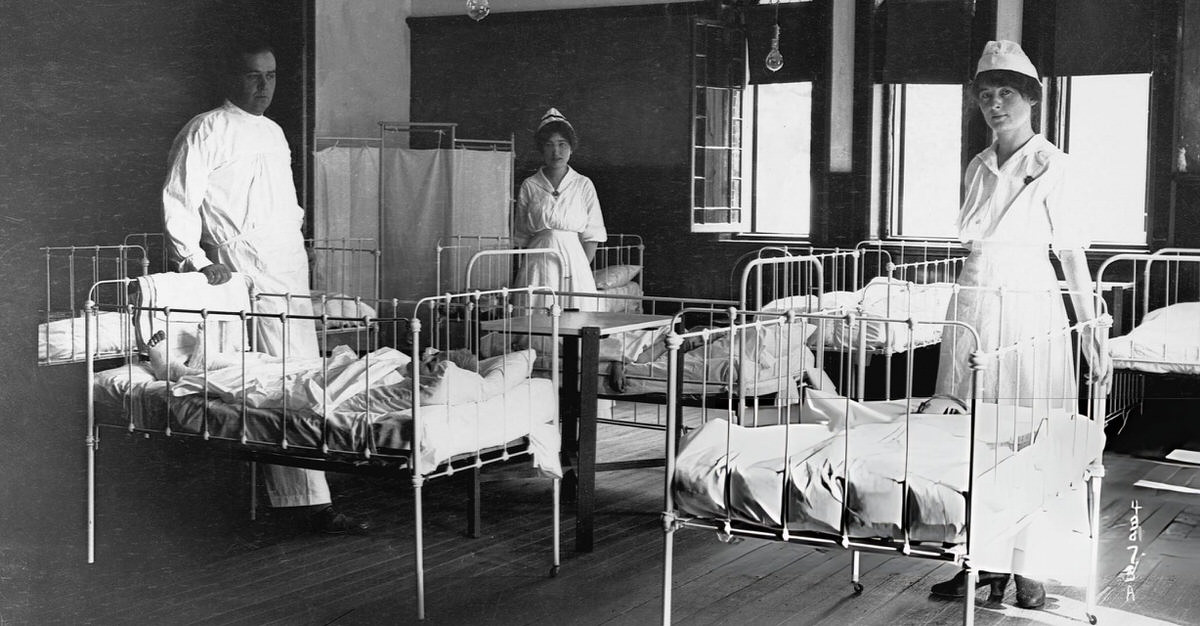
Nurses were in short supply because many refused assignment to polio wards out of fear of infection. The city had to recruit from outside, and the nurses who did serve in the epidemic wards worked under conditions that were physically and emotionally exhausting. The death rate among children admitted with severe paralysis ran high. A nurse on a children’s polio ward in August 1916 watched children die on a schedule — a few every day, week after week, through the hottest summer anyone in the city could remember.
The Hot Weather Factor
Polio epidemics in the pre-vaccine era consistently peaked in summer, and 1916 followed that pattern with brutal consistency. The heat mattered in several ways. Children played outside more in summer, gathering in groups at fire hydrants and street corners, which increased contact. The tenement apartments that housed most of the city’s working class became unbearable in the heat, pushing families into shared outdoor spaces and increasing the density of contact. And contaminated water — a key transmission route — moved more freely through the city’s water infrastructure in warm temperatures.
The summer of 1916 was genuinely hot. July temperatures in the city ran above normal for most of the month. Families slept on rooftops and fire escapes to escape the heat inside. Children who were old enough to move through the neighborhood on their own were doing so constantly — to the candy store, to the hydrant, to a friend’s stoop — in exactly the patterns that spread a contact disease most efficiently. The geography of the epidemic followed the geography of where children played.
How It Ended
The epidemic peaked in late July and early August and then declined through September as temperatures dropped and children returned to school. The Health Department claimed credit for the containment, but the disease followed its own seasonal logic independent of the quarantine measures. New cases dropped week by week through September and were nearly gone by October. The city lifted its restrictions on children’s movement, reopened the movie houses and parks, and began the grim accounting of what the summer had cost.
The children who survived paralysis faced a lifetime of managing what the virus had taken from them. Braces, crutches, wheelchairs — these became part of daily life for thousands of New York families after 1916. The physical therapy available was minimal. The social
support for disabled children was almost nonexistent. Families absorbed the cost and the labor of caring for a paralyzed child entirely on their own, in apartments that had no accommodations for mobility limitations, in a city that had built none of its public spaces with disabled access in mind.
The Health Department published its full report on the epidemic in 1917. Commissioner Emerson documented the case counts by borough, by neighborhood, by age group. Brooklyn accounted for 5,000 of the city’s 9,000 cases. Children under five made up the overwhelming majority of the dead. The report was thorough and precise, and it changed almost nothing about how New York prepared for the next outbreak. Polio returned to the city in smaller waves in subsequent summers, and the large epidemic of 1931 would again overwhelm the city’s response. The vaccine that ended the epidemic era did not arrive until 1955, when Jonas Salk announced results that the entire country had been waiting years to hear.

GIPHY App Key not set. Please check settings