

 Henry Parker
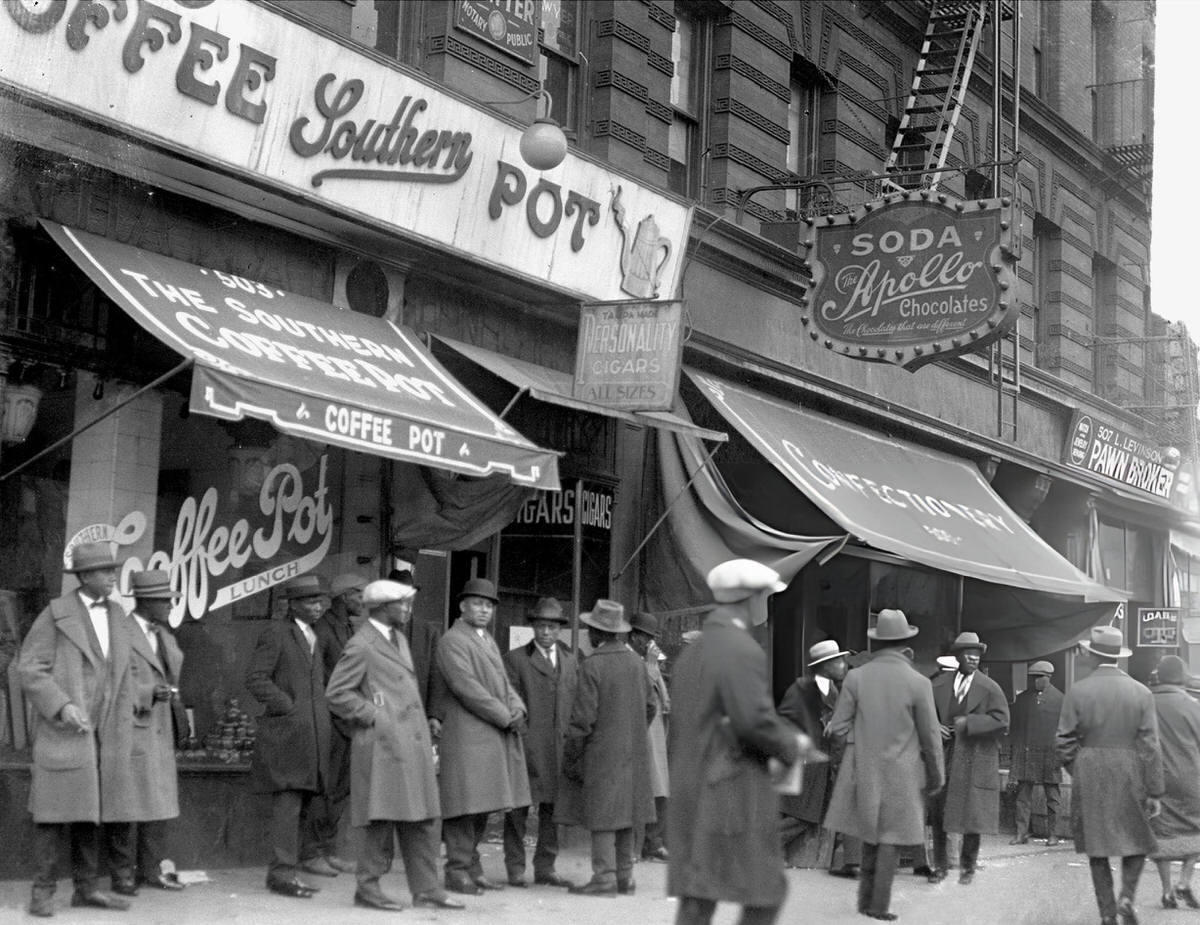
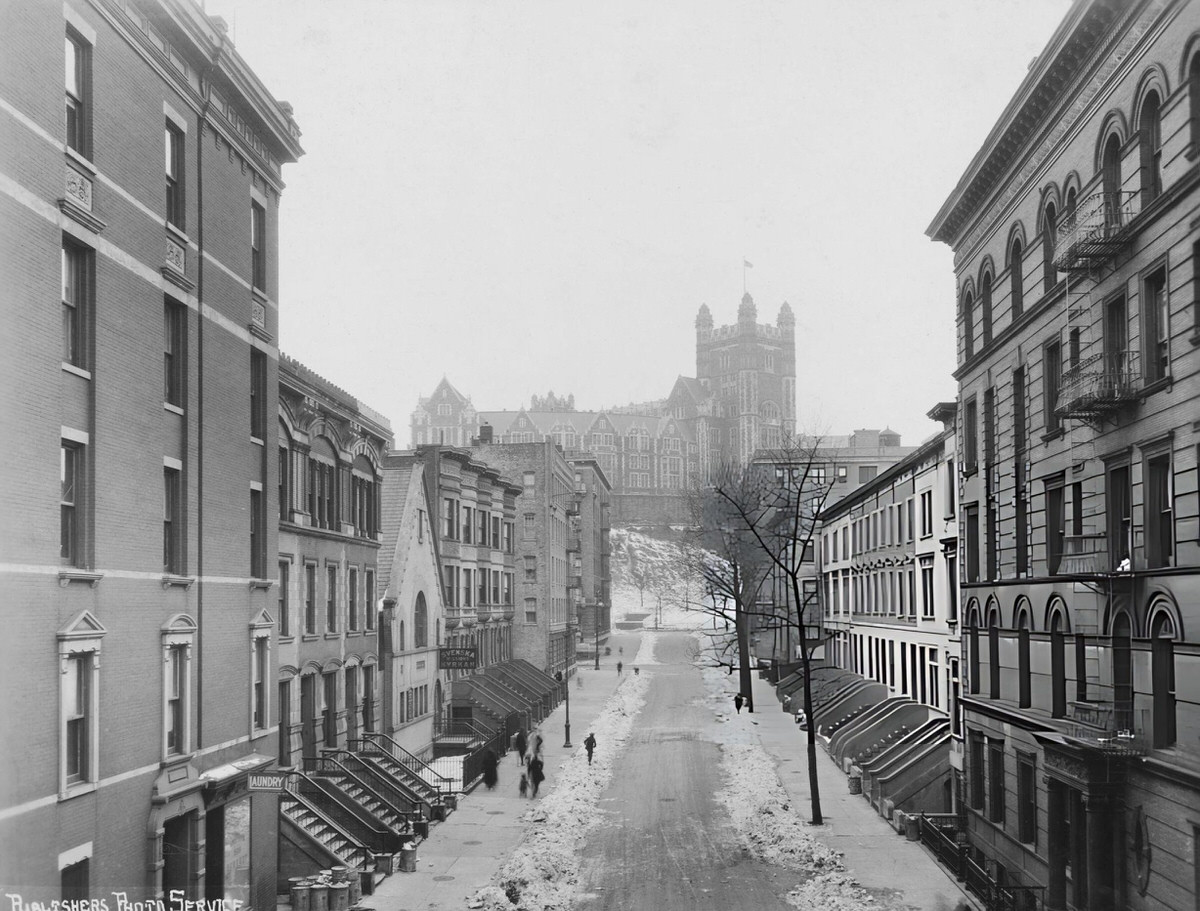
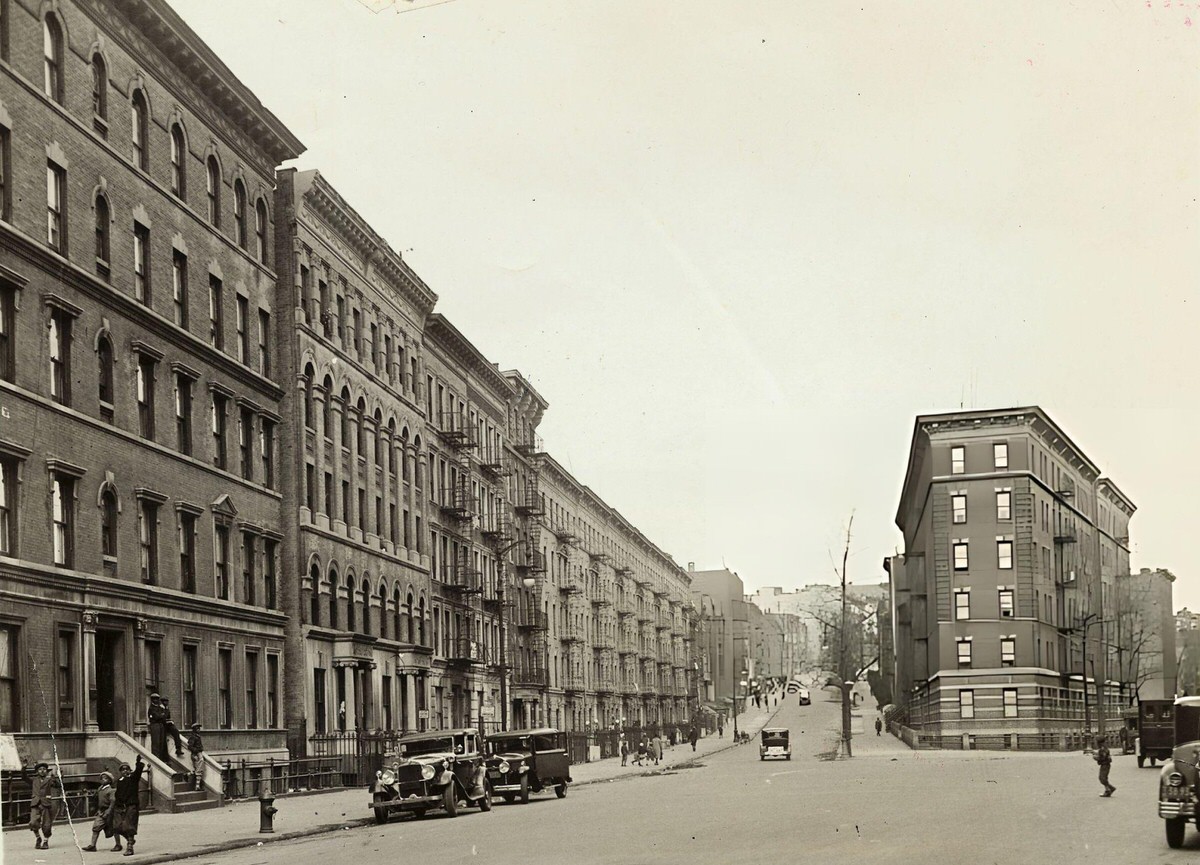
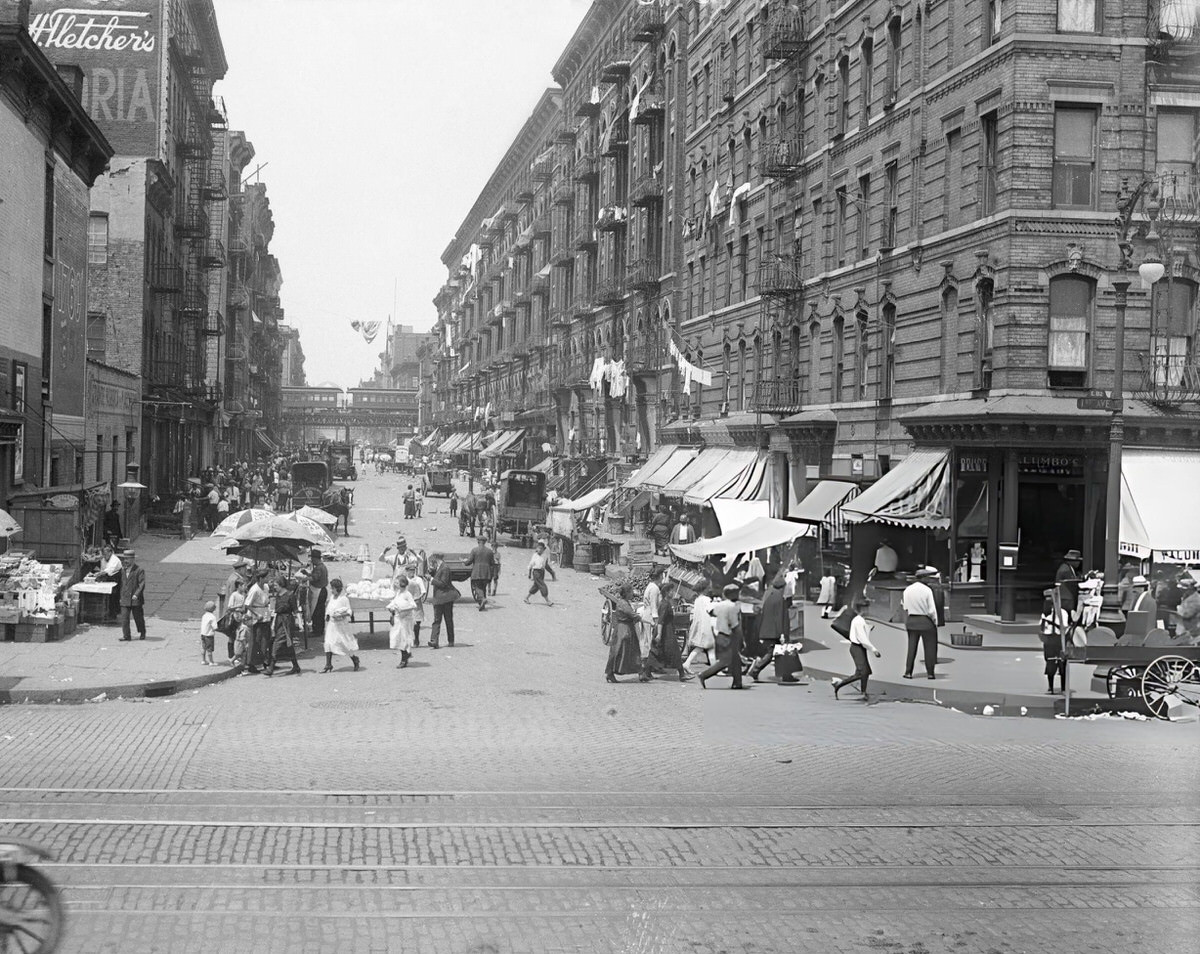
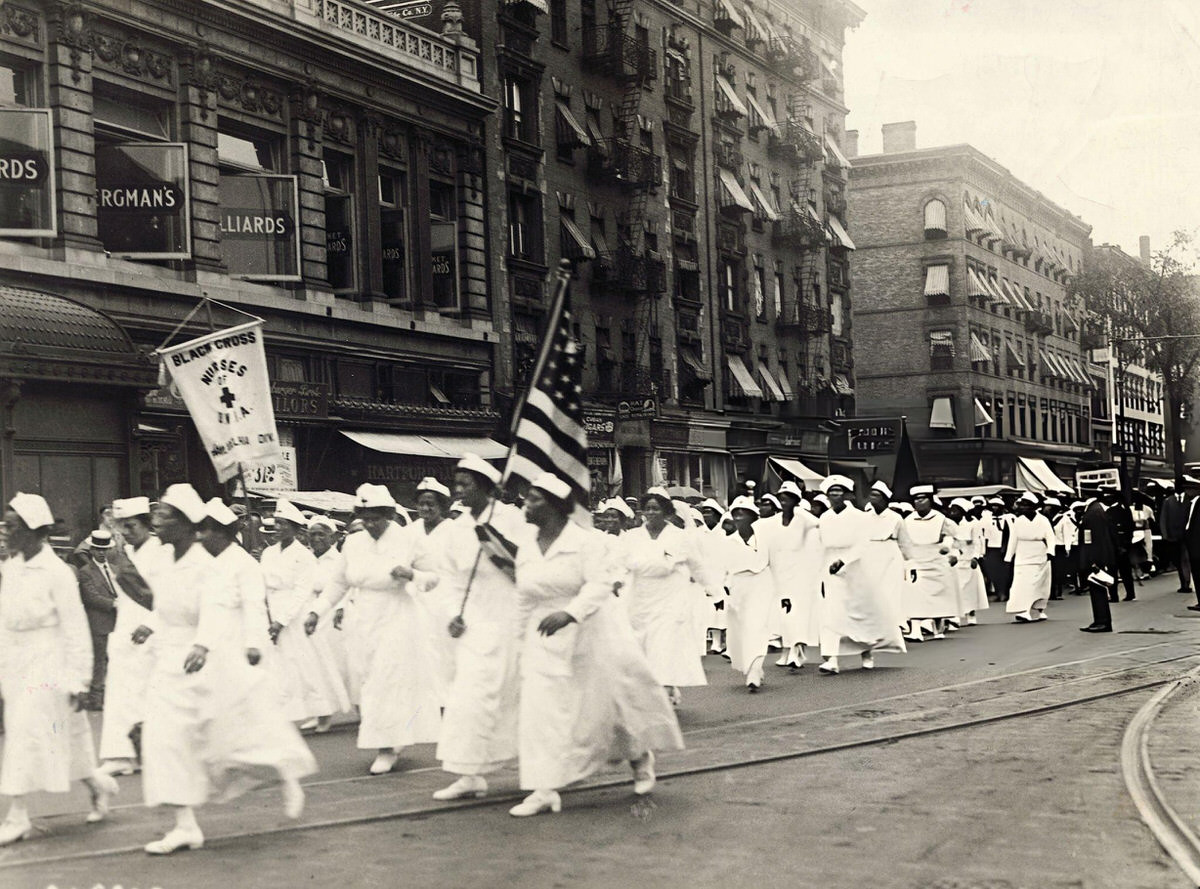
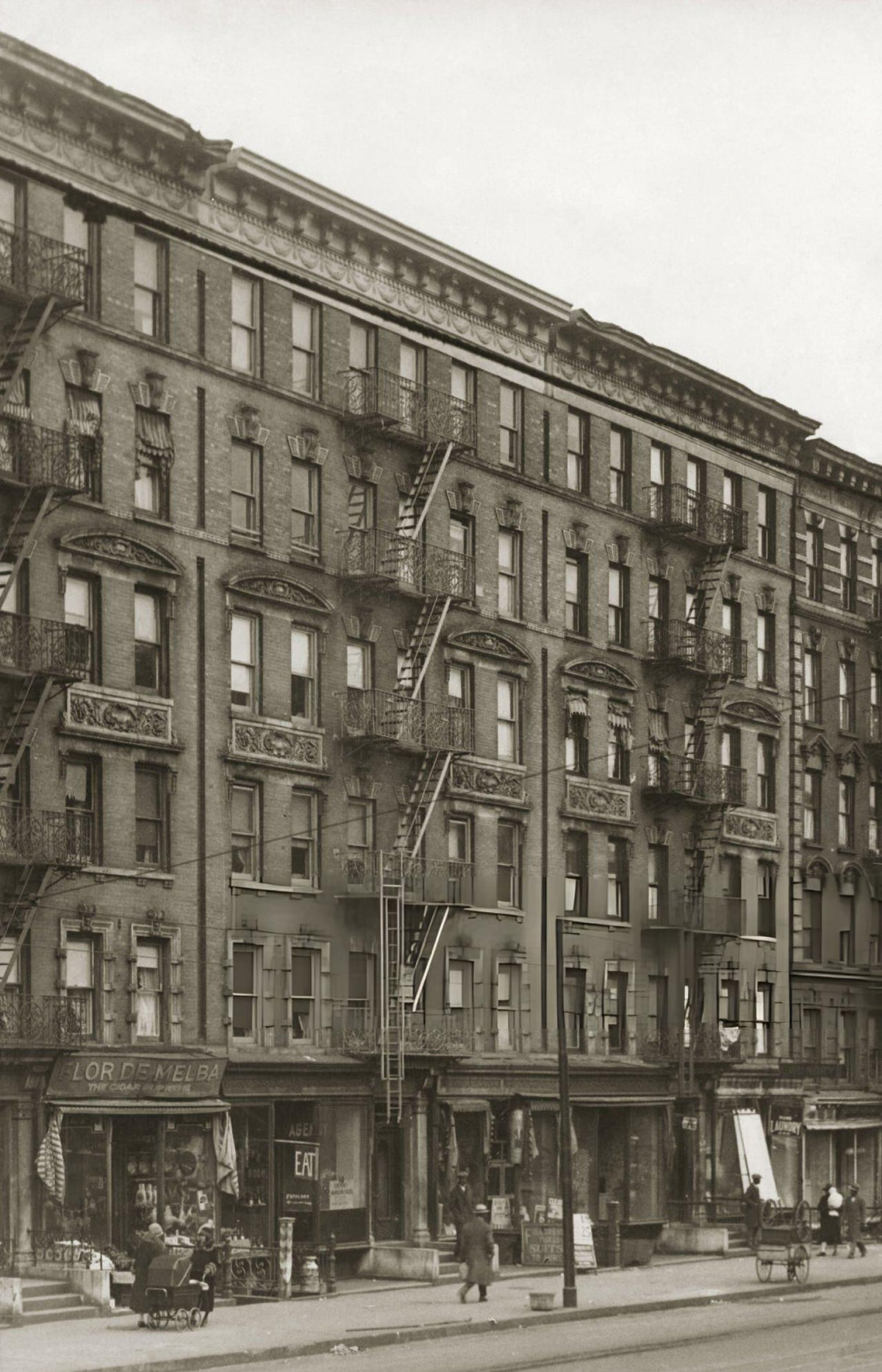
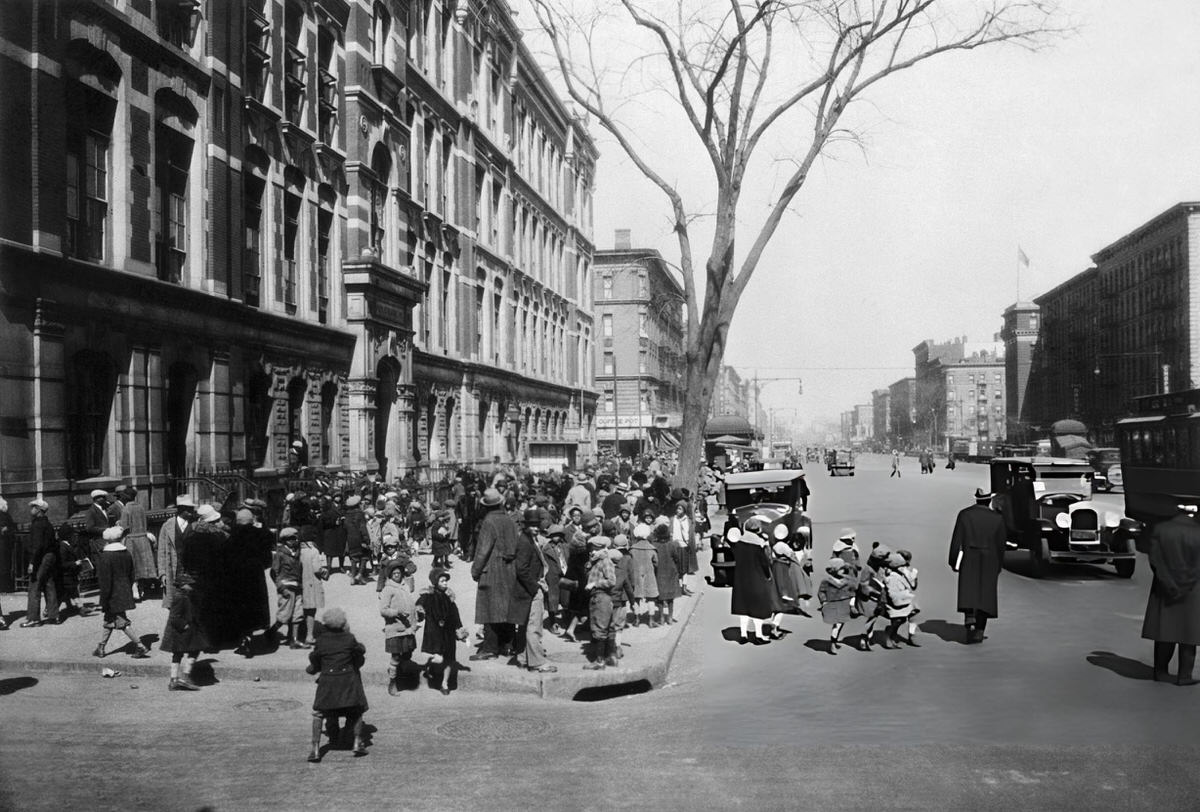
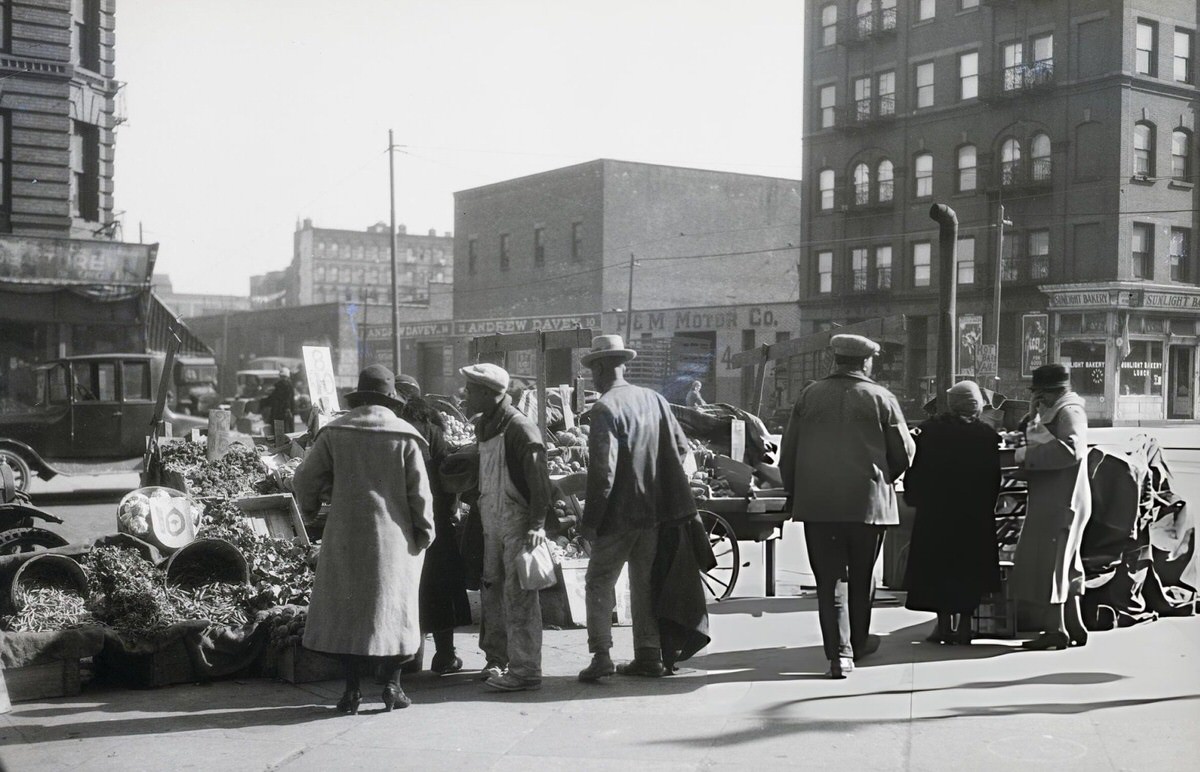
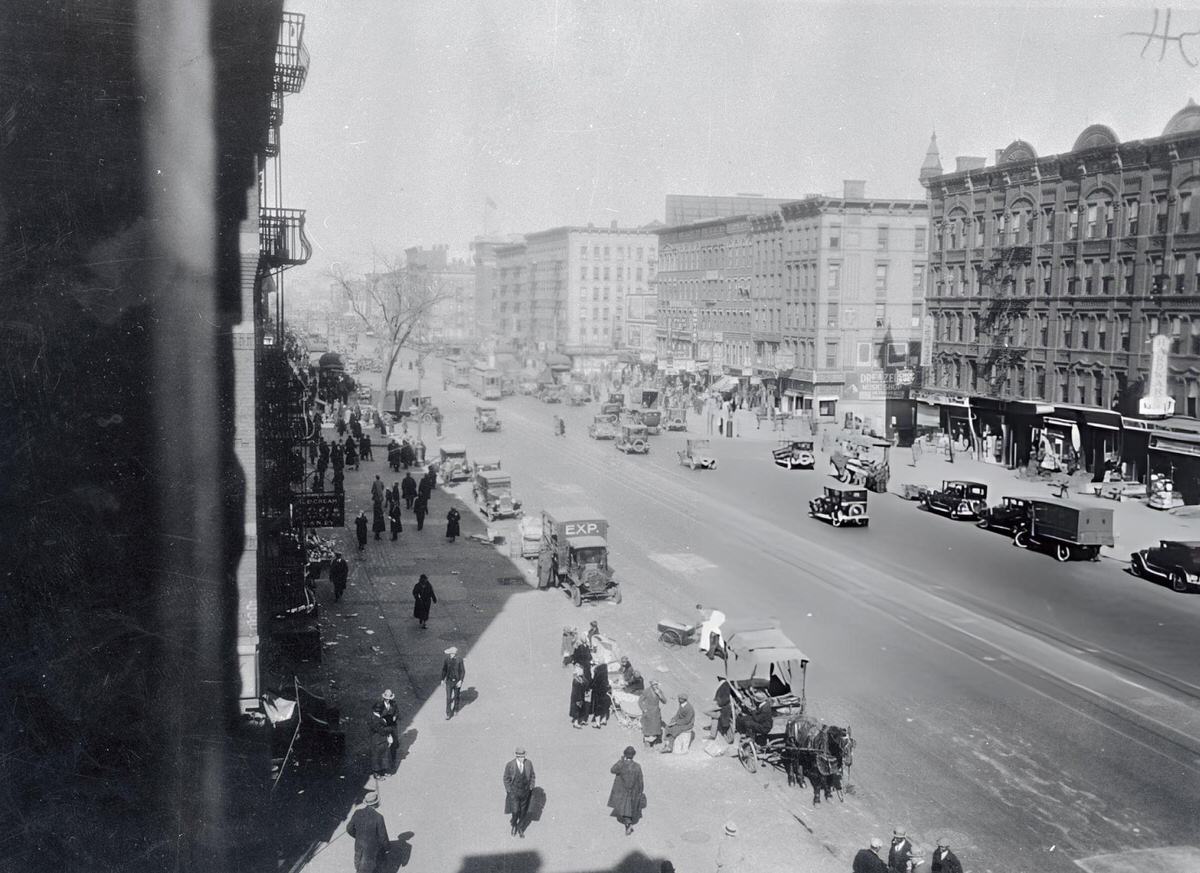
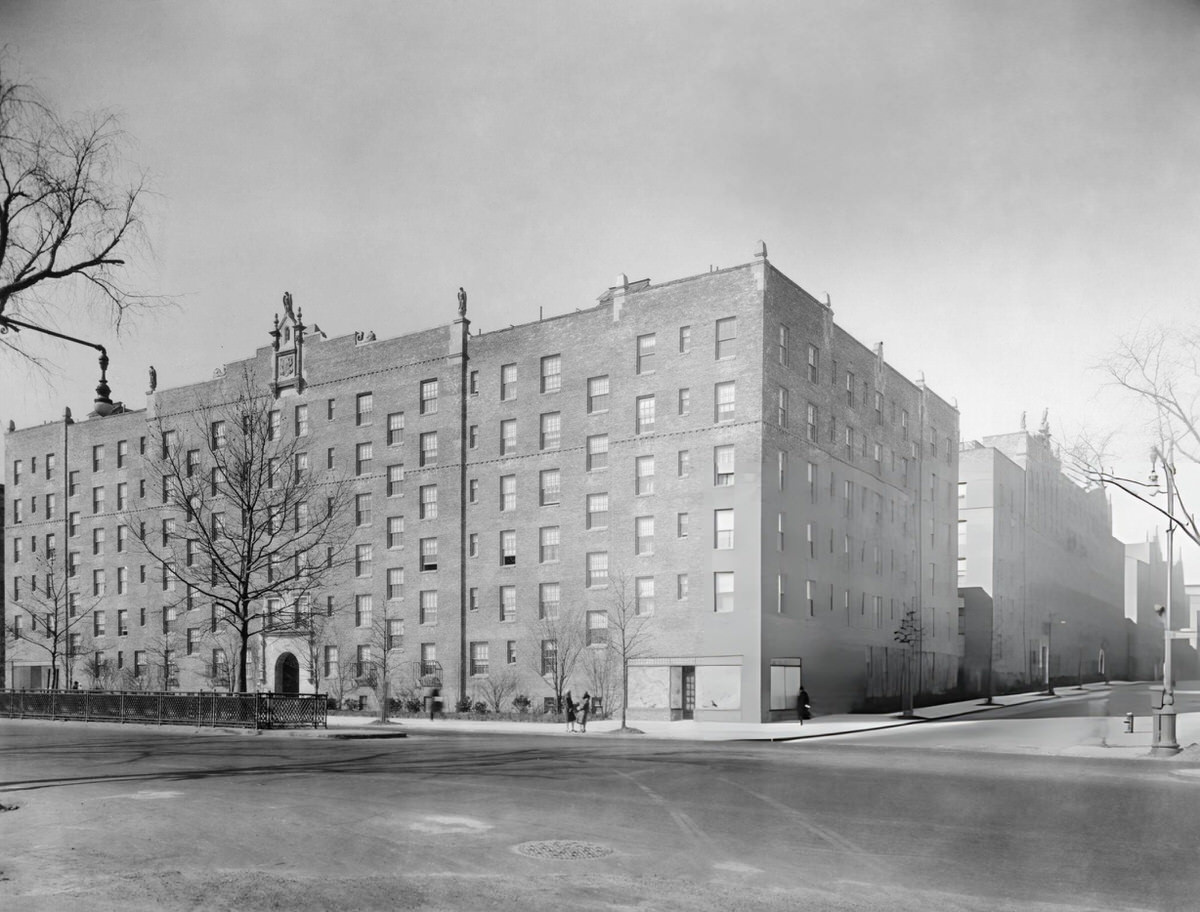
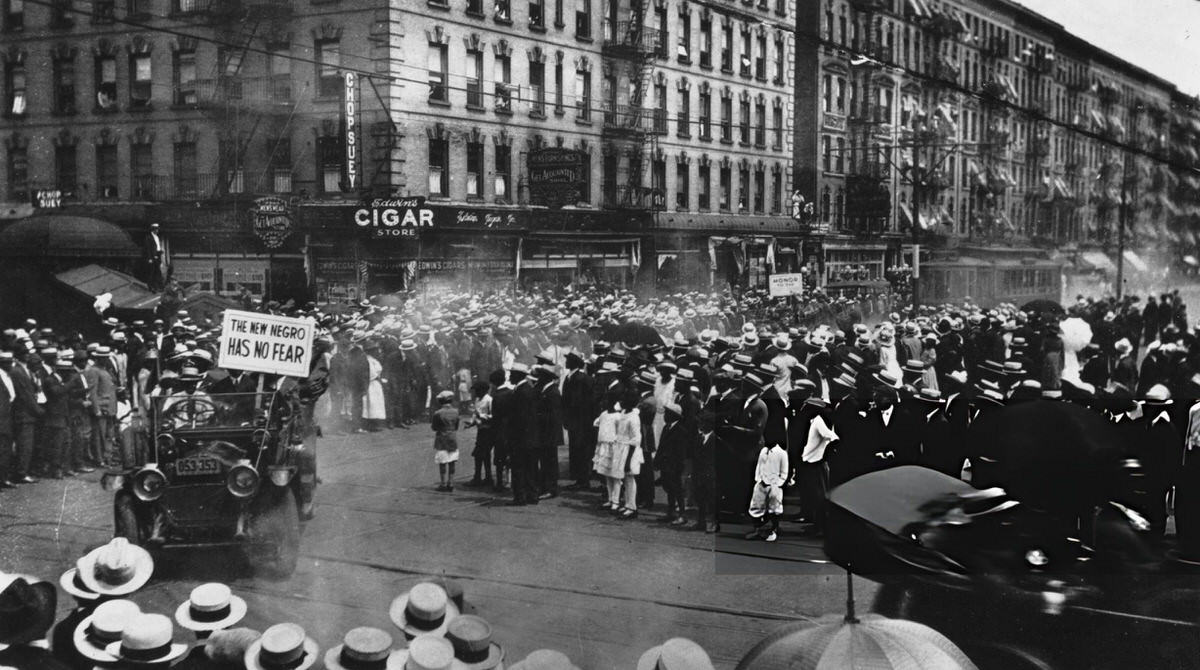
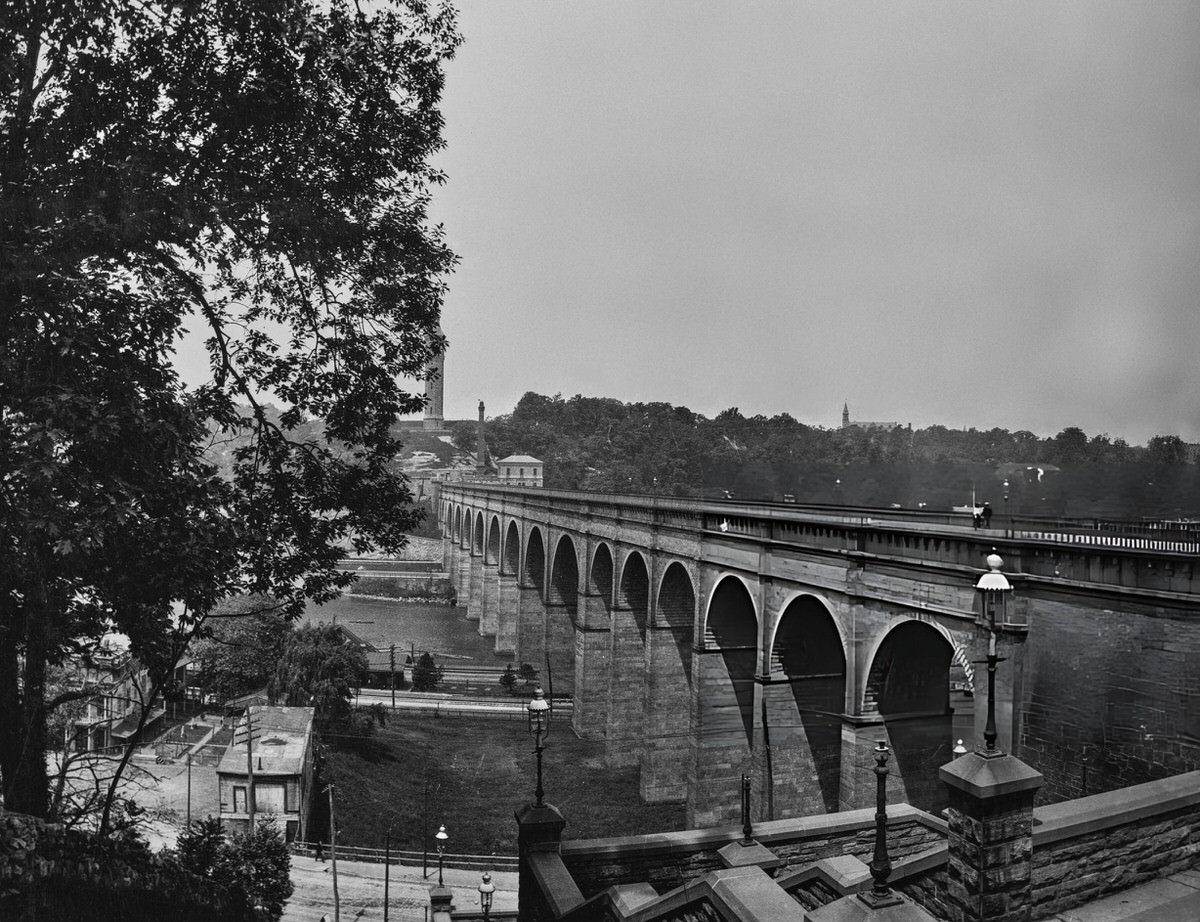
Before the 1920s, Harlem was a white middle-class neighborhood that had overbuilt itself. Developers put up too many apartment buildings too fast, and when white renters didn’t fill them, landlords turned to Black tenants — charging them more for the privilege. That’s how it started. Not with a grand plan, but with empty apartments and desperate landlords. Within a decade, Harlem became the most talked-about Black community on the planet.
How a Neighborhood Transformed
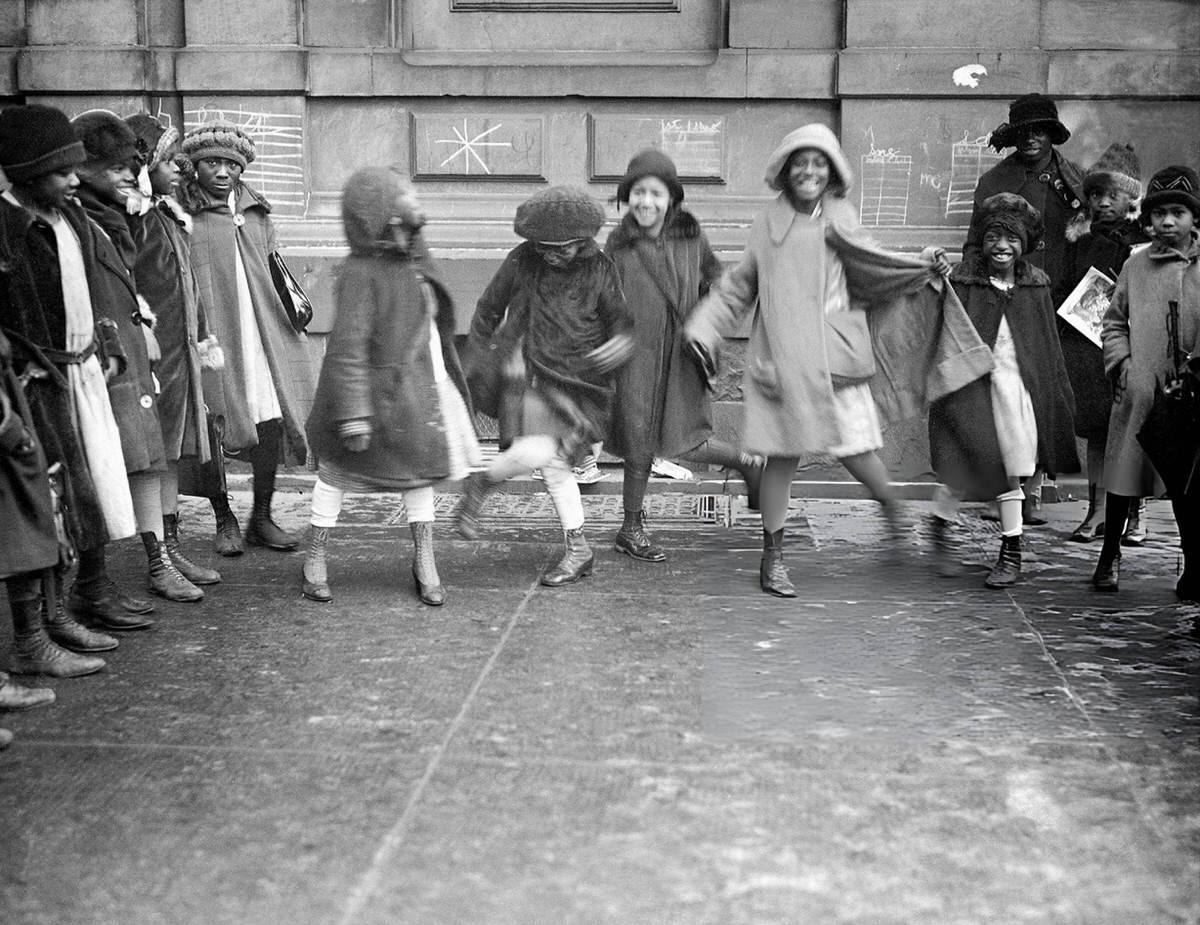
The Great Migration brought it all together. Between 1910 and 1930, more than a million Black Americans left the South, fleeing Jim Crow laws, sharecropping, and racial violence. New York was a destination, and Harlem was where they landed. They came from Georgia, the Carolinas, Virginia, and Alabama. They brought their churches, their music, their food, and their hunger to build something new.
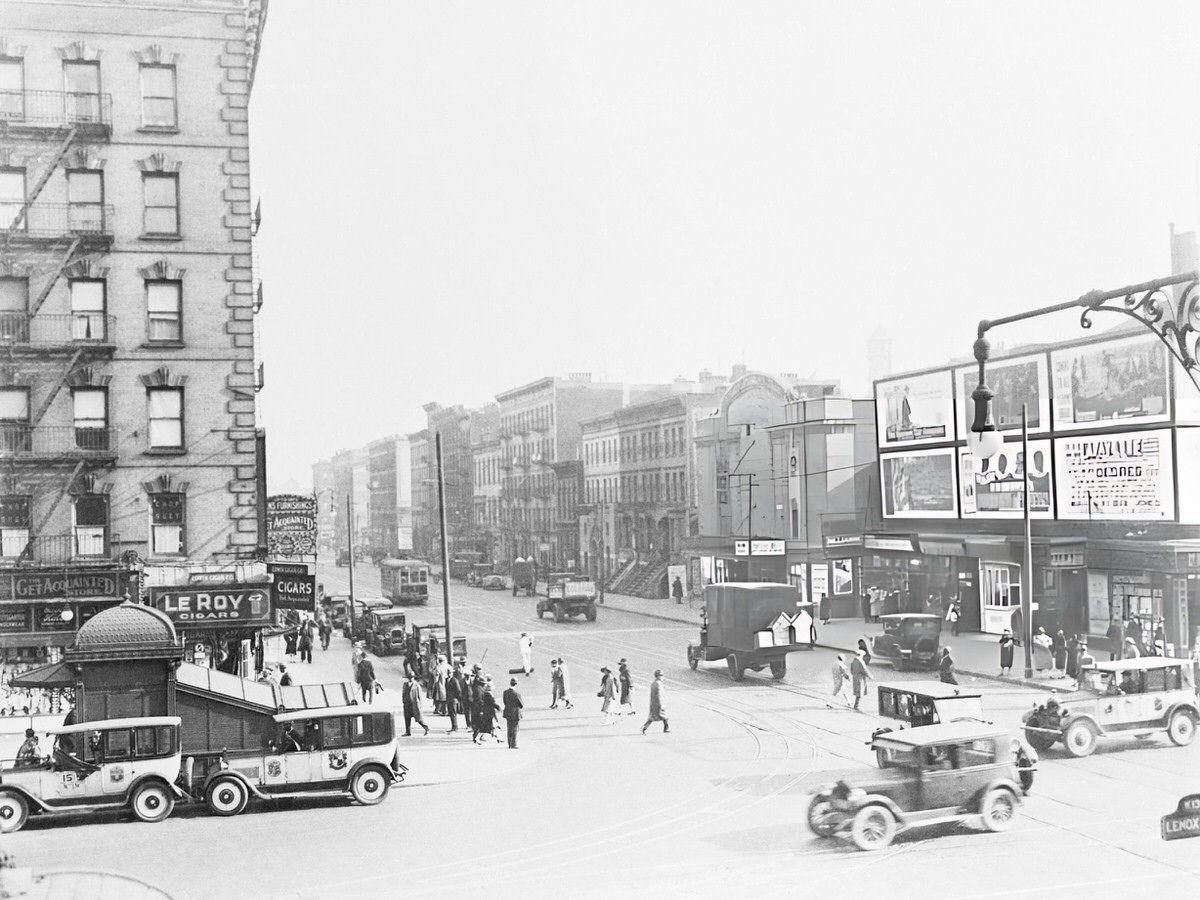
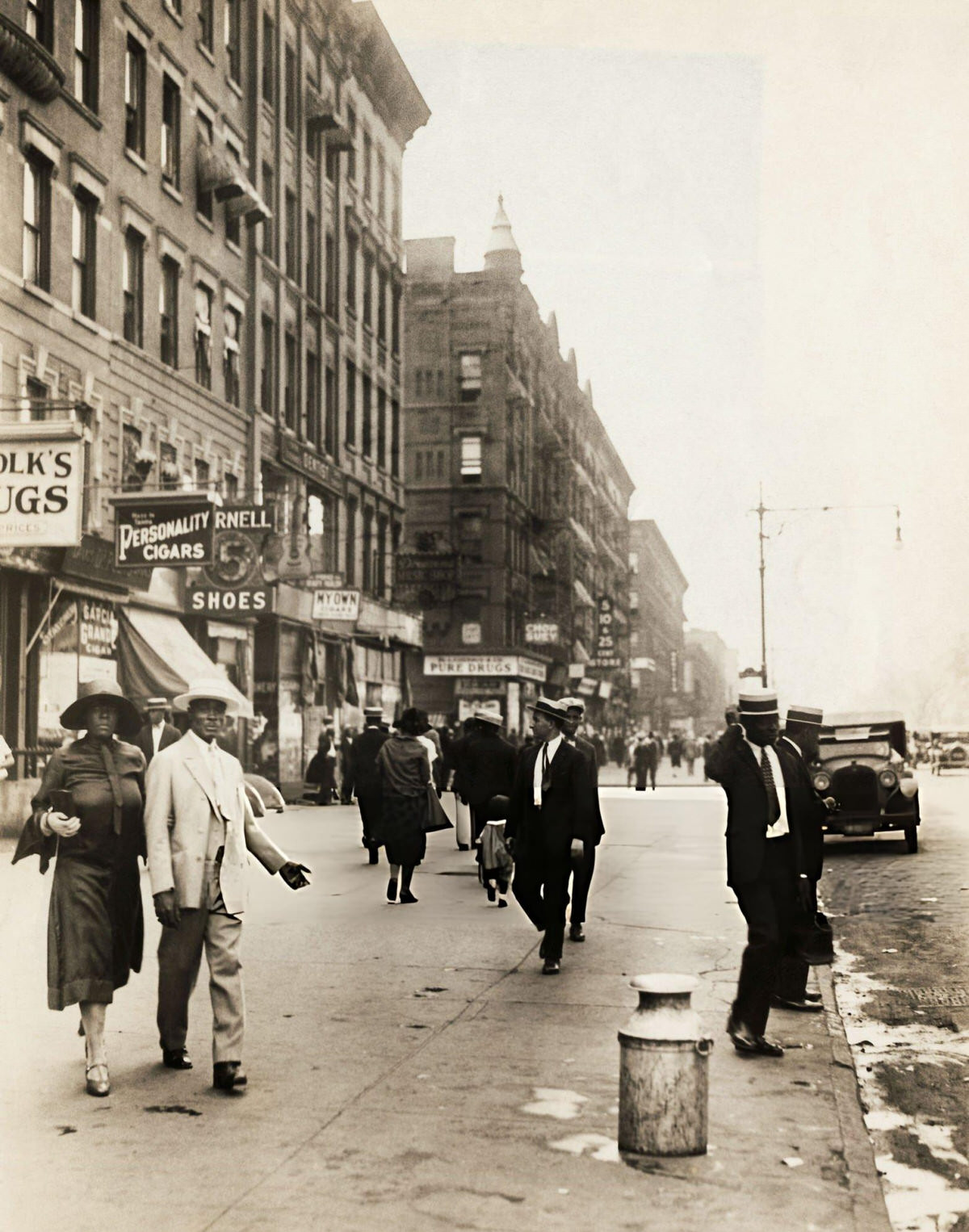
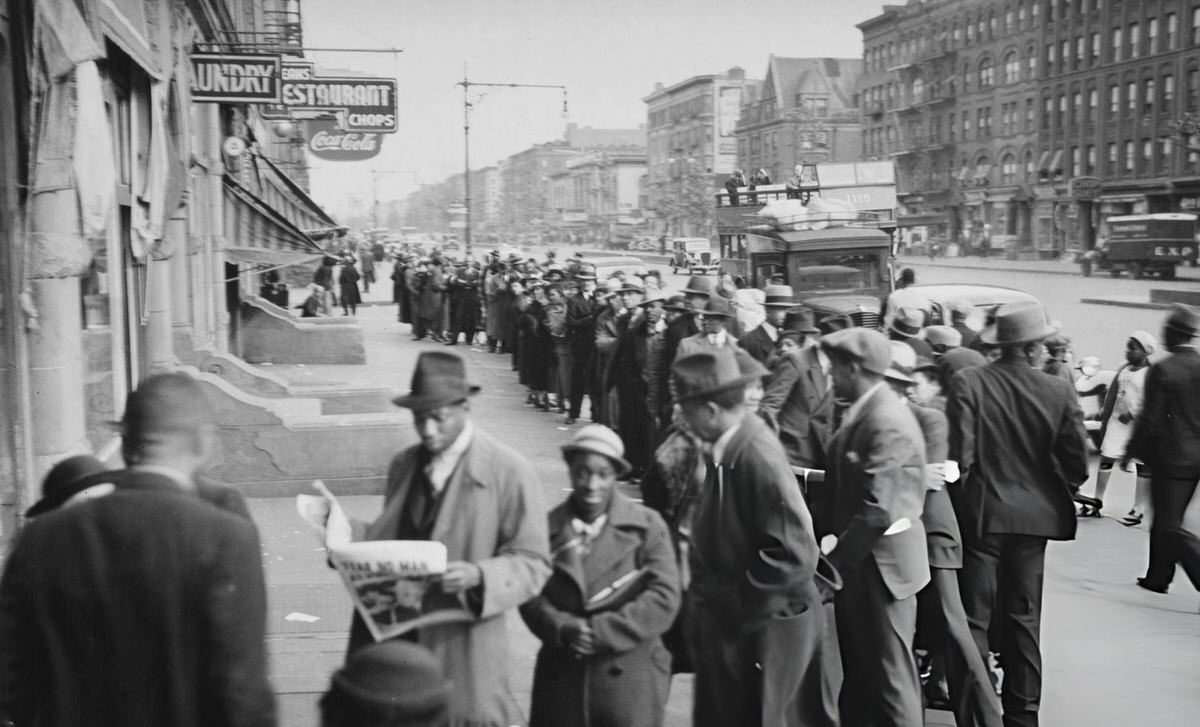
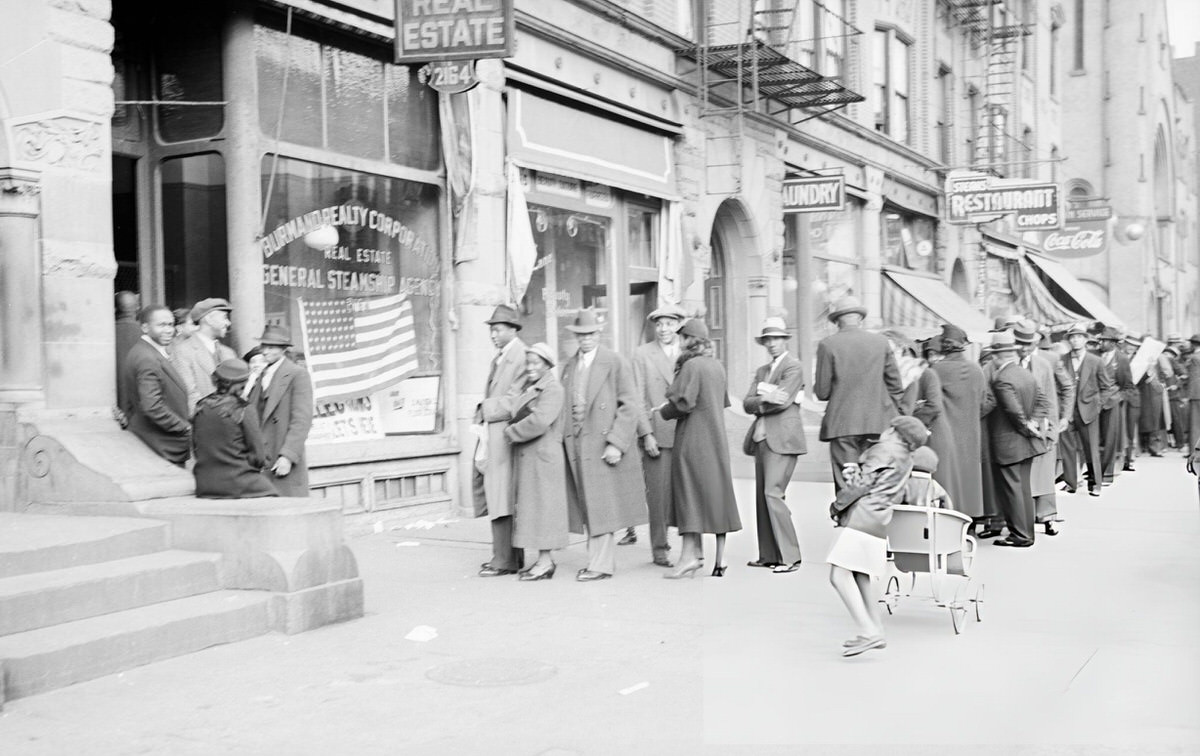
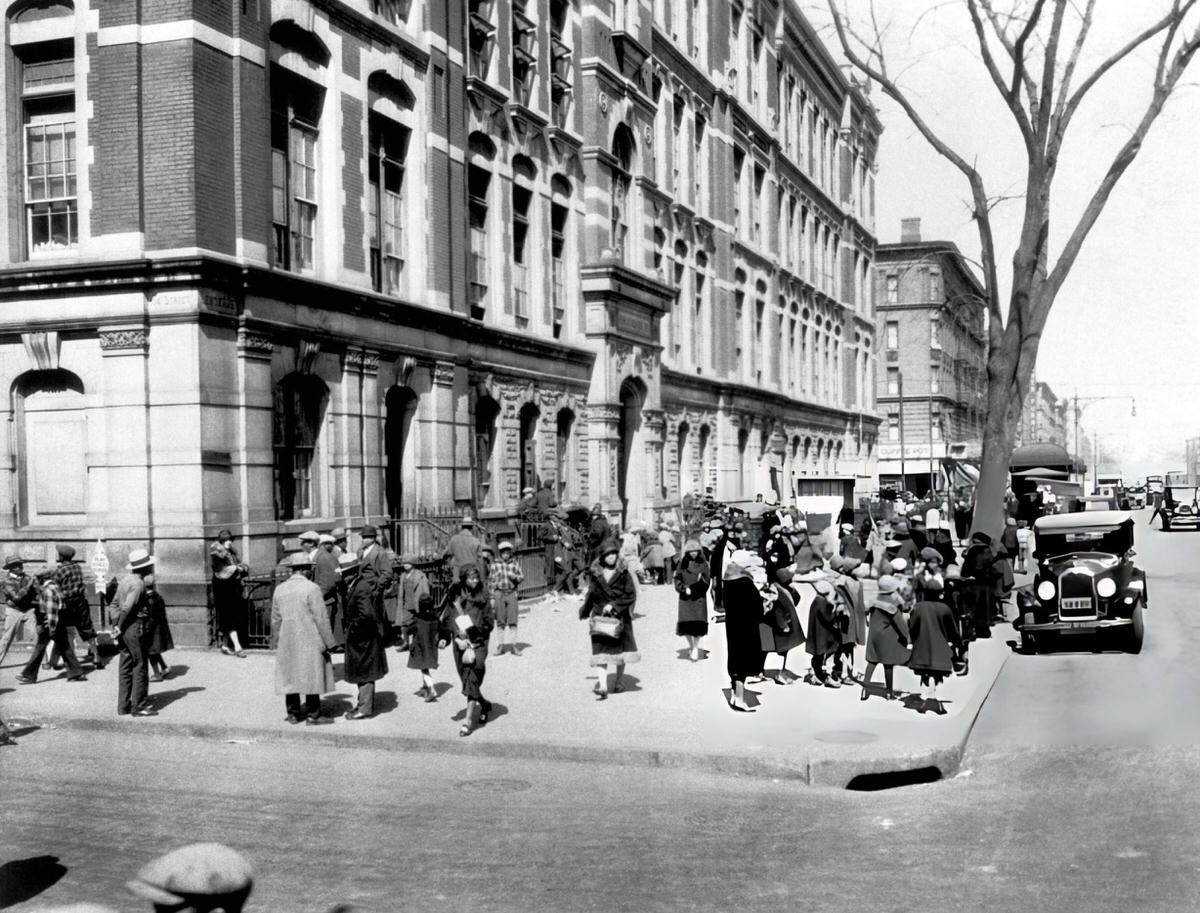
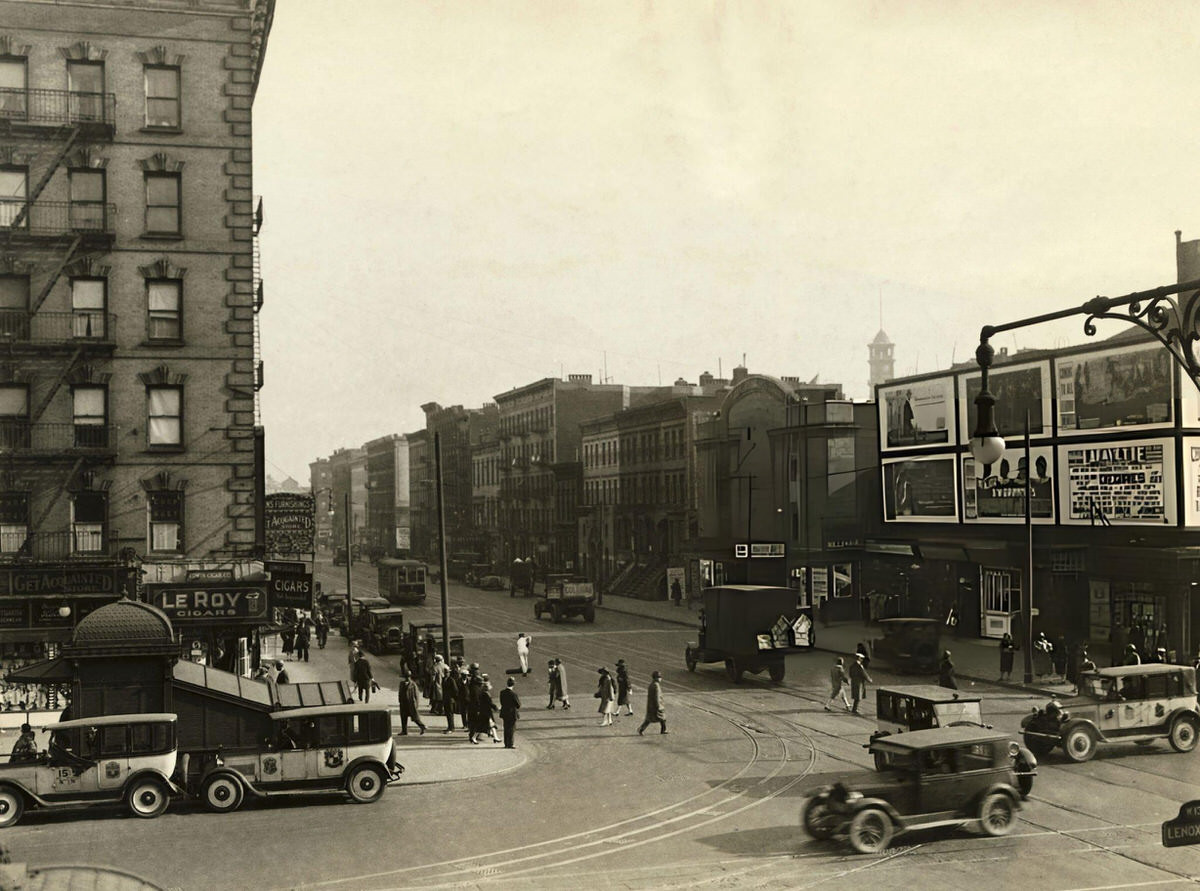
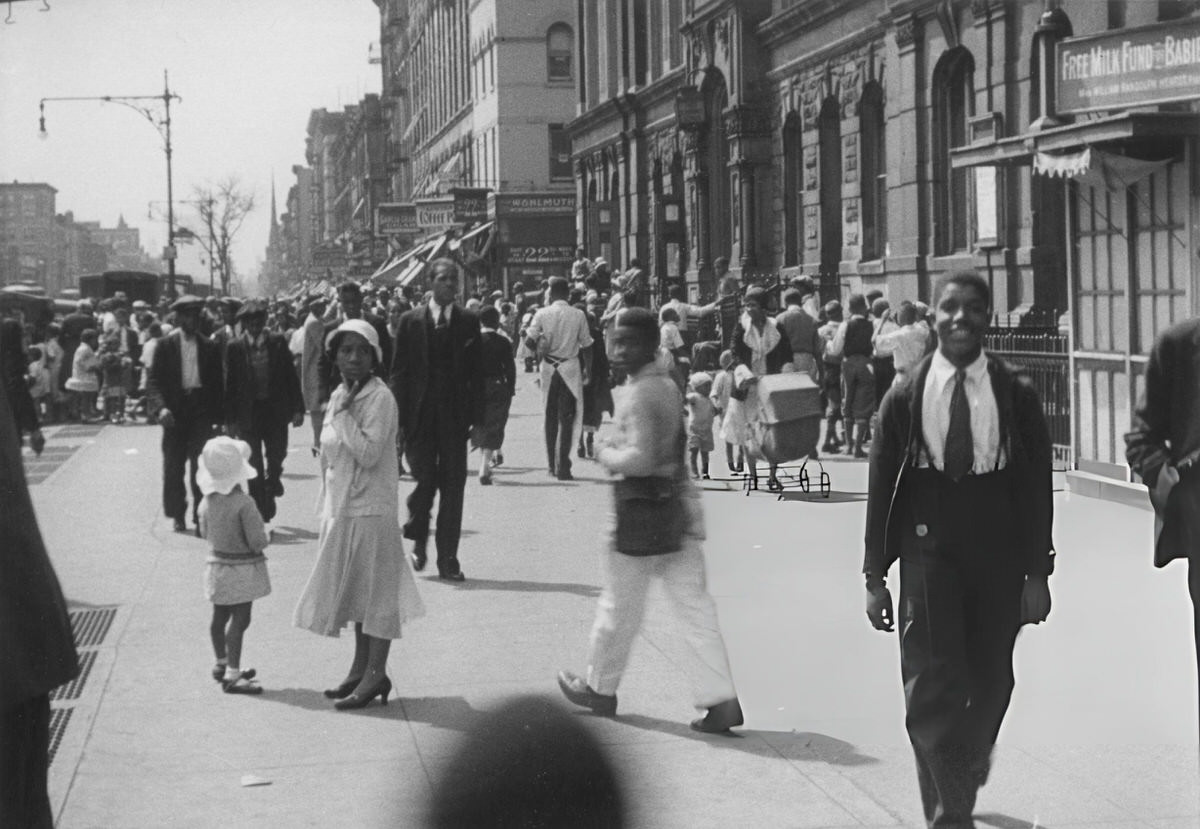
By 1920, roughly 73,000 Black residents lived in Harlem. By 1930, that number was over 200,000. The neighborhood ran from 110th Street up to 155th, bounded by the East and Harlem Rivers. Streets like 125th, Lenox Avenue, and Seventh Avenue became the veins of an entirely new cultural world.
Read more
The Harlem Renaissance Was Not Just Art
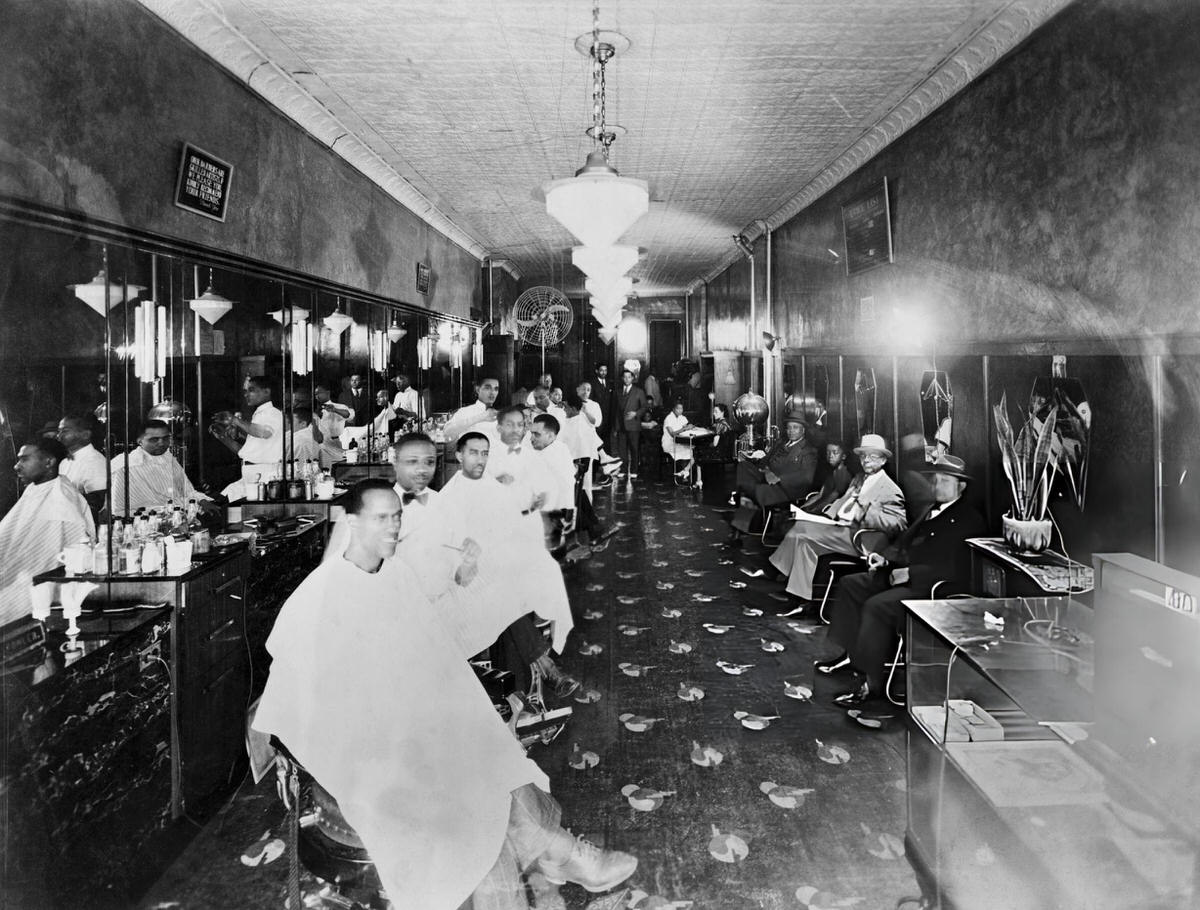
People call it the Harlem Renaissance, and they usually mean the poetry and painting. But the movement was also political, deeply so. Black newspapers like the *New York Amsterdam News* and the *Crisis* — edited by W.E.B. Du Bois — were read and debated in barbershops and church halls across the neighborhood. These weren’t hobby publications. They shaped how Black Americans understood their own fight for dignity and equal treatment.
Marcus Garvey ran his Universal Negro Improvement Association out of Harlem. He filled Liberty Hall on 138th Street with thousands of followers and preached Black self-reliance and pride at a volume nobody in mainstream America could ignore. His Black Star Line — a shipping company owned and operated by Black investors — was a real business, not a symbol. It failed financially, but the idea behind it hit hard: Black people building their own institutions, on their own terms.
The Writers Who Changed American Literature
Langston Hughes arrived in Harlem in 1921 and never really left. He worked as a busboy, a launderer, and a sailor before his poems started appearing in major publications. His work was direct and musical, written in the rhythms of jazz and blues rather than the formal English that dominated American poetry at the time. “The Weary Blues,” published in 1926, announced a new kind of American voice.
Zora Neale Hurston came up from Florida with a sharp mind and sharper wit. She studied anthropology at Columbia under Franz Boas and brought that scientific eye to her fiction and folklore writing. She moved through Harlem’s literary circles, argued loudly, laughed louder, and produced work that took Black Southern life seriously as a subject worth studying and celebrating.
Claude McKay, born in Jamaica, wrote “If We Must Die” in 1919 — a poem responding directly to the race riots that had swept American cities. It was read in churches and union halls. Winston Churchill later quoted it during World War II without mentioning McKay’s name.
The Nightlife: Real, Complicated, and Loud
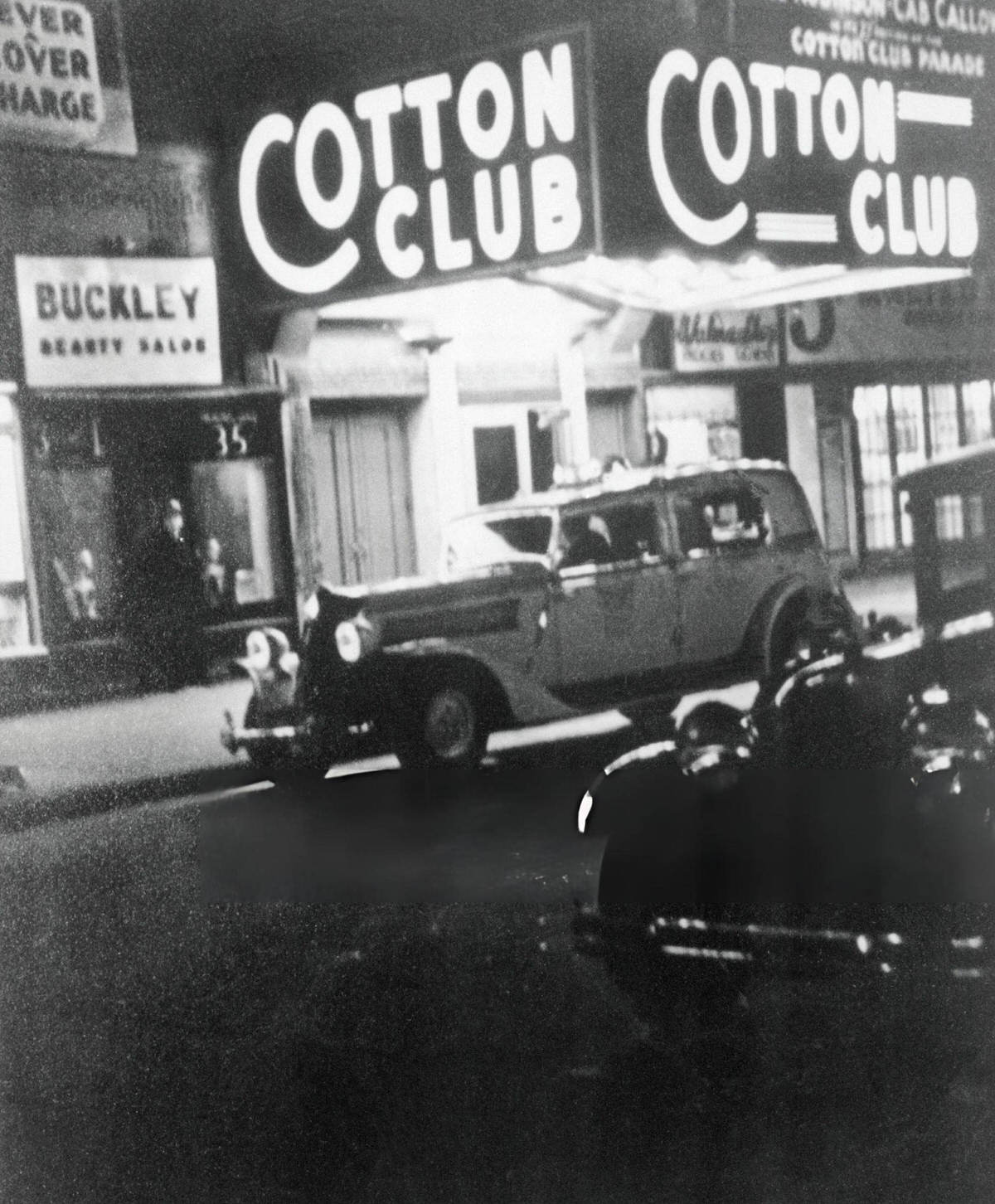
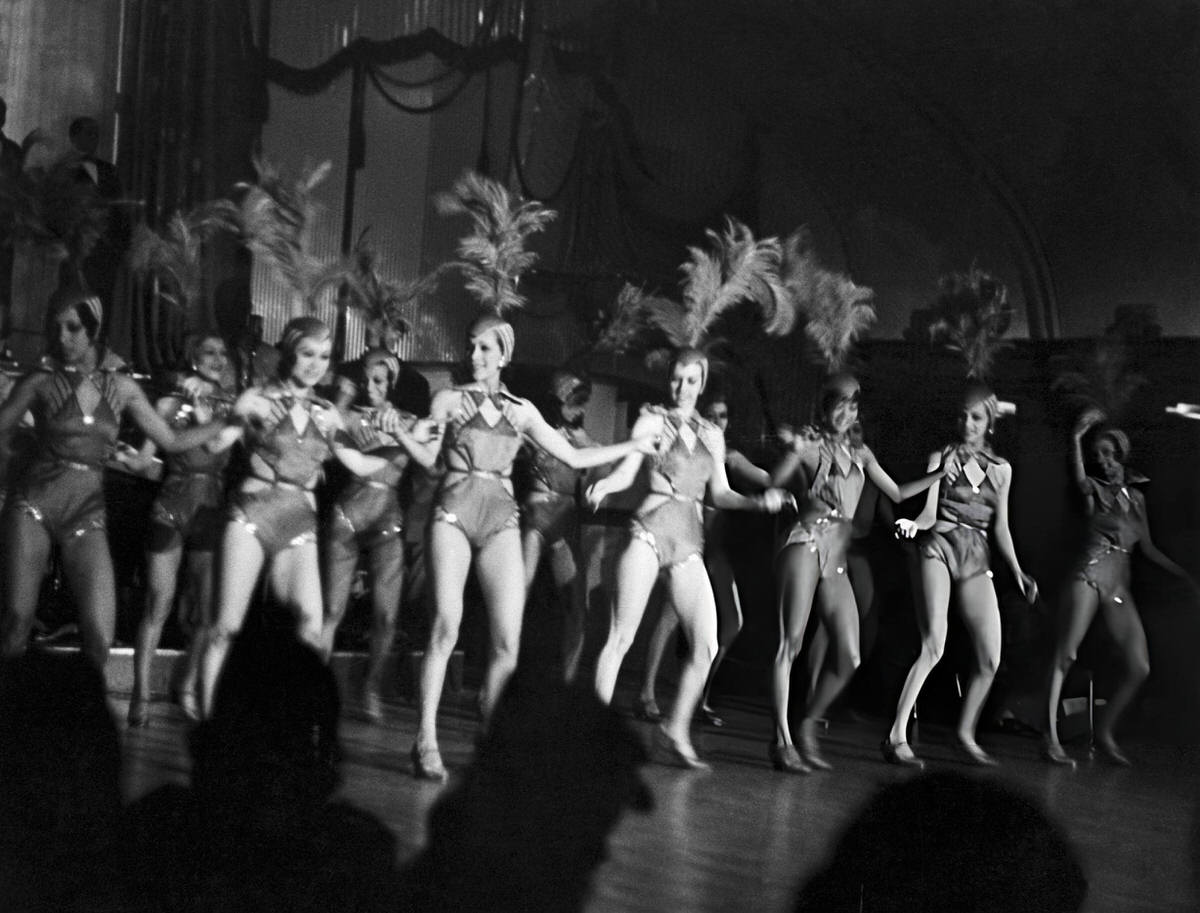
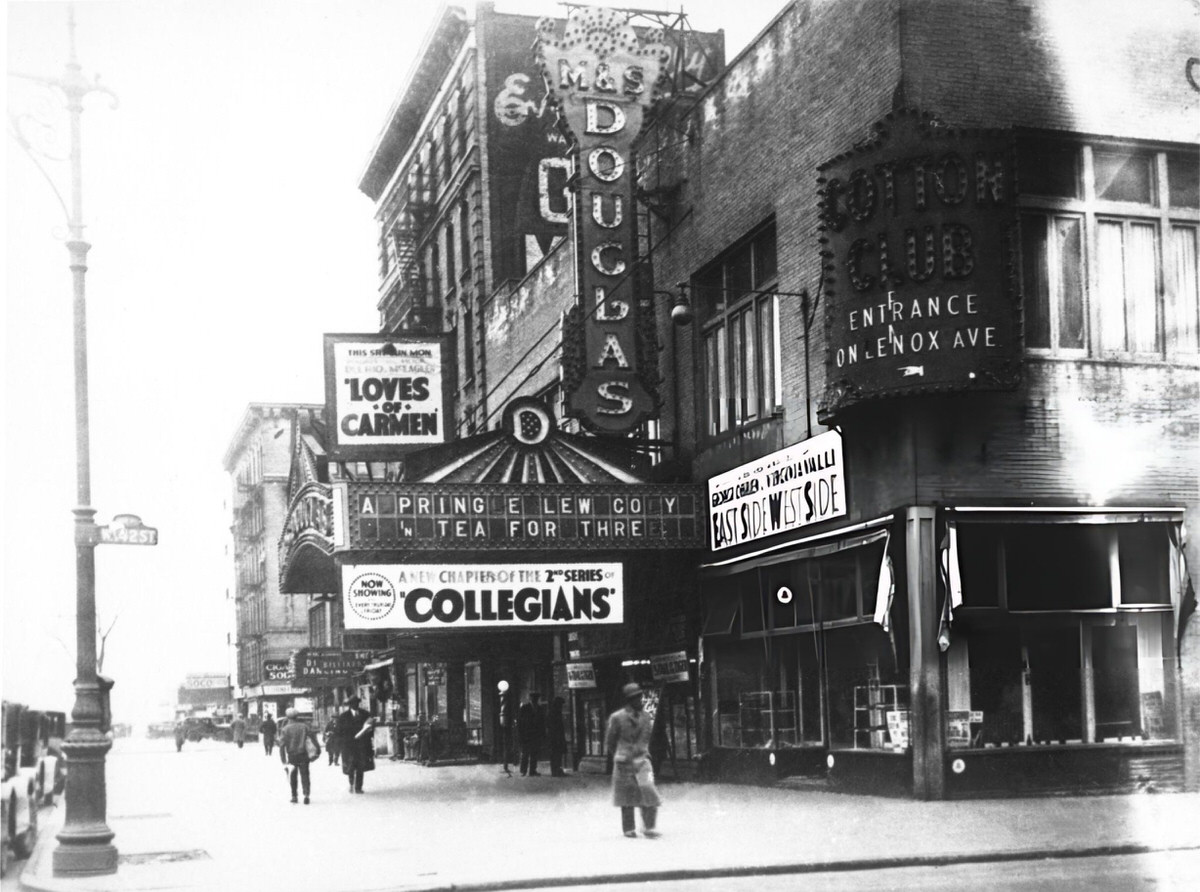
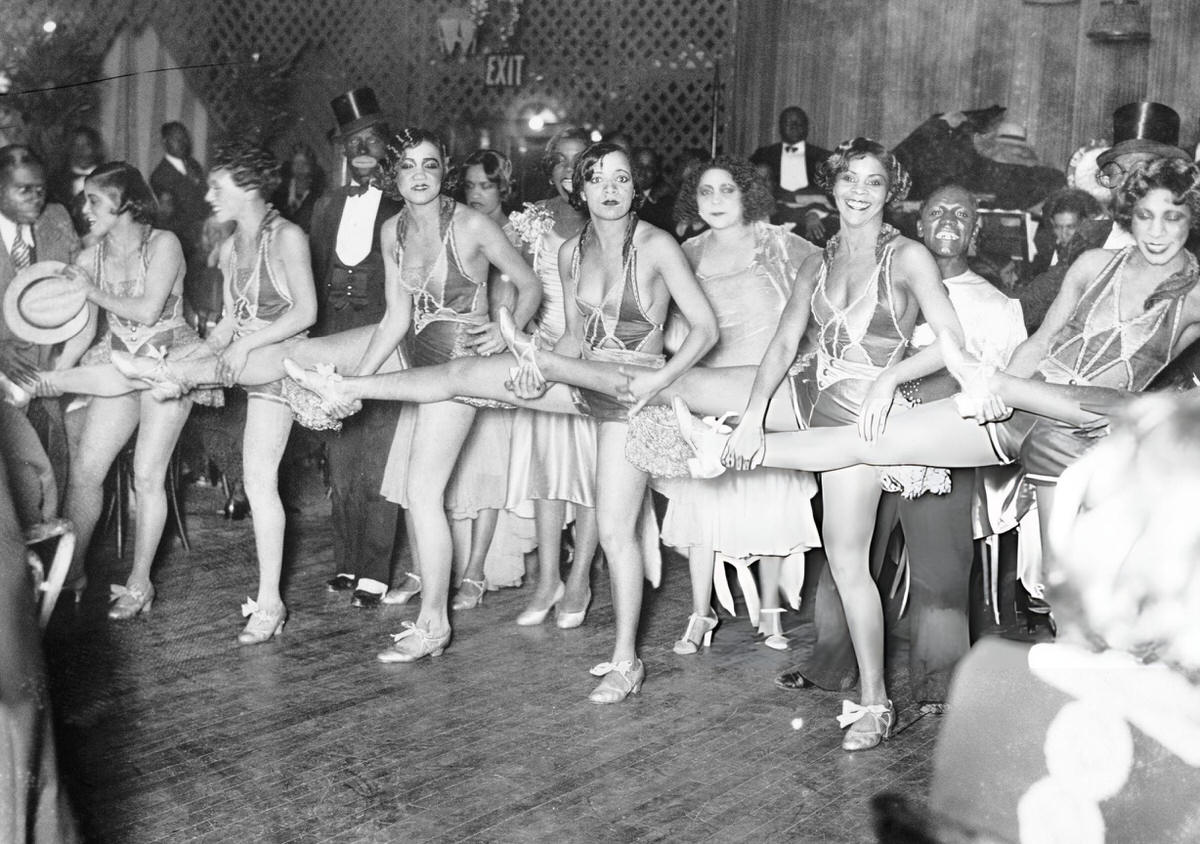
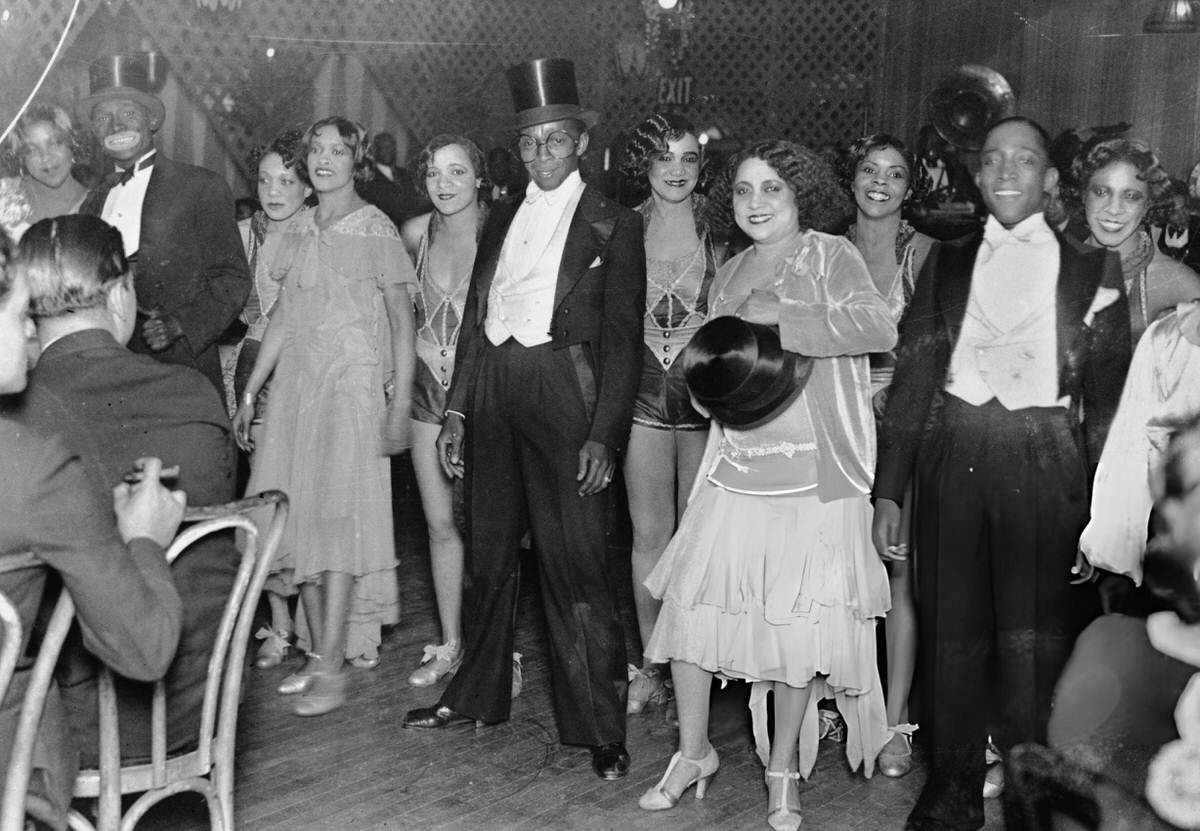
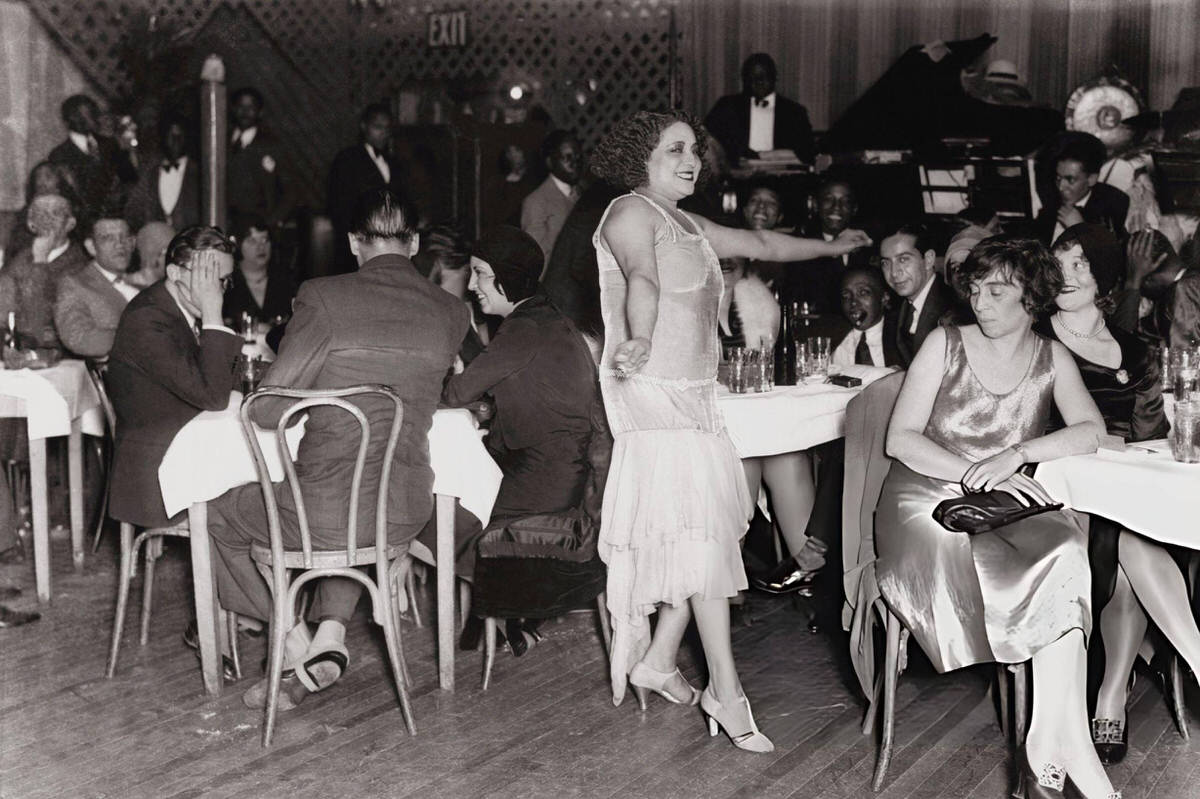
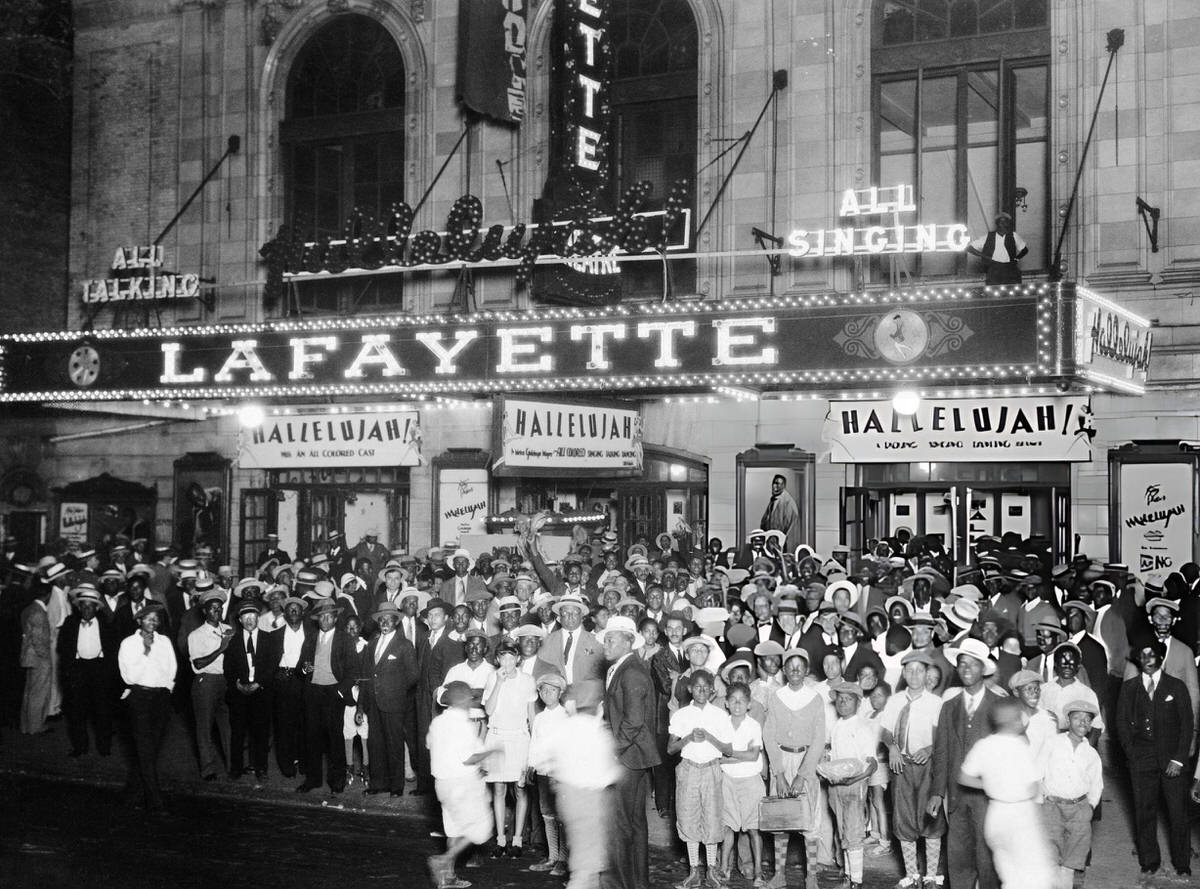
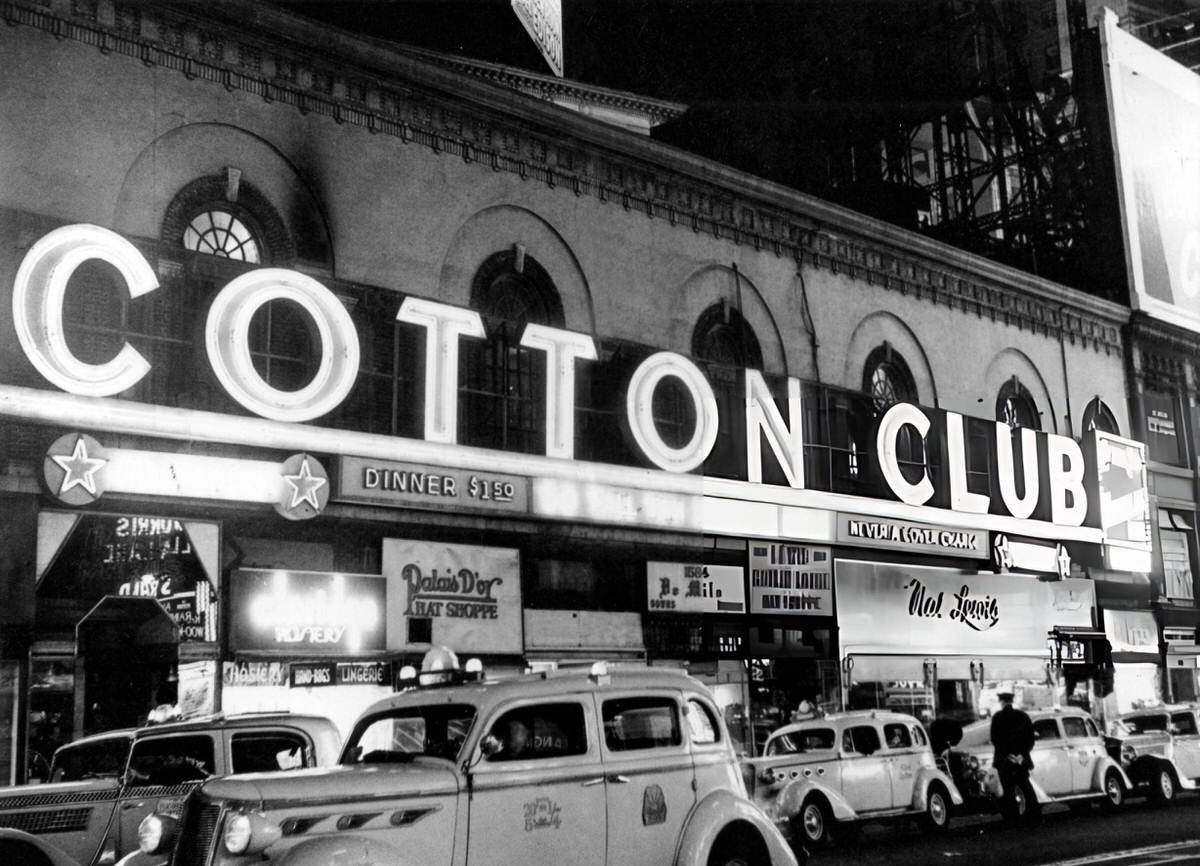
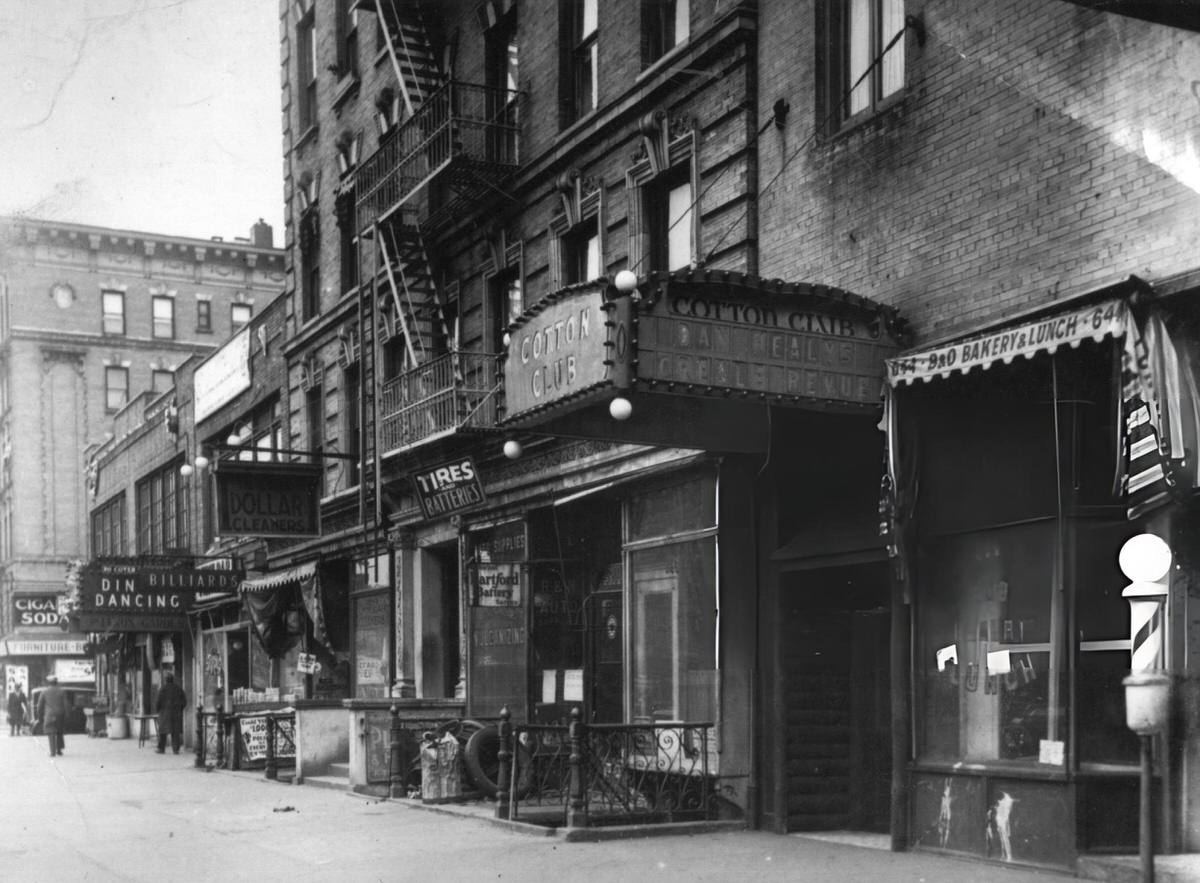
The Cotton Club opened on 142nd and Lenox in 1923. Duke Ellington played there. Cab Calloway performed there. The music that came out of that room reshaped American popular culture. But the Cotton Club was whites-only for its audience. Black performers played for white crowds in a Black neighborhood — the contradiction was not lost on Harlem residents, and it was argued about constantly.
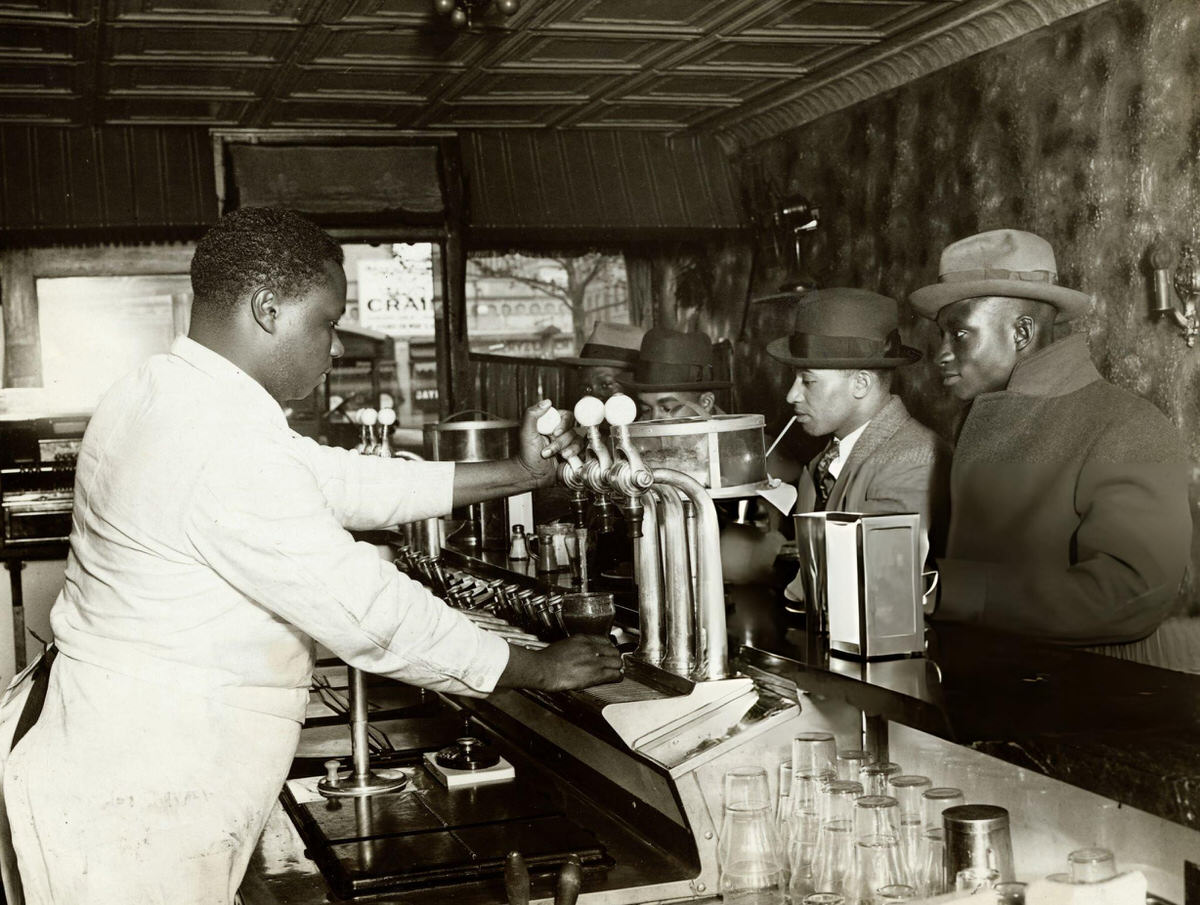
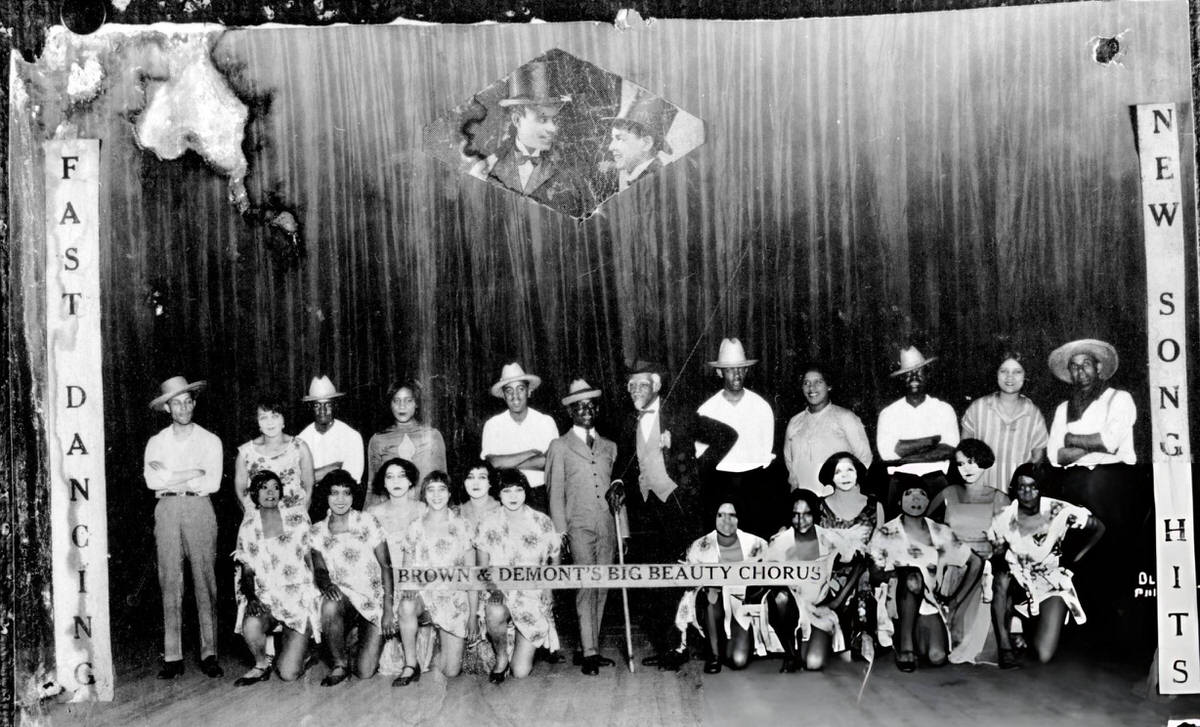
Smaller venues didn’t carry that contradiction. Rent parties filled apartments on weekends, where a family behind on their payment would charge a small admission at the door, hire a piano player, and let the neighbors dance until morning. These weren’t desperate measures dressed up — they were genuine community events, and they launched the careers of stride piano players like Fats Waller and James P. Johnson.
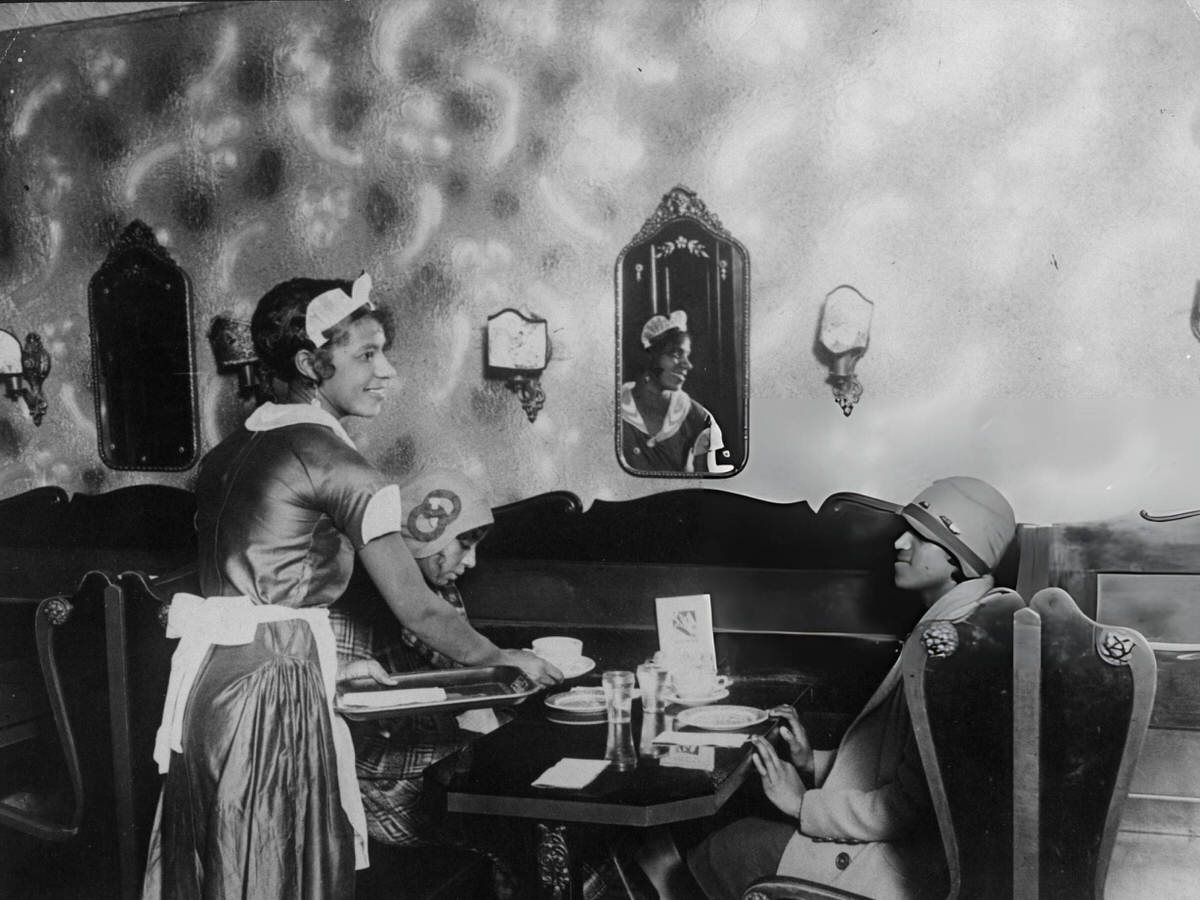
Small’s Paradise on Seventh Avenue had Black ownership and a mixed crowd. The waiters danced the Charleston while carrying trays. It ran for decades and stood as proof that Black-owned entertainment venues could thrive commercially.
The Church Was Everywhere
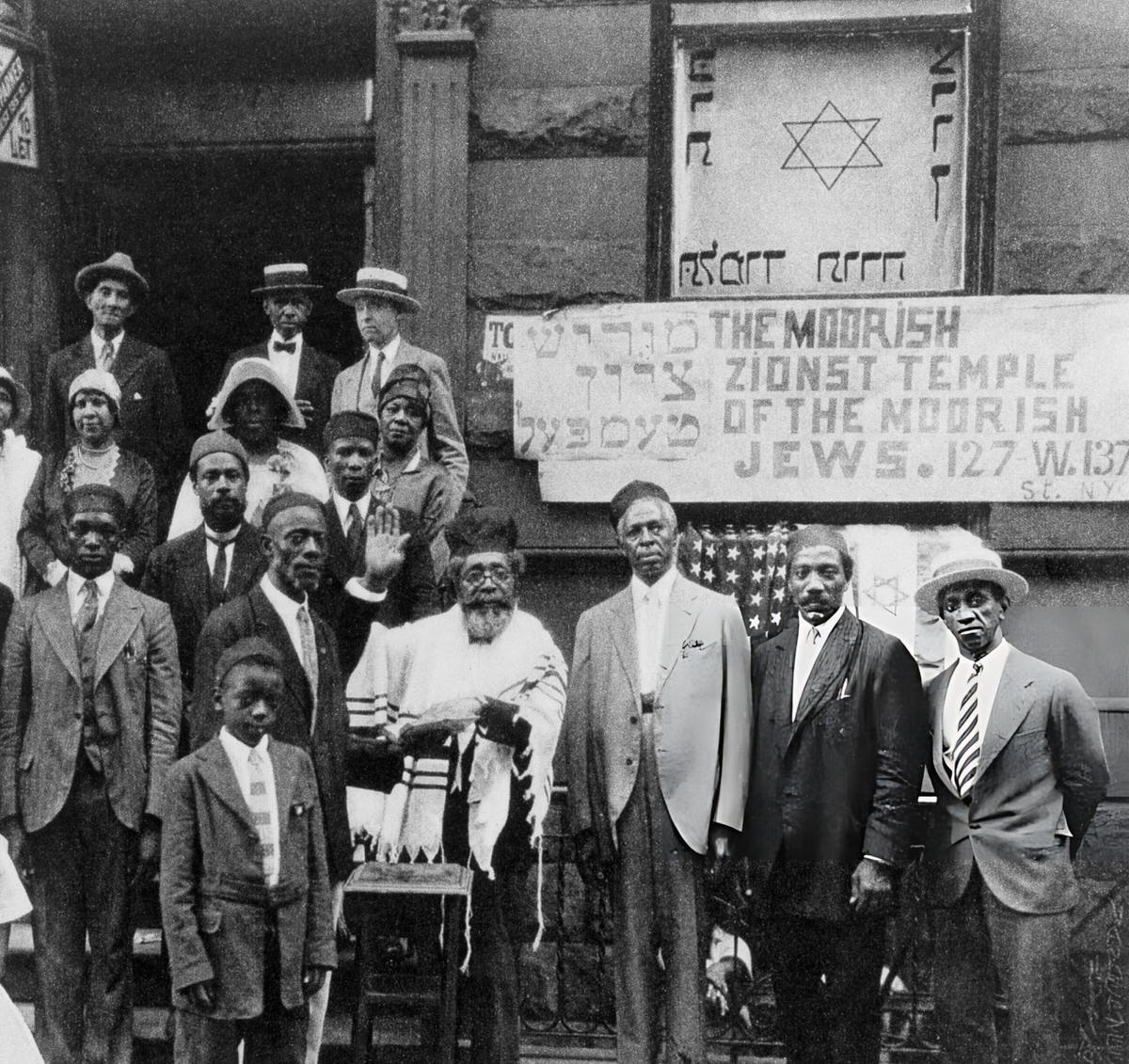
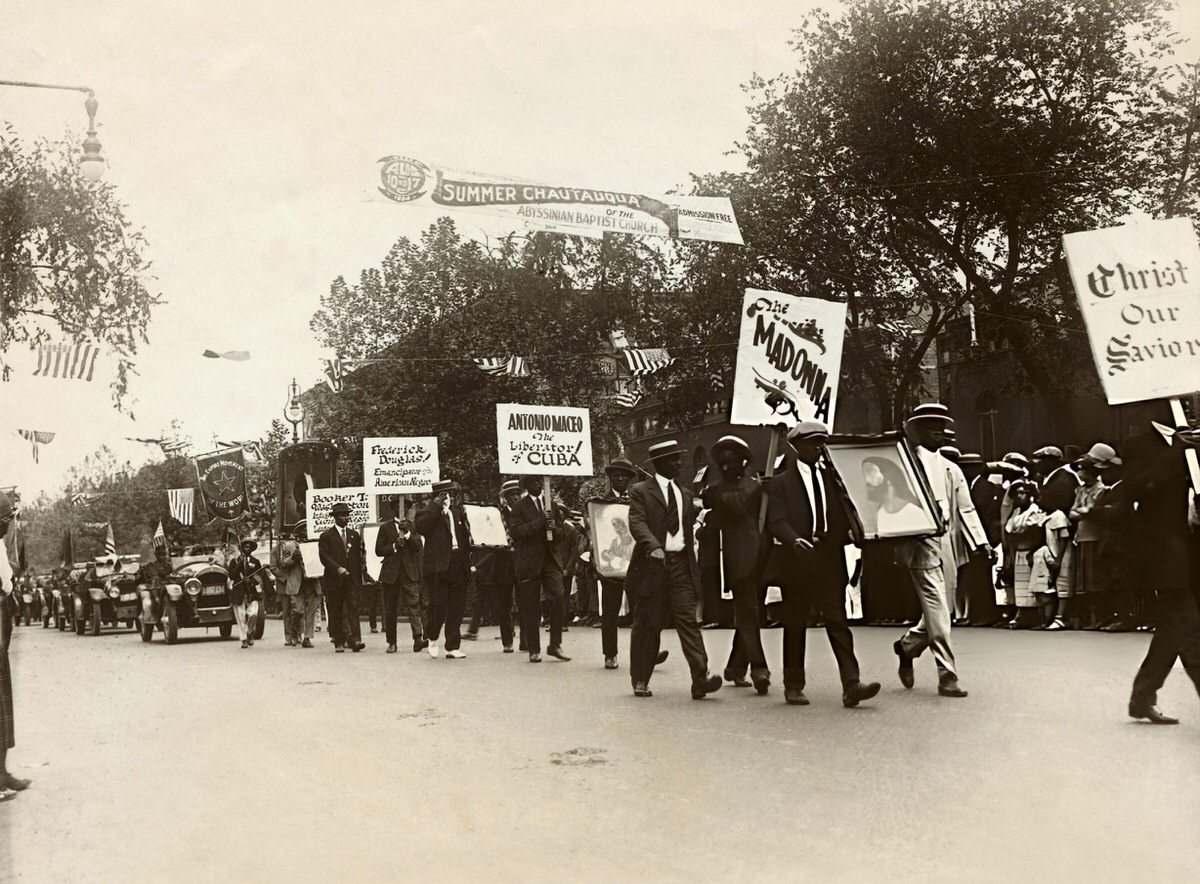
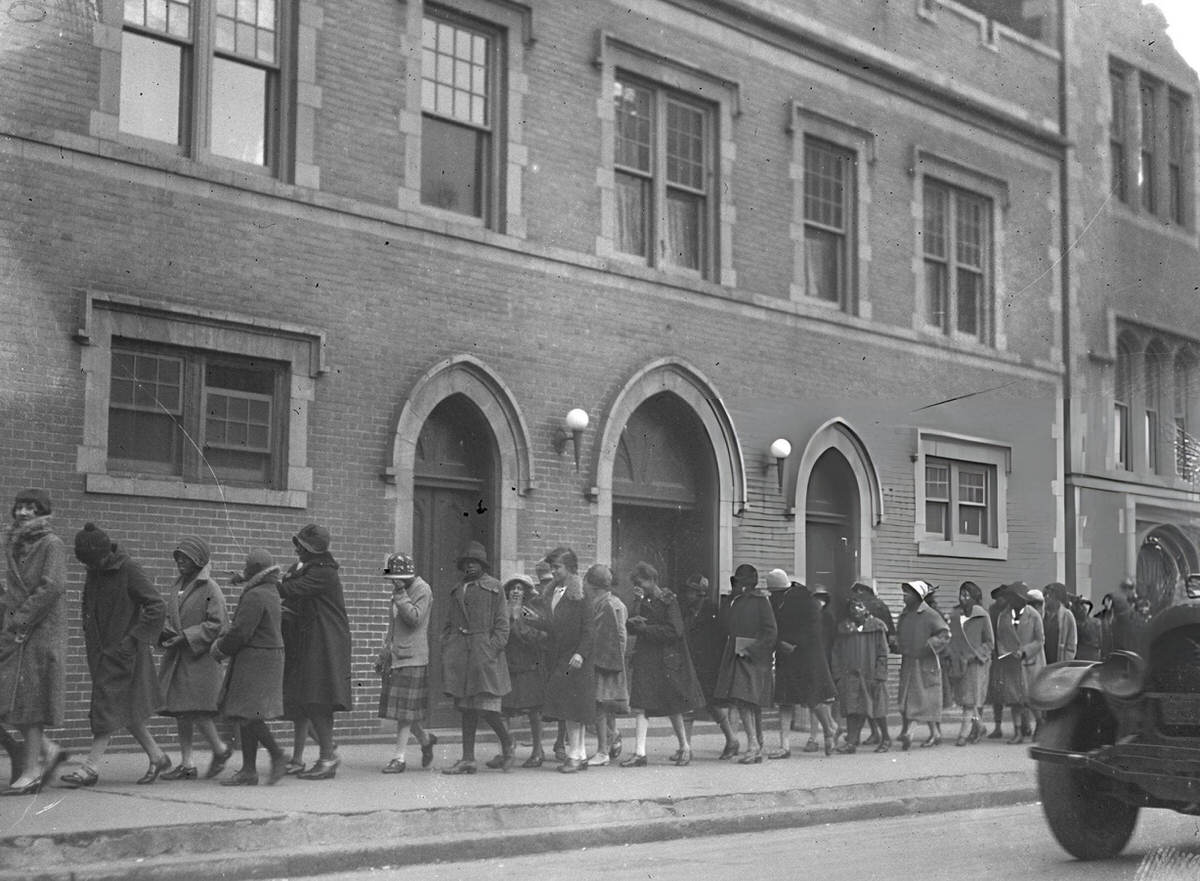
Harlem’s churches were not background institutions. Abyssinian Baptist Church moved to 138th Street in 1923 under the leadership of Adam Clayton Powell Sr. Its congregation numbered in the thousands. The church ran social programs, fed the hungry, and organized politically. Sunday mornings on the street outside were packed — hats, suits, and the sound of gospel spilling out onto the sidewalk.
The spiritual and the political were never separated in Harlem. Sermons addressed racism directly. Pastors knew their congregations were reading Du Bois and Garvey and Hughes during the week. Nobody left that at the door when they walked in on Sunday.

GIPHY App Key not set. Please check settings