

 Adriana Palmer
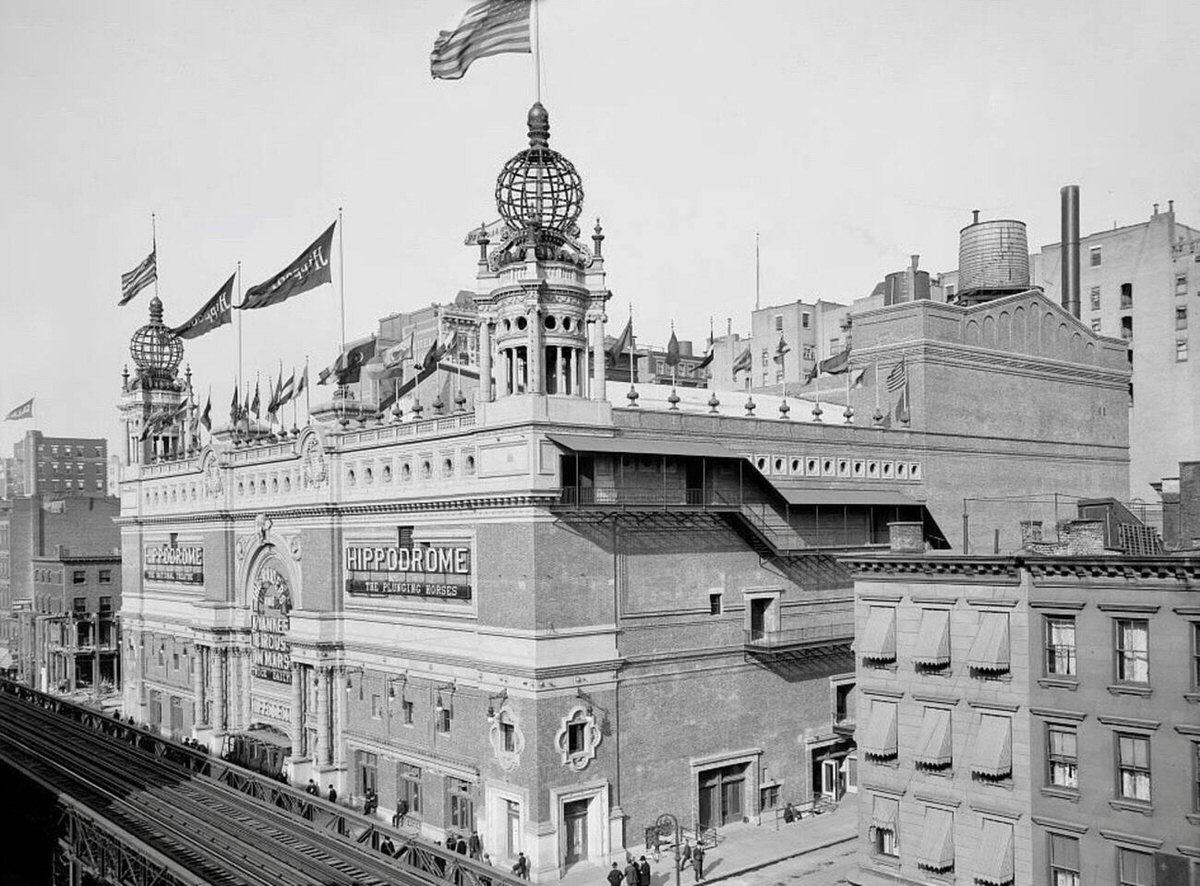
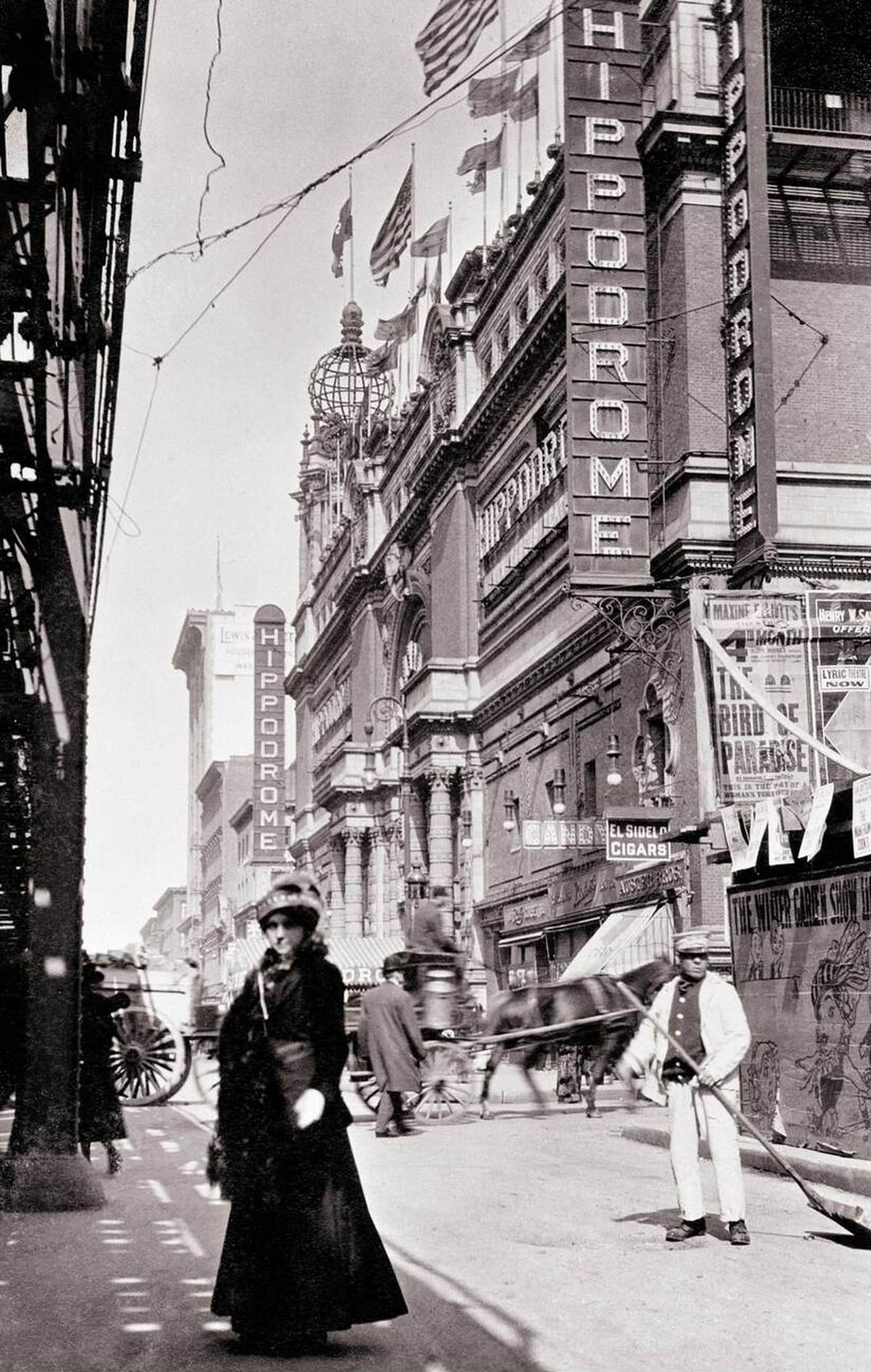
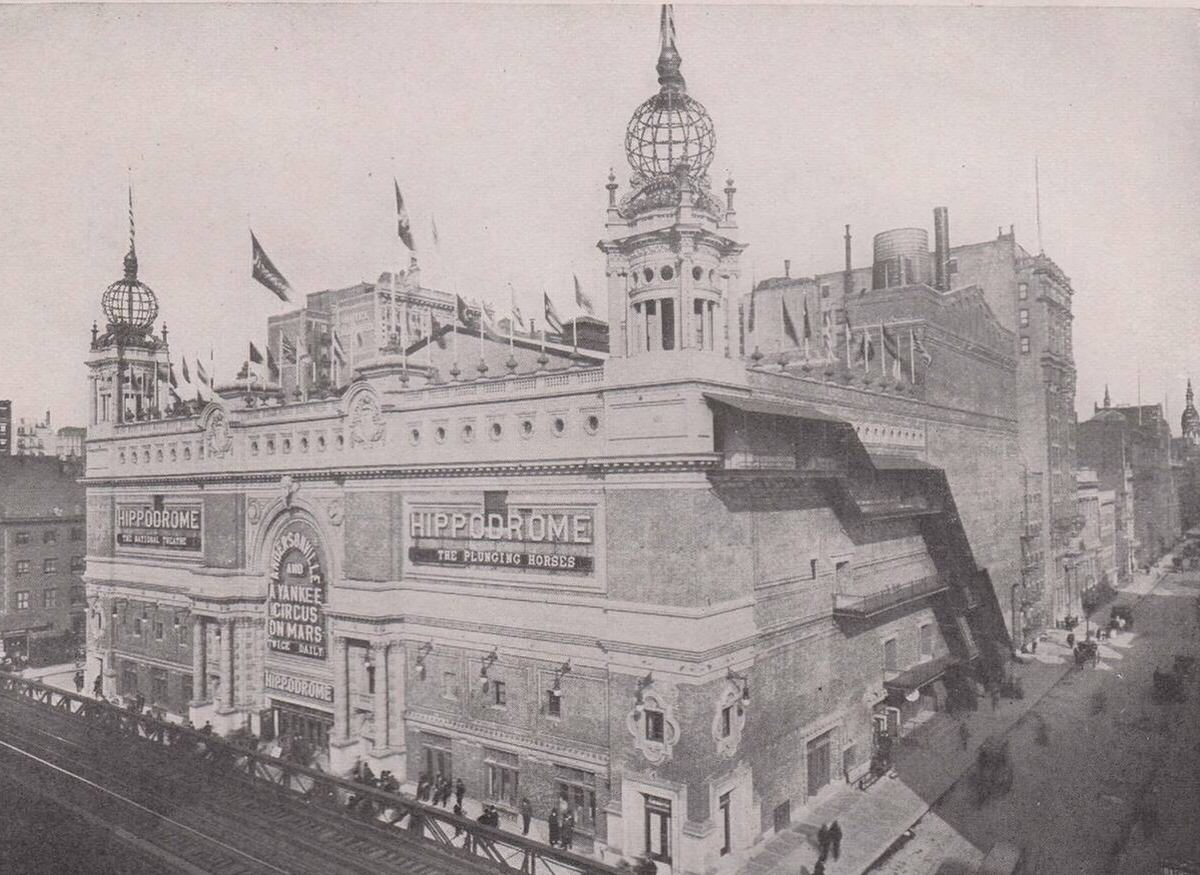
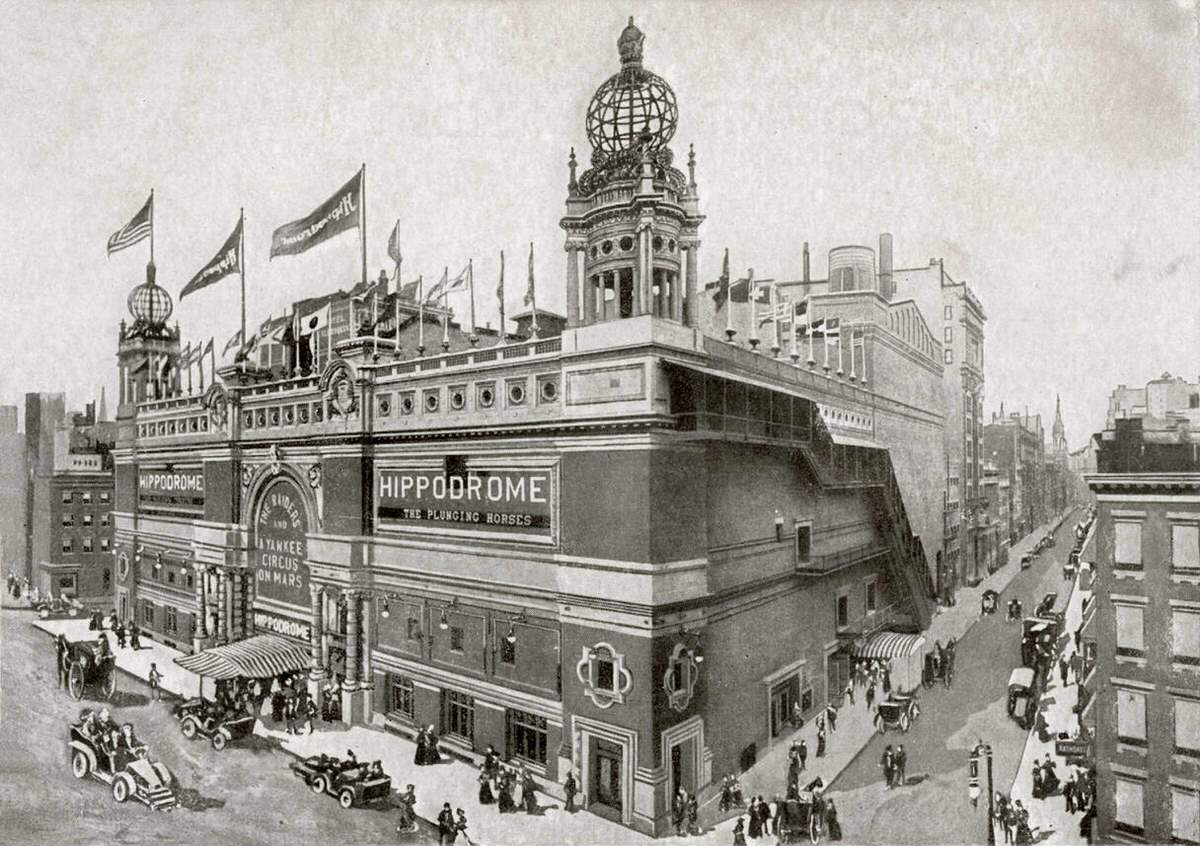
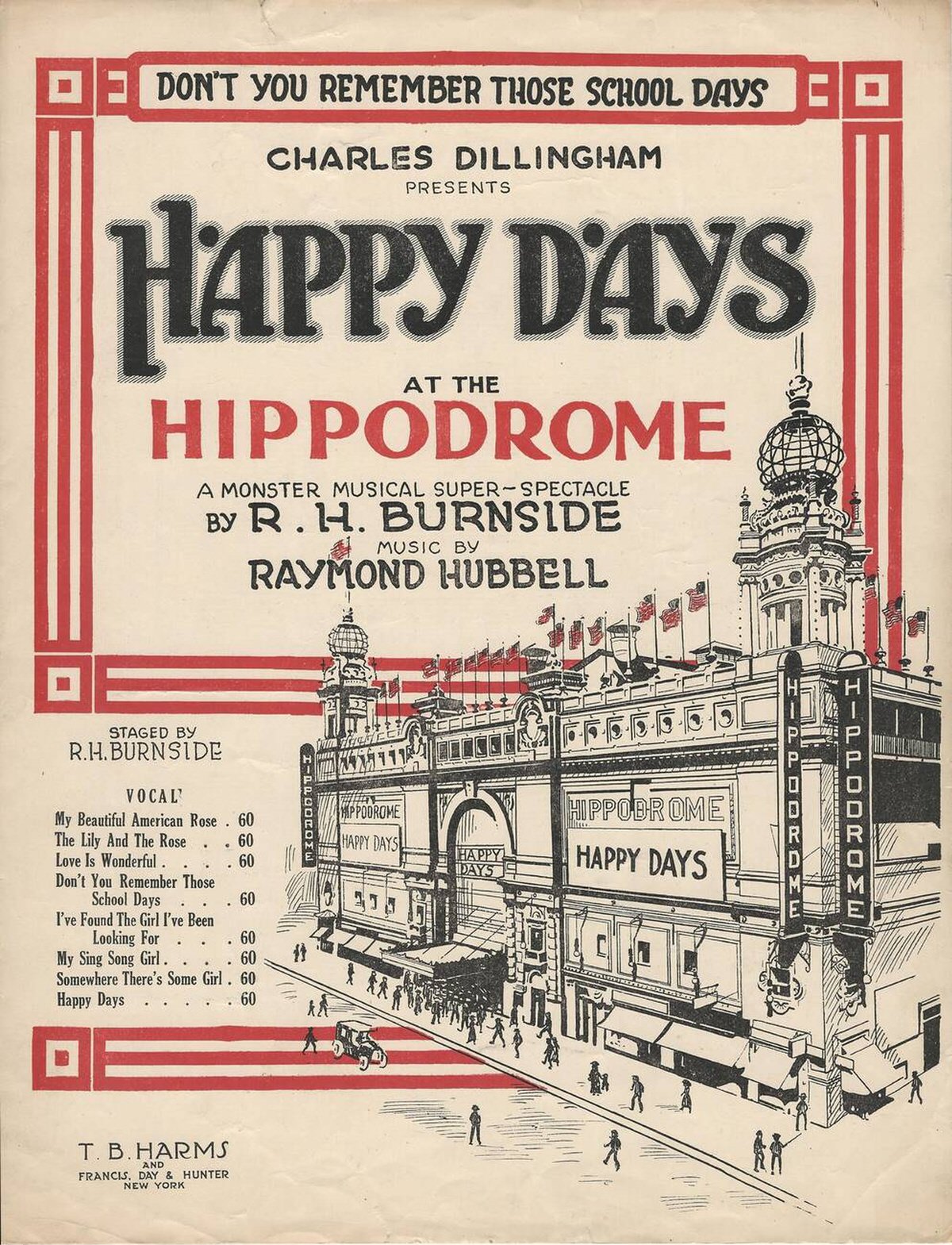
The New York Hippodrome opened on April 12, 1905, on Sixth Avenue between 43rd and 44th Streets. It was the largest and most technologically advanced theater in the world at the time of its completion. Created by Frederick Thompson and Elmer Dundy, the men behind Luna Park at Coney Island, the building cost $4 million to construct. The exterior featured two massive red brick towers topped with electric globes that glowed at night, marking its place in the Manhattan skyline.
Engineering the Massive Interior
The auditorium was built to hold 5,300 people in three tiers of seating. This capacity was nearly double that of most other theaters in the city. The scale of the room required a massive ceiling supported by hidden steel girders to ensure every guest had a clear view of the stage. High-powered electric lights, which were still a relatively new technology, illuminated the gold-leaf carvings and red velvet drapes that decorated the walls.
The stage itself was the central marvel of the building. It measured 200 feet wide and 110 feet deep, making it twelve times larger than a standard Broadway stage. Beneath the floorboards, a complex system of hydraulic lifts allowed entire sections of the stage to rise or fall. This allowed stagehands to bring up heavy scenery or groups of performers from the basement levels in seconds.
Read more
The Great Water Tank
The most famous feature of the Hippodrome was its massive water tank located at the front of the stage. The tank was made of steel and held 8,000 gallons of water. It was 14 feet deep and stretched across the entire width of the performance area. During the grand finale of many shows, the tank became the center of the action.
Performers known as the “Disappearing Water Mermaids” walked down a set of stairs directly into the water. Because of a hidden breathing area and specialized underwater tunnels, the women appeared to vanish beneath the surface without ever coming back up. This illusion was a closely guarded secret that drew crowds back to the theater for years. The tank was also used for naval battles, where miniature ships fired real gunpowder cannons while floating on the water.
Animals and Spectacle
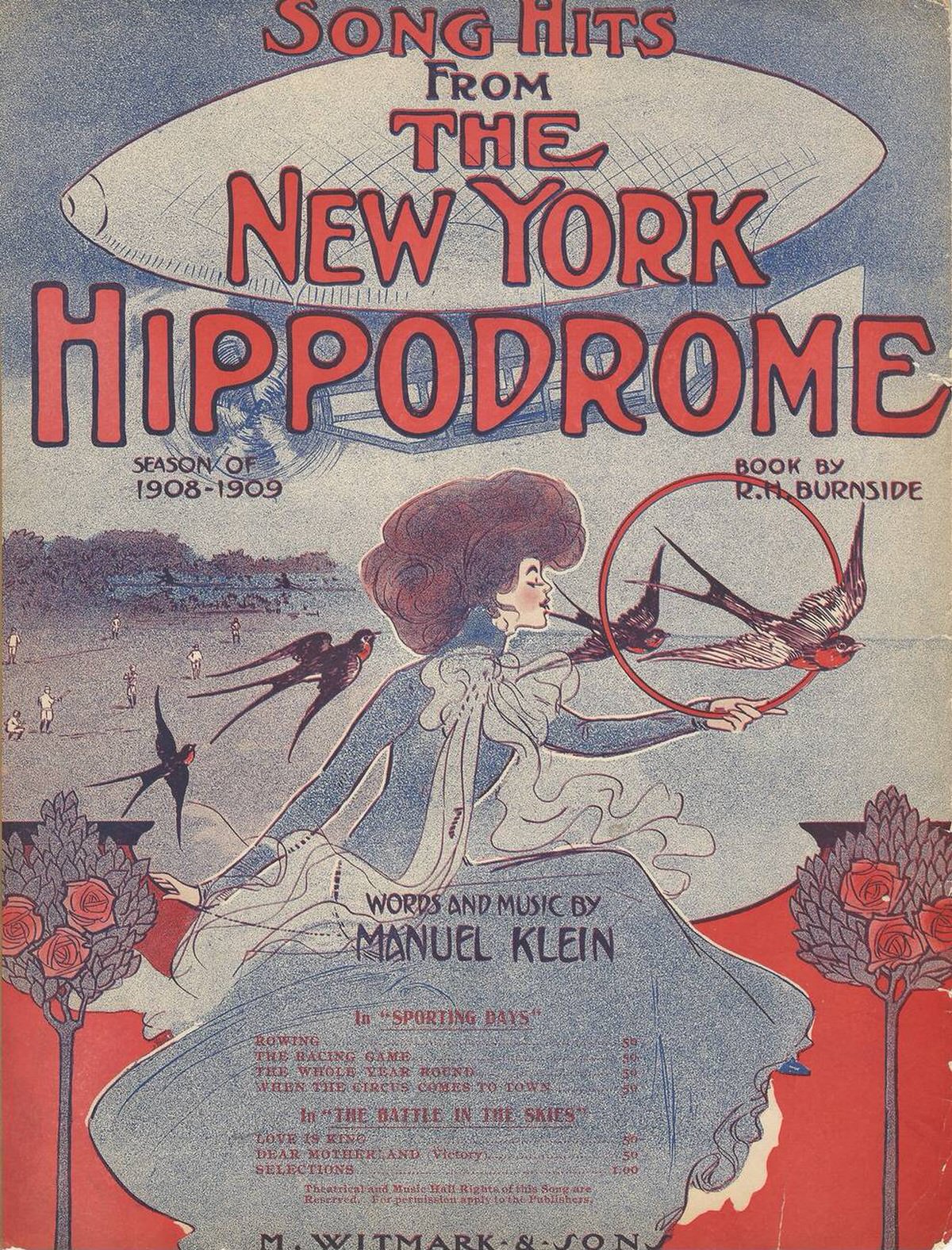
The Hippodrome specialized in “spectacles,” which were plays that focused on massive crowds and live animals rather than simple dialogue. A single show often featured a cast of 500 actors and 200 dancers. The basement of the theater contained stalls for a permanent menagerie of animals. This included a herd of 20 elephants, dozens of horses, and several camels.
The elephants were trained to perform synchronized movements and even “plunge” into the great water tank during certain scenes. To manage the animals, a large ramp led from the 44th Street entrance directly down to the stage level. The smell of hay and sawdust was a constant presence in the backstage areas, contrasting with the luxury of the marble lobby used by the audience.
The Usherettes and Service
The theater employed a small army of staff to manage the thousands of daily visitors. The “Hippodrome Usherettes” were a famous part of the experience. These women wore matching uniforms with gold braided trim and pillbox hats. They carried electric flashlights to guide guests through the dark aisles during the performances.
A large refreshment room offered snacks and drinks during the long intermissions. Because the theater was so large, the building had its own internal telephone system so ushers could communicate with the box office and the stage manager. This ensured that the massive crowds moved smoothly in and out of the building during the two daily performances.
Famous Performers and Acts
While the scenery was the main draw, the Hippodrome hosted the most famous entertainers of the era. Harry Houdini performed his “Vanishing Elephant” trick on the Great Stage in 1918. He used the massive space to hide an 8,000-pound elephant behind a simple curtain, a feat that would have been impossible in a smaller theater.
The theater also served as the home for “The Ice Flirtations,” a show that required the stage to be frozen into a giant skating rink. Engineers used a refrigeration plant in the basement to pump cold brine through pipes laid across the stage floor. This allowed world-class skaters to perform high-speed routines indoors, even during the summer months.
The Mechanics of the Scenery
The scenery at the Hippodrome was built on a scale that required railroad technology. Huge backdrops were moved on tracks using electric motors. Some of the set pieces were three stories tall and required 30 men to move them into position. The lighting booth used a series of color wheels and high-intensity carbon arc lamps to create effects like thunderstorms or sunrise.
Because the theater was so expensive to run, every show had to be a massive success to cover the costs of the electricity and the animal feed. The building required its own power plant to run the thousands of light bulbs and the heavy hydraulic pumps. This self-sufficiency allowed the Hippodrome to operate like a small city within a single city block.

GIPHY App Key not set. Please check settings