

 Henry Parker
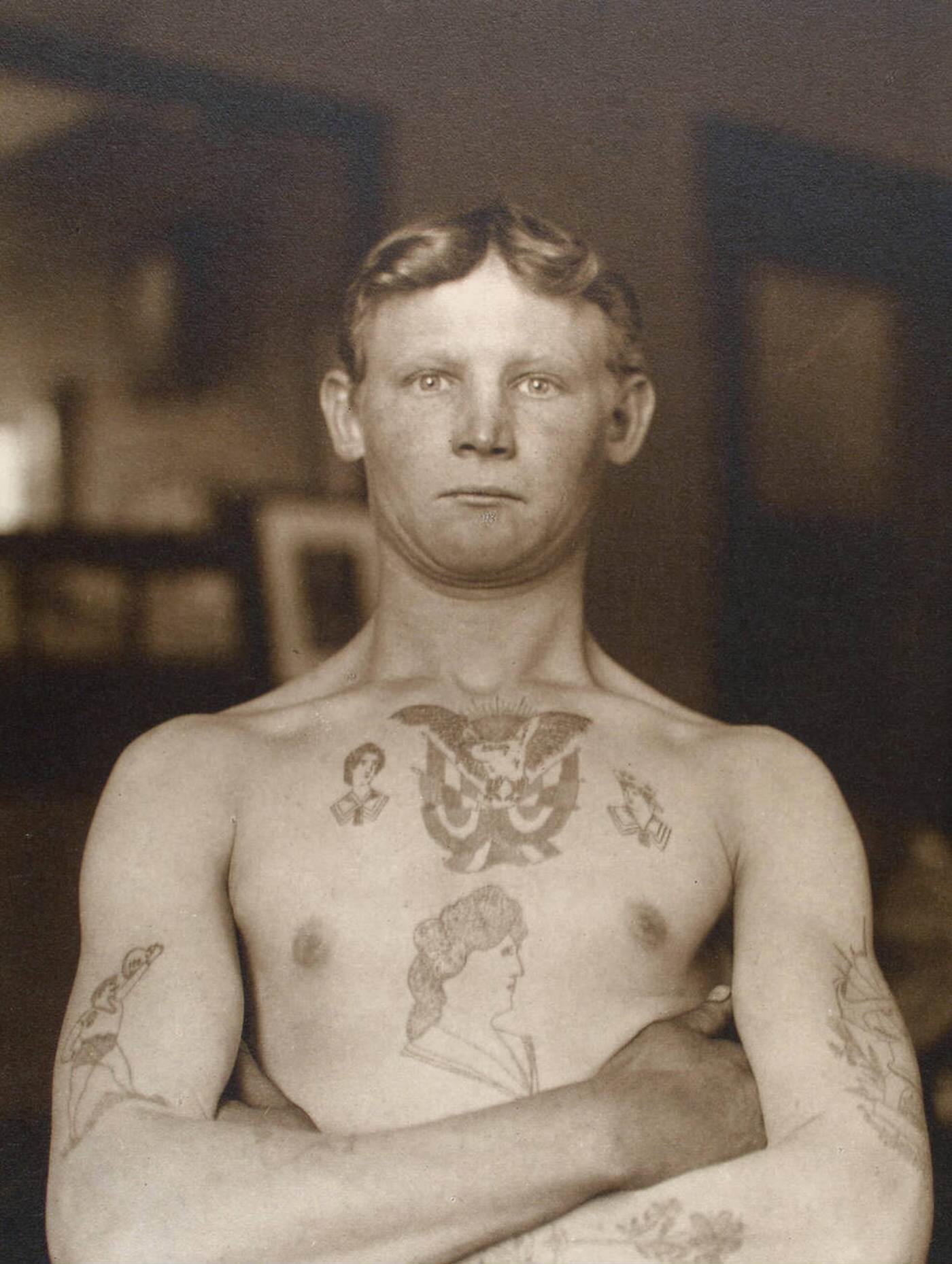
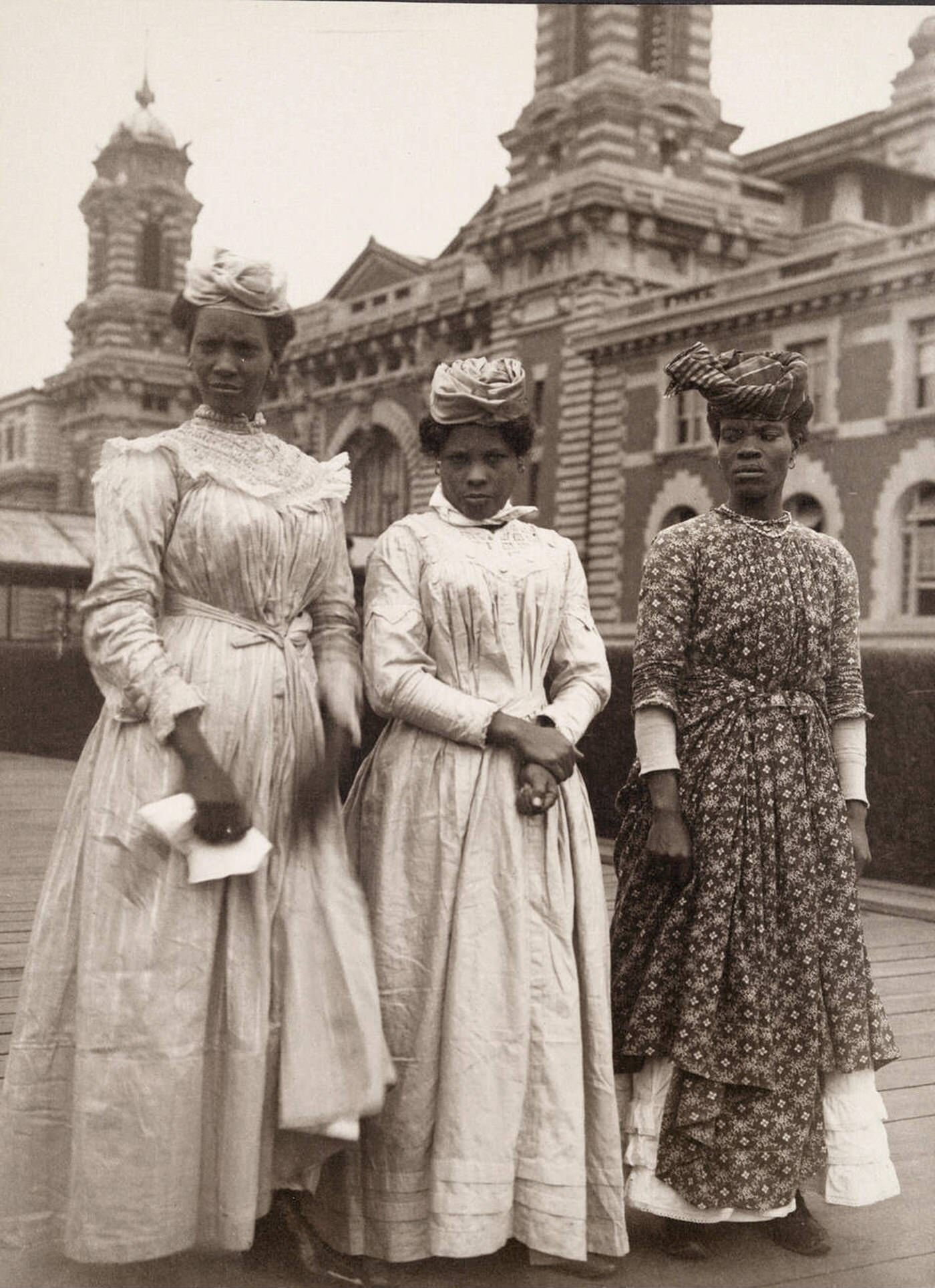
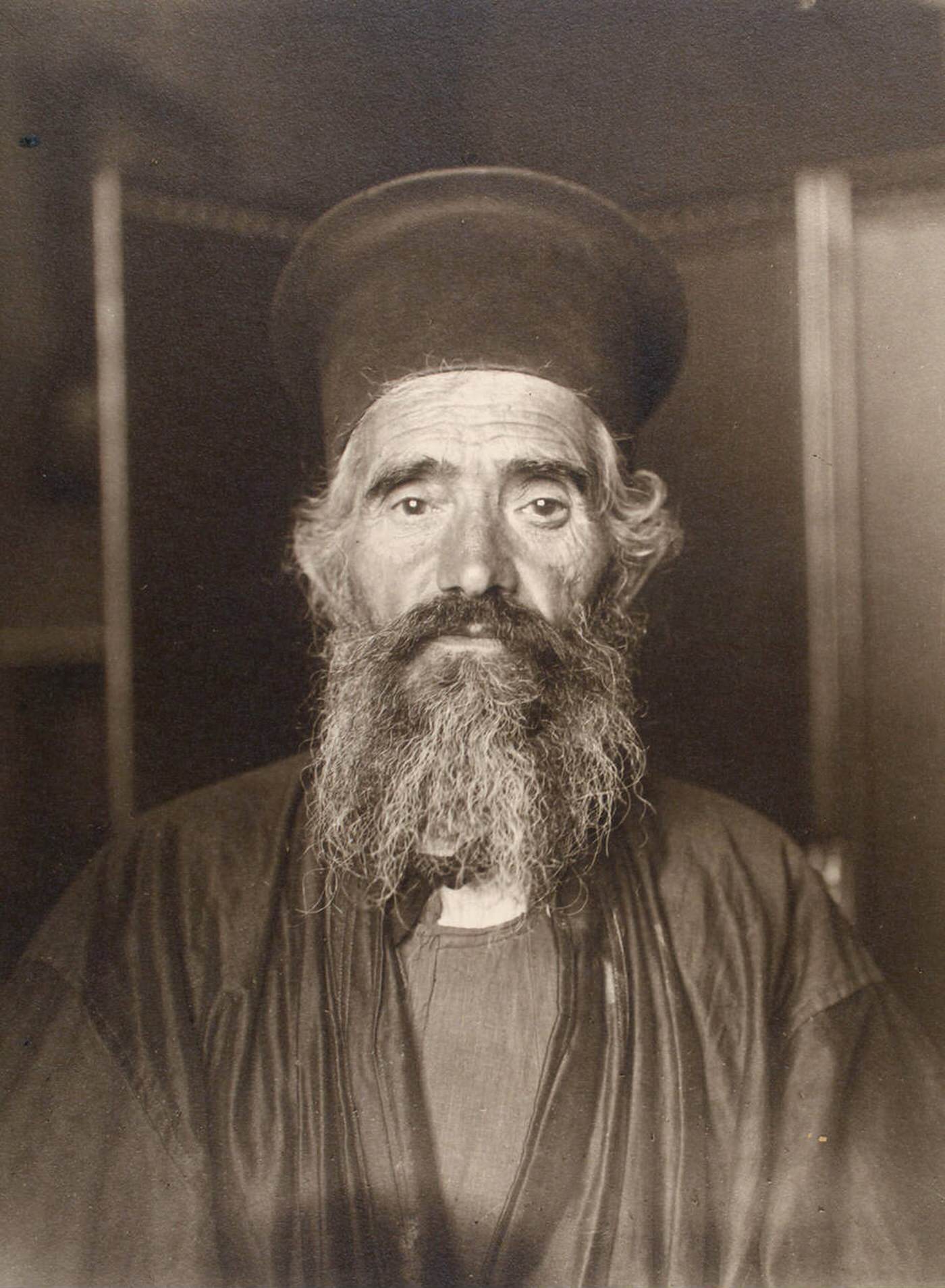
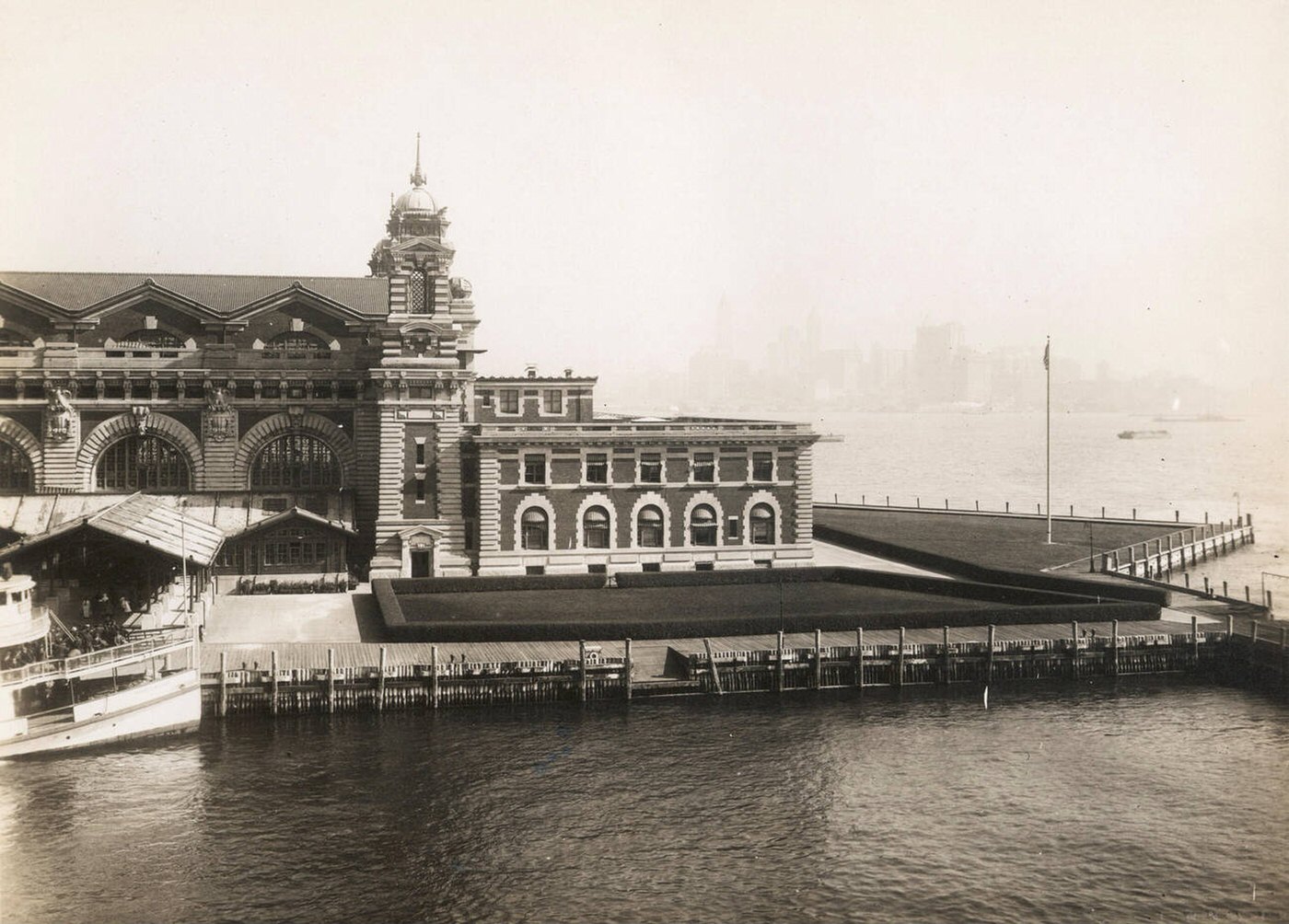
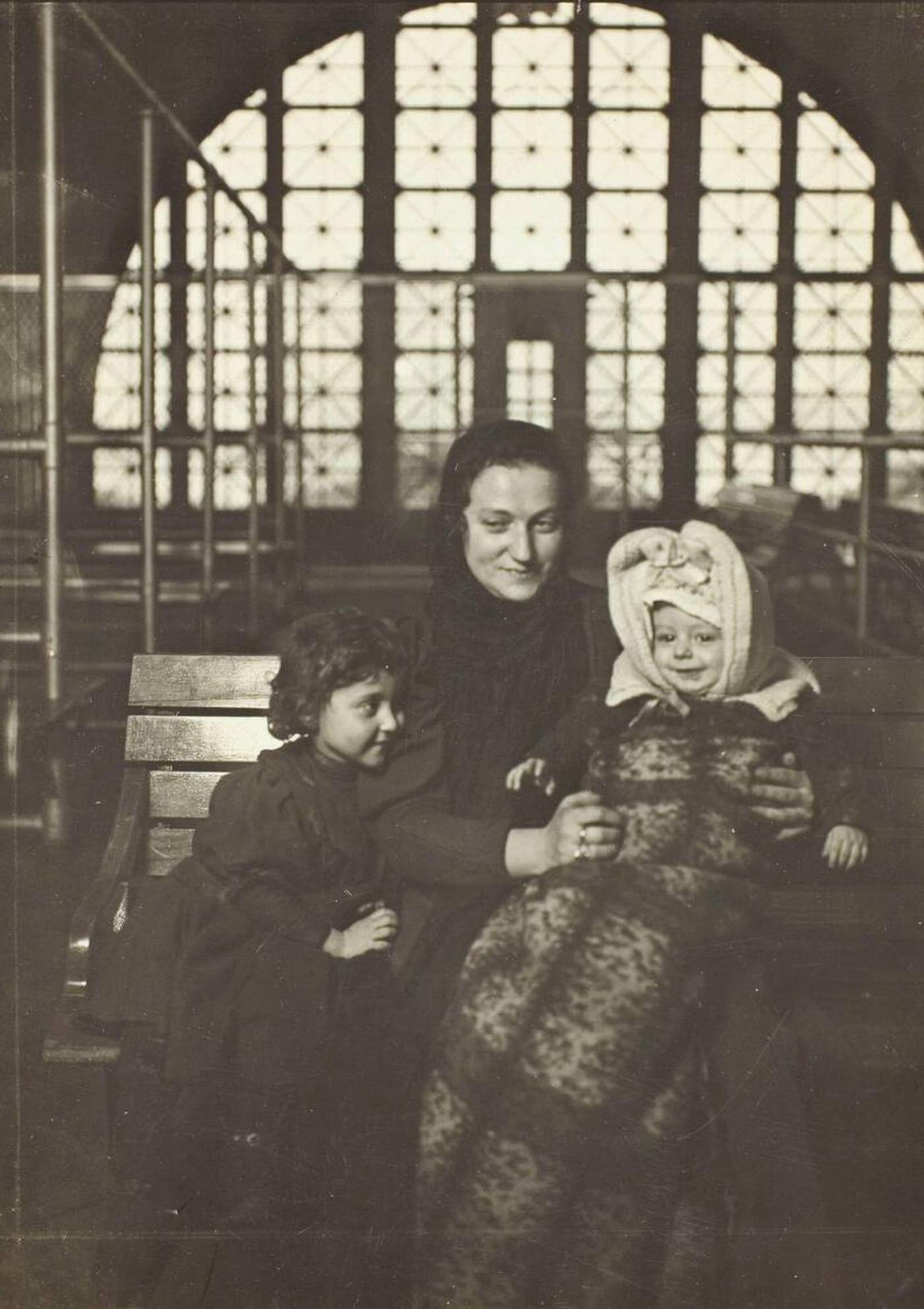
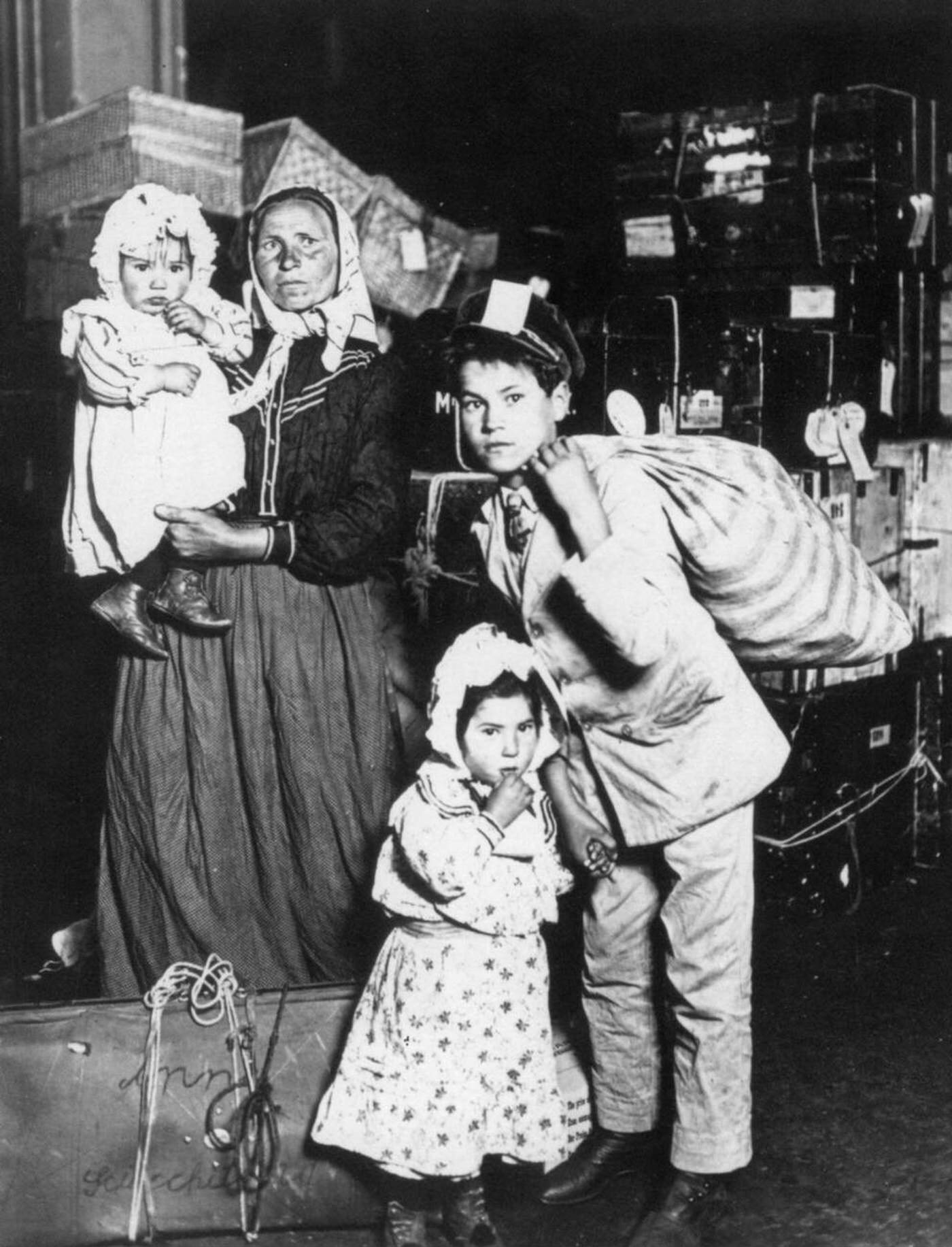
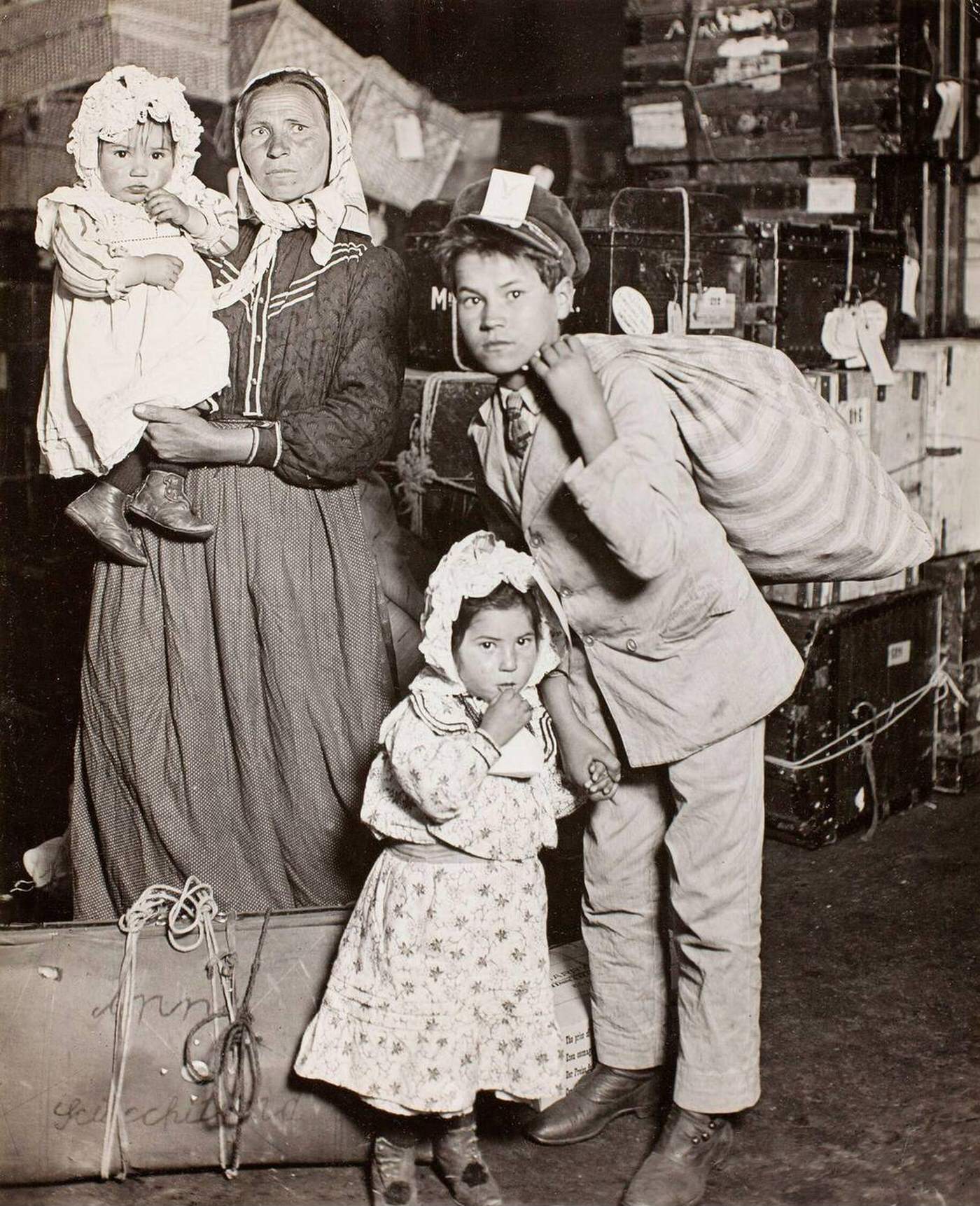
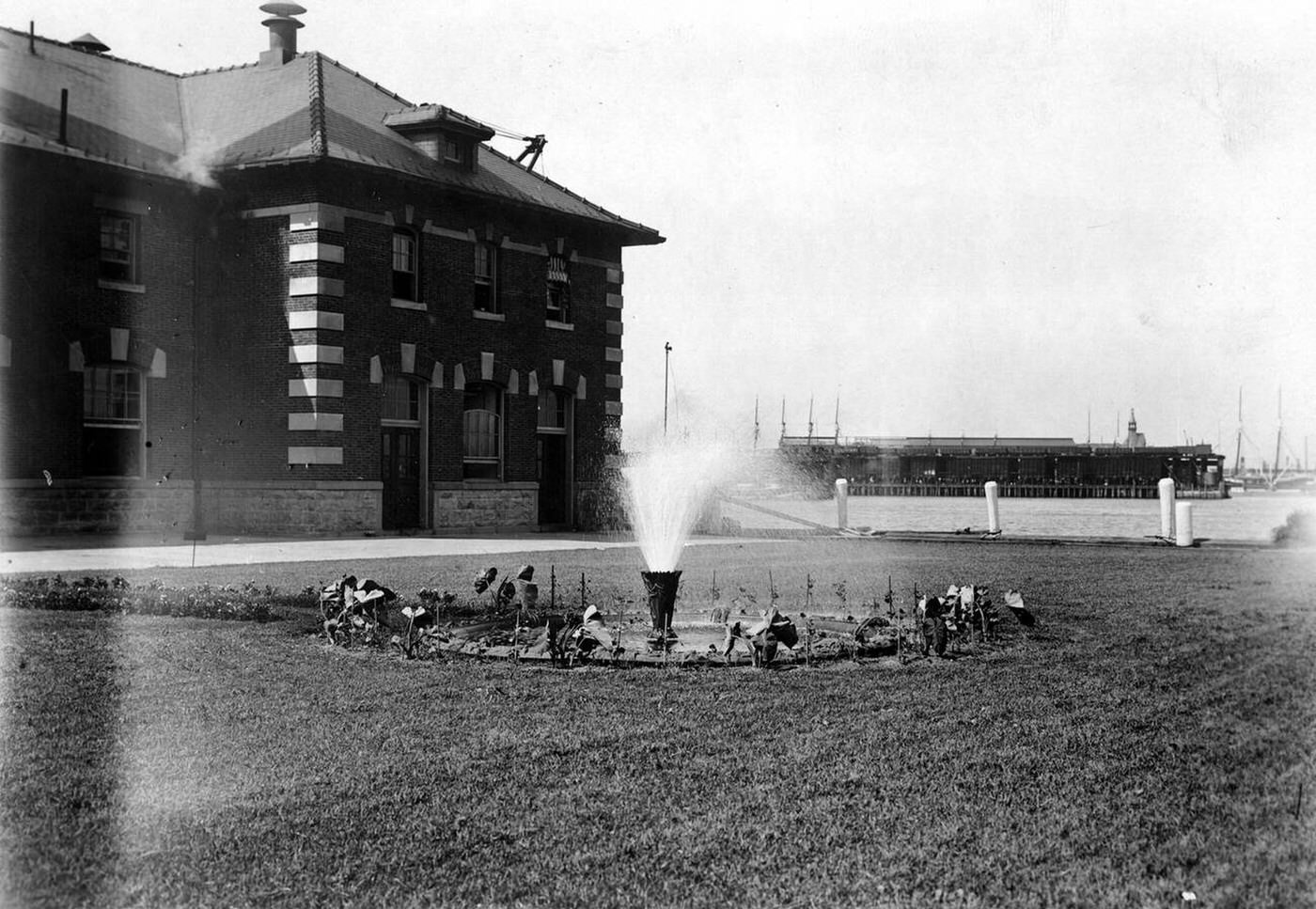
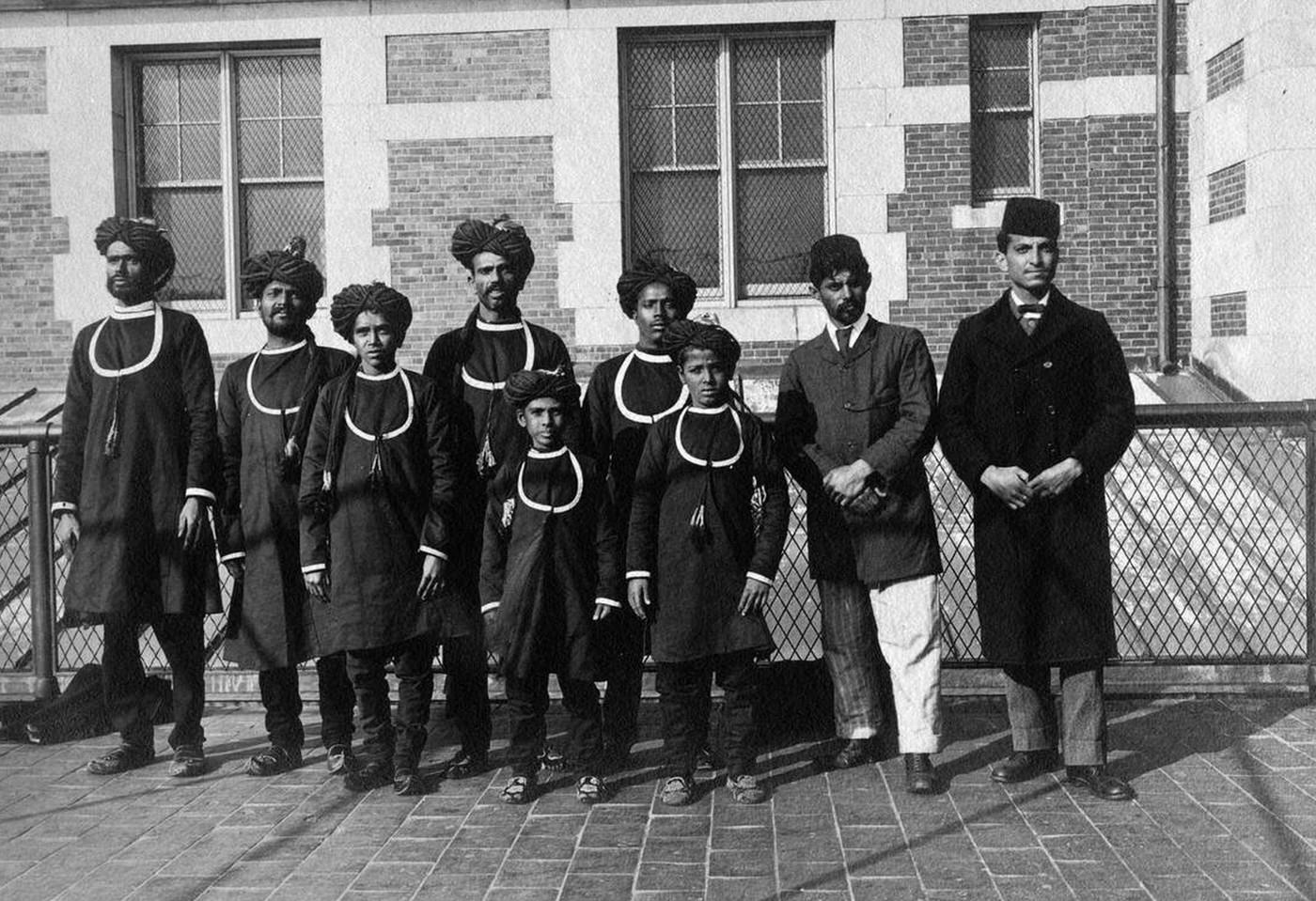
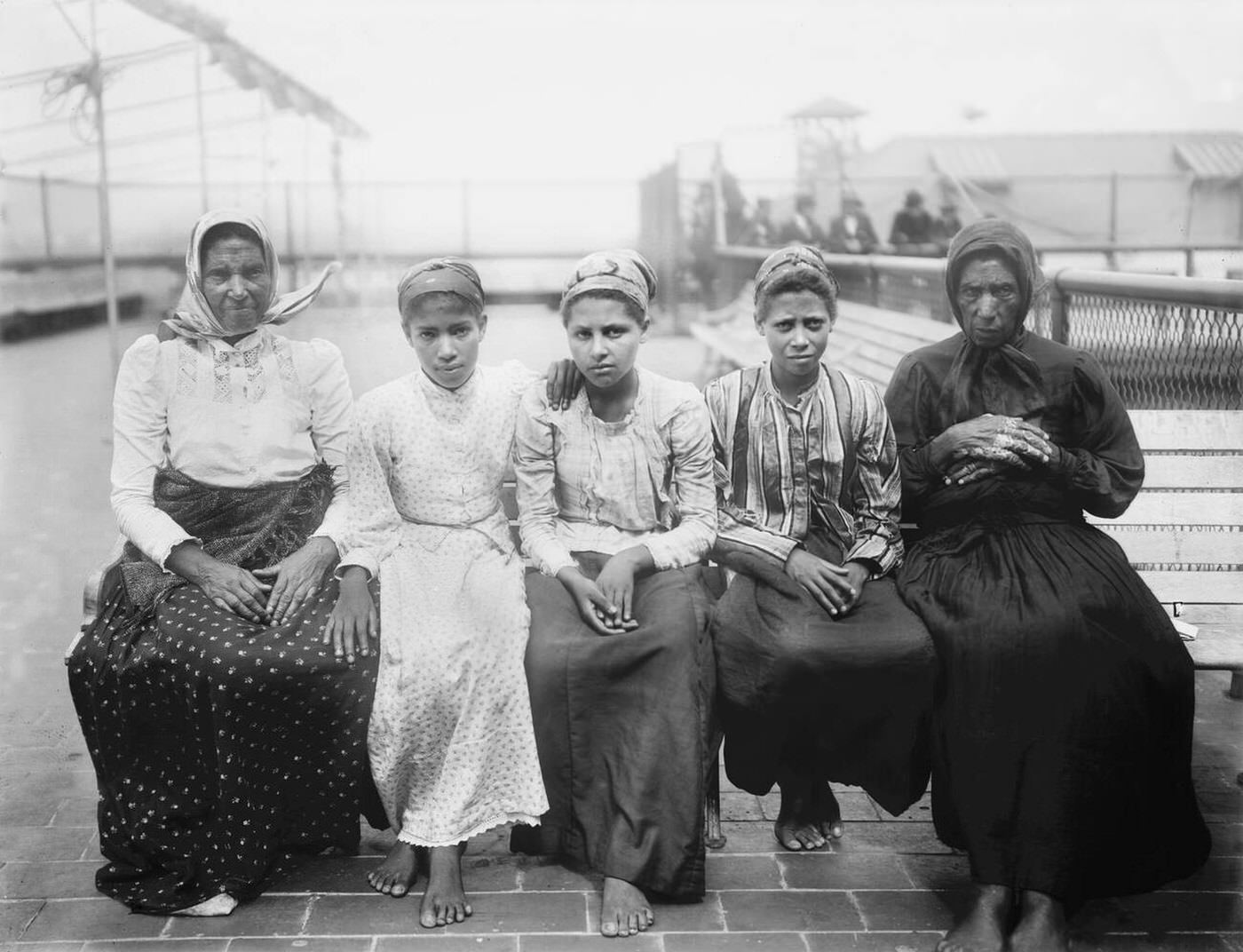
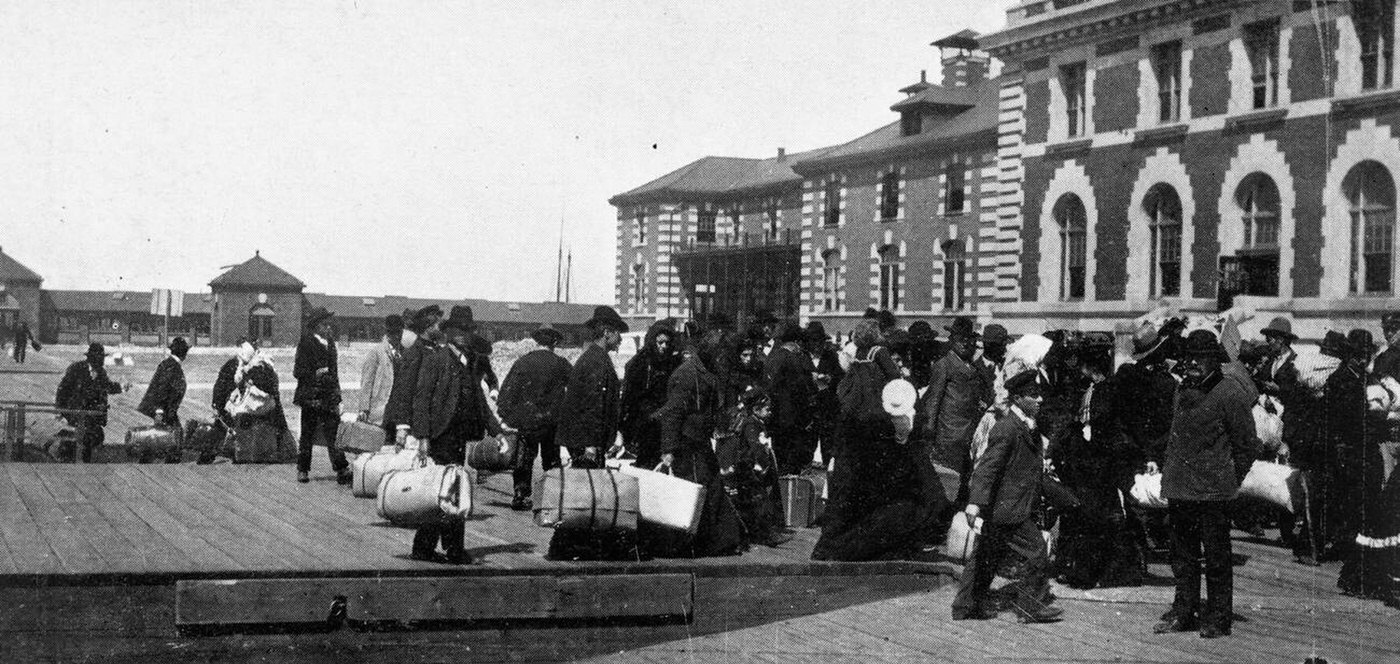
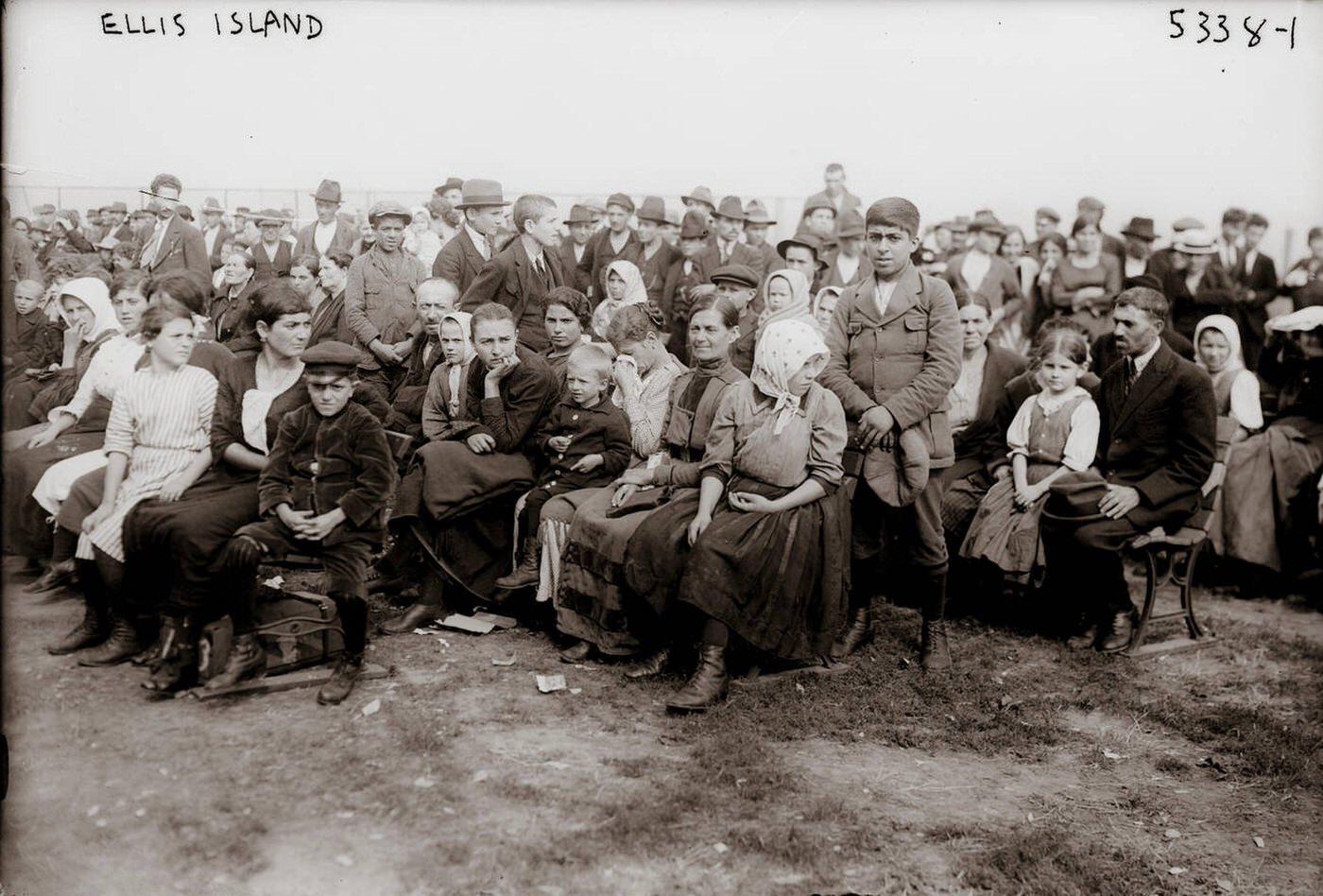
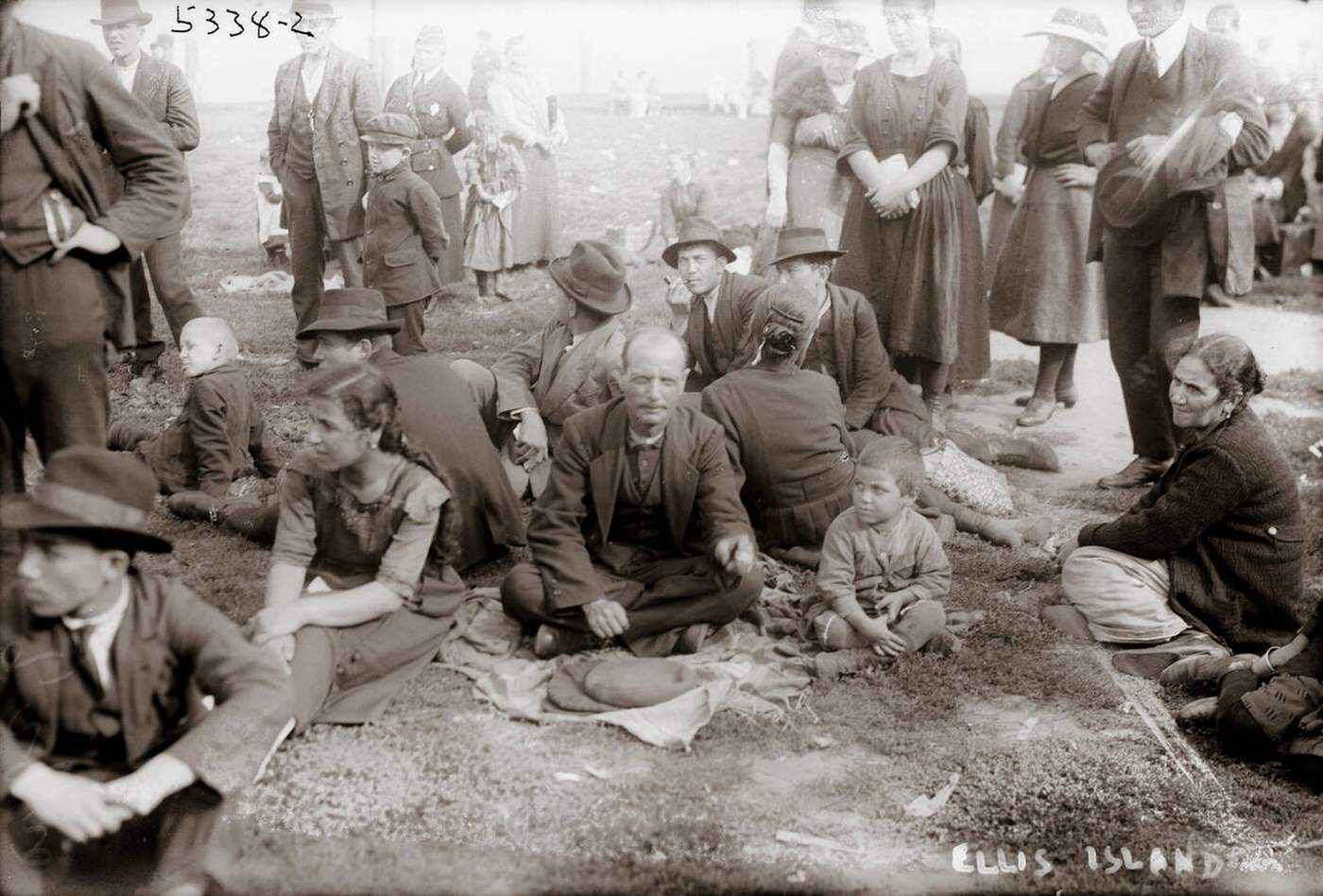
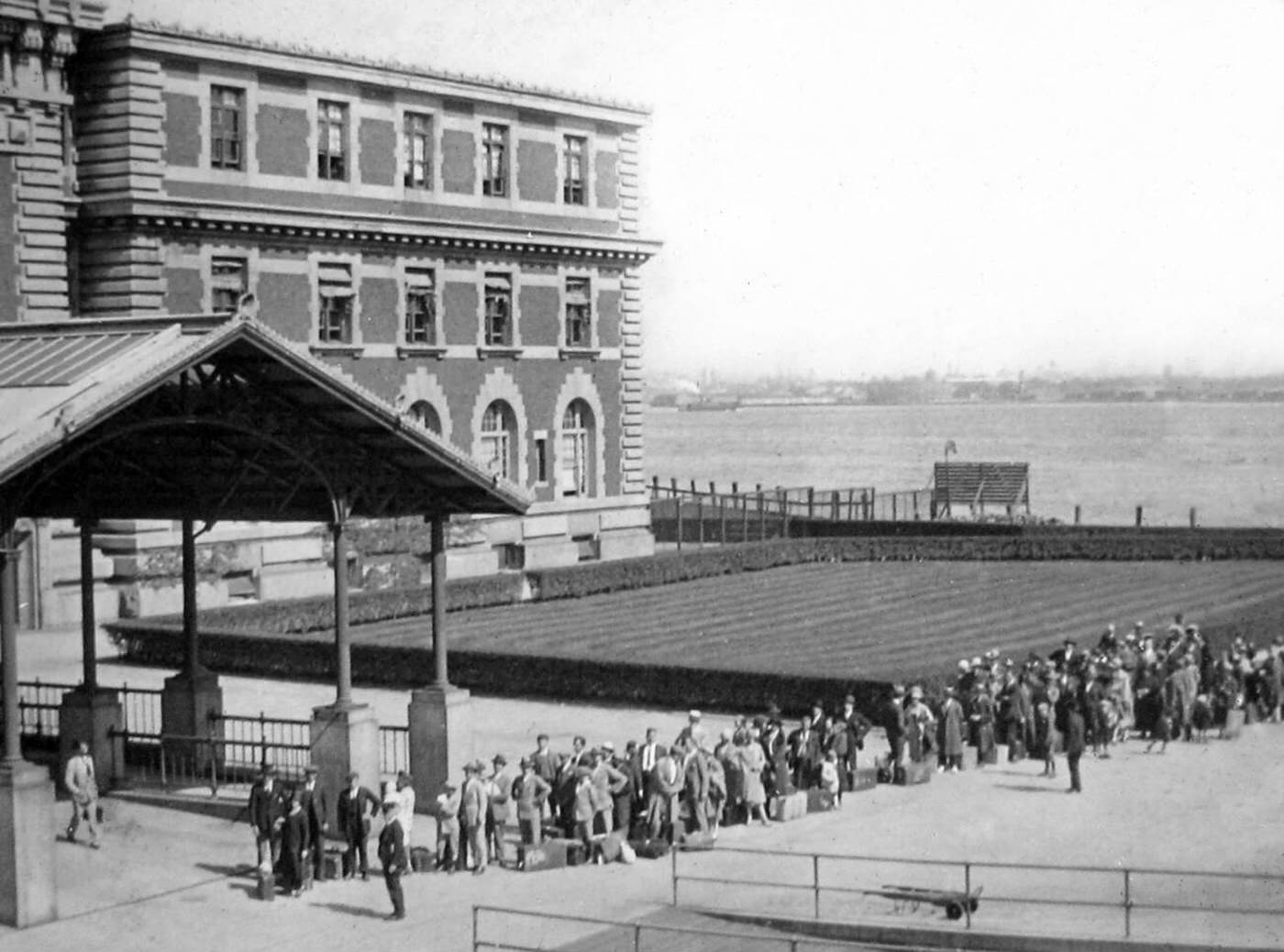
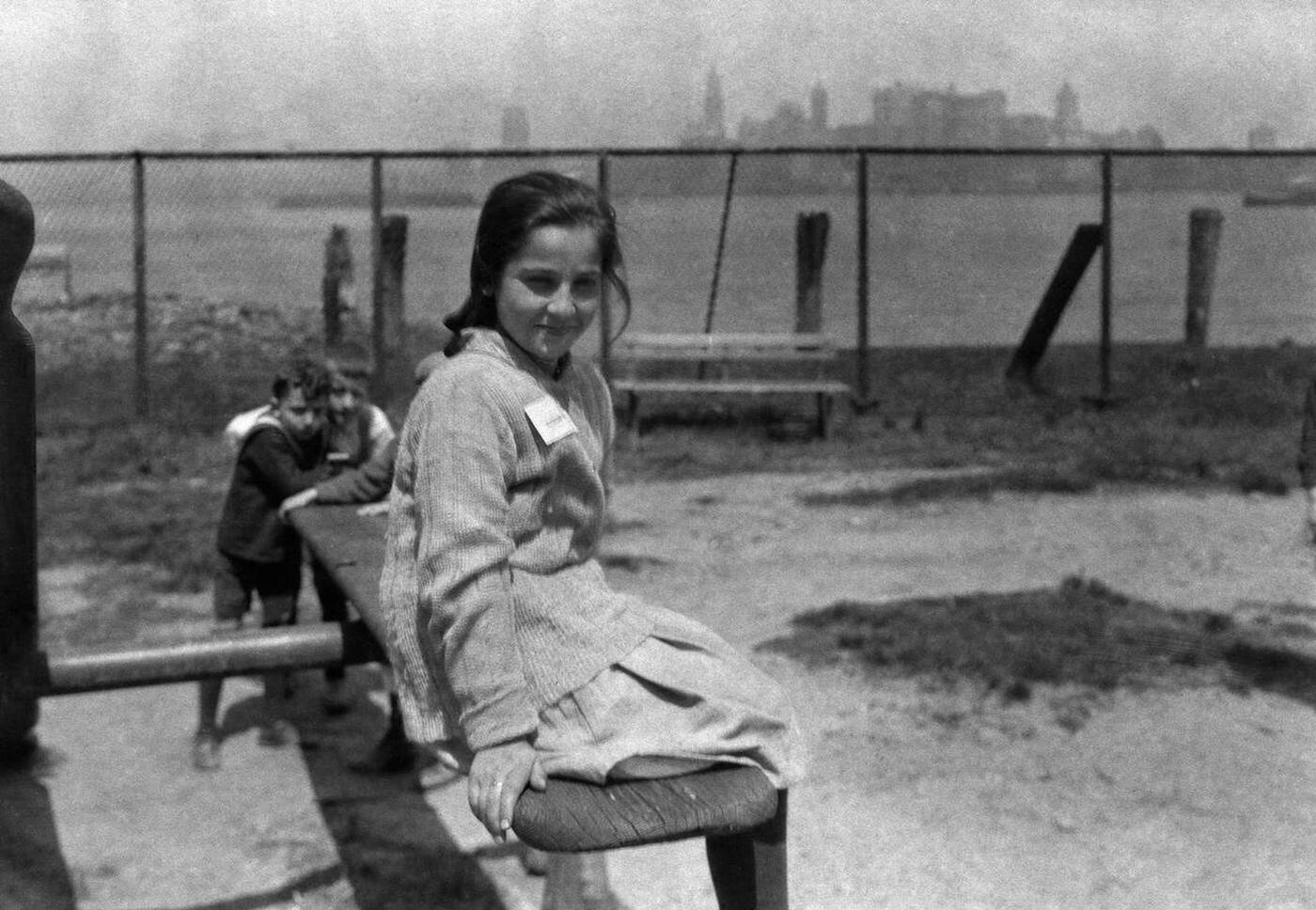
Between 1892 and 1954, over 12 million immigrants passed through Ellis Island in New York Harbor. For most of them, it was the first piece of American soil they ever touched. It was a processing station, a checkpoint, and for many, the most stressful day of their lives.
Who Was Coming and Why
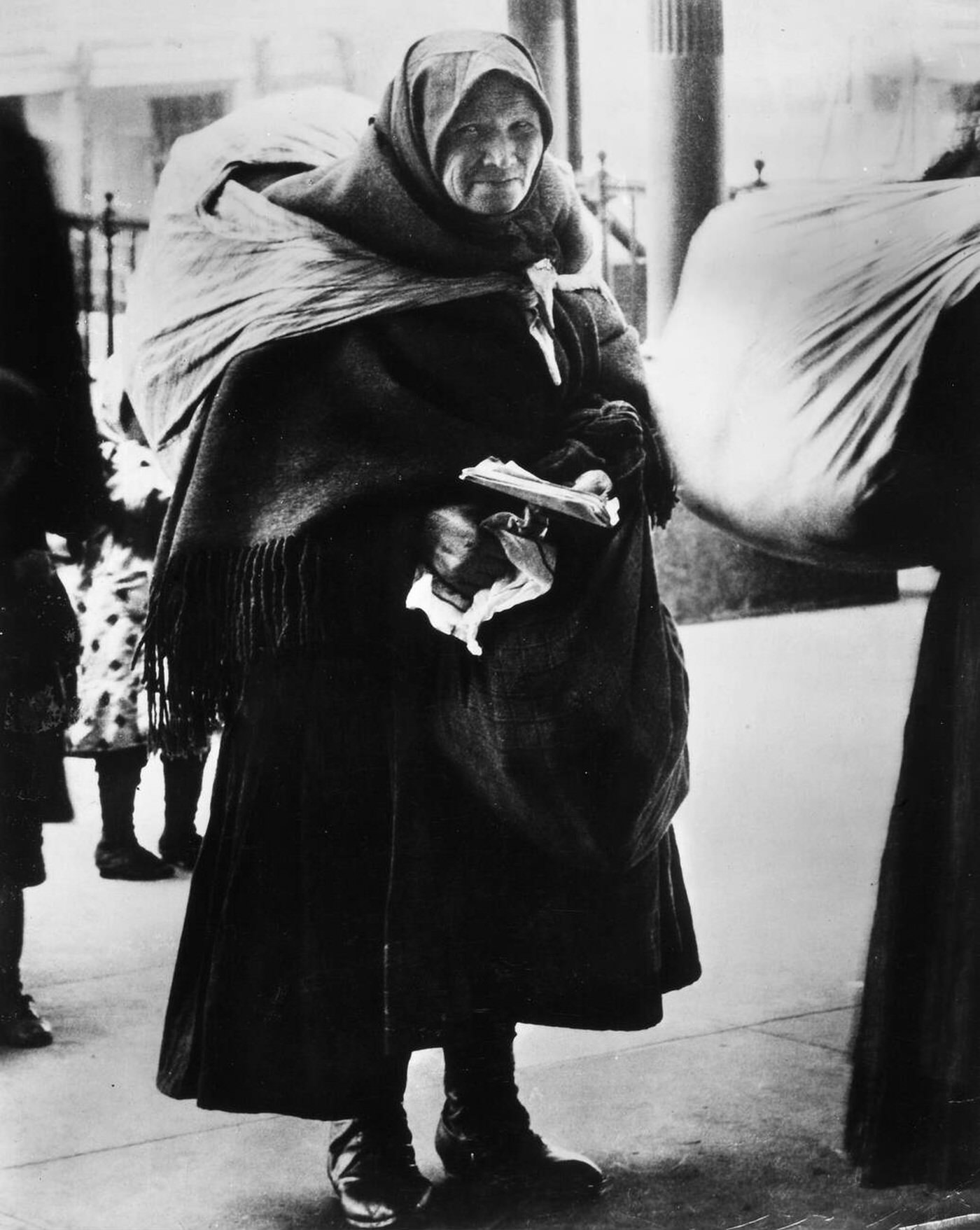
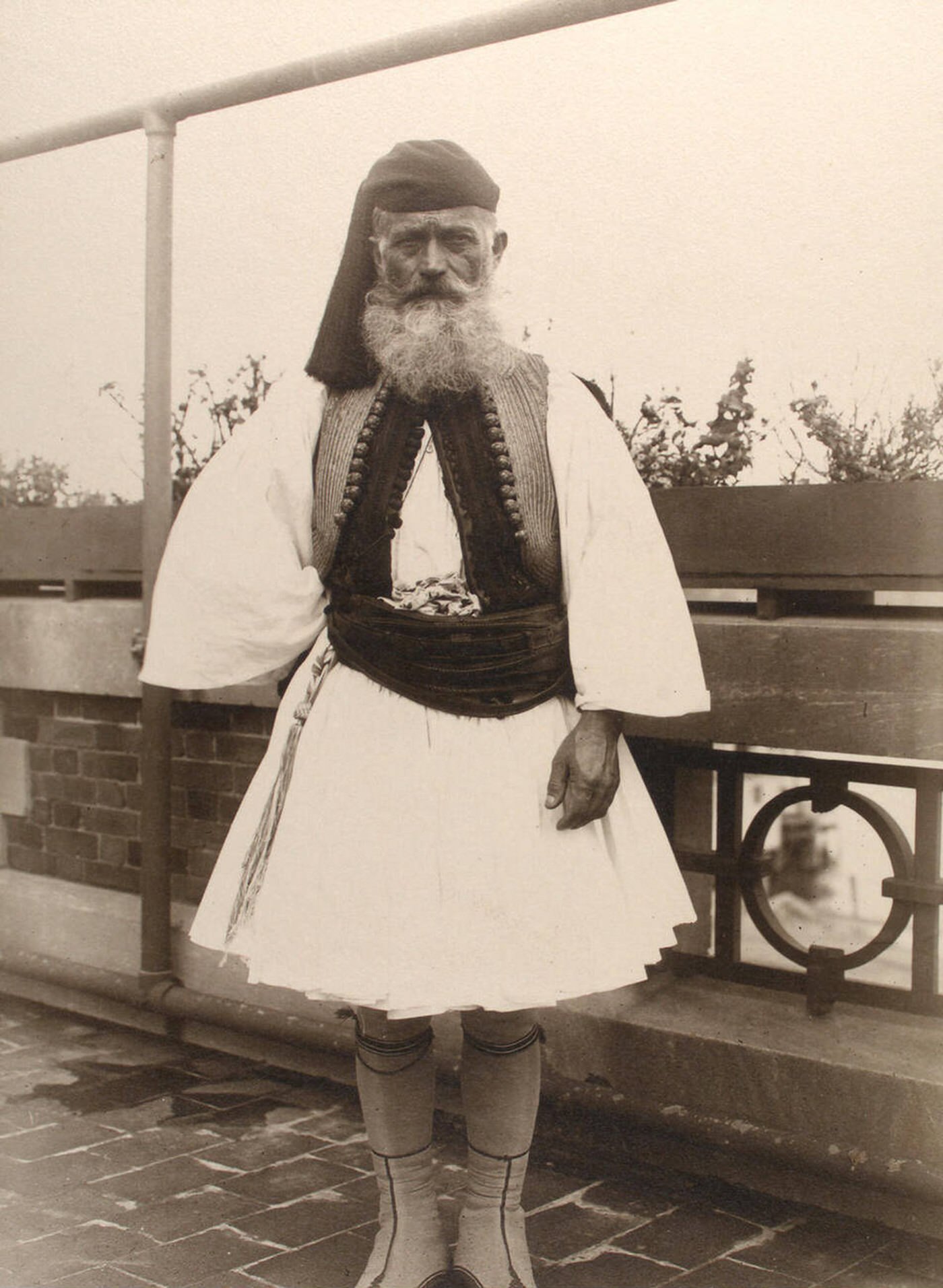
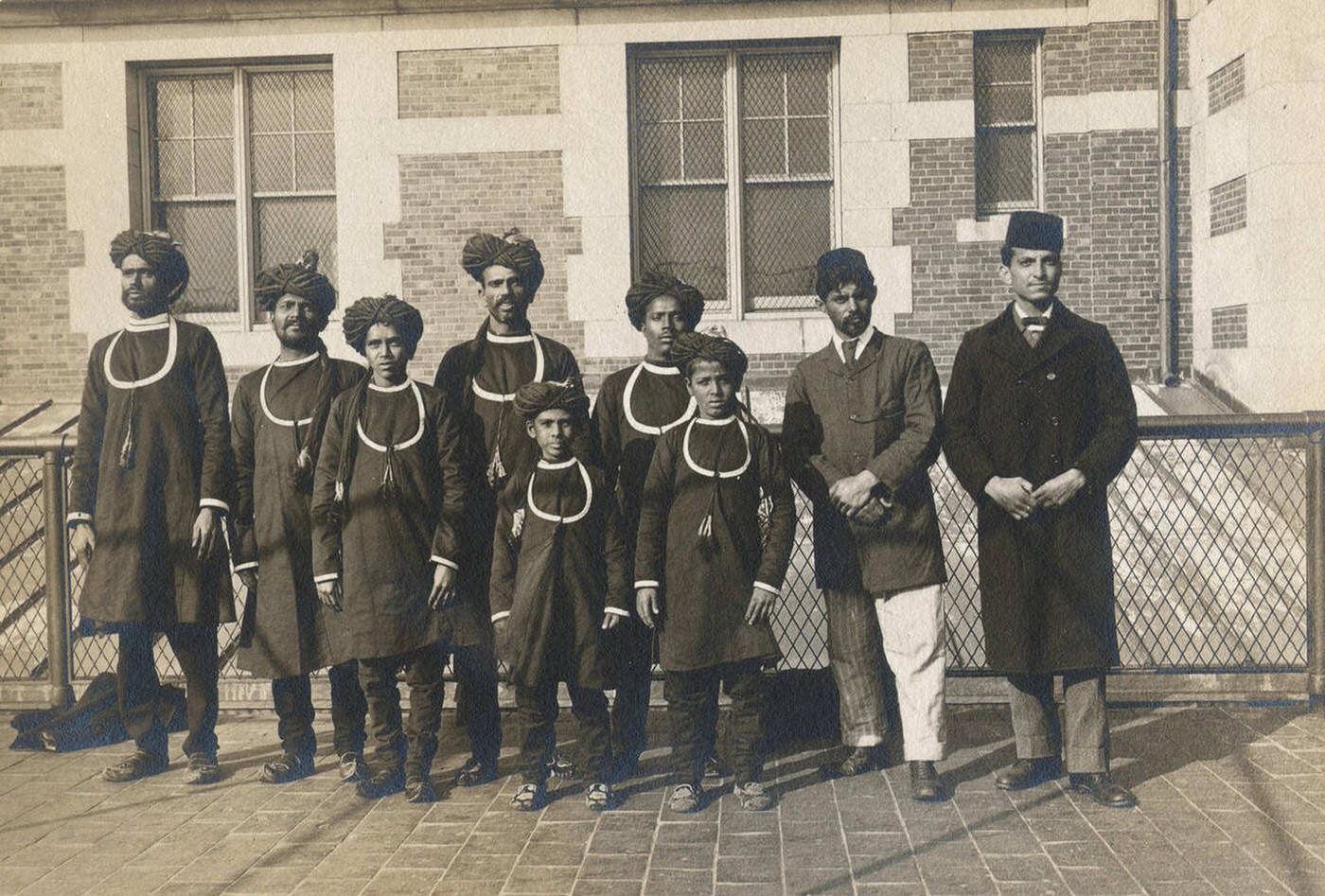
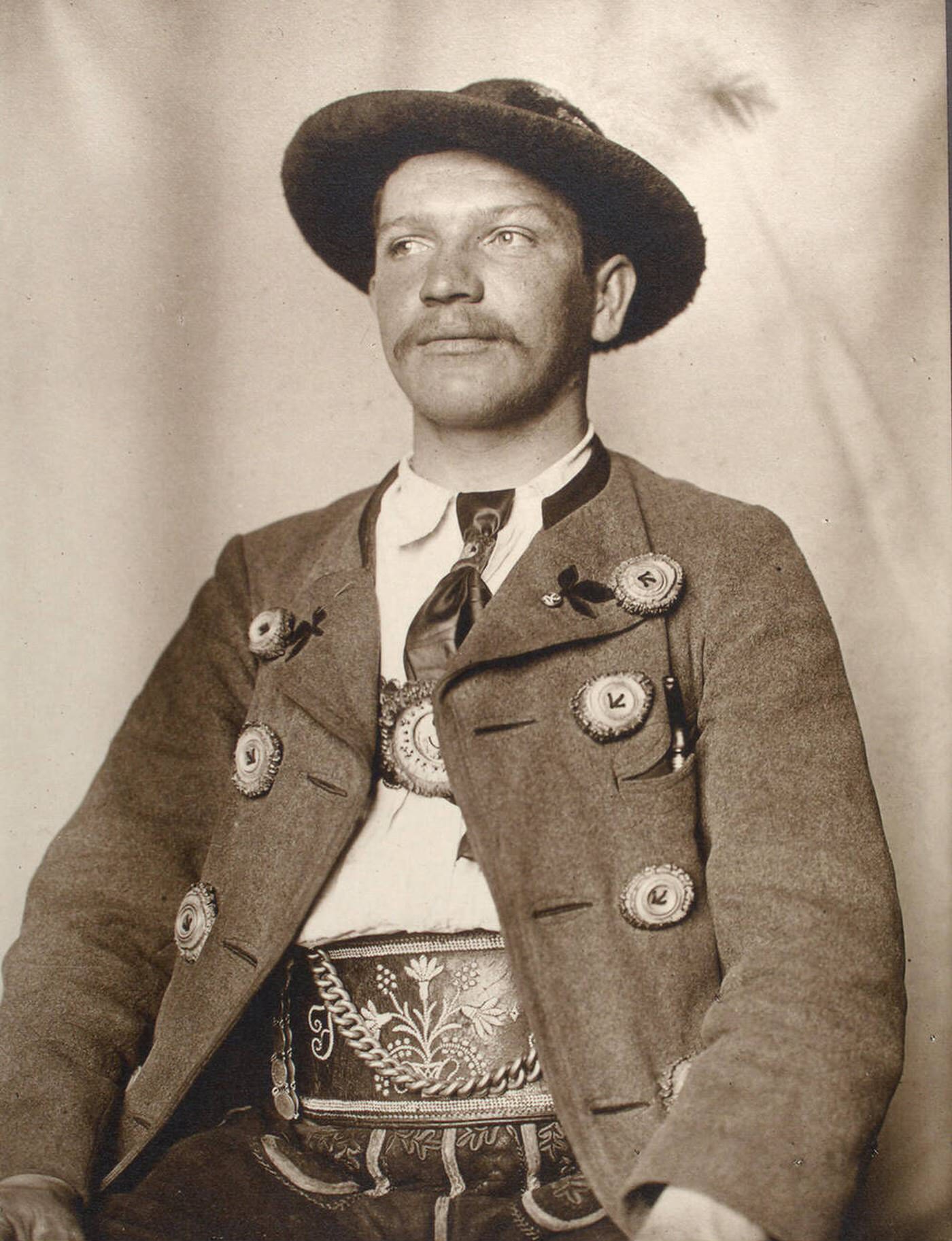
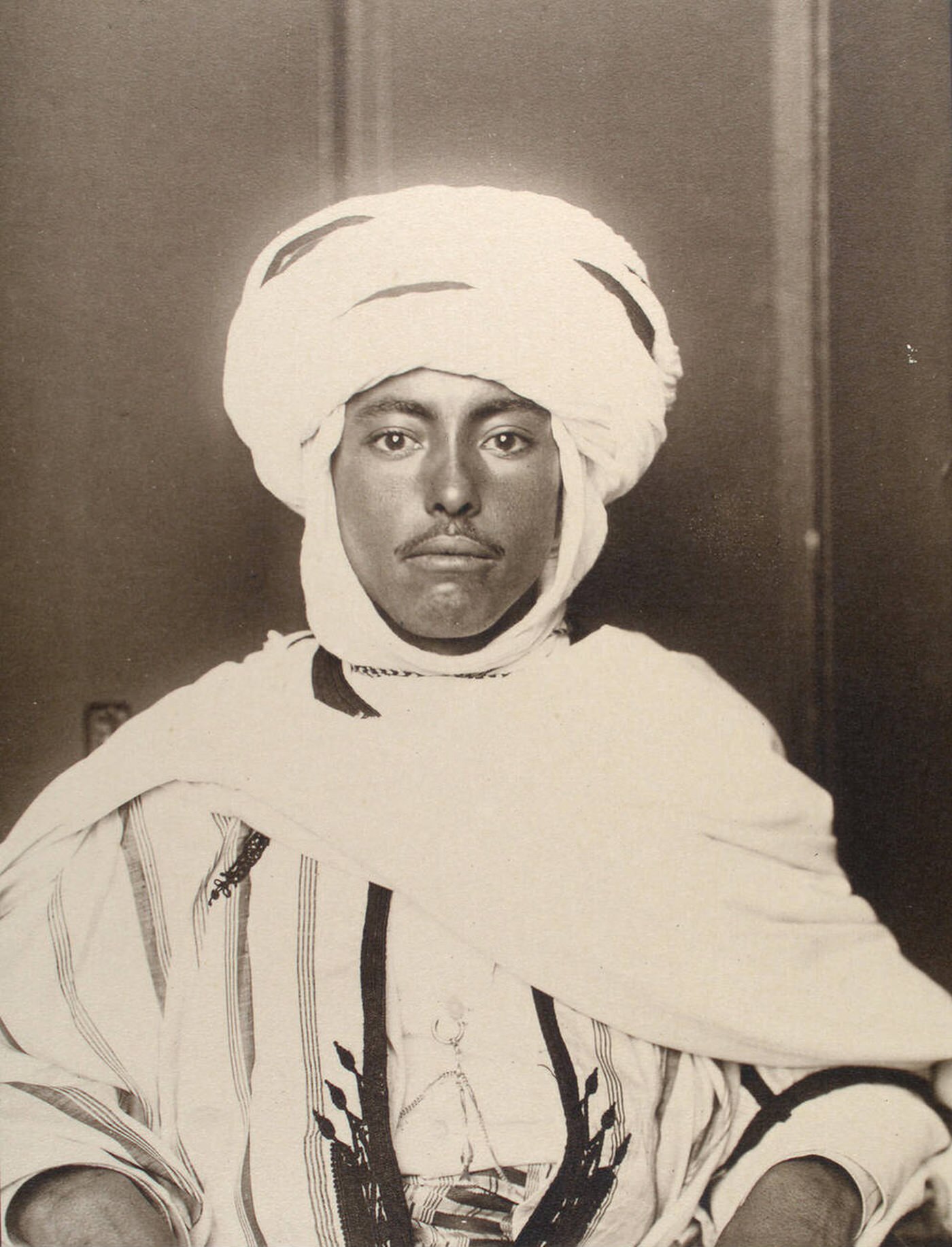
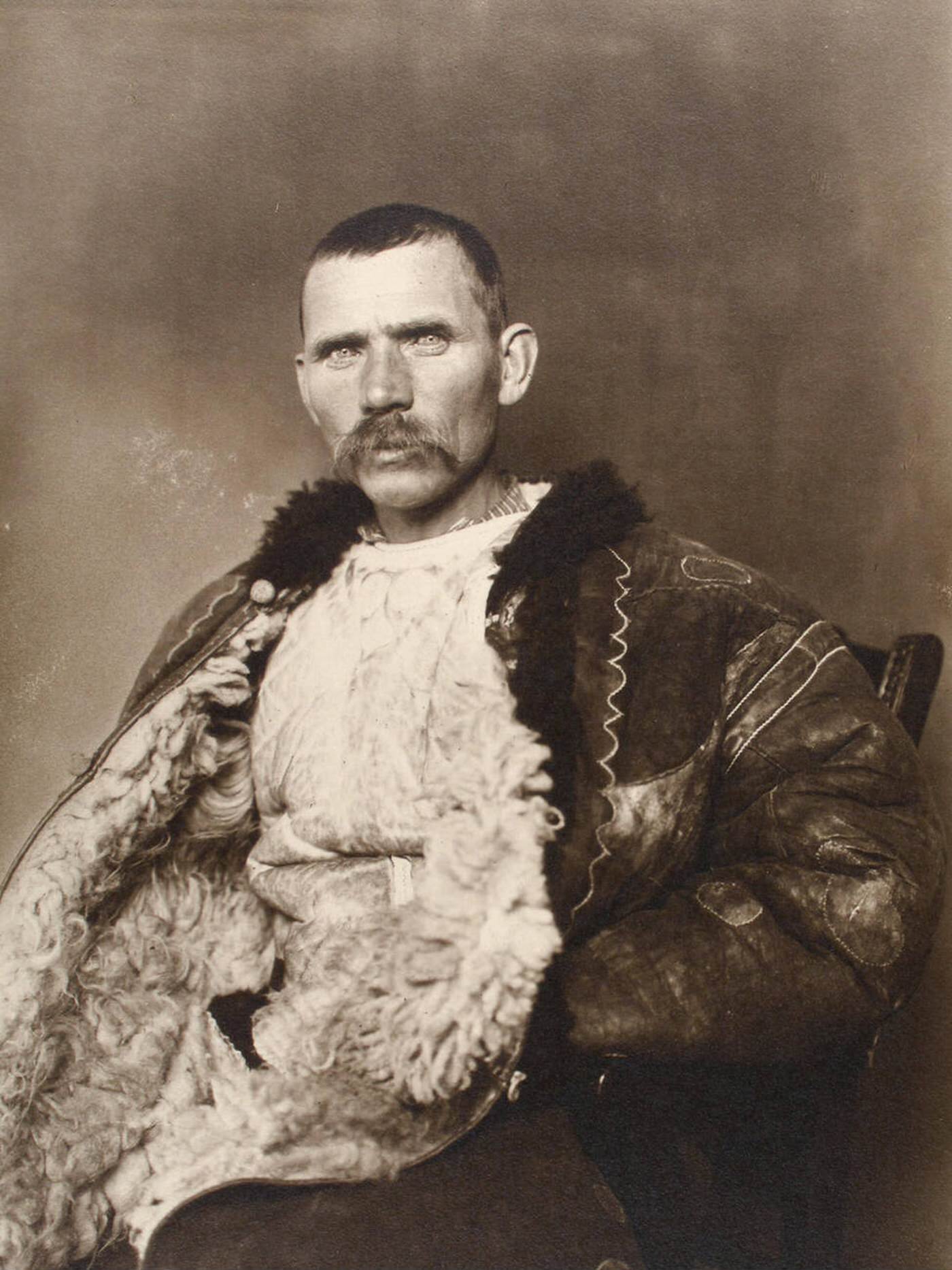
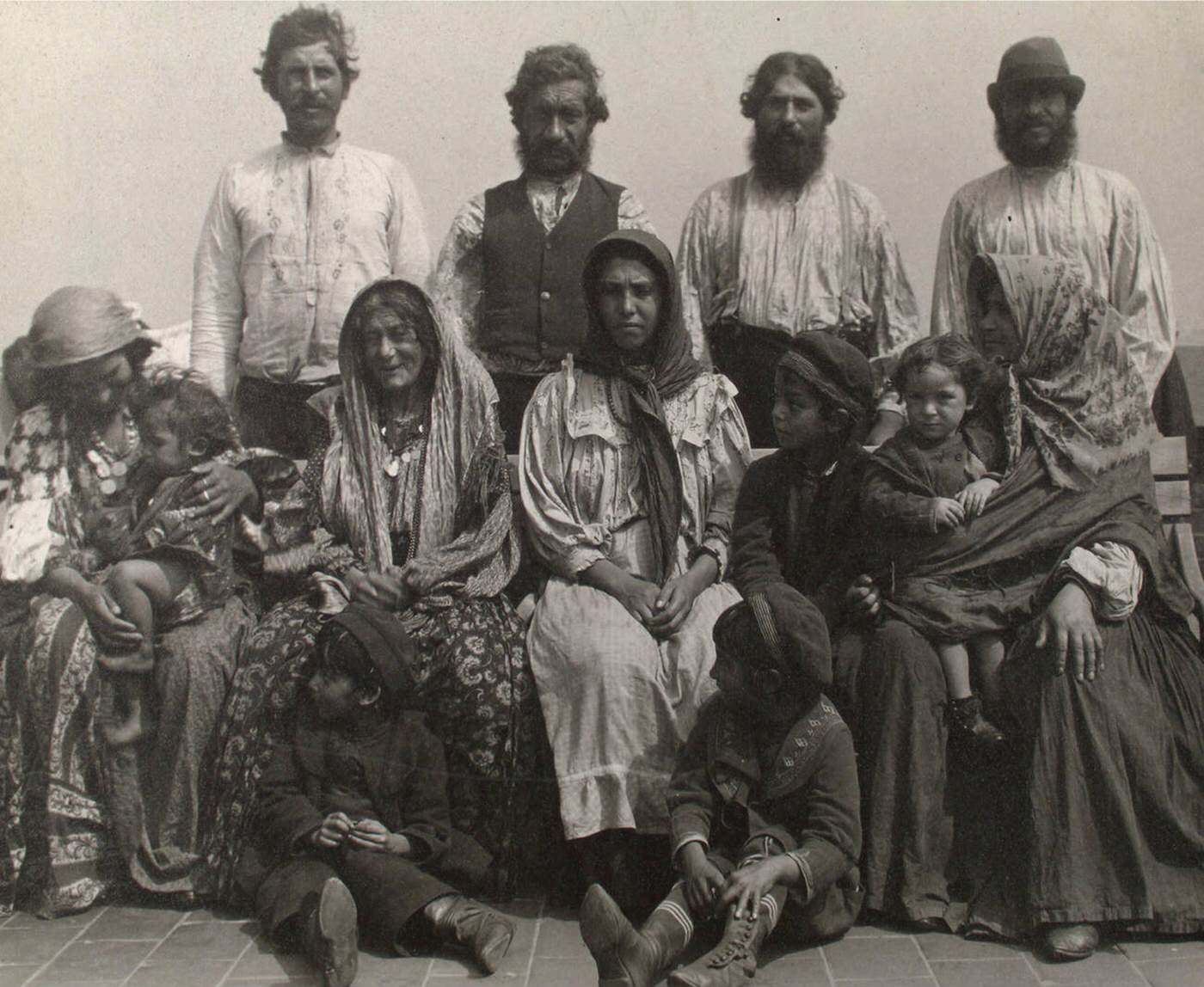
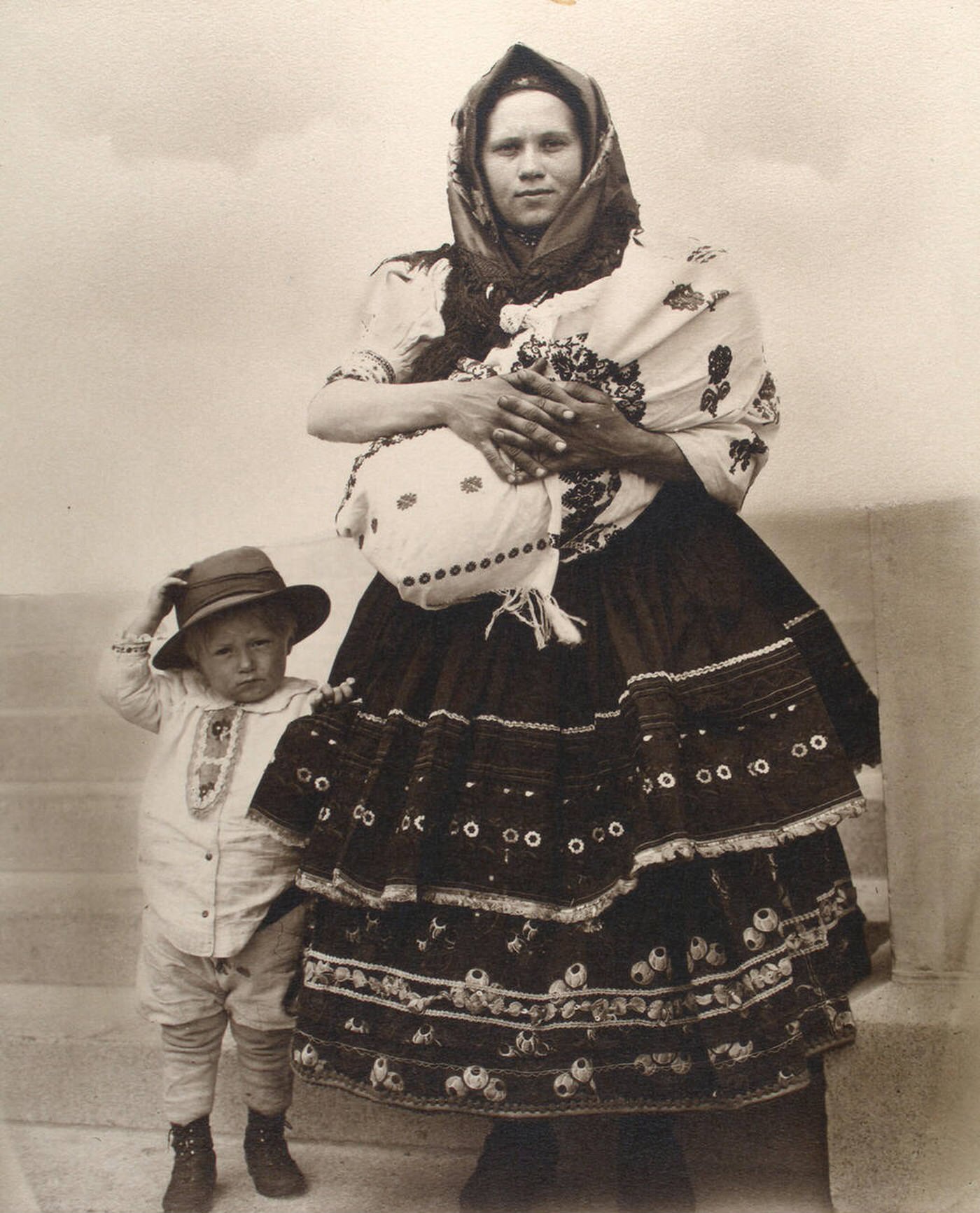
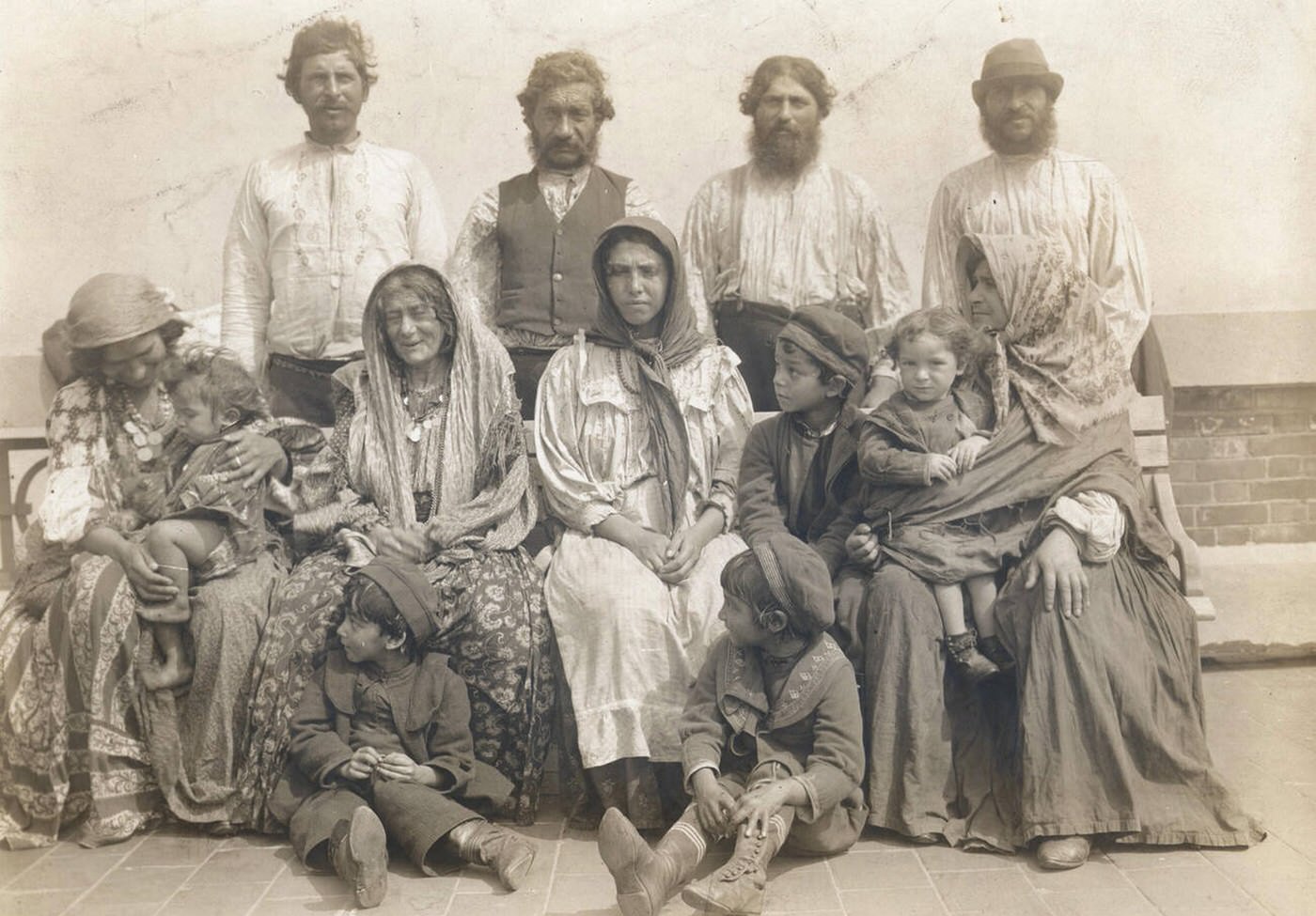
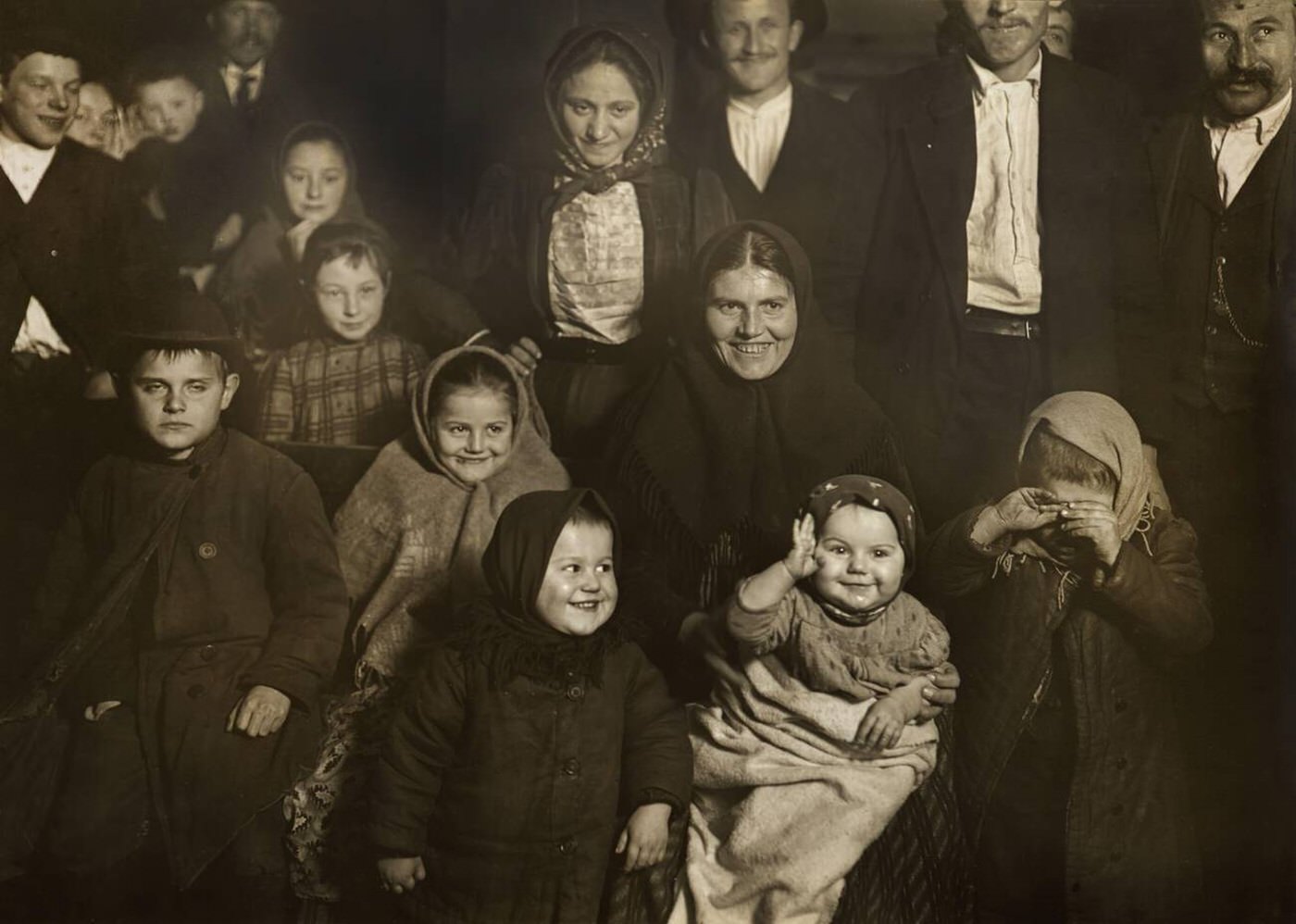
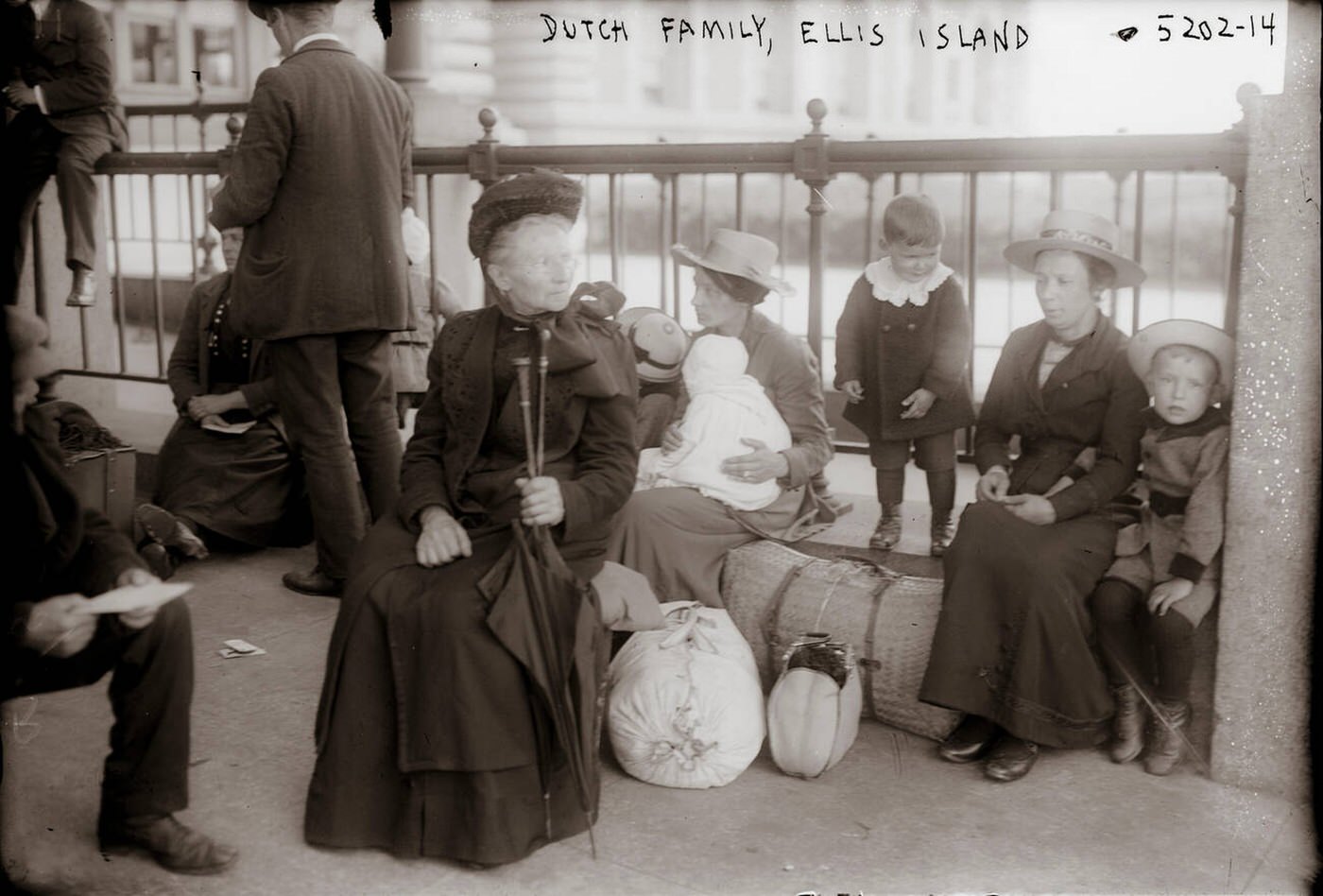
The early 1900s brought a massive wave of immigrants, mostly from southern and eastern Europe. Italians, Poles, Russians, Greeks, and Jews fleeing persecution packed into steamships and crossed the Atlantic. They came because life at home had become unbearable — poverty, religious violence, military drafts, and land shortages left millions with no real choice but to leave.
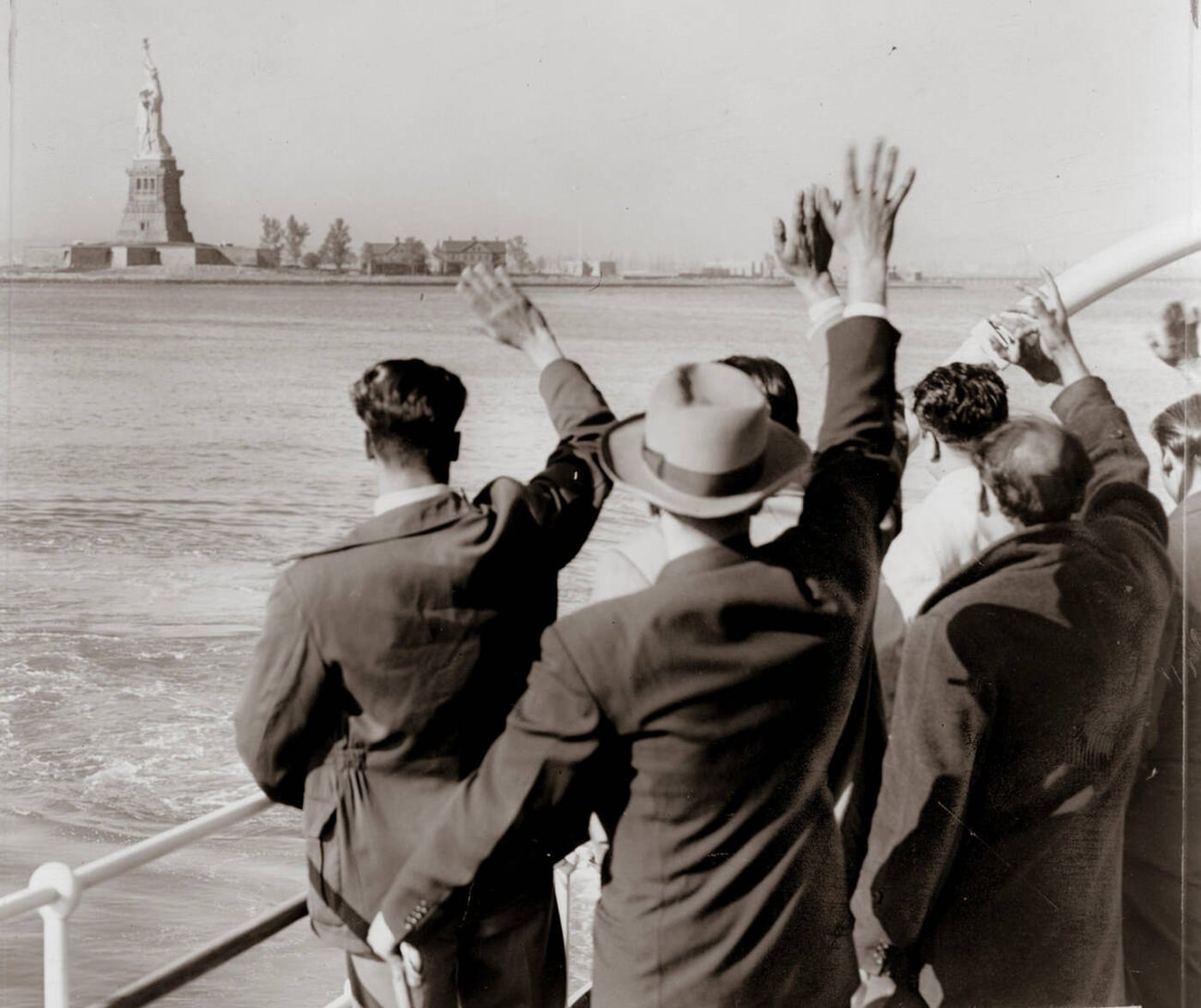
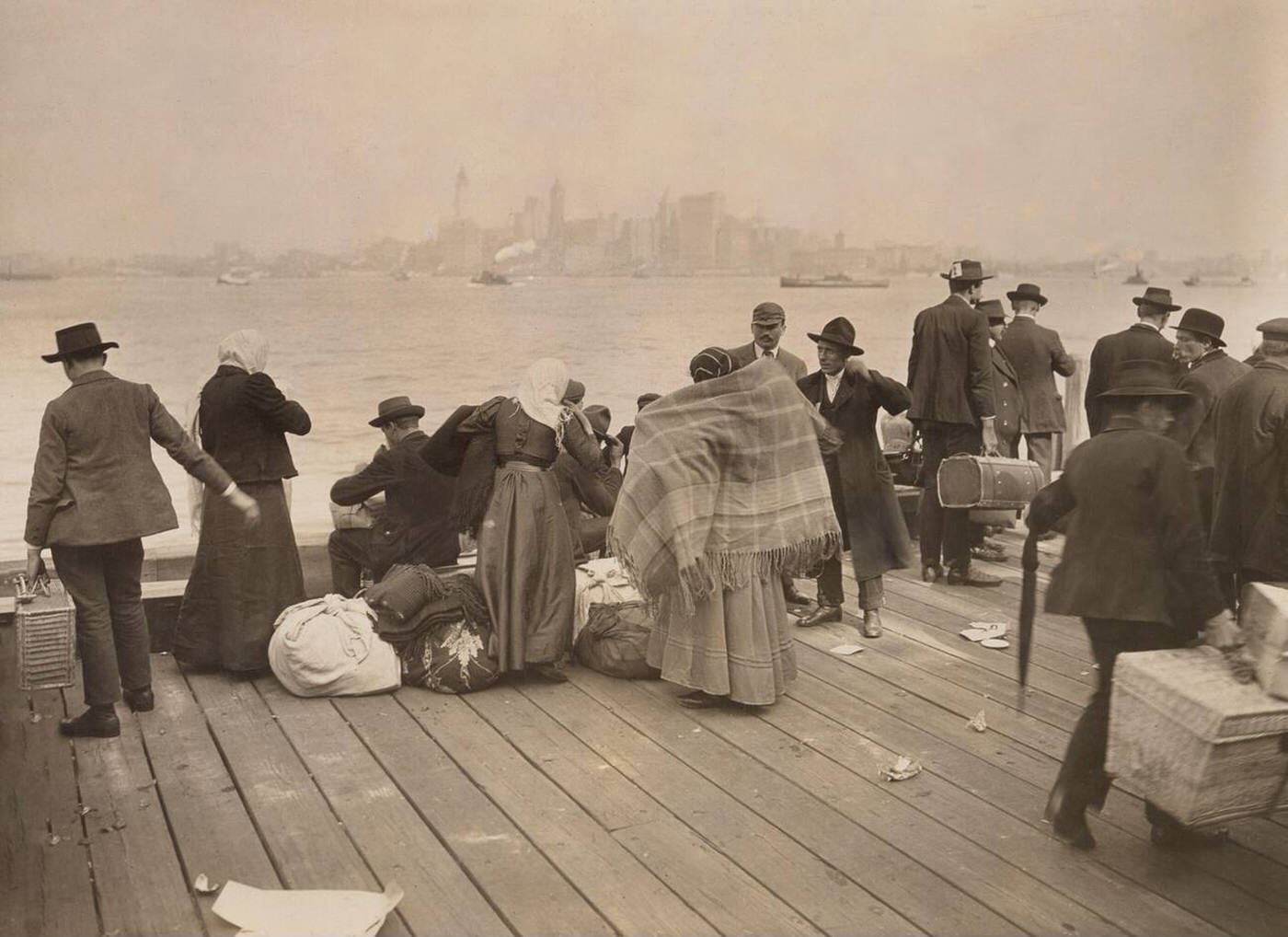
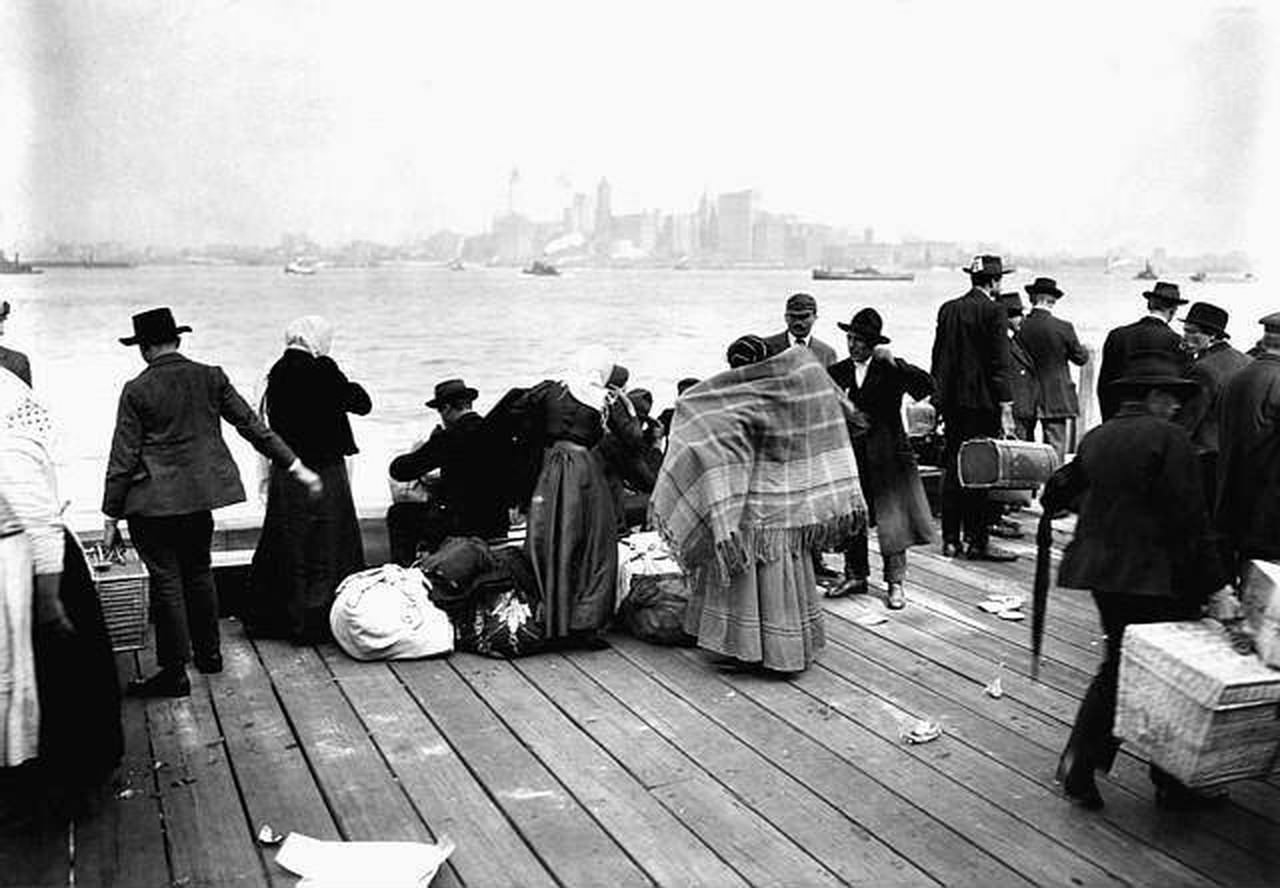
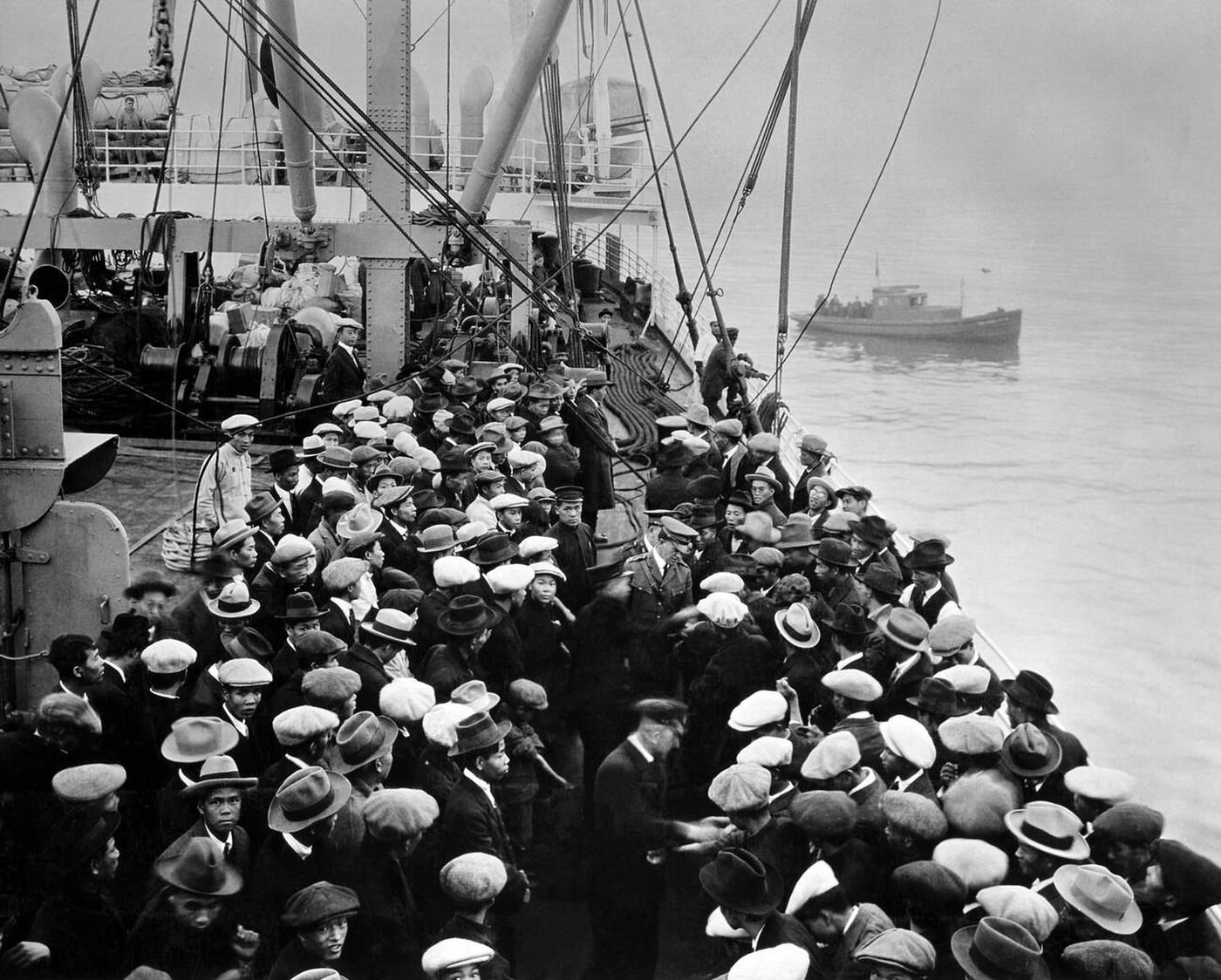
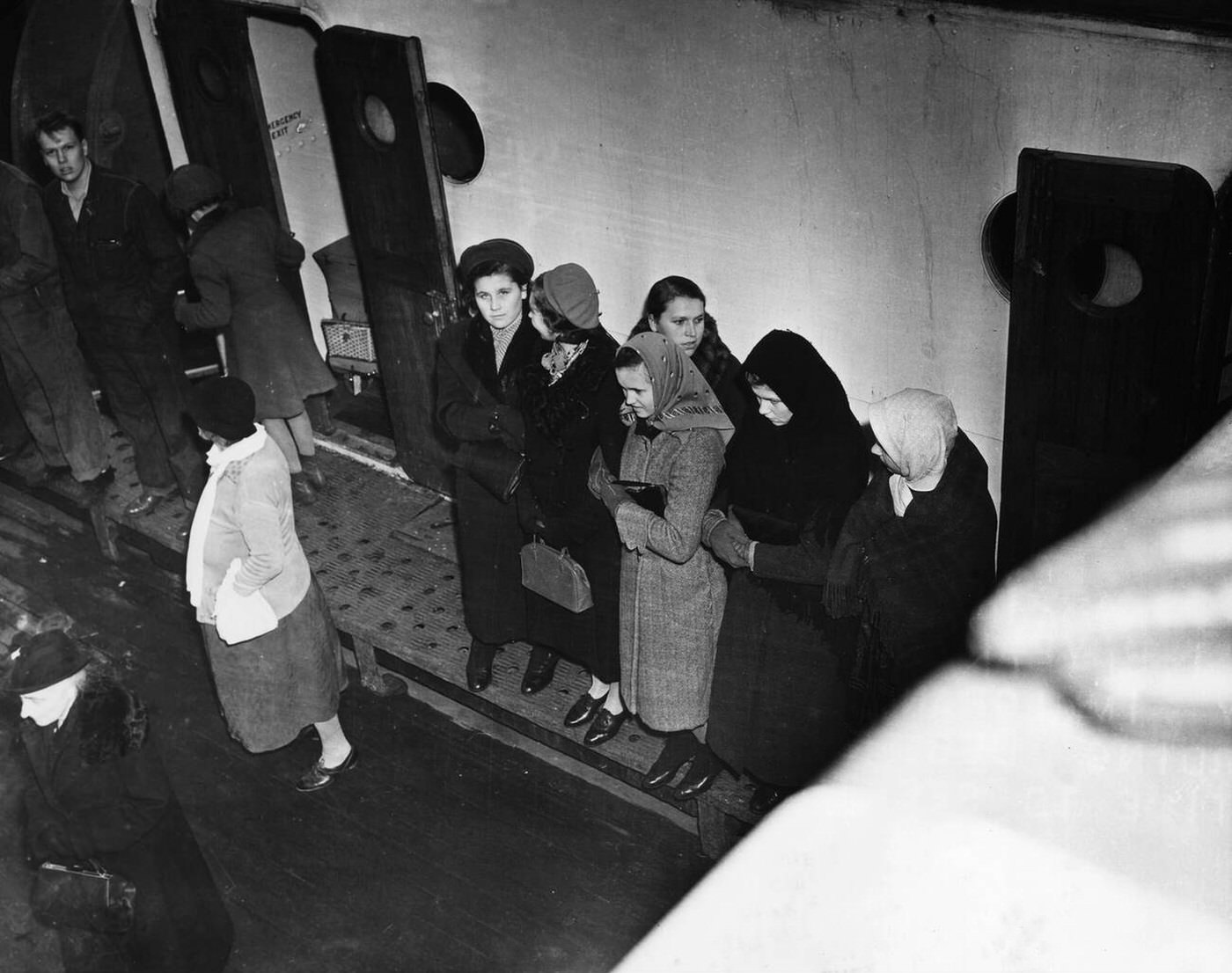
The journey itself was brutal. Most immigrants traveled in steerage, the cheapest section of the ship, located below deck. They slept in tight bunks, shared toilets with hundreds of strangers, and ate poor-quality food for weeks at sea. By the time the ship pulled into New York Harbor and they saw the Statue of Liberty, many had been traveling for over a month.
What Happened at Ellis Island
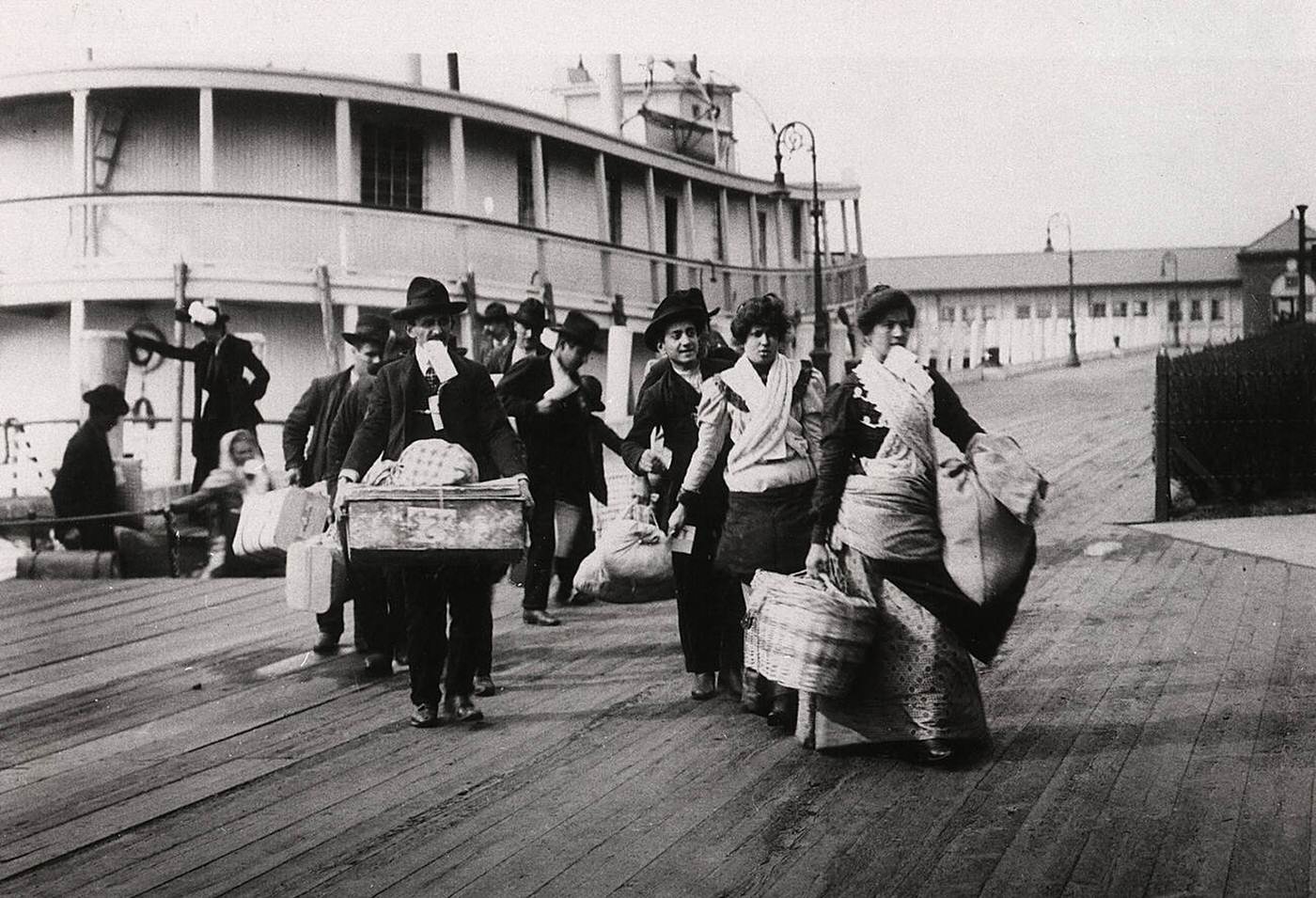
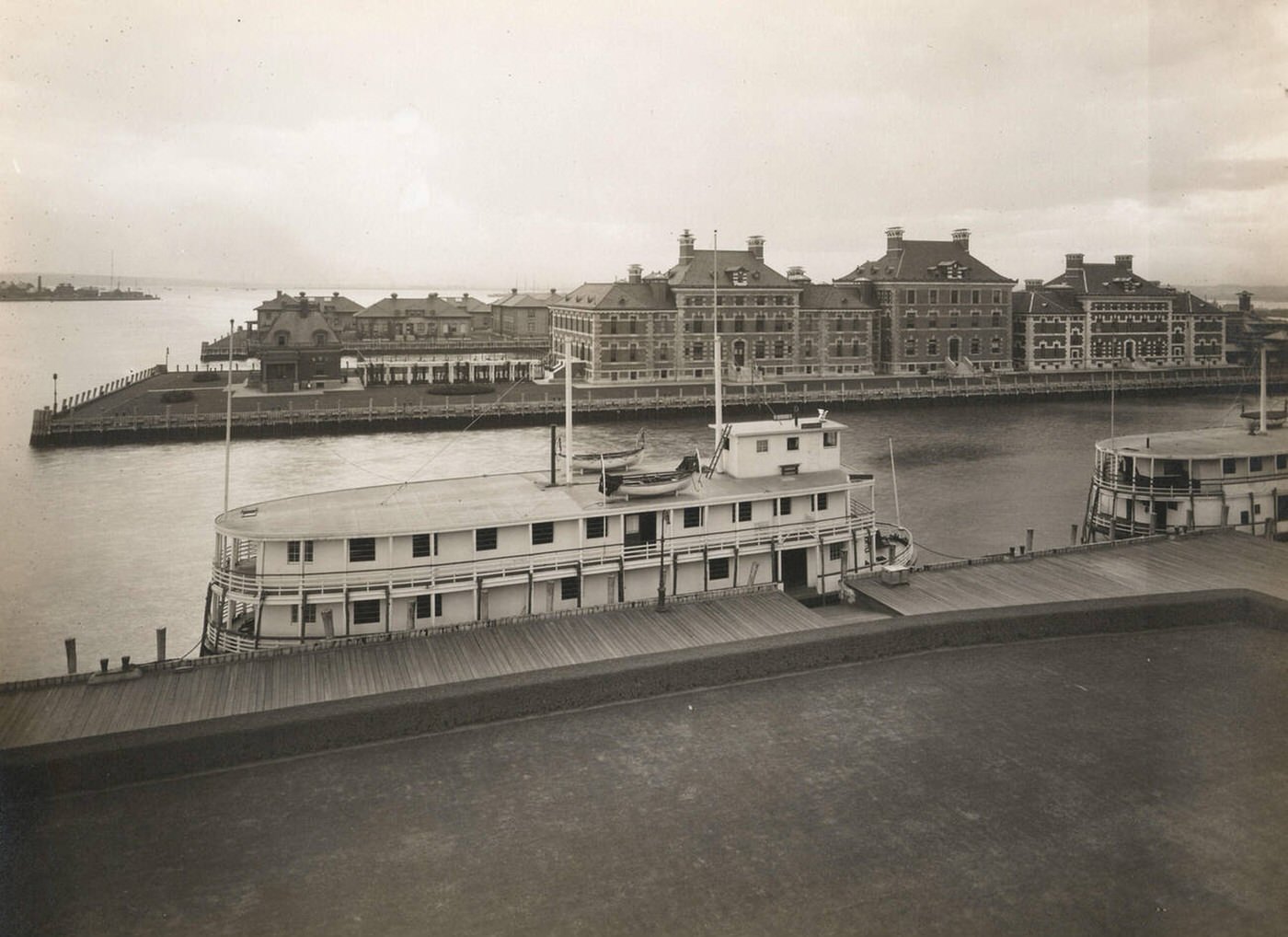
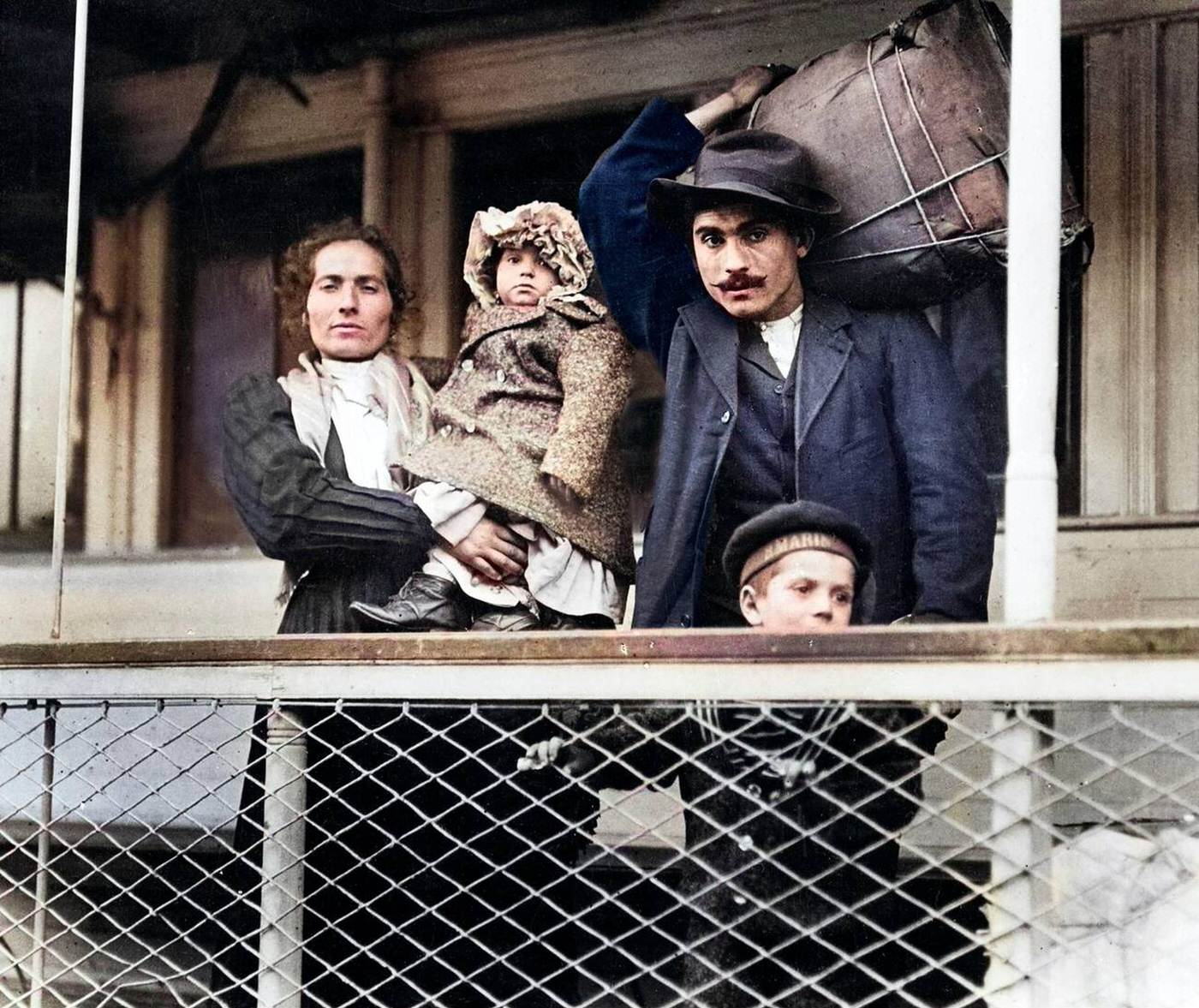
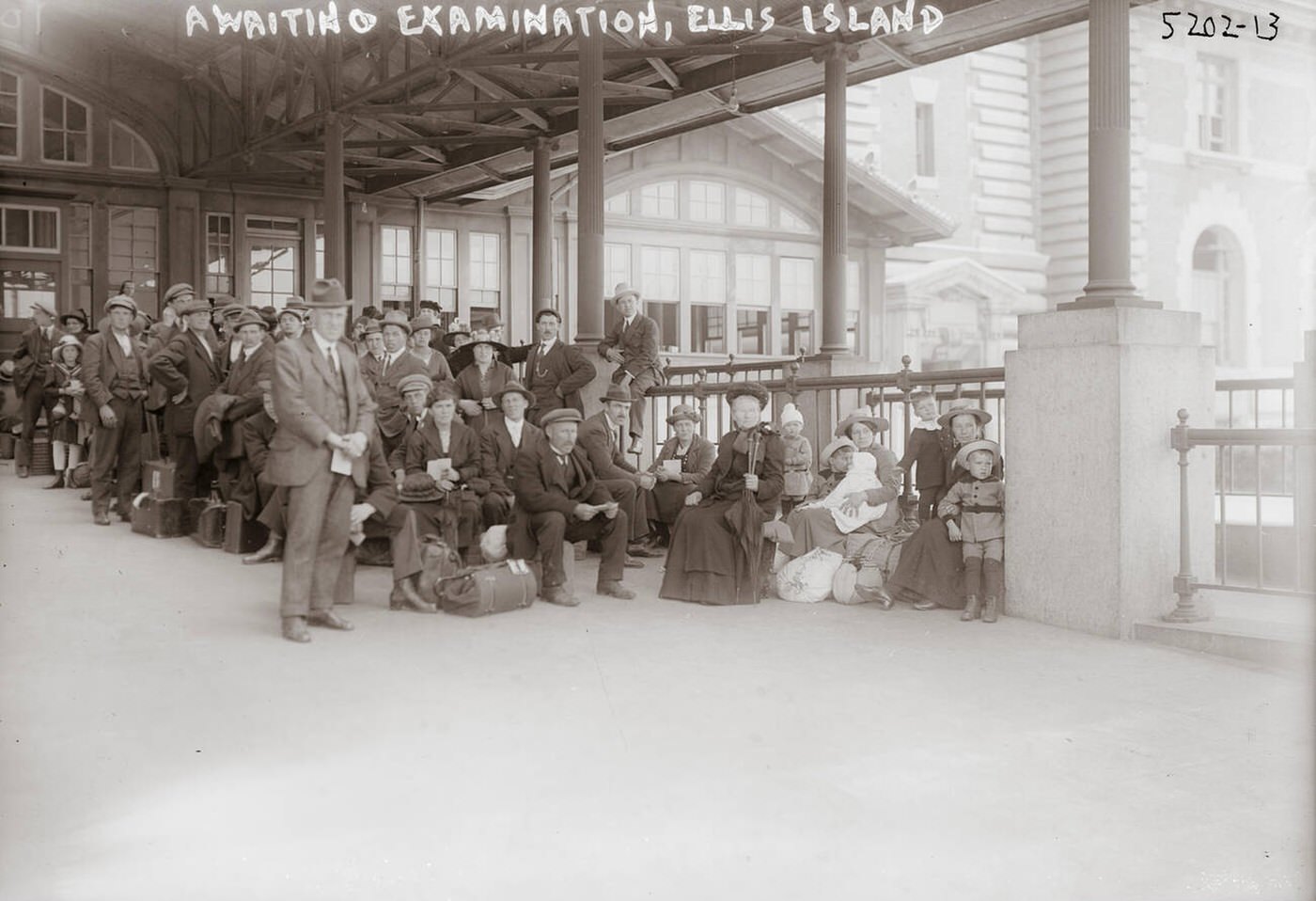
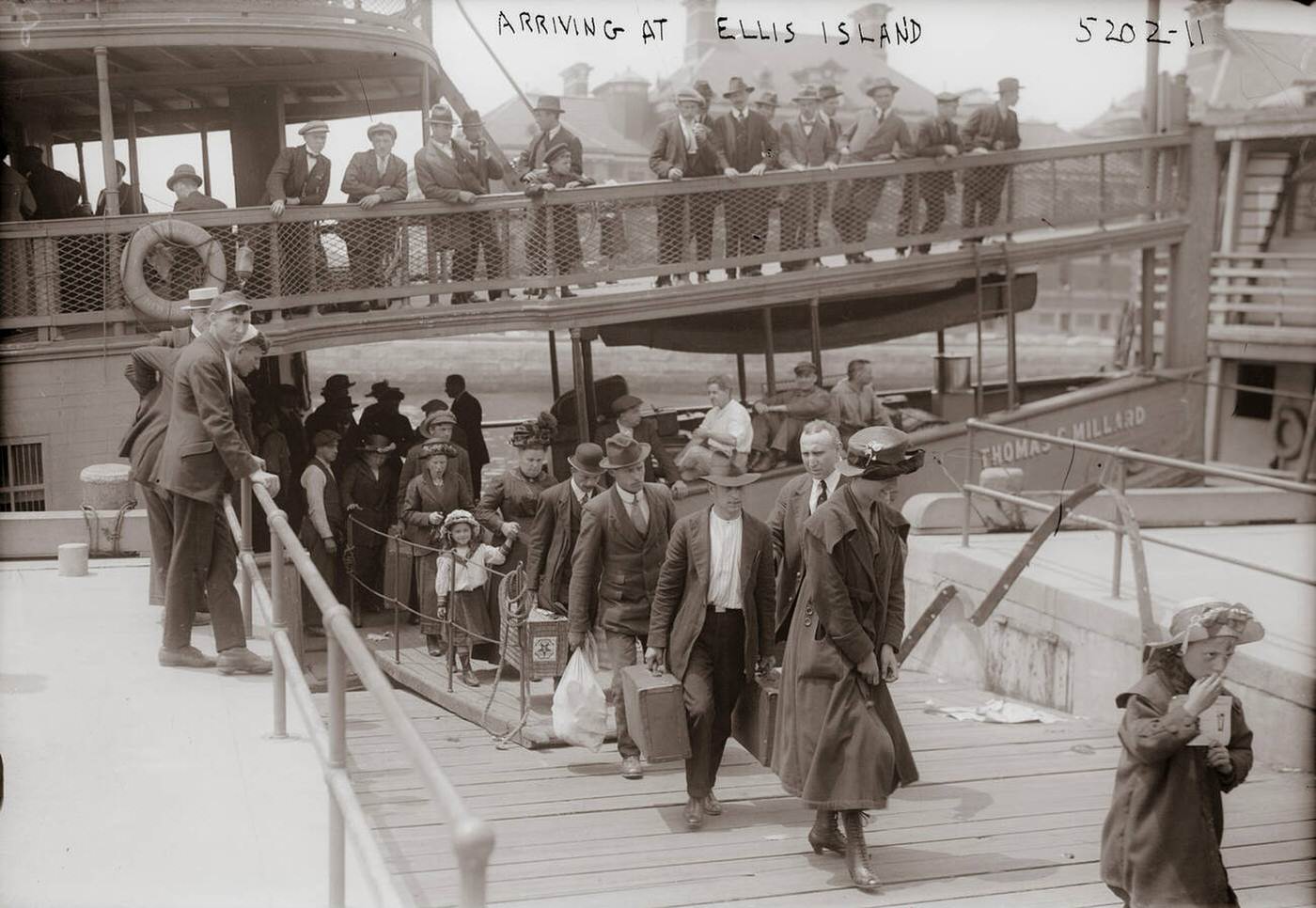
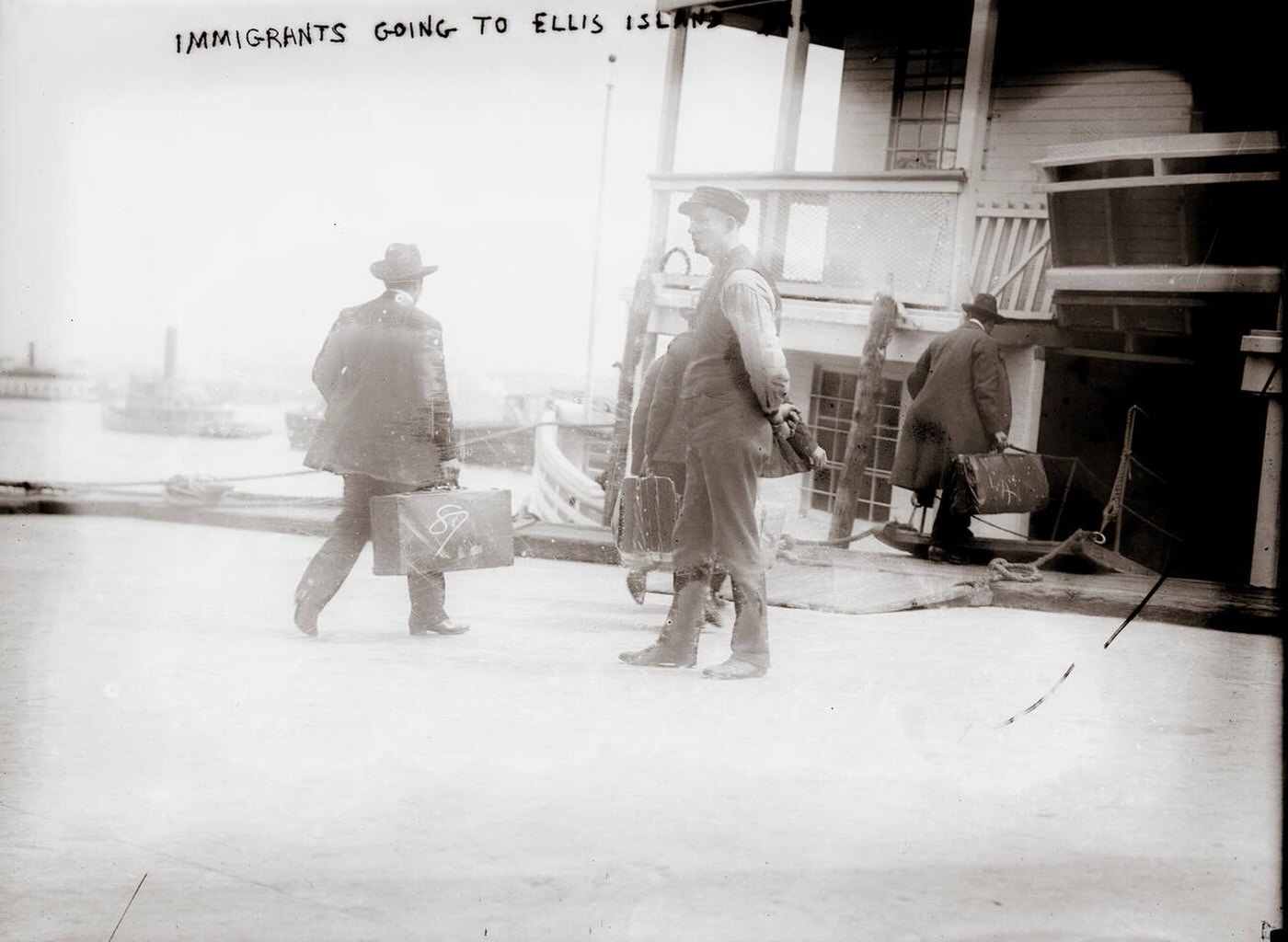
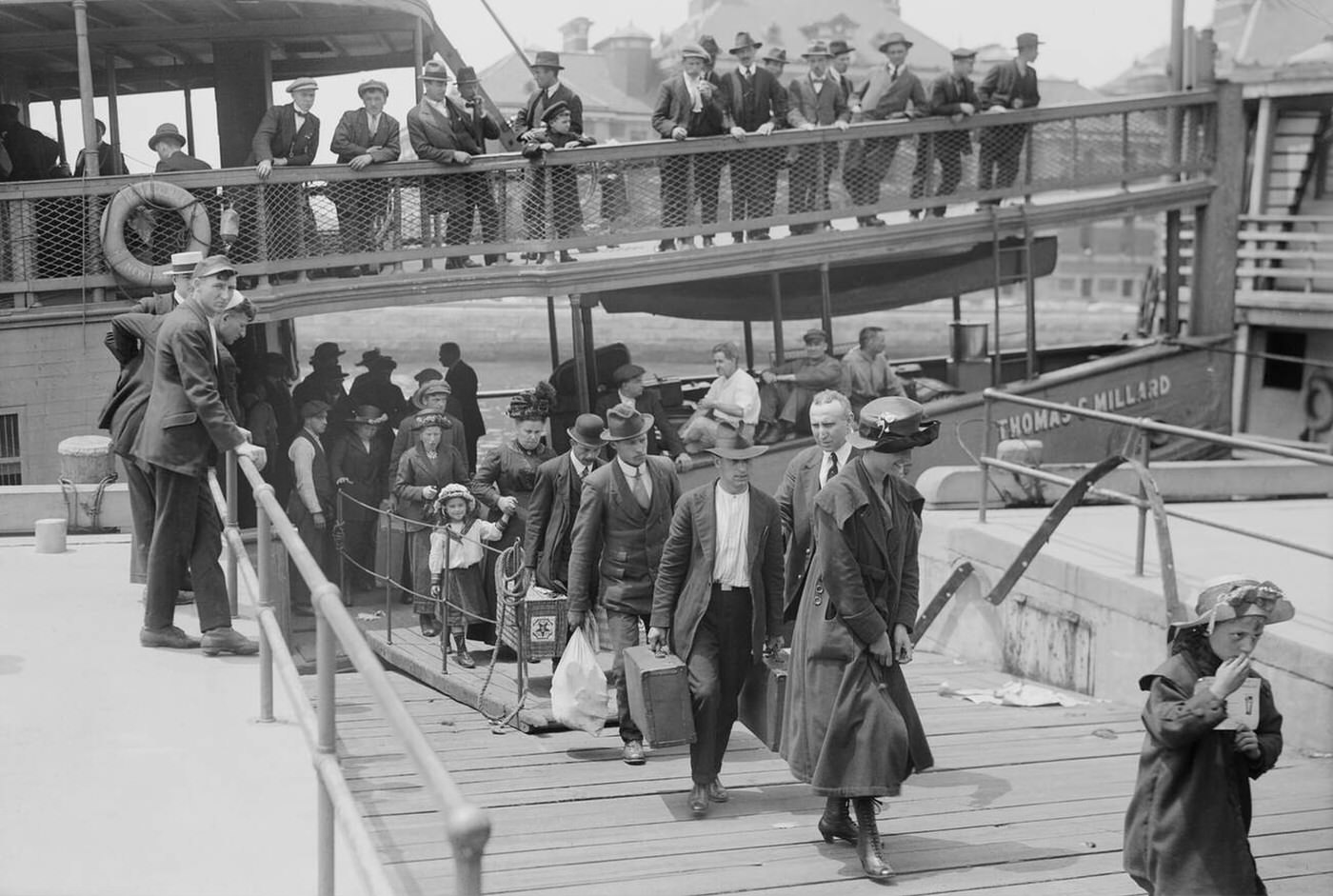
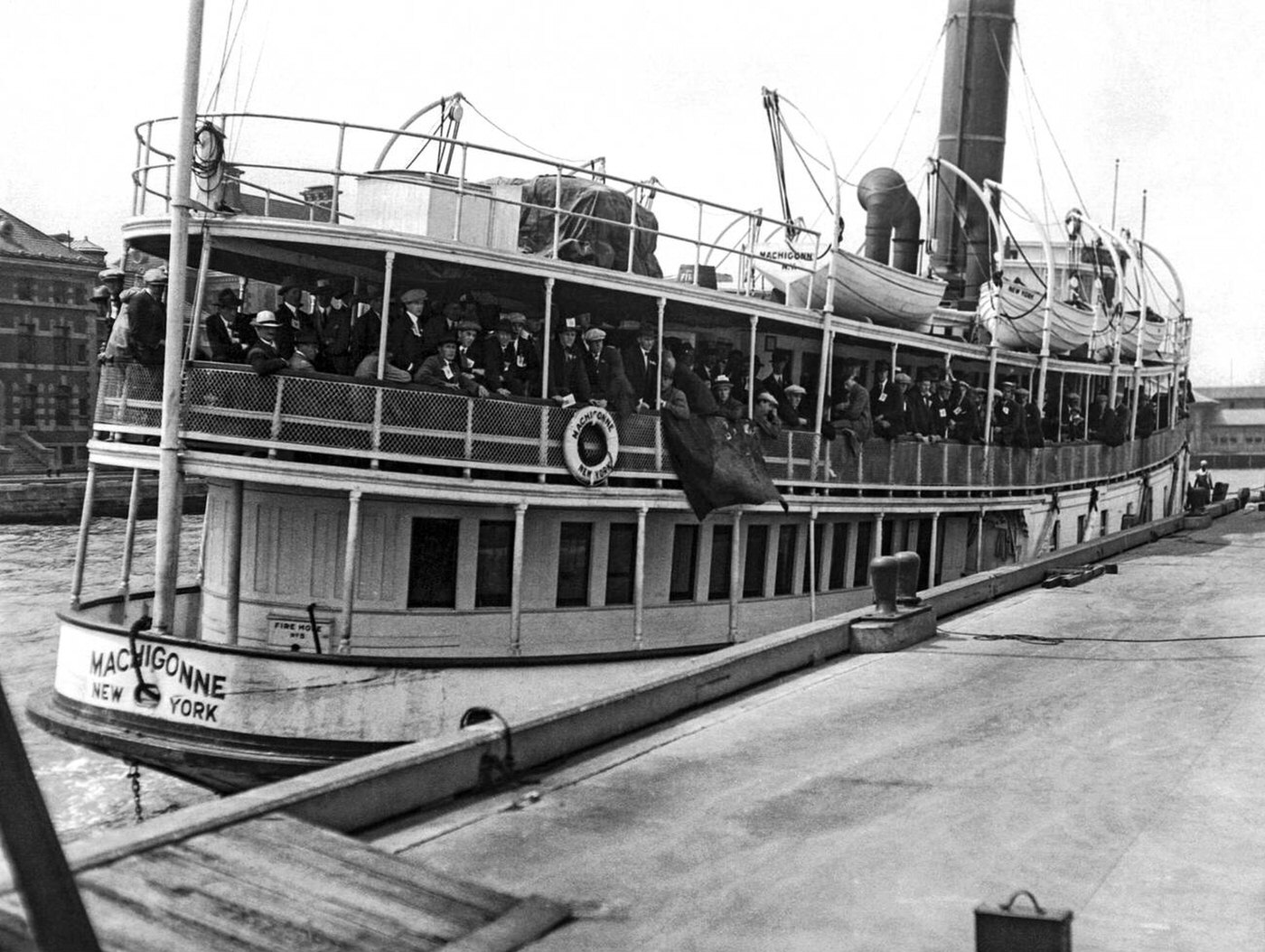
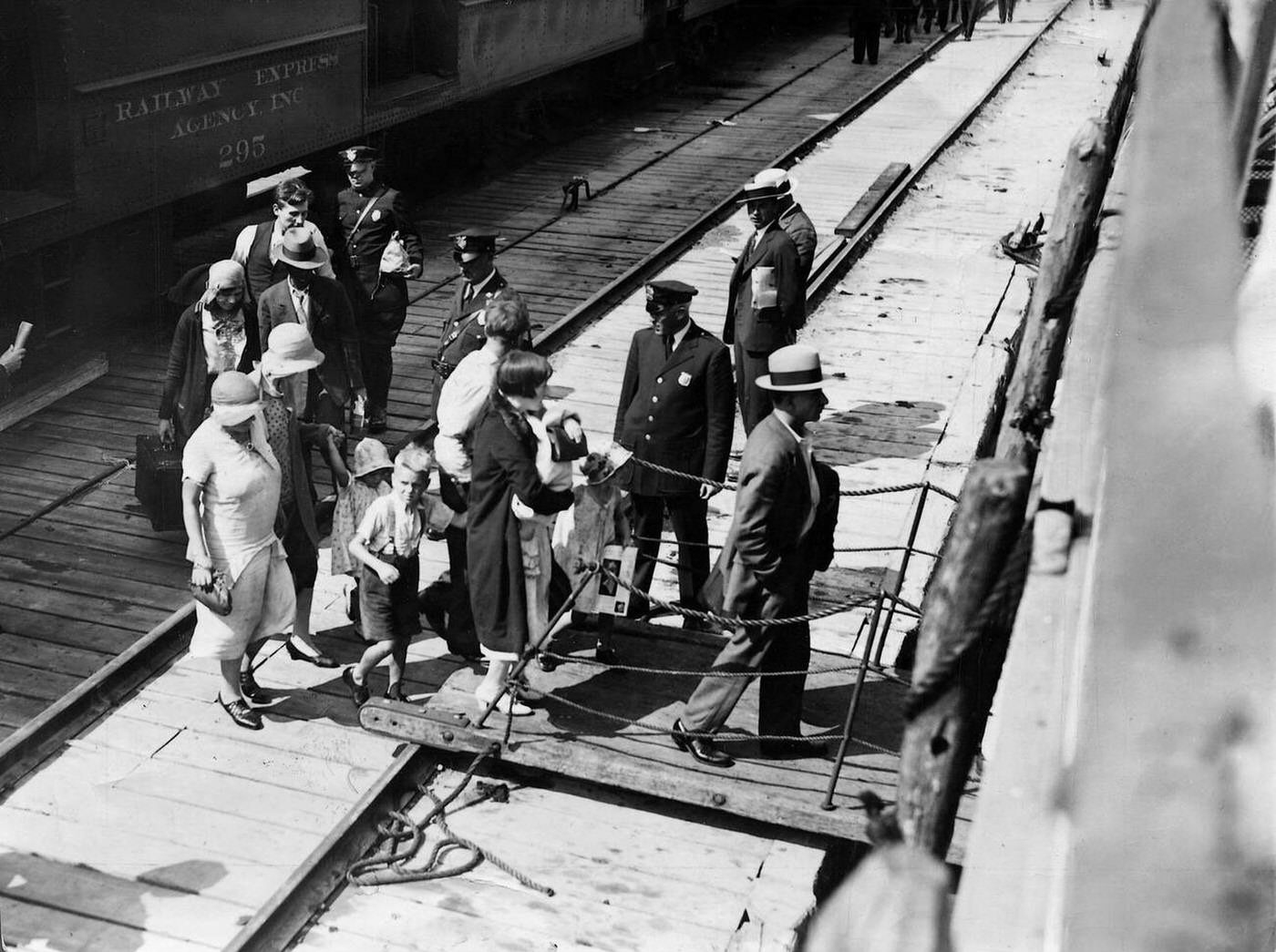
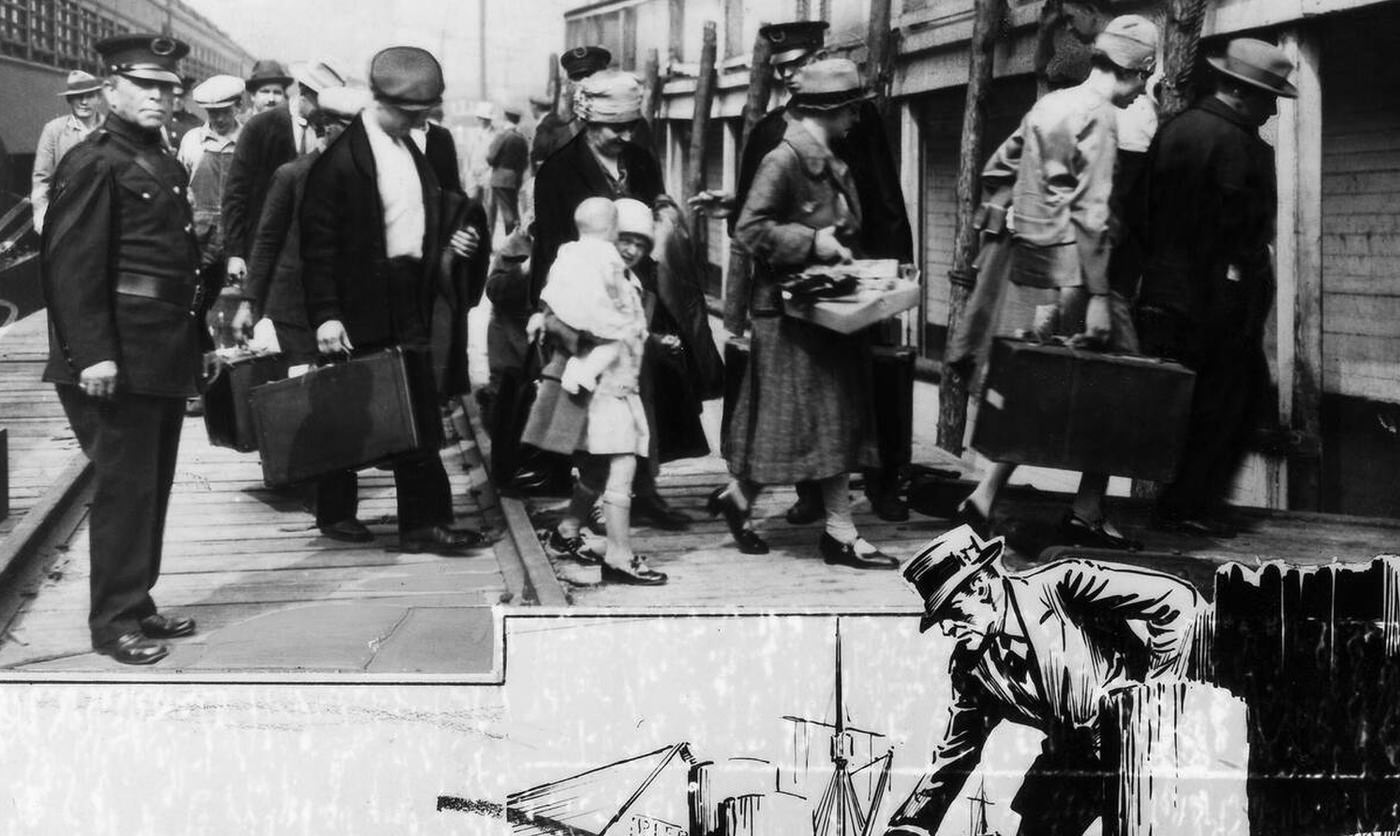
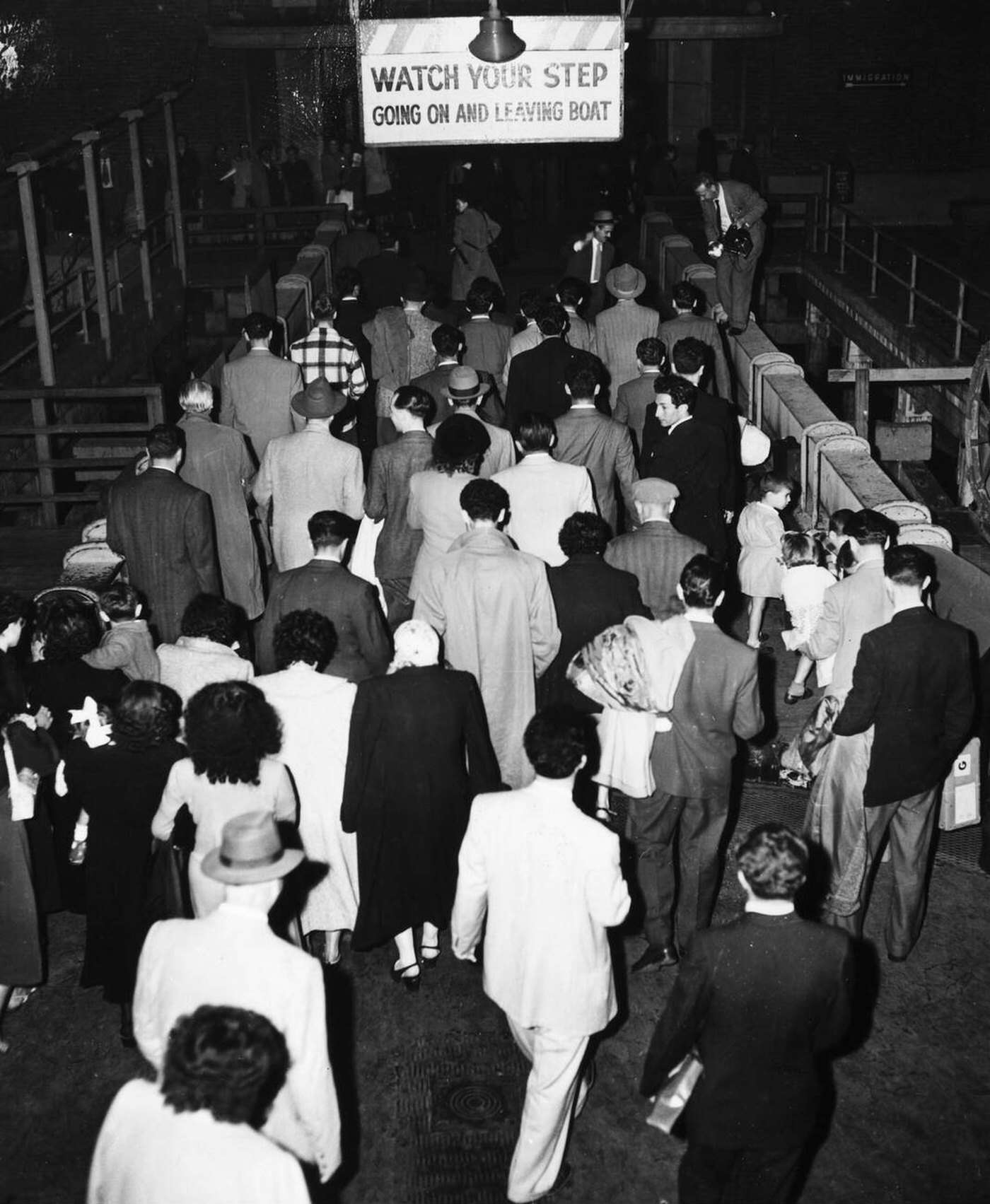
First and second-class passengers were inspected on the ship itself and then allowed to go directly into the city. Steerage passengers were loaded onto ferries and brought to Ellis Island. The difference in treatment was deliberate — wealthier travelers were assumed to be healthy and financially stable.
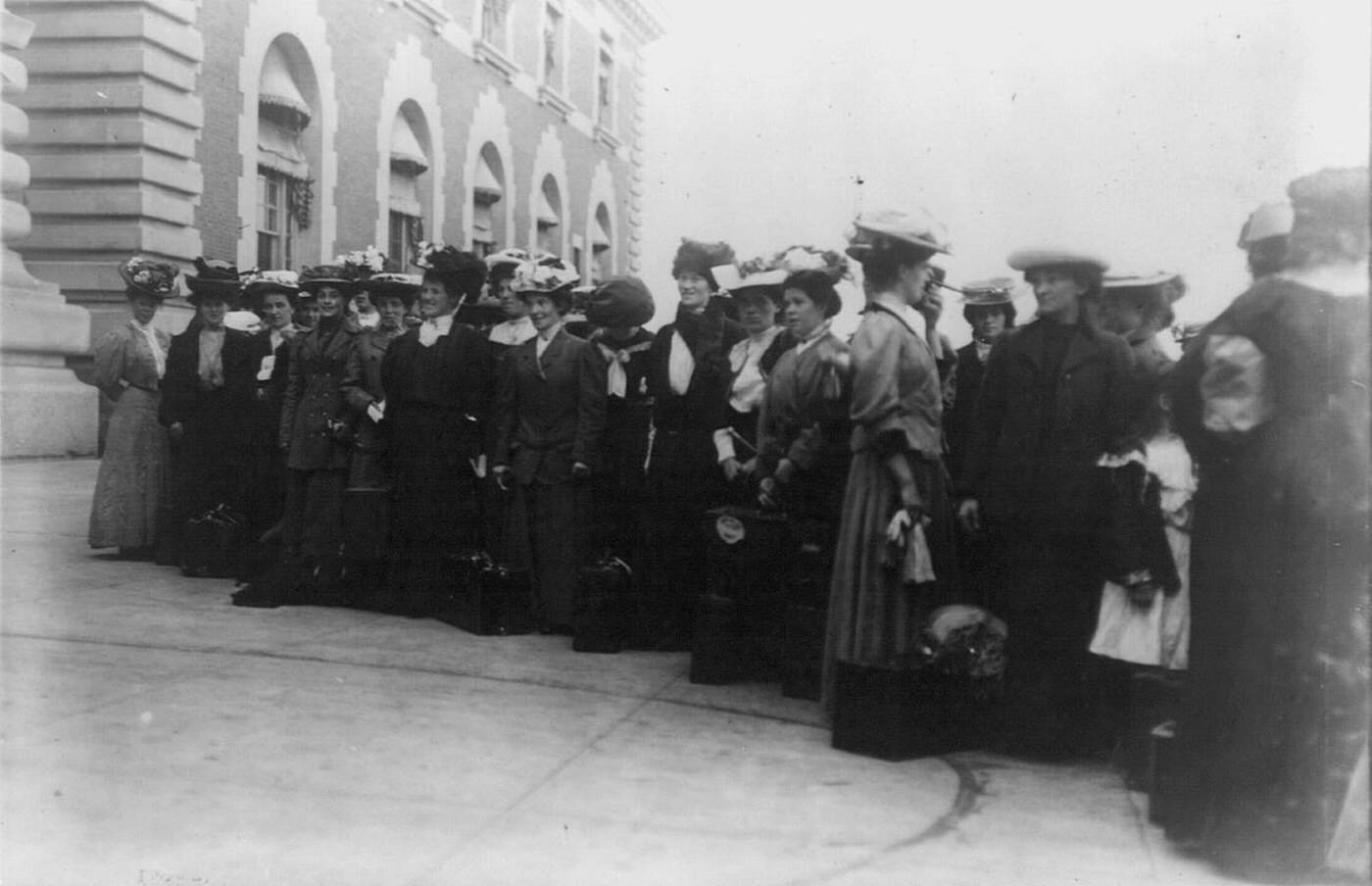
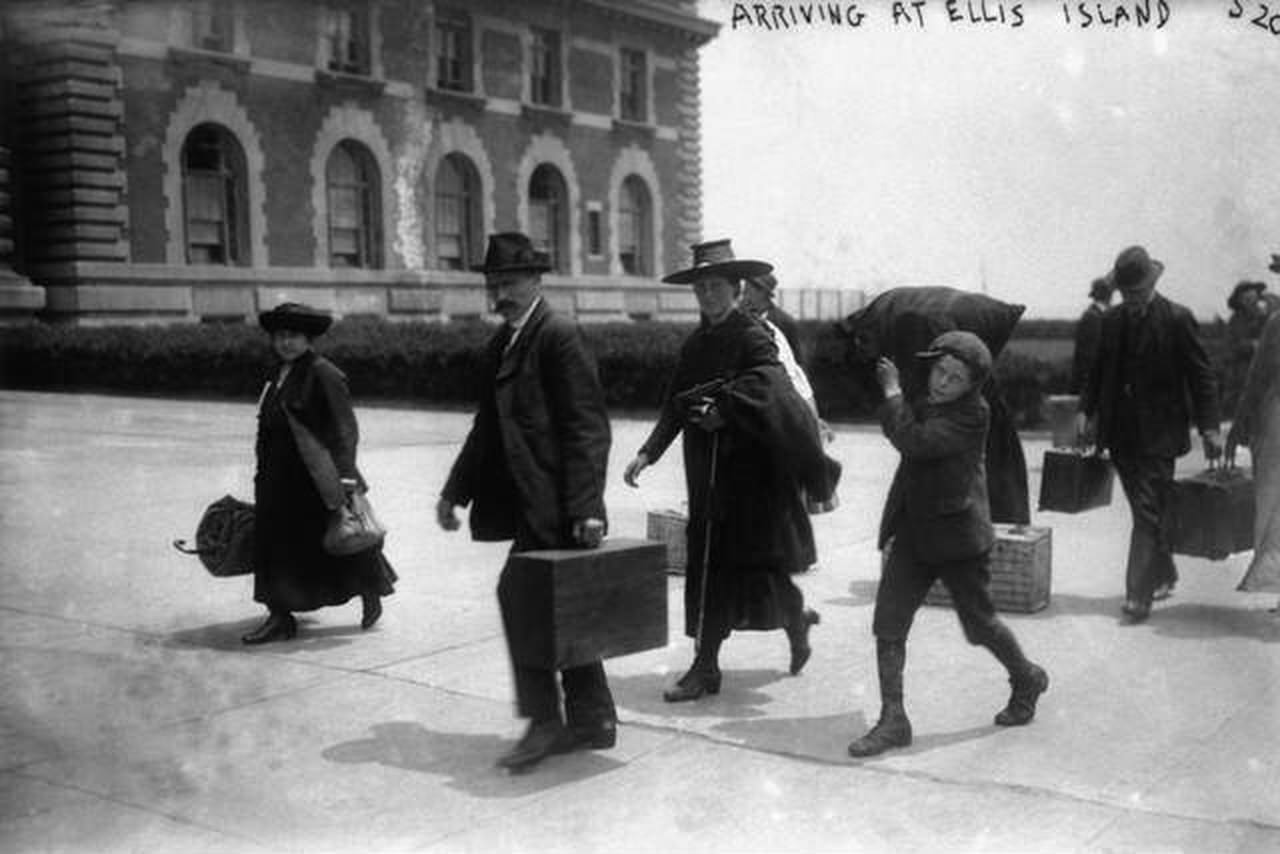
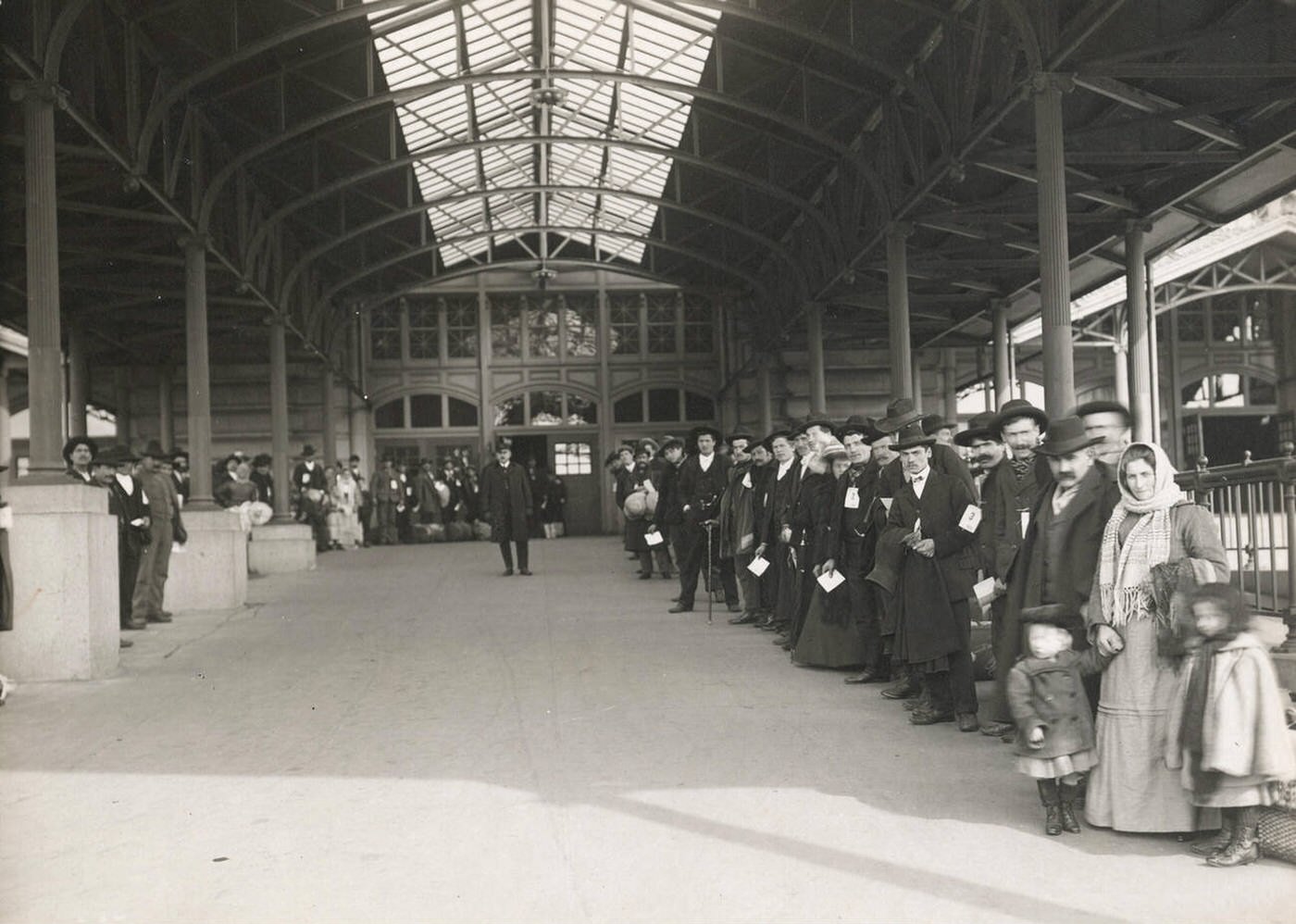
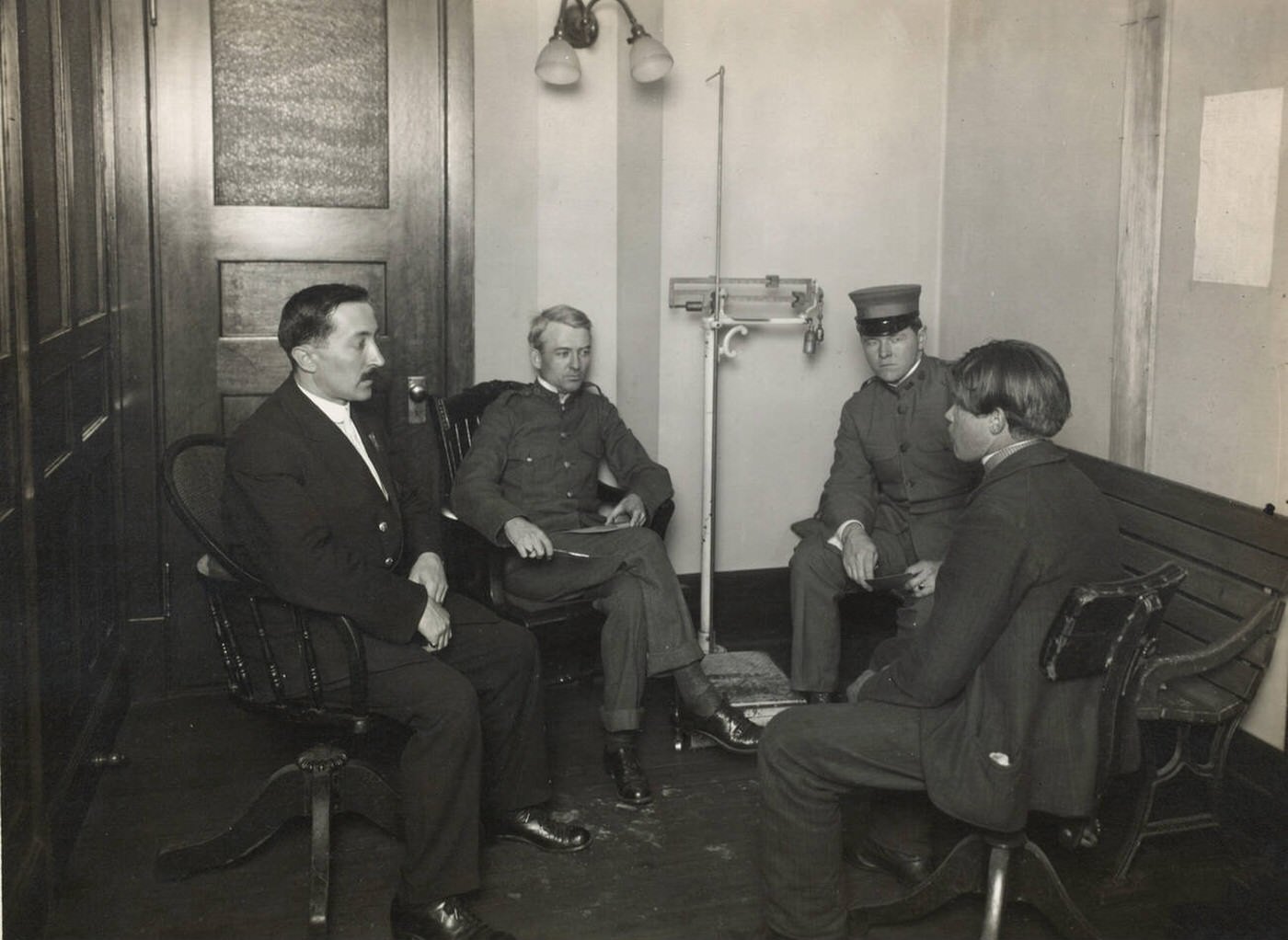
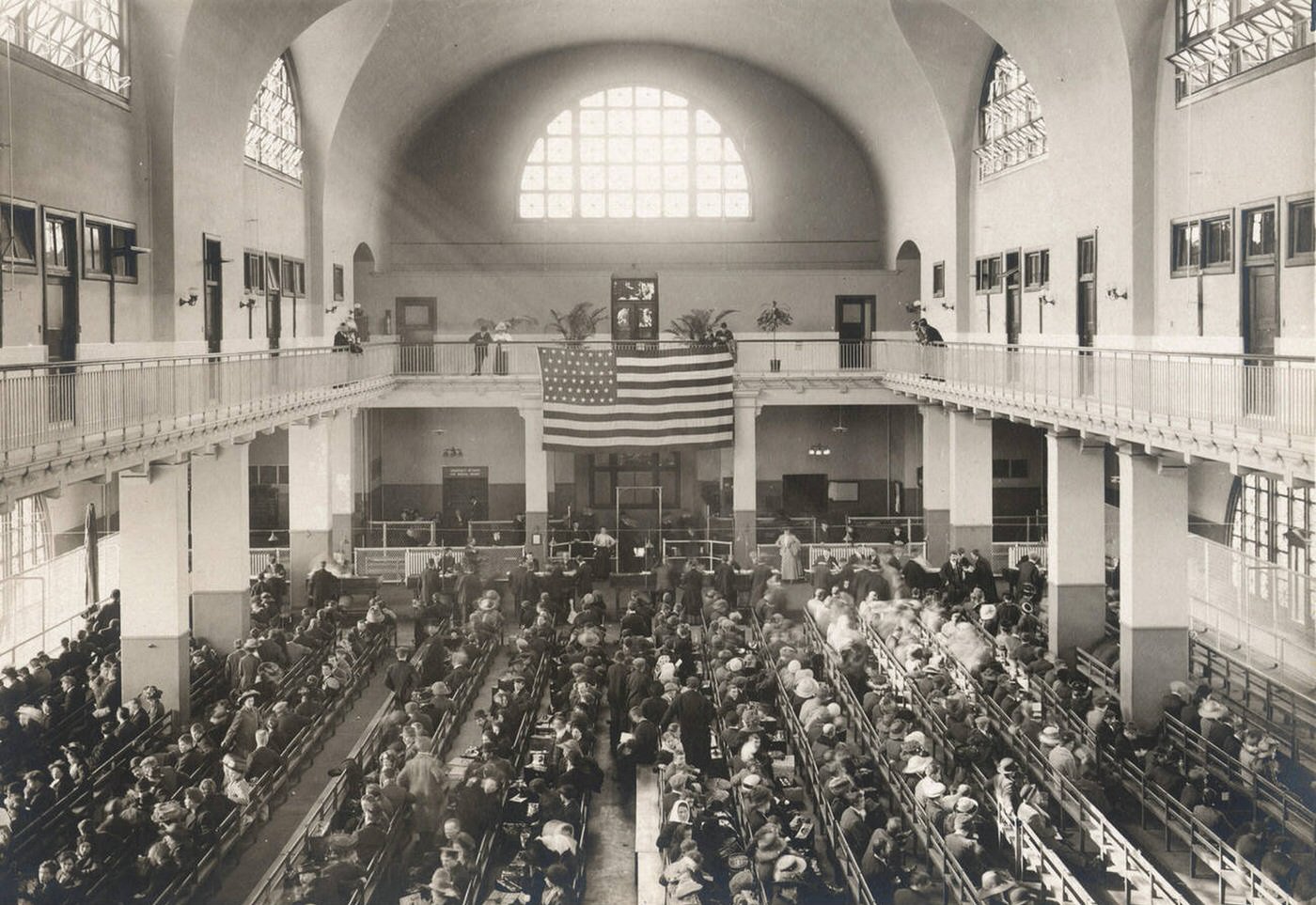
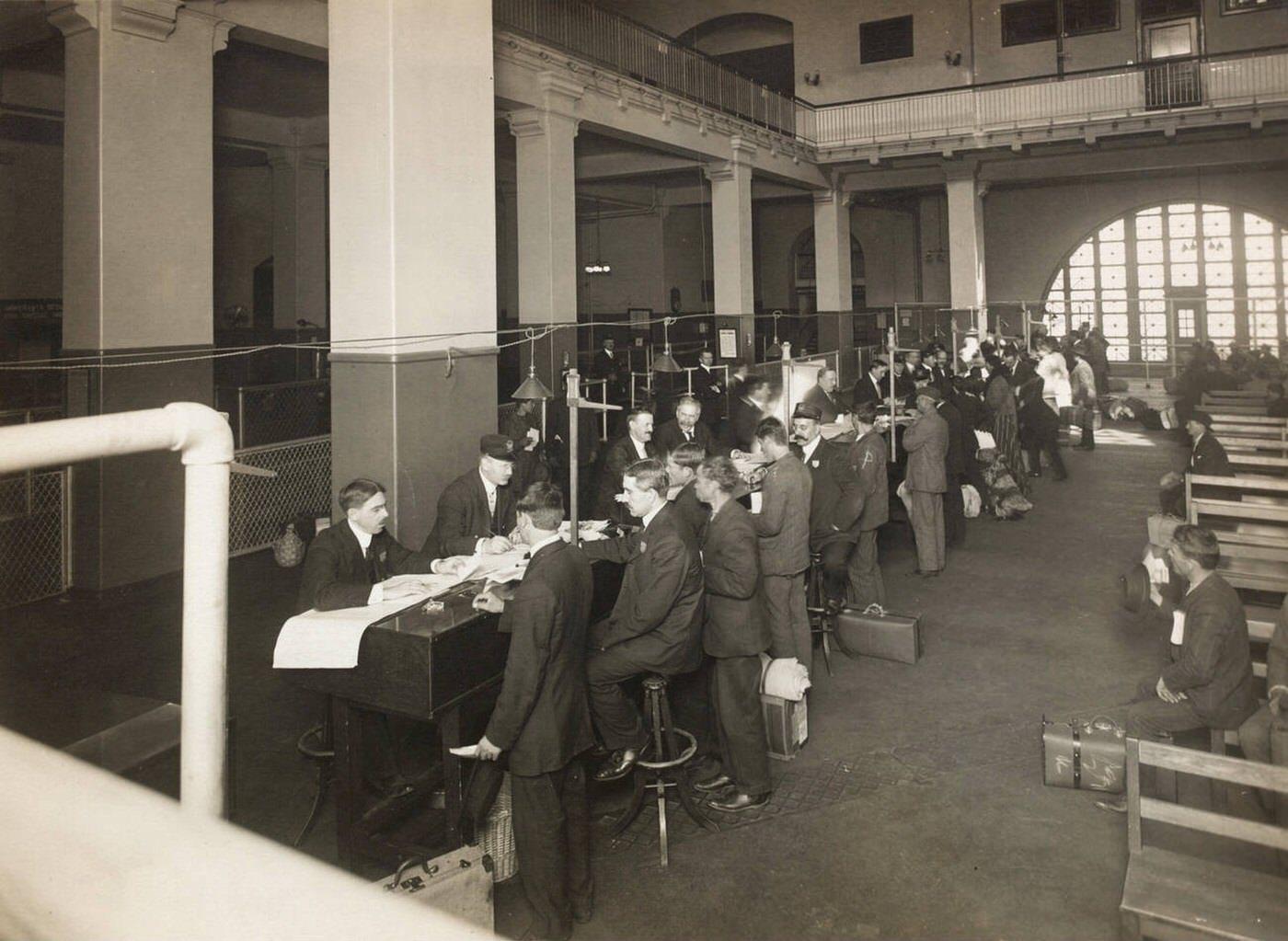
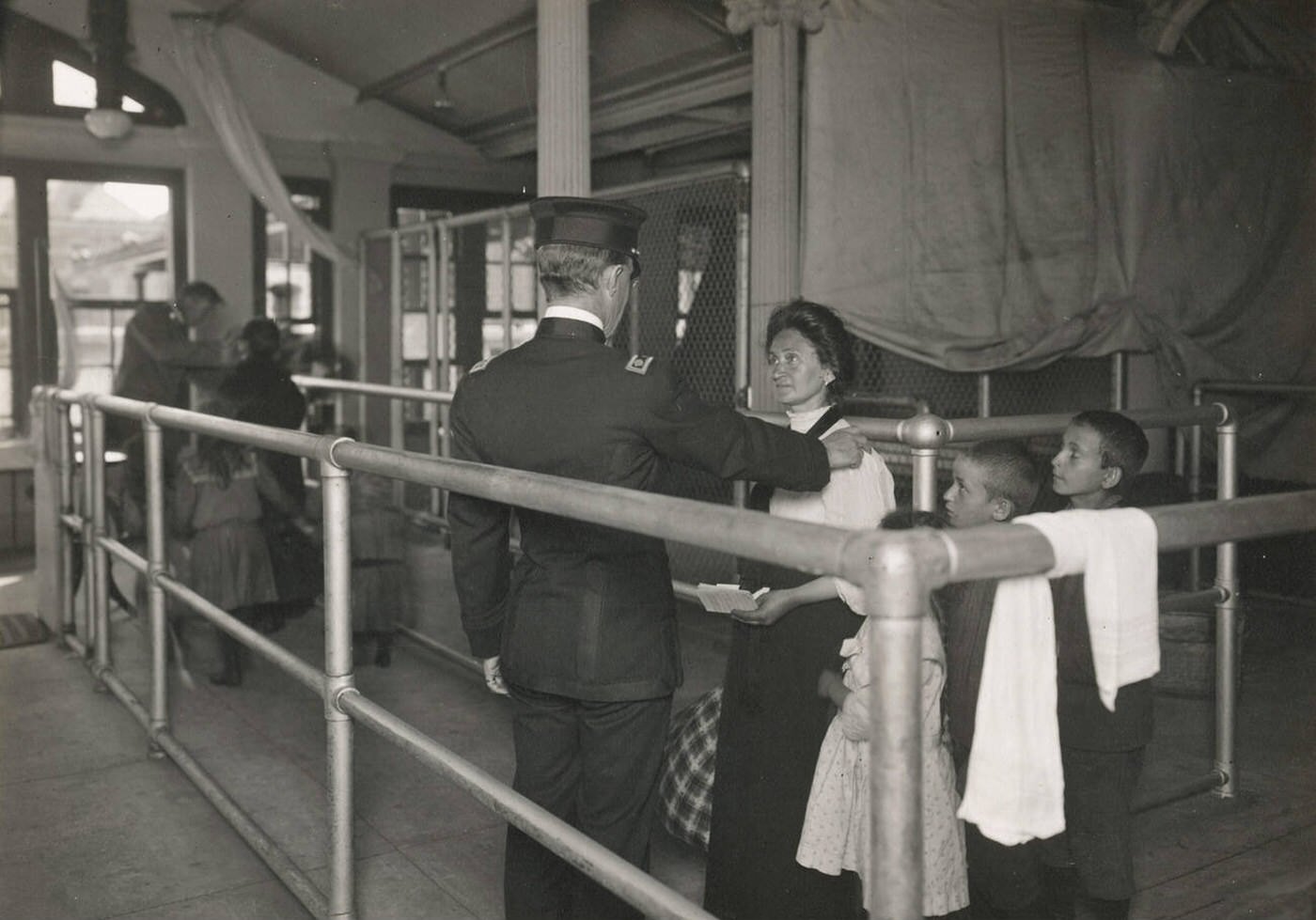
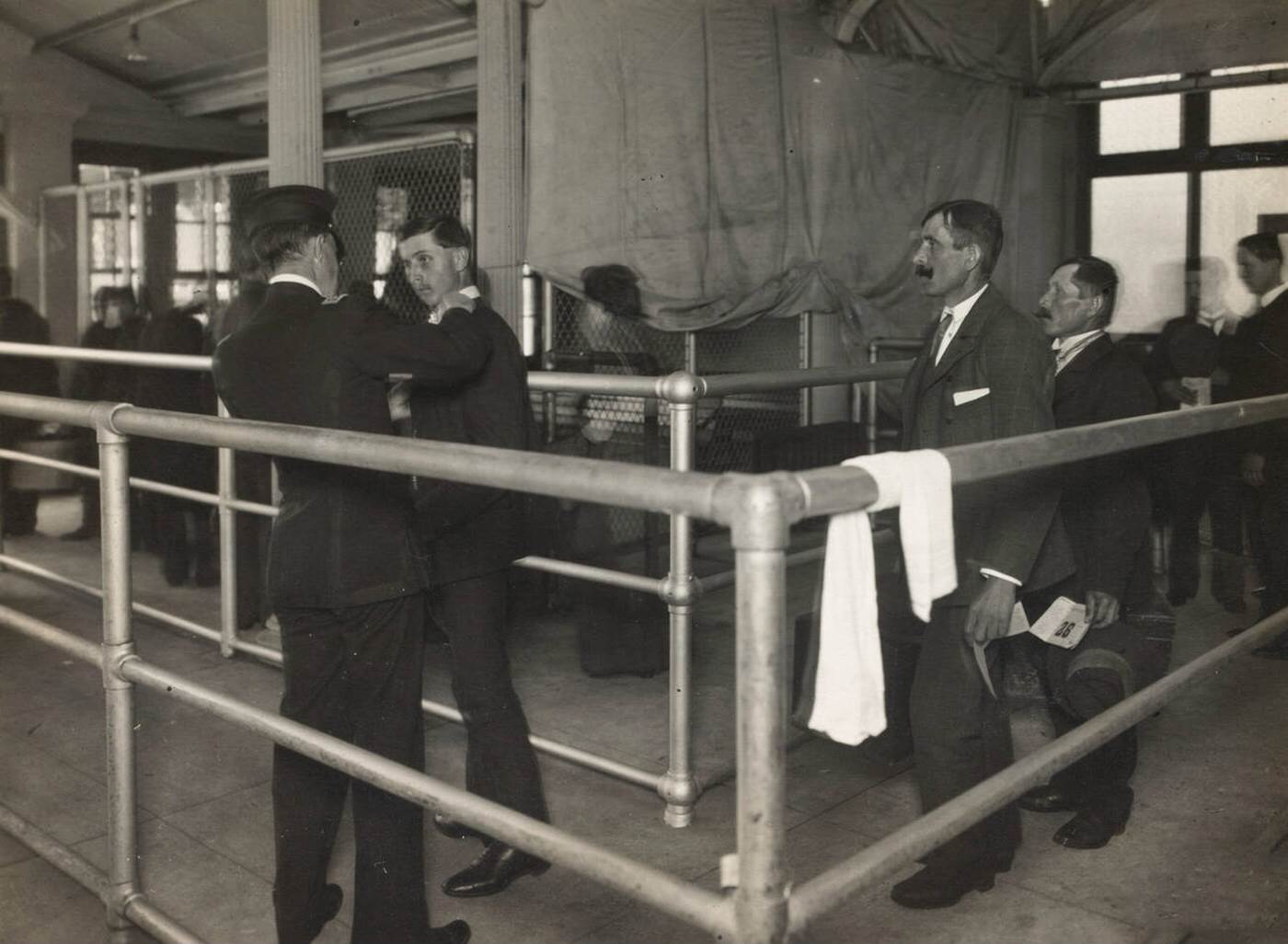
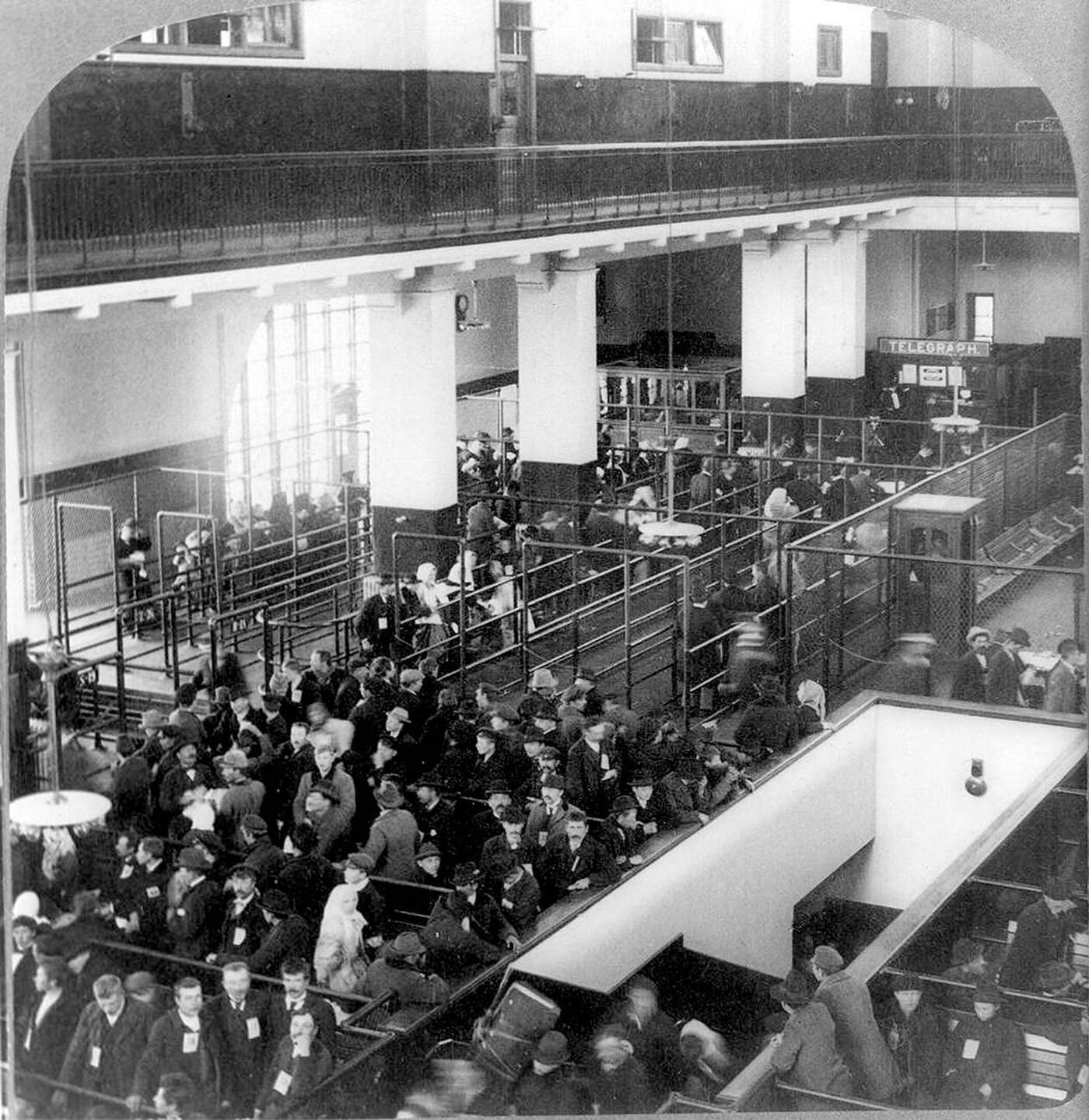
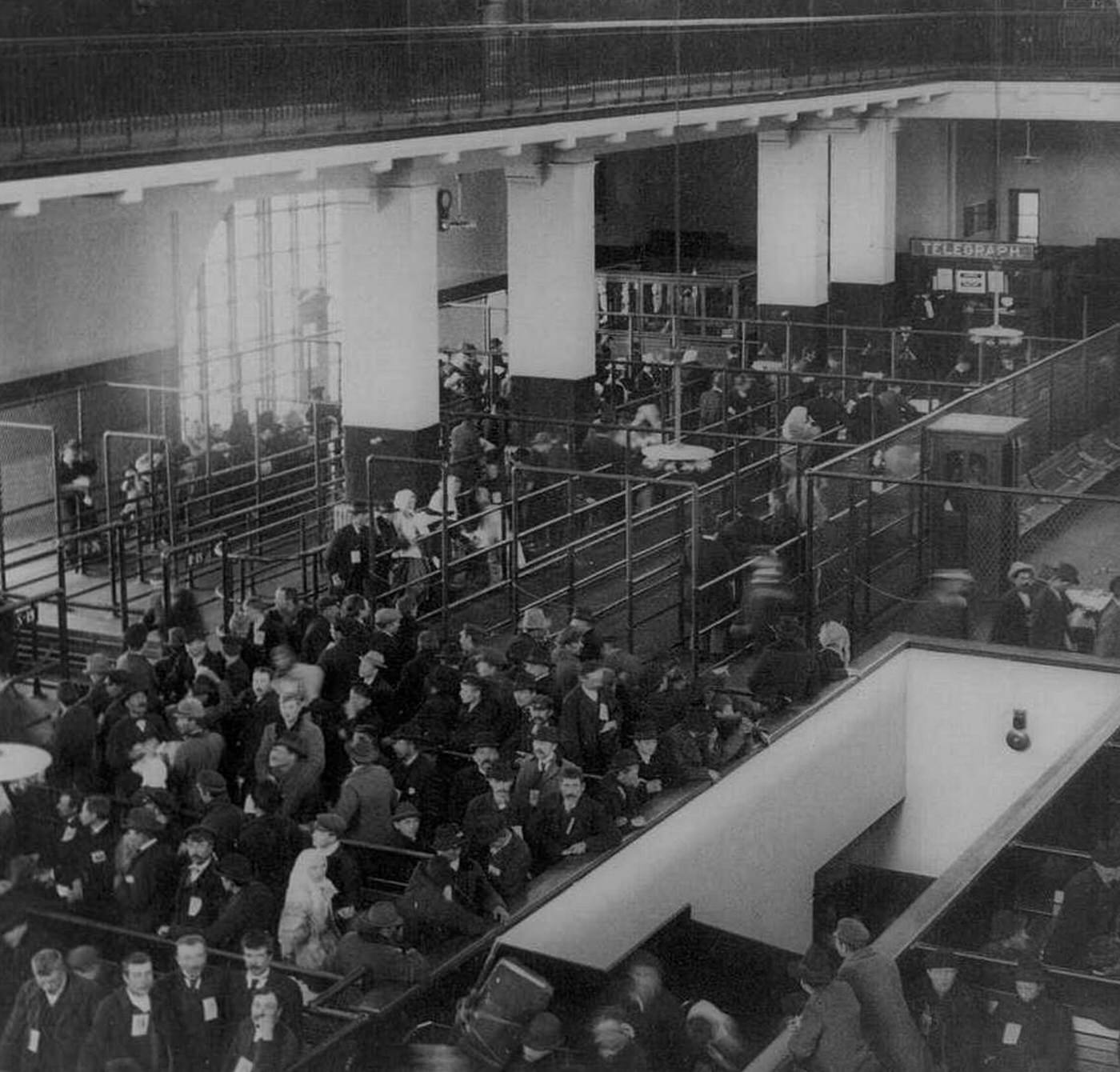
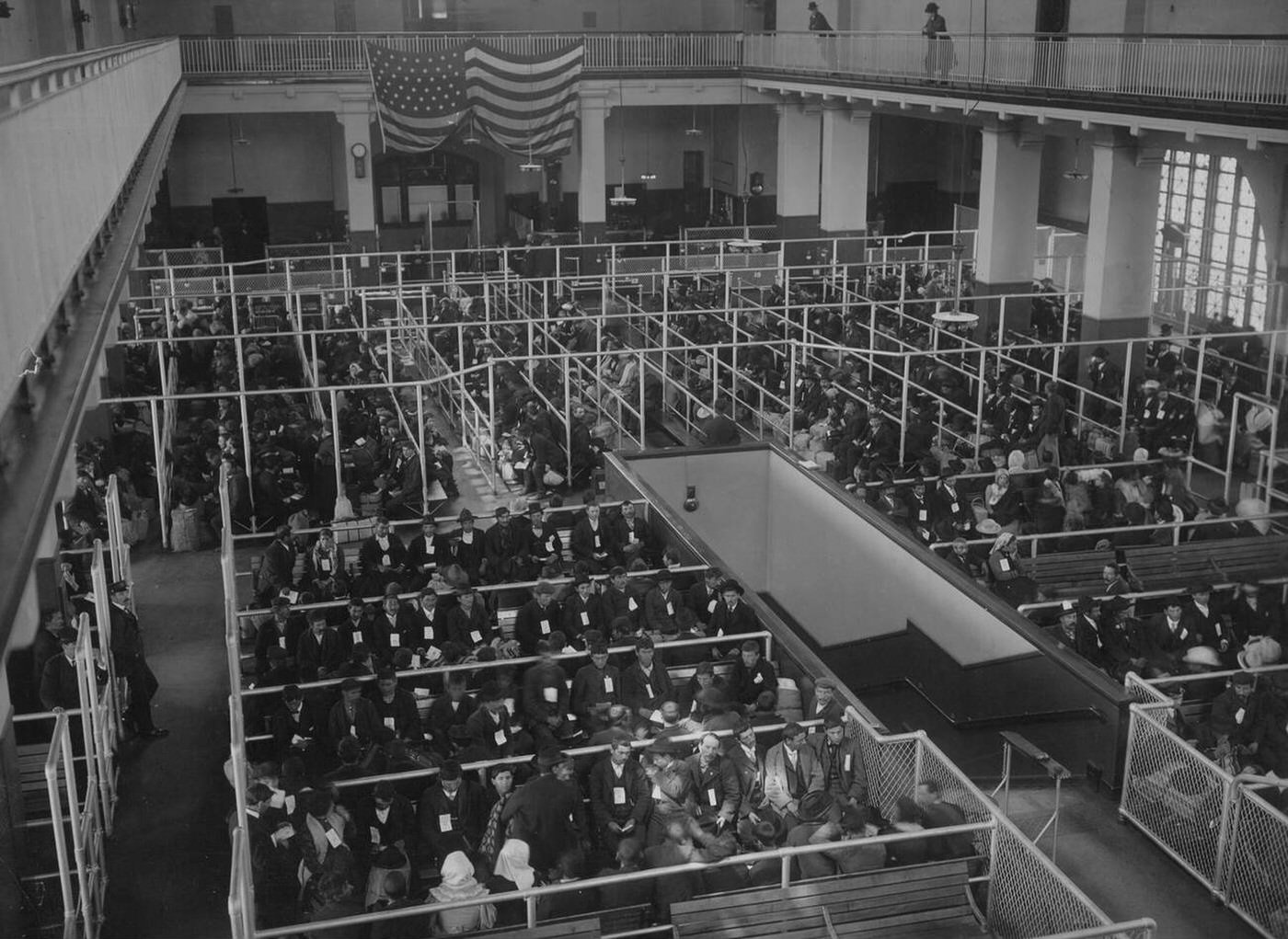
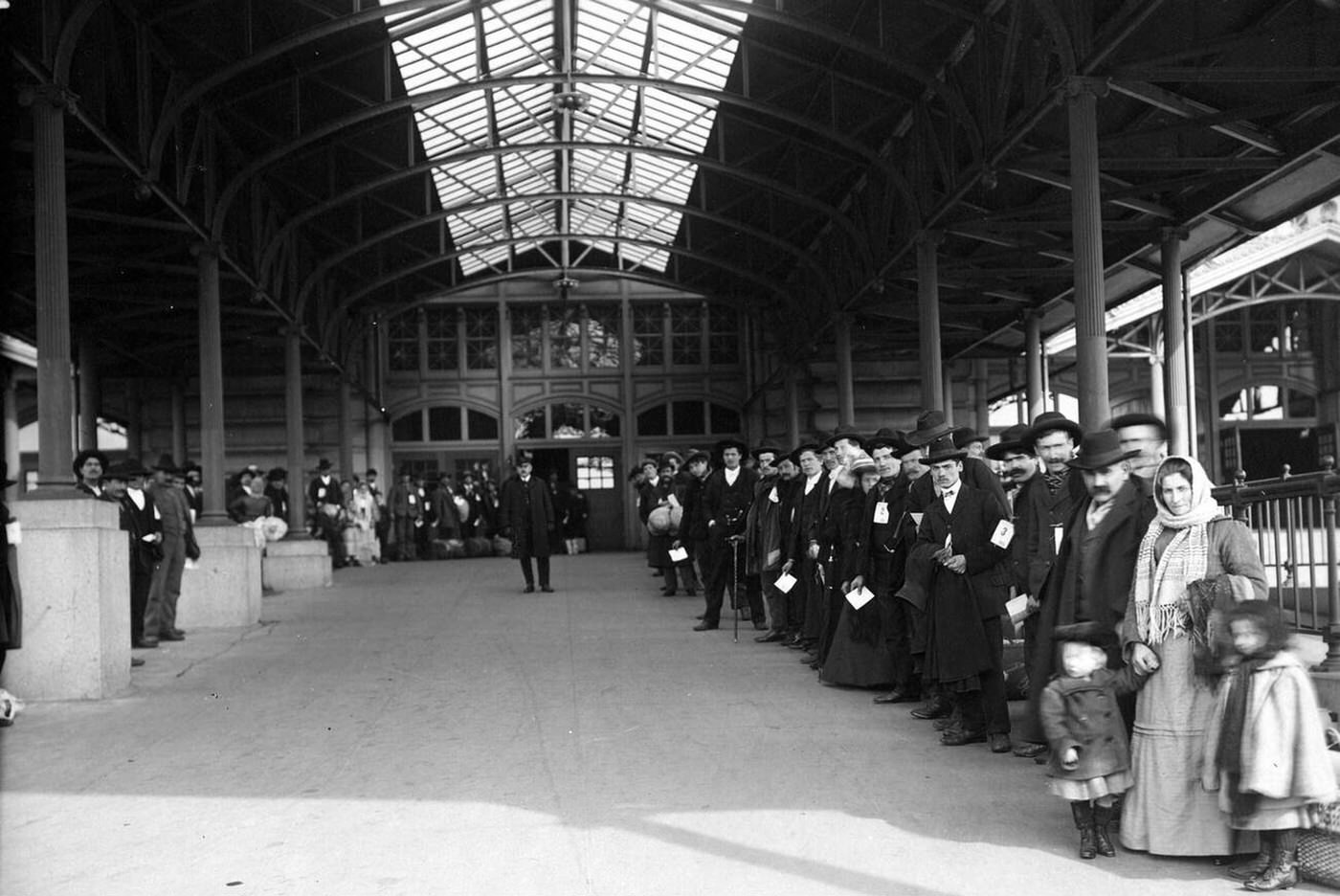
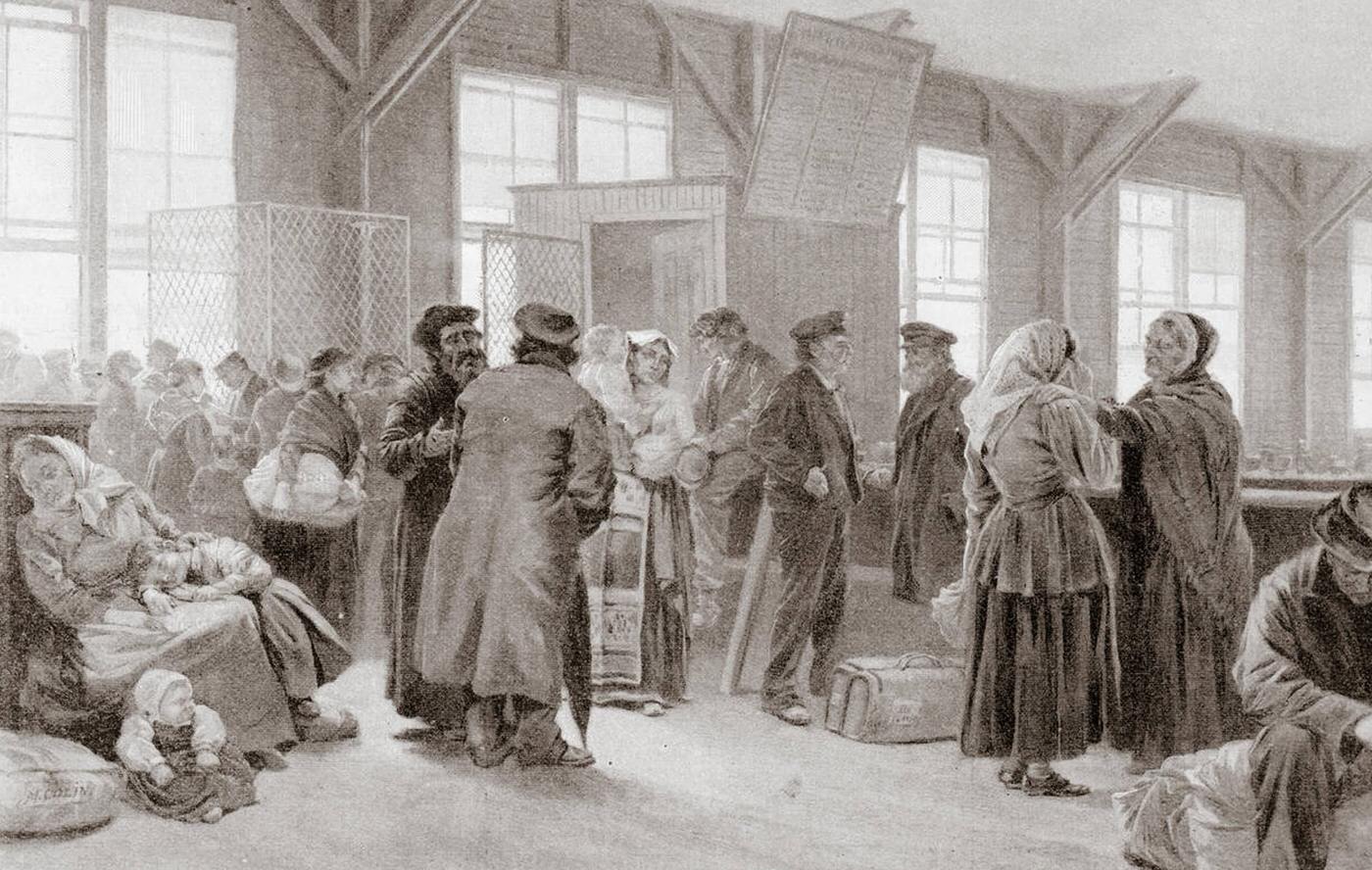
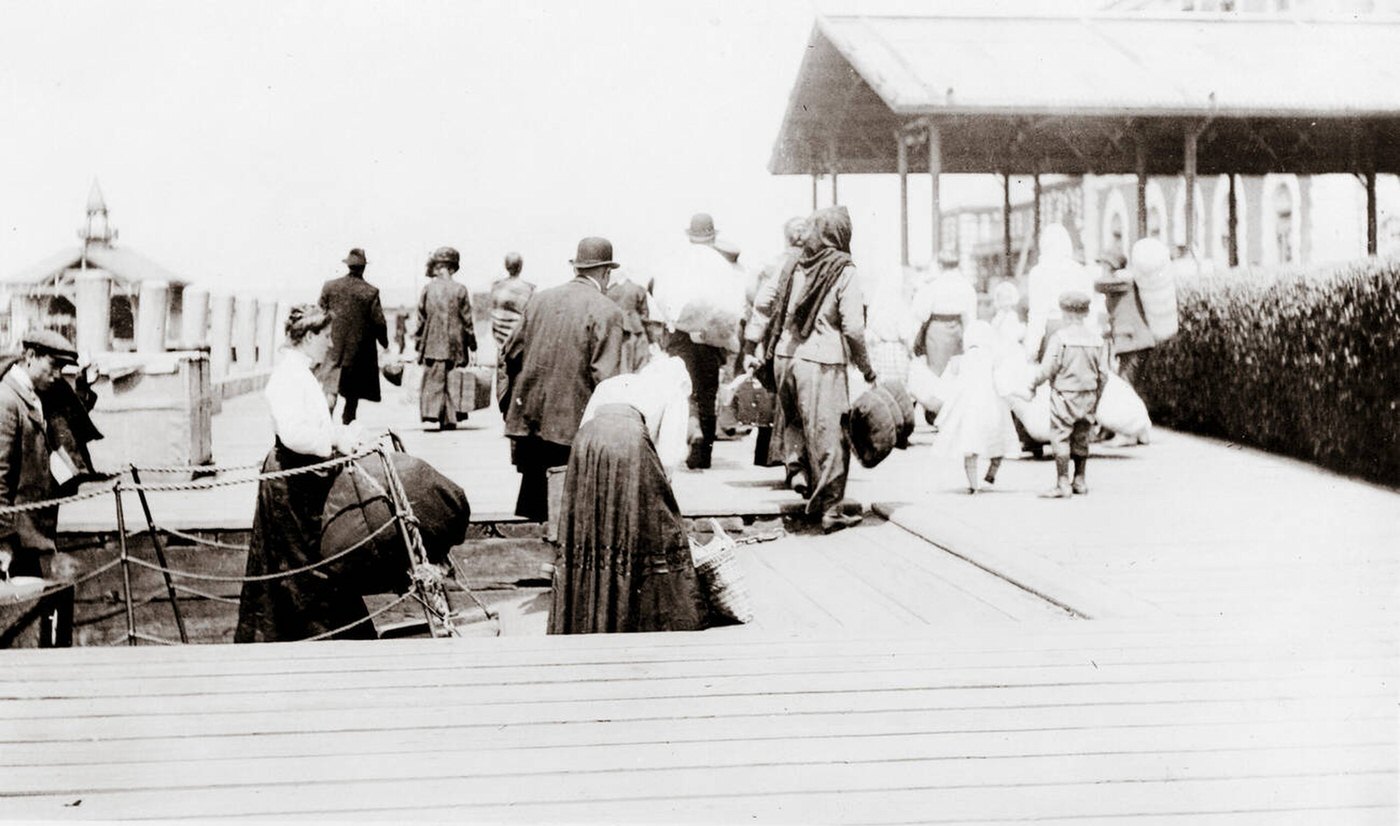
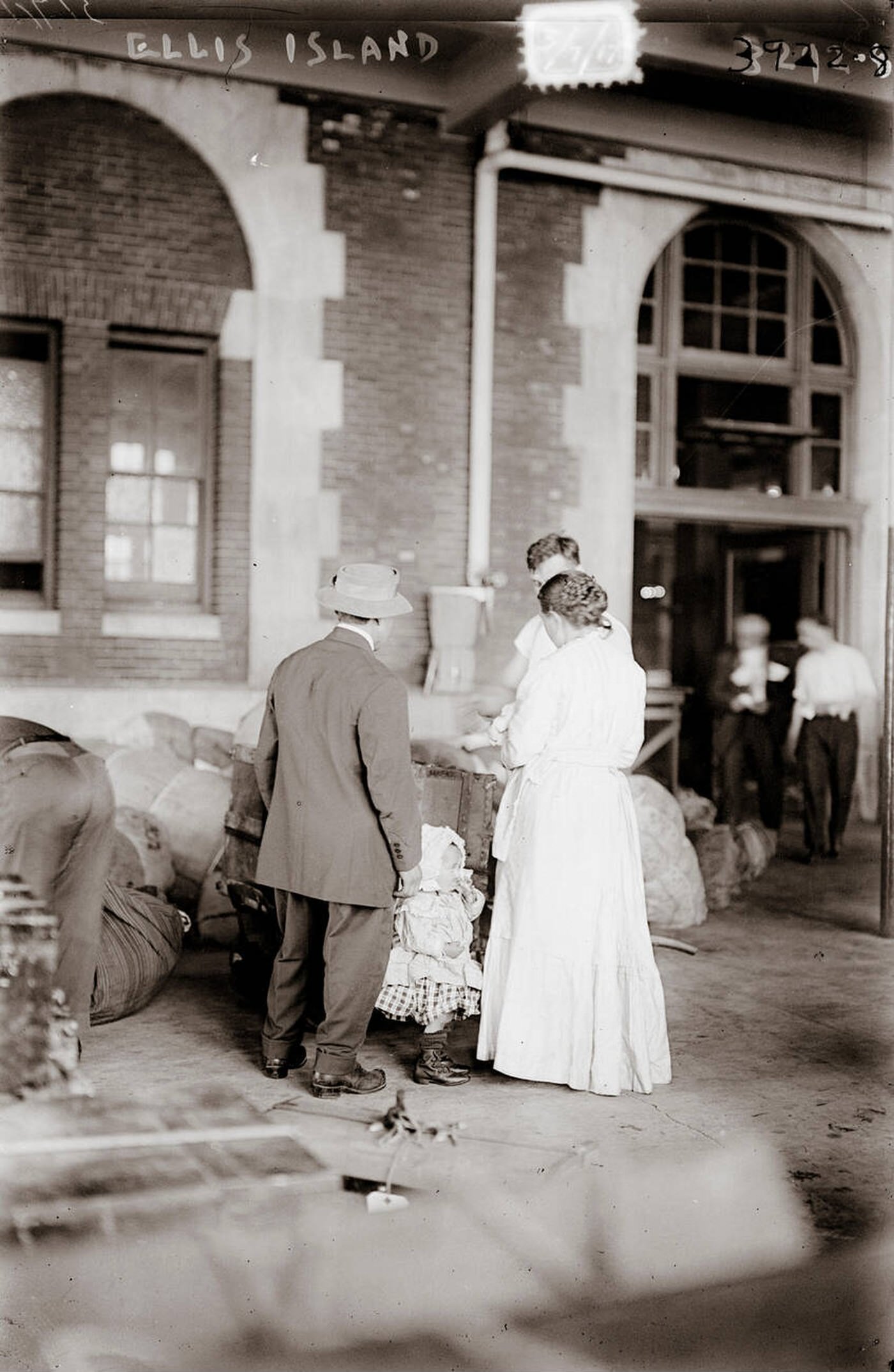
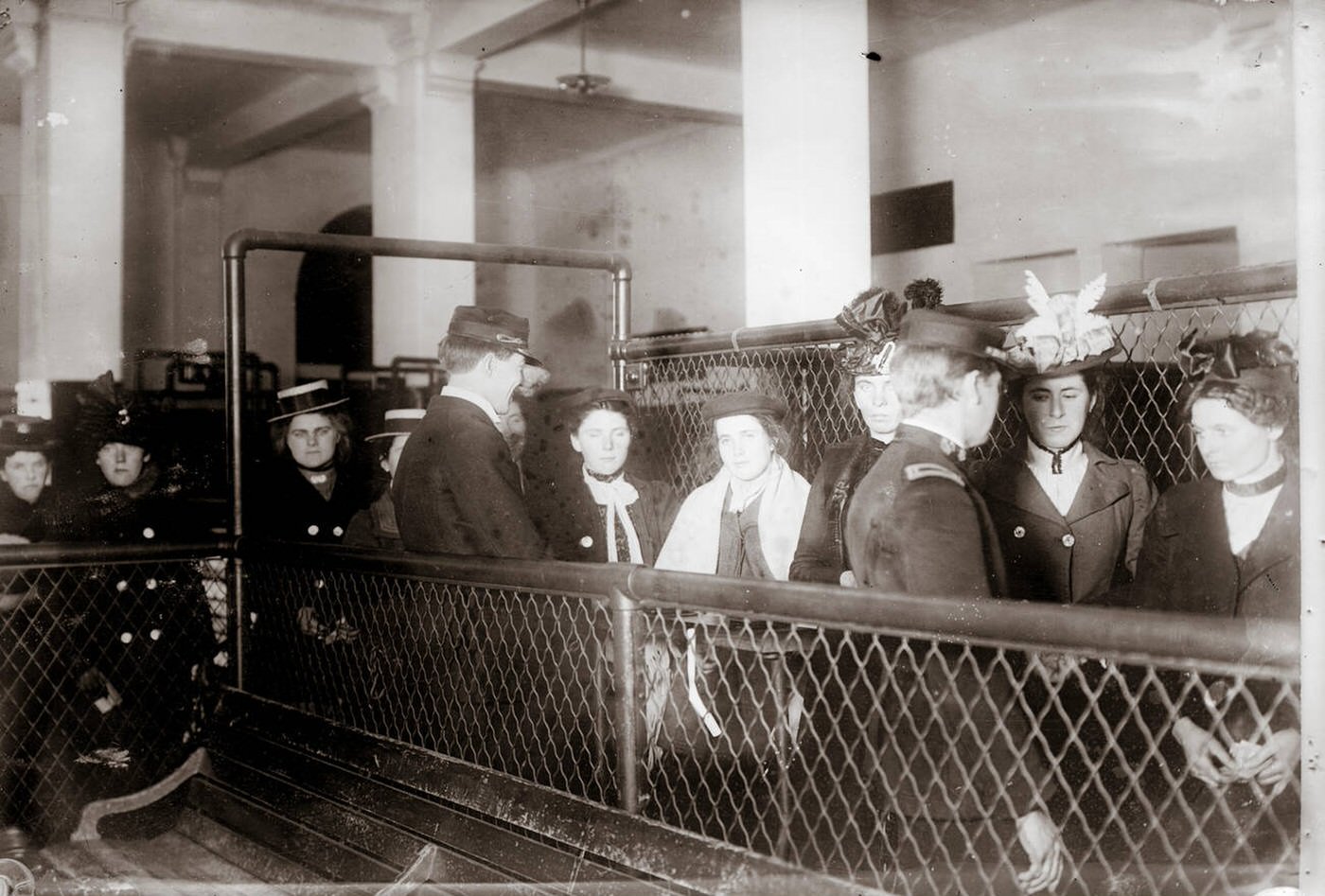
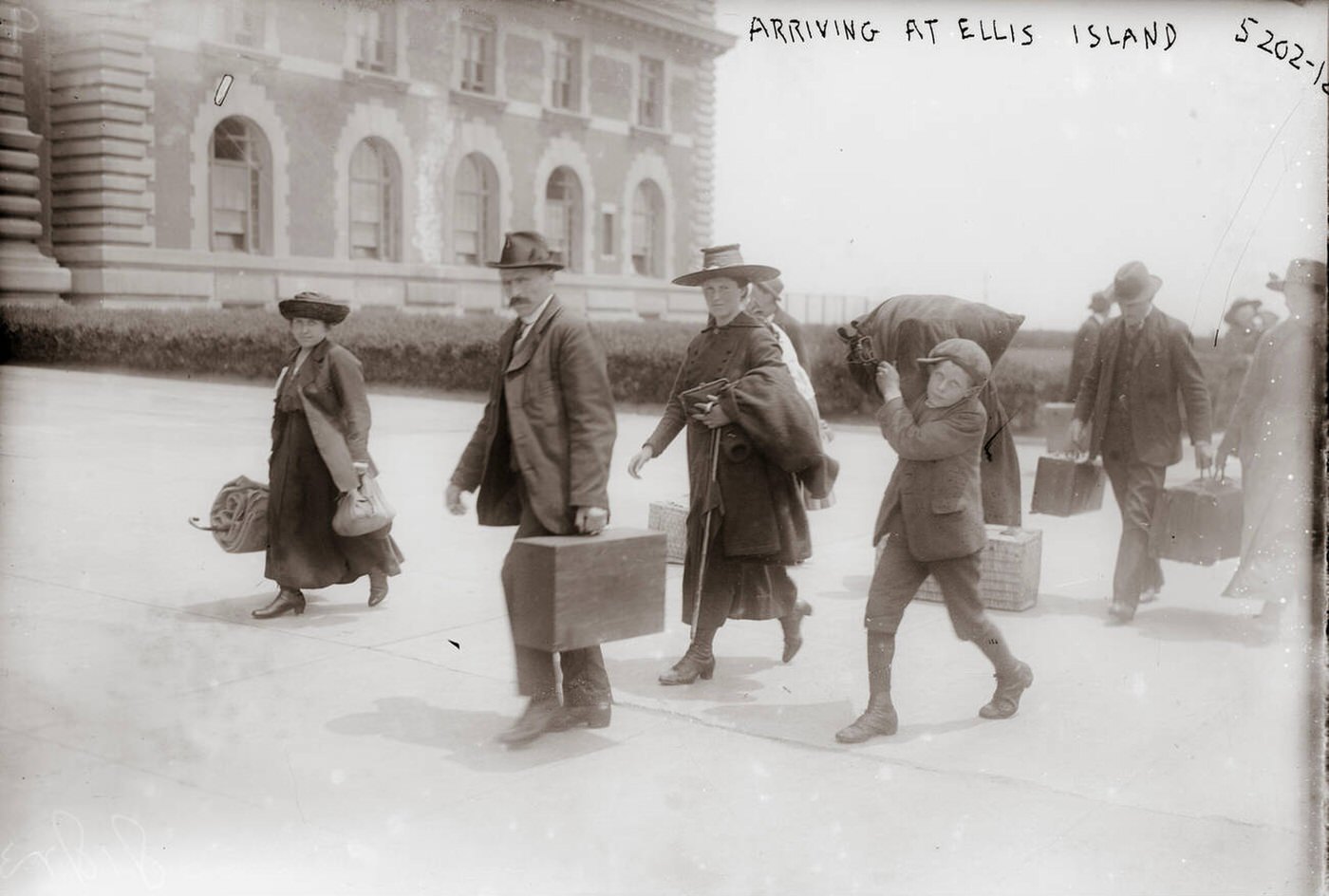
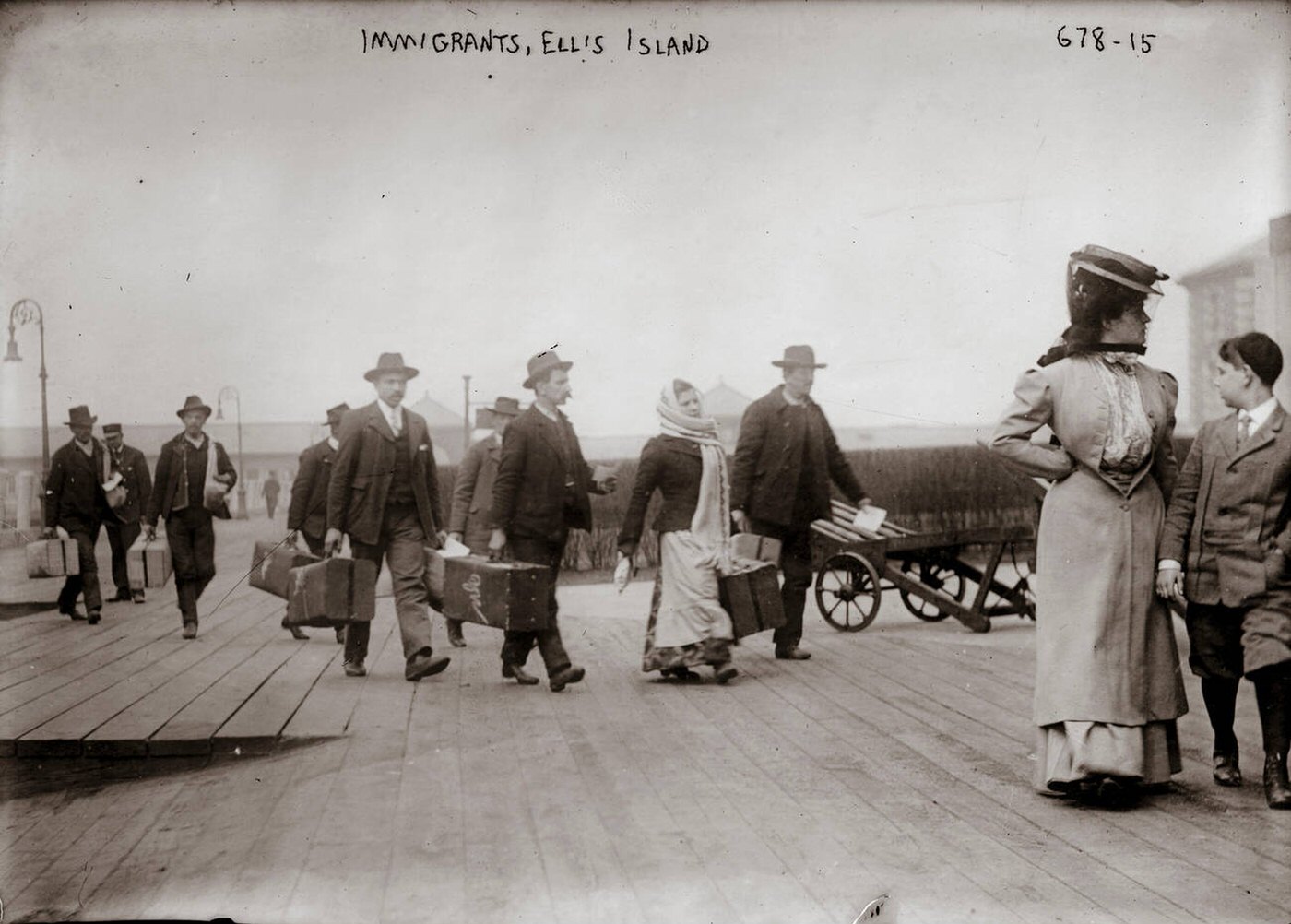
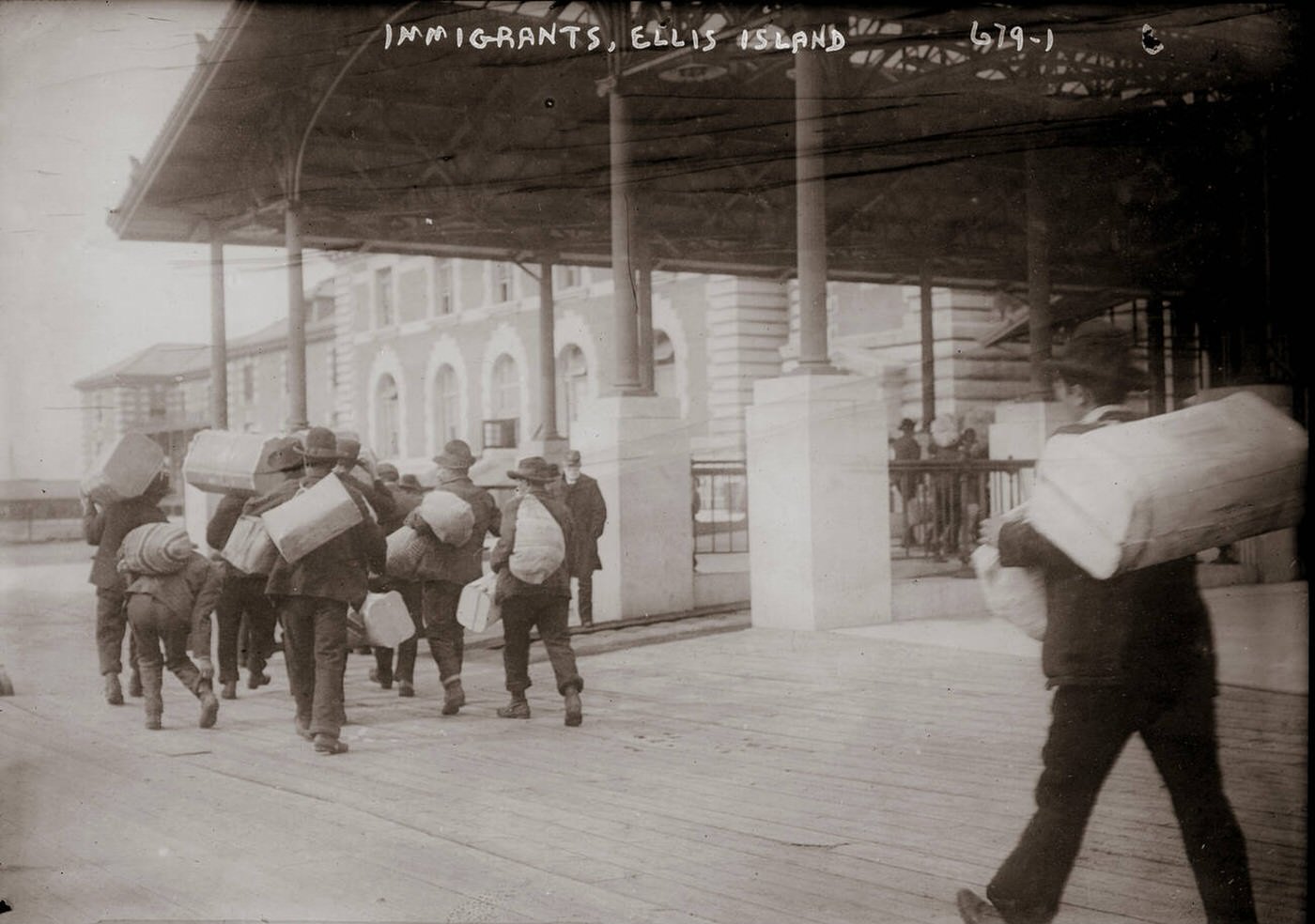
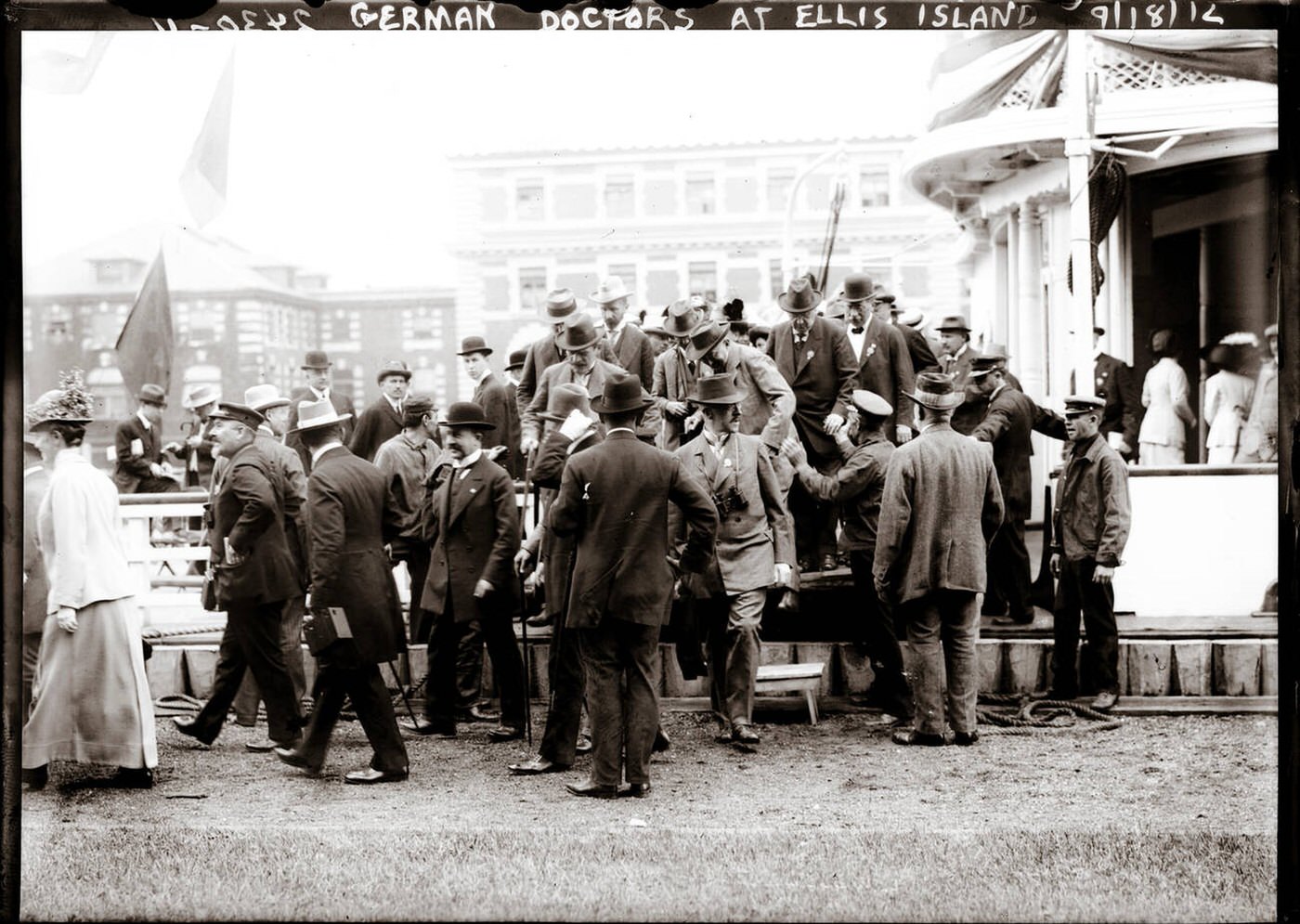
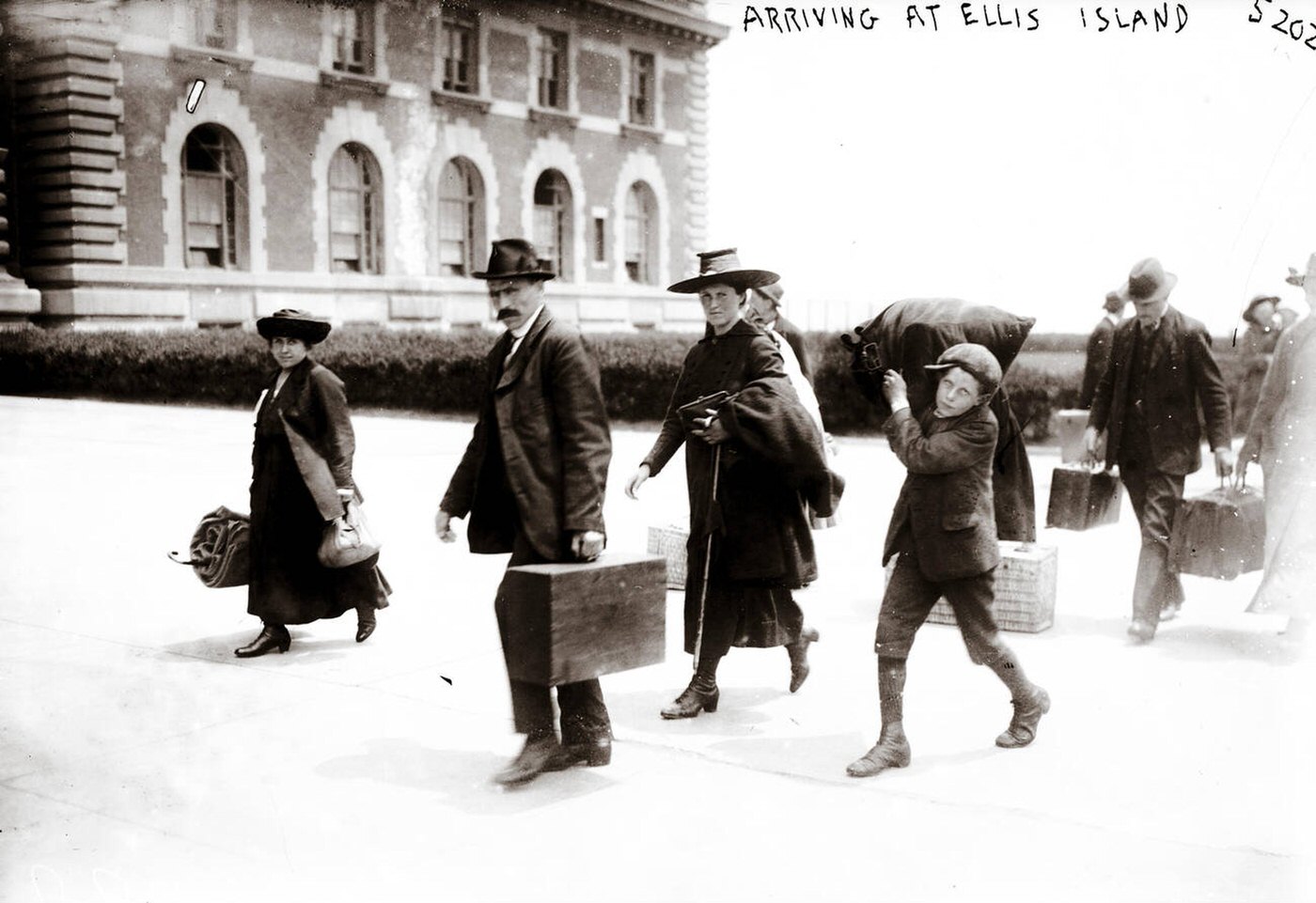
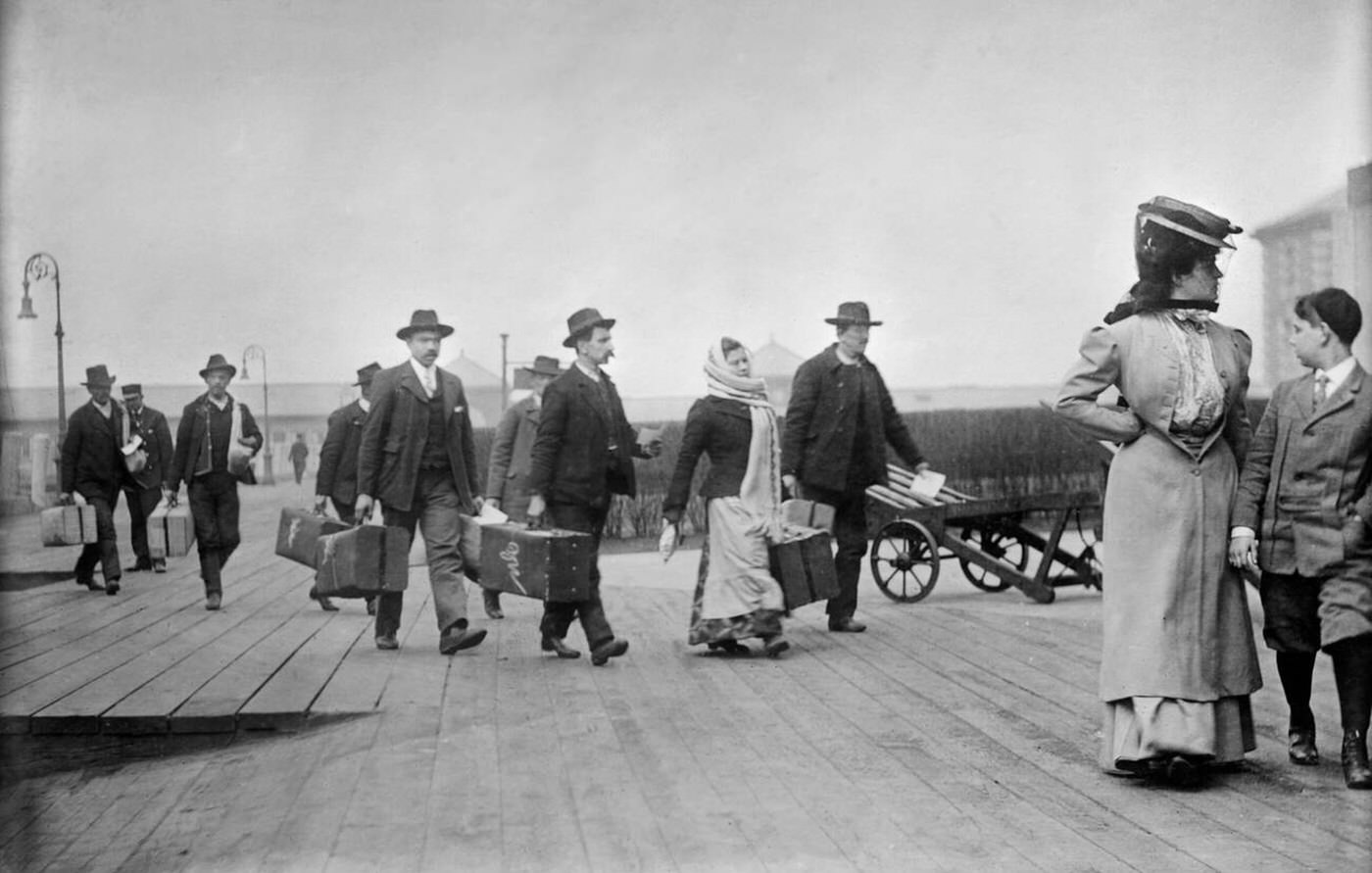
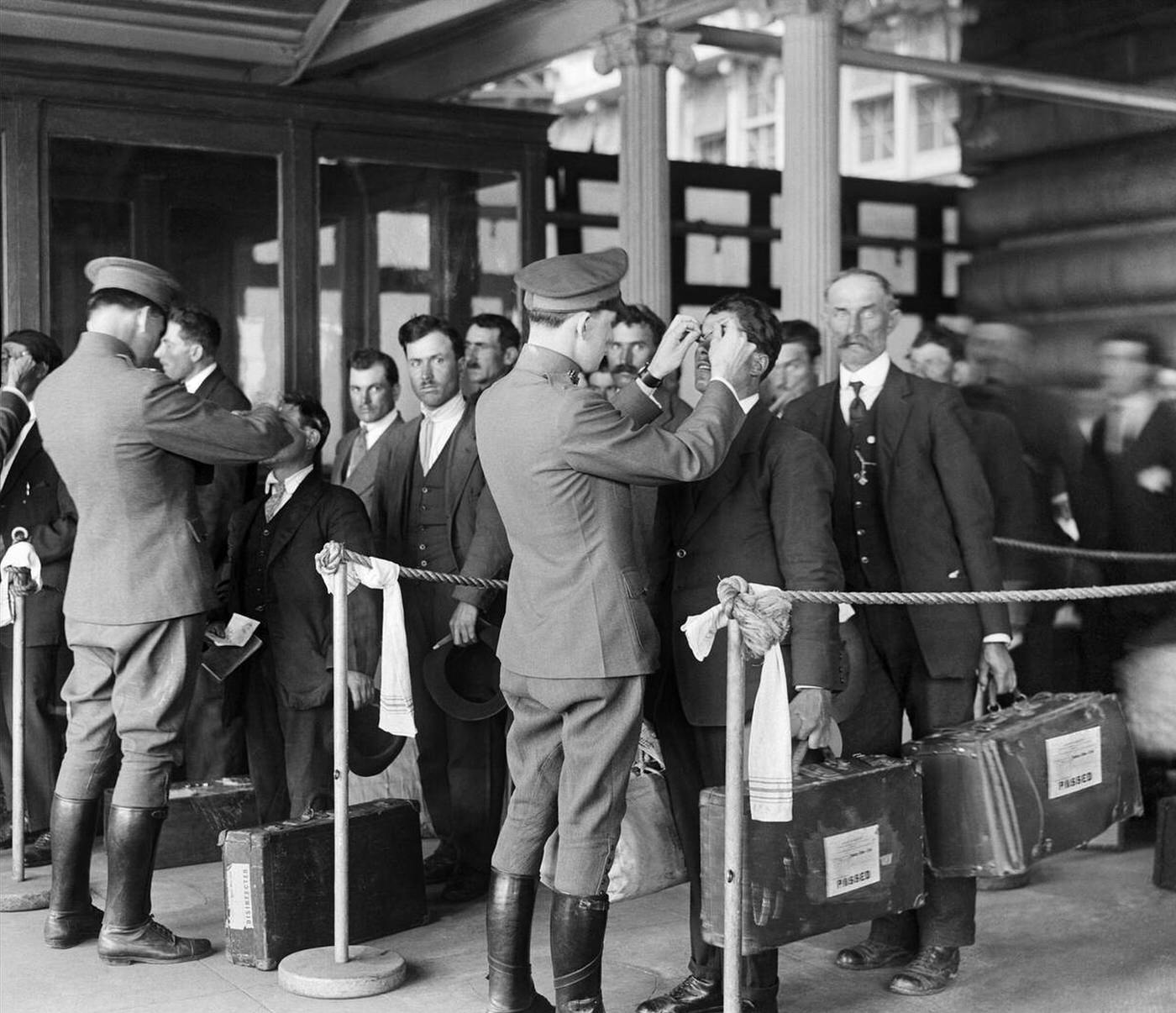
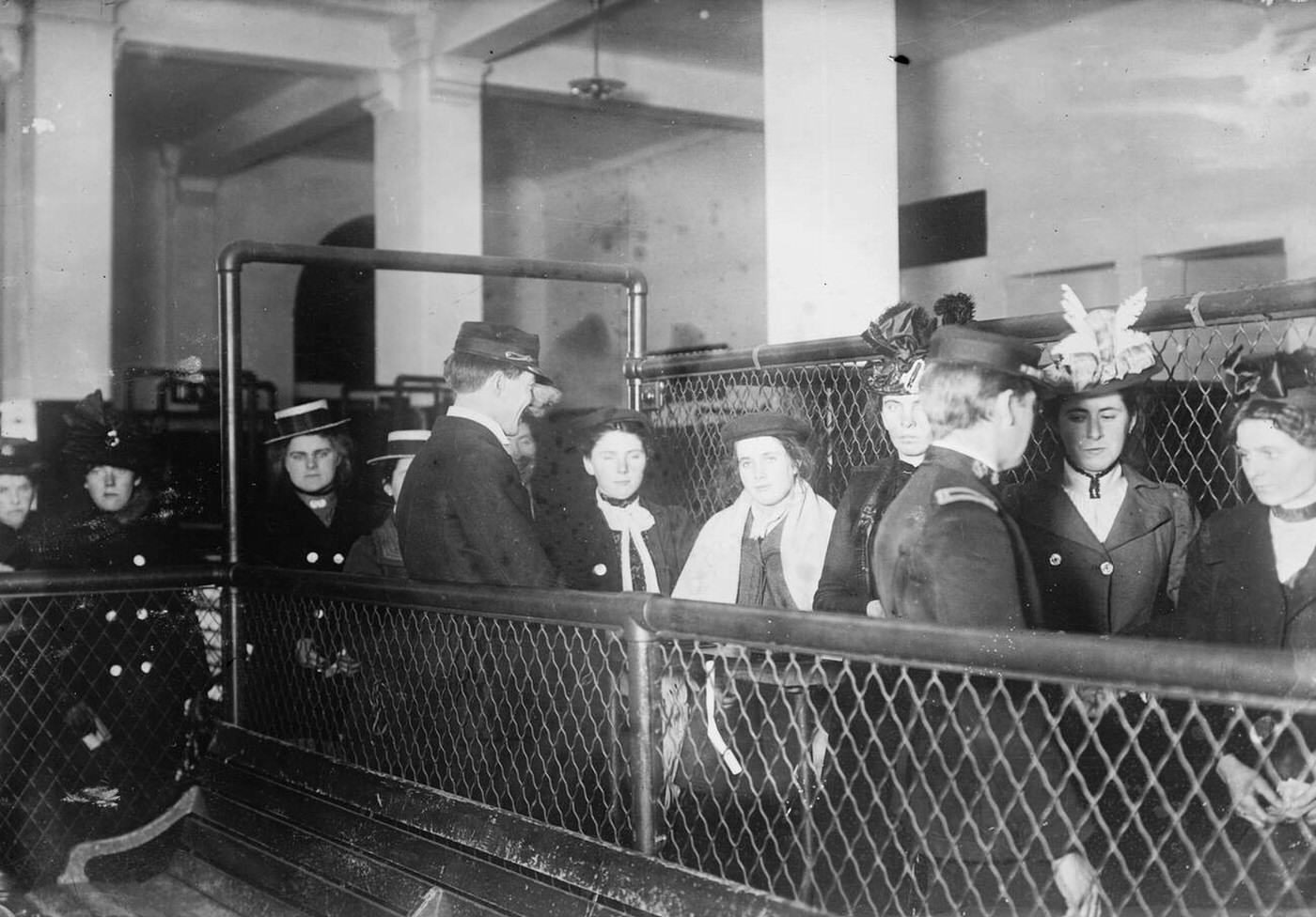
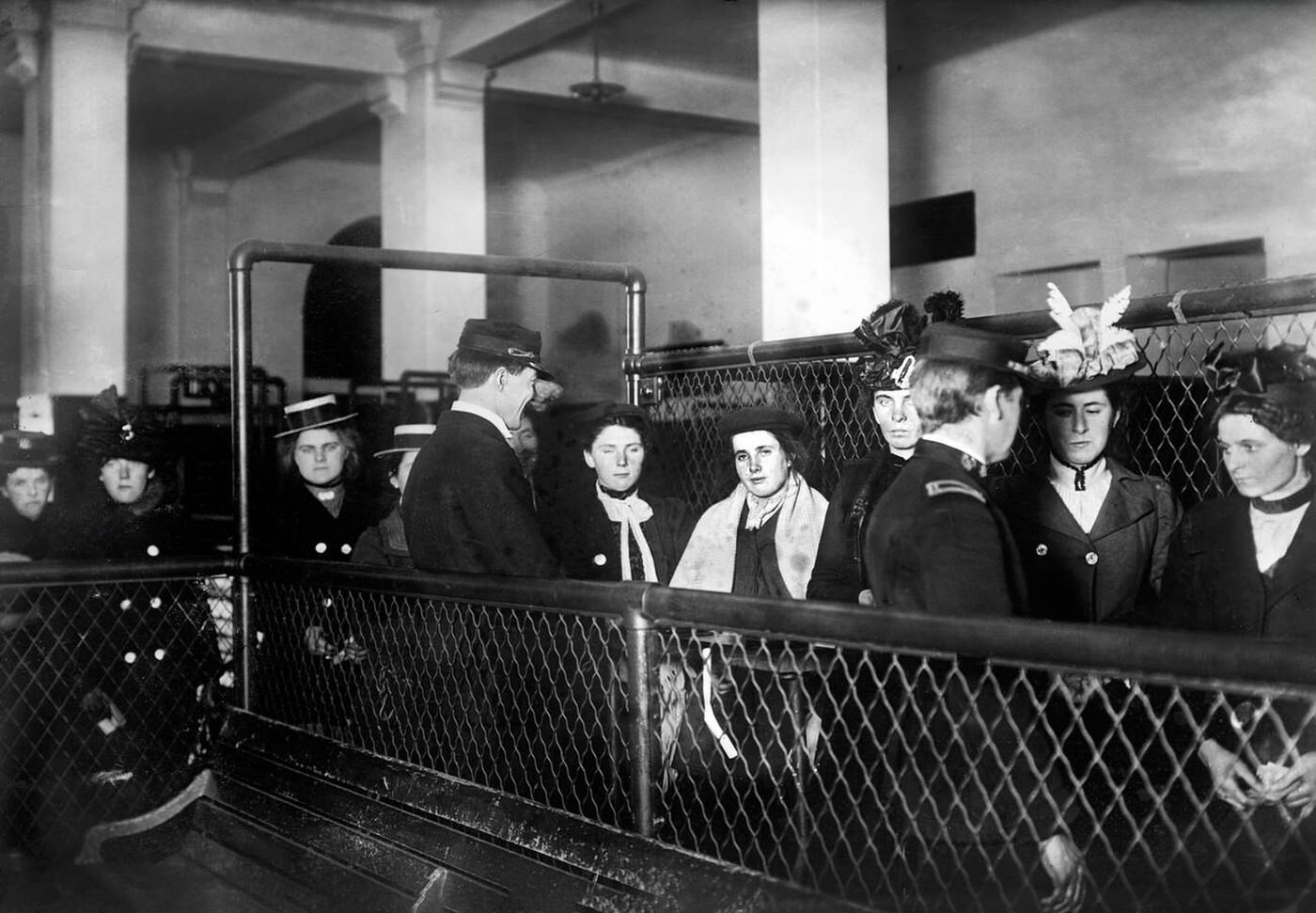
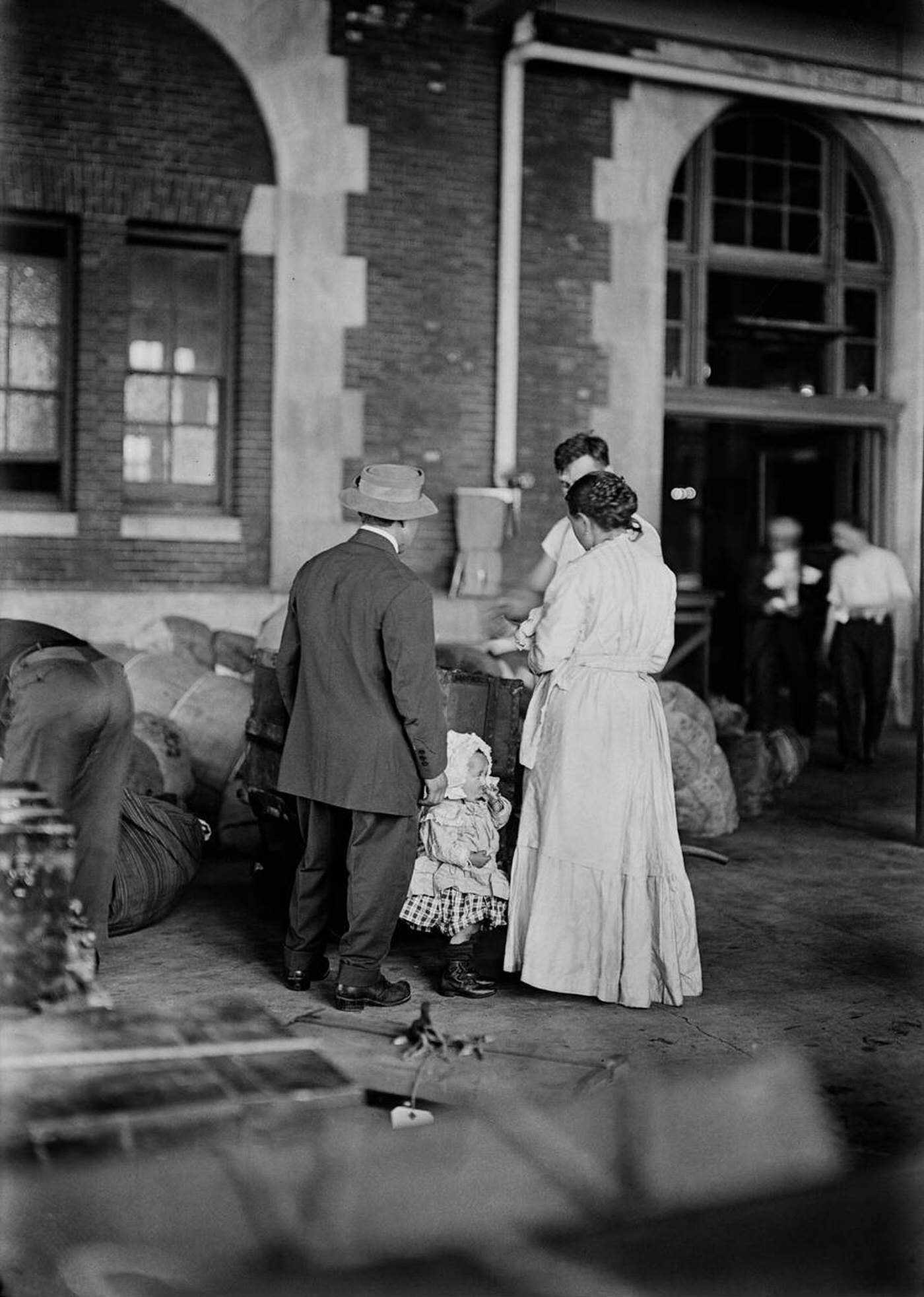
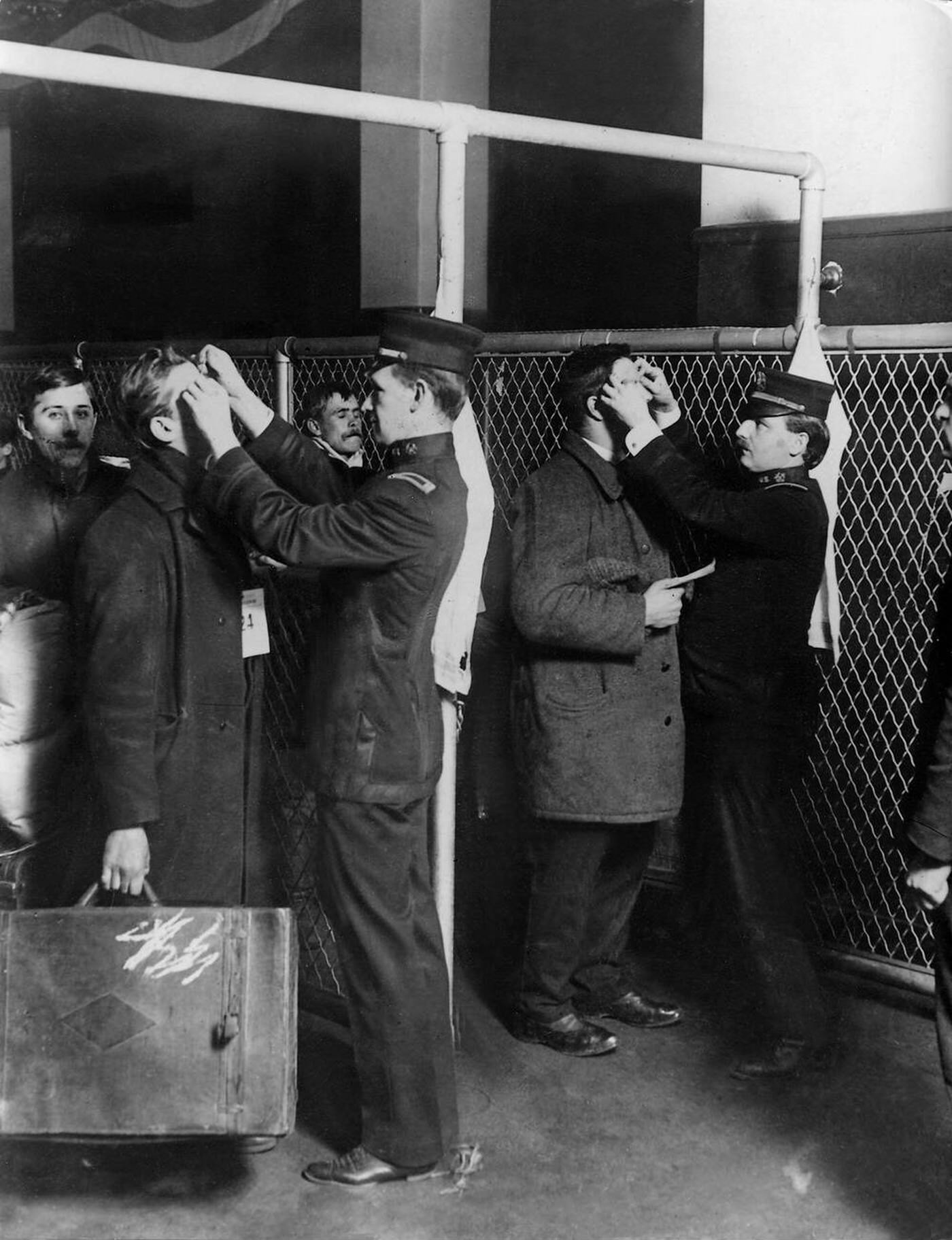
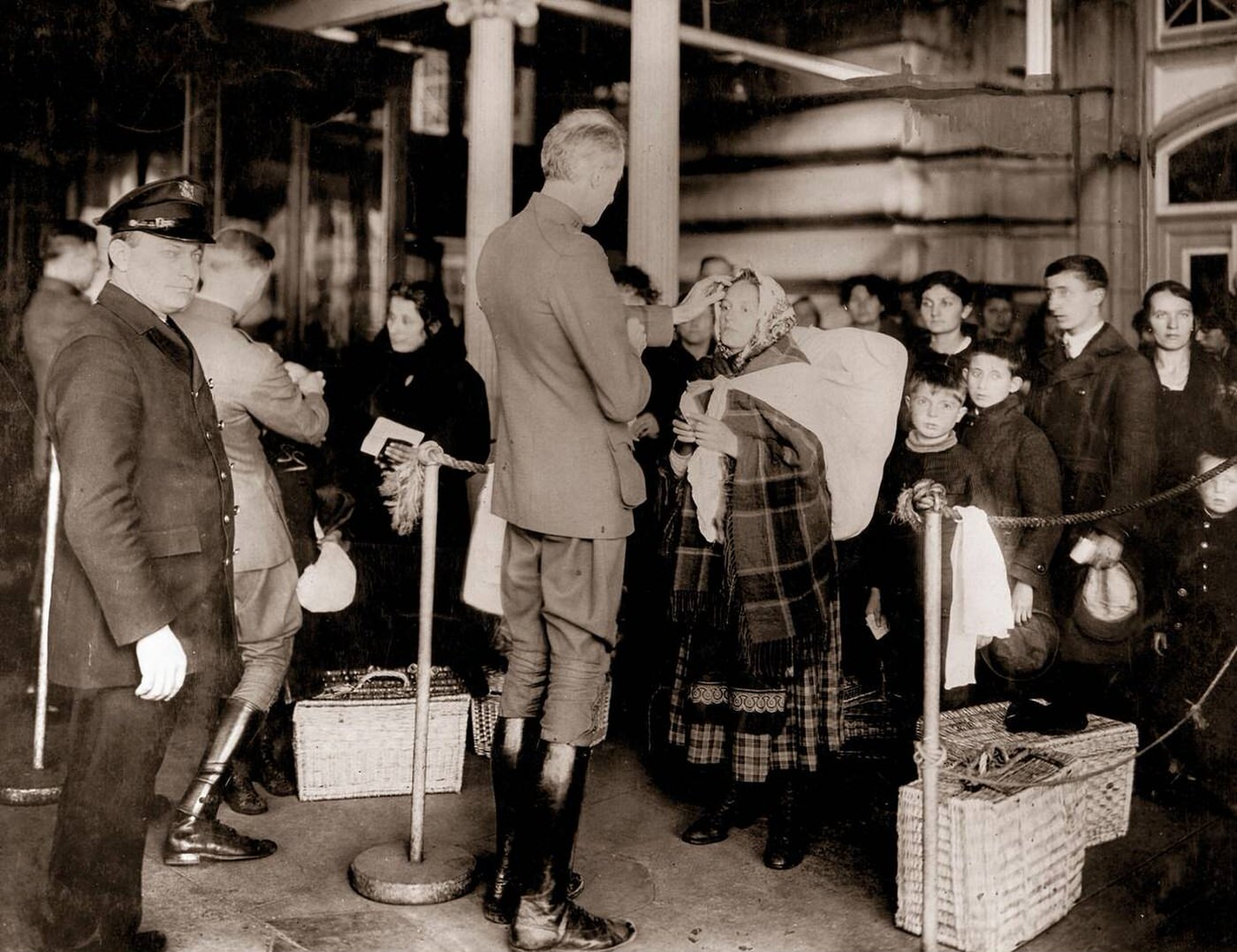
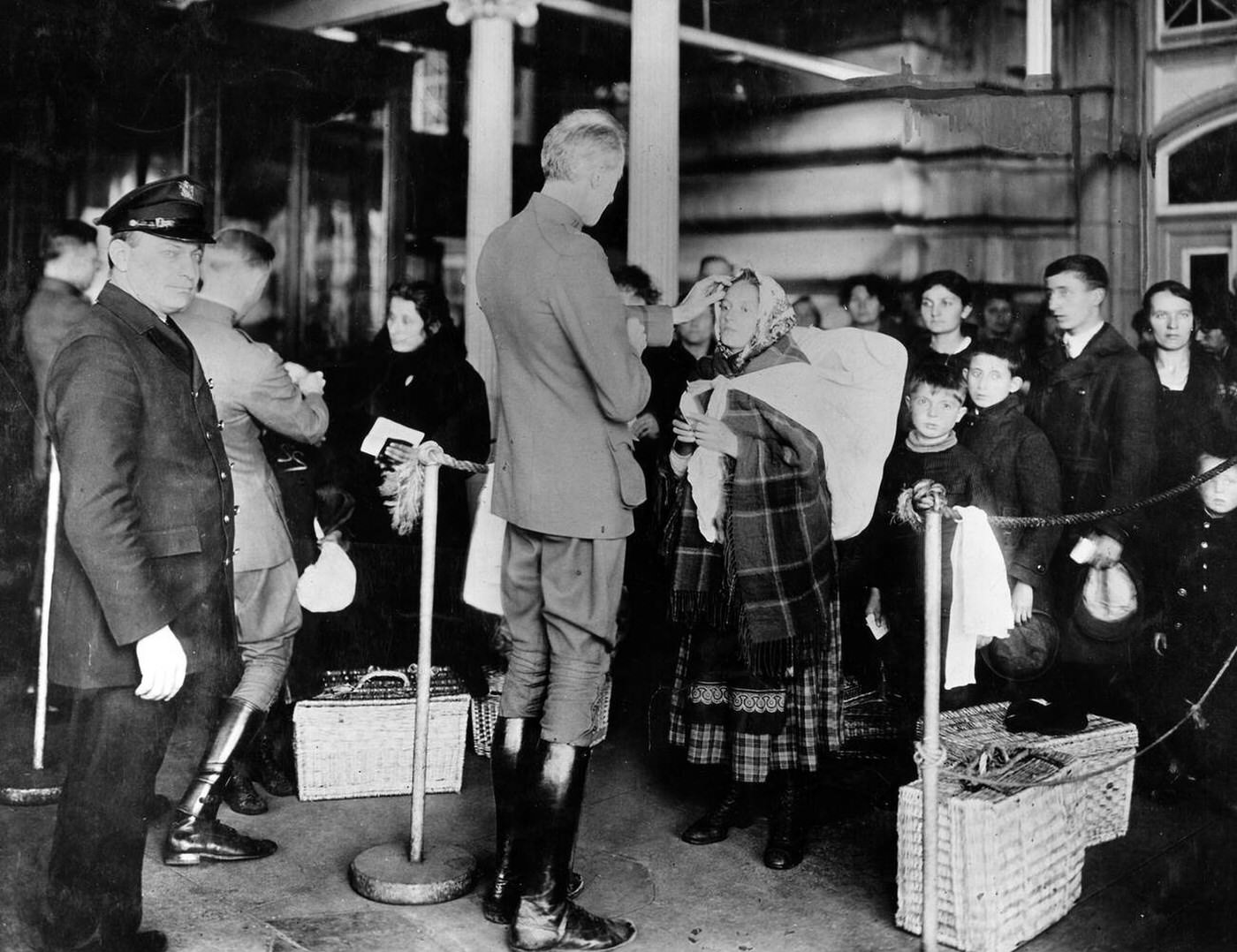
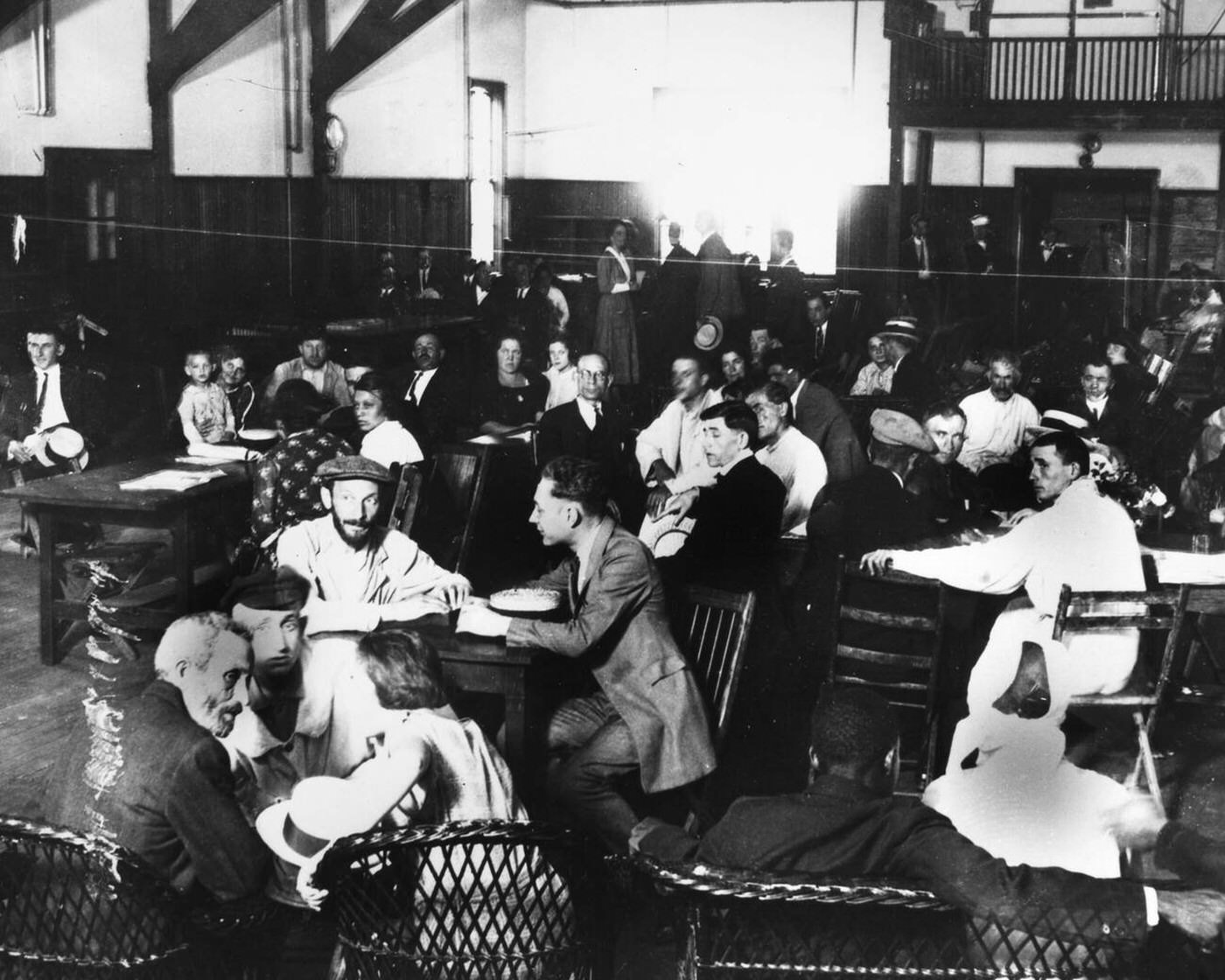
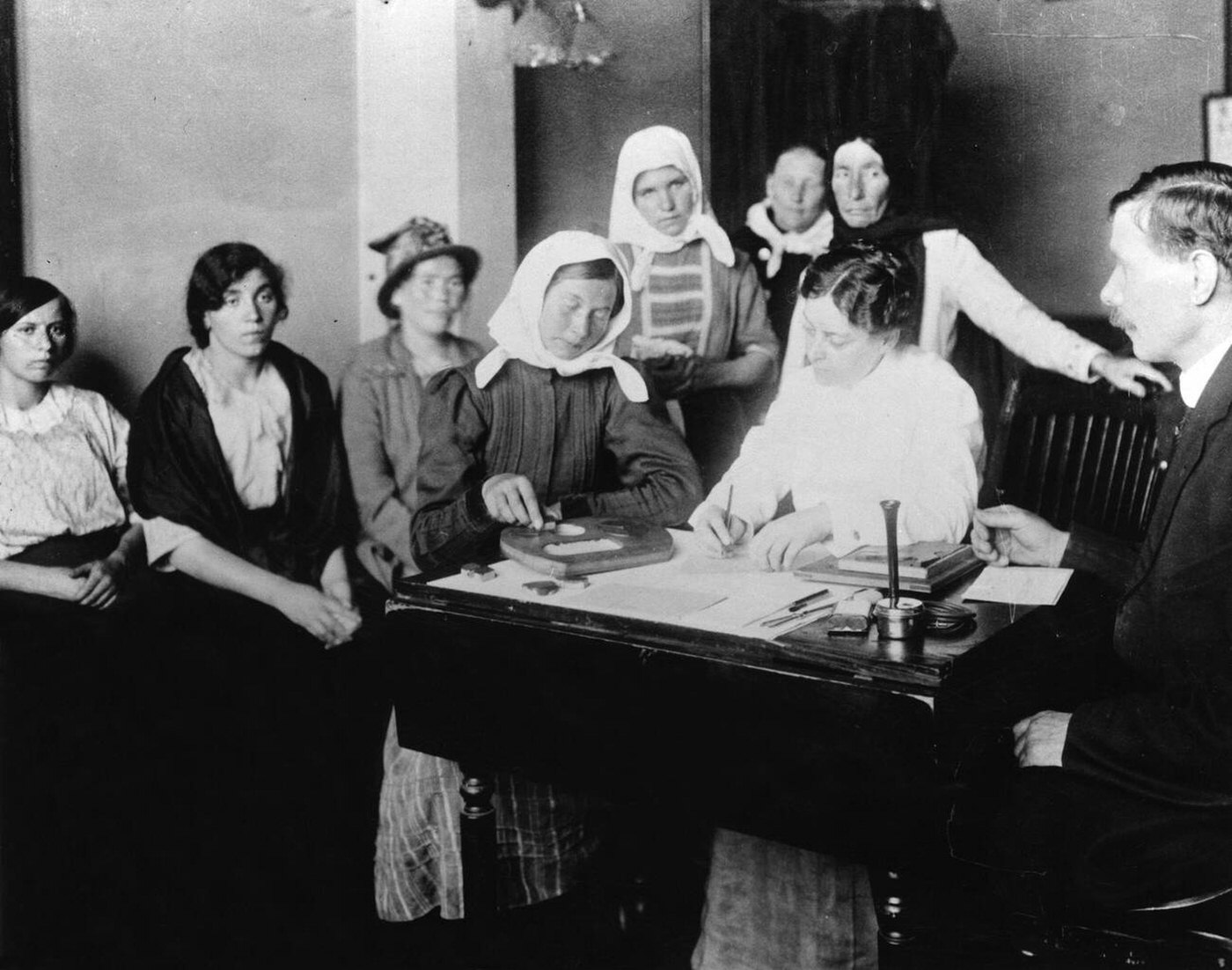
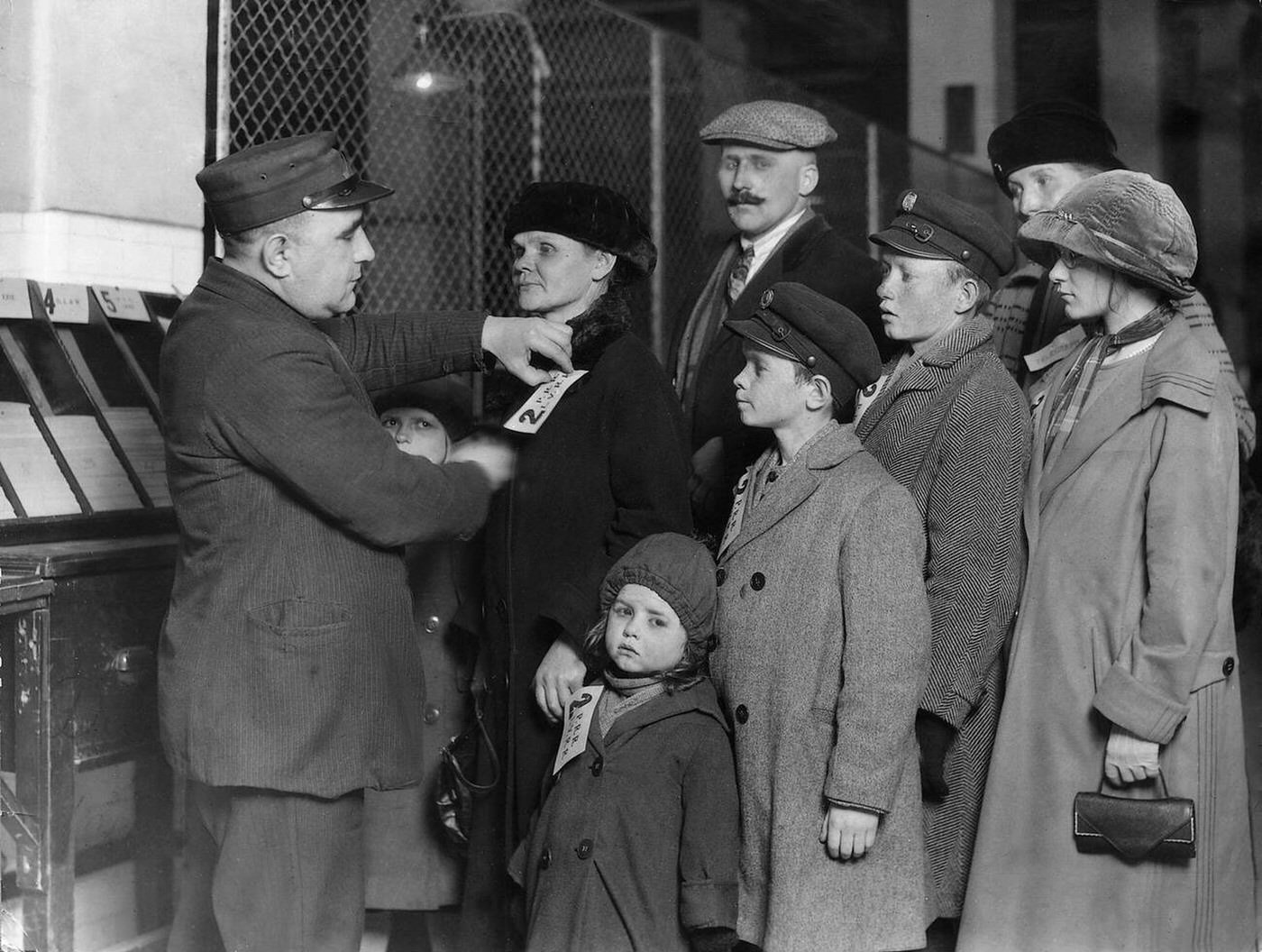
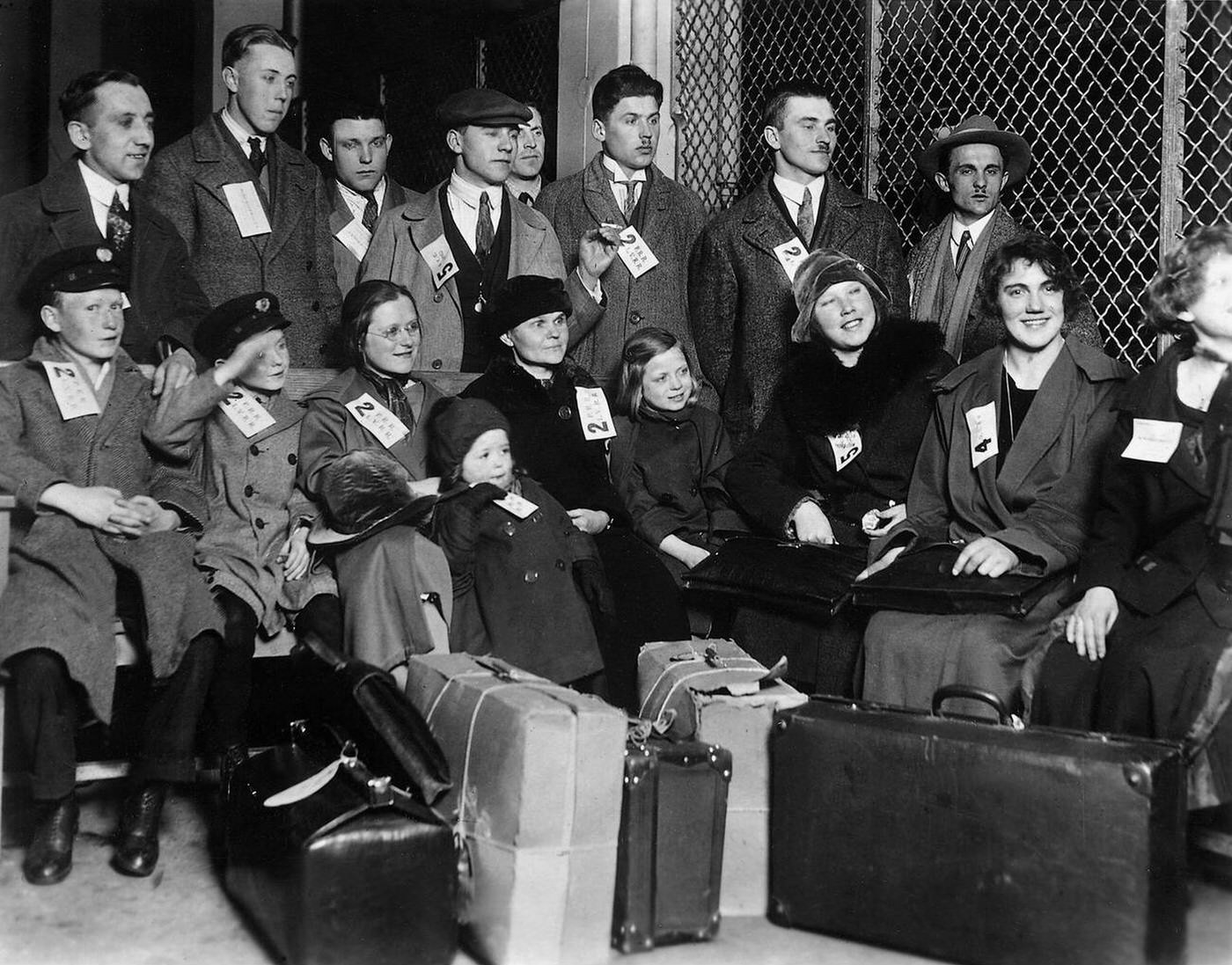
On the island, immigrants were tagged with the same number as their entry on the ship’s manifest. They carried their bags up a staircase to the Great Hall, a massive room filled with noise, movement, and the smell of thousands of people. Doctors stood at the top of the stairs watching how each person climbed. Limping, labored breathing, or signs of mental confusion got a chalk mark on a person’s coat — E for eyes, L for lameness, X for suspected mental illness.
Read more..
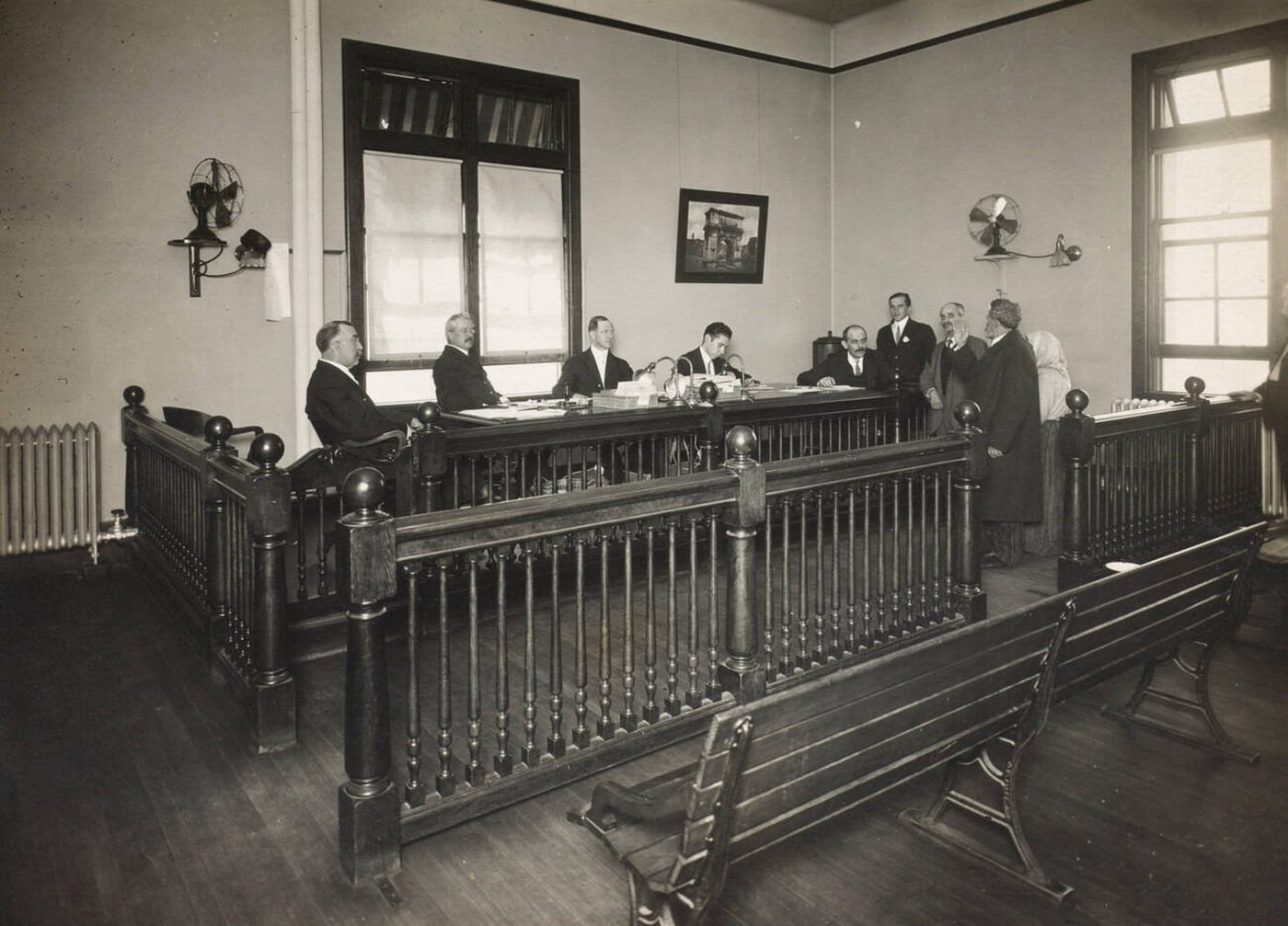
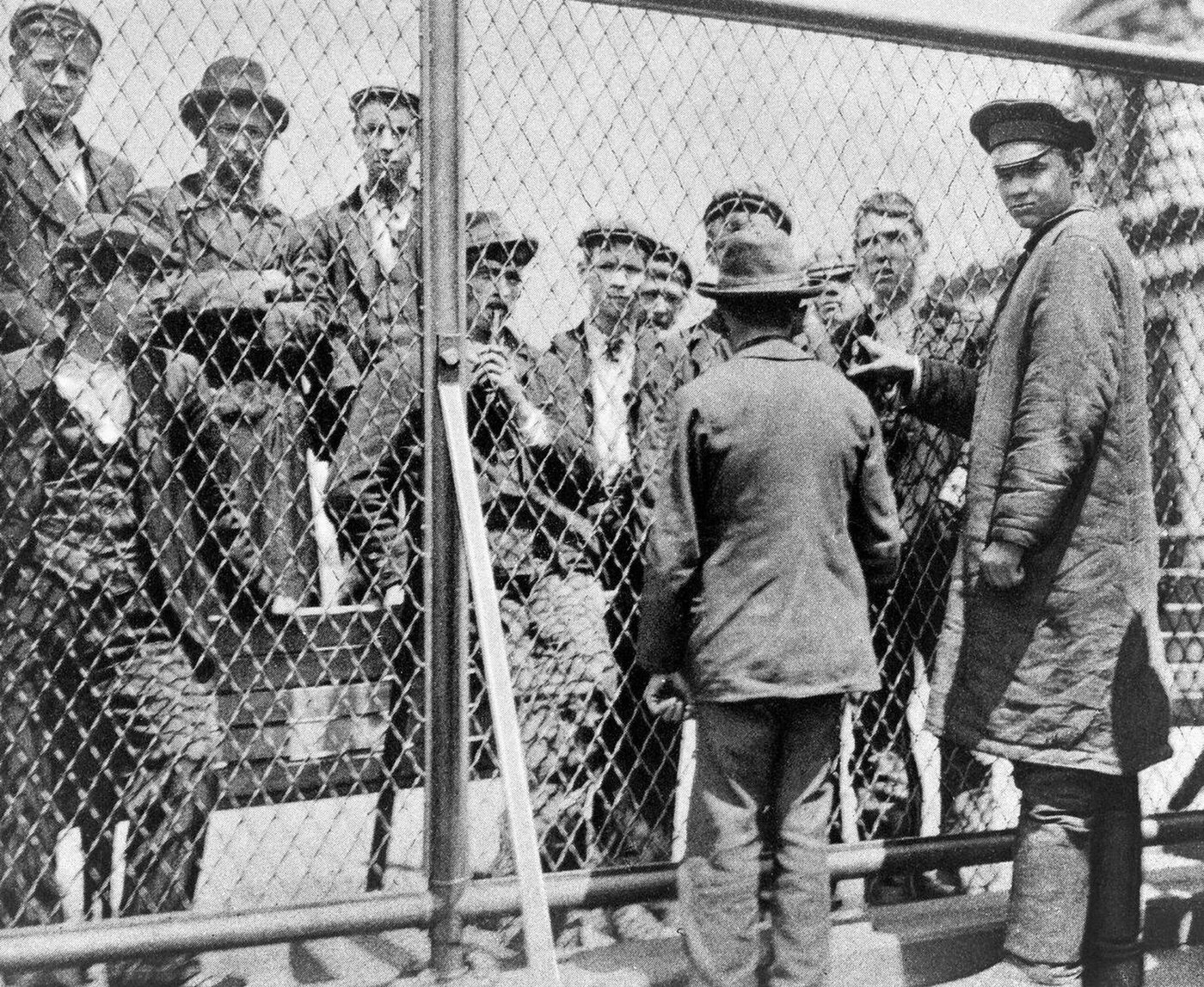
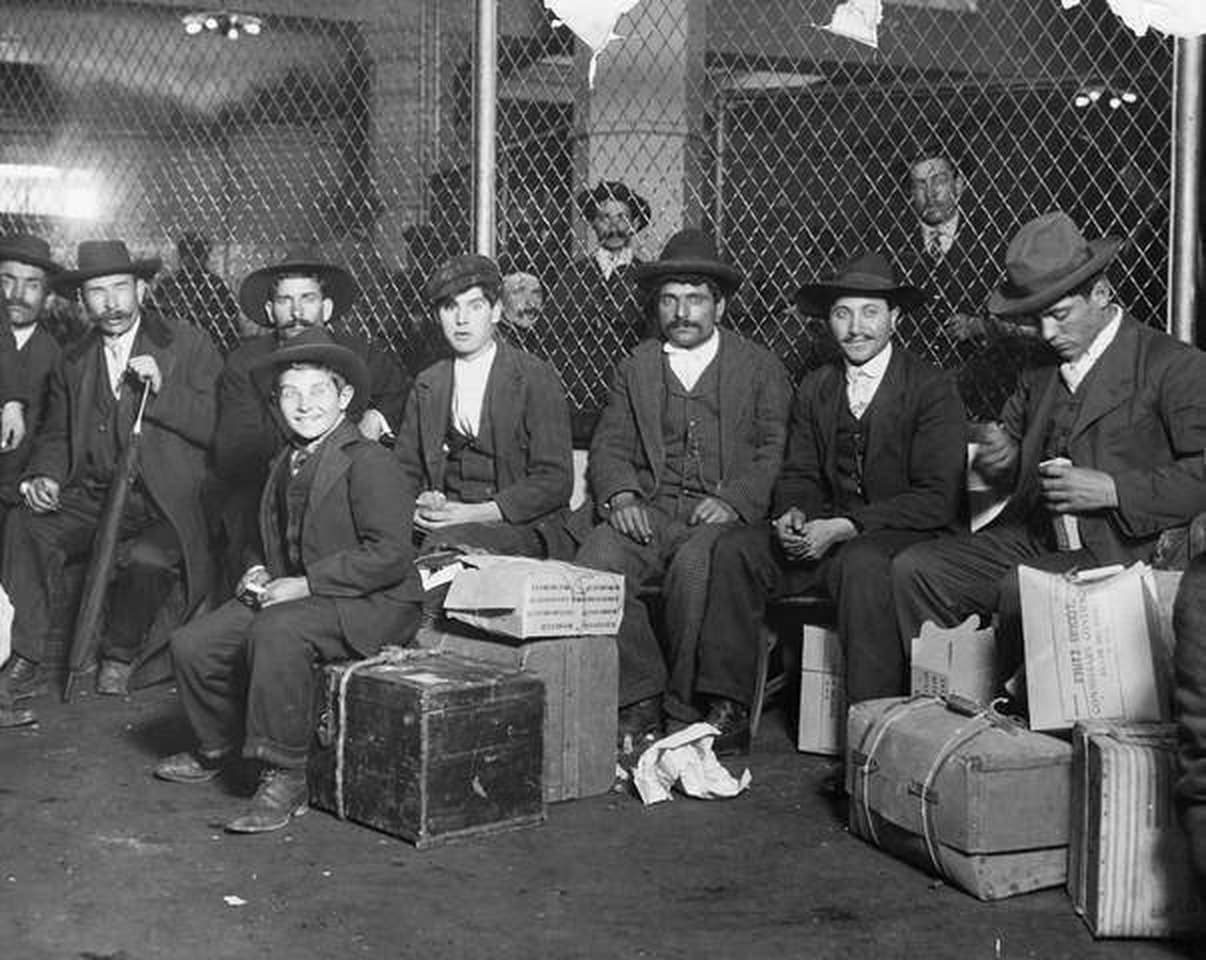
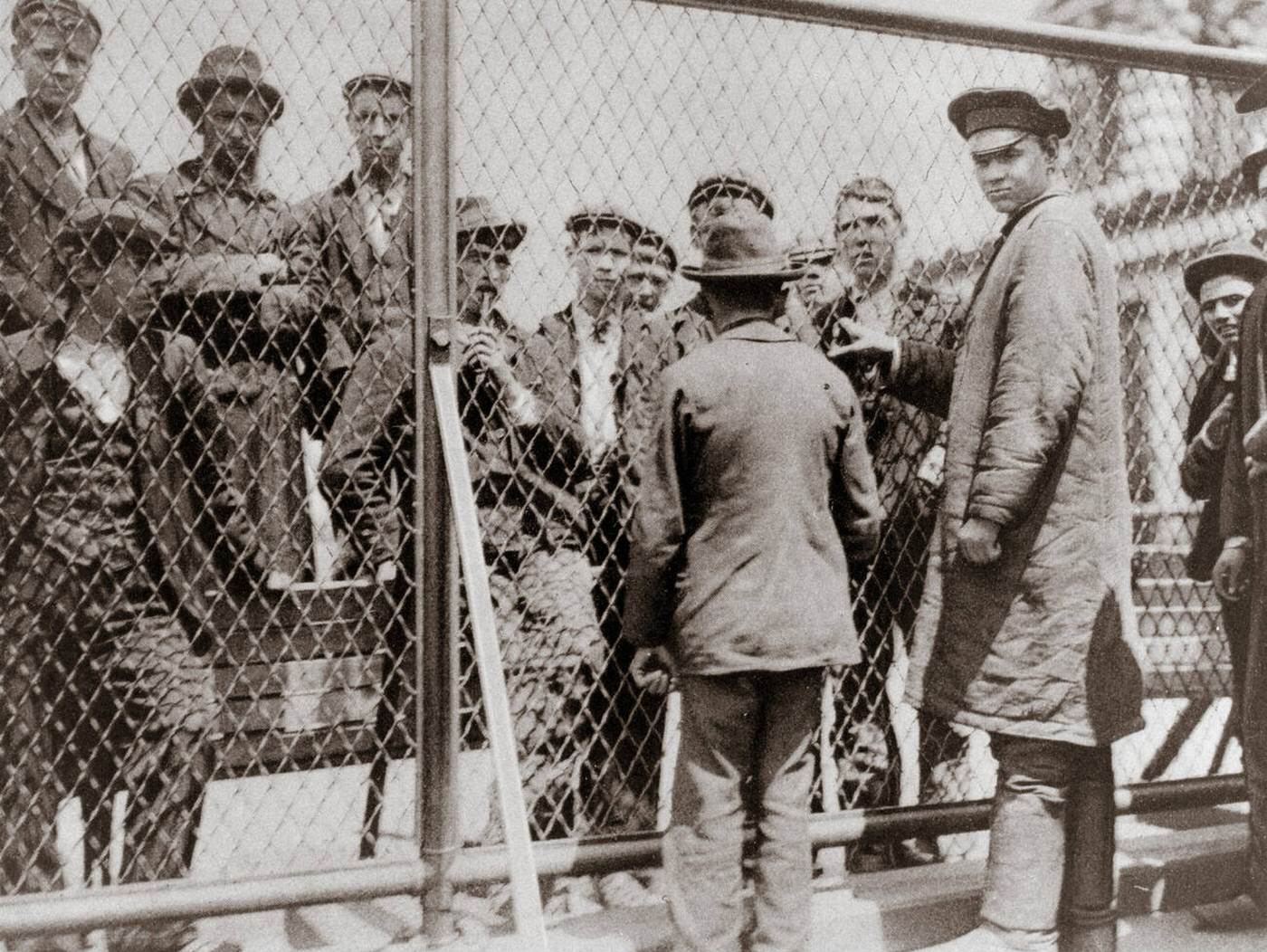
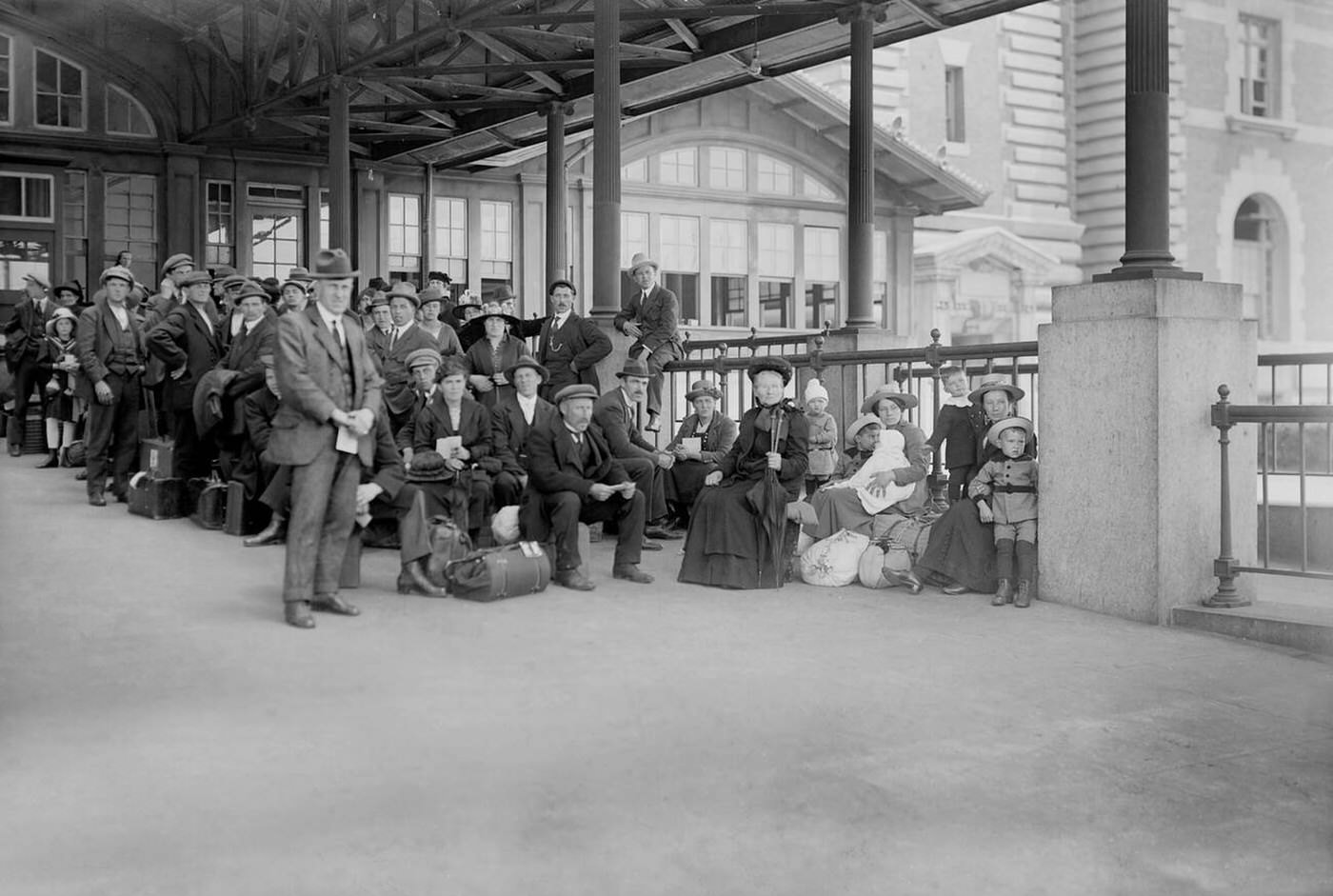
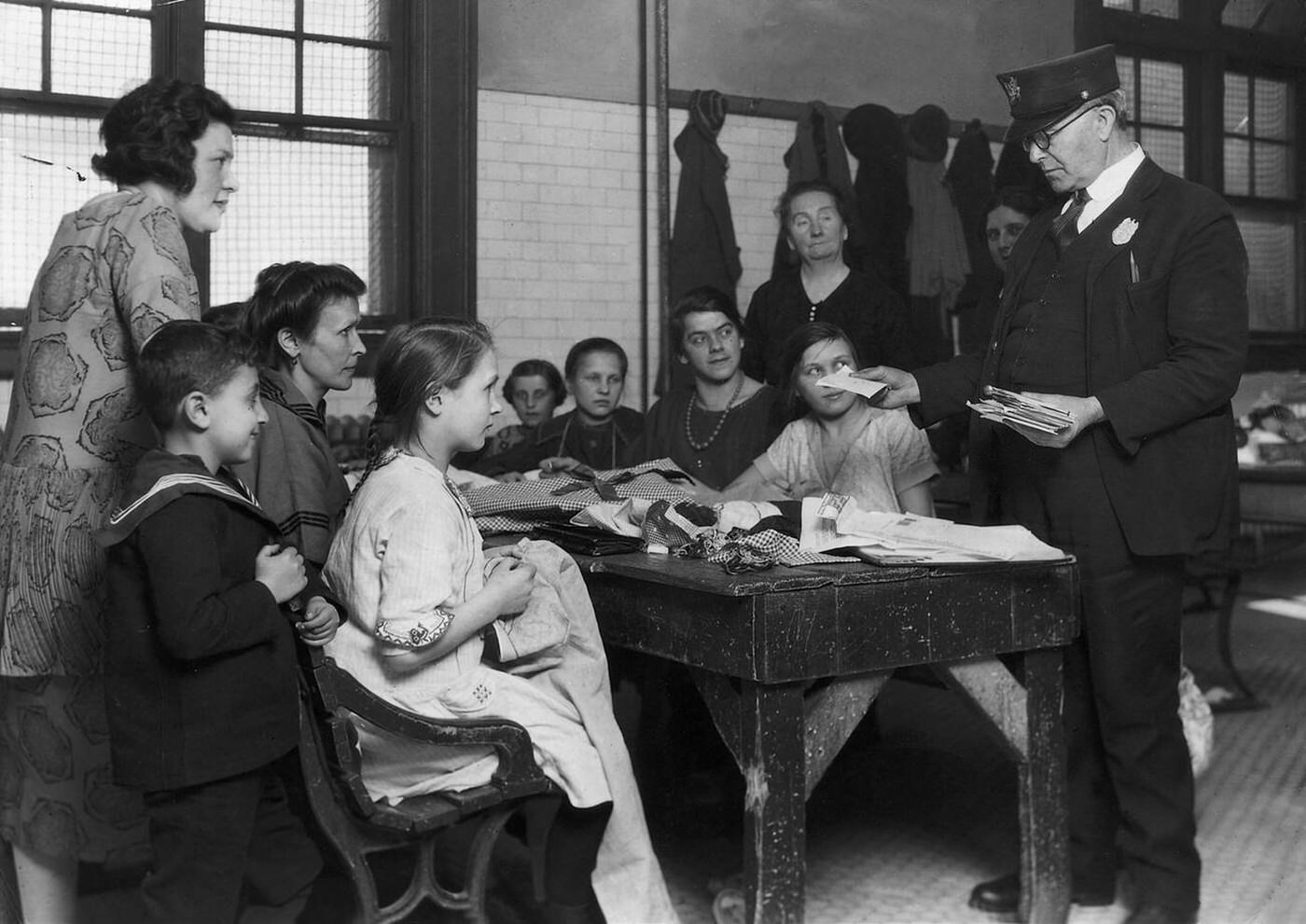
Those with chalk marks were pulled aside for further examination. About 20% of arrivals were detained for additional medical or legal review. Some were held for days or weeks.
The Inspection Process
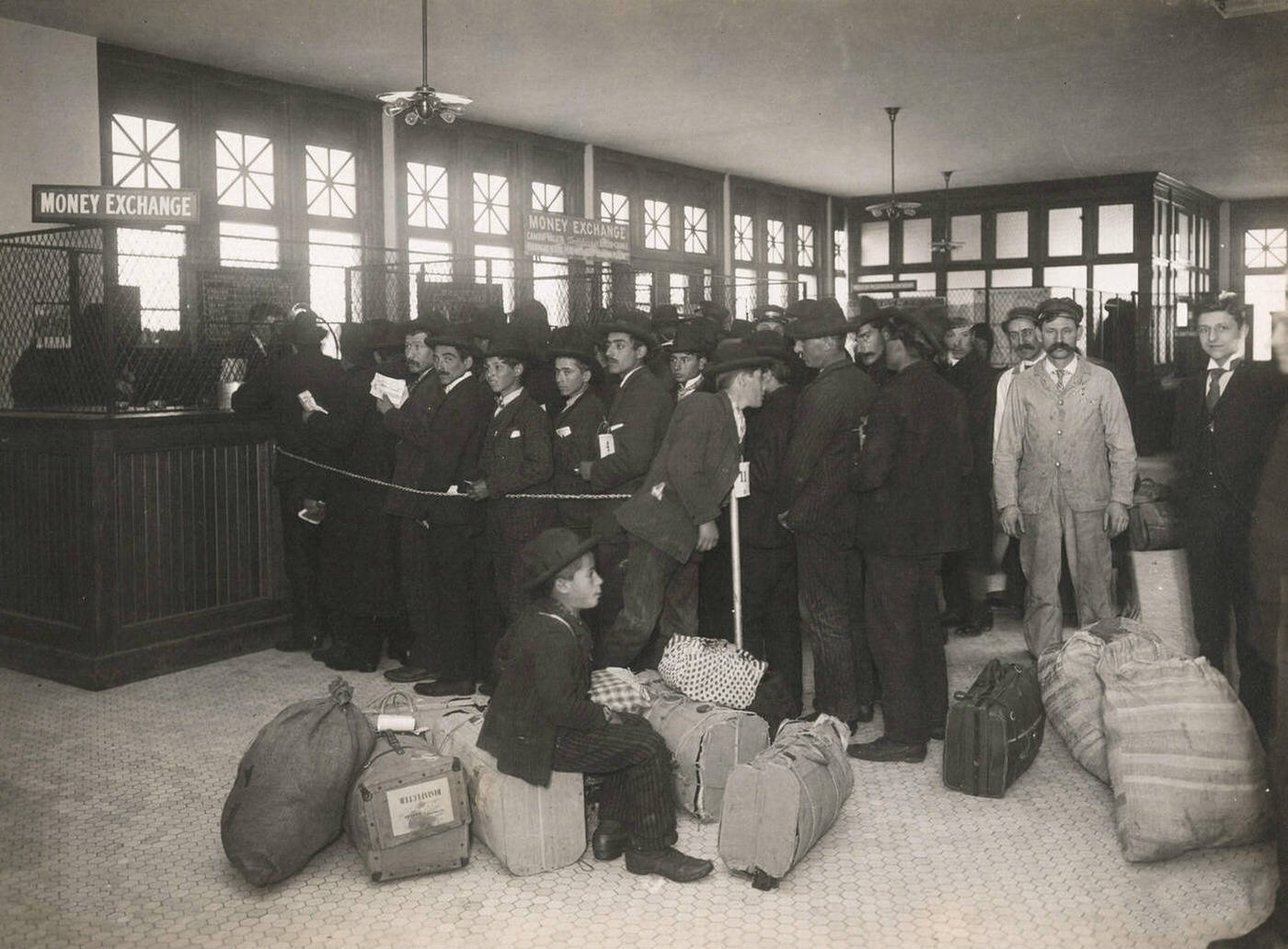
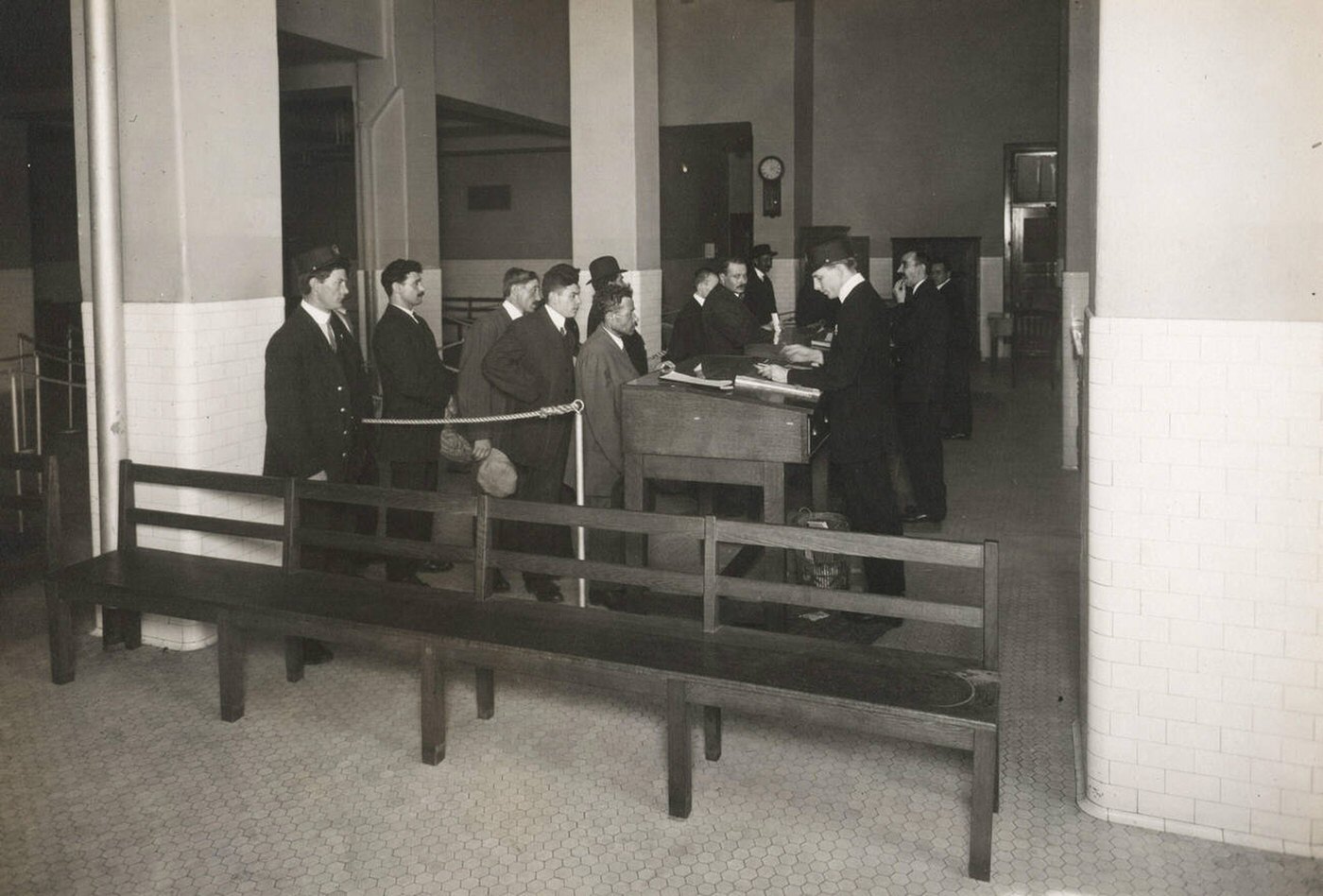
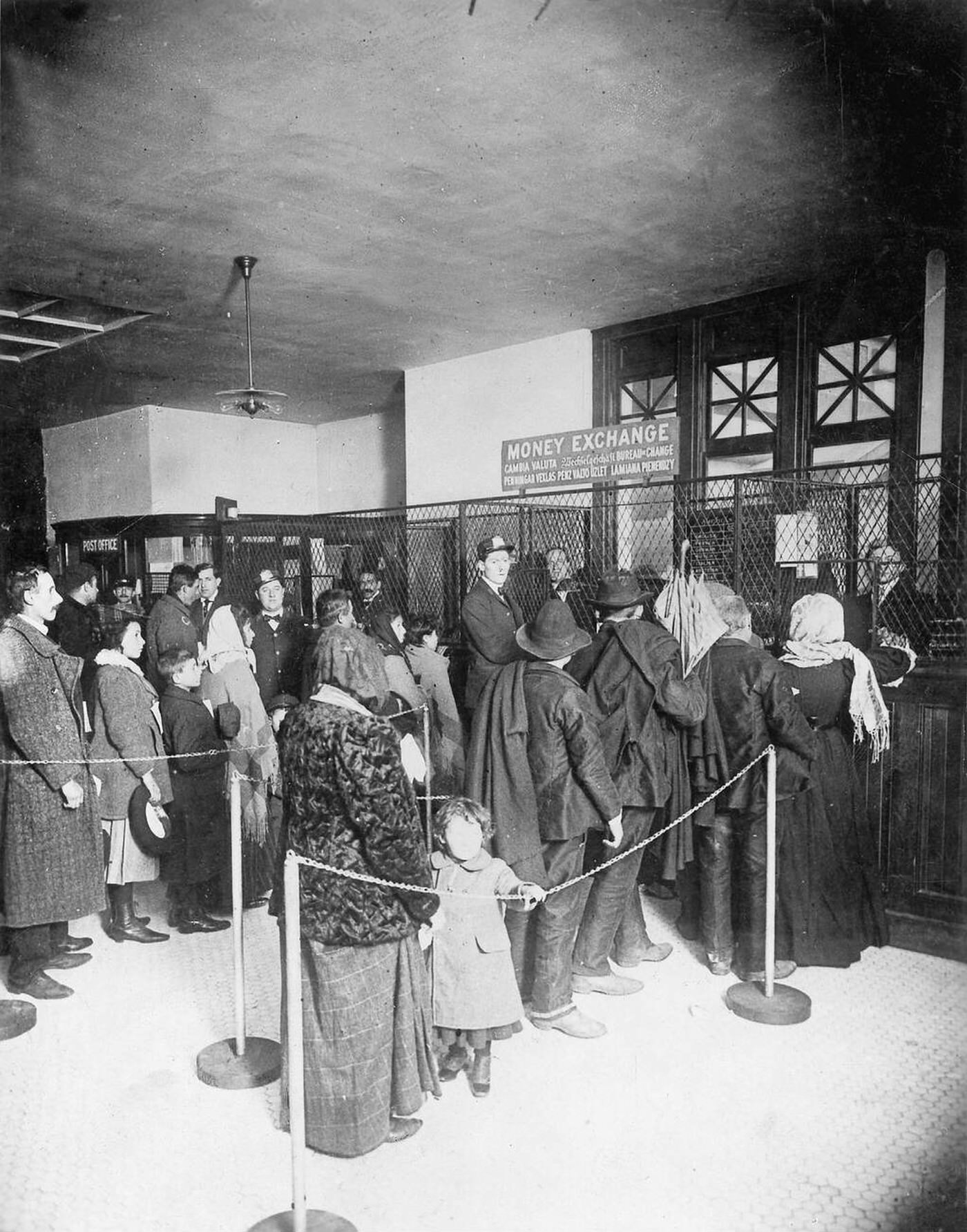
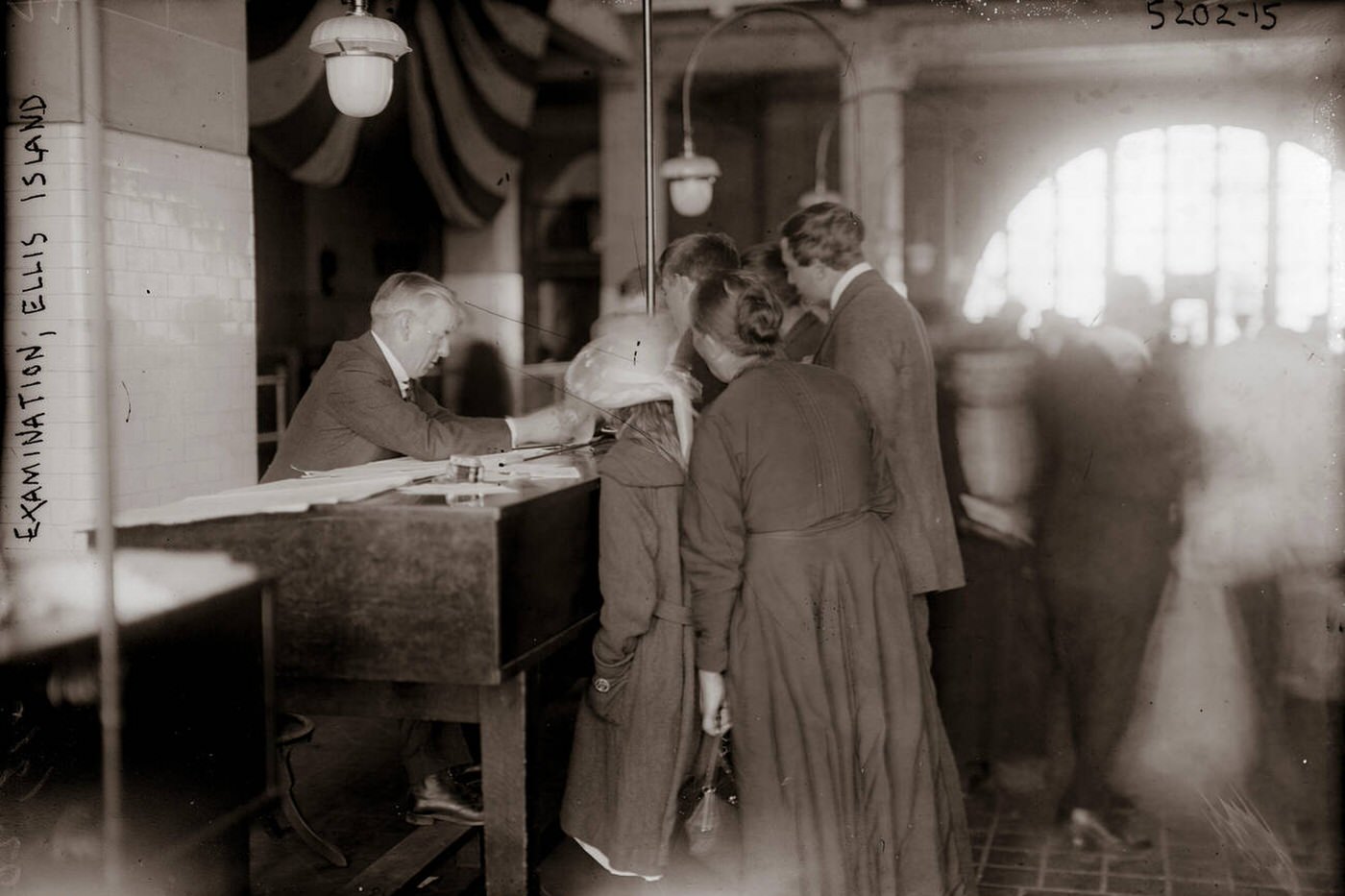
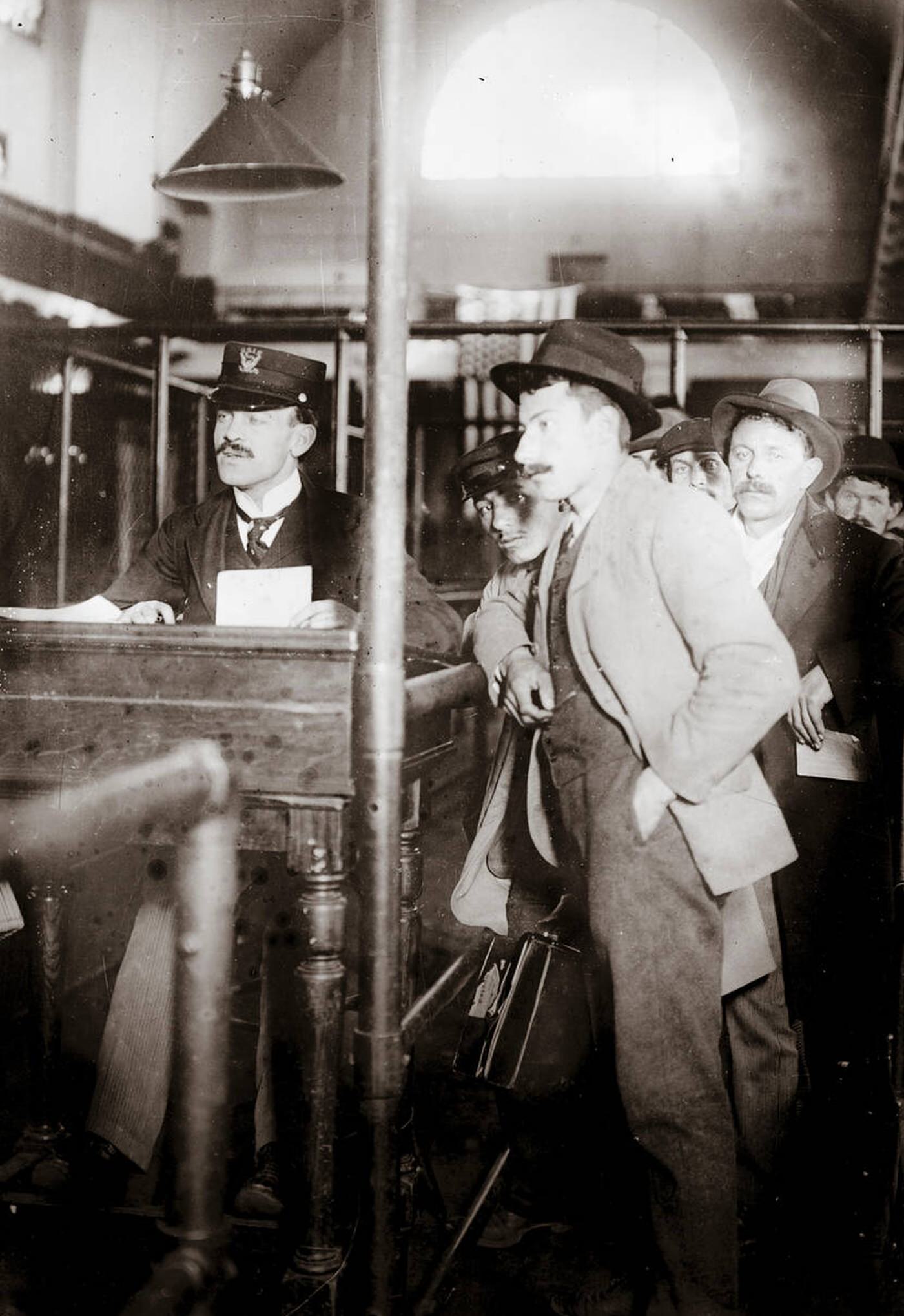
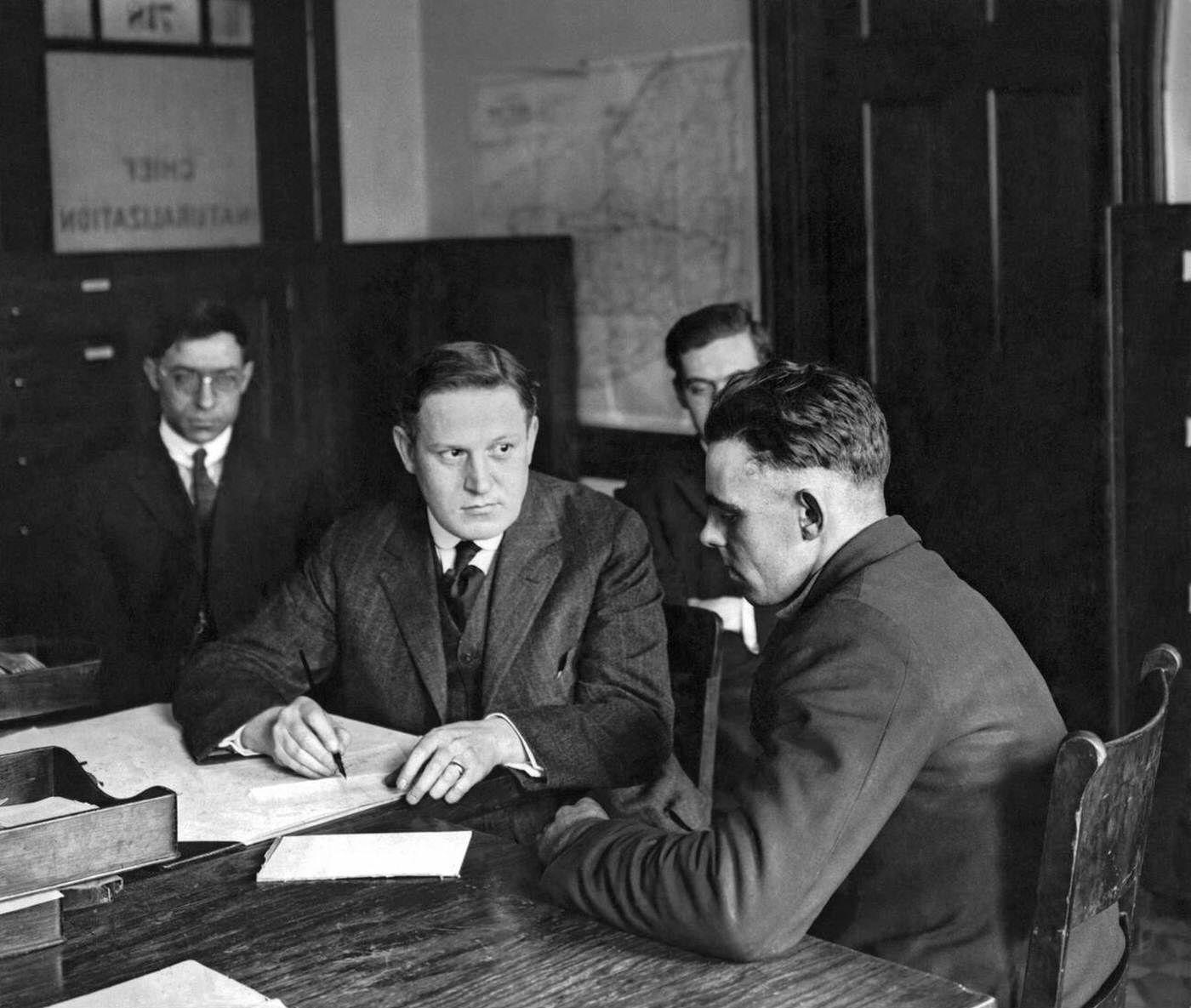
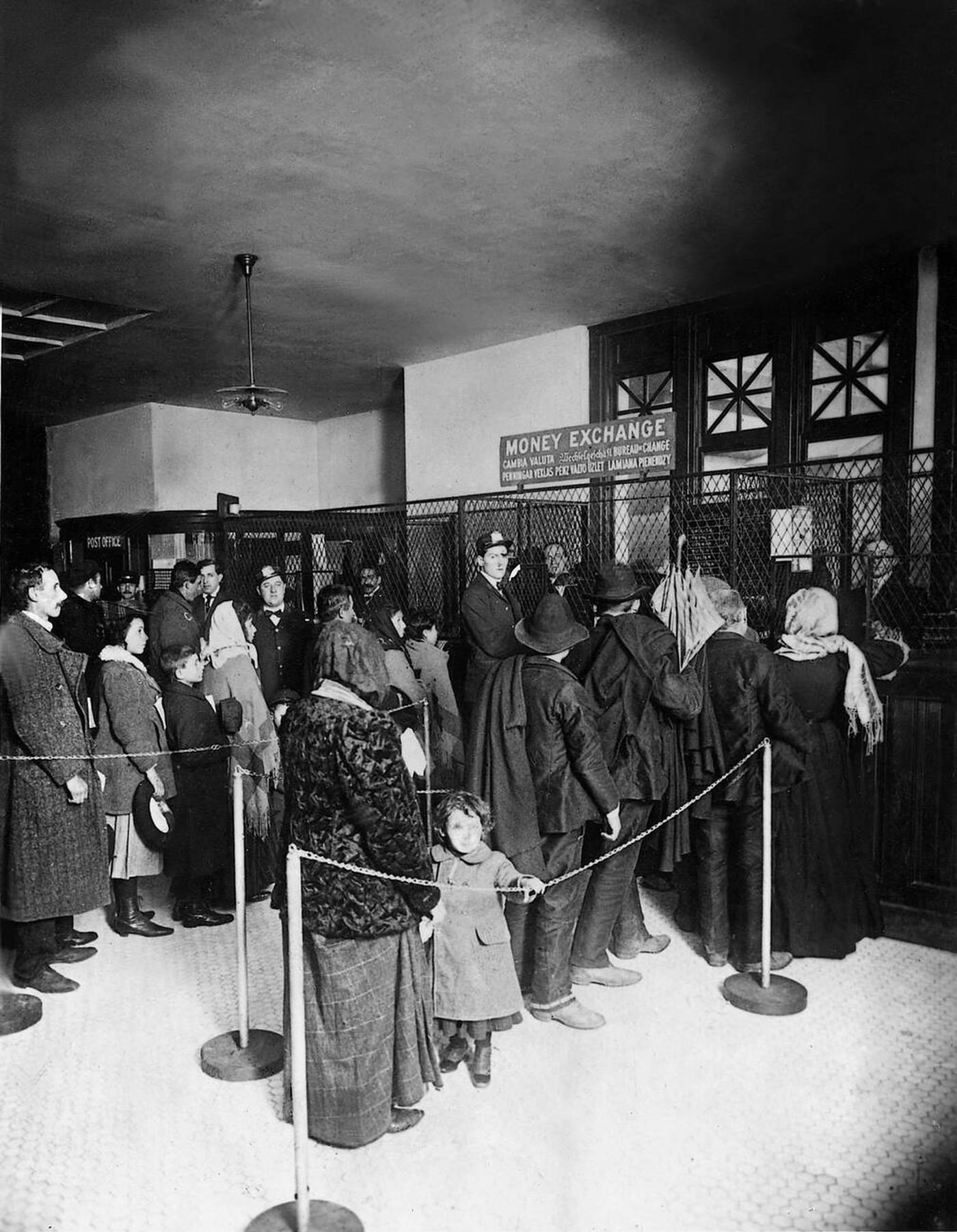
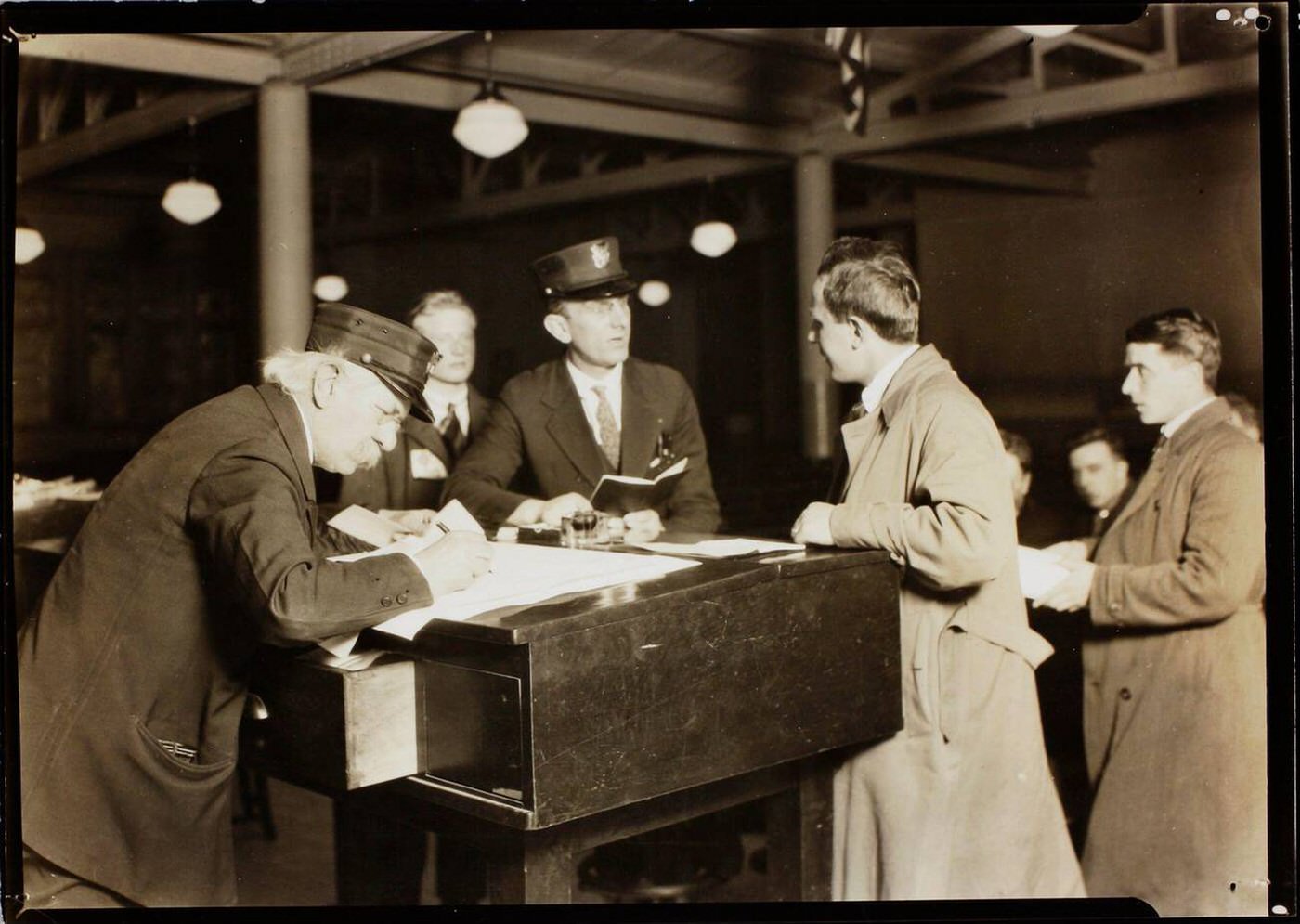
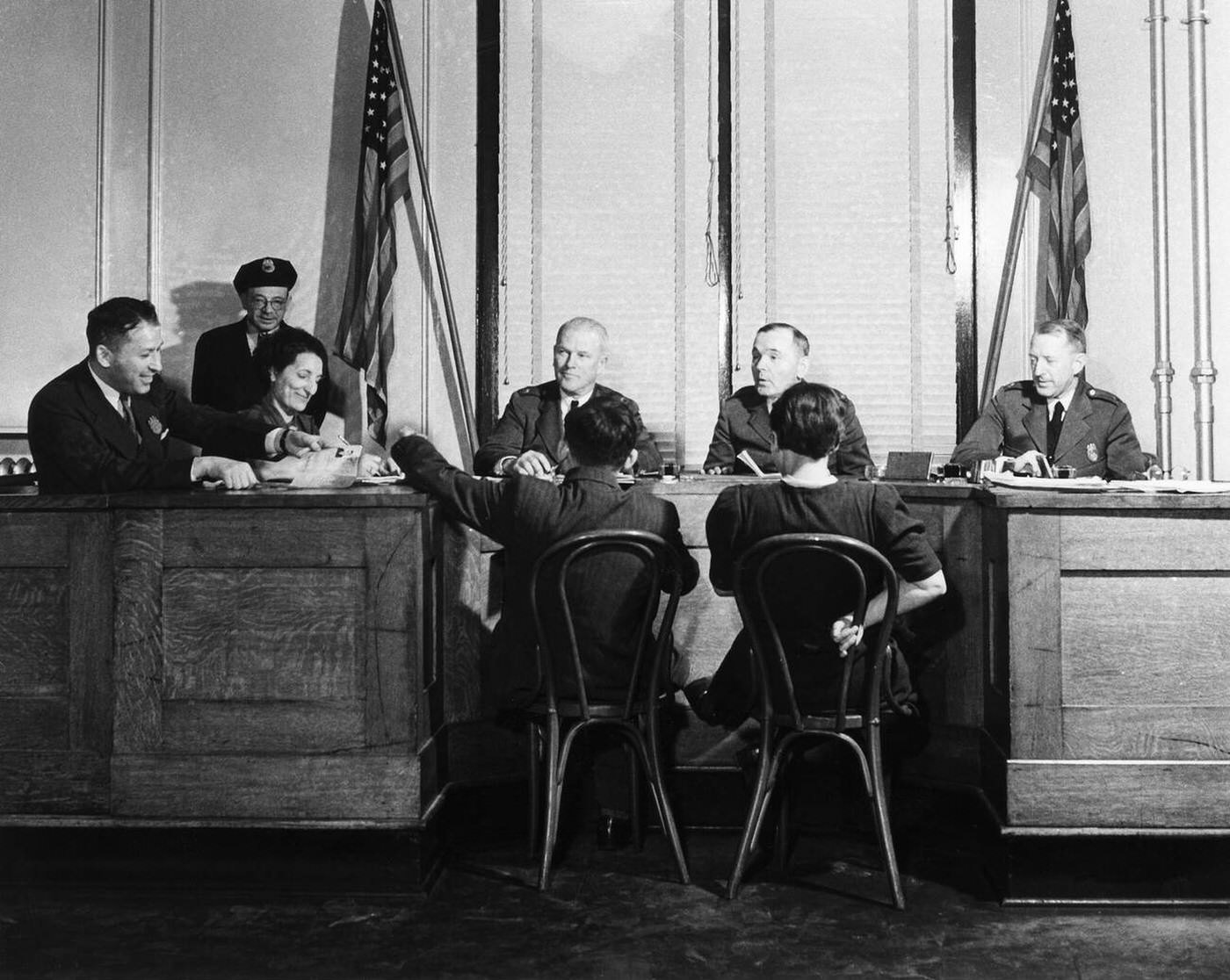
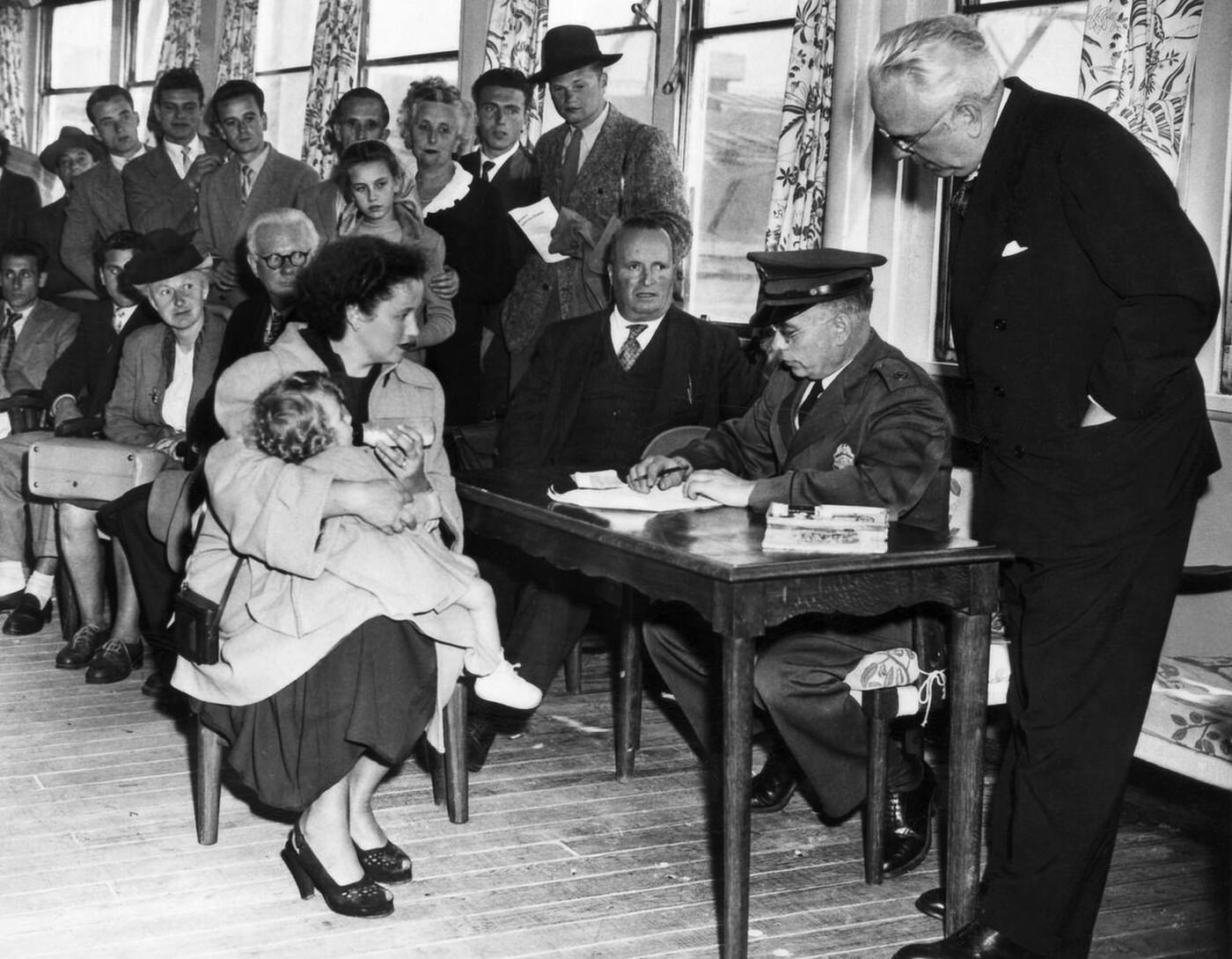
The legal inspection was just as intense as the medical one. Registry clerks asked each immigrant 29 questions: Where are you from? Who paid for your ticket? Do you have a job waiting? Do you have money? Immigrants needed to show they could support themselves. Anyone who appeared likely to become a public burden was turned away.
Interpreters helped translate for the dozens of languages spoken on the island. But mistakes happened. Last names were sometimes changed — not because inspectors rewrote them, but because immigrants themselves gave simplified versions to avoid spelling complications.
About 2% of all arrivals were deported. They were sent back on the same ships they arrived on, often separated from family members who had been cleared to enter.
Life Inside the Station
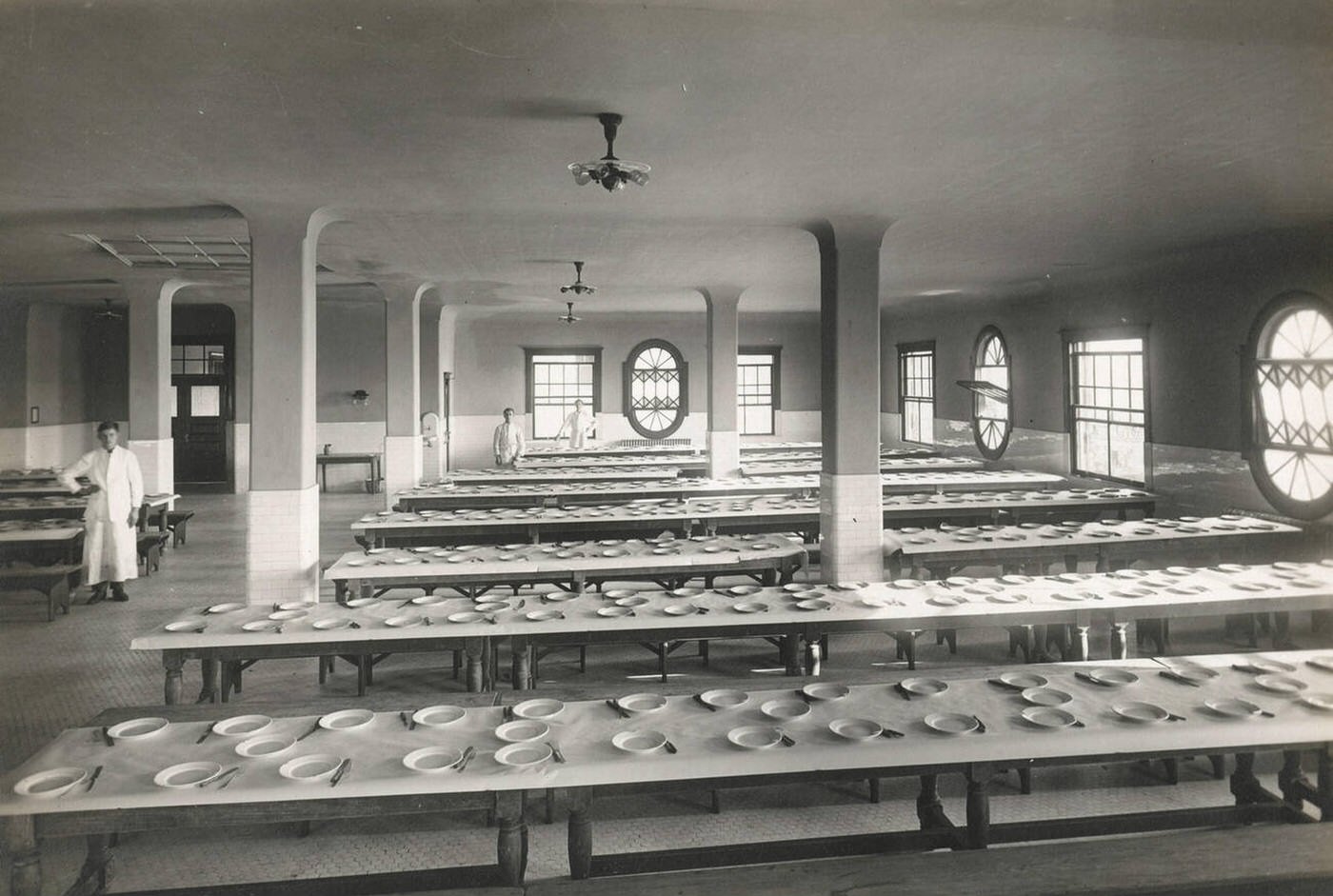
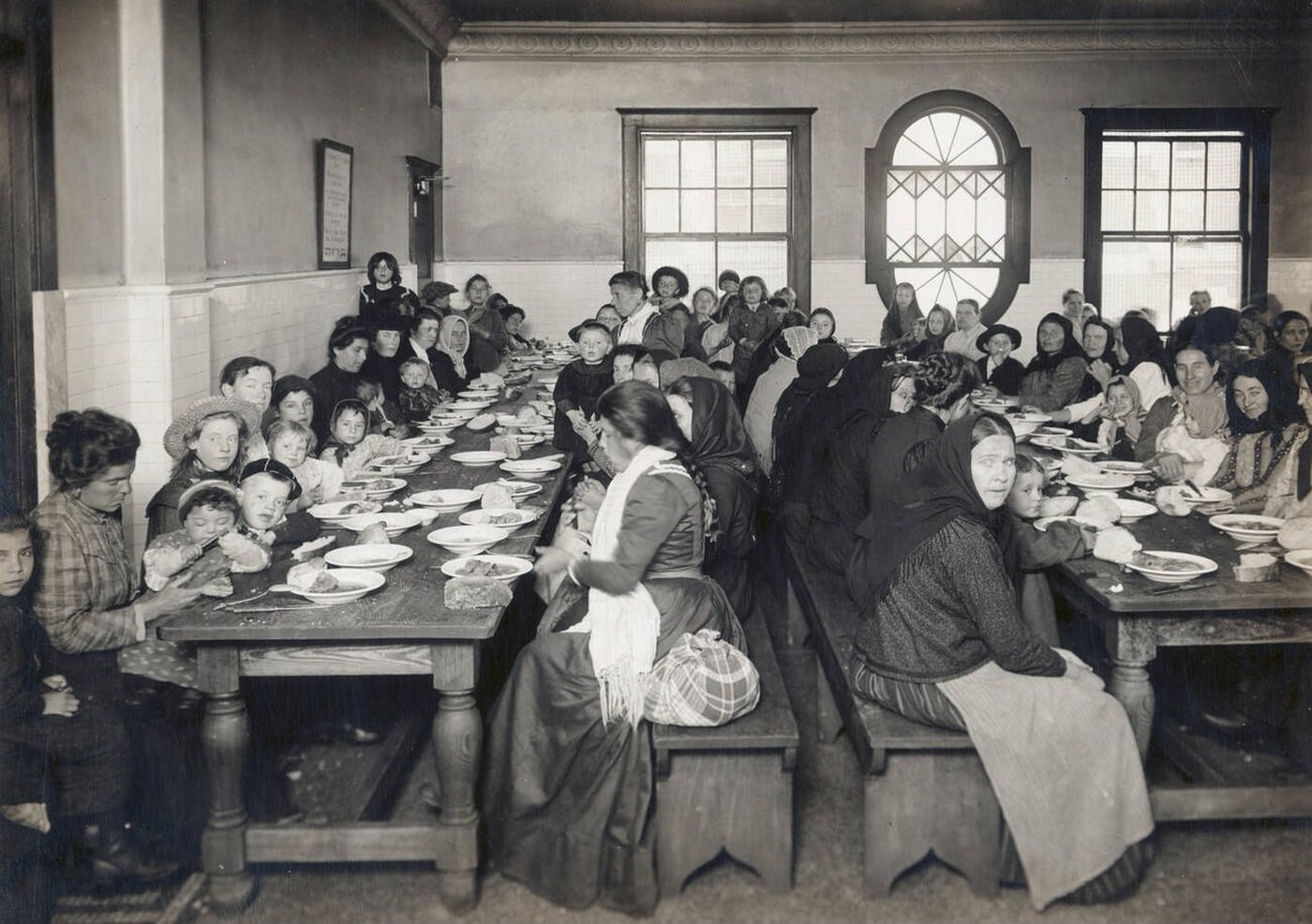
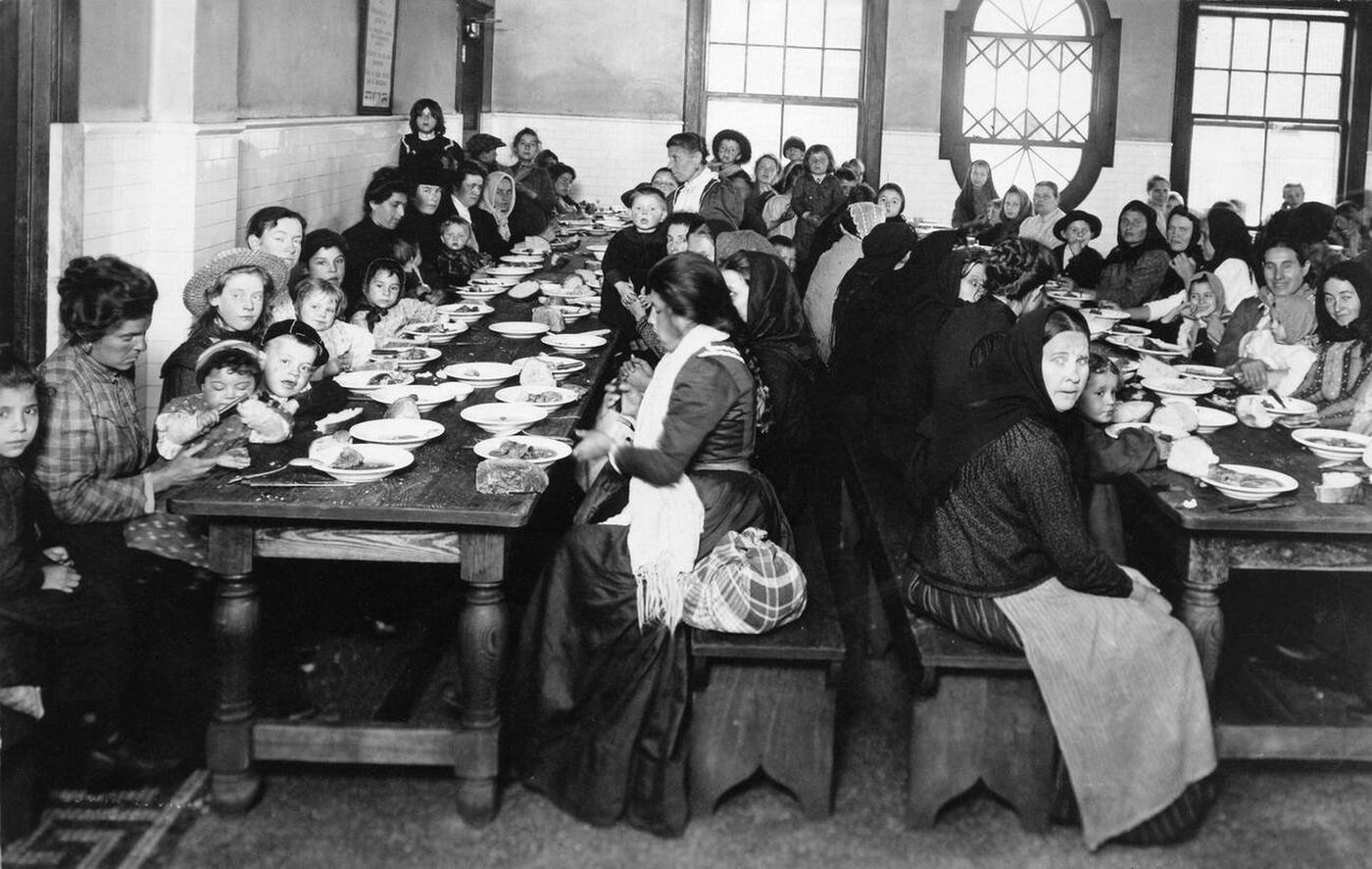
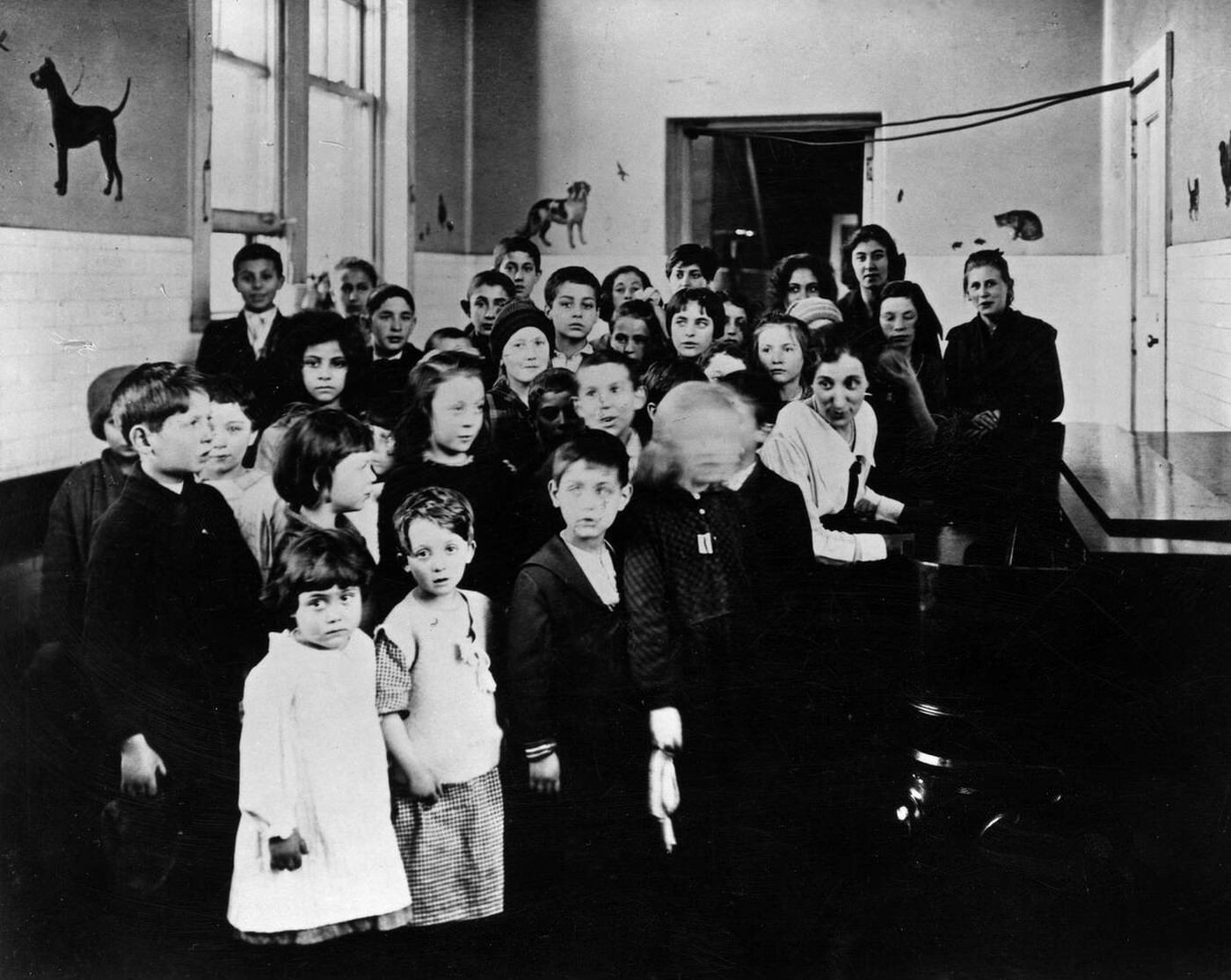
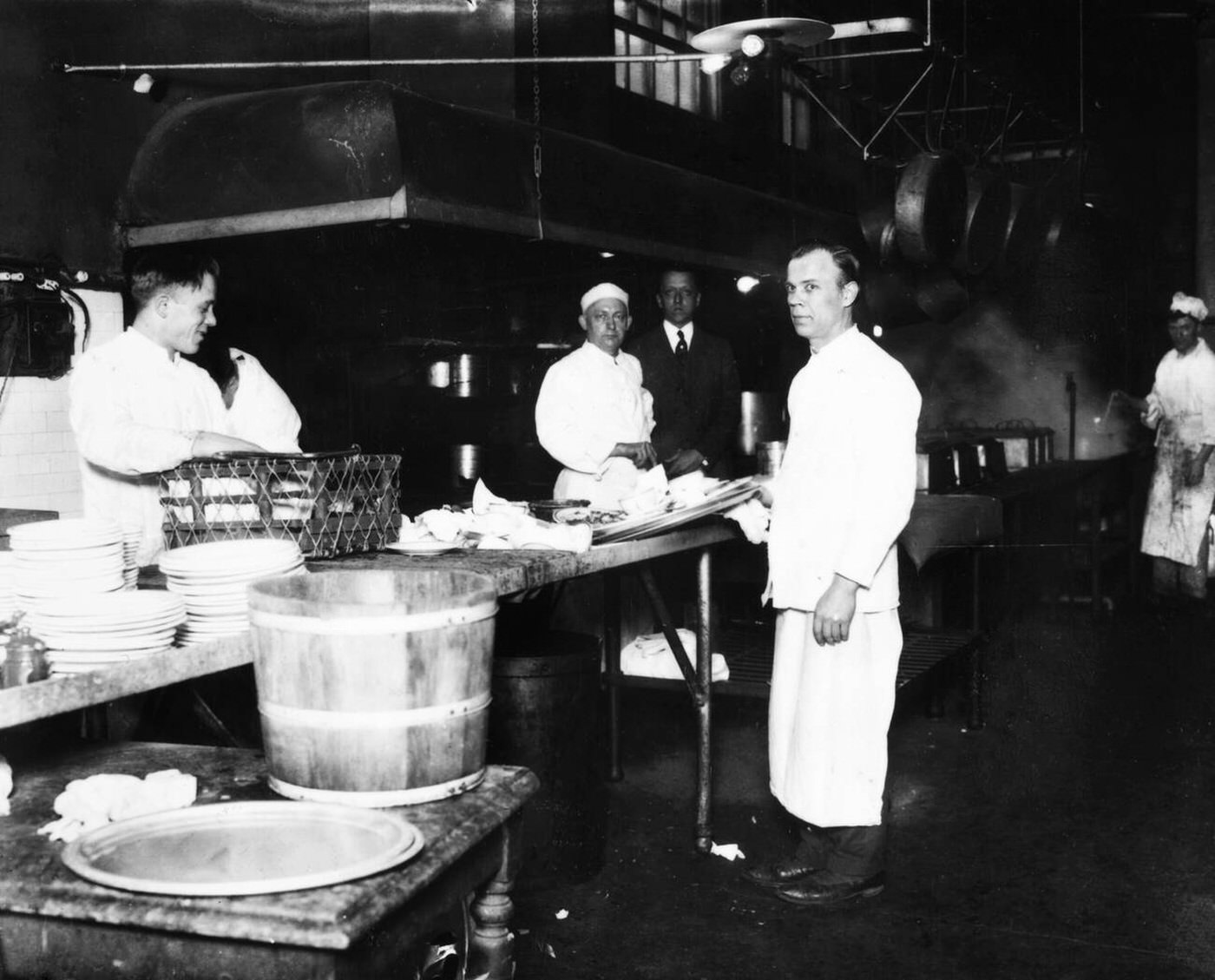
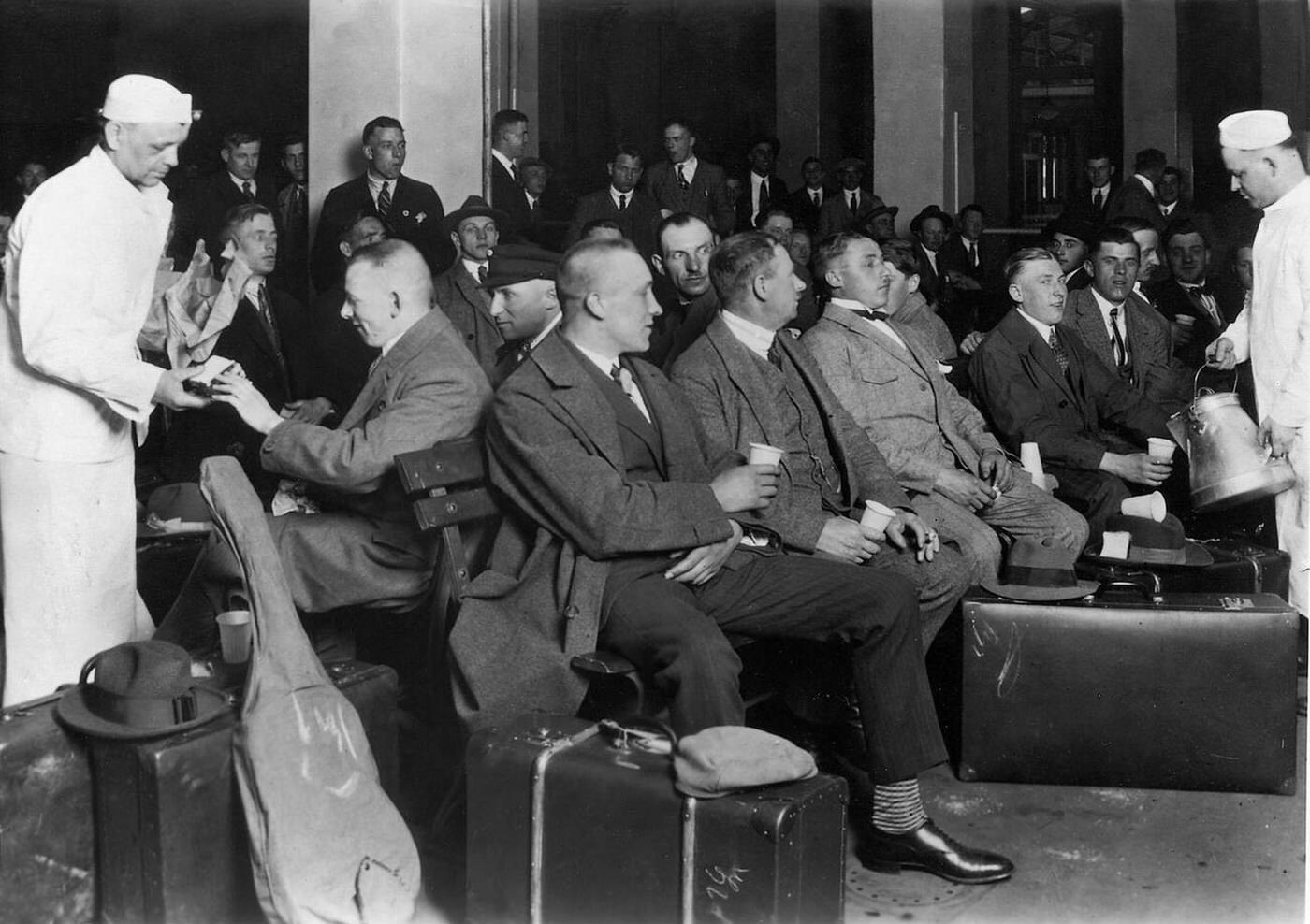
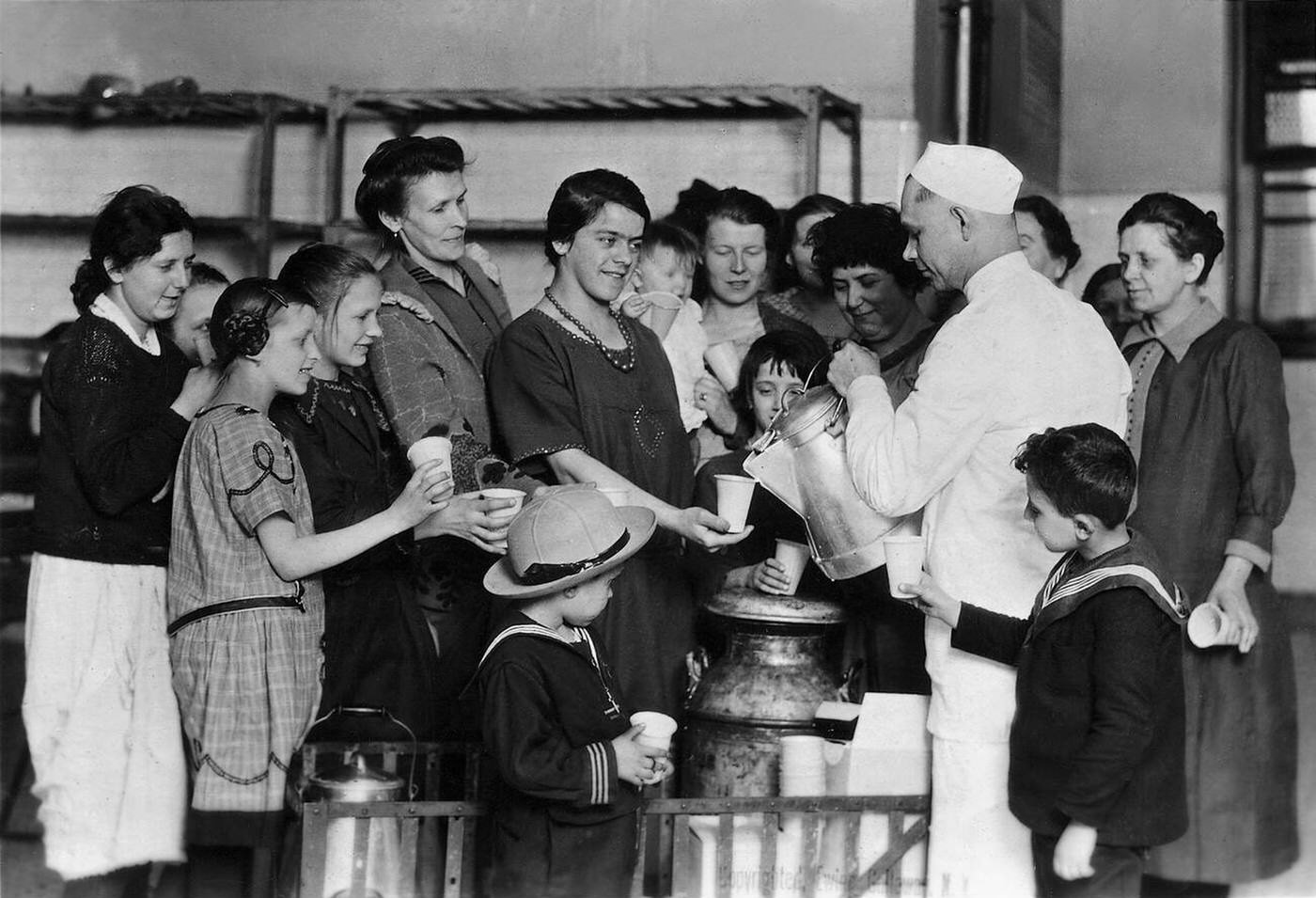
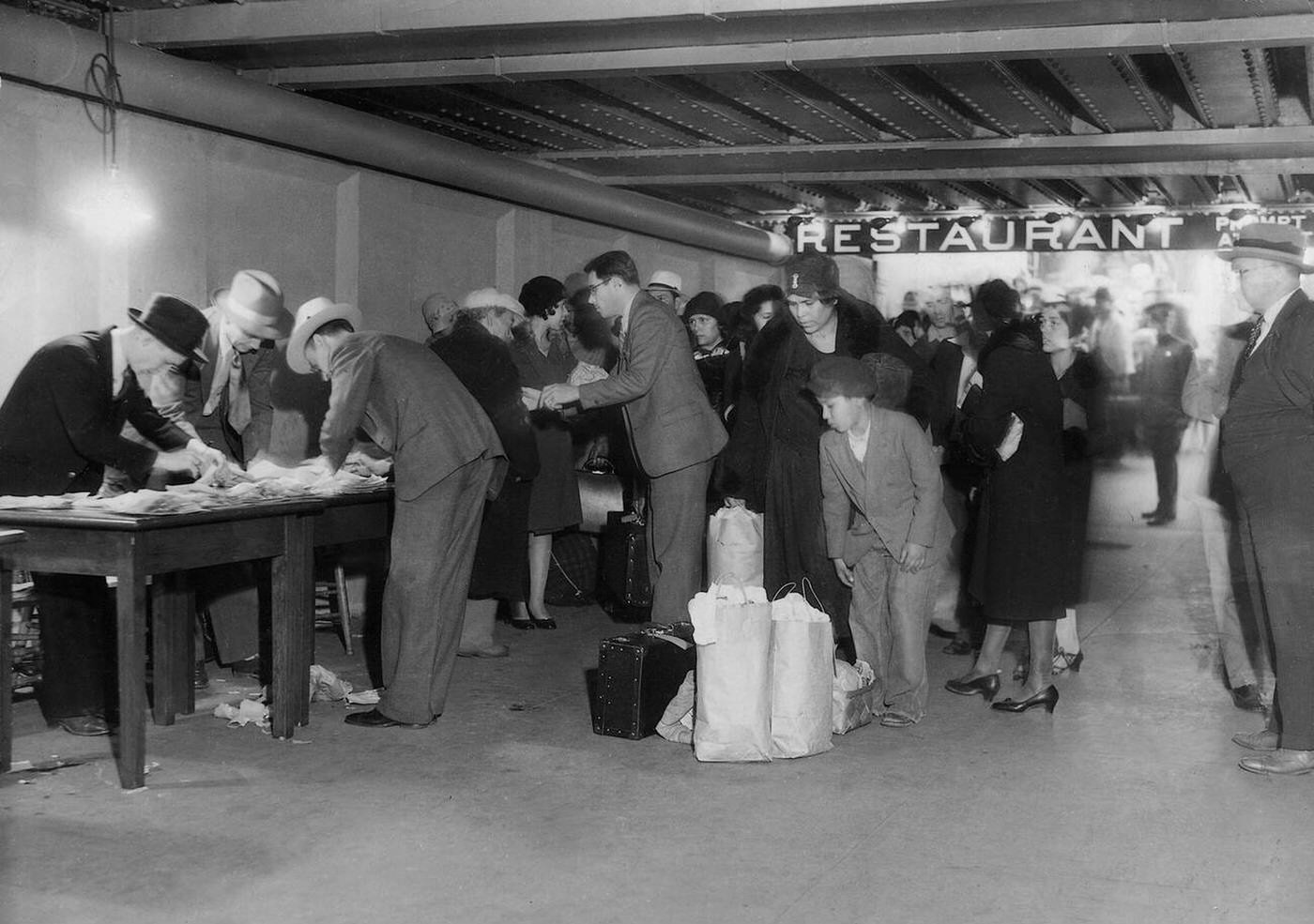
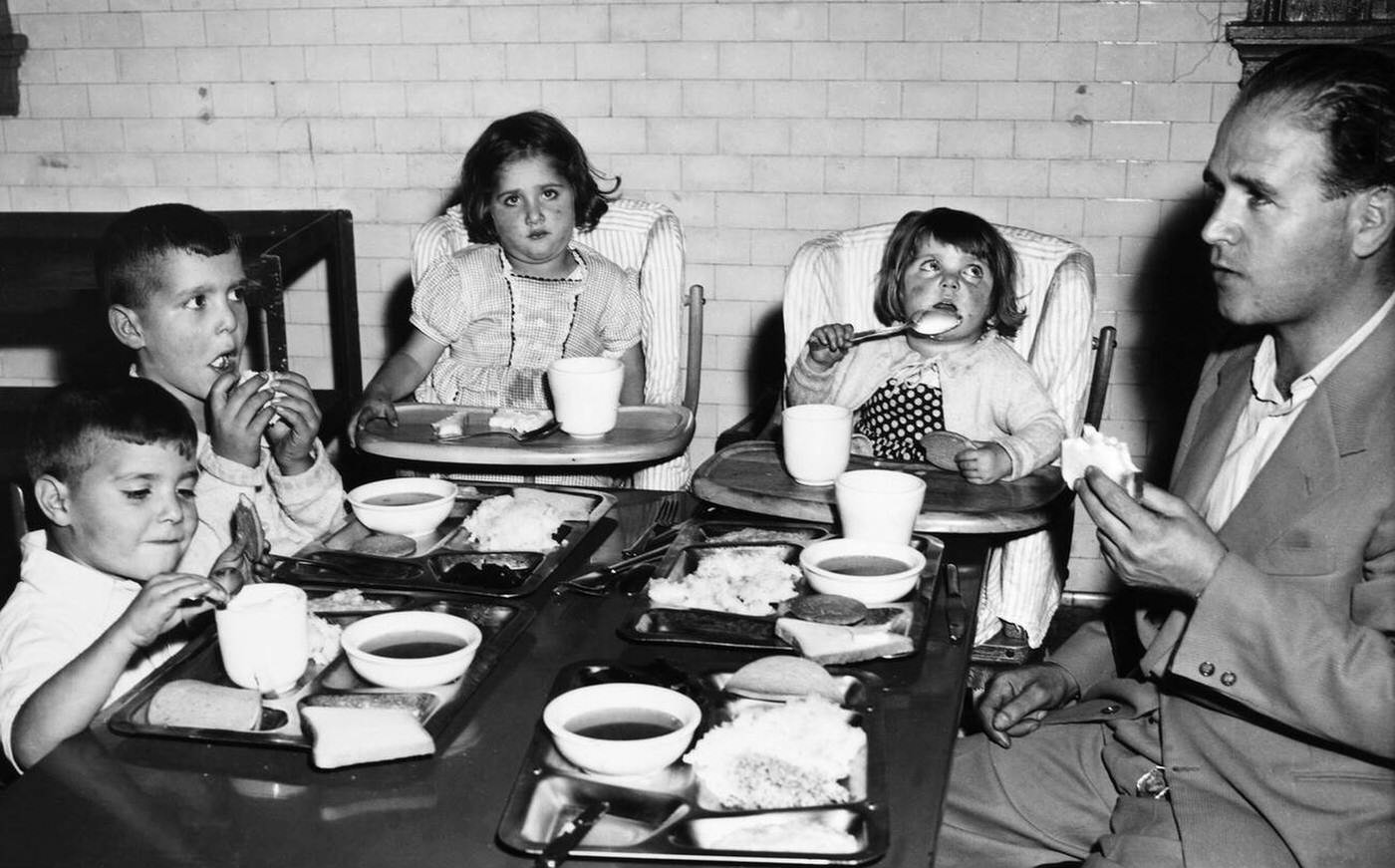
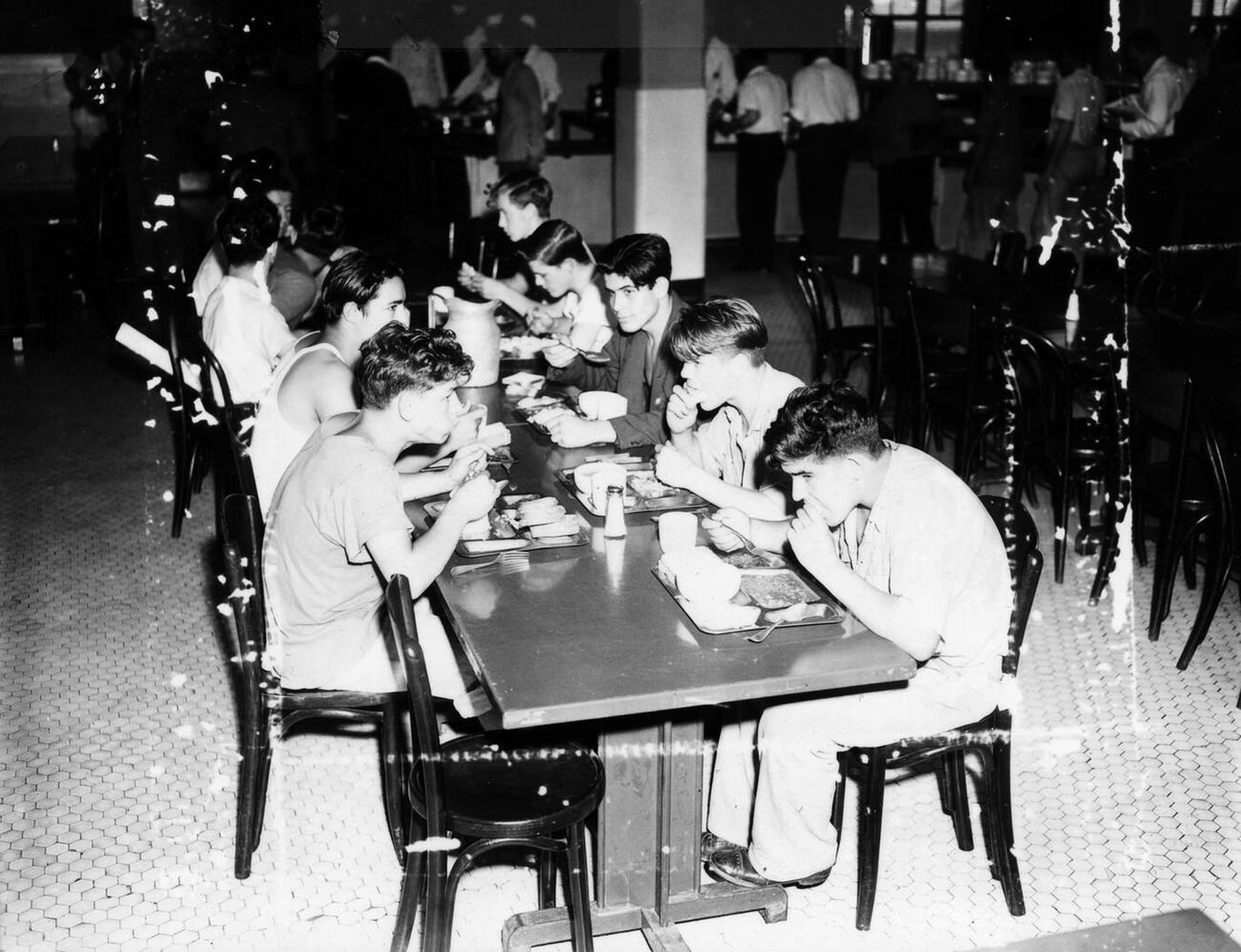
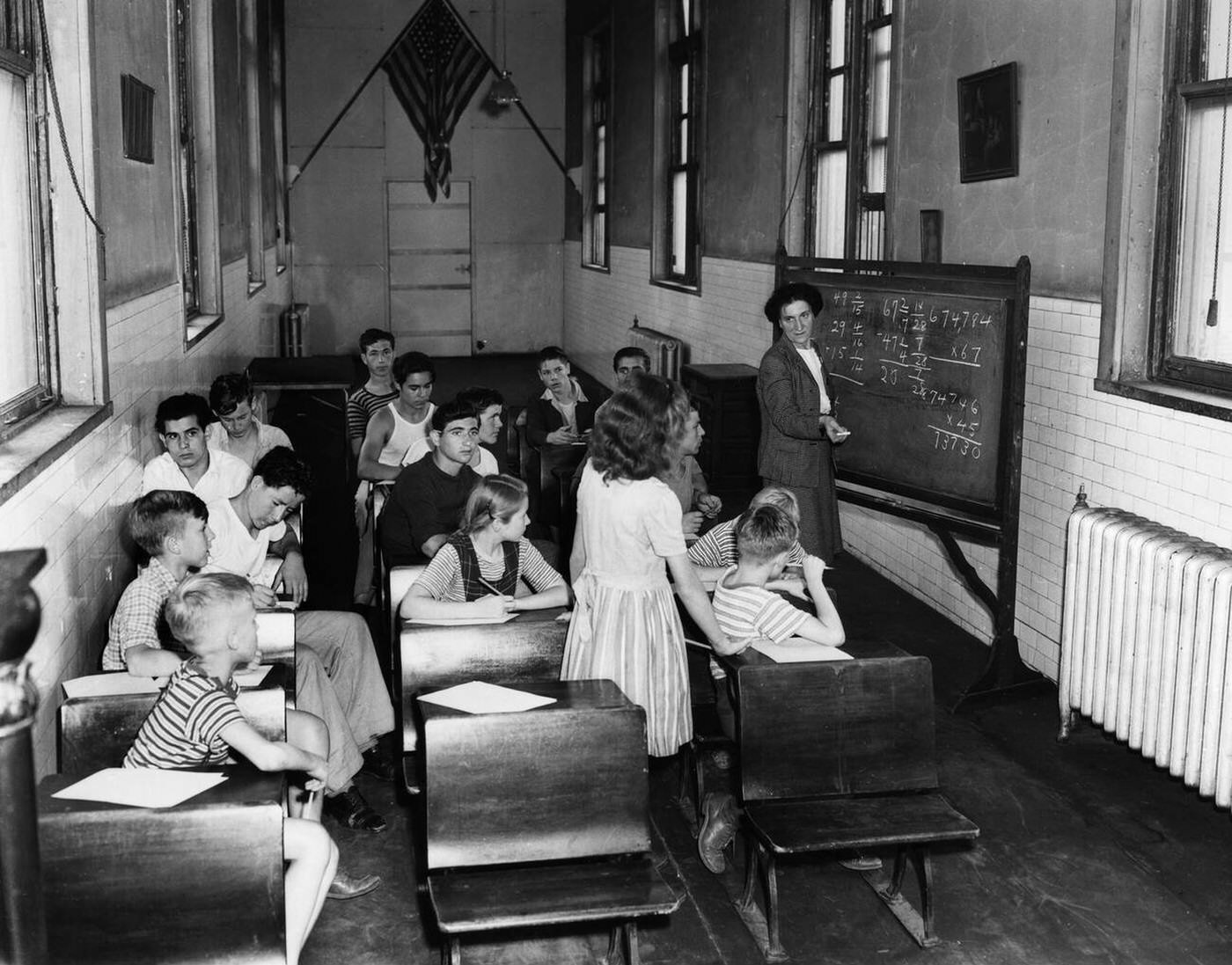
Ellis Island had dormitories, a hospital, a restaurant, and even a detention room. The food served — white bread, prunes, and beef stew — was unfamiliar to most arrivals. The hospital treated diseases like trachoma, tuberculosis, and scarlet fever. Those too sick to be treated were deported.
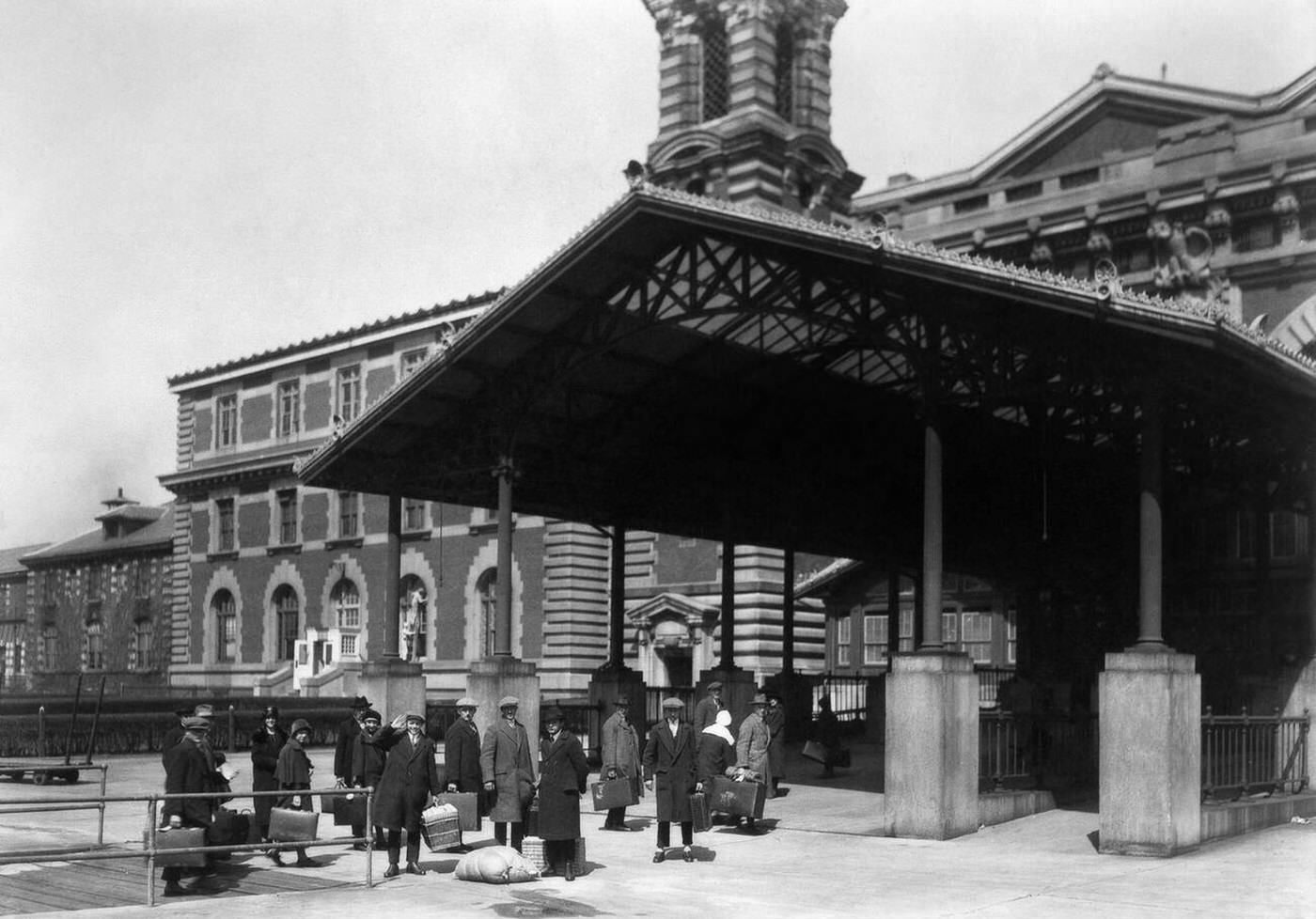
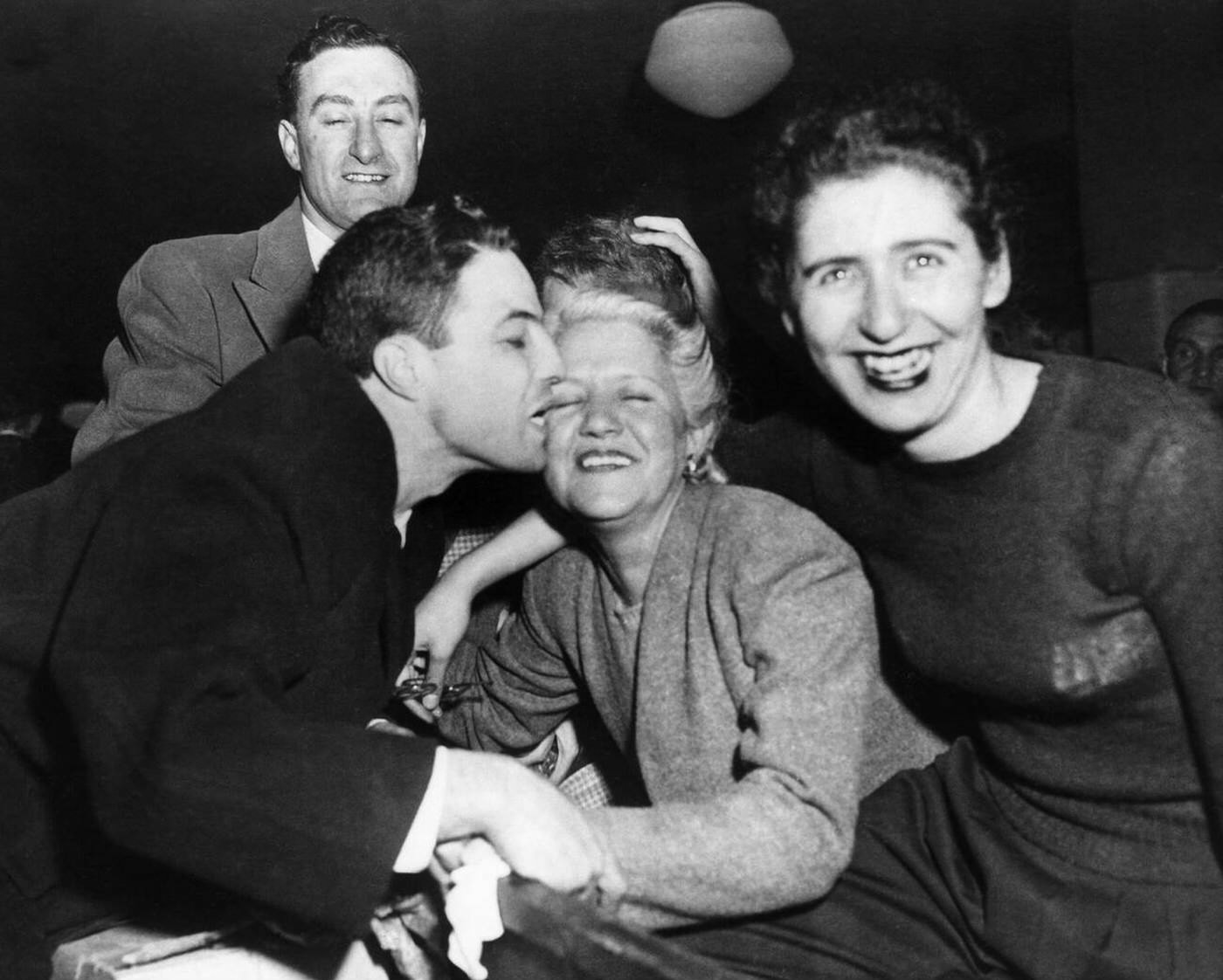
Most immigrants cleared the entire process in three to five hours and walked out into New York City with a small amount of money, an address scribbled on a piece of paper, and no guarantee of what came next.






















GIPHY App Key not set. Please check settings